

MoleculeNet: a benchmark for molecular machine learning
Open accessThe DOI matches its Crossref record; 82 of the 82 references it cites were found in a registry or an index.
Abstract
A large scale benchmark for molecular machine learning consisting of multiple public datasets, metrics, featurizations and learning algorithms.
Overview
The claims and statistics of this paper haven’t been checked yet.
Free: it reads the open-access text and checks the first 5 claims that cite a source we can check. Create a free account to check every claim.
Integrity signals
Registry
Cites
Statistics
Figures






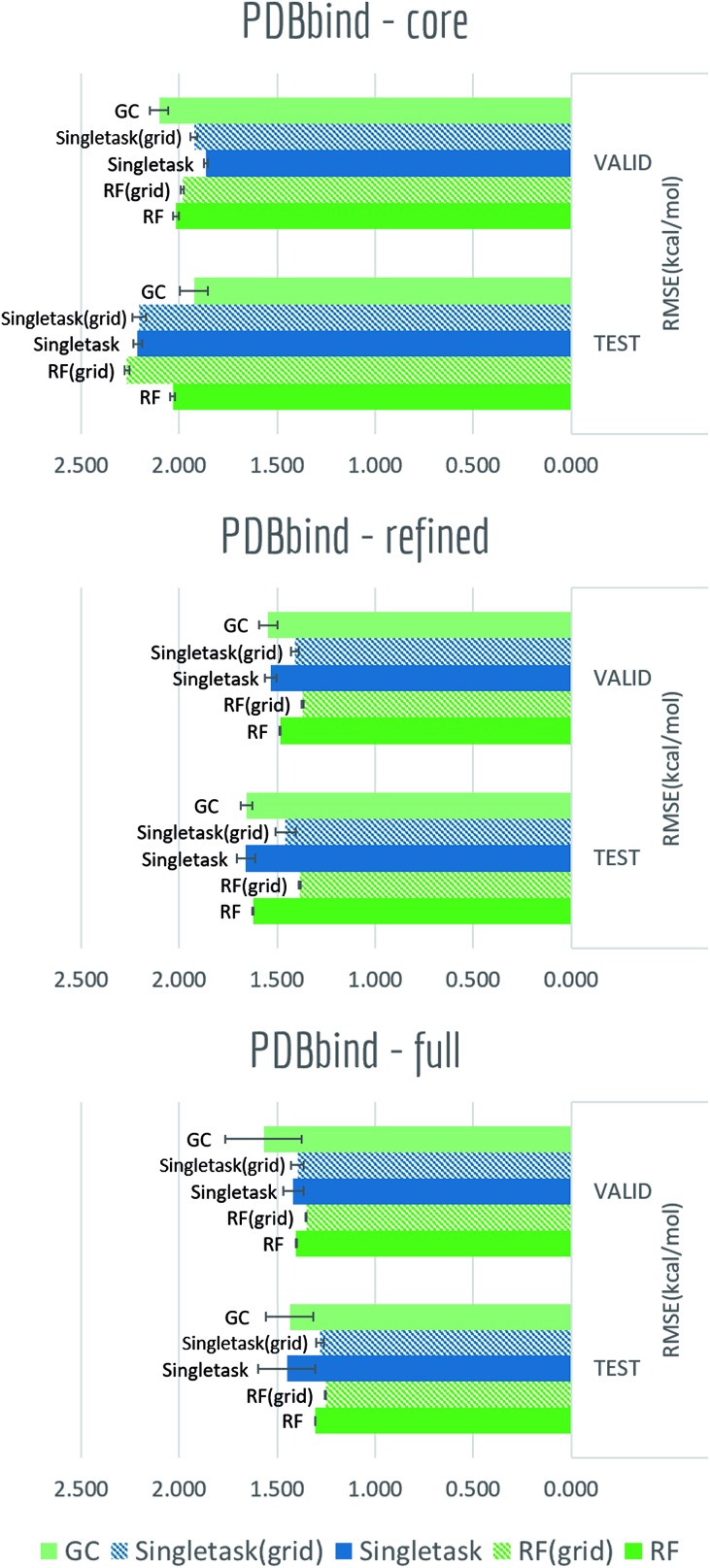

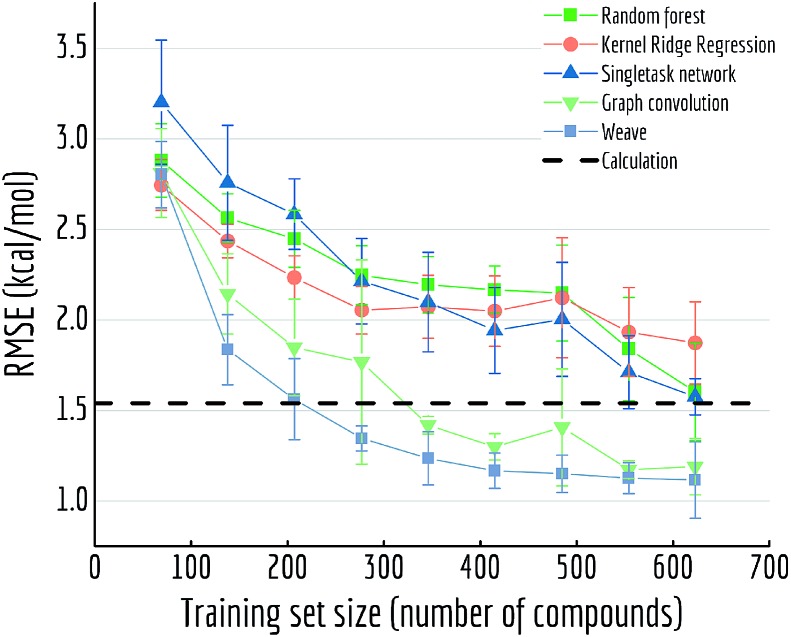
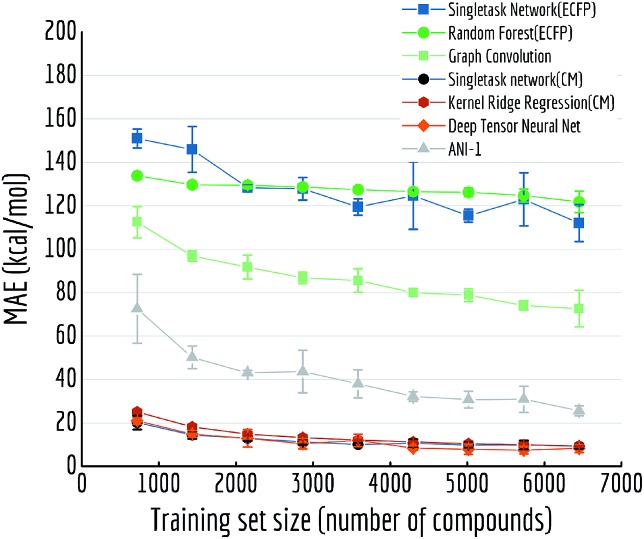
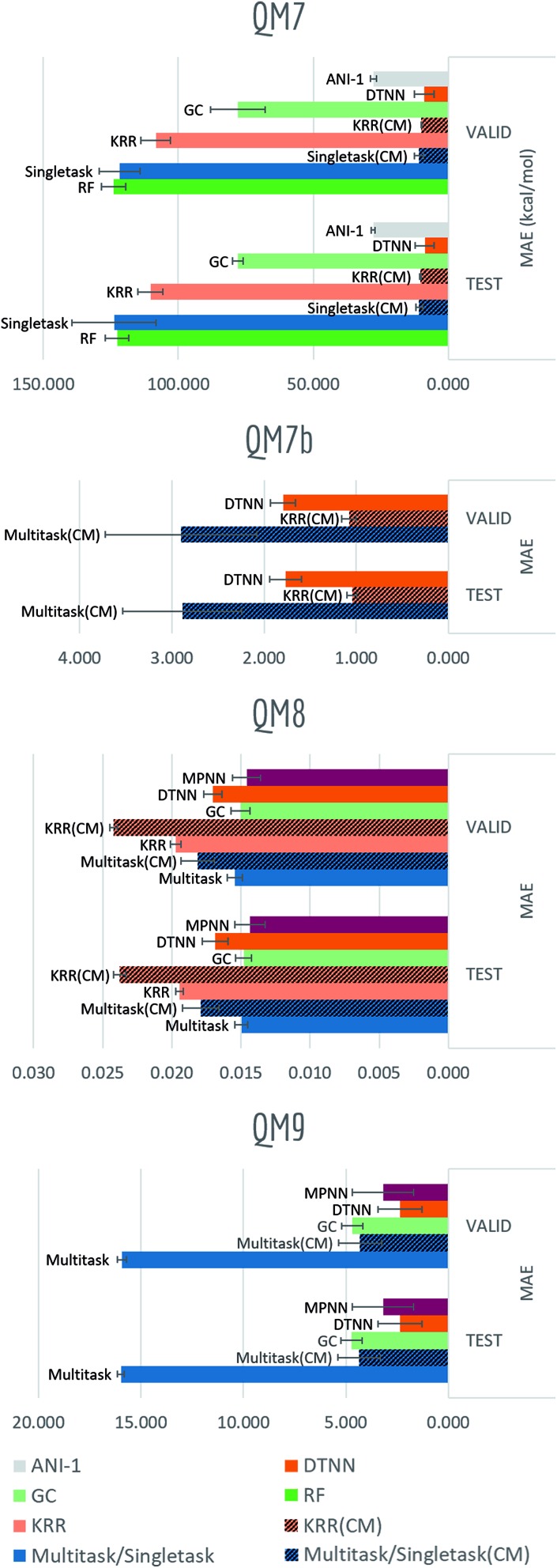
Verification
Claims the paper makes
The claims and statistics of this paper haven’t been checked yet.
Free: it reads the open-access text and checks the first 5 claims that cite a source we can check. Create a free account to check every claim.
Claims other papers make about this one
Each is checked against this paper’s own text: does it say what the citing paper says it does?
The source backs part of the claim, not all of it — or backs it for a different population, condition or comparison.
In the citing paper
“the availability of larger data sets (9) and easy-to-use tools (10,11) has particularly transformed this landscape.”
From Machine Learning for the Discovery, Design, and Engineering of Materials. (2022) · cites this paper as [10]
Experimental — accuracy not yet measuredThe cited source says what the claim attributes to it.
In the citing paper
“Another platform called MoleculeNet is also used to translate two-dimensional molecular structures into novel features/descriptors, which can then be used in predicting toxicity of the given molecule. The MoleculeNet platform is built on data from various public databases and more than 700,000 compounds have already been tested for toxicity or other properties [20].”
From The rise of artificial intelligence in healthcare applications (2020) · cites this paper as [20]
The cited source says what the claim attributes to it.
In the citing paper
“Initiatives like the DREAM Challenges,284 MoleculeNet,110 and Therapeutic Data Commons285 offer benchmark data sets across a wide spectrum of prediction tasks for pharmacology.”
From Advancing Targeted Protein Degradation via Multiomics Profiling and Artificial Intelligence (2023) · cites this paper as [110]
The check wasn’t confident either way, so it gives no verdict — never disputed.
In the citing paper
“However, ChemBERTa was found to perform better than Chemprop on a number of other MoleculeNet benchmark tasks51”
From OnSIDES database: Extracting adverse drug events from drug labels using natural language processing models (2025) · cites this paper as [51]
Experimental — accuracy not yet measured
Self-check
Percentages, sums and reported differences re-computed from the paper’s own numbers.
The self-check needs the paper’s full text.
Citations
Cites
Breiman, L. (2001) · Machine Learning · doi:10.1023/a:1010933404324 · Cited by 133,538
LeCun, Y., Bengio, Y., & Hinton, G. (2015) · Nature · doi:10.1038/nature14539 · Cited by 84,126
Scikit-learn: Machine Learning in Python
Pedregosa, F., Varoquaux, G., Gramfort, A., Michel, V., Thirion, B., Grisel, O., Blondel, M., Müller, A., Nothman, J., Louppe, G., et al. (2012) · arXiv · doi:10.48550/arxiv.1201.0490 · Cited by 71,016
ImageNet: A large-scale hierarchical image database
Deng, J., Dong, W., Socher, R., Li, L.-J., Li, K., & Fei-Fei, L. (2009) · 2009 IEEE Conference on Computer Vision and Pattern Recognition · doi:10.1109/cvpr.2009.5206848 · Cited by 65,333
Cortes, C., & Vapnik, V. (1995) · Machine Learning · doi:10.1007/bf00994018 · Cited by 59,421
Cortes, C., & Vapnik, V. (1995) · Machine-mediated learning · doi:10.1023/a:1022627411411 · Cited by 48,445
ImageNet Large Scale Visual Recognition Challenge
Russakovsky, O., Deng, J., Su, H., Krause, J., Satheesh, S., Ma, S., Huang, Z., Karpathy, A., Khosla, A., Bernstein, M., et al. (2015) · International Journal of Computer Vision · doi:10.1007/s11263-015-0816-y · Cited by 39,380
Greedy function approximation: A gradient boosting machine
Friedman, J. H. (2001) · The Annals of Statistics · doi:10.1214/aos/1013203451 · Cited by 30,731
The Elements of Statistical Learning
Hastie, T., Tibshirani, R., & Friedman, J. (2009) · Springer Series in Statistics · doi:10.1007/978-0-387-84858-7 · Cited by 25,970
Deep learning in neural networks: an overview
Schmidhuber, J. (2015) · Neural Networks · doi:10.1016/j.neunet.2014.09.003 · Cited by 18,570
Research works printed but not linked: 11
- Mitchell, 2014, Wiley Interdiscip. Rev.: Comput. Mol. Sci., 4, 468
- T. Unterthiner , A.Mayr , G.Klambauer , M.Steijaert , J.Wenger , H.Ceulemans and S.Hochreiter , Deep Learning and Representation Learning Workshop (NIPS 2014) , 2014
- Delaney, 2004, J. Chem. Inf. Model., 44, 1000
- J. Deng , W.Dong , R.Socher , L.-J.Li , K.Li and L.Fei-Fei , CVPR09 , 2009
- A. Krizhevsky , I.Sutskever and G. E.Hinton , NIPS Proceedings , 2012
- Pedregosa, 2011, J. Mach. Learn. Res., 12, 2825
- Quantum Machine , http://quantum-machine.org/datasets/ , accessed 2017-09-27
- Medical Dictionary for Regulatory Activities , http://www.meddra.org/ , accessed 2017-09-27
- Artemov, 2016, bioRxiv, Biochem., 095653
- Aggregate Analysis of ClincalTrials.gov (AACT) Database , http://www.ctti-clinicaltrials.org/aact-database , accessed 2017-09-27
- Cortes, 1995, Mach. Learn., 20, 273
Cited by
Items 701–800 of 1,019
Siamese Recurrent Neural Network with a Self-Attention Mechanism for Bioactivity Prediction
Fernández-Llaneza, D., Ulander, S., Gogishvili, D., Nittinger, E., Zhao, H., & Tyrchan, C. (2021) · ACS Omega · doi:10.1021/acsomega.1c01266 · Cited by 47
DeepBBBP: High Accuracy Blood‐brain‐barrier Permeability Prediction with a Mixed Deep Learning Model
Parakkal, S. C., Datta, R., & Das, D. (2022) · Molecular Informatics · doi:10.1002/minf.202100315 · Cited by 38
Molecular Mechanics-Driven Graph Neural Network with Multiplex Graph for Molecular StructuresPreprint
Zhang, S., Liu, Y., & Xie, L. (2020) · arXiv (Cornell University) · doi:10.48550/arxiv.2011.07457 · Cited by 87
“To solve this issue, angular information is further used in GNNs to achieve higher expressive power [8, 9].”
BackgroundMethodResultInfluentialMachine learning techniques for lipid nanoparticle formulation
Li, H., Zhao, Y., & Xu, C. (2025) · Nano Convergence · doi:10.1186/s40580-025-00502-4 · Cited by 43
“…not running a standardized benchmark would be the bane of other researchers when it comes to comparing new algorithms with those previously reported, since different datasets, their pre-training preparation like splitting methods, and evaluation metrics cannot be compared directly [12, 90].”
Predicting liver cytosol stability of small molecules
Shah, P., Siramshetty, V. B., Zakharov, A. V., Southall, N. T., Xu, X., & Nguyễn, Ð.-T. (2020) · Journal of Cheminformatics · doi:10.1186/s13321-020-00426-7 · Cited by 44
Lim, S., & Lee, Y. O. (2021) · Proceedings - International Conference on Pattern Recognition/Proceedings/International Conference on Pattern Recognition · doi:10.1109/icpr48806.2021.9412555 · Cited by 41
Itoh, T., Kubo, T., & Ikeda, K. (2021) · Neural Networks · doi:10.1016/j.neunet.2021.11.001 · Cited by 38
“ogbg-molhiv is a dataset for a molecular property prediction task, originally introduced in Wu et al. (2018).”
BackgroundLi, C., Wei, W., Li, J., Yao, J., Zeng, X., & Lv, Z. (2021) · IEEE Journal of Biomedical and Health Informatics · doi:10.1109/jbhi.2021.3089162 · Cited by 40
“We evaluate the proposed 3DMol-Net on the basis of several commonly moleculedatasetsrecommendedbyMoleculeNet[5].”
BackgroundMethodInfluentialMoving closer to experimental level materials property prediction using AI
Jha, D., Gupta, V., Liao, W., Choudhary, A., & Agrawal, A. (2022) · Scientific Reports · doi:10.1038/s41598-022-15816-0 · Cited by 44
Multi-View Graph Neural Networks for Molecular Property PredictionPreprint
Ma, H., Bian, Y., Rong, Y., Huang, W., Xu, T., Xie, W., Ye, G., & Huang, J. (2020) · arXiv (Cornell University) · doi:10.48550/arxiv.2005.13607 · Cited by 36
“Table 4 summaries the dataset statistics [30], including the property category, number of tasks and evaluation metrics of all datasets.”
BackgroundPredicting hERG channel blockers with directed message passing neural networks
Shan, M., Chen, J., Chen, J., Qin, L., Qin, J., & Cheng, G. (2022) · RSC Advances · doi:10.1039/d1ra07956e · Cited by 35
Advancing structural biology through breakthroughs in AI
Aithani, L., Alcaide, E., Bartunov, S., Cooper, C. D. O., Dore, A. S., Lane, T. J., Maclean, F., Rucktooa, P., Shaw, R. A., & Skerratt, S. E. (2023) · Current Opinion in Structural Biology · doi:10.1016/j.sbi.2023.102601 · Cited by 36
Current Trends and Challenges in Drug-Likeness Prediction: Are They Generalizable and Interpretable?
Zhu, W., Wang, Y., Niu, Y., Zhang, L., & Liu, Z. (2023) · Health Data Science · doi:10.34133/hds.0098 · Cited by 46
Hu, J., Li, Z., Lin, J., & Zhang, L. (2023) · ACS Applied Materials & Interfaces · doi:10.1021/acsami.3c13698 · Cited by 38
State of the Art and Potentialities of Graph-level Learning
Yang, Z., Zhang, G., Wu, J. X., Yang, J. Y., Sheng, Q. Z., Xue, S., Zhou, C. D., Aggarwal, C. C., Peng, H., Hu, W., et al. (2024) · ACM Computing Surveys · doi:10.1145/3695863 · Cited by 58
“To this end, Wu et al. [2] proposed a benchmark named MOLECU-LENET that contains a set of large-scale graph datasets of molecules for their property prediction.”
A Novel Interpretable Graph Convolutional Neural Network for Multimodal Brain Tumor Segmentation
Choudhry, I. A., Iqbal, S., Alhussein, M. A., Aurangzeb, K., Qureshi, A. N., & Hussain, A. (2024) · Cognitive Computation · doi:10.1007/s12559-024-10387-w · Cited by 39
“Examples of these non-Euclidean spaces are found in many fields, such as social networks [12], chemistry [13], scene graph analysis [14], and 3D-shape analysis[15].”
Using GNN property predictors as molecule generators
Therrien, F., Sargent, E. H., & Voznyy, O. (2025) · Nature Communications · doi:10.1038/s41467-025-59439-1 · Cited by 44
Molecule Identification with Rotational Spectroscopy and Probabilistic Deep Learning
McCarthy, M. C., & Lee, K. L. K. (2020) · The Journal of Physical Chemistry A · doi:10.1021/acs.jpca.0c01376 · Cited by 40
Machine-guided representation for accurate graph-based molecular machine learning
Na, G. S., Chang, H., & Kim, H. W. (2020) · Physical Chemistry Chemical Physics · doi:10.1039/d0cp02709j · Cited by 35
Comprehensive Study on Molecular Supervised Learning with Graph Neural Networks
Hwang, D., Yang, S., Kwon, Y., Lee, K. H., Lee, G., Jo, H., Yoon, S., & Ryu, S. (2020) · Journal of Chemical Information and Modeling · doi:10.1021/acs.jcim.0c00416 · Cited by 40
Kim, H. W., Lee, S., Na, G. S., Han, S. J., Kim, S. K., Shin, J. H., Chang, H., & Kim, Y. T. (2020) · Reaction Chemistry & Engineering · doi:10.1039/d0re00378f · Cited by 38
Practical notes on building molecular graph generative models
Mercado, R., Rastemo, T., Lindelöf, E., Klambauer, G., Engkvist, O., Chen, H., & Bjerrum, E. J. (2020) · Applied AI Letters · doi:10.1002/ail2.18 · Cited by 38
Machine Learning for In Silico ADMET Prediction
Jia, L., & Gao, H. (2021) · Methods in molecular biology · doi:10.1007/978-1-0716-1787-8_20 · Cited by 42
GNES: Learning to Explain Graph Neural Networks
Gao, Y., Sun, T., Bhatt, R., Yu, D., Hong, S.-S., & Zhao, L. (2021) · Proceedings · doi:10.1109/icdm51629.2021.00023 · Cited by 48
“Following the existing works on molecule classification [36], we split the dataset into train/validation/test with an 80/10/10 split ratio.”
MethodYang, Q., Liu, Y., Cheng, J., Li, Y., Liu, S., Duan, Y., Zhang, L., & Luo, S. (2022) · ChemPhysChem · doi:10.1002/cphc.202200255 · Cited by 39
ChemInformatics Model Explorer (CIME): exploratory analysis of chemical model explanations
Humer, C., Heberle, H., Montanari, F., Wolf, T., Huber, F., Henderson, R., Heinrich, J., & Streit, M. (2022) · Journal of Cheminformatics · doi:10.1186/s13321-022-00600-z · Cited by 39
“The lipophilicity dataset was taken from the MoleculeNet datasets [57].”
MethodMachine Learning Modeling of Environmentally Relevant Chemical Reactions for Organic Compounds
Zhang, K., & Zhang, H. J. (2022) · ACS ES&T Water · doi:10.1021/acsestwater.2c00193 · Cited by 34
Disentangled Graph Contrastive Learning With Independence Promotion
Li, H., Zhang, Z., Wang, X. Y., & Zhu, W. (2022) · IEEE Transactions on Knowledge and Data Engineering · doi:10.1109/tkde.2022.3206875 · Cited by 40
Rodríguez-Pérez, R., Trunzer, M., Schneider, N., Faller, B., & Gerebtzoff, G. (2022) · Molecular Pharmaceutics · doi:10.1021/acs.molpharmaceut.2c00680 · Cited by 39
Liu, Y., Wang, Y., Vu, O., Moretti, R., Bodenheimer, B., Meiler, J., & Derr, T. (2023) · Proceedings of the AAAI Conference on Artificial Intelligence · doi:10.1609/aaai.v37i12.26679 · Cited by 52
Kimber, T. B., Engelke, S., Tetko, I. V., Bruno, E. N., & Godin, G. (2018) · arXiv (Cornell University) · doi:10.48550/arxiv.1812.04439 · Cited by 63
“For classification, we test the following: HIV (Wu et al. [44]), AMES (Sushko et al. [35]), BACE (Wu et al. [44]), Clintox (Wu et al. [44]), Tox21 (Wu et al. [44]), the BBBP, blood-brain barrier penetration (Wu et al. [44]), JAK3 (Suzuki et al. [37]), BioDeg (Vorberg and Tetko [41]) and RP AR…”
BackgroundMethodResultInfluentialGenerative Models as Distributions of Functions
Dupont, E., Teh, Y. W., & Doucet, A. (2021) · Oxford University Research Archive (ORA) (University of Oxford) · doi:10.48550/arxiv.2102.04776 · Cited by 81
In Silico Prediction of Chemical Acute Dermal Toxicity Using Explainable Machine Learning Methods
Lou, S., Yu, Z., Huang, Z., Wang, H., Pan, F., Li, W., Liu, G., & Tang, Y. (2024) · Chemical Research in Toxicology · doi:10.1021/acs.chemrestox.4c00012 · Cited by 38
Kengkanna, A., & Ohue, M. (2024) · Communications Chemistry · doi:10.1038/s42004-024-01155-w · Cited by 36
“To support this concept, further experiments of multiple molecular graph representations are conducted on simple GCN model and advanced AttentiveFP 36 model with general benchmark datasets from MoleculeNet.”
InfluentialWang, X., Liu, M., Zhang, L., Wang, Y., Li, Y., & Lu, T. (2020) · Journal of Chemical Information and Modeling · doi:10.1021/acs.jcim.0c00568 · Cited by 38
MEG: Generating Molecular Counterfactual Explanations for Deep Graph Networks
Numeroso, D., & Bacciu, D. (2021) · International Joint Conference on Neural Networks (IJCNN) · doi:10.1109/ijcnn52387.2021.9534266 · Cited by 69
Polygrammar: Grammar for Digital Polymer Representation and Generation
Guo, M., Shou, W., Makatura, L., Erps, T., Foshey, M., & Matusik, W. (2022) · Advanced Science · doi:10.1002/advs.202101864 · Cited by 46
“Such a large (ideally exhaustive) collection of polymers would be particularly powerful in conjunction with machine learning and numerical simulation techniques, as a way to facilitate complicated tasks like human-guided molecular exploration[1-12], property prediction[13-17], and retro-synthesis[18,19].”
BackgroundMultitask machine learning models for predicting lipophilicity (logP) in the SAMPL7 challenge
Lenselink, E. B., & Stouten, P. F. W. (2021) · Journal of Computer-Aided Molecular Design · doi:10.1007/s10822-021-00405-6 · Cited by 44
Invited: Drug Discovery Approaches using Quantum Machine Learning
Li, J., Alam, M., Sha, C. M., Wang, J., Dokholyan, N. V., & Ghosh, S. (2021) · ACM/IEEE Design Automation Conference (DAC) · doi:10.1109/dac18074.2021.9586268 · Cited by 73
Zhang, K., & Zhang, H. J. (2022) · Environmental Science & Technology · doi:10.1021/acs.est.1c05398 · Cited by 34
MolXPT: Wrapping Molecules with Text for Generative Pre-training
Liu, Z., Zhang, W., Xia, Y., Wu, L., Xie, S., Qin, T., Zhang, M., & Liu, T. (2023) · Proceedings of the conference - Association for Computational Linguistics. Meeting · doi:10.18653/v1/2023.acl-short.138 · Cited by 139
Boosting the predictive performance with aqueous solubility dataset curation
Meng, J., Chen, P., Wahib, M., Yang, M., Zheng, L., Wei, Y., Feng, S., & Liu, W. (2022) · Scientific Data · doi:10.1038/s41597-022-01154-3 · Cited by 49
Gradient-Weighted Class Activation Mapping for Spatio Temporal Graph Convolutional Network
Das, P., & Ortega, A. (2022) · IEEE International Conference on Acoustics Speech and Signal Processing · doi:10.1109/icassp43922.2022.9746621 · Cited by 37
Molecular geometric deep learning
Shen, C., Luo, J., & Xia, K. (2023) · Cell Reports Methods · doi:10.1016/j.crmeth.2023.100621 · Cited by 46
“In this task, we use the dataset from DeepDDS[42], which contains 36 anticancer drugs, 31 human cancer cell lines, and 12,415 unique drug pair-cell line combinations.”
MethodToxMPNN: A deep learning model for small molecule toxicity prediction
Zhou, Y., Ning, C., Tan, Y., Li, Y., Wang, J., Shu, Y., Liang, S., Liu, Z., & Wang, Y. (2024) · Journal of Applied Toxicology · doi:10.1002/jat.4591 · Cited by 37
“The models are constructed based on Python, Conda, RDkit (Landrum, 2013), Sklearn (Pedregosa et al., 2011), Pytorch (Paszke et al., 2019), Tensorflow (Abadi et al., 2016), Deepchem (Wu et al., 2018), Deepchemprop (Yang et al., 2019), and a series of open source software and neural network frameworks.”
MethodTransfer learning empowers accurate pharmacokinetics prediction of small samples
Guo, W., Dong, Y., & Hao, G. (2024) · Drug Discovery Today · doi:10.1016/j.drudis.2024.103946 · Cited by 34
A System for Learning Atoms Based on Long Short-Term Memory Recurrent Neural Networks
Quan, Z., Lin, X., Wang, Z.-J., Liu, Y., Wang, F., & Li, K. (2018) · IEEE International Conference on Bioinformatics and Biomedicine (BIBM) · doi:10.1109/bibm.2018.8621313 · Cited by 40
“In our experiments we use two split methods mentioned in [24].”
MethodInfluentialSymmetrical Graph Neural Network for Quantum Chemistry with Dual Real and Momenta Space
Ye, S., Liang, J., Liu, R., & Zhu, X. (2020) · The Journal of Physical Chemistry A · doi:10.1021/acs.jpca.0c03201 · Cited by 38
Laghuvarapu, S., Pathak, Y., & Priyakumar, U. D. (2019) · Journal of Computational Chemistry · doi:10.1002/jcc.26128 · Cited by 36
Different molecular enumeration influences in deep learning: an example using aqueous solubility
Chen, J., & Tseng, Y. J. (2020) · Briefings in Bioinformatics · doi:10.1093/bib/bbaa092 · Cited by 38
Analytical Model of Electron Density and Its Machine Learning Inference
Cuevas-Zuviría, B., & Pacios, L. F. (2020) · Journal of Chemical Information and Modeling · doi:10.1021/acs.jcim.0c00197 · Cited by 36
Introducing block design in graph neural networks for molecular properties prediction
Li, Y., Li, P., Yang, X., Hsieh, C., Zhang, S., Wang, X., Lu, R., Liu, H., & Yao, X. (2021) · Chemical Engineering Journal · doi:10.1016/j.cej.2021.128817 · Cited by 34
Abdelkader, W., Navarro, T., Parrish, R., Cotoi, C., Germini, F., Iorio, A., Haynes, R. B., & Lokker, C. (2021) · JMIR Medical Informatics · doi:10.2196/30401 · Cited by 41
Trends in Deep Learning for Property-driven Drug Design
Born, J., & Manica, M. (2021) · Current Medicinal Chemistry · doi:10.2174/0929867328666210729115728 · Cited by 44
Propagation Enhanced Neural Message Passing for Graph Representation Learning
Fan, X., Gong, M., Wu, Y., Qin, A. K., & Xie, Y. (2021) · IEEE Transactions on Knowledge and Data Engineering · doi:10.1109/tkde.2021.3102964 · Cited by 33
“We conduct graph regression experiments on the QM9 data-set [28] which consists of 130,462 molecules with 19 regression targets.”
MethodMolData, a molecular benchmark for disease and target based machine learning
Arshadi, A. K., Salem, M., Firouzbakht, A., & Yuan, J. S. (2022) · Journal of Cheminformatics · doi:10.1186/s13321-022-00590-y · Cited by 38
“The fingerprints were extracted using RDKit and DeepChem version 2.5.0.”
BackgroundInfluentialKim, H., Park, M., Lee, I., & Nam, H. (2022) · Briefings in Bioinformatics · doi:10.1093/bib/bbac211 · Cited by 35
Molecular Joint Representation Learning via Multi-Modal Information of SMILES and Graphs
Wu, T., Tang, Y. S., Sun, Q., & Xiong, L. (2023) · IEEE Transactions on Computational Biology and Bioinformatics · doi:10.1109/tcbb.2023.3253862 · Cited by 47
“We compare MMSG with 19 baseline methods, including the models appeared in the MolecularNet and several state-of-the-art approaches, totally numbered 20.”
MethodInfluentialSinitskiy, A. V., & Pande, V. S. (2018) · arXiv (Cornell University) · doi:10.48550/arxiv.1809.02723 · Cited by 60
Self-citationAll SMILES Variational AutoencoderPreprint
Alperstein, Z., Cherkasov, A. R., & Rolfe, J. T. (2019) · arXiv (Cornell University) · doi:10.48550/arxiv.1905.13343 · Cited by 57
MF-PCBA: Multifidelity High-Throughput Screening Benchmarks for Drug Discovery and Machine Learning
Buterez, D., Janet, J. P., Kiddle, S. J., & Lió, P. (2023) · Journal of Chemical Information and Modeling · doi:10.1021/acs.jcim.2c01569 · Cited by 46
Enhancing Out-of-distribution Generalization on Graphs via Causal Attention Learning
Sui, Y., Mao, W., Wang, S., Wang, X., Wu, J., He, X., & Chua, T. (2024) · ACM Transactions on Knowledge Discovery from Data · doi:10.1145/3644392 · Cited by 35
“Specifically, Molhiv and Molbbbp are real-world molecular datasets adapted from Molecu-leNet [76], with nodes representing atoms and edges representing chemical bonds.”
BackgroundWognum, C., Ash, J. R., Aldeghi, M., Rodríguez-Pérez, R., Fang, C., Cheng, A. C., Price, D. J., Clevert, D.-A., Engkvist, O., & Walters, W. P. (2024) · Nature Machine Intelligence · doi:10.1038/s42256-024-00911-w · Cited by 45
Seq3seq Fingerprint: Towards End-to-end Semi-supervised Deep Drug Discovery
Zhang, X., Wang, S., Zhu, F., Xu, Z., Wang, Y., & Huang, J. (2018) · ACM International Conference on Bioinformatics, Computational Biology, and Health Informatics (ACM-BCB) · doi:10.1145/3233547.3233548 · Cited by 49
Dan, Y., Dong, R., Cao, Z., Li, X., Niu, C., Li, S., & Hu, J. (2020) · IEEE Access · doi:10.1109/access.2020.2981874 · Cited by 38
“In the field of material research, CNN models have been used to improve the characterization method after modeling the microstructure data of the material [42]–[44] and to predict the crystal structure and molecular properties [45]–[47].”
MethodMulti-view self-attention for interpretable drug–target interaction prediction
Agyemang, B., Wu, W., Kpiebaareh, M. Y., Lei, Z., Nanor, E., & Chen, L. (2020) · Journal of Biomedical Informatics · doi:10.1016/j.jbi.2020.103547 · Cited by 35
Graph Neural Networks with Multiple Feature Extraction Paths for Chemical Property Estimation
Ishida, S., Miyazaki, T., Sugaya, Y., & Omachi, S. (2021) · Molecules · doi:10.3390/molecules26113125 · Cited by 37
“We incorporate three-dimensional structural information into feature updates based on Reference [7].”
MethodInfluentialSakiyama, H., Fukuda, M., & Okuno, T. (2021) · Molecules · doi:10.3390/molecules26247428 · Cited by 39
“This dataset has been adopted by MoleculeNet as a benchmark dataset for machine learning (ML) [11,12].”
BackgroundMethodInfluentialBINANA 2: Characterizing Receptor/Ligand Interactions in Python and JavaScript
Young, J. N., Garikipati, N., & Durrant, J. D. (2022) · Journal of Chemical Information and Modeling · doi:10.1021/acs.jcim.1c01461 · Cited by 32
Explaining and avoiding failure modes in goal-directed generation of small molecules
Langevin, M., Vuilleumier, R., & Bianciotto, M. (2022) · Journal of Cheminformatics · doi:10.1186/s13321-022-00601-y · Cited by 36
“While those models have shown impressive predictive accuracy on many drug-discovery related tasks [5], their performances deteriorate outside of their validity domains [6] and they can easily be fooled [7].”
BackgroundArtificial Intelligence and Machine Learning for Lead-to-Candidate Decision-Making and Beyond
McNair, D. (2022) · The Annual Review of Pharmacology and Toxicology · doi:10.1146/annurev-pharmtox-051921-023255 · Cited by 41
Multilingual Molecular Representation Learning via Contrastive Pre-training
Guo, Z., Sharma, P., Martinez, A., Du, L., & Abraham, R. (2022) · Proceedings of the conference - Association for Computational Linguistics. Meeting · doi:10.18653/v1/2022.acl-long.242 · Cited by 41
“The competitive performance on seven molecular property prediction tasks from MoleculeNet benchmark demonstrated the effectiveness of the pre-trained MM-Deacon when adopting a network fine-tuning scheme as shown in Fig.”
BackgroundMethodResultInfluentialPath-Augmented Graph Transformer NetworkPreprint
Chen, B., Barzilay, R., & Jaakkola, T. (2019) · ChemRxiv · doi:10.26434/chemrxiv.8214422 · Cited by 32
Achebouche, R., Tromelin, A., Audouze, K., & Taboureau, O. (2022) · Scientific Reports · doi:10.1038/s41598-022-23176-y · Cited by 38
Yang, F., Jia, L., Zhou, H., Huang, J., Hou, M., Liu, F.-T., Prabhu, N., Li, Z., Yang, C., Zou, C., et al. (2023) · Acta Pharmacologica Sinica · doi:10.1038/s41401-023-01167-7 · Cited by 33
“This dataset consisted of 94 molecules that have failed during clinical trials for toxicity reasons (labeled with a binary property of 1), and 1366 molecules that were FDA-approved drugs (labeled with a binary property of 0) [26].”
ADMET property prediction via multi-task graph learning under adaptive auxiliary task selection
Du, B.-X., Xu, Y., Yiu, S., Yu, H., & Shi, J. (2023) · iScience · doi:10.1016/j.isci.2023.108285 · Cited by 45
“For example, MoleculeNet contributes a library of machine-learning-based ADMET predictive approaches, 6 including classical machine learning (support vector machines, random forest, etc.) and modern deep learning (deep neural networks and graph neural networks [GNNs], etc.).”
BackgroundIwata, H., Nakai, T., Koyama, T., Matsumoto, S., Kojima, R., & Okuno, Y. (2023) · Journal of Chemical Information and Modeling · doi:10.1021/acs.jcim.3c01220 · Cited by 46
Song, C., Gu, Q., Zhang, D., Zhou, D., & Cui, X. (2024) · The Science of The Total Environment · doi:10.1016/j.scitotenv.2024.175091 · Cited by 32
Pre-trained molecular representations enable antimicrobial discovery
Olayo-Alarcón, R., Amstalden, M. K., Zannoni, A., Bajramovic, M., Sharma, C. M., Brochado, A. R., Rezaei, M., & Müller, C. L. (2025) · Nature Communications · doi:10.1038/s41467-025-58804-4 · Cited by 40
“Datasets: We collected 11 benchmark datasets originally curated and made available by MoleculeNet 14 .”
Menke, J., & Koch, O. (2021) · Journal of Chemical Information and Modeling · doi:10.1021/acs.jcim.0c01208 · Cited by 39
Interpretable machine learning methods for in vitro pharmaceutical formulation development
Ye, Z., Yang, W., Yang, Y., & Ouyang, D. (2021) · Food Frontiers · doi:10.1002/fft2.78 · Cited by 36
Bung, N., Krishnan, S. R., & Roy, A. (2022) · Journal of Chemical Information and Modeling · doi:10.1021/acs.jcim.2c00462 · Cited by 35
Bao, L., Wang, Z., Wu, Z., Luo, H., Yu, J., Kang, Y., Cao, D., & Hou, T. (2022) · Acta Pharmaceutica Sinica B · doi:10.1016/j.apsb.2022.05.004 · Cited by 33
Self-citationIn Silico Prediction of Human and Rat Liver Microsomal Stability via Machine Learning Methods
Li, L., Zhou, L., Liu, G., Tang, Y., & Li, W. (2022) · Chemical Research in Toxicology · doi:10.1021/acs.chemrestox.2c00207 · Cited by 32
Large-Scale Distributed Training of Transformers for Chemical Fingerprinting
Aty, H. A., & Gould, I. R. (2022) · Journal of Chemical Information and Modeling · doi:10.1021/acs.jcim.2c00715 · Cited by 38
PanGu Drug Model: learn a molecule like a human
Lin, X., Xu, C., Xiong, Z., Zhang, X., Ni, N., Ni, B., Chang, J., Pan, R., Wang, Z., Yu, F., et al. (2022) · Science China Life Sciences · doi:10.1007/s11427-022-2239-y · Cited by 37
“For this research, we evaluated PanGu on 11 molecule property prediction tasks (see the detailed information about molecule property prediction tasks in Supplementary Information) fromMoleculeNet (Wu et al., 2018).”
MethodHoque, A., & Sunoj, R. B. (2022) · Digital Discovery · doi:10.1039/d2dd00084a · Cited by 38
Machine learning in energy chemistry: introduction, challenges and perspectives
Xu, Y., Ge, J., & Ju, C. (2023) · Energy Advances · doi:10.1039/d3ya00057e · Cited by 36
Lam, H. Y. I., Pincket, R., Han, H., Ong, X. E., Wang, Z., Hinks, J., Wei, Y., Li, W., Zheng, L., & Mu, Y. (2023) · Nature Machine Intelligence · doi:10.1038/s42256-023-00683-9 · Cited by 29
“…hepatocyte and microsomal clearance 49,51 , bio-availability 52 , lipophilicity 49,53 , solubility 54 , solvation free energy 53,55 , skin reaction 45 , anti-HIV virus activity 53 , anti-SARS-CoV-2 56 , activity against SARS-CoV-2 3CL protease 57 , TWOSIDES polypharmacy 58 and DDI data-sets 59,60 .”
BackgroundChowdhury, A., Yang, W., Abdelfatah, K. E., Zare, M., Heyden, A., & Terejanu, G. (2020) · Journal of Chemical Theory and Computation · doi:10.1021/acs.jctc.9b00986 · Cited by 33
Beyond sequence: Structure-based machine learning
Durairaj, J., de Ridder, D., & van Dijk, A. D. J. (2022) · Computational and Structural Biotechnology Journal · doi:10.1016/j.csbj.2022.12.039 · Cited by 32
Deep Learning Methods for Small Molecule Drug Discovery: A Survey
Hu, W., Liu, Y., Chen, X., Chai, W., Chen, H., Wang, H., & Wang, G. (2023) · IEEE Transactions on Artificial Intelligence · doi:10.1109/tai.2023.3251977 · Cited by 43
“Perfor-manceismeasuredoneitherclassificationorregressiontasks, inwhichQMdatasetsanddatasetsfromMoleculeNet[159]are commonlyusedforevaluation.”
BackgroundDas, M., Ghosh, A., & Sunoj, R. B. (2024) · Journal of Computational Chemistry · doi:10.1002/jcc.27315 · Cited by 35
Rathi, T., & Tripathy, M. (2024) · Speech Communication · doi:10.1016/j.specom.2024.103102 · Cited by 46
A bioactivity foundation model using pairwise meta-learning
Feng, B., Liu, Z., Huang, N.-L., Xiao, Z., Zhang, H., Mirzoyan, S., Xu, H., Hao, J., Xu, Y., Zhang, M., et al. (2024) · Nature Machine Intelligence · doi:10.1038/s42256-024-00876-w · Cited by 57
DGCL: dual-graph neural networks contrastive learning for molecular property prediction
Jiang, X., Tan, L., & Zou, Q. (2024) · Briefings in Bioinformatics · doi:10.1093/bib/bbae474 · Cited by 31
“The downstream tasks selected from the MoleculeNet [46] dataset encompass 10 tasks, including six classification tasks and four regression tasks.”
MethodQSPRpred: a Flexible Open-Source Quantitative Structure-Property Relationship Modelling Tool
van den Maagdenberg, H. W., Šícho, M., Araripe, D. A., Luukkonen, S., Schoenmaker, L., Jespers, M., Béquignon, O. J. M., González, M. G., van den Broek, R. L., Bernatavicius, A., et al. (2024) · Journal of Cheminformatics · doi:10.1186/s13321-024-00908-y · Cited by 34
Pretraining graph transformer for molecular representation with fusion of multimodal information
Chen, R., Li, C., Wang, L., Liu, M., Chen, S., Yang, J., & Zeng, X. (2024) · Information Fusion · doi:10.1016/j.inffus.2024.102784 · Cited by 31
Multi-channel PINN: investigating scalable and transferable neural networks for drug discovery
Lee, M., Kim, H., Joe, H., & Kim, H. (2019) · Journal of Cheminformatics · doi:10.1186/s13321-019-0368-1 · Cited by 35
A Deep-Learning Approach toward Rational Molecular Docking Protocol Selection
Jiménez-Luna, J., Cuzzolin, A., Bolcato, G., Sturlese, M., & Moro, S. (2020) · Molecules · doi:10.3390/molecules25112487 · Cited by 30
Metadata
- Authors
- Wu, Z., Ramsundar, B., Feinberg, E. N., Gomes, J., Geniesse, C., Pappu, A. S., Leswing, K., & Pande, V.
- Affiliations
- Stanford University (US)
- Stanford Medicine (US)
- Schrodinger (United States) (US)
- Corresponding author
- Pande, Vijay
- Venue
- Chemical Science
- Publisher
- Royal Society of Chemistry (RSC)
- Published
- 2018
- Volume
- 9
- Issue
- 2
- Pages
- 513-530
- ISSN
- 2041-6520 (ISSN-L)
- 2041-6539
- PMC
- PMC5868307
- OpenAlex
- W2594183968
- Cited by
- 3,107
- References
- 62
- Citations by year
- 2026: 553 · 2025: 561 · 2024: 485 · 2023: 387 · 2022: 328 · 2021: 309 · 2020: 251 · 2019: 144 · 2018: 73
- FWCI
- 98.85
- Type
- journal article
- Language
- en
- Open access
- diamond
- doi.org
- Licence
- Locations
- Chemical Science (publishedVersion, cc-by-nc)
- Europe PMC (PubMed Central) (publishedVersion, cc-by-nc)
- PubMed Central (publishedVersion, cc-by-nc)
- PubMed (publishedVersion)
- arXiv (Cornell University) (submittedVersion)
- The HKU Scholars Hub (University of Hong Kong) (submittedVersion)
- arXiv (Cornell University)
- Funders
- Hertz Foundation
- NIH (R01 GM062868, U19 AI109662)
- Topics
- Life Sciences › Pharmacology, Toxicology and Pharmaceutics › Drug Discovery › Computational Drug Discovery Methods
- Physical Sciences › Materials Science › Materials Chemistry › Machine Learning in Materials Science
- Physical Sciences › Physics and Astronomy › Atomic and Molecular Physics, and Optics › Advanced Chemical Physics Studies
- Keywords
- molecular machine learning, benchmark, MoleculeNet, molecular property prediction, DeepChem, open source software, data scarcity, imbalanced classification, quantum mechanical properties, biophysical properties
About these checks
Registry, retraction, Cites and statistics results are computed, not judged, with one exception: a printed reference that no index lists is read once by a model before it counts as a citation error. Claims are extracted by a model and kept only when their quote appears verbatim in the text; each cited source is then checked, with a model’s help, for whether it says what the claim relies on. Those verdicts can be wrong — read the claim’s quote and the cited source before relying on one.
Statistics and arithmetic are recomputed, not judged.
Confidence bands are shown only for fields calibrated on our annotated test set. None is calibrated yet, so no band is shown.
What counts as a claim ›How we measure confidence ›How we check this ›
Are you an author, or do you see a problem with this page? Request a review
Data sources
Bibliographic data: Semantic Scholar, OpenAlex, Crossref.
Contains information from the Semantic Scholar Academic Graph Datasets, made available under the ODC Attribution License (ODC-BY 1.0).
Semantic Scholar’s data is described in: Kinney, R., et al. (2023). The Semantic Scholar Open Data Platform. arXiv:2301.10140.
