

MoleculeNet: a benchmark for molecular machine learning
Open accessThe DOI matches its Crossref record; 82 of the 82 references it cites were found in a registry or an index.
Abstract
A large scale benchmark for molecular machine learning consisting of multiple public datasets, metrics, featurizations and learning algorithms.
Overview
The claims and statistics of this paper haven’t been checked yet.
Free: it reads the open-access text and checks the first 5 claims that cite a source we can check. Create a free account to check every claim.
Integrity signals
Registry
Cites
Statistics
Figures


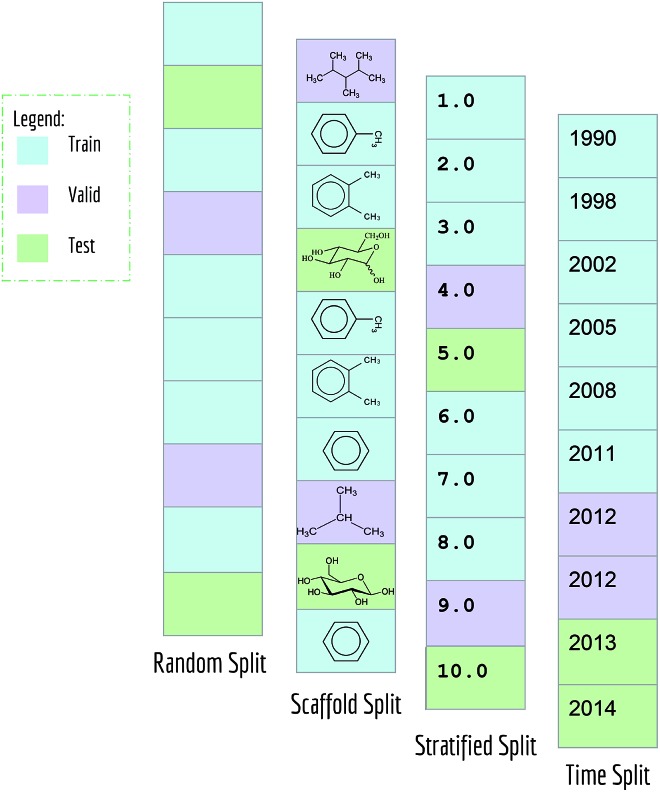
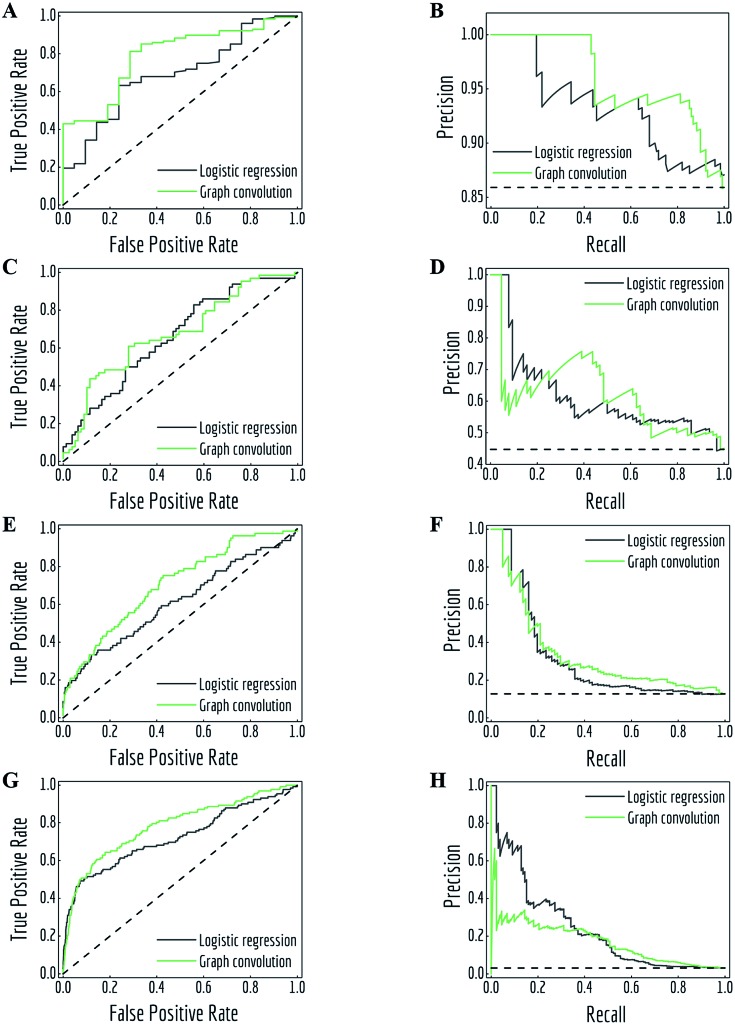


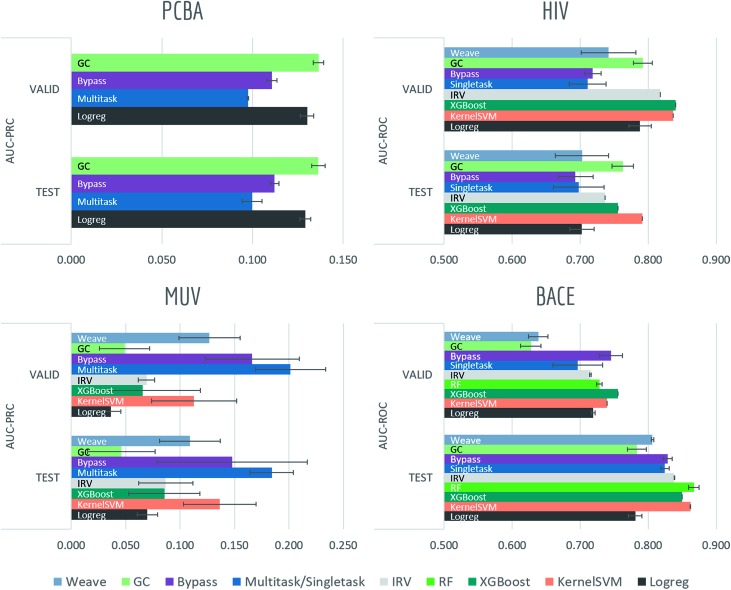
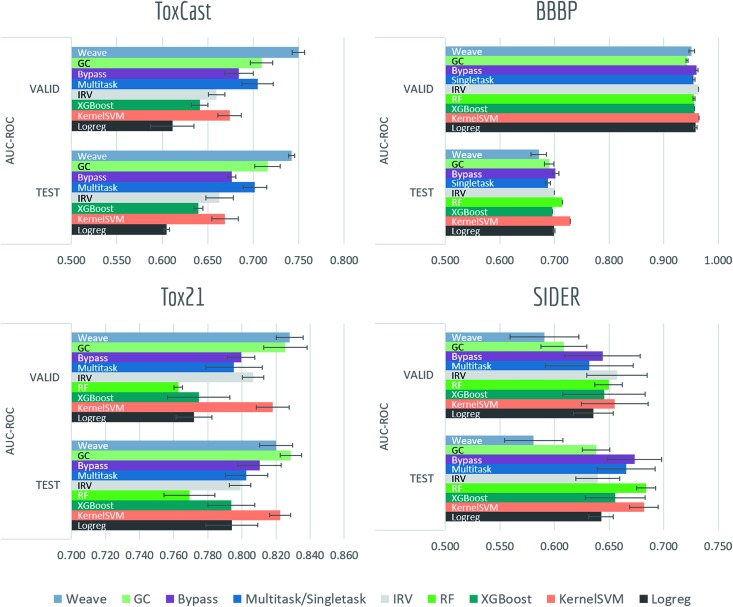



Verification
Claims the paper makes
The claims and statistics of this paper haven’t been checked yet.
Free: it reads the open-access text and checks the first 5 claims that cite a source we can check. Create a free account to check every claim.
Claims other papers make about this one
Each is checked against this paper’s own text: does it say what the citing paper says it does?
The source backs part of the claim, not all of it — or backs it for a different population, condition or comparison.
In the citing paper
“the availability of larger data sets (9) and easy-to-use tools (10,11) has particularly transformed this landscape.”
From Machine Learning for the Discovery, Design, and Engineering of Materials. (2022) · cites this paper as [10]
Experimental — accuracy not yet measuredThe cited source says what the claim attributes to it.
In the citing paper
“Another platform called MoleculeNet is also used to translate two-dimensional molecular structures into novel features/descriptors, which can then be used in predicting toxicity of the given molecule. The MoleculeNet platform is built on data from various public databases and more than 700,000 compounds have already been tested for toxicity or other properties [20].”
From The rise of artificial intelligence in healthcare applications (2020) · cites this paper as [20]
The cited source says what the claim attributes to it.
In the citing paper
“Initiatives like the DREAM Challenges,284 MoleculeNet,110 and Therapeutic Data Commons285 offer benchmark data sets across a wide spectrum of prediction tasks for pharmacology.”
From Advancing Targeted Protein Degradation via Multiomics Profiling and Artificial Intelligence (2023) · cites this paper as [110]
The check wasn’t confident either way, so it gives no verdict — never disputed.
In the citing paper
“However, ChemBERTa was found to perform better than Chemprop on a number of other MoleculeNet benchmark tasks51”
From OnSIDES database: Extracting adverse drug events from drug labels using natural language processing models (2025) · cites this paper as [51]
Experimental — accuracy not yet measured
Self-check
Percentages, sums and reported differences re-computed from the paper’s own numbers.
The self-check needs the paper’s full text.
Citations
Cites
Breiman, L. (2001) · Machine Learning · doi:10.1023/a:1010933404324 · Cited by 133,538
LeCun, Y., Bengio, Y., & Hinton, G. (2015) · Nature · doi:10.1038/nature14539 · Cited by 84,126
Scikit-learn: Machine Learning in Python
Pedregosa, F., Varoquaux, G., Gramfort, A., Michel, V., Thirion, B., Grisel, O., Blondel, M., Müller, A., Nothman, J., Louppe, G., et al. (2012) · arXiv · doi:10.48550/arxiv.1201.0490 · Cited by 71,016
ImageNet: A large-scale hierarchical image database
Deng, J., Dong, W., Socher, R., Li, L.-J., Li, K., & Fei-Fei, L. (2009) · 2009 IEEE Conference on Computer Vision and Pattern Recognition · doi:10.1109/cvpr.2009.5206848 · Cited by 65,333
Cortes, C., & Vapnik, V. (1995) · Machine Learning · doi:10.1007/bf00994018 · Cited by 59,421
Cortes, C., & Vapnik, V. (1995) · Machine-mediated learning · doi:10.1023/a:1022627411411 · Cited by 48,445
ImageNet Large Scale Visual Recognition Challenge
Russakovsky, O., Deng, J., Su, H., Krause, J., Satheesh, S., Ma, S., Huang, Z., Karpathy, A., Khosla, A., Bernstein, M., et al. (2015) · International Journal of Computer Vision · doi:10.1007/s11263-015-0816-y · Cited by 39,380
Greedy function approximation: A gradient boosting machine
Friedman, J. H. (2001) · The Annals of Statistics · doi:10.1214/aos/1013203451 · Cited by 30,731
The Elements of Statistical Learning
Hastie, T., Tibshirani, R., & Friedman, J. (2009) · Springer Series in Statistics · doi:10.1007/978-0-387-84858-7 · Cited by 25,970
Deep learning in neural networks: an overview
Schmidhuber, J. (2015) · Neural Networks · doi:10.1016/j.neunet.2014.09.003 · Cited by 18,570
Research works printed but not linked: 11
- Mitchell, 2014, Wiley Interdiscip. Rev.: Comput. Mol. Sci., 4, 468
- T. Unterthiner , A.Mayr , G.Klambauer , M.Steijaert , J.Wenger , H.Ceulemans and S.Hochreiter , Deep Learning and Representation Learning Workshop (NIPS 2014) , 2014
- Delaney, 2004, J. Chem. Inf. Model., 44, 1000
- J. Deng , W.Dong , R.Socher , L.-J.Li , K.Li and L.Fei-Fei , CVPR09 , 2009
- A. Krizhevsky , I.Sutskever and G. E.Hinton , NIPS Proceedings , 2012
- Pedregosa, 2011, J. Mach. Learn. Res., 12, 2825
- Quantum Machine , http://quantum-machine.org/datasets/ , accessed 2017-09-27
- Medical Dictionary for Regulatory Activities , http://www.meddra.org/ , accessed 2017-09-27
- Artemov, 2016, bioRxiv, Biochem., 095653
- Aggregate Analysis of ClincalTrials.gov (AACT) Database , http://www.ctti-clinicaltrials.org/aact-database , accessed 2017-09-27
- Cortes, 1995, Mach. Learn., 20, 273
Cited by
Items 601–700 of 1,019
Nabi, A. E., Pouladvand, P., Liu, L., Hua, Y., & Ayubcha, C. (2025) · Molecular Informatics · doi:10.1002/minf.202400325 · Cited by 63
“The models, RF, RF-Extra Trees (RF-ET) and a Deep Residual Network (DRN), were trained from the Mole-cule Net dataset [34].”
Electrolytomics: A Unified Big Data Approach for Electrolyte Design and Discovery
Kumar, R., Vu, M. C., Ma, P., & Amanchukwu, C. V. (2025) · Chemistry of Materials · doi:10.1021/acs.chemmater.4c03196 · Cited by 45
Explicating the transformative role of artificial intelligence in designing targeted nanomedicine
Akhtar, M., Nehal, N., Gull, A., Parveen, R., Khan, S. I., Khan, S. M., & Ali, J. (2025) · Expert Opinion on Drug Delivery · doi:10.1080/17425247.2025.2502022 · Cited by 60
“By leveraging such datasets, researchers can refine ML algorithms tailored for nanoparticle property assessment, ultimately improving drug formulation and delivery strategies [72].”
Graph Neural Network Architecture Search for Molecular Property Prediction
Jiang, S., & Balaprakash, P. (2020) · IEEE International Conference on Big Data (BigData) · doi:10.1109/bigdata50022.2020.9378060 · Cited by 58
“Consequently, a model trained for one molecular dataset cannot be transferred to another because of the non-Euclidean characteristics of the molecular structure data [10].”
BackgroundMethodInfluentialKim, Q., Ko, J.-H., Kim, S., Park, N., & Jhe, W. (2021) · Bioinformatics · doi:10.1093/bioinformatics/btab346 · Cited by 47
Differentially Private Graph Neural Networks for Whole-Graph Classification
Mueller, T. T., Paetzold, J. C., Prabhakar, C., Usynin, D., Rueckert, D., & Kaissis, G. A. (2022) · IEEE Transactions on Pattern Analysis and Machine Intelligence · doi:10.1109/tpami.2022.3228315 · Cited by 64
“Molbace Dataset: To perform molecule classification in a binary graph classification setting, we use the benchmark dataset Molbace from the OGB database [45], where the Molbace dataset is adapted from MoleculeNet [46].”
MethodLeveraging language model for advanced multiproperty molecular optimization via prompt engineering
Wu, Z., Zhang, O., Wang, X., Fu, L., Zhao, H., Wang, J., Du, H., Jiang, D., Deng, Y., Cao, D., et al. (2024) · Nature Machine Intelligence · doi:10.1038/s42256-024-00916-5 · Cited by 88
“The key absorption, distribution, metabolism, excretion, and toxicity (ADMET) properties used in this study include aqueous solubility (ESOL) 38 , mutagenicity (Mutag) 39 , hERG-related cardiotoxicity (hERG) 33 , blood–brain barrier permeation (BBBP) 40 and lipophilicity (lipop) 41 .”
Self-citationYin, Z., Zhang, M., Liu, R., & Cai, Y. (2025) · Water Research · doi:10.1016/j.watres.2025.123500 · Cited by 47
Toxicity Prediction Method Based on Multi-Channel Convolutional Neural Network
Yuan, Q., Wei, Z., Guan, X., Jiang, M., Wang, S., Zhang, S., & Li, Z. (2019) · Molecules · doi:10.3390/molecules24183383 · Cited by 45
Retrospective assessment of rat liver microsomal stability at NCATS: data and QSAR models
Siramshetty, V. B., Shah, P., Kerns, E. H., Nguyen, K., Yu, K. R., Kabir, M., Williams, J., Neyra, J., Southall, N. T., Nguyễn, Ð.-T., et al. (2020) · Scientific Reports · doi:10.1038/s41598-020-77327-0 · Cited by 52
Efficient lipophilicity prediction of molecules employing deep-learning models
Datta, R., Das, D. K., & Das, S. (2021) · Chemometrics and Intelligent Laboratory Systems · doi:10.1016/j.chemolab.2021.104309 · Cited by 47
Machine Learning for Fast, Quantum Mechanics-Based Approximation of Drug Lipophilicity
Isert, C., Kromann, J., Stiefl, N., Schneider, G., & Lewis, R. A. (2023) · ACS Omega · doi:10.1021/acsomega.2c05607 · Cited by 49
Attention-wise masked graph contrastive learning for predicting molecular property
Liu, H., Huang, Y., Liu, X., & Deng, L. (2022) · Briefings in Bioinformatics · doi:10.1093/bib/bbac303 · Cited by 50
ReLMole: Molecular Representation Learning Based on Two-Level Graph Similarities
Ji, Z., Shi, R., Lu, J., Li, F., & Yang, Y. (2022) · Journal of Chemical Information and Modeling · doi:10.1021/acs.jcim.2c00798 · Cited by 64
Molecular Property Prediction by Combining LSTM and GAT
Xu, L., Pan, S., Xia, L., & Li, Z. (2023) · Biomolecules · doi:10.3390/biom13030503 · Cited by 49
Vargas, S., Gee, W., & Alexandrova, A. N. (2024) · Digital Discovery · doi:10.1039/d4dd00057a · Cited by 52
nach0: multimodal natural and chemical languages foundation model
Livne, M., Miftahutdinov, Z., Tutubalina, E. V., Kuznetsov, M., Polykovskiy, D. A., Brundyn, A., Jhunjhunwala, A., Costa, A. B., Aliper, A., Aspuru‐Guzik, A., et al. (2024) · Chemical Science · doi:10.1039/d4sc00966e · Cited by 101
“The metrics set estimates the quality of the generative model from several points of view: validity of generated structures, molecular distribution matching quality, and the ability of the model to produce novel, diverse molecules.”
BackgroundComparing SMILES and SELFIES tokenization for enhanced chemical language modeling
Leon, M., Perezhohin, Y., Peres, F., Popovič, A., & Castelli, M. (2024) · Scientific Reports · doi:10.1038/s41598-024-76440-8 · Cited by 62
“This complexity 36 on selected MoleculeNet datasets 29 . makes capturing the role of atoms (identified by atomic number) in different positions difficult.”
BackgroundMethodResultInfluentialGenerative Deep Learning for de Novo Drug Design─A Chemical Space Odyssey
Özçelik, R., Brinkmann, H., Criscuolo, E., & Grisoni, F. (2025) · Journal of Chemical Information and Modeling · doi:10.1021/acs.jcim.5c00641 · Cited by 71
Kim, D., & Choi, J. (2025) · Toxicology · doi:10.1016/j.tox.2025.154230 · Cited by 47
Artificial intelligence and machine learning guided optimization in drug delivery
Ros, H., Chan, N., Cook, M. T., & Shorthouse, D. (2026) · Advanced Drug Delivery Reviews · doi:10.1016/j.addr.2026.115781 · Cited by 59
Neural message passing on high order paths
Flam-Shepherd, D., Wu, T., Friederich, P., & Aspuru‐Guzik, A. (2021) · Machine Learning Science and Technology · doi:10.1088/2632-2153/abf5b8 · Cited by 61
Machine learning at the (sub)atomic scale: next generation scanning probe microscopy
Gordon, O., & Moriarty, P. (2020) · Machine Learning Science and Technology · doi:10.1088/2632-2153/ab7d2f · Cited by 44
Prediction of chemical compounds properties using a deep learning model
Galushka, M., Swain, C., Browne, F., Mulvenna, M. D., Bond, R., & Gray, D. W. (2021) · Neural Computing and Applications · doi:10.1007/s00521-021-05961-4 · Cited by 48
“The key challenge of developing ML models for predicting the properties of chemical compounds is to encode molecules into fixed-length strings or vectors representation [54].”
BackgroundThe effect of noise on the predictive limit of QSAR models
Kolmar, S., & Grulke, C. (2021) · Journal of Cheminformatics · doi:10.1186/s13321-021-00571-7 · Cited by 55
“As the primary goal of this work is to benchmark different common QSAR algorithms, the MoleculeNet collection provides several high-quality data sets for comparison.”
BackgroundExplainable Solvation Free Energy Prediction Combining Graph Neural Networks with Chemical Intuition
Low, K., Coote, M. L., & Izgorodina, E. I. (2022) · Journal of Chemical Information and Modeling · doi:10.1021/acs.jcim.2c01013 · Cited by 50
“Table 3 compares the performance of our GNN against the FreeSolv-trained models of Pathak et al. 31 , Lim and Jung 54 , and the Molecu-leNet MPNN 17 which are all GNNs that include 2D atomic features only.”
BackgroundMethodInfluentialHarnessing systematic protein–ligand interaction fingerprints for drug discovery
Zhao, Z., & Bourne, P. E. (2022) · Drug Discovery Today · doi:10.1016/j.drudis.2022.07.004 · Cited by 41
Improved Chemical Prediction from Scarce Data Sets via Latent Space Enrichment
Iovanac, N. C., & Savoie, B. M. (2019) · The Journal of Physical Chemistry A · doi:10.1021/acs.jpca.9b01398 · Cited by 41
Kimber, T. B., Gagnebin, M., & Volkamer, A. (2021) · Artificial Intelligence in the Life Sciences · doi:10.1016/j.ailsci.2021.100014 · Cited by 73
Xu, H., Jia, M., Chang, Y., Li, Y., & Wu, S. (2022) · Energy and AI · doi:10.1016/j.egyai.2022.100201 · Cited by 53
Recent advances and challenges in experiment-oriented polymer informatics
Hatakeyama‐Sato, K. (2022) · Polymer Journal · doi:10.1038/s41428-022-00734-9 · Cited by 52
TransFoxMol: predicting molecular property with focused attention
Gao, J., Shen, Z., Xie, Y., Lu, J., Lu, Y., Chen, S., Bian, Q., Guo, Y., Shen, L., Wu, J. F., et al. (2023) · Briefings in Bioinformatics · doi:10.1093/bib/bbad306 · Cited by 44
Yoshikai, Y., Mizuno, T., Nemoto, S., & Kusuhara, H. (2024) · Nature Communications · doi:10.1038/s41467-024-45102-8 · Cited by 56
“The experiments were conducted for 5 folds split by the methods recommended by DeepChem, and the accuracy of prediction was measured by the recommended metric by MoleculeNet.”
MethodLigand biological activity predicted by cleaning positive and negative chemical correlations
Lee, A. A., Yang, Q., Bassyouni, A., Butler, C. R., Hou, X., Jenkinson, S. G., & Price, D. A. (2019) · Proceedings of the National Academy of Sciences · doi:10.1073/pnas.1810847116 · Cited by 44
TOP: A deep mixture representation learning method for boosting molecular toxicity prediction
Peng, Y., Zhang, Z., Jiang, Q., Guan, J., & Zhou, S. (2020) · Methods · doi:10.1016/j.ymeth.2020.05.013 · Cited by 45
Rahaman, O., & Gagliardi, A. (2020) · Journal of Chemical Information and Modeling · doi:10.1021/acs.jcim.0c00687 · Cited by 48
Molecular machine learning with conformer ensembles
Axelrod, S., & Gómez‐Bombarelli, R. (2023) · Machine Learning Science and Technology · doi:10.1088/2632-2153/acefa7 · Cited by 76
Applications of Artificial Intelligence in Drug Design: Opportunities and Challenges
Thomas, M. C., Boardman, A., García-Ortegón, M., Yang, H., de Graaf, C., & Bender, A. (2021) · Methods in molecular biology · doi:10.1007/978-1-0716-1787-8_1 · Cited by 61
AugLiChem: data augmentation library of chemical structures for machine learning
Magar, R., Wang, Y., Lorsung, C., Chen, L., Ramasubramanian, H., Li, P., & Farimani, A. B. (2022) · Machine Learning Science and Technology · doi:10.1088/2632-2153/ac9c84 · Cited by 57
“implemented on top of RDKFP [54] and ECFP [10] for 7 classification benchmarks from MoleculeNet [4].”
MethodMachine learning for the design and discovery of zeolites and porous crystalline materials
Gandhi, A., & Hasan, M. M. F. (2021) · Current Opinion in Chemical Engineering · doi:10.1016/j.coche.2021.100739 · Cited by 48
Relative molecule self-attention transformer
Maziarka, Ł., Majchrowski, D., Danel, T., Gaiński, P., Tabor, J., Podolak, I. T., Morkisz, P. M., & Jastrzȩbski, S. (2024) · Journal of Cheminformatics · doi:10.1186/s13321-023-00789-7 · Cited by 77
“First applications of deep learning did not offer large improvements over more standard methods such as random forests (Wu et al., 2018; Jiang et al., 2021; Robinson et al., 2020).”
BackgroundStructural Analysis and Prediction of Hematotoxicity Using Deep Learning Approaches
Long, T.-Z., Shi, S., Liu, S., Lü, A., Liu, Z., Li, M., Hou, T., & Cao, D. (2022) · Journal of Chemical Information and Modeling · doi:10.1021/acs.jcim.2c01088 · Cited by 45
Graph neural networks at the Large Hadron Collider
Dezoort, G., Battaglia, P., Biscarat, C., & Vlimant, J.-R. (2023) · Nature Reviews Physics · doi:10.1038/s42254-023-00569-0 · Cited by 47
“and molecules formed from atoms connected by molecular bonds 36,37 .”
BackgroundWang, Y., Xiong, J., Xiao, F., Zhang, W., Cheng, K., Rao, J., Niu, B., Tong, X., Qu, N., Zhang, R., et al. (2023) · Journal of Cheminformatics · doi:10.1186/s13321-023-00754-4 · Cited by 45
“Lipo dataset is from MoleculeNet deposited by AstraZeneca and includes 4200 compounds [42], which is widely recognized as a benchmark for logD prediction models.”
MethodWang, H., Liu, W., Chen, J., & Wang, Z. (2023) · Environmental Science & Technology · doi:10.1021/acs.est.3c03860 · Cited by 42
In silico off-target profiling for enhanced drug safety assessment
Liu, J., Gui, Y., Rao, J., Sun, J., Wang, G., Ren, Q., Qu, N., Niu, B., Chen, Z., Sheng, X., et al. (2024) · Acta Pharmaceutica Sinica B · doi:10.1016/j.apsb.2024.03.002 · Cited by 47
“To conduct the experiment, we curated a drug toxicity dataset from different datasets: (1) The Clintox dataset, obtained from MoleculeNet 64 , comprises 108 toxic and 1365 non-toxic compounds after data cleaning.”
QupKake: Integrating Machine Learning and Quantum Chemistry for Micro-p K a Predictions
Abarbanel, O. D., & Hutchison, G. (2024) · Journal of Chemical Theory and Computation · doi:10.1021/acs.jctc.4c00328 · Cited by 50
The future of machine learning for small-molecule drug discovery will be driven by data
Durant, G., Boyles, F., Birchall, K., & Deane, C. M. (2024) · Nature Computational Science · doi:10.1038/s43588-024-00699-0 · Cited by 48
“This limits the available amount of training data to the order of tens or hundreds of thousands 37,63–65 , far smaller than the hundreds of millions for image generators 66 and the trillions used to train large language models 67 .”
InfluentialSmall data, big challenges: Machine- and deep-learning strategies for data-limited drug discovery
Pallikkavaliyaveetil, N., & Chandrasekaran, S. (2025) · Advanced Drug Delivery Reviews · doi:10.1016/j.addr.2025.115762 · Cited by 71
COVER: conformational oversampling as data augmentation for molecules
Hemmerich, J., Asilar, E., & Ecker, G. F. (2020) · Journal of Cheminformatics · doi:10.1186/s13321-020-00420-z · Cited by 42
Li, C., Wang, J., Niu, Z., Yao, J., & Zeng, X. (2021) · Briefings in Bioinformatics · doi:10.1093/bib/bbab078 · Cited by 44
A Machine Learning Framework for Predicting the Glass Transition Temperature of Homopolymers
Nguyen, T., & Bavarian, M. (2022) · Industrial & Engineering Chemistry Research · doi:10.1021/acs.iecr.2c01302 · Cited by 43
Data-driven discovery of molecular photoswitches with multioutput Gaussian processes
Griffiths, R., Greenfield, J. L., Thawani, A. R., Jamasb, A. R., Moss, H. B., Bourached, A., Jones, P., McCorkindale, W., Aldrick, A. A., Fuchter, M. J., et al. (2022) · Chemical Science · doi:10.1039/d2sc04306h · Cited by 62
Recent Studies of Artificial Intelligence on In Silico Drug Distribution Prediction
Tran, T. T. V., Tayara, H., & Chong, K. T. (2023) · International Journal of Molecular Sciences · doi:10.3390/ijms24031815 · Cited by 50
Explainable Supervised Machine Learning Model To Predict Solvation Gibbs Energy
Ferraz-Caetano, J., Teixeira, F., & Cordeiro, M. N. D. S. (2023) · Journal of Chemical Information and Modeling · doi:10.1021/acs.jcim.3c00544 · Cited by 40
Jing, Y., Yuan, C., Ju, L., Yang, Y., Wang, X., & Tao, D. (2023) · IEEE Computer Society Conference on Computer Vision and Pattern Recognition/Proceedings - IEEE Computer Society Conference on Computer Vision and Pattern Recognition/Proceedings · doi:10.1109/cvpr52729.2023.02332 · Cited by 70
“the datasets of AmazonCoBuy [27, 41], ogbg-molbbbp [49], and ogbg-molesol [49] as examples.”
MethodCheminformatics and artificial intelligence for accelerating agrochemical discovery
Djoumbou-Feunang, Y., Wilmot, J. T., Kinney, J., Chanda, P., Yu, P., Sader, C. A., Sharifi, M., Smith, S., Ou, J., Hu, J. K., et al. (2023) · Frontiers in Chemistry · doi:10.3389/fchem.2023.1292027 · Cited by 52
MolCA: Molecular Graph-Language Modeling with Cross-Modal Projector and Uni-Modal Adapter
Liu, Z., Li, S., Luo, Y., Fei, H., Cao, Y., Kawaguchi, K., Wang, X., & Chua, T. (2023) · Conference on Empirical Methods in Natural Language Processing (EMNLP) · doi:10.18653/v1/2023.emnlp-main.966 · Cited by 224
Upadhyay, R., Phlypo, R., Saini, R., & Liwicki, M. (2024) · IEEE Access · doi:10.1109/access.2024.3478805 · Cited by 55
“…dataset (not publicly available) MULTI-TASK LEARNING + TRANSFER LEARNING [82] generate molecule structure (source task) large bioactivity data set [83] predict human pharmacokinetic parameters pharmacokinetic dataset [84] (target task) [85] multi-task bearing fault diagnosis Case Western Reserve…”
BackgroundArtificial Intelligence-Based Methods for Drug Repurposing and Development in Cancer
Herráiz-Gil, S., Nygren-Jiménez, E., Acosta-Alonso, D. N., León, C., & Guerrero‐Aspizua, S. (2025) · Applied Sciences · doi:10.3390/app15052798 · Cited by 50
An overview of neural networks for drug discovery and the inputs used
Xu, Y., Yao, H., & Lin, K. (2018) · Expert Opinion on Drug Discovery · doi:10.1080/17460441.2018.1547278 · Cited by 44
Path integral based convolution and pooling for graph neural networks*
Ma, Z., Xuan, J., Wang, Y. G., Li, M., & Lió, P. (2021) · Journal of Statistical Mechanics Theory and Experiment · doi:10.1088/1742-5468/ac3ae4 · Cited by 44
Chew, A. K., Jiang, S., Zhang, W., Zavala, V. M., & Lehn, R. C. V. (2020) · Chemical Science · doi:10.1039/d0sc03261a · Cited by 40
Deep Graph Learning with Property Augmentation for Predicting Drug-Induced Liver Injury
Ma, H., An, W., Wang, Y., Sun, H., Huang, R., & Huang, J. (2020) · Chemical Research in Toxicology · doi:10.1021/acs.chemrestox.0c00322 · Cited by 48
A Cascade Graph Convolutional Network for Predicting Protein–Ligand Binding Affinity
Shen, H., Zhang, Y., Zheng, C.-H., Wang, B., & Chen, P. (2021) · International Journal of Molecular Sciences · doi:10.3390/ijms22084023 · Cited by 43
“The feature vectors of atoms and chemical bonds in this article are the same as the graph features in the DeepChem [43] package.”
MethodHua, Y., Shi, Y., Cui, X., & Li, X. (2021) · Molecular Diversity · doi:10.1007/s11030-021-10255-x · Cited by 44
“In this study, we used three DL approaches, including TEXTCNN algorithm available from DeepChem [28], convolutional neural network fingerprint (CNF) [29] and transformer convolutional neural network (TRANSNN) [12], for the DL model building.”
MethodLearning Attributed Graph Representation with Communicative Message Passing Transformer
Chen, J., Zheng, S., Song, Y., Rao, J., & Yang, Y. (2021) · International Joint Conference on Artificial Intelligence · doi:10.24963/ijcai.2021/309 · Cited by 68
Integrating Machine Learning in the Coarse-Grained Molecular Simulation of Polymers
Ricci, E., & Vergadou, N. (2023) · The Journal of Physical Chemistry B · doi:10.1021/acs.jpcb.2c06354 · Cited by 43
Molecular property prediction based on graph structure learning
Zhao, B., Xu, W., Guan, J., & Zhou, S. (2024) · Bioinformatics · doi:10.1093/bioinformatics/btae304 · Cited by 49
“We use 7 benchmark datasets from MoleculeNet [31] for experiments, among which 4 are classification tasks and 3 are regression tasks.”
MethodBartSmiles: Generative Masked Language Models for Molecular Representations
Chilingaryan, G., Tamoyan, H., Tevosyan, A., Babayan, N., Hambardzumyan, K., Navoyan, Z. E., Aghajanyan, A., Khachatrian, H., & Khondkaryan, L. (2024) · Journal of Chemical Information and Modeling · doi:10.1021/acs.jcim.4c00512 · Cited by 67
Clinical trials in-a-dish for cardiovascular medicine
Wu, X., Swanson, K., Yıldırım, Z., Liu, W., Liao, R., & Wu, J. C. (2024) · European Heart Journal · doi:10.1093/eurheartj/ehae519 · Cited by 47
Yıldırım, Z., Swanson, K., Wu, X., Zou, J., & Wu, J. C. (2024) · The Annual Review of Pharmacology and Toxicology · doi:10.1146/annurev-pharmtox-022724-095035 · Cited by 49
“GNNs synthesize basic atomic and bond features to form AI-generated descriptors that are refined to enhance prediction accuracy for various molecular properties (105, 106), including ADMET (28).”
Ren, Z.-H., Zeng, X., Lao, Y., You, Z., Shang, Y., Zou, Q., & Chen, L. (2025) · Nature Communications · doi:10.1038/s41467-025-59431-9 · Cited by 50
Lu, J., Wang, C., & Zhang, Y. (2019) · Journal of Chemical Theory and Computation · doi:10.1021/acs.jctc.9b00001 · Cited by 40
Cortés‐Ciriano, I., & Bender, A. (2019) · Apollo (University of Cambridge) · doi:10.17863/cam.43757 · Cited by 39
Canonicalizing BigSMILES for Polymers with Defined Backbones
Lin, T., Rebello, N., Lee, G.-H., Morris, M. A., & Olsen, B. D. (2022) · ACS Polymers Au · doi:10.1021/acspolymersau.2c00009 · Cited by 42
Hierarchical Inter-Message Passing for Learning on Molecular GraphsPreprint
Fey, M., Yuen, J.-G., & Weichert, F. (2020) · arXiv (Cornell University) · doi:10.48550/arxiv.2006.12179 · Cited by 94
Relevance of Rotationally Equivariant Convolutions for Predicting Molecular PropertiesPreprint
Miller, B., Geiger, M., Smidt, T., & Noé, F. (2020) · arXiv (Cornell University) · doi:10.48550/arxiv.2008.08461 · Cited by 101
“1 Introduction The discovery of novel molecules has been accelerated by advances in computational quantum chemistry and machine learning assisted exploration of chemical space [1, 2, 3].”
BackgroundATOM3D: Tasks On Molecules in Three DimensionsPreprint
Townshend, R. J. L., Vögele, M., Suriana, P., Derry, A., Powers, A. S., Laloudakis, Y. D., Balachandar, S., Jing, B., Anderson, B., Eismann, S., et al. (2020) · arXiv (Cornell University) · doi:10.13140/rg.2.2.30339.73765 · Cited by 159
Uni-Mol: A Universal 3D Molecular Representation Learning FrameworkPreprint
Zhou, G., Gao, Z., Ding, Q., Zheng, H., Xu, H., Wei, Z., Zhang, L., & Ke, G. (2022) · ChemRxiv · doi:10.26434/chemrxiv-2022-jjm0j-v3 · Cited by 168
Huang, D. Z., Baber, J. C., & Bahmanyar, S. S. (2021) · Expert Opinion on Drug Discovery · doi:10.1080/17460441.2021.1901685 · Cited by 42
“However, in follow-up studies by Yang et al. [48] and Wu et al. [49], they described new methods of feature learning directly on molecular graphs and achieved results better than had been originally reported by Mayr et al. [21].”
BackgroundMethodValidation of Acetylcholinesterase Inhibition Machine Learning Models for Multiple Species
Vignaux, P. A., Lane, T. R., Urbina, F., Gerlach, J., Puhl, A. C., Snyder, S. H., & Ekins, S. (2023) · Chemical Research in Toxicology · doi:10.1021/acs.chemrestox.2c00283 · Cited by 38
A systematic evaluation of deep learning methods for the prediction of drug synergy in cancer
Baptista, D., Ferreira, P. G., & Rocha, M. (2023) · PLoS Computational Biology · doi:10.1371/journal.pcbi.1010200 · Cited by 43
Large-scale comparison of machine learning methods for profiling prediction of kinase inhibitors
Wu, J., Chen, Y., Wu, J., Zhao, D., Huang, J., Lin, M., & Wang, L. (2024) · Journal of Cheminformatics · doi:10.1186/s13321-023-00799-5 · Cited by 45
“Currently, various graph-based DL algorithms, which have recently been developed and achieved the SOTA performance in molecular property prediction tasks [48, 49, 82], have not been used for the kinase profiling prediction task.”
MethodMeta-MolNet: A Cross-Domain Benchmark for Few Examples Drug Discovery
Lv, Q., Chen, G., Yang, Z., Zhong, W., & Chen, C. Y. (2024) · IEEE Transactions on Neural Networks and Learning Systems · doi:10.1109/tnnls.2024.3359657 · Cited by 47
“Following ImageNet [59] and MoleculeNet [60], we hope that Meta-MolNet can serve as a benchmark platform and attract great attention from the chemoinformatics and bioinformatics communities, thereby inspiring new methods to better understand molecular chemistry.”
Han, H., Shaker, B., Lee, J. H., Choi, S., Yoon, S.-H., Singh, M., Basith, S., Cui, M., Ahn, S., An, J., et al. (2025) · Journal of Chemical Information and Modeling · doi:10.1021/acs.jcim.4c02122 · Cited by 58
Prediction of Compound Profiling Matrices Using Machine Learning
Rodríguez-Pérez, R., Miyao, T., Jasial, S., Vogt, M., & Bajorath, J. (2018) · ACS Omega · doi:10.1021/acsomega.8b00462 · Cited by 40
Pathak, Y., Laghuvarapu, S., Mehta, S., & Priyakumar, U. D. (2020) · Proceedings of the AAAI Conference on Artificial Intelligence · doi:10.1609/aaai.v34i01.5433 · Cited by 63
Pushing property limits in materials discovery via boundless objective-free exploration
Terayama, K., Sumita, M., Tamura, R., Payne, D. T., Chahal, M. K., Ishihara, S., & Tsuda, K. (2020) · Chemical Science · doi:10.1039/d0sc00982b · Cited by 48
AI drug discovery screening for COVID-19 reveals zafirlukast as a repurposing candidate
Delijewski, M., & Haneczok, J. (2020) · Medicine in Drug Discovery · doi:10.1016/j.medidd.2020.100077 · Cited by 42
“More specifically, in order to ensure that the models' capacity to generalize to new molecular structures is tested on compounds that are structurally different from those used in the training phase, we follow the scaffold splitting approach [32,36] and divide all molecules into partitions based on their Murcko scaffo…”
Comparing predictive ability of QSAR/QSPR models using 2D and 3D molecular representations
Sato, A., Miyao, T., Jasial, S., & Funatsu, K. (2021) · Journal of Computer-Aided Molecular Design · doi:10.1007/s10822-020-00361-7 · Cited by 41
“Property data sets for benchmark calculation were extracted from the website of MoleculeNet [18].”
MethodReview of unsupervised pretraining strategies for molecules representation
Yu, L., Su, Y., Liu, Y., & Zeng, X. (2021) · Briefings in Functional Genomics · doi:10.1093/bfgp/elab036 · Cited by 47
Improved Lipophilicity and Aqueous Solubility Prediction with Composite Graph Neural Networks
Wieder, O., Kuenemann, M. A., Wieder, M., Seidel, T., Meyer, C., Bryant, S. D., & Langer, T. (2021) · Molecules · doi:10.3390/molecules26206185 · Cited by 43
“4 [27] and an aqueous solubility 103 set with logS and logP values [28].”
BackgroundChemical-Reaction-Aware Molecule Representation LearningPreprint
Wang, H., Li, W., Jin, X., Cho, K., Ji, H., Han, J., & Burke, M. D. (2021) · arXiv (Cornell University) · doi:10.48550/arxiv.2109.09888 · Cited by 82
“We randomly sample 10,000 molecule pairs from the first 1,000 molecules in QM9 dataset (Wu et al., 2018), then calculate their ground-truth GEDs using NetworkX (Hagberg et al., 2008).”
MethodXu, Y. (2021) · Methods in molecular biology · doi:10.1007/978-1-0716-1787-8_10 · Cited by 41
Fragment Linker Prediction Using the Deep Encoder-Decoder Network for PROTACs Drug Design
Kao, C., Lin, C., Chou, C.-L., & Lin, C. (2023) · Journal of Chemical Information and Modeling · doi:10.1021/acs.jcim.2c01287 · Cited by 45
Uncertainty quantification for molecular property predictions with graph neural architecture search
Jiang, S., Qin, S., Lehn, R. C. V., Balaprakash, P., & Zavala, V. M. (2024) · Digital Discovery · doi:10.1039/d4dd00088a · Cited by 50
“We evaluated the efficacy of the proposed AutoGNNUQ approach for molecular property prediction and UQ using benchmark datasets from MoleculeNet [47] for Lipo, ESOL, FreeSolv, and QM7.”
MethodAI for organic and polymer synthesis
Hong, X., Yang, Q., Liao, K., Pei, J., Chen, M., Mo, F., Lu, H., Zhang, W.-B., Zhou, H., Chen, J., et al. (2024) · Science China Chemistry · doi:10.1007/s11426-024-2072-4 · Cited by 45
Guo, Q., Hernández-Hernández, S., & Ballester, P. J. (2025) · Journal of Cheminformatics · doi:10.1186/s13321-025-01039-8 · Cited by 49
“Many AI algorithms achieved great performances on popular benchmarks such as those in MoleculeNet [15].”
InfluentialMachine learning and ligand binding predictions: A review of data, methods, and obstacles
Ellingson, S. R., Davis, B., & Allen, J. (2020) · Biochimica et Biophysica Acta (BBA) - General Subjects · doi:10.1016/j.bbagen.2020.129545 · Cited by 37
Metadata
- Authors
- Wu, Z., Ramsundar, B., Feinberg, E. N., Gomes, J., Geniesse, C., Pappu, A. S., Leswing, K., & Pande, V.
- Affiliations
- Stanford University (US)
- Stanford Medicine (US)
- Schrodinger (United States) (US)
- Corresponding author
- Pande, Vijay
- Venue
- Chemical Science
- Publisher
- Royal Society of Chemistry (RSC)
- Published
- 2018
- Volume
- 9
- Issue
- 2
- Pages
- 513-530
- ISSN
- 2041-6520 (ISSN-L)
- 2041-6539
- PMC
- PMC5868307
- OpenAlex
- W2594183968
- Cited by
- 3,107
- References
- 62
- Citations by year
- 2026: 553 · 2025: 561 · 2024: 485 · 2023: 387 · 2022: 328 · 2021: 309 · 2020: 251 · 2019: 144 · 2018: 73
- FWCI
- 98.85
- Type
- journal article
- Language
- en
- Open access
- diamond
- doi.org
- Licence
- Locations
- Chemical Science (publishedVersion, cc-by-nc)
- Europe PMC (PubMed Central) (publishedVersion, cc-by-nc)
- PubMed Central (publishedVersion, cc-by-nc)
- PubMed (publishedVersion)
- arXiv (Cornell University) (submittedVersion)
- The HKU Scholars Hub (University of Hong Kong) (submittedVersion)
- arXiv (Cornell University)
- Funders
- Hertz Foundation
- NIH (R01 GM062868, U19 AI109662)
- Topics
- Life Sciences › Pharmacology, Toxicology and Pharmaceutics › Drug Discovery › Computational Drug Discovery Methods
- Physical Sciences › Materials Science › Materials Chemistry › Machine Learning in Materials Science
- Physical Sciences › Physics and Astronomy › Atomic and Molecular Physics, and Optics › Advanced Chemical Physics Studies
- Keywords
- molecular machine learning, benchmark, MoleculeNet, molecular property prediction, DeepChem, open source software, data scarcity, imbalanced classification, quantum mechanical properties, biophysical properties
About these checks
Registry, retraction, Cites and statistics results are computed, not judged, with one exception: a printed reference that no index lists is read once by a model before it counts as a citation error. Claims are extracted by a model and kept only when their quote appears verbatim in the text; each cited source is then checked, with a model’s help, for whether it says what the claim relies on. Those verdicts can be wrong — read the claim’s quote and the cited source before relying on one.
Statistics and arithmetic are recomputed, not judged.
Confidence bands are shown only for fields calibrated on our annotated test set. None is calibrated yet, so no band is shown.
What counts as a claim ›How we measure confidence ›How we check this ›
Are you an author, or do you see a problem with this page? Request a review
Data sources
Bibliographic data: Semantic Scholar, OpenAlex, Crossref.
Contains information from the Semantic Scholar Academic Graph Datasets, made available under the ODC Attribution License (ODC-BY 1.0).
Semantic Scholar’s data is described in: Kinney, R., et al. (2023). The Semantic Scholar Open Data Platform. arXiv:2301.10140.
