

MoleculeNet: a benchmark for molecular machine learning
Open accessThe DOI matches its Crossref record; 82 of the 82 references it cites were found in a registry or an index.
Abstract
A large scale benchmark for molecular machine learning consisting of multiple public datasets, metrics, featurizations and learning algorithms.
Overview
The claims and statistics of this paper haven’t been checked yet.
Free: it reads the open-access text and checks the first 5 claims that cite a source we can check. Create a free account to check every claim.
Integrity signals
Registry
Cites
Statistics
Figures






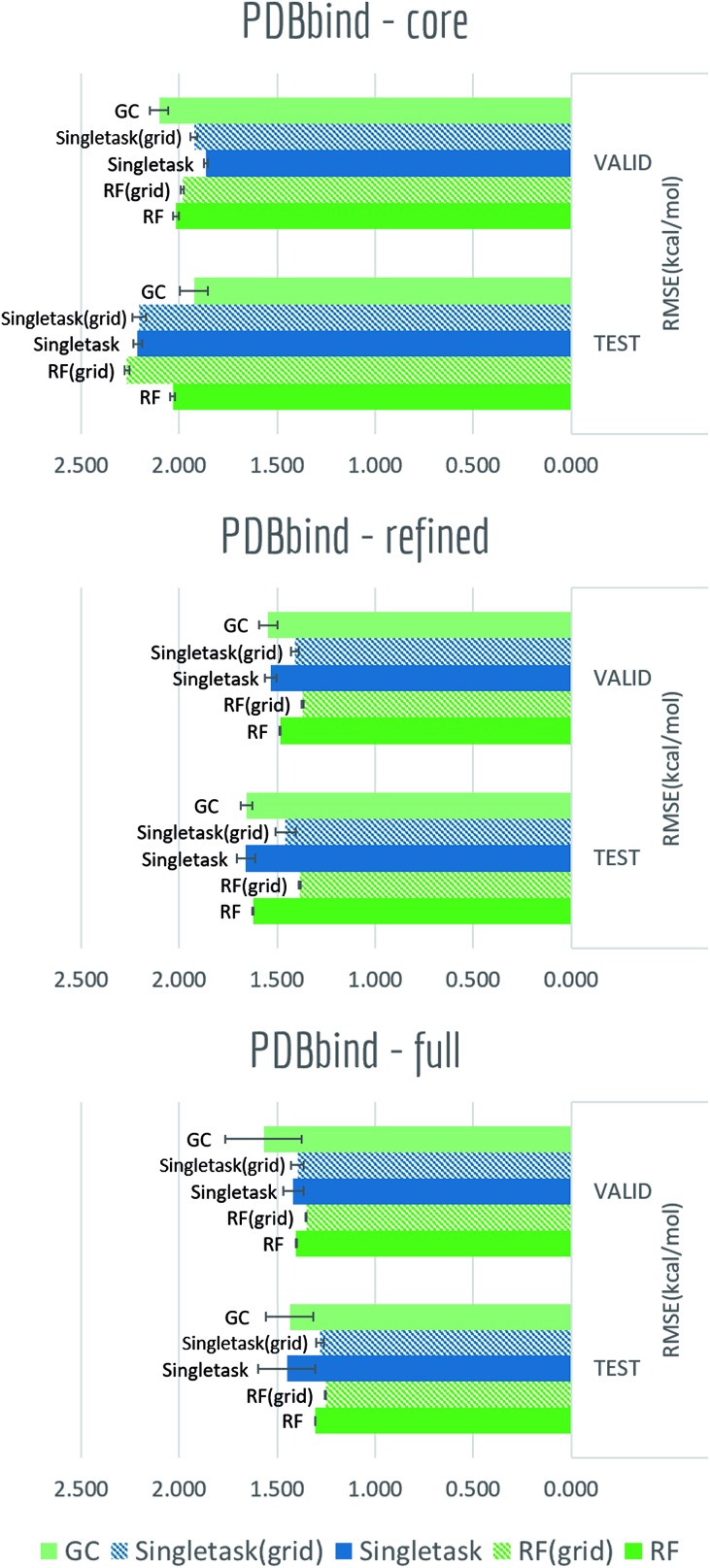

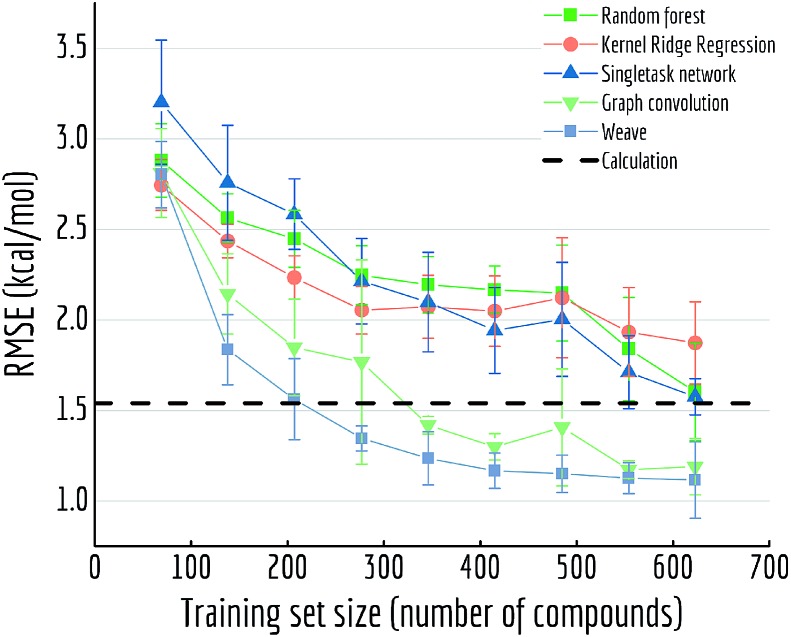
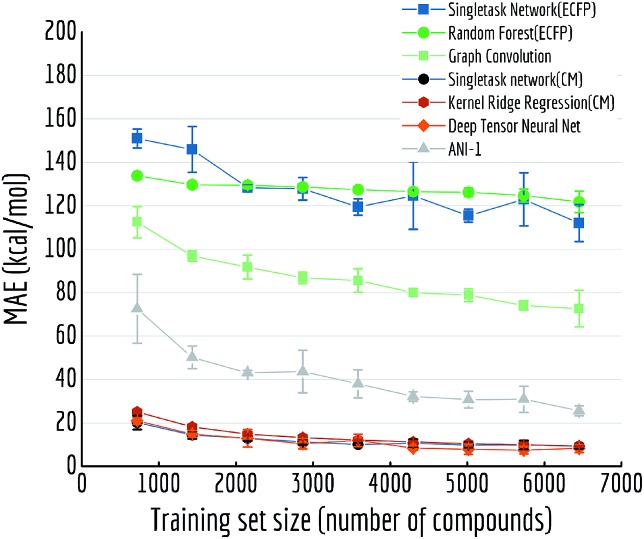
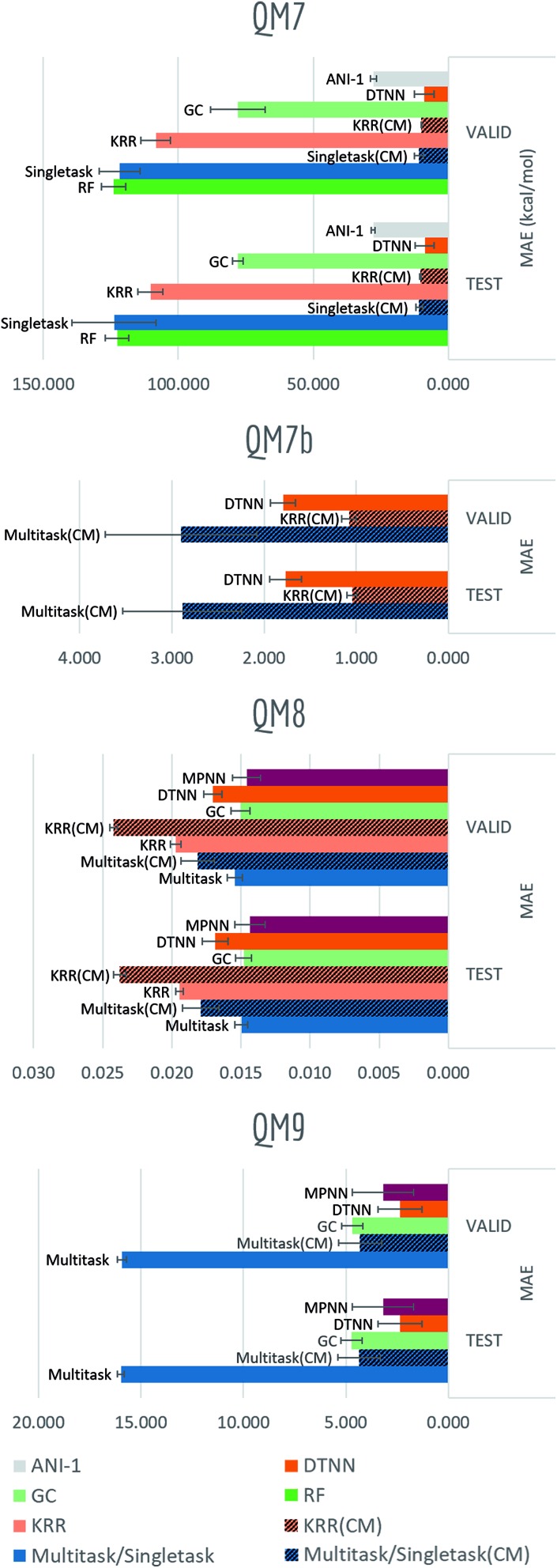
Verification
Claims the paper makes
The claims and statistics of this paper haven’t been checked yet.
Free: it reads the open-access text and checks the first 5 claims that cite a source we can check. Create a free account to check every claim.
Claims other papers make about this one
Each is checked against this paper’s own text: does it say what the citing paper says it does?
The source backs part of the claim, not all of it — or backs it for a different population, condition or comparison.
In the citing paper
“the availability of larger data sets (9) and easy-to-use tools (10,11) has particularly transformed this landscape.”
From Machine Learning for the Discovery, Design, and Engineering of Materials. (2022) · cites this paper as [10]
Experimental — accuracy not yet measuredThe cited source says what the claim attributes to it.
In the citing paper
“Another platform called MoleculeNet is also used to translate two-dimensional molecular structures into novel features/descriptors, which can then be used in predicting toxicity of the given molecule. The MoleculeNet platform is built on data from various public databases and more than 700,000 compounds have already been tested for toxicity or other properties [20].”
From The rise of artificial intelligence in healthcare applications (2020) · cites this paper as [20]
The cited source says what the claim attributes to it.
In the citing paper
“Initiatives like the DREAM Challenges,284 MoleculeNet,110 and Therapeutic Data Commons285 offer benchmark data sets across a wide spectrum of prediction tasks for pharmacology.”
From Advancing Targeted Protein Degradation via Multiomics Profiling and Artificial Intelligence (2023) · cites this paper as [110]
The check wasn’t confident either way, so it gives no verdict — never disputed.
In the citing paper
“However, ChemBERTa was found to perform better than Chemprop on a number of other MoleculeNet benchmark tasks51”
From OnSIDES database: Extracting adverse drug events from drug labels using natural language processing models (2025) · cites this paper as [51]
Experimental — accuracy not yet measured
Self-check
Percentages, sums and reported differences re-computed from the paper’s own numbers.
The self-check needs the paper’s full text.
Citations
Cites
Breiman, L. (2001) · Machine Learning · doi:10.1023/a:1010933404324 · Cited by 133,538
LeCun, Y., Bengio, Y., & Hinton, G. (2015) · Nature · doi:10.1038/nature14539 · Cited by 84,126
Scikit-learn: Machine Learning in Python
Pedregosa, F., Varoquaux, G., Gramfort, A., Michel, V., Thirion, B., Grisel, O., Blondel, M., Müller, A., Nothman, J., Louppe, G., et al. (2012) · arXiv · doi:10.48550/arxiv.1201.0490 · Cited by 71,016
ImageNet: A large-scale hierarchical image database
Deng, J., Dong, W., Socher, R., Li, L.-J., Li, K., & Fei-Fei, L. (2009) · 2009 IEEE Conference on Computer Vision and Pattern Recognition · doi:10.1109/cvpr.2009.5206848 · Cited by 65,333
Cortes, C., & Vapnik, V. (1995) · Machine Learning · doi:10.1007/bf00994018 · Cited by 59,421
Cortes, C., & Vapnik, V. (1995) · Machine-mediated learning · doi:10.1023/a:1022627411411 · Cited by 48,445
ImageNet Large Scale Visual Recognition Challenge
Russakovsky, O., Deng, J., Su, H., Krause, J., Satheesh, S., Ma, S., Huang, Z., Karpathy, A., Khosla, A., Bernstein, M., et al. (2015) · International Journal of Computer Vision · doi:10.1007/s11263-015-0816-y · Cited by 39,380
Greedy function approximation: A gradient boosting machine
Friedman, J. H. (2001) · The Annals of Statistics · doi:10.1214/aos/1013203451 · Cited by 30,731
The Elements of Statistical Learning
Hastie, T., Tibshirani, R., & Friedman, J. (2009) · Springer Series in Statistics · doi:10.1007/978-0-387-84858-7 · Cited by 25,970
Deep learning in neural networks: an overview
Schmidhuber, J. (2015) · Neural Networks · doi:10.1016/j.neunet.2014.09.003 · Cited by 18,570
Research works printed but not linked: 11
- Mitchell, 2014, Wiley Interdiscip. Rev.: Comput. Mol. Sci., 4, 468
- T. Unterthiner , A.Mayr , G.Klambauer , M.Steijaert , J.Wenger , H.Ceulemans and S.Hochreiter , Deep Learning and Representation Learning Workshop (NIPS 2014) , 2014
- Delaney, 2004, J. Chem. Inf. Model., 44, 1000
- J. Deng , W.Dong , R.Socher , L.-J.Li , K.Li and L.Fei-Fei , CVPR09 , 2009
- A. Krizhevsky , I.Sutskever and G. E.Hinton , NIPS Proceedings , 2012
- Pedregosa, 2011, J. Mach. Learn. Res., 12, 2825
- Quantum Machine , http://quantum-machine.org/datasets/ , accessed 2017-09-27
- Medical Dictionary for Regulatory Activities , http://www.meddra.org/ , accessed 2017-09-27
- Artemov, 2016, bioRxiv, Biochem., 095653
- Aggregate Analysis of ClincalTrials.gov (AACT) Database , http://www.ctti-clinicaltrials.org/aact-database , accessed 2017-09-27
- Cortes, 1995, Mach. Learn., 20, 273
Cited by
Items 801–900 of 1,019
López‐Cortés, A., Guevara‐Ramírez, P., Kyriakidis, N. C., Barba‐Ostria, C., Cáceres, Á. L., Guerrero, S. X., Ortiz‐Prado, E., Munteanu, C. R., Tejera, E., Cevallos-Robalino, D., et al. (2021) · Frontiers in Pharmacology · doi:10.3389/fphar.2021.598925 · Cited by 30
Warszycki, D., Struski, Ł., Śmieja, M., Kafel, R., & Kurczab, R. (2021) · Journal of Chemical Information and Modeling · doi:10.1021/acs.jcim.1c00589 · Cited by 30
Deng, D., Lei, Z., Hong, X., Zhang, R., & Zhou, F. (2022) · ACS Omega · doi:10.1021/acsomega.1c06389 · Cited by 34
Graph Neural Networks as a Potential Tool in Improving Virtual Screening Programs
Alves, L. A., Ferreira, N. C. D. S., Maricato, V., Alberto, A. V. P., Dias, E. A., & Coelho, N. J. A. (2022) · Frontiers in Chemistry · doi:10.3389/fchem.2021.787194 · Cited by 35
Brown, B. P., Vu, O., Geanes, A. R., Kothiwale, S., Butkiewicz, M., Lowe, E. W., Mueller, R., Pape, R., Mendenhall, J., & Meiler, J. (2022) · Frontiers in Pharmacology · doi:10.3389/fphar.2022.833099 · Cited by 33
“(XLogP; gray), the property-based cLogP approach from Xing and Glen, 2002 (Xing and Glen, 2002), and the atom-based cLogP approach from Mannhold et al., 2008 (MannholdandVandeWaterbeemd,2001). starting_fragments molecules are reacted.”
MethodInfluentialStrobl, C., & Leisch, F. (2022) · Biometrical Journal · doi:10.1002/bimj.202200104 · Cited by 40
“Other studies provide collections of benchmark data sets for very specific application domains like Wu et al. (2018).”
BackgroundInterpretable Machine Learning of Two‐Photon Absorption
Su, Y., Dai, Y., Zeng, Y., Wei, C., Chen, Y., Ge, F., Zheng, P., Zhou, D., Dral, P. O., & Wang, C. (2023) · Advanced Science · doi:10.1002/advs.202204902 · Cited by 34
Few-shot learning with transformers via graph embeddings for molecular property prediction
Torres, L. H. M., Ribeiro, B., & Arrais, J. P. (2023) · Expert Systems with Applications · doi:10.1016/j.eswa.2023.120005 · Cited by 36
3D graph contrastive learning for molecular property prediction
Moon, K., Im, H.-J., & Kwon, S. (2023) · Bioinformatics · doi:10.1093/bioinformatics/btad371 · Cited by 30
“We select the six molecule datasets from MoleculeNet (Wu et al. 2018).”
Persistent Dirac for molecular representation
Wee, J., Bianconi, G., & Xia, K. (2023) · Scientific Reports · doi:10.1038/s41598-023-37853-z · Cited by 38
High-throughput synthesis provides data for predicting molecular properties and reaction success
Götz, J., Jackl, M. K., Jindakun, C., Marziale, A. N., André, J., Gosling, D. J., Springer, C., Palmieri, M., Reck, M., Luneau, A., et al. (2023) · Science Advances · doi:10.1126/sciadv.adj2314 · Cited by 38
“GNNs were evaluated for predictions as they are suitable to encode chemical structures, including reactions, and are well prece-dented ( 36 ).”
MethodStochastic Optimization of Areas Under Precision-Recall Curves with Provable ConvergencePreprint
Qi, Q., Luo, Y., Zhao, X., Ji, S., & Yang, T. (2021) · arXiv (Cornell University) · doi:10.48550/arxiv.2104.08736 · Cited by 72
“We use the split of train/validation/test set provided by MoleculeNet.”
MethodInfluentialSeal, S., Puigvert, J. C., Singh, S., Carpenter, A. E., Spjuth, O., & Bender, A. (2024) · Molecular Biology of the Cell · doi:10.1091/mbc.e23-08-0298 · Cited by 31
“…activity-related data were collected from 56 cytotoxicity and cell stress response assays from 56 ToxCast (Exploring ToxCast Data | US EPA; Wu et al. , 2018) for nine broad biological processes (for the mapping between 56 ToxCast assays and nine biological processes see Judson et al. ,…”
MethodPredicting Peptide Permeability Across Diverse Barriers: A Systematic Investigation
Tan, X., Liu, Q., Fang, Y., Zhu, Y., Chen, F., Zeng, W., Ouyang, D., & Dong, J. N. (2024) · Molecular Pharmaceutics · doi:10.1021/acs.molpharmaceut.4c00478 · Cited by 33
Uncertainty quantification and propagation in atomistic machine learning
Dai, J., Adhikari, S., & Wen, M. (2024) · Reviews in Chemical Engineering · doi:10.1515/revce-2024-0028 · Cited by 46
Molecular representation learning: cross-domain foundations and future Frontiers
Sheshanarayana, R., & You, F. (2025) · Digital Discovery · doi:10.1039/d5dd00170f · Cited by 53
Simpler is Better: How Linear Prediction Tasks Improve Transfer Learning in Chemical Autoencoders
Iovanac, N. C., & Savoie, B. M. (2020) · The Journal of Physical Chemistry A · doi:10.1021/acs.jpca.0c00042 · Cited by 31
Emulating Docking Results Using a Deep Neural Network: A New Perspective for Virtual Screening
Jastrzȩbski, S., Szymczak, M., Pocha, A., Mordalski, S., Tabor, J., Bojarski, A. J., & Podlewska, S. (2020) · Journal of Chemical Information and Modeling · doi:10.1021/acs.jcim.9b01202 · Cited by 34
Machine Learning of Analytical Electron Density in Large Molecules Through Message-Passing
Cuevas-Zuviría, B., & Pacios, L. F. (2021) · Journal of Chemical Information and Modeling · doi:10.1021/acs.jcim.1c00227 · Cited by 33
Jeon, J., Kang, S., & Kim, H. U. (2021) · Natural Product Reports · doi:10.1039/d1np00016k · Cited by 31
Ulrich, N., & Ebert, A. (2021) · Fluid Phase Equilibria · doi:10.1016/j.fluid.2021.113349 · Cited by 29
Predicting In Vivo Compound Brain Penetration Using Multi-task Graph Neural Networks
Hamzic, S., Lewis, R. A., Desrayaud, S., Soylu, C., Fortunato, M., Gerebtzoff, G., & Rodríguez-Pérez, R. (2022) · Journal of Chemical Information and Modeling · doi:10.1021/acs.jcim.2c00412 · Cited by 32
Jiang, J., Zhang, R., Ma, J., Liu, Y., Yang, E., Du, S., Zhao, Z., & Yuan, Y. (2022) · Applied Intelligence · doi:10.1007/s10489-022-04280-y · Cited by 34
“BACE, BBBP, HIV, Tox21, and ToxCast are from MoleculeNet.”
MethodInfluentialJaume-Santero, F., Bornet, A., Valery, A., Naderi, N., Alvarez, D. V., Proios, D., Yazdani, A., Bournez, C., Fessard, T. C., & Teodoro, D. (2023) · Journal of Chemical Information and Modeling · doi:10.1021/acs.jcim.2c01407 · Cited by 29
Wu, J., Xiao, Y., Lin, M., Cai, H., Zhao, D., Li, Y., Luo, H., Tang, C., & Wang, L. (2023) · European Journal of Medicinal Chemistry · doi:10.1016/j.ejmech.2023.115401 · Cited by 34
Seedat, N., Imrie, F., & van der Schaar, M. (2023) · IEEE Transactions on Artificial Intelligence · doi:10.1109/tai.2023.3345805 · Cited by 65
“…scaffold splits, where structurally different molecules are kept separate might be necessary for one use-case, but less appropriate for another [126]; similarly, cross-target splitting is necessary for models intended to be deployed on novel proteins, but less important for other applications…”
BackgroundTransformers and Large Language Models for Chemistry and Drug Discovery
Bran, A. M., & Schwaller, P. (2024) · Springer eBooks · doi:10.1007/978-981-97-4828-0_8 · Cited by 55
Multi-Objective De Novo Drug Design with Conditional Graph Generative ModelPreprint
Li, Y., Zhang, L., & Liu, Z. (2018) · arXiv (Cornell University) · doi:10.48550/arxiv.1801.07299 · Cited by 29
“Graph convolution In this work, we rely on graph convolutional network (GCN) [24] to extract information from intermediate graph states Gi .”
MethodGIMLET: A Unified Graph-Text Model for Instruction-Based Molecule Zero-Shot LearningPreprint
Zhao, H., Liu, S., Ma, C., Xu, H., Fu, J., Deng, Z., Kong, L., & Liu, Q. (2023) · bioRxiv (Cold Spring Harbor Laboratory) · doi:10.1101/2023.05.30.542904 · Cited by 56
“We also target tasks from MoleculeNet [75], a popular benchmark for molecule properties prediction.”
MethodKong, Y., Zhao, X., Liu, R., Yang, Z., Yin, H., Zhao, B., Wang, J., Qin, B., & Yan, A. (2022) · Journal of Cheminformatics · doi:10.1186/s13321-022-00634-3 · Cited by 40
“Among MoleculeNet, the physical chemistry, bioactivity and physiology data sets except for the PDBbind data sets were tested in this work.”
MethodInfluentialLee, S., Shirts, M. R., & Straub, A. P. (2024) · Journal of Membrane Science · doi:10.1016/j.memsci.2024.122927 · Cited by 28
Zheng, X., & Tomiura, Y. (2024) · Journal of Cheminformatics · doi:10.1186/s13321-024-00848-7 · Cited by 37
“Machine learning approaches have been proposed for the prediction of chemical properties [1, 2], the synthesis of compounds [3, 4], and the prediction of chemical reaction products [5].”
BackgroundCPSign: conformal prediction for cheminformatics modeling
Arvidsson, S., Norinder, U., Alvarsson, J., Ahlberg, E., Carlsson, L., & Spjuth, O. (2024) · Journal of Cheminformatics · doi:10.1186/s13321-024-00870-9 · Cited by 33
“For the evaluation we use a subset of the benchmarking datasets from the popular MoleculeNet [63].”
MethodHybrid fragment-SMILES tokenization for ADMET prediction in drug discovery
Aksamit, N., Tchagang, A., Li, Y., & Ombuki-Berman, B. M. (2024) · BMC Bioinformatics · doi:10.1186/s12859-024-05861-z · Cited by 35
“For fine-tuning on the TDC benchmark datasets, a 70–10–20 train–validation–test scaffold split [71] is performed, with 5 training runs, along with expression of the mean and standard deviation of all performance metrics.”
MethodA systematic review of data and models for predicting food flavor and texture
Gunning, M., & Tagkopoulos, I. (2025) · Current Research in Food Science · doi:10.1016/j.crfs.2025.101127 · Cited by 38
“Several studies show that graph-based models outperform descriptor-based models (Yang et al., 2019), (Wu et al., 2018), (Korolev et al., 2020), (Withnall et al., 2020), (Hop et al., 2018), but others have shown descriptor models may still be superior, especially in terms of computational complexity…”
Toxicity Prediction by Multimodal Deep Learning
Karim, A., Singh, J., Mishra, A., Dehzangi, A., Newton, M. A. H., & Sattar, A. (2019) · Lecture notes in computer science · doi:10.1007/978-3-030-30639-7_12 · Cited by 30
Image Based Liver Toxicity Prediction
Asilar, E., Hemmerich, J., & Ecker, G. F. (2020) · Journal of Chemical Information and Modeling · doi:10.1021/acs.jcim.9b00713 · Cited by 30
Semi-supervised Hierarchical Drug Embedding in Hyperbolic Space
Yu, K., Visweswaran, S., & Batmanghelich, K. N. (2020) · Journal of Chemical Information and Modeling · doi:10.1021/acs.jcim.0c00681 · Cited by 41
Hu, F., Jiang, J., Wang, D., Zhu, M., & Yin, P. (2021) · Journal of Cheminformatics · doi:10.1186/s13321-021-00510-6 · Cited by 34
Pereira, T., Abbasi, M., Oliveira, J. L., Ribeiro, B., & Arrais, J. P. (2021) · Bioinformatics · doi:10.1093/bioinformatics/btab301 · Cited by 40
Lane, T. R., Urbina, F., Rank, L., Gerlach, J., Riabova, O., Lepioshkin, A., Kazakova, E., Vocat, A., Tkachenko, V., Cole, S. T., et al. (2021) · Molecular Pharmaceutics · doi:10.1021/acs.molpharmaceut.1c00791 · Cited by 32
Augmented Graph Neural Network with hierarchical global-based residual connections
Rassil, A., Chougrad, H., & Zouaki, H. (2022) · Neural Networks · doi:10.1016/j.neunet.2022.03.008 · Cited by 32
Modeling and insights into the structural basis of chemical acute aquatic toxicity
Zhang, R., Guo, H., Hua, Y., Cui, X., Shi, Y., & Li, X. (2022) · Ecotoxicology and Environmental Safety · doi:10.1016/j.ecoenv.2022.113940 · Cited by 29
Multimodal model with text and drug embeddings for adverse drug reaction classification
Sakhovskiy, A., & Tutubalina, E. V. (2022) · Journal of Biomedical Informatics · doi:10.1016/j.jbi.2022.104182 · Cited by 28
Dai, J., Fu, D., Song, G., Ma, L., Guo, X., Mol, J. M. C., Cole, I. S., & Zhang, D. (2022) · Corrosion Science · doi:10.1016/j.corsci.2022.110780 · Cited by 29
Molecular Property Prediction Based on a Multichannel Substructure Graph
Wang, S., Li, Z., Zhang, S., Jiang, M., Wang, X., & Wei, Z. (2020) · IEEE Access · doi:10.1109/access.2020.2968535 · Cited by 30
Machine Learning Prediction of Electronic Coupling between the Guanine Bases of DNA
Bag, S., Aggarwal, A., & Maiti, P. K. (2020) · The Journal of Physical Chemistry A · doi:10.1021/acs.jpca.0c04368 · Cited by 26
SpreadGNN: Serverless Multi-task Federated Learning for Graph Neural NetworksPreprint
He, C., Ceyani, E., Balasubramanian, K., Annavaram, M., & Avestimehr, S. (2021) · arXiv (Cornell University) · doi:10.48550/arxiv.2106.02743 · Cited by 28
“I.D. and partially labeled datasets by using curated data from the MoleculeNet [69] machine learning benchmark.”
MethodScikit-fingerprints: Easy and efficient computation of molecular fingerprints in Python
Adamczyk, J., & Ludynia, P. (2024) · SoftwareX · doi:10.1016/j.softx.2024.101944 · Cited by 43
Manu, D., Yao, J., Liu, W., & Sun, X. (2024) · IEEE Transactions on Computational Biology and Bioinformatics · doi:10.1109/tcbb.2024.3349990 · Cited by 32
Toward Unified AI Drug Discovery with Multimodal Knowledge
Luo, Y., Liu, X. Y., Yang, K., Huang, K., Hong, M., Zhang, J., Wu, Y., & Nie, Z. (2024) · Health Data Science · doi:10.34133/hds.0113 · Cited by 43
“We select eight representative binary classification datasets from MoleculeNet [37], a widely adopted benchmark for molecular machine learning.”
MethodOpportunities and challenges of graph neural networks in electrical engineering
Chien, E., Li, M., Aportela, A., Ding, K., Jia, S., Maji, S., Zhao, Z., Duarte, J. M., Fung, V., Hao, C., et al. (2024) · Nature Reviews Electrical Engineering · doi:10.1038/s44287-024-00076-z · Cited by 36
“High-quality benchmark datasets have been used to evaluate GNNs for molecular property prediction 61,181 .”
Wang, L., Wang, S., Yang, H., Li, S., Wang, X., Zhou, Y., Tian, S., Liu, L., & Bai, F. (2024) · Advanced Science · doi:10.1002/advs.202403998 · Cited by 27
Schmid, L., Roidl, M., Kirchheim, A., & Pauly, M. (2024) · Entropy · doi:10.3390/e27010025 · Cited by 57
“In fact, different to other fields (e.g. Wu et al., 2018; Weber et al., 2019) there do not exist rigorous benchmark studies in data-driven logistics to the best of our knowledge.”
BackgroundZhai, Y., Caruso, A., Gao, S., & Paesani, F. (2020) · The Journal of Chemical Physics · doi:10.1063/5.0002162 · Cited by 27
Haneczok, J., & Delijewski, M. (2021) · Journal of Biomedical Informatics · doi:10.1016/j.jbi.2021.103821 · Cited by 30
“The utilized scaffold splitting approach follows [53,35] and relies on partitioning of the molecular structures based on their Murcko scaffolds calculated using RDKit.”
MultiGran-SMILES: multi-granularity SMILES learning for molecular property prediction
Jiang, J., Zhang, R., Zhao, Z., Ma, J., Liu, Y., Yuan, Y., & Niu, B. (2022) · Bioinformatics · doi:10.1093/bioinformatics/btac550 · Cited by 32
Zhang, H., Huang, J., Chen, R., Cai, H., Chen, Y., He, S., Xu, J., Zhang, J., & Wang, L. (2022) · Bioorganic & Medicinal Chemistry · doi:10.1016/j.bmc.2022.116994 · Cited by 27
Jia, Q., Ni, Y., Liu, Z., Gu, X., Cui, Z., Fan, M., Zhu, Q., Wang, Y., & Ma, J. (2022) · Journal of Chemical Information and Modeling · doi:10.1021/acs.jcim.2c01201 · Cited by 27
Uncertainty-aware predictions of molecular x-ray absorption spectra using neural network ensembles
Ghose, A. K., Segal, M., Meng, F., Liang, Z., Hybertsen, M. S., Qu, X., Stavitski, E., Yoo, S., Lu, D., & Carbone, M. R. (2023) · Physical Review Research · doi:10.1103/physrevresearch.5.013180 · Cited by 27
“[5] Zhenqin Wu, Bharath Ramsundar, Evan N Feinberg,”
BackgroundApplication of interpretable group-embedded graph neural networks for pure compound properties
Aouichaoui, A. R. N., Fan, F., Abildskov, J., & Sin, G. (2023) · Computers & Chemical Engineering · doi:10.1016/j.compchemeng.2023.108291 · Cited by 29
Representing molecular and materials data for unsupervised machine learning
Swann, E. T., Sun, B., Cleland, D. M., & Barnard, A. S. (2018) · Molecular Simulation · doi:10.1080/08927022.2018.1450982 · Cited by 29
“Supervised ML methods such as neural networks, random forest or kernel ridge regression models, amongst others, have also shown great promise in the field of molecular and materials modelling, particularly when applied to large data-sets [1,8–12].”
MethodImproved Representations of Heterogeneous Carbon Reforming Catalysis Using Machine Learning
Li, X., Chiong, R., Hu, Z., Cornforth, D. J., & Page, A. J. (2019) · Journal of Chemical Theory and Computation · doi:10.1021/acs.jctc.9b00420 · Cited by 28
Formatting biological big data for modern machine learning in drug discovery
Duran‐Frigola, M., Fernández‐Torras, A., Bertoni, M., & Aloy, P. (2019) · WIREs Computational Molecular Science · doi:10.1002/wcms.1408 · Cited by 25
Advanced deep learning methods for molecular property prediction
Pang, C., Tong, H. H. Y., & Wei, L. (2023) · Quantitative Biology · doi:10.1002/qub2.23 · Cited by 31
“(3) HIV: The HIV dataset contains over forty thousand compounds and their ability information of inhibiting HIV replication, which was introduced by the Drug Therapeutics Program (DTP) AIDS Antiviral Screen [19].”
A deep learning framework for predicting molecular property based on multi-type features fusion
Ma, M., & Lei, X. (2023) · Computers in Biology and Medicine · doi:10.1016/j.compbiomed.2023.107911 · Cited by 29
Nguyen, L. D., Nguyen, Q. H., Trinh, Q. H., & Nguyen, B. P. (2024) · Journal of Chemical Information and Modeling · doi:10.1021/acs.jcim.4c01240 · Cited by 33
Token-Mol 1.0: tokenized drug design with large language models
Wang, J., Qin, R., Wang, M., Fang, M., Zhang, Y., Zhu, Y., Su, Q., Gou, Q., Shen, C., Zhang, O., et al. (2025) · Nature Communications · doi:10.1038/s41467-025-59628-y · Cited by 58
Self-citationProgress of AI-Driven Drug–Target Interaction Prediction and Lead Optimization
Wang, Q., Sun, B., Yi, Y., Velkov, T., Shen, J., Dai, C., & Jiang, H. (2025) · International Journal of Molecular Sciences · doi:10.3390/ijms262010037 · Cited by 38
“In practice, many studies employ the same public datasets (such as MoleculeNet, TDC) to ensure fair model assessment and to compare results with prior work [85,86].”
Yeh, H., Chao, C., Lai, Y.-P., & Chen, H. (2020) · International Journal of Environmental Research and Public Health · doi:10.3390/ijerph17030740 · Cited by 29
“Methods ROC-AUC Average fingerprint Random forest [15] 0.65 Neural fingerprint GCN [23,24] 0.70 Neural fingerprint Cost-sensitive GCN 0.78 forest [15] GCN [23,24]”
BackgroundMethodResultInfluentialPredicting excited states from ground state wavefunction by supervised quantum machine learning
Kawai, H., & Nakagawa, Y. O. (2020) · Machine Learning Science and Technology · doi:10.1088/2632-2153/aba183 · Cited by 40
Pursuing a Prospective Perspective
Kearnes, S. M. (2020) · Trends in Chemistry · doi:10.1016/j.trechm.2020.10.012 · Cited by 25
Multi-view spectral graph convolution with consistent edge attention for molecular modeling
Shang, C., Liu, Q., Tong, Q., Sun, J., Song, M., & Bi, J. (2021) · Neurocomputing · doi:10.1016/j.neucom.2021.02.025 · Cited by 26
COVID-19 Multi-Targeted Drug Repurposing Using Few-Shot Learning
Liu, Y., Wu, Y., Shen, X., & Xie, L. (2021) · Frontiers in Bioinformatics · doi:10.3389/fbinf.2021.693177 · Cited by 29
Group Contrastive Self-Supervised Learning on Graphs
Xu, X., Deng, C. D., Xie, Y., & Ji, S. (2022) · IEEE Transactions on Pattern Analysis and Machine Intelligence · doi:10.1109/tpami.2022.3177295 · Cited by 30
Goel, M., Aggarwal, R., Sridharan, B., Pal, P. K., & Priyakumar, U. D. (2022) · Wiley Interdisciplinary Reviews Computational Molecular Science · doi:10.1002/wcms.1637 · Cited by 31
Maria, J. P. S., Wang, Y., & Camargo, L. M. (2023) · Frontiers in Bioinformatics · doi:10.3389/fbinf.2023.1121591 · Cited by 30
QSAR in natural non-peptidic food-related compounds: Current status and future perspective
Zhao, Y. C., Xia, Y., Yu, Y., & Liang, G. (2023) · Trends in Food Science & Technology · doi:10.1016/j.tifs.2023.104165 · Cited by 30
Efficient Multiscale Optoelectronic Prediction for Conjugated Polymers
Jackson, N. E., Bowen, A., & Pablo, J. (2019) · Macromolecules · doi:10.1021/acs.macromol.9b02020 · Cited by 27
Open Force Field Consortium: Escaping atom types using direct chemical perception with SMIRNOFF v0.1Preprint
Mobley, D., Bannan, C. C., Rizzi, A., Bayly, C., Chodera, J., Lim, V. T., Lim, N., Beauchamp, K., Shirts, M., Gilson, M., et al. (2018) · bioRxiv · doi:10.1101/286542 · Cited by 27
“The process of replacing human-annotated featurizations with fully automated ones has recently led to advances in both chemistry (e.g., DeepChem [103]) and image recognition (e.g., ImageNet [51]), though we are not yet aware of applications to force field development.”
BackgroundAn efficiency-driven, correlation-based feature elimination strategy for small datasets
Rickert, C. A., Henkel, M., & Lieleg, O. (2023) · APL Machine Learning · doi:10.1063/5.0118207 · Cited by 39
Rosa, L. C. S., Argolo, C. O., Nascimento, C. M. C., & Pimentel, A. S. (2024) · ACS Chemical Neuroscience · doi:10.1021/acschemneuro.3c00840 · Cited by 34
dxtb —An efficient and fully differentiable framework for extended tight-binding
Friede, M., Hölzer, C., Ehlert, S., & Grimme, S. (2024) · The Journal of Chemical Physics · doi:10.1063/5.0216715 · Cited by 43
Wan, Y. F., Wu, J., Hou, T., Hsieh, C., & Jia, X. (2025) · Nature Communications · doi:10.1038/s41467-024-55082-4 · Cited by 42
“The overall framework is pre-trained using ZINC15 38 , and evaluated on 7 molecular property prediction tasks in MoleculeNet 5 and 30 binding potency prediction tasks in MoleculeACE 6 .”
InfluentialMolecular pretraining models towards molecular property prediction
Qiao, J., Gao, W., Jin, J., Wang, D., Xu, G., Manavalan, B., & Wei, L. (2025) · Science China Information Sciences · doi:10.1007/s11432-024-4457-2 · Cited by 30
“According to MoleculeNet [42], the area under the receiver operating characteristic curve (ROC-AUC) [43] is employed to evaluate the performance of classification tasks, while the root mean square error (RMSE) [44] or the mean absolute error (MAE) is employed to evaluate the performance of…”
Advancements in Molecular Property Prediction: A Survey of Single and Multimodal Approaches
Liyaqat, T., Ahmad, T., & Saxena, C. (2025) · Archives of Computational Methods in Engineering · doi:10.1007/s11831-025-10317-5 · Cited by 54
“Many of these datasets are integral components of the MoleculeNet [158] benchmark. that serves as a pivotal tool for research, development, and comparison of diverse algorithms designed for property prediction tasks.”
PB-Net: Automatic peak integration by sequential deep learning for multiple reaction monitoring
Wu, Z., Serie, D., Xu, G., & Zou, J. (2020) · Journal of Proteomics · doi:10.1016/j.jprot.2020.103820 · Cited by 28
Self-citationDirected graph attention neural network utilizing 3D coordinates for molecular property prediction
Qian, C., Xiong, Y., & Chen, X. (2021) · Computational Materials Science · doi:10.1016/j.commatsci.2021.110761 · Cited by 25
GraphITE: Estimating Individual Effects of Graph-structured Treatments
Harada, S., & Kashima, H. (2021) · ACM International Conference on Information and Knowledge Management (CIKM) · doi:10.1145/3459637.3482349 · Cited by 38
“In GraphITE, to promote effective feature extraction from small data, we pretrain the GNN ψ on regression tasks using three popular molecular datasets: ESOL, FreeSolv, and Lipophilicity, provided by MoleculeNet (Wu et al., 2018).”
Holistic Graph Neural Networks based on a global-based attention mechanism
Rassil, A., Chougrad, H., & Zouaki, H. (2022) · Knowledge-Based Systems · doi:10.1016/j.knosys.2021.108105 · Cited by 27
Fine-Tuning Graph Neural Networks via Graph Topology Induced Optimal Transport
Zhang, J., Xiao, X., Huang, L.-K., Rong, Y., & Bian, Y. (2022) · International Joint Conference on Artificial Intelligence · doi:10.24963/ijcai.2022/518 · Cited by 37
Du, H., Jiang, D., Gao, J., Zhang, X., Jiang, L., Zeng, Y., Wu, Z., Shen, C., Xu, L., Cao, D., et al. (2022) · Research · doi:10.34133/2022/9873564 · Cited by 28
Self-citationA multi-task FP-GNN framework enables accurate prediction of selective PARP inhibitors
Ai, D., Wu, J., Cai, H., Zhao, D., Chen, Y., Wei, J., Xu, J., Zhang, J., & Wang, L. (2022) · Frontiers in Pharmacology · doi:10.3389/fphar.2022.971369 · Cited by 27
“A brief introduction to these CML and DL methods can be found elsewhere (Dreiseitl and Ohno-Machado, 2002; Wang et al., 2014; Wu et al., 2017; He et al., 2021).”
BackgroundMethodWiercioch, M., & Kirchmair, J. (2022) · Expert Systems with Applications · doi:10.1016/j.eswa.2022.119055 · Cited by 28
Cai, C., Lin, H., Wang, H., Xu, Y., Ouyang, Q., Lai, L., & Pei, J. (2022) · Biomolecules · doi:10.3390/biom13010029 · Cited by 25
PSnpBind-ML: predicting the effect of binding site mutations on protein-ligand binding affinity
Ammar, A., Cavill, R., Evelo, C. T., & Willighagen, E. (2023) · Journal of Cheminformatics · doi:10.1186/s13321-023-00701-3 · Cited by 25
PDDLGym: Gym Environments from PDDL ProblemsPreprint
Silver, T., & Chitnis, R. (2020) · arXiv (Cornell University) · doi:10.48550/arxiv.2002.06432 · Cited by 68
“The creation of benchmarks has often accelerated research progress in various subdomains of artificial intelligence [1, 2, 3].”
BackgroundExplaining molecular properties with natural languagePreprint
Gandhi, H. A., & White, A. D. (2022) · ChemRxiv · doi:10.26434/chemrxiv-2022-v5p6m-v3 · Cited by 31
Wang, J., Guan, J., & Zhou, S. (2023) · Bioinformatics · doi:10.1093/bioinformatics/btad258 · Cited by 29
“On the other hand, we predict properties of molecules in benchmark data-sets from MoleculeNet (Wu et al. 2018).”
BackgroundInfluentialRecent Advances in Toxicity Prediction: Applications of Deep Graph Learning
Miao, Y., Ma, H., & Huang, J. (2023) · Chemical Research in Toxicology · doi:10.1021/acs.chemrestox.2c00384 · Cited by 31
Metadata
- Authors
- Wu, Z., Ramsundar, B., Feinberg, E. N., Gomes, J., Geniesse, C., Pappu, A. S., Leswing, K., & Pande, V.
- Affiliations
- Stanford University (US)
- Stanford Medicine (US)
- Schrodinger (United States) (US)
- Corresponding author
- Pande, Vijay
- Venue
- Chemical Science
- Publisher
- Royal Society of Chemistry (RSC)
- Published
- 2018
- Volume
- 9
- Issue
- 2
- Pages
- 513-530
- ISSN
- 2041-6520 (ISSN-L)
- 2041-6539
- PMC
- PMC5868307
- OpenAlex
- W2594183968
- Cited by
- 3,107
- References
- 62
- Citations by year
- 2026: 553 · 2025: 561 · 2024: 485 · 2023: 387 · 2022: 328 · 2021: 309 · 2020: 251 · 2019: 144 · 2018: 73
- FWCI
- 98.85
- Type
- journal article
- Language
- en
- Open access
- diamond
- doi.org
- Licence
- Locations
- Chemical Science (publishedVersion, cc-by-nc)
- Europe PMC (PubMed Central) (publishedVersion, cc-by-nc)
- PubMed Central (publishedVersion, cc-by-nc)
- PubMed (publishedVersion)
- arXiv (Cornell University) (submittedVersion)
- The HKU Scholars Hub (University of Hong Kong) (submittedVersion)
- arXiv (Cornell University)
- Funders
- Hertz Foundation
- NIH (R01 GM062868, U19 AI109662)
- Topics
- Life Sciences › Pharmacology, Toxicology and Pharmaceutics › Drug Discovery › Computational Drug Discovery Methods
- Physical Sciences › Materials Science › Materials Chemistry › Machine Learning in Materials Science
- Physical Sciences › Physics and Astronomy › Atomic and Molecular Physics, and Optics › Advanced Chemical Physics Studies
- Keywords
- molecular machine learning, benchmark, MoleculeNet, molecular property prediction, DeepChem, open source software, data scarcity, imbalanced classification, quantum mechanical properties, biophysical properties
About these checks
Registry, retraction, Cites and statistics results are computed, not judged, with one exception: a printed reference that no index lists is read once by a model before it counts as a citation error. Claims are extracted by a model and kept only when their quote appears verbatim in the text; each cited source is then checked, with a model’s help, for whether it says what the claim relies on. Those verdicts can be wrong — read the claim’s quote and the cited source before relying on one.
Statistics and arithmetic are recomputed, not judged.
Confidence bands are shown only for fields calibrated on our annotated test set. None is calibrated yet, so no band is shown.
What counts as a claim ›How we measure confidence ›How we check this ›
Are you an author, or do you see a problem with this page? Request a review
Data sources
Bibliographic data: Semantic Scholar, OpenAlex, Crossref.
Contains information from the Semantic Scholar Academic Graph Datasets, made available under the ODC Attribution License (ODC-BY 1.0).
Semantic Scholar’s data is described in: Kinney, R., et al. (2023). The Semantic Scholar Open Data Platform. arXiv:2301.10140.
