

MoleculeNet: a benchmark for molecular machine learning
Open accessThe DOI matches its Crossref record; 82 of the 82 references it cites were found in a registry or an index.
Abstract
A large scale benchmark for molecular machine learning consisting of multiple public datasets, metrics, featurizations and learning algorithms.
Overview
The claims and statistics of this paper haven’t been checked yet.
Free: it reads the open-access text and checks the first 5 claims that cite a source we can check. Create a free account to check every claim.
Integrity signals
Registry
Cites
Statistics
Figures


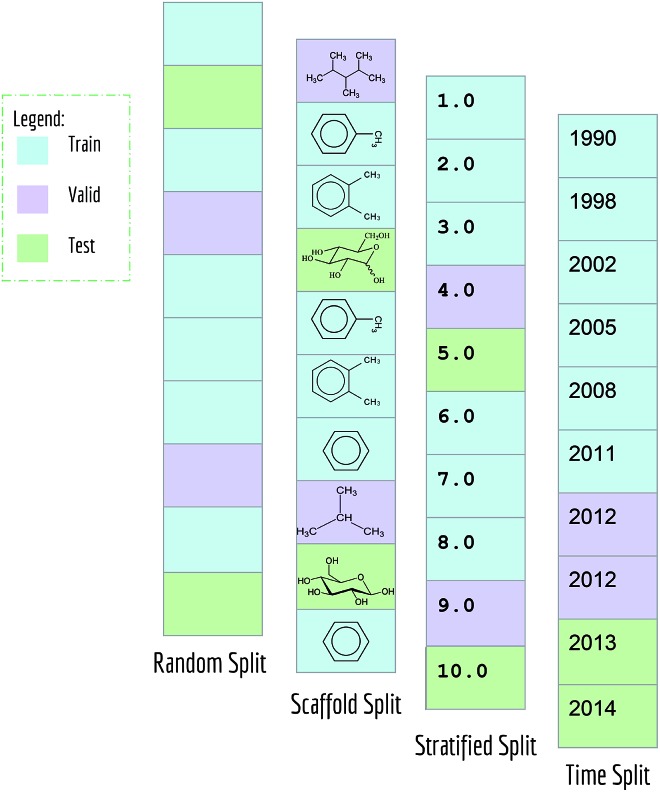
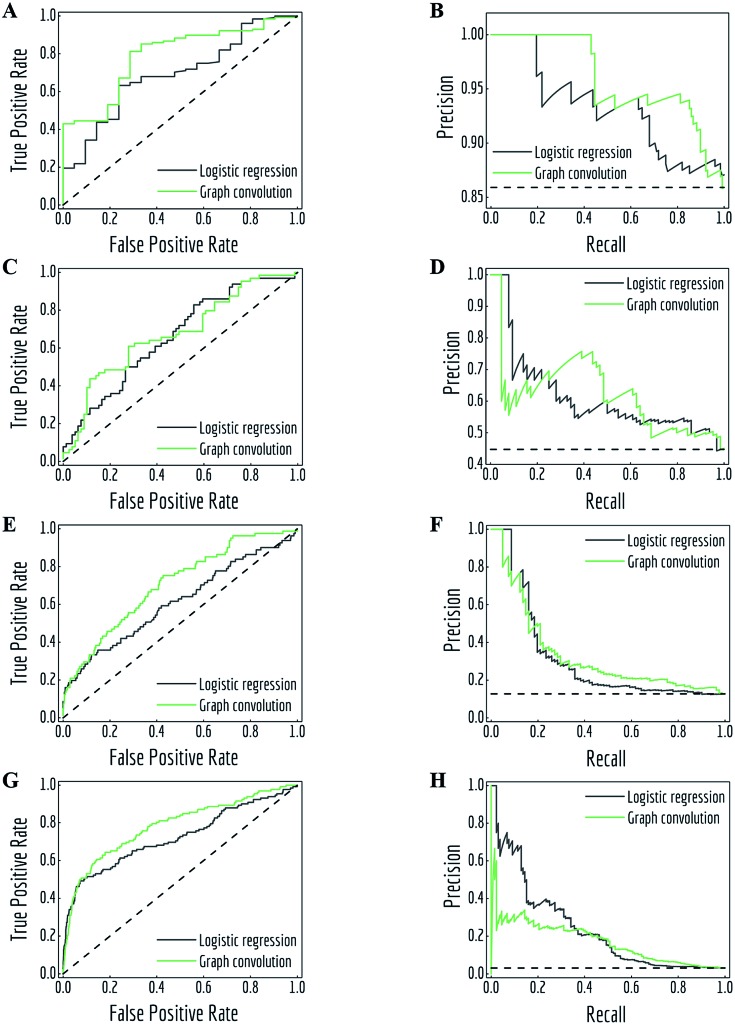


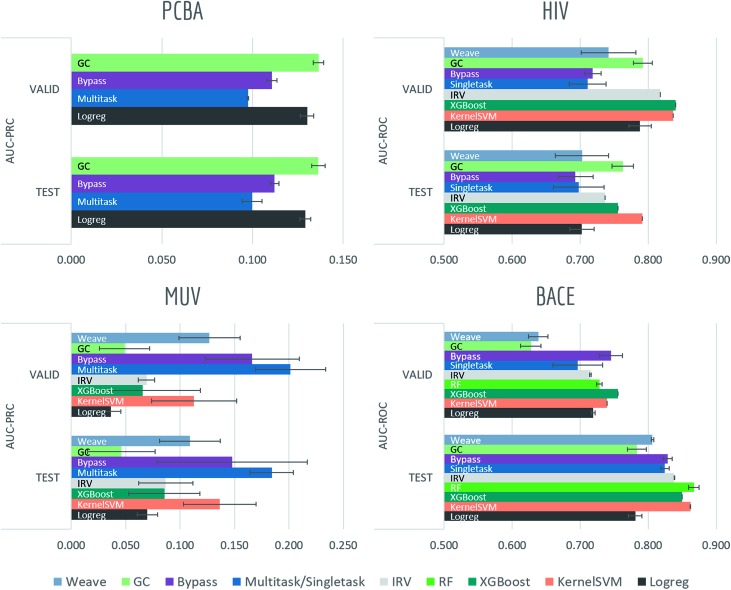
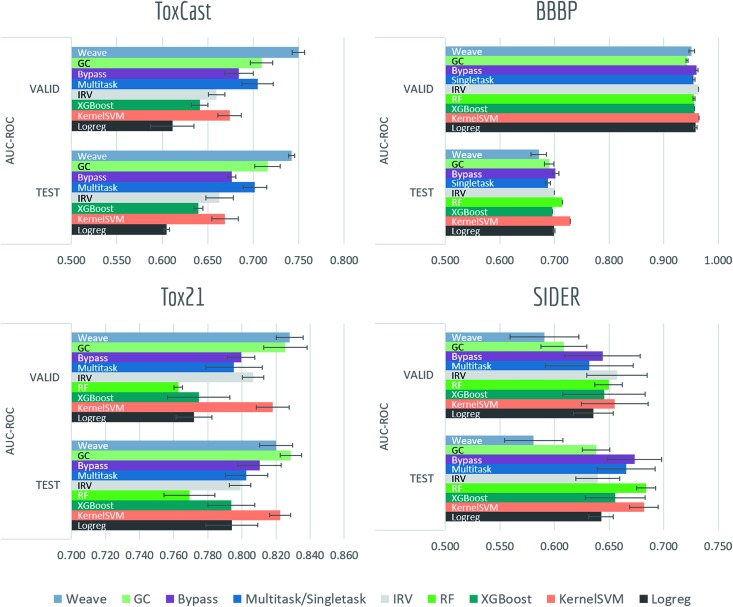


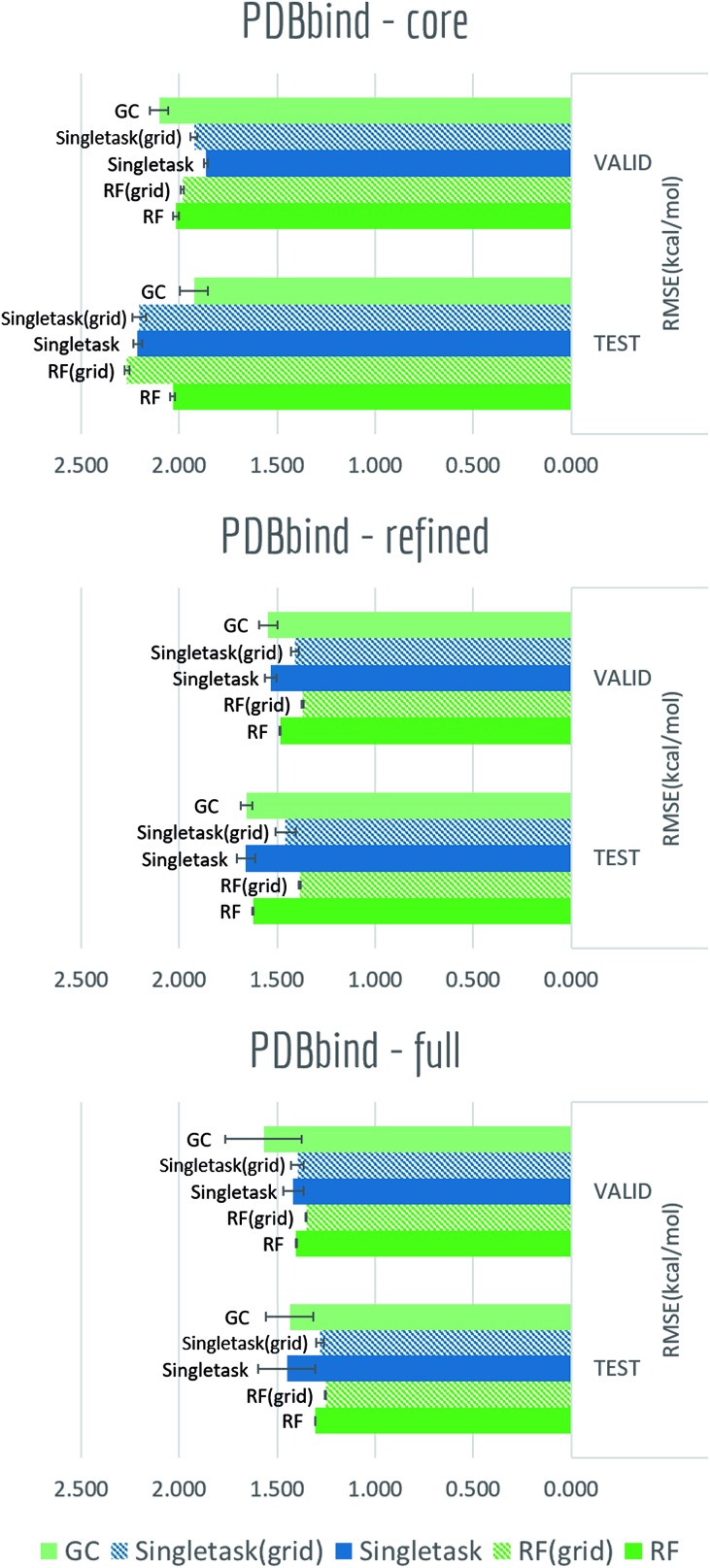

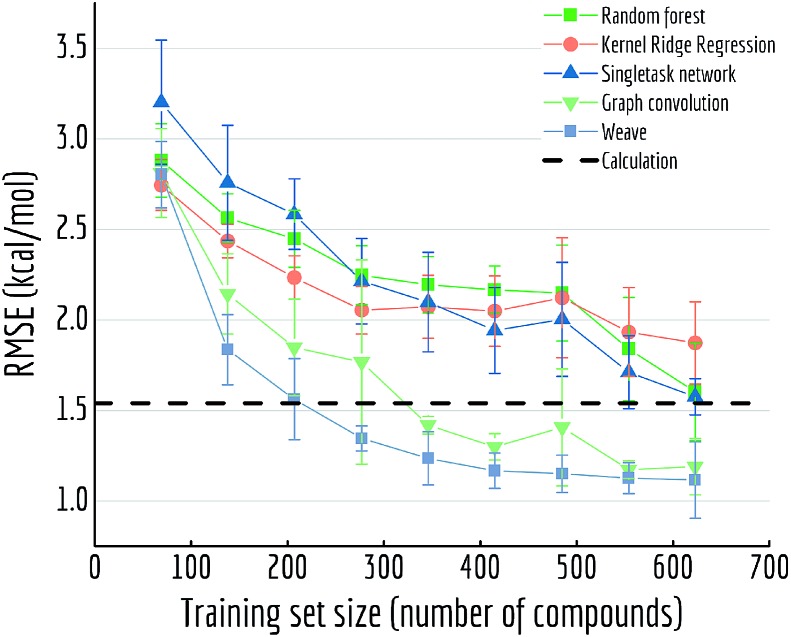
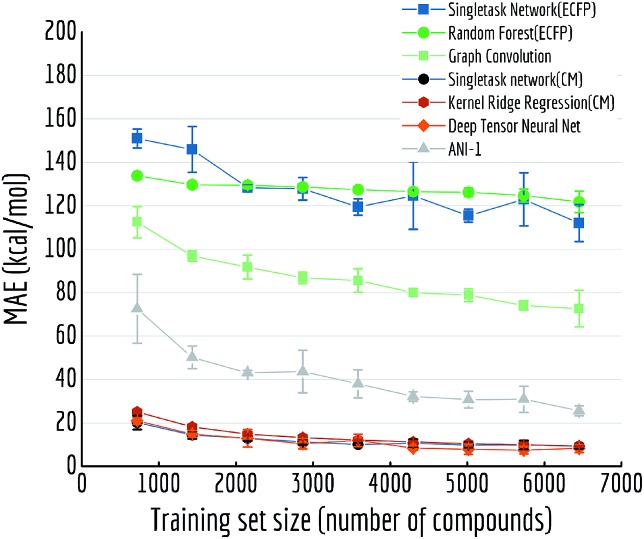
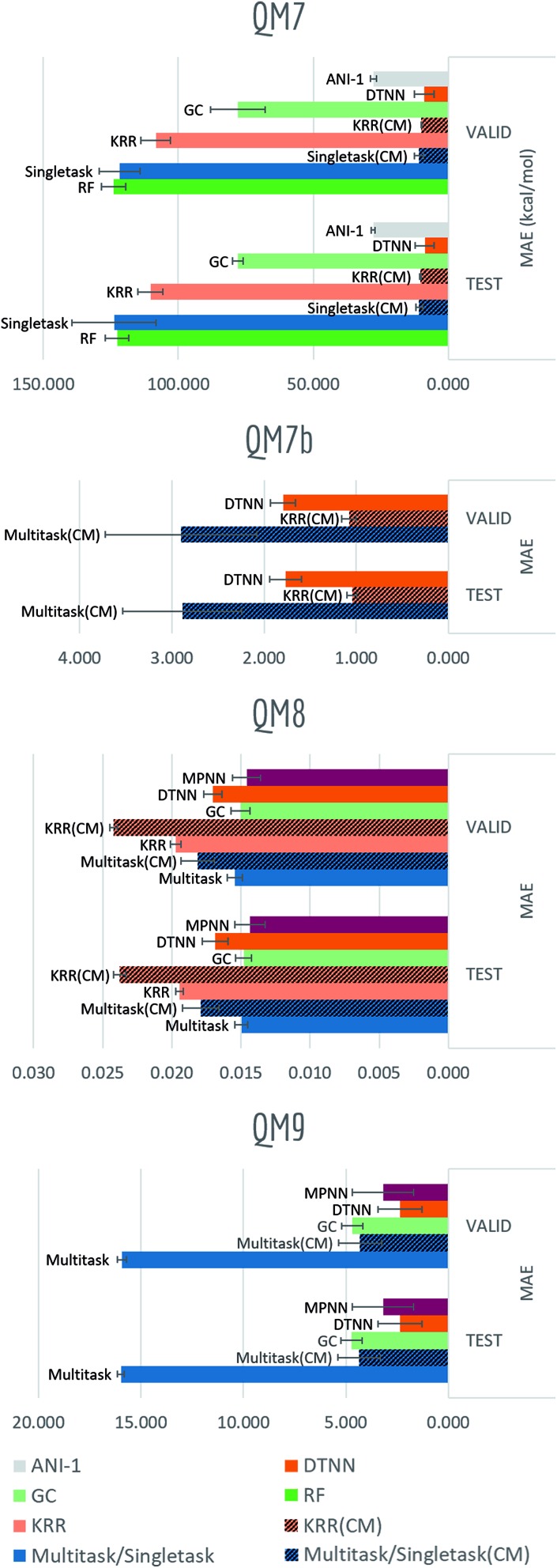
Verification
Claims the paper makes
The claims and statistics of this paper haven’t been checked yet.
Free: it reads the open-access text and checks the first 5 claims that cite a source we can check. Create a free account to check every claim.
Claims other papers make about this one
Each is checked against this paper’s own text: does it say what the citing paper says it does?
The source backs part of the claim, not all of it — or backs it for a different population, condition or comparison.
In the citing paper
“the availability of larger data sets (9) and easy-to-use tools (10,11) has particularly transformed this landscape.”
From Machine Learning for the Discovery, Design, and Engineering of Materials. (2022) · cites this paper as [10]
Experimental — accuracy not yet measuredThe cited source says what the claim attributes to it.
In the citing paper
“Another platform called MoleculeNet is also used to translate two-dimensional molecular structures into novel features/descriptors, which can then be used in predicting toxicity of the given molecule. The MoleculeNet platform is built on data from various public databases and more than 700,000 compounds have already been tested for toxicity or other properties [20].”
From The rise of artificial intelligence in healthcare applications (2020) · cites this paper as [20]
The cited source says what the claim attributes to it.
In the citing paper
“Initiatives like the DREAM Challenges,284 MoleculeNet,110 and Therapeutic Data Commons285 offer benchmark data sets across a wide spectrum of prediction tasks for pharmacology.”
From Advancing Targeted Protein Degradation via Multiomics Profiling and Artificial Intelligence (2023) · cites this paper as [110]
The check wasn’t confident either way, so it gives no verdict — never disputed.
In the citing paper
“However, ChemBERTa was found to perform better than Chemprop on a number of other MoleculeNet benchmark tasks51”
From OnSIDES database: Extracting adverse drug events from drug labels using natural language processing models (2025) · cites this paper as [51]
Experimental — accuracy not yet measured
Self-check
Percentages, sums and reported differences re-computed from the paper’s own numbers.
The self-check needs the paper’s full text.
Citations
Cites
Breiman, L. (2001) · Machine Learning · doi:10.1023/a:1010933404324 · Cited by 133,538
LeCun, Y., Bengio, Y., & Hinton, G. (2015) · Nature · doi:10.1038/nature14539 · Cited by 84,126
Scikit-learn: Machine Learning in Python
Pedregosa, F., Varoquaux, G., Gramfort, A., Michel, V., Thirion, B., Grisel, O., Blondel, M., Müller, A., Nothman, J., Louppe, G., et al. (2012) · arXiv · doi:10.48550/arxiv.1201.0490 · Cited by 71,016
ImageNet: A large-scale hierarchical image database
Deng, J., Dong, W., Socher, R., Li, L.-J., Li, K., & Fei-Fei, L. (2009) · 2009 IEEE Conference on Computer Vision and Pattern Recognition · doi:10.1109/cvpr.2009.5206848 · Cited by 65,333
Cortes, C., & Vapnik, V. (1995) · Machine Learning · doi:10.1007/bf00994018 · Cited by 59,421
Cortes, C., & Vapnik, V. (1995) · Machine-mediated learning · doi:10.1023/a:1022627411411 · Cited by 48,445
ImageNet Large Scale Visual Recognition Challenge
Russakovsky, O., Deng, J., Su, H., Krause, J., Satheesh, S., Ma, S., Huang, Z., Karpathy, A., Khosla, A., Bernstein, M., et al. (2015) · International Journal of Computer Vision · doi:10.1007/s11263-015-0816-y · Cited by 39,380
Greedy function approximation: A gradient boosting machine
Friedman, J. H. (2001) · The Annals of Statistics · doi:10.1214/aos/1013203451 · Cited by 30,731
The Elements of Statistical Learning
Hastie, T., Tibshirani, R., & Friedman, J. (2009) · Springer Series in Statistics · doi:10.1007/978-0-387-84858-7 · Cited by 25,970
Deep learning in neural networks: an overview
Schmidhuber, J. (2015) · Neural Networks · doi:10.1016/j.neunet.2014.09.003 · Cited by 18,570
Research works printed but not linked: 11
- Mitchell, 2014, Wiley Interdiscip. Rev.: Comput. Mol. Sci., 4, 468
- T. Unterthiner , A.Mayr , G.Klambauer , M.Steijaert , J.Wenger , H.Ceulemans and S.Hochreiter , Deep Learning and Representation Learning Workshop (NIPS 2014) , 2014
- Delaney, 2004, J. Chem. Inf. Model., 44, 1000
- J. Deng , W.Dong , R.Socher , L.-J.Li , K.Li and L.Fei-Fei , CVPR09 , 2009
- A. Krizhevsky , I.Sutskever and G. E.Hinton , NIPS Proceedings , 2012
- Pedregosa, 2011, J. Mach. Learn. Res., 12, 2825
- Quantum Machine , http://quantum-machine.org/datasets/ , accessed 2017-09-27
- Medical Dictionary for Regulatory Activities , http://www.meddra.org/ , accessed 2017-09-27
- Artemov, 2016, bioRxiv, Biochem., 095653
- Aggregate Analysis of ClincalTrials.gov (AACT) Database , http://www.ctti-clinicaltrials.org/aact-database , accessed 2017-09-27
- Cortes, 1995, Mach. Learn., 20, 273
Cited by
Items 201–300 of 1,019
AI-Aided Design of Novel Targeted Covalent Inhibitors against SARS-CoV-2
Tang, B., He, F., Liu, D., He, F., Wu, T., Fang, M., Niu, Z., Wu, Z., & Xu, D. (2022) · Biomolecules · doi:10.3390/biom12060746 · Cited by 144
Self-citationBorn, J., & Manica, M. (2023) · Nature Machine Intelligence · doi:10.1038/s42256-023-00639-z · Cited by 219
Diffusion models in bioinformatics and computational biology
Guo, Z., Liu, J., Wang, Y., Chen, M., Wang, D., Xu, D., & Cheng, J. (2023) · Nature Reviews Bioengineering · doi:10.1038/s44222-023-00114-9 · Cited by 139
Motif-based Graph Self-Supervised Learning for Molecular Property PredictionPreprint
Zhang, Z., Liu, Q., Wang, H., Lu, C., & Lee, C. (2021) · arXiv (Cornell University) · doi:10.48550/arxiv.2110.00987 · Cited by 363
“As for the downstream finetune tasks, we consider 8 binary classification benchmark datasets contained in MoleculeNet [45].”
MethodModel agnostic generation of counterfactual explanations for molecules
Wellawatte, G. P., Seshadri, A., & White, A. D. (2022) · Chemical Science · doi:10.1039/d1sc05259d · Cited by 143
Comprehensive Survey of Recent Drug Discovery Using Deep Learning
Kim, J., Park, S., Min, D., & Kim, W. (2021) · International Journal of Molecular Sciences · doi:10.3390/ijms22189983 · Cited by 165
“Reference Models Input Drug Type Datasets AlgorithmType Year Evaluation Metrics Liu et al. [81] GCN;Multi-task 3D molecular graph Amgen’s internal dataset; ChEMBL Regression 2019 R 2; Accuracy Yang et al. [21] GCN SMILES PDBbind; ChEMBL; PubChem Bioassay; MUV; Tox21; ToxCast; SIDER etc. Classification; Regression 2019…”
MethodHeid, E., & Green, W. H. (2021) · Journal of Chemical Information and Modeling · doi:10.1021/acs.jcim.1c00975 · Cited by 165
Co‐crystal Prediction by Artificial Neural Networks**
Devogelaer, J., Meekes, H., Tinnemans, P., Vlieg, E., & Gelder, R. D. (2020) · Angewandte Chemie International Edition · doi:10.1002/anie.202009467 · Cited by 154
Mole-BERT: Rethinking Pre-training Graph Neural Networks for MoleculesPreprint
Xia, J., Zhao, C., Hu, B., Gao, Z., Tan, C., Liu, Y., Li, S., & Li, S. Z. (2023) · ChemRxiv · doi:10.26434/chemrxiv-2023-dngg4 · Cited by 258
Graph Neural Networks for Prediction of Fuel Ignition Quality
Schweidtmann, A. M., Rittig, J. G., König, A. A., Grohe, M., Mitsos, A., & Dahmen, M. (2020) · Energy & Fuels · doi:10.1021/acs.energyfuels.0c01533 · Cited by 163
Guan, Y., V., S. S. S., Gallegos, L. C., John, P. C. S., & Paton, R. S. (2021) · Chemical Science · doi:10.1039/d1sc03343c · Cited by 170
Discovery of senolytics using machine learning
Smer-Barreto, V., Quintanilla, A., Elliott, R. J. R., Dawson, J. C., Sun, J., Campa, V. M., Lorente-Macías, Á., Unciti-Broceta, A., Carragher, N. O., Acosta, J. C., et al. (2023) · Nature Communications · doi:10.1038/s41467-023-39120-1 · Cited by 139
Alotaibi, G., Awawdeh, M. A., Farook, F. F., Aljohani, M., Aldhafiri, R. M., & Aldhoayan, M. (2022) · BMC Oral Health · doi:10.1186/s12903-022-02436-3 · Cited by 179
“The performance of the machine learning algorithms changes with an increasing data size [27].”
BackgroundAdvances in Artificial Intelligence (AI)-assisted approaches in drug screening
Singh, S., Gupta, H., Sharma, P., & Sahi, S. (2023) · Artificial Intelligence Chemistry · doi:10.1016/j.aichem.2023.100039 · Cited by 174
Relational Graph Attention Networks
Busbridge, D., Sherburn, D., Cavallo, P., & Hammerla, N. (2019) · arXiv (Cornell University) · doi:10.48550/arxiv.1904.05811 · Cited by 120
DOCKSTRING: Easy Molecular Docking Yields Better Benchmarks for Ligand Design
García-Ortegón, M., Simm, G. N. C., Tripp, A., Hernández-Lobato, J. M., Bender, A., & Bacallado, S. (2022) · Journal of Chemical Information and Modeling · doi:10.1021/acs.jcim.1c01334 · Cited by 206
A Survey of Deep Learning for Scientific Discovery
Raghu, M., & Schmidt, E. (2020) · arXiv (Cornell University) · doi:10.48550/arxiv.2003.11755 · Cited by 56
“A useful library for many of these chemistry tasks is https://github . com/ deepchem , which also has an associated benchmark task [249].”
BackgroundZheng, S., Yan, X., Yang, Y., & Xu, J. (2019) · Journal of Chemical Information and Modeling · doi:10.1021/acs.jcim.8b00803 · Cited by 144
OOD-GNN: Out-of-Distribution Generalized Graph Neural Network
Li, H., Wang, X. Y., Zhang, Z., & Zhu, W. (2022) · IEEE Transactions on Knowledge and Data Engineering · doi:10.1109/tkde.2022.3193725 · Cited by 212
“…importance to learn GNNs capable of out-of-distribution generalization and achieve relatively stable performances under distribution shifts, especially for some high-stake applications, e.g., medical diagnosis [16], criminal justice [17], financial analysis [18], and molecular prediction [3], etc.”
InfluentialOGB-LSC: A Large-Scale Challenge for Machine Learning on GraphsPreprint
Hu, W., Fey, M., Ren, H., Nakata, M., Dong, Y., & Leskovec, J. (2021) · arXiv (Cornell University) · doi:10.48550/arxiv.2103.09430 · Cited by 444
“Our original intention was to provide the scaffold split (Hu et al., 2020a; Wu et al., 2018), but the provided data turns out to be split by the CID due to some pre-processing bug.”
BackgroundKim, H., Kim, E., Lee, I., Bae, B., Park, M., & Nam, H. (2020) · Biotechnology and Bioprocess Engineering · doi:10.1007/s12257-020-0049-y · Cited by 131
“[190] proposed the comprehensive benchmark called ‘MoleculeNet’.”
BackgroundArtificial intelligence (AI)—it’s the end of the tox as we know it (and I feel fine)*
Kleinstreuer, N., & Härtung, T. (2024) · Archives of Toxicology · doi:10.1007/s00204-023-03666-2 · Cited by 176
Predicting tumor cell line response to drug pairs with deep learning
Xia, F., Shukla, M. P., Brettin, T. S., García–Cardona, C., Cohn, J. D., Allen, J., Maslov, S., Holbeck, S. L., Doroshow, J. H., Evrard, Y. A., et al. (2018) · BMC Bioinformatics · doi:10.1186/s12859-018-2509-3 · Cited by 152
“While paired drug response prediction at this scale has not been attempted before to our knowledge, most machine learning models, in comparison, achieve less than 0.9 R 2 for a wide range of single molecule regression benchmarks [2], with the exception of quantum mechanics tasks [3].”
InfluentialMemory-assisted reinforcement learning for diverse molecular de novo design
Blaschke, T., Engkvist, O., Bajorath, J., & Chen, H. (2020) · Journal of Cheminformatics · doi:10.1186/s13321-020-00473-0 · Cited by 129
Advances and Challenges in Computational Target Prediction
Sydow, D., Burggraaff, L., Szengel, A., van Vlijmen, H. W. T., IJzerman, A. P., van Westen, G. J. P., & Volkamer, A. (2019) · Journal of Chemical Information and Modeling · doi:10.1021/acs.jcim.8b00832 · Cited by 126
Sanches-Neto, F. O., Dias-Silva, J. R., Júnior, L. H. K. Q., & Carvalho-Silva, V. H. (2021) · Environmental Science & Technology · doi:10.1021/acs.est.1c04326 · Cited by 132
Extending the small-molecule similarity principle to all levels of biology with the Chemical Checker
Duran-Frigola, M., Pauls, E., Guitart-Pla, O., Bertoni, M., Alcalde, V., Amat, D., Juan-Blanco, T., & Aloy, P. (2020) · Nature Biotechnology · doi:10.1038/s41587-020-0502-7 · Cited by 126
From Target to Drug: Generative Modeling for the Multimodal Structure-Based Ligand Design
Skalic, M., Sabbadin, D., Sattarov, B., Sciabola, S., & De Fabritiis, G. (2019) · Molecular Pharmaceutics · doi:10.1021/acs.molpharmaceut.9b00634 · Cited by 125
Pinheiro, G. A., Mucelini, J., Soares, M. D., Prati, R. C., Silva, J. L. F. D., & Quiles, M. G. (2020) · The Journal of Physical Chemistry A · doi:10.1021/acs.jpca.0c05969 · Cited by 155
Zeng, Z., Yao, Y., Liu, Z., & Sun, M. (2022) · Nature Communications · doi:10.1038/s41467-022-28494-3 · Cited by 233
“For Natural Language tasks, the authors of BERT provided range of possible values to work well across various tasks: batch size [8, 16, 32], Adam learning rate [2e−5, 3e−5, 5e−5], epoch number [2, 3, 4].”
MethodImrie, F., Bradley, A. R., van der Schaar, M., & Deane, C. M. (2018) · Journal of Chemical Information and Modeling · doi:10.1021/acs.jcim.8b00350 · Cited by 126
Neural scaling of deep chemical models
Frey, N. C., Soklaski, R., Axelrod, S., Samsi, S., Gómez-Bombarelli, R., Coley, C. W., & Gadepally, V. (2023) · Nature Machine Intelligence · doi:10.1038/s42256-023-00740-3 · Cited by 125
“Moreover, because of the heterogeneity and complexity of chemical space [13] and molecular machine learning (ML) tasks [14, 15], training general and robust models that perform well on a wide variety of downstream tasks remains a pressing challenge [8, 16, 17].”
BackgroundMethodYe, Z., Yang, Y., Li, X., Cao, D., & Ouyang, D. (2018) · Molecular Pharmaceutics · doi:10.1021/acs.molpharmaceut.8b00816 · Cited by 125
“This large bioactivity dataset contained more than 30.9 million entries of qualitative data and was obtained from Deepchem.67 This dataset included 486904 molecules and 157 targets.”
BackgroundInfluentialProtGNN: Towards Self-Explaining Graph Neural Networks
Zhang, Z., Liu, Q., Wang, H., Lu, C., & Lee, C. (2022) · Proceedings of the AAAI Conference on Artificial Intelligence · doi:10.1609/aaai.v36i8.20898 · Cited by 222
Scientific Large Language Models: A Survey on Biological & Chemical Domains
Zhang, Q., Ding, K., Lv, T., Wang, X., Yin, Q., Zhang, Y., Yu, J., Wang, Y., Li, X., Xiang, Z., et al. (2025) · ACM Computing Surveys · doi:10.1145/3715318 · Cited by 122
“We also curate a collection of benchmarks for Mol-LLMs, including MoleculeNet [237], MARCEL [289], GuacaMol [26], MOSES [170], and ADMETlab 2.0 [244] (see Table 4), which can be effectively utilized for training and evaluating the performance in various molecular tasks.”
InfluentialWang, M. W. H., Goodman, J. M., & Allen, T. E. H. (2020) · Chemical Research in Toxicology · doi:10.1021/acs.chemrestox.0c00316 · Cited by 142
Advanced graph and sequence neural networks for molecular property prediction and drug discovery
Wang, Z., Liu, M., Luo, Y., Zhao, X., Xie, Y., Wang, L., Cai, L., Qi, Q., Yuan, Z., Yang, T., et al. (2022) · Bioinformatics · doi:10.1093/bioinformatics/btac112 · Cited by 163
SMILES2Vec: An Interpretable General-Purpose Deep Neural Network for Predicting Chemical PropertiesPreprint
Goh, G. B., Hodas, N. O., Siegel, C., & Vishnu, A. (2017) · arXiv (Cornell University) · doi:10.48550/arxiv.1712.02034 · Cited by 249
“…that our results are comparable with contemporary DL models reported in the literature [42] and earlier work on Chemception CNN models [16, 17], we used the Tox21, HIV, and FreeSolv dataset from the MoleculeNet benchmark [42] for predicting toxicity, activity and solvation free energy respectively.”
BackgroundMethodInfluentialMachine learning for condensed matter physics
Bedolla-Montiel, E. A., Padierna, L. C., & Castañeda-Priego, R. (2020) · Journal of Physics Condensed Matter · doi:10.1088/1361-648x/abb895 · Cited by 152
GeomGCL: Geometric Graph Contrastive Learning for Molecular Property Prediction
Li, S., Zhou, J., Xu, T., Dou, D., & Xiong, H. (2022) · Proceedings of the AAAI Conference on Artificial Intelligence · doi:10.1609/aaai.v36i4.20377 · Cited by 192
Explainable artificial intelligence for drug discovery and development: a comprehensive survey
Alizadehsani, R., Oyelere, S. S., Hussain, S., Jagatheesaperumal, S. K., Calixto, R. R., Rahouti, M., Roshanzamir, M., & De Albuquerque, V. H. C. (2024) · IEEE Access · doi:10.1109/access.2024.3373195 · Cited by 124
“The advantage of decision trees is that they are easy to interpret and understand, making them a good choice for XAI models [55].”
BackgroundMolecule Property Prediction Based on Spatial Graph Embedding
Wang, X., Li, Z., Jiang, M., Wang, S., Zhang, S., & Wei, Z. (2019) · Journal of Chemical Information and Modeling · doi:10.1021/acs.jcim.9b00410 · Cited by 136
Co-Embedding of Nodes and Edges With Graph Neural Networks
Jiang, X., Zhu, R., Ji, P., & Li, S. (2020) · IEEE Transactions on Pattern Analysis and Machine Intelligence · doi:10.1109/tpami.2020.3029762 · Cited by 149
A review on compound-protein interaction prediction methods: Data, format, representation and model
Lim, S., Lu, Y., Cho, C. Y., Sung, I., Kim, J., Kim, Y., Park, S., & Kim, S. (2021) · Computational and Structural Biotechnology Journal · doi:10.1016/j.csbj.2021.03.004 · Cited by 119
Cesaro, A., Hoffman, S. C., Das, P., & de la Fuente‐Núñez, C. (2025) · npj Antimicrobials and Resistance · doi:10.1038/s44259-024-00068-x · Cited by 166
Hassan-Harrirou, H., Zhang, C., & Lemmin, T. (2020) · Journal of Chemical Information and Modeling · doi:10.1021/acs.jcim.0c00075 · Cited by 118
Comparing and Validating Machine Learning Models for Mycobacterium tuberculosis Drug Discovery
Lane, T., Russo, D. P., Zorn, K. M., Clark, A. M., Korotcov, A., Tkachenko, V., Reynolds, R. C., Perryman, A. L., Freundlich, J. S., & Ekins, S. (2018) · Molecular Pharmaceutics · doi:10.1021/acs.molpharmaceut.8b00083 · Cited by 116
Sharma, B., Chenthamarakshan, V., Dhurandhar, A., Pereira, S., Hendler, J., Dordick, J. S., & Das, P. (2023) · Scientific Reports · doi:10.1038/s41598-023-31169-8 · Cited by 143
Rifaioğlu, A. S., Çetin-Atalay, R., Kahraman, D., Doğan, T., Martin, M. J., & Atalay, V. (2020) · Bioinformatics · doi:10.1093/bioinformatics/btaa858 · Cited by 120
Machine learning material properties from the periodic table using convolutional neural networks
Zheng, X., Zheng, P., & Zhang, R.-Z. (2018) · Chemical Science · doi:10.1039/c8sc02648c · Cited by 115
Finzi, M., Stanton, S., Izmailov, P., & Wilson, A. G. (2020) · arXiv (Cornell University) · doi:10.48550/arxiv.2002.12880 · Cited by 221
“Now we apply LieConv to the QM9 molecular property learning task (Wu et al., 2018).”
MethodPotential neutralizing antibodies discovered for novel corona virus using machine learning
Magar, R., Yadav, P., & Barati Farimani, A. (2021) · Scientific Reports · doi:10.1038/s41598-021-84637-4 · Cited by 114
Cheng, L., Welborn, M., Christensen, A. S., & Miller, T. F. (2019) · The Journal of Chemical Physics · doi:10.1063/1.5088393 · Cited by 113
Jain, S., Siramshetty, V. B., Alves, V. M., Muratov, E. N., Kleinstreuer, N., Tropsha, A., Nicklaus, M. C., Simeonov, A. M., & Zakharov, A. V. (2021) · Journal of Chemical Information and Modeling · doi:10.1021/acs.jcim.0c01164 · Cited by 125
Predicting compound activity from phenotypic profiles and chemical structures
Moshkov, N., Becker, T., Yang, K., Horvath, P., Dancik, V., Wagner, B. K., Clemons, P. A., Singh, S., Carpenter, A. E., & Caicedo, J. C. (2023) · Nature Communications · doi:10.1038/s41467-023-37570-1 · Cited by 112
Characterizing Uncertainty in Machine Learning for Chemistry
Heid, E., McGill, C. J., Vermeire, F. H., & Green, W. H. (2023) · Journal of Chemical Information and Modeling · doi:10.1021/acs.jcim.3c00373 · Cited by 146
FedGraphNN: A Federated Learning System and Benchmark for Graph Neural Networks
He, C., Balasubramanian, K., Ceyani, E., Yang, C., Xie, H., Sun, L., He, L., Yang, L., Yu, P. S., Rong, Y., et al. (2021) · arXiv (Cornell University) · doi:10.48550/arxiv.2104.07145 · Cited by 95
“Table 2 summarizes the necessary information of benchmark datasets (Wu et al., 2018b).”
BackgroundMethodInfluentialDesigning and understanding light-harvesting devices with machine learning
Häse, F., Roch, L. M., Friederich, P., & Aspuru‐Guzik, A. (2020) · Nature Communications · doi:10.1038/s41467-020-17995-8 · Cited by 119
Liu, Z., Lin, L., Jia, Q., Cheng, Z., Jiang, Y., Guo, Y., & Ma, J. (2021) · Journal of Chemical Information and Modeling · doi:10.1021/acs.jcim.0c01224 · Cited by 119
Deep dive into machine learning density functional theory for materials science and chemistry
Fiedler, L., Shah, K., Bußmann, M., & Cangi, A. (2022) · Physical Review Materials · doi:10.1103/physrevmaterials.6.040301 · Cited by 153
Mining Toxicity Information from Large Amounts of Toxicity Data
Wu, Z., Jiang, D., Wang, J., Hsieh, C., Cao, D., & Hou, T. (2021) · Journal of Medicinal Chemistry · doi:10.1021/acs.jmedchem.1c00421 · Cited by 121
Self-citationAutomation and machine learning augmented by large language models in a catalysis study
Su, Y., Wang, X., Ye, Y., Xie, Y., Xu, Y., Jiang, Y., & Wang, C. (2024) · Chemical Science · doi:10.1039/d3sc07012c · Cited by 107
“166,167 5.1.3 Molecular ngerprints.”
BackgroundInfluentialLin, E., Lin, C.-H., & Lane, H.-Y. (2020) · Molecules · doi:10.3390/molecules25143250 · Cited by 109
Federated Graph Machine Learning: A Survey of Concepts, Techniques, and Applications
Fu, X., Zhang, B., Dong, Y., Chen, C., & Li, J. (2022) · ACM SIGKDD Explorations Newsletter · doi:10.1145/3575637.3575644 · Cited by 181
“36 [144; 86; 40] ClinTox [115] 1,478 26.”
A Perspective on Explanations of Molecular Prediction Models
Wellawatte, G. P., Gandhi, H. A., Seshadri, A., & White, A. D. (2023) · Journal of Chemical Theory and Computation · doi:10.1021/acs.jctc.2c01235 · Cited by 137
Data splitting to avoid information leakage with DataSAIL
Joeres, R., Blumenthal, D. B., & Kalinina, O. V. (2025) · Nature Communications · doi:10.1038/s41467-025-58606-8 · Cited by 199
“We used two widely used datasets from the MoleculeNet collection 22 (QM8: regression problem, upper panels in Fig.”
Molecular representation learning with language models and domain-relevant auxiliary tasks
Fabian, B., Edlich, T., Gaspar, H. A., Segler, M., Meyers, J., Fiscato, M., & Ahmed, M. A. (2020) · arXiv (Cornell University) · doi:10.48550/arxiv.2011.13230 · Cited by 108
“…non-identical compounds; see Appendix B. QSAR: To further evaluate the usefulness of M OL B ERT embeddings, we build QSAR models for datasets from MoleculeNet [25] and include models built using CDDD [5], ECFC4 [32] and the normalized RDKit calculated physicochemical descriptors [20] as baselines.”
MethodMachine learning and AI-based approaches for bioactive ligand discovery and GPCR-ligand recognition
Raschka, S., & Kaufman, B. (2020) · Methods · doi:10.1016/j.ymeth.2020.06.016 · Cited by 107
“MoleculeNet is a large benchmark dataset consisting of more than 700,000 molecules and their property annotations [60].”
BackgroundMeta Learning With Graph Attention Networks for Low-Data Drug Discovery
Lv, Q., Chen, G., Yang, Z., Zhong, W., & Chen, C. Y.-C. (2024) · IEEE Transactions on Neural Networks and Learning Systems · doi:10.1109/tnnls.2023.3250324 · Cited by 106
“All datasets are available for download at the public project MoleculNet [51].”
BackgroundMolecule Attention TransformerPreprint
Maziarka, Ł., Danel, T., Mucha, S., Rataj, K., Tabor, J., & Jastrzȩbski, S. (2020) · arXiv (Cornell University) · doi:10.48550/arxiv.2002.08264 · Cited by 293
“However, on many molecular property prediction tasks DNNs are outperformed by shallow models such as support vector machine or random forest (Korotcov et al., 2017; Wu et al., 2018).”
BackgroundMethodInfluentialDeep Learning in Drug Target Interaction Prediction: Current and Future Perspectives
Abbasi, K., Razzaghi, P., Poso, A., Ghanbari-Ara, S., & Masoudi‐Nejad, A. (2020) · Current Medicinal Chemistry · doi:10.2174/0929867327666200907141016 · Cited by 140
AMPL: A Data-Driven Modeling Pipeline for Drug Discovery
Minnich, A. J., McLoughlin, K., Tse, M., Deng, J., Weber, A., Murad, N., Madej, B. D., Ramsundar, B., Rush, T., Calad-Thomson, S., et al. (2020) · Journal of Chemical Information and Modeling · doi:10.1021/acs.jcim.9b01053 · Cited by 105
Self-citationComparative analysis of molecular fingerprints in prediction of drug combination effects
Zagidullin, B., Wang, Z., Guan, Y., Pitkänen, E., & Tang, J. P. (2021) · Briefings in Bioinformatics · doi:10.1093/bib/bbab291 · Cited by 124
Prediction and Interpretation of Polymer Properties Using the Graph Convolutional Network
Park, J., Shim, Y., Lee, F. L., Rammohan, A. R., Goyal, S., Shim, M., Jeong, C., & Kim, D. S. (2022) · ACS Polymers Au · doi:10.1021/acspolymersau.1c00050 · Cited by 124
Graph Neural Networks with Learnable Structural and Positional RepresentationsPreprint
Dwivedi, V. P., Luu, A. T., Laurent, T., Bengio, Y., & Bresson, X. (2021) · arXiv (Cornell University) · doi:10.48550/arxiv.2110.07875 · Cited by 397
“OGBG-MOLTOX21 is a multi-task binary graph classification dataset where a qualitative (active/inactive) binary label is predicted against 12 different toxicity measurements for each molecular graph (Tox21, 2014; Wu et al., 2018).”
BackgroundMathDL: mathematical deep learning for D3R Grand Challenge 4
Nguyen, D. D., Gao, K., Wang, M., & Wei, G. (2019) · Journal of Computer-Aided Molecular Design · doi:10.1007/s10822-019-00237-5 · Cited by 116
Artificial intelligence: machine learning for chemical sciences
Karthikeyan, A., & Priyakumar, U. D. (2021) · Journal of Chemical Sciences · doi:10.1007/s12039-021-01995-2 · Cited by 130
Rapid prediction of NMR spectral properties with quantified uncertainty
Jonas, E., & Kühn, S. (2019) · Journal of Cheminformatics · doi:10.1186/s13321-019-0374-3 · Cited by 105
TrimNet: learning molecular representation from triplet messages for biomedicine
Li, P., Li, Y., Hsieh, C., Zhang, S., Liu, X., Liu, H., Song, S., & Yao, X. (2020) · Briefings in Bioinformatics · doi:10.1093/bib/bbaa266 · Cited by 122
Mol‐BERT: An Effective Molecular Representation with BERT for Molecular Property Prediction
Li, J., & Jiang, X. (2021) · Wireless Communications and Mobile Computing · doi:10.1155/2021/7181815 · Cited by 191
“Then, these obtained fingerprint representations would be sent to traditional machine learning models to perform further predictions, and it can be applied to a wide range of different models, such as logistic regression, support vector classification, kernel ridge regression, random forest, influence relevance voting…”
MethodFlowGNN: A Dataflow Architecture for Real-Time Workload-Agnostic Graph Neural Network Inference
Sarkar, R., Abi-Karam, S., He, Y., Sathidevi, L., & Hao, C. (2023) · IEEE International Symposium on High-Performance Computer Architecture (HPCA) · doi:10.1109/hpca56546.2023.10071015 · Cited by 119
Generalizing Graph Neural Networks on Out-of-Distribution Graphs
Fan, S., Wang, X., Shi, C., Cui, P., & Wang, B. (2023) · IEEE Transactions on Pattern Analysis and Machine Intelligence · doi:10.1109/tpami.2023.3321097 · Cited by 176
“Different from commonly used random splitting, these datasets adopt scaffold splitting (Wu et al., 2018) procedure that splits the molecules based on their two-dimensional structural frameworks.”
MethodGraphNorm: A Principled Approach to Accelerating Graph Neural Network TrainingPreprint
Cai, T., Luo, S., Xu, K., He, D., Liu, T., & Wang, L. (2020) · arXiv (Cornell University) · doi:10.48550/arxiv.2009.03294 · Cited by 167
“Ogbg-molhiv is a molecular property prediction dataset, which is adopted from the the MOLECULENET (Wu et al., 2017).”
Wen, M., Blau, S. M., Spotte-Smith, E. W. C., Dwaraknath, S., & Persson, K. A. (2021) · Chemical Science · doi:10.1039/d0sc05251e · Cited by 102
TOXRIC: a comprehensive database of toxicological data and benchmarks
Wu, L., Yan, B., Han, J., Li, R., Xiao, J., He, S., & Bo, X. (2022) · Nucleic Acids Research · doi:10.1093/nar/gkac1074 · Cited by 118
“There are two ML task-centric databases, TDC (17) and MoleculeNet (18), which are platforms to provide datasets, ML tasks, benchmarks, and other information for various fields of study, such as ADMET, drug combination, quantum mechanical-and biophysical-related studies.”
Analyzing Learned Molecular Representations for Property Prediction
Yang, K., Swanson, K., Jin, W., Coley, C. W., Eiden, P., Gao, H., Guzmán-Pérez, A., Hopper, T., Kelley, B., Mathea, M., et al. (2019) · ChemRxiv · doi:10.26434/chemrxiv.7940594 · Cited by 102
3D Infomax improves GNNs for Molecular Property PredictionPreprint
Stärk, H., Beaini, D., Corso, G., Tossou, P., Dallago, C., Günnemann, S., & Lió, P. (2021) · arXiv (Cornell University) · doi:10.48550/arxiv.2110.04126 · Cited by 165
“For this purpose, we use the following molecular graph datasets, which are mainly taken from MoleculeNet (Wu et al., 2017) and we use the scaffold splits 6 with an 80/10/10 split ratio provided by OGB Hu et al. (2020a).”
BackgroundMethodIgnácz, G., & Székely, G. (2022) · Journal of Membrane Science · doi:10.1016/j.memsci.2022.120268 · Cited by 104
A practical guide to machine-learning scoring for structure-based virtual screening
Tran‐Nguyen, V., Junaid, M., Simeon, S., & Ballester, P. J. (2023) · Nature Protocols · doi:10.1038/s41596-023-00885-w · Cited by 114
MvMRL: a multi-view molecular representation learning method for molecular property prediction
Zhang, R., Lin, Y., Wu, Y., Deng, L., Zhang, H., Liao, M., & Peng, Y. (2024) · Briefings in Bioinformatics · doi:10.1093/bib/bbae298 · Cited by 118
“Among the benchmark datasets, there are eight datasets from MoleculeNet [32], including the BBBP, BACE, ClinTox, Tox21, and Sider datasets for the classification task, and the FreeSolv, ESOL, and Lipo datasets for the regression task.”
MethodDegree-Quant: Quantization-Aware Training for Graph Neural NetworksPreprint
Tailor, S. A., Fernández-Marqués, J., & Lane, N. D. (2020) · arXiv (Cornell University) · doi:10.48550/arxiv.2008.05000 · Cited by 215
“As a result, they are extensively used for applications as diverse as molecular interactions (Duvenaud et al., 2015; Wu et al., 2017), social networks (Hamilton et al.”
BackgroundKorolev, V., Mitrofanov, A., Korotcov, A., & Tkachenko, V. (2019) · Journal of Chemical Information and Modeling · doi:10.1021/acs.jcim.9b00587 · Cited by 158
Computational drug repurposing: approaches, evaluation of in silico resources and case studies
Tanoli, Z., Fernández‐Torras, A., Özcan, U. O., Kushnir, A., Nader, K. M., Gadiya, Y., Fiorenza, L., Ianevski, A., Vähä-Koskela, M. J. V., Miihkinen, M., et al. (2025) · Nature Reviews Drug Discovery · doi:10.1038/s41573-025-01164-x · Cited by 122
“Two notable examples include Therapeutics Data Commons 157 and MoleculeNet 158 , which provide AI-ready datasets and benchmarks for multiple prediction tasks, including toxicity and ADR prediction, as community resources implementing various evaluation tools and leaderboards metrics.”
Kolmogorov–Arnold graph neural networks for molecular property prediction
Li, L., Zhang, Y., Wang, G., & Xia, K. (2025) · Nature Machine Intelligence · doi:10.1038/s42256-025-01087-7 · Cited by 140
“To evaluate the performance of our proposed KA-GNN models, we consider seven widely used benchmark datasets from MoleculeNet 44 .”
Morrone, J. A., Weber, J. K., Huynh, T., Luo, H., & Cornell, W. D. (2020) · Journal of Chemical Information and Modeling · doi:10.1021/acs.jcim.9b00927 · Cited by 91
A review of mathematical representations of biomolecular data
Nguyen, D. D., Cang, Z., & Wei, G.-W. (2020) · Physical Chemistry Chemical Physics · doi:10.1039/c9cp06554g · Cited by 98
Spatial Graph Convolutional Networks
Danel, T., Spurek, P., Tabor, J., Śmieja, M., Struski, Ł., Słowik, A., & Maziarka, Ł. (2020) · Communications in computer and information science · doi:10.1007/978-3-030-63823-8_76 · Cited by 141
Casey, A., Son, S. F., Bilionis, I., & Barnes, B. C. (2020) · Journal of Chemical Information and Modeling · doi:10.1021/acs.jcim.0c00259 · Cited by 104
Featurization strategies for polymer sequence or composition design by machine learning
Patel, R. A., Borca, C. H., & Webb, M. A. (2022) · Molecular Systems Design & Engineering · doi:10.1039/d1me00160d · Cited by 96
Transformer-based models for chemical SMILES representation: A comprehensive literature review
Mswahili, M. E., & Jeong, Y.-S. (2024) · Heliyon · doi:10.1016/j.heliyon.2024.e39038 · Cited by 142
“Improvement of donwnstream task datasets: Recent benchmark datasets [61] in the field of NLP shown in Table 2, while valuable for assessing model performance, may not fully address the complexities and challenges encountered in real-world scenarios, particularly in the context of diseases like…”
Metadata
- Authors
- Wu, Z., Ramsundar, B., Feinberg, E. N., Gomes, J., Geniesse, C., Pappu, A. S., Leswing, K., & Pande, V.
- Affiliations
- Stanford University (US)
- Stanford Medicine (US)
- Schrodinger (United States) (US)
- Corresponding author
- Pande, Vijay
- Venue
- Chemical Science
- Publisher
- Royal Society of Chemistry (RSC)
- Published
- 2018
- Volume
- 9
- Issue
- 2
- Pages
- 513-530
- ISSN
- 2041-6520 (ISSN-L)
- 2041-6539
- PMC
- PMC5868307
- OpenAlex
- W2594183968
- Cited by
- 3,107
- References
- 62
- Citations by year
- 2026: 553 · 2025: 561 · 2024: 485 · 2023: 387 · 2022: 328 · 2021: 309 · 2020: 251 · 2019: 144 · 2018: 73
- FWCI
- 98.85
- Type
- journal article
- Language
- en
- Open access
- diamond
- doi.org
- Licence
- Locations
- Chemical Science (publishedVersion, cc-by-nc)
- Europe PMC (PubMed Central) (publishedVersion, cc-by-nc)
- PubMed Central (publishedVersion, cc-by-nc)
- PubMed (publishedVersion)
- arXiv (Cornell University) (submittedVersion)
- The HKU Scholars Hub (University of Hong Kong) (submittedVersion)
- arXiv (Cornell University)
- Funders
- Hertz Foundation
- NIH (R01 GM062868, U19 AI109662)
- Topics
- Life Sciences › Pharmacology, Toxicology and Pharmaceutics › Drug Discovery › Computational Drug Discovery Methods
- Physical Sciences › Materials Science › Materials Chemistry › Machine Learning in Materials Science
- Physical Sciences › Physics and Astronomy › Atomic and Molecular Physics, and Optics › Advanced Chemical Physics Studies
- Keywords
- molecular machine learning, benchmark, MoleculeNet, molecular property prediction, DeepChem, open source software, data scarcity, imbalanced classification, quantum mechanical properties, biophysical properties
About these checks
Registry, retraction, Cites and statistics results are computed, not judged, with one exception: a printed reference that no index lists is read once by a model before it counts as a citation error. Claims are extracted by a model and kept only when their quote appears verbatim in the text; each cited source is then checked, with a model’s help, for whether it says what the claim relies on. Those verdicts can be wrong — read the claim’s quote and the cited source before relying on one.
Statistics and arithmetic are recomputed, not judged.
Confidence bands are shown only for fields calibrated on our annotated test set. None is calibrated yet, so no band is shown.
What counts as a claim ›How we measure confidence ›How we check this ›
Are you an author, or do you see a problem with this page? Request a review
Data sources
Bibliographic data: Semantic Scholar, OpenAlex, Crossref.
Contains information from the Semantic Scholar Academic Graph Datasets, made available under the ODC Attribution License (ODC-BY 1.0).
Semantic Scholar’s data is described in: Kinney, R., et al. (2023). The Semantic Scholar Open Data Platform. arXiv:2301.10140.
