

Speaker gaze increases information coupling between infant and adult brains
Open accessPublished version of a preprint
The DOI matches its Crossref record; 45 of the 45 references it cites were found in a registry or an index.
Abstract
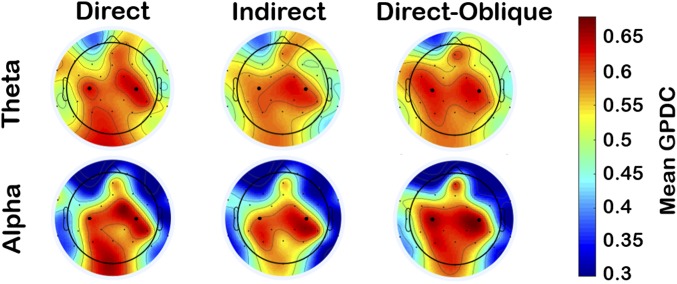
Significance: During communication, social ostensive signals (like gaze) are exchanged in a temporally contingent manner. Synchronized behavior creates social connectedness within human dyads, and even infants synchronize behaviorally with adults. However, the neural mechanisms that support infant–adult synchronization are unknown. Here, we provide evidence that infants up-regulate neural synchronization with adult partners when offered direct ostensive gaze, as compared with gaze aversion. Gaze therefore brings infant–adult neural activity into mutual alignment, creating a joint-networked state that may facilitate communicative success. Further, infants’ own communicative attempts were positively associated with adults’ neural synchronization to them, indicating mutual regulation of synchronization within infant–adult dyads. Thus, interpersonal neural synchronization may provide a mechanism by which infants construct their own earliest social networks.
Overview
The claims and statistics of this paper haven’t been checked yet.
Free: it reads the open-access text and checks the first 5 claims that cite a source we can check. Create a free account to check every claim.
Integrity signals
Registry
Cites
Statistics
Figures
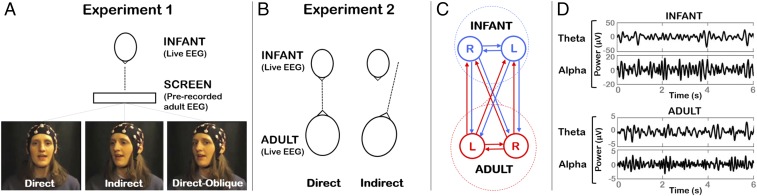
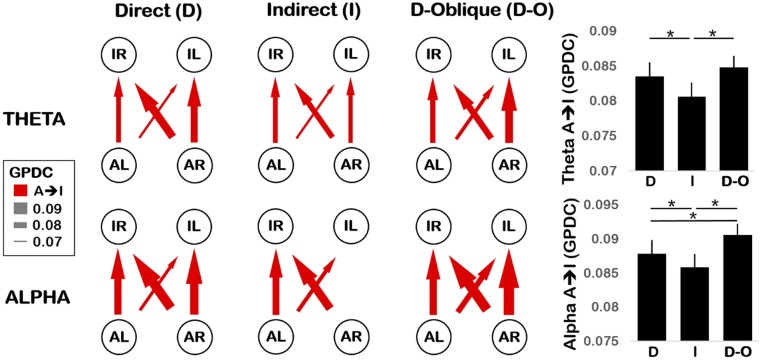
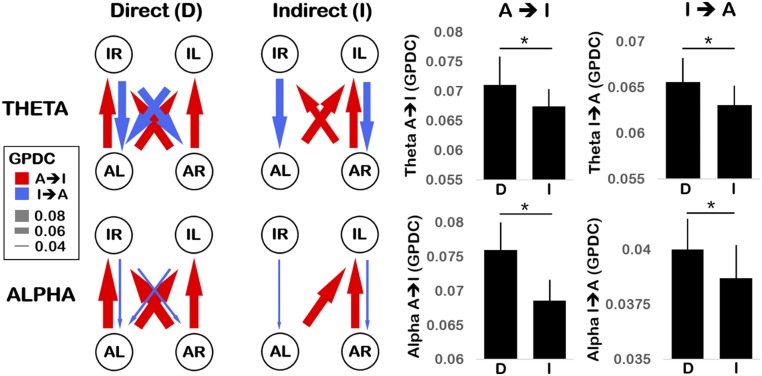
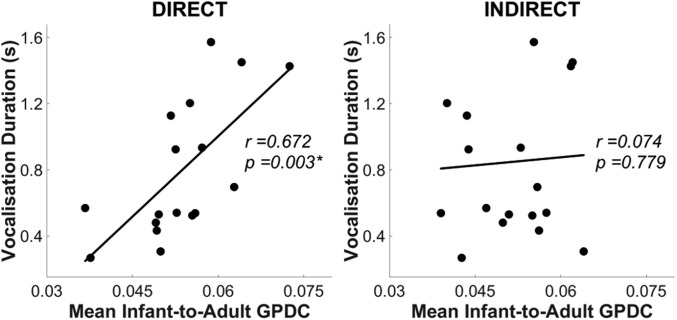
Verification
Claims the paper makes
The claims and statistics of this paper haven’t been checked yet.
Free: it reads the open-access text and checks the first 5 claims that cite a source we can check. Create a free account to check every claim.
Claims other papers make about this one
Each is checked against this paper’s own text: does it say what the citing paper says it does?
The source backs part of the claim, not all of it — or backs it for a different population, condition or comparison.
In the citing paper
“In contrast, functional near-infrared spectroscopy (fNIRS) [8] and electroencephalography (EEG) [9] are wearable technologies that can be deployed in real-life settings [10,11,12], enabling more naturalistic hyperscanning.”
From Naturalistic Hyperscanning with Wearable Magnetoencephalography (2023) · cites this paper as [10]
Experimental — accuracy not yet measured
Self-check
Percentages, sums and reported differences re-computed from the paper’s own numbers.
The self-check needs the paper’s full text.
Citations
Cites
Controlling the False Discovery Rate: A Practical and Powerful Approach to Multiple Testing
Benjamini, Y., & Hochberg, Y. (1995) · Journal of the Royal Statistical Society Series B: Statistical Methodology · doi:10.1111/j.2517-6161.1995.tb02031.x · Cited by 109,482 · cited 2×
“05, Benjamini–Hochberg false discovery rate (FDR) corrected] (32) (see Fig.”
MethodInvestigating causal relations by econometric models and cross-spectral methods
Granger, C. W. J. (1969) · Econometrica · doi:10.2307/1912791 · Cited by 22,989
Adjusting batch effects in microarray expression data using empirical Bayes methods
Johnson, W. E., Li, C., & Rabinovic, A. (2007) · Biostatistics · doi:10.1093/biostatistics/kxj037 · Cited by 8,658
A Multiple Comparison Procedure for Comparing Several Treatments with a Control
Dunnett, C. W. (1955) · Journal of the American Statistical Association · doi:10.1080/01621459.1955.10501294 · Cited by 6,094 · cited 1×
“To assess the specific gaze effects at each frequency, we conducted planned pairwise comparisons using Dunnett’s multiple range t-test [29], which independently controls for familywise error rate without a prior F-test.”
MethodApprenticeship in thinking: cognitive development in social context
(1990) · Choice Reviews Online · doi:10.5860/choice.28-0612 · Cited by 5,464 · cited 2×
“Temporally contingent social interactions between adults and infants play a vital role in supporting early learning across multiple domains of language, cognition and socio-emotional development [1,2].”
BackgroundMethodApprenticeship in Thinking: Cognitive Development in Social Context
Rogoff, B. (1990) · doi:10.1093/oso/9780195059731.001.0001 · Cited by 4,709
Controlling the false discovery rate in behavior genetics research
Benjamini, Y., Drai, D., Elmer, G., Kafkafi, N., & Golani, I. (2001) · Behavioural Brain Research · doi:10.1016/s0166-4328(01)00297-2 · Cited by 4,146
Cortical oscillations and speech processing: emerging computational principles and operations
Giraud, A.-L., & Poeppel, D. (2012) · Nature Neuroscience · doi:10.1038/nn.3063 · Cited by 1,917 · cited 2×
“Previous research has also suggested that infants, like adults (20), show neural synchronization (or phase-locking) of cortical oscillatory activity to temporal structures in auditory signals (21).”
BackgroundPartial directed coherence: a new concept in neural structure determination
Baccalá, L. A., & Sameshima, K. (2001) · Biological Cybernetics · doi:10.1007/pl00007990 · Cited by 1,779 · cited 1×
“Partial Directed Coherence (PDC) is a directional causal measure of direct flows between channels [11-13].”
BackgroundCsibra, G., & Gergely, G. (2009) · Trends in Cognitive Sciences · doi:10.1016/j.tics.2009.01.005 · Cited by 1,648
Cited by
Using second-person neuroscience to elucidate the mechanisms of social interaction
Redcay, E., & Schilbach, L. (2019) · Nature Reviews Neuroscience · doi:10.1038/s41583-019-0179-4 · Cited by 738
Accessing the Inaccessible: Redefining Play as a Spectrum
Zosh, J. M., Hirsh-Pasek, K., Hopkins, E. J., Jensen, H., Liu, C., Neale, D., Solis, S. L., & Whitebread, D. (2018) · Frontiers in Psychology · doi:10.3389/fpsyg.2018.01124 · Cited by 433
“between a parent and infant promotes neural connectivity and communication bidirectionally (Leong et al., 2017).”
BackgroundInteractional synchrony: signals, mechanisms and benefits
Hoehl, S., Fairhurst, M., & Schirmer, A. (2021) · Social Cognitive and Affective Neuroscience · doi:10.1093/scan/nsaa024 · Cited by 231
“, 2017) and theta band (Leong et al., 2017) as well as for different phase measures including phase coupling between individuals (Novembre et al.”
BackgroundThe effects of interaction quality on neural synchrony during mother-child problem solving
Nguyen, T., Schleihauf, H., Kayhan, E., Matthes, D., Vrtička, P., & Hoehl, S. (2020) · Cortex · doi:10.1016/j.cortex.2019.11.020 · Cited by 225
“Consequently, the coupling of rhythmic brain activity can emerge dyadically through language or motion, but can be also externally triggered through joint attention or music (Cirelli, Trehub, & Trainor, 2018; Leong et al., 2017; Nummenmaa, Lahnakoski, & Glerean, 2018).”
BackgroundResultInfluentialInfant and Adult Brains Are Coupled to the Dynamics of Natural Communication
Piazza, E. A., Hasenfratz, L., Hasson, U., & Lew-Williams, C. (2020) · Psychological Science · doi:10.1177/0956797619878698 · Cited by 202
“indirect) gaze (Leong et al., 2017) and showing parents’ neural responsiveness to infants’ attention (Wass et al.”
BackgroundResultMobile EEG in research on neurodevelopmental disorders: Opportunities and challenges
Lau-Zhu, A., Lau, M. P. H., & McLoughlin, G. (2019) · Developmental Cognitive Neuroscience · doi:10.1016/j.dcn.2019.100635 · Cited by 201
Donnelly, S., & Kidd, E. (2021) · Child Development · doi:10.1111/cdev.13511 · Cited by 216
Pan, Y., Dikker, S., Goldstein, P., Zhu, Y., Yang, C., & Hu, Y. (2020) · NeuroImage · doi:10.1016/j.neuroimage.2020.116657 · Cited by 187
Mobile cognition: imaging the human brain in the ‘real world’
Stangl, M., Maoz, S. L., & Suthana, N. (2023) · Nature Reviews Neuroscience · doi:10.1038/s41583-023-00692-y · Cited by 183
Interactive Brain Activity: Review and Progress on EEG-Based Hyperscanning in Social Interactions
Liu, D., Liu, S., Liu, X., Zhang, C., Li, A., Jin, C., Chen, Y., Wang, H., & Zhang, X. (2018) · Frontiers in Psychology · doi:10.3389/fpsyg.2018.01862 · Cited by 182
Interpersonal Neural Entrainment during Early Social Interaction
Wass, S. V., Whitehorn, M., Marriott Haresign, I., Phillips, E., & Leong, V. (2020) · Trends in Cognitive Sciences · doi:10.1016/j.tics.2020.01.006 · Cited by 167
Self-citationDikker, S., Michalareas, G., Oostrik, M., Serafimaki, A., Kahraman, H. M., Struiksma, M. E., & Poeppel, D. (2020) · NeuroImage · doi:10.1016/j.neuroimage.2020.117436 · Cited by 186
Neural synchrony in mother-child conversation: Exploring the role of conversation patterns
Nguyen, T., Schleihauf, H., Kayhan, E., Matthes, D., Vrtička, P., & Hoehl, S. (2021) · Social Cognitive and Affective Neuroscience · doi:10.1093/scan/nsaa079 · Cited by 165
The Role of Eye Gaze During Natural Social Interactions in Typical and Autistic People
Cañigueral, R., & Hamilton, A. F. D. C. (2019) · Frontiers in Psychology · doi:10.3389/fpsyg.2019.00560 · Cited by 164
Gvirts, H. Z., & Perlmutter, R. (2020) · The Neuroscientist · doi:10.1177/1073858419861912 · Cited by 163
Long, M., Verbeke, W., Ein-Dor, T., & Vrtička, P. (2020) · Cortex · doi:10.1016/j.cortex.2020.01.010 · Cited by 159
A Multi-Brain Framework for Social Interaction
Kingsbury, L., & Hong, W. (2020) · Trends in Neurosciences · doi:10.1016/j.tins.2020.06.008 · Cited by 167
“In particular, inter-brain synchronization has predominantly been observed in slower-frequency ranges including theta (4–7 Hz) [28,29,42,44,80] and alpha-mu (8–13 Hz) [25,30,40,43,62], whereas other studies implicate power coherence in the beta range (14–30 Hz) [30,42,43,55].”
BackgroundKelsen, B. A., Sumich, A., Kasabov, N., Liang, S. H. Y., & Wang, G. Y. (2022) · Neuroscience & Biobehavioral Reviews · doi:10.1016/j.neubiorev.2020.09.008 · Cited by 148
Wass, S. V., Noreika, V., Georgieva, S., Clackson, K., Brightman, L., Nutbrown, R., Covarrubias, L. S., & Leong, V. (2018) · PLOS Biology · doi:10.1371/journal.pbio.2006328 · Cited by 137
“Previous research has shown that ostensive social cues such as eye gaze and vocalisations can lead to increases in interpersonal neural synchrony between infants and adults [28].”
BackgroundSelf-citationDo the Eyes Have It? A Systematic Review on the Role of Eye Gaze in Infant Language Development
Çetinçelik, M., Rowland, C. F., & Snijders, T. M. (2021) · Frontiers in Psychology · doi:10.3389/fpsyg.2020.589096 · Cited by 164
“Recent dual-imaging work showed that eye gaze enhanced interpersonal brain synchrony between adult–infant pairs, in both live interaction and in a prerecorded condition (Leong et al., 2017).”
BackgroundCorrelated Neural Activity across the Brains of Socially Interacting Bats
Zhang, W., & Yartsev, M. M. (2019) · Cell · doi:10.1016/j.cell.2019.05.023 · Cited by 144
“Last, previous studies typically focused on artificial tasks, often involving instructed interactions between subjects (e.g., Dikker et al., 2014; Dumas et al., 2010; Kawasaki et al., 2013; Leong et al., 2017; Spiegelhalder et al., 2014; Tognoli et al., 2007; Tseng et al., 2018), where a single social behavior was rep…”
Human attachments shape interbrain synchrony toward efficient performance of social goals
Djalovski, A., Dumas, G., Kinreich, S., & Feldman, R. (2021) · NeuroImage · doi:10.1016/j.neuroimage.2020.117600 · Cited by 123
“Using hyper-scanning EEG, alpha synchrony in central regions was found between infant and adult when singing nursery rhymes, which increased during live interactions (Leong et al., 2017).”
BackgroundInterbrain synchrony: on wavy ground
Holroyd, C. B. (2022) · Trends in Neurosciences · doi:10.1016/j.tins.2022.02.002 · Cited by 148
“Sensory information related to eye gaze [31], speech [32,33] and efference copy of the motor command [34] can reset the phase of neural oscillations, thereby synchronizing neural activity across individuals who are exposed to the same information.”
BackgroundCarozza, S., & Leong, V. (2021) · Frontiers in Neuroscience · doi:10.3389/fnins.2020.613378 · Cited by 145
“…the visual and auditory modalities; both direct gaze and infant-directed speech generate unique patterns of cortical activity in infants (Zhang et al., 2011; Urakawa et al., 2015), and direct gaze produces temporally fine-grained neural entrainment between adults and infants (Leong et al., 2017).”
BackgroundSelf-citationBrain and motor synchrony in children and adolescents with ASD—a fNIRS hyperscanning study
Kruppa, J. A., Reindl, V., Gerloff, C., Weiß, E. O., Prinz, J., Herpertz‐Dahlmann, B., Konrad, K., & Schulte‐Rüther, M. (2020) · Social Cognitive and Affective Neuroscience · doi:10.1093/scan/nsaa092 · Cited by 137
Emotional valence modulates the topology of the parent-infant inter-brain network
Santamaria, L., Noreika, V., Georgieva, S., Clackson, K., Wass, S. V., & Leong, V. (2019) · NeuroImage · doi:10.1016/j.neuroimage.2019.116341 · Cited by 131
Self-citationEye contact marks the rise and fall of shared attention in conversation
Wohltjen, S., & Wheatley, T. (2021) · Proceedings of the National Academy of Sciences · doi:10.1073/pnas.2106645118 · Cited by 102
“(33) showed that infant–adult dyads exhibit more brain-to-brain synchrony in EEG while making direct gaze than when interacting with their gaze averted.”
BackgroundBody sway reflects joint emotional expression in music ensemble performance
Chang, A., Kragness, H. E., Livingstone, S. R., Bosnyak, D. J., & Trainor, L. J. (2019) · Scientific Reports · doi:10.1038/s41598-018-36358-4 · Cited by 131
HyPyP: a Hyperscanning Python Pipeline for inter-brain connectivity analysis
Ayrolles, A., Brun, F., Chen, P., Djalovski, A., Beauxis, Y., Delorme, R., Bourgeron, T., Dikker, S., & Dumas, G. (2020) · Social Cognitive and Affective Neuroscience · doi:10.1093/scan/nsaa141 · Cited by 123
Instructor presence in video lectures: Eye gaze matters, but not body orientation
Pi, Z., Xu, K., Liu, C., & Yang, J. (2019) · Computers & Education · doi:10.1016/j.compedu.2019.103713 · Cited by 110
Separable processes for live “in-person” and live “zoom-like” faces
Zhao, N., Zhang, X., Noah, J. A., Tiede, M., & Hirsch, J. (2023) · Imaging Neuroscience · doi:10.1162/imag_a_00027 · Cited by 117
“…EEG, neuroimaging technologies support advanced interrogations of live face processing under real dyadic interactive conditions that include both spatial and temporal variables ( Jiang et al., 2012; Koike, Sumiya, Nakagawa, Okazaki, & Sadato, 2019; Leong et al., 2017; Piazza et al., 2020).”
BackgroundWang, Q., Han, Z. R., Hu, X., Feng, S., Wang, H., Liu, T., & Yi, L. (2019) · Brain Topography · doi:10.1007/s10548-019-00731-x · Cited by 107
Mother-child behavioral and physiological synchrony
(2020) · Advances in Child Development and Behavior · doi:10.1016/bs.acdb.2020.01.006 · Cited by 84
Wang, M., Luan, P., Zhang, J., Xiang, Y., Niu, H., & Yuan, Z. (2018) · Quantitative Imaging in Medicine and Surgery · doi:10.21037/qims.2018.09.07 · Cited by 108
“Recently, a number of EEG hyperscanning studies (Table 2) were conducted (8-30), aiming to reveal the complex brain interactions between two or multiple participants, as illustrated in Figure 1B (26).”
BackgroundMethodInfluentialPi, Z., Zhang, Y., Zhu, F., Xu, K., Yang, J., & Hu, W. (2018) · Computers & Education · doi:10.1016/j.compedu.2018.10.006 · Cited by 111
“Specifically, students might believe that she is looking at them, and they might try to make eye contact with her (Leong et al., 2017).”
BackgroundNeurobehavioral Interpersonal Synchrony in Early Development: The Role of Interactional Rhythms
Marková, G., Nguyen, T., & Hoehl, S. (2019) · Frontiers in Psychology · doi:10.3389/fpsyg.2019.02078 · Cited by 110
The body comes first. Embodied reparation and the co-creation of infant bodily-self
Montirosso, R., & McGlone, F. P. (2020) · Neuroscience & Biobehavioral Reviews · doi:10.1016/j.neubiorev.2020.03.003 · Cited by 108
Noreika, V., Georgieva, S., Wass, S. V., & Leong, V. (2019) · Infant Behavior and Development · doi:10.1016/j.infbeh.2019.101393 · Cited by 101
Self-citationMultimodal hyperscanning reveals that synchrony of body and mind are distinct in mother-child dyads
Reindl, V., Wass, S., Leong, V., Scharke, W., Wistuba, S., Wirth, C. L., Konrad, K., & Gerloff, C. (2022) · NeuroImage · doi:10.1016/j.neuroimage.2022.118982 · Cited by 84
“Although several studies have provided first important inights (e.g., Baker et al. 2016 , Cheng et al. 2015 , Leong et al. 2017 , guyen et al. 2020 , Pan et al. 2017 , Piazza et al. 2020 ), these studies ften do not consider that synchrony may be established in different beavioral and biological…”
BackgroundSelf-citationThe instructor's gaze guidance in video lectures improves learning
Wang, H., Pi, Z., & Hu, W. (2018) · Journal of Computer Assisted Learning · doi:10.1111/jcal.12309 · Cited by 98
Wass, S. V., Clackson, K., Georgieva, S., Brightman, L., Nutbrown, R., & Leong, V. (2018) · Developmental Science · doi:10.1111/desc.12667 · Cited by 98
Self-citationEffects of sustained attention and video lecture types on learning performances
Kokoç, M., Ilgaz, H., & Altun, A. (2020) · Educational Technology Research and Development · doi:10.1007/s11423-020-09829-7 · Cited by 101
Holmes, N., Rea, M., Hill, R. M., Leggett, J., Edwards, L. J., Hobson, P. J., Boto, E., Tierney, T. M., Rier, L., Rivero, G. R., et al. (2023) · NeuroImage · doi:10.1016/j.neuroimage.2023.120157 · Cited by 89
“The framework adopted here could also be expanded to simultaneously null magnetic fields over multiple helmets, facilitating MEG studies of social interaction (KingCasas et al., 2005; Leong et al., 2017; Montague et al., 2002).”
The Embodied-Enactive-Interactive Brain: Bridging Neuroscience and Creative Arts Therapies
Vaisvaser, S. (2021) · Frontiers in Psychology · doi:10.3389/fpsyg.2021.634079 · Cited by 95
Levels of naturalism in social neuroscience research
Fan, S., Monte, O. D., & Chang, S. W. C. (2021) · iScience · doi:10.1016/j.isci.2021.102702 · Cited by 96
Strangers, Friends, and Lovers Show Different Physiological Synchrony in Different Emotional States
Bizzego, A., Azhari, A., Campostrini, N., Truzzi, A., Ng, L. Y., Gabrieli, G., Bornstein, M. H., Setoh, P., & Esposito, G. (2019) · Behavioral Sciences · doi:10.3390/bs10010011 · Cited by 85
Koike, T., Sumiya, M., Nakagawa, E., Okazaki, S., & Sadato, N. (2019) · eneuro · doi:10.1523/eneuro.0284-18.2019 · Cited by 79
“, gaze) that act as synchronization triggers to reset the phase of his or her partner’s ongoing oscillations (Leong et al., 2017).”
BackgroundMethodInfluentialDifferential brain-to-brain entrainment while speaking and listening in native and foreign languages
Pérez, A., Dumas, G., Karadag, M., & Duñabeitia, J. A. (2018) · Cortex · doi:10.1016/j.cortex.2018.11.026 · Cited by 92
A decade of infant neuroimaging research: What have we learned and where are we going?
Azhari, A., Truzzi, A., Neoh, M. J.-Y., Balagtas, J. P. M., Tan, H. H., Goh, P. P., Ang, X. A., Setoh, P., Rigo, P., Bornstein, M. H., et al. (2020) · Infant Behavior and Development · doi:10.1016/j.infbeh.2019.101389 · Cited by 77
Maternal chemosignals enhance infant-adult brain-to-brain synchrony
Endevelt-Shapira, Y., Djalovski, A., Dumas, G., & Feldman, R. (2021) · Science Advances · doi:10.1126/sciadv.abg6867 · Cited by 76
“In parallel, infants’ increased production of social signals, such as laughter and vocalizations, leads to theta-phase resetting in the adult, culminating in mutual-phase resetting (16) (62) and greater interbrain synchrony between the infant and unfamiliar members of the social community.”
BackgroundResultInfluentialStudying parent-child interaction with hyperscanning
Nguyen, T., Bánki, A., Marková, G., & Hoehl, S. (2020) · Progress in brain research · doi:10.1016/bs.pbr.2020.05.003 · Cited by 87
Jessen, S., Fiedler, L., Münte, T. F., & Obleser, J. (2019) · NeuroImage · doi:10.1016/j.neuroimage.2019.116060 · Cited by 85
Spontaneous dyadic behavior predicts the emergence of interpersonal neural synchrony
Koul, A., Ahmar, D., Iannetti, G. D., & Novembre, G. (2023) · NeuroImage · doi:10.1016/j.neuroimage.2023.120233 · Cited by 75
Technologically-assisted communication attenuates inter-brain synchrony
Schwartz, L., Lévy, J., Endevelt–Shapira, Y., Djalovski, A., Hayut, O., Dumas, G., & Feldman, R. (2022) · NeuroImage · doi:10.1016/j.neuroimage.2022.119677 · Cited by 80
Endogenous sources of interbrain synchrony in duetting pianists
Gugnowska, K., Novembre, G., Kohler, N., Villringer, A., Keller, P. E., & Sammler, D. (2022) · Cerebral Cortex · doi:10.1093/cercor/bhab469 · Cited by 78
“More generally, several EEG and fNIRS studies reported increased IBS during periods of high joint attention, for example, between adults and infants when listening to nursery rhymes (EEG theta and alpha bands, Leong et al. 2017) or children’s stories (fNIRS, Piazza et al. 2020).”
Relational neuroscience: Insights from hyperscanning research
Felice, S. D., Chand, T., Croy, I., Engert, V., Goldstein, P., Holroyd, C. B., Kirsch, P., Krach, S., Ma, Y., Scheele, D., et al. (2024) · Neuroscience & Biobehavioral Reviews · doi:10.1016/j.neubiorev.2024.105979 · Cited by 86
Instructor–learner neural synchronization during elaborated feedback predicts learning transfer.
Zhu, Y., Leong, V., Hou, Y., Zhang, D., Pan, Y., & Hu, Y. (2022) · Journal of Educational Psychology · doi:10.1037/edu0000707 · Cited by 78
Self-citationMother–Infant Brain-to-Brain Synchrony Patterns Reflect Caregiving Profiles
Endevelt–Shapira, Y., & Feldman, R. (2023) · Biology · doi:10.3390/biology12020284 · Cited by 80
Schilbach, L., & Redcay, E. (2025) · Annual Review of Psychology · doi:10.1146/annurev-psych-080123-101149 · Cited by 71
Li, M., Guo, F., Wang, X., Chen, J., & Ham, J. R. C. (2022) · Computers in Human Behavior · doi:10.1016/j.chb.2022.107645 · Cited by 76
Music of infant-directed singing entrains infants’ social visual behavior
Lense, M., Shultz, S., Astésano, C., & Jones, W. (2022) · Proceedings of the National Academy of Sciences · doi:10.1073/pnas.2116967119 · Cited by 73
What are the building blocks of parent–infant coordinated attention in free‐flowing interaction?
Abney, D. H., Suanda, S. H., Smith, L. B., & Yu, C. (2020) · Infancy · doi:10.1111/infa.12365 · Cited by 71
“Finally, there is a fourth pattern of joint looking behavior that has been of considerable interest to developmental researchers: mutual gaze (Blass, Lumeng, & Patil, 2017; Franchak, Hoehl et al., 2014; Kretch, & Adolph, 2018; Klinnert, Campos, Sorce, Emde, & Svejda, 1983; Leong et al., 2017; Niedźwiecka, A., Ramotows…”
Neural correlates of online cooperation during joint force production
Abe, M., Koike, T., Okazaki, S., Sugawara, S. K., Takahashi, K., Watanabe, K., & Sadato, N. (2019) · NeuroImage · doi:10.1016/j.neuroimage.2019.02.003 · Cited by 70
Early social communication through music: State of the art and future perspectives
Nguyen, T., Flaten, E., Trainor, L. J., & Novembre, G. (2023) · Developmental Cognitive Neuroscience · doi:10.1016/j.dcn.2023.101279 · Cited by 75
“…feasible to conduct hyper-scanning using electroencephalography (EEG) or functional near-infrared spectroscopy (fNIRS) to study (non-musical) communication during parent/adult-child interactions (Endevelt-Shapira et al., 2021; Leong et al., 2017; T. Nguyen, Abney et al., 2021; Piazza et al., 2020).”
BackgroundLeong, V., & Schilbach, L. (2019) · British Journal of Psychiatry · doi:10.1192/bjp.2019.73 · Cited by 60
Self-citationThe Role of Epistemic Trust in Mentalization-Based Treatment of Borderline Psychopathology
Nolte, T., Hutsebaut, J., Sharp, C., Campbell, C., Fonagy, P., & BATEMAN, A. W. (2023) · Journal of Personality Disorders · doi:10.1521/pedi.2023.37.5.633 · Cited by 68
“(e.g. Kampe et al., 2003; Leong et al., 2017).”
Hou, Y., Song, B., Hu, Y., Pan, Y., & Hu, Y. (2020) · NeuroImage · doi:10.1016/j.neuroimage.2020.116655 · Cited by 66
The Interpersonal Neuroscience of Social Learning
Pan, Y., Novembre, G., & Olsson, A. (2021) · Perspectives on Psychological Science · doi:10.1177/17456916211008429 · Cited by 60
“How can the use of behavioral coding be optimized to examine social learning? A common practice based on recent applications entails the following three steps when collecting behavioral data ( Jiang et al., 2012, 2015; Leong et al., 2017; Leong & Schilbach, 2019; Pan, Dikker, et al., 2020; Pan et al., 2018; Wass et al…”
BackgroundMethodInfluentialA practical guide to EEG hyperscanning in joint action research: from motivation to implementation
Zamm, A., Loehr, J. D., Vesper, C., Konvalinka, I., Kappel, S. L., Heggli, O. A., Vuust, P., & Keller, P. E. (2024) · Social Cognitive and Affective Neuroscience · doi:10.1093/scan/nsae026 · Cited by 58
“…influence that activity measured in a region of interest (ROI) from one partner has on a ROI measured from another partner across different frequencies of interest, and has been widely employed across EEG hyperscan-ning studies (e.g. Astolfi et al., 2010; Babiloni et al., 2006; Leong et al., 2017).”
MethodGeorgieva, S., Lester, S., Noreika, V., Yilmaz, M. N., Wass, S. V., & Leong, V. (2020) · Frontiers in Neuroscience · doi:10.3389/fnins.2020.00352 · Cited by 60
Self-citationInterpersonal conflict increases interpersonal neural synchronization in romantic couples
Long, Y., Chen, C., Wu, K. L., Zhou, S., Zhou, F., Zheng, L., Zhao, H., Zhai, Y., & Lu, C. (2021) · Cerebral Cortex · doi:10.1093/cercor/bhab413 · Cited by 57
Social synchronization of brain activity increases during eye-contact
Luft, C. D. B., Ζιώγα, Ι., Giannopoulos, A., Bona, G. D., Binetti, N., Civilini, A., Latora, V., & Mareschal, I. (2022) · Communications Biology · doi:10.1038/s42003-022-03352-6 · Cited by 63
Symbolic play provides a fertile context for language development
Creaghe, N., Quinn, S., & Kidd, E. (2021) · Infancy · doi:10.1111/infa.12422 · Cited by 60
Haresign, I. M., Phillips, E., Whitehorn, M., Goupil, L., Noreika, V., Leong, V., & Wass, S. V. (2022) · Developmental Cognitive Neuroscience · doi:10.1016/j.dcn.2022.101093 · Cited by 60
“For example, one early study found that, in the 3 – 9 Hz range, neural activity in one partner consistently predicted the other partner ’ s neural activity more strongly during direct compared with indirect gaze (Leong et al., 2017).”
BackgroundMethodInfluentialSelf-citationNaturalistic Hyperscanning with Wearable Magnetoencephalography
Holmes, N., Rea, M., Hill, R. M., Boto, E., Leggett, J., Edwards, L. J., Rhodes, N., Shah, V., Osborne, J., Fromhold, T. M., et al. (2023) · Sensors · doi:10.3390/s23125454 · Cited by 52
“…near infrared spectroscopy (fNIRS) (Ferrari and Quaresima, 2012) and electroencephalography (EEG) (Lopes da Silva, 2013) are wearable technologies that can be deployed in real-life settings (Dikker et al., 2017; Leong et al., 2017; Reindl et al., 2018), enabling more naturalistic hyperscanning.”
BackgroundCarollo, A., Lim, M., Aryadoust, V., & Esposito, G. (2021) · Frontiers in Psychology · doi:10.3389/fpsyg.2021.701824 · Cited by 56
“To conclude, this alignment of neural activity between adult and child seems to depend on rhythmical social signals happening during communicative exchange that stimulates reciprocity between children and their caregivers (Leong et al., 2017; Markova et al., 2019).”
BackgroundThe Routledge International Handbook of Neuroaesthetics
Nadal, M., & Skov, M. (2022) · Routledge eBooks · doi:10.4324/9781003008675 · Cited by 54
Challenges and new perspectives of developmental cognitive EEG studies
Hervé, E., Mento, G., Desnous, B., & Clément, F. (2022) · NeuroImage · doi:10.1016/j.neuroimage.2022.119508 · Cited by 53
Zhang, X., Noah, J. A., Dravida, S., & Hirsch, J. (2020) · Neurophotonics · doi:10.1117/1.nph.7.1.015010 · Cited by 51
Dravida, S., Noah, J. A., Zhang, X., & Hirsch, J. (2020) · Frontiers in Human Neuroscience · doi:10.3389/fnhum.2020.00201 · Cited by 51
Rauchbauer, B., & Grosbras, M. (2020) · Neuroscience & Biobehavioral Reviews · doi:10.1016/j.neubiorev.2020.07.032 · Cited by 54
“For instance, Leong et al. (2017) showed that phase-locking of brain activity between infants and parents was related to communication features, like direct gaze or duration of vocalizations.”
de Reus, K., Soma, M., Anichini, M., Gamba, M., Kloots, M. D. H., Lense, M., Bruno, J. H., Trainor, L. J., & Ravignani, A. (2021) · Philosophical Transactions of the Royal Society B Biological Sciences · doi:10.1098/rstb.2020.0337 · Cited by 55
Chabin, T., Gabriel, D., Comte, A., Haffen, É., Moulin, T., & Pazart, L. (2021) · Annals of the New York Academy of Sciences · doi:10.1111/nyas.14711 · Cited by 53
Norton, E. S., MacNeill, L. A., Harriott, E. M., Allen, N. B., Krogh‐Jespersen, S., Smyser, C. D., Rogers, C. E., Smyser, T. A., Luby, J. L., & Wakschlag, L. S. (2021) · Developmental Cognitive Neuroscience · doi:10.1016/j.dcn.2021.100988 · Cited by 48
Levy, J., Lankinen, K., Hakonen, M., & Feldman, R. (2021) · Social Cognitive and Affective Neuroscience · doi:10.1093/scan/nsaa061 · Cited by 46
“, 2018), the combination of naturalistic and controlled settings (Leong et al., 2017) and the integration of neural synchrony with rich and real-life indices of D ow naded rom http/academ ic.”
BackgroundPan, Y., Guyon, C., Borragán, G., Hu, Y., & Peigneux, P. (2020) · Biochemical Pharmacology · doi:10.1016/j.bcp.2020.114111 · Cited by 47
Child brain exhibits a multi-rhythmic response to attachment cues
Pratt, M., Goldstein, A., & Feldman, R. (2018) · Social Cognitive and Affective Neuroscience · doi:10.1093/scan/nsy062 · Cited by 44
Modulation of instructor’s eye gaze by facial expression in video lectures
Pi, Z., Chen, M., Zhu, F., Yang, J., & Hu, W. (2020) · Innovations in Education and Teaching International · doi:10.1080/14703297.2020.1788410 · Cited by 43
“Recent studies have provided strong and consistent evidence for the positive effects of the instructor’s direct eye gaze, relative to averted gaze, on the learning of students of a wide range of ages (e.g. Beege et al., 2019; Leong et al., 2017).”
BackgroundDEEP: A dual EEG pipeline for developmental hyperscanning studies
Kayhan, E., Matthes, D., Haresign, I. M., Bánki, A., Michel, C., Langeloh, M., Wass, S. V., & Hoehl, S. (2022) · Developmental Cognitive Neuroscience · doi:10.1016/j.dcn.2022.101104 · Cited by 47
“…involving developmental populations have addressed a variety of social exchanges including interactions between infants and adults using EEG (Leong et al., 2017, 2019; Perone et al., 2020; Santamaria et al., 2020; Wass et al., 2018) and functional near-infrared spectroscopy (fNIRS; Nguyen…”
BackgroundMethodInfluentialSelf-citationHaresign, I. M., Phillips, E., Whitehorn, M., Lamagna, F., Eliano, M., Goupil, L., Jones, E. J. H., & Wass, S. V. (2023) · Scientific Reports · doi:10.1038/s41598-023-28988-0 · Cited by 44
“Although we followed the same analytical techniques as Leong et al., 2017, we used different pre-processing techniques and a different (less structured, more naturalistic) paradigm, which could explain why our results differ.”
BackgroundMethodSelf-citationBrains in Sync: Practical Guideline for Parent–Infant EEG During Natural Interaction
Turk, E., Endevelt–Shapira, Y., Feldman, R., van den Heuvel, M. I., & Lévy, J. (2022) · Frontiers in Psychology · doi:10.3389/fpsyg.2022.833112 · Cited by 42
Eye contact during joint attention with a humanoid robot modulates oscillatory brain activity
Kompatsiari, K., Bossi, F., & Wykowska, A. (2021) · Social Cognitive and Affective Neuroscience · doi:10.1093/scan/nsab001 · Cited by 44
Turk, E., Vroomen, J., Fonken, Y. M., Lévy, J., & van den Heuvel, M. I. (2022) · Developmental Psychobiology · doi:10.1002/dev.22221 · Cited by 43
“The results from Georgieva et al. may implicate that synchrony between higher theta power as measured in parent–child studies (e.g., Leong et al., 2017; Wass et al., 2018) may be attributable to the specific selection of movement-free epochs.”
BackgroundInfluentialAzhari, A., Bizzego, A., & Esposito, G. (2022) · Social Neuroscience · doi:10.1080/17470919.2022.2162118 · Cited by 41
“Recent findings by Piazza et al. (2020) and Leong et al. (2017) within adult–child contexts further supported this principle.”
MethodResultGeneration WhatsApp: inter-brain synchrony during face-to-face and texting communication
Schwartz, L., Lévy, J., Hayut, O., Netzer, O., Endevelt–Shapira, Y., & Feldman, R. (2024) · Scientific Reports · doi:10.1038/s41598-024-52587-2 · Cited by 38
The Matrix of Needs: Reframing Maslow’s Hierarchy
Bowen, B. (2021) · Health · doi:10.4236/health.2021.135041 · Cited by 59
The mutual influence of an instructor’s eye gaze and facial expression in video lectures
Pi, Z., Zhang, Y., Zhu, F., Chen, L., Guo, X., & Yang, J. (2021) · Interactive Learning Environments · doi:10.1080/10494820.2021.1940213 · Cited by 39
“, 2017, 2019), or a lecturer who was recorded as a “talking head” without any additional electronic material (Leong et al., 2017).”
BackgroundNorton, E. S., Manning, B. L., Harriott, E. M., Nikolaeva, J. I., Nyabingi, O. S., Fredian, K. M., Page, J. M., McWeeny, S., Krogh‐Jespersen, S., MacNeill, L. A., et al. (2022) · Developmental Psychobiology · doi:10.1002/dev.22240 · Cited by 38
“…with the participant in real-time by playing peek-aboo or directly speaking or singing to the child (Goodman et al., 2021; Jones et al., 2015; Leong et al., 2017; Orekhova et al., 1999; 2006; Ruysschaert et al., 2013; Shimada & Hiraki, 2006; St. John et al., 2016; Stroganova et al., 1997).”
BackgroundCapturing Human Interaction in the Virtual Age: A Perspective on the Future of fNIRS Hyperscanning
Balters, S., Baker, J. M., Hawthorne, G., & Reiss, A. L. (2020) · Frontiers in Human Neuroscience · doi:10.3389/fnhum.2020.588494 · Cited by 36
“As such, we excluded nine infantparent fNIRS hyperscanning studies (Leong et al., 2017; Reindl et al., 2018; Azhari et al., 2019, 2020; Miller et al., 2019; Quiñones-Camacho et al., 2019; Behrendt et al., 2020; Nguyen et al., 2020; Piazza et al., 2020).”
BackgroundParental teaching behavior in diverse cultural contexts
Köster, M., Torréns, M. G., Kärtner, J., Itakura, S., Cavalcante, L. I. C., & Kanngießer, P. (2022) · Evolution and Human Behavior · doi:10.1016/j.evolhumbehav.2022.07.002 · Cited by 35
Metadata
- Authors
- Leong, V., Byrne, E., Clackson, K., Georgieva, S., Lam, S., & Wass, S.
- Affiliations
- Nanyang Technological University (SG)
- MRC Cognition and Brain Sciences Unit (GB)
- University of Cambridge (GB)
- University of East London (GB)
- Corresponding author
- Leong, Victoria
- Venue
- Proceedings of the National Academy of Sciences
- Publisher
- National Academy of Sciences
- Published
- 2017-11-28
- Volume
- 114
- Issue
- 50
- Pages
- 13290-13295
- ISSN
- 0027-8424 (ISSN-L)
- 1091-6490
- PMC
- PMC5740679
- OpenAlex
- W2951647174
- Cited by
- 299
- References
- 45
- Citations by year
- 2026: 31 · 2025: 31 · 2024: 31 · 2023: 39 · 2022: 41 · 2021: 42 · 2020: 39 · 2019: 32 · 2018: 13
- FWCI
- 32.91
- Type
- journal article
- Language
- en
- Open access
- hybrid
- doi.org
- Licence
- Locations
- Proceedings of the National Academy of Sciences (publishedVersion, cc-by-nc-nd)
- bioRxiv (Cold Spring Harbor Laboratory) (acceptedVersion, cc-by-nc-nd)
- Europe PMC (PubMed Central) (publishedVersion, cc-by-nc-nd)
- PubMed Central (publishedVersion, cc-by-nc-nd)
- PubMed (publishedVersion)
- UEL Research Repository (University of East London) (acceptedVersion)
- DR-NTU (Nanyang Technological University) (submittedVersion)
- UEL Research Repository (University of East London) (submittedVersion, cc-by-nc-nd)
- UEA Digital Repository (University of East Anglia) (submittedVersion)
- Apollo (University of Cambridge) (submittedVersion)
- Apollo
- Funders
- RCUK | Economic and Social Research Council (ES/N006461/1, ES/N017560/1)
- Lucy Cavendish College, Cambridge University (Junior Research Fellowship)
- Topics
- Social Sciences › Psychology › Social Psychology › Action Observation and Synchronization
- Social Sciences › Psychology › Developmental and Educational Psychology › Child and Animal Learning Development
- Life Sciences › Neuroscience › Cognitive Neuroscience › Neural dynamics and brain function
- Keywords
- infant gaze, direct gaze, adult-infant interaction, neuronal synchronization, information coupling, infant vocalizations, early communication, partial directed coherence, Granger causality
- MeSH terms
- Adult, Brain, Female, Fixation, Ocular, Humans, Infant, Language, Male, Nonverbal Communication, Speech Perception
About these checks
Registry, retraction, Cites and statistics results are computed, not judged, with one exception: a printed reference that no index lists is read once by a model before it counts as a citation error. Claims are extracted by a model and kept only when their quote appears verbatim in the text; each cited source is then checked, with a model’s help, for whether it says what the claim relies on. Those verdicts can be wrong — read the claim’s quote and the cited source before relying on one.
Statistics and arithmetic are recomputed, not judged.
Confidence bands are shown only for fields calibrated on our annotated test set. None is calibrated yet, so no band is shown.
What counts as a claim ›How we measure confidence ›How we check this ›
Are you an author, or do you see a problem with this page? Request a review
Data sources
Bibliographic data: Semantic Scholar, OpenAlex, Crossref.
Contains information from the Semantic Scholar Academic Graph Datasets, made available under the ODC Attribution License (ODC-BY 1.0).
Semantic Scholar’s data is described in: Kinney, R., et al. (2023). The Semantic Scholar Open Data Platform. arXiv:2301.10140.
