

Gut microbiota regulates maturation of the adult enteric nervous system via enteric serotonin networks
Open accessThe DOI matches its Crossref record; 42 of the 42 references it cites were found in a registry or an index.
Abstract
Significance: The gut microbiota affects several physiological processes, including gut motility. Here we observed that germ-free mice have an immature enteric nervous system (ENS) that is normalized upon colonization with a normal microbiota. We identified the mechanism of communication between the microbiota and enteric neurons as the initiation of serotonin release and subsequent activation of the 5-HT 4 receptor. This demonstrates a strong interaction between the microbiota and the ENS and indicates potential mechanisms linking microbial dysbiosis to gastrointestinal disorders. The ability to modulate the microbiota, e.g., by diet, will open new perspectives of research in neurogastroenterology.
Overview
The claims and statistics of this paper haven’t been checked yet.
Free: it reads the open-access text and checks the first 5 claims that cite a source we can check. Create a free account to check every claim.
Integrity signals
Registry
Cites
Statistics
Figures
Verification
Claims the paper makes
The claims and statistics of this paper haven’t been checked yet.
Free: it reads the open-access text and checks the first 5 claims that cite a source we can check. Create a free account to check every claim.
Claims other papers make about this one
Each is checked against this paper’s own text: does it say what the citing paper says it does?
The cited source says what the claim attributes to it.
In the citing paper
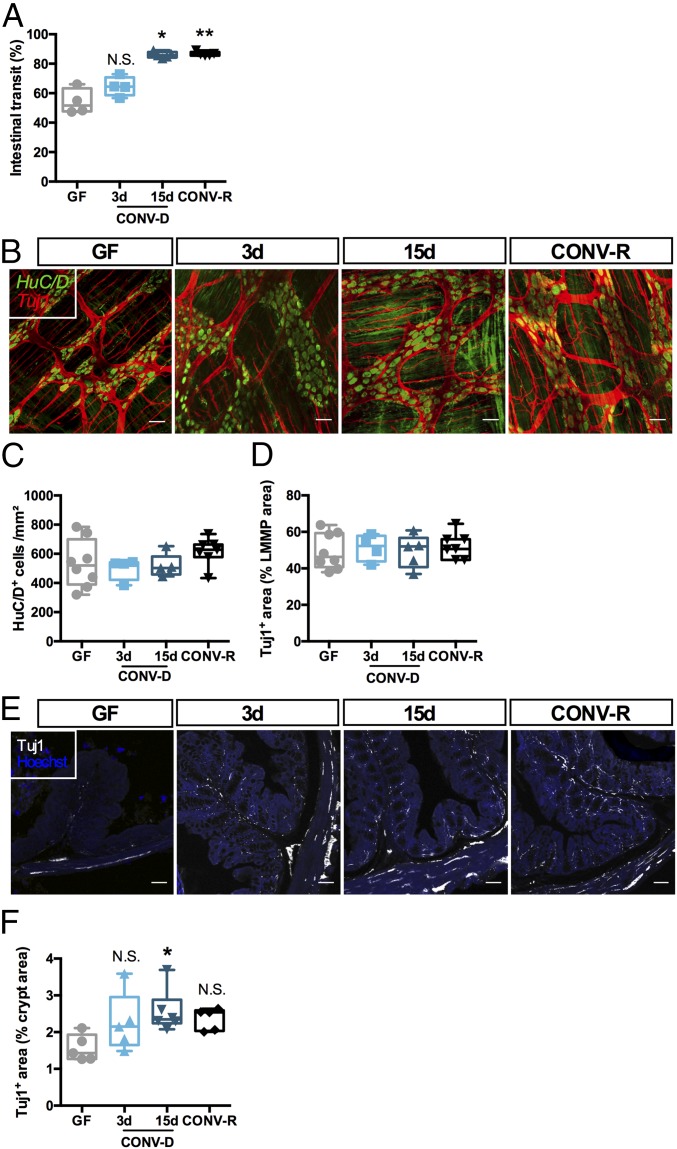
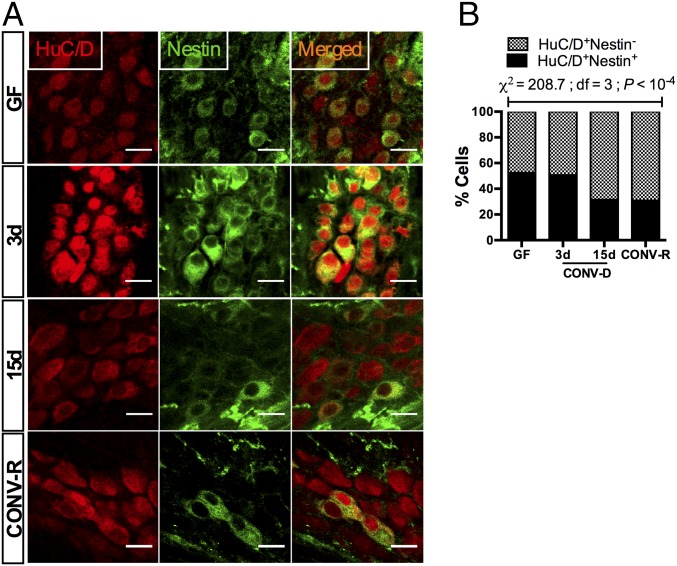
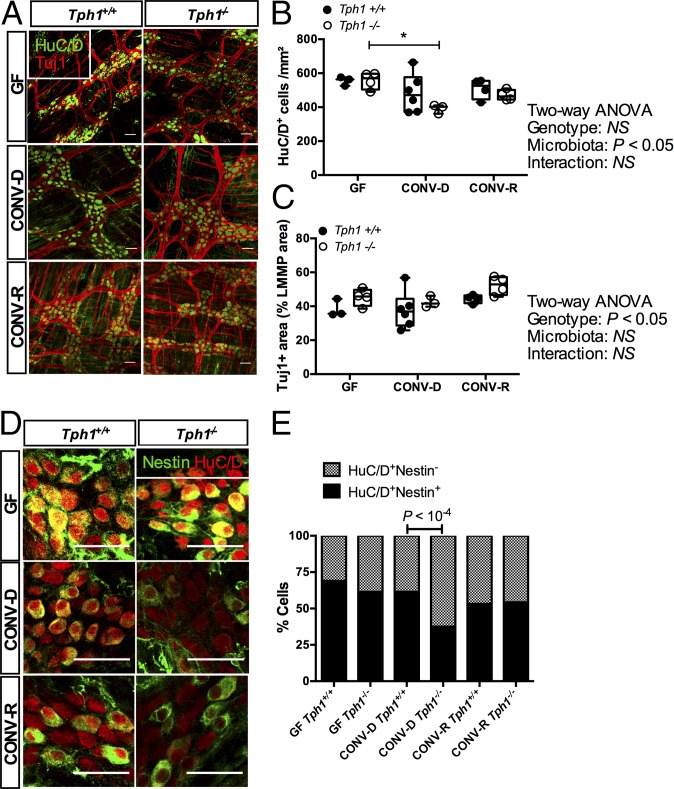
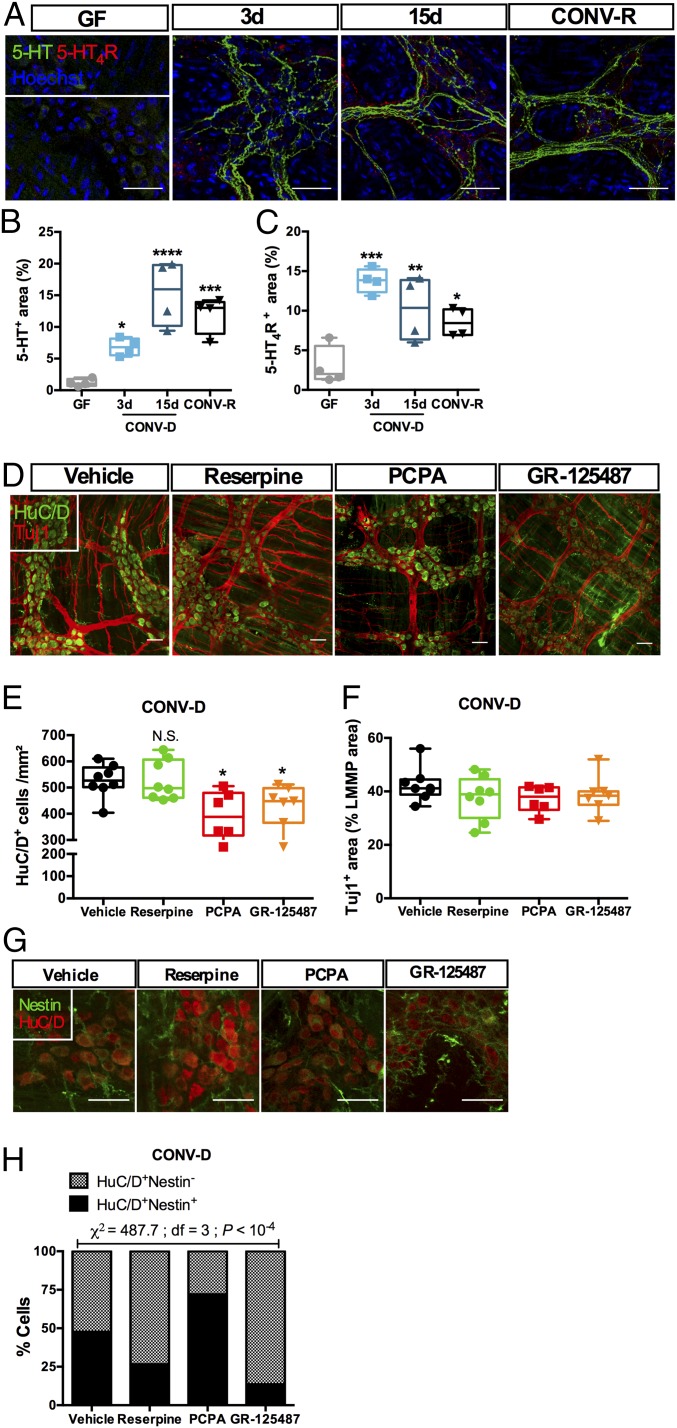
“Colonization of GF mice increased enteric neural 5-HT and expression of 5-HT 4 receptors while colonization of GF mice lacking tryptophan hydroxylase 1 (TPH1) failed to restore enteric neuron numbers to those observed in GF and conventional Tph1 transgenic mice and decreased Nestin+ neural precursors indicating reduced levels of neurogenesis (De Vadder et al., 2018).”
From The Microbiota-Gut-Brain Axis (2019) · cites this paper as De Vadder et al., 2018
The cited source says what the claim attributes to it.
In the citing paper
“The gut microbiota plays a key role in promoting serotonin secretion, inducing enteric nervous system maturation by releasing 5-HT and activating the 5-HT4 receptor.222”
From The role of gut dysbiosis in Parkinson’s disease: mechanistic insights and therapeutic options (2021) · cites this paper as [222]
Self-check
Percentages, sums and reported differences re-computed from the paper’s own numbers.
The self-check needs the paper’s full text.
Citations
Cites
Indigenous bacteria from the gut microbiota regulate host serotonin biosynthesis
Yano, J. M., Yu, K., Donaldson, G. P., Shastri, G. G., Ann, P., Ma, L., Nagler, C. R., Ismagilov, R. F., Mazmanian, S. K., & Hsiao, E. Y. (2015) · Cell · doi:10.1016/j.cell.2015.02.047 · Cited by 3,614 · cited 3×
“The gastrointestinal tract is the site where most 5-HT is synthesized, and recently two studies have shown that the gut microbiota plays a key role in promoting 5-HT secretion (18, 19).”
BackgroundDynamics and Stabilization of the Human Gut Microbiome during the First Year of Life
Bäckhed, F., Roswall, J., Peng, Y., Feng, Q., Jia, H., Kovatcheva-Datchary, P., Li, Y., Xia, Y., Xie, H., Zhong, H., et al. (2015) · Cell Host & Microbe · doi:10.1016/j.chom.2015.04.004 · Cited by 3,315
Self-citationNormal gut microbiota modulates brain development and behavior
Heijtz, R. D., Wang, S., Anuar, F., Qian, Y., Björkholm, B., Samuelsson, A., Hibberd, M. L., Forssberg, H., & Pettersson, S. (2011) · Proceedings of the National Academy of Sciences · doi:10.1073/pnas.1010529108 · Cited by 3,228 · cited 1×
“Recent work has shown that the gut microbiota is essential for normal brain development and function in mice (24), but much less is known about the implications of the gut microbiota in the development of the ENS.”
BackgroundMetabolomics analysis reveals large effects of gut microflora on mammalian blood metabolites
Wikoff, W. R., Anfora, A. T., Liu, J., Schultz, P. G., Lesley, S. A., Peters, E. C., & Siuzdak, G. (2009) · Proceedings of the National Academy of Sciences · doi:10.1073/pnas.0812874106 · Cited by 2,677 · cited 1×
“S4A) (18, 19, 31), likely by inducing de novo 5-HT synthesis by increasing the expression of the rate-limiting enzyme for 5-HT synthesis, Tph1, in the mucosa (SI Appendix, Fig.”
BackgroundThe enteric nervous system and neurogastroenterology
Furness, J. B. (2012) · Nature Reviews Gastroenterology & Hepatology · doi:10.1038/nrgastro.2012.32 · Cited by 1,619 · cited 1×
“The ENS has several essential physiologic functions, such as regulation of gastrointestinal motility, fluid secretion and absorption, and blood flow (1).”
BackgroundReigstad, C. S., Salmonson, C. E., III, J. F. R., Szurszewski, J. H., Linden, D. R., Sonnenburg, J. L., Farrugia, G., & Kashyap, P. C. (2015) · The FASEB Journal · doi:10.1096/fj.14-259598 · Cited by 1,335 · cited 3×
“The gastrointestinal tract is the site where most 5-HT is synthesized, and recently two studies have shown that the gut microbiota plays a key role in promoting 5-HT secretion (18, 19).”
BackgroundSerotonin signalling in the gut: functions, dysfunctions and therapeutic targets
Mawe, G. M., & Hoffman, J. M. (2013) · Nature Reviews Gastroenterology & Hepatology · doi:10.1038/nrgastro.2013.105 · Cited by 1,165 · cited 1×
“About 90% of the body’s serotonin (5-hydroxytryptamine, 5-HT) is produced by enterochromaffin (EC) cells, a type of enteroendocrine cells which are present in the epithelium of the gut (17).”
BackgroundLrp5 Controls Bone Formation by Inhibiting Serotonin Synthesis in the Duodenum
Yadav, V. K., Ryu, J.-H., Suda, N., Tanaka, K. F., Gingrich, J. A., Schütz, G., Glorieux, F. H., Chiang, C. Y., Zajac, J. D., Insogna, K. L., et al. (2008) · Cell · doi:10.1016/j.cell.2008.09.059 · Cited by 834 · cited 1×
“Tph1 mice were described previously (42).”
Self-citationIn vivo clonal analysis reveals self-renewing and multipotent adult neural stem cell characteristics
Bonaguidi, M. A., Wheeler, M. A., Shapiro, J. S., Stadel, R. P., Sun, G. J., Ming, G.-L., & Song, H. (2011) · Cell · doi:10.1016/j.cell.2011.05.024 · Cited by 831 · cited 1×
“Nestin is a cytoskeletal protein that is expressed by a variety of neural stem cells (10, 12, 29, 30).”
BackgroundCrosstalk between Muscularis Macrophages and Enteric Neurons Regulates Gastrointestinal Motility
Muller, P. A., Koscsó, B., Rajani, G. M., Stevanovic, K., Berres, M.-L., Hashimoto, D., Mortha, A., Leboeuf, M., Li, X.-M., Mucida, D., et al. (2014) · Cell · doi:10.1016/j.cell.2014.04.050 · Cited by 727
Cited by
Items 101–200 of 570
Khan, M. T., Zohair, M., Khan, A., Kashif, A. W., Mumtaz, S., & Muskan, F. (2025) · Molecular and Cellular Endocrinology · doi:10.1016/j.mce.2025.112599 · Cited by 78
Shouhui Tongbian Capsule ameliorates constipation via gut microbiota-5-HT-intestinal motility axis
Bai, J., Cai, Y., Huang, Z., Gu, Y., Huang, N., Sun, R. Y., Zhang, G., & Liu, R. (2022) · Biomedicine & Pharmacotherapy · doi:10.1016/j.biopha.2022.113627 · Cited by 65
Novel aspects of enteric serotonergic signaling in health and brain-gut disease
Del Colle, A., Israelyan, N., & Gross Margolis, K. (2020) · American Journal of Physiology-Gastrointestinal and Liver Physiology · doi:10.1152/ajpgi.00173.2019 · Cited by 63
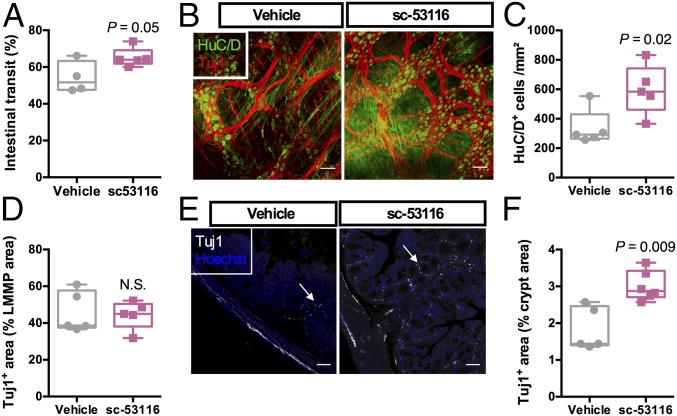
“In this study, colonization of GF mice treated with the 5-HT4 agonist sc-53116 resulted in faster intestinal transit, neurogenesis in the myenteric plexus, and an increase in innervation of the colonic mucosa (23).”
BackgroundGut microbiota and neuropsychiatric disorders: Implications for neuroendocrine-immune regulation
Ge, T., Yao, X., Zhao, H., Yang, W., Zou, X., Peng, F., Li, B., & Cui, R. (2021) · Pharmacological Research · doi:10.1016/j.phrs.2021.105909 · Cited by 65
Microbiota-gut-brain axis in autism spectrum disorder
Yu, Y., & Zhao, F. (2021) · Journal of genetics and genomics/Journal of Genetics and Genomics · doi:10.1016/j.jgg.2021.07.001 · Cited by 75
Development, Diversity, and Neurogenic Capacity of Enteric Glia
Boesmans, W., Nash, A., Tasnády, K. R., Yang, W., Stamp, L. A., & Hao, M. M. (2022) · Frontiers in Cell and Developmental Biology · doi:10.3389/fcell.2021.775102 · Cited by 74
Microbial Modulation of the Development and Physiology of the Enteric Nervous System
Joly, A., Leulier, F., & Vadder, F. D. (2020) · Trends in Microbiology · doi:10.1016/j.tim.2020.11.007 · Cited by 70
The Impact of Gut Microbiota-Derived Metabolites in Autism Spectrum Disorders
Marzal, L. N. P., Prince, N., Bajić, D., Roussin, L., Naudon, L., Rabot, S., Garssen, J., Kraneveld, A. D., & Perez‐Pardo, P. (2021) · International Journal of Molecular Sciences · doi:10.3390/ijms221810052 · Cited by 78
“Furthermore, the gut microbiota is essential for ENS maturation and neuronal serotonin release in the myenteric plexus [137].”
BackgroundThe role of cellular and molecular neuroimmune crosstalk in gut immunity
Yang, D., Almanzar, N., & Chiu, I. M. (2023) · Cellular and Molecular Immunology · doi:10.1038/s41423-023-01054-5 · Cited by 71
Exploring the microbiota-gut-brain axis: impact on brain structure and function
Yassin, L. K., Nakhal, M. M., Alderei, A., Almehairbi, A., Mydeen, A. B., Akour, A. A., & Hamad, M. I. K. (2025) · Frontiers in Neuroanatomy · doi:10.3389/fnana.2025.1504065 · Cited by 74
Integrated omics analysis reveals the alteration of gut microbe–metabolites in obese adults
Li, R., Huang, X., Xiao, L., Su, M., Lai, K. P., & Chen, J. (2020) · Briefings in Bioinformatics · doi:10.1093/bib/bbaa165 · Cited by 61
Essential Amino Acid Metabolites as Chemical Mediators of Host-Microbe Interaction in the Gut
McCann, J. R., & Rawls, J. F. (2023) · Annual Review of Microbiology · doi:10.1146/annurev-micro-032421-111819 · Cited by 71
The contribution of age-related changes in the gut-brain axis to neurological disorders
Khan, R., Gesù, C. M. D., Lee, J., & McCullough, L. D. (2024) · Gut Microbes · doi:10.1080/19490976.2024.2302801 · Cited by 63
“34,35 Antibiotic-mediated depletion of gut bacteria in mice altered both the morpho-functional structure and the neu-rochemistry of the ENS, including the loss of neurons in the myenteric plexus, increased TLR2 expression in neuromuscular and mucosal layers in the ileum, and a reduction in glial…”
BackgroundThe gut microbiota to the brain axis in the metabolic control
Grasset, E., & Burcelin, R. (2019) · Reviews in Endocrine and Metabolic Disorders · doi:10.1007/s11154-019-09511-1 · Cited by 58
Self-citationQian, X.-H., Liu, X.-L., Chen, G., Chen, S.-D., & Tang, H.-D. (2022) · Journal of Neuroinflammation · doi:10.1186/s12974-022-02599-4 · Cited by 56
Chiu, L., & Gilbert, S. F. (2020) · Elsevier eBooks · doi:10.1016/b978-0-12-817996-3.00015-3 · Cited by 62
Yao, Z., Fu, S., Ren, B., Ma, L., & Sun, D. (2022) · Frontiers in Pharmacology · doi:10.3389/fphar.2022.913420 · Cited by 59
The Involvement of Neuroinflammation in the Onset and Progression of Parkinson’s Disease
Jurcău, A., Andronie-Cioară, F. L., Nistor-Cseppento, C. D., Pașcalău, N., Rus, M., Vasca, E., & Jurcău, M. C. (2023) · International Journal of Molecular Sciences · doi:10.3390/ijms241914582 · Cited by 64
Microbiome ethics, guiding principles for microbiome research, use and knowledge management
Lange, L., Berg, G., Cernava, T., Champomier‐Vergès, M., Charles, T. C., Cocolin, L., Cotter, P. D., D’hondt, K., Kostić, T., Maguin, E., et al. (2022) · Environmental Microbiome · doi:10.1186/s40793-022-00444-y · Cited by 59
“, development, child growth [16], ageing [17], preterm birth [18], digestion and response to diet [19], immunity and nervous system function [20]; and (2) various diseases e.”
BackgroundThe pathogenesis of gut microbiota in hepatic encephalopathy by the gut–liver–brain axis
Zhu, R., Liu, L., Zhang, G., Dong, J., Ren, Z., & Li, Z. (2023) · Bioscience Reports · doi:10.1042/bsr20222524 · Cited by 59
Montes Chañi, E. M., Pacheco, S. O. S., Martínez, G. A., Freitas, M. R., Ivona, J. G., Ivona, J. A., Craig, W. J., & Pacheco, F. J. (2018) · Nutrients · doi:10.3390/nu10070922 · Cited by 52
Grondin, J. A., & Khan, W. I. (2023) · Journal of the Canadian Association of Gastroenterology · doi:10.1093/jcag/gwad020 · Cited by 55
“Compared to conventionally raised mice, GF animals have reduced serum and colonic 5-HT concentrations (50–53).”
BackgroundIntestinal Mucosal Barrier Is Regulated by Intestinal Tract Neuro-Immune Interplay
You, X., Zhang, H., Han, X., Wang, F., Zhuang, P., & Zhang, Y. (2021) · Frontiers in Pharmacology · doi:10.3389/fphar.2021.659716 · Cited by 53
Nutrition in chronic inflammatory conditions: Bypassing the mucosal block for micronutrients
Roth‐Walter, F., Canani, R. B., O’Mahony, L., Peroni, D. G., Sokołowska, M., Vassilopoulou, Ε., & Venter, C. (2023) · Allergy · doi:10.1111/all.15972 · Cited by 66
“Moreover, germ-free mice are immune deficient 199 and the maturation and nutrient-sensing abilities of the epithelial barrier, 200 of the enteric nerve system 201 and the blood–brain barrier 202 also being compromised.”
BackgroundXu, M., Zhou, E. Y., & Shi, H. (2025) · Cells · doi:10.3390/cells14050384 · Cited by 69
“These changes are driven by 5-HT release from both EC cells and enteric neurons, and are associated with the proliferation of enteric neuron progenitors in the gut of adult mice [219].”
The Aging Enteric Nervous System
Nguyen, T. T., Baumann, P., Tüscher, O., Schick, S., & Endres, K. (2023) · International Journal of Molecular Sciences · doi:10.3390/ijms24119471 · Cited by 63
“The serotonin (5-hydroxytryptamine, 5-HT, a neurotransmitter or hormone that modulates intestinal secretion and motility) and 5-HT receptor 4 expressions in the gut are both microbiota-dependent, which is shown by their absence in GF mice, restored expression in Conv-D mice, and presence in Conv-R mice [81].”
BackgroundEarly life interaction between the microbiota and the enteric nervous system
Foong, J. P. P., Hung, L. Y., Poon, S., Savidge, T., & Bornstein, J. C. (2020) · American Journal of Physiology-Gastrointestinal and Liver Physiology · doi:10.1152/ajpgi.00288.2020 · Cited by 55
Microbial regulation of enteroendocrine cells
Arora, T., Vanslette, A. M., Hjorth, S. A., & Bäckhed, F. (2021) · Med · doi:10.1016/j.medj.2021.03.018 · Cited by 59
Self-citationPathophysiologic Role of Neurotransmitters in Digestive Diseases
Yang, X., Lou, J., Shan, W., Ding, J., Jin, Z., Hu, Y., Du, Q., Liao, Q., Xie, R., & Xu, J. (2021) · Frontiers in Physiology · doi:10.3389/fphys.2021.567650 · Cited by 51
Communication between the gut microbiota and peripheral nervous system in health and chronic disease
Cook, T. M., & Mansuy‐Aubert, V. (2022) · Gut Microbes · doi:10.1080/19490976.2022.2068365 · Cited by 50
“Proper 5-HT production and signaling is crucial for enteric neuron development, maturation, and adult function.(33,84) De Vadder et al.”
BackgroundHost–microbe serotonin metabolism
Nunzi, E., Pariano, M., Costantini, C., Garaci, E., Puccetti, P., & Romani, L. R. (2024) · Trends in Endocrinology and Metabolism · doi:10.1016/j.tem.2024.07.014 · Cited by 56
“Circulating Trp levels are increased in germ-free (GF) mice that lack gut microbiota, while KP metabolites and circulating and colonic serotonin are decreased [25,26].”
BackgroundJadhav, V. V., Han, J., Fasina, Y. O., & Harrison, S. H. (2022) · Frontiers in Physiology · doi:10.3389/fphys.2022.1035538 · Cited by 54
Neonatal Antibiotics Disrupt Motility and Enteric Neural Circuits in Mouse Colon
Hung, L. Y., Boonma, P., Unterweger, P., Parathan, P., Haag, A., Luna, R. A., Bornstein, J. C., Savidge, T. C., & Foong, J. P. P. (2019) · Cellular and Molecular Gastroenterology and Hepatology · doi:10.1016/j.jcmgh.2019.04.009 · Cited by 46
Ilan, Y. (2022) · Molecular and Cellular Biochemistry · doi:10.1007/s11010-022-04513-1 · Cited by 54
Glinert, A., Turjeman, S., Elliott, E., & Koren, O. (2021) · Biological reviews/Biological reviews of the Cambridge Philosophical Society · doi:10.1111/brv.12812 · Cited by 53
Dual and mutual interaction between microbiota and viral infections: a possible treat for COVID-19
Baghbani, T., Nikzad, H., Azadbakht, J., Izadpanah, F., & Kashani, H. H. (2020) · Microbial Cell Factories · doi:10.1186/s12934-020-01483-1 · Cited by 50
Environmental perception and control of gastrointestinal immunity by the enteric nervous system
Schneider, K. M., Kim, J., Bahnsen, K., Heuckeroth, R. O., & Thaiss, C. A. (2022) · Trends in Molecular Medicine · doi:10.1016/j.molmed.2022.09.005 · Cited by 45
The Brain–Gut–Bone Axis in Neurodegenerative Diseases: Insights, Challenges, and Future Prospects
Li, R., Miao, Z., Liu, Y., Chen, X., Wang, H., Su, J., & Chen, J. (2024) · Advanced Science · doi:10.1002/advs.202307971 · Cited by 65
Ayaz, B. D., & Zubcevic, J. A. (2020) · Pharmacological Research · doi:10.1016/j.phrs.2020.104677 · Cited by 45
“Communication between the gut and the brain is bidirectional and includes neural pathways via the ENS, autonomic and spinal nerves, and humoral pathways via cytokines, hormones, and various neuropeptide signaling molecules as well as metabolic factors such as the SCFA and tryptophan [176, 177].”
BackgroundBayer, F., Dremova, O., Khuu, M. P., Mammadova, K., Pontarollo, G., Kiouptsi, K., Soshnikova, N. V., May‐Simera, H., Endres, K., & Reinhardt, C. (2021) · Nutrients · doi:10.3390/nu13072198 · Cited by 48
Hung, L. Y., Parathan, P., Boonma, P., Wu, Q., Wang, Y., Haag, A., Luna, R. A., Bornstein, J. C., Savidge, T. C., & Foong, J. P. P. (2020) · American Journal of Physiology-Gastrointestinal and Liver Physiology · doi:10.1152/ajpgi.00088.2020 · Cited by 43
Prophylactic efficacy of 5-HT4R agonists against stress
Chen, B. K., Mendez‐David, I., Luna, V. M., Faye, C., Gardier, A. M., David, D. J. P., & Denny, C. A. (2019) · Neuropsychopharmacology · doi:10.1038/s41386-019-0540-3 · Cited by 46
Smitka, K., Procházková, P., Roubalová, R., Dvořák, J., Papežová, H., Hill, M., Pokorny, J., Kittnar, O., Bilej, M., & Tlaskalová‐Hogenová, H. (2021) · Frontiers in Endocrinology · doi:10.3389/fendo.2021.613983 · Cited by 55
The emerging roles of neuroactive components produced by gut microbiota
Dezfouli, M. A., Rashidi, S. K., Yazdanfar, N., Khalili, H., Goudarzi, M., Saadi, A., & Kiani, A. A. (2024) · Molecular Biology Reports · doi:10.1007/s11033-024-10097-4 · Cited by 51
Smith, L. K., & Wissel, E. F. (2019) · Perspectives on Psychological Science · doi:10.1177/1745691618809379 · Cited by 42
Targeting Enteric Neurons and Plexitis for the Management of Inflammatory Bowel Disease
Stavely, R. G., Abalo, R., & Nurgali, K. (2020) · Current Drug Targets · doi:10.2174/1389450121666200516173242 · Cited by 43
Zhang, Y., Wang, N., Zhang, L., Zhuang, Y., Xin, Q., Gu, X., Jiang, C., & Wu, J. (2025) · MedComm · doi:10.1002/mco2.70383 · Cited by 59
Linking serotonin homeostasis to gut function: Nutrition, gut microbiota and beyond
Jiang, L., Han, D., Hao, Y., Song, Z., Sun, Z., & Dai, Z. (2023) · Critical Reviews in Food Science and Nutrition · doi:10.1080/10408398.2023.2183935 · Cited by 48
“In contrast, GF mice colonized with the gut microbiota from conventional mice alleviated intestinal transit rates by improving 5-HT generation in gut neurons and colonic mucosa (Reigstad et al. 2015; Hata et al. 2017; De Vadder et al. 2018).”
Windster, J. D., Kakiailatu, N. J. M., Kuil, L. E., Antanaviciute, A., Sacchetti, A., MacKenzie, K. C., Zink, J., Kan, T. W., Bindels, E. M., de Pater, E., et al. (2024) · Gastroenterology · doi:10.1053/j.gastro.2024.12.011 · Cited by 47
Acupuncture treatment for post-stroke depression: Intestinal microbiota and its role
Jiang, H., Deng, S., Zhang, J., Chen, J., Li, B., Zhu, W., Zhang, M., Zhang, C., & Meng, Z. (2023) · Frontiers in Neuroscience · doi:10.3389/fnins.2023.1146946 · Cited by 44
Nyavor, Y., Brands, C. R., May, G., Kuther, S., Nicholson, J. L., Tiger, K., Tesnohlidek, A., Yasuda, A., Starks, K., Litvinenko, D., et al. (2020) · Neurogastroenterology & Motility · doi:10.1111/nmo.13838 · Cited by 40
Serotonin signaling to regulate energy metabolism: a gut microbiota perspective
Li, G., Dong, S., Liu, C., Yang, J., Rensen, P. C. N., & Wang, Y. (2024) · Life Metabolism · doi:10.1093/lifemeta/loae039 · Cited by 45
“Furthermore, colonization of germ-free mice with microbiota from conventional mice increases neuronal and mucosal serotonin production accompanied by elevated intestinal transit rates [136].”
Bacteria- and temperature-regulated peptides modulate β-catenin signaling in Hydra
Taubenheim, J., Willoweit-Ohl, D., Knop, M., Franzenburg, S., He, J., Bosch, T. C. G., & Fraune, S. (2020) · Proceedings of the National Academy of Sciences · doi:10.1073/pnas.2010945117 · Cited by 39
Animal development in the microbial world: Re-thinking the conceptual framework
Bosch, T. C. G., & McFall‐Ngai, M. (2021) · Current topics in developmental biology/Current Topics in Developmental Biology · doi:10.1016/bs.ctdb.2020.11.007 · Cited by 50
Calabrò, S., Kankowski, S., Cescon, M., Gambarotta, G., Raimondo, S., Haastert‐Talini, K., & Ronchi, G. (2023) · International Journal of Molecular Sciences · doi:10.3390/ijms24098061 · Cited by 45
Bai, X., Palma, G. D., Boschetti, E., Nishiharo, Y., Lu, J. G., Shimbori, C., Costanzini, A., Saqib, Z., Kraïmi, N., Sidani, S., et al. (2023) · Cellular and Molecular Gastroenterology and Hepatology · doi:10.1016/j.jcmgh.2023.11.012 · Cited by 45
“11,12 Although the accumulated data suggest that microbial-neuro-immune interactions play a key role in gastrointestinal motility, the precise mechanisms are incompletely understood.”
BackgroundMethodSelf-citationMicrobiota–gut–brain axis: Natural antidepressants molecular mechanism
Lu, Y., Yu, X., Wang, Z., Kong, L., Jiang, Z., Shang, R., Zhong, X., Lv, S., Zhang, G., Gao, H., et al. (2024) · Phytomedicine · doi:10.1016/j.phymed.2024.156012 · Cited by 42
Saldana-Morales, F. B., Kim, D. V., Tsai, M.-T., & Diehl, G. E. (2021) · Gut Microbes · doi:10.1080/19490976.2021.1916376 · Cited by 42
“The microbiota induces signaling in the myenteric plexus and promotes the proliferation of enteric neuronal precursor cells.(24) Somatosensory neurons in the myenteric plexus, including nociceptor containing neurons, coordinate responses between the submucosa and peripheral tissues.”
BackgroundParasite reliance on its host gut microbiota for nutrition and survival
Zhou, S., Lu, Y., Chen, J., Pan, Z., Pang, L., Wang, Y., Zhang, Q., Strand, M. R., Chen, X., & Huang, J. (2022) · The ISME Journal · doi:10.1038/s41396-022-01301-z · Cited by 45
Zhang, Q., Xiao, H., Zhan, J.-T., Yuan, B., & Feng, Y. (2022) · Chinese Chemical Letters · doi:10.1016/j.cclet.2022.01.004 · Cited by 37
TREGking From Gut to Brain: The Control of Regulatory T Cells Along the Gut-Brain Axis
Choi, J., Kim, B., Akuzum, B., Chang, L., Lee, J., & Kwon, H. (2022) · Frontiers in Immunology · doi:10.3389/fimmu.2022.916066 · Cited by 40
Chang, W.-Y., Yang, Y.-T., She, M., Tu, C., Lee, T., Wu, M., Sun, C., Hsin, L., & Yu, L. C. (2022) · Laboratory Investigation · doi:10.1038/s41374-022-00800-z · Cited by 43
Gut microbiota and intestinal immunity—A crosstalk in irritable bowel syndrome
Chen, Y., Feng, S., Li, Y., Zhang, C., Chao, G., & Zhang, S. (2024) · Immunology · doi:10.1111/imm.13749 · Cited by 42
“…Vadder et al. induced structural changes in immature ENS using normal mice gut microbiota to colonize germ-free mice, while depletion of endogenous 5-HT or blockade of 5-HT 4 receptors prevented this process, demonstrating that the microbiota promotes ENS maturation in a 5-HT-dependent way [51].”
BackgroundOpioid Use, Gut Dysbiosis, Inflammation, and the Nervous System
Jalodia, R., Abu, Y. F., Oppenheimer, M. R., Truitt, B., Meng, J., Chupikova, I., Tao, J., Ghosh, N., Dutta, R. K., Kolli, U., et al. (2022) · Journal of Neuroimmune Pharmacology · doi:10.1007/s11481-021-10046-z · Cited by 43
Choi, B. S.-Y., Brunelle, L., Pilon, G., Cautela, B. V. G., Tompkins, T. A., Drapeau, V., Marette, A., & Tremblay, A. (2022) · Nutritional Neuroscience · doi:10.1080/1028415x.2022.2081288 · Cited by 40
Tian, D., Xu, W., Pan, W., Zheng, B., Yang, W., Jia, W., Liu, Y., Garstka, M. A., Gao, Y., & Yu, H. (2022) · The EMBO Journal · doi:10.15252/embj.2022111139 · Cited by 36
Conesa, M. P. B., Blixt, F. W., Peesh, P., Khan, R., Korf, J. M., Lee, J., Jagadeesan, G., Andersohn, A. P., Das, T. K., Tan, C., et al. (2023) · Journal of Neuroinflammation · doi:10.1186/s12974-023-02887-7 · Cited by 38
Influence of Gut Microbiota on Mental Health via Neurotransmitters: A Review
Liu, T., Feenstra, K. A., Heringa, J., & Huang, Z. (2020) · Journal of Artificial Intelligence for Medical Sciences · doi:10.2991/jaims.d.200420.001 · Cited by 44
“It stimulated the generation of GABA in germ-free mice [77], sprague-dawly rats [78] and monosodium glutamate medium [79].”
BackgroundTherapeutic Prospect of New Probiotics in Neurodegenerative Diseases
Bi, M., Liu, C., Wang, Y., & Liu, S. (2023) · Microorganisms · doi:10.3390/microorganisms11061527 · Cited by 38
An increasingly complex view of intestinal motility
Rao, M. (2019) · Nature Reviews Gastroenterology & Hepatology · doi:10.1038/s41575-019-0249-0 · Cited by 37
Marin, P., Bécamel, C., Chaumont‐Dubel, S., Vandermoere, F., Bockaert, J., & Claeysen, S. (2020) · Handbook of behavioral neuroscience · doi:10.1016/b978-0-444-64125-0.00005-0 · Cited by 46
Pang, Y., Zheng, Y., Yang, N., Zan, M., Zhang, L., & Ding, W. (2022) · Lipids in Health and Disease · doi:10.1186/s12944-022-01711-0 · Cited by 35
“5-HT is a nerve growth factor that performs functions during ENS development[49].”
BackgroundModulation of the immune response by helminths: a role for serotonin?
Wang, S., Sharkey, K. A., & McKay, D. M. (2018) · Bioscience Reports · doi:10.1042/bsr20180027 · Cited by 35
Host–microbe interactions: communication in the microbiota–gut–brain axis
Shekarabi, A., Qureishy, I., Puglisi, C. H., Dalseth, M., & Vuong, H. E. (2024) · Current Opinion in Microbiology · doi:10.1016/j.mib.2024.102494 · Cited by 39
Quantifying the varying harvest of fermentation products from the human gut microbiota
Arnoldini, M., Sharma, R., Moresi, C., Chure, G., Chabbey, J., Slack, E. M. C., & Cremer, J. (2025) · Cell · doi:10.1016/j.cell.2025.07.005 · Cited by 42
Evolutionary transitions revisited: Holobiont evo‐devo
Gilbert, S. F. (2019) · Journal of Experimental Zoology Part B Molecular and Developmental Evolution · doi:10.1002/jez.b.22903 · Cited by 37
Systems biology perspective for studying the gut microbiota in human physiology and liver diseases
Altay, Ö., Nielsen, J., Uhlén, M., Borén, J., & Mardinoğlu, A. (2019) · EBioMedicine · doi:10.1016/j.ebiom.2019.09.057 · Cited by 32
Live Bacterial Prophylactics in Modern Poultry
Redweik, G. A. J., Jochum, J., & Mellata, M. (2020) · Frontiers in Veterinary Science · doi:10.3389/fvets.2020.592312 · Cited by 36
“Gut bacteria play a major role in the maturation of the enteric nervous system (189) and mediate animal behavior via the gutbrain-microbiota axis (190–192).”
BackgroundPrevalence of hypoglycaemia in a random population after Roux-en-Y gastric bypass after a meal test
Emous, M., van den Broek, M., Wijma, R. B., de Heide, L. J. M., van Dijk, G., Laskewitz, A. J., Totté, E., Wolffenbuttel, B. H. R., & van Beek, A. P. (2019) · Endocrine Connections · doi:10.1530/ec-19-0268 · Cited by 31
Dietary modulation of gut microbiota for the relief of irritable bowel syndrome
Kim, M.-Y., & Choi, S. (2021) · Nutrition Research and Practice · doi:10.4162/nrp.2021.15.4.411 · Cited by 30
“The notion of the GBA is that there exists a crosstalk between the brain and the gut, thereby implying that the crosstalk shares the ability to affect their individual functioning [31].”
BackgroundInfluentialIntestinal microbiota and kidney diseases
Kim, M.-G., Yang, J., & Jo, S. (2021) · Kidney Research and Clinical Practice · doi:10.23876/j.krcp.21.053 · Cited by 35
“In addition to metabolic and immune functions, the intestinal microbiota has been shown to contribute to development of the complex enteric nervous system [19].”
BackgroundGonzales, J. A., Marchix, J., Aymeric, L., Berre‐Scoul, C. L., Zoppi, J., Bordron, P., Burel, M., Davidovic, L., Richard, J., Gaman, A., et al. (2021) · Microorganisms · doi:10.3390/microorganisms9081723 · Cited by 38
Lei, J., Xie, Y., Sheng, J., & Song, J. (2022) · Renal Failure · doi:10.1080/0886022x.2022.2056054 · Cited by 35
The diet-microbiota axis: a key regulator of intestinal permeability in human health and disease
Tamang, R. L., Juritsch, A. F., Ahmad, R., Salomon, J., Dhawan, P., Ramer‐Tait, A. E., & Singh, A. B. (2022) · Tissue Barriers · doi:10.1080/21688370.2022.2077069 · Cited by 29
“The endogenous production of serotonin appears to be dependent on gut microbiota as germ-free mice have lower basal plasma serotonin compared to the conventional mice.(84) Moreover, commensal intestinal bacteria such as Escherichia coli, Enterococcus species, Streptococcus species, and Bifidobacterium infantis have al…”
BackgroundEarly life gut microbiota: Consequences for health and opportunities for prevention
Wang, S., Cui, J., Jiang, S., Zheng, C., Zhao, J., Zhang, H., & Zhai, Q. (2022) · Critical Reviews in Food Science and Nutrition · doi:10.1080/10408398.2022.2158451 · Cited by 31
“The gut microbiota regulates maturation of the enteric nervous system via enteric serotonin networks (de Vadder et al. 2018).”
BackgroundJia, Z., A-qi-ma, W. U., He, M., Zhang, L., Wang, C., & Chen, A. (2019) · Microbial Pathogenesis · doi:10.1016/j.micpath.2019.103557 · Cited by 28
Without a bug’s life: Germ-free rodents to interrogate microbiota-gut-neuroimmune interactions
Spichak, S., Guzzetta, K. E., O’Leary, O. F., Clarke, G. A., Dinan, T. G., & Cryan, J. F. (2018) · Drug Discovery Today Disease Models · doi:10.1016/j.ddmod.2019.08.002 · Cited by 32
Charton, E., Bourgeois, A., Bellanger, A., Gouar, Y. L., Dahirel, P., Rome, V., Randuineau, G., Cahu, A., Moughan, P. J., Montoya, C. A., et al. (2022) · Frontiers in Nutrition · doi:10.3389/fnut.2022.976042 · Cited by 34
“influence of gut bacteria in serotonin and kynurenine pathway induction (36, 85).”
BackgroundEnteric glia at center stage of inflammatory bowel disease
Berre, C. L., Naveilhan, P., & Rolli‐Derkinderen, M. (2023) · Neuroscience Letters · doi:10.1016/j.neulet.2023.137315 · Cited by 32
Could probiotics be the panacea alternative to the use of antimicrobials in livestock diets?
Cameron, A., & McAllister, T. A. (2019) · Beneficial Microbes · doi:10.3920/bm2019.0059 · Cited by 39
Neonatal development of intestinal neuroimmune interactions
Schill, E. M., Floyd, A. N., & Newberry, R. D. (2022) · Trends in Neurosciences · doi:10.1016/j.tins.2022.10.002 · Cited by 28
Chalazonitis, A., Li, Z., Pham, T. D., Chen, J. C., Rao, M., Lindholm, P., Saarma, M., Lindahl, M., & Gershon, M. D. (2020) · The Journal of Comparative Neurology · doi:10.1002/cne.24901 · Cited by 28
“Signaling through the 5-HT4 receptor enables not only enteric neurons (Li et al., 2011; Margolis et al., 2016), but also enterochromaffin (EC) cells, to promote the development of enteric neuronal subsets (De Vadder et al., 2018; Margolis et al., 2016).”
BackgroundInnate Lymphoid Cells in Crohn’s Disease
Wu, Y., & Shen, J. (2020) · Frontiers in Immunology · doi:10.3389/fimmu.2020.554880 · Cited by 29
“ILCs may link the intestinal flora and ENS and work together in the intestine (116, 117).”
BackgroundThe microbiota–gut–brain axis: A novel nutritional therapeutic target for growth retardation
Qi, M., Tan, B., Wang, J., Liao, S., Deng, Y., Ji, P., Song, T., Zha, A., & Yin, Y. (2021) · Critical Reviews in Food Science and Nutrition · doi:10.1080/10408398.2021.1879004 · Cited by 29
“…in nerve density and excitability in the jejunal and ileal myenteric plexuses, whereas colonization of normal microbiota could revert these deficits, suggesting a direct regulatory effect of the microbiota on ENS development in the GR phenotype (Collins et al. 2014; De Vadder et al. 2018).”
BackgroundMulti-disciplinary Insights from the First European Forum on Visceral Myopathy 2022 Meeting
Viti, F., GIORGIO, R. D., Ceccherini, I., Ahluwalia, A. D., Alves, M. M., Baldo, C., Baldussi, G., Bonora, E., Borrelli, O., Dall’Oglio, L., et al. (2023) · Digestive Diseases and Sciences · doi:10.1007/s10620-023-08066-1 · Cited by 26
Dicks, L. M. T. (2024) · International Journal of Molecular Sciences · doi:10.3390/ijms251910634 · Cited by 29
“G-protein receptor 43 (GPR43/FFAR2) and GPR41 (FFAR3) are located on the surface of IECs [67], neurons of the enteric nervous system (ENS), portal nerve, and sensory ganglia [68,69].”
BackgroundNaringenin/naringin therapeutic effects and the role of intestinal microflora in them
Huang, X., Wu, H., Wu, X. W., Su, W., & Li, P. (2025) · Pharmacological Research · doi:10.1016/j.phrs.2025.107871 · Cited by 33
Wang, D., Ren, J., Tan, Z., & You, J. (2020) · Environmental Science & Technology · doi:10.1021/acs.est.9b07854 · Cited by 25
Therapies for Parkinson’s disease and the gut microbiome: evidence for bidirectional connection
Hey, G. E., Nair, N., Klann, E. M., Gurrala, A., Safarpour, D., Mai, V., Ramirez‐Zamora, A., & Vedam‐Mai, V. (2023) · Frontiers in Aging Neuroscience · doi:10.3389/fnagi.2023.1151850 · Cited by 28
The dual roles of serotonin in antitumor immunity
Zhang, Y., & Wang, Y. (2024) · Pharmacological Research · doi:10.1016/j.phrs.2024.107255 · Cited by 27
Metadata
- Authors
- De Vadder, F., Grasset, E., Mannerås Holm, L., Karsenty, G., Macpherson, A. J., Olofsson, L. E., & Bäckhed, F.
- Affiliations
- Wallenberg Laboratory, Department of Molecular and Clinical Medicine, University of Gothenburg, 41345 Gothenburg, Sweden;
- University of Gothenburg (SE)
- Columbia University Irving Medical Center (US)
- University of Bern (CH)
- University of Copenhagen (DK)
- Corresponding author
- Bäckhed, Fredrik
- Venue
- Proceedings of the National Academy of Sciences
- Publisher
- National Academy of Sciences
- Published
- 2018-06-04
- Volume
- 115
- Issue
- 25
- Pages
- 6458-6463
- ISSN
- 0027-8424 (ISSN-L)
- 1091-6490
- PMC
- PMC6016808
- OpenAlex
- W2806531878
- Semantic Scholar
- 9faca9e0b8d99fcbda6c40931a1a92d1d6cca7a1
- Cited by
- 566
- References
- 42
- Citations by year
- 2026: 57 · 2025: 60 · 2024: 107 · 2023: 69 · 2022: 90 · 2021: 76 · 2020: 60 · 2019: 37 · 2018: 10
- FWCI
- 43.58
- Type
- journal article
- Language
- en
- Open access
- hybrid
- doi.org
- Licence
- Locations
- Proceedings of the National Academy of Sciences (publishedVersion, cc-by-nc-nd)
- Europe PMC (PubMed Central) (publishedVersion, cc-by-nc-nd)
- PubMed Central (publishedVersion, cc-by-nc-nd)
- Research at the University of Copenhagen (University of Copenhagen) (publishedVersion, other-oa)
- PubMed (publishedVersion)
- HAL (submittedVersion)
- Bern Open Repository and Information System (University of Bern) (submittedVersion, cc-by-nc-nd)
- Columbia Academic Commons (Columbia University)
- Funders
- Torsten Söderbergs Stiftelse
- Wenner-Gren Stiftelserna
- Göran Gustafssons Stiftelser
- European Commission (609409)
- Knut och Alice Wallenbergs Stiftelse
- Ligue Contre le Cancer
- Novo Nordisk
- Vetenskapsrådet
- Göteborgs Universitet
- Novo Nordisk Fonden
- National Institutes of Health (AG032959)
- National Institute on Aging (P01AG032959)
- FP7 Ideas: European Research Council (615362)
- Topics
- Health Sciences › Medicine › Gastroenterology › Gastrointestinal motility and disorders
- Life Sciences › Biochemistry, Genetics and Molecular Biology › Molecular Biology › Gut microbiota and health
- Health Sciences › Medicine › Surgery › Congenital gastrointestinal and neural anomalies
- Keywords
- gut microbiota, enteric nervous system, enteric neurons, serotonin, 5-HT4 receptor, germ-free mice, microbiota colonization, neurogastroenterology, dysbiosis, gastrointestinal diseases, intestinal motility
- MeSH terms
- Gastrointestinal Microbiome, Animals, Female, Gastrointestinal Motility, Intestine, Small, Mice, Inbred C57BL, Neurons, Serotonin, Enteric Nervous System, Receptors, Serotonin, 5-HT4, Mice, Neurogenesis, Microbiota
About these checks
Registry, retraction, Cites and statistics results are computed, not judged, with one exception: a printed reference that no index lists is read once by a model before it counts as a citation error. Claims are extracted by a model and kept only when their quote appears verbatim in the text; each cited source is then checked, with a model’s help, for whether it says what the claim relies on. Those verdicts can be wrong — read the claim’s quote and the cited source before relying on one.
Statistics and arithmetic are recomputed, not judged.
Confidence bands are shown only for fields calibrated on our annotated test set. None is calibrated yet, so no band is shown.
What counts as a claim ›How we measure confidence ›How we check this ›
Are you an author, or do you see a problem with this page? Request a review
Data sources
Bibliographic data: Semantic Scholar, OpenAlex, Crossref.
Contains information from the Semantic Scholar Academic Graph Datasets, made available under the ODC Attribution License (ODC-BY 1.0).
Semantic Scholar’s data is described in: Kinney, R., et al. (2023). The Semantic Scholar Open Data Platform. arXiv:2301.10140.
