

Gut microbiota regulates maturation of the adult enteric nervous system via enteric serotonin networks
Open accessThe DOI matches its Crossref record; 42 of the 42 references it cites were found in a registry or an index.
Abstract
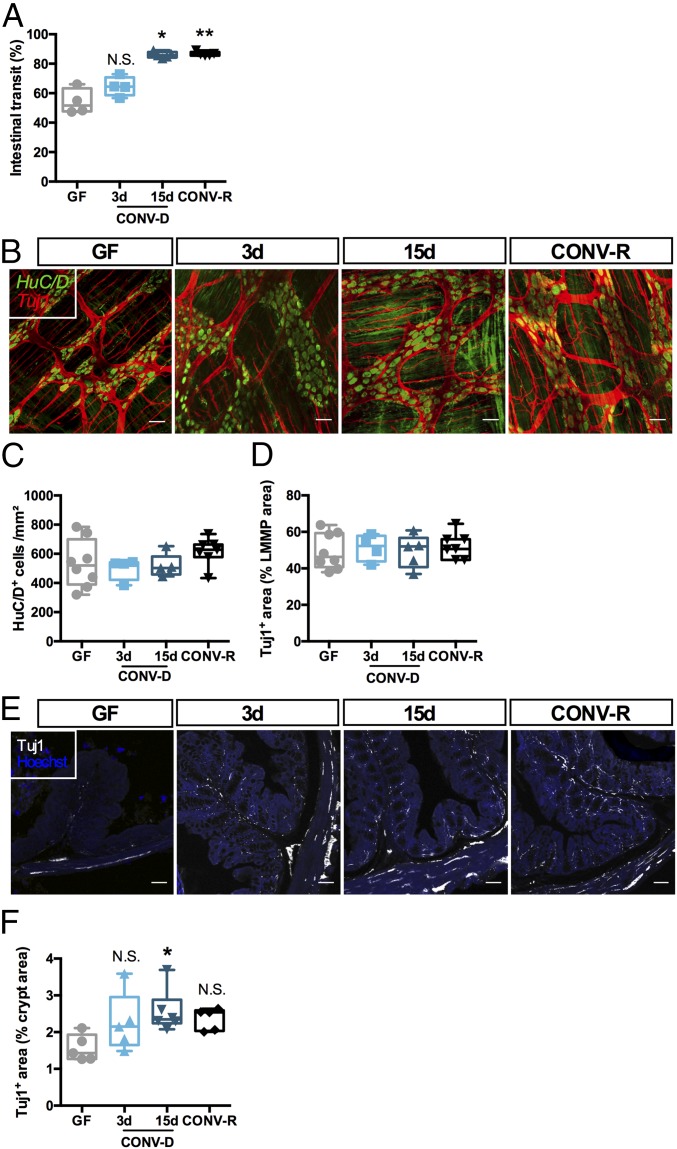
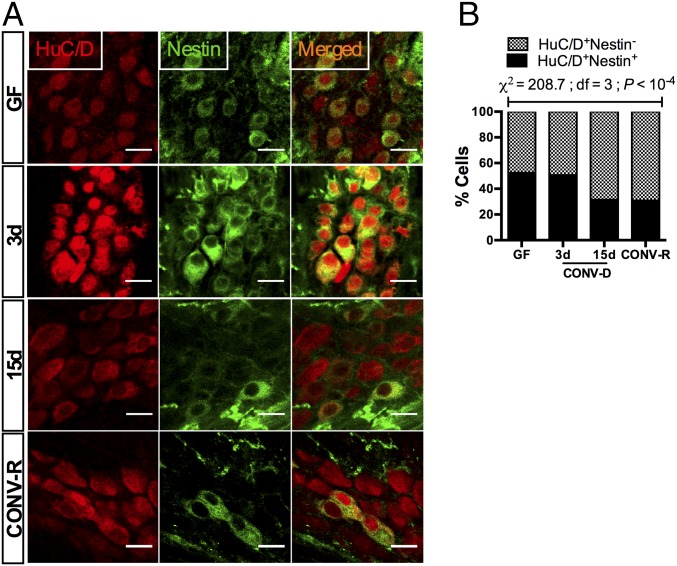
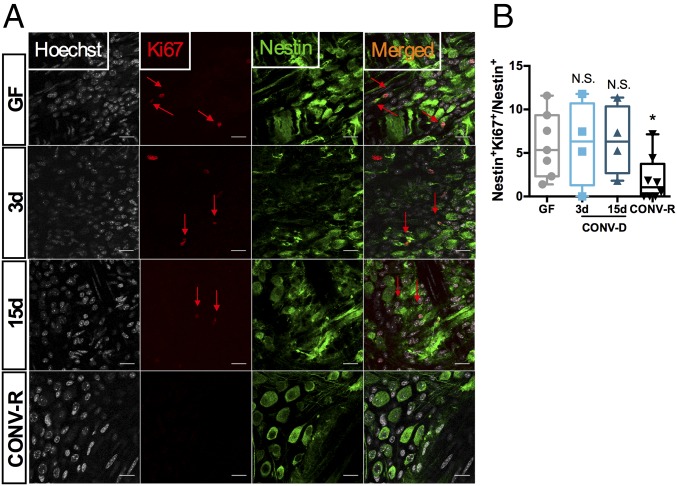
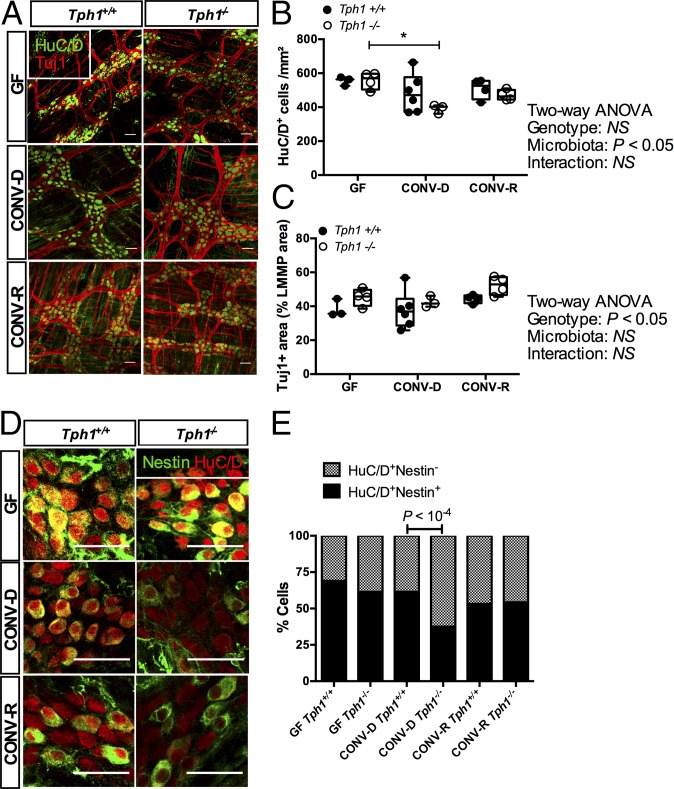
Significance: The gut microbiota affects several physiological processes, including gut motility. Here we observed that germ-free mice have an immature enteric nervous system (ENS) that is normalized upon colonization with a normal microbiota. We identified the mechanism of communication between the microbiota and enteric neurons as the initiation of serotonin release and subsequent activation of the 5-HT 4 receptor. This demonstrates a strong interaction between the microbiota and the ENS and indicates potential mechanisms linking microbial dysbiosis to gastrointestinal disorders. The ability to modulate the microbiota, e.g., by diet, will open new perspectives of research in neurogastroenterology.
Overview
The claims and statistics of this paper haven’t been checked yet.
Free: it reads the open-access text and checks the first 5 claims that cite a source we can check. Create a free account to check every claim.
Integrity signals
Registry
Cites
Statistics
Figures
Verification
Claims the paper makes
The claims and statistics of this paper haven’t been checked yet.
Free: it reads the open-access text and checks the first 5 claims that cite a source we can check. Create a free account to check every claim.
Claims other papers make about this one
Each is checked against this paper’s own text: does it say what the citing paper says it does?
The cited source says what the claim attributes to it.
In the citing paper
“Colonization of GF mice increased enteric neural 5-HT and expression of 5-HT 4 receptors while colonization of GF mice lacking tryptophan hydroxylase 1 (TPH1) failed to restore enteric neuron numbers to those observed in GF and conventional Tph1 transgenic mice and decreased Nestin+ neural precursors indicating reduced levels of neurogenesis (De Vadder et al., 2018).”
From The Microbiota-Gut-Brain Axis (2019) · cites this paper as De Vadder et al., 2018
The cited source says what the claim attributes to it.
In the citing paper
“The gut microbiota plays a key role in promoting serotonin secretion, inducing enteric nervous system maturation by releasing 5-HT and activating the 5-HT4 receptor.222”
From The role of gut dysbiosis in Parkinson’s disease: mechanistic insights and therapeutic options (2021) · cites this paper as [222]
Self-check
Percentages, sums and reported differences re-computed from the paper’s own numbers.
The self-check needs the paper’s full text.
Citations
Cites
Indigenous bacteria from the gut microbiota regulate host serotonin biosynthesis
Yano, J. M., Yu, K., Donaldson, G. P., Shastri, G. G., Ann, P., Ma, L., Nagler, C. R., Ismagilov, R. F., Mazmanian, S. K., & Hsiao, E. Y. (2015) · Cell · doi:10.1016/j.cell.2015.02.047 · Cited by 3,614 · cited 3×
“The gastrointestinal tract is the site where most 5-HT is synthesized, and recently two studies have shown that the gut microbiota plays a key role in promoting 5-HT secretion (18, 19).”
BackgroundDynamics and Stabilization of the Human Gut Microbiome during the First Year of Life
Bäckhed, F., Roswall, J., Peng, Y., Feng, Q., Jia, H., Kovatcheva-Datchary, P., Li, Y., Xia, Y., Xie, H., Zhong, H., et al. (2015) · Cell Host & Microbe · doi:10.1016/j.chom.2015.04.004 · Cited by 3,315
Self-citationNormal gut microbiota modulates brain development and behavior
Heijtz, R. D., Wang, S., Anuar, F., Qian, Y., Björkholm, B., Samuelsson, A., Hibberd, M. L., Forssberg, H., & Pettersson, S. (2011) · Proceedings of the National Academy of Sciences · doi:10.1073/pnas.1010529108 · Cited by 3,228 · cited 1×
“Recent work has shown that the gut microbiota is essential for normal brain development and function in mice (24), but much less is known about the implications of the gut microbiota in the development of the ENS.”
BackgroundMetabolomics analysis reveals large effects of gut microflora on mammalian blood metabolites
Wikoff, W. R., Anfora, A. T., Liu, J., Schultz, P. G., Lesley, S. A., Peters, E. C., & Siuzdak, G. (2009) · Proceedings of the National Academy of Sciences · doi:10.1073/pnas.0812874106 · Cited by 2,677 · cited 1×
“S4A) (18, 19, 31), likely by inducing de novo 5-HT synthesis by increasing the expression of the rate-limiting enzyme for 5-HT synthesis, Tph1, in the mucosa (SI Appendix, Fig.”
BackgroundThe enteric nervous system and neurogastroenterology
Furness, J. B. (2012) · Nature Reviews Gastroenterology & Hepatology · doi:10.1038/nrgastro.2012.32 · Cited by 1,619 · cited 1×
“The ENS has several essential physiologic functions, such as regulation of gastrointestinal motility, fluid secretion and absorption, and blood flow (1).”
BackgroundReigstad, C. S., Salmonson, C. E., III, J. F. R., Szurszewski, J. H., Linden, D. R., Sonnenburg, J. L., Farrugia, G., & Kashyap, P. C. (2015) · The FASEB Journal · doi:10.1096/fj.14-259598 · Cited by 1,335 · cited 3×
“The gastrointestinal tract is the site where most 5-HT is synthesized, and recently two studies have shown that the gut microbiota plays a key role in promoting 5-HT secretion (18, 19).”
BackgroundSerotonin signalling in the gut: functions, dysfunctions and therapeutic targets
Mawe, G. M., & Hoffman, J. M. (2013) · Nature Reviews Gastroenterology & Hepatology · doi:10.1038/nrgastro.2013.105 · Cited by 1,165 · cited 1×
“About 90% of the body’s serotonin (5-hydroxytryptamine, 5-HT) is produced by enterochromaffin (EC) cells, a type of enteroendocrine cells which are present in the epithelium of the gut (17).”
BackgroundLrp5 Controls Bone Formation by Inhibiting Serotonin Synthesis in the Duodenum
Yadav, V. K., Ryu, J.-H., Suda, N., Tanaka, K. F., Gingrich, J. A., Schütz, G., Glorieux, F. H., Chiang, C. Y., Zajac, J. D., Insogna, K. L., et al. (2008) · Cell · doi:10.1016/j.cell.2008.09.059 · Cited by 834 · cited 1×
“Tph1 mice were described previously (42).”
Self-citationIn vivo clonal analysis reveals self-renewing and multipotent adult neural stem cell characteristics
Bonaguidi, M. A., Wheeler, M. A., Shapiro, J. S., Stadel, R. P., Sun, G. J., Ming, G.-L., & Song, H. (2011) · Cell · doi:10.1016/j.cell.2011.05.024 · Cited by 831 · cited 1×
“Nestin is a cytoskeletal protein that is expressed by a variety of neural stem cells (10, 12, 29, 30).”
BackgroundCrosstalk between Muscularis Macrophages and Enteric Neurons Regulates Gastrointestinal Motility
Muller, P. A., Koscsó, B., Rajani, G. M., Stevanovic, K., Berres, M.-L., Hashimoto, D., Mortha, A., Leboeuf, M., Li, X.-M., Mucida, D., et al. (2014) · Cell · doi:10.1016/j.cell.2014.04.050 · Cited by 727
Cited by
Cryan, J. F., O'Riordan, K. J., Cowan, C. S. M., Sandhu, K. V., Bastiaanssen, T. F. S., Boehme, M., Codagnone, M. G., Cussotto, S., Fulling, C., Golubeva, A. V., et al. (2019) · Physiological Reviews · doi:10.1152/physrev.00018.2018 · Cited by 5,286
Microbiota in health and diseases
Hou, K., Wu, Z.-X., Chen, X.-Y., Wang, J.-Q., Zhang, D., Xiao, C., Zhu, D., Koya, J. B., Wei, L., Li, J., et al. (2022) · Signal Transduction and Targeted Therapy · doi:10.1038/s41392-022-00974-4 · Cited by 3,171
“demonstrated the interaction by pharmacological modulation of 5-HT receptors and depletion of endogenous 5-HT.(75) The presence of 5-HT receptor antagonist negatively affects ENS activity.”
BackgroundThe gut microbiota–brain axis in behaviour and brain disorders
Morais, L. H., Schreiber, H. L., & Mazmanian, S. K. (2021) · Nature Reviews Microbiology · doi:10.1038/s41579-020-00460-0 · Cited by 2,149
Metabolomics for Investigating Physiological and Pathophysiological Processes
Wishart, D. S. (2019) · Physiological Reviews · doi:10.1152/physrev.00035.2018 · Cited by 1,212
“Gut-derived serotonin is responsible for modulating platelet function, regulating the maturation of the enteric nervous system, and controlling GI motility (115).”
BackgroundTryptophan Metabolism: A Link Between the Gut Microbiota and Brain
Gao, K., Mu, C.-L., Farzi, A., & Zhu, W.-Y. (2020) · Advances in Nutrition · doi:10.1093/advances/nmz127 · Cited by 1,029
“A previous study revealed that the colonization of GF mice with microbiota from conventional mice modifies the neuroanatomy of the ENS and enhanced intestinal transit, which is associated with increased neuronal and mucosal serotonin production and the proliferation of enteric neuronal progenitors in the adult intesti…”
BackgroundThe microbiota-gut-brain axis: from motility to mood
Margolis, K. G., Cryan, J. F., & Mayer, E. A. (2021) · Gastroenterology · doi:10.1053/j.gastro.2020.10.066 · Cited by 999
Gut microbes and metabolites as modulators of blood-brain barrier integrity and brain health
Parker, A., Fonseca, S., & Carding, S. R. (2020) · Gut Microbes · doi:10.1080/19490976.2019.1638722 · Cited by 702
Gut Bacteria and Neurotransmitters
Dicks, L. M. T. (2022) · Microorganisms · doi:10.3390/microorganisms10091838 · Cited by 482
The Role of the Canine Gut Microbiome and Metabolome in Health and Gastrointestinal Disease
Pilla, R., & Suchodolski, J. S. (2020) · Frontiers in Veterinary Science · doi:10.3389/fvets.2019.00498 · Cited by 463
“About 90% of the serotonin produced in the body originates from the intestines, where it regulates motility, secretion and blood flow through the enteric nervous system (41).”
BackgroundMicrobiota-derived metabolites as drivers of gut–brain communication
Ahmed, H., Leyrolle, Q., Koistinen, V., Kärkkäinen, O., Layé, S., Delzenne, N., & Hanhineva, K. (2022) · Gut Microbes · doi:10.1080/19490976.2022.2102878 · Cited by 462
“In addition to neuronal stimulation, serotonin might have a role in the development, maturation, and protection of the enteric nervous system.(190) Similar to enterochromaffin cells, colonic L cells are activated by microbial metabolites, such as SCFAs and secondary bile acids among others.”
BackgroundAHR in the intestinal microenvironment: safeguarding barrier function
Stockinger, B., Shah, K., & Wincent, E. (2021) · Nature Reviews Gastroenterology & Hepatology · doi:10.1038/s41575-021-00430-8 · Cited by 403
Sharkey, K. A., & Mawe, G. M. (2023) · Physiological Reviews · doi:10.1152/physrev.00018.2022 · Cited by 390
Precision Nutrition and the Microbiome, Part I: Current State of the Science
Mills, S., Stanton, C., Lane, J., Smith, G., & Ross, R. (2019) · Nutrients · doi:10.3390/nu11040923 · Cited by 399
Gut microbial molecules in behavioural and neurodegenerative conditions
Needham, B. D., Kaddurah-Daouk, R., & Mazmanian, S. K. (2020) · Nature Reviews Neuroscience · doi:10.1038/s41583-020-00381-0 · Cited by 379
Suganya, K., & Koo, B.-S. (2020) · International Journal of Molecular Sciences · doi:10.3390/ijms21207551 · Cited by 368
“C. perfringens, a member of the human and rodent gut microbiota, has been shown to increase colonic and blood 5-HT production via TPH1 in mice [51].”
BackgroundInfluentialNeuronal programming by microbiota regulates intestinal physiology
Obata, Y., Castaño, Á., Boeing, S., Bon-Frauches, A. C., Fung, C., Fallesen, T., de Agüero, M. G., Yilmaz, B., Lopes, R., Huseynova, A., et al. (2020) · Nature · doi:10.1038/s41586-020-1975-8 · Cited by 352
Self-citationThe Association between Early-Life Gut Microbiota and Long-Term Health and Diseases
Sarkar, A., Yoo, J. Y., Valeria Ozorio Dutra, S., Morgan, K. H., & Groer, M. (2021) · Journal of Clinical Medicine · doi:10.3390/jcm10030459 · Cited by 342
“Maturation of the ENS in germ-free (GF) mice is improved by colonization with microbiota from conventionally raised mice, demonstrating a complex interplay between the microbiome and its role in the development of ENS function in an animal model [174].”
BackgroundThe gut microbiota-immune-brain axis: therapeutic implications
O’Riordan, K. J., Moloney, G. M., Keane, L., Clarke, G., & Cryan, J. F. (2025) · Cell Reports Medicine · doi:10.1016/j.xcrm.2025.101982 · Cited by 333
“…serotonin/5-hydroxytryptamine (5-HT), g -aminobutyric acid (GABA), interferon - gamma (IFN g ). microbiota, in germ-free preclinical models, results in notable ENS immaturity 13 and immune dysregulation, underscoring the important role of the gut microbiota in ENS development and immune function.”
Intestinal microbiota shapes gut physiology and regulates enteric neurons and glia
Vicentini, F. A., Keenan, C. M., Wallace, L. E., Woods, C., Cavin, J.-B., Flockton, A. R., Macklin, W. B., Belkind-Gerson, J., Hirota, S. A., & Sharkey, K. A. (2021) · Microbiome · doi:10.1186/s40168-021-01165-z · Cited by 326
The intestinal neuro-immune axis: crosstalk between neurons, immune cells, and microbes
Jacobson, A., Yang, D., Vella, M., & Chiu, I. M. (2021) · Mucosal Immunology · doi:10.1038/s41385-020-00368-1 · Cited by 305
Heiss, C. N., & Olofsson, L. E. (2019) · Journal of Neuroendocrinology · doi:10.1111/jne.12684 · Cited by 304
Self-citationFrom gut microbiota to host appetite: gut microbiota-derived metabolites as key regulators
Han, H., Yi, B., Zhong, R., Wang, M., Zhang, S., Ma, J., Yin, Y., Yin, J., Chen, L., & Zhang, H. (2021) · Microbiome · doi:10.1186/s40168-021-01093-y · Cited by 292
“Studies using GF mice, gnotobiotic mice recolonized with sporeforming microbiota from SPF mice, and healthy humans showed that the gut microbiota participates in the 5-HT production and influences the serotonergic neuronal networks [125, 126].”
BackgroundThe role of gut dysbiosis in Parkinson’s disease: mechanistic insights and therapeutic options
Wang, Q., Luo, Y., Ray Chaudhuri, K., Reynolds, R., Tan, E.-K., & Pettersson, S. (2021) · Brain · doi:10.1093/brain/awab156 · Cited by 281
Role of the gut-brain axis in energy and glucose metabolism
Wachsmuth, H. R., Weninger, S. N., & Duca, F. A. (2022) · Experimental & Molecular Medicine · doi:10.1038/s12276-021-00677-w · Cited by 269
Ma, Z., Zuo, T., Frey, N., & Rangrez, A. Y. (2024) · Signal Transduction and Targeted Therapy · doi:10.1038/s41392-024-01946-6 · Cited by 259
“294 The establishment of the mucosal glial cell network is a postnatal process, where they form a population that is continuously renewed and essential for the preservation of gut homeostasis.”
BackgroundThe gut microbiota–brain axis in neurological disorder
Ullah, H., Arbab, S., Tian, Y., Liu, C.-Q., Chen, Y., Qijie, L., Khan, M. I. U., Hassan, I. U., & Li, K. (2023) · Frontiers in Neuroscience · doi:10.3389/fnins.2023.1225875 · Cited by 255
Microbiota in inflammatory bowel disease: mechanisms of disease and therapeutic opportunities
Iliev, I. D., Ananthakrishnan, A. N., & Guo, C.-J. (2025) · Nature Reviews Microbiology · doi:10.1038/s41579-025-01163-0 · Cited by 249
“The intestinal microbiota are key regulators of the enteric nervous system, with neuronal detection of microbes eliciting transcriptional and functional responses 141 .”
Frankiensztajn, L. M., Elliott, E., & Koren, O. (2020) · Current Opinion in Neurobiology · doi:10.1016/j.conb.2019.12.003 · Cited by 248
Microbiota Metabolites in Health and Disease
McCarville, J. L., Chen, G. Y., Cuevas, V. D., Troha, K., & Ayres, J. S. (2020) · Annual Review of Immunology · doi:10.1146/annurev-immunol-071219-125715 · Cited by 241
The ever-changing roles of serotonin
Jones, L. A., Sun, E. W., Martin, A. M., & Keating, D. J. (2020) · The International Journal of Biochemistry & Cell Biology · doi:10.1016/j.biocel.2020.105776 · Cited by 240
The changing metabolic landscape of bile acids – keys to metabolism and immune regulation
Mohanty, I., Allaband, C., Mannochio-Russo, H., El Abiead, Y., Hagey, L. R., Knight, R., & Dorrestein, P. C. (2024) · Nature Reviews Gastroenterology & Hepatology · doi:10.1038/s41575-024-00914-3 · Cited by 218
Bosi, A., Banfi, D., Bistoletti, M., Giaroni, C., & Baj, A. (2020) · International Journal of Tryptophan Research · doi:10.1177/1178646920928984 · Cited by 221
Focus on the essentials: tryptophan metabolism and the microbiome-gut-brain axis
Gheorghe, C. E., Martin, J. A., Manriquez, F. V., Dinan, T. G., Cryan, J. F., & Clarke, G. (2019) · Current Opinion in Pharmacology · doi:10.1016/j.coph.2019.08.004 · Cited by 212
Chudzik, A., Orzyłowska, A., Rola, R., & Stanisz, G. J. (2021) · Biomolecules · doi:10.3390/biom11071000 · Cited by 209
The role of the gut microbiome in sustainable teleost aquaculture
Perry, W. B., Lindsay, E., Payne, C. J., Brodie, C., & Kazlauskaite, R. (2020) · Proceedings of the Royal Society B: Biological Sciences · doi:10.1098/rspb.2020.0184 · Cited by 209
The gut microbiome: a core regulator of metabolism
Fujisaka, S., Watanabe, Y., & Tobe, K. (2023) · Journal of Endocrinology · doi:10.1530/joe-22-0111 · Cited by 203
The gut, its microbiome, and the brain: connections and communications
Gershon, M. D., & Margolis, K. G. (2021) · Journal of Clinical Investigation · doi:10.1172/jci143768 · Cited by 199
Gut microbiota modulates neurotransmitter and gut-brain signaling
Qu, S., Yu, Z., Zhou, Y., Wang, S., Jia, M., Chen, T., & Zhang, X. (2024) · Microbiological Research · doi:10.1016/j.micres.2024.127858 · Cited by 186
Dahiya, D., & Nigam, P. S. (2023) · International Journal of Molecular Sciences · doi:10.3390/ijms24043074 · Cited by 188
Microbiota-gut brain axis involvement in neuropsychiatric disorders
Iannone, L. F., Preda, A., Blottière, H. M., Clarke, G., Albani, D., Belcastro, V., Carotenuto, M., Cattaneo, A., Citraro, R., Ferraris, C., et al. (2019) · Expert Review of Neurotherapeutics · doi:10.1080/14737175.2019.1638763 · Cited by 177
Autonomic nervous system and inflammation interaction in endometriosis-associated pain
Wei, Y., Liang, Y., Lin, H., Dai, Y., & Yao, S. (2020) · Journal of Neuroinflammation · doi:10.1186/s12974-020-01752-1 · Cited by 168
Checa-Ros, A., Jeréz-Calero, A., Molina-Carballo, A., Campoy, C., & Muñoz-Hoyos, A. (2021) · Nutrients · doi:10.3390/nu13010249 · Cited by 164
“They may involve the activation of pattern recognition receptors (PRRs), including Toll-like receptors (TLRs) [38], and the expression of serotonin (5-HT4) receptors [39].”
BackgroundKandpal, M., Indari, O., Baral, B., Jakhmola, S., Tiwari, D., Bhandari, V., Pandey, R. K., Bala, K., Sonawane, A., & Jha, H. C. (2022) · Metabolites · doi:10.3390/metabo12111064 · Cited by 159
The enteric nervous system in gastrointestinal disease etiology
Holland, A. M., Bon-Frauches, A. C., Keszthelyi, D., Melotte, V., & Boesmans, W. (2021) · Cellular and Molecular Life Sciences · doi:10.1007/s00018-021-03812-y · Cited by 161
“Furthermore, together with genetic changes in the serotonergic signaling system (see above), the alterations in enterochromaffin cells observed in IBS patients [137, 138] and the impact of the microbiota on this system [72, 139], highlight the importance of the ENS-microbiome dialogue.”
BackgroundZhu, P., Lu, T., Chen, Z., Liu, B., Fan, D., Li, C., Wu, J., He, L., Zhu, X., Du, Y., et al. (2022) · Neuron · doi:10.1016/j.neuron.2022.04.024 · Cited by 170
Bo, T., Zhang, X., Wen, J., Deng, K., Qin, X.-W., & Wang, D. (2019) · The ISME Journal · doi:10.1038/s41396-019-0492-y · Cited by 168
Raimondi, I., Izzo, L., Tunesi, M., Comar, M., Albani, D., & Giordano, C. (2020) · Frontiers in Bioengineering and Biotechnology · doi:10.3389/fbioe.2019.00435 · Cited by 155
Abdelli, L. S., Samsam, A., & Naser, S. A. (2019) · Scientific Reports · doi:10.1038/s41598-019-45348-z · Cited by 144
The Contribution of Gut Microbiota–Brain Axis in the Development of Brain Disorders
Maiuolo, J., Gliozzi, M., Musolino, V., Carresi, C., Scarano, F., Nucera, S., Scicchitano, M., Oppedisano, F., Bosco, F., Ruga, S., et al. (2021) · Frontiers in Neuroscience · doi:10.3389/fnins.2021.616883 · Cited by 164
The Gut and Parkinson's Disease—A Bidirectional Pathway
Santos, S. F., de Oliveira, H. L., Yamada, E. S., Neves, B. C., & Pereira, A. (2019) · Frontiers in Neurology · doi:10.3389/fneur.2019.00574 · Cited by 140
“The activation of 5-HT4 receptors induces the maturation of the ENS and regulates its adult function (104).”
BackgroundCisplatin Mouse Models: Treatment, Toxicity and Translatability
Perše, M. (2021) · Biomedicines · doi:10.3390/biomedicines9101406 · Cited by 169
Microbiota-derived tryptophan metabolites in vascular inflammation and cardiovascular disease
Paeslack, N., Mimmler, M., Becker, S., Gao, Z., Khuu, M. P., Mann, A., Malinarich, F., Regen, T., & Reinhardt, C. (2022) · Amino Acids · doi:10.1007/s00726-022-03161-5 · Cited by 155
Yarandi, S. S., Kulkarni, S., Saha, M., Sylvia, K. E., Sears, C. L., & Pasricha, P. J. (2020) · Gastroenterology · doi:10.1053/j.gastro.2020.03.050 · Cited by 138
Tian, P., Zou, R., Wang, L., Chen, Y., Qian, X., Zhao, J., Zhang, H., Qian, L., Wang, Q., Wang, G., et al. (2022) · Journal of Advanced Research · doi:10.1016/j.jare.2022.05.003 · Cited by 145
“In recent years, the gut microbiota has been well investigated for its role in regulating enteric and central nervous system functions [15,16].”
BackgroundGut microbiota regulate tumor metastasis via circRNA/miRNA networks
Zhu, Z., Huang, J., Li, X., Xing, J. Q., Chen, Q., Liu, R., Hua, F., Qiu, Z., Song, Y., Bai, C., et al. (2020) · Gut Microbes · doi:10.1080/19490976.2020.1788891 · Cited by 139
Ortega, M. A., Álvarez-Mon, M. Á., Montero, C. G., Fraile‐Μartinez, O., Monserrat, J., Martinez-Rozas, L., Rodríguez–Jiménez, R., Álvarez‐Mon, M., & Lahera, G. (2023) · Molecular Psychiatry · doi:10.1038/s41380-023-01964-w · Cited by 151
“However, serotonin can affect both vagus nerve and BBB permeability [69], and it modulates intestinal in fl ammation [212] and numerous physiological processes, including gastrointestinal secretion and peristalsis, vasoconstriction, behavior, and other neurological functions [177].”
BackgroundEnteric neuroimmune interactions coordinate intestinal responses in health and disease
Wang, H., Foong, J. P. P., Harris, N. L., & Bornstein, J. C. (2021) · Mucosal Immunology · doi:10.1038/s41385-021-00443-1 · Cited by 152
Li, X., Zhang, Z., Zabed, H. M., Yun, J., Zhang, G., & Qi, X. (2021) · Molecular Nutrition & Food Research · doi:10.1002/mnfr.202000461 · Cited by 134
Wu, R., Xiong, R., Li, Y., Chen, J., & Yan, R. (2023) · Journal of Autoimmunity · doi:10.1016/j.jaut.2023.103062 · Cited by 126
Wei, L., Singh, R., Ro, S., & Ghoshal, U. C. (2021) · JGH Open · doi:10.1002/jgh3.12528 · Cited by 146
Bo, T., Zhang, X., Kohl, K. D., Wen, J., Tian, S.-J., & Wang, D. (2020) · The ISME Journal · doi:10.1038/s41396-020-0711-6 · Cited by 127
Sun, M., Ma, K., Wen, J., Wang, G., Zhang, C., Li, Q., Bao, X., & Wang, H. (2020) · Journal of Alzheimer’s Disease · doi:10.3233/jad-190872 · Cited by 113
Huang, Z., Aweya, J. J., Zhu, C., Tran, N. T., Hong, Y.-J., Li, S., Yao, D., & Zhang, Y. (2020) · Frontiers in Immunology · doi:10.3389/fimmu.2020.574721 · Cited by 135
“The Trp metabolite serotonin (5-HT) has also been implicated in immune response in mammals, as intestinal microbiota are able to modulate host immune response by altering levels of 5-HT in models of mucosal infections (104, 105), thereby attenuating the ability to mount immune response to disease pathogens (106–108).”
BackgroundSwine gut microbiota and its interaction with host nutrient metabolism
Wang, H., Xu, R., Zhang, H., Su, Y., & Zhu, W. (2020) · Animal nutrition · doi:10.1016/j.aninu.2020.10.002 · Cited by 127
Hu, B., Das, P., Lv, X., Shi, M., Aa, J., Wang, K., Duan, L., Gilbert, J. A., Nie, Y., & Wu, X. (2022) · mSystems · doi:10.1128/msystems.00218-22 · Cited by 124
“(41) found that the germ-free adult mice”
The Multifaceted Role of Serotonin in Intestinal Homeostasis
Koopman, N., Katsavelis, D., Ten Hove, A., Brul, S., de Jonge, W., & Seppen, J. (2021) · International Journal of Molecular Sciences · doi:10.3390/ijms22179487 · Cited by 104
“Neuronal 5-HT can induce gut motility and is involved in enteric neurogenesis and differentiation, which is modulated by microbiota [19,42,129].”
Forte, N., Fernández-Rilo, A. C., Palomba, L., Di Marzo, V., & Cristino, L. (2020) · International Journal of Molecular Sciences · doi:10.3390/ijms21051554 · Cited by 103
Quorum Sensing Communication: Molecularly Connecting Cells, Their Neighbors, and Even Devices
Wang, S., Payne, G. F., & Bentley, W. E. (2020) · Annual Review of Chemical and Biomolecular Engineering · doi:10.1146/annurev-chembioeng-101519-124728 · Cited by 110
Zheng, W., Song, H., Luo, Z., Wu, H., Chen, L., Wang, Y., Cui, H., Zhang, Y., Wang, B., Li, W., et al. (2021) · Proceedings of the National Academy of Sciences · doi:10.1073/pnas.2017762118 · Cited by 110
Enteric nervous system and intestinal epithelial regulation of the gut-brain axis
Dowling, L. R. C., Strazzari, M. R., Keely, S., & Kaiko, G. E. (2022) · Journal of Allergy and Clinical Immunology · doi:10.1016/j.jaci.2022.07.015 · Cited by 136
Gut bacteria–derived serotonin promotes immune tolerance in early life
Sanidad, K. Z., Rager, S. L., Carrow, H. C., Ananthanarayanan, A., Callaghan, R., Hart, L. R., Li, T., Ravisankar, P., Brown, J. A., Amir, M., et al. (2024) · Science Immunology · doi:10.1126/sciimmunol.adj4775 · Cited by 109
Sariola, S., & Gilbert, S. F. (2020) · Microorganisms · doi:10.3390/microorganisms8050746 · Cited by 112
“Nearly all of our peripheral serotonin is induced by gut microbes, where it regulates the maturation of the enteric nervous system and regulates peristalsis [83,126].”
BackgroundHung, L. Y., & Margolis, K. G. (2024) · Nature Reviews Gastroenterology & Hepatology · doi:10.1038/s41575-023-00857-1 · Cited by 96
How important are fatty acids in human health and can they be used in treating diseases?
Dicks, L. M. T. (2024) · Gut Microbes · doi:10.1080/19490976.2024.2420765 · Cited by 109
The Role of Intestinal Bacteria and Gut–Brain Axis in Hepatic Encephalopathy
Chen, Z., Ruan, J., Li, D., Wang, M., Han, Z., Qiu, W., & Wu, G. (2021) · Frontiers in Cellular and Infection Microbiology · doi:10.3389/fcimb.2020.595759 · Cited by 103
The Metabolic Role and Therapeutic Potential of the Microbiome
Olofsson, L. E., & Bäckhed, F. (2022) · Endocrine Reviews · doi:10.1210/endrev/bnac004 · Cited by 92
Self-citationTargeting the gut microbiota to influence brain development and function in early life
Wang, S., Harvey, L., Martin, R., van der Beek, E. M., Knol, J., Cryan, J. F., & Renes, I. B. (2018) · Neuroscience & Biobehavioral Reviews · doi:10.1016/j.neubiorev.2018.09.002 · Cited by 91
Busnelli, M., Manzini, S., & Chiesa, G. (2019) · Nutrients · doi:10.3390/nu12010079 · Cited by 98
“Although the biological function of the majority of bacterial gene products remains poorly defined, it has been widely demonstrated that the gut microbiota can influence the host in many ways: it modulates the immune defence [26] and provides protection against pathogens [27]; metabolizes bile acids (BAs) and xenobiot…”
BackgroundRole of gut microbiota-derived signals in the regulation of gastrointestinal motility
Zheng, Z., Tang, J., Hu, Y., & Zhang, W. (2022) · Frontiers in Medicine · doi:10.3389/fmed.2022.961703 · Cited by 103
“Besides, 5-HT modulated by gut microbiota is associated with neurogenesis in the ENS and intestinal transit, potentially via the 5-HT4 receptor (83).”
BackgroundNeuroimmune Interactions in the Intestine
Wallrapp, A., & Chiu, I. M. (2024) · Annual Review of Immunology · doi:10.1146/annurev-immunol-101921-042929 · Cited by 99
The microbiota-gut-brain axis: Focus on the fundamental communication pathways
(2020) · Progress in Molecular Biology and Translational Science · doi:10.1016/bs.pmbts.2020.08.012 · Cited by 88
Caetano, M. A. F., & Castelucci, P. (2022) · World Journal of Clinical Cases · doi:10.12998/wjcc.v10.i28.9985 · Cited by 98
Advances in Enteric Neurobiology: The “Brain” in the Gut in Health and Disease
Kulkarni, S., Ganz, J., Bayrer, J., Becker, L., Bogunovic, M., & Rao, M. (2018) · The Journal of Neuroscience · doi:10.1523/jneurosci.1663-18.2018 · Cited by 83
“Sensory activity of EECs is mediated through their expression of cell surface receptors for nutrients, microbial byproducts, and host signaling molecules (Dyer et al., 2005; Samuel et al., 2008; Akiba et al., 2015; Bellono et al., 2017; Lund et al., 2018).”
BackgroundLund, M. L., Sorrentino, G., Egerod, K. L., Kroone, C., Mortensen, B., Knop, F. K., Reimann, F., Gribble, F. M., Drucker, D. J., de Koning, E. J. P., et al. (2020) · Diabetes · doi:10.2337/db19-0764 · Cited by 82
“The role of serotonin in growth and maturation of intestine has previously been described, although these effects were attributed to the interaction of enterochromaffin cells with enteric neurons (32,33).”
BackgroundSelf-citationThe Role of the Gut Microbiota in the Gut–Brain Axis in Obesity: Mechanisms and Future Implications
van Son, J., Koekkoek, L. L., la Fleur, S. E., Serlie, M. J. M., & Nieuwdorp, M. (2021) · International Journal of Molecular Sciences · doi:10.3390/ijms22062993 · Cited by 91
Aktar, R., Parkar, N., Stentz, R., Baumard, L., Parker, A., Goldson, A., Brion, A., Carding, S., Blackshaw, A., & Peiris, M. (2020) · Gut Microbes · doi:10.1080/19490976.2020.1766936 · Cited by 80
Epigenetic effects of short-chain fatty acids from the large intestine on host cells
Stein, R. A., & Riber, L. (2023) · microLife · doi:10.1093/femsml/uqad032 · Cited by 95
Role of the endocannabinoid system in the regulation of intestinal homeostasis
Cuddihey, H., MacNaughton, W. K., & Sharkey, K. A. (2022) · Cellular and Molecular Gastroenterology and Hepatology · doi:10.1016/j.jcmgh.2022.05.015 · Cited by 79
Enteric glia in homeostasis and disease: From fundamental biology to human pathology
Rosenberg, H. J., & Rao, M. (2021) · iScience · doi:10.1016/j.isci.2021.102863 · Cited by 87
“De Vadder et al. found that microbial recolonization of GF mice increased S100B immunoreactivity in the myenteric plexus of the colon but not the number of SOX10+ cells, suggesting that there may be microbial effects on myenteric glial phenotypes but not number (De Vadder et al., 2018).”
BackgroundPadhi, P., Worth, C., Zenitsky, G. D., Jin, H., Sambamurti, K., Anantharam, V., Kanthasamy, A., & Kanthasamy, A. G. (2022) · Frontiers in Neuroscience · doi:10.3389/fnins.2022.836605 · Cited by 87
Enteric Microbiota-Mediated Serotonergic Signaling in Pathogenesis of Irritable Bowel Syndrome
Mishima, Y., & Ishihara, S. (2021) · International Journal of Molecular Sciences · doi:10.3390/ijms221910235 · Cited by 88
The gut microbiome in disorders of gut–brain interaction
Kraïmi, N., Ross, T., Pujo, J., & Palma, G. D. (2024) · Gut Microbes · doi:10.1080/19490976.2024.2360233 · Cited by 101
Zhong, H., Xu, J., Yang, M., Hussain, M., Liu, X., Feng, F., & Guan, R. (2023) · Nutrients · doi:10.3390/nu15030496 · Cited by 87
Gut Microbiota and its Metabolites: Bridge of Dietary Nutrients and Alzheimer’s Disease
Zhu, G., Zhao, J., Zhang, H., Wang, G., & Chen, W. (2023) · Advances in Nutrition · doi:10.1016/j.advnut.2023.04.005 · Cited by 85
Neuron–Glia Interaction in the Developing and Adult Enteric Nervous System
Pawolski, V., & Schmidt, M. H. H. (2020) · Cells · doi:10.3390/cells10010047 · Cited by 78
“The gut microbiome heavily interacts with the ENS and influences gut physiology [8,9].”
BackgroundNerves in gastrointestinal cancer: from mechanism to modulations
Vaes, N., Idris, M., Boesmans, W., Alves, M. M., & Melotte, V. (2022) · Nature Reviews Gastroenterology & Hepatology · doi:10.1038/s41575-022-00669-9 · Cited by 75
New hope for Parkinson’s disease treatment: Targeting gut microbiota
Fan, H., Sheng, S., & Zhang, F. (2022) · CNS Neuroscience & Therapeutics · doi:10.1111/cns.13916 · Cited by 66
Dicks, L. M. T. (2023) · International Journal of Molecular Sciences · doi:10.3390/ijms25010038 · Cited by 82
Shaw, C. A., Hess, M., & Weimer, B. C. (2023) · Microorganisms · doi:10.3390/microorganisms11071825 · Cited by 75
“Increased luminal serotonin levels stimulate bacterial synthesis of serotonin [126] and serotonin produced in the GT improves the local integrity of the enteric nervous system, which then regulates gut motility and nutrient absorption [128].”
BackgroundGut Microbiota in Ischemic Stroke: Role of Gut Bacteria-Derived Metabolites
Zhang, W., Dong, X. Y., & Huang, R. (2022) · Translational Stroke Research · doi:10.1007/s12975-022-01096-3 · Cited by 75
Metadata
- Authors
- De Vadder, F., Grasset, E., Mannerås Holm, L., Karsenty, G., Macpherson, A. J., Olofsson, L. E., & Bäckhed, F.
- Affiliations
- Wallenberg Laboratory, Department of Molecular and Clinical Medicine, University of Gothenburg, 41345 Gothenburg, Sweden;
- University of Gothenburg (SE)
- Columbia University Irving Medical Center (US)
- University of Bern (CH)
- University of Copenhagen (DK)
- Corresponding author
- Bäckhed, Fredrik
- Venue
- Proceedings of the National Academy of Sciences
- Publisher
- National Academy of Sciences
- Published
- 2018-06-04
- Volume
- 115
- Issue
- 25
- Pages
- 6458-6463
- ISSN
- 0027-8424 (ISSN-L)
- 1091-6490
- PMC
- PMC6016808
- OpenAlex
- W2806531878
- Semantic Scholar
- 9faca9e0b8d99fcbda6c40931a1a92d1d6cca7a1
- Cited by
- 566
- References
- 42
- Citations by year
- 2026: 57 · 2025: 60 · 2024: 107 · 2023: 69 · 2022: 90 · 2021: 76 · 2020: 60 · 2019: 37 · 2018: 10
- FWCI
- 43.58
- Type
- journal article
- Language
- en
- Open access
- hybrid
- doi.org
- Licence
- Locations
- Proceedings of the National Academy of Sciences (publishedVersion, cc-by-nc-nd)
- Europe PMC (PubMed Central) (publishedVersion, cc-by-nc-nd)
- PubMed Central (publishedVersion, cc-by-nc-nd)
- Research at the University of Copenhagen (University of Copenhagen) (publishedVersion, other-oa)
- PubMed (publishedVersion)
- HAL (submittedVersion)
- Bern Open Repository and Information System (University of Bern) (submittedVersion, cc-by-nc-nd)
- Columbia Academic Commons (Columbia University)
- Funders
- Torsten Söderbergs Stiftelse
- Wenner-Gren Stiftelserna
- Göran Gustafssons Stiftelser
- European Commission (609409)
- Knut och Alice Wallenbergs Stiftelse
- Ligue Contre le Cancer
- Novo Nordisk
- Vetenskapsrådet
- Göteborgs Universitet
- Novo Nordisk Fonden
- National Institutes of Health (AG032959)
- National Institute on Aging (P01AG032959)
- FP7 Ideas: European Research Council (615362)
- Topics
- Health Sciences › Medicine › Gastroenterology › Gastrointestinal motility and disorders
- Life Sciences › Biochemistry, Genetics and Molecular Biology › Molecular Biology › Gut microbiota and health
- Health Sciences › Medicine › Surgery › Congenital gastrointestinal and neural anomalies
- Keywords
- gut microbiota, enteric nervous system, enteric neurons, serotonin, 5-HT4 receptor, germ-free mice, microbiota colonization, neurogastroenterology, dysbiosis, gastrointestinal diseases, intestinal motility
- MeSH terms
- Gastrointestinal Microbiome, Animals, Female, Gastrointestinal Motility, Intestine, Small, Mice, Inbred C57BL, Neurons, Serotonin, Enteric Nervous System, Receptors, Serotonin, 5-HT4, Mice, Neurogenesis, Microbiota
About these checks
Registry, retraction, Cites and statistics results are computed, not judged, with one exception: a printed reference that no index lists is read once by a model before it counts as a citation error. Claims are extracted by a model and kept only when their quote appears verbatim in the text; each cited source is then checked, with a model’s help, for whether it says what the claim relies on. Those verdicts can be wrong — read the claim’s quote and the cited source before relying on one.
Statistics and arithmetic are recomputed, not judged.
Confidence bands are shown only for fields calibrated on our annotated test set. None is calibrated yet, so no band is shown.
What counts as a claim ›How we measure confidence ›How we check this ›
Are you an author, or do you see a problem with this page? Request a review
Data sources
Bibliographic data: Semantic Scholar, OpenAlex, Crossref.
Contains information from the Semantic Scholar Academic Graph Datasets, made available under the ODC Attribution License (ODC-BY 1.0).
Semantic Scholar’s data is described in: Kinney, R., et al. (2023). The Semantic Scholar Open Data Platform. arXiv:2301.10140.
