

Hypoxic Tumor Cell Modulates Its Microenvironment to Enhance Angiogenic and Metastatic Potential by Secretion of Proteins and Exosomes
Open accessThe DOI matches its Crossref record; 72 of the 72 references it cites were found in a registry or an index.
Abstract
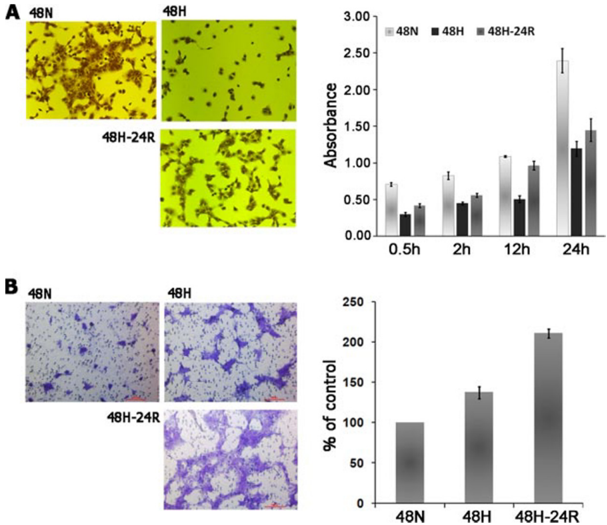
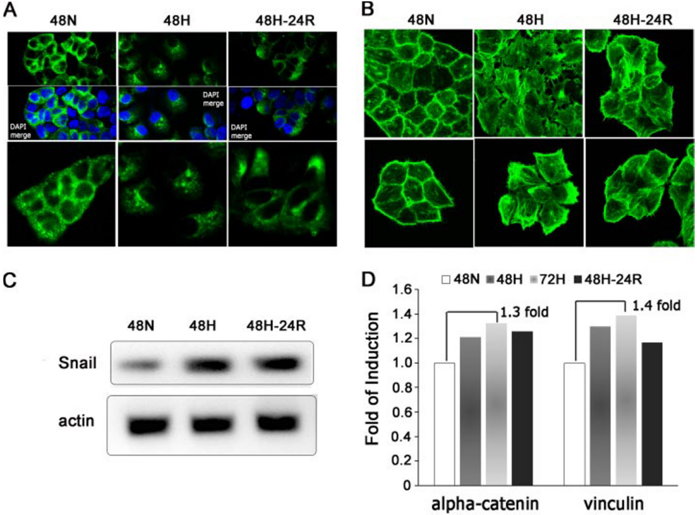
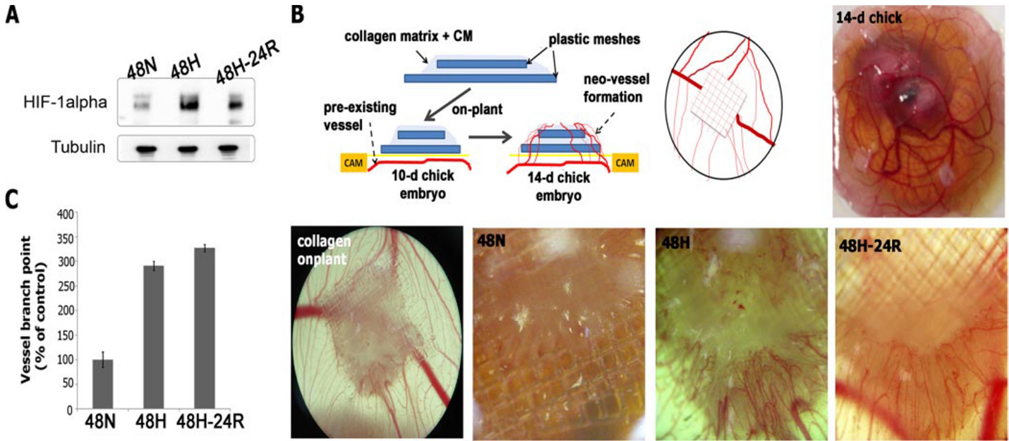
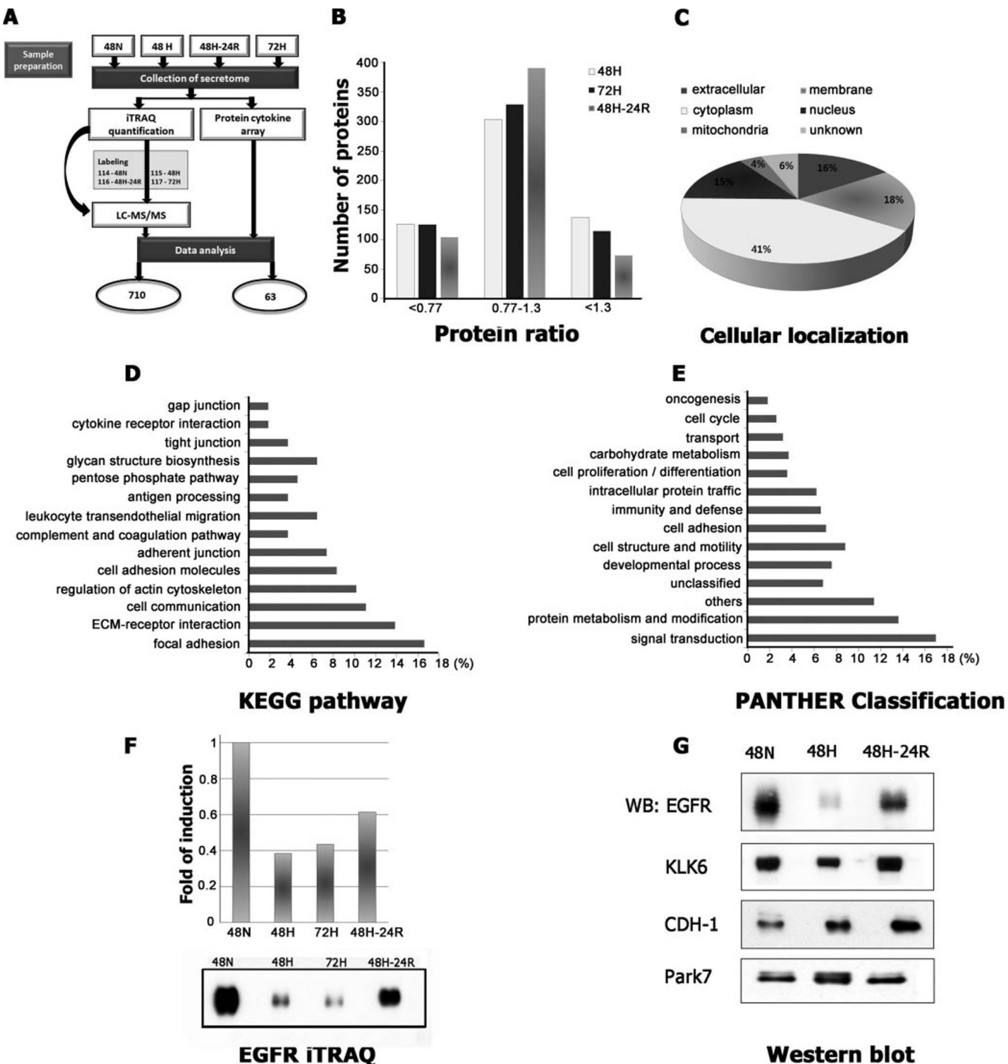
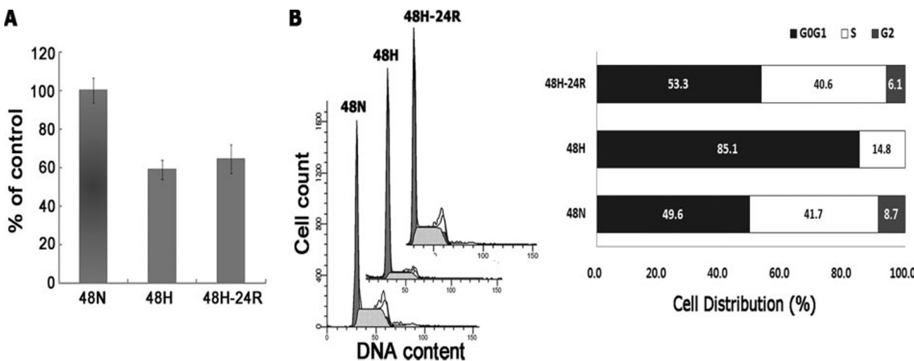
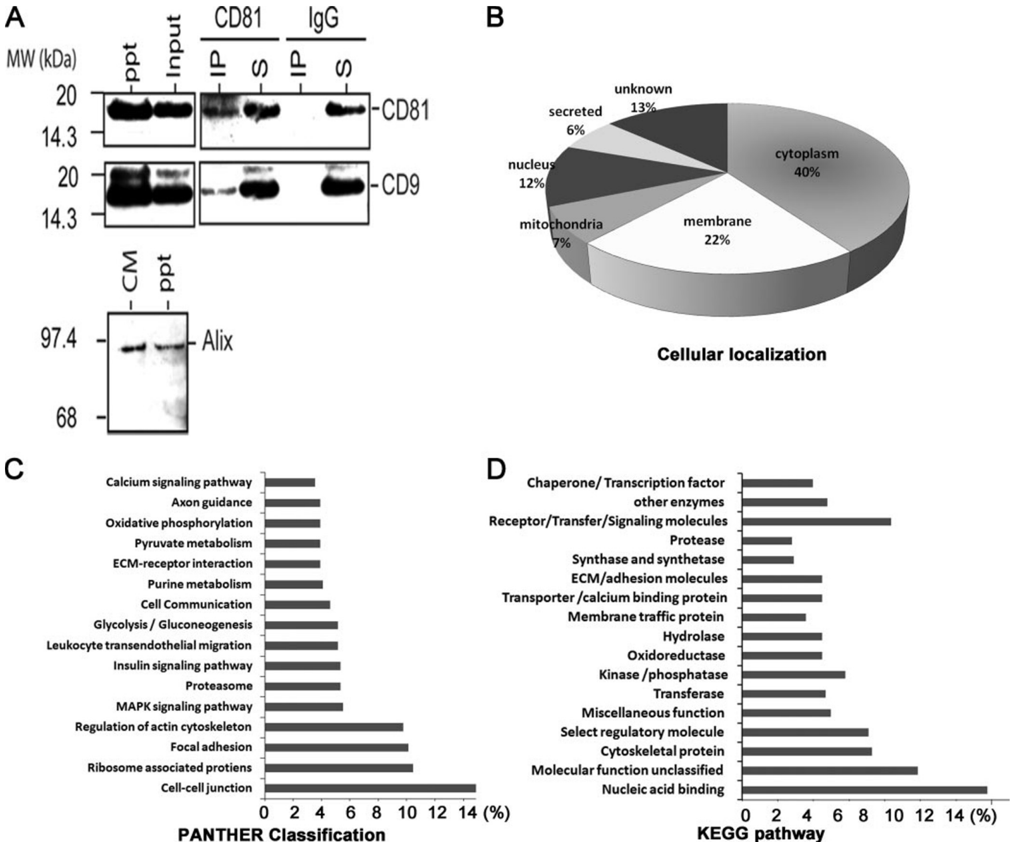
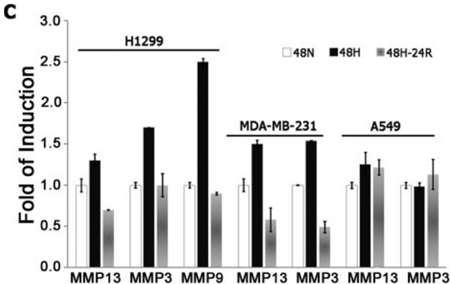
Under hypoxia, tumor cells produce a secretion that modulates their microenvironment to facilitate tumor angiogenesis and metastasis. Here, we observed that hypoxic or reoxygenated A431 carcinoma cells exhibited enhanced angiogenic and metastatic potential such as reduced cell-cell and cell-extracellular matrix adhesion, increased invasiveness, and production of a secretion with increased chorioallantoic membrane angiogenic activity. Consistent with these observations, quantitative proteomics revealed that under hypoxia the tumor cells secreted proteins involved in angiogenesis, focal adhesion, extracellular matrix-receptor interaction, and immune cell recruitment. Unexpectedly, the secreted proteins were predominantly cytoplasmic and membrane proteins. Ultracentrifugation at 100,000 x g precipitated 54% of the secreted proteins and enriched for many exosome-associated proteins such as the tetraspanins and Alix and also proteins with the potential to facilitate angiogenesis and metastasis. Two tetraspanins, CD9 and CD81, co-immunoprecipitated. Together, these data suggested that tumor cells secrete proteins and exosomes with the potential to modulate their microenvironment and facilitate angiogenesis and metastasis.
Overview
The claims and statistics of this paper haven’t been checked yet.
Free: it reads the open-access text and checks the first 5 claims that cite a source we can check. Create a free account to check every claim.
Integrity signals
Registry
Cites
Statistics
Figures
Verification
Claims the paper makes
The claims and statistics of this paper haven’t been checked yet.
Free: it reads the open-access text and checks the first 5 claims that cite a source we can check. Create a free account to check every claim.
Claims other papers make about this one
Each is checked against this paper’s own text: does it say what the citing paper says it does?
The source backs part of the claim, not all of it — or backs it for a different population, condition or comparison.
In the citing paper
“Hypoxia stimulates the release of extracellular vesicles that promote angiogenesis [93–97] and increased exosome formation by hypoxic cancer cells requires HIF activity [96, 98], but the relevant HIF target genes have not been identified.”
From The hypoxic tumor microenvironment: A driving force for breast cancer progression (2016) · cites this paper as [94]
Experimental — accuracy not yet measuredThe source backs part of the claim, not all of it — or backs it for a different population, condition or comparison.
In the citing paper
“Previous studies implicated hypoxia-induced extracellular vesicle formation as a means by which cancer cells influence the phenotype of vascular and other stromal cells [93–96], whereas HIF- and RAB22A-dependent microvesicle formation increases the invasive and metastatic properties of a primary breast tumor by transferring the phenotype of hypoxic BCCs to non-hypoxic BCCs [100].”
From The hypoxic tumor microenvironment: A driving force for breast cancer progression (2016) · cites this paper as [94]
Experimental — accuracy not yet measured
Self-check
Percentages, sums and reported differences re-computed from the paper’s own numbers.
The self-check needs the paper’s full text.
Citations
Cites
Hanahan, D., & Weinberg, R. A. (2000) · Cell · doi:10.1016/s0092-8674(00)81683-9 · Cited by 29,219
Skog, J., Würdinger, T., van Rijn, S., Meijer, D. H., Gainche, L., Curry, W. T., Carter, B. S., Krichevsky, A. M., & Breakefield, X. O. (2008) · Nature Cell Biology · doi:10.1038/ncb1800 · Cited by 5,001
Membrane vesicles as conveyors of immune responses
Théry, C., Ostrowski, M., & Segura, E. (2009) · Nature Reviews Immunology · doi:10.1038/nri2567 · Cited by 3,882 · cited 3×
“nase, EEF1A1, HSP70, HSP90, actin, tubulin, Rab proteins, annexins, and MHC class 1 (46) were clearly detected in the ultracentrifuged pellet by LC-MS/MS.”
BackgroundMethodInfluentialMicroenvironmental regulation of metastasis
Joyce, J. A., & Pollard, J. W. (2009) · Nature Reviews Cancer · doi:10.1038/nrc2618 · Cited by 3,684 · cited 2×
“Because emerging evidence implicates Hx as a key inducer of angiogenesis and metastasis in tumors (6) and because extracellular signals emanating from the tumor cells will be necessary in modulating the extracellular matrix (ECM) to facilitate the cell migration during tumor development (7), we focused on elucidating…”
BackgroundModes of resistance to anti-angiogenic therapy
Bergers, G., & Hanahan, D. (2008) · Nature Reviews Cancer · doi:10.1038/nrc2442 · Cited by 2,953 · cited 1×
“For example, prolonged antiVEGF treatment on tumors is known to select for the tumor cells that recruit alternative angiogenesis signaling pathways involving fibroblast growth factor, platelet-derived growth factor (PDGF), and angiopoietins (5).”
BackgroundPANTHER: A Library of Protein Families and Subfamilies Indexed by Function
Thomas, P. D., Campbell, M. J., Kejariwal, A., Mi, H., Karlak, B., Daverman, R., Diemer, K., Muruganujan, A., & Narechania, A. (2003) · Genome Research · doi:10.1101/gr.772403 · Cited by 2,944 · cited 1×
“tional segregation of the secretome subset was performed utilizing the KEGG pathway or PANTHER database (27, 28).”
MethodMatrix metalloproteinases and the regulation of tissue remodelling
Page-McCaw, A., Ewald, A. J., & Werb, Z. (2007) · Nature Reviews Molecular Cell Biology · doi:10.1038/nrm2125 · Cited by 2,630
Intercellular transfer of the oncogenic receptor EGFRvIII by microvesicles derived from tumour cells
Al-Nedawi, K., Meehan, B., Micallef, J., Lhotak, V., May, L., Guha, A., & Rak, J. (2008) · Nature Cell Biology · doi:10.1038/ncb1725 · Cited by 2,034
Molecular requirements for epithelial–mesenchymal transition during tumor progression
Huber, M. A., Kraut, N., & Beug, H. (2005) · Current Opinion in Cell Biology · doi:10.1016/j.ceb.2005.08.001 · Cited by 1,821 · cited 1×
“2A), possibly for gain of cell motility (64).”
BackgroundWebGestalt: an integrated system for exploring gene sets in various biological contexts
Zhang, B., Kirov, S., & Snoddy, J. (2005) · Nucleic Acids Research · doi:10.1093/nar/gki475 · Cited by 1,796 · cited 1×
“tional segregation of the secretome subset was performed utilizing the KEGG pathway or PANTHER database (27, 28).”
Method
Cited by
Items 201–300 of 591
Overexpression of PLOD3 promotes tumor progression and poor prognosis in gliomas
Tsai, C., Huang, L., Tsai, W., Huang, S., Lee, J., & Hueng, D. (2018) · Oncotarget · doi:10.18632/oncotarget.24594 · Cited by 73
“Tumor aggressiveness stimulated by HIF-1α has been found to rely on collagen remodeling enzymes, including PLOD2, and the prolyl hydroxylases, but PLOD3 is poorly studied [9, 50].”
BackgroundKovács, Á. F., Fekete, N., Turiák, L., Ács, A., Kőhidai, L., Buzás, E. I., & Pállinger, É. (2019) · International Journal of Molecular Sciences · doi:10.3390/ijms20143457 · Cited by 63
Tumor-derived extracellular vesicles: insights into bystander effects of exosomes after irradiation
Jabbari, N., Karimipour, M., Khaksar, M., Akbariazar, E., Heidarzadeh, M., Mojarad, B., Aftab, H., Rahbarghazi, R., & Rezaie, J. (2019) · Lasers in Medical Science · doi:10.1007/s10103-019-02880-8 · Cited by 65
Tumor Cell Malignant Properties Are Enhanced by Circulating Exosomes in Sleep Apnea
Almendros, I., Khalyfa, A., Trzépizur, W., Gileles‐Hillel, A., Huang, L., Akbarpour, M., Andrade, J., Farré, R., & Gozal, D. (2016) · CHEST Journal · doi:10.1016/j.chest.2016.08.1438 · Cited by 64
Zhang, Z., Yu, X., Zhou, Z., Li, B., Peng, J., Wu, X., Luo, X., & Yang, L. (2019) · Cancer Medicine · doi:10.1002/cam4.2506 · Cited by 65
Zeng, X., Yang, P., Chen, B., Jin, X., Liu, Y., Zhao, X., & Liang, S. (2013) · Journal of Proteomics · doi:10.1016/j.jprot.2013.05.032 · Cited by 67
“[3] Park JE, Tan HS, Datta A, Lai RC, Zhang H, Meng W, et al.”
BackgroundOsteoprotegerin in Exosome-Like Vesicles from Human Cultured Tubular Cells and Urine
Benito‐Martín, A., Ucero, A. C., Zubiri, I., Posada-Ayala, M., Fernández‐Fernández, B., Cannata‐Ortiz, P., Sánchez-Niño, M. D., Ruiz‐Ortega, M., Egido, J., Álvarez‐Llamas, G., et al. (2013) · PLoS ONE · doi:10.1371/journal.pone.0072387 · Cited by 66
“While extracellular matrix proteins have long popped up in lists of exosomal proteins [37,53], there is an insufficient understanding of the role of exosomes in the regulation of cell-matrix interactions, normal extracellular matrix deposition or fibrosis.”
BackgroundNatural products reverse cisplatin resistance in the hypoxic tumor microenvironment
Yang, C., Deng, X., Tang, Y., Tang, H., & Xia, C. (2024) · Cancer Letters · doi:10.1016/j.canlet.2024.217116 · Cited by 70
Piao, H., Guo, S., Wang, Y., & Zhang, J. (2020) · Clinical & Translational Oncology · doi:10.1007/s12094-020-02412-9 · Cited by 61
3D Cancer Models: Depicting Cellular Crosstalk within the Tumour Microenvironment
Franchi-Mendes, T., Eduardo, R., Domenici, G., & Brito, C. (2021) · Cancers · doi:10.3390/cancers13184610 · Cited by 68
Outsmart tumor exosomes to steal the cancer initiating cell its niche
Thuma, F., & Zöller, M. (2014) · Seminars in Cancer Biology · doi:10.1016/j.semcancer.2014.02.011 · Cited by 67
Datta, A., Qian, J., Khor, T. H., Teo, M. T., Heese, K., & Sze, S. K. (2011) · Journal of Proteome Research · doi:10.1021/pr200673y · Cited by 61
Self-citationDutta, B., Ren, Y., Lim, S. K., Tam, J. P., & Sze, S. K. (2014) · Molecular & Cellular Proteomics · doi:10.1074/mcp.m114.038232 · Cited by 69
“size 2 mm) in order to simulate the tumor microenvironment during clonal evolution (18, 19).”
BackgroundMethodSelf-citationMousavi, S., Moallem, R., Hassanian, S. M., Sadeghzade, M., Mardani, R., Ferns, G. A., Khazaei, M., & Avan, A. (2019) · Journal of Cellular Physiology · doi:10.1002/jcp.28080 · Cited by 68
“cancer cells can adapt to a hypoxic environment (Hegmans et al., 2004; Hood et al., 2011; Park et al., 2010).”
BackgroundO’Reilly, D., JOHNSON, P. A., & Buchanan, P. (2019) · Steroids · doi:10.1016/j.steroids.2019.108497 · Cited by 65
Mammalian Cells Exocytose Alkylated Gold Nanoparticles via Extracellular Vesicles
Ho, L. W. C., Chan, C. K. W., Han, R., Lau, Y. F. Y., Li, H., Ho, Y., Zhuang, X., & Choi, C. H. J. (2022) · ACS Nano · doi:10.1021/acsnano.1c07418 · Cited by 57
Yang, Q., Diamond, M. P., & Al-Hendy, A. A. (2016) · PubMed · Cited by 63
Luhtala, N., Aslanian, A., Yates, J. R., & Hunter, T. R. (2016) · Journal of Biological Chemistry · doi:10.1074/jbc.m116.747618 · Cited by 59
Extracellular vesicles and their synthetic analogues in aging and age-associated brain diseases
Smith, J. A., Leonardi, T., Huang, B., Iraci, N., Vega, B., & Pluchino, S. (2015) · Biogerontology · doi:10.1007/s10522-014-9510-7 · Cited by 54
“Thus, hypoxic conditions appear to drive cancer cells to modulate their microenvironments via microvesicle secretions, yielding a state more conducive to tumour growth and metastasis (Park et al. 2010).”
BackgroundChoi, D., You, S., Jung, J. H., Lee, J. C., Rho, J. K., Lee, K. Y., Freeman, M. R., Kim, K. P., & Kim, J. (2014) · PROTEOMICS · doi:10.1002/pmic.201400008 · Cited by 56
“EV may alter the local tumor microenvironment via transfer of genetic and biochemical information, including coding and noncoding RNAs, miRNAs, lipids, metabolites, DNA fragments, and pathogenic or oncogenic proteins [4–12].”
BackgroundExosomes for Immunoregulation and Therapeutic Intervention in Cancer
Zhang, X., Pei, Z., Chen, J., Ji, C., Xu, J., Zhang, X., & Wang, J. (2016) · Journal of Cancer · doi:10.7150/jca.14866 · Cited by 57
Exosome: An Emerging Source of Biomarkers for Human Diseases
Li, X., Wu, L., & Deng, F. (2019) · Current Molecular Medicine · doi:10.2174/1566524019666190429144310 · Cited by 57
Fujisawa, K. (2023) · International Journal of Molecular Sciences · doi:10.3390/ijms24065561 · Cited by 57
Exosome-derived noncoding RNAs: Function, mechanism, and application in tumor angiogenesis
Yang, K., Zhou, Q., Qiao, B., Shao, B., Hu, S., Wang, G., Yuan, W., & Sun, Z. (2022) · Molecular Therapy — Nucleic Acids · doi:10.1016/j.omtn.2022.01.009 · Cited by 55
Exosomes: New insights into cancer mechanisms
Sahebi, R., Langari, H., Fathinezhad, Z., Sani, Z. B., Avan, A., Ghayour‐Mobarhan, M., & Rezayi, M. (2019) · Journal of Cellular Biochemistry · doi:10.1002/jcb.29120 · Cited by 53
“and hypoxia signaling is critical for initiating the angiogenesis process and proteins secreted to the tumor exosomes.(79,83) Subsequently, normal host endothelial cells pick up tumor exosomes that contain proteins and finally new sprout of blood vessels is created.”
BackgroundExosomes as Actively Targeted Nanocarriers for Cancer Therapy
Wang, Y., Zhang, Y., Cai, G., & Li, Q. (2020) · International Journal of Nanomedicine · doi:10.2147/ijn.s239548 · Cited by 53
Role of Acute Myeloid Leukemia (AML)-Derived exosomes in tumor progression and survival
Amin, A. H., Sharifi, L. M. A., Kahharov, A., Opulencia, M. J. C., Alsaikhan, F., Bokov, D. O., Majdi, H. S., Jawad, M. A., Hammid, A. T., Shalaby, M. N., et al. (2022) · Biomedicine & Pharmacotherapy · doi:10.1016/j.biopha.2022.113009 · Cited by 57
Exosomes in Tumor Angiogenesis
Salem, K. Z., Moschetta, M., Sacco, A., Imberti, L., Rossi, G., Ghobrial, I. M., Manier, S., & Roccaro, A. M. (2016) · Methods in molecular biology · doi:10.1007/978-1-4939-3999-2_3 · Cited by 54
Role of tumour-derived exosomes in metastasis
Bai, S., Wei, Y., Liu, R., Xu, R., Li, X., & Du, J. (2022) · Biomedicine & Pharmacotherapy · doi:10.1016/j.biopha.2022.112657 · Cited by 56
Li, J., Yang, P., Chen, F., Tan, Y., Huang, C., Shen, H., Peng, C., Feng, Y., & Sun, Y. (2021) · Clinical and Translational Medicine · doi:10.1002/ctm2.349 · Cited by 50
Erasha, A. M., El-Gendy, H. F., Aly, A. S., Fernández‐Ortiz, M., & Sayed, R. K. A. (2025) · International Journal of Molecular Sciences · doi:10.3390/ijms26062716 · Cited by 55
“This This assumption received subsequent support from various pieces of evidence [104]. assumption received subsequent support from various pieces of evidence [104].”
Revisiting the Role of Exosomes in Colorectal Cancer: Where Are We Now?
Mannavola, F., Salerno, T., Passarelli, A. M., Tucci, M., Internò, V., & Silvestris, F. (2019) · Frontiers in Oncology · doi:10.3389/fonc.2019.00521 · Cited by 54
“However, during the early phases of tumor progression, a number of different stress conditions including hypoxia, stimulate the colon cancer cells to increase the Exos release, probably by triggering some innate survival mechanisms that are still unclear (22).”
BackgroundChoucair, K., Duff, J. R., Cassidy, C. S., Albrethsen, M., Kelso, J. D., Lenhard, A., Staats, H., Patel, R., Brunicardi, F. C., Dworkin, L. D., et al. (2019) · Future Oncology · doi:10.2217/fon-2019-0116 · Cited by 51
Proteomic characterization of extracellular vesicles produced by several wine yeast species
Mencher-Beltrán, A., Morales, P., Valero, E., Tronchoni, J., Patil, K. R., & Gonzalez, R. (2020) · Microbial Biotechnology · doi:10.1111/1751-7915.13614 · Cited by 50
“…have been widely studied because they are involved in multiple biological events such as antigen presentation, neuronal communication, viral transmission, immune modulation, tumour angiogenesis or metastasis (Raposo et al., 1996; Marzesco et al., 2005; Bhatnagar et al., 2007; Park et al., 2010).”
BackgroundAdvances of exosome in the development of ovarian cancer and its diagnostic and therapeutic prospect
Shen, J., Zhu, X., Fei, J., Shi, P., Yu, S., & Zhou, J. (2018) · OncoTargets and Therapy · doi:10.2147/ott.s159829 · Cited by 48
“Meanwhile, it is also shown that hypoxic tumor-derived exosomes contain various pro-angiogenic factors, which allow them to promote angiogenesis and endothelial cell activation.(32,33,104) Other studies also showed”
Analysis of urinary microRNAs in chronic kidney disease
Beltrami, C., Clayton, A., Phillips, A. O., Fraser, D. J., & Bowen, T. (2012) · Biochemical Society Transactions · doi:10.1042/bst20120090 · Cited by 51
Lee, P.-J., Sui, Y.-H., Liu, T.-T., Tsang, N., Huang, C.-H., Lin, T.-Y., Chang, K., & Liu, S. (2022) · Journal of Experimental & Clinical Cancer Research · doi:10.1186/s13046-022-02456-5 · Cited by 48
“For example, uptake of tumor-derived exosomes by endothelial cells, particularly under hypoxic conditions, stimulates angiogenesis [7, 8], which may affect not only tumor growth but also metastasis [9].”
BackgroundFrancesco, E. M. D., Sotgia, F., Clarke, R. B., Lisanti, M. P., & Maggiolini, M. (2017) · International Journal of Molecular Sciences · doi:10.3390/ijms18122713 · Cited by 53
“In accordance with this scheme, it has been demonstrated that hypoxia, altering gene expression and/or regulating post-transcriptional and post-translational events, generates relevant changes in the tumor cell proteome in order to overcome the low oxygen stress [124,125].”
BackgroundRaso, C., Cosentino, C., Gaspari, M., Malara, N., Han, X., McClatchy, D. B., Park, S. K., Renne, M., Vadalà, N., Prati, U., et al. (2012) · Journal of Proteome Research · doi:10.1021/pr2012347 · Cited by 48
The Role of Extracellular Vesicles in Bone Metastasis
Rossi, M., Battafarano, G., D’Agostini, M., & Fattore, A. D. (2018) · International Journal of Molecular Sciences · doi:10.3390/ijms19041136 · Cited by 47
“It was shown that tumor cells exposed to hypoxia released exosomes with angiogenic metastatic potential [65].”
BackgroundThe secret life of extracellular vesicles in metal homeostasis and neurodegeneration
Bellingham, S. A., Guo, B. B., & Hill, A. F. (2015) · Biology of the Cell · doi:10.1111/boc.201500030 · Cited by 53
Zhang, J., Wang, J., Zhou, Z., Park, J.-E., Wang, L., Wu, S., Sun, X., Lu, L., Wang, T., Lin, Q., et al. (2018) · Autophagy · doi:10.1080/15548627.2018.1447290 · Cited by 44
Self-citationDatta, A., Chen, C., & Sze, S. K. (2014) · PLoS ONE · doi:10.1371/journal.pone.0094663 · Cited by 47
“Isobaric labeling based quantitative proteomics is a popular profiling approach that has found wide application in various areas of science and medicine [20,21].”
BackgroundSelf-citationExosomes: Definition, Role in Tumor Development and Clinical Implications
Carretero-González, A., Otero, I., Carril-Ajuria, L., de Velasco, G., & Manso, L. (2018) · Cancer Microenvironment · doi:10.1007/s12307-018-0211-7 · Cited by 46
“exosomes, both involved in promoting angiogenesis mechanisms [14].”
BackgroundMaisto, R., Oltra, M. R., Vidal‐Gil, L., Martínez‐Gil, N., Sancho-Pellúz, J., Filippo, C. D., Rossi, S., Amico, M. D., Barcia, J. M., & Romero, F. J. (2019) · Cell Cycle · doi:10.1080/15384101.2019.1568745 · Cited by 46
“Moreover, exosome production and content may be influenced by molecular signals received from the cell of origin [11].”
BackgroundRole of tumor microenvironment in ovarian cancer metastasis and clinical advancements
Wang, Y., Zhu, N., Liu, J., Chen, F., Song, Y., Ma, Y., Yang, Z., & Wang, D. (2025) · Journal of Translational Medicine · doi:10.1186/s12967-025-06508-0 · Cited by 56
Li, Y., Yu, S., Li, L., Chen, J., Quan, M., Li, Q., & Gao, Y. (2020) · Cell Death and Disease · doi:10.1038/s41419-020-2479-z · Cited by 47
Aptamer/AuNP Biosensor for Colorimetric Profiling of Exosomal Proteins
Jiang, Y. Y., Shi, M., Liu, Y., Wan, S., Cui, C., Zhang, L., & Tan, W. (2017) · Angewandte Chemie · doi:10.1002/ange.201703807 · Cited by 43
Hamam, D., Abdouh, M., Gao, Z., Arena, V., Arena, M., & Arena, G. O. (2016) · Journal of Experimental & Clinical Cancer Research · doi:10.1186/s13046-016-0360-9 · Cited by 44
Recent progress in the emerging role of exosome in hepatocellular carcinoma
Abudoureyimu, M., Zhou, H., Zhi, Y., Wang, T., Feng, B. C., Wang, R., & Chu, X. (2018) · Cell Proliferation · doi:10.1111/cpr.12541 · Cited by 43
Characterization of exosomal release in bovine endometrial intercaruncular stromal cells
Koh, Y. Q., Peiris, H. N., Vaswani, K., Reed, S., Rice, G. E., Salomón, C., & Mitchell, M. D. (2016) · Reproductive Biology and Endocrinology · doi:10.1186/s12958-016-0207-4 · Cited by 47
“Hypoxia is a well-known stimulus of exosome release as seen in breast cancer cells, endothelial cells and human trophoblasts [24, 27, 28].”
O’Neill, E. S., Kaur, A., Bishop, D., Shishmarev, D., Kuchel, P. W., Grieve, S. M., Figtree, G. A., Renfrew, A. K., Bonnitcha, P., & New, E. J. (2017) · Inorganic Chemistry · doi:10.1021/acs.inorgchem.7b01368 · Cited by 41
Mechanisms of Action of EGFR Tyrosine Kinase Receptor Incorporated in Extracellular Vesicles
Zanetti-Domingues, L. C., Bonner, S. E., Martin-Fernandez, M. L., & Huber, V. (2020) · Cells · doi:10.3390/cells9112505 · Cited by 42
“EGFR itself is increased on the surface of sEVs produced by cells upon a hypoxia-reoxygenation cycle [144], which hints at its role as an indirect inducer of angiogenesis.”
BackgroundCricrì, G., Bellucci, L., Montini, G., & Collino, F. (2021) · International Journal of Molecular Sciences · doi:10.3390/ijms22126507 · Cited by 45
“The release of EVs can occur physiologically, or can be elicited by paracrine factors (cytokines and chemokines) [15–17], or physical, chemical, or mechanical stress-stimulated cells [18,19].”
BackgroundPlasmonic Nanomaterials for Colorimetric Biosensing: A Review
Acunzo, A., Scardapane, E., Luca, M. D., Marra, D., Velotta, R., & Minopoli, A. (2022) · Chemosensors · doi:10.3390/chemosensors10040136 · Cited by 43
Li, X., Ren, Y., Sorokin, V. A., Poh, K. K., Ho, H. H., Lee, C. N., de Kleijn, D. P. V., Lim, S. K., Tam, J. P., & Sze, S. K. (2014) · Journal of Proteomics · doi:10.1016/j.jprot.2013.12.025 · Cited by 44
Self-citationTse, S. W., Tan, C. F., Park, J. E., JebaMercy, G., Gupta, N., Low, J. K., Yeoh, K. W., Chng, W. J., Tay, C. Y., McCarthy, N. E., et al. (2020) · Cancers · doi:10.3390/cancers12102917 · Cited by 44
“More recently, investigators have begun to appreciate that EVs also play a crucial role in the development of cancer via induction of angiogenesis, ability to suppress host immunity [3, 6, 7], and promotion of epithelial-mesenchymal transition (EMT) in otherwise healthy cell types [8].”
BackgroundMethodResultInfluentialSelf-citationExosomes: Insights from Retinoblastoma and Other Eye Cancers
Lande, K., Gupta, J., Ranjan, R., Kiran, M., Solis, L. F. T., Herrera, A. S., Aliev, G., & Karnati, R. (2020) · International Journal of Molecular Sciences · doi:10.3390/ijms21197055 · Cited by 41
Anavi, S., Madar, Z., & Tirosh, O. (2017) · Redox Biology · doi:10.1016/j.redox.2017.06.008 · Cited by 42
ERO1α promotes hypoxic tumor progression and is associated with poor prognosis in pancreatic cancer
Gupta, N., Park, J. E., Tse, W., Low, J. K., Kon, O. L., McCarthy, N. E., & Sze, S. K. (2019) · Oncotarget · doi:10.18632/oncotarget.27235 · Cited by 39
Self-citationRole of Extracellular Vesicles in Hematological Malignancies
Raimondo, S., Corrado, C., Raimondi, L., Leo, G. D., & Alessandro, R. (2015) · BioMed Research International · doi:10.1155/2015/821613 · Cited by 40
“Many studies have shown that the exposure of human cancer cells to hypoxia augments microvesicle shedding in order to modify their microenvironment to facilitate tumor angiogenesis and metastasis [59].”
Tumor‐derived exosomal microRNAs and proteins as modulators of macrophage function
Moradi‐Chaleshtori, M., Hashemi, S. M., Soudi, S., Bandehpour, M., & Mohammadi‐Yeganeh, S. (2018) · Journal of Cellular Physiology · doi:10.1002/jcp.27552 · Cited by 38
“It has been observed that in hypoxic condition, production of TDEs containing proangiogenic factors increases (Park et al., 2010).”
BackgroundZhen, J., Tian, S., Liu, Q., Zheng, C., Zhang, Z., Ding, Y., An, Y., Liu, Y., & Shi, L. (2019) · Biomaterials Science · doi:10.1039/c9bm00461k · Cited by 38
Therapeutic Options for Metastatic Breast Cancer
Sambi, M., Qorri, B., Harless, W. W., & Szewczuk, M. R. (2019) · Advances in experimental medicine and biology · doi:10.1007/978-3-030-20301-6_8 · Cited by 41
Qiu, J., Lin, Y., Tang, X., Ding, Y., Yi, X., & Hua, K. (2020) · Experimental Cell Research · doi:10.1016/j.yexcr.2020.111815 · Cited by 37
Jella, K. K., Nasti, T. H., Li, Z., Lawson, D. H., Switchenko, J. M., Ahmed, R., Dynan, W. S., & Khan, M. K. (2020) · International Journal of Radiation Oncology*Biology*Physics · doi:10.1016/j.ijrobp.2020.06.016 · Cited by 37
cfDNA detection for HPV+ squamous cell carcinomas
Chatfield‐Reed, K., Roche, V., & Pan, Q. (2021) · Oral Oncology · doi:10.1016/j.oraloncology.2020.104958 · Cited by 38
Interactions of tumour-derived micro(nano)vesicles with human gastric cancer cells
Stec, M., Szatanek, R., Baj‐Krzyworzeka, M., Baran, J., Zembala, M., Barbasz, J., Waligórska, A., Dobrucki, J. W., Mytar, B., Szczepanik, A., et al. (2015) · Journal of Translational Medicine · doi:10.1186/s12967-015-0737-0 · Cited by 39
Bienes-Martínez, R., Ordóñez, Á., Feijoo‐Cuaresma, M., Corral-Escariz, M., Mateo, G., Stenina‐Adognravi, O., Jiménez, B., & Calzada, M. J. (2012) · Scientific Reports · doi:10.1038/srep00788 · Cited by 37
Exosomes and their implications in central nervous system tumor biology
Mrowczynski, O., Zacharia, B. E., & Connor, J. R. (2018) · Progress in Neurobiology · doi:10.1016/j.pneurobio.2018.06.006 · Cited by 36
“angiogenesis, and immune suppression in the microenvironment surrounding the tumor (Miller & Grunewald, 2015),(Park et al., 2010),(Ramteke et al.”
Myoferlin, a multifunctional protein in normal cells, has novel and key roles in various cancers
Zhu, W., Zhou, B., Zhao, C., Ba, Z., Xu, H., Yan, X., Liu, W., Zhu, B., Wang, L., & Ren, C. (2019) · Journal of Cellular and Molecular Medicine · doi:10.1111/jcmm.14648 · Cited by 44
Cancer cell line-specific protein profiles in extracellular vesicles identified by proteomics
Guerreiro, E. M., Øvstebø, R., Thiede, B., Costea, D. E., Søland, T. M., & Galtung, H. K. (2020) · PLoS ONE · doi:10.1371/journal.pone.0238591 · Cited by 36
Focusing on exosomes to overcome the existing bottlenecks of CAR-T cell therapy
Zhang, S., Peng, L., Chen, Y., Yan, X., & Moradi, V. (2024) · Inflammation and Regeneration · doi:10.1186/s41232-024-00358-x · Cited by 36
“Studies have revealed that under hypoxic conditions, the malignant cells secrete more exosomes, which can modulate the tumor extracellular matrix and facilitate angiogenesis or metastasis of tumor cells to a more suitable area [50].”
BackgroundZhang, G., Zhang, Y., Cheng, S., Wu, Z., Liu, F., & Zhang, J. (2017) · Journal of Neuro-Oncology · doi:10.1007/s11060-017-2566-x · Cited by 36
“Previous studies have suggested that hypoxic compared with normoxic cells produce higher amounts of exosomes [27], and that more than half of the secreted proteome from hypoxic carcinoma cells may be associated with exosomes [28], providing quantitative data to support a complex role of exosomes in the hypoxic respons…”
BackgroundPlasma lncRNA-GACAT2 is a valuable marker for the screening of gastric cancer
Tan, L., Yang, Y., Shao, Y., Zhang, H., & Guo, J. (2016) · Oncology Letters · doi:10.3892/ol.2016.5297 · Cited by 35
“It has been demonstrated that exosomes serve an important role in the protection and secretion of non-coding RNAs, including miRNAs and lncRNAs (20,21), and cells affected by stimuli, such as oxidative stress, may increase the secretion of exosomes (22,23).”
Self-citationExtracellular vesicles in hematological malignancies
Litwińska, Z., Łuczkowska, K., & Machaliński, B. (2018) · Leukemia & lymphoma/Leukemia and lymphoma · doi:10.1080/10428194.2018.1459606 · Cited by 35
“Many studies have shown that the exposure of human cancer cells to hypoxia augments EVs shedding in order to modify their microenvironment to facilitate tumor angiogenesis and metastasis [25].”
BackgroundMitchell, M. I., Ma, J., Carter, C. L., & Loudig, O. D. (2022) · Cancers · doi:10.3390/cancers14143350 · Cited by 37
“demonstrated in their study that the enhanced release of breast tumor-derived exosomes is critical for the education of pre-metastatic niche cells, which accommodate the colonization of circulating cancer cells from primary tumors [96,97].”
BackgroundThe Hypoxic Microenvironment of Breast Cancer Cells Promotes Resistance in Radiation Therapy
Gilreath, C., Boerma, M., Qin, Z., Hudson, M. K., & Wang, S. (2021) · Frontiers in Oncology · doi:10.3389/fonc.2020.629422 · Cited by 35
Rezaie, J., Akbari, A., & Rahbarghazi, R. (2022) · Cell Biochemistry and Function · doi:10.1002/cbf.3695 · Cited by 35
Chowdhury, R., Ganeshan, B., Irshad, S., Lawler, K., Eisenblätter, M., Milewicz, H., Rodriguez‐Justo, M., Miles, K. A., Ellis, P., Groves, A. M., et al. (2014) · BJR|case reports · doi:10.1259/bjr.20140065 · Cited by 35
Koshiyama, A., Ichibangase, T., & Imai, K. (2012) · Biomedical Chromatography · doi:10.1002/bmc.2811 · Cited by 38
Role of exosomes in hepatocellular carcinoma cell mobility alteration
Wang, S., Chen, G., Lin, X., Xing, X., Cai, Z., Liu, X., & Liu, J. (2017) · Oncology Letters · doi:10.3892/ol.2017.7257 · Cited by 35
“Additionally, it has been reported that tumor cells may modulate the surrounding microenvironment to enhance their metastatic potential through the secretion of exosomes (47).”
Hypoxia-induced ZEB1 promotes cervical cancer immune evasion by strengthening the CD47-SIRPα axis
Chen, X., Guo, C.-H., Wang, Z., Yang, Y., Pan, Y.-H., Liang, J.-Y., Sun, M.-G., Fan, L., Li, L., & Wang, W. (2024) · Cell Communication and Signaling · doi:10.1186/s12964-023-01450-4 · Cited by 37
“More than 50% of these secreted proteins were found in exosomes [34].”
BackgroundWang, T., Meng, J., Wang, C., Wen, T., Jia, M., Ge, Y., Xie, L., Hao, S., Liu, J., & Xu, H. (2019) · Frontiers in Oncology · doi:10.3389/fonc.2019.00333 · Cited by 34
Targeting endothelial exosomes for the prevention of cardiovascular disease
Jia, G., & Sowers, J. R. (2020) · Biochimica et Biophysica Acta (BBA) - Molecular Basis of Disease · doi:10.1016/j.bbadis.2020.165833 · Cited by 32
What we know on the potential use of exosomes for nanodelivery
Logozzi, M., Raimo, R. D., Mizzoni, D., & Fais, S. (2021) · Seminars in Cancer Biology · doi:10.1016/j.semcancer.2021.09.005 · Cited by 32
Iha, K., Tsurusawa, N., Tsai, H.-Y., Lin, M., Sonoda, H., Watabe, S., Yoshimura, T., & Ito, E. (2022) · Analytical Biochemistry · doi:10.1016/j.ab.2022.114831 · Cited by 36
A-to-I RNA Editing is Induced Upon Hypoxia
Nevo‐Caspi, Y., Amariglio, N., Rechavi, G., & Paret, G. (2011) · Shock · doi:10.1097/shk.0b013e31820fe4b7 · Cited by 32
“Elevated levels of F11R have been previously seen upon hypoxia in astrocytes and in tumor cells (15, 16), although the role of editing in the 3¶ UTR of F11R still remains to be determined.”
BackgroundPark, M. N., Kim, M., Lee, S., Kang, S., Ahn, C., Tallei, T. E., Kim, W., & Kim, B. (2025) · Antioxidants · doi:10.3390/antiox14050501 · Cited by 42
“Early studies also identified hypoxia-induced exosomal proteins that drive angiogenesis and metastatic potential [135].”
Exosomal microRNAs in colorectal cancer: Overcoming barriers of the metastatic cascade (Review)
Danac, J. M. C., Uy, A., & Garcia, R. L. (2021) · International Journal of Molecular Medicine · doi:10.3892/ijmm.2021.4945 · Cited by 32
Rana, R., Chauhan, K., Gautam, P., Kulkarni, M. J., Banarjee, R., Chugh, P., Chhabra, S. S., Acharya, R., Kalra, S. K., Gupta, A., et al. (2021) · Frontiers in Oncology · doi:10.3389/fonc.2021.778754 · Cited by 33
“Recent studies suggest that vesicle shedding by malignant cells promotes tumor progression by stimulating neoangiogenesis (12), carrying matrix remodeling enzymes (13), contributing to the preparation of the metastatic functions (14), and inducing antibody sequestration or drug resistance by drug exportation (15, 16).”
BackgroundExtracellular vesicles as central regulators of blood vessel function in cancer
Kugeratski, F. G., Santi, A., & Zanivan, S. R. (2022) · Science Signaling · doi:10.1126/scisignal.aaz4742 · Cited by 34
“Quantitative proteomics analyses have revealed that cells exposed to hypoxia remodel their secretome to increase the levels of proangiogenic proteins in the soluble and EV fractions to tip the balance toward an angiogenesis-promoting state (41, 264).”
BackgroundTetraspanin CD9 modulates ADAM17-mediated shedding of LR11 in leukocytes
Tsukamoto, S., Takeuchi, M., Kawaguchi, T., Togasaki, E., Yamazaki, A. K., Sugita, Y., Muto, T., Sakai, S., Takeda, Y., Ohwada, C., et al. (2014) · Experimental & Molecular Medicine · doi:10.1038/emm.2013.161 · Cited by 34
Ren, Y., Hao, P., Law, S. K. A., & Sze, S. K. (2014) · Molecular & Cellular Proteomics · doi:10.1074/mcp.m114.038505 · Cited by 31
“1% formic acid for Q-Star Elite LC-MS/MS analysis as previously described (4, 5).”
MethodSelf-citationGhafarian, F., Pashirzad, M., Khazaei, M., Rezayi, M., Hassanian, S. M., Ferns, G. A., & Avan, A. (2018) · Journal of Cellular Physiology · doi:10.1002/jcp.27964 · Cited by 34
“…release (Savina, Furlán, Vidal, & Colombo, 2003), heat shock proteins (Zhang et al., 2012), thrombin (Heijnen et al., 1999), hypoxia condition (Park et al., 2010), and depolarization of plasma membrane and lipopolysaccharide are chemical stimuli, which result in inducible exosome secretion…”
BackgroundHu, X., Mu, Y., Liu, J., Mu, X., Gao, F., Chen, L., Wu, H., Wu, H., Liu, W., & Zhao, Y. (2020) · Journal of Cancer · doi:10.7150/jca.33232 · Cited by 31
“Furthermore, Jung and colleagues demonstrated that hypoxic exosomemediated the reduction of cell-cell adhesion to promoted epidermoid carcinoma progression [35].”
BackgroundWang, Y., Wang, H., Li, J., Entenberg, D. R., Xue, A., Wang, W., & Condeelis, J. S. (2016) · IntraVital · doi:10.1080/21659087.2016.1187803 · Cited by 32
Hypoxia and the Metastatic Niche
Chan, C. Y., Yuen, V. W., & Wong, C. C. (2019) · Advances in experimental medicine and biology · doi:10.1007/978-3-030-12734-3_7 · Cited by 30
Hassanpour, M., Cheraghi, O., Brazvan, B., Hiradfar, A., Aghamohammadzadeh, N., Rahbarghazi, R., & Nouri, M. (2018) · PubMed Central · Cited by 30
Doeppner, T. R., Bähr, M., Giebel, B., & Hermann, D. M. (2018) · Therapeutic Advances in Neurological Disorders · doi:10.1177/1756286418789326 · Cited by 30
Metadata
- Authors
- Park, J. E., Tan, H. S., Datta, A., Lai, R. C., Zhang, H., Meng, W., Lim, S. K., & Sze, S. K.
- Affiliations
- Nanyang Technological University (SG)
- Institute of Medical Biology (SG)
- Corresponding author
- Sze, Siu Kwan
- Venue
- Molecular & Cellular Proteomics
- Publisher
- Elsevier BV
- Published
- 2010-06
- Volume
- 9
- Issue
- 6
- Pages
- 1085-1099
- ISSN
- 1535-9476 (ISSN-L)
- PMC
- PMC2877972
- OpenAlex
- W2079174568
- Cited by
- 582
- References
- 71
- Citations by year
- 2026: 9 · 2025: 33 · 2024: 43 · 2023: 24 · 2022: 55 · 2021: 34 · 2020: 43 · 2019: 39 · 2018: 51 · 2017: 51 · 2016: 45 · 2015: 26 · 2014: 47 · 2013: 39 · 2012: 28
- FWCI
- 10.69
- Type
- journal article
- Language
- en
- Open access
- hybrid
- doi.org
- Licence
- cc-by
- www.elsevier.com/tdm/userlicense/1.0/ (tdm)
- www.elsevier.com/legal/tdmrep-license (tdm)
- creativecommons.org/licenses/by/4.0/ (vor, 3768 d)
- Locations
- Molecular & Cellular Proteomics (publishedVersion, cc-by)
- PubMed Central (publishedVersion)
- PubMed (publishedVersion)
- Funders
- Agency for Science, Technology and Research
- Biomedical Research Council (08/1/22/19/575)
- Topics
- Life Sciences › Biochemistry, Genetics and Molecular Biology › Molecular Biology › Angiogenesis and VEGF in Cancer
- Life Sciences › Biochemistry, Genetics and Molecular Biology › Cancer Research › Cancer, Hypoxia, and Metabolism
- Life Sciences › Biochemistry, Genetics and Molecular Biology › Molecular Biology › Extracellular vesicles in disease
- Keywords
- tumor hypoxia, tumor microenvironment, tumor angiogenesis, metastasis, exosomes, secreted proteins, tetraspanins, CD9, CD81, Alix, focal adhesions, extracellular matrix, cell adhesion, tumor invasion, chorioallantoic membrane angiogenesis, immune cell recruitment
- MeSH terms
- Cell Adhesion, Chromatography, Liquid, Cytoplasm, Extracellular Matrix, Humans, Neoplasm Invasiveness, Neoplasm Metastasis, Neoplasm Proteins, Neoplasms, Neovascularization, Pathologic, Oxygen, Mass Spectrometry, Signal Transduction, Cell Hypoxia, Cluster Analysis, Cytokines, Culture Media, Conditioned, Protein Array Analysis, Cell Line, Tumor, Hypoxia-Inducible Factor 1, alpha Subunit, Exosomes
About these checks
Registry, retraction, Cites and statistics results are computed, not judged, with one exception: a printed reference that no index lists is read once by a model before it counts as a citation error. Claims are extracted by a model and kept only when their quote appears verbatim in the text; each cited source is then checked, with a model’s help, for whether it says what the claim relies on. Those verdicts can be wrong — read the claim’s quote and the cited source before relying on one.
Statistics and arithmetic are recomputed, not judged.
Confidence bands are shown only for fields calibrated on our annotated test set. None is calibrated yet, so no band is shown.
What counts as a claim ›How we measure confidence ›How we check this ›
Are you an author, or do you see a problem with this page? Request a review
Data sources
Bibliographic data: Semantic Scholar, OpenAlex, Crossref.
Contains information from the Semantic Scholar Academic Graph Datasets, made available under the ODC Attribution License (ODC-BY 1.0).
Semantic Scholar’s data is described in: Kinney, R., et al. (2023). The Semantic Scholar Open Data Platform. arXiv:2301.10140.
