

Hypoxic Tumor Cell Modulates Its Microenvironment to Enhance Angiogenic and Metastatic Potential by Secretion of Proteins and Exosomes
Open accessThe DOI matches its Crossref record; 72 of the 72 references it cites were found in a registry or an index.
Abstract
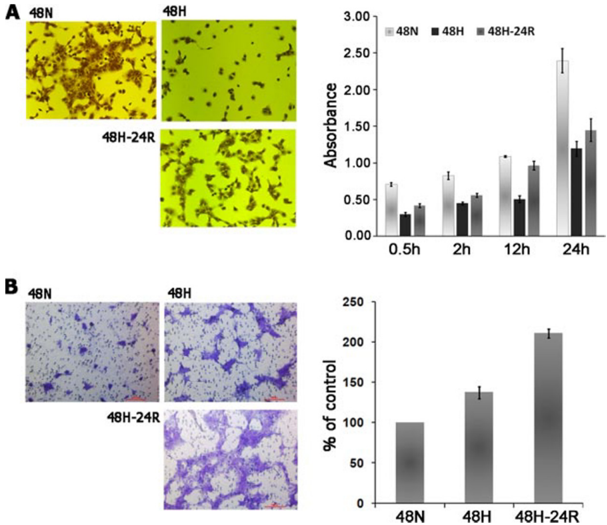
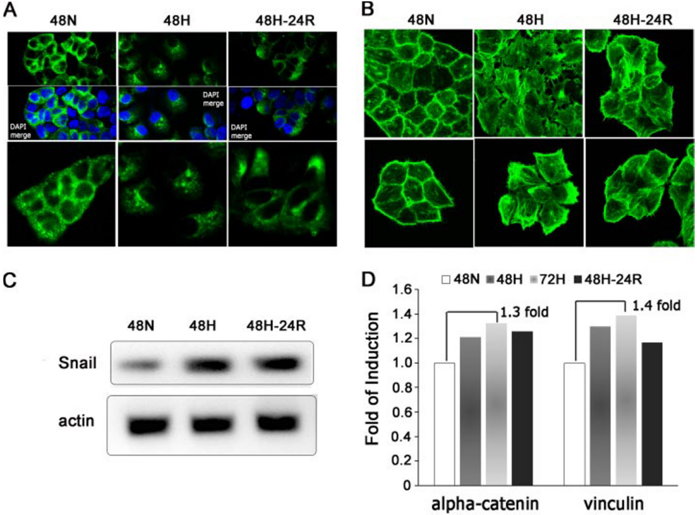
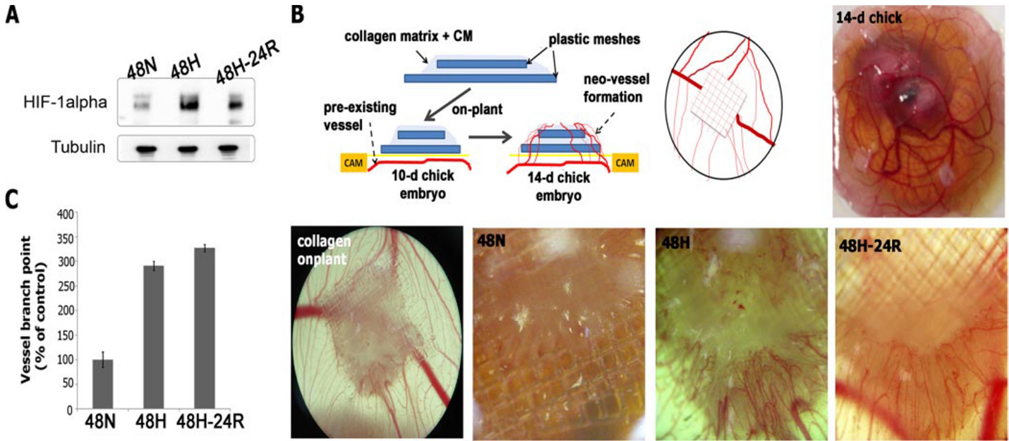
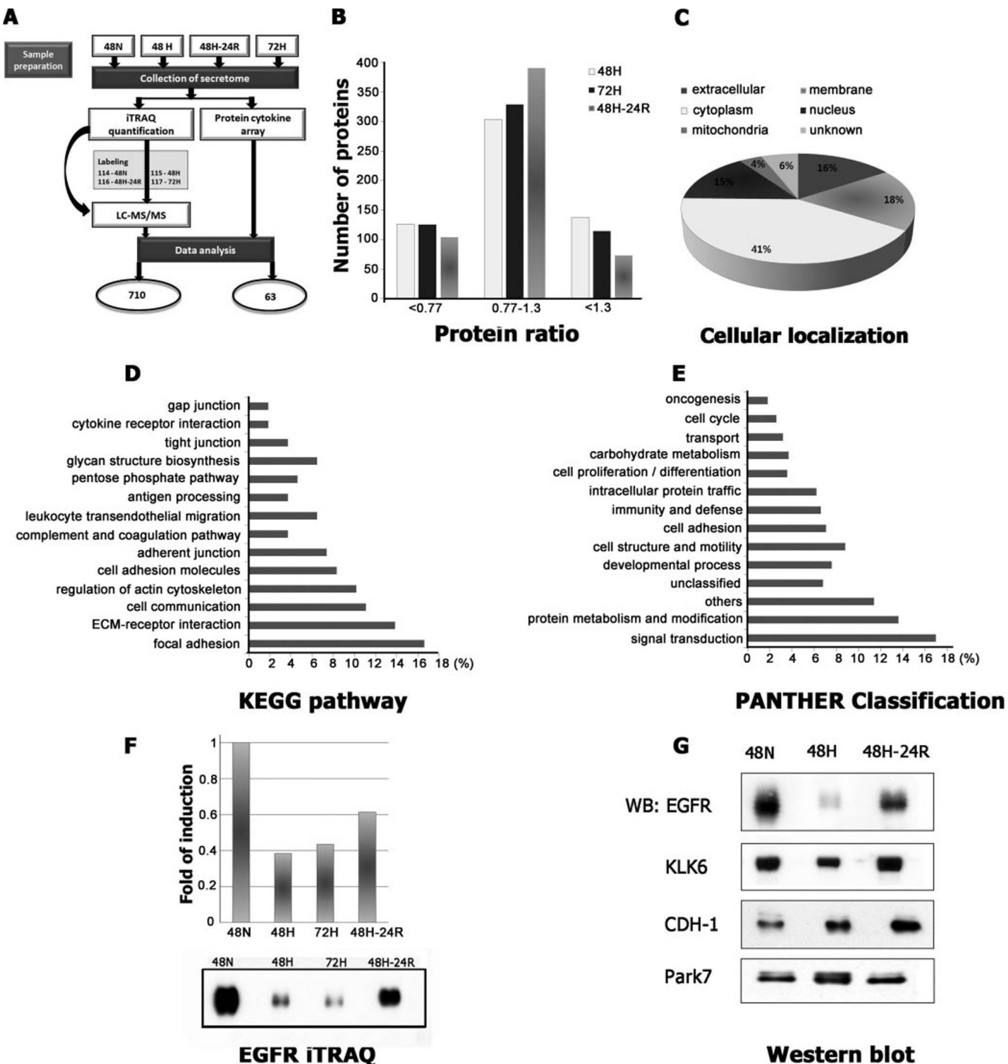
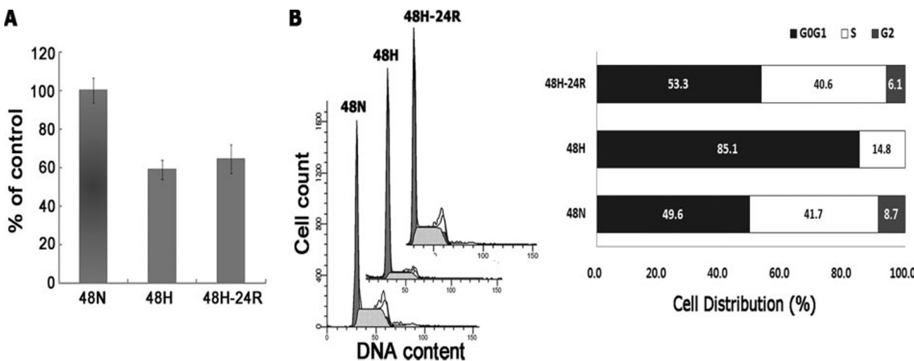
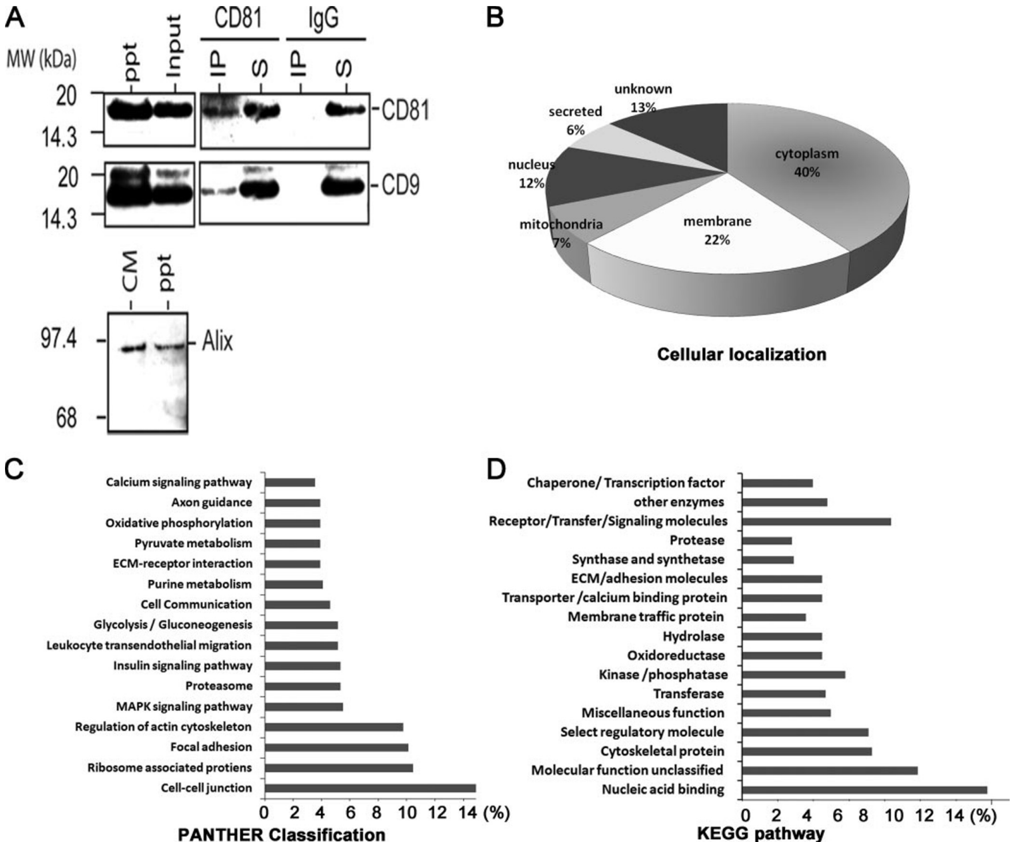
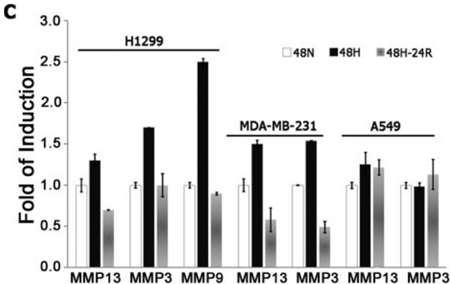
Under hypoxia, tumor cells produce a secretion that modulates their microenvironment to facilitate tumor angiogenesis and metastasis. Here, we observed that hypoxic or reoxygenated A431 carcinoma cells exhibited enhanced angiogenic and metastatic potential such as reduced cell-cell and cell-extracellular matrix adhesion, increased invasiveness, and production of a secretion with increased chorioallantoic membrane angiogenic activity. Consistent with these observations, quantitative proteomics revealed that under hypoxia the tumor cells secreted proteins involved in angiogenesis, focal adhesion, extracellular matrix-receptor interaction, and immune cell recruitment. Unexpectedly, the secreted proteins were predominantly cytoplasmic and membrane proteins. Ultracentrifugation at 100,000 x g precipitated 54% of the secreted proteins and enriched for many exosome-associated proteins such as the tetraspanins and Alix and also proteins with the potential to facilitate angiogenesis and metastasis. Two tetraspanins, CD9 and CD81, co-immunoprecipitated. Together, these data suggested that tumor cells secrete proteins and exosomes with the potential to modulate their microenvironment and facilitate angiogenesis and metastasis.
Overview
The claims and statistics of this paper haven’t been checked yet.
Free: it reads the open-access text and checks the first 5 claims that cite a source we can check. Create a free account to check every claim.
Integrity signals
Registry
Cites
Statistics
Figures
Verification
Claims the paper makes
The claims and statistics of this paper haven’t been checked yet.
Free: it reads the open-access text and checks the first 5 claims that cite a source we can check. Create a free account to check every claim.
Claims other papers make about this one
Each is checked against this paper’s own text: does it say what the citing paper says it does?
The source backs part of the claim, not all of it — or backs it for a different population, condition or comparison.
In the citing paper
“Hypoxia stimulates the release of extracellular vesicles that promote angiogenesis [93–97] and increased exosome formation by hypoxic cancer cells requires HIF activity [96, 98], but the relevant HIF target genes have not been identified.”
From The hypoxic tumor microenvironment: A driving force for breast cancer progression (2016) · cites this paper as [94]
Experimental — accuracy not yet measuredThe source backs part of the claim, not all of it — or backs it for a different population, condition or comparison.
In the citing paper
“Previous studies implicated hypoxia-induced extracellular vesicle formation as a means by which cancer cells influence the phenotype of vascular and other stromal cells [93–96], whereas HIF- and RAB22A-dependent microvesicle formation increases the invasive and metastatic properties of a primary breast tumor by transferring the phenotype of hypoxic BCCs to non-hypoxic BCCs [100].”
From The hypoxic tumor microenvironment: A driving force for breast cancer progression (2016) · cites this paper as [94]
Experimental — accuracy not yet measured
Self-check
Percentages, sums and reported differences re-computed from the paper’s own numbers.
The self-check needs the paper’s full text.
Citations
Cites
Hanahan, D., & Weinberg, R. A. (2000) · Cell · doi:10.1016/s0092-8674(00)81683-9 · Cited by 29,219
Skog, J., Würdinger, T., van Rijn, S., Meijer, D. H., Gainche, L., Curry, W. T., Carter, B. S., Krichevsky, A. M., & Breakefield, X. O. (2008) · Nature Cell Biology · doi:10.1038/ncb1800 · Cited by 5,001
Membrane vesicles as conveyors of immune responses
Théry, C., Ostrowski, M., & Segura, E. (2009) · Nature Reviews Immunology · doi:10.1038/nri2567 · Cited by 3,882 · cited 3×
“nase, EEF1A1, HSP70, HSP90, actin, tubulin, Rab proteins, annexins, and MHC class 1 (46) were clearly detected in the ultracentrifuged pellet by LC-MS/MS.”
BackgroundMethodInfluentialMicroenvironmental regulation of metastasis
Joyce, J. A., & Pollard, J. W. (2009) · Nature Reviews Cancer · doi:10.1038/nrc2618 · Cited by 3,684 · cited 2×
“Because emerging evidence implicates Hx as a key inducer of angiogenesis and metastasis in tumors (6) and because extracellular signals emanating from the tumor cells will be necessary in modulating the extracellular matrix (ECM) to facilitate the cell migration during tumor development (7), we focused on elucidating…”
BackgroundModes of resistance to anti-angiogenic therapy
Bergers, G., & Hanahan, D. (2008) · Nature Reviews Cancer · doi:10.1038/nrc2442 · Cited by 2,953 · cited 1×
“For example, prolonged antiVEGF treatment on tumors is known to select for the tumor cells that recruit alternative angiogenesis signaling pathways involving fibroblast growth factor, platelet-derived growth factor (PDGF), and angiopoietins (5).”
BackgroundPANTHER: A Library of Protein Families and Subfamilies Indexed by Function
Thomas, P. D., Campbell, M. J., Kejariwal, A., Mi, H., Karlak, B., Daverman, R., Diemer, K., Muruganujan, A., & Narechania, A. (2003) · Genome Research · doi:10.1101/gr.772403 · Cited by 2,944 · cited 1×
“tional segregation of the secretome subset was performed utilizing the KEGG pathway or PANTHER database (27, 28).”
MethodMatrix metalloproteinases and the regulation of tissue remodelling
Page-McCaw, A., Ewald, A. J., & Werb, Z. (2007) · Nature Reviews Molecular Cell Biology · doi:10.1038/nrm2125 · Cited by 2,630
Intercellular transfer of the oncogenic receptor EGFRvIII by microvesicles derived from tumour cells
Al-Nedawi, K., Meehan, B., Micallef, J., Lhotak, V., May, L., Guha, A., & Rak, J. (2008) · Nature Cell Biology · doi:10.1038/ncb1725 · Cited by 2,034
Molecular requirements for epithelial–mesenchymal transition during tumor progression
Huber, M. A., Kraut, N., & Beug, H. (2005) · Current Opinion in Cell Biology · doi:10.1016/j.ceb.2005.08.001 · Cited by 1,821 · cited 1×
“2A), possibly for gain of cell motility (64).”
BackgroundWebGestalt: an integrated system for exploring gene sets in various biological contexts
Zhang, B., Kirov, S., & Snoddy, J. (2005) · Nucleic Acids Research · doi:10.1093/nar/gki475 · Cited by 1,796 · cited 1×
“tional segregation of the secretome subset was performed utilizing the KEGG pathway or PANTHER database (27, 28).”
Method
Cited by
Items 301–400 of 591
A high-selectivity fluorescent probe for hypoxia imaging in cells and a tumor-bearing mouse model
Wang, Y., Han, X., Zhang, X., Zhang, L., & Chen, L. (2020) · The Analyst · doi:10.1039/c9an02436k · Cited by 29
Guo, Y., Zhai, Y., Wu, L., Wang, Y., Wu, P., & Xiong, L. (2022) · International Journal of Molecular Sciences · doi:10.3390/ijms23062927 · Cited by 29
“Through EV secretion, both tumor metastasis and angiogenesis can be increased by transferring oncogenic growth factor receptor and their ligand [17,18].”
BackgroundThrombin and Thrombin‐Incorporated Biomaterials for Disease Treatments
Zhang, Q., Duan, Q., Tu, J., & Wu, F. (2023) · Advanced Healthcare Materials · doi:10.1002/adhm.202302209 · Cited by 32
Extracellular vesicles containing the transferrin receptor as nanocarriers of apotransferrin
Mattera, V. S., Gerber, P. P., Glisoni, R. J., Ostrowski, M., Verstraeten, S. V., Pasquini, J. M., & Correale, J. D. (2020) · Journal of Neurochemistry · doi:10.1111/jnc.15019 · Cited by 30
“Furthermore, their membranes contain tetraspanin proteins, including CD63—a protein accumulating in multivesicular bodies—CD9/CD81—mainly at the plasma membrane, and endosome membrane proteins, flotillin and ALIX, which have been used as EV markers (Kowal et al., 2016; Park et al., 2010).”
BackgroundMethodLiao, T., Chen, Y.-H., Li, Z.-Y., Hsiao, A.-C., Huang, Y.-L., Hao, R.-X., Tai, S., Chu, P., Shih, J.-W., Kung, H., et al. (2024) · Cancer Immunology Research · doi:10.1158/2326-6066.cir-23-0622 · Cited by 29
“Emerging evidence indicates that hypoxic stress can induce the secretion of exosomes and modify their cargo composition, leading to subsequent biologic effects (11, 12).”
BackgroundExosomes in ovarian cancer: Impact on drug resistance and advances in SERS detection techniques
Chen, B., Qiu, X., & Li, Y. (2024) · Journal of Pharmaceutical Analysis · doi:10.1016/j.jpha.2024.101170 · Cited by 31
“In a hypoxic microenvironment, tumor cells exhibit increased secretion of exosomes that possess angiogenic and metastatic properties, facilitating alterations in the tumor microenvironment and promoting tumor progression [76].”
Identification of Signatures of Prognosis Prediction for Melanoma Using a Hypoxia Score
Shou, Y., Yang, L., Yang, Y., Zhu, X., Li, F., & Xu, J. (2020) · Frontiers in Genetics · doi:10.3389/fgene.2020.570530 · Cited by 33
FAM3C : An Emerging Biomarker and Potential Therapeutic Target for Cancer
Zhu, Y., Pu, Z., Wang, G., Li, Y., Wang, Y., Li, N., & Peng, F. (2021) · Biomarkers in Medicine · doi:10.2217/bmm-2020-0179 · Cited by 28
Castellani, G., Buccarelli, M., D’Alessandris, Q. G., Ilari, R., Cappannini, A., Pedini, F., Boe, A., Lulli, V., Parolini, I., Giannetti, S., et al. (2024) · Cancer Cell International · doi:10.1186/s12935-024-03253-0 · Cited by 28
“It has been documented that various cellular insults, including ionizing radiation, cause tumor cells to increase the release of and alter the molecular composition of tumor exosomes [45, 46].”
BackgroundHypoxia-Driven Changes in Tumor Microenvironment: Insights into Exosome-Mediated Cell Interactions
Wang, C., Xu, S., & Yang, X. J. (2024) · International Journal of Nanomedicine · doi:10.2147/ijn.s479533 · Cited by 31
“77 Furthermore, Mattias Belting et al revealed the presence of hypoxia-regulated mRNA and proteins (such as matrix metalloproteinases, IL-8, PDGF, caveolin 1, and lysyl oxidase) in exosomes derived from hypoxic glioblastoma multiforme (GBM) cells, with these proteins being associated with tumor…”
BackgroundExosomes and MicroRNAs in Biomedical Science
Mirzaei, H., Rahimian, N., Mirzaei, H. R., Nahand, J. S., & Hamblin, M. R. (2022) · Synthesis lectures on biomedical engineering · doi:10.2200/s01171ed1v01y202202bme062 · Cited by 32
Santana, S. M., Antonyak, M. A., Cerione, R. A., & Kirby, B. J. (2014) · Physical Biology · doi:10.1088/1478-3975/11/6/065001 · Cited by 29
“These data also suggest that treating cancer cells with glutaminase inhibitors may serve as a means not only to preferentially starve, and perhaps eliminate, cancer cells [71, 88], but also as a way to restrict their MV production, which could reduce their ability to prepare the metastatic niche [7, 28, 78, 89].”
BackgroundBark, J. M., Kulasinghe, A., Amenábar, J. M., & Punyadeera, C. (2020) · Advances in clinical chemistry · doi:10.1016/bs.acc.2020.06.006 · Cited by 30
Role of exosomes in the development, diagnosis, prognosis and treatment of hepatocellular carcinoma
Liu, M., Lai, Z., Yuan, X., Jin, Q., Shen, H., Rao, D., & Huang, D. (2023) · Molecular Medicine · doi:10.1186/s10020-023-00731-5 · Cited by 27
“Proteomic analysis of exosomes from malignant mesothelioma showed that exosomes are rich in pro-angiogenic factors, and when endothelial cells take up exosomes, they cause upregulation of intracellular angiogenesis-related genes, which in turn enhance the proliferation, migration, and differentiation of endothelial ce…”
BackgroundPang, L., Lu, J., Huang, J., Xu, C., Li, H., Yuan, G., Cheng, X., & Chen, J. (2017) · Oncology Letters · doi:10.3892/ol.2017.7242 · Cited by 29
“Cells that had migrated through the filter and adhered to the other side of the filter were stained with crystal violet at room temperature for 5 min for image capture, and counted using a light microscope with x200 magnification (30).”
Manavalan, A., Feng, L., Sze, S. K., Hu, J., & Heese, K. (2012) · Journal of Proteomics · doi:10.1016/j.jprot.2012.02.029 · Cited by 27
Self-citationThe Relationship between Exosomes and Cancer: Implications for Diagnostics and Therapeutics
Weston, W. W., Ganey, T. M., & Temple, H. T. (2019) · BioDrugs · doi:10.1007/s40259-019-00338-5 · Cited by 25
F11R Expression upon Hypoxia Is Regulated by RNA Editing
Ben-Zvi, M., Amariglio, N., Paret, G., & Nevo‐Caspi, Y. (2013) · PLoS ONE · doi:10.1371/journal.pone.0077702 · Cited by 26
Subramanian, A., Gupta, V. G., Sarkar, S., Maity, G., Banerjee, S., Ghosh, A., Harris, L., Christenson, L. K., Hung, W., Bansal, A. K., et al. (2016) · Journal of Cell Communication and Signaling · doi:10.1007/s12079-016-0338-6 · Cited by 25
Peiris, H. N., Vaswani, K., Almughlliq, F. B., Koh, Y. Q., & Mitchell, M. D. (2016) · Placenta · doi:10.1016/j.placenta.2016.12.013 · Cited by 26
Polarized Secretion of Extracellular Vesicles by Mammary Epithelia
Chin, A. R., Yan, W., Cao, M., Liu, X., & Wang, S. E. (2018) · Journal of Mammary Gland Biology and Neoplasia · doi:10.1007/s10911-018-9402-6 · Cited by 24
Park, J. E., Tse, S. W., Guo, X., Assisi, C., Serra, A., Ramon, G. P. X., Low, J. K., Kon, O. L., Tay, C. Y., Tam, J. P., et al. (2019) · Oncotarget · doi:10.18632/oncotarget.26669 · Cited by 24
“When facing hypoxic stress, cells initiate several adaptive responses such as cell cycle arrest to reduce excessive oxygen consumption and activate pro-angiogenic or survival factors [7, 9].”
BackgroundSelf-citationInterplay between Hypoxia and Extracellular Vesicles in Cancer and Inflammation
Venturella, M., Criscuoli, M., Carraro, F., Naldini, A., & Zocco, D. (2021) · Biology · doi:10.3390/biology10070606 · Cited by 28
Mohseni, A., Salehi, F., Rostami, S. M., Hadiloo, K., Hashemi, M., Baridjavadi, Z., Ahangari, F., Karami, N., Samani, F. A., Tahmasebi, S., et al. (2025) · Stem Cell Research & Therapy · doi:10.1186/s13287-024-04125-0 · Cited by 24
“Numerous studies have shown that hypoxia increases the production of micro vesicles by human cancer cells, altering the cellular microenvironment and promoting tumor angiogenesis and dissemination [49].”
iSRAP – a one‐touch research tool for rapid profiling of small RNA‐seq data
Quek, C. Y. J., Jung, C., Bellingham, S. A., Lonie, A. J., & Hill, A. F. (2015) · Journal of Extracellular Vesicles · doi:10.3402/jev.v4.29454 · Cited by 27
“In the case of exosome study, exosome production and content may be influenced by their parental cells due to environment conditions (e.g. hypoxia) or by the fluid of origins (74,75).”
A brief review of exosomes and their roles in cancer
Mollaei, H., Safaralizadeh, R., & Pouladi, N. (2016) · Meta Gene · doi:10.1016/j.mgene.2016.11.010 · Cited by 25
Exosomes: A Paradigm in Drug Development against Cancer and Infectious Diseases
Oves, M., Qari, H. A., Felemban, N. M., Khan, A. A. P., Rehan, M., Tabrez, S. S. M., Ahmed, F., Haque, A., Khan, M. S., Khan, J. M., et al. (2018) · Journal of Nanomaterials · doi:10.1155/2018/6895464 · Cited by 26
Selectively-Packaged Proteins in Breast Cancer Extracellular Vesicles Involved in Metastasis
Dalla, P. V., Santos, J., MILTHORPE, B. K., & Padula, M. P. (2020) · International Journal of Molecular Sciences · doi:10.3390/ijms21144990 · Cited by 25
Exosome: A Novel and Safer Therapeutic Refinement of Mesenchymal Stem Cell
Yeo, R. W. Y., Lai, R. C., Tan, K. H., & Lim, S. K. (2013) · Journal of Circulating Biomarkers · doi:10.33393/jcb.2013.2038 · Cited by 26
Self-citationFukushima, A., Takahashi, E., Saruwatari, J., Tanihara, H., & Inoue, T. (2020) · Biochemistry and Biophysics Reports · doi:10.1016/j.bbrep.2020.100760 · Cited by 24
Message in a Bottle: Endothelial Cell Regulation by Extracellular Vesicles
Palazzo, C., D’Alessio, A., & Tamagnone, L. (2022) · Cancers · doi:10.3390/cancers14081969 · Cited by 23
“Although our understanding of the molecular mechanisms underlying angiogenesis regulation by exosomes is still limited, “omic” studies have highlighted some of the pivotal protein and RNA mediators of this activity [69,70].”
BackgroundChen, A., Tian, H., Yang, N., Zhang, Z., Yang, G., Cui, W., & Tang, Y. (2022) · Extracellular Vesicles and Circulating Nucleic Acids · doi:10.20517/evcna.2022.37 · Cited by 26
The impact of hypoxia on extracellular vesicle secretome profile of cancer
Mortezaee, K., & Majidpoor, J. (2023) · Medical Oncology · doi:10.1007/s12032-023-01995-x · Cited by 23
“Angiogenesis is also augmented in hypoxic TME through increasing EV secretion and altering their secretome profile [21], but it pursues a wrong direction through supporting more aggressive behavior of cancer.”
BackgroundZhao, G., Wang, Y., Fan, Z., Xiong, J., Ertaş, Y. N., Ashammakhi, N. A., Wang, J., & Ma, T. (2024) · Cancer Letters · doi:10.1016/j.canlet.2024.216860 · Cited by 22
Adipocyte-specific deletion of HuR induces spontaneous cardiac hypertrophy and fibrosis
Guarnieri, A., Anthony, S., Gozdiff, A., Green, L. C., Fleifil, S., Slone, S., Nieman, M. L., Alam, P., Benoit, J. B., Owens, A. P., et al. (2021) · American Journal of Physiology-Heart and Circulatory Physiology · doi:10.1152/ajpheart.00957.2020 · Cited by 25
Alkhalil, A., Tejiram, S., Travis, T. E., Prindeze, N. J., Carney, B. C., Moffatt, L. T., Johnson, L. S., Ramella‐Roman, J. C., & Shupp, J. W. (2015) · PubMed Central · Cited by 24
Honey dilution impact on in vitro wound healing: Normoxic and hypoxic condition
Chaudhary, A., Bag, S., Barui, A., Banerjee, P., & Chatterjee, J. (2015) · Wound Repair and Regeneration · doi:10.1111/wrr.12297 · Cited by 22
“Wound healing progression supported by low concentration of H2O2 12 and honey in dilution with low concentration of H2O2 showed least cytotoxic effect on mammalian cells.13,14 Furthermore, its antioxidant and anti-inflammatory activity provide a favorable bioambience for wound healing.15 412 Wound Rep Reg (2015) 23 41…”
BackgroundBern, M. M. (2017) · Clinical and Translational Medicine · doi:10.1186/s40169-017-0165-2 · Cited by 22
“When exposed to hypoxic conditions tumor cell-derived EVs demonstrate the potential for increasing angiogenesis and facilitating metastasis, leading to changes in cell– cell and cell-extracellular matrix interaction allowing for increased invasiveness [118].”
BackgroundWu, L., Xue, M., Lai, S., Chen, J., Lin, Y., Ding, N., Zhong, J., Chen, S., & Wang, L. (2023) · Life Sciences · doi:10.1016/j.lfs.2023.121872 · Cited by 22
More than a Bubble: Extracellular Vesicle microRNAs in Head and Neck Squamous Cell Carcinoma
Panvongsa, W., Pegtel, D. M., & Voortman, J. (2022) · Cancers · doi:10.3390/cancers14051160 · Cited by 22
“It is thought that under hypoxic conditions, tumor cells regulate the EV-miRNA content to modulate the tumor microenvironment and promote angiogenesis and metastasis [60,61].”
BackgroundAn outline of main factors of drug resistance influencing cancer therapy
Frączek, N., Bronisz, I., Pietryka, M., Kępińska, D., Strzała, P., Mielnicka, K., Korga-Plewko, A., & Dudka, J. (2016) · Journal of Chemotherapy · doi:10.1080/1120009x.2016.1218158 · Cited by 23
Pătraș, L., & Banciu, M. (2019) · Current Pharmaceutical Design · doi:10.2174/1381612825666190701143845 · Cited by 22
The Roles of Exosomes in Ovarian Cancer Chemo-resistance
Liu, Y., Xiao, L., Zhang, T., & Liu, G. (2023) · Journal of Cancer · doi:10.7150/jca.84930 · Cited by 22
“In the hypoxic microenvironment, it suggested that tumor cells secreted more exosomes with enhanced angiogenic and metastatic potential to promote tumor microenvironment alteration and tumor progression[10].”
RETRACTED: Modern techniques in addressing facial acne scars: A thorough analysis
Miao, L., Ma, Y., Liu, Z., Ruan, H., & Yuan, B. (2024) · Skin Research and Technology · doi:10.1111/srt.13573 · Cited by 23
RetractedMolecular Biomarkers of Colorectal Cancer and Cancer Disparities: Current Status and Perspective
Manne, U., Jadhav, T., Putcha, B. K., Samuel, T., Soni, S., Shanmugam, C., & Suswam, E. A. (2016) · Current Colorectal Cancer Reports · doi:10.1007/s11888-016-0338-1 · Cited by 21
Bartsch, K., Hombach, A., & Clos, J. (2017) · Cell Stress and Chaperones · doi:10.1007/s12192-017-0800-2 · Cited by 21
“8) comes as no surprise since Hsp90-Aha1 complexes have been shown before to be secreted by human cells via exosomes (Ghosh et al. 2015; Park et al. 2010).”
Im, K., Baek, J., Kwon, W. S., Rha, S. Y., Hwang, K. W., Kim, U., & Min, H. (2018) · International journal of gerontology · doi:10.1016/j.ijge.2018.03.013 · Cited by 20
Extracellular RNA: Emerging roles in cancer cell communication and biomarkers
Kim, S., Jeon, O. H., & Jeon, Y.-J. (2020) · Cancer Letters · doi:10.1016/j.canlet.2020.09.002 · Cited by 20
So, Y., Yim, D., Kim, H. K., Lee, S., Lee, H., Yu, Y., Choi, C., Choi, Y., Kim, H., Yang, C., et al. (2025) · ACS Nano · doi:10.1021/acsnano.4c08828 · Cited by 19
Gupta, S., Singh, B. P., Abhishek, R., Gupta, S., & Sachan, M. (2024) · Expert Review of Molecular Diagnostics · doi:10.1080/14737159.2024.2340997 · Cited by 22
“In hypoxic conditions, EVs are responsible for cell proliferation, angiogenesis, invasion, migration, metastasis, drug sensitivity, and immune response in oral cancer [111,112].”
BackgroundKothandan, V. K., Sangeetha, K., Kim, D. H., Byun, Y., Lee, Y.-K., Park, I., & Hwang, S. R. (2020) · Vaccines · doi:10.3390/vaccines8020172 · Cited by 19
“Proteases, IL-1, VEGF, platelet-derived growth factor-BB, S100 calcium-binding protein A4, angiogenin, and granulocyte-macrophage colony-stimulating factor (GM-CSF) are secreted, according to quantitative analysis of the secretome from A431 tumour cells under hypoxia and reoxygenation [80].”
BackgroundVinaiphat, A., Low, J. K., Yeoh, K. W., Chng, W. J., & Sze, S. K. (2021) · Frontiers in Oncology · doi:10.3389/fonc.2021.559822 · Cited by 20
“Application of iTRAQ for Quantitative Analysis of Multiplexed Hypoxia Samples The first study that incorporated the use of iTRAQ for relative quantification in hypoxia and cancer model was in 2010 (117).”
MethodSelf-citationChang, Y.-H., Lee, S.-H., Chang, H.-C., Tseng, Y., Lai, W., Liao, C.-C., Tsay, Y., & Liao, P. (2012) · Journal of Proteome Research · doi:10.1021/pr300362g · Cited by 20
Prostate cancer exosomes as modulators of the tumor microenvironment
Shephard, A. P., Yeung, V., Clayton, A., & Webber, J. P. (2017) · Journal of Cancer Metastasis and Treatment · doi:10.20517/2394-4722.2017.32 · Cited by 21
“Vesicle secretion becomes elevated when cells are subjected to cellular stress[1,2], which can also result in altered molecular cargo within the vesicle[3].”
BackgroundIzadirad, M., Huang, Z., Jafari, F., Hamidieh, A. A., Gharehbaghian, A., Li, Y.-D., Jafari, L., & Chen, Z. (2021) · Frontiers in Cell and Developmental Biology · doi:10.3389/fcell.2021.766371 · Cited by 22
Mechanisms of function and clinical potential of exosomes in esophageal squamous cell carcinoma
Zhao, L., Yu, L., Wang, X., He, J., Zhu, X., Zhang, R., & Yang, A. (2022) · Cancer Letters · doi:10.1016/j.canlet.2022.215993 · Cited by 19
Bottoni, P., Isgrò, M. A., & Scatena, R. (2015) · Expert Review of Proteomics · doi:10.1586/14789450.2016.1112742 · Cited by 18
“[56] analyzed secretomes of hypoxic tumor cells and showed that these cells can modulate their microenvironment and facilitate angiogenesis and metastasis via a pattern of secreted proteins and exosome-associated proteins such as the tetraspanins (CD9 and CD81) and Alix.”
BackgroundExosomes in head and neck cancer. Updating and revisiting
Zorrilla, S. R., García, A. G., Carrión, A. B., Vila, P. G., Martín, J. M. S., Gallas, M., & Pérez‐Sayáns, M. (2019) · Journal of Enzyme Inhibition and Medicinal Chemistry · doi:10.1080/14756366.2019.1662000 · Cited by 20
Advances in extracellular vesicles analysis
Vinaiphat, A., & Sze, S. K. (2020) · Advances in clinical chemistry · doi:10.1016/bs.acc.2019.12.003 · Cited by 20
Self-citationWang, M., Zhao, X., Huang, F., Wang, L., Huang, J., Gong, Z., & Yu, W. (2021) · International Journal of Oncology · doi:10.3892/ijo.2021.5184 · Cited by 19
“It can stimulate the release of exosomes containing high levels of pro‐angiogenesis proteins by tumor cells (69).”
BackgroundCirculating biomarkers in oral cancer
Prakash, N., & Pradeep, G. (2022) · Journal of Oral and Maxillofacial Pathology · doi:10.4103/jomfp.jomfp_338_22 · Cited by 18
“[48] Under hypoxic conditions, exosomes secreted by tumour cells are involved in tumour angiogenesis and metastasis.[49,50]”
BackgroundPhosphatase POPX2 Exhibits Dual Regulatory Functions in Cancer Metastasis
Zhang, S., Weng, T., Cheruba, E., Guo, T., Chan, H., Sze, S. K., & Koh, C.-G. (2016) · Journal of Proteome Research · doi:10.1021/acs.jproteome.6b00748 · Cited by 18
Self-citationGallaher, J. A., Babu, A., Plevritis, S. K., & Anderson, A. R. A. (2014) · Cancer Research · doi:10.1158/0008-5472.can-13-0759 · Cited by 21
“The presence of a large density of hypoxic cells is significant, as emerging evidence implicates hypoxia as a key inducer of angiogenesis and metastasis in tumors (34).”
Tumor interstitial fluid: proteomic determination as a possible source of biomarkers.
Baronzio, G., Parmar, G., Baronzio, M., & Kiselevsky, M. V. (2014) · PubMed · Cited by 24
Tan, C. F., Teo, H. S., Park, J. E., Dutta, B., Tse, S. W., Leow, M. K., Wahli, W., & Sze, S. K. (2020) · Cells · doi:10.3390/cells9051320 · Cited by 17
“Previously, our lab had also established the role of EVs in hypoxia-induced cancer progression, neurodegenerative disease and cardiovascular disease [3,26,63,64].”
BackgroundSelf-citationNew insights into Epstein‑Barr virus‑associated tumors: Exosomes (Review)
Chen, W., Xie, Y., Wang, T., & Wang, L. (2021) · Oncology Reports · doi:10.3892/or.2021.8224 · Cited by 22
The role of tumor-derived exosomes in tumor angiogenesis and tumor progression
Głuszko, A., Mirza, S. M., Piszczatowska, K., Kantor, I., Struga, M., & Szczepański, M. J. (2019) · Current Issues in Pharmacy and Medical Sciences · doi:10.2478/cipms-2019-0034 · Cited by 17
“Furthermore, in exosomes released from hypoxic human squamous carcinoma cells, A431 was found to facilitate angiogenesis [105], while hypoxic glioblastoma exosomes were enriched with VEGF [106-110].”
BackgroundCan Soluble Immune Checkpoint Molecules on Exosomes Mediate Inflammation?
Joseph, J., Rahmani, B., Cole, Y., Puttagunta, N., Lin, E., Khan, Z. K., & Jain, P. (2021) · Journal of Neuroimmune Pharmacology · doi:10.1007/s11481-021-10018-3 · Cited by 17
Habibi, A., Zarei‐Behjani, Z., Falamarzi, K., Malekpour, M., Ebrahimi, F., Soleimani, M., Nejabat, M., Khosravi, A., Moayedfard, Z., Pakbaz, S., et al. (2023) · Frontiers in Immunology · doi:10.3389/fimmu.2023.1097456 · Cited by 18
Papademetrio, D. L., Garcia, M. N., Grasso, D., & Alvarez, E. E. (2021) · Frontiers in Oncology · doi:10.3389/fonc.2020.622956 · Cited by 18
“Furthermore, in this situation, secreted exosomes contain proteins associated with cell migration, degradation of the extracellular matrix, growth signaling molecules, clathrin-mediated endocytosis, and molecules of the endothelial and vascular growth factor signaling pathway (85, 86).”
BackgroundViewing Cancer Through the Lens of Corruption: Using Behavioral Ecology to Understand Cancer
Bukkuri, A., & Adler, F. R. (2021) · Frontiers in Ecology and Evolution · doi:10.3389/fevo.2021.678533 · Cited by 16
“For example, cancer cells in hypoxic conditions secrete exosomes with increased angiogenic and metastatic potential to engineer a more favorable environment or move to a new one (Park et al., 2010).”
BackgroundMammes, A., Pasquier, J., Mammes, O., Conti, M., Douard, R., & Loric, S. (2021) · World Journal of Gastrointestinal Oncology · doi:10.4251/wjgo.v13.i11.1561 · Cited by 16
I.p.-injected cationic liposomes are retained and accumulate in peritoneally disseminated tumors
Ando‐Matsuoka, R., Ando, H., Lila, A. S. A., Maeda, N., Shimizu, T., Ishima, Y., & Ishida, T. (2021) · Journal of Controlled Release · doi:10.1016/j.jconrel.2021.12.004 · Cited by 17
Ura, B., Scrimin, F., Arrigoni, G., Franchin, C., Monasta, L., & Ricci, G. (2016) · International Journal of Molecular Sciences · doi:10.3390/ijms17040540 · Cited by 16
“Several studies indicate that under hypoxia, AP1M2 promotes angiogenesis in different cancer cell lines [40].”
BackgroundRecent insights into human bronchial proteomics – how are we progressing and what is next?
Tan, H. W., Xu, Y., Wu, D., & Lau, A. T. Y. (2017) · Expert Review of Proteomics · doi:10.1080/14789450.2017.1417847 · Cited by 17
Self-citationHeck, K. A., Lindholm, H. T., Niederdorfer, B., Tsirvouli, E., Kuiper, M. T. R., Flobak, Å., Lægreid, A., & Thommesen, L. (2023) · Proteomes · doi:10.3390/proteomes11010003 · Cited by 16
Hypoxic regulation of extracellular vesicles: Implications for cancer therapy
Yoo, S., Choi, S., Kim, I., & Kim, I. (2023) · Journal of Controlled Release · doi:10.1016/j.jconrel.2023.09.034 · Cited by 15
Lu, J., Liu, X., Cen, A., Hong, Y., & Wang, Y. (2024) · Journal of Endocrinological Investigation · doi:10.1007/s40618-024-02388-1 · Cited by 15
“On the other hand, a hypoxia environment can cause tumor cells to secrete microRNA-rich exosomes and promote tumor angiogenesis, which is involved in tumor cell proliferation and metastasis [5].”
Zhu, Y., Wang, F., Xia, Y., Wang, L., Lin, H., Zhong, T., & Wang, X. (2024) · Reviews in the Neurosciences · doi:10.1515/revneuro-2024-0043 · Cited by 15
Fruit exosomes: a sustainable green cancer therapeutic
Das, A., Sonar, S., Kalele, K., & Subramaniyan, V. (2025) · Sustainable Food Technology · doi:10.1039/d4fb00281d · Cited by 15
Wang, Y., Qi, Y., Wei, X., Chen, S., Jia, N., Zhou, Q., Zhang, S., Gui, S., & Wang, Y. (2018) · Experimental Lung Research · doi:10.1080/01902148.2019.1571124 · Cited by 17
“Adaptive responses of the tumor cells to these adverse conditions, including transition of energy metabolism to anaerobic glycolysis, are named Warburg effect.(15) In addition, in hypoxic tumor cells and tissues, there are excessive accumulation of HIF and its target gene products such as VEGF, LDH and matrix metallop…”
BackgroundCan hi-jacking hypoxia inhibit extracellular vesicles in cancer?
Lowry, M. C., & O’Driscoll, L. (2018) · Drug Discovery Today · doi:10.1016/j.drudis.2018.03.006 · Cited by 16
The biology and function of extracellular vesicles in nasopharyngeal carcinoma (Review)
You, B., Shan, Y., Bao, L., Chen, J., Yang, L., Zhang, Q., Zhang, W., Zhang, Z., Zhang, J., Shi, S., et al. (2017) · International Journal of Oncology · doi:10.3892/ijo.2017.4202 · Cited by 14
“Park et al (94)found that hypoxia (1% O 2 ) is insufficient to induce apoptosis; nevertheless, hypoxia can stimulate the release of EVs in human lung cancer cell line A549 and aid angiogenesis by chemo-tactically attracting endothelial cells and fibroblasts and by stimulating stromal cells to release angiogenesis-prom…”
Reviewing the role of cardiac exosomes in myocardial repair at a glance
Koohsarian, P., Talebi, A., Rahnama, M. A., Zomorrod, M. S., Kaviani, S., & Jalili, A. (2021) · Cell Biology International · doi:10.1002/cbin.11515 · Cited by 15
“For example, the angiogenic and metastatic potential of tumor cells is enhanced by the secretion of exosomes caused by hypoxic conditions (Park et al., 2010).”
BackgroundUbiquitin-like 3 as a new protein-sorting factor for small extracellular vesicles
Takanashi, Y., Kahyo, T., Kamamoto, S., Zhang, H., Chen, B., Ping, Y., Mizuno, K., Kawase, A., Koizumi, K., Satou, M., et al. (2022) · Cell Structure and Function · doi:10.1247/csf.21078 · Cited by 15
“In a hypoxic environment, A431 carcinoma cells secrete matrix metalloproteases (MMPs) via sEVs that degenerate extracellular matrix to enhance tumor cell invasion (Park et al. , 2010).”
BackgroundSelf-citationKhakshour, S., Labrecque, M. P., Esmaeilsabzali, H., Lee, F. J. S., Cox, M., Park, E. J., & Beischlag, T. V. (2017) · Scientific Reports · doi:10.1038/s41598-017-07947-6 · Cited by 14
Dendritic Cell-Derived Exosomes: Next Generation of Cancer Immunotherapy
Dhar, R., Sonar, S., Das, A., Akmal, N. A. S. B. T., Jasni, A. H., Balasubramaniam, V. R. M. T., Narayanan, K., & Subramaniyan, V. (2025) · Biomedicines · doi:10.3390/biomedicines13102497 · Cited by 16
“Tumor cells in hypoxic conditions have a greater release of exosomes, nano vesicles that are important mediators of intercellular communication [121,122].”
Tumor exosomes impact functional hallmarks of cancer
Laein, M. H., Thinakaran, Y., Katoueezadeh, M., Iyappan, R., Baker, J., Kalailingam, P., Ngan, S. C., McCarthy, N. E., Klentrou, P., Tsiani, E., et al. (2026) · Cancer and Metastasis Reviews · doi:10.1007/s10555-026-10333-2 · Cited by 13
Self-citationISG-15, beyond its functions in the cell: a mini review
Ali, M. S., Tang, Y. S., Lee, H. H. Y., Baker, S. C., & Mok, C. K. P. (2025) · Cellular and Molecular Life Sciences · doi:10.1007/s00018-025-05705-w · Cited by 13
“Multiple mechanisms have been proposed, including secretion via granules [23], microvesicles [30], and exosomes [31, 32].”
Role of the Hypoxic-Secretome in Seed and Soil Metastatic Preparation
Clemente-González, C., & Carnero, A. (2022) · Cancers · doi:10.3390/cancers14235930 · Cited by 14
“They have bee shown to play a role in the p tenti tion of angiogenesis [142] in cancer type such as glioblastoma (GBM), where hypoxic microvesicles containing tissue factor and factor VIIa promote endothelial cells to acquire an angiogenic henotype [143] while stimulating microvessel spro ting.”
BackgroundHFE genotype affects exosome phenotype in cancer
Mrowczynski, O., Madhankumar, A. B., Slagle‐Webb, B., Lee, S. Y., Zacharia, B. E., & Connor, J. R. (2017) · Biochimica et Biophysica Acta (BBA) - General Subjects · doi:10.1016/j.bbagen.2017.05.014 · Cited by 14
Ahmed, M. S. U., Lord, B. D., Addai, B. A., Singhal, S. K., Gardner, K. L., Salam, A. B., Ghebremedhin, A., White, J. A., Mahmud, I., Martini, R. N., et al. (2023) · Cancers · doi:10.3390/cancers15082282 · Cited by 12
“Exosomes and their contents contribute to numerous biological functions, including induction of the EMT and modulation of host immunity to escape immune response [59,71,72].”
BackgroundBukke, S. P. N., Yadav, S., Prajapati, S., Rani, S. S., Reddy, M. S., Thalluri, C., Chettupalli, A. K., Goruntla, N., Pradeepkumar, B., Eftekhari, Z., et al. (2025) · Tissue Barriers · doi:10.1080/21688370.2025.2607157 · Cited by 13
Hybrid exosomes: a rising horizon for precision cancer therapy
Sonar, S., Das, A., Nyahatkar, S., Dhar, R., Kalele, K., Balasubramaniam, V. R. M. T., Wong, L. S., Narayanan, K., & Subramaniyan, V. (2026) · RSC Advances · doi:10.1039/d5ra04927j · Cited by 13
“82,83,85 One crucial aspect of the TME is the process of angiogenesis, where new blood vessels are formed to support the rapidly dividing cancer cells and facilitate metastasis by creating pathways for cancer cells to enter the bloodstream.”
Dibavar, M. A., Pourbagheri‐Sigaroodi, A., Asemani, Y., Salari, S., & Bashash, D. (2021) · Life Sciences · doi:10.1016/j.lfs.2021.119177 · Cited by 12
Extracellular Vesicles in the Progression and Therapeutic Resistance of Nasopharyngeal Carcinoma
Shan, Y., Zhou, P., Zhou, Q., & Yang, L. (2022) · Cancers · doi:10.3390/cancers14092289 · Cited by 12
“Many studies have shown the role of EVs in regulating TME, including changing the immune response and promoting tumor progression [113].”
BackgroundViktorsson, K., Hååg, P., Shah, C., Franzén, B., Arapi, V., Holmsten, K., Sandström, P., Lewensohn, R., & Ullén, A. (2022) · Molecular Oncology · doi:10.1002/1878-0261.13288 · Cited by 12
Matareed, M., Maranou, E., Koskela, S. A., Mehmood, A., Kalirai, H., Coupland, S. E., & Figueiredo, C. R. (2023) · The Journal of Pathology · doi:10.1002/path.6076 · Cited by 17
Luo, T., Kang, Y., Liu, Y., Li, J., & Li, J. (2023) · Frontiers in Bioengineering and Biotechnology · doi:10.3389/fbioe.2023.1162089 · Cited by 13
“Studies have demonstrated that, especially in hypoxic environments, tumor cells can generate more EVs than normal cells (Park et al., 2010; Bebelman et al., 2018).”
BackgroundJasim, S. A., Al-Hawary, S. I. S., Kaur, I., Ahmad, I., Hjazi, A. M., Petkov, I., Ali, S. H. J., Redhee, A. H., Alubiady, M. H. S., & Al‐Ani, A. M. (2024) · Pathology - Research and Practice · doi:10.1016/j.prp.2024.155238 · Cited by 12
Metadata
- Authors
- Park, J. E., Tan, H. S., Datta, A., Lai, R. C., Zhang, H., Meng, W., Lim, S. K., & Sze, S. K.
- Affiliations
- Nanyang Technological University (SG)
- Institute of Medical Biology (SG)
- Corresponding author
- Sze, Siu Kwan
- Venue
- Molecular & Cellular Proteomics
- Publisher
- Elsevier BV
- Published
- 2010-06
- Volume
- 9
- Issue
- 6
- Pages
- 1085-1099
- ISSN
- 1535-9476 (ISSN-L)
- PMC
- PMC2877972
- OpenAlex
- W2079174568
- Cited by
- 582
- References
- 71
- Citations by year
- 2026: 9 · 2025: 33 · 2024: 43 · 2023: 24 · 2022: 55 · 2021: 34 · 2020: 43 · 2019: 39 · 2018: 51 · 2017: 51 · 2016: 45 · 2015: 26 · 2014: 47 · 2013: 39 · 2012: 28
- FWCI
- 10.69
- Type
- journal article
- Language
- en
- Open access
- hybrid
- doi.org
- Licence
- cc-by
- www.elsevier.com/tdm/userlicense/1.0/ (tdm)
- www.elsevier.com/legal/tdmrep-license (tdm)
- creativecommons.org/licenses/by/4.0/ (vor, 3768 d)
- Locations
- Molecular & Cellular Proteomics (publishedVersion, cc-by)
- PubMed Central (publishedVersion)
- PubMed (publishedVersion)
- Funders
- Agency for Science, Technology and Research
- Biomedical Research Council (08/1/22/19/575)
- Topics
- Life Sciences › Biochemistry, Genetics and Molecular Biology › Molecular Biology › Angiogenesis and VEGF in Cancer
- Life Sciences › Biochemistry, Genetics and Molecular Biology › Cancer Research › Cancer, Hypoxia, and Metabolism
- Life Sciences › Biochemistry, Genetics and Molecular Biology › Molecular Biology › Extracellular vesicles in disease
- Keywords
- tumor hypoxia, tumor microenvironment, tumor angiogenesis, metastasis, exosomes, secreted proteins, tetraspanins, CD9, CD81, Alix, focal adhesions, extracellular matrix, cell adhesion, tumor invasion, chorioallantoic membrane angiogenesis, immune cell recruitment
- MeSH terms
- Cell Adhesion, Chromatography, Liquid, Cytoplasm, Extracellular Matrix, Humans, Neoplasm Invasiveness, Neoplasm Metastasis, Neoplasm Proteins, Neoplasms, Neovascularization, Pathologic, Oxygen, Mass Spectrometry, Signal Transduction, Cell Hypoxia, Cluster Analysis, Cytokines, Culture Media, Conditioned, Protein Array Analysis, Cell Line, Tumor, Hypoxia-Inducible Factor 1, alpha Subunit, Exosomes
About these checks
Registry, retraction, Cites and statistics results are computed, not judged, with one exception: a printed reference that no index lists is read once by a model before it counts as a citation error. Claims are extracted by a model and kept only when their quote appears verbatim in the text; each cited source is then checked, with a model’s help, for whether it says what the claim relies on. Those verdicts can be wrong — read the claim’s quote and the cited source before relying on one.
Statistics and arithmetic are recomputed, not judged.
Confidence bands are shown only for fields calibrated on our annotated test set. None is calibrated yet, so no band is shown.
What counts as a claim ›How we measure confidence ›How we check this ›
Are you an author, or do you see a problem with this page? Request a review
Data sources
Bibliographic data: Semantic Scholar, OpenAlex, Crossref.
Contains information from the Semantic Scholar Academic Graph Datasets, made available under the ODC Attribution License (ODC-BY 1.0).
Semantic Scholar’s data is described in: Kinney, R., et al. (2023). The Semantic Scholar Open Data Platform. arXiv:2301.10140.
