

“It’s knowing that there are other people and they’ve accepted it”: Patients’ experiences of an acceptance and commitment therapy group intervention for people with neurological conditions
Open accessThe DOI matches its Crossref record; 84 of the 84 references it cites were found in a registry or an index; 7 of the 30 sources its claims cite were checked for support.
Abstract
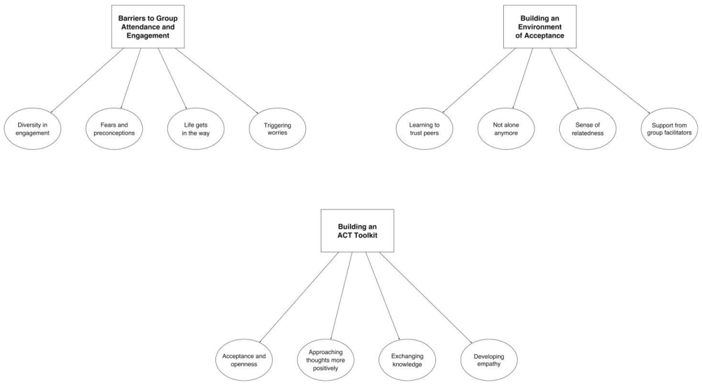
Individuals living with neurological conditions often face chronic issues including motor and sensory impairments and cognitive deficits. These challenges can lead to significant psychological difficulties, including anxiety, depression, and post-traumatic stress. Acceptance and Commitment Therapy (ACT) is a psychotherapeutic approach which aims to enhance psychological flexibility and acceptance while promoting behavioural change. Although ACT groups have shown promise in supporting individuals with neurological conditions, the evidence on patients’ experiences of attending them is sparse. This project explored the experiences of individuals with a range of neurological conditions who had attended ACT group sessions as part of routine clinical practice, with the aim to refine future iterations of the intervention and enhancing patient care. Ten individual qualitative semi-structured interviews were carried out and the data were analysed thematically. Three overarching themes emerged from the analysis: (1) Initial Barriers to Group Attendance and Engagement; (2) Building an Environment of Acceptance; (3) Developing an ACT toolkit. Overall, the results showed that the ACT group intervention led participants to develop stronger emotional connectedness, better knowledge of their difficulties, more effective psychological skills, and different mindsets regarding their condition. Implications for the refinement of future ACT groups, neuropsychological service development, and clinical practice are discussed. © 2025 The Author(s). Published by Informa UK Limited, trading as Taylor & Francis Group.
Overview
CoChat Summary
TL;DR
This qualitative service evaluation explored patients’ experiences of an 8-session ACT group for people with mixed neurological conditions in an NHS neuropsychology department. Ten interviewed attendees described initial barriers to group engagement, an accepting group environment built through shared experience, and development of an “ACT toolkit” for managing thoughts and living by values.
Key findings
- Three overarching themes emerged from 10 interviews: (1) Initial Barriers to Group Attendance and Engagement, (2) Building an Environment of Acceptance, and (3) Developing an ACT Toolkit.
- Barriers included different interaction styles, fears/shame/anxiety, experiential avoidance, busy schedules, and concerns about triggering others or being triggered; some participants preferred groups smaller than six or seven people.
- The group fostered emotional connectedness, validation, and normalcy through shared lived experience despite different diagnoses; participants reported learning present-moment focus, cognitive defusion, acceptance, values, and “Choice Point” skills.
- Participants described using ACT strategies in daily life, including defusion (“I’m having the thought that…”), mindfulness, values-based action, and greater self-knowledge.
Methods
- Qualitative service evaluation using semi-structured interviews with a convenience sample of patients who attended two iterations of an ACT group in an NHS Clinical Neuropsychology Department in North-West England.
- The group comprised eight 2-hour sessions: Sessions 1–6 weekly, a 2-week break, Session 7 individual review, a 2-month break, and Session 8 reunion; Sessions 1–2 and 6–8 were in person, Sessions 3–5 remote via Microsoft Teams.
- Of 13 attendees (six from first iteration, seven from second), 10 agreed to interviews (six females, four males; mean age 45.9 years, range 25–61; half had brain tumour, others epilepsy, stroke, chronic hydrocephalus). Interviews averaged 36 min (range 25–47), half remote and half face-to-face. Thematic analysis followed Braun and Clarke, producing 23 preliminary codes reduced to 12, under a critical realist and largely inductive stance.
Limitations
- The paper states this was a service evaluation in a specific NHS Trust in the north of England, so findings should be generalized cautiously; self-selection/voluntary participation may have biased toward those with positive views of psychotherapy; and there was a lack of age diversity.
- The text also makes evident that the sample was small (10 interviewees), convenience-based, and not designed to achieve data saturation, though some information redundancy was observed in the last three interviews.
- No quantitative effectiveness outcomes are reported in the provided text, and the authors call for additional quantitative and qualitative evidence with more comprehensive and representative samples.
Model-written summary. Check it against the paper before relying on it.
Integrity signals
Registry
Cites
Statistics
Figures




Verification
Claims the paper makes
7 Valid · 0 Not valid · 18 Not checked · 72 Own results and interpretations
The sources with a verdict support this claim; the rest weren’t checked yet, have no full text we could read, or their verdicts aren’t rated yet.
In the paper
“Evidence supports its effectiveness in addressing challenges associated with numerous neurological conditions, including epilepsy, brain tumours, Parkinson's, motor neurone disease, and multiple sclerosis (Alipour, 2019;Gould et al., 2024;Kangas et al., 2015;Zarotti et al., 2021;Zarotti et al., 2022b).”
§ knowing that there are other people and they've accepted it": Patients' experiences of an acceptance and commitment therapy group intervention for people with neurological conditions > Introduction
What the sources say
- Not checked — no full text of the sourcecites Alipour, 2019 matched to “The Effectiveness of ACT Treatment in Reducing the Symptoms of Depression in Patients with Epilepsy” (2019) source
- Supportedcites Gould et al., 2024 matched to “Acceptance and Commitment Therapy plus usual care for improving quality of life in people with motor neuron disease (COMMEND): a multicentre, parallel, randomised controlled trial in the UK” (2024) source
Gould et al. support the motor neurone disease example in the multi-citation sentence. The Discussion reports that ACT plus usual care was superior to usual care alone for maintaining or improving quality of life in people with motor neuron disease at six months, with the effect maintained at nine months. (LLM, conf=0.93)
- Not checked — no full text of the sourcecites Kangas et al., 2015 matched to “Acceptance and commitment therapy program for distressed adults with a primary brain tumor: a case series study.” (2015) source
plainstates a cause- Asserted: passes — The authors put it forward as true.
- Checkable: passes — It can be checked against evidence.
- Load-bearing: passes — The paper’s conclusions depend on it.
- Based: passes — The paper gives a reason why it holds.
The cited sources support only part of this claim — read each source’s verdict below.
In the paper
“investigations involving people with acquired brain injury found that increased trust and being with”
§ knowing that there are other people and they've accepted it": Patients' experiences of an acceptance and commitment therapy group intervention for people with neurological conditions > Discussion
What the sources say
- Partly supportedcites Kersten et al., 2018 matched to “Making sense of recovery after traumatic brain injury through a peer mentoring intervention: a qualitative exploration” (2018) sourceExperimental — accuracy not yet measured
The Results (‘Mentors as experts,’ page unavailable) say that shared experiences fostered trust and connection between mentors and mentees, and describe mentees talking with ‘someone who had been there.’ The study primarily examined one-to-one mentoring, however, so it does not establish these as essential factors for building peer relationships in a group. (LLM, conf=0.88)
plainstates an association- Asserted: passes — The authors put it forward as true.
- Checkable: passes — It can be checked against evidence.
- Load-bearing: unclear — It is unclear whether the paper’s conclusions depend on it.
- Based: passes — The paper gives a reason why it holds.
- Partly supported
The cited sources support only part of this claim — read each source’s verdict below.
In the paper
“The implementation of ACT has been highlighted as especially beneficial for neurological patients due to its emphasis on enhancing activity and participation (Dindo et al., 2017).”
§ knowing that there are other people and they've accepted it": Patients' experiences of an acceptance and commitment therapy group intervention for people with neurological conditions > Introduction
What the sources say
- Partly supportedcites Dindo et al., 2017 matched to “Acceptance and Commitment Therapy: A Transdiagnostic Behavioral Intervention for Mental Health and Medical Conditions.” (2017) sourceExperimental — accuracy not yet measured
The ‘ACT is transdiagnostic’ section says ACT aims to optimize active engagement in life, and ‘ACT Meets Implementation Needs’ reports workshops provided to patients with multiple sclerosis. The paper does not say ACT is especially beneficial for neurological patients, or establish that its emphasis on activity and participation makes it particularly beneficial for them. Page numbers are unavailable in our copy. (LLM, conf=0.85)
plainstates a cause- Asserted: passes — The authors put it forward as true.
- Checkable: passes — It can be checked against evidence.
- Load-bearing: unclear — It is unclear whether the paper’s conclusions depend on it.
- Based: passes — The paper gives a reason why it holds.
- Partly supported
A result the paper reports from its own data — it cites no other source for it, so there is none to check. The quote shows it is in the paper.
In the paper
“The first theme derived from the data revolved around barriers participants encountered in both attending to and engaging with the sessions.”
§ knowing that there are other people and they've accepted it": Patients' experiences of an acceptance and commitment therapy group intervention for people with neurological conditions > Theme 1. "We've all had sort of quite disturbing issues": Initial barriers to group attendance and engagement
plain- Asserted: passes — The authors put it forward as true.
- Checkable: passes — It can be checked against evidence.
- Load-bearing: unclear — It is unclear whether the paper’s conclusions depend on it.
- Based: passes — The paper gives a reason why it holds.
A result the paper reports from its own data — it cites no other source for it, so there is none to check. The quote shows it is in the paper.
In the paper
“In turn, this process appeared to spark in others a desire to emulate those effective coping strategies, such as choosing to do value-driven activities more mindfully:”
§ knowing that there are other people and they've accepted it": Patients' experiences of an acceptance and commitment therapy group intervention for people with neurological conditions > Theme 3. "You're learning how to deal with it": Developing an ACT toolkit
hedgedstates a possible cause- Asserted: passes — The authors put it forward as true.
- Checkable: passes — It can be checked against evidence.
- Load-bearing: unclear — It is unclear whether the paper’s conclusions depend on it.
- Based: passes — The paper gives a reason why it holds.
35 more claims
Create a free account to see all 97 claims and to verify the 2 references still open.
- Probably not a substantial claim. 36
- It may state two separate claims as one. 35
- The quote only partly states this claim. 1
Self-check
Percentages, sums and reported differences re-computed from the paper’s own numbers.
Each contradiction between two passages listed here was confirmed by an independent check.
Rated minor: it would not touch a result — a value no result rests on, a p-value that stays on the same side of the significance level, or a conflict that is clerical, resolved elsewhere in the paper, or outside its own findings.
In the paper
§ knowing that there are other people and they've accepted it": Patients' experiences of an acceptance and commitment therapy group intervention for people with neurological conditions > ACT group intervention
“Two iterations of the groups were carried out from October 2022 to December 2022 and from February 2023 to April 2023.”
§ knowing that there are other people and they've accepted it": Patients' experiences of an acceptance and commitment therapy group intervention for people with neurological conditions > ACT group intervention
“Sessions 1-6 were carried out on a weekly basis.A 2week break was then included between Session 6 and Session 7, to allow the participants to practise skills and strategies discussed up to that point and apply them to their daily lives before meeting again with the clinician.Session 7 was carried out on an individual basis to allow for a personal review and to plan the next steps.A further break of two months was included after Session 7 before participants met for a reunion (Session 8).”
Rated minor: it would not touch a result — a value no result rests on, a p-value that stays on the same side of the significance level, or a conflict that is clerical, resolved elsewhere in the paper, or outside its own findings.
In the paper
§ knowing that there are other people and they've accepted it": Patients' experiences of an acceptance and commitment therapy group intervention for people with neurological conditions > ACT group intervention
“Two iterations of the groups were carried out from October 2022 to December 2022 and from February 2023 to April 2023.”
§ knowing that there are other people and they've accepted it": Patients' experiences of an acceptance and commitment therapy group intervention for people with neurological conditions > Data collection and analysis
“Interviews were conducted in person at the host NHS Trust or remotely, depending on the participants' preference, in December 2022 and February 2023 -i.e., within a month from the end of each iteration.”
Citations
Cites
Using thematic analysis in psychology
Braun, V., & Clarke, V. (2006) · Qualitative Research in Psychology · doi:10.1191/1478088706qp063oa · Cited by 194,414
How Many Interviews Are Enough?: An Experiment with Data Saturation and Variability
Guest, G., Bunce, A., & Johnson, L. (2006) · Field Methods · doi:10.1177/1525822x05279903 · Cited by 20,808
S., N. L. (2017) · doi:10.1177/1609406917733847 · Cited by 14,051 · cited 1×
“To ensure credibility, transparency, and reliability, open discussions were also held among team members at various stages of the analysis (Nowell et al., 2017).”
Acceptance and commitment therapy: model, processes and outcomes
Hayes, S. C., Luoma, J. B., Bond, F. W., Masuda, A., & Lillis, J. (2006) · Behaviour Research and Therapy · doi:10.1016/j.brat.2005.06.006 · Cited by 6,587 · cited 1×
“…a third-wave cognitive behavioural therapy that promotes psychological flexibility by helping individuals to “unhook” from difficult thoughts, feelings, and sensations whilst supporting them to commit to values-based action, which in turn enhances quality of life (Hayes, 2016; Hayes et al., 2006).”
Feigin, V. L., Nichols, E., Alam, T., Bannick, M. S., Beghi, E., Blake, N., Culpepper, W. J., Dorsey, E. R., Elbaz, A., Ellenbogen, R. G., et al. (2019) · The Lancet Neurology · doi:10.1016/s1474-4422(18)30499-x · Cited by 5,644 · cited 1×
“Among these, common conditions include stroke, multiple sclerosis, traumatic brain injury, epilepsy, brain tumours, tension-type headaches, and neurodegenerative conditions (Englot et al., 2016; Feigin et al., 2019), all of which carry substantial economic and social burden.”
Sayer, A. (2000) · doi:10.4135/9781446218730 · Cited by 2,259 · cited 1×
“A critical realist epistemological stance was assumed throughout the analysis, through which the participants’ subjective experiences were conceived as being as meaningful as physical and behavioural phenomena (Sayer, 2000).”
Bergen, N., & Labonté, R. (2020) · Qualitative Health Research · doi:10.1177/1049732319889354 · Cited by 1,558 · cited 1×
“In addition, the fact that the interviews were carried out by a clinician who was not involved in the delivery of any of the group sessions (NZ) may have reduced the impact of social desirability and stimulated more honest conversations (Bergen & Labonté, 2019).”
The global burden of neurological disorders: translating evidence into policy
Feigin, V. L., Vos, T., Nichols, E., Owolabi, M. O., Carroll, W. M., Dichgans, M., Deuschl, G., Parmar, P., Brainin, M., & Murray, C. (2020) · The Lancet Neurology · doi:10.1016/s1474-4422(19)30411-9 · Cited by 1,303 · cited 1×
“Globally, neurological conditions are considered the leading cause of disability (Feigin et al., 2020) and often result in long-term physical consequences, including chronic pain and fatigue (Borsook, 2012), nutritional and respiratory problems (Aquino et al., 2021; Halliday et al., 2021; White et…”
Further evaluation of the Dutch supervision system for suicides of mental health care users
(2013) · EUR Research Repository (Erasmus University Rotterdam) · doi:10.1176/appi · Cited by 1,030
Hayes, S. C. (2016) · Behavior Therapy · doi:10.1016/j.beth.2016.11.006 · Cited by 785 · cited 1×
“…a third-wave cognitive behavioural therapy that promotes psychological flexibility by helping individuals to “unhook” from difficult thoughts, feelings, and sensations whilst supporting them to commit to values-based action, which in turn enhances quality of life (Hayes, 2016; Hayes et al., 2006).”
Acceptance and Commitment Therapy as a Unified Model of Behavior Change
Hayes, S. C., Pistorello, J., & Levin, M. E. (2012) · The Counseling Psychologist · doi:10.1177/0011000012460836 · Cited by 718 · cited 1×
“Acceptance in ACT theory involves a posture of active curiosity, interest, and deliberate exploration of the whole range of feelings, memories, bodily sensations, and thoughts (Hayes et al., 2012).”
Deuschl, G., Beghi, E., Fazekas, F., Varga, T., Christoforidi, K. A., Sipido, E., Bassetti, C. L., Vos, T., & Feigin, V. L. (2020) · The Lancet Public Health · doi:10.1016/s2468-2667(20)30190-0 · Cited by 628
Braun, V., & Clarke, V. (2023) · Health Psychology Review · doi:10.1080/17437199.2022.2161594 · Cited by 582 · cited 2×
“While TA allows for both inductive and deductive approaches (Braun & Clarke, 2006, 2023), a more inductive approach to the analysis was considered appropriate in this instance in order to allow participants to share any opinions on the groups without forcing a focus on specific elements (e.g., ACT…”
Graham, C. D., Gouick, J., Krahé, C., & Gillanders, D. (2016) · Clinical Psychology Review · doi:10.1016/j.cpr.2016.04.009 · Cited by 476 · cited 1×
“ACT adopts a non-pathologizing view to mental health, holding that psychological challenges are inherent to the human experience (Graham et al., 2016).”
Dindo, L., Van Liew, J. R., & Arch, J. J. (2017) · Neurotherapeutics · doi:10.1007/s13311-017-0521-3 · Cited by 371 · cited 1×
“The implementation of ACT has been highlighted as especially beneficial for neurological patients due to its emphasis on enhancing activity and participation (Dindo et al., 2017).”
Neurological diseases and pain
Borsook, D. (2012) · Brain · doi:10.1093/brain/awr271 · Cited by 278 · cited 1×
“…the leading cause of disability (Feigin et al., 2020) and often result in long-term physical consequences, including chronic pain and fatigue (Borsook, 2012), nutritional and respiratory problems (Aquino et al., 2021; Halliday et al., 2021; White et al., 2021), mobility issues, (Cat-taneo et…”
Quality of life in adults with multiple sclerosis: A systematic review
Gil-González, I., Martín-Rodríguez, A., Conrad, R., & Pérez-San-Gregorio, M. Á. (2020) · BMJ Open · doi:10.1136/bmjopen-2020-041249 · Cited by 263 · cited 1×
“…impacts, such as inability to work, lack of independence, reduced perceptions of control, stigma, and social withdrawal (Eccles et al., 2023; Gil-González et al., 2020; Perepezko et al., 2019; Riechmann et al., 2019; Tombini et al., 2020; Zarotti et al., 2024), ultimately resulting in…”
(2016) · Handbook of Clinical Neurology · doi:10.1016/b978-0-12-802997-8.00016-5 · Cited by 244
Prevalence and Causes of Paralysis—United States, 2013
Armour, B. S., Courtney-Long, E. A., Fox, M. H., Fredine, H., & Cahill, A. (2016) · American Journal of Public Health · doi:10.2105/ajph.2016.303270 · Cited by 202
Acceptance and Commitment Therapy for Health Behavior Change: A Contextually-Driven Approach
Zhang, C.-Q., Leeming, E., Smith, P., Chung, P.-K., Hagger, M. S., & Hayes, S. C. (2018) · Frontiers in Psychology · doi:10.3389/fpsyg.2017.02350 · Cited by 199 · cited 1×
“More specifically, ACT aims to alleviate distress and enhance well-being through six processes (Zhang et al., 2018): (1) cognitive “defusion”, a concept which aims to reduce the impact of difficult or distressing thoughts by changing the way people relate to them; (2) acceptance, which involves…”
Experiential avoidance and problem behavior: A mediational analysis
Kingston, J., Clarke, S., & Remington, B. (2010) · Behavior Modification · doi:10.1177/0145445510362575 · Cited by 154 · cited 3×
“…experiential avoidance (i.e., escaping or otherwise altering unwanted private thoughts, feelings, and memories and the contexts that elicit them; Kingston et al., 2010); (3) “self-as-context”, which allows people to be an objective observer of their emotional and cognitive processes; (4)…”
InfluentialAssociation Between Neurological Disorders and Death by Suicide in Denmark
Erlangsen, A., Stenager, E., Conwell, Y., Andersen, P. K., Hawton, K., Benros, M. E., Nordentoft, M., & Stenager, E. (2020) · JAMA · doi:10.1001/jama.2019.21834 · Cited by 148 · cited 1×
“…rates of anxiety and depression (Chan et al., 2021; Khedr et al., 2020; Lima et al., 2021), post-traumatic stress (Hütter & Kreitschmann-Andermahr, 2014), panic disorders (Sharma et al., 2022), and suicidal risk (Erlangsen et al., 2020) compared to healthy controls with no neurological conditions.”
Riechmann, J., Willems, L. M., Boor, R., Kieslich, M., Knake, S., Langner, C., Neubauer, B. A., Oberman, B., Philippi, H., Reese, J. P., et al. (2019) · Seizure · doi:10.1016/j.seizure.2019.03.016 · Cited by 127 · cited 1×
“…lack of independence, reduced perceptions of control, stigma, and social withdrawal (Eccles et al., 2023; Gil-González et al., 2020; Perepezko et al., 2019; Riechmann et al., 2019; Tombini et al., 2020; Zarotti et al., 2024), ultimately resulting in poorer quality of life (Gandy et al., 2021).”
Social role functioning in Parkinson's disease: A mixed‐methods systematic review
Perepezko, K., Hinkle, J. T., Shepard, M. D., Fischer, N., Broen, M. P. G., Leentjens, A. F. G., Gallo, J. J., & Pontone, G. M. (2019) · International Journal of Geriatric Psychiatry · doi:10.1002/gps.5137 · Cited by 108 · cited 1×
“…to work, lack of independence, reduced perceptions of control, stigma, and social withdrawal (Eccles et al., 2023; Gil-González et al., 2020; Perepezko et al., 2019; Riechmann et al., 2019; Tombini et al., 2020; Zarotti et al., 2024), ultimately resulting in poorer quality of life (Gandy et…”
Tombini, M., Assenza, G., Quintiliani, L., Ricci, L., Lanzone, J., Ulivi, M., & Lazzaro, V. D. (2020) · Epilepsy & Behavior · doi:10.1016/j.yebeh.2020.107073 · Cited by 94 · cited 1×
“…lack of independence, reduced perceptions of control, stigma, and social withdrawal (Eccles et al., 2023; Gil-González et al., 2020; Perepezko et al., 2019; Riechmann et al., 2019; Tombini et al., 2020; Zarotti et al., 2024), ultimately resulting in poorer quality of life (Gandy et al., 2021).”
Zakiei, A., Khazaie, H., Rostampour, M., Lemola, S., Esmaeili, M., Dürsteler, K., Brühl, A., Sadeghi-Bahmani, D., & Brand, S. (2021) · Life · doi:10.3390/life11020133 · Cited by 84 · cited 1×
“…other qualitative evidence where experiential avoidance was highlighted as a specific barrier to engagement with therapy (Tursi et al., 2022), coupled with evidence showing that ACT interventions can help decrease levels of experiential avoidance in general (Na et al., 2022; Zakiei et al., 2021).”
Positive psychological interventions for neurological disorders: A systematic review
Lai, S.-T., Lim, K. S., Low, W. Y., & Tang, V. Y. H. (2018) · The Clinical Neuropsychologist · doi:10.1080/13854046.2018.1489562 · Cited by 82 · cited 1×
“Among these, psychotherapeutic approaches have often been trialled to address psychological difficulties by targeting unhelpful behaviours, cognitions, and emotions (Dale et al., 2022; Fernie et al., 2015; Lai et al., 2019; Simpson et al., 2021).”
Acceptance and commitment therapy for family caregivers: A systematic review and meta-analysis.
Han, A., Yuen, H. K., & Jenkins, J. (2021) · Journal of Health Psychology · doi:10.1177/1359105320941217 · Cited by 82
Respiratory disorders of Parkinson’s disease
Aquino, Y. C., Cabral, L. M., Miranda, N. C., Naccarato, M. C., Falquetto, B., Moreira, T. S., & Takakura, A. C. T. (2021) · Journal of Neurophysiology · doi:10.1152/jn.00363.2021 · Cited by 74 · cited 1×
“…2020) and often result in long-term physical consequences, including chronic pain and fatigue (Borsook, 2012), nutritional and respiratory problems (Aquino et al., 2021; Halliday et al., 2021; White et al., 2021), mobility issues, (Cat-taneo et al., 2020) paralysis (Armour et al., 2016), and…”
Zarotti, N., Eccles, F. J. R., Foley, J. A., Paget, A., Gunn, S., Leroi, I., & Simpson, J. (2021) · Psychology and Psychotherapy Theory Research and Practice · doi:10.1111/papt.12321 · Cited by 73
Self-citationRae-Grant, A. D., Turner, A. P., Sloan, A., Miller, D., Hunziker, J., & Haselkorn, J. K. (2011) · The Journal of Rehabilitation Research and Development · doi:10.1682/jrrd.2010.08.0159 · Cited by 73 · cited 1×
“Consequently, there is a strong emphasis on developing psychological interventions to optimize recovery and rehabilitation for people with neurological conditions (Aterman et al., 2022; Essat et al., 2020; Kossi et al., 2024; Rae-Grant et al., 2011).”
Khedr, E. M., Abdelrahman, A. A., Elserogy, Y., Zaki, A. F., & Gamea, A. (2020) · The Egyptian Journal of Neurology, Psychiatry and Neurosurgery · doi:10.1186/s41983-020-00253-5 · Cited by 61 · cited 1×
“Psychological distress is also prevalent, with evidence suggesting higher rates of anxiety and depression (Chan et al., 2021; Khedr et al., 2020; Lima et al., 2021), post-traumatic stress (Hütter & Kreitschmann-Andermahr, 2014), panic disorders (Sharma et al., 2022), and suicidal risk (Erlangsen et…”
Doetsch, J. N., Schlösser, C., Barros, H., Shaw, D., Krafft, T., & Pilot, E. (2023) · International Journal for Equity in Health · doi:10.1186/s12939-022-01806-1 · Cited by 57
Bazargan-Hejazi, S., Shirazi, A., Wang, A., Shlobin, N. A., Karunungan, K., Shulman, J., Marzio, R., Ebrahim, G., Shay, W., & Slavin, S. (2021) · BMC Medical Education · doi:10.1186/s12909-021-03021-y · Cited by 56 · cited 1×
“Neurological conditions are disorders which affect an individual’s nervous system (Bazargan-Hejazi et al., 2021).”
Stigma, self-compassion, and psychological distress among people with Parkinson’s
Eccles, F. J. R., Sowter, N., Spokes, T., Zarotti, N., & Simpson, J. (2023) · Disability and Rehabilitation · doi:10.1080/09638288.2022.2037743 · Cited by 54 · cited 1×
“…to significant psychosocial impacts, such as inability to work, lack of independence, reduced perceptions of control, stigma, and social withdrawal (Eccles et al., 2023; Gil-González et al., 2020; Perepezko et al., 2019; Riechmann et al., 2019; Tombini et al., 2020; Zarotti et al., 2024),…”
Self-citationKran, B. S., Lawrence, L. M., Mayer, D. L., & Heidary, G. (2019) · Seminars in Pediatric Neurology · doi:10.1016/j.spen.2019.05.005 · Cited by 53 · cited 1×
“…including chronic pain and fatigue (Borsook, 2012), nutritional and respiratory problems (Aquino et al., 2021; Halliday et al., 2021; White et al., 2021), mobility issues, (Cat-taneo et al., 2020) paralysis (Armour et al., 2016), and sensory deficits (Kran et al., 2019; Li et al., 2021).”
Fernie, B. A., Kollmann, J., & Brown, R. G. (2015) · Journal of Psychosomatic Research · doi:10.1016/j.jpsychores.2015.02.012 · Cited by 51 · cited 1×
“Among these, psychotherapeutic approaches have often been trialled to address psychological difficulties by targeting unhelpful behaviours, cognitions, and emotions (Dale et al., 2022; Fernie et al., 2015; Lai et al., 2019; Simpson et al., 2021).”
Christensen, E. R., Golden, S. L., & Gesell, S. B. (2019) · North Carolina Medical Journal · doi:10.18043/ncm.80.3.143 · Cited by 50 · cited 1×
“…a qualitative study exploring the effectiveness of peer support in stroke survivors outlined the importance of recognizing shared challenges (Christensen et al., 2019), while relatability was also recognized as an important facilitator of adjustment in a study exploring experiences of ACT…”
Hearing Loss in Neurological Disorders
Li, S., Cheng, C., Lü, L., Ma, X., Zhang, X., Li, A., Chen, J., Qian, X., & Gao, X. (2021) · Frontiers in Cell and Developmental Biology · doi:10.3389/fcell.2021.716300 · Cited by 46 · cited 1×
“…including chronic pain and fatigue (Borsook, 2012), nutritional and respiratory problems (Aquino et al., 2021; Halliday et al., 2021; White et al., 2021), mobility issues, (Cat-taneo et al., 2020) paralysis (Armour et al., 2016), and sensory deficits (Kran et al., 2019; Li et al., 2021).”
Niu, Y., Sheng, S., Chen, Y., Ding, J., Li, H., Shi, S., Wu, J., & Ye, D. (2022) · Journal of Stroke and Cerebrovascular Diseases · doi:10.1016/j.jstrokecerebrovasdis.2021.106225 · Cited by 40 · cited 1×
“Nonetheless, much of the extant evidence relies on quantitative methods (Ben-Zion, 2017; Foote et al., 2023; Han et al., 2021; Niu et al., 2022), while qualitative studies have so far been sparse (Ben-Zion, 2016; Large et al., 2020).”
Third wave cognitive behavioural therapies for people with multiple sclerosis: a scoping review
Zarotti, N., Eccles, F., Broyd, A., Longinotti, C., Mobley, A., & Simpson, J. (2023) · Disability and Rehabilitation · doi:10.1080/09638288.2022.2069292 · Cited by 40 · cited 2×
“…supports its effectiveness in addressing challenges associated with numerous neurological conditions, including epilepsy, brain tumours, Parkinson’s, motor neurone disease, and multiple sclerosis (Alipour, 2019; Gould et al., 2024; Kangas et al., 2015; Zarotti et al., 2021; Zarotti et al., 2022b).”
Self-citationMallya, S., Daniels, M., Kanter, C., Stone, A., Cipolla, A., Edelstein, K., & D’Agostino, N. (2020) · Supportive Care in Cancer · doi:10.1007/s00520-019-05069-5 · Cited by 39 · cited 1×
“…group non-attendance in psychiatric patients also found that individuals contributing too much or too little to the group can negatively impact all attendees (Dilgul et al., 2018), while other life commitments were found to be a barrier for group attendance in tumour patients (Mallya et al., 2020).”
Gould, R. L., McDermott, C. J., Thompson, B. J., Rawlinson, C. V., Bursnall, M., Bradburn, M., Kumar, P., Turton, E. J., White, D. A., Serfaty, M. A., et al. (2024) · The Lancet · doi:10.1016/s0140-6736(24)00533-6 · Cited by 38 · cited 1×
“…supports its effectiveness in addressing challenges associated with numerous neurological conditions, including epilepsy, brain tumours, Parkinson’s, motor neurone disease, and multiple sclerosis (Alipour, 2019; Gould et al., 2024; Kangas et al., 2015; Zarotti et al., 2021; Zarotti et al., 2022b).”
Gandy, M., Karin, E., Fogliati, V. J., Meares, S., Nielssen, O., Titov, N., & Dear, B. F. (2018) · Rehabilitation Psychology · doi:10.1037/rep0000241 · Cited by 37 · cited 1×
“For example, anxiety, shame, and anger are known obstacles to group participation in psychiatric patients (Shay, 2021), while, in the context of neurological conditions, stigma has been highlighted as a barrier to accessing support (Evett et al., 2021; Gandy et al., 2018).”
A changed reality: Experience of an acceptance and commitment therapy (ACT) group after stroke
Large, R., Samuel, V., & Morris, R. (2020) · Neuropsychological Rehabilitation · doi:10.1080/09602011.2019.1589531 · Cited by 37 · cited 3×
“…pain management group found that ACT led to greater openness towards thoughts and acceptance of living with chronic pain (Aymerich et al., 2022), and similar findings were observed following ACT groups for people living with multiple sclerosis (Ben-Zion, 2016) and stroke (Large et al., 2020).”
Subarachnoid hemorrhage as a psychological trauma: Clinical article
Hütter, B.-O., & Kreitschmann-Andermahr, I. (2014) · Journal of Neurosurgery · doi:10.3171/2013.11.jns121552 · Cited by 36 · cited 1×
“…with evidence suggesting higher rates of anxiety and depression (Chan et al., 2021; Khedr et al., 2020; Lima et al., 2021), post-traumatic stress (Hütter & Kreitschmann-Andermahr, 2014), panic disorders (Sharma et al., 2022), and suicidal risk (Erlangsen et al., 2020) compared to healthy…”
Aterman, S., Ghahari, S., & Kessler, D. (2022) · Disability and Rehabilitation · doi:10.1080/09638288.2022.2028911 · Cited by 35 · cited 1×
“Consequently, there is a strong emphasis on developing psychological interventions to optimize recovery and rehabilitation for people with neurological conditions (Aterman et al., 2022; Essat et al., 2020; Kossi et al., 2024; Rae-Grant et al., 2011).”
Cattaneo, D., Gervasoni, E., Pupillo, E., Bianchi, E., Aprile, I. G., Imbimbo, I., Russo, R., Cruciani, A., Jonsdottir, J., Agostini, M., et al. (2019) · American Journal of Physical Medicine & Rehabilitation · doi:10.1097/phm.0000000000001272 · Cited by 34
Lexell, E. M., Alkhed, A.-K., & Olsson, K. (2013) · Brain Injury · doi:10.3109/02699052.2013.765598 · Cited by 33 · cited 1×
“…toolkit” findings, sharing experiences in a group has also been reported to support adjustment in people with acquired brain injuries in the form of exchanging “knowledge and tools” (Lexell et al., 2013, p. 8) along with a theme of obtaining a “fuller toolkit for life with brain injury” (p. 9) .”
Dilgul, M., McNamee, P., Orfanos, S., Carr, C. E., & Priebe, S. (2018) · PLOS ONE · doi:10.1371/journal.pone.0208448 · Cited by 32 · cited 1×
“…group non-attendance in psychiatric patients also found that individuals contributing too much or too little to the group can negatively impact all attendees (Dilgul et al., 2018), while other life commitments were found to be a barrier for group attendance in tumour patients (Mallya et al., 2020).”
Zarotti, N., Dale, M., Eccles, F. J. R., & Simpson, J. (2022) · Journal of Personalized Medicine · doi:10.3390/jpm12010064 · Cited by 32 · cited 2×
“…supports its effectiveness in addressing challenges associated with numerous neurological conditions, including epilepsy, brain tumours, Parkinson’s, motor neurone disease, and multiple sclerosis (Alipour, 2019; Gould et al., 2024; Kangas et al., 2015; Zarotti et al., 2021; Zarotti et al., 2022b).”
Self-citationSathananthan, N., Dimech-Betancourt, B., Morris, E., Vicendese, D., Knox, L., Gillanders, D., Das Nair, R., & Wong, D. (2022) · Neuropsychological Rehabilitation · doi:10.1080/09602011.2021.1971094 · Cited by 31 · cited 1×
“For instance, “Valued Living After Neurological Trauma (VaLiANT) – an 8-week group programme combining elements of cognitive rehabilitation and ACT – showed significant improvements in subjective well-being and anxiety in people with brian injury” (Sathananthan et al., 2022).”
Kersten, P., Cummins, C., Kayes, N., Babbage, D., Elder, H., Foster, A., Weatherall, M., Siegert, R. J., Smith, G., & McPherson, K. (2018) · BMJ Open · doi:10.1136/bmjopen-2017-020672 · Cited by 30 · cited 2×
“…qualitative investigations involving people with acquired brain injury found that increased trust and being with “someone who had been there” (Kersten et al., 2018; p. 8) can be essential factors in terms of building peer relationships in a group (cf. “in the same boat” in our findings), and…”
White, S., Zarotti, N., Beever, D., Bradburn, M. J., Norman, P. E., Coates, E. J., Stavroulakis, T., White, D. A., McGeachan, A. J., Williams, I. A., et al. (2021) · Journal of Human Nutrition and Dietetics · doi:10.1111/jhn.12900 · Cited by 30 · cited 1×
“…consequences, including chronic pain and fatigue (Borsook, 2012), nutritional and respiratory problems (Aquino et al., 2021; Halliday et al., 2021; White et al., 2021), mobility issues, (Cat-taneo et al., 2020) paralysis (Armour et al., 2016), and sensory deficits (Kran et al., 2019; Li et al.,…”
Self-citationPeer support and social network groups among people living with epilepsy: A scoping review
Evett, D., Hutchinson, K., Bierbaum, M., Perikic, N., Proctor, C., Rapport, F., & Shih, P. (2021) · Epilepsy & Behavior · doi:10.1016/j.yebeh.2021.108381 · Cited by 30 · cited 1×
“For example, anxiety, shame, and anger are known obstacles to group participation in psychiatric patients (Shay, 2021), while, in the context of neurological conditions, stigma has been highlighted as a barrier to accessing support (Evett et al., 2021; Gandy et al., 2018).”
Dale, M., Wood, A., Zarotti, N., Eccles, F. J. R., Gunn, S., Kiani, R., Mobley, A., Robertson, N., & Simpson, J. (2022) · Journal of Personalized Medicine · doi:10.3390/jpm12081222 · Cited by 29 · cited 1×
“Among these, psychotherapeutic approaches have often been trialled to address psychological difficulties by targeting unhelpful behaviours, cognitions, and emotions (Dale et al., 2022; Fernie et al., 2015; Lai et al., 2019; Simpson et al., 2021).”
Self-citationDepression in multiple sclerosis across the adult lifespan
Chan, C. K., Tian, F., Pimentel Maldonado, D., Mowry, E. M., & Fitzgerald, K. C. (2021) · Multiple Sclerosis Journal · doi:10.1177/1352458520979304 · Cited by 26 · cited 1×
“Psychological distress is also prevalent, with evidence suggesting higher rates of anxiety and depression (Chan et al., 2021; Khedr et al., 2020; Lima et al., 2021), post-traumatic stress (Hütter & Kreitschmann-Andermahr, 2014), panic disorders (Sharma et al., 2022), and suicidal risk (Erlangsen et…”
Essat, M., Archer, R. J., Williams, I. A., Zarotti, N., Coates, E. J., Clowes, M., Beever, D., Hackney, G., White, S., Stavroulakis, T., et al. (2019) · Clinical Nutrition · doi:10.1016/j.clnu.2019.11.015 · Cited by 25 · cited 1×
“Consequently, there is a strong emphasis on developing psychological interventions to optimize recovery and rehabilitation for people with neurological conditions (Aterman et al., 2022; Essat et al., 2020; Kossi et al., 2024; Rae-Grant et al., 2011).”
Self-citationDelivery of nutritional management services to people with amyotrophic lateral sclerosis (ALS)
Halliday, V., Zarotti, N., Coates, E. J., McGeachan, A. J., Williams, I. A., White, S., Beever, D., Norman, P. E., González, S. G., Hackney, G., et al. (2021) · Amyotrophic Lateral Sclerosis and Frontotemporal Degeneration · doi:10.1080/21678421.2021.1874991 · Cited by 25 · cited 2×
“…in long-term physical consequences, including chronic pain and fatigue (Borsook, 2012), nutritional and respiratory problems (Aquino et al., 2021; Halliday et al., 2021; White et al., 2021), mobility issues, (Cat-taneo et al., 2020) paralysis (Armour et al., 2016), and sensory deficits (Kran et…”
Self-citationAnxiety symptoms are the strongest predictor of quality of life in temporal lobe epilepsy
Lima, E. M., Gois, J., Paiva, M. L., Vincentiis, S., Moschetta, S., & Valente, K. D. R. (2021) · Seizure · doi:10.1016/j.seizure.2021.03.021 · Cited by 25 · cited 1×
“Psychological distress is also prevalent, with evidence suggesting higher rates of anxiety and depression (Chan et al., 2021; Khedr et al., 2020; Lima et al., 2021), post-traumatic stress (Hütter & Kreitschmann-Andermahr, 2014), panic disorders (Sharma et al., 2022), and suicidal risk (Erlangsen et…”
Robinson, P. L., Russell, A., & Dysch, L. (2019) · Brain Impairment · doi:10.1017/brimp.2019.2 · Cited by 24 · cited 1×
“One notable approach is represented by Acceptance and Commitment Therapy (ACT; Robinson et al., 2019).”
The relationship between executive functions and fluid intelligence in multiple sclerosis
Goitia, B., Bruno, D., Abrevaya, S., Sedeño, L., Ibáñez, A. M., Manes, F. F., Sigman, M., Sinay, V. J., Torralva, T., Duncan, J., et al. (2020) · PLoS ONE · doi:10.1371/journal.pone.0231868 · Cited by 23 · cited 1×
“…disability, individuals with a neurological condition can experience cognitive impairments in domains such as processing speed, language, memory, executive functioning, attention, and social cognition (Durand et al., 2018; Goitia et al., 2020; Hwang et al., 2019; Severiano e Sousa et al., 2022).”
Kangas, M., McDonald, S., Williams, J. R., & Smee, R. I. (2015) · Supportive Care in Cancer · doi:10.1007/s00520-015-2804-8 · Cited by 22 · cited 1×
“…supports its effectiveness in addressing challenges associated with numerous neurological conditions, including epilepsy, brain tumours, Parkinson’s, motor neurone disease, and multiple sclerosis (Alipour, 2019; Gould et al., 2024; Kangas et al., 2015; Zarotti et al., 2021; Zarotti et al., 2022b).”
Gandy, M., Heriseanu, A. I., Dudeney, J. E., Bisby, M. A., Scott, A. J., Fisher, A. C., Hathway, T., Karin, E., Titov, N., & Dear, B. F. (2021) · General Hospital Psychiatry · doi:10.1016/j.genhosppsych.2021.08.013 · Cited by 22 · cited 1×
“…lack of independence, reduced perceptions of control, stigma, and social withdrawal (Eccles et al., 2023; Gil-González et al., 2020; Perepezko et al., 2019; Riechmann et al., 2019; Tombini et al., 2020; Zarotti et al., 2024), ultimately resulting in poorer quality of life (Gandy et al., 2021).”
Na, E., Lee, K., Jeon, B.-H., Jo, C., Kwak, U.-H., Jeon, Y., Yang, K., Lee, E. J., & Jeong, J. (2022) · International Journal of Environmental Research and Public Health · doi:10.3390/ijerph192416434 · Cited by 21 · cited 1×
“…other qualitative evidence where experiential avoidance was highlighted as a specific barrier to engagement with therapy (Tursi et al., 2022), coupled with evidence showing that ACT interventions can help decrease levels of experiential avoidance in general (Na et al., 2022; Zakiei et al., 2021).”
Zarotti, N., Deane, K. H., Ford, C. E. L., & Simpson, J. (2023) · Disability and Rehabilitation · doi:10.1080/09638288.2023.2181409 · Cited by 21 · cited 1×
“…lack of independence, reduced perceptions of control, stigma, and social withdrawal (Eccles et al., 2023; Gil-González et al., 2020; Perepezko et al., 2019; Riechmann et al., 2019; Tombini et al., 2020; Zarotti et al., 2024), ultimately resulting in poorer quality of life (Gandy et al., 2021).”
Self-citationTerrified of Group Therapy: Investigating Obstacles to Entering or Leading Groups
Shay, J. J. (2021) · American Journal of Psychotherapy · doi:10.1176/appi.psychotherapy.20200033 · Cited by 20 · cited 1×
“For example, anxiety, shame, and anger are known obstacles to group participation in psychiatric patients (Shay, 2021), while, in the context of neurological conditions, stigma has been highlighted as a barrier to accessing support (Evett et al., 2021; Gandy et al., 2018).”
Shi, J.-Y., Cao, Y.-M., Luo, H.-Y., Liu, S., Yang, F.-M., & Wang, Z.-H. (2023) · Schizophrenia Research · doi:10.1016/j.schres.2023.03.042 · Cited by 19 · cited 1×
“Additional qualitative evidence also supported the effectiveness of ACT groups in shifting thought patterns in people with psychosis, leading to increased cognitive defusion and acceptance (Shi et al., 2023).”
Kossi, O., Raats, J., Wellens, J., Duckaert, M., Baets, S. D., VELDE, D. V. D., & Feys, P. (2023) · Clinical Rehabilitation · doi:10.1177/02692155231191383 · Cited by 19 · cited 1×
“Consequently, there is a strong emphasis on developing psychological interventions to optimize recovery and rehabilitation for people with neurological conditions (Aterman et al., 2022; Essat et al., 2020; Kossi et al., 2024; Rae-Grant et al., 2011).”
Aymerich, K., Wilczek, A., Ratanachatchuchai, S., Gilpin, H. R., Spahr, N., Jacobs, C., & Scott, W. (2022) · Physiotherapy · doi:10.1016/j.physio.2022.01.004 · Cited by 16 · cited 1×
“…exploring an ACT-informed pain management group found that ACT led to greater openness towards thoughts and acceptance of living with chronic pain (Aymerich et al., 2022), and similar findings were observed following ACT groups for people living with multiple sclerosis (Ben-Zion, 2016) and stroke…”
Study of Association of Various Psychiatric Disorders in Brain Tumors
Sharma, A., Das, A. K., Jain, A., Purohit, D. K., Solanki, R. K., & Gupta, A. (2022) · Asian Journal of Neurosurgery · doi:10.1055/s-0042-1757437 · Cited by 16 · cited 1×
“…rates of anxiety and depression (Chan et al., 2021; Khedr et al., 2020; Lima et al., 2021), post-traumatic stress (Hütter & Kreitschmann-Andermahr, 2014), panic disorders (Sharma et al., 2022), and suicidal risk (Erlangsen et al., 2020) compared to healthy controls with no neurological conditions.”
Sathananthan, N., Morris, E., Gillanders, D., das Nair, R., Knox, L., & Wong, D. (2025) · Neuropsychological Rehabilitation · doi:10.1080/09602011.2024.2359992 · Cited by 14 · cited 2×
“A noticeable example in this regard is represented by the qualitative analyses for the VaLiANT study, which highlighted meaningful changes such as higher feelings of connectedness, sense of self, and belonging, as well as increased reported use of daily strategy (Sathananthan et al., 2024).”
Episodic Memory Impairments in Primary Brain Tumor Patients
Durand, T., Berzero, G., Bompaire, F., et al. (2017) · Archives of Clinical Neuropsychology · doi:10.1093/arclin/acx138 · Cited by 13 · cited 1×
“…disability, individuals with a neurological condition can experience cognitive impairments in domains such as processing speed, language, memory, executive functioning, attention, and social cognition (Durand et al., 2018; Goitia et al., 2020; Hwang et al., 2019; Severiano e Sousa et al., 2022).”
Simpson, J., Eccles, F., & Zarotti, N. (2021) · Zenodo · doi:10.5281/zenodo.4593882 · Cited by 13
Self-citationProfile of cognitive impairment in late‐stage Parkinson's disease
Sousa, C. S. E., Fabbri, M., Godinho, C., Simões, R. M., Chendo, I., Coelho, M. M., Martins, I. P., & Ferreira, J. J. (2022) · Brain and Behavior · doi:10.1002/brb3.2537 · Cited by 12 · cited 1×
“…disability, individuals with a neurological condition can experience cognitive impairments in domains such as processing speed, language, memory, executive functioning, attention, and social cognition (Durand et al., 2018; Goitia et al., 2020; Hwang et al., 2019; Severiano e Sousa et al., 2022).”
Managing threats: A grounded theory of counseling engagement in clients with experiential avoidance
Tursi, M. M., Sellers, C. R., & Marquis, A. (2021) · Journal of Counseling & Development · doi:10.1002/jcad.12401 · Cited by 9 · cited 1×
“…appear consistent with other qualitative evidence where experiential avoidance was highlighted as a specific barrier to engagement with therapy (Tursi et al., 2022), coupled with evidence showing that ACT interventions can help decrease levels of experiential avoidance in general (Na et al.,…”
Foote, H., Bowen, A., Cotterill, S., Hill, G., Pieri, M., & Patchwood, E. (2023) · Clinical Rehabilitation · doi:10.1177/02692155221144554 · Cited by 7 · cited 1×
“Nonetheless, much of the extant evidence relies on quantitative methods (Ben-Zion, 2017; Foote et al., 2023; Han et al., 2021; Niu et al., 2022), while qualitative studies have so far been sparse (Ben-Zion, 2016; Large et al., 2020).”
The Effectiveness of ACT Treatment in Reducing the Symptoms of Depression in Patients with Epilepsy
Alipour, F. (2019) · World Family Medicine Journal/Middle East Journal of Family Medicine · doi:10.5742/mewfm.2019.93655 · Cited by 6 · cited 1×
“…supports its effectiveness in addressing challenges associated with numerous neurological conditions, including epilepsy, brain tumours, Parkinson’s, motor neurone disease, and multiple sclerosis (Alipour, 2019; Gould et al., 2024; Kangas et al., 2015; Zarotti et al., 2021; Zarotti et al., 2022b).”
Crisis in the UK National Health Service: What does it mean, and what are the consequences?
Greener, I., & Powell, M. A. (2024) · Social Policy and Administration · doi:10.1111/spol.13001 · Cited by 5 · cited 1×
“…way is crucial considering the current financial pressures and issues surrounding service wait times and lack of inclusive care which are currently faced by the National Health Service (NHS) in the UK (Greener & Powell, 2024) as well as healthcare similar systems elsewhere (Doetsch et al., 2023).”
Storey, A., Sheldrick, R., Dulhanty, L., & Zarotti, N. (2025) · Disability and Rehabilitation · doi:10.1080/09638288.2024.2379024 · Cited by 5 · cited 1×
“The interview content was formulated through a combination of relevant literature, clinical expertise, and previous piloting with similar populations (Storey et al., 2024).”
Self-citationBen-Zion, I. (2017) · UH Research Archive · doi:10.18745/th.17468 · Cited by 1
Mining the Obscured OB Star Population in Carina
Smith, M. J. (2017) · University of Hertfordshire Research Archive (University of Hertfordshire) · doi:10.18745/th.17469 · Cited by 1 · cited 1×
“Nonetheless, much of the extant evidence relies on quantitative methods (Ben-Zion, 2017; Foote et al., 2023; Han et al., 2021; Niu et al., 2022), while qualitative studies have so far been sparse (Ben-Zion, 2016; Large et al., 2020).”
Starling, M. (2019) · University of East London · doi:10.15123/uel.8749x
Simpson, J., Eccles, F., & Zarotti, N. (2021) · Zenodo · doi:10.5281/zenodo.4593883
Self-citation
Research works printed but not linked: 2
- 16. Creswell, J. W., & Poth, C. N. (2007). Choosing among five approaches choosing among five approaches (Issue June). https://www.researchgate.net/profile/Rulinawaty-Kasmad/ publication/342229325_Second_Edition_QUALITATIVE_INQUIRY_RESEARCH_DESIGN_ Choosing_Among_Five_Approaches/links/5eec7025458515814a6ac263/Second-Edition- QUALITATIVE-INQUIRY-RESEARCH-DESIGN-Choosing-Among
- 46. JNS121552 Hwang, G., Dabbs, K., Conant, L., Nair, V. A., Mathis, J., Almane, D. N., Nencka, A., Birn, R., Humphries, C., Raghavan, M., DeYoe, E. A., Struck, A. F., Maganti, R., Binder, J. R., Meyerand, E., Prabhakaran, V., & Hermann, B. (2019). Cognitive slowing and its underlying neurobiology in temporal lobe epilepsy. Cortex; A Journal Devoted to the Study of the Nervous System and Behavior, 117, 41-52. https://doi.org/10.1016/j.cortex.2019.02. 022CopyDownload.nbib. · doi:10.1016/j.cortex.2019.02
Cited by
Foote, H., Bowen, A., Cotterill, S., & Patchwood, E. (2025) · Neuropsychological Rehabilitation · doi:10.1080/09602011.2025.2579090 · Cited by 3
“…is an expanding evidence base for its use in supporting psychological difficulties post-stroke, both one-to-one (Graham et al., 2015; Rauwenhoff et al., 2024) and in group contexts (Liu et al., 2023; Majumdar & Morris, 2019; Niu et al., 2022; Sathananthan et al., 2022, 2024; Storey et al., 2025).”
Christodoulou, V., Artemiou, K., & Vasiliou, V. S. (2025) · British Journal of Health Psychology · doi:10.1111/bjhp.70031 · Cited by 2
“…including chronic pain (Bendelin et al., 2020; Thompson et al., 2018), cancer (Keenan et al., 2024; Köhle et al., 2017), and neurological conditions (Storey et al., 2025)—suggests that participants commonly describe ACT-consistent processes in their narratives, such as greater psychological…”
InfluentialDale, M., Melvin, K., Eccles, F. J. R., Bell-Jones, L., Khan, Z., Wells, R., Johnson, J. K., Zarotti, N., & Simpson, J. (2025) · Neuropsychological Rehabilitation · doi:10.1080/09602011.2025.2600422
“…from ACT-based interventions with people with other neurological conditions, these fi ndings support the acceptability of ACT (Rawlinson et al., 2024; Storey et al., 2025), also showing that despite some initial hesitancy, participants found ACT valuable in managing anxiety, increasing…”
Self-citationBrien, R., Dindo, L. N., Williams, R., Pauli, L., Marsh, B., Collinge, J., Mead, S., & Chan, E. (2026) · Neurotherapeutics · doi:10.1016/j.neurot.2026.e01079
“Emerging evidence suggests that ACT can be delivered effectively in group formats across a range of neurological conditions, supporting its potential as a scalable transdiagnostic intervention for individuals facing complex and chronic neurological challenges [26].”
Metadata
- Authors
- Storey, A., Nash, E., Dempsey, H., McIvor, K., & Zarotti, N.
- Affiliations
- Salford Royal NHS Foundation Trust (GB)
- Corresponding author
- Zarotti, Nicolò
- ORCID
- Zarotti, Nicolò
- Venue
- Neuropsychological Rehabilitation
- Publisher
- Informa UK Limited
- Published
- 2025-02-03
- Volume
- 35
- Issue
- 9
- Pages
- 1782-1804
- ISSN
- 0960-2011 (ISSN-L)
- 1464-0694
- OpenAlex
- W4407114600
- Semantic Scholar
- 29b54d97d66e667835957b5598fa826374581d44
- Cited by
- 4
- References
- 80
- Citations by year
- 2026: 1 · 2025: 3
- FWCI
- 4.71
- Type
- journal article
- Language
- en
- Open access
- hybrid
- doi.org
- Licence
- Locations
- Neuropsychological Rehabilitation (publishedVersion, cc-by-nc-nd)
- PubMed (publishedVersion)
- Lancaster EPrints (Lancaster University) (acceptedVersion)
- Lancaster EPrints (Lancaster University) (submittedVersion)
- Topics
- Social Sciences › Psychology › Clinical Psychology › Mindfulness and Compassion Interventions
- Social Sciences › Psychology › Clinical Psychology › Psychotherapy Techniques and Applications
- Health Sciences › Health Professions › Occupational Therapy › Occupational Therapy Practice and Research
- Keywords
- acceptance and commitment therapy, group therapy, neurological disorders, patient experience, psychological flexibility, acceptance, emotional connection, psychological skills, neuropsychological services
- MeSH terms
- Adult, Aged, Female, Humans, Male, Middle Aged, Nervous System Diseases, Psychotherapy, Group, Qualitative Research, Acceptance and Commitment Therapy
About these checks
Registry, retraction, Cites and statistics results are computed, not judged, with one exception: a printed reference that no index lists is read once by a model before it counts as a citation error. Claims are extracted by a model and kept only when their quote appears verbatim in the text; each cited source is then checked, with a model’s help, for whether it says what the claim relies on. Those verdicts can be wrong — read the claim’s quote and the cited source before relying on one.
The claim verdicts this report counts are experimental: their accuracy is not yet measured.
A language model drew the claims from the paper on 2026-10-11, under version 3 of the claim definition (model deepseek-v4.1-flash, prompt extract-v3).
A second model labelled each claim on 2026-10-11 (model jev-1.13-20260917, definition revision gold-guideline-v0.2).
Cited sources are checked with a language model’s help (gpt-6-sol).
Statistics and arithmetic are recomputed, not judged.
Confidence bands are shown only for fields calibrated on our annotated test set. None is calibrated yet, so no band is shown.
What counts as a claim ›How we measure confidence ›How we check this ›
Are you an author, or do you see a problem with this page? Request a review
Data sources
Bibliographic data: Semantic Scholar, OpenAlex, Crossref.
Contains information from the Semantic Scholar Academic Graph Datasets, made available under the ODC Attribution License (ODC-BY 1.0).
Semantic Scholar’s data is described in: Kinney, R., et al. (2023). The Semantic Scholar Open Data Platform. arXiv:2301.10140.
