

Modulation of inflammation by autophagy: Consequences for human disease
Open accessThe DOI matches its Crossref record; 196 of the 196 references it cites were found in a registry or an index.
Abstract
Autophagy and inflammation are 2 fundamental biological processes involved in both physiological and pathological conditions. Through its crucial role in maintaining cellular homeostasis, autophagy is involved in modulation of cell metabolism, cell survival, and host defense. Defective autophagy is associated with pathological conditions such as cancer, autoimmune disease, neurodegenerative disease, and senescence. Inflammation represents a crucial line of defense against microorganisms and other pathogens, and there is increasing evidence that autophagy has important effects on the induction and modulation of the inflammatory reaction; understanding the balance between these 2 processes may point to important possibilities for therapeutic targeting. This review focuses on the crosstalk between autophagy and inflammation as an emerging field with major implications for understanding the host defense on the one hand, and for the pathogenesis and treatment of immune-mediated diseases on the other hand.
Overview
The claims and statistics of this paper haven’t been checked yet.
Free: it reads the open-access text and checks the first 5 claims that cite a source we can check. Create a free account to check every claim.
Integrity signals
Registry
Cites
Statistics
Figures
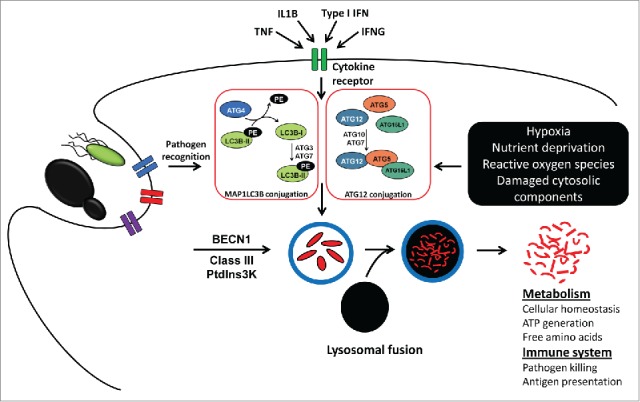
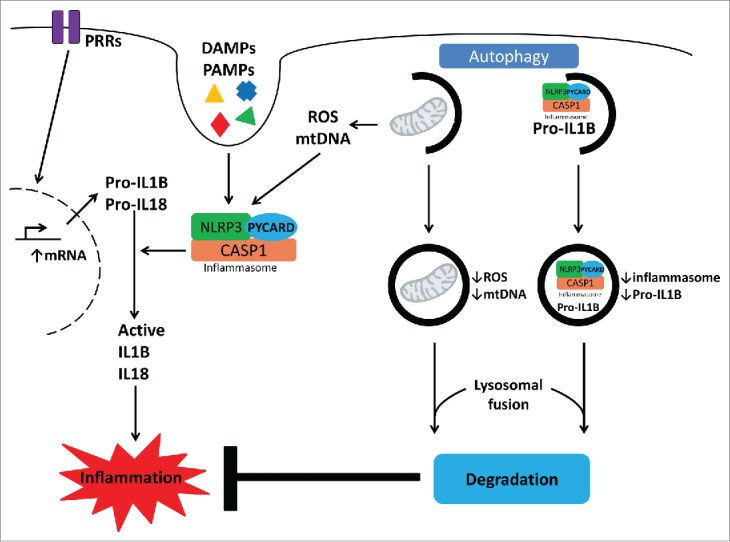
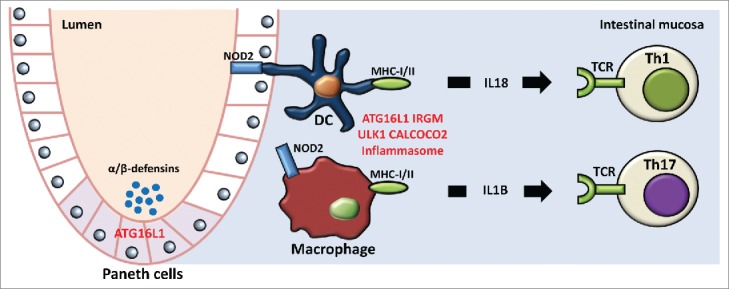
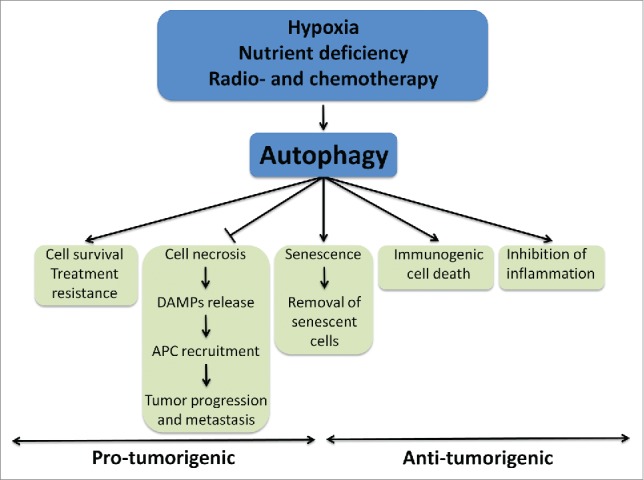
Verification
Claims the paper makes
The claims and statistics of this paper haven’t been checked yet.
Free: it reads the open-access text and checks the first 5 claims that cite a source we can check. Create a free account to check every claim.
Claims other papers make about this one
Each is checked against this paper’s own text: does it say what the citing paper says it does?
In the citing paper
“Reduced glycolysis and autophagy are known to attenuate inflammation”
From TREM2 Maintains Microglial Metabolic Fitness in Alzheimer’s Disease (2017) · cites this paper as Netea-Maier et al., 2016
Self-check
Percentages, sums and reported differences re-computed from the paper’s own numbers.
The self-check needs the paper’s full text.
Citations
Cites
1 retracted
Martinez, J., Almendinger, J., Oberst, A., Ness, R., Dillon, C. P., Fitzgerald, P., Hengartner, M. O., & Green, D. R. (2011) · Proceedings of the National Academy of Sciences · doi:10.1073/pnas.1113421108 · Cited by 655
RetractedRepertoires of Autophagy in the Pathogenesis of Ocular Diseases
Li, Y.-J., Jiang, Q., Cao, G.-F., Yao, J., & Yan, B. (2015) · Cellular Physiology and Biochemistry · doi:10.1159/000373980 · Cited by 16,304
Warburg, O. (1956) · Science · doi:10.1126/science.123.3191.309 · Cited by 13,425 · cited 1×
“protein production (historically known as the Warburg effect).(178,179) This mode of growth, however, requires an”
BackgroundThe phosphatidylinositol 3-Kinase–AKT pathway in human cancer
Vivanco, I., & Sawyers, C. L. (2002) · Nature Reviews Cancer · doi:10.1038/nrc839 · Cited by 6,056
A role for mitochondria in nlrp3 inflammasome activation
Zhou, R., Yazdi, A. S., Menu, P., & Tschopp, J. (2011) · Nature · doi:10.1038/nature09663 · Cited by 5,602
Association of NOD2 leucine-rich repeat variants with susceptibility to Crohn's disease
Hugot, J.-P., Chamaillard, M., Zouali, H., Lesage, S., Cézard, J.-P., Belaiche, J., Almer, S., Tysk, C., O'Morain, C. A., Gassull, M., et al. (2001) · Nature · doi:10.1038/35079107 · Cited by 5,591
Cui, C., Cui, J., Jin, F., Cui, Y., Li, R., Jiang, X., Tian, Y., Wang, K., Jiang, P., & Gao, J. (2017) · Cellular Physiology and Biochemistry · doi:10.1159/000479571 · Cited by 5,203
A frameshift mutation in NOD2 associated with susceptibility to Crohn's disease
Ogura, Y., Bonen, D. K., Inohara, N., Nicolae, D. L., Chen, F. F., Ramos, R., Britton, H., Moran, T., Karaliuskas, R., Duerr, R. H., et al. (2001) · Nature · doi:10.1038/35079114 · Cited by 5,030
Pankiv, S., Clausen, T. H., Lamark, T., Brech, A., Bruun, J.-A., Outzen, H., Øvervatn, A., Bjørkøy, G., & Johansen, T. (2007) · Journal of Biological Chemistry · doi:10.1074/jbc.m702824200 · Cited by 4,578 · cited 1×
“Autophagy is also important in host defense against other intracellular pathogens such as Toxoplasma gondii,(113,114) Salmonella spp.(115,116) and Listeria monocytogenes.”
BackgroundAutophagy and Viruses: Adversaries or Allies?
Dong, X., & Levine, B. (2013) · Journal of Innate Immunity · doi:10.1159/000346388 · Cited by 4,430
Research works printed but not linked: 9
- Saitoh T, Fujita N, Jang MH, Uematsu S, Yang BG, Satoh T, Omori H, Noda T, Yamamoto N, Komatsu M, et al. Loss of the autophagy protein Atg16L1 enhances endotoxin-induced IL-1beta production. Nature 2008; 456: 264- 8; PMID:18849965 18849965 · DOI · Paper page
- Crisan TO, Plantinga TS, van de Veerdonk FL, Farcaş MF, Stoffels M, Kullberg BJ, van der Meer JW, Joosten LA, Netea MG. Inflammasome-independent modulation of cytokine response by autophagy in human cells. PLoS One 2011; 6: e18666; PMID:21490934; http://dx.doi.org/ 10.1371/journal.pone.0018666 21490934 PMC3072416 · DOI · Paper page
- Travassos LH, Carneiro LAM, Ramjeet M, Hussey S, Kim YG, Magalhães JG, Yuan L, Soares F, Chea E, Le Bourhis L, et al. Nod1 and Nod2 direct autophagy by recruiting ATG16L1 to the plasma membrane at the site of bacterial entry. Nat Immunol 2010; 11: 55- 62; PMID:19898471; http://dx.doi.org/ 10.1038/ni.1823 19898471 · DOI · Paper page
- Zhou XJ, Lu XL, Lv JC, Yang HZ, Qin LX, Zhao MH, Su Y, Li ZG, Zhang H. Genetic association of PRDM1-ATG5 intergenic region and autophagy with systemic lupus erythematosus in a Chinese population. Ann Rheum Dis 2011; 70: 1330- 7; PMID:21622776; http://dx.doi.org/ 10.1136/ard.2010.140111 21622776 · DOI · Paper page
- Baumann I, Kolowos W, Voll RE, Manger B, Gaipl U, Neuhuber WL, Kirchner T, Kalden JR, Herrmann M. Impaired uptake of apoptotic cells into tingible body macrophages in germinal centers of patients with systemic lupus erythematosus. Arthritis Rheum 2002; 46: 191- 201; PMID:11817590; http://dx.doi.org/ 10.1002/1529-0131(200201)46:1%3c191::AID-ART10027%3e3.0.CO;2-K 11817590 · DOI
- Mostowy S, Sancho-Shimizu V, Hamon MA, Simeone R, Brosch R, Johansen T, Cossart P. p62 and NDP52 proteins target intracytosolic Shigella and Listeria to different autophagy pathways. J Biol Chem 2011; 286: 26987- 95; PMID:21646350; http://dx.doi.org/ 10.1074/jbc.M111.223610 21646350 PMC3143657 · DOI · Paper page
- Rosentul DC, Plantinga TS, Farcas M, Oosting M, Hamza OJ, Scott WK, Alexander BD, Yang JC, Laird GM, Joosten LA, et al. Role of autophagy genetic variants for the risk of Candida infections. Med Mycol 2014; 52: 333- 41; PMID:24713404; http://dx.doi.org/ 10.1093/mmy/myt035 24713404 PMC4687479 · DOI
- Smeekens SP, Malireddi RK, Plantinga TS, Buffen K, Oosting M, Joosten LA, Kullberg BJ, Perfect JR, Scott WK, van de Veerdonk FL, et al. Autophagy is redundant for the host defense against systemic Candida albicans infections. Eur J Clin Microbiol Infect Dis 2014; 33: 711- 22; PMID:24202731; http://dx.doi.org/ 10.1007/s10096-013-2002-x 24202731 · DOI
- 10.1007/s10555-01 · doi:10.1007/s10555-01
Cited by
Guidelines for the use and interpretation of assays for monitoring autophagy (3rd edition).
Klionsky, D. J., Abdelmohsen, K., Abe, A., Abedin, M. J., Abeliovich, H., Acevedo Arozena, A., Adachi, H., Adams, C. M., Adams, P. D., Adeli, K., et al. (2016) · Autophagy · doi:10.1080/15548627.2015.1100356 · Cited by 5,894
Guidelines for the use and interpretation of assays for monitoring autophagy (4th edition) 1
Klionsky, D. J., Abdel-Aziz, A. K., Abdelfatah, S., Abdellatif, M., Abdoli, A., Abel, S., Abeliovich, H., Abildgaard, M. H., Abudu, Y. P., Acevedo-Arozena, A., et al. (2021) · Autophagy · doi:10.1080/15548627.2020.1797280 · Cited by 2,897
Self-citationTREM2 Maintains Microglial Metabolic Fitness in Alzheimer’s Disease
Ulland, T. K., Song, W. M., Huang, S. C.-C., Ulrich, J. D., Sergushichev, A., Beatty, W. L., Loboda, A. A., Zhou, Y., Cairns, N. J., Kambal, A., et al. (2017) · Cell · doi:10.1016/j.cell.2017.07.023 · Cited by 1,263
Measuring biological aging in humans: a quest
Ferrucci, L., Gonzalez‐Freire, M., Fabbri, E., Simonsick, E., Tanaka, T., Moore, Z., Salimi, S., Sierra, F., & de Cabo, R. (2020) · Aging Cell · doi:10.1111/acel.13080 · Cited by 781
Context is everything: aneuploidy in cancer
Ben-David, U., & Amon, A. (2020) · Nature Reviews Genetics · doi:10.1038/s41576-019-0171-x · Cited by 665
AMPK as a Therapeutic Target for Treating Metabolic Diseases
Day, E. A., Ford, R. J., & Steinberg, G. R. (2017) · Trends in Endocrinology & Metabolism · doi:10.1016/j.tem.2017.05.004 · Cited by 619
Emerging roles of long non‐coding RNA in cancer
Sanchez Calle, A., Kawamura, Y., Yamamoto, Y., Takeshita, F., & Ochiya, T. (2018) · Cancer Science · doi:10.1111/cas.13642 · Cited by 590
Aging, inflammation and the environment
Bektas, A., Schurman, S. H., Sen, R., & Ferrucci, L. (2018) · Experimental Gerontology · doi:10.1016/j.exger.2017.12.015 · Cited by 421
“Adequate recycling of dysfunctional mitochondria through autophagy prevents such proinflammatory mechanistic responses (Netea-Maier et al., 2016).”
BackgroundMechanistic insights into selective autophagy pathways: lessons from yeast
Farré, J.-C., & Subramani, S. (2016) · Nature Reviews Molecular Cell Biology · doi:10.1038/nrm.2016.74 · Cited by 398
Zhou, M., Xu, W., Wang, J., Yan, J., Shi, Y., Zhang, C., Ge, W., Wu, J., Du, P., & Chen, Y. (2018) · EBioMedicine · doi:10.1016/j.ebiom.2018.08.035 · Cited by 357
“Some additional studies have supported the concept that the inflammasome structures, destructive mitochondria, the macrophage polarization, and the selective degradation of inflammatory complexes probably explain how autophagy prevent inflammation progression [5,44].”
BackgroundAutophagy, Inflammation, and Immune Dysfunction in the Pathogenesis of Pancreatitis
Gukovskaya, A. S., Gukovsky, I., Algül, H., & Habtezion, A. (2017) · Gastroenterology · doi:10.1053/j.gastro.2017.08.071 · Cited by 357
Autophagy and Microglia: Novel Partners in Neurodegeneration and Aging
Plaza-Zabala, A., Sierra-Torre, V., & Sierra, A. (2017) · International Journal of Molecular Sciences · doi:10.3390/ijms18030598 · Cited by 323
“and adaptive responses in the peripheral immune system [16], actively influencing the outcome of inflammatory responses [88], phagocytosis [89], and antigen presentation [90].”
BackgroundCosin-Roger, J., Simmen, S., Melhem, H., Atrott, K., Frey-Wagner, I., Hausmann, M., de Vallière, C., Spalinger, M. R., Spielmann, P., Wenger, R. H., et al. (2017) · Nature Communications · doi:10.1038/s41467-017-00213-3 · Cited by 309
p38 MAPK inhibits autophagy and promotes microglial inflammatory responses by phosphorylating ULK1
He, Y., She, H., Zhang, T., Xu, H., Cheng, L., Yepes, M., Zhao, Y., & Mao, Z. (2018) · Journal of Cell Biology · doi:10.1083/jcb.201701049 · Cited by 287
“Dysfunction of autophagy and inflammation has been implicated in the pathogenic process of a growing list of neurodegenerative diseases (Netea-Maier et al., 2016).”
BackgroundCao, Y., Chen, J., Ren, G., Zhang, Y., Tan, X., & Yang, L. (2019) · Nutrients · doi:10.3390/nu11112794 · Cited by 278
“Autophagy reduces pro-inflammatory signaling by eliminating damaged organelles in the cell, degrading pro-inflammatory signaling molecules, and controlling the production and release of inflammatory cytokines [33,34].”
BackgroundDu, S., Li, C., Lu, Y., Lei, X., Zhang, Y., Li, S., Liu, F., Chen, Y., Weng, D., & Chen, J. (2019) · Theranostics · doi:10.7150/thno.29682 · Cited by 229
“Additionally, autophagy degrades inflammasome complexes directly may further prevent pro-IL-1β from being cleaved into biologically active forms [47].”
BackgroundFang, S., Wan, X., Zou, X., Sun, S., Hao, X., Liang, C., Zhang, Z., Zhang, F., Sun, B., Li, H., et al. (2021) · Cell Death & Disease · doi:10.1038/s41419-020-03357-1 · Cited by 222
The Role of Reactive Oxygen Species and Autophagy in Periodontitis and Their Potential Linkage
Liu, C., Mo, L., Niu, Y., Li, X., Zhou, X., & Xu, X. (2017) · Frontiers in Physiology · doi:10.3389/fphys.2017.00439 · Cited by 212
“This process is thought to have evolved as a stress response that allows organisms to survive harsh conditions (Mizushima et al., 1998; Netea-Maier et al., 2016).”
BackgroundWang, Y., Lin, Y., Wang, L., Zhan, H., Luo, X., Zeng, Y., Wu, W., Zhang, X., & Wang, F. (2020) · Aging · doi:10.18632/aging.104104 · Cited by 196
“The results indicated that FoxO3a translocated into the nucleus from the cytoplasm after LPS treatment, and was reversed by TREM2 upregulation.”
BackgroundInfluentialWu, A.-G., Zhou, X.-G., Qiao, G., Yu, L., Tang, Y., Yan, L., Qiu, W.-Q., Pan, R., Yu, C.-L., Law, B. Y.-K., et al. (2021) · Ageing Research Reviews · doi:10.1016/j.arr.2020.101202 · Cited by 192
Autophagy and proinflammatory cytokines: Interactions and clinical implications
Ge, Y., Huang, M., & Yao, Y.-M. (2018) · Cytokine & Growth Factor Reviews · doi:10.1016/j.cytogfr.2018.07.001 · Cited by 186
Qin, Y., Qiu, J., Wang, P., Liu, J., Zhao, Y., Jiang, F., & Lou, H. (2021) · Brain, Behavior, and Immunity · doi:10.1016/j.bbi.2020.10.010 · Cited by 175
He, Z.-H., Zou, S.-Y., Li, M., Liao, F.-L., Wu, X., Sun, H.-Y., Zhao, X.-Y., Hu, Y.-J., Li, D., Xu, X.-X., et al. (2020) · Redox Biology · doi:10.1016/j.redox.2019.101364 · Cited by 171
DNA Damage Response and Autophagy: A Meaningful Partnership
Eliopoulos, A. G., Havaki, S., & Gorgoulis, V. G. (2016) · Frontiers in Genetics · doi:10.3389/fgene.2016.00204 · Cited by 169
Melatonin attenuates traumatic brain injury‐induced inflammation: a possible role for mitophagy
Lin, C., Chao, H., Li, Z., Xu, X., Liu, Y., Hou, L., Liu, N., & Ji, J. (2016) · Journal of Pineal Research · doi:10.1111/jpi.12337 · Cited by 168
“Mitophagy, which eliminates damaged or malfunctioning mitochondria, is involved in inflammation activation induced by various agonists [14, 33].”
BackgroundParkin and PINK1 functions in oxidative stress and neurodegeneration
Barodia, S. K., Creed, R. B., & Goldberg, M. S. (2017) · Brain Research Bulletin · doi:10.1016/j.brainresbull.2016.12.004 · Cited by 167
Uric acid priming in human monocytes is driven by the AKT–PRAS40 autophagy pathway
Crişan, T. O., Cleophas, M. C. P., Novakovic, B., Erler, K., van de Veerdonk, F. L., Stunnenberg, H. G., Netea, M. G., Dinarello, C. A., & Joosten, L. A. B. (2017) · Proceedings of the National Academy of Sciences · doi:10.1073/pnas.1620910114 · Cited by 165
“Autophagy defects have largely been inflicted in human inflammatory diseases (37) due to processes such as inflammasome activation (38), lack of pro–IL-1β (39) degradation, or enhanced transcription of IL-1β (29).”
BackgroundSelf-citationGuo, F.-X., Wu, Q., Li, P., Zheng, L., Ye, S., Dai, X.-Y., Kang, C.-M., Lu, J.-B., Xu, B.-M., Xu, Y.-J., et al. (2019) · Cell Death & Differentiation · doi:10.1038/s41418-018-0235-z · Cited by 160
Veskovic, M., Mladenovic, D., Milenkovic, M., Tosic, J., Borozan, S., Gopcevic, K., Labudovic-Borovic, M., Dragutinovic, V., Vucevic, D., Jorgacevic, B., et al. (2019) · European Journal of Pharmacology · doi:10.1016/j.ejphar.2019.01.043 · Cited by 159
Mahil, S. K., Twelves, S., Farkas, K., Setta-Kaffetzi, N., Irvine, A. D., Gach, J. E., Irvine, A. D., Képíró, L., Mockenhaupt, M., Oon, H. H. B., et al. (2016) · Journal of Investigative Dermatology · doi:10.1016/j.jid.2016.06.618 · Cited by 167
“Given that autophagy modulates cytokine production downstream of various pattern recognition receptors (Netea-Maier et al., 2016), we hypothesized that AP1S3 mutations would disturb autophagic activity, causing innate immune dysregulation.”
BackgroundCrosstalks between inflammasome and autophagy in cancer
Chung, C., Seo, W., Silwal, P., & Jo, E. (2020) · Journal of Hematology & Oncology · doi:10.1186/s13045-020-00936-9 · Cited by 160
The nephrotoxic potential of polystyrene microplastics at realistic environmental concentrations
Chen, Y., Chen, K., Lin, K. A., Chen, J., Jiang, X.-Y., & Lin, C. (2021) · Journal of Hazardous Materials · doi:10.1016/j.jhazmat.2021.127871 · Cited by 153
Buzzaccarini, G., Vitagliano, A., Andrisani, A., Santarsiero, C. M., Cicinelli, R., Nardelli, C., Ambrosini, G., & Cicinelli, E. (2020) · Journal of Assisted Reproduction and Genetics · doi:10.1007/s10815-020-01955-8 · Cited by 156
Qi, W., Zhou, X., Wang, J., Zhang, K., Zhou, Y., Chen, S., Nie, S., & Xie, M. (2020) · Carbohydrate Polymers · doi:10.1016/j.carbpol.2020.116113 · Cited by 137
PTPN22 regulates NLRP3-mediated IL1B secretion in an autophagy-dependent manner
Spalinger, M. R., Lang, S., Gottier, C., Dai, X., Rawlings, D. J., Chan, A. C., Rogler, G., & Scharl, M. M. (2017) · Autophagy · doi:10.1080/15548627.2017.1341453 · Cited by 145
Microglial TLR4-dependent autophagy induces ischemic white matter damage via STAT1/6 pathway
Qin, C., Liu, Q., Hu, Z.-W., Zhou, L., Shang, K., Bosco, D. B., Wu, L., Tian, D., & Wang, W. (2018) · Theranostics · doi:10.7150/thno.27882 · Cited by 138
“Recently, the mechanisms of crosstalk between autophagy and inflammatory signaling cascades have been investigated in several studies, but still remain unclear [21, 23, 53-55].”
BackgroundInterleukin-6 Reduces β-Cell Oxidative Stress by Linking Autophagy With the Antioxidant Response
Marasco, M. R., Conteh, A. M., Reissaus, C. A., Cupit, J. E., Appleman, E. M., Mirmira, R. G., & Linnemann, A. K. (2018) · Diabetes · doi:10.2337/db17-1280 · Cited by 126
“Autophagy, like IL-6, has been reported to have conflicting roles in promoting versus preventing inflammation and cell death, depending on context and duration of activation (43,44).”
BackgroundTRPV1 sustains microglial metabolic reprogramming in Alzheimer's disease
Lu, J., Zhou, W., Dou, F., Wang, C., & Yu, Z. (2021) · The EMBO Reports · doi:10.15252/embr.202052013 · Cited by 121
“Autophagy is reported to regulate both innate and adaptive responses (Shibutani et al, 2015), which influence the inflammatory responses (Netea-Maier et al, 2016), antigen presentation (Green et al, 2016), and phagocytosis in the peripheral immune system (Munz, 2016).”
Roles of Autophagy-Related Genes in the Pathogenesis of Inflammatory Bowel Disease
Kim, S., Eun, H. S., & Jo, E. (2019) · Cells · doi:10.3390/cells8010077 · Cited by 138
“It is now clear that activation of autophagy contributes to the amelioration of excessive inflammatory responses [10,11].”
BackgroundLv, Q.-K., Tao, K., Wang, X.-B., Yao, X., Pang, M., Liu, J., Wang, F., & Liu, C. (2023) · Inflammation Research · doi:10.1007/s00011-022-01676-x · Cited by 127
“Growing evidence indicates that activation of inflammasomes is associated with autophagy and that they interact with each other [186, 187].”
BackgroundFunctional role of autophagy in gastric cancer
Qian, H., & Yang, Y. (2016) · Oncotarget · doi:10.18632/oncotarget.7508 · Cited by 116
“Growing evidence reveals the vital role of autophagy in many physiopathological processes of human diseases, including neurodegenerative diseases [7], vascular disorders [8], inflammation [9], as well as cancer [10].”
BackgroundWang, W., Zhang, H., Chen, Z.-Q., Zhang, W., Liu, X., Fang, J.-Y., Liu, F., & Kwak-Kim, J. Y.-H. (2019) · Reproductive Biology and Endocrinology · doi:10.1186/s12958-018-0444-9 · Cited by 123
Askarian, F., Wagner, T. M., Johannessen, M., & Nizet, V. (2018) · FEMS Microbiology Reviews · doi:10.1093/femsre/fuy025 · Cited by 123
The physiological roles of autophagy in the mammalian life cycle
Wang, L., Ye, X., & Zhao, T. (2018) · Biological reviews/Biological reviews of the Cambridge Philosophical Society · doi:10.1111/brv.12464 · Cited by 115
“, 2015), immune diseases (Pengo et al., 2013; Netea-Maier et al., 2016; Hua et al., 2018), obesity (Zhang, Sowers & Ren, 2018), tumorigenesis (Kimmelman & White, 2017),renal diseases (De Rechter et al.”
Podocytes and autophagy: a potential therapeutic target in lupus nephritis
Zhou, S., Klionsky, D. J., & Zhang, H. (2019) · Autophagy · doi:10.1080/15548627.2019.1580512 · Cited by 108
Zhang, Z., Guo, M. L., Zhao, S., Shao, J., & Zheng, S. (2016) · Free Radical Biology and Medicine · doi:10.1016/j.freeradbiomed.2016.10.498 · Cited by 104
Chang, H., Wang, Y., Yin, X., Liu, X., & Xuan, H. (2017) · BMC Complementary and Alternative Medicine · doi:10.1186/s12906-017-1984-9 · Cited by 105
“Despite the increasing knowledge about the role of autophagy in modulation of inflammation, little is known about the involvement of the autophagy-related SQSTM1-like receptors for the modulation of inflammation [13].”
Autophagy, the innate immune response and cancer
Gerada, C., & Ryan, K. M. (2020) · Molecular Oncology · doi:10.1002/1878-0261.12774 · Cited by 106
Stimulation of autophagy prevents intestinal mucosal inflammation and ameliorates murine colitis
Macias-Ceja, D. C., Cosín‐Roger, J., Ortiz‐Masiá, D., Salvador, P., Hernández, C., Esplugues, J. V., Calatayud, S., & Barrachina, M. D. (2017) · British Journal of Pharmacology · doi:10.1111/bph.13860 · Cited by 103
“The selective degradation of pro-inflammatory complexes, inflammasome structures and damaged mitochondria have all been used to explain how autophagy may prevent inflammation (Nakahira et al., 2011; Lapaquette et al., 2015; Netea-Maier et al., 2016).”
BackgroundEmerging roles and regulation of MiT/TFE transcriptional factors
Yang, M., Liu, E., Tang, L., Lei, Y., Sun, X., Hu, J., Dong, H., Yang, S.-M., Gao, M., & Tang, B. (2018) · Cell Communication and Signaling · doi:10.1186/s12964-018-0242-1 · Cited by 93
“Autophagy is a complicated process that requires numerous autophagy-related genes (ATGs) to act at multiple stages of autophagy, including initiation, nucleation, and elongation steps [60].”
BackgroundLi, Z., Wang, G., Feng, D., Zu, G., Li, Y., Shi, X., Zhao, Y., Jing, H., Ning, S., Le, W., et al. (2018) · Cell Death and Disease · doi:10.1038/s41419-018-0518-9 · Cited by 97
Autophagy and its implication in human oral diseases
Tan, Y., Zhang, J., & Zhou, G. (2016) · Autophagy · doi:10.1080/15548627.2016.1234563 · Cited by 95
“Moreover, as a key host immune defense mechanism, autophagy is activated to eliminate intracellular pathogens, and contributes to innate immunity.(10,14,31) The complex reciprocal relationship between autophagy and immunity in response to invasive microorganisms can mediate oral infections and inflammatory diseases, i…”
BackgroundKarunakaran, I., Alam, S., Jayagopi, S., Frohberger, S. J., Hansen, J. N., Kuehlwein, J., Hölbling, B. V., Schumak, B., Hübner, M. P., Gräler, M. H., et al. (2019) · Glia · doi:10.1002/glia.23663 · Cited by 88
Pharmacological inhibition of autophagy by 3-MA attenuates hyperuricemic nephropathy
Bao, J., Shi, Y., Tao, M., Liu, N., Zhuang, S., & Yuan, W. (2018) · Clinical Science · doi:10.1042/cs20180563 · Cited by 88
Immunomodulatory Effects of Azithromycin Revisited: Potential Applications to COVID-19
Venditto, V. J., Haydar, D., Abdel‐Latif, A., Gensel, J. C., Anstead, M., Pitts, M. G., Creameans, J. W., Kopper, T. J., Peng, C., & Feola, D. J. (2021) · Frontiers in Immunology · doi:10.3389/fimmu.2021.574425 · Cited by 101
Resveratrol-Induced Signal Transduction in Wound Healing
Pignet, A.-L., Schellnegger, M., Hecker, A., Kohlhauser, M., Kotzbeck, P., & Kamolz, L. (2021) · International Journal of Molecular Sciences · doi:10.3390/ijms222312614 · Cited by 95
Rong, X., Xu, J., Jiang, Y., Li, F., Chen, Y., Dou, Q. P., & Li, D. (2021) · Food & Function · doi:10.1039/d0fo02141e · Cited by 85
Parodi, C., Hardman, J. A., Allavena, G., Marotta, R., Catelani, T., Bertolini, M., Paus, R., & Grimaldi, B. (2018) · PLoS Biology · doi:10.1371/journal.pbio.2002864 · Cited by 86
Durocher, M., Ander, B. P., Jickling, G. C., Hamade, F., Hull, H., Knepp, B., Liu, D., Zhan, X., Tran, A., Cheng, X., et al. (2019) · Journal of Neuroinflammation · doi:10.1186/s12974-019-1433-4 · Cited by 81
Autophagy and Inflammatory Response in the Tumor Microenvironment
Ngabire, D., & Kim, G. (2017) · International Journal of Molecular Sciences · doi:10.3390/ijms18092016 · Cited by 79
“In addition to the production of keys mediators for tumor growth, inflammation can activate autophagy [77].”
BackgroundAutophagy and Inflammation Regulation in Acute Kidney Injury
Gong, L., Pan, Q., & Yang, N. (2020) · Frontiers in Physiology · doi:10.3389/fphys.2020.576463 · Cited by 87
Neural ageing and synaptic plasticity: prioritizing brain health in healthy longevity
Navakkode, S., & Kennedy, B. K. (2024) · Frontiers in Aging Neuroscience · doi:10.3389/fnagi.2024.1428244 · Cited by 75
Pourhanifeh, M. H., Vosough, M., Mahjoubin‐Tehran, M., Hashemipour, M., Nejati, M., Abbasi‐Kolli, M., Sahebkar, A., & Mirzaei, H. (2020) · Pharmacological Research · doi:10.1016/j.phrs.2020.105133 · Cited by 80
The Role of Autophagy and Apoptosis in Neuropathic Pain Formation
Liao, M., Lu, K., Hsu, J., Lee, C., Cheng, M.-Y., & Ro, L. (2022) · International Journal of Molecular Sciences · doi:10.3390/ijms23052685 · Cited by 85
Autophagy in hemorrhagic stroke: Mechanisms and clinical implications
Li, H., Wu, J., Shen, H., Yao, X., Liu, C., Pianta, S., Han, J. Y., Borlongan, C. V., & Chen, G. (2017) · Progress in Neurobiology · doi:10.1016/j.pneurobio.2017.04.002 · Cited by 76
“Recent studies have recently shown an important role of autophagy in the sequestration of the inflammatory response (Netea-Maier et al., 2015).”
BackgroundAutophagy in the “inflammation-carcinogenesis” pathway of liver and HCC immunotherapy
Yu, S., Wang, Y., Li, J., Claret, F. X., Li, Q., Tian, T., Liang, X., Ruan, Z., Jiang, L., Yao, Y., et al. (2017) · Cancer Letters · doi:10.1016/j.canlet.2017.09.049 · Cited by 75
The Role of Autophagy and Related MicroRNAs in Inflammatory Bowel Disease
Wang, S., Huang, Y., Zhou, C., Wu, H., Zhao, J., Wu, L., Zhao, M., Zhang, F., & Liu, H. (2018) · Gastroenterology Research and Practice · doi:10.1155/2018/7565076 · Cited by 72
“Although the main function of autophagy is to maintain cellular homeostasis [10, 11], it also plays an important role in host defense, especially in regulating inflammation [12, 13].”
BackgroundEffects of aerobic training on markers of autophagy in the elderly
Mejías-Peña, Y., Rodriguez-Miguelez, P., Fernandez-Gonzalo, R., Martínez-Flórez, S., Almar, M., de Paz, J. A., Cuevas, M. J., & González-Gallego, J. (2016) · AGE · doi:10.1007/s11357-016-9897-y · Cited by 69
Guidelines for the use and interpretation of assays for monitoring autophagy (3rd edition)
Klionsky, D. J., Abdelmohsen, K., Abe, A., Abedin, J., Abeliovich, H., Acevedo‐Arozena, A., Adachi, H., Adams, C. M., Adams, P. D., Adeli, K., et al. (2016) · Parasites & Vectors · doi:10.5167/uzh-131237 · Cited by 170
Noncanonical Fungal Autophagy Inhibits Inflammation in Response to IFN-γ via DAPK1
Oikonomou, V., Moretti, S., Renga, G., Galosi, C., Borghi, M., Pariano, M., Puccetti, M., Palmerini, C. A., Amico, L., Carotti, A., et al. (2016) · Cell Host & Microbe · doi:10.1016/j.chom.2016.10.012 · Cited by 68
Lee, P. P., Lobato-Márquez, D., Pramanik, N., Sirianni, A., Daza-Cajigal, V., Rivers, E., Cavazza, A., Bouma, G., Moulding, D., Hultenby, K., et al. (2017) · Nature Communications · doi:10.1038/s41467-017-01676-0 · Cited by 68
Wang, D., Shao, S., Zhang, Y., Zhao, D., & Wang, M. (2021) · Frontiers in Immunology · doi:10.3389/fimmu.2021.683911 · Cited by 81
Chen, X., Chen, P., Mei, S., Ning, L., Lei, C., Wang, J., Zhang, J., Ma, J., & Fan, S. (2016) · Oncotarget · doi:10.18632/oncotarget.13748 · Cited by 68
“Autophagy is the physiological cellular process through which intracellular components undergo lysosomemediated self-digestion and recycling, and this process is essential for survival, differentiation, development, and homeostasis [4, 5].”
BackgroundSestrin2: Its Potential Role and Regulatory Mechanism in Host Immune Response in Diseases
Wang, L., Zhu, X.-M., & Yao, Y.-M. (2019) · Frontiers in Immunology · doi:10.3389/fimmu.2019.02797 · Cited by 74
Song, J., Yang, M., Liu, Y., Song, J.-W., Wang, J., Chi, H., Liu, X.-Y., Zuo, K., Yang, X., & Zhong, J. (2020) · European Journal of Pharmacology · doi:10.1016/j.ejphar.2020.173374 · Cited by 71
Kong, L., Moorlag, S. J. C. F. M., Lefkovith, A. J., Li, B., Matzaraki, V., van Emst, L., Kang, H. A., Latorre, I. J., Jaeger, M., Joosten, L. A. B., et al. (2021) · Cell Reports · doi:10.1016/j.celrep.2021.110028 · Cited by 70
Self-citationAutophagy Dysregulation and Obesity-Associated Pathologies.
Namkoong, S., Cho, C., Semple, I. A., & Lee, J. H. (2018) · PubMed Central · doi:10.14348/molcells.2018.2213 · Cited by 72
“These results, as well as other results indicating that autophagy in immune cells is important for suppressing inflammation (Netea-Maier et al., 2016), suggest that autophagy in macrophages has a role in limiting obesity-associated inflammation and pathologies.”
ResultRen, X., Chen, Y., Peng, H., Fang, X., Zhang, X., Chen, Q., Wang, X., Yang, W., & Sha, X. (2018) · ACS Applied Materials & Interfaces · doi:10.1021/acsami.8b10167 · Cited by 67
Hiraku, Y., Guo, F., Ma, N., Yamada, T., Wang, S., Kawanishi, S., & Murata, M. (2015) · Particle and Fibre Toxicology · doi:10.1186/s12989-016-0127-7 · Cited by 60
“There is increasing evidence that autophagy participates in induction of inflammatory responses [59].”
BackgroundDanger matrix molecules orchestrate CD14/CD44 signaling in cancer development
Roedig, H., Damiescu, R., Zeng-Brouwers, J., Kutija, I., Trebicka, J., Wygrecka, M., & Schaefer, L. (2019) · Seminars in Cancer Biology · doi:10.1016/j.semcancer.2019.07.026 · Cited by 68
Ma, C., Wu, H., Yang, G., Xiang, J., Feng, K., Zhang, J., Hua, Y., Kang, L., Fan, G., & Yang, S. (2021) · British Journal of Pharmacology · doi:10.1111/bph.15720 · Cited by 63
“…autophagy deficiency in mice increases atherosclerotic plaque necrosis area, whereas autophagy activation can protect cells from inflammatory damage and stabilize atherosclerotic plaques (Han & He, 2021; Lavandero et al., 2015; Liao et al., 2012; Michiels et al., 2016; Netea-Maier et al., 2016).”
BackgroundmiRNA-144 induces microglial autophagy and inflammation following intracerebral hemorrhage
Yu, A., Zhang, T., Zhong, W., Duan, H., Wang, S., Ye, P., Wang, J., Zhong, S., & Yang, Z. (2017) · Immunology Letters · doi:10.1016/j.imlet.2017.01.002 · Cited by 58
Mechanisms of autophagy and relevant small-molecule compounds for targeted cancer therapy
Zhang, J. C., Wang, G., Zhou, Y., Chen, Y., Ouyang, L., & Liu, B. (2018) · Cellular and Molecular Life Sciences · doi:10.1007/s00018-018-2759-2 · Cited by 59
“Nowadays, immunotherapy has become more and more promising in the cancer treatment, and several cancer immunotherapies have been developed, including vaccines, chimeric antigen receptor (CAR)-expressing T cells, bispecific antibodies, and immune checkpoint inhibitors [92, 98].”
BackgroundDavid, L., Taieb, F. E., Pénary, M., Bordignon, P., Planès, R., Bagayoko, S., Duplan-Eche, V., Meunier, É., & Oswald, É. (2022) · Autophagy · doi:10.1080/15548627.2022.2054040 · Cited by 66
“autophagosomes fuse with lysosomes, leading to degradation of the sequestered content (Netea-Maier et al., 2015).”
BackgroundZhang, Y., Kong, W., & Jiang, J. (2017) · Science China Life Sciences · doi:10.1007/s11427-017-9047-4 · Cited by 61
Carresi, C., Mollace, R., Macrì, R., Scicchitano, M., Bosco, F., Scarano, F., Coppoletta, A. R., Guarnieri, L., Ruga, S., Zito, M. C., et al. (2021) · Antioxidants · doi:10.3390/antiox10030387 · Cited by 61
Barrera, M., Aguilera, S., Castro, I., Matus, S., Carvajal, P., Molina, C., González, S., Jara, D., Hermoso, M. A., & González, M. (2020) · Rheumatology · doi:10.1093/rheumatology/keaa670 · Cited by 57
Zhang, S.-L., Li, Z., Wang, D., Xu, T., Fan, M.-B., Cheng, M., & Miao, C. (2020) · Acta Pharmacologica Sinica · doi:10.1038/s41401-019-0343-4 · Cited by 56
Shen, M., Guo, M. L., Wang, Z., Li, Y., Kong, D., Shao, J., Tan, S., Chen, A., Zhang, F., Zhang, Z., et al. (2020) · International Immunopharmacology · doi:10.1016/j.intimp.2020.106637 · Cited by 56
Zheng, T., Xu, C., Mao, C., Mou, X., Wu, F., Wang, X., Bu, L., Zhou, Y., Luo, X., Lu, Q., et al. (2018) · Frontiers in Immunology · doi:10.3389/fimmu.2018.00096 · Cited by 242
The role of autophagy in pulmonary hypertension: a double-edge sword
Chen, R., Jiang, M., Li, B., Zhong, W. H., Wang, Z., Yuan, W., & Yan, J. (2018) · APOPTOSIS · doi:10.1007/s10495-018-1477-4 · Cited by 59
Xu, F., Ma, Y., Huang, W., Gao, J., Guo, M., Li, J., Kong, L., Liang, G., Du, R., Xu, Q., et al. (2020) · Cell Death and Disease · doi:10.1038/s41419-020-02898-9 · Cited by 57
Huang, C., Qi, P., Cui, H., Lu, Q., & Gao, X. J. (2022) · Experimental Eye Research · doi:10.1016/j.exer.2022.109152 · Cited by 58
Lysosomes, Lysosomal Storage Diseases, and Inflammation
Simonaro, C. M. (2016) · Journal of Inborn Errors of Metabolism and Screening · doi:10.1177/2326409816650465 · Cited by 61
“Autophagy plays a key role in normal host defense mechanisms, and abnormalities in autophagy can lead to numerous inflammatory changes.(4) In healthy cells, autophagy is required to eliminate invading pathogens, to control adaptive immunity through regulation of antigen presentation, and to modulate the inflammatory r…”
BackgroundThe integrated stress response in budding yeast lifespan extension
Postnikoff, S. D. L., Johnson, J. E., & Tyler, J. K. (2017) · Microbial Cell · doi:10.15698/mic2017.11.597 · Cited by 51
“Many of the genes and mechanisms are highly conserved in metazoans, including humans, with abnormalities in higher eukaryote autophagy resulting in the development of aging and agerelated diseases, as previously reviewed [29, 33].”
BackgroundQuercetin has a protective effect on atherosclerosis via enhancement of autophagy in ApoE‑/‑ mice
Cao, H., Jia, Q., Shen, D., Li, Y., Chen, C., & Xing, S. (2019) · Experimental and Therapeutic Medicine · doi:10.3892/etm.2019.7851 · Cited by 58
“Autophagy is an effective response against inflammation and oxidative stress in AS plaque cells, and thus it is considered to serve an important role in the initiation and development of AS (7).”
Du, X., Liu, G., Loor, J. J., Fang, Z., Bucktrout, R., Yang, Y., Ye, Q., Shi, Z., Shen, T., Wang, X., et al. (2018) · Journal of Dairy Science · doi:10.3168/jds.2018-15120 · Cited by 60
“Autophagy also removes aggregated inflammasome structures, thus contributing to dampening proinflammatory responses (Shi et al., 2012; Netea-Maier et al., 2016).”
BackgroundShi, J., Li, R., Yang, S., Phang, Y. L., Zheng, C., & Zhang, H. (2020) · Evidence-based Complementary and Alternative Medicine · doi:10.1155/2020/8205983 · Cited by 50
“Emerging evidence demonstrates that oxidative stress and inflammation are two predominant factors inducing severe organ damage which could result in digestive diseases, cardiovascular diseases, and diabetes [1, 2].”
BackgroundUPLC-QqQ/MS-Based Lipidomics Approach To Characterize Lipid Alterations in Inflammatory Macrophages
Lee, J. W., Mok, H. J., Lee, D., Park, S. C., Kim, G., Lee, S.-E., Lee, Y., Kim, K. P., & Kim, H. D. (2017) · Journal of Proteome Research · doi:10.1021/acs.jproteome.6b00848 · Cited by 52
Checks and Balances between Autophagy and Inflammasomes during Infection
Seveau, S., Turner, J., Gavrilin, M. A., Torrelles, J. B., Hall-Stoodley, L., Yount, J. S., & Amer, A. O. (2018) · Journal of Molecular Biology · doi:10.1016/j.jmb.2017.11.006 · Cited by 49
“It is now appreciated that autophagy and the inflammasomes intersect and regulate each other to maintain tissue homeostasis [3].”
Background
Metadata
- Authors
- Netea-Maier, R. T., Plantinga, T. S., van de Veerdonk, F. L., Smit, J. W., & Netea, M. G.
- Affiliations
- Radboud University Medical Center (NL)
- Department of Internal Medicine, Radboud University Medical Center, Nijmegen, The Netherlands
- Corresponding author
- Netea, Mihai G.
- Venue
- Autophagy
- Publisher
- Informa UK Limited
- Published
- 2016-01-26
- Volume
- 12
- Issue
- 2
- Pages
- 245-260
- ISSN
- 1554-8627 (ISSN-L)
- 1554-8635
- PMC
- PMC4836004
- OpenAlex
- W1884934928
- Cited by
- 349
- References
- 196
- Citations by year
- 2026: 8 · 2025: 22 · 2024: 27 · 2023: 29 · 2022: 38 · 2021: 35 · 2020: 46 · 2019: 40 · 2018: 42 · 2017: 40 · 2016: 18
- FWCI
- 4.42
- Type
- journal article
- Language
- en
- Open access
- hybrid
- doi.org
- Licence
- Locations
- Autophagy (publishedVersion, cc-by)
- Europe PMC (PubMed Central) (publishedVersion, cc-by)
- PubMed Central (publishedVersion, cc-by)
- PubMed (publishedVersion)
- Radboud Repository (Radboud University) (submittedVersion)
- Radboud Repository (Radboud University) (submittedVersion, other-oa)
- Funders
- KWF Kankerbestrijding (KUN2014-6728)
- FP7 Ideas: European Research Council (310372)
- Topics
- Life Sciences › Biochemistry, Genetics and Molecular Biology › Cell Biology › Autophagy in Disease and Therapy
- Life Sciences › Immunology and Microbiology › Immunology › Immune Response and Inflammation
- Life Sciences › Immunology and Microbiology › Immunology › Phagocytosis and Immune Regulation
- Keywords
- inflammation, host defense, immune-mediated diseases, cancer, autoimmune disease, neurodegenerative diseases, cellular homeostasis, therapeutic targeting
- MeSH terms
- Animals, Autophagy, Disease, Humans, Immunity, Inflammation, Interleukin-1beta, Inflammasomes
About these checks
Registry, retraction, Cites and statistics results are computed, not judged, with one exception: a printed reference that no index lists is read once by a model before it counts as a citation error. Claims are extracted by a model and kept only when their quote appears verbatim in the text; each cited source is then checked, with a model’s help, for whether it says what the claim relies on. Those verdicts can be wrong — read the claim’s quote and the cited source before relying on one.
Statistics and arithmetic are recomputed, not judged.
Confidence bands are shown only for fields calibrated on our annotated test set. None is calibrated yet, so no band is shown.
What counts as a claim ›How we measure confidence ›How we check this ›
Are you an author, or do you see a problem with this page? Request a review
Data sources
Bibliographic data: Semantic Scholar, OpenAlex, Crossref.
Contains information from the Semantic Scholar Academic Graph Datasets, made available under the ODC Attribution License (ODC-BY 1.0).
Semantic Scholar’s data is described in: Kinney, R., et al. (2023). The Semantic Scholar Open Data Platform. arXiv:2301.10140.
