

Modulation of inflammation by autophagy: Consequences for human disease
Open accessThe DOI matches its Crossref record; 196 of the 196 references it cites were found in a registry or an index.
Abstract
Autophagy and inflammation are 2 fundamental biological processes involved in both physiological and pathological conditions. Through its crucial role in maintaining cellular homeostasis, autophagy is involved in modulation of cell metabolism, cell survival, and host defense. Defective autophagy is associated with pathological conditions such as cancer, autoimmune disease, neurodegenerative disease, and senescence. Inflammation represents a crucial line of defense against microorganisms and other pathogens, and there is increasing evidence that autophagy has important effects on the induction and modulation of the inflammatory reaction; understanding the balance between these 2 processes may point to important possibilities for therapeutic targeting. This review focuses on the crosstalk between autophagy and inflammation as an emerging field with major implications for understanding the host defense on the one hand, and for the pathogenesis and treatment of immune-mediated diseases on the other hand.
Overview
The claims and statistics of this paper haven’t been checked yet.
Free: it reads the open-access text and checks the first 5 claims that cite a source we can check. Create a free account to check every claim.
Integrity signals
Registry
Cites
Statistics
Figures
Verification
Claims the paper makes
The claims and statistics of this paper haven’t been checked yet.
Free: it reads the open-access text and checks the first 5 claims that cite a source we can check. Create a free account to check every claim.
Claims other papers make about this one
Each is checked against this paper’s own text: does it say what the citing paper says it does?
In the citing paper
“Reduced glycolysis and autophagy are known to attenuate inflammation”
From TREM2 Maintains Microglial Metabolic Fitness in Alzheimer’s Disease (2017) · cites this paper as Netea-Maier et al., 2016
Self-check
Percentages, sums and reported differences re-computed from the paper’s own numbers.
The self-check needs the paper’s full text.
Citations
Cites
1 retracted
Martinez, J., Almendinger, J., Oberst, A., Ness, R., Dillon, C. P., Fitzgerald, P., Hengartner, M. O., & Green, D. R. (2011) · Proceedings of the National Academy of Sciences · doi:10.1073/pnas.1113421108 · Cited by 655
RetractedRepertoires of Autophagy in the Pathogenesis of Ocular Diseases
Li, Y.-J., Jiang, Q., Cao, G.-F., Yao, J., & Yan, B. (2015) · Cellular Physiology and Biochemistry · doi:10.1159/000373980 · Cited by 16,304
Warburg, O. (1956) · Science · doi:10.1126/science.123.3191.309 · Cited by 13,425 · cited 1×
“protein production (historically known as the Warburg effect).(178,179) This mode of growth, however, requires an”
BackgroundThe phosphatidylinositol 3-Kinase–AKT pathway in human cancer
Vivanco, I., & Sawyers, C. L. (2002) · Nature Reviews Cancer · doi:10.1038/nrc839 · Cited by 6,056
A role for mitochondria in nlrp3 inflammasome activation
Zhou, R., Yazdi, A. S., Menu, P., & Tschopp, J. (2011) · Nature · doi:10.1038/nature09663 · Cited by 5,602
Association of NOD2 leucine-rich repeat variants with susceptibility to Crohn's disease
Hugot, J.-P., Chamaillard, M., Zouali, H., Lesage, S., Cézard, J.-P., Belaiche, J., Almer, S., Tysk, C., O'Morain, C. A., Gassull, M., et al. (2001) · Nature · doi:10.1038/35079107 · Cited by 5,591
Cui, C., Cui, J., Jin, F., Cui, Y., Li, R., Jiang, X., Tian, Y., Wang, K., Jiang, P., & Gao, J. (2017) · Cellular Physiology and Biochemistry · doi:10.1159/000479571 · Cited by 5,203
A frameshift mutation in NOD2 associated with susceptibility to Crohn's disease
Ogura, Y., Bonen, D. K., Inohara, N., Nicolae, D. L., Chen, F. F., Ramos, R., Britton, H., Moran, T., Karaliuskas, R., Duerr, R. H., et al. (2001) · Nature · doi:10.1038/35079114 · Cited by 5,030
Pankiv, S., Clausen, T. H., Lamark, T., Brech, A., Bruun, J.-A., Outzen, H., Øvervatn, A., Bjørkøy, G., & Johansen, T. (2007) · Journal of Biological Chemistry · doi:10.1074/jbc.m702824200 · Cited by 4,578 · cited 1×
“Autophagy is also important in host defense against other intracellular pathogens such as Toxoplasma gondii,(113,114) Salmonella spp.(115,116) and Listeria monocytogenes.”
BackgroundAutophagy and Viruses: Adversaries or Allies?
Dong, X., & Levine, B. (2013) · Journal of Innate Immunity · doi:10.1159/000346388 · Cited by 4,430
Release of chromatin protein HMGB1 by necrotic cells triggers inflammation
Scaffidi, P., Misteli, T., & Bianchi, M. E. (2002) · Nature · doi:10.1038/nature00858 · Cited by 4,221
Antimicrobial Autophagy: A Conserved Innate Immune Response in Drosophila
Moy, R. H., & Cherry, S. (2013) · Journal of Innate Immunity · doi:10.1159/000350326 · Cited by 3,539
Bcl-2 Antiapoptotic Proteins Inhibit Beclin 1-Dependent Autophagy
Pattingre, S., Tassa, A., Qu, X., Garuti, R., Liang, X. H., Mizushima, N., Packer, M., Schneider, M. D., & Levine, B. (2005) · Cell · doi:10.1016/j.cell.2005.07.002 · Cited by 3,536
Otto Warburg's contributions to current concepts of cancer metabolism
Koppenol, W. H., Bounds, P. L., & Dang, C. V. (2011) · Nature Reviews Cancer · doi:10.1038/nrc3038 · Cited by 3,427
Induction of autophagy and inhibition of tumorigenesis by beclin 1
Liang, X. H., Jackson, S., Seaman, M., Brown, K., Kempkes, B., Hibshoosh, H., & Levine, B. (1999) · Nature · doi:10.1038/45257 · Cited by 3,347
Nakahira, K., Haspel, J. A., Rathinam, V. A. K., Lee, S.-J., Dolinay, T., Lam, H. C., Englert, J. A., Rabinovitch, M., Cernadas, M., Kim, H. P., et al. (2011) · Nature Immunology · doi:10.1038/ni.1980 · Cited by 3,049 · cited 1×
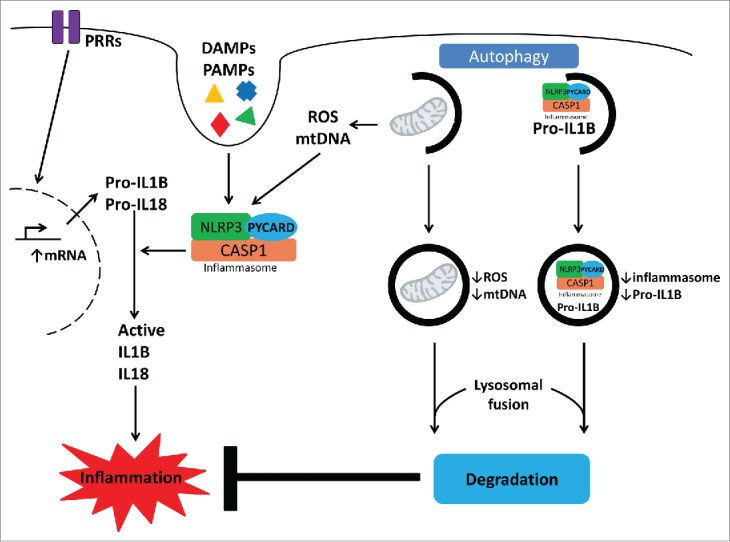
“ized mitochondria, that release inflammasome activators such as reactive oxygen species (ROS) or mitochondrial DNA (mtDNA).(33,34,37) Moreover, autophagy may also remove aggre-”
BackgroundThe Role of Atg Proteins in Autophagosome Formation
Mizushima, N., Yoshimori, T., & Ohsumi, Y. (2011) · Annual Review of Cell and Developmental Biology · doi:10.1146/annurev-cellbio-092910-154005 · Cited by 2,978 · cited 2×
“The resulting breakdown products are subsequently released in the cytosol and are available to be reused for the synthesis of required macromolecules.(5) Several autophagyrelated (ATG) genes and proteins are involved in the induction of autophagy (Fig.”
BackgroundThioredoxin-interacting protein links oxidative stress to inflammasome activation
Zhou, R., Tardivel, A., Thorens, B., Choi, I., & Tschopp, J. (2010) · Nature Immunology · doi:10.1038/ni.1831 · Cited by 2,708
Promotion of tumorigenesis by heterozygous disruption of the beclin 1 autophagy gene
Qu, X., Yu, J., Bhagat, G., Furuya, N., Hibshoosh, H., Troxel, A., Rosen, J., Eskelinen, E.-L., Mizushima, N., Ohsumi, Y., et al. (2003) · Journal of Clinical Investigation · doi:10.1172/jci20039 · Cited by 2,311 · cited 1×
“In mice, monoallelic deletion of haplo-insufficient Becn1, results in autophagy deficiency, leads to spontaneous development of malignant tumors, and stimulates development of hepatitis-B-induced premalignant liver lesions.(142) Other studies indicate that BECN1 represents an important tumor suppressor and an increase…”
BackgroundGutierrez, M. G., Master, S. S., Singh, S. B., Taylor, G. A., Colombo, M. I., & Deretic, V. (2004) · Cell · doi:10.1016/j.cell.2004.11.038 · Cited by 2,252 · cited 2×
“Several studies have demonstrated the crucial role of autophagy for elimination of mycobacteria.(20,110)”
BackgroundSelf-consumption: the interplay of autophagy and apoptosis
Mariño, G., Niso-Santano, M., Baehrecke, E. H., & Kroemer, G. (2014) · Nature Reviews Molecular Cell Biology · doi:10.1038/nrm3735 · Cited by 2,172 · cited 1×
“These include involvement of autophagy in cell death and cell survival through an intricate interplay with apoptosis and necrosis by shaping the metabolic and oxidative stress environment of the cell, its role in quality control for the homeostasis of proteins and organelles, and its function in the modulation of tumo…”
BackgroundEaten alive: a history of macroautophagy
Yang, Z., & Klionsky, D. J. (2010) · Nature Cell Biology · doi:10.1038/ncb0910-814 · Cited by 2,095 · cited 1×
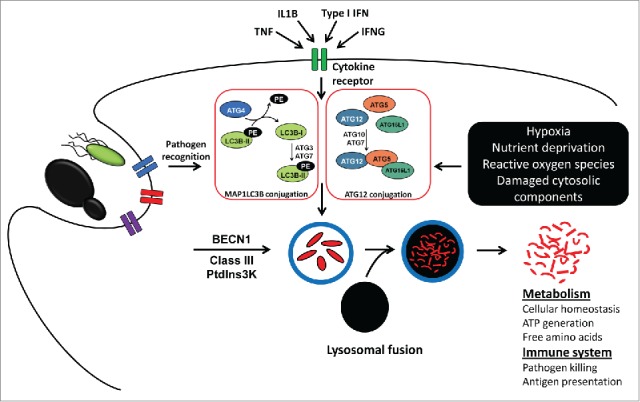
“Autophagy is the physiological cellular process through which intracellular components undergo lysosome-mediated selfdigestion and recycling.(1) In conditions of cellular stress such as starvation, hypoxia, or exposure to toxic molecules, the autophagy machinery is activated in order to maintain cell homeostasis.”
BackgroundLiaw, D., Marsh, D. J., Li, J., Dahia, P. L. M., Wang, S. I., Zheng, Z., Bose, S., Call, K. M., Tsou, H. C., Peacoke, M., et al. (1997) · Nature Genetics · doi:10.1038/ng0597-64 · Cited by 2,091
Loss of the autophagy protein Atg16L1 enhances endotoxin-induced IL-1β production
Saitoh, T., Fujita, N., Jang, M. H., Uematsu, S., Yang, B.-G., Satoh, T., Omori, H., Noda, T., Yamamoto, N., Komatsu, M., et al. (2008) · Nature · doi:10.1038/nature07383 · Cited by 2,014
Autophagy promotes tumor cell survival and restricts necrosis, inflammation, and tumorigenesis
Degenhardt, K., Mathew, R., Beaudoin, B., Bray, K., Anderson, D., Chen, G., Mukherjee, C., Shi, Y., Gélinas, C., Fan, Y., et al. (2006) · Cancer Cell · doi:10.1016/j.ccr.2006.06.001 · Cited by 2,011 · cited 2×
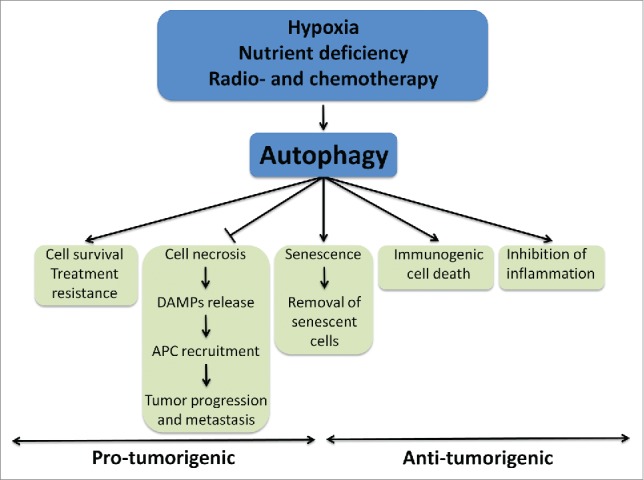
“satory survival mechanism and renders the tumor cells prone to necrosis.(180) In cancer, necrosis is seen as an unfavorable event because it results in release of highly inflammatory molecules, such as uric acid, ATP/UTP, HMGB1 (high mobility group box 1), and other damage-associated molecular patterns (DAMPs).”
BackgroundAutophagy in infection, inflammation and immunity
Deretic, V., Saitoh, T., & Akira, S. (2013) · Nature Reviews Immunology · doi:10.1038/nri3532 · Cited by 1,919 · cited 4×
“represent an ancient form of innate immune response to an infection.(3) Engagement of various families of pattern-recogni-”
BackgroundInfluentialHampe, J., Franke, A., Rosenstiel, P., Till, A., Teuber, M., Huse, K., Albrecht, M., Mayr, G., De La Vega, F. M., Briggs, J., et al. (2007) · Nature Genetics · doi:10.1038/ng1954 · Cited by 1,897
Rioux, J. D., Xavier, R. J., Taylor, K. D., Silverberg, M. S., Goyette, P., Huett, A., Green, T., Kuballa, P., Barmada, M. M., Datta, L. W., et al. (2007) · Nature Genetics · doi:10.1038/ng2032 · Cited by 1,769 · cited 1×
“1 were significantly associated with CD risk [38,39 ].”
BackgroundThe emerging mechanisms of isoform-specific PI3K signalling
Vanhaesebroeck, B., Guillermet-Guibert, J., Graupera, M., & Bilanges, B. (2010) · Nature Reviews Molecular Cell Biology · doi:10.1038/nrm2882 · Cited by 1,767 · cited 1×
“The class III phosphatidylinositol 3-kinase (PtdIns3K) is an intracellular lipid kinase that has crucial functions in autophagosome formation, vesicular trafficking and endocytosis.(155) In addition these lipid kinases represent key signaling molecules that play important roles in”
BackgroundPancreatitis and the Risk of Pancreatic Cancer
Lowenfels, A. B., Maisonneuve, P., Cavallini, G., Ammann, R. W., Lankisch, P. G., Andersen, J. R., Dimagno, E. P., Andren-Sandberg, A., & Domellof, L. (1993) · New England Journal of Medicine · doi:10.1056/nejm199305203282001 · Cited by 1,757
Autophagy Suppresses Tumorigenesis through Elimination of p62
Mathew, R., Karp, C. M., Beaudoin, B., Vuong, N., Chen, G., Chen, H.-Y., Bray, K., Reddy, A., Bhanot, G., Gelinas, C., et al. (2009) · Cell · doi:10.1016/j.cell.2009.03.048 · Cited by 1,719
A key role for autophagy and the autophagy gene Atg16l1 in mouse and human intestinal Paneth cells
Cadwell, K., Liu, J. Y., Brown, S. L., Miyoshi, H., Loh, J., Lennerz, J. K., Kishi, C., Kc, W., Carrero, J. A., Hunt, S., et al. (2008) · Nature · doi:10.1038/nature07416 · Cited by 1,542
Necroptosis: The Release of Damage-Associated Molecular Patterns and Its Physiological Relevance
Kaczmarek, A., Vandenabeele, P., & Krysko, D. V. (2013) · Immunity · doi:10.1016/j.immuni.2013.02.003 · Cited by 1,411
Autophagy-Dependent Anticancer Immune Responses Induced by Chemotherapeutic Agents in Mice
Michaud, M., Martins, I., Sukkurwala, A. Q., Adjemian, S., Ma, Y., Pellegatti, P., Shen, S., Kepp, O., Scoazec, M., Mignot, G., et al. (2011) · Science · doi:10.1126/science.1208347 · Cited by 1,377 · cited 3×
“The immunogenicity of the autophagy-deficient cells could be restored after treatment with ARL67156, an inhibitor of ecto-ATPases that increase the extracellular ATP concentration, and after treatment with recombinant human IL1B, the production of which depends on the availability of ATP.(194) Building upon these find…”
BackgroundInfluentialShi, C.-S., Shenderov, K., Huang, N.-N., Kabat, J., Abu-Asab, M., Fitzgerald, K. A., Sher, A., & Kehrl, J. H. (2012) · Nature Immunology · doi:10.1038/ni.2215 · Cited by 1,367
The International Consortium for Systemic Lupus Erythematosus Genetics (SLEGEN), Harley, J. B., Alarcón-Riquelme, M. E., Criswell, L. A., Jacob, C. O., Kimberly, R. P., Moser, K. L., Tsao, B. P., Vyse, T. J., & Langefeld, C. D. (2008) · Nature Genetics · doi:10.1038/ng.81 · Cited by 1,309
Travassos, L. H., Carneiro, L. A. M., Ramjeet, M., Hussey, S., Kim, Y.-G., Magalhães, J. G., Yuan, L., Soares, F., Chea, E., Le Bourhis, L., et al. (2010) · Nature Immunology · doi:10.1038/ni.1823 · Cited by 1,306 · cited 1×
“The specific effect of the ATG16L1 polymorphism on the NOD2 pathway could be explained by the recent finding that NOD2 and ATG16L1 form a protein complex essential for NOD2induced autophagosome formation [48 ].”
BackgroundPhosphorylation of the Autophagy Receptor Optineurin Restricts Salmonella Growth
Wild, P., Farhan, H., McEwan, D. G., Wagner, S., Rogov, V. V., Brady, N. R., Richter, B., Korac, J., Waidmann, O., Choudhary, C., et al. (2011) · Science · doi:10.1126/science.1205405 · Cited by 1,298 · cited 1×
“Autophagy is also important in host defense against other intracellular pathogens such as Toxoplasma gondii,(113,114) Salmonella spp.(115,116) and Listeria monocytogenes.”
BackgroundA Role for NBR1 in Autophagosomal Degradation of Ubiquitinated Substrates
Kirkin, V., Lamark, T., Sou, Y.-S., Bjørkøy, G., Nunn, J. L., Bruun, J.-A., Shvets, E., McEwan, D. G., Clausen, T. H., Wild, P., et al. (2009) · Molecular Cell · doi:10.1016/j.molcel.2009.01.020 · Cited by 1,065 · cited 1×
“providing anchors for phagophore assembly around the selected cargo.(67,98,99) Several intracellular signaling pathways have been described to induce autophagy by PRRs.”
BackgroundCooney, R., Baker, J., Brain, O., Danis, B., Pichulik, T., Allan, P., Ferguson, D. J. P., Campbell, B. J., Jewell, D., & Simmons, A. (2010) · Nature Medicine · doi:10.1038/nm.2069 · Cited by 1,047 · cited 2×
“Both TLR and NLR are able to induce autophagy through activation of Beclin-1 [16 ,17,18], while other PRRs display inhibitory capacities on autophagy induction [19].”
BackgroundAutophagy‐based unconventional secretory pathway for extracellular delivery of IL‐1β
Dupont, N., Jiang, S., Pilli, M., Ornatowski, W., Bhattacharya, D., & Deretic, V. (2011) · The EMBO Journal · doi:10.1038/emboj.2011.398 · Cited by 967
Human IRGM Induces Autophagy to Eliminate Intracellular Mycobacteria
Singh, S. B., Davis, A. S., Taylor, G. A., & Deretic, V. (2006) · Science · doi:10.1126/science.1129577 · Cited by 915 · cited 2×
“For instance, activation of macrophages by IFN-g is crucial for intracellular killing of Mycobacterium tuberculosis [20,21], as are type I interferons for host defence against viral infections [22].”
BackgroundGenetic, Biochemical, and Clinical Features of Chronic Granulomatous Disease
Segal, B. H., Leto, T. L., Gallin, J. I., Malech, H. L., & Holland, S. M. (2000) · Medicine · doi:10.1097/00005792-200005000-00004 · Cited by 883 · cited 1×
“the presence of hyperinflammatory features, such as colitis that is indistinguishable from CD in 30% of the patients.(69) Earlier”
BackgroundThurston, T. L. M., Ryzhakov, G., Bloor, S., von Muhlinen, N., & Randow, F. (2009) · Nature Immunology · doi:10.1038/ni.1800 · Cited by 869 · cited 1×
“providing anchors for phagophore assembly around the selected cargo.(67,98,99) Several intracellular signaling pathways have been described to induce autophagy by PRRs.”
BackgroundAutophagy-Dependent Viral Recognition by Plasmacytoid Dendritic Cells
Lee, H. K., Lund, J. M., Ramanathan, B., Mizushima, N., & Iwasaki, A. (2007) · Science · doi:10.1126/science.1136880 · Cited by 864 · cited 2×
“In line with this, autophagy suppresses CAPN/calpain-dependent IL1B activation, and this effect is linked to the release of ROS as well.42 In addition, autophagy reduces NFKB (nuclear factor of kappa light polypeptide gene enhancer in B-cells) activation by selective degradation of BCL10 complexes.43 This process is m…”
BackgroundEndogenous MHC Class II Processing of a Viral Nuclear Antigen After Autophagy
Paludan, C., Schmid, D., Landthaler, M., Vockerodt, M., Kube, D., Tuschl, T., & Münz, C. (2005) · Science · doi:10.1126/science.1104904 · Cited by 860
Direct Induction of Autophagy by Atg1 Inhibits Cell Growth and Induces Apoptotic Cell Death
Scott, R. C., Juhász, G., & Neufeld, T. P. (2007) · Current Biology · doi:10.1016/j.cub.2006.10.053 · Cited by 851
Escape of Intracellular Shigella from Autophagy
Ogawa, M., Yoshimori, T., Suzuki, T., Sagara, H., Mizushima, N., & Sasakawa, C. (2005) · Science · doi:10.1126/science.1106036 · Cited by 828
Gateva, V., Sandling, J. K., Hom, G., Taylor, K. E., Chung, S. A., Sun, X., Ortmann, W., Kosoy, R., Ferreira, R. C., Nordmark, G., et al. (2009) · Nature Genetics · doi:10.1038/ng.468 · Cited by 810
Autophagy Controls IL-1β Secretion by Targeting Pro-IL-1β for Degradation
Harris, J., Hartman, M., Roche, C., Zeng, S. G., O'Shea, A., Sharp, F. A., Lambe, E. M., Creagh, E. M., Golenbock, D. T., Tschopp, J., et al. (2011) · Journal of Biological Chemistry · doi:10.1074/jbc.m110.202911 · Cited by 794
Nazio, F., Strappazzon, F., Antonioli, M., Bielli, P., Cianfanelli, V., Bordi, M., Gretzmeier, C., Dengjel, J., Piacentini, M., Fimia, G. M., et al. (2013) · Nature Cell Biology · doi:10.1038/ncb2708 · Cited by 780
The inflammasome: an integrated view
Gross, O., Thomas, C. J., Guarda, G., & Tschopp, J. (2011) · Immunological Reviews · doi:10.1111/j.1600-065x.2011.01046.x · Cited by 778 · cited 1×
“The inflammasome consists of protein complexes formed by one or more members of the NLR family of receptors together with CASP1/caspase-1, leading to the activation of this cysteine protease, and processing of the inactive pro-IL1B and pro-IL18 into active cytokines.(31) The first observation regarding the effect of a…”
BackgroundIdentification of a candidate therapeutic autophagy-inducing peptide
Shoji-Kawata, S., Sumpter, R., Leveno, M., Campbell, G. R., Zou, Z., Kinch, L., Wilkins, A. D., Sun, Q., Pallauf, K., MacDuff, D., et al. (2013) · Nature · doi:10.1038/nature11866 · Cited by 760
Watson, R. O., Manzanillo, P. S., & Cox, J. S. (2012) · Cell · doi:10.1016/j.cell.2012.06.040 · Cited by 755
Toll‐like receptors control autophagy
Delgado, M. A., Elmaoued, R. A., Davis, A. S., Kyei, G., & Deretic, V. (2008) · The EMBO Journal · doi:10.1038/emboj.2008.31 · Cited by 744 · cited 1×
“Similarly, the engagement of several other TLRs also induces autophagy.(14)”
BackgroundAutosis and autophagic cell death: the dark side of autophagy
Liu, Y., & Levine, B. (2015) · Cell Death & Differentiation · doi:10.1038/cdd.2014.143 · Cited by 742
Regulation of starvation- and virus-induced autophagy by the eIF2α kinase signaling pathway
Tallóczy, Z., Jiang, W., Virgin, H. W., Leib, D. A., Scheuner, D., Kaufman, R. J., Eskelinen, E.-L., & Levine, B. (2002) · Proceedings of the National Academy of Sciences · doi:10.1073/pnas.012485299 · Cited by 741
Akt-Mediated Regulation of Autophagy and Tumorigenesis Through Beclin 1 Phosphorylation
Wang, R. C., Wei, Y., An, Z., Zou, Z., Xiao, G., Bhagat, G., White, M., Reichelt, J., & Levine, B. (2012) · Science · doi:10.1126/science.1225967 · Cited by 728 · cited 1×
“AKT1 can inhibit autophagy either through activation of MTOR or through MTOR-independent mechanisms such as BECN1 phosphorylation and formation of an autophagy-inhibitory BECN1-YWHA/14–3–3-VIM/vimentin intermediate filament complex.(154) The class III phosphatidylinositol 3-kinase (PtdIns3K) is an intracellular lipid…”
BackgroundMechanisms of resistance to TRAIL-induced apoptosis in cancer
Zhang, L., & Fang, B. (2005) · Cancer Gene Therapy · doi:10.1038/sj.cgt.7700792 · Cited by 702 · cited 1×
“However, pharmacological treatment with recombinant ligands has been hampered by the occurrence of therapy resistance.(191) Nevertheless, blocking autophagy in the FRO anaplastic thyroid cancer cell line with ATG7 siRNA sensitizes the cells to TNFSF10-induced apoptosis, indicating that modulation of autophagy holds im…”
BackgroundHolmes, B., Page, A. R., & Good, R. A. (1967) · Journal of Clinical Investigation · doi:10.1172/jci105634 · Cited by 686 · cited 1×
“terized by defective ROS production due to mutations in the proteins forming the NOX (NADPH oxidase) complex.(68) In”
BackgroundDeletion polymorphism upstream of IRGM associated with altered IRGM expression and Crohn's disease
McCarroll, S. A., Huett, A., Kuballa, P., Chilewski, S. D., Landry, A., Goyette, P., Zody, M. C., Hall, J. L., Brant, S. R., Cho, J. H., et al. (2008) · Nature Genetics · doi:10.1038/ng.215 · Cited by 655 · cited 1×
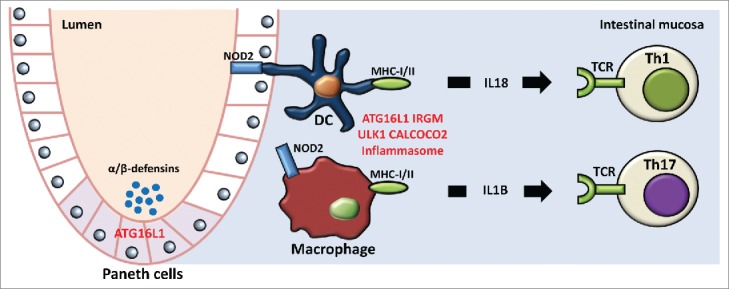
“The IRGM promoter polymorphism risk allele influences IRGM expression, at least in part through posttranscriptional regulation by miRNAs.(60,61) Furthermore, a well-established genetic risk factor with the highest predictive value for CD is for the gene encoding NOD2, a PRR that recognizes peptidoglycans and activates…”
BackgroundAutophagy Gene-Dependent Clearance of Apoptotic Cells during Embryonic Development
Qu, X., Zou, Z., Sun, Q., Luby-Phelps, K., Cheng, P., Hogan, R. N., Gilpin, C., & Levine, B. (2007) · Cell · doi:10.1016/j.cell.2006.12.044 · Cited by 653 · cited 1×
“Autophagy is likely involved in these processes, since it influences T cell development and activation, but also because it executes clearance of apoptotic cells and contributes to the elimination of their immunogenic potential.(91) In rheumatoid arthritis (RA), a chronic inflammatory disorder affecting the joints, au…”
BackgroundMetabolic control of cell death
Green, D. R., Galluzzi, L., & Kroemer, G. (2014) · Science · doi:10.1126/science.1250256 · Cited by 647
Senescent cells as a source of inflammatory factors for tumor progression
Davalos, A. R., Coppe, J.-P., Campisi, J., & Desprez, P.-Y. (2010) · Cancer and Metastasis Reviews · doi:10.1007/s10555-010-9220-9 · Cited by 636
The Atg5–Atg12 conjugate associates with innate antiviral immune responses
Jounai, N., Takeshita, F., Kobiyama, K., Sawano, A., Miyawaki, A., Xin, K.-Q., Ishii, K. J., Kawai, T., Akira, S., Suzuki, K., et al. (2007) · Proceedings of the National Academy of Sciences · doi:10.1073/pnas.0704014104 · Cited by 565 · cited 2×
“case like receptors (RLRs) by direct binding to the caspaserecruitment domain of the RLR adaptor molecule MAVS.(47)”
BackgroundBrest, P., Lapaquette, P., Souidi, M., Lebrigand, K., Cesaro, A., Vouret-Craviari, V., Mari, B., Barbry, P., Mosnier, J.-F., Hébuterne, X., et al. (2011) · Nature Genetics · doi:10.1038/ng.762 · Cited by 563 · cited 1×
“The IRGM promoter polymorphism risk allele influences IRGM expression, at least in part through posttranscriptional regulation by miRNAs.(60,61) Furthermore, a well-established genetic risk factor with the highest predictive value for CD is for the gene encoding NOD2, a PRR that recognizes peptidoglycans and activates…”
BackgroundActivation of antibacterial autophagy by NADPH oxidases
Huang, J., Canadien, V., Lam, G. Y., Steinberg, B. E., Dinauer, M. C., Magalhaes, M. A. O., Glogauer, M., Grinstein, S., & Brumell, J. H. (2009) · Proceedings of the National Academy of Sciences · doi:10.1073/pnas.0811045106 · Cited by 556
PI3K signalling in inflammation
Hawkins, P. T., & Stephens, L. R. (2015) · Biochimica et Biophysica Acta (BBA) - Molecular and Cell Biology of Lipids · doi:10.1016/j.bbalip.2014.12.006 · Cited by 541
Autophagy in thymic epithelium shapes the T-cell repertoire and is essential for tolerance
Nedjic, J., Aichinger, M., Emmerich, J., Mizushima, N., & Klein, L. (2008) · Nature · doi:10.1038/nature07208 · Cited by 532
Rosenfeld, M. R., Ye, X., Supko, J. G., Desideri, S., Grossman, S. A., Brem, S., Mikkelson, T., Wang, D., Chang, Y. C., Hu, J., et al. (2014) · Autophagy · doi:10.4161/auto.28984 · Cited by 515
Jagannath, C., Lindsey, D. R., Dhandayuthapani, S., Xu, Y., Hunter, R. L., & Eissa, N. T. (2009) · Nature Medicine · doi:10.1038/nm.1928 · Cited by 494 · cited 1×
“tuberculosis infection in West-Africans, and increased BCG vaccination efficacy through enhanced antigen presentation [23–25].”
BackgroundTRAF6 and A20 Regulate Lysine 63–Linked Ubiquitination of Beclin-1 to Control TLR4-Induced Autophagy
Shi, C.-S., & Kehrl, J. H. (2010) · Science Signaling · doi:10.1126/scisignal.2000751 · Cited by 470 · cited 1×
“ubiquitination of BECN1/beclin-1 by TRAF6 (TNF receptorassociated factor 6, E3 ubiquitin protein ligase).(11) TRAF6 also”
BackgroundT Helper 2 Cytokines Inhibit Autophagic Control of Intracellular Mycobacterium tuberculosis
Harris, J., De Haro, S. A., Master, S. S., Keane, J., Roberts, E. A., Delgado, M., & Deretic, V. (2007) · Immunity · doi:10.1016/j.immuni.2007.07.022 · Cited by 460 · cited 3×
“cytokines such as IL4 and IL13 antagonize autophagy induction through activation of MTOR.(26) Altogether, the T helper 1/T”
BackgroundAutophagy protects against active tuberculosis by suppressing bacterial burden and inflammation
Castillo, E. F., Dekonenko, A., Arko-Mensah, J., Mandell, M. A., Dupont, N., Jiang, S., Delgado-Vargas, M., Timmins, G. S., Bhattacharya, D., Yang, H., et al. (2012) · Proceedings of the National Academy of Sciences · doi:10.1073/pnas.1210500109 · Cited by 454 · cited 1×
“In line with this, autophagy suppresses CAPN/calpain-dependent IL1B activation, and this effect is linked to the release of ROS as well.(42) In addition, autophagy reduces NFKB (nuclear factor of kappa light polypeptide gene enhancer in B-cells) activation by selective degradation of BCL10 complexes.”
BackgroundVirgin, H. W., & Levine, B. (2009) · Nature Immunology · doi:10.1038/ni.1726 · Cited by 451 · cited 1×
“1), while a subset of them also have autophagy-independent functions.(6)”
BackgroundListeria monocytogenes ActA-mediated escape from autophagic recognition
Yoshikawa, Y., Ogawa, M., Hain, T., Yoshida, M., Fukumatsu, M., Kim, M., Mimuro, H., Nakagawa, I., Yanagawa, T., Ishii, T., et al. (2009) · Nature Cell Biology · doi:10.1038/ncb1967 · Cited by 448 · cited 1×
“and Listeria monocytogenes.(117) The role of”
A dual role for autophagy in a murine model of lung cancer
Rao, S., Tortola, L., Perlot, T., Wirnsberger, G., Novatchkova, M., Nitsch, R., Sykacek, P., Frank, L., Schramek, D., Komnenovic, V., et al. (2014) · Nature Communications · doi:10.1038/ncomms4056 · Cited by 442 · cited 1×
“These effects can be reversed by pharmacological inhibition of ENTPD1, thus supporting the concept that autophagy deficiency contributes to carcinogenesis through inhibition of anticancer immunosurveillance.(196)”
BackgroundAutophagy is essential for effector CD8+ T cell survival and memory formation
Xu, X., Araki, K., Li, S., Han, J.-H., Ye, L., Tan, W. G., Konieczny, B. T., Bruinsma, M. W., Martinez, J., Pearce, E. L., et al. (2014) · Nature Immunology · doi:10.1038/ni.3025 · Cited by 433
Rangwala, R., Chang, Y. C., Hu, J., Algazy, K. M., Evans, T. L., Fecher, L. A., Schuchter, L. M., Torigian, D. A., Panosian, J. T., Troxel, A. B., et al. (2014) · Autophagy · doi:10.4161/auto.29119 · Cited by 424
Zhao, Z., Fux, B., Goodwin, M., Dunay, I. R., Strong, D., Miller, B. C., Cadwell, K., Delgado, M. A., Ponpuak, M., Green, K. G., et al. (2008) · Cell Host & Microbe · doi:10.1016/j.chom.2008.10.003 · Cited by 419
Hou, P., Liu, D., Shan, Y., Hu, S., Studeman, K., Condouris, S., Wang, Y., Trink, A., El-Naggar, A. K., Tallini, G., et al. (2007) · Clinical Cancer Research · doi:10.1158/1078-0432.ccr-06-1125 · Cited by 418
Lupfer, C., Thomas, P. G., Anand, P. K., Vogel, P., Milasta, S., Martinez, J., Huang, G., Green, M., Kundu, M., Chi, H., et al. (2013) · Nature Immunology · doi:10.1038/ni.2563 · Cited by 384 · cited 1×
“acting serine-threonine kinase 2) to activate ULK1, to enhance mitophagy and control inflammasome activation.(38) These studies in mice point toward a regulatory effect of autophagy on”
BackgroundAutophagy in Atherosclerosis: A Cell Survival and Death Phenomenon With Therapeutic Potential
Martinet, W., & De Meyer, G. R. Y. (2009) · Circulation Research · doi:10.1161/circresaha.108.188318 · Cited by 381
A Crohn’s disease variant in Atg16l1 enhances its degradation by caspase 3
Murthy, A., Li, Y., Peng, I., Reichelt, M., Katakam, A. K., Noubade, R., Roose-Girma, M., DeVoss, J., Diehl, L., Graham, R. R., et al. (2014) · Nature · doi:10.1038/nature13044 · Cited by 381
Lassen, K. G., Kuballa, P., Conway, K. L., Patel, K. K., Becker, C. E., Peloquin, J. M., Villablanca, E. J., Norman, J. M., Liu, T.-C., Heath, R. J., et al. (2014) · Proceedings of the National Academy of Sciences · doi:10.1073/pnas.1407001111 · Cited by 373 · cited 1×
“and increases susceptibility toward Helicobacter pylori infection.(53,131) In addition, genetic variants of both ATG16L1 and”
BackgroundRangwala, R., Leone, R., Chang, Y. C., Fecher, L. A., Schuchter, L. M., Kramer, A., Tan, K.-S., Heitjan, D. F., Rodgers, G., Gallagher, M., et al. (2014) · Autophagy · doi:10.4161/auto.29118 · Cited by 367
Abbate, A., Salloum, F. N., Vecile, E., Das, A., Hoke, N. N., Straino, S., Biondi-Zoccai, G. G. L., Houser, J.-E., Qureshi, I. Z., Ownby, E. D., et al. (2008) · Circulation · doi:10.1161/circulationaha.107.740233 · Cited by 360 · cited 1×
“IL1RN also has intracellular effects, and cellular uptake of IL1RN has been reported.(75) Therefore, IL1RN might influence LAP through several possible mechanisms: i) direct inhibition of IL1 bioactivity, ii) intracellular interaction with the LAP machinery or iii) indirectly via effects on other processes such as inf…”
BackgroundAutophagy is a critical regulator of memory CD8+ T cell formation
Puleston, D. J., Zhang, H., Powell, T. J., Lipina, E., Sims, S., Panse, I., Watson, A. S., Cerundolo, V., Townsend, A. R., Klenerman, P., et al. (2014) · eLife · doi:10.7554/elife.03706 · Cited by 360
Colorectal cancer in inflammatory bowel disease: The risk, pathogenesis, prevention and diagnosis
Kim, E. R. (2014) · World Journal of Gastroenterology · doi:10.3748/wjg.v20.i29.9872 · Cited by 357
Henault, J., Martinez, J., Riggs, J. M., Tian, J., Mehta, P., Clarke, L., Sasai, M., Latz, E., Brinkmann, M. M., Iwasaki, A., et al. (2012) · Immunity · doi:10.1016/j.immuni.2012.09.014 · Cited by 348 · cited 1×
“however, to inappropriate immune activation, as shown by the increased trafficking of DNA-containing antigens and increased IFNA secretion.(7,46) However, the effects of autophagy”
BackgroundAutophagy and the Immune System
Kuballa, P., Nolte, W. M., Castoreno, A. B., & Xavier, R. J. (2012) · Annual Review of Immunology · doi:10.1146/annurev-immunol-020711-074948 · Cited by 326 · cited 1×
“An increasing body of evidence has emerged supporting the view that autophagy is involved in several physiological processes including cell metabolism, cell survival, and host defense.(2) It can be argued that autophagy is a primordial form of eukaryotic innate immunity against invading microorganisms.”
BackgroundThe induction of autophagy by γ‐radiation contributes to the radioresistance of glioma stem cells
Lomonaco, S. L., Finniss, S., Xiang, C., DeCarvalho, A., Umansky, F., Kalkanis, S. N., Mikkelsen, T., & Brodie, C. (2009) · International Journal of Cancer · doi:10.1002/ijc.24402 · Cited by 322
Dupont, N., Lacas-Gervais, S., Bertout, J., Paz, I., Freche, B., Van Nhieu, G. T., van der Goot, F. G., Sansonetti, P. J., & Lafont, F. (2009) · Cell Host & Microbe · doi:10.1016/j.chom.2009.07.005 · Cited by 322 · cited 1×
“of inflammation, although some initial data have suggested important effects.(197,198) The pathophysiological relevance of”
ResultLysosomal killing of Mycobacterium mediated by ubiquitin-derived peptides is enhanced by autophagy
Alonso, S., Pethe, K., Russell, D. G., & Purdy, G. E. (2007) · Proceedings of the National Academy of Sciences · doi:10.1073/pnas.0700036104 · Cited by 318 · cited 1×
“cobacterial peptides are produced in a SQSTM1-dependent manner.(111,112) Autophagy is also important in host defense against other intracellular pathogens such as Toxoplasma gondii,(113,114) Salmonella spp.”
Backgroundde Luca, A., Smeekens, S. P., Casagrande, A., Iannitti, R., Conway, K. L., Gresnigt, M. S., Begun, J., Plantinga, T. S., Joosten, L. A. B., van der Meer, J. W. M., et al. (2014) · Proceedings of the National Academy of Sciences · doi:10.1073/pnas.1322831111 · Cited by 313 · cited 2×
“(interleukin 1 receptor antagonist) significantly improve the clinical picture.(73,74) IL1RN not only reduces excessive IL1driven inflammation, but also restores deficient LAP in NOXdeficient cells.”
BackgroundSelf-citationDeretic, V., Singh, S., Master, S., Harris, J., Roberts, E., Kyei, G., Davis, A., de Haro, S., Naylor, J., Lee, H.-H., et al. (2006) · Cellular Microbiology · doi:10.1111/j.1462-5822.2006.00705.x · Cited by 311 · cited 1×
“tuberculosis is also able to inhibit autophagy and phagolysosome biogenesis, a process that greatly contributes to the escape from the bactericidal mechanisms of the host.(28) The fact that autophagy was targeted by microorganisms during evolution, with inhibitory effects increasing survival of the pathogens, demonstr…”
BackgroundPonpuak, M., Davis, A. S., Roberts, E. A., Delgado, M. A., Dinkins, C., Zhao, Z., Virgin, H. W., Kyei, G. B., Johansen, T., Vergne, I., et al. (2010) · Immunity · doi:10.1016/j.immuni.2010.02.009 · Cited by 306 · cited 1×
“cobacterial peptides are produced in a SQSTM1-dependent manner.(111,112) Autophagy is also important in host defense against other intracellular pathogens such as Toxoplasma gondii,(113,114) Salmonella spp.”
BackgroundROS-mediated mechanisms of autophagy stimulation and their relevance in cancer therapy
Dewaele, M., Maes, H., & Agostinis, P. (2010) · Autophagy · doi:10.4161/auto.6.7.12113 · Cited by 306 · cited 1×
“These cytosolic components, which might accumulate in the cells, produced as a result of activation of oncogenic pathways result in DNA damage and maintain the carcinogenic phenotype.(140,141) In mice, monoallelic deletion of haplo-insufficient Becn1, results in autophagy deficiency, leads to spontaneous development o…”
BackgroundGenetic Alterations in the Phosphatidylinositol-3 Kinase/Akt Pathway in Thyroid Cancer
Xing, M. (2010) · Thyroid · doi:10.1089/thy.2010.1646 · Cited by 305
Efficient Cross-presentation Depends on Autophagy in Tumor Cells
Li, Y., Wang, L.-X., Yang, G., Hao, F., Urba, W. J., & Hu, H.-M. (2008) · Cancer Research · doi:10.1158/0008-5472.can-08-0161 · Cited by 303
The multiple roles of autophagy in cancer
Rosenfeldt, M. T., & Ryan, K. M. (2011) · Carcinogenesis · doi:10.1093/carcin/bgr031 · Cited by 300 · cited 2×
“autophagy and other fundamental biological processes such as apoptosis, senescence, cell metabolism, and the immune system.(138,139)”
BackgroundMany faces of DAMPs in cancer therapy
Krysko, O., Løve Aaes, T., Bachert, C., Vandenabeele, P., & Krysko, D. V. (2013) · Cell Death & Disease · doi:10.1038/cddis.2013.156 · Cited by 296
p62 and NDP52 Proteins Target Intracytosolic Shigella and Listeria to Different Autophagy Pathways
Mostowy, S., Sancho-Shimizu, V., Hamon, M. A., Simeone, R., Brosch, R., Johansen, T., & Cossart, P. (2011) · Journal of Biological Chemistry · doi:10.1074/jbc.m111.223610 · Cited by 294 · cited 1×
“providing anchors for phagophore assembly around the selected cargo.(67,98,99) Several intracellular signaling pathways have been described to induce autophagy by PRRs.”
BackgroundKang, M. R., Kim, M. S., Oh, J. E., Kim, Y. R., Song, S. Y., Kim, S. S., Ahn, C. H., Yoo, N. J., & Lee, S. H. (2009) · The Journal of Pathology · doi:10.1002/path.2509 · Cited by 293 · cited 1×
“Moreover somatic mutations in ATG genes have been described in different malignant tumors.(147,148) In addition, somatic mutations and/or genetic amplifications in AKT1 and class I phosphoinositide 3-kinase (PI3K) and somatic or germ-line mutations leading to inactivation of the tumor suppressor gene PTEN are often fo…”
BackgroundChaturvedi, A., Dorward, D., & Pierce, S. K. (2008) · Immunity · doi:10.1016/j.immuni.2008.03.019 · Cited by 272 · cited 1×
“however, to inappropriate immune activation, as shown by the increased trafficking of DNA-containing antigens and increased IFNA secretion.(7,46) However, the effects of autophagy”
BackgroundMeissner, F., Seger, R. A., Moshous, D., Fischer, A., Reichenbach, J., & Zychlinsky, A. (2010) · Blood · doi:10.1182/blood-2010-01-264218 · Cited by 269
Autophagy regulates TNFα-mediated joint destruction in experimental arthritis
Lin, N.-Y., Beyer, C., Gießl, A., Kireva, T., Scholtysek, C., Uderhardt, S., Munoz, L. E., Dees, C., Distler, A., Wirtz, S., et al. (2013) · Annals of the Rheumatic Diseases · doi:10.1136/annrheumdis-2012-201671 · Cited by 269
Autophagy contributes to resistance of tumor cells to ionizing radiation
Chaachouay, H., Ohneseit, P., Toulany, M., Kehlbach, R., Multhoff, G., & Rodemann, H. P. (2011) · Radiotherapy and Oncology · doi:10.1016/j.radonc.2011.06.002 · Cited by 264
Human IRGM regulates autophagy and cell-autonomous immunity functions through mitochondria
Singh, S. B., Ornatowski, W., Vergne, I., Naylor, J., Delgado, M., Roberts, E., Ponpuak, M., Master, S., Pilli, M., White, E., et al. (2010) · Nature Cell Biology · doi:10.1038/ncb2119 · Cited by 258 · cited 1×
“Furthermore, both type I (IFNA/IFNa-IFNB1/IFNb-IL6) and type II (IFNG/IFNg) interferons are major factors in activating autophagy.(19) For instance, activation of macrophages by IFNG is crucial for intracellular killing ofMycobacterium tuberculosis,(20,21) and type I IFN for host defense against viruses.”
BackgroundIrving, A. T., Mimuro, H., Kufer, T. A., Lo, C., Wheeler, R., Turner, L. J., Thomas, B. J., Malosse, C., Gantier, M. P., Casillas, L. N., et al. (2014) · Cell Host & Microbe · doi:10.1016/j.chom.2014.04.001 · Cited by 249 · cited 1×
“Induction of autophagy by NLR receptors is induced by the interaction with the peptidoglycans that activate a RIPK2/RIP2 (receptor-interacting serine-threonine kinase 2)dependent signaling pathway.(102,103) Furthermore, a very important process during the induction of autophagy is represented by the interaction with m…”
Backgroundvan de Veerdonk, F. L., Smeekens, S. P., Joosten, L. A. B., Kullberg, B. J., Dinarello, C. A., van der Meer, J. W. M., & Netea, M. G. (2010) · Proceedings of the National Academy of Sciences · doi:10.1073/pnas.0914795107 · Cited by 248
Self-citationValdor, R., Mocholi, E., Botbol, Y., Guerrero-Ros, I., Chandra, D., Koga, H., Gravekamp, C., Cuervo, A. M., & Macian, F. (2014) · Nature Immunology · doi:10.1038/ni.3003 · Cited by 244 · cited 1×
“Interestingly, chaperone-mediated autophagy regulates T cell responses through targeted degradation of negative regulators of T cell activation.(109)”
BackgroundZhou, X.-J., Lu, X.-L., Lv, J.-C., Yang, H.-Z., Qin, L.-X., Zhao, M.-H., Su, Y., Li, Z.-G., & Zhang, H. (2011) · Annals of the Rheumatic Diseases · doi:10.1136/ard.2010.140111 · Cited by 239
MicroRNA 23b Regulates Autophagy Associated With Radioresistance of Pancreatic Cancer Cells
Wang, P., Zhang, J., Zhang, L., Zhu, Z., Fan, J., Chen, L., Zhuang, L., Luo, J., Chen, H., Liu, L., et al. (2013) · Gastroenterology · doi:10.1053/j.gastro.2013.07.048 · Cited by 234
Buffen, K., Oosting, M., Quintin, J., Ng, A., Kleinnijenhuis, J., Kumar, V., van de Vosse, E., Wijmenga, C., van Crevel, R., Oosterwijk, E., et al. (2014) · PLoS Pathogens · doi:10.1371/journal.ppat.1004485 · Cited by 229
Self-citationIntemann, C. D., Thye, T., Niemann, S., Browne, E. N. L., Amanua Chinbuah, M., Enimil, A., Gyapong, J., Osei, I., Owusu-Dabo, E., Helm, S., et al. (2009) · PLoS Pathogens · doi:10.1371/journal.ppat.1000577 · Cited by 227 · cited 1×
“tuberculosis infection in West-Africans, and increased BCG vaccination efficacy through enhanced antigen presentation [23–25].”
BackgroundImmunochip Analysis Identifies Multiple Susceptibility Loci for Systemic Sclerosis
Mayes, M. D., Bossini-Castillo, L., Gorlova, O., Martin, J. E., Zhou, X., Chen, W. V., Assassi, S., Ying, J., Tan, F. K., Arnett, F. C., et al. (2014) · The American Journal of Human Genetics · doi:10.1016/j.ajhg.2013.12.002 · Cited by 208 · cited 1×
“Epidemiological studies assessing genetic variants in autophagy genes demonstrated their association with susceptibility to autoimmune disease as well, such as variants in ATG5 associated with systemic lupus erythematosus (SLE) 78 and systemic sclerosis.(79) Furthermore, ATG5 expression is elevated in both blood and b…”
BackgroundSelective Autophagy of the Adaptor Protein Bcl10 Modulates T Cell Receptor Activation of NF-κB
Paul, S., Kashyap, A. K., Jia, W., He, Y.-W., & Schaefer, B. C. (2012) · Immunity · doi:10.1016/j.immuni.2012.04.008 · Cited by 206
Ko, A., Kanehisa, A., Martins, I., Senovilla, L., Chargari, C., Dugue, D., Mariño, G., Kepp, O., Michaud, M., Perfettini, J.-L., et al. (2014) · Cell Death & Differentiation · doi:10.1038/cdd.2013.124 · Cited by 205 · cited 1×
“showed that autophagy-dependent ATP release from stressed or dying tumors after radiotherapy contributes to lymphocyte infiltration in the tumor microenvironment and to the efficacy of radiotherapy in immunocompetent mice.(195) Furthermore, Rao et al.”
BackgroundImmunogenic cell death modalities and their impact on cancer treatment
Kepp, O., Tesniere, A., Schlemmer, F., Michaud, M., Senovilla, L., Zitvogel, L., & Kroemer, G. (2009) · Apoptosis · doi:10.1007/s10495-008-0303-9 · Cited by 204 · cited 1×
“Treatment with chemotherapy can induce immunogenic cell death.(193) In this process, macrophages and”
BackgroundSorbara, M. T., Ellison, L. K., Ramjeet, M., Travassos, L. H., Jones, N. L., Girardin, S. E., & Philpott, D. J. (2013) · Immunity · doi:10.1016/j.immuni.2013.10.013 · Cited by 200
Zanotto-Filho, A., Braganhol, E., Klafke, K., Figueiró, F., Terra, S. R., Paludo, F. J., Morrone, M., Bristot, I. J., Battastini, A. M., Forcelini, C. M., et al. (2015) · Cancer Letters · doi:10.1016/j.canlet.2014.12.044 · Cited by 196
Strange attractors: DAMPs and autophagy link tumor cell death and immunity
Hou, W., Zhang, Q., Yan, Z., Chen, R., Zeh III, H. J., Kang, R., Lotze, M. T., & Tang, D. (2013) · Cell Death & Disease · doi:10.1038/cddis.2013.493 · Cited by 193 · cited 2×
“This impairs the activation of autophagy as a compensatory survival mechanism and renders the tumor cells prone to necrosis.180 In cancer, necrosis is seen as an unfavorable event because it results in release of highly inflammatory molecules, such as uric acid, ATP/UTP, HMGB1 (high mobility group box 1), and other da…”
BackgroundUncommon Mutation, but Common Amplifications, of the PIK3CA Gene in Thyroid Tumors
Wu, G., Mambo, E., Guo, Z., Hu, S., Huang, X., Gollin, S. M., Trink, B., Ladenson, P. W., Sidransky, D., & Xing, M. (2005) · The Journal of Clinical Endocrinology & Metabolism · doi:10.1210/jc.2004-2281 · Cited by 191
Viruses and the autophagy machinery
Dreux, M., & Chisari, F. V. (2010) · Cell Cycle · doi:10.4161/cc.9.7.11109 · Cited by 190
Plantinga, T. S., Crisan, T. O., Oosting, M., van de Veerdonk, F. L., de Jong, D. J., Philpott, D. J., van der Meer, J. W. M., Girardin, S. E., Joosten, L. A. B., & Netea, M. G. (2011) · Gut · doi:10.1136/gut.2010.228908 · Cited by 189 · cited 2×
“The ATG16L1 300Ala risk allele was associated with elevated production of IL-1b and IL-6 that was only observed when cells were stimulated with the NOD2 ligand MDP, in contrast to normal cytokine production upon stimulation with TLR2 and TLR4 ligands [46 ].”
BackgroundSelf-citationInflammasome-Independent Modulation of Cytokine Response by Autophagy in Human Cells
Crişan, T. O., Plantinga, T. S., van de Veerdonk, F. L., Farcaş, M. F., Stoffels, M., Kullberg, B.-J., van der Meer, J. W. M., Joosten, L. A. B., & Netea, M. G. (2011) · PLoS ONE · doi:10.1371/journal.pone.0018666 · Cited by 185 · cited 3×
“Interestingly, the same study in humans demonstrated that TNF-a production was decreased by autophagy inhibition, suggesting divergent effects of autophagy on the production of these cytokines [34 ].”
BackgroundInfluentialSelf-citationUpdating on the pathogenesis of systemic lupus erythematosus
Gualtierotti, R., Biggioggero, M., Penatti, A. E., & Meroni, P. L. (2010) · Autoimmunity Reviews · doi:10.1016/j.autrev.2010.09.007 · Cited by 184 · cited 1×
“ence of immune complexes composed of self-DNA from apoptotic cells and antibodies generated by autoreactive B cells.(85,86)”
BackgroundKim, M. S., Jeong, E. G., Ahn, C. H., Kim, S. S., Lee, S. H., & Yoo, N. J. (2008) · Human Pathology · doi:10.1016/j.humpath.2007.11.013 · Cited by 171 · cited 1×
“Moreover somatic mutations in ATG genes have been described in different malignant tumors.(147,148) In addition, somatic mutations and/or genetic amplifications in AKT1 and class I phosphoinositide 3-kinase (PI3K) and somatic or germ-line mutations leading to inactivation of the tumor suppressor gene PTEN are often fo…”
BackgroundMah, L. Y., & Ryan, K. M. (2012) · Cold Spring Harbor Perspectives in Biology · doi:10.1101/cshperspect.a008821 · Cited by 162
Bijl, M., Reefman, E., Horst, G., Limburg, P. C., & Kallenberg, C. G. M. (2006) · Annals of the Rheumatic Diseases · doi:10.1136/ard.2005.035733 · Cited by 160 · cited 1×
“In this respect, inappropriate handling of apoptotic bodies by phagocytes leads to accumulation of autoantigens that could promote loss of tolerance, predisposing the organism to autoimmune responses.(89,90)”
BackgroundA Tecpr1-Dependent Selective Autophagy Pathway Targets Bacterial Pathogens
Ogawa, M., Yoshikawa, Y., Kobayashi, T., Mimuro, H., Fukumatsu, M., Kiga, K., Piao, Z., Ashida, H., Yoshida, M., Kakuta, S., et al. (2011) · Cell Host & Microbe · doi:10.1016/j.chom.2011.04.010 · Cited by 159
Human immunodeficiency virus type-1 infection inhibits autophagy
Zhou, D., & Spector, S. A. (2008) · AIDS · doi:10.1097/qad.0b013e3282f4a836 · Cited by 158 · cited 1×
“In line with this, human immunodeficiency virus (HIV) infection of CD4 lymphocytes reduces their content of BECN1 and MAP1LC3B-II, 2 crucial components for the induction of autophagy.(27) Moreover,M.”
Moy, R. H., Gold, B., Molleston, J. M., Schad, V., Yanger, K., Salzano, M.-V., Yagi, Y., Fitzgerald, K. A., Stanger, B. Z., Soldan, S. S., et al. (2014) · Immunity · doi:10.1016/j.immuni.2013.10.020 · Cited by 157
Elevated ATG5 expression in autoimmune demyelination and multiple sclerosis
Alirezaei, M., Fox, H. S., Flynn, C. T., Moore, C. S., Hebb, A. L. O., Frausto, R. F., Bhan, V., Kiosses, W. B., Whitton, J. L., Robertson, G. S., et al. (2009) · Autophagy · doi:10.4161/auto.5.2.7348 · Cited by 157 · cited 1×
“Furthermore, ATG5 expression is elevated in both blood and brain-residing T-cells in multiple sclerosis patients and is associated with the relapsing-remitting disease phenotype.(80) These ATG5 genetic variants are functionally linked to a differential ATG5 expression and exhibit gene-gene interactions with ATG7 and I…”
BackgroundEllinghaus, D., Zhang, H., Zeissig, S., Lipinski, S., Till, A., Jiang, T., Stade, B., Bromberg, Y., Ellinghaus, E., Keller, A., et al. (2013) · Gastroenterology · doi:10.1053/j.gastro.2013.04.040 · Cited by 156
Genetic variation in the autophagy gene ULK1 and risk of Crohnʼs disease
Henckaerts, L., Cleynen, I., Brinar, M., John, J. M., Van Steen, K., Rutgeerts, P., & Vermeire, S. (2011) · Inflammatory Bowel Diseases · doi:10.1002/ibd.21486 · Cited by 156 · cited 1×
“Another study revealed a significant association of CD susceptibility with an intronic polymorphism in the autophagy gene ULK1 [40].”
BackgroundAutophagy Restricts HIV-1 Infection by Selectively Degrading Tat in CD4 + T Lymphocytes
Sagnier, S., Daussy, C. F., Borel, S., Robert-Hebmann, V., Faure, M., Blanchet, F. P., Beaumelle, B., Biard-Piechaczyk, M., & Espert, L. (2015) · Journal of Virology · doi:10.1128/jvi.02174-14 · Cited by 156
Cicchini, M., Chakrabarti, R., Kongara, S., Price, S., Nahar, R., Lozy, F., Zhong, H., Vazquez, A., Kang, Y., & Karantza, V. (2014) · Autophagy · doi:10.4161/auto.34398 · Cited by 153
Cell death and autophagy: Cytokines, drugs, and nutritional factors
Bursch, W., Karwan, A., Mayer, M., Dornetshuber, J., Fröhwein, U., Schulte-Hermann, R., Fazi, B., Di Sano, F., Piredda, L., Piacentini, M., et al. (2008) · Toxicology · doi:10.1016/j.tox.2008.07.048 · Cited by 140
Reduced apoptosis correlates with enhanced autophagy in synovial tissues of rheumatoid arthritis
Xu, K., Xu, P., Yao, J., Zhang, Y., Hou, W., & Lu, S. (2012) · Inflammation Research · doi:10.1007/s00011-012-0572-1 · Cited by 139
Beclin 1 and LC3 autophagic gene expression in cutaneous melanocytic lesions
Miracco, C., Cevenini, G., Franchi, A., Luzi, P., Cosci, E., Mourmouras, V., Monciatti, I., Mannucci, S., Biagioli, M., Toscano, M., et al. (2010) · Human Pathology · doi:10.1016/j.humpath.2009.09.004 · Cited by 139
Owen, K. A., Meyer, C. B., Bouton, A. H., & Casanova, J. E. (2014) · PLoS Pathogens · doi:10.1371/journal.ppat.1004159 · Cited by 134 · cited 3×
“These findings are corroborated by the genetic association of IRGM polymorphisms with tuberculosis in West Africans, and increased Bacillus Calmette-Gu erin (BCG) vaccination efficacy through enhanced antigen presentation.23-25 In contrast to the proinflammatory cytokines, T helper 2 (Th2) type responses and secretion…”
BackgroundThe AMPK-PPARGC1A pathway is required for antimicrobial host defense through activation of autophagy
Yang, C.-S., Kim, J.-J., Lee, H.-M., Jin, H. S., Lee, S.-H., Park, J.-H., Kim, S. J., Kim, J.-M., Han, Y.-M., Lee, M.-S., et al. (2014) · Autophagy · doi:10.4161/auto.28072 · Cited by 131 · cited 2×
“through AMPK activation is a necessary change in metabolic status of the cell activating autophagy.(104) In addition, antimy-”
BackgroundSignaling pathway of autophagy associated with innate immunity
Xu, Y., Liu, X.-D., Gong, X., & Eissa, N. T. (2008) · Autophagy · doi:10.4161/auto.5225 · Cited by 129 · cited 1×
“Interestingly, the LPS-induced autophagy is dependent on MAPK/p38 and TICAM1/TRIF (toll-like receptor adaptor molecule 1), but not on MYD88 (myeloid differentiation primary response 88).(13) Similarly, the engagement of several other TLRs also induces autophagy.”
BackgroundShin, Y.-J., Han, S.-H., Kim, D.-S., Lee, G.-H., Yoo, W.-H., Kang, Y.-M., Choi, J.-Y., Lee, Y. C., Park, S. J., Jeong, S.-K., et al. (2010) · Arthritis Research & Therapy · doi:10.1186/ar2921 · Cited by 125
TNFα modulates protein degradation pathways in rheumatoid arthritis synovial fibroblasts
Connor, A. M., Mahomed, N. M., Gandhi, R., Keystone, E. C., & Berger, S. A. (2012) · Arthritis Research & Therapy · doi:10.1186/ar3778 · Cited by 123
Kuper, H., Ye, W., Broomé, U., ROMELSJÖ, A., Mucci, L. A., Ekbom, A., Adami, H., Trichopoulos, D., & Nyrén, O. (2001) · Hepatology · doi:10.1053/jhep.2001.28233 · Cited by 119
Feng, C. G., Zheng, L., Jankovic, D., Báfica, A., Cannons, J. L., Watford, W. T., Chaussabel, D., Hieny, S., Caspar, P., Schwartzberg, P. L., et al. (2008) · Nature Immunology · doi:10.1038/ni.1653 · Cited by 116
Autophagy in inflammation, infection, neurodegeneration and cancer
Arroyo, D. S., Gaviglio, E. A., Peralta Ramos, J. M., Bussi, C., Rodriguez-Galan, M. C., & Iribarren, P. (2014) · International Immunopharmacology · doi:10.1016/j.intimp.2013.11.001 · Cited by 115 · cited 1×
“In the fight against pathogenic microorganisms, autophagy (this form of autophagy is called xenophagy) contributes to both innate immune defense and to development of adaptive immune memory, and excellent recent reviews have described these mechanisms in great detail.(96,97) The role of autophagy in infectious disease…”
BackgroundMacrophage Autophagy in Immunity to Cryptococcus neoformans and Candida albicans
Nicola, A. M., Albuquerque, P., Martinez, L. R., Dal-Rosso, R. A., Saylor, C., De Jesus, M., Nosanchuk, J. D., & Casadevall, A. (2012) · Infection and Immunity · doi:10.1128/iai.00358-12 · Cited by 115 · cited 1×
“Autophagy also proved important for the host defense against the fungal pathogen Cryptococcus neoformans, through mechanisms involving the nonlytic exocytosis of the fungus, but also interfering with production of the inflammatory mediators IL6 and CXCL10/IP-10 (chemokine [C-X-C motif] ligand 10).(122) In contrast, no…”
BackgroundLin, H., Yan, J., Wang, Z., Hua, F., Yu, J., Sun, W., Li, K., Liu, H., Yang, H., Lv, Q., et al. (2013) · Hepatology · doi:10.1002/hep.25991 · Cited by 103 · cited 1×
“Subsequently, failure to induce autophagic flux and immune-mediated senescence increases the susceptibility to hepatocellular carcinoma in a mouse model.(187)”
BackgroundDectin-1–Dependent LC3 Recruitment to Phagosomes Enhances Fungicidal Activity in Macrophages
Tam, J. M., Mansour, M. K., Khan, N. S., Seward, M., Puranam, S., Tanne, A., Sokolovska, A., Becker, C. E., Acharya, M., Baird, M. A., et al. (2014) · The Journal of Infectious Diseases · doi:10.1093/infdis/jiu290 · Cited by 101
Autophagy Attenuates the Adaptive Immune Response by Destabilizing the Immunologic Synapse
Wildenberg, M. E., Vos, A. C. W., Wolfkamp, S. C., Duijvestein, M., Verhaar, A. P., Velde, A. A. T., van den Brink, G. R., & Hommes, D. W. (2012) · Gastroenterology · doi:10.1053/j.gastro.2012.02.034 · Cited by 100
Jabir, M. S., Ritchie, N. D., Li, D., Bayes, H. K., Tourlomousis, P., Puleston, D., Lupton, A., Hopkins, L., Simon, A. K., Bryant, C., et al. (2014) · Cell Host & Microbe · doi:10.1016/j.chom.2014.01.010 · Cited by 100
Metabolic control of T cell activation and death in SLE
Fernandez, D., & Perl, A. (2009) · Autoimmunity Reviews · doi:10.1016/j.autrev.2008.07.041 · Cited by 96
Emerging role of selective autophagy in human diseases
Mizumura, K., Choi, A. M. K., & Ryter, S. W. (2014) · Frontiers in Pharmacology · doi:10.3389/fphar.2014.00244 · Cited by 94 · cited 2×
“This eventually leads to epithelial cell death, and thus can contribute to persisting inflammatory responses in COPD.(30)”
BackgroundPoklepovic, A., & Gewirtz, D. A. (2014) · Autophagy · doi:10.4161/auto.29428 · Cited by 91
Chen, Z., Wang, T., Liu, Z., Zhang, G., Wang, J., Feng, S., & Liang, J. (2015) · Japanese Journal of Infectious Diseases · doi:10.7883/yoken.jjid.2014.466 · Cited by 90
Gupta, M., Shin, D.-M., Ramakrishna, L., Goussetis, D. J., Platanias, L. C., Xiong, H., Morse III, H. C., & Ozato, K. (2015) · Nature Communications · doi:10.1038/ncomms7379 · Cited by 85 · cited 1×
“In addition, another important factor for TLRinduced autophagy is activation of the IRF8 transcription factor, which in turn activates genes involved in autophagosome formation.(101) Induction of autophagy by NLR receptors is induced by the interaction with the peptidoglycans that activate a RIPK2/RIP2 (receptor-inter…”
BackgroundReed, M., Morris, S. H., Owczarczyk, A. B., & Lukacs, N. W. (2015) · Mucosal Immunology · doi:10.1038/mi.2015.3 · Cited by 85 · cited 1×
“In addition, autophagy not only contributes to the elimination of the virus, but also controls IL1B induction and aberrant induction of IL17-dependent lung pathology in respiratory syncytial virus infection.(121) Autophagy also proved important for the host defense against the fungal pathogen Cryptococcus neoformans,…”
BackgroundUno, K., Inukai, T., Kayagaki, N., Goi, K., Sato, H., Nemoto, A., Takahashi, K., Kagami, K., Yamaguchi, N., Yagita, H., et al. (2003) · Blood · doi:10.1182/blood-2002-06-1770 · Cited by 85
Li, P., Shi, J., He, Q., Hu, Q., Wang, Y. Y., Zhang, L. J., Chan, W. T., & Chen, W. (2015) · PLoS ONE · doi:10.1371/journal.pone.0122753 · Cited by 84
Phosphoinositide 3-kinases as accelerators and brakes of autophagy
O′Farrell, F., Rusten, T. E., & Stenmark, H. (2013) · FEBS Journal · doi:10.1111/febs.12486 · Cited by 78
Liesenfeld, O., Parvanova, I., Zerrahn, J., Han, S.-J., Heinrich, F., Muñoz, M., Kaiser, F., Aebischer, T., Buch, T., Waisman, A., et al. (2011) · PLoS ONE · doi:10.1371/journal.pone.0020568 · Cited by 75
Autophagy in Macrophages: Impacting Inflammation and Bacterial Infection
Vural, A., & Kehrl, J. H. (2014) · Scientifica · doi:10.1155/2014/825463 · Cited by 75 · cited 1×
“In the fight against pathogenic microorganisms, autophagy (this form of autophagy is called xenophagy) contributes to both innate immune defense and to development of adaptive immune memory, and excellent recent reviews have described these mechanisms in great detail.(96,97) The role of autophagy in infectious disease…”
BackgroundKleinnijenhuis, J., Oosting, M., Plantinga, T. S., van der Meer, J. W. M., Joosten, L. A. B., Crevel, R. V., & Netea, M. G. (2011) · Immunology · doi:10.1111/j.1365-2567.2011.03494.x · Cited by 74 · cited 1×
“tuberculosis infections, although autophagy profoundly influences the host immune response against this pathogen.(134,135) Similar findings have been reported”
ResultSelf-citationPolymorphisms in Autophagy Genes and Susceptibility to Tuberculosis
Songane, M., Kleinnijenhuis, J., Alisjahbana, B., Sahiratmadja, E., Parwati, I., Oosting, M., Plantinga, T. S., Joosten, L. A. B., Netea, M. G., Ottenhoff, T. H. M., et al. (2012) · PLoS ONE · doi:10.1371/journal.pone.0041618 · Cited by 73 · cited 1×
“tuberculosis infections, although autophagy profoundly influences the host immune response against this pathogen.(134,135) Similar findings have been reported”
ResultSelf-citationShibata, Y., Oyama, M., Kozuka‐Hata, H., Han, X., Tanaka, Y., Gohda, J., & Inoue, J. (2012) · Nature Communications · doi:10.1038/ncomms2068 · Cited by 72 · cited 2×
“In line with this, autophagy suppresses CAPN/calpain-dependent IL1B activation, and this effect is linked to the release of ROS as well.42 In addition, autophagy reduces NFKB (nuclear factor of kappa light polypeptide gene enhancer in B-cells) activation by selective degradation of BCL10 complexes.43 This process is m…”
Apoptosis in the Homeostasis of the Immune System and in Human Immune Mediated Diseases
Paganelli, R., Giovannetti, A., Pierdominici, M., Iorio, A., Cianci, R., Murdaca, G., Puppo, F., & Pandolfi, F. (2008) · Current Pharmaceutical Design · doi:10.2174/138161208783413310 · Cited by 72
TRAIL Triggers Apoptosis in Human Malignant Glioma Cells Through Extrinsic and Intrinsic Pathways
Song, J. H., Song, D. K., Pyrzynska, B., Petruk, K. C., Van Meir, E. G., & Hao, C. (2003) · Brain Pathology · doi:10.1111/j.1750-3639.2003.tb00484.x · Cited by 71
Survival of Effector CD8+ T Cells during Influenza Infection Is Dependent on Autophagy
Schlie, K., Westerback, A., DeVorkin, L., Hughson, L. R., Brandon, J. M., MacPherson, S., Gadawski, I., Townsend, K. N., Poon, V. I., Elrick, M. A., et al. (2015) · The Journal of Immunology · doi:10.4049/jimmunol.1402571 · Cited by 68
Autophagy Stimulation Abrogates Herpes simplex Virus-1 Infection
Yakoub, A. M., & Shukla, D. (2015) · Scientific Reports · doi:10.1038/srep09730 · Cited by 67
Autophagy-dependent PELI3 degradation inhibits proinflammatory IL1B expression
Giegerich, A. K., Kuchler, L., Sha, L. K., Knape, T., Heide, H., Wittig, I., Behrends, C., Brüne, B., & Knethen, A. V. (2014) · Autophagy · doi:10.4161/auto.32178 · Cited by 65
Autophagy-Related IRGM Polymorphism Is Associated with Mortality of Patients with Severe Sepsis
Kimura, T., Watanabe, E., Sakamoto, T., Takasu, O., Ikeda, T., Ikeda, K., Kotani, J., Kitamura, N., Sadahiro, T., Tateishi, Y., et al. (2014) · PLoS ONE · doi:10.1371/journal.pone.0091522 · Cited by 59
Zhao, Y., Chen, S., Gou, W., Xiao, L.-J., Takano, Y., & Zheng, H. (2013) · Tumor Biology · doi:10.1007/s13277-013-1261-6 · Cited by 46
Autophagy is redundant for the host defense against systemic Candida albicans infections
Smeekens, S. P., Malireddi, R. K. S., Plantinga, T. S., Buffen, K., Oosting, M., Joosten, L. A. B., Kullberg, B. J., Perfect, J. R., Scott, W. K., van de Veerdonk, F. L., et al. (2013) · European Journal of Clinical Microbiology & Infectious Diseases · doi:10.1007/s10096-013-2002-x · Cited by 44
Self-citationAutophagy, immunity and human disease
Heath, R. J. W., & Xavier, R. J. (2009) · Current Opinion in Gastroenterology · doi:10.1097/mog.0b013e32833104f1 · Cited by 43 · cited 1×
“ciated with several pathological conditions such as cancer, autoimmune disease, neurodegenerative disease, and senescence.(4) These new insights strongly suggest that besides its clas-”
BackgroundMacrophages and neutrophils in SLE—An online molecular catalog
Orme, J. J., & Mohan, C. (2011) · Autoimmunity Reviews · doi:10.1016/j.autrev.2011.10.010 · Cited by 42 · cited 1×
“ence of immune complexes composed of self-DNA from apoptotic cells and antibodies generated by autoreactive B cells.(85,86)”
BackgroundInflammatory cytokine regulation of TRAIL-mediated apoptosis in thyroid epithelial cells
Bretz, J. D., Mezősi, E., Giordano, T. J., Gauger, P. G., Thompson, N. W., & Baker, J. R. (2002) · Cell Death and Differentiation · doi:10.1038/sj.cdd.4400965 · Cited by 41
Juárez, E., Carranza, C., Hernández‐Sánchez, F., Loyola, E., Escobedo, D., León‐Contreras, J. C., Hernández‐Pando, R., Torres, M., & Sada, E. (2014) · BMC Pulmonary Medicine · doi:10.1186/1471-2466-14-152 · Cited by 38 · cited 1×
“Induction of autophagy by NLR receptors is induced by the interaction with the peptidoglycans that activate a RIPK2/RIP2 (receptor-interacting serine-threonine kinase 2)dependent signaling pathway.(102,103) Furthermore, a very important process during the induction of autophagy is represented by the interaction with m…”
BackgroundXu, H., Wu, Z., Fang, F., Guo, L., Chen, D., Chen, J. X., Stern, D., Taylor, G. A., Jiang, H., & Yan, S. S. (2010) · The FASEB Journal · doi:10.1096/fj.09-137323 · Cited by 35
Strisciuglio, C., Miele, E., Wildenberg, M. E., Giugliano, F. P., Andreozzi, M., Vitale, A., Capasso, F., Camarca, A., Barone, M. V., Staiano, A., et al. (2013) · Inflammatory Bowel Diseases · doi:10.1097/mib.0b013e3182a6a11c · Cited by 34
NBR1 is a new PB1 signalling adapter in Th2 differentiation and allergic airway inflammation in vivo
Yang, J., Liu, H., Díaz-Meco, M. T., & Moscat, J. (2010) · The EMBO Journal · doi:10.1038/emboj.2010.214 · Cited by 34 · cited 1×
“of inflammation, although some initial data have suggested important effects.(197,198) The pathophysiological relevance of”
ResultReidick, C., Magraoui, F. E., Meyer, H. E., Stenmark, H., & Platta, H. W. (2014) · Cancers · doi:10.3390/cancers7010001 · Cited by 33
Wang, C., Wang, C., Dong, H., Wu, X., Wang, C., Xia, F., Li, G., Jia, X., He, S., Jiang, X., et al. (2012) · Molecular Immunology · doi:10.1016/j.molimm.2012.06.009 · Cited by 31 · cited 1×
“Consistently, IRGM1-deficient mice are resistant to the experimental model of multiple sclerosis, antigen-induced experimental autoimmune encephalomyelitis (EAE), by promoting bloodbrain barrier integrity and preventing T cell infiltration into the central nervous system.(83,84) SLE is characterized by deregulation of…”
BackgroundJin, S., Jang, H. W., Sohn, S. Y., Kim, N. K., Joung, J. Y., Cho, Y. Y., Kim, S. W., & Chung, J. H. (2013) · Endocrine · doi:10.1007/s12020-013-9997-8 · Cited by 29 · cited 1×
“Nevertheless, blocking autophagy in the FRO anaplastic thyroid cancer cell line with ATG7 siRNA sensitizes the cells to TNFSF10-induced apoptosis, indicating that modulation of autophagy holds important therapeutic potential for anticancer treatment.(192)”
BackgroundRaju, D., Hussey, S., & Jones, N. L. (2012) · Autophagy · doi:10.4161/auto.21007 · Cited by 27 · cited 1×
“and increases susceptibility toward Helicobacter pylori infection.(53,131) In addition, genetic variants of both ATG16L1 and”
BackgroundInteractions between Naïve and Infected Macrophages Reduce Mycobacterium tuberculosis Viability
Hartman, M. L., & Kornfeld, H. (2011) · PLoS ONE · doi:10.1371/journal.pone.0027972 · Cited by 27
Chronic heaatitis virus infection increases the risk of aancreatic cancer: a meta-analysis
Xing, S., Li, Z., Tian, Y., Zhang, L., Li, M., & Zhou, P. (2013) · Hepatobiliary & pancreatic diseases international · doi:10.1016/s1499-3872(13)60091-0 · Cited by 27
Association Analysis ofULK1with Crohn’s Disease in a New Zealand Population
Morgan, A. R., Lam, W.-J., Han, D.-Y., Fraser, A. G., & Ferguson, L. R. (2012) · Gastroenterology Research and Practice · doi:10.1155/2012/715309 · Cited by 26
Savva, A., Plantinga, T. S., Kotanidou, A. N., Farcas, M. F., Baziaka, F., Raftogiannis, M., Orfanos, S. E., Dimopoulos, G., Netea, M. G., & Giamarellos‐Bourboulis, E. J. (2014) · European Journal of Clinical Microbiology & Infectious Diseases · doi:10.1007/s10096-014-2118-7 · Cited by 26 · cited 1×
“IRGM are associated with sepsis, potentially through modulation of immunoparalysis.(132,133) However, in a large cohort no”
BackgroundSelf-citationAnakinra for the inflammatory complications of chronic granulomatous disease.
van de Veerdonk, F. L., Netea, M. G., Dinarello, C. A., & van der Meer, J. W. M. (2011) · PubMed · Cited by 21
Self-citationRole of autophagy genetic variants for the risk of Candida infections
Rosentul, D. C., Plantinga, T. S., Farcas, M. F., Oosting, M., Hamza, O. J., Scott, W. K., Alexander, B. D., Yang, J. C., Laird, G. M., Joosten, L. A. B., et al. (2014) · Medical Mycology · doi:10.1093/mmy/myt035 · Cited by 19
Self-citationMicroRNA targets autophagy in pancreatic cancer cells during cancer therapy
Wang, P., Zhang, L., Chen, Z., & Meng, Z. (2013) · Autophagy · doi:10.4161/auto.26463 · Cited by 19
Mitochondrial hyperpolarization and ATP depletion in patients with systemic lupus erythematosus
Gergely, P., Grossman, C., Niland, B., Puskas, F., Neupane, H., Allam, F., Banki, K., Phillips, P. E., & Perl, A. (2002) · Arthritis & Rheumatism · doi:10.1002/1529-0131(200201)46:1 · Cited by 5
Research works printed but not linked: 9
- Saitoh T, Fujita N, Jang MH, Uematsu S, Yang BG, Satoh T, Omori H, Noda T, Yamamoto N, Komatsu M, et al. Loss of the autophagy protein Atg16L1 enhances endotoxin-induced IL-1beta production. Nature 2008; 456: 264- 8; PMID:18849965 18849965 · DOI · Paper page
- Crisan TO, Plantinga TS, van de Veerdonk FL, Farcaş MF, Stoffels M, Kullberg BJ, van der Meer JW, Joosten LA, Netea MG. Inflammasome-independent modulation of cytokine response by autophagy in human cells. PLoS One 2011; 6: e18666; PMID:21490934; http://dx.doi.org/ 10.1371/journal.pone.0018666 21490934 PMC3072416 · DOI · Paper page
- Travassos LH, Carneiro LAM, Ramjeet M, Hussey S, Kim YG, Magalhães JG, Yuan L, Soares F, Chea E, Le Bourhis L, et al. Nod1 and Nod2 direct autophagy by recruiting ATG16L1 to the plasma membrane at the site of bacterial entry. Nat Immunol 2010; 11: 55- 62; PMID:19898471; http://dx.doi.org/ 10.1038/ni.1823 19898471 · DOI · Paper page
- Zhou XJ, Lu XL, Lv JC, Yang HZ, Qin LX, Zhao MH, Su Y, Li ZG, Zhang H. Genetic association of PRDM1-ATG5 intergenic region and autophagy with systemic lupus erythematosus in a Chinese population. Ann Rheum Dis 2011; 70: 1330- 7; PMID:21622776; http://dx.doi.org/ 10.1136/ard.2010.140111 21622776 · DOI · Paper page
- Baumann I, Kolowos W, Voll RE, Manger B, Gaipl U, Neuhuber WL, Kirchner T, Kalden JR, Herrmann M. Impaired uptake of apoptotic cells into tingible body macrophages in germinal centers of patients with systemic lupus erythematosus. Arthritis Rheum 2002; 46: 191- 201; PMID:11817590; http://dx.doi.org/ 10.1002/1529-0131(200201)46:1%3c191::AID-ART10027%3e3.0.CO;2-K 11817590 · DOI
- Mostowy S, Sancho-Shimizu V, Hamon MA, Simeone R, Brosch R, Johansen T, Cossart P. p62 and NDP52 proteins target intracytosolic Shigella and Listeria to different autophagy pathways. J Biol Chem 2011; 286: 26987- 95; PMID:21646350; http://dx.doi.org/ 10.1074/jbc.M111.223610 21646350 PMC3143657 · DOI · Paper page
- Rosentul DC, Plantinga TS, Farcas M, Oosting M, Hamza OJ, Scott WK, Alexander BD, Yang JC, Laird GM, Joosten LA, et al. Role of autophagy genetic variants for the risk of Candida infections. Med Mycol 2014; 52: 333- 41; PMID:24713404; http://dx.doi.org/ 10.1093/mmy/myt035 24713404 PMC4687479 · DOI
- Smeekens SP, Malireddi RK, Plantinga TS, Buffen K, Oosting M, Joosten LA, Kullberg BJ, Perfect JR, Scott WK, van de Veerdonk FL, et al. Autophagy is redundant for the host defense against systemic Candida albicans infections. Eur J Clin Microbiol Infect Dis 2014; 33: 711- 22; PMID:24202731; http://dx.doi.org/ 10.1007/s10096-013-2002-x 24202731 · DOI
- 10.1007/s10555-01 · doi:10.1007/s10555-01
Cited by
Guidelines for the use and interpretation of assays for monitoring autophagy (3rd edition).
Klionsky, D. J., Abdelmohsen, K., Abe, A., Abedin, M. J., Abeliovich, H., Acevedo Arozena, A., Adachi, H., Adams, C. M., Adams, P. D., Adeli, K., et al. (2016) · Autophagy · doi:10.1080/15548627.2015.1100356 · Cited by 5,894
Guidelines for the use and interpretation of assays for monitoring autophagy (4th edition) 1
Klionsky, D. J., Abdel-Aziz, A. K., Abdelfatah, S., Abdellatif, M., Abdoli, A., Abel, S., Abeliovich, H., Abildgaard, M. H., Abudu, Y. P., Acevedo-Arozena, A., et al. (2021) · Autophagy · doi:10.1080/15548627.2020.1797280 · Cited by 2,897
Self-citationTREM2 Maintains Microglial Metabolic Fitness in Alzheimer’s Disease
Ulland, T. K., Song, W. M., Huang, S. C.-C., Ulrich, J. D., Sergushichev, A., Beatty, W. L., Loboda, A. A., Zhou, Y., Cairns, N. J., Kambal, A., et al. (2017) · Cell · doi:10.1016/j.cell.2017.07.023 · Cited by 1,263
Measuring biological aging in humans: a quest
Ferrucci, L., Gonzalez‐Freire, M., Fabbri, E., Simonsick, E., Tanaka, T., Moore, Z., Salimi, S., Sierra, F., & de Cabo, R. (2020) · Aging Cell · doi:10.1111/acel.13080 · Cited by 781
Context is everything: aneuploidy in cancer
Ben-David, U., & Amon, A. (2020) · Nature Reviews Genetics · doi:10.1038/s41576-019-0171-x · Cited by 665
Metadata
- Authors
- Netea-Maier, R. T., Plantinga, T. S., van de Veerdonk, F. L., Smit, J. W., & Netea, M. G.
- Affiliations
- Radboud University Medical Center (NL)
- Department of Internal Medicine, Radboud University Medical Center, Nijmegen, The Netherlands
- Corresponding author
- Netea, Mihai G.
- Venue
- Autophagy
- Publisher
- Informa UK Limited
- Published
- 2016-01-26
- Volume
- 12
- Issue
- 2
- Pages
- 245-260
- ISSN
- 1554-8627 (ISSN-L)
- 1554-8635
- PMC
- PMC4836004
- OpenAlex
- W1884934928
- Cited by
- 349
- References
- 196
- Citations by year
- 2026: 8 · 2025: 22 · 2024: 27 · 2023: 29 · 2022: 38 · 2021: 35 · 2020: 46 · 2019: 40 · 2018: 42 · 2017: 40 · 2016: 18
- FWCI
- 4.42
- Type
- journal article
- Language
- en
- Open access
- hybrid
- doi.org
- Licence
- Locations
- Autophagy (publishedVersion, cc-by)
- Europe PMC (PubMed Central) (publishedVersion, cc-by)
- PubMed Central (publishedVersion, cc-by)
- PubMed (publishedVersion)
- Radboud Repository (Radboud University) (submittedVersion)
- Radboud Repository (Radboud University) (submittedVersion, other-oa)
- Funders
- KWF Kankerbestrijding (KUN2014-6728)
- FP7 Ideas: European Research Council (310372)
- Topics
- Life Sciences › Biochemistry, Genetics and Molecular Biology › Cell Biology › Autophagy in Disease and Therapy
- Life Sciences › Immunology and Microbiology › Immunology › Immune Response and Inflammation
- Life Sciences › Immunology and Microbiology › Immunology › Phagocytosis and Immune Regulation
- Keywords
- inflammation, host defense, immune-mediated diseases, cancer, autoimmune disease, neurodegenerative diseases, cellular homeostasis, therapeutic targeting
- MeSH terms
- Animals, Autophagy, Disease, Humans, Immunity, Inflammation, Interleukin-1beta, Inflammasomes
About these checks
Registry, retraction, Cites and statistics results are computed, not judged, with one exception: a printed reference that no index lists is read once by a model before it counts as a citation error. Claims are extracted by a model and kept only when their quote appears verbatim in the text; each cited source is then checked, with a model’s help, for whether it says what the claim relies on. Those verdicts can be wrong — read the claim’s quote and the cited source before relying on one.
Statistics and arithmetic are recomputed, not judged.
Confidence bands are shown only for fields calibrated on our annotated test set. None is calibrated yet, so no band is shown.
What counts as a claim ›How we measure confidence ›How we check this ›
Are you an author, or do you see a problem with this page? Request a review
Data sources
Bibliographic data: Semantic Scholar, OpenAlex, Crossref.
Contains information from the Semantic Scholar Academic Graph Datasets, made available under the ODC Attribution License (ODC-BY 1.0).
Semantic Scholar’s data is described in: Kinney, R., et al. (2023). The Semantic Scholar Open Data Platform. arXiv:2301.10140.
