

The DOI matches its Crossref record; 72 of the 73 references it cites were found in a registry or an index.
Defective autophagy in vascular smooth muscle cells accelerates senescence and promotes neointima formation and atherogenesis
Open accessAbstract
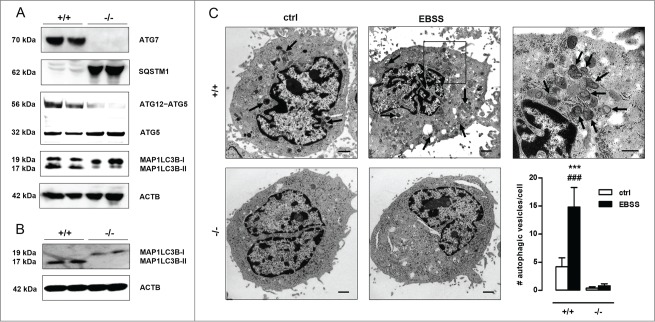
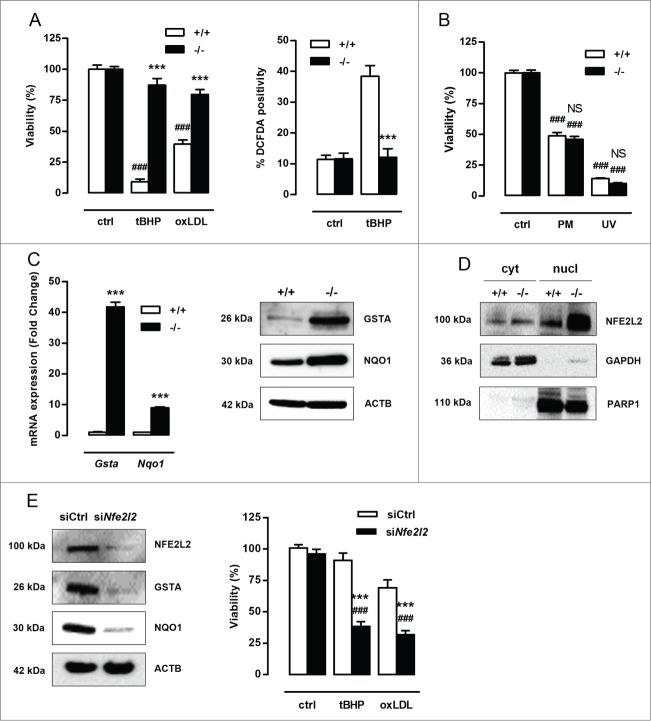
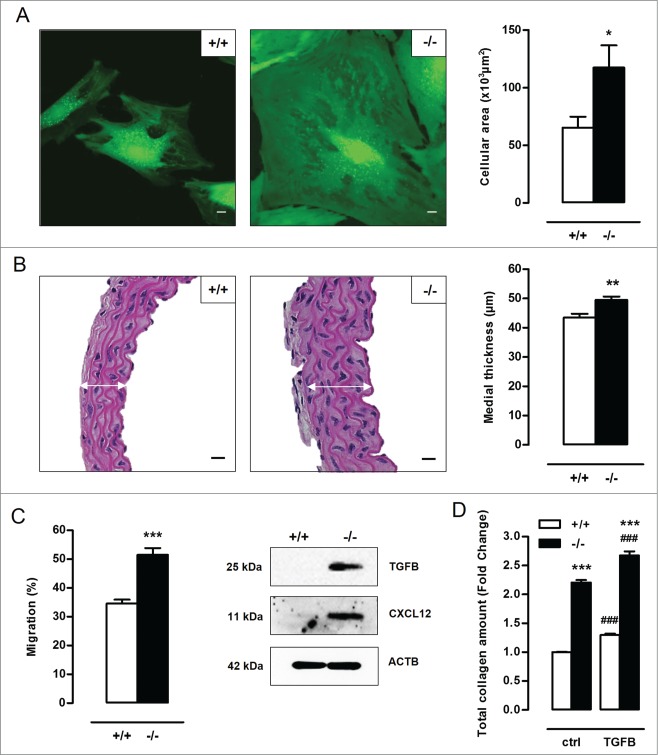
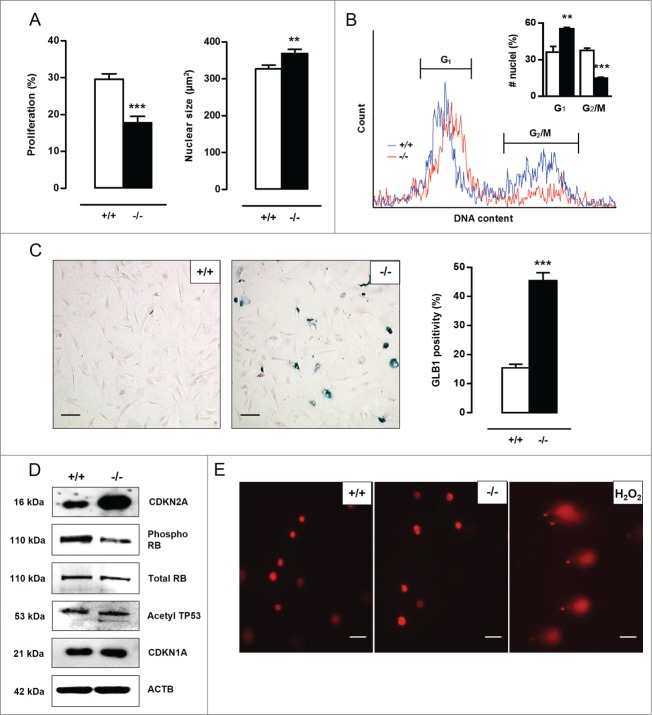
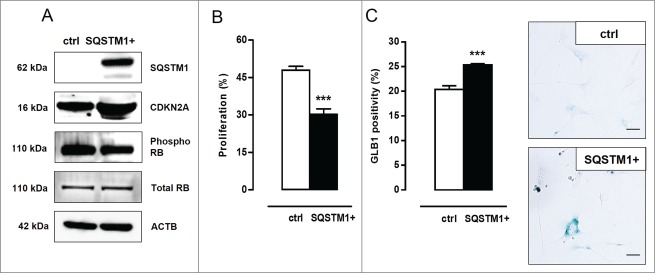
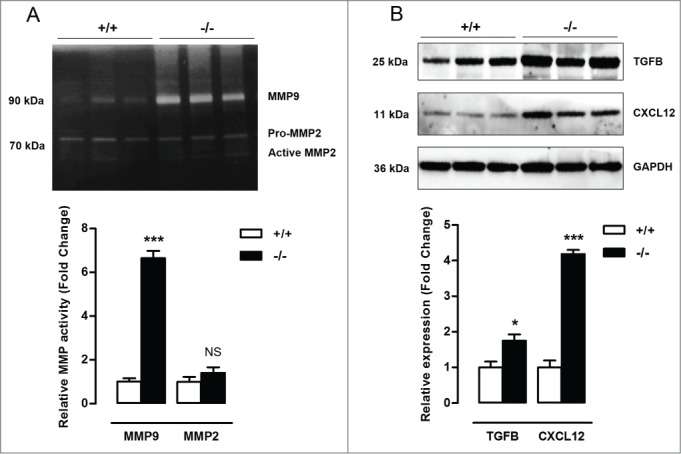
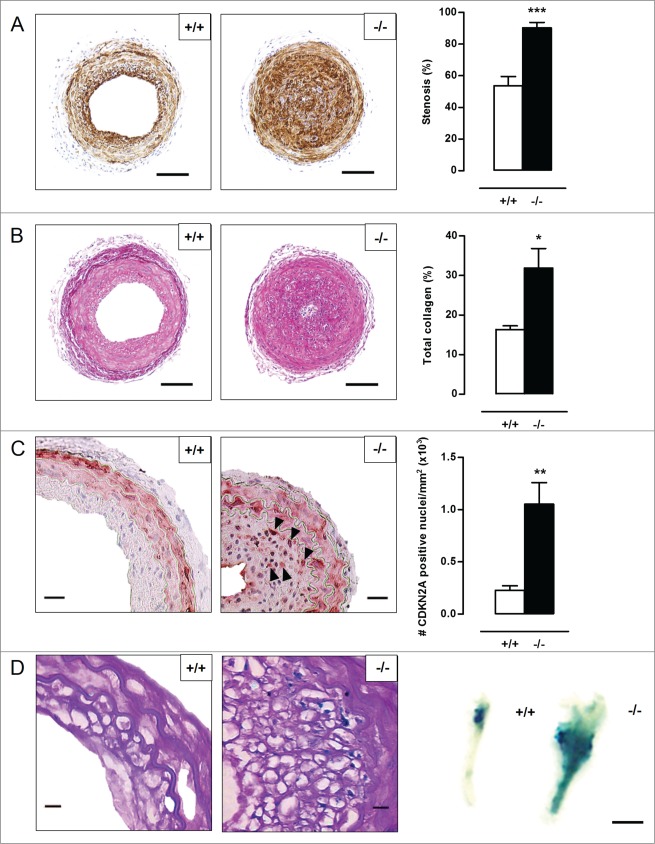
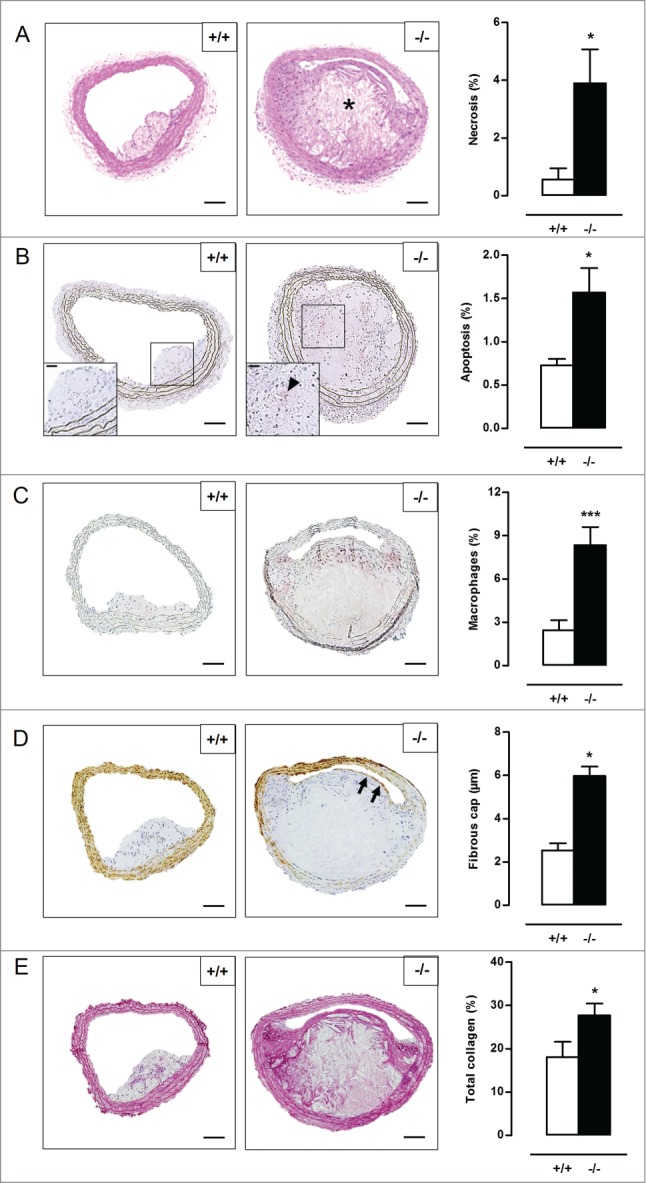
Autophagy is triggered in vascular smooth muscle cells (VSMCs) of diseased arterial vessels. However, the role of VSMC autophagy in cardiovascular disease is poorly understood. Therefore, we investigated the effect of defective autophagy on VSMC survival and phenotype and its significance in the development of postinjury neointima formation and atherosclerosis. Tissue-specific deletion of the essential autophagy gene Atg7 in murine VSMCs (atg7−/− VSMCs) caused accumulation of SQSTM1/p62 and accelerated the development of stress-induced premature senescence as shown by cellular and nuclear hypertrophy, CDKN2A-RB-mediated G1 proliferative arrest and senescence-associated GLB1 activity. Transfection of SQSTM1-encoding plasmid DNA in Atg7+/+ VSMCs induced similar features, suggesting that accumulation of SQSTM1 promotes VSMC senescence. Interestingly, atg7−/− VSMCs were resistant to oxidative stress-induced cell death as compared to controls. This effect was attributed to nuclear translocation of the transcription factor NFE2L2 resulting in upregulation of several antioxidative enzymes. In vivo, defective VSMC autophagy led to upregulation of MMP9, TGFB and CXCL12 and promoted postinjury neointima formation and diet-induced atherogenesis. Lesions of VSMC-specific atg7 knockout mice were characterized by increased total collagen deposition, nuclear hypertrophy, CDKN2A upregulation, RB hypophosphorylation, and GLB1 activity, all features typical of cellular senescence. To conclude, autophagy is crucial for VSMC function, phenotype, and survival. Defective autophagy in VSMCs accelerates senescence and promotes ligation-induced neointima formation and diet-induced atherogenesis, implying that autophagy inhibition as therapeutic strategy in the treatment of neointimal stenosis and atherosclerosis would be unfavorable. Conversely, stimulation of autophagy could be a valuable new strategy in the treatment of arterial disease.
Overview
The claims and statistics of this paper haven’t been checked yet.
Run the check — free, no account needed. It reads the open-access text and checks the sources it cites.
Integrity signals
Registry
Cites
Statistics
Figures
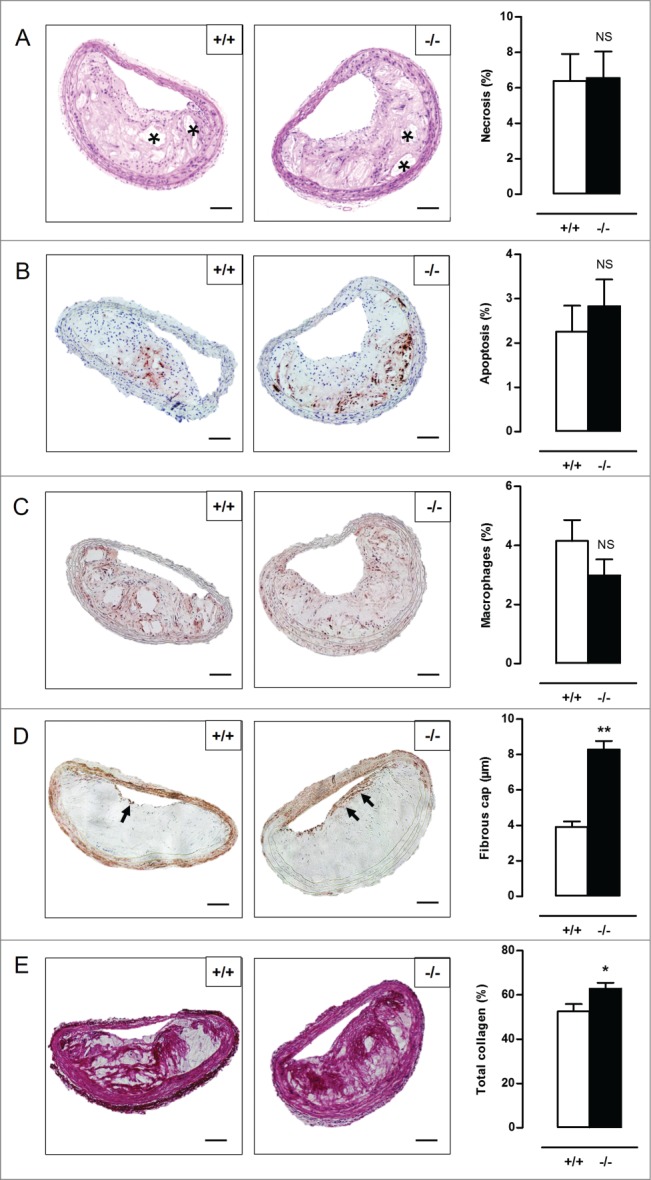
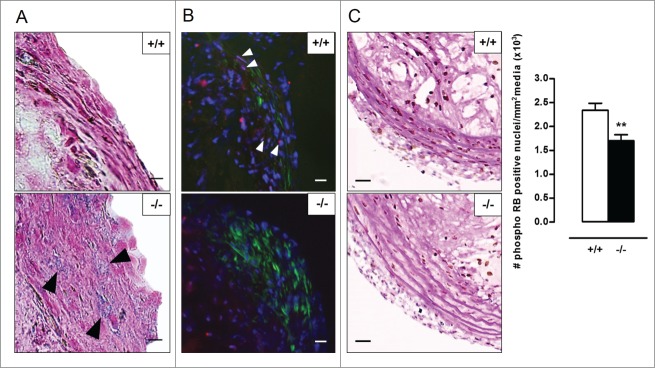
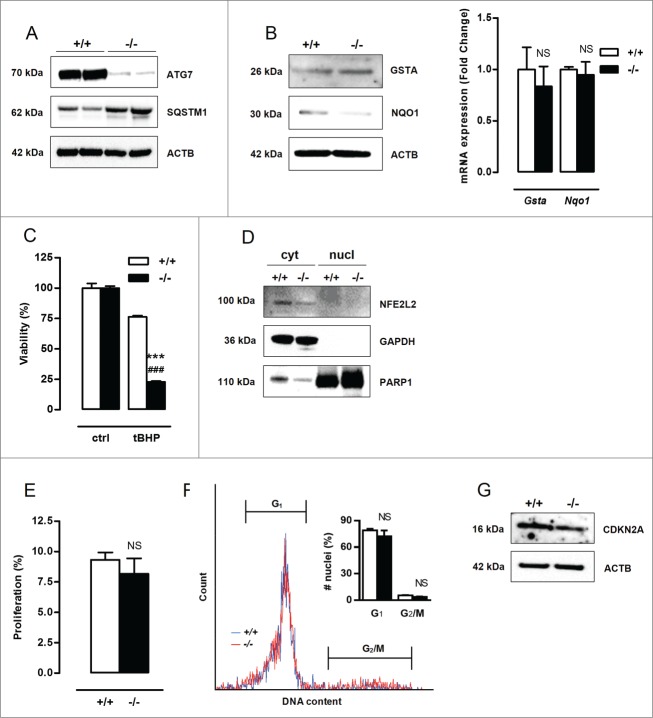
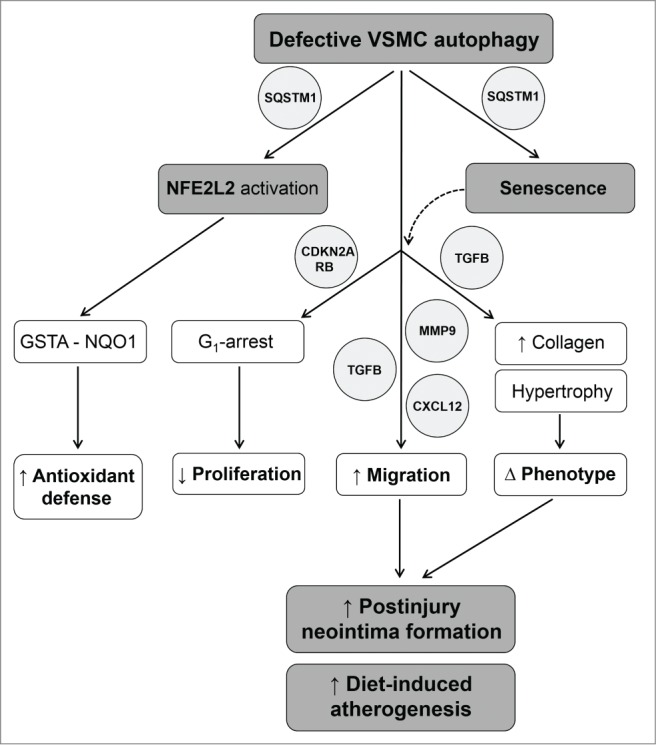
Verification
Claims the paper makes
The claims and statistics of this paper haven’t been checked yet.
Run the check — free, no account needed. It reads the open-access text and checks the sources it cites.
Claims other papers make about this one
Each is checked against this paper’s own text: does it say what the citing paper says it does?
In the citing paper
“Loss of autophagy can also drive VSMC senescence 75 .”
From Vascular smooth muscle cells in atherosclerosis (2019) · cites this paper as [75]
Self-check
Percentages, sums and reported differences re-computed from the paper’s own numbers.
The self-check needs the paper’s full text.
Citations
Cites
Repertoires of Autophagy in the Pathogenesis of Ocular Diseases
Li, Y., Jiang, Q. L., Cao, G.-F., Yao, J., & Yan, B. (2015) · Cellular Physiology and Biochemistry · doi:10.1159/000373980 · Cited by 16,351
Autophagy: Renovation of Cells and Tissues
Mizushima, N., & Komatsu, M. (2011) · Cell · doi:10.1016/j.cell.2011.10.026 · Cited by 6,615 · cited 1×
“amino acids) are recycled in order to replenish nutrient and energy supply.(2) Basal autophagy is therefore an important housekeeping and life-sustaining process.”
BackgroundCellular senescence: when bad things happen to good cells
Campisi, J., & d'Adda di Fagagna, F. (2007) · Nature Reviews Molecular Cell Biology · doi:10.1038/nrm2233 · Cited by 4,441 · cited 3×
“Cellular senescence can be established by the activation of 2 different tumor suppressor pathways: TP53-CDKN1A and CDKN2A-RB.(20,21) The TP53 pathway is triggered by DNA damage and generally associated with CDKN1A upregulation to initiate growth arrest.”
BackgroundLoss of autophagy in the central nervous system causes neurodegeneration in mice
Komatsu, M., Waguri, S., Chiba, T., Murata, S., Iwata, J.-I., Tanida, I., Ueno, T., Koike, M., Uchiyama, Y., Kominami, E., et al. (2006) · Nature · doi:10.1038/nature04723 · Cited by 3,500
Aging, Cellular Senescence, and Cancer
Campisi, J. (2013) · Annual Review of Physiology · doi:10.1146/annurev-physiol-030212-183653 · Cited by 2,954 · cited 3×
“Moreover, atg7¡/¡ VSMCs show an increase in TGFB and CXCL12 expression, which is most likely related to the increase in migration potential and the development of a senescence-associated secretory phenotype.(29,30) Cellular senescence can be established by the activation of 2 different tumor suppressor pathways: TP53-…”
BackgroundImpairment of starvation-induced and constitutive autophagy in Atg7 -deficient mice
Komatsu, M., Waguri, S., Ueno, T., Iwata, J., Murata, S., Tanida, I., Ezaki, J., Mizushima, N., Ohsumi, Y., Uchiyama, Y., et al. (2005) · The Journal of Cell Biology · doi:10.1083/jcb.200412022 · Cited by 2,331
Komatsu, M., Kurokawa, H., Waguri, S., Taguchi, K., Kobayashi, A., Ichimura, Y., Sou, Y.-S., Ueno, I., Sakamoto, A., Tong, K. I., et al. (2010) · Nature Cell Biology · doi:10.1038/ncb2021 · Cited by 2,288 · cited 4×
“SQSTM1 is considered to be a crucial activator of NFE2L2.(19) In the present study, atg7¡/¡ VSMCs showed increased nuclear translocation of NFE2L2.”
BackgroundInfluentialOxidative stress and autophagy: The clash between damage and metabolic needs
Filomeni, G., De Zio, D., & Cecconi, F. (2015) · Cell Death & Differentiation · doi:10.1038/cdd.2014.150 · Cited by 2,195 · cited 1×
“Defective autophagy in VSMCs triggers an antioxidative backup mechanism ROS production, oxidative damage and cell death are major events in cardiovascular disease(15,16) and may be regulated by autophagy.(17,18) To test the role of autophagy in VSMC survival against oxidative stress, Atg7C/C and atg7¡/¡ VSMCs were tre…”
MethodHomeostatic levels of p62 control cytoplasmic inclusion body formation in autophagy-deficient mice.
Komatsu, M., Waguri, S., Koike, M., Sou, Y.-S., Ueno, T., Hara, T., Mizushima, N., Iwata, J.-I., Ezaki, J., Murata, S., et al. (2007) · Cell · doi:10.1016/j.cell.2007.10.035 · Cited by 2,124
Rubinsztein, D. C., Mariño, G., & Kroemer, G. (2011) · Cell · doi:10.1016/j.cell.2011.07.030 · Cited by 2,107 · cited 1×
“Induction of autophagy by caloric restriction, spermidine, resveratrol or rapamycin extends life span in different organisms.(35) For example, the autophagy-inducers rapamycin and resveratrol suppress cellular senescence by partially preventing loss of proliferative potential,(36,37) whereas inhibition of autophagy by…”
Background
Research works printed but not linked: 3
- Grube E, 2004, Rev Cardiovasc Med, 5, S3
- Louis SF, 2010, Exp Clin Cardiol, 15, e75-85
- Seimon TA, 2009, J Clin Invest, 119, 886
Cited by
Sorted by citations
Items 201–267 of 267
miR-30b-5p Downregulation as a Predictive Biomarker of Coronary In-Stent Restenosis
Gutiérrez‐Carretero, E., Mayoral-González, I., Morón, F. J., Fernández-Quero, M., Domínguez‐Rodríguez, A., Ordóñez, A., & Smani, T. (2021) · Biomedicines · doi:10.3390/biomedicines9040354 · Cited by 8
Alves, L. S., Marques, A. R. A., Padrão, N., Carvalho, F. A., Ramalho, J., Lopes, C. S., Soares, M. I. L., Futter, C. E., Melo, T. M. V. D. P. E., Santos, N. C., et al. (2021) · Journal of Cell Science · doi:10.1242/jcs.254631 · Cited by 7
Tian, W., Zhang, T., Wang, X., Zhang, J., Ju, J., & Xu, H. (2022) · Reviews in Cardiovascular Medicine · doi:10.31083/j.rcm2309317 · Cited by 7
“Nevertheless, in VSMCs, tissue-specific deletion of Atg7 causes accumulation of SQSTM1/p62 and accelerates stress-induced premature senescence [141].”
BackgroundFan, J., Zhu, T., Tian, X., Wang, M., Li, Z., & Li, W. (2025) · Phytotherapy Research · doi:10.1002/ptr.70027 · Cited by 9
Nrf2 Connects Cellular Autophagy and Vascular Senescence in Atherosclerosis: A Mini-Review
Wai, K. W., Low, L. E., Goh, B. H., & Yap, W. H. (2024) · Journal of Lipid and Atherosclerosis · doi:10.12997/jla.2024.13.3.292 · Cited by 7
Yousef, A., Fang, L., Heidari, M., Kranrod, J. W., & Seubert, J. M. (2024) · Frontiers in Pharmacology · doi:10.3389/fphar.2024.1486717 · Cited by 7
Singh, S., Bruder‐Nascimento, A., da Costa, R. M., Alves, J. V., Bharathi, S. S., Goetzman, E. S., & Bruder-Nascimento, T. B. (2025) · Journal of the American Heart Association · doi:10.1161/jaha.124.037640 · Cited by 7
Kong, P., Li, C., Dou, Y., Cao, L. H., Zhang, X., Zhang, W., Bi, Z.-Q., Peng, Z.-Y., Yan, A.-Q., & Han, M. (2021) · Frontiers in Cardiovascular Medicine · doi:10.3389/fcvm.2021.724592 · Cited by 7
“It has been known that VSMC senescence promotes neointimal formation via increase in migration, oxidative stress, inflammation and collagen deposition in the intima in response to vascular injury (3, 4).”
BackgroundNon-coding RNA-Associated Therapeutic Strategies in Atherosclerosis
Tang, Y., Li, H., & Chen, C. (2022) · Frontiers in Cardiovascular Medicine · doi:10.3389/fcvm.2022.889743 · Cited by 8
Ma, C., Lu, T., He, Y., Guo, D., Duan, L., Jia, R., Cai, D., Gao, T., Chen, Z., Xue, B., et al. (2023) · Orphanet Journal of Rare Diseases · doi:10.1186/s13023-023-02660-2 · Cited by 7
Angiopoietin‐2 regulates the phenotypic switch of vascular smooth muscle cells
Gan, X., Lu, S., Ning, F., Ye, Y.-X., Guo, K., Chen, M., Ou, D., Lu, Q., & Lash, G. E. (2025) · The FASEB Journal · doi:10.1096/fj.202402754r · Cited by 6
“54 An increasing number of papers have reported that excess lipid peroxidation activates the autophagic death process.”
Shi, N., Wei, L., Wang, H., Sun, S., Yang, J., & Zhou, Y. (2025) · Frontiers in Pharmacology · doi:10.3389/fphar.2025.1626566 · Cited by 7
Shi, L., Hao, M., Qu, G., Xu, Y., Cui, Z., Geng, L., & Kuang, H. (2023) · Balkan Medical Journal · doi:10.4274/balkanmedj.galenos.2023.2023-8-44 · Cited by 6
“16,17 In VSMCs, autophagy is frequently observed in the emergence and occurrence of cardiovascular-associated diseases, and LIRA exhibits a protective role.”
BackgroundIdentification of Autophagy-related Proteins in Lungs From Hypersensitivity Pneumonitis Patients
Cabrera, S., Rodríguez-Bobadilla, C., Vázquez-Morales, D., Gaxiola, M., Maciel, M., Selman, M., & Pardo, A. (2020) · Journal of Histochemistry & Cytochemistry · doi:10.1369/0022155420932103 · Cited by 6
Munck, D. G. D., Leloup, A. J. A., Moudt, S. D., Meyer, G. R. Y. D., Martinet, W., & Fransen, P. F. (2022) · The Journal of Physiological Sciences · doi:10.1186/s12576-022-00829-1 · Cited by 6
Self-citationChen, Q., Sun, S., Shi, Z., Wang, L., Wang, Y., Zheng, A., Xu, X., Yang, M., Sun, K., Xiao, Q., et al. (2025) · Cardiovascular Research · doi:10.1093/cvr/cvaf084 · Cited by 5
“49 The complexity of autophagy in vascular remodelling might be attributed to several reasons.”
Increased MFG-E8 expression and its implications in the vascular pathophysiology of cocaine abuse
Kimura-Kojima, H., Unuma, K., Funakoshi, T., Kato, C., Komatsu, A., Aki, T., & Uemura, K. (2016) · Journal of Toxicologic Pathology · doi:10.1293/tox.2015-0072 · Cited by 5
Role of Chaperone-Mediated Autophagy in Ageing Biology and Rejuvenation of Stem Cells
Vitale, E., Perveen, S., Rossin, D., Iacono, M. L., Rastaldo, R., & Giachino, C. (2022) · Frontiers in Cell and Developmental Biology · doi:10.3389/fcell.2022.912470 · Cited by 6
Grootaert, M. O. J., Kurdi, A., Munck, D. G. D., Martinet, W., & Meyer, G. R. Y. D. (2016) · Elsevier eBooks · doi:10.1016/b978-0-12-805421-5.00013-6 · Cited by 5
Self-citationBloemberg, D., & Quadrilatero, J. (2020) · Journal of Cellular Physiology · doi:10.1002/jcp.30079 · Cited by 5
“Although senescence was initially de- scribed as a state of permanent cell cycle arrest directly related to replication and telomere length (Harley et al., 1990; Hayflick, 1965), it can be induced by oncogene or tumor suppressor loss, DNA da- mage, oxidative damage, overactive mitogen signaling,…”
BackgroundSong, Z., Han, Q., Wen, Z., Lv, Q., Pan, C., & Pan, Y. (2023) · Annals of Translational Medicine · doi:10.21037/atm-22-6457 · Cited by 4
Sirtuins in Medicine: Multifaceted Roles in Physiological Processes and Cardiovascular Diseases
Krekora, J., Matuszewska-Brycht, O., Wranicz, J. K., Krejca, M., Kaczmarek, K. A., Merks, P., & Dróżdż, J. (2026) · Biomolecules · doi:10.3390/biom16060793 · Cited by 4
Exercise-Mediated Autophagy in Cardiovascular Diseases
Jia, S., Zhang, H., Liang, J., Zhang, Y., Guo, Y., & Chen, N. (2021) · Springer eBooks · doi:10.1007/978-981-16-4525-9_9 · Cited by 4
Yuwen, Y., Wang, X., Liu, J., Liu, Z., & Zhu, H. (2023) · Heliyon · doi:10.1016/j.heliyon.2023.e20777 · Cited by 5
“Activation of Notch signaling in VSMCs by Dll4-expressing macrophages induces VSMC senescence and apoptosis, weakening the fibrous cap and increasing the risk of plaque rupture [44,45].”
BackgroundSteegen, L., & Grootaert, M. O. J. (2026) · Cells · doi:10.3390/cells15020114 · Cited by 4
“On the other hand, blocking autophagy through deletion of the autophagy gene Atg7 induces premature senescence in mouse aortic SMCs and accelerates atherosclerosis in mice [64].”
Self-citationForte, A., Cipollaro, M., FEO, M. D., & Corte, A. D. (2019) · Clinical Science · doi:10.1042/cs20181092 · Cited by 3
Acetylated Histone Modifications: Intersection of Diabetes and Atherosclerosis
Liu, R., Li, L., Wang, Z., Zhu, J., & Ji, Y. (2023) · Journal of Cardiovascular Pharmacology · doi:10.1097/fjc.0000000000001516 · Cited by 4
“65 As described previously, acetylase p300 can also protect against oxidative DNA damage in VSMCs through the 8oxoG-and OGG1-mediated pathways.”
BackgroundHu, T., Jiang, Y., Yang, J., Hu, F.-J., Yuan, Y., Liu, J., & Wang, L. (2024) · Experimental and Therapeutic Medicine · doi:10.3892/etm.2024.12521 · Cited by 3
“Here, CXCL12 appears to be part of a compensatory response trig‑ gered by impaired autophagy, thus contributing to arterial disease progression (40).”
BackgroundAutophagie et système cardiovasculaire
Kheloufi, M., Rautou, P., & Boulanger, C. M. (2017) · médecine/sciences · doi:10.1051/medsci/20173303015 · Cited by 4
Xie, X. S., Chen, C., Xu, C., Lin, J., Cao, L., Chen, G., & Li, J. (2020) · Advances in Pharmacological and Pharmaceutical Sciences · doi:10.1155/2020/5070436 · Cited by 3
“VSMC autophagy has an important role in vascular disease development [27].”
BackgroundFrom Beneficial to Detrimental
Santovito, D. (2020) · Arteriosclerosis Thrombosis and Vascular Biology · doi:10.1161/atvbaha.120.314975 · Cited by 3
ATG7 vs. ATG5: Distinct autophagy pathways shaping TGF-β signaling and endothelial function
Singh, A., Peddi, B., Bhatt, K. S., Nguyen, H. C., & Singh, K. K. (2026) · PLoS ONE · doi:10.1371/journal.pone.0335584 · Cited by 2
“When autophagy is disrupted, endothelial cells accumulate dysfunctional mitochondria and reactive oxygen species (ROS), leading to endothelial dysfunction—a hallmark of early CVDs [9,10].”
Autophagy inactivation in osteosarcoma leads to the appearance of poor prognosis-associated factors
Camuzard, O., Nollet, M., Santucci‐Darmanin, S., Trojani, M.-C., Abderrahman, N. B., Virolle, V., Burel‐Vandenbos, F., Pagnotta, S., Orange, F., Kolano-Merlin, E., et al. (2022) · Autophagy Reports · doi:10.1080/27694127.2022.2112125 · Cited by 2
The Changing Face of Atherosclerosis
Meiliana, A., & Wijaya, A. (2023) · The Indonesian Biomedical Journal · doi:10.18585/inabj.v15i3.2347 · Cited by 2
Wang, X., Wu, J., Zhang, H., Sun, B., & Huang, R. (2020) · Biological Chemistry · doi:10.1515/hsz-2020-0233 · Cited by 2
Aging, Cerebrovascular Burden, and Cognitive Decline
Cho, K. (2019) · IntechOpen eBooks · doi:10.5772/intechopen.89854 · Cited by 3
Effects of insulin on the proliferation and global gene expression profile of A7r5 cells
Duan, H., Feng, X., & Huang, X. (2021) · Molecular Biology Reports · doi:10.1007/s11033-021-06200-8 · Cited by 2
Lopes, E., Machado-Oliveira, G., Simões, C. G., Ferreira, I. S., Ramos, C., Ramalho, J. S., Soares, M. I. L., Melo, T. M. V. D. P. E., Puertollano, R., Marques, A. R. A., et al. (2023) · Cells · doi:10.3390/cells12242826 · Cited by 2
Emerging roles of KLF4 regulation of autophagy in different physiological and pathological processes
Zhu, C., Zhang, Q., Hao, F., Zhang, X., & Wang, H. (2025) · International Immunopharmacology · doi:10.1016/j.intimp.2025.115350 · Cited by 1
RNA and protein degradation in the aging process
Lin, J., Qiu, Y., Ye, C., Zhang, Y., Zeng, Z., Yao, B., Hu, Y., & Zhao, L. (2025) · Cellular Signalling · doi:10.1016/j.cellsig.2025.112166 · Cited by 1
Mechanisms of aging in the cardiovascular system: challenges and opportunities
Zhao, X., Yang, X., Lin, Y., Lei, R., Ding, W., He, X.-Y., Cao, Y. J., Zhang, D., Liu, P., Liang, M., et al. (2025) · Frontiers in Immunology · doi:10.3389/fimmu.2025.1635736 · Cited by 4
Targeting vascular smooth muscle cells with natural compounds to combat atherosclerosis
Qin, X., Zhou, Z., Zheng, Z., Wen, X., & Yang, H. (2026) · Chinese Journal of Natural Medicines · doi:10.1016/s1875-5364(26)61117-x · Cited by 2
Zeliger, H. I. (2022) · Elsevier eBooks · doi:10.1016/b978-0-323-91890-9.00026-x · Cited by 1
Freitas, S. C. F., Dutra, M. R. H., Dourado, P. M. M., de Miranda, V. H. M., dos Santos, C. P., Sanches, Í. C., Irigoyen, M. C., & Angelis, K. D. (2024) · Pharmaceuticals · doi:10.3390/ph17050577 · Cited by 1
Zhang, Y., Meng, X., & Li, M. (2025) · Renal Failure · doi:10.1080/0886022x.2025.2542530 · Cited by 1
Lauwers, S., Praet, M. V., Steenput, B., Weyns, A.-S., Neutel, C. H. G., Tuenter, E., Hermans, N., & Roth, L. (2025) · Planta Medica · doi:10.1055/a-2662-9672 · Cited by 1
“Our re-sults”
A two-phase model of early fibrous cap formation in atherosclerosis
Watson, M. G., Byrne, H. M., Macaskill, C., & Myerscough, M. R. (2018) · Journal of Theoretical Biology · doi:10.1016/j.jtbi.2018.08.010 · Cited by 1
“The domain length L, which represents a typical intimal width at the time SMC migration from the media is triggered, is chosen to be 75 μm (Grootaert et al., 2015).”
BackgroundExamining Autophagy and Mitophagy as Inducible Mechanisms of Cellular Remodelling
Bloemberg, D. (2017) · UWSpace (University of Waterloo) · Cited by 1
Vascular Aging: from Smooth Muscle Cell Differentiation to Polyploidization
Zhan, S. (2016) · Libraries and Cultural Resources (University of Calgary) · doi:10.11575/prism/28633
Role of Autophagy in Cardiac Physiology and Pathophysiology
Tan, V. P., & Miyamoto, S. (2018) · Elsevier eBooks · doi:10.1016/b978-0-12-805253-2.00006-7
Food Restriction and Atherosclerotic Plaque Stabilization
Munck, D. G. D., Meyer, G. R. Y. D., & Martinet, W. (2018) · InTech eBooks · doi:10.5772/intechopen.76560
Self-citationRestoring vascular endothelial autophagic flux reduces atherosclerotic lesionsPreprint
Chatterjee, S., Kheloufi, M., Mazlan, S. M. I., Loyer, X., McKinsey, T. A., Boulanger, C. M., & Coly, P. (2021) · bioRxiv (Cold Spring Harbor Laboratory) · doi:10.1101/2021.05.06.442901
Steenput, B., Neutel, C. H. G., Hermans, N., Martinet, W., Meyer, G. R. Y. D., Guns, P., & Roth, L. (2021) · Elsevier eBooks · doi:10.1016/b978-0-12-822003-0.00026-7
Self-citationXu, B. (2018) · Journal of Vascular Surgery · doi:10.1016/j.jvs.2017.02.027
Lian, W., Li, Y., Liu, S., Li, F., & Gong, J. (2023) · Proceedings of the Bulgarian Academy of Sciences · doi:10.7546/crabs.2023.03.12
Essential role of ATG7 in LPS-induced endometrial inflammatory injury in goats
Jiang, T., Yin, X., & Chen, J. (2023) · Animal Diseases · doi:10.1186/s44149-023-00079-7 · Cited by 1
Effects of Lipophagy on Atherosclerosis
Juneja, M., Raut, P., Lohkare, M., Ramteke, H. D., Walke, V. J., & Bhatia, S. (2023) · Central India Journal of Medical Research · doi:10.58999/cijmr.v2i01.44
“87 Ox‑LDL and 4‑hydroxynonenal (a lipid peroxidation product) induce a defensive mechanism against VSMC apoptosis.”
BackgroundA two-phase model of early atherosclerotic plaque development with LDL toxicity effects
Pramanik, A. S., Dey, B., & Sekhar, G. P. R. (2025) · Mathematical Biosciences · doi:10.1016/j.mbs.2025.109547
Antiatherogenic and Cardioprotective Effects of a Xanthine Derivative KMUP‐1 in ApoE Knockout Mice
Sulistyowati, E., Huang, S., Hsu, C.-C., Wu, Y., Chao, Y.-Y., Hsu, J., Wu, B., Dai, Z., Lin, M.-C., & Yeh, J. (2025) · Cardiovascular Therapeutics · doi:10.1155/cdr/8419343
Ma, C., Lu, T., He, Y., Guo, D., Duan, L., Jia, R., Cai, D., Gao, T., Chen, Z., Xue, B., et al. (2023) · Figshare · doi:10.6084/m9.figshare.22621952
Chen, J., Zhao, S., Su, Y., Xu, L., Chen, W., & Zhang, Z. (2026) · International Journal of Nanomedicine · doi:10.2147/ijn.s578167
Rôle de la mitophagie dans la physiopathologie de l'athérosclérose
Nahapetyan, H. (2018) · theses.fr (ABES) · doi:10.70675/508e040cz41bdz475bza96bzacbb959b114c
Évaluation de la sénescence endothéliale et leucocytaire dans le choc septique
Merdji, H. (2021) · theses.fr (ABES) · doi:10.70675/cbfec802z6c0dz4e06z9276zd4a44c11c814
Zhu, K., Liu, H., He, N., Wang, H., Liu, J., Zhang, Q., & Liu, Z. (2026) · Journal of Diabetes Investigation · doi:10.1111/jdi.70398
“Under diabetic conditions, however, VSMCs undergo phenotypic and metabolic alterations that contribute to pathological vascular remodeling and plaque instability 1, 2 .”
Han, S., Chang, Y., Jo, J., & Choi, D. E. (2026) · Life · doi:10.3390/life16091481
“…not be interpreted as uniformly pathogenic in VSMCs. VSMC-specific deletion of Atg7 accelerates senescence, neointima formation, and atherogenesis [120] and aggravates Ang II-associated arterial remodeling [121], indicating that constitutive autophagy is required to preserve VSMC homeostasis.”
Zhu, Q., Du, W., Wang, C., Corriere, M. A., & Fan, Y. (2026) · Atherosclerosis · doi:10.1016/j.atherosclerosis.2026.121901
Metadata
- Authors
- Grootaert, M. O., da Costa Martins, P. A., Bitsch, N., Pintelon, I., De Meyer, G. R., Martinet, W., & Schrijvers, D. M.
- Affiliations
- University of Antwerp (BE)
- Department of Cardiology; Cardiovascular Research Institute Maastricht; Maastricht, The Netherlands
- Maastricht University (NL)
- Laboratory of Physiopharmacology; University of Antwerp; Antwerp, Belgium
- Corresponding author
- Schrijvers, Dorien M
- Venue
- Autophagy
- Publisher
- Informa UK Limited
- Published
- 2015-11-02
- Volume
- 11
- Issue
- 11
- Pages
- 2014-2032
- ISSN
- 1554-8627 (ISSN-L)
- 1554-8635
- PMC
- PMC4824610
- OpenAlex
- W2200751652
- Cited by
- 267
- References
- 73
- Citations by year
- 2026: 8 · 2025: 20 · 2024: 22 · 2023: 28 · 2022: 28 · 2021: 35 · 2020: 30 · 2019: 31 · 2018: 33 · 2017: 19 · 2016: 13
- FWCI
- 17.00
- Type
- journal article
- Language
- en
- Open access
- hybrid
- doi.org
- Licence
- cc-by-nc
- Locations
- Autophagy (publishedVersion, cc-by-nc)
- Europe PMC (PubMed Central) (publishedVersion, cc-by-nc)
- PubMed Central (publishedVersion, cc-by-nc)
- PubMed (publishedVersion)
- Research Publications (Maastricht University) (submittedVersion, other-oa)
- Digital Access to Libraries (submittedVersion, other-oa)
- Funders
- Fonds Wetenschappelijk Onderzoek (G044312N)
- Vlaamse regering
- Topics
- Life Sciences › Biochemistry, Genetics and Molecular Biology › Cell Biology › Autophagy in Disease and Therapy
- Life Sciences › Immunology and Microbiology › Immunology › Atherosclerosis and Cardiovascular Diseases
- Life Sciences › Biochemistry, Genetics and Molecular Biology › Cell Biology › Telomeres, Telomerase, and Senescence
- Keywords
- vascular smooth muscle cells, cellular senescence, neointima formation, atherosclerosis, ATG7, p62, stress-induced premature senescence, Nrf2, oxidative stress resistance, GLB1, MMP-9, CXCL12, collagen deposition
About these checks
Registry, retraction, Cites and statistics results are computed, not judged, with one exception: a printed reference that no index lists is read once by a model before it counts as a citation error. Claims are extracted by a model and kept only when their quote appears verbatim in the text; each cited source is then checked, with a model’s help, for whether it says what the claim relies on. Those verdicts can be wrong — read the claim’s quote and the cited source before relying on one.
Statistics and arithmetic are recomputed, not judged.
Confidence bands are shown only for fields calibrated on our annotated test set. None is calibrated yet, so no band is shown.
What counts as a claim ›How we measure confidence ›How we check this ›
Are you an author, or do you see a problem with this page? Request a review
