

Interaction of tumor-associated macrophages and cancer chemotherapy
Open accessThe DOI matches its Crossref record; 123 of the 124 references it cites were found in a registry or an index.
Abstract
It has been recently recognized that the tumor microenvironment (TME) is an essential factor that defines the efficiency of chemotherapy. The local TME, consisting of immune cells with diverse phenotypes and functions, can strongly modulate the response to chemotherapy. Tumor-associated macrophages (TAMs) that display pronounced heterogeneity and phenotypic plasticity are the major innate immune component in the microenvironment of solid tumors. In our review, we elucidate the complex role of TAMs in the progression of different types of solid tumors, summarize the current knowledge about the effects of different anticancer chemotherapeutic agents on monocytes/macrophages, and describe the mechanisms of chemotherapy resistance mediated by TAMs.
Overview
The claims and statistics of this paper haven’t been checked yet.
Free: it reads the open-access text and checks the first 5 claims that cite a source we can check. Create a free account to check every claim.
Integrity signals
Registry
Cites
Statistics
Figures
Verification
Claims the paper makes
The claims and statistics of this paper haven’t been checked yet.
Free: it reads the open-access text and checks the first 5 claims that cite a source we can check. Create a free account to check every claim.
Claims other papers make about this one
Each is checked against this paper’s own text: does it say what the citing paper says it does?
The cited source says what the claim attributes to it.
In the citing paper
“Clinical studies and experimental animal models suggest that TAM commonly plays a pro-tumoral role in various ways [89, 96, 97].”
From Tumor microenvironment complexity and therapeutic implications at a glance (2020) · cites this paper as [89]
In the citing paper
“Importantly, M2 TAMs have been linked to tumor progression, metastases (Han et al, 2021), and resistance to conventional chemotherapeutics (Larionova et al, 2019) in multiple tumors.”
From Autophagy in major human diseases (2021) · cites this paper as Larionova et al, 2019
Self-check
Percentages, sums and reported differences re-computed from the paper’s own numbers.
The self-check needs the paper’s full text.
Citations
Cites
Macrophage plasticity and polarization: in vivo veritas
Sica, A., & Mantovani, A. (2012) · Journal of Clinical Investigation · doi:10.1172/jci59643 · Cited by 6,335 · cited 2×
“TAMs are able to support cancer stem cell functions.(13,20) Cancer stem cells (CSCs) represent a tumor subset with an”
BackgroundMultidrug resistance in cancer: role of ATP–dependent transporters
Gottesman, M. M., Fojo, T., & Bates, S. E. (2002) · Nature Reviews Cancer · doi:10.1038/nrc706 · Cited by 5,536 · cited 1×
“ABC transporters, aberrant transcription factor nuclear factor-κB (NF-κB) activity, and the mechanisms of damaged DNA repair.(7,86,87) CT can also lead to the selective expansion of resistant cancer clones.”
BackgroundMacrophage Diversity Enhances Tumor Progression and Metastasis
Qian, B.-Z., & Pollard, J. W. (2010) · Cell · doi:10.1016/j.cell.2010.03.014 · Cited by 5,188 · cited 9×
“The blockage of these molecular pathways increased the efficacy of cisplatin and carboplatin.65 Cyclophosphamide (CTX) was found to enhance the production of the pro-inflammatory cytokines IL-6 and IL12 and to decrease the production of the anti-inflammatory cytokines IL-10 and TGF-b in mouse peritoneal macrophages in…”
BackgroundInfluentialCancer drug resistance: an evolving paradigm
Holohan, C., Van Schaeybroeck, S., Longley, D. B., & Johnston, P. G. (2013) · Nature Reviews Cancer · doi:10.1038/nrc3599 · Cited by 4,681 · cited 1×
“acteristics of tumor cells and their sensitivity or resistance to therapeutic agents.(2) On average, only 40–60% of the cancer patients benefit from antitumor chemotherapy (CT).”
BackgroundMacrophages in Tissue Repair, Regeneration, and Fibrosis
Wynn, T. A., & Vannella, K. M. (2016) · Immunity · doi:10.1016/j.immuni.2016.02.015 · Cited by 4,481
Tumor-Associated Macrophages: From Mechanisms to Therapy
Noy, R., & Pollard, J. W. (2014) · Immunity · doi:10.1016/j.immuni.2014.06.010 · Cited by 4,089 · cited 5×
“immune component of the microenvironment are the tumorassociated macrophages (TAMs).(12) There are two main directions of phenotypic and functional macrophage polarization:”
BackgroundInfluentialGreaves, M., & Maley, C. C. (2012) · Nature · doi:10.1038/nature10762 · Cited by 3,162 · cited 1×
“CT can also lead to the selective expansion of resistant cancer clones.(88) It was found that myeloid cells, particularly TAMs, gener-”
BackgroundDeNardo, D. G., Brennan, D. J., Rexhepaj, E., Ruffell, B., Shiao, S. L., Madden, S. F., Gallagher, W. M., Wadhwani, N., Keil, S. D., Junaid, S. A., et al. (2011) · Cancer Discovery · doi:10.1158/2159-8274.cd-10-0028 · Cited by 1,715 · cited 3×
“mouse mammary tumors and combination chemotherapy (cyclophosphamide, methotrexate, and 5-fluorouracil) in breast cancer xenografts in immunodeficient mice.(108) Genetic knockout of CSF-1, the use of neutralizing antibodies, low molecular weight”
BackgroundImmunological aspects of cancer chemotherapy
Zitvogel, L., Apetoh, L., Ghiringhelli, F., & Kroemer, G. (2008) · Nature Reviews Immunology · doi:10.1038/nri2216 · Cited by 1,712 · cited 2×
“foci by inducing apoptosis or necrosis or blocking uncontrolled cancer cell proliferation.(1) The outcome of cytostatic treatment depends on the biological (including genetic) char-”
BackgroundDoxorubicin pathways: pharmacodynamics and adverse effects
Thorn, C. F., Oshiro, C., Marsh, S., Hernandez-Boussard, T., McLeod, H., Klein, T. E., & Altman, R. B. (2011) · Pharmacogenetics and Genomics · doi:10.1097/fpc.0b013e32833ffb56 · Cited by 1,648 · cited 1×
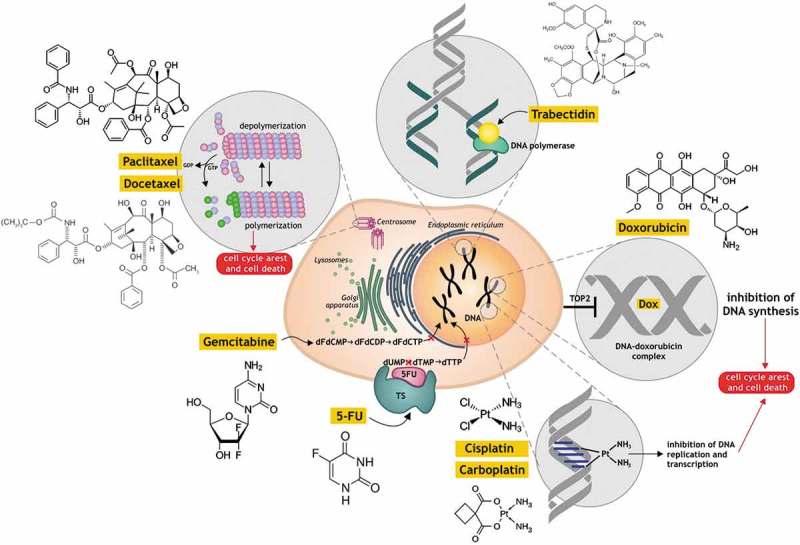
“helix from being resealed and thereby inhibiting DNA replication.(79) Taxanes (paclitaxel and docetaxel) target tubulin and stabilize the microtubule polymer, protecting”
Background
Cited by
Items 101–200 of 334
Macrophages as a Potential Immunotherapeutic Target in Solid Cancers
Mishra, A. K., Banday, S., Bharadwaj, R., Ali, A., Rashid, R., Kulshreshtha, A., & Malonia, S. K. (2022) · Vaccines · doi:10.3390/vaccines11010055 · Cited by 39
“On the other hand, there are considerable evidence that TAMs induce tumor chemotherapy resistance through the release of inflammatory cytokines and chemokines such as IL-6, CCL18, TNF-α, CCL2, and CXCR4 [18].”
BackgroundMutant P53 in the formation and progression of the tumor microenvironment: Friend or foe
Asl, E. R., Rostamzadeh, D., Duijf, P. H. G., Mafi, S., Mansoori, B., Barati, S., Cho, W. C. S., & Mansoori, B. (2023) · Life Sciences · doi:10.1016/j.lfs.2022.121361 · Cited by 40
Wang, Z., Wang, Q., Tao, Y., Chen, J., Yuan, Z., & Wang, P. (2023) · Scientific Data · doi:10.1038/s41597-023-02611-3 · Cited by 39
“Macrophages are mainly classified into pro-inflammatory M1 and immune-tolerant M2 (M2a, M2b, M2c, and M2d) 21,22 .”
BackgroundAutophagy inhibition signals through senescence to promote tumor suppression
Peng, N., Kang, H. H., Feng, Y., Minikes, A. M., & Jiang, X. (2022) · Autophagy · doi:10.1080/15548627.2022.2155794 · Cited by 39
“Our observed TAM accumulation is consistent with previous clinic report of GBM chemotherapy and radiotherapy [37].”
ResultAdvancements in conventional cancer therapy combined with immunotherapy
Li, H., Han, S., Dong, C., & Liu, Z. (2024) · Oncology and Translational Medicine · doi:10.1097/ot9.0000000000000067 · Cited by 45
Cheng, Q., Shi, X., Chen, Y., Li, Q., Wang, J., Li, H., Wang, L., & Wang, Z. (2024) · ACS Nano · doi:10.1021/acsnano.3c12745 · Cited by 35
The role of tumor-associated macrophages in lung cancer
Zhu, R., Huang, J., & Qian, F. (2025) · Frontiers in Immunology · doi:10.3389/fimmu.2025.1556209 · Cited by 39
“Treatment of murine models with CTX, PTX, or DOX increases CD206 + TAMs, triggering revascularization and recurrence (83).”
Jia, G., Wang, X., Wu, W., Zhang, Y., Chen, S., Zhao, J., Zhao, W. G., Li, W., Sun, X., & Han, B. (2021) · International Immunopharmacology · doi:10.1016/j.intimp.2022.108586 · Cited by 35
Wang, H., Qi, Y., Lan, Z., Liu, Q., Xu, J., Zhu, M., Yang, T., Shi, R., Gao, S., & Liang, G. (2022) · Gene Therapy · doi:10.1038/s41434-022-00331-8 · Cited by 36
“Mounting evidence has indicated that chemotherapeutics could kill tumor cells through various mechanisms while inhibiting the body’s immune function and mediating immune escape [8].”
BackgroundCD47-targeting antibodies as a novel therapeutic strategy in hematologic malignancies
Sun, J., Chen, Y., Lubben, B., Adebayo, O., Muz, B., & Azab, A. K. (2021) · Leukemia Research Reports · doi:10.1016/j.lrr.2021.100268 · Cited by 37
Effective breast cancer therapy based on palmitic acid-loaded PLGA nanoparticles
He, Y., Júnior, R. F. D. A., Cavalcante, R. S., Yu, Z., Schomann, T., Gu, Z., Eich, C., & Cruz, L. J. (2022) · Biomaterials Advances · doi:10.1016/j.bioadv.2022.213270 · Cited by 34
Chmelyuk, N. S., Kordyukova, M., Sorokina, M. A., Sinyavskiy, S., Meshcheryakova, V., Belousov, V. V., & Abakumova, T. O. (2025) · International Journal of Molecular Sciences · doi:10.3390/ijms26052084 · Cited by 34
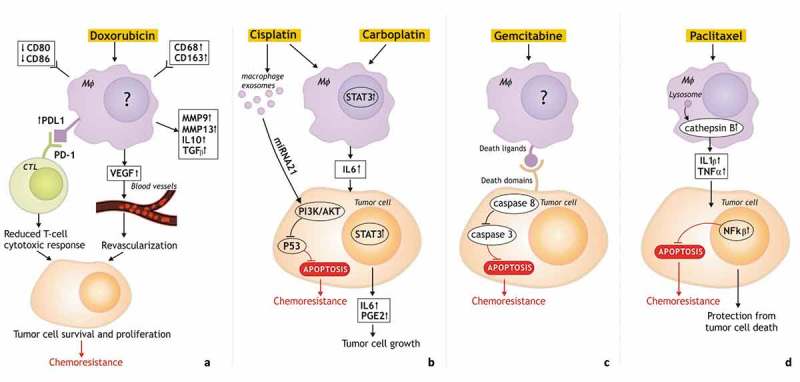
“Also, macrophages contribute to drug resistance and relapse after chemotherapy treat-ment by promoting tumor revascularization and activating anti-apoptotic programs in cancer cells [49].”
Immunoregulation by resveratrol; implications for normal tissue protection and tumour suppression
Lalani, A. R., Fakhari, F., Radgoudarzi, S., Rastegar‐Pouyani, N., Moloudi, K., Khodamoradi, E., Taeb, S., & Najafi, M. (2023) · Clinical and Experimental Pharmacology and Physiology · doi:10.1111/1440-1681.13760 · Cited by 35
Interaction of Ceramic Implant Materials with Immune System
Альбертовна, Р. Г., Piatnitskaia, S., Shapovalova, Y. G., Chugunov, S. S., Kireev, V. N., Ialiukhova, D., Bilyalov, A. R., Павлов, В. Н., & Kzhyshkowska, J. G. (2023) · International Journal of Molecular Sciences · doi:10.3390/ijms24044200 · Cited by 35
“However, the effects of such doxorubicin microspheres on intertumoral immunity, in particular, on tumor-associated macrophages, that can interfere with doxorubicin cytostatic effect on cancer cells [68], were not assessed in this study [68] In addition to chemical drug delivery, bioceramics allow for the delivery of o…”
BackgroundSelf-citationDeswal, B., Bagchi, U., & Kapoor, S. (2023) · Anti-Cancer Agents in Medicinal Chemistry · doi:10.2174/0118715206275259231105184959 · Cited by 34
Cisplatin Uptake in Macrophage Subtypes at the Single-Cell Level by LA-ICP-TOFMS Imaging
Schoeberl, A., Gutmann, M., Theiner, S., Schaier, M., Schweikert, A., Berger, W., & Koellensperger, G. (2021) · Analytical Chemistry · doi:10.1021/acs.analchem.1c03442 · Cited by 33
Nanotechnology-Based siRNA Delivery Systems to Overcome Tumor Immune Evasion in Cancer Immunotherapy
Deng, K., Yang, D., & Zhou, Y. (2022) · Pharmaceutics · doi:10.3390/pharmaceutics14071344 · Cited by 33
“Unfortunately, the interaction between the immune system and tumor cells leads to increased immunosuppression in the TME and reduced immunogenicity of tumor cells, allowing tumor cells to resist immune elimination [59,60].”
BackgroundTargeting tumor-associated macrophages in colon cancer: mechanisms and therapeutic strategies
Xiang, J., Wang, J., Xiao, H., Huang, C., Wu, C., Zhang, L., Qian, C., & Xiang, D. (2025) · Frontiers in Immunology · doi:10.3389/fimmu.2025.1573917 · Cited by 31
“Research indicates that TAMs induce chemoresistance by providing survival cues or activating anti-apoptotic pathways within malignant cells (62).”
Tumor-infiltrating immune cells state-implications for various breast cancer subtypes
Xu, T., Zhang, H., Yang, B. B., Qadir, J., Yuan, H., & Ye, T. (2025) · Frontiers in Immunology · doi:10.3389/fimmu.2025.1550003 · Cited by 36
Breast cancer cells and macrophages in a paracrine-juxtacrine loop
Önal, S., Turker-Burhan, M., Bati‐Ayaz, G., Yanık, H., & Pesen‐Okvur, D. (2020) · Biomaterials · doi:10.1016/j.biomaterials.2020.120412 · Cited by 32
Reyes, M. E., Pulgar, V., Vivallo, C., Ili, C., Mora-lagos, B., & Brebi, P. (2024) · Frontiers in Immunology · doi:10.3389/fimmu.2024.1347530 · Cited by 25
Wen, S., Chen, N., Hu, Y., Huang, L., Peng, J., Yang, M., Shen, X., Song, Y., & Xu, L. (2021) · Cancer Medicine · doi:10.1002/cam4.3773 · Cited by 30
Effects of infections on the pathogenesis of cancer
Liardo, R. L. E., Borzì, A. M., Spatola, C., Martino, B., Privitera, G., Basile, F., Biondi, A., & Vacante, M. (2021) · The Indian Journal of Medical Research · doi:10.4103/ijmr.ijmr_339_19 · Cited by 31
YKL-39 as a Potential New Target for Anti-Angiogenic Therapy in Cancer
Kzhyshkowska, J. G., Larionova, I., & Liu, T. (2020) · Frontiers in Immunology · doi:10.3389/fimmu.2019.02930 · Cited by 32
Self-citationPu, H., Huang, J., Gui, B., Chen, Y., Guo, Y., Lian, Y., Pan, J., Hu, Y., Jiang, N., Deng, Q., et al. (2025) · ACS Applied Materials & Interfaces · doi:10.1021/acsami.4c21493 · Cited by 28
Understanding the complexity of tumor-associated macrophages: Druggable and therapeutic insights
Li, A.-Q., Huang, F., Talaiti, S., Yang, X. Y., Bi, H., & Fang, J. (2025) · Acta Pharmaceutica Sinica B · doi:10.1016/j.apsb.2025.07.021 · Cited by 31
“One of the mechanisms is that hypoxia promotes TEM recruitment via Ang-2 60,242 .”
New Insights into Therapy-Induced Progression of Cancer
Shnaider, P. V., Ivanova, O. M., Malyants, I. K., Anufrieva, K. S., Semenov, I. A., Pavlyukov, M. S., Lagarkova, M. A., Govorun, V. M., & Shender, V. О. (2020) · International Journal of Molecular Sciences · doi:10.3390/ijms21217872 · Cited by 29
Cendrowicz, E., Jacob, L., Greenwald, S., Tamir, A., Pecker, I., Tabakman, R., Ghantous, L., Tamir, L., Kahn, R., Avichzer, J., et al. (2022) · Journal of Experimental & Clinical Cancer Research · doi:10.1186/s13046-022-02256-x · Cited by 28
Liu, X., Liu, Y., Qi, Y., Huang, Y., Hu, F., Dong, F., Shu, K., & Lei, T. (2022) · Frontiers in Oncology · doi:10.3389/fonc.2022.822085 · Cited by 31
“Although controversies exist, mainstreams reported that chemotherapy induced TAMs recruitment and programmed them toward an immunosuppressive tumor-supportive polarization, contributing to tumor angiogenesis, T cell immunity suppression, and activating anti-apoptotic programs in cancer cells to induce chemoresistance…”
BackgroundIslam, M. R., Patel, J., Back, P. I., Shmeeda, H., Adamsky, K., Yang, H., Alvarez, C., Gabizón, A., & La-Beck, N. M. (2022) · Nanotheranostics · doi:10.7150/ntno.75045 · Cited by 29
“Moreover, inflammatory cytokines such as IL-6 and TNF-α that are secreted by TAM can result in resistance to chemotherapies, and the selective reduction of TAM in the tumor microenvironment increases effectiveness of chemotherapeutic agents [17, 19-21].”
BackgroundCancer Stem Cells in Soft-Tissue Sarcomas
Martínez-Delgado, P., Lacerenza, S., Obrador‐Hevia, A., López-Álvarez, M., Mondaza-Hernandez, J. L., Blanco‐Alcaina, E., Sánchez-Bustos, P., Hindi, N., Moura, D. S., & Martín‐Broto, J. (2020) · Cells · doi:10.3390/cells9061449 · Cited by 30
“TAMs-depleting agents, or M2 to M1 phenotype converting drugs, are desirable [110].”
BackgroundYao, Y., Zhang, J., Huang, K., Peng, Y., Cheng, S., Liu, S., Zhou, T., Chen, J.-H., Li, H., Zhao, Y., et al. (2025) · Journal of Nanobiotechnology · doi:10.1186/s12951-025-03165-9 · Cited by 29
“Owing to the multiple levels and complexity of the TME, a single treatment regimen may induce dynamic tumor evolution through compensatory feedback mechanisms, leading to drug resistance and promoting tumor progression, thus resulting in treatment outcomes that fall short of expectations [12–16].”
Yin, J., Huang, H., Long, Y., Ma, Y., Maerkeya, K., Dawuti, R., & Li, L. (2021) · Cancer Biology & Therapy · doi:10.1080/15384047.2021.1959792 · Cited by 27
Benaiges, E., Ceperuelo‐Mallafré, V., Madeira, A., Bosch, R., Núñez‐Roa, C., Ejarque, M., Maymó‐Masip, E., Huber‐Ruano, I., Lejeune, M., Vendrell, J. J., et al. (2021) · Cellular Oncology · doi:10.1007/s13402-021-00597-x · Cited by 26
Huo, J., Wu, L., & Zang, Y. (2021) · Frontiers in Oncology · doi:10.3389/fonc.2021.635324 · Cited by 28
Fonseca, M., Macedo, A. S., Lima, S. A. C., Reis, S., Soares, R. A., & Fonte, P. (2021) · Materials · doi:10.3390/ma14216421 · Cited by 26
Huang, C., Li, Z., Zhu, J., Chen, X., Hao, Y., Yang, R., Huang, R., Zhou, J., Wang, Z., Xiao, W., et al. (2021) · Aging · doi:10.18632/aging.202410 · Cited by 26
Zhang, H., Almuqbil, R. M., Alhudaithi, S. S., Sunbul, F. S., & da Rocha, S. R. P. (2021) · International Journal of Pharmaceutics · doi:10.1016/j.ijpharm.2021.120350 · Cited by 26
The oestrous cycle stage affects mammary tumour sensitivity to chemotherapy
Bornes, L., van Winden, L. J., Geurts, V. C. M., de Bruijn, B., Azarang, L., Lanfermeijer, M., Caruso, M., Proost, N., Boeije, M., Lohuis, J. O., et al. (2024) · Nature · doi:10.1038/s41586-024-08276-1 · Cited by 26
Advances in tumor-associated macrophage-mediated chemotherapeutic resistance in glioma
Liu, X., & Yu, Q. (2025) · Frontiers in Cell and Developmental Biology · doi:10.3389/fcell.2025.1676338 · Cited by 26
Yu, S., Li, Q., Wang, Y., Cui, Y., Yu, Y., Li, W., Liu, F., & Liu, T. (2021) · Experimental Cell Research · doi:10.1016/j.yexcr.2021.112734 · Cited by 26
Self-citationAtractylenolide II inhibits tumor-associated macrophages (TAMs)-induced lung cancer cell metastasis
Zhang, Y., Liu, Y., Wang, J., Jiang, Z., Zhang, L., Cui, Y., Zhao, D., & Wang, Y. (2022) · Immunopharmacology and Immunotoxicology · doi:10.1080/08923973.2022.2037629 · Cited by 26
Cella, E., Zullo, L., Marconi, S., Rossi, G., Coco, S., Dellepiane, C., Alama, A., Rozeboom, L. M., Bennicelli, E., Parisi, F., et al. (2022) · Expert Opinion on Biological Therapy · doi:10.1080/14712598.2022.2116273 · Cited by 25
“Several anticancer agents, such as paclitaxel and cisplatin, have been shown to affect the reprogramming of TAMs (from M2 to M1) [16].”
BackgroundThe Interface of Tumour-Associated Macrophages with Dying Cancer Cells in Immuno-Oncology
Vanmeerbeek, I., Govaerts, J., Laureano, R. S., Sprooten, J., Naulaerts, S., Borràs, D., Laoui, D., Mazzone, M., Ginderachter, J. A. V., & Garg, A. D. (2022) · Cells · doi:10.3390/cells11233890 · Cited by 26
“Thus it is currently commonly accepted that M2-like TAMs are associated with poor survival in patients and high M1-like TAM infiltration with good prognosis, making repolarisation and reprogramming ability of TAMs a hot topic for research [6,23,27].”
BackgroundInfluentialFlores-Torres, S., Jiang, T., Kort-Mascort, J., Yang, Y. K., Peza-Chavez, O., Pal, S., Mainolfi, A., Pardo, L. A., Ferri, L. E., Bertos, N., et al. (2023) · ACS Biomaterials Science & Engineering · doi:10.1021/acsbiomaterials.2c00998 · Cited by 25
Wang, Z., Zhao, Y., Xu, H., Liang, F., Zou, Q., Wang, C., Jiang, J., & Lin, F. (2020) · Journal of Cellular and Molecular Medicine · doi:10.1111/jcmm.15751 · Cited by 26
Wang, X., & Jing, J. (2025) · MedComm · doi:10.1002/mco2.70346 · Cited by 27
“These findings suggest that certain chemotherapeutic drugs may confer multiple immunostimulatory effects on the TME through M1 reprogramming of TAMs, potentially creating more favorable conditions for antitumor immunity [256].”
Pro-tumoral functions of tumor-associated macrophage EV-miRNA
Cocks, A., Vecchio, F. D., Martinez‐Rodriguez, V., Schukking, M., & Fabbri, M. (2021) · Seminars in Cancer Biology · doi:10.1016/j.semcancer.2021.08.001 · Cited by 29
Deng, Z., Suo, Q., Zhang, Q., Wang, J., Yang, Y., Geng, L., & Wu, N. (2024) · Biomedicine & Pharmacotherapy · doi:10.1016/j.biopha.2024.116360 · Cited by 25
Tumor-associated macrophages affect the treatment of lung cancer
Yu, Z., Zou, J., & Xu, F. (2024) · Heliyon · doi:10.1016/j.heliyon.2024.e29332 · Cited by 26
“This chemotherapy resistance persists during the stage of tumor recurrence, indicating a correlation Z. Yu et al. between the accumulation of M2 TAMs as the predominant phenotype at the tumor site after chemotherapy, and the development of chemoresistance [58 – 60].”
BackgroundKomarova, E. Y., Marchenko, L. V., Zhakhov, A. V., Nikotina, A. D., Aksenov, N., Suezov, R. V., Ischenko, A. M., Margulis, B. A., & Guzhova, I. V. (2019) · International Journal of Molecular Sciences · doi:10.3390/ijms21010059 · Cited by 24
“Macrophages constitute the TME cellular population whose phenotype is affected by adjacent tumor cells; they can strongly influence cancer cell tumorigenicity [36].”
BackgroundJúnior, R. F. D. A., Lira, G. A., Schomann, T., Cavalcante, R. S., Vilar, N. F., de Paula, R. C. M., Gomes, R. F., Chung, C. K., Jorquera‐Cordero, C., Vepris, O., et al. (2023) · Translational Oncology · doi:10.1016/j.tranon.2023.101647 · Cited by 25
“Therefore, the TME has a high influence on the phenotype and function of macrophages [23] either by cell-cell interaction, cell cytokines or cell metabolites [23,34,35].”
BackgroundArgentiero, A., Andriano, A., Caradonna, I. C., Martino, G. D., & Desantis, V. (2024) · Cancers · doi:10.3390/cancers16132438 · Cited by 26
“Furthermore, CCL2 expression can also be observed in later stages of tumor growth and formation, contributed by CAFs [28].”
BackgroundWang, J., Shi, W., Miao, Y., Gan, J., Guan, Q., & Ran, J. (2021) · Bioengineered · doi:10.1080/21655979.2021.1971029 · Cited by 23
“In addition, mediating TME can also improve the effect of radiotherapy and chemotherapy [30,31], provide new potential targets for targeted therapy, and thus help TME remodel and promote TME from tumorfriendly to tumor-suppressive [32].”
BackgroundKim, S. H., Kim, S., Park, J., Joe, Y., Lee, S. E., Saeidi, S., Zhong, X., Kim, S. H., Park, S., Na, H., et al. (2021) · Antioxidants · doi:10.3390/antiox10030470 · Cited by 26
“This is mainly due to the complex interaction of cancer cells with different immune components of the TME, particularly TAMs [19,20].”
BackgroundKim, H., Kim, S. Y., Kim, J., Kim, J. E., Hong, Y. S., Han, B., Tak, E., Ryu, Y., Kim, S., & Kim, T. W. (2022) · Scientific Reports · doi:10.1038/s41598-022-05694-x · Cited by 23
Gelatin‐Hyaluronan Click‐Crosslinked Cryogels Elucidate Human Macrophage Invasion Behavior
Bahlmann, L. C., Baker, A. E. G., Xue, C., Liu, S. N., Meier‐Merziger, M., Karakas, D., Zhu, L., Co, I. L., Zhao, S., Chin, A. A., et al. (2021) · Advanced Functional Materials · doi:10.1002/adfm.202008400 · Cited by 23
Mesaros, O., Jimbu, L., Neaga, A., Popescu, C., Berceanu, I., Tomuleasa, C., Fetică, B., & Zdrenghea, M. (2020) · Biomedicines · doi:10.3390/biomedicines8110516 · Cited by 21
“These types of macrophages are called tumor-associated macrophages (TAMs), and their implication has been proved in different types of cancer [4], including leukemia [5].”
BackgroundLiu, X., Huang, Y., Qi, Y., Wu, S., Hu, F., Wang, J., Shu, K., Zhang, H., Bartsch, J. W., Nimsky, C., et al. (2022) · Cancers · doi:10.3390/cancers14194910 · Cited by 25
“Chemotherapeutic agents can induce TAMs infiltration and orientate TAMs toward tumorsupporting or anti-tumor directions, depending on the type and application schemes of chemotherapeutic agents and the type of tumors [36].”
BackgroundHussein, S. E., Shaw, K. R. M., & Vega, F. (2020) · Modern Pathology · doi:10.1038/s41379-020-0616-y · Cited by 23
Dalpati, N., Rai, S. K., Sharma, P., & Sarangi, P. P. (2024) · Matrix Biology · doi:10.1016/j.matbio.2024.12.003 · Cited by 21
Battlegrounds of treatment resistance: decoding the tumor microenvironment
Bayat, M., & Nahand, J. S. (2025) · Naunyn-Schmiedeberg s Archives of Pharmacology · doi:10.1007/s00210-025-04055-5 · Cited by 22
Liu, Q., Li, X., Zhang, H., & Li, H. (2022) · Journal of Cancer Prevention · doi:10.15430/jcp.2022.27.1.31 · Cited by 22
“TAMs have some important homeostatic actions that contribute to tumor maintenance and growth [36].”
BackgroundJeong, C., Kim, J., Han, I., Kim, S., Choi, I., Kim, H.-S., Jeong, J.-H., & Bae, H. (2023) · Frontiers in Immunology · doi:10.3389/fimmu.2023.1178776 · Cited by 22
Regulatory mechanism of macrophage polarization based on Hippo pathway
Liu, Y., An, Y., Li, G., & Wang, S. (2023) · Frontiers in Immunology · doi:10.3389/fimmu.2023.1279591 · Cited by 21
Peng, H. C., Wang, J., Guo, F., Zhu, F.-F., Wen, Z.-J., Zhong, H., & Liang, D.-S. (2020) · Colloids and Surfaces B Biointerfaces · doi:10.1016/j.colsurfb.2020.111442 · Cited by 20
Rabben, H.-L., Kodama, Y., Nakamura, M., Bones, A. M., Wang, T. C., Chen, D., Zhao, C., & Øverby, A. (2021) · Frontiers in Pharmacology · doi:10.3389/fphar.2021.613458 · Cited by 21
“This effect should be explained by the different mechanisms of action between cisplatin (forming DNA crosslinks) and 5-FU (inhibiting thymidylate synthase) (Larionova et al., 2019).”
BackgroundLiu, W., Wang, Y., Xie, Y., Dai, T., Fan, M., Li, C., & Zou, Y. (2021) · Cell Death Discovery · doi:10.1038/s41420-021-00519-8 · Cited by 23
Svensson, M. C., Svensson, M., Nodin, B., Borg, D., Hedner, C., Hjalmarsson, C., Leandersson, K., & Jirström, K. (2022) · Journal of Innate Immunity · doi:10.1159/000524434 · Cited by 23
“…chemotherapeutic agents have the capability to alter the immune composition in the TME and, conversely, TAMs have been shown to modify chemo-therapeutic agents resulting in either an enhanced or a diminished effect, depending on both the tumor type and type of chemotherapy administered [57].”
Simón, L., Sanhueza, S., Gaete‐Ramírez, B., Varas‐Godoy, M., & Quest, A. F. G. (2022) · Frontiers in Oncology · doi:10.3389/fonc.2022.897205 · Cited by 21
Chagovets, V., Starodubtseva, N. L., Tokareva, A., Novoselova, A., Patysheva, M. R., Larionova, I., Prostakishina, E. A., Rakina, M. A., Казакова, А., Topolnitskiy, E. B., et al. (2024) · Frontiers in Immunology · doi:10.3389/fimmu.2023.1332043 · Cited by 19
“Nevertheless, the role of monocytes as regulators of the tumor ’ s response to chemotherapeutic agents remains extremely limited (39).”
BackgroundSelf-citationNurhayati, A. P. D., Rihandoko, A., Fadlan, A., Ghaissani, S. S., Jadid, N., & Setiawan, E. (2022) · Saudi Pharmaceutical Journal · doi:10.1016/j.jsps.2022.06.012 · Cited by 21
“In addition, macrophage cells also experienced apoptosis because doxorubicin binds enzymes associated with DNA, disturbing the base pairs of DNA causing DNA damage which leads to cell death (Berraondo et al., 2019; Larionova et al., 2019; Zhao et al., 2021).”
Tsai, L.-H., Young, T., Yen, C., Yao, W.-C., & Chang, C. (2023) · International Journal of Biological Macromolecules · doi:10.1016/j.ijbiomac.2023.126221 · Cited by 18
Zhang, Y., Liu, L., Pei, J., Ren, Z., Deng, Y., & Yu, K. (2024) · Oncogene · doi:10.1038/s41388-023-02924-y · Cited by 19
“Instead, they exhibit the oncogenic properties of primary cancer, including supporting immunosuppression, metastasis, disease progression and therapy failure [24, 25].”
BackgroundPusztai, C., Yusenko, M. V., Bányai, D., Szántó, Á., & Kovács, G. (2019) · Anticancer Research · doi:10.21873/anticanres.13915 · Cited by 18
Non-Coding RNAs in the Crosstalk between Breast Cancer Cells and Tumor-Associated Macrophages
Benedetti, A., Turco, C., Fontemaggi, G., & Fazi, F. (2022) · Non-Coding RNA · doi:10.3390/ncrna8010016 · Cited by 19
Larionova, I., Kiselev, A. M., Kazakova, E., Liu, T., Patysheva, M. R., Iamshchikov, P. S., Liu, Q., Mossel, D. M., Riabov, V., Rakina, M. A., et al. (2023) · Frontiers in Immunology · doi:10.3389/fimmu.2023.1000497 · Cited by 17
“The accumulation of TAMs in breast tumors after CT was identified in both mouse models and cancer patients (14).”
BackgroundInfluentialSelf-citationSun, Y. H., Shao, C., Duan, H., Wang, Z., Xu, S., Wang, C., Xiu, J., Liu, J., Wang, X., Yao, X., et al. (2025) · MedComm · doi:10.1002/mco2.70496 · Cited by 21
“Evidence indicates that prolonged chemotherapy can promote chemoresistance by modulating TAMs through mechanisms such as monocyte/macrophage recruitment, depletion of monocyte/macrophage lineages, and regulation of macrophage polarization [295].”
Yin, X., Ke, Y., Liang, Y., Zhang, S., Chen, Z., Yu, L., Jiang, M., Liu, Q., & Gu, X. (2024) · Advanced Healthcare Materials · doi:10.1002/adhm.202401373 · Cited by 16
Patni, H., Chaudhary, R., & Kumar, A. (2024) · Nanoscale · doi:10.1039/d4nr02795g · Cited by 16
The Impact of Tumor-associated Macrophages on Chemoresistance via Angiogenesis in Colorectal Cancer
Shibutani, M., Nakao, S., Maeda, K., Nagahara, H., Kashiwagi, S., Hirakawa, K., & Ohira, M. (2021) · Anticancer Research · doi:10.21873/anticanres.15253 · Cited by 17
Therapeutic targeting of tumor-associated macrophages
Rasmussen, R. K., & Etzerodt, A. (2021) · Advances in pharmacology · doi:10.1016/bs.apha.2021.03.002 · Cited by 20
Liu, Q., Yang, T., Zhang, Y., Hu, Z.-D., Liu, Y.-M., Luo, Y., Liu, S., Zhang, H., & Zhong, Q. (2023) · Cell Death and Disease · doi:10.1038/s41419-023-05983-x · Cited by 16
Cruz, L. S., Robinson, M., Stevenson, D., Amador, I. C., Jordan, G. J., Valencia, S., Navarrete, C., & House, C. D. (2024) · Cancer Research Communications · doi:10.1158/2767-9764.crc-24-0311 · Cited by 15
Tumor-Associated Macrophages: Reasons to Be Cheerful, Reasons to Be Fearful
Szulc-Kiełbik, I., & Kiełbik, M. (2022) · Experientia supplementum · doi:10.1007/978-3-030-91311-3_4 · Cited by 14
Monastirioti, A. A., Papadaki, C., Rounis, K., Kalapanida, D., Mavroudis, D., & Agelaki, S. (2021) · Cells · doi:10.3390/cells10081988 · Cited by 15
Rubio, C., Ortiz, J. A., Ruiz-Palomares, R., Karaivanova, V., Alberquilla, O., Sánchez‐Domínguez, R., Casalvilla‐Dueñas, J. C., Montalbán-Hernández, K. M., Lodewijk, I., Rodríguez-Izquierdo, M., et al. (2022) · Cancers · doi:10.3390/cancers14020287 · Cited by 14
“Cancer cell–macrophage interactions in the BC microenvironment have consistently been the focus of recent research due to their important effect on tumor progression and metastasis as well as their relation to therapeutic responses [12,41,42].”
BackgroundYan, C., Jun, X., Qun, W., Bing, W., Guo, W., Yong, H., CHENJie, Sheng, S., Lei, Z., & Huang‐Xin (2023) · Environmental Toxicology · doi:10.1002/tox.23766 · Cited by 15
“TAMs promote tumor progression by participating in distant metastasis, immune suppression and drug resistance, which are associated with poor prognosis of cancer patients.(8) TAMs have attracted increasing interest as a potential therapeutic target for cancer.”
BackgroundGahtani, R. M., Alqahtani, A., Alqahtani, T., Asiri, S. A., Mohamed, J. M. M., Prabhu, S. V., & Muluneh, E. Y. (2023) · Bioinorganic Chemistry and Applications · doi:10.1155/2023/2334675 · Cited by 14
“It is a member of the class of medicines known as antimetabolites [1].”
BackgroundRetractedChemoresistance Mechanisms in Non-Small Cell Lung Cancer—Opportunities for Drug Repurposing
Kaur, R., & Suresh, P. K. (2023) · Applied Biochemistry and Biotechnology · doi:10.1007/s12010-023-04595-7 · Cited by 13
Tang, Y., Sun, Z., Wu, S., Zhang, C., Zhang, Y., & Cao, Y. (2023) · Biomedicine & Pharmacotherapy · doi:10.1016/j.biopha.2023.115828 · Cited by 13
Endogenous IL-33 Accelerates Metacestode Growth during Late-Stage Alveolar Echinococcosis
Autier, B., Manuel, C., Lundström‐Stadelmann, B., Girard, J., Gottstein, B., Gangneux, J., Samson, M., Robert-Gangneux, F., & Dion, S. (2023) · Microbiology Spectrum · doi:10.1128/spectrum.04239-22 · Cited by 13
Leveraging insights from cancer to improve tuberculosis therapy
Datta, M., Via, L. E., Dartois, V. A., Xu, L., Barry, C. E., & Jain, R. K. (2024) · Trends in Molecular Medicine · doi:10.1016/j.molmed.2024.07.011 · Cited by 12
Mir, R., Javid, J., Ullah, M. F., Alrdahe, S. S., Albalawi, I. A., Mustafa, S. K., Jalal, M. M., Altayar, M. A., Albalawi, A. D., Abunab, M. K., et al. (2025) · Medical Oncology · doi:10.1007/s12032-025-02945-5 · Cited by 15
“Tregs modulate the function and homeostasis of Natural Killer (NK) cells through interleukin-2 (IL-2) and alter the tumor milieu by interacting with stromal cells to promote cancer cell survival [54].”
Metabolic Reprogramming of Breast Tumor-Educated Macrophages Revealed by NMR Metabolomics
Dias, A. S., Almeida, C. R., Helguero, L. A., & Duarte, I. F. (2023) · Cancers · doi:10.3390/cancers15041211 · Cited by 12
“In patients with BC, tumor-associated macrophages (TAMs) can account for up to 50% of the tumor weight [6], with a high intra-tumoral density of M2-like macrophages (typically CD163+) being positively correlated to larger tumor size, unfavorable prognostic factors (e.”
BackgroundThe myeloid cell biomarker EMR1 is ectopically expressed in colon cancer
Ali, H. A., Olsson, L., Lindmark, G. E., Hammarström, M., Hammarström, S., & Sitohy, B. (2021) · Tumor Biology · doi:10.3233/tub-200082 · Cited by 12
“[5].”
Immunomodulation via macrophages to fight solid tumor malignancies
Dandia, H., & Tayalia, P. (2020) · FEBS Journal · doi:10.1111/febs.15437 · Cited by 12
Pu, C., Li, Y., Fu, Y., Yan, Y., Tao, S., Tang, S., Gai, X., Ding, Z., Gan, Z., Liu, Y., et al. (2024) · Advanced Science · doi:10.1002/advs.202304781 · Cited by 12
Chen, Z., Xie, Y., Yang, C., Xiao, T., Chen, S., Wu, J.-H., Guo, Q., & Gao, L. (2024) · Life Sciences · doi:10.1016/j.lfs.2024.123297 · Cited by 11
Exploring the Clinical Impact of Predictive Biomarkers in Serous Ovarian Carcinomas
Page, C. L., Chung, J. W., Rahimi, K., Köbel, M., Provencher, D. M., & Mes‐Masson, A. (2019) · Current Drug Targets · doi:10.2174/1389450120666191016143836 · Cited by 12
Metadata
- Authors
- Larionova, I., Cherdyntseva, N., Liu, T., Patysheva, M., Rakina, M., & Kzhyshkowska, J.
- Affiliations
- Russian Academy of Sciences (RU)
- Laboratory of Translational Cellular and Molecular Biomedicine, National Research Tomsk State University, Tomsk, Russia
- Heidelberg University (DE)
- National Research Tomsk State University (RU)
- Corresponding author
- Kzhyshkowska, Julia
- Venue
- OncoImmunology
- Publisher
- Informa UK Limited
- Published
- 2019-04-13
- Volume
- 8
- Issue
- 7
- Pages
- e1596004
- ISSN
- 2162-4011 (ISSN-L)
- 2162-402X
- PMC
- PMC6527283
- OpenAlex
- W2939258716
- Semantic Scholar
- 8f5cbb95ef5c1d3cfafe7cc4d10590316cab3f6f
- Cited by
- 322
- References
- 124
- Citations by year
- 2026: 18 · 2025: 37 · 2024: 53 · 2023: 46 · 2022: 65 · 2021: 59 · 2020: 37 · 2019: 7
- FWCI
- 3.62
- Type
- journal article
- Language
- en
- Open access
- gold
- doi.org
- Licence
- Locations
- OncoImmunology (publishedVersion, cc-by-nc-nd)
- PubMed Central (publishedVersion, cc-by-nc-nd)
- PubMed (publishedVersion)
- DOAJ (DOAJ: Directory of Open Access Journals) (submittedVersion, cc-by-sa)
- Funders
- Russian Science Foundation
- Topics
- Life Sciences › Immunology and Microbiology › Immunology › Immune cells in cancer
- Health Sciences › Medicine › Oncology › Cancer Cells and Metastasis
- Life Sciences › Biochemistry, Genetics and Molecular Biology › Cancer Research › Cancer, Stress, Anesthesia, and Immune Response
- Keywords
- tumor-associated macrophages, tumor microenvironment, chemotherapy response, chemoresistance, solid tumors, monocytes, macrophage heterogeneity, phenotypic plasticity, innate immunity
About these checks
Registry, retraction, Cites and statistics results are computed, not judged, with one exception: a printed reference that no index lists is read once by a model before it counts as a citation error. Claims are extracted by a model and kept only when their quote appears verbatim in the text; each cited source is then checked, with a model’s help, for whether it says what the claim relies on. Those verdicts can be wrong — read the claim’s quote and the cited source before relying on one.
Statistics and arithmetic are recomputed, not judged.
Confidence bands are shown only for fields calibrated on our annotated test set. None is calibrated yet, so no band is shown.
What counts as a claim ›How we measure confidence ›How we check this ›
Are you an author, or do you see a problem with this page? Request a review
Data sources
Bibliographic data: Semantic Scholar, OpenAlex, Crossref.
Contains information from the Semantic Scholar Academic Graph Datasets, made available under the ODC Attribution License (ODC-BY 1.0).
Semantic Scholar’s data is described in: Kinney, R., et al. (2023). The Semantic Scholar Open Data Platform. arXiv:2301.10140.
