

Interaction of tumor-associated macrophages and cancer chemotherapy
Open accessThe DOI matches its Crossref record; 123 of the 124 references it cites were found in a registry or an index.
Abstract
It has been recently recognized that the tumor microenvironment (TME) is an essential factor that defines the efficiency of chemotherapy. The local TME, consisting of immune cells with diverse phenotypes and functions, can strongly modulate the response to chemotherapy. Tumor-associated macrophages (TAMs) that display pronounced heterogeneity and phenotypic plasticity are the major innate immune component in the microenvironment of solid tumors. In our review, we elucidate the complex role of TAMs in the progression of different types of solid tumors, summarize the current knowledge about the effects of different anticancer chemotherapeutic agents on monocytes/macrophages, and describe the mechanisms of chemotherapy resistance mediated by TAMs.
Overview
The claims and statistics of this paper haven’t been checked yet.
Free: it reads the open-access text and checks the first 5 claims that cite a source we can check. Create a free account to check every claim.
Integrity signals
Registry
Cites
Statistics
Figures
Verification
Claims the paper makes
The claims and statistics of this paper haven’t been checked yet.
Free: it reads the open-access text and checks the first 5 claims that cite a source we can check. Create a free account to check every claim.
Claims other papers make about this one
Each is checked against this paper’s own text: does it say what the citing paper says it does?
The cited source says what the claim attributes to it.
In the citing paper
“Clinical studies and experimental animal models suggest that TAM commonly plays a pro-tumoral role in various ways [89, 96, 97].”
From Tumor microenvironment complexity and therapeutic implications at a glance (2020) · cites this paper as [89]
In the citing paper
“Importantly, M2 TAMs have been linked to tumor progression, metastases (Han et al, 2021), and resistance to conventional chemotherapeutics (Larionova et al, 2019) in multiple tumors.”
From Autophagy in major human diseases (2021) · cites this paper as Larionova et al, 2019
Self-check
Percentages, sums and reported differences re-computed from the paper’s own numbers.
The self-check needs the paper’s full text.
Citations
Cites
Macrophage plasticity and polarization: in vivo veritas
Sica, A., & Mantovani, A. (2012) · Journal of Clinical Investigation · doi:10.1172/jci59643 · Cited by 6,335 · cited 2×
“TAMs are able to support cancer stem cell functions.(13,20) Cancer stem cells (CSCs) represent a tumor subset with an”
BackgroundMultidrug resistance in cancer: role of ATP–dependent transporters
Gottesman, M. M., Fojo, T., & Bates, S. E. (2002) · Nature Reviews Cancer · doi:10.1038/nrc706 · Cited by 5,536 · cited 1×
“ABC transporters, aberrant transcription factor nuclear factor-κB (NF-κB) activity, and the mechanisms of damaged DNA repair.(7,86,87) CT can also lead to the selective expansion of resistant cancer clones.”
BackgroundMacrophage Diversity Enhances Tumor Progression and Metastasis
Qian, B.-Z., & Pollard, J. W. (2010) · Cell · doi:10.1016/j.cell.2010.03.014 · Cited by 5,188 · cited 9×
“The blockage of these molecular pathways increased the efficacy of cisplatin and carboplatin.65 Cyclophosphamide (CTX) was found to enhance the production of the pro-inflammatory cytokines IL-6 and IL12 and to decrease the production of the anti-inflammatory cytokines IL-10 and TGF-b in mouse peritoneal macrophages in…”
BackgroundInfluentialCancer drug resistance: an evolving paradigm
Holohan, C., Van Schaeybroeck, S., Longley, D. B., & Johnston, P. G. (2013) · Nature Reviews Cancer · doi:10.1038/nrc3599 · Cited by 4,681 · cited 1×
“acteristics of tumor cells and their sensitivity or resistance to therapeutic agents.(2) On average, only 40–60% of the cancer patients benefit from antitumor chemotherapy (CT).”
BackgroundMacrophages in Tissue Repair, Regeneration, and Fibrosis
Wynn, T. A., & Vannella, K. M. (2016) · Immunity · doi:10.1016/j.immuni.2016.02.015 · Cited by 4,481
Tumor-Associated Macrophages: From Mechanisms to Therapy
Noy, R., & Pollard, J. W. (2014) · Immunity · doi:10.1016/j.immuni.2014.06.010 · Cited by 4,089 · cited 5×
“immune component of the microenvironment are the tumorassociated macrophages (TAMs).(12) There are two main directions of phenotypic and functional macrophage polarization:”
BackgroundInfluentialGreaves, M., & Maley, C. C. (2012) · Nature · doi:10.1038/nature10762 · Cited by 3,162 · cited 1×
“CT can also lead to the selective expansion of resistant cancer clones.(88) It was found that myeloid cells, particularly TAMs, gener-”
BackgroundDeNardo, D. G., Brennan, D. J., Rexhepaj, E., Ruffell, B., Shiao, S. L., Madden, S. F., Gallagher, W. M., Wadhwani, N., Keil, S. D., Junaid, S. A., et al. (2011) · Cancer Discovery · doi:10.1158/2159-8274.cd-10-0028 · Cited by 1,715 · cited 3×
“mouse mammary tumors and combination chemotherapy (cyclophosphamide, methotrexate, and 5-fluorouracil) in breast cancer xenografts in immunodeficient mice.(108) Genetic knockout of CSF-1, the use of neutralizing antibodies, low molecular weight”
BackgroundImmunological aspects of cancer chemotherapy
Zitvogel, L., Apetoh, L., Ghiringhelli, F., & Kroemer, G. (2008) · Nature Reviews Immunology · doi:10.1038/nri2216 · Cited by 1,712 · cited 2×
“foci by inducing apoptosis or necrosis or blocking uncontrolled cancer cell proliferation.(1) The outcome of cytostatic treatment depends on the biological (including genetic) char-”
BackgroundDoxorubicin pathways: pharmacodynamics and adverse effects
Thorn, C. F., Oshiro, C., Marsh, S., Hernandez-Boussard, T., McLeod, H., Klein, T. E., & Altman, R. B. (2011) · Pharmacogenetics and Genomics · doi:10.1097/fpc.0b013e32833ffb56 · Cited by 1,648 · cited 1×
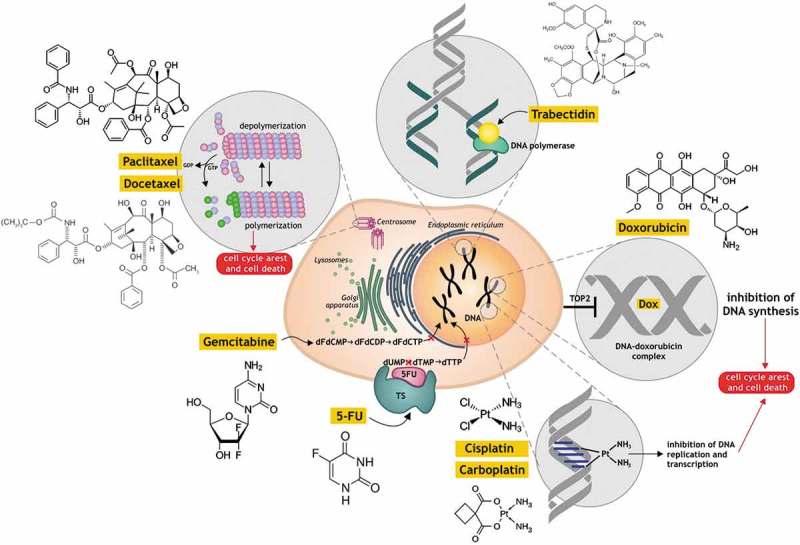
“helix from being resealed and thereby inhibiting DNA replication.(79) Taxanes (paclitaxel and docetaxel) target tubulin and stabilize the microtubule polymer, protecting”
Background
Cited by
Macrophages in immunoregulation and therapeutics
Chen, S., Saeed, A. F. U. H., Liu, Q., Jiang, Q., Xu, H., Xiao, G. G., Rao, L., & Duo, Y. (2023) · Signal Transduction and Targeted Therapy · doi:10.1038/s41392-023-01452-1 · Cited by 2,229
“The precise ways in which chemotherapy affects macrophages remain unclear.(375) As an alternative, activated M2 macrophages may mediate chemoresistance by shielding tumor cells from chemotherapy’s harmful effects via the secretion of growth factors and inhibiting cell death signaling pathways.”
BackgroundTumor microenvironment as a therapeutic target in cancer
Xiao, Y., & Yu, D. (2021) · Pharmacology & Therapeutics · doi:10.1016/j.pharmthera.2020.107753 · Cited by 1,957
Tumor microenvironment complexity and therapeutic implications at a glance
Baghban, R., Roshangar, L., Jahanban-Esfahlan, R., Seidi, K., Ebrahimi-Kalan, A., Jaymand, M., Kolahian, S., Javaheri, T., & Zare, P. (2020) · Cell Communication and Signaling · doi:10.1186/s12964-020-0530-4 · Cited by 1,784
“Based on their origin and half-life, they are (i) long-living embryonically (yolk sac)-derived tissue-resident macrophages and (ii) short-lived circulating monocyte-derived macrophages derived from bone marrow and recruited to tumor tissue by growth factors and chemokines, such as, CCL2, CCL5, and macrophage colony-st…”
BackgroundAutophagy in major human diseases
Klionsky, D. J., Petroni, G., Amaravadi, R. K., Baehrecke, E. H., Ballabio, A., Boya, P., Bravo‐San Pedro, J. M., Cadwell, K., Cecconi, F., Choi, A. M. K., et al. (2021) · The EMBO Journal · doi:10.15252/embj.2021108863 · Cited by 1,585
M1/M2 macrophages and their overlaps – myth or reality?
Strizova, Z., Benesova, I., Bartolini, R., Novysedlak, R., Cecrdlova, E., Foley, L. K., & Striz, I. (2023) · Clinical Science · doi:10.1042/cs20220531 · Cited by 612
Paclitaxel’s Mechanistic and Clinical Effects on Breast Cancer
Abu Samaan, T. M., Samec, M., Liskova, A., Kubatka, P., & Büsselberg, D. (2019) · Biomolecules · doi:10.3390/biom9120789 · Cited by 569
“Increasing evidence supports participation of PTX in the regulation of host immunity via stimulation of macrophages leading to cytokine secretion including TNF-α or IL-12 that induce activation of natural killers (NK), dendric cells (DC), and cytotoxic T lymphocytes resulting in the eradication of tumor cells [11,88].”
BackgroundThe roles of tumor-associated macrophages in tumor angiogenesis and metastasis
Fu, L.-Q., Du, W.-L., Cai, M.-H., Yao, J.-Y., Zhao, Y.-Y., & Mou, X.-Z. (2020) · Cellular Immunology · doi:10.1016/j.cellimm.2020.104119 · Cited by 415
Unveiling the mechanisms and challenges of cancer drug resistance
Khan, S. U., Fatima, K., Aisha, S., & Malik, F. (2024) · Cell Communication and Signaling · doi:10.1186/s12964-023-01302-1 · Cited by 417
“TAMs invasion into TME has been linked to poor prognosis and inadequate response to chemo-therapeutic agents in cancer patients [274, 275].”
BackgroundTumor-Associated Macrophages in Human Breast, Colorectal, Lung, Ovarian and Prostate Cancers
Larionova, I., Tuguzbaeva, G., Ponomaryova, A., Stakheyeva, M., Cherdyntseva, N., Pavlov, V., Choinzonov, E., & Kzhyshkowska, J. (2020) · Frontiers in Oncology · doi:10.3389/fonc.2020.566511 · Cited by 392
Self-citationRole of lysosomes in physiological activities, diseases, and therapy
Zhang, Z., Yue, P., Lu, T., Wang, Y., Wei, Y., & Wei, X. (2021) · Journal of Hematology & Oncology · doi:10.1186/s13045-021-01087-1 · Cited by 356
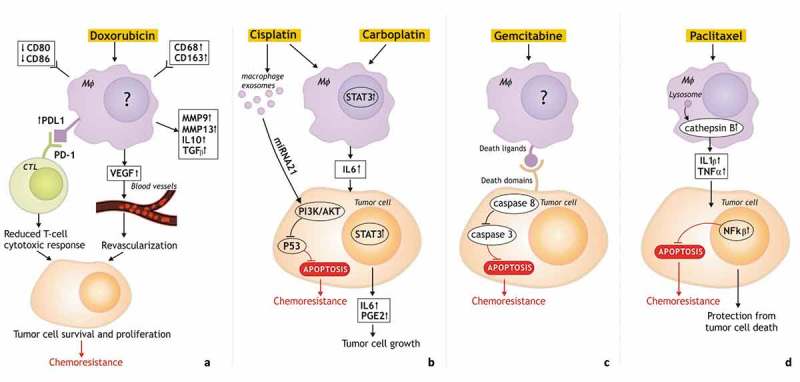
“These cathepsin B elicited NF-κB in tumor cells and enhanced chemoresistance by inducing IL-1β and TNFα secretion [288].”
BackgroundMajor pathways involved in macrophage polarization in cancer
Kerneur, C., Cano, C. E., & Olive, D. (2022) · Frontiers in Immunology · doi:10.3389/fimmu.2022.1026954 · Cited by 337
The Role of Macrophages in Cancer Development and Therapy
Cendrowicz, E., Sas, Z., Bremer, E., & Rygiel, T. P. (2021) · Cancers · doi:10.3390/cancers13081946 · Cited by 332
“role in the development of resistance to many cancer therapies due to their abundance in TME and important role in tumor progression [69,70].”
BackgroundMousset, A., Lecorgne, E., Bourget, I., Lopez, P., Jenovai, K., Cherfils-Vicini, J., Dominici, C., Rios, G., Girard-Riboulleau, C., Liu, B., et al. (2023) · Cancer Cell · doi:10.1016/j.ccell.2023.03.008 · Cited by 266
Advances on immunotherapy for osteosarcoma
Yu, S., & Yao, X. (2024) · Molecular Cancer · doi:10.1186/s12943-024-02105-9 · Cited by 270
“TAM-derived cathepsins may mediate the activation of the nuclear factor-kappa B (NF-kB) signaling pathway and the signal transducer and activator of transcription 3 (STAT3) to facilitate therapeutic resistance [77].”
BackgroundSalemme, V., Centonze, G., Cavallo, F., Defilippi, P., & Conti, L. (2021) · Frontiers in Oncology · doi:10.3389/fonc.2021.610303 · Cited by 247
Yang, Y., Li, S., To, K. K. W., Zhu, S., Wang, F., & Fu, L. (2025) · Journal of Experimental & Clinical Cancer Research · doi:10.1186/s13046-025-03377-9 · Cited by 184
“Accumulating research shows that TAMs are engaged in tumor progression through diverse mechanisms [173].”
He, Z., Wang, J., Zhu, C., Xu, J., Chen, P., Jiang, X., Chen, Y., Jiang, J., & Sun, C. (2022) · Cancer Letters · doi:10.1016/j.canlet.2022.215751 · Cited by 196
Roles of macrophages on ulcerative colitis and colitis-associated colorectal cancer
Zhang, M., Li, X., Zhang, Q., Yang, J., & Liu, G. (2023) · Frontiers in Immunology · doi:10.3389/fimmu.2023.1103617 · Cited by 194
Non-coding RNAs regulation of macrophage polarization in cancer
Mohapatra, S., Pioppini, C., Ozpolat, B., & Calin, G. A. (2021) · Molecular Cancer · doi:10.1186/s12943-021-01313-x · Cited by 205
“TAM-M2s secrete various pro-angiogenic factors including vascular endothelial growth factor-A (VEGF-A), TNFα and produces different factors responsible for the induction of lymphangiogenesis [35], thereby supporting tumor cell proliferation, angiogenesis, invasion, and cancer stem cell functions [36].”
BackgroundSedighzadeh, S. S., Khoshbin, A. P., Razi, S., Keshavarz-Fathi, M., & Rezaei, N. (2021) · Translational Lung Cancer Research · doi:10.21037/tlcr-20-1241 · Cited by 189
“The interplay between TAMs and cancer stem cells by macrophage-derived factors, including IL-6 and Milk-Fat Globule-epidermal growth factor-VIII (MFG-E8) through activation of Hedgehog signals and STAT3 mediates drug resistance and induces distinct important maintenance signaling for cancer stem cells (291-293).”
BackgroundTargeting of TAMs: can we be more clever than cancer cells?
Kzhyshkowska, J. G., Shen, J., & Larionova, I. (2024) · Cellular and Molecular Immunology · doi:10.1038/s41423-024-01232-z · Cited by 201
“TAMs can interfere with several therapeutic approaches, including chemotherapy, immunotherapy, radiation therapy, and other targeted therapies [117 – 119].”
Self-citationMolecular Mechanisms of Chemoresistance Induced by Cisplatin in NSCLC Cancer Therapy
Kryczka, J., Kryczka, J., Czarnecka, K. H., & Brzeziańska‐Lasota, E. (2021) · International Journal of Molecular Sciences · doi:10.3390/ijms22168885 · Cited by 200
Tumor immune microenvironment in head and neck cancers
Chen, S. M. Y., Krinsky, A. L., Woolaver, R. A., Wang, X., Chen, Z., & Wang, J. H. (2020) · Molecular Carcinogenesis · doi:10.1002/mc.23162 · Cited by 179
Tumor Associated Macrophages: Origin, Recruitment, Phenotypic Diversity, and Targeting
Hourani, T., Holden, J. A., Li, W., Lenzo, J. C., Hadjigol, S., & O’Brien-Simpson, N. M. (2021) · Frontiers in Oncology · doi:10.3389/fonc.2021.788365 · Cited by 168
Li, J. J., Tsang, J. Y., & Tse, G. M. (2021) · Cancers · doi:10.3390/cancers13164233 · Cited by 180
New Angiogenic Regulators Produced by TAMs: Perspective for Targeting Tumor Angiogenesis
Larionova, I., Kazakova, E., Gerashchenko, T., & Kzhyshkowska, J. (2021) · Cancers · doi:10.3390/cancers13133253 · Cited by 166
“Accumulating evidence indicates that, apart from well-known angiogenic factors (VEGF-A, PDGF, Ang-1 and -2, MMPs, PA), there are plenty of novel angiogenesis-regulating proteins that belong to different classes.”
BackgroundSelf-citationTargeted Delivery of Drugs and Genes Using Polymer Nanocarriers for Cancer Therapy
Xia, W., Tao, Z., Zhu, B., Zhang, W., Liu, C., Chen, S., & Song, M. (2021) · International Journal of Molecular Sciences · doi:10.3390/ijms22179118 · Cited by 173
Chemical and physical chitosan hydrogels as prospective carriers for drug delivery: a review
Tian, B., Hua, S., Tian, Y., & Liu, J. (2020) · Journal of Materials Chemistry B · doi:10.1039/d0tb01869d · Cited by 171
Upton, R., Banuelos, A., Feng, D., Biswas, T., Kao, K., McKenna, K., Willingham, S., Ho, P. Y., Rosental, B., Tal, M. C., et al. (2021) · Proceedings of the National Academy of Sciences · doi:10.1073/pnas.2026849118 · Cited by 129
“HER2 + breast cancer cell overexpression of CD47, along with the high density of TAMs within the HER2 + breast cancer tumor microenvironment, strongly suggests that Hu5F9-G4 enhance trastuzumab-mediated innate immune responses in HER2 + breast cancer patients (46 – 48).”
Song, Y., Bugada, L. F., Li, R., Hu, H., Zhang, L., Li, C., Yuan, H., Rajanayake, K. K., Truchan, N. A., Wen, F., et al. (2022) · Science Translational Medicine · doi:10.1126/scitranslmed.abl3649 · Cited by 140
Childhood Cancer: Occurrence, Treatment and Risk of Second Primary Malignancies
Zahnreich, S., & Schmidberger, H. (2021) · Cancers · doi:10.3390/cancers13112607 · Cited by 160
“(v) Other chemotherapeutic agents including enzymes, proteasome inhibitors, tyrosine kinase inhibitors, and antibiotics with specific and non-homogenous mechanisms of action [42].”
BackgroundThe CAR macrophage cells, a novel generation of chimeric antigen-based approach against solid tumors
Hadiloo, K., Taremi, S., Heidari, M., & Esmaeilzadeh, A. (2023) · Biomarker Research · doi:10.1186/s40364-023-00537-x · Cited by 143
“Regarding chemotherapy, it’s predicted that the chemotherapeutic agents can help the macrophage-based therapies by changing the macrophage phenotype to anti-tumor types and increasing their recruitment to TME [95].”
BackgroundInfluentialTranscriptional, Epigenetic and Metabolic Programming of Tumor-Associated Macrophages
Larionova, I., Kazakova, E., Patysheva, M. R., & Kzhyshkowska, J. G. (2020) · Cancers · doi:10.3390/cancers12061411 · Cited by 141
“Macrophages can be classified into two major subtypes that reflect two major vectors of functional polarization: classically activated pro-inflammatory, or M1 macrophages, and alternatively activated anti-inflammatory, or M2 macrophages [8,9].”
BackgroundSelf-citationTargeting tumor‑associated macrophages in the tumor microenvironment (Review)
Zhou, K., Cheng, T., Zhan, J., Peng, X., Zhang, Y., Wen, J., Chen, X., & Ying, M. (2020) · Oncology Letters · doi:10.3892/ol.2020.12097 · Cited by 114
“Subsequently, monocyte‐derived macrophages are recruited and polarized into M2‐like TAMs in the TME, which is critical for the establishment of metastatic and malignant tumors (16).”
BackgroundZhu, Y., Li, X., Wang, L., Hong, X., & Yang, J. (2022) · Frontiers in Endocrinology · doi:10.3389/fendo.2022.988295 · Cited by 126
Yang, Y., Yang, F., Huang, Z.-Q., Li, Y.-Y., Shi, H.-Y., Sun, Q., Ma, Y., Wang, Y., Zhang, Y., Yang, S., et al. (2023) · Frontiers in Immunology · doi:10.3389/fimmu.2023.1199173 · Cited by 126
“By increasing IL-12 production, M1 macrophages also boost the type 1 helper T (Th1) cell immune response to kill microbial pathogens and tumor cells (87, 88).”
BackgroundSu, P., Jiang, L., Zhang, Y., Yu, T., Kang, W., Liu, Y., & Yu, J. (2022) · Cancer Cell International · doi:10.1186/s12935-022-02717-5 · Cited by 110
Tumor-associated macrophages in multiple myeloma: advances in biology and therapy
Sun, J., Park, C., Guenthner, N., Gurley, S., Zhang, L., Lubben, B., Adebayo, O., Bash, H. D., Chen, Y., Maksimos, M., et al. (2022) · Journal for ImmunoTherapy of Cancer · doi:10.1136/jitc-2021-003975 · Cited by 109
Drug resistance and tumor immune microenvironment: An overview of current understandings (Review)
Liu, Y., Liang, J., Zhang, Y., & Guo, Q. (2024) · International Journal of Oncology · doi:10.3892/ijo.2024.5684 · Cited by 107
“Within the TME, hyperactive Tregs cells can inhibit immune cell assault on tumors, consequently allowing tumor evasion and proliferation (42).”
BackgroundTackling TAMs for Cancer Immunotherapy: It’s Nano Time
Yang, Y., Guo, J., & Huang, L. (2020) · Trends in Pharmacological Sciences · doi:10.1016/j.tips.2020.08.003 · Cited by 98
“With increased knowledge of cell surface antigens/biomarkers for TAMs [42], “offtarget” issue may be addressed using nanoformulations that have the specific targeting ligand for cell-specific transport.”
BackgroundThe interactions of paclitaxel with tumour microenvironment
Yu, D., Lou, Z., Ma, F.-Y., & Najafi, M. (2022) · International Immunopharmacology · doi:10.1016/j.intimp.2022.108555 · Cited by 103
Macrophage Repolarization as a Therapeutic Strategy for Osteosarcoma
Anand, N., Peh, K. H., & Kolesar, J. (2023) · International Journal of Molecular Sciences · doi:10.3390/ijms24032858 · Cited by 100
“phages, originating from bone marrow and circulating monocytes [21].”
BackgroundThe Complex Tumor Microenvironment in Ovarian Cancer: Therapeutic Challenges and Opportunities
Garlisi, B., Lauks, S., Aitken, C., Ogilvie, L. M., Lockington, C., Petrik, D., Eichhorn, J. S., & Petrik, J. (2024) · Current Oncology · doi:10.3390/curroncol31070283 · Cited by 100
“TAMs pose a direct challenge to therapy through the secretion of chemoprotective molecules such as cathepsin b, in addition to enhancing the angiogenic capability of the tumor [44].”
BackgroundGuimarães, G. R., Maklouf, G. R., Teixeira, C. E., Santos, L. D. O., Tessarollo, N. G., de Toledo, N. E., Serain, A. F., de Lanna, C. A., Pretti, M. A. M., da Cruz, J. G. V., et al. (2024) · Nature Communications · doi:10.1038/s41467-024-49916-4 · Cited by 99
The paradigm of drug resistance in cancer: an epigenetic perspective
Adhikari, S., Bhattacharya, A., Adhikary, S., Singh, V., Gadad, S. S., Roy, S., & Das, C. (2022) · Bioscience Reports · doi:10.1042/bsr20211812 · Cited by 97
Macrophages in Osteosarcoma Immune Microenvironment: Implications for Immunotherapy
Luo, Z.-W., Liu, P.-P., Wang, Z.-X., Chen, C.-Y., & Xie, H. (2020) · Frontiers in Oncology · doi:10.3389/fonc.2020.586580 · Cited by 89
“Chemotherapeutic drugs can inhibit tumorigenesis by blocking proliferation or promoting apoptosis of tumor cells while they induce tissue damage that inevitably activates macrophages’ tissue repair activities, resulting in pro-tumoral effects and drug resistance (66, 67).”
BackgroundNanoparticle-based drug delivery systems in cancer: A focus on inflammatory pathways
Afshari, A. R., Sanati, M., Mollazadeh, H., Kesharwani, P., Johnston, T. P., & Sahebkar, A. (2022) · Seminars in Cancer Biology · doi:10.1016/j.semcancer.2022.01.008 · Cited by 95
Biology and therapeutic targeting of tumour‐associated macrophages
Beltraminelli, T., & De Palma, M. (2020) · The Journal of Pathology · doi:10.1002/path.5403 · Cited by 86
Rakina, M. A., Larionova, I., & Kzhyshkowska, J. G. (2024) · Heliyon · doi:10.1016/j.heliyon.2024.e28332 · Cited by 90
“TAMs can stimulate cancer cell proliferation and primary tumor growth, angiogenesis, lymphangiogenesis, cancer cell invasiveness in vessels and metastatic niche formation, as well as tumor response to anti-cancer therapy [6 – 9].”
BackgroundSelf-citationYamamoto, K., Makino, T., Sato, E., Noma, T., Urakawa, S., Takeoka, T., Yamashita, K., Saito, T., Tanaka, K., Takahashi, T., et al. (2020) · Cancer Science · doi:10.1111/cas.14328 · Cited by 85
Modulation of macrophage metabolism as an emerging immunotherapy strategy for cancer
Dussold, C., Zilinger, K., Turunen, J. R., Heimberger, A. B., & Miska, J. M. (2024) · Journal of Clinical Investigation · doi:10.1172/jci175445 · Cited by 89
Sheng, D., Ma, W., Zhang, R., Zhou, L., Deng, Q., Tu, J., Chen, W., Zhang, F., Gao, N., Dong, M., et al. (2022) · Journal for ImmunoTherapy of Cancer · doi:10.1136/jitc-2021-003793 · Cited by 82
“9 Generally, macrophages are inclined to exhibit an alternatively activated M2-like phenotype with anti-inflammatory and immunosuppressive characteristics.”
Self-citationExtracellular Vesicles: Emerging Modulators of Cancer Drug Resistance
Fontana, F., Carollo, E., Melling, G. E., & Carter, D. R. F. (2021) · Cancers · doi:10.3390/cancers13040749 · Cited by 84
“It is now clear that macrophages are recruited by tumor cells to mediate mechanisms of drug resistance [105].”
BackgroundTao, H., Liu, M., Wang, Y., Luo, S., Xu, Y., Ye, B., Zheng, L., Meng, K., & Li, L. (2021) · Frontiers in Immunology · doi:10.3389/fimmu.2021.609295 · Cited by 77
Selenium and selenoproteins in prostanoid metabolism and immunity
Qian, F., Misra, S., & Prabhu, K. S. (2019) · Critical Reviews in Biochemistry and Molecular Biology · doi:10.1080/10409238.2020.1717430 · Cited by 78
“Macrophage reprograming from M2 phenotype to M1 phenotype contributes to enhancing the efficacy of cancer drugs and suppressing tumor growth (Larionova et al. 2019).”
BackgroundTargeted Immunotherapies in Gastrointestinal Cancer: From Molecular Mechanisms to Implications
Wang, D.-K., Zuo, Q., He, Q., & Li, B. (2021) · Frontiers in Immunology · doi:10.3389/fimmu.2021.705999 · Cited by 74
“According to some reports, on the one hand, a high density of TAMs predicts a better postoperative outcome (36), and on the other hand, TAMs also secrete cytokines that FIGURE 1 | Modulation of the tumor immune microenvironment.”
BackgroundYu, L., Zhang, J., & Li, Y. (2022) · Frontiers in Immunology · doi:10.3389/fimmu.2022.871076 · Cited by 73
Targeting the tumour microenvironment in platinum-resistant ovarian cancer
Cummings, M., Freer, C., & Orsi, N. M. (2021) · Seminars in Cancer Biology · doi:10.1016/j.semcancer.2021.02.007 · Cited by 71
Monocyte programming by cancer therapy
Patysheva, M. R., Frolova, A. A., Larionova, I., Afanas’ev, S. G., Тарасова, А. С., Чердынцева, Н. В., & Kzhyshkowska, J. G. (2022) · Frontiers in Immunology · doi:10.3389/fimmu.2022.994319 · Cited by 75
“The involvement of TME in radioresistance was demonstrated in several studies (102, 103).”
BackgroundInfluentialSelf-citationRadiation Therapy and Myeloid-Derived Suppressor Cells: Breaking Down Their Cancerous Partnership
Bergerud, K. B., Berkseth, M., Pardoll, D. M., Ganguly, S., Kleinberg, L. R., Lawrence, J., Odde, D. J., Largaespada, D. A., Terezakis, S. A., & Sloan, L. (2023) · International Journal of Radiation Oncology*Biology*Physics · doi:10.1016/j.ijrobp.2023.11.050 · Cited by 66
“15 High densities of TAMs are associated with worse overall survival in gastric, urogenital, and head and neck cancers.”
BackgroundHIF1α promotes tumor chemoresistance via recruiting GDF15-producing TAMs in colorectal cancer
Zheng, H., Yu, S., Zhu, C., Guo, T., Liu, F., & Xu, Y. (2020) · Experimental Cell Research · doi:10.1016/j.yexcr.2020.112394 · Cited by 65
Li, C., Qiu, Q., Gao, X., Yan, X., Fan, C., Luo, X., Liu, X., Wang, S., Lai, X., Song, Y., et al. (2021) · Journal of Controlled Release · doi:10.1016/j.jconrel.2021.06.027 · Cited by 60
Radiotherapy resistance: identifying universal biomarkers for various human cancers
Larionova, I., Rakina, M. A., Ivanyuk, E. E., Trushchuk, Y. M., Чернышова, А. Л., & Denisov, E. V. (2022) · Journal of Cancer Research and Clinical Oncology · doi:10.1007/s00432-022-03923-4 · Cited by 60
Self-citationTumor-associated macrophages: Potential therapeutic targets and diagnostic markers in cancer
Song, J., Xiao, T., Li, M., & Jia, Q. (2023) · Pathology - Research and Practice · doi:10.1016/j.prp.2023.154739 · Cited by 61
Liu, D., Xu, X., Dai, Y., Zhao, X., Bao, S., Ma, W., Zha, L., Liu, S., Liu, Y., Zheng, J., et al. (2021) · Journal for ImmunoTherapy of Cancer · doi:10.1136/jitc-2020-001466 · Cited by 61
Role of the Tumor Microenvironment in Regulating Pancreatic Cancer Therapy Resistance
Deng, D., Patel, R. H., Chiang, C.-Y., & Hou, P. (2022) · Cells · doi:10.3390/cells11192952 · Cited by 62
“TAMs exacerbate desmoplasia, angiogenesis, nutrient deprivation, and immune suppression to promote tumor growth by producing cytokines, chemokines, growth factors, and ECM components [126,131].”
BackgroundKazakova, E., Rakina, M. A., Sudarskikh, T., Iamshchikov, P. S., Тарасова, А. С., Таширева, Л. А., Afanasiev, S. G., Dobrodeev, А. Y., Zhuikova, L. D., Чердынцева, Н. В., et al. (2023) · Frontiers in Oncology · doi:10.3389/fonc.2023.1058337 · Cited by 56
Self-citationYu, S., Li, Q., Yu, Y., Cui, Y., Li, W., Liu, T., & Liu, F. (2020) · Cancer Immunology Immunotherapy · doi:10.1007/s00262-020-02598-5 · Cited by 56
Self-citationYang, Y., Wang, Y., Ahn, J., Kim, B., & Choi, J. (2022) · Biomedicine & Pharmacotherapy · doi:10.1016/j.biopha.2022.113474 · Cited by 57
DeNardo, D. G., Galkin, A., Dupont, J., Zhou, L., & Bendell, J. (2021) · Journal for ImmunoTherapy of Cancer · doi:10.1136/jitc-2021-003005 · Cited by 53
“Elevated baseline levels of circulating MDSCs 20–23 and tumor resident TAMs 24 25 associate with advanced clinical stage, metastatic status, and worse treatment outcomes across various indications.”
ZEB2 is a master switch controlling the tumor-associated macrophage program
Sheban, F., Phan, T. S., Xie, K., Ingelfinger, F., Gur, C., Itai, Y. S., Blecher‐Gonen, R., Yu, C., Avellino, R., Chalan, P., et al. (2025) · Cancer Cell · doi:10.1016/j.ccell.2025.03.021 · Cited by 56
Exosomal miR-487a derived from m2 macrophage promotes the progression of gastric cancer
Yang, X., Cai, S., Shu, Y. L., Deng, X., Zhang, Y., He, N., Wan, L., Xu, C., Qu, Y., & Yu, S. (2021) · Cell Cycle · doi:10.1080/15384101.2021.1878326 · Cited by 53
“As a critical part of tumor microenvironment, TAMs play multiple roles in tumorigenesis and growth [37,38], immune regulation [39], metastasis [40], and chemo-resistance [41].”
BackgroundMitomycin C enhanced the efficacy of PD-L1 blockade in non-small cell lung cancer
Luo, M., Wang, F., Zhang, H., To, K. K. W., Wu, S., Chen, Z., Liang, S., & Fu, L. (2020) · Signal Transduction and Targeted Therapy · doi:10.1038/s41392-020-0200-4 · Cited by 59
Extracellular Vesicle-Mediated Chemoresistance in Oral Squamous Cell Carcinoma
Law, Z.-J., Khoo, X. H., Lim, P. T., Goh, B. H., Ming, L. C., Lee, W.-L., & Goh, H. P. (2021) · Frontiers in Molecular Biosciences · doi:10.3389/fmolb.2021.629888 · Cited by 53
“of DNA (trabectedin), inhibiting thymidylate synthase (5-fluorouracil), antimetabolite for pyrimidine nucleoside (gemcitabine) (Larionova et al., 2019).”
BackgroundCrown-Like Structures in Breast Adipose Tissue: Early Evidence and Current Issues in Breast Cancer
Maliniak, M. L., Miller‐Kleinhenz, J. M., Cronin-Fenton, D. P., Lash, T. L., Gogineni, K., Janssen, E. A. M., & McCullough, L. E. (2021) · Cancers · doi:10.3390/cancers13092222 · Cited by 55
“Moreover, macrophages may further protect tumor cells from the cytotoxic effects of chemotherapy— as suggested in several in vitro studies [7,107,108].”
BackgroundRoy, S. M., Garg, V., Barman, S., Ghosh, C., Maity, A. R., & Ghosh, S. K. (2021) · Frontiers in Bioengineering and Biotechnology · doi:10.3389/fbioe.2021.785937 · Cited by 54
“, 2019), tumorassociated macrophages (TAMs) (Qian et al., 2009; Noy and Pollard, 2014; Larionova et al., 2019; Lin et al., 2019), tumorassociated neutrophils (TANs), mesenchymal stem cells and extracellular matrix (ECM) with fibrous structural proteins (e.”
BackgroundHow Chemotherapy Affects the Tumor Immune Microenvironment: A Narrative Review
Merlano, M. C., Denaro, N., Galizia, D., Ruatta, F., Occelli, M., Minei, S., Abbona, A., Paccagnella, M., Ghidini, M., & Garrone, O. (2022) · Biomedicines · doi:10.3390/biomedicines10081822 · Cited by 54
“Cyclophosphamide, cisplatin, carboplatin and paclitaxel are among the cytotoxic drugs able to induce TAM reprogramming from the M2 to the M1 phenotype in experimental models and in patients [34].”
BackgroundInfluentialThe tumor microenvironment: a key player in multidrug resistance in cancer
Meng, L., Zheng, Y., Liu, H., & Fan, D. (2024) · ONCOLOGIE · doi:10.1515/oncologie-2023-0459 · Cited by 56
Chen, Y., Zhang, C., Peng, Z., Qi, C., Gong, J., Zhang, X., Li, J., & Shen, L. (2021) · Frontiers in Oncology · doi:10.3389/fonc.2021.589022 · Cited by 53
“High levels of CD68+ TAMs in GC were associated with metastasis and poor prognosis (42).”
BackgroundAn overview of the role of interleukin-8 in colorectal cancer
Najdaghi, S., Razi, S., & Rezaei, N. (2020) · Cytokine · doi:10.1016/j.cyto.2020.155205 · Cited by 52
Leptin Augments Antitumor Immunity in Obesity by Repolarizing Tumor-Associated Macrophages
Dudzinski, S. O., Bader, J. E., Beckermann, K. E., Young, K. L., Hongo, R. A., Madden, M. Z., Abraham, A., Reinfeld, B. I., Ye, X., MacIver, N. J., et al. (2021) · The Journal of Immunology · doi:10.4049/jimmunol.2001152 · Cited by 53
Rangasami, V. K., Samanta, S., Parihar, V. S., Asawa, K., Zhu, K., Varghese, O. P., Teramura, Y., Nilsson, B., Hilborn, J. G., Harris, R. A., et al. (2020) · Carbohydrate Polymers · doi:10.1016/j.carbpol.2020.117291 · Cited by 48
Simultaneous Tumor and Stroma Targeting by Oncolytic Viruses
Everts, A., Bergeman, M. H., McFadden, G., & Kemp, V. (2020) · Biomedicines · doi:10.3390/biomedicines8110474 · Cited by 51
Su, P., Li, O., Ke, K., Jiang, Z., Wu, J., Wang, Y., Mou, Y., & Jin, W. (2024) · International Journal of Oncology · doi:10.3892/ijo.2024.5648 · Cited by 47
“However, TAMs have been verified to reduce the chemotherapeutic effi‑ cacy and indue tumor recurrence, which is closely associated with chemotherapy resistance (27).”
BackgroundThe Prognostic Value of CD206 in Solid Malignancies: A Systematic Review and Meta-Analysis
Debacker, J. M., Gondry, O., Lahoutte, T., Keyaerts, M., & Huvenne, W. (2021) · Cancers · doi:10.3390/cancers13143422 · Cited by 49
“Consequentially, the presence of CD206expressing macrophages in the tumor microenvironment could be used as a possible tool to predict tumor response to different therapies [54].”
BackgroundCombinational Gene Therapy toward Cancer with Nanoplatform: Strategies and Principles
Lin, J., Wang, X., Ni, D., Chen, Y., Chen, C., & Liu, Y. (2023) · ACS Materials Au · doi:10.1021/acsmaterialsau.3c00035 · Cited by 48
Macrophages as a Source and Target of GDF-15
Silva-Bermúdez, L. S., Klüter, H., & Kzhyshkowska, J. G. (2024) · International Journal of Molecular Sciences · doi:10.3390/ijms25137313 · Cited by 48
“Several years ago, reprogramming of macrophages aroused a new wave of interest, driven primarily by the need to enhance the efficacy of conventional chemotherapy and novel immunotherapy in solid tumors [10–12].”
BackgroundSelf-citationCancer stem cells and macrophages: molecular connections and future perspectives against cancer
Aramini, B., Masciale, V., Grisendi, G., Banchelli, F., D’Amico, R., Maiorana, A., Morandi, U., Dominici, M., & Haider, K. H. (2021) · Oncotarget · doi:10.18632/oncotarget.27870 · Cited by 51
Cancer stem cells: a target for overcoming therapeutic resistance and relapse
Zhang, S., Yang, R., Ouyang, Y., Shen, Y., Hu, L., & Xu, C. S. (2024) · Cancer Biology and Medicine · doi:10.20892/j.issn.2095-3941.2023.0333 · Cited by 48
“In the context of cancer, M2 macrophages are commonly regarded as tumor-associated macrophages (TAMs) 65,66 .”
Granai, M., Mundo, L., Akarca, A. U., Siciliano, M. C., Rizvi, H., Mancini, V., Onyango, N., Nyagol, J. A., Othieno-Abinya, N. A., Maha, I., et al. (2020) · Infectious Agents and Cancer · doi:10.1186/s13027-020-00292-w · Cited by 47
Zhao, B., Hui, X., Wang, J., Zeng, H., Yu, Y., Hu, Q., Ge, G., & ei, T. (2026) · American Journal of Cancer Research · doi:10.62347/igxe9048 · Cited by 47
Wang, H., Zhao, C., Santa-Maria, C. A., Emens, L. A., & Popel, A. S. (2022) · iScience · doi:10.1016/j.isci.2022.104702 · Cited by 49
Xia, Y., Brown, Z. J., Huang, H., & Tsung, A. (2021) · Cancer Medicine · doi:10.1002/cam4.4177 · Cited by 48
Messing Up the Cancer Stem Cell Chemoresistance Mechanisms Supported by Tumor Microenvironment
Gaggianesi, M., Franco, S. D., Pantina, V. D., Porcelli, G., D’Accardo, C., Verona, F., Veschi, V., Colarossi, L., Faldetta, N., Pistone, G., et al. (2021) · Frontiers in Oncology · doi:10.3389/fonc.2021.702642 · Cited by 49
Bae, S. J., Cha, Y. J., Yoon, C. I., Kim, D., Lee, J., Park, S., Cha, C., Kim, J. Y., Ahn, S. G., Park, H. S., et al. (2020) · Scientific Reports · doi:10.1038/s41598-020-69965-1 · Cited by 41
Tumor-associated macrophages in lymphoma: From mechanisms to therapy
Xiong, X., Xie, X., Wang, Z., Zhang, Y., & Wang, L. (2022) · International Immunopharmacology · doi:10.1016/j.intimp.2022.109235 · Cited by 41
Effect of Early-Stage Human Breast Carcinoma on Monocyte Programming
Patysheva, M. R., Larionova, I., Stakheyeva, M. N., Grigoryeva, E. S., Iamshchikov, P. S., Tarabanovskaya, N. A., Weiß, C., Kardashova, J., Frolova, A. A., Rakina, M. A., et al. (2022) · Frontiers in Oncology · doi:10.3389/fonc.2021.800235 · Cited by 46
“Despite extensively accumulating knowledge about the mechanism by which TAM decrease the efficiency of chemotherapy, information about the role of monocytes as regulators of tumor response to chemotherapeutic agents is extremely limited (27).”
BackgroundSelf-citationWan, L., Wu, C., Luo, S., & Xie, X. (2022) · Disease Markers · doi:10.1155/2022/3610038 · Cited by 44
Andreuzzi, E., Fejza, A., Polano, M., Poletto, E., Camicia, L., Carobolante, G., Tarticchio, G., Todaro, F., Carlo, E. D., Scarpa, M., et al. (2022) · Journal of Experimental & Clinical Cancer Research · doi:10.1186/s13046-022-02271-y · Cited by 40
The Use of Microspheres for Cancer Embolization Therapy: Recent Advancements and Prospective
Nuzulia, N. A., Mart, T., Ahmed, I., & Sari, Y. W. (2024) · ACS Biomaterials Science & Engineering · doi:10.1021/acsbiomaterials.3c00659 · Cited by 38
Metadata
- Authors
- Larionova, I., Cherdyntseva, N., Liu, T., Patysheva, M., Rakina, M., & Kzhyshkowska, J.
- Affiliations
- Russian Academy of Sciences (RU)
- Laboratory of Translational Cellular and Molecular Biomedicine, National Research Tomsk State University, Tomsk, Russia
- Heidelberg University (DE)
- National Research Tomsk State University (RU)
- Corresponding author
- Kzhyshkowska, Julia
- Venue
- OncoImmunology
- Publisher
- Informa UK Limited
- Published
- 2019-04-13
- Volume
- 8
- Issue
- 7
- Pages
- e1596004
- ISSN
- 2162-4011 (ISSN-L)
- 2162-402X
- PMC
- PMC6527283
- OpenAlex
- W2939258716
- Cited by
- 322
- References
- 124
- Citations by year
- 2026: 18 · 2025: 37 · 2024: 53 · 2023: 46 · 2022: 65 · 2021: 59 · 2020: 37 · 2019: 7
- FWCI
- 3.62
- Type
- journal article
- Language
- en
- Open access
- gold
- doi.org
- Licence
- Locations
- OncoImmunology (publishedVersion, cc-by-nc-nd)
- PubMed Central (publishedVersion, cc-by-nc-nd)
- PubMed (publishedVersion)
- DOAJ (DOAJ: Directory of Open Access Journals) (submittedVersion, cc-by-sa)
- Funders
- Russian Science Foundation
- Topics
- Life Sciences › Immunology and Microbiology › Immunology › Immune cells in cancer
- Health Sciences › Medicine › Oncology › Cancer Cells and Metastasis
- Life Sciences › Biochemistry, Genetics and Molecular Biology › Cancer Research › Cancer, Stress, Anesthesia, and Immune Response
- Keywords
- tumor-associated macrophages, tumor microenvironment, chemotherapy response, chemoresistance, solid tumors, monocytes, macrophage heterogeneity, phenotypic plasticity, innate immunity
About these checks
Registry, retraction, Cites and statistics results are computed, not judged, with one exception: a printed reference that no index lists is read once by a model before it counts as a citation error. Claims are extracted by a model and kept only when their quote appears verbatim in the text; each cited source is then checked, with a model’s help, for whether it says what the claim relies on. Those verdicts can be wrong — read the claim’s quote and the cited source before relying on one.
Statistics and arithmetic are recomputed, not judged.
Confidence bands are shown only for fields calibrated on our annotated test set. None is calibrated yet, so no band is shown.
What counts as a claim ›How we measure confidence ›How we check this ›
Are you an author, or do you see a problem with this page? Request a review
Data sources
Bibliographic data: Semantic Scholar, OpenAlex, Crossref.
Contains information from the Semantic Scholar Academic Graph Datasets, made available under the ODC Attribution License (ODC-BY 1.0).
Semantic Scholar’s data is described in: Kinney, R., et al. (2023). The Semantic Scholar Open Data Platform. arXiv:2301.10140.
