

The DOI matches its Crossref record; 191 of the 191 references it cites were found in a registry or an index.
Body temperature regulation in diabetes
Open accessAbstract
The effects of type 1 and type 2 diabetes on the body's physiological response to thermal stress is a relatively new topic in research. Diabetes tends to place individuals at greater risk for heat-related illness during heat waves and physical activity due to an impaired capacity to dissipate heat. Specifically, individuals with diabetes have been reported to have lower skin blood flow and sweating responses during heat exposure and this can have important consequences on cardiovascular regulation and glycemic control. Those who are particularly vulnerable include individuals with poor glycemic control and who are affected by diabetes-related complications. On the other hand, good glycemic control and maintenance of aerobic fitness can often delay the diabetes-related complications and possibly the impairments in heat loss. Despite this, it is alarming to note the lack of information regarding diabetes and heat stress given the vulnerability of this population. In contrast, few studies have examined the effects of cold exposure on individuals with diabetes with the exception of its therapeutic potential, particularly for type 2 diabetes. This review summarizes the current state of knowledge regarding the impact of diabetes on heat and cold exposure with respect to the core temperature regulation, cardiovascular adjustments and glycemic control while also considering the beneficial effects of maintaining aerobic fitness.
Overview
The claims and statistics of this paper haven’t been checked yet.
Run the check — free, no account needed. It reads the open-access text and checks the sources it cites.
Integrity signals
Registry
Cites
Statistics
Figures
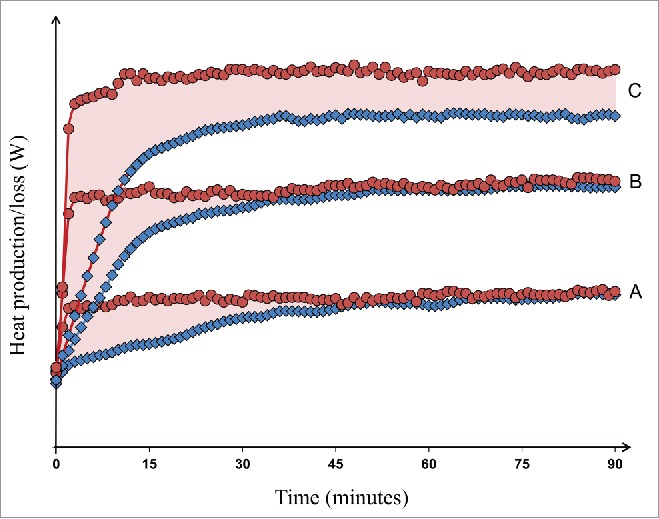
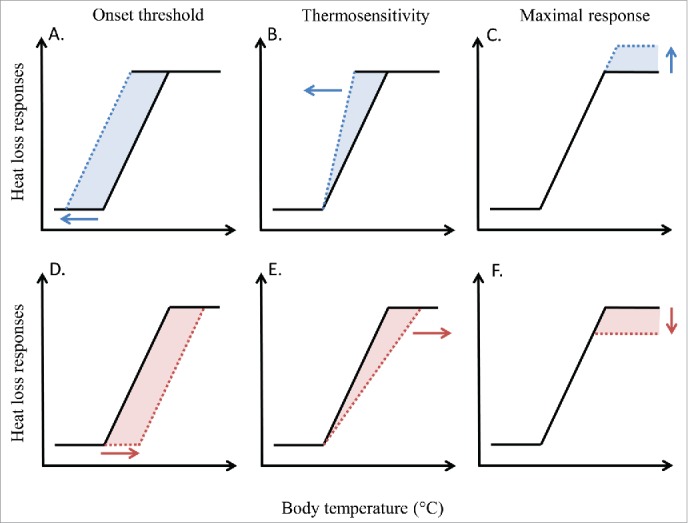
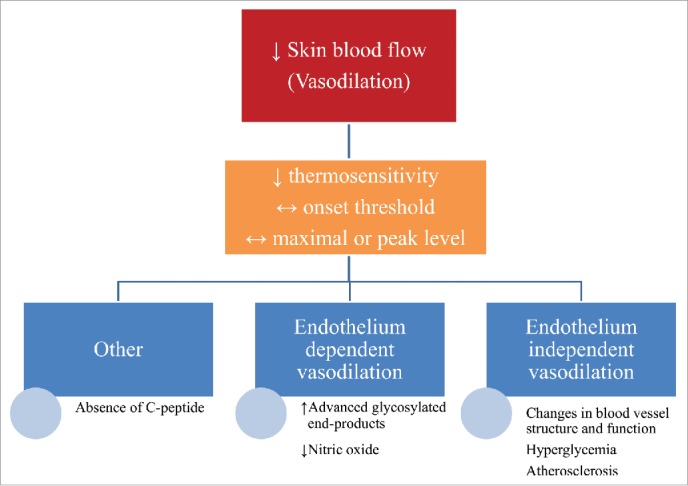
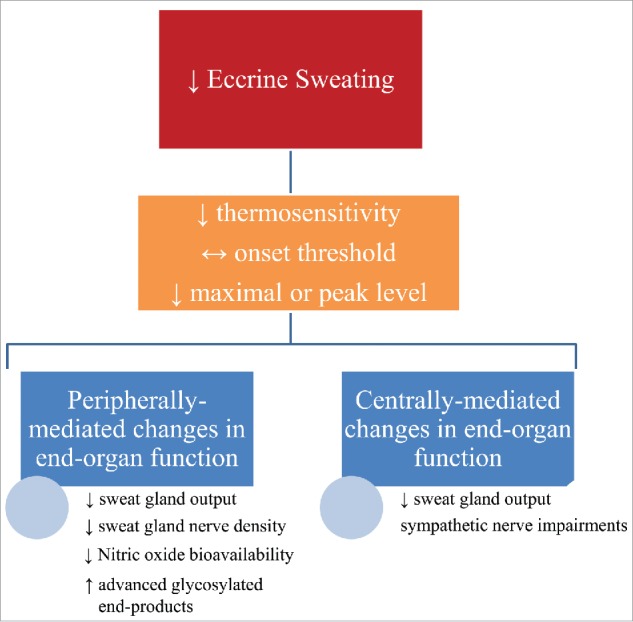



Verification
Claims the paper makes
The claims and statistics of this paper haven’t been checked yet.
Run the check — free, no account needed. It reads the open-access text and checks the sources it cites.
Claims other papers make about this one
Each is checked against this paper’s own text: does it say what the citing paper says it does?
The source backs part of the claim, not all of it — or backs it for a different population, condition or comparison.
In the citing paper
“For example, hypoglycemia is known to qualitatively increase sweating rates as the body seeks to lower core temperature to conserve energy52.”
From A wearable patch for continuous analysis of thermoregulatory sweat at rest (2021) · cites this paper as [52]
Experimental — accuracy not yet measuredThe cited source says what the claim attributes to it.
In the citing paper
“Furthermore, people with DM have been reported to have lower skin blood flow and dysregulated thermoregulatory responses during heat exposure, which is associated with dysregulated thermal, cardiovascular, and glycemic control6–8.”
From Sleep and temperature data from wearable devices support noninvasive detection of diabetes mellitus in a large-scale, retrospective analysis (2026) · cites this paper as [6]
The check wasn’t confident either way, so it gives no verdict — never disputed.
In the citing paper
“Similarly, features of sleep-wake time series can directly capture insomnia-like patterns in sleep related to DM6,34,43,44.”
From Sleep and temperature data from wearable devices support noninvasive detection of diabetes mellitus in a large-scale, retrospective analysis (2026) · cites this paper as [6]
Experimental — accuracy not yet measuredThe check wasn’t confident either way, so it gives no verdict — never disputed.
In the citing paper
“Within a night, the complexity of the distal body temperature time series has been related to the autonomic nervous system’s (ANS) health during sleep6,34.”
From Sleep and temperature data from wearable devices support noninvasive detection of diabetes mellitus in a large-scale, retrospective analysis (2026) · cites this paper as [6]
Experimental — accuracy not yet measured
Self-check
Percentages, sums and reported differences re-computed from the paper’s own numbers.
The self-check needs the paper’s full text.
Citations
Cites
International Diabetes Federation 2017
Carracher, A. M., Marathe, P. H., & Close, K. L. (2018) · Journal of Diabetes · doi:10.1111/1753-0407.12644 · Cited by 13,379
Atkinson, M. A., Eisenbarth, G. S., & Michels, A. W. (2014) · The Lancet · doi:10.1016/s0140-6736(13)60591-7 · Cited by 2,931
Bouchama, A., & Knochel, J. P. (2002) · New England Journal of Medicine · doi:10.1056/nejmra011089 · Cited by 1,898
Pathophysiology and treatment of type 2 diabetes: perspectives on the past, present, and future
Kahn, S. E., Cooper, M. E., & Del Prato, S. (2014) · The Lancet · doi:10.1016/s0140-6736(13)62154-6 · Cited by 1,743
The Effects of Climate Change on Cardiac Health
De Blois, J., Kjellstrom, T., Agewall, S., Ezekowitz, J. A., Armstrong, P. W., & Atar, D. (2015) · Cardiology · doi:10.1159/000398787 · Cited by 1,697
Umpierre, D. (2011) · JAMA · doi:10.1001/jama.2011.576 · Cited by 1,358 · cited 2×
“A recent meta-analysis by Umpierre et al.181 reported a mean decrease in HbA1c following a structured exercise intervention >12 weeks of ~0.7%.”
MethodInfluentialFeldmann, H. M., Golozoubova, V., Cannon, B., & Nedergaard, J. (2009) · Cell Metabolism · doi:10.1016/j.cmet.2008.12.014 · Cited by 1,318 · cited 1×
“The activity of brown adipose tissue has been shown to be characterized by uncoupling protein-1, a mitochondrial protein, and has been reported to have a pronounced role inwhole-body thermogenesis even under resting conditions.(155) While brown adipose tissue activity is reported to be relatively lower in individuals…”
BackgroundBoyle, J. P., Thompson, T. J., Gregg, E. W., Barker, L. E., & Williamson, D. F. (2010) · Population Health Metrics · doi:10.1186/1478-7954-8-29 · Cited by 1,309 · cited 1×
“Advanced age is a particularly important risk factor for type 2 diabetes, with diabetes prevalence rate reaching as high as 33% in older adults who are obese.(190) Given that the mean age of the workforce is increasing rapidly, employers are faced increasingly with the challenge of accommodating individuals with chron…”
BackgroundGenetics, pathogenesis and clinical interventions in type 1 diabetes
Bluestone, J. A., Herold, K., & Eisenbarth, G. (2010) · Nature · doi:10.1038/nature08933 · Cited by 1,265 · cited 1×
“Type 1 diabetes was formerly known as juvenile diabetes due to its common presentation in children and adolescents, and is characterized by the endocrine pancreas ceasing to produce insulin following the immune-mediated destruction of b-islet cells.(2)”
BackgroundInfluentialType 2 diabetes and incidence of cardiovascular diseases: a cohort study in 1.9 million people
Shah, A. D., Langenberg, C., Rapsomaniki, E., Denaxas, S., Pujades-Rodriguez, M., Gale, C. P., Deanfield, J., Smeeth, L., Timmis, A., & Hemingway, H. (2015) · The Lancet Diabetes & Endocrinology · doi:10.1016/s2213-8587(14)70219-0 · Cited by 1,225
Research works printed but not linked: 12
- World Health Organization, 2014, Page 150-154. Geneva
- Public Health Agency of Canada, 2011, Government of Canada, 27
- American Diabetes Association, 2014, National Diabetes Statistics Report
- Centers for Disease Control and Prevention, 2014, Division of Diabetes Translation,, 1
- IPCC. Intergovernmental Panel on Climate Change. 5th Assessment Report of the Intergovernmental Panel on Climate Change. Cambridge, UK. 2013.
- Yardley JE, 2013, Curr Diabetes Rev, 9, 126
- Gagge AP, 1996, New York: Oxford University Press, 45
- Petrofsky JS, 2005, Med Sci Monit, 11, CR515
- Rand S, 2008, J Appl Res, 8, 48
- Kenney WL, 1984, J Appl Physiol Respir Environ Exerc Physiol, 56, 930
- Vroman NB, 1983, J Appl Physiol Respir Environ Exerc Physiol, 55, 69
- Baron AD, 1994, Am J Physiol, 266, E248
Cited by
Sorted by citations
Items 101–200 of 295
Herder, C., Zhang, S., Wolf, K., Maalmi, H., Bönhof, G. J., Rathmann, W., Schwettmann, L., Thorand, B., Roden, M., Schneider, A. E., et al. (2022) · The Science of The Total Environment · doi:10.1016/j.scitotenv.2022.159878 · Cited by 14
“Additionally, both heat and cold stress exacerbate cardiometabolic conditions (Kenny et al., 2016; Ebi et al., 2021), but associations between annual or seasonal average ambient air temperature and DSPN have not been studied.”
BackgroundMcLean, K. E., Lee, M. J., Coker, E. S., & Henderson, S. B. (2024) · Environmental Research Health · doi:10.1088/2752-5309/ad5eac · Cited by 20
Mueller, P., Clifford, P. S., Crandall, C., Smith, S. A., & Fadel, P. J. (2017) · Comprehensive Physiology · doi:10.1002/j.2040-4603.2018.tb00001.x · Cited by 36
Contador, S., Colmenar, J. M., Garnica, Ó., Velasco, J. M., & Hidalgo, J. I. (2021) · Genetic Programming and Evolvable Machines · doi:10.1007/s10710-021-09424-6 · Cited by 13
“The influence of these variables in diabetic patients is documented in [9, 25, 48].”
BackgroundFlouris, A. D. (2019) · Springer eBooks · doi:10.1007/978-3-319-93515-7_1 · Cited by 16
Gupta, N., & Shakya, M. (2017) · Indian Journal of Science and Technology · doi:10.17485/ijst/2017/v10i12/109437 · Cited by 13
Cocchi, C., Selleri, V., Zanini, G., Moscucci, F., Sciomer, S., Gallina, S., Nasi, M., Desideri, G., Pinti, M., Borghi, C., et al. (2025) · Frontiers in Endocrinology · doi:10.3389/fendo.2025.1667222 · Cited by 12
Giannaros, C., Economou, T., Parliari, D., Galanaki, E., Kotroni, V., Lagouvardos, K., & Matzarakis, A. (2024) · Urban Climate · doi:10.1016/j.uclim.2024.102206 · Cited by 12
An Optical Fiber-Based Data-Driven Method for Human Skin Temperature 3-D Mapping
Liu, W., Jia, D., Zhao, J. C., Zhang, H., Liu, T., Zhang, Y., & Sun, Y. (2018) · IEEE Journal of Biomedical and Health Informatics · doi:10.1109/jbhi.2018.2854734 · Cited by 12
“Real-time entire human skin temperature 3D mapping, although not existing in the state-of-the-art, will provide considerable information for these conditions and will be able to serve as a platform technology for diagnosis of the diseases in the above mentioned application scenarios as well as scientific and clinical…”
InfluentialFujii, N., Dervis, S., Sigal, R. J., & Kenny, G. P. (2016) · American Journal of Physiology-Regulatory, Integrative and Comparative Physiology · doi:10.1152/ajpregu.00376.2016 · Cited by 12
“sweating during a thermal challenge (21).”
Self-citationIkäheimo, T. M., Jokelainen, J. J., Hassi, J., Hiltunen, L. A., Keinanen-Kiukaanniemi, S. M., Laatikainen, T. K., Jousilahti, P., Peltonen, M., Moilanen, L., Saltevo, J. T., et al. (2017) · Diabetes Research and Clinical Practice · doi:10.1016/j.diabres.2017.04.022 · Cited by 12
Comparing Mizaj (temperament) in type 1 diabetes mellitus and healthy controls: A case–control study
Ilkhani, R., Aghanouri, Z., Mojahedi, M., Montazeri, A., Siavash, M., & Tabatabaei, F. (2019) · Journal of Research in Medical Sciences · doi:10.4103/jrms.jrms_980_18 · Cited by 12
“[2] ] In the context of this concept, each person has a unique The term Ziabites was used to describe diabetes, in the PM.”
InfluentialGulshan, & Arora, A. S. (2024) · Biomedical Physics & Engineering Express · doi:10.1088/2057-1976/ad2479 · Cited by 11
New York State Climate Impacts Assessment Chapter 07: Human Health and Safety
Barnes, J., Sheffield, P. E., Graber, N. M., Jessel, S., Lanza, K., Limaye, V. S., Morrow, F., Sauthoff, A., Schmeltz, M. T., Smith, S., et al. (2024) · Annals of the New York Academy of Sciences · doi:10.1111/nyas.15244 · Cited by 12
Does hydrotherapy influence plasma glucose levels in type 2 diabetes? – A scoping review
Chidambaram, Y., Vijayakumar, V., Ravi, P., Boopalan, D., Anandhan, A., & Kuppusamy, M. (2023) · Journal of Complementary and Integrative Medicine · doi:10.1515/jcim-2023-0037 · Cited by 10
Combined impact of heat and dust on diabetes hospitalization in Kuwait
Alahmad, B., Ali, H., Alwadi, Y., Al-Hemoud, A. M., Koutrakis, P., & Al‐Mulla, F. (2024) · BMJ Open Diabetes Research & Care · doi:10.1136/bmjdrc-2024-004320 · Cited by 10
“16 Furthermore, fine dust particles can induce endothelial damage and oxidative stress, exacerbating vascular complications and systemic inflammation, thus worsening diabetic outcomes.”
BackgroundInfluentialKirby, N. V., Tetzlaff, E. J., Kidd, S. A., Brown, E. E., Bezgrebelna, M., Yoon, L., Henderson, S. B., & Kenny, G. P. (2025) · The Science of The Total Environment · doi:10.1016/j.scitotenv.2025.179965 · Cited by 13
Self-citationKörperliche Aktivität und Sport bei Typ-2-Diabetes
Niess, A. M., & Thiel, A. (2017) · Diabetologie und Stoffwechsel · doi:10.1055/s-0042-121407 · Cited by 9
“Eine weitere Folge der auto-nomen Neuropathie ist eine gestörte Thermoregulation sowohl bei Hitze als auch in der Kälte [69].”
Regional cutaneous vasodilator responses to rapid and gradual local heating in young adults
Saci, S., McGarr, G. W., Fujii, N., & Kenny, G. P. (2021) · Journal of Thermal Biology · doi:10.1016/j.jtherbio.2021.102978 · Cited by 10
Self-citationTranslational longevity medicine: a Swiss perspective in an ageing country
Ruckstuhl, M., Bischof, E. Y., Armon, D. B., Buhayer, A., Goldhahn, J., Battegay, E. J., Tichelli, A., & Ewald, C. Y. (2023) · Swiss Medical Weekly · doi:10.57187/smw.2023.40088 · Cited by 11
“The elderly, especially those with chronic health conditions such as diabetes mellitus [43], are more susceptible to heat and heat waves [44], which are projected to increase globally with climate change [45], with temperatures in Switzerland increasing at up to twice the rate [46].”
BackgroundAmbient heat and diabetes hospitalizations: Does the timing of heat exposure matter?
Gao, D., Friedman, S., Hosler, A. S., Sheridan, S. C., Zhang, W., Yu, F., & Lin, S. (2023) · The Science of The Total Environment · doi:10.1016/j.scitotenv.2023.169011 · Cited by 10
Fujii, N., Meade, R. D., McNeely, B. D., Nishiyasu, T., Sigal, R. J., & Kenny, G. P. (2017) · Experimental Physiology · doi:10.1113/ep086694 · Cited by 11
Self-citationFowler, R. C., Jeffries, O., Tallent, J., Theis, N., Heffernan, S. M., McNarry, M. A., Kilduff, L. P., & Waldron, M. (2020) · European Journal of Sport Science · doi:10.1080/17461391.2020.1739144 · Cited by 10
“…flow following cold exposure among those with Raynaud’s phenomenon (Shepherd et al., 2019) and it is known that both type 1 and 2 diabetics demonstrate irregular peripheral responses to hot and cold exposures (Kenny et al., 2016), which could be modified by supplements with vaso-active properties.”
BackgroundNi, W., Benson, L., Ljungman, P. L. S., Nobile, F., Breitner, S., Zhang, S., de Bont, J., Lund, L. H., Savarese, G., Schneider, A. E., et al. (2025) · JAMA Cardiology · doi:10.1001/jamacardio.2025.3932 · Cited by 9
Mooventhan, A., Chaudhari, S. S., & Vijayakumar, V. (2019) · Diabetes & Metabolism · doi:10.1016/j.diabet.2019.04.003 · Cited by 9
How, V., Singh, S., Dang, T., Lee, L. F., & Guo, H. (2022) · International Journal of Environmental Health Research · doi:10.1080/09603123.2022.2033706 · Cited by 9
“This is consistent with a previous study suggesting that increased temperatures can result in volume depletion (dehydration) and metabolic acidosis, both of which can result in decreased renal urate excretion and an increase in serum urate (Kenny et al. 2016).”
ResultKirby, N. V., Meade, R. D., Poirier, M. P., Sigal, R. J., Boulay, P., & Kenny, G. P. (2023) · Experimental Physiology · doi:10.1113/ep090915 · Cited by 8
“Limitations of this study include enrolling a male-only cohort and that participants were all physically active ( ≥ 150 min per week), meaning thattheylikelydonotrepresentthemostheat-vulnerableamongthose with type 2 diabetes (Kenny et al., 2016).”
BackgroundMethodInfluentialSelf-citationImpact of environmental factors on diabetes mortality: A comparison between inland and coastal areas
Zheng, W., Chu, J., Bambrick, H., Wang, N., Mengersen, K. L., Guo, X., & Hu, W. (2023) · The Science of The Total Environment · doi:10.1016/j.scitotenv.2023.166335 · Cited by 9
Abidha, C. A., Amoako, Y. A., Nyamekye, R. K., Bedu‐Addo, G., Grziwotz, F., Mockenhaupt, F. P., Telschow, A., & Danquah, I. (2022) · Malaria Journal · doi:10.1186/s12936-022-04076-y · Cited by 10
“In the human host, heat induces vasodilation, which leads to enhanced glucose uptake into the peripheral tissues and thus, reduced FBG [52].”
BackgroundOgawa, T., Kimoto, S., Nakashima, Y., Furuse, N., Ono, M., Furokawa, S., Okubo, M., Yazaki, T., & Kawai, Y. (2017) · Clinical and Experimental Dental Research · doi:10.1002/cre2.75 · Cited by 9
Extreme Heat Exposure and Occupational Health in a Changing Climate
Vanos, J., Moyce, S. C., Lemke, B., & Kjellstrom, T. E. (2021) · Wiley eBooks · doi:10.1002/9781119413738.ch10 · Cited by 9
Wilderness Medical Society Clinical Practice Guidelines for Diabetes Management
VanBaak, K., Nally, L. M., Finigan, R. T., Jurkiewicz, C., Burnier, A., Conrad, B., Khodaee, M., & Lipman, G. S. (2019) · Wilderness and Environmental Medicine · doi:10.1016/j.wem.2019.10.003 · Cited by 9
“Special attention should be paid to those with diabetes and peripheral neuropathy, nephropathy, or retinopathy because these conditions pose additional risks in wilderness activities.(37,45) Those with peripheral neuropathy should be aware of the increased risk of developing cold-induced injury and should be screened…”
BackgroundWearable Sensors Based on Atomically Thin P‐Type Semiconductors
Jiang, J., Zhang, R., & Wu, W. (2023) · Advanced Materials Technologies · doi:10.1002/admt.202300517 · Cited by 9
Lai, P., Zhang, L., Yan, Q., Ren, J., Sun, X., Zhang, T., Wang, L., Cheng, S., Liu, S., Zhuang, H., et al. (2024) · Journal of Thermal Biology · doi:10.1016/j.jtherbio.2024.103799 · Cited by 9
Jordan, A., Nothacker, J., Paucke, V., Häger, K., Hueber, S., Karimzadeh, A., Kötter, T., Löffler, C., Müller, B. S., Tajdar, D., et al. (2024) · JMIR Public Health and Surveillance · doi:10.2196/58711 · Cited by 8
“The impact of heat on individuals with diabetes may depend on blood sugar management [50,51], which we did not monitor in our population.”
BackgroundWeatherall, S. L., Chambers, A. B., & Mermel, L. A. (2020) · BMC Emergency Medicine · doi:10.1186/s12873-019-0298-2 · Cited by 8
“This finding may be explained by impaired thermoregulation in this population secondary to a number of factors such as autonomic dysfunction [16].”
BackgroundA Review of the Etiologies and Key Clinical Features of Secondary Hyperhidrosis
Behinaein, P., Gavagan, K., Waitzman, J., Pourang, A., & Potts, G. (2024) · American Journal of Clinical Dermatology · doi:10.1007/s40257-024-00908-6 · Cited by 8
“Thermoregulation, in particular, involves homeostatic factors triggered when core body temperature surpasses the thresholds set within the thermoneutral zone (TNZ), leading to hypothalamic-induced perspiration via regulation of eccrine sweat glands and cutaneous blood flow [1].”
Serantoni, V., Jourdan, F., Louche, H., & Sultan, A. (2019) · Quantitative InfraRed Thermography Journal · doi:10.1080/17686733.2019.1697847 · Cited by 8
“[10], the body temperature is a key factor for thermoregulation studies, as confirmed by our observations presented in Figures 2 and 9(a).”
BackgroundResultInfluentialOgawa, T., Kimoto, S., Nakashima, Y., Furuse, N., Ono, M., Furokawa, S., Okubo, M., Yamaguchi, H., & Kawai, Y. (2017) · Journal of Oral Rehabilitation · doi:10.1111/joor.12601 · Cited by 8
Does the metabolic and behavior daily variation pattern on rams differ in summer and winter?
Pinto-Santini, L., Pérez-Clariget, R., & Ungerfeld, R. (2022) · Biological Rhythm Research · doi:10.1080/09291016.2022.2129541 · Cited by 7
“cannot be discarded that it could also be associated with the greater glycemia observed in summer, which, at least in diabetic humans, is related to increases in body temperature (Green and McDonald 1981; Kenny et al. 2016).”
BackgroundInfluentialConsideration of the importance of measuring thermal discomfort in biomedical research
MacDonald, C. R., Choi, J. E., Hong, C., & Repasky, E. A. (2023) · Trends in Molecular Medicine · doi:10.1016/j.molmed.2023.05.010 · Cited by 7
Haron, A. H., Li, L., Shuang, J., Lin, C., Mansoubi, M., Shi, X., Horn, D., Reeves, N. D., Bowling, F. L., Bradbury, K. J., et al. (2025) · Scientific Reports · doi:10.1038/s41598-025-91934-9 · Cited by 7
“People living with diabetes have differences to healthy individuals in blood vessels, reduced vasodilation and blood flow, which could impact the body’s ability to redistribute blood for temperature regulation 28,64 .”
Richardson, M., Chmielewski, C., Wu, C. Y. H., Evans, M. B., McClure, L. A., Hosig, K., & Gohlke, J. M. (2019) · Journal of Behavioral Medicine · doi:10.1007/s10865-019-00113-5 · Cited by 7
Wziątek-Kuczmik, D., Świątkowski, A., Cholewka, A., Mrowiec, A., Niedzielska, I. A., & Stanek, A. (2024) · Sensors · doi:10.3390/s24082447 · Cited by 7
“Based on the results obtained, appropriate information about the patient’s health condition can be provided, which can accelerate and help patients make treatment decisions [6,7].”
BackgroundDave, D., Vyas, K., Coté, G. L., & Erraguntla, M. (2024) · Biomedical Signal Processing and Control · doi:10.1016/j.bspc.2024.106569 · Cited by 8
The importance of body core temperature evaluation in balneotherapy
Odabaşı, E., & Turan, M. (2021) · International Journal of Biometeorology · doi:10.1007/s00484-021-02201-1 · Cited by 7
Rajkumar, R. V. (2022) · International Journal of Physiotherapy and Research · doi:10.16965/ijpr.2021.213 · Cited by 7
“Type 1 and 2 diabetes mellitus are both associated with reduced ability to maintain core temperature during thermal stress [16].”
BackgroundGanio, M. S., Armstrong, L. E., & Kavouras, S. A. (2018) · Springer eBooks · doi:10.1007/978-3-319-70217-9_5 · Cited by 7
Davey, S., Lee, B., Robbins, T., & Thake, D. (2024) · Applied Ergonomics · doi:10.1016/j.apergo.2024.104281 · Cited by 10
Temperature extremes and human health in Cyprus: Investigating the impact of heat and cold waves
Kekkou, F., Economou, T., Lazoglou, G., & Αnagnostopoulou, C. (2025) · Environment International · doi:10.1016/j.envint.2025.109451 · Cited by 10
Iranian National Clinical Practice Guideline for Exercise in Patients with Diabetes
Hassabi, M., Esteghamati, A., Halabchi, F., Yekta, A. H. A., Mahdaviani, B., Hassanmirzaie, B., Hosseinpanah, F., & Valizadeh, M. (2021) · Intern J Endocrinol Metab · doi:10.5812/ijem.109021 · Cited by 7
“There is limited evidence suggesting that patients with diabetes are more vulnerable to cold stress (94).”
BackgroundInfluentialVliora, M., McCormick, J. J., King, K. E., Gkiata, P., Καλτσάτου, Α., Flouris, A. D., & Kenny, G. P. (2025) · European Journal of Applied Physiology · doi:10.1007/s00421-025-05827-w · Cited by 5
“…proteins throughout the heat exposure (e.g., klotho), our findings provide novel insights into the underlying cellular responses that may in part contribute to increased susceptibility to heat-related cellular stress in older adults during exposure to hot weather or heat waves (Kenny et al. 2016).”
Self-citationKriit, H. K., Herrmann, A., Norris, R., Rocklöv, J., & Allegri, M. D. (2025) · Deutsches Ärzteblatt international · doi:10.3238/arztebl.m2025.0186 · Cited by 5
Rising Global Temperatures and Kidney Health: A Comprehensive Review of Current Evidence
Valcheva, E., & Dimov, N. (2025) · Life · doi:10.3390/life15121897 · Cited by 5
“During heat stress, individuals with diabetes exhibit decreased skin blood flow and blunted sweating responses, compromising the primary mechanisms of heat loss [80].”
Heat Stress and Kidney Injury: A Growing Concern Amidst Climate Change
Mohammed, S. Y., & Nashwan, A. J. (2025) · Kidney Medicine · doi:10.1016/j.xkme.2025.101215 · Cited by 5
Li, K., Wang, Y., Jiang, X., Li, C., Chen, J., Zeng, Y., Zhao, S., Ho, J., Ran, J., Han, L., et al. (2023) · Journal of Global Health · doi:10.7189/jogh.13.04122 · Cited by 5
“For example, people with diabetes are reported to have a weakened capacity to dissipate heat due to lower skin blood flow and sweating responses [37].”
BackgroundKirby, N. V., Meade, R. D., Poirier, M. P., Notley, S. R., Sigal, R. J., Boulay, P., & Kenny, G. P. (2024) · American Journal of Physiology-Regulatory, Integrative and Comparative Physiology · doi:10.1152/ajpregu.00037.2024 · Cited by 6
Self-citationIoannou, L. G., Tsoutsoubi, L., Mantzios, K., Ciuha, U., Kenny, G. P., Nybo, L., Flouris, A. D., & Mekjavić, I. B. (2024) · Applied Physiology, Nutrition, and Metabolism · doi:10.1139/apnm-2024-0105 · Cited by 6
Self-citationEffect of warm environment on the skin blood flow response to food intake
Reminy, K., Hüe, O., & Antoine-Jonville, S. (2020) · International Journal of Hyperthermia · doi:10.1080/02656736.2020.1788174 · Cited by 5
“ficient skin blood flow and sweating responses explain in part the reduced capacity to dissipate heat [3].”
BackgroundLooking forward to promoting the “power of physiology”
Bailey, D. M. (2022) · Physiology News · doi:10.36866/pn.127.11 · Cited by 5
Sun, Y., Tisdale, R. K., Yamashita, A., & Kilduff, T. S. (2022) · Peptides · doi:10.1016/j.peptides.2023.171002 · Cited by 5
Peripheral body temperature impairment in individuals with type 1 diabetes mellitus
Barone, M. T. U., Gonçalves, B., & Menna-Barreto, L. (2018) · Sleep Science · doi:10.5935/1984-0063.20180026 · Cited by 4
“2018;11(3):137-140 137 Peripheral body temperature impairment in type 1 diabetes”
BackgroundAgarwal, S. S., Chawla, M. S., Kalra, S., Jain, S., Unnikrishnan, A., Murthy, L. S., Deshpande, N., Saboo, B., TIWASKAR, M. H., Canday, E., et al. (2025) · International Journal of Diabetes in Developing Countries · doi:10.1007/s13410-025-01559-x · Cited by 4
Zhang, X., Peng, Z., Jin, Y., Zhang, M., Ma, X., & Hong, B. (2026) · Building and Environment · doi:10.1016/j.buildenv.2026.114462 · Cited by 4
Rafieian, M., Farbu, E. H., Höper, A. C., Valtonen, R. I. P., Hyrkäs-Palmu, H., Perkiömäki, J. S., Crandall, C. G., Jaakkola, J. J. K., & Ikäheimo, T. M. (2025) · Frontiers in Physiology · doi:10.3389/fphys.2025.1558471 · Cited by 4
Hanumanthappa, R., Saumya, S. M., & Basha, P. M. (2021) · Journal of Applied Biology & Biotechnology · doi:10.7324/jabb.2021.9314 · Cited by 4
“diabetic population in these zones [5].”
BackgroundInfluentialThe bidirectional interaction between climate change and type 2 diabetes burden
Yudhani, R. D., Sholikhah, E. N., Nugrahaningsih, D. A. A., & Primaningtyas, W. (2022) · IOP Conference Series Earth and Environmental Science · doi:10.1088/1755-1315/1016/1/012054 · Cited by 4
Doughty, J., & Wahler, V. (2020) · Elsevier eBooks · doi:10.1016/b978-0-323-43044-9.00040-6 · Cited by 4
HUBUNGAN SUHU DAN KELEMBAPAN DENGAN TINGKAT DEHIDRASI PADA PEKERJA PENGASAPAN IKAN
Ningsih, N. K. (2019) · The Indonesian Journal of Public Health · doi:10.20473/ijph.v14i1.2019.69-79 · Cited by 4
Circadian Patterns of Patients with Type 2 Diabetes and Obstructive Sleep Apnea
Cambras, T., Romero, O., Dı́ez-Noguera, A., Lecube, A., & Sampol, G. (2021) · Journal of Clinical Medicine · doi:10.3390/jcm10020244 · Cited by 5
The link between autonomic and behavioral thermoregulation
Kingma, B. (2016) · Temperature · doi:10.1080/23328940.2016.1168535 · Cited by 4
Reeder, M., Anderson, T., Alumbaugh, B., & Murray, S. R. (2023) · Medical Research Archives · doi:10.18103/mra.v11i6.3965 · Cited by 3
The Effect of Perioperative Thermoregulation on Cancer Surgeries: A Narrative Review
Rakesh, C. K., Hrushikesh, A., Chaitanya, C. V. K. K., & Sireesha, V. N. (2025) · Cureus · doi:10.7759/cureus.97870 · Cited by 3
“The key challenges involved in cancer surgery thermoregulation include the cancer stage and type, comorbidity status, chemotherapy and radiation therapy, age and frailty, psychological factors, surgical procedural complications, and environmental factors [2,9,10,15,17,19,22,23,27].”
InfluentialLee, S., & Vicedo-Cabrera, A. M. (2026) · International Journal of Epidemiology · doi:10.1093/ije/dyag044 · Cited by 3
The Effect of Postinduction Blood Glucose on Intraoperative Hypothermia
Shen, Z., Kuroda, K., & Morimatsu, H. (2023) · Medicina · doi:10.3390/medicina59020395 · Cited by 3
“906 Outcome parameters Postoperative hospital length of stay (days) 13 [10; 19] 12 [10; 22] 0.”
BackgroundMiyakoshi, T., & Ito, Y. M. (2024) · JMIR Diabetes · doi:10.2196/62831 · Cited by 4
“However, although some factors associated with blood glucose variability, such as HR [36], body temperature [42], and autonomic functions [43], including sweating motor response [44], have been reported [30], these factors have not been evaluated in real-world setting.”
Improving heat adaptation with integrated scientific approaches
Song, E., Wu, Y. Y., Li, S., & Guo, Y. (2025) · The Lancet Planetary Health · doi:10.1016/j.lanplh.2025.101284 · Cited by 3
Is in-Shoe Microclimate a Neglected Contributor in the Pathway to Diabetic Foot Ulceration?
Mizzi, S., Swaine, I., & Springett, K. (2022) · The International Journal of Lower Extremity Wounds · doi:10.1177/15347346221112257 · Cited by 3
“While the mechanism is still not well understood, 31 it is thought that a non-systemic increase in skin temperature is associated with pressure ulceration formation because higher temperatures increase metabolic demand by the tissues and this may not be met by the blood perfusion in the area.”
Heat exposure and elderly health
Ryti, N., & Jaakkola, J. J. K. (2022) · Elsevier eBooks · doi:10.1016/b978-0-12-819080-7.15001-3 · Cited by 3
Hubungan Faktor Lingkungan Fisik Dengan Kualitas Hidup Penderita Diabetes Mellitus
Sepriani, T. (2022) · COMSERVA Jurnal Penelitian dan Pengabdian Masyarakat · doi:10.59141/comserva.v2i07.421 · Cited by 3
Jackson, P., Larkin, D., Kinnie, K. R., & Aroke, E. N. (2022) · PubMed · Cited by 3
Serantoni, V., Jourdan, F., Louche, H., Avignon, A., & Sultan, A. (2023) · Journal of Thermal Biology · doi:10.1016/j.jtherbio.2023.103729 · Cited by 3
Vijay, A., Nivethitha, L., Mooventhan, A., & Manavalan, N. (2025) · Bangladesh Journal of Endocrinology and Metabolism · doi:10.4103/bjem.bjem_5_25 · Cited by 3
Song, X., Jiang, L., Zhang, D., Wang, X., Ma, Y., Hu, Y., Tang, J. Y., Li, X., Huang, W., Meng, Y., et al. (2021) · Research Square · doi:10.21203/rs.3.rs-320376/v1 · Cited by 3
Risks of Exercise in Older Adults
Watso, J. C., & Vondrasek, J. D. (2024) · Springer eBooks · doi:10.1007/978-3-031-52928-3_3 · Cited by 2
Epel, E. S., White, K. E., Brownell, K. D., Rodin, J., Hollis, A. M., Diefenbach, M. A., Alegria, K. E., Fromer, E., Czajkowski, S. M., Bacon, S., et al. (2025) · Annals of Behavioral Medicine · doi:10.1093/abm/kaae088 · Cited by 2
Kwaro, D., Kassem, N., Munga, S., Muma, J. O., Gunga, H., Barteit, S., & Maggioni, M. A. (2025) · BMC Public Health · doi:10.1186/s12889-025-24373-w · Cited by 3
“For example, conditions such as diabetes mellitus [31], chronic kidney disease (CKD) [11], and cardiovascular disease (CVD) [32] reduce heat tolerance by disrupting vasodilation, the sweat response, fluid regulation, and cardiac output.”
Hachem, G., Slim, J. R., Imam, B., Nawaz, U. H., Razzaq, M. S., Touny, M., Hafsa, F., Argariya, M., Maharaj, S. P., Mueen, S., et al. (2025) · Cureus · doi:10.7759/cureus.98162 · Cited by 3
Impact of structure and formulation changes on the function of insulin products
Yang, Y., Shahinozzaman, M., Shin, H., Bupp, S., & Sourbier, C. (2025) · Frontiers in Endocrinology · doi:10.3389/fendo.2025.1601119 · Cited by 3
“In 2020, insulin lispro-aabc was approved as Lyumjev ® and incorporates treprostinil and citrate to accelerate absorption and reduce time to peak action, providing patients with the fastest-acting insulin available at the time (50) (Tables 2, 3).”
InfluentialPrajapati, B., Ailani, V., & Dhar, R. (2022) · International Journal of Health Sciences · doi:10.53730/ijhs.v6ns4.10771 · Cited by 2
Perbedaan Efektivitas Media Video dan Leaflet Terhadap Pengetahuan Santri Tentang Skabies
Atika, K. (2022) · COMSERVA Jurnal Penelitian dan Pengabdian Masyarakat · doi:10.59141/comserva.v2i07.420 · Cited by 2
“Faktor yang mengakibatkan tingginya prevalensi skabies, antara lain kelembapan yang tinggi, rendahnya sanitasi, kepadatan, malnutrisi, kebersihan personal yang buruk, pengetahuan, sikap dan perilaku yang kurang mendukung pola hidup sehat (Kenny et al., 2016).”
BackgroundAl-Muttairi, A. I., Abdul-Rahaim, L. A., & Thahab, A. T. (2023) · Bulletin of Electrical Engineering and Informatics · doi:10.11591/eei.v12i6.5641 · Cited by 2
Ocular surface heat flux density as a biomarker related to diabetic retinopathy (pilot study)
Anatychuk, L., Kobylianskyi, R. R., Zadorozhnyy, O., Kustryn, T., Nasinnyk, I., Korol, A. R., & Pasyechnikova, N. (2024) · Advances in Ophthalmology Practice and Research · doi:10.1016/j.aopr.2024.03.004 · Cited by 2
“7,8 It increases the risk of heat stress-related diseases.”
BackgroundGillespie, E., Steiner, A. S., Durfee, J., Scott, K. A., Stein, A., & Davidson, A. J. (2024) · Journal of General Internal Medicine · doi:10.1007/s11606-024-09231-6 · Cited by 2
Lee, B. J., Flood, T. R., Russell, S. L., McCormick, J. J., King, K. E., Fujii, N., Amano, T., Notley, S. R., & Kenny, G. P. (2025) · Experimental Physiology · doi:10.1113/ep092567 · Cited by 2
“Owing to impairments in the ability to dissipate heat, older adults ( > 50 years) store 1.3–1.8 times more body heat when exposed to the same heat load relative to young adults (Kenny et al., 2016; Larose et al., 2013; Stapleton et al., 2013).”
InfluentialSelf-citationCutajar, L., Falzon, O., Mizzi, A., Swaine, I., Springett, K., & Mizzi, S. (2018) · Annual International Conference of the IEEE Engineering in Medicine and Biology Society (EMBC) · doi:10.1109/embc.2018.8513329 · Cited by 2
Prajapati, B., Ailani, V., & Dhar, R. (2022) · International Journal of Health Sciences · doi:10.53730/ijhs.v6ns4.10801 · Cited by 2
Tikhonova, I. V., Grinevich, A. A., Guseva, I. E., & Tankanag, A. V. (2024) · Research on Biomedical Engineering · doi:10.1007/s42600-024-00353-8 · Cited by 2
Understanding Diabetes: Uncovering the Leads from Ayurveda
Rastogi, S. (2018) · Springer eBooks · doi:10.1007/978-981-13-2062-0_8 · Cited by 2
Overview of the Comorbidity Between Medical Illnesses and Overweight/Obesity
Nolan, C. J. (2019) · Springer eBooks · doi:10.1007/978-3-030-32545-9_4 · Cited by 2
Metadata
- Authors
- Kenny, G. P., Sigal, R. J., & McGinn, R.
- Affiliations
- University of Ottawa (CA)
- University of Calgary (CA)
- Corresponding author
- Kenny, Glen P.
- Venue
- Temperature
- Publisher
- Informa UK Limited
- Published
- 2016-01-02
- Volume
- 3
- Issue
- 1
- Pages
- 119-145
- ISSN
- 2332-8940 (ISSN-L)
- 2332-8959
- PMC
- PMC4861190
- OpenAlex
- W2231185364
- Cited by
- 297
- References
- 190
- Citations by year
- 2026: 26 · 2025: 37 · 2024: 40 · 2023: 29 · 2022: 55 · 2021: 24 · 2020: 18 · 2019: 24 · 2018: 17 · 2017: 20 · 2016: 7
- FWCI
- 2.66
- Type
- journal article
- Language
- en
- Open access
- hybrid
- doi.org
- Licence
- Locations
- Temperature (publishedVersion, cc-by-nc)
- Europe PMC (PubMed Central) (publishedVersion, cc-by-nc)
- PubMed Central (publishedVersion, cc-by-nc)
- PubMed (publishedVersion)
- Topics
- Health Sciences › Medicine › Physiology (medical) › Thermoregulation and physiological responses
- Health Sciences › Medicine › Physiology (medical) › Cardiovascular and exercise physiology
- Life Sciences › Agricultural and Biological Sciences › Animal Science and Zoology › Effects of Environmental Stressors on Livestock
- Keywords
- diabetes mellitus, type 1 diabetes, type 2 diabetes, thermoregulation, heat stress, cold exposure, heat-related illness, heat dissipation, skin blood flow, sweating, glycemic control, cardiovascular regulation, core body temperature, cardiorespiratory fitness, diabetes complications
About these checks
Registry, retraction, Cites and statistics results are computed, not judged, with one exception: a printed reference that no index lists is read once by a model before it counts as a citation error. Claims are extracted by a model and kept only when their quote appears verbatim in the text; each cited source is then checked, with a model’s help, for whether it says what the claim relies on. Those verdicts can be wrong — read the claim’s quote and the cited source before relying on one.
Statistics and arithmetic are recomputed, not judged.
Confidence bands are shown only for fields calibrated on our annotated test set. None is calibrated yet, so no band is shown.
What counts as a claim ›How we measure confidence ›How we check this ›
Are you an author, or do you see a problem with this page? Request a review
