

The DOI matches its Crossref record; 191 of the 191 references it cites were found in a registry or an index.
Body temperature regulation in diabetes
Open accessAbstract
The effects of type 1 and type 2 diabetes on the body's physiological response to thermal stress is a relatively new topic in research. Diabetes tends to place individuals at greater risk for heat-related illness during heat waves and physical activity due to an impaired capacity to dissipate heat. Specifically, individuals with diabetes have been reported to have lower skin blood flow and sweating responses during heat exposure and this can have important consequences on cardiovascular regulation and glycemic control. Those who are particularly vulnerable include individuals with poor glycemic control and who are affected by diabetes-related complications. On the other hand, good glycemic control and maintenance of aerobic fitness can often delay the diabetes-related complications and possibly the impairments in heat loss. Despite this, it is alarming to note the lack of information regarding diabetes and heat stress given the vulnerability of this population. In contrast, few studies have examined the effects of cold exposure on individuals with diabetes with the exception of its therapeutic potential, particularly for type 2 diabetes. This review summarizes the current state of knowledge regarding the impact of diabetes on heat and cold exposure with respect to the core temperature regulation, cardiovascular adjustments and glycemic control while also considering the beneficial effects of maintaining aerobic fitness.
Overview
The claims and statistics of this paper haven’t been checked yet.
Run the check — free, no account needed. It reads the open-access text and checks the sources it cites.
Integrity signals
Registry
Cites
Statistics
Figures



Verification
Claims the paper makes
The claims and statistics of this paper haven’t been checked yet.
Run the check — free, no account needed. It reads the open-access text and checks the sources it cites.
Claims other papers make about this one
Each is checked against this paper’s own text: does it say what the citing paper says it does?
The source backs part of the claim, not all of it — or backs it for a different population, condition or comparison.
In the citing paper
“For example, hypoglycemia is known to qualitatively increase sweating rates as the body seeks to lower core temperature to conserve energy52.”
From A wearable patch for continuous analysis of thermoregulatory sweat at rest (2021) · cites this paper as [52]
Experimental — accuracy not yet measuredThe cited source says what the claim attributes to it.
In the citing paper
“Furthermore, people with DM have been reported to have lower skin blood flow and dysregulated thermoregulatory responses during heat exposure, which is associated with dysregulated thermal, cardiovascular, and glycemic control6–8.”
From Sleep and temperature data from wearable devices support noninvasive detection of diabetes mellitus in a large-scale, retrospective analysis (2026) · cites this paper as [6]
The check wasn’t confident either way, so it gives no verdict — never disputed.
In the citing paper
“Similarly, features of sleep-wake time series can directly capture insomnia-like patterns in sleep related to DM6,34,43,44.”
From Sleep and temperature data from wearable devices support noninvasive detection of diabetes mellitus in a large-scale, retrospective analysis (2026) · cites this paper as [6]
Experimental — accuracy not yet measuredThe check wasn’t confident either way, so it gives no verdict — never disputed.
In the citing paper
“Within a night, the complexity of the distal body temperature time series has been related to the autonomic nervous system’s (ANS) health during sleep6,34.”
From Sleep and temperature data from wearable devices support noninvasive detection of diabetes mellitus in a large-scale, retrospective analysis (2026) · cites this paper as [6]
Experimental — accuracy not yet measured
Self-check
Percentages, sums and reported differences re-computed from the paper’s own numbers.
The self-check needs the paper’s full text.
Citations
Cites
International Diabetes Federation 2017
Carracher, A. M., Marathe, P. H., & Close, K. L. (2018) · Journal of Diabetes · doi:10.1111/1753-0407.12644 · Cited by 13,379
Atkinson, M. A., Eisenbarth, G. S., & Michels, A. W. (2014) · The Lancet · doi:10.1016/s0140-6736(13)60591-7 · Cited by 2,931
Bouchama, A., & Knochel, J. P. (2002) · New England Journal of Medicine · doi:10.1056/nejmra011089 · Cited by 1,898
Pathophysiology and treatment of type 2 diabetes: perspectives on the past, present, and future
Kahn, S. E., Cooper, M. E., & Del Prato, S. (2014) · The Lancet · doi:10.1016/s0140-6736(13)62154-6 · Cited by 1,743
The Effects of Climate Change on Cardiac Health
De Blois, J., Kjellstrom, T., Agewall, S., Ezekowitz, J. A., Armstrong, P. W., & Atar, D. (2015) · Cardiology · doi:10.1159/000398787 · Cited by 1,697
Umpierre, D. (2011) · JAMA · doi:10.1001/jama.2011.576 · Cited by 1,358 · cited 2×
“A recent meta-analysis by Umpierre et al.181 reported a mean decrease in HbA1c following a structured exercise intervention >12 weeks of ~0.7%.”
MethodInfluentialFeldmann, H. M., Golozoubova, V., Cannon, B., & Nedergaard, J. (2009) · Cell Metabolism · doi:10.1016/j.cmet.2008.12.014 · Cited by 1,318 · cited 1×
“The activity of brown adipose tissue has been shown to be characterized by uncoupling protein-1, a mitochondrial protein, and has been reported to have a pronounced role inwhole-body thermogenesis even under resting conditions.(155) While brown adipose tissue activity is reported to be relatively lower in individuals…”
BackgroundBoyle, J. P., Thompson, T. J., Gregg, E. W., Barker, L. E., & Williamson, D. F. (2010) · Population Health Metrics · doi:10.1186/1478-7954-8-29 · Cited by 1,309 · cited 1×
“Advanced age is a particularly important risk factor for type 2 diabetes, with diabetes prevalence rate reaching as high as 33% in older adults who are obese.(190) Given that the mean age of the workforce is increasing rapidly, employers are faced increasingly with the challenge of accommodating individuals with chron…”
BackgroundGenetics, pathogenesis and clinical interventions in type 1 diabetes
Bluestone, J. A., Herold, K., & Eisenbarth, G. (2010) · Nature · doi:10.1038/nature08933 · Cited by 1,265 · cited 1×
“Type 1 diabetes was formerly known as juvenile diabetes due to its common presentation in children and adolescents, and is characterized by the endocrine pancreas ceasing to produce insulin following the immune-mediated destruction of b-islet cells.(2)”
BackgroundInfluentialType 2 diabetes and incidence of cardiovascular diseases: a cohort study in 1.9 million people
Shah, A. D., Langenberg, C., Rapsomaniki, E., Denaxas, S., Pujades-Rodriguez, M., Gale, C. P., Deanfield, J., Smeeth, L., Timmis, A., & Hemingway, H. (2015) · The Lancet Diabetes & Endocrinology · doi:10.1016/s2213-8587(14)70219-0 · Cited by 1,225
Research works printed but not linked: 12
- World Health Organization, 2014, Page 150-154. Geneva
- Public Health Agency of Canada, 2011, Government of Canada, 27
- American Diabetes Association, 2014, National Diabetes Statistics Report
- Centers for Disease Control and Prevention, 2014, Division of Diabetes Translation,, 1
- IPCC. Intergovernmental Panel on Climate Change. 5th Assessment Report of the Intergovernmental Panel on Climate Change. Cambridge, UK. 2013.
- Yardley JE, 2013, Curr Diabetes Rev, 9, 126
- Gagge AP, 1996, New York: Oxford University Press, 45
- Petrofsky JS, 2005, Med Sci Monit, 11, CR515
- Rand S, 2008, J Appl Res, 8, 48
- Kenney WL, 1984, J Appl Physiol Respir Environ Exerc Physiol, 56, 930
- Vroman NB, 1983, J Appl Physiol Respir Environ Exerc Physiol, 55, 69
- Baron AD, 1994, Am J Physiol, 266, E248
Cited by
Sorted by citations
Hot weather and heat extremes: health risks
Ebi, K. L., Capon, A., Berry, P., Broderick, C., de Dear, R., Havenith, G., Honda, Y., Kovats, R. S., Ma, W., Malik, A., et al. (2021) · The Lancet · doi:10.1016/s0140-6736(21)01208-3 · Cited by 2,172
Physiology of sweat gland function: The roles of sweating and sweat composition in human health
Baker, L. B. (2019) · Temperature · doi:10.1080/23328940.2019.1632145 · Cited by 732
Physiological factors characterizing heat-vulnerable older adults: A narrative review
Meade, R. D., Akerman, A. P., Notley, S. R., McGinn, R. N., Poirier, P., Gosselin, P., & Kenny, G. P. (2020) · Environment International · doi:10.1016/j.envint.2020.105909 · Cited by 461
Self-citationA wearable patch for continuous analysis of thermoregulatory sweat at rest
Nyein, H. Y. Y., Bariya, M., Tran, B., Ahn, C. H., Brown, B. J., Ji, W., Davis, N., & Javey, A. (2021) · Nature Communications · doi:10.1038/s41467-021-22109-z · Cited by 437
Physical Activity and Diabetes
Sigal, R. J., Armstrong, M. J., Bacon, S., Boulé, N. G., Dasgupta, K., Kenny, G. P., & Riddell, M. C. (2018) · Canadian Journal of Diabetes · doi:10.1016/j.jcjd.2017.10.008 · Cited by 287
Self-citationPillon, N. J., Loos, R. J. F., Marshall, S. M., & Zierath, J. R. (2021) · Cell · doi:10.1016/j.cell.2021.02.012 · Cited by 247
Occupational heat strain in outdoor workers: A comprehensive review and meta-analysis
Ioannou, L. G., Foster, J., Morris, N. B., Piil, J. F., Havenith, G., Mekjavić, I. B., Kenny, G. P., Nybo, L., & Flouris, A. D. (2022) · Temperature · doi:10.1080/23328940.2022.2030634 · Cited by 253
Self-citationZhong, B., Jiang, K., Wang, L., & Shen, G. (2021) · Advanced Science · doi:10.1002/advs.202103257 · Cited by 170
Kenny, G. P., Notley, S. R., & Gagnon, D. (2017) · European Journal of Applied Physiology · doi:10.1007/s00421-017-3670-5 · Cited by 163
Self-citationIndividual Responses to Heat Stress: Implications for Hyperthermia and Physical Work Capacity
Foster, J., Hodder, S., Lloyd, A. B., & Havenith, G. (2020) · Frontiers in Physiology · doi:10.3389/fphys.2020.541483 · Cited by 181
“There may be additional factors at play, and the interested reader is directed to two reviews for further reading (Ngo et al., 2005; Kenny et al., 2016).”
BackgroundCardiovascular diseases, cold exposure and exercise
Ikäheimo, T. M. (2017) · Temperature · doi:10.1080/23328940.2017.1414014 · Cited by 150
“Cardiovascular diseases are also often connected to other comorbid conditions, such as diabetes [116,117] which itself also affects thermal responses [118].”
BackgroundAn adipo-biliary-uridine axis that regulates energy homeostasis
Deng, Y., Wang, Z. V., Gordillo, R., An, Y., Zhang, C., Liang, Q., Yoshino, J., Cautivo, K. M., Brabander, J. K. D., Elmquist, J. K., et al. (2017) · Science · doi:10.1126/science.aaf5375 · Cited by 133
“Recently, diabetes has been linked to impairments in temperature control during exposure to thermal stress (43).”
BackgroundRestoration of thermoregulation after exercise
Kenny, G. P., & McGinn, R. N. (2016) · Journal of Applied Physiology · doi:10.1152/japplphysiol.00517.2016 · Cited by 118
“Readers are referred to a recent detailed review on this topic (53).”
BackgroundSelf-citationKenny, G. P., Tetzlaff, E. J., Journeay, W. S., Henderson, S. B., & O’Connor, F. K. (2024) · Temperature · doi:10.1080/23328940.2024.2361223 · Cited by 118
“Compared to the general population, adults with type 2 diabetes experience higher rates of heat-related morbidity and mortality during an EHE [3,33,138–142].”
BackgroundInfluentialSelf-citationDomingo‐Lopez, D. A., Lattanzi, G., Schreiber, L. H. J., Wallace, E. J., Wylie, R., O’Sullivan, J., Dolan, E. B., & Duffy, G. P. (2022) · Advanced Drug Delivery Reviews · doi:10.1016/j.addr.2022.114280 · Cited by 109
Engineering digital biomarkers of interstitial glucose from noninvasive smartwatches
Bent, B., Cho, P. J., Henriquez, M., Wittmann, A., Thacker, C., Feinglos, M. N., Crowley, M. J., & Dunn, J. (2021) · npj Digital Medicine · doi:10.1038/s41746-021-00465-w · Cited by 101
Faulkner, S. H., Jackson, S., Fatania, G. J., & Leicht, C. A. (2017) · Temperature · doi:10.1080/23328940.2017.1288688 · Cited by 92
“The implications for such a deficiency are wide ranging and may increase susceptibility to metabolic disease,(46,47) impaired vascular function(48) and even contribute to the impaired thermoregulatory control evident in individuals with diabetes.(49)”
BackgroundRisk of heat illness in men and women: A systematic review and meta-analysis
Gifford, R. M., Todisco, T., Stacey, M. J., Fujisawa, T., Allerhand, M., Woods, D. R., & Reynolds, R. M. (2018) · Environmental Research · doi:10.1016/j.envres.2018.10.020 · Cited by 91
“Several excellent reviews have been published summarizing sex-dependent aspects of such studies.(Charkoudian and Stachenfeld 2016; Gagnon and Kenny 2012; Kenny and Jay 2013; Kenny et al. 2016) Such studies do not explain our findings, since women have lower body surface area and cardiovascular fitness (Vogel and Fried…”
Xu, R., Zhao, Q., Coêlho, M. D. S. Z. S., Saldiva, P. H. N., Zoungas, S., Huxley, R., Abramson, M. J., Guo, Y., & Li, S. (2019) · Environmental Health Perspectives · doi:10.1289/ehp5688 · Cited by 92
“Compared to the general population, individuals with diabetes are more sensitive to extreme temperatures, especially heat, because of impaired thermoregulatory control, regardless of their diabetes type (Kenny et al. 2016).”
BackgroundKenny, G. P., Wilson, T. E., Flouris, A. D., & Fujii, N. (2018) · Handbook of clinical neurology · doi:10.1016/b978-0-444-64074-1.00031-8 · Cited by 95
Self-citationMoon, J. (2021) · Environmental Research · doi:10.1016/j.envres.2021.110762 · Cited by 90
Lam, H. C. Y., Chan, J. C. N., Luk, A. O. Y., Chan, E. Y. Y., & Goggins, W. B. (2018) · PLoS Medicine · doi:10.1371/journal.pmed.1002612 · Cited by 88
Ratter-Rieck, J. M., Roden, M., & Herder, C. (2023) · Diabetologia · doi:10.1007/s00125-023-05901-y · Cited by 99
Hajat, S., Haines, A., Sarran, C. E., Sharma, A., Bates, C. J., & Fleming, L. E. (2017) · Environmental Health · doi:10.1186/s12940-017-0284-7 · Cited by 86
“This is probably due to compromised heat dissipation among diabetics which increases the risk of heat-related illness [2, 3].”
BackgroundKenny, G. P., Flouris, A. D., Yagouti, A., & Notley, S. R. (2018) · Temperature · doi:10.1080/23328940.2018.1456257 · Cited by 93
Self-citationCurrent concepts of active vasodilation in human skin
Wong, B. J., & Hollowed, C. G. (2016) · Temperature · doi:10.1080/23328940.2016.1200203 · Cited by 82
“For a more comprehensive review of temperature regulation in diabetics, the reader is referred to a recent review by Kenny et al.(119) To date, the most comprehensive information regarding thermoregulation in type 1 diabetes comes from a series of studies from the Kenny lab.”
MethodPNIPAM/PEDOT:PSS Hydrogels for Multifunctional Organic Electrochemical Transistors
Lopez‐Larrea, N., Wustoni, S., Peñas, M. I., Uribe, J., Dominguez‐Alfaro, A., Gallastegui, A., Inal, S., & Mecerreyes, D. (2024) · Advanced Functional Materials · doi:10.1002/adfm.202403708 · Cited by 84
Hosokawa, Y., Casa, D. J., Trtanj, J. M., Belval, L. N., Deuster, P. A., Giltz, S. M., Grundstein, A., Hawkins, M. D., Huggins, R. A., Jacklitsch, B. L., et al. (2019) · International Journal of Biometeorology · doi:10.1007/s00484-019-01673-6 · Cited by 83
Diabetes mellitus in the era of climate change
Vallianou, N. G., Geladari, E. V., Kounatidis, D. C., Geladari, C. V., Stratigou, T., Dourakis, S. P., Andreadis, E. A., & Dalamaga, Μ. (2020) · Diabetes & Metabolism · doi:10.1016/j.diabet.2020.10.003 · Cited by 74
Flouris, A. D., McGinn, R., Poirier, M. P., Louie, J. C., Ioannou, L. G., Tsoutsoubi, L., Sigal, R. J., Boulay, P., Hardcastle, S. G., & Kenny, G. P. (2018) · Temperature · doi:10.1080/23328940.2017.1381800 · Cited by 74
“Thus, our criteria require further validation to be used for more vulnerable populations including sedentary adults and patients with chronic diseases such as hypertension and type 2 diabetes.(59) Moreover, the air flow inside the direct calorimeter ensured all secreted sweat to be evaporated.”
Self-citationAssociation of ambient extreme heat with pediatric morbidity: a scoping review
Uibel, D., Sharma, R., Piontkowski, D., Sheffield, P. E., & Clougherty, J. E. (2022) · International Journal of Biometeorology · doi:10.1007/s00484-022-02310-5 · Cited by 67
Heat exposure impacts on urban health: A meta-analysis.
Yang, X., Xu, X., Wang, Y.-Z., Yang, J., & Wu, X. (2024) · Science of the Total Environment · doi:10.1016/j.scitotenv.2024.174650 · Cited by 58
Endocrine effects of heat exposure and relevance to climate change
Hannan, F. M., Leow, M. K., LEE, J. K. W., Kovats, S. R., Elajnaf, T., Kennedy, S., & Thakker, R. V. (2024) · Nature Reviews Endocrinology · doi:10.1038/s41574-024-01017-4 · Cited by 64
“Diabetes mellitus is also associated with decreases in dermal blood flow and heat dissipation 92 .”
Chen, J., Zhou, M., Yang, J., Yin, P., Wang, B., Ou, C., & Liu, Q. (2020) · Environmental Research Letters · doi:10.1088/1748-9326/abaea0 · Cited by 61
Lee, M. J., McLean, K. E., Kuo, M., Richardson, G. R. A., & Henderson, S. B. (2023) · GeoHealth · doi:10.1029/2022gh000729 · Cited by 59
Song, X., Jiang, L., Zhang, D., Wang, X., Ma, Y., Hu, Y., Tang, J. Y., Li, X., Huang, W., Meng, Y., et al. (2021) · Environmental Science and Pollution Research · doi:10.1007/s11356-021-14568-0 · Cited by 55
Global warming, heat-related illnesses, and the dermatologist
Williams, M. L. (2021) · International Journal of Women's Dermatology · doi:10.1016/j.ijwd.2020.08.007 · Cited by 60
“Most studies have also demonstrated impaired sweat responses in those who are diabetic, particularly in those with neuropathy (Kenny et al., 2016; Yardley et al., 2013).”
BackgroundInfluentialGubin, D. G., Nelaeva, A. A., Uzhakova, A. E., Валерьевна, Х. Ю., Cornélissen, G., & Weinert, D. (2017) · Chronobiology International · doi:10.1080/07420528.2017.1347670 · Cited by 54
“Regulation of body temperature (BT) and heart rate (HR) and their circadian rhythms can be compromised in T2DM patients (Kenny et al., 2016; Scott et al., 1987).”
BackgroundExercise Heat Stress in Patients With and Without Type 2 Diabetes
Notley, S. R., Poirier, M. P., Sigal, R. J., D’Souza, A. W., Flouris, A. D., Fujii, N., & Kenny, G. P. (2019) · JAMA · doi:10.1001/jama.2019.10943 · Cited by 49
Self-citationAl-Bouwarthan, M., Quinn, M., Kriebel, D., & Wegman, D. H. (2020) · Annals of Work Exposures and Health · doi:10.1093/annweh/wxaa029 · Cited by 51
Siiba, A., Kangmennaang, J., Baatiema, L., & Luginaah, I. (2024) · PLoS ONE · doi:10.1371/journal.pone.0297393 · Cited by 48
Occupational heat stress management: Does one size fit all?
Notley, S. R., Flouris, A. D., & Kenny, G. P. (2019) · American Journal of Industrial Medicine · doi:10.1002/ajim.22961 · Cited by 46
Self-citationWee, J., Tan, X. R., Gunther, S. H., Ihsan, M., Leow, M. K., Tan, D. S., Eriksson, J. G., & LEE, J. K. W. (2023) · Pharmacological Reviews · doi:10.1124/pharmrev.122.000782 · Cited by 52
“Growing evidence links diabetes to impaired thermoregulatory control that may result in adverse health outcomes, particularly in extreme heat events (Kenny et al., 2016).”
InfluentialZuhra, S. S., Tabinda, A. B., & Yasar, A. (2019) · International Journal of Biometeorology · doi:10.1007/s00484-019-01784-0 · Cited by 40
Effect of heatwaves on daily hospital admissions in Portugal, 2000–18: an observational study
Alho, A. M., Oliveira, A. P., Viegas, S., & Nogueira, P. (2024) · The Lancet Planetary Health · doi:10.1016/s2542-5196(24)00046-9 · Cited by 40
He, Y., Cheng, L., Bao, J., Deng, S., Liao, W., Wang, Q., Tawatsupa, B., Hajat, S., & Huang, C. (2019) · The Science of The Total Environment · doi:10.1016/j.scitotenv.2019.135098 · Cited by 40
Mueller, P. J., Clifford, P. S., Crandall, C. G., Smith, S. A., & Fadel, P. J. (2017) · Comprehensive physiology · doi:10.1002/cphy.c160040 · Cited by 48
Gao, D., Friedman, S., Hosler, A. S., Sheridan, S. C., Zhang, W., & Lin, S. (2022) · Hygiene and Environmental Health Advances · doi:10.1016/j.heha.2022.100031 · Cited by 39
“People living with diabetes have a reduced ability to maintain a core temperature during heat stress (Kenny et al., 2016).”
BackgroundInfluentialNon-invasive blood glucose monitoring technology in diabetes management: review
Moses, J. C., Adibi, S., Wickramasinghe, N. S., Nguyen, L., Angelova, M. N., & Islam, S. M. S. (2024) · mHealth · doi:10.21037/mhealth-23-9 · Cited by 41
“The core body temperature of T1DM and T2DM participants vary from non-diabetics and could also be adversely affected due to thermal stress (i.e., hot and cold exposure) (54).”
Thermal facial image analyses reveal quantitative hallmarks of aging and metabolic diseases
Yu, Z., Zhou, Y., Mao, K., Pang, B., Wang, K., Jin, T., Zheng, H., Zhai, H., Wang, Y., Xu, X., et al. (2024) · Cell Metabolism · doi:10.1016/j.cmet.2024.05.012 · Cited by 40
Litchfield, I. J., Andrews, R. C., Narendran, P., & Greenfield, S. (2019) · Frontiers in Endocrinology · doi:10.3389/fendo.2019.00076 · Cited by 40
“However, the implementation of this advice is influenced by numerous factors such as the duration and intensity of physical activity (23), the presence of co-morbidities (24), the level of patient engagement (25), and environmental parameters such as temperature (26).”
BackgroundKim, K., Lim, Y., Bae, S., Kim, J., Hwang, S., Kim, M.-J., Oh, J., Lim, H., Choi, J., & Kwon, H. (2022) · The Science of The Total Environment · doi:10.1016/j.scitotenv.2022.156464 · Cited by 37
How Does Ambient Air Temperature Affect Diabetes Mortality in Tropical Cities?
Seposo, X., Đăng, T. N., & Honda, Y. (2017) · International Journal of Environmental Research and Public Health · doi:10.3390/ijerph14040385 · Cited by 36
“regulatory hormones, which can affect both acute and chronic glycemia [17,42].”
BackgroundInfluentialSkin vasoconstriction as a heat conservation thermoeffector
Johnson, J. M., & Kellogg, D. L. (2018) · Handbook of clinical neurology · doi:10.1016/b978-0-444-63912-7.00011-4 · Cited by 36
Miyamura, K., Nawa, N., Nishimura, H., Fushimi, K., & Fujiwara, T. (2022) · Environment International · doi:10.1016/j.envint.2022.107410 · Cited by 36
Gibson, O. R., Tuttle, J. A., Watt, P., Maxwell, N., & Taylor, L. K. (2016) · Cell Stress and Chaperones · doi:10.1007/s12192-016-0726-0 · Cited by 35
“Some of the previously detailed disease states have marked impairments regarding their ability to thermoregulate [e.g. diabetes (Kenny et al. 2016) and multiple sclerosis (Romberg et al. 2012)].”
BackgroundIdentifying sources of support and barriers to physical activity in pediatric type 1 diabetes
Livny, R., Said, W., Shilo, S., Bar‐Yoseph, R., Gal, S., Oren, M., Levy, M., Weiss, R., Shehadeh, N., Zuckerman‐Levin, N., et al. (2019) · Pediatric Diabetes · doi:10.1111/pedi.12938 · Cited by 34
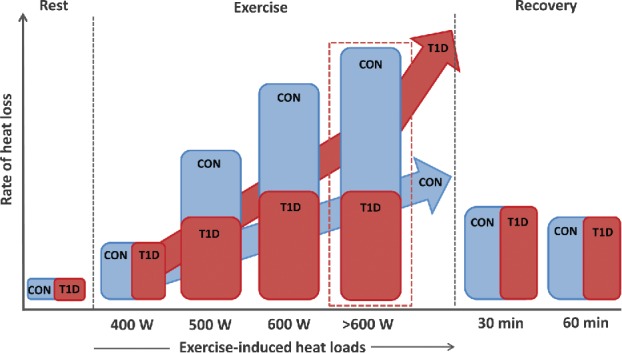
“Another study found that beyond a certain metabolic heat load, heat dissipation during exercise in warm temperatures, is impaired in patients with T1D.(42,43) Patients and families should be familiar with the risk of postprandial hyperglycemia at cool temperatures or exercise-related hypoglycemia at warm temperatures,…”
BackgroundInfluentialTemperature and non‐communicable diseases: Evidence from Indonesia's primary health care system
Fritz, M. K. (2022) · Health Economics · doi:10.1002/hec.4590 · Cited by 37
“Increases in ambient temperature impair the skin blood flow as well as the sweating process which can have detrimental consequences for an individual’s glycemic control (Kenny et al., 2016).”
BackgroundTao, J., Zheng, H., Ho, H. C., Wang, X., Hossain, M. Z., Bai, Z., Wang, N., Su, H., Xu, Z., & Cheng, J. (2022) · The Science of The Total Environment · doi:10.1016/j.scitotenv.2022.160026 · Cited by 34
Kim, J., Lim, K., Byun, M.-J., Lee, K., Yang, Y.-R., Park, M. N., Lim, D., Chai, H., Bang, H. T., Hwangbo, J., et al. (2017) · Cell Stress and Chaperones · doi:10.1007/s12192-017-0809-6 · Cited by 33
“A more recent study has tried to separate acute and chronic responses to HS and compared differentially expressed genes (DEGs) in the liver transcriptome using multiple distinct breed lines (Lan et al. 2016).”
BackgroundMethodBlanchard, F., Charbit, J., Meersch, G. V. D., Popoff, B., Picod, A., Cohen, R., Chemouni, F., Gaudry, S., Bihan, H., & Cohen, Y. (2020) · Annals of Intensive Care · doi:10.1186/s13613-020-00676-6 · Cited by 30
Shih, W.-Y., Lung, S. C., & Hu, S. (2022) · International Journal of Disaster Risk Reduction · doi:10.1016/j.ijdrr.2022.102799 · Cited by 29
Increasing age is a major risk factor for susceptibility to heat stress during physical activity
McGinn, R. N., Poirier, M. P., Louie, J. C., Sigal, R. J., Boulay, P., Flouris, A. D., & Kenny, G. P. (2017) · Applied Physiology Nutrition and Metabolism · doi:10.1139/apnm-2017-0322 · Cited by 28
Self-citationThe effect of inflammation management on pH , temperature, and bacterial burden
Derwin, R., Patton, D., Strapp, H., & Moore, Z. E. H. (2022) · International Wound Journal · doi:10.1111/iwj.13970 · Cited by 28
“53 Notably, most temperature measurements in the current study were below the 33 (cid:1) C threshold that is argued to be needed for the cellular activity of neutrophils, fibroblasts, and epithelial cells.”
BackgroundSchlader, Z. J., Coleman, G. L., Sackett, J. R., Sarker, S., Chapman, C. L., & Johnson, B. D. (2016) · Experimental Physiology · doi:10.1113/ep085837 · Cited by 28
“…populations at the greatest risk of morbidity and mortality during heat and cold waves (Anderson & Bell, 2009; Kenny et al. 2010; Kenney et al. 2014) are typically also those possessing altered control of skin blood flow [e.g. diabetics (Kenny et al. 2016), older adults (Kenney & Munce, 2003)].”
BackgroundRadiative Cooling Smart Textiles with Integrated Sensing for Adaptive Thermoregulation
Choi, Y. Y., Zhou, K. X., Woo, H. K., Patel, D., Salauddin, M., & Cai, L. (2024) · ACS Materials Letters · doi:10.1021/acsmaterialslett.4c01624 · Cited by 28
Gildner, T. E., & Lévy, S. (2020) · American Journal of Human Biology · doi:10.1002/ajhb.23460 · Cited by 28
Wu, F., Yu, B., Zhang, X., & Zhang, Y. (2017) · Experimental and Therapeutic Medicine · doi:10.3892/etm.2017.4932 · Cited by 26
“Diabetes mellitus (DM), or simply diabetes, is a metabolic disorder in which diabetic patients cannot appropriately regulate their blood glucose levels (4).”
Functional Changes Induced by Orexin A and Adiponectin on the Sympathetic/Parasympathetic Balance
Messina, A., Monda, M., Valenzano, A. A., Messina, G., Villano, I., Moscatelli, F., Cibelli, G., Marsala, G., Polito, R., Ruberto, M., et al. (2018) · Frontiers in Physiology · doi:10.3389/fphys.2018.00259 · Cited by 26
“In fact, in subjects suffering from T2DM, the thermoregulation is impaired, particularly the capacity to dissipate heat is reduced (Cavallaro et al., 2011; Kenny et al., 2016).”
BackgroundBunker, A., Compaoré, G., Sewe, M. O., Laurent, J. G. C., Zabré, P., Boudo, V., Ouédraogo, W. A., Ouèrmi, L., Jackson, S. T., Arisco, N., et al. (2024) · Trials · doi:10.1186/s13063-023-07804-0 · Cited by 30
“Heatwaves (intense periods of high ambient temperatures) increase cardio-vascular disease, heat stress, and heat stroke [2–6], as well as raise the risk of heat-related illness for individuals with diabetes [16].”
BackgroundRodrigues, P., Orssatto, L. B. R., Gagnon, D., Dahhak, A., Hecksteden, A., Stewart, I. B., & Minett, G. M. (2024) · Journal of Applied Physiology · doi:10.1152/japplphysiol.00701.2023 · Cited by 30
Hadei, M., Hopke, P. K., Aghababaeian, H., Faridi, S., Firooz, M. H., & Ostadtaghizadeh, A. (2024) · Scientific Reports · doi:10.1038/s41598-024-74821-7 · Cited by 24
“One major reason for higher mortality rates in older people is that pre-existing health conditions are very common among this age group making them more vulnerable such that exposures to even short periods of heat can aggravate their health conditions by worsening disease-specific symptoms 41 .”
BackgroundSebők, J., Édel, Z., Váncsa, S., Farkas, N., Kiss, S., Erőss, B. M., Török, Z., Balogh, G. E., Balogi, Z., Nagy, R., et al. (2021) · International Journal of Hyperthermia · doi:10.1080/02656736.2021.2003445 · Cited by 28
Noninvasive Glucose Sensing In Vivo
Leung, H. M. C., Forlenza, G. P., Prioleau, T., & Zhou, X. (2023) · Sensors · doi:10.3390/s23167057 · Cited by 31
“Additionally, PwD struggle with body temperature control [188], which means they have different thermodynamics and have to be carefully considered.”
BackgroundChronic Kidney Disease Among Agricultural Workers in Taiwan: A Nationwide Population-Based Study
Chang, C.-J., & Yang, H. (2023) · Kidney International Reports · doi:10.1016/j.ekir.2023.09.004 · Cited by 26
“33,34 We expected the farmer subgroup to show a higher association with increased ambient temperature and CKD; however, the results were not signi fi cant.”
ResultThe Impact of Heat Waves on Mortality among the Elderly: A Mini Systematic Review
Καλτσάτου, Α., Kenny, G. P., & Flouris, A. D. (2018) · Journal of Geriatric Medicine and Gerontology · doi:10.23937/2469-5858/1510053 · Cited by 26
Self-citationHanneman, K. A., Alahmad, B., Ghosh, A., Khatana, S. A. M., Huang, M., Liu, J., Abadi, A. M., Khraishah, H., Beckie, T. M., Rajagopalan, S., et al. (2026) · Circulation · doi:10.1161/cir.0000000000001419 · Cited by 25
Maley, M. J., Hunt, A. P., Stewart, I. B., Faulkner, S. H., & Minett, G. M. (2019) · PLoS ONE · doi:10.1371/journal.pone.0214223 · Cited by 25
Sippli, K., Schmalzried, P., Rieger, M. A., & Voelter‐Mahlknecht, S. (2021) · International Archives of Occupational and Environmental Health · doi:10.1007/s00420-020-01639-x · Cited by 27
Behavioral thermoregulation in older adults with cardiovascular co-morbidities
Schlader, Z. J., Coleman, G. L., Sackett, J. R., Sarker, S., Chapman, C. L., Hostler, D. P., & Johnson, B. D. (2017) · Temperature · doi:10.1080/23328940.2017.1379585 · Cited by 23
Momenzadeh, A., Shamsa, A., & Meyer, J. G. (2022) · JAMIA Open · doi:10.1093/jamiaopen/ooac063 · Cited by 25
Fujii, N., Meade, R. D., Akbari, P., Louie, J. C., Alexander, L. M., Boulay, P., Sigal, R. J., & Kenny, G. P. (2017) · Physiological Reports · doi:10.14814/phy2.13238 · Cited by 22
“As such, we were also able to assess the influence of a passive heat stress on heat loss responses which has been shown to be attenuated in older adults with (Kenny et al. 2016a) and without type 2 diabetes (Kenny et al. 2015) relative to young adults.”
BackgroundInfluentialSelf-citationKarunarathna, T. S., & Liang, Z. (2025) · Sensors · doi:10.3390/s25103207 · Cited by 25
“This multi-modal information can support continuous glucose estimation, given the reciprocal relationship between these factors and glucose regulation [27–33].”
Investigation of climate change impacts on long-term care facility occupants
Wollschlaeger, S., Sadhu, A., Ebrahimi, G., & Woo, A. (2021) · City and Environment Interactions · doi:10.1016/j.cacint.2021.100077 · Cited by 21
Iavicoli, I., Gambelunghe, A., Magrini, A., Mosconi, G., Soleo, L., Vigna, L., Trevisan, R., Bruno, A., Chiambretti, A., Scarpitta, A. M., et al. (2018) · Nutrition Metabolism and Cardiovascular Diseases · doi:10.1016/j.numecd.2018.10.012 · Cited by 20
Lin, L., Chen, P., Zhang, Y., Long, J., Wang, W., Sun, X., & Zhang, X. (2025) · Diabetes Obesity and Metabolism · doi:10.1111/dom.16471 · Cited by 21
“45 Moreover, cardiovascular disease remains the leading cause of morbidity and mortality among patients with T2DM.”
Behzadi, P., Ravanelli, N., Gravel, H., Barry, H., Debray, A., Chaseling, G. K., Jacquemet, V., Neagoe, P., Nigam, A., Carpentier, A. C., et al. (2022) · Journal of Applied Physiology · doi:10.1152/japplphysiol.00800.2021 · Cited by 19
Ahmad, R., Narwaria, M., Singh, A., Kumar, S., & Haque, M. (2023) · Diagnostics · doi:10.3390/diagnostics13142441 · Cited by 17
Lima, M. R. M., Pires, W., Fonseca, I. A. T., Joviano‐Santos, J. V., Ferreira, A. J., Coimbra, C. C., Lima, N. R. V., & Wanner, S. P. (2018) · Frontiers in Physiology · doi:10.3389/fphys.2018.00074 · Cited by 17
“, 2002); indeed, individuals with type 1 and type 2 diabetes mellitus, particularly patients with neuropathy, have impaired abilities to maintain TCORE during either hot or cold thermal stress (Kenny et al., 2016).”
BackgroundThe metabolic upper critical temperature of the human thermoneutral zone
Henderson, M. E., & Halsey, L. G. (2022) · Journal of Thermal Biology · doi:10.1016/j.jtherbio.2022.103380 · Cited by 20
Considerations for occupational heat exposure: A scoping review
Cheveldayoff, P., Chowdhury, F., Shah, N., Burow, C. A., Figueiredo, M., Nguyen, N., Talbo, M. K., Jamasi, R., Katz, A., Pasquale, C., et al. (2023) · PLOS Climate · doi:10.1371/journal.pclm.0000202 · Cited by 17
Clinical evaluation of a cutaneous zero-heat-flux thermometer during cardiac surgery
Verheyden, C., Neyrinck, A., Laenen, A., Rex, S., & Gerven, E. V. (2021) · Journal of Clinical Monitoring and Computing · doi:10.1007/s10877-021-00758-1 · Cited by 16
Face-based machine learning diagnostics: applications, challenges and opportunities
Song, J., He, M., Zheng, X., Zhang, Y., Bi, C., Feng, J., Du, J., Li, H., & Shen, B. (2025) · Artificial Intelligence Review · doi:10.1007/s10462-025-11246-2 · Cited by 15
Thermal Effects of Topical Hyperbaric Oxygen Therapy in Hard-to-Heal Wounds—A Pilot Study
Kasprzyk-Kucewicz, T., Cholewka, A., Englisz-Jurgielewicz, B., Mucha, R., Relich, M., Kawecki, M., Sieroń–Stołtny, K., Onak, P., & Stanek, A. (2021) · International Journal of Environmental Research and Public Health · doi:10.3390/ijerph18136737 · Cited by 15
“It is considered the second line of therapy for refractory wounds [27].”
BackgroundSmart Compression Sock for Early Detection of Diabetic Foot Ulcers
Billings, J., Gee, J. M. W., Ghulam, Z., & Abdullah, H. A. (2024) · Sensors · doi:10.3390/s24216928 · Cited by 14
“The SpO 2 sensor positioned on the hallux successfully monitored blood oxygen levels, a novel parameter in ulcer prevention.”
BackgroundXu, Z., Tong, S., Ho, H. C., Lin, H., Pan, H., & Cheng, J. (2021) · International Journal of Epidemiology · doi:10.1093/ije/dyab155 · Cited by 14
Uejio, C. K., Joiner, A., Gonsoroski, E., Tamerius, J. D., Jung, J., Moran, T. P., & Yancey, A. H. (2022) · Environmental Research · doi:10.1016/j.envres.2022.113271 · Cited by 14
Poirier, M. P., Notley, S. R., Boulay, P., Sigal, R. J., Friesen, B. J., Malcolm, J., Flouris, A. D., & Kenny, G. P. (2020) · Temperature · doi:10.1080/23328940.2020.1736760 · Cited by 14
“impairments in cutaneous vasodilation and sweating are exacerbated in individuals with T2D [8,29], which could affect whole-body heat exchange.”
BackgroundSelf-citationDavis, R. E. L., Driskill, E. K., & Novicoff, W. M. (2022) · International Journal of Biometeorology · doi:10.1007/s00484-022-02303-4 · Cited by 14
Predicting healthspan and disease risks through biological age
Li, G., Cheng, L., Wong, I. N., Yin, Y., Chen, J., Liu, L., & Zhang, K. (2025) · Trends in Molecular Medicine · doi:10.1016/j.molmed.2025.10.006 · Cited by 16
Metadata
- Authors
- Kenny, G. P., Sigal, R. J., & McGinn, R.
- Affiliations
- University of Ottawa (CA)
- University of Calgary (CA)
- Corresponding author
- Kenny, Glen P.
- Venue
- Temperature
- Publisher
- Informa UK Limited
- Published
- 2016-01-02
- Volume
- 3
- Issue
- 1
- Pages
- 119-145
- ISSN
- 2332-8940 (ISSN-L)
- 2332-8959
- PMC
- PMC4861190
- OpenAlex
- W2231185364
- Cited by
- 297
- References
- 190
- Citations by year
- 2026: 26 · 2025: 37 · 2024: 40 · 2023: 29 · 2022: 55 · 2021: 24 · 2020: 18 · 2019: 24 · 2018: 17 · 2017: 20 · 2016: 7
- FWCI
- 2.66
- Type
- journal article
- Language
- en
- Open access
- hybrid
- doi.org
- Licence
- Locations
- Temperature (publishedVersion, cc-by-nc)
- Europe PMC (PubMed Central) (publishedVersion, cc-by-nc)
- PubMed Central (publishedVersion, cc-by-nc)
- PubMed (publishedVersion)
- Topics
- Health Sciences › Medicine › Physiology (medical) › Thermoregulation and physiological responses
- Health Sciences › Medicine › Physiology (medical) › Cardiovascular and exercise physiology
- Life Sciences › Agricultural and Biological Sciences › Animal Science and Zoology › Effects of Environmental Stressors on Livestock
- Keywords
- diabetes mellitus, type 1 diabetes, type 2 diabetes, thermoregulation, heat stress, cold exposure, heat-related illness, heat dissipation, skin blood flow, sweating, glycemic control, cardiovascular regulation, core body temperature, cardiorespiratory fitness, diabetes complications
About these checks
Registry, retraction, Cites and statistics results are computed, not judged, with one exception: a printed reference that no index lists is read once by a model before it counts as a citation error. Claims are extracted by a model and kept only when their quote appears verbatim in the text; each cited source is then checked, with a model’s help, for whether it says what the claim relies on. Those verdicts can be wrong — read the claim’s quote and the cited source before relying on one.
Statistics and arithmetic are recomputed, not judged.
Confidence bands are shown only for fields calibrated on our annotated test set. None is calibrated yet, so no band is shown.
What counts as a claim ›How we measure confidence ›How we check this ›
Are you an author, or do you see a problem with this page? Request a review
