

The DOI matches its Crossref record; 191 of the 191 references it cites were found in a registry or an index.
Body temperature regulation in diabetes
Open accessAbstract
The effects of type 1 and type 2 diabetes on the body's physiological response to thermal stress is a relatively new topic in research. Diabetes tends to place individuals at greater risk for heat-related illness during heat waves and physical activity due to an impaired capacity to dissipate heat. Specifically, individuals with diabetes have been reported to have lower skin blood flow and sweating responses during heat exposure and this can have important consequences on cardiovascular regulation and glycemic control. Those who are particularly vulnerable include individuals with poor glycemic control and who are affected by diabetes-related complications. On the other hand, good glycemic control and maintenance of aerobic fitness can often delay the diabetes-related complications and possibly the impairments in heat loss. Despite this, it is alarming to note the lack of information regarding diabetes and heat stress given the vulnerability of this population. In contrast, few studies have examined the effects of cold exposure on individuals with diabetes with the exception of its therapeutic potential, particularly for type 2 diabetes. This review summarizes the current state of knowledge regarding the impact of diabetes on heat and cold exposure with respect to the core temperature regulation, cardiovascular adjustments and glycemic control while also considering the beneficial effects of maintaining aerobic fitness.
Overview
The claims and statistics of this paper haven’t been checked yet.
Run the check — free, no account needed. It reads the open-access text and checks the sources it cites.
Integrity signals
Registry
Cites
Statistics
Figures



Verification
Claims the paper makes
The claims and statistics of this paper haven’t been checked yet.
Run the check — free, no account needed. It reads the open-access text and checks the sources it cites.
Claims other papers make about this one
Each is checked against this paper’s own text: does it say what the citing paper says it does?
The source backs part of the claim, not all of it — or backs it for a different population, condition or comparison.
In the citing paper
“For example, hypoglycemia is known to qualitatively increase sweating rates as the body seeks to lower core temperature to conserve energy52.”
From A wearable patch for continuous analysis of thermoregulatory sweat at rest (2021) · cites this paper as [52]
Experimental — accuracy not yet measuredThe cited source says what the claim attributes to it.
In the citing paper
“Furthermore, people with DM have been reported to have lower skin blood flow and dysregulated thermoregulatory responses during heat exposure, which is associated with dysregulated thermal, cardiovascular, and glycemic control6–8.”
From Sleep and temperature data from wearable devices support noninvasive detection of diabetes mellitus in a large-scale, retrospective analysis (2026) · cites this paper as [6]
The check wasn’t confident either way, so it gives no verdict — never disputed.
In the citing paper
“Similarly, features of sleep-wake time series can directly capture insomnia-like patterns in sleep related to DM6,34,43,44.”
From Sleep and temperature data from wearable devices support noninvasive detection of diabetes mellitus in a large-scale, retrospective analysis (2026) · cites this paper as [6]
Experimental — accuracy not yet measuredThe check wasn’t confident either way, so it gives no verdict — never disputed.
In the citing paper
“Within a night, the complexity of the distal body temperature time series has been related to the autonomic nervous system’s (ANS) health during sleep6,34.”
From Sleep and temperature data from wearable devices support noninvasive detection of diabetes mellitus in a large-scale, retrospective analysis (2026) · cites this paper as [6]
Experimental — accuracy not yet measured
Self-check
Percentages, sums and reported differences re-computed from the paper’s own numbers.
The self-check needs the paper’s full text.
Citations
Cites
International Diabetes Federation 2017
Carracher, A. M., Marathe, P. H., & Close, K. L. (2018) · Journal of Diabetes · doi:10.1111/1753-0407.12644 · Cited by 13,379
Atkinson, M. A., Eisenbarth, G. S., & Michels, A. W. (2014) · The Lancet · doi:10.1016/s0140-6736(13)60591-7 · Cited by 2,931
Bouchama, A., & Knochel, J. P. (2002) · New England Journal of Medicine · doi:10.1056/nejmra011089 · Cited by 1,898
Pathophysiology and treatment of type 2 diabetes: perspectives on the past, present, and future
Kahn, S. E., Cooper, M. E., & Del Prato, S. (2014) · The Lancet · doi:10.1016/s0140-6736(13)62154-6 · Cited by 1,743
The Effects of Climate Change on Cardiac Health
De Blois, J., Kjellstrom, T., Agewall, S., Ezekowitz, J. A., Armstrong, P. W., & Atar, D. (2015) · Cardiology · doi:10.1159/000398787 · Cited by 1,697
Umpierre, D. (2011) · JAMA · doi:10.1001/jama.2011.576 · Cited by 1,358 · cited 2×
“A recent meta-analysis by Umpierre et al.181 reported a mean decrease in HbA1c following a structured exercise intervention >12 weeks of ~0.7%.”
MethodInfluentialFeldmann, H. M., Golozoubova, V., Cannon, B., & Nedergaard, J. (2009) · Cell Metabolism · doi:10.1016/j.cmet.2008.12.014 · Cited by 1,318 · cited 1×
“The activity of brown adipose tissue has been shown to be characterized by uncoupling protein-1, a mitochondrial protein, and has been reported to have a pronounced role inwhole-body thermogenesis even under resting conditions.(155) While brown adipose tissue activity is reported to be relatively lower in individuals…”
BackgroundBoyle, J. P., Thompson, T. J., Gregg, E. W., Barker, L. E., & Williamson, D. F. (2010) · Population Health Metrics · doi:10.1186/1478-7954-8-29 · Cited by 1,309 · cited 1×
“Advanced age is a particularly important risk factor for type 2 diabetes, with diabetes prevalence rate reaching as high as 33% in older adults who are obese.(190) Given that the mean age of the workforce is increasing rapidly, employers are faced increasingly with the challenge of accommodating individuals with chron…”
BackgroundGenetics, pathogenesis and clinical interventions in type 1 diabetes
Bluestone, J. A., Herold, K., & Eisenbarth, G. (2010) · Nature · doi:10.1038/nature08933 · Cited by 1,265 · cited 1×
“Type 1 diabetes was formerly known as juvenile diabetes due to its common presentation in children and adolescents, and is characterized by the endocrine pancreas ceasing to produce insulin following the immune-mediated destruction of b-islet cells.(2)”
BackgroundInfluentialType 2 diabetes and incidence of cardiovascular diseases: a cohort study in 1.9 million people
Shah, A. D., Langenberg, C., Rapsomaniki, E., Denaxas, S., Pujades-Rodriguez, M., Gale, C. P., Deanfield, J., Smeeth, L., Timmis, A., & Hemingway, H. (2015) · The Lancet Diabetes & Endocrinology · doi:10.1016/s2213-8587(14)70219-0 · Cited by 1,225
Brown adipose tissue regulates glucose homeostasis and insulin sensitivity
Stanford, K. I., Middelbeek, R. J. W., Townsend, K. L., An, D., Nygaard, E. B., Hitchcox, K. M., Markan, K. R., Nakano, K., Hirshman, M. F., Tseng, Y.-H., et al. (2013) · Journal of Clinical Investigation · doi:10.1172/jci62308 · Cited by 1,180 · cited 1×
“exposure activates brown adipose tissue which is highly metabolically active and oxidizes triglycerides and glucose as fuel.(154) The activity of brown adipose tissue has been shown to be characterized by uncoupling protein-1, a mitochondrial protein, and has been reported to have a pronounced role inwhole-body thermo…”
BackgroundBucala, R., Tracey, K. J., & Cerami, A. (1991) · Journal of Clinical Investigation · doi:10.1172/jci115014 · Cited by 1,162
McGuire, S. (2014) · Advances in Nutrition · doi:10.3945/an.114.007211 · Cited by 1,107
Excess Mortality among Persons with Type 2 Diabetes
Tancredi, M., Rosengren, A., Svensson, A., Kosiborod, M., Pivodic, A., Guðbjörnsdóttir, S., Wedel, H., Clements, M. A., Dahlqvist, S., & Lind, M. (2015) · New England Journal of Medicine · doi:10.1056/nejmoa1504347 · Cited by 1,026
Emerging epidemic of type 2 diabetes in youth
Rosenbloom, A. L., Joe, J. R., Young, R. S., & Winter, W. E. (1999) · Diabetes Care · doi:10.2337/diacare.22.2.345 · Cited by 1,019 · cited 1×
“Type 2 diabetes tends to present later in life with a mean onset age of 54 years,(94) although the mean age at diagnosis is rapidly decreasing(95) due in part to the longstanding increase in diagnosis in the pediatric population.(96) In general, type 2 diabetes is linked to general health status and lifestyle as it ha…”
BackgroundImpaired nitric oxide-mediated vasodilation in patients with non-insulin-dependent diabetes mellitus
Williams, S. B., Cusco, J. A., Roddy, M.-A., Johnstone, M. T., & Creager, M. A. (1996) · Journal of the American College of Cardiology · doi:10.1016/0735-1097(95)00522-6 · Cited by 1,014
Incidence of diabetes in youth in the United States
SEARCH for Diabetes in Youth Study Group*, T. W. G. F. T. (2007) · JAMA · doi:10.1001/jama.297.24.2716 · Cited by 991
Ouellet, V., Labbé, S. M., Blondin, D. P., Phoenix, S., Guérin, B., Haman, F., Turcotte, É. E., Richard, D., & Carpentier, A. C. (2012) · Journal of Clinical Investigation · doi:10.1172/jci60433 · Cited by 985 · cited 1×
“On the other hand, non-shivering thermogenesis is primarily mediated by metabolically active brown adipose tissue.(38) Although shivering is undoubtedly the major contributor to increases in heat production, studies postulate that non-shivering thermogenesis remains an important physiological response especially durin…”
BackgroundSnowling, N. J., & Hopkins, W. G. (2006) · Diabetes Care · doi:10.2337/dc06-1317 · Cited by 813
Heat stress in older individuals and patients with common chronic diseases
Kenny, G. P., Yardley, J., Brown, C., Sigal, R. J., & Jay, O. (2010) · Canadian Medical Association Journal · doi:10.1503/cmaj.081050 · Cited by 771 · cited 1×
“hypertension.(139) During heat stress, especially during exercise in the heat, hypertensive individuals experience greater elevations in blood pressure due to increased peripheral resistance which can restrict heat loss due to the reductions skin blood flow, which ultimately lead to more pronounced increases in core t…”
BackgroundSelf-citationMaser, R. E., Mitchell, B. D., Vinik, A. I., & Freeman, R. L. (2003) · Diabetes Care · doi:10.2337/diacare.26.6.1895 · Cited by 678 · cited 1×
“For instance, type 2 diabetes is associated with reduced sympathetic neural control of blood pressure(123) which manifests as greater orthostatic intolerance compared to age-matched controls.(124) In addition, individuals with type 2 diabetes exhibit a decline in baroreflex sensitivity(125) which is closely associated…”
BackgroundRegulation of Internal Body Temperature
Hammel, H. T., & Pierce, J. B. (1968) · Annual Review of Physiology · doi:10.1146/annurev.ph.30.030168.003233 · Cited by 626 · cited 1×
“function]) mechanisms.(32,33) In the context of wholebody heat loss under heat stress conditions which are compensable (i.”
BackgroundExcess hospital admissions during the July 1995 heat wave in Chicago
Semenza, J. (1999) · American Journal of Preventive Medicine · doi:10.1016/s0749-3797(99)00025-2 · Cited by 619 · cited 1×
“In fact, individuals with type 2 diabetes have up to a 56% greater risk for hospitalization and/or mortality during a heat wave.(106) One recent study assessed the influence of age and type 2 diabetes during passive heat exposure in a room set at 43 C for 3 hours.”
BackgroundShort-term cold acclimation improves insulin sensitivity in patients with type 2 diabetes mellitus
Hanssen, M. J. W., Hoeks, J., Brans, B. T., van der Lans, A. A. J. J., Schaart, G., van den Driessche, J. J., Jörgensen, J. A., Boekschoten, M. V., Hesselink, M. K. C., Havekes, B., et al. (2015) · Nature Medicine · doi:10.1038/nm.3891 · Cited by 613 · cited 2×
“In fact, Hanssen et al.157 reported that only 10 days of cold acclimation (14- 15 C) in individuals with type 2 diabetes induced a 43% increase in insulin sensitivity which was explained by a 60% increase in GLUT-4 translocation (i.e., themembrane channel that allows glucose to enter amuscle cell or adipocyte).”
BackgroundConcannon, P., Rich, S. S., & Nepom, G. T. (2009) · New England Journal of Medicine · doi:10.1056/nejmra0808284 · Cited by 510
Dysfunction of Endothelial Nitric Oxide Synthase and Atherosclerosis
Kawashima, S., & Yokoyama, M. (2004) · Arteriosclerosis Thrombosis and Vascular Biology · doi:10.1161/01.atv.0000125114.88079.96 · Cited by 455 · cited 1×
“adversely alter endothelial function through interfering with nitric oxide signaling.(110) In fact, one study reported that the relative nitric oxide-dependent vasodilation during whole-body passive heating was similar between healthy controls and those with type 2 diabetes; however, absolute skin blood flow was lower…”
BackgroundHimsworth, H. P. (1936) · The Lancet · doi:10.1016/s0140-6736(01)36134-2 · Cited by 441
What are the health benefits of physical activity in type 1 diabetes mellitus? A literature review
Chimen, M., Kennedy, A., Nirantharakumar, K., Pang, T. T., Andrews, R., & Narendran, P. (2012) · Diabetologia · doi:10.1007/s00125-011-2403-2 · Cited by 438
Cnop, M., Landchild, M. J., Vidal, J., Havel, P. J., Knowles, N. G., Carr, D. R., Wang, F., Hull, R. L., Boyko, E. J., Retzlaff, B. M., et al. (2002) · Diabetes · doi:10.2337/diabetes.51.4.1005 · Cited by 432
Weight Gain at the Time of Menopause
Wing, R. R. (1991) · Archives of Internal Medicine · doi:10.1001/archinte.1991.00400010111016 · Cited by 415
Keatinge, W. R., Coleshaw, S., Easton, J. C., Cotter, F. E., Mattock, M. B., & Chelliah, R. (1986) · The American Journal of Medicine · doi:10.1016/0002-9343(86)90348-7 · Cited by 400 · cited 1×
“Dehydration associated with prolonged exposure to extreme heat conditions can induce significant alterations of blood composition (increased in red blood cell count, blood viscosity and platelet counts) which, if left unchecked, can increase the risk of coagulation, and subsequently cerebral and coronary thromboses.(1…”
BackgroundWho is Sensitive to Extremes of Temperature?: A Case-Only Analysis
Schwartz, J. (2005) · Epidemiology · doi:10.1097/01.ede.0000147114.25957.71 · Cited by 387 · cited 2×
“Individuals with types 1 and 2 diabetes are reported to be particularly vulnerable during extreme heat events as they account for a disproportionate number of hospitalizations and deaths.(19) The most recently published physical activity recommendations for individuals with diabetes highlight their susceptibility to a…”
BackgroundMeex, R. C. R., Schrauwen-Hinderling, V. B., Moonen-Kornips, E., Schaart, G., Mensink, M., Phielix, E., van de Weijer, T., Sels, J.-P., Schrauwen, P., & Hesselink, M. K. C. (2010) · Diabetes · doi:10.2337/db09-1322 · Cited by 355 · cited 1×
“Surprisingly, these improvements in insulin sensitivity surpass even those of long-term exercise training which is currently regarded as the best management strategy for type 2 diabetes.(158) Taken together, it appears that mild cold exposuremay be useful for themanagement of type 2 diabetes as a third lifestyle facto…”
BackgroundBohn, B., Herbst, A., Pfeifer, M., Krakow, D., Zimny, S., Kopp, F., Melmer, A., Steinacker, J. M., & Holl, R. W. (2015) · Diabetes Care · doi:10.2337/dc15-0030 · Cited by 321 · cited 1×
“Individuals with type 1 diabetes are known to be at increased risk for cardiovascular disease and hypertension;(13) however, this can be minimized by healthy habits including physical activity and good glycemic control.(75) On the other hand, baroreflex sensitivity has been reportedly reduced with type 1 diabetes in r…”
BackgroundThermometry, Calorimetry, and Mean Body Temperature during Heat Stress
Kenny, G. P., & Jay, O. (2013) · Comprehensive physiology · doi:10.1002/cphy.c130011 · Cited by 319
Self-citationIncreased Brown Adipose Tissue Oxidative Capacity in Cold-Acclimated Humans
Blondin, D. P., Labbé, S. M., Tingelstad, H. C., Noll, C., Kunach, M., Phoenix, S., Guérin, B., Turcotte, É. E., Carpentier, A. C., Richard, D., et al. (2014) · The Journal of Clinical Endocrinology & Metabolism · doi:10.1210/jc.2013-3901 · Cited by 316
Cardiovascular function in the heat‐stressed human
Crandall, C. G., & González‐Alonso, J. (2010) · Acta Physiologica · doi:10.1111/j.1748-1716.2010.02119.x · Cited by 314 · cited 1×
“Therefore, while any impairments in resting cardiovascular function are minimal or non-detectable, individuals with type 1 diabetes may be at increased risk for cardiovascular-related limitations under stress such as during exercise, especially when performed in the heat due to the exponential increase in the requirem…”
BackgroundMonnier, V. M., Sell, D. R., Nagaraj, R. H., Miyata, S., Grandhee, S. K., Odetti, P. R., & Ibrahim, S. A. (1992) · Diabetes · doi:10.2337/diab.41.2.s36 · Cited by 309 · cited 1×
“, diabetes tends to accelerate any age-related changes).(45,147)”
BackgroundType 1 diabetes and coronary artery disease
Orchard, T. J., Costacou, T., Kretowski, A., & Nesto, R. W. (2006) · Diabetes Care · doi:10.2337/dc06-1161 · Cited by 305
Wilson, T. M., & Tanaka, H. (2000) · American Journal of Physiology-Heart and Circulatory Physiology · doi:10.1152/ajpheart.2000.278.3.h829 · Cited by 298
Changes in Age at Diagnosis of Type 2 Diabetes Mellitus in the United States, 1988 to 2000
Koopman, R. J. (2005) · The Annals of Family Medicine · doi:10.1370/afm.214 · Cited by 291
Age alters the cardiovascular response to direct passive heating
Minson, C. T., Wladkowski, S. L., Cardell, A. F., Pawelczyk, J. A., & Kenney, W. L. (1998) · Journal of Applied Physiology · doi:10.1152/jappl.1998.84.4.1323 · Cited by 288 · cited 2×
“Minson et al.(140) showed that older men have a markedly lower increase in total blood flow directed to the skin during a passive heat stress maintained to the individual’s limit of thermal tolerance.”
BackgroundMechanisms of Heat Exchange: Biophysics and Physiology
Gagge, A. P., & Gonzalez, R. R. (1996) · Comprehensive physiology · doi:10.1002/cphy.cp040104 · Cited by 278
Thermoregulatory Sweating Abnormalities in Diabetes Mellitus
Fealey, R. D., Low, P. A., & Thomas, J. E. (1989) · Mayo Clinic Proceedings · doi:10.1016/s0025-6196(12)65338-5 · Cited by 274 · cited 2×
“The primary factors associated with this decrease in sweating include longstanding diabetes, poor glycemic control, and the presence of neuropathy which seem to have an important role in altering the peripheral properties of the sweat glands.(54,111) For instance, the sweat glands from individuals with type 2 diabetes…”
BackgroundQUAGLIARO, L., PICONI, L., ASSALONI, R., DAROS, R., MAIER, A., ZUODAR, G., & CERIELLO, A. (2005) · Atherosclerosis · doi:10.1016/j.atherosclerosis.2005.03.015 · Cited by 268 · cited 1×
“Importantly, these effects are strongly dependent upon glycemic control, albeit it has been postulated that episodes of acute hyperglycemia exert more damage than chronically poor management of glycemia.(118)”
BackgroundPhysical Activity and Diabetes
Sigal, R. J., Armstrong, M. J., Colby, P., Kenny, G. P., Plotnikoff, R. C., Reichert, S. M., & Riddell, M. C. (2013) · Canadian Journal of Diabetes · doi:10.1016/j.jcjd.2013.01.018 · Cited by 256
Self-citationResistance Versus Aerobic Exercise
Yardley, J. E., Kenny, G. P., Perkins, B. A., Riddell, M. C., Balaa, N., Malcolm, J., Boulay, P., Khandwala, F., & Sigal, R. J. (2013) · Diabetes Care · doi:10.2337/dc12-0963 · Cited by 250
Self-citationBrown adipose tissue and thermogenesis
Fenzl, A., & Kiefer, F. W. (2014) · Hormone Molecular Biology and Clinical Investigation · doi:10.1515/hmbci-2014-0022 · Cited by 239
THE SYMPATHETIC NERVOUS SYSTEM IN DIABETIC NEUROPATHY
Low, P. A., WALSH, J. C., Huang, C. Y., & McLeod, J. G. (1975) · Brain · doi:10.1093/brain/98.3.341 · Cited by 234 · cited 1×
“Furthermore, this blunted responsiveness is at least in part attributed to the reduction in the control of blood vessel diameter by the sympathetic nervous system.(45,123) Collectively, there is some evidence to indicate that individuals with type 2 diabetes may be less able to prevent decreases in core temperature as…”
BackgroundBrown adipose tissue activity as a target for the treatment of obesity/insulin resistance
Poher, A.-L., Altirriba, J., Veyrat‐Durebex, C., & Rohner‐Jeanrenaud, F. (2015) · Frontiers in Physiology · doi:10.3389/fphys.2015.00004 · Cited by 219 · cited 1×
“Taken together, it appears that mild cold exposuremay be useful for themanagement of type 2 diabetes as a third lifestyle factor (along with diet and exercise) to optimize health.(24,159) However, further examination is required to determine the long-term effects of cold exposure and the optimal exposure level that is…”
BackgroundThermoregulatory responses to hypothalamic cooling in unanesthetized dogs
Hammel, H. T., Hardy, J. D., & Fusco, M. M. (1960) · American Journal of Physiology-Legacy Content · doi:10.1152/ajplegacy.1960.198.3.481 · Cited by 218 · cited 1×
“During thermal stress, sensory information is sent from the peripheral (in the skin and muscle) and central (in the brain) thermoreceptors to the pre-optic anterior hypothalamus of the brain which is believed to coordinate thermoeffector responses to achieve heat balance.(26,27)”
BackgroundKhan, F., Elhadd, T. A., Greene, S. A., & Belch, J. J. F. (2000) · Diabetes Care · doi:10.2337/diacare.23.2.215 · Cited by 214 · cited 1×
“reported similar increases in skin blood flow between non-neuropathic individuals with type 1 diabetes and their healthy counterparts (albeit responses were blunted in neuropathic individuals) whereas other work has shown clear diabetesrelated impairments in skin blood flow.(47,48) In the context of eccrine sweating,…”
ResultHot-Tub Therapy for Type 2 Diabetes Mellitus
Hooper, P. L. (1999) · New England Journal of Medicine · doi:10.1056/nejm199909163411216 · Cited by 208
Temperature Regulation During Exercise
GISOLFI, C. V., & Wenger, C. B. (1984) · Exercise and Sport Sciences Reviews · doi:10.1249/00003677-198401000-00013 · Cited by 202 · cited 1×
“One of the strongest determinants of the rate of heat loss is the level of hyperthermia as measured by mean body temperature which has traditionally been defined as a composite of core and skin temperatures.(31) Upon exposure to heat stress (i.”
BackgroundThe biology of the colonizing ape
Wells, J. C. K., & Stock, J. T. (2007) · American Journal of Physical Anthropology · doi:10.1002/ajpa.20735 · Cited by 201 · cited 1×
“, finding shelter, adding clothing layers, making fire) must be employed in order to prevent precipitous decreases in core temperature.(34) In addition, multiple physiological processes are activated during cold exposure in order to minimize heat loss and under conditions of severe and/or prolonged cold stress, increa…”
BackgroundSkeletal muscle blood flow independently modulates insulin-mediated glucose uptake
Baron, A., Steinberg, H. O., Brechtel, G., & Johnson, A. (1994) · American Journal of Physiology-Endocrinology and Metabolism · doi:10.1152/ajpendo.1994.266.2.e248 · Cited by 200
Havenith, G., & van Middendorp, H. (1990) · European Journal of Applied Physiology and Occupational Physiology · doi:10.1007/bf00236062 · Cited by 198 · cited 1×
“6 and 7).(184,185) However, some have reported no”
BackgroundDeterminants of Exercise Capacity in Patients With Type 2 Diabetes
Fang, Z. Y., Sharman, J. E., Prins, J. B., & Marwick, T. H. (2005) · Diabetes Care · doi:10.2337/diacare.28.7.1643 · Cited by 197 · cited 1×
“cardiac output during exercise due to left ventricular diastolic dysfunction.(119,120) Moreover, a recent study has noted a ~20% reduction in exercise capacity in their participants with uncomplicated type 2 diabetes relative to their healthy counterparts.”
BackgroundMechanisms and controllers of eccrine sweating in humans
Crandall, C. G. (2009) · Frontiers in Bioscience-Scholar · doi:10.2741/s94 · Cited by 195 · cited 1×
“especially during physically activity in the heat, is stimulated by cholinergic nerves to expel sweat onto the skin which is subsequently evaporated.(30) It is the evaporation of sweat that cools the body and as such sweat loss due to dripping provides no thermoregulatory benefit and facilitates a state of progressive…”
BackgroundImpaired defense of core temperature in aged humans during mild cold stress
DeGroot, D. W., & Kenney, W. L. (2006) · American Journal of Physiology-Regulatory, Integrative and Comparative Physiology · doi:10.1152/ajpregu.00074.2006 · Cited by 191
Effect of physical training on peripheral sweat production
Buono, M. J., & Sjoholm, N. T. (1988) · Journal of Applied Physiology · doi:10.1152/jappl.1988.65.2.811 · Cited by 185 · cited 1×
“6 and 7).(184,185) However, some have reported no”
BackgroundAerobic exercise and the lipid profile in type 1 diabetic men: a randomized controlled trial
LAAKSONEN, D. E., ATALAY, M., NISKANEN, L. K., MUSTONEN, J., &NA;, C. K., LAKKA, T. A., & UUSITUPA, M. I. J. (2000) · Medicine & Science in Sports & Exercise · doi:10.1097/00005768-200009000-00003 · Cited by 174
A systematic review and meta-analysis of exercise interventions in adults with type 1 diabetes
Yardley, J. E., Hay, J. L., Abou-Setta, A. M., Marks, S. D., & McGavock, J. (2014) · Diabetes Research and Clinical Practice · doi:10.1016/j.diabres.2014.09.038 · Cited by 170 · cited 4×
“Despite this, a recent meta-analysis of the randomized trials of aerobic or resistance exercise on glycemic control in individuals with type 1 diabetes by Yardley et al.(169) concluded that there is insufficient evidence to ascertain the effect of exercise training on HbA1c.”
BackgroundInfluentialQuantification of sweat gland innervation
Gibbons, C. H., Illigens, B. M. W., Wang, N., & Freeman, R. L. (2009) · Neurology · doi:10.1212/wnl.0b013e3181a2e8b8 · Cited by 164 · cited 1×
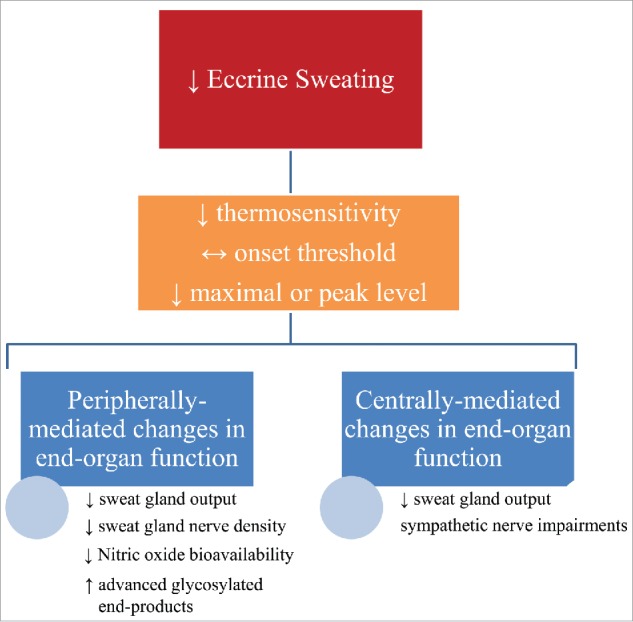
“In fact, the latter mechanism has received some support by observations depicting lower sweat gland nerve densities associated with sympathetic nerve impairments.(73)”
BackgroundMeasurement and prediction of peak shivering intensity in humans
Eyolfson, D. A., Tikuisis, P., Xu, X., Weseen, G. L., & Giesbrecht, G. G. (2001) · European Journal of Applied Physiology · doi:10.1007/s004210000329 · Cited by 161 · cited 1×
“Shivering intensity is dictated by changes in mean body temperature,(36,37) and maximal heat production of a shivering individual can increase up to 5-fold from baseline or to ~40% of maximal aerobic capacity.(36) On the other hand, non-shivering thermogenesis is primarily mediated by metabolically active brown adipos…”
BackgroundJacobson, A. M., Braffett, B. H., Cleary, P. A., Gubitosi‐Klug, R., & Larkin, M. E. (2013) · Diabetes Care · doi:10.2337/dc12-2109 · Cited by 161
Drug-Induced Hyperhidrosis and Hypohidrosis
Cheshire, W. P., & Fealey, R. D. (2008) · Drug Safety · doi:10.2165/00002018-200831020-00002 · Cited by 159
Taylor, N. A. S., Allsopp, N. K., & Parkes, D. G. (1995) · The Journals of Gerontology Series A · doi:10.1093/gerona/50a.4.m216 · Cited by 143
Salem, M. A., AboElAsrar, M. A., Elbarbary, N. S., ElHilaly, R. A., & Refaat, Y. M. (2010) · Diabetology & Metabolic Syndrome · doi:10.1186/1758-5996-2-47 · Cited by 140
Jay, O., Bain, A. R., Deren, T. M., Sacheli, M., & Cramer, M. N. (2011) · American Journal of Physiology-Regulatory, Integrative and Comparative Physiology · doi:10.1152/ajpregu.00257.2011 · Cited by 139 · cited 1×
“differences in heat loss following short-term exercise training(186) or between independent groups with large differences in aerobic fitness in young individuals.(187) A recent study by Stapleton and colleagues(188) showed that the age-related decline in aerobic fitness (~7% per decade(189)) explained some of the age-…”
BackgroundEffects of Heat Stress on Thermoregulatory Responses in Congestive Heart Failure Patients
Cui, J. G., Arbab‐Zadeh, A., Prasad, A., Durand, S., Levine, B. D., & Crandall, C. G. (2005) · Circulation · doi:10.1161/circulationaha.105.540773 · Cited by 136 · cited 1×
“These agerelated changes in cardiovascular function to heat stress is further impaired in individuals with pre-existing cardiac dysfunction(127) such that increases in skin blood flow and therefore heat exchange is severely compromised.(130,133) Heart failure and peripheral arterial disease are the most common initial…”
BackgroundArora, S., Smakowski, P., Frykberg, R. G., Simeone, L. R., Freeman, R. L., LoGerfo, F. W., & Veves, A. (1998) · Diabetes Care · doi:10.2337/diacare.21.8.1339 · Cited by 135 · cited 2×
“For instance, a study by Arora et al.46 reported similar increases in skin blood flow between non-neuropathic individuals with type 1 diabetes and their healthy counterparts (albeit responses were blunted in neuropathic individuals) whereas other work has shown clear diabetesrelated impairments in skin blood flow.47,4…”
BackgroundSeasonal Variation in Glucocorticoid Activity in Healthy Men1
Walker, B. R., Best, R., Noon, J. P., Watt, G. C. M., & Webb, D. J. (1997) · The Journal of Clinical Endocrinology & Metabolism · doi:10.1210/jcem.82.12.4430 · Cited by 133 · cited 1×
“In contrast, the differences in glycemia in a colder environment may be related to counter-regulatory hormone signaling such as increases in plasma cortisol production together with greater glucocorticoid responsiveness which results in lower insulin sensitivity.(170) While no studies have yet assessed the direct impa…”
BackgroundEffects of Exercise Training on Insulin Sensitivity in Adolescents with Type I Diabetes
Landt, K. W., Campaigne, B. N., James, F. W., & Sperling, M. A. (1985) · Diabetes Care · doi:10.2337/diacare.8.5.461 · Cited by 131
Forst, T. M., Kunt, T., Pohlmann, T., Goitom, K., Engelbach, M., Beyer, J., & Pfützner, A. (1998) · Journal of Clinical Investigation · doi:10.1172/jci2147 · Cited by 126 · cited 1×
“In fact, infusion of C-peptide in those with type 1 diabetes was successful in reversing the group’s impairment in skin blood flow relative to healthy individuals.(61) Others have noted impairments in endothelium-dependent and endothelium–independent vasodilation 62 along with reduced nitric oxide bioavailability due…”
BackgroundHeat tolerance of exercising obese and lean women.
Bar‐Or, O., Lundegren, H. M., & BUSKIRK, E. R. (1969) · Journal of Applied Physiology · doi:10.1152/jappl.1969.26.4.403 · Cited by 125 · cited 1×
“This is exacerbated by reductions in whole-body heat exchange associated with the smaller body surface area-to-mass ratio in obese individuals.(143) Specifically, an obese person has a smaller body surface area-to-body mass ratio for effective sweat evaporation than a leaner person of the same height since his/her gre…”
BackgroundLeijten, F., van den Heuvel, S. G., Ybema, J. F., van der Beek, A. J., Robroek, S. J., & Burdorf, A. (2014) · Scandinavian Journal of Work Environment & Health · doi:10.5271/sjweh.3444 · Cited by 124 · cited 1×
“Importantly, a diagnosis of any chronic health condition has a negative impact on the productivity of the worker almost immediately with a noticeable reduction in work output within 1 year.(191) To date, there have been few studies in the area of chronic health conditions and the older worker; however, based on the av…”
BackgroundSmall fiber neuropathy is associated with the metabolic syndrome
Pittenger, G. L., Mehrabyan, A., Simmons, K., Amandarice, Dublin, C., Barlow, P., & Vinik, A. I. (2005) · Metabolic Syndrome and Related Disorders · doi:10.1089/met.2005.3.113 · Cited by 116 · cited 1×
“, HbA1c); however, it has been suggested that the presence/severity of neuropathy is more closely explained by an inverse relationship with high-density lipoprotein-cholesterol.(97) Collectively, individuals with type 2 diabetes are a particularly vulnerable population group due to their tendency to have relatively po…”
BackgroundPhysical Inactivity and Mortality Risk
Kokkinos, P. F., Sheriff, H. M., & Kheirbek, R. (2011) · Cardiology Research and Practice · doi:10.4061/2011/924945 · Cited by 116 · cited 1×
“Aerobic fitness is an important determinant of health status for any individual and higher aerobic fitness is associated with lower all-cause mortality.(183) In the context of thermoregulatory control, higher levels of aerobic fitness and or physically activity have been suggested to improve the capacity to dissipate…”
BackgroundAging impairs heat loss, but when does it matter?
Stapleton, J. M., Poirier, M. P., Flouris, A. D., Boulay, P., Sigal, R. J., Malcolm, J., & Kenny, G. P. (2014) · Journal of Applied Physiology · doi:10.1152/japplphysiol.00722.2014 · Cited by 116 · cited 1×
“7).(188) Altogether, aerobic fitness in healthy adults likely plays an important role in the capacity for heat loss and explains some of the attenuated heat 134 G.”
BackgroundSelf-citationGusso, S., Hofman, P., Lalande, S., Cutfield, W., Robinson, E., & Baldi, J. C. (2008) · Diabetologia · doi:10.1007/s00125-008-1012-1 · Cited by 113
Resting and maximal forearm skin blood flows are reduced in hypertension.
Carberry, P. A., Shepherd, A. M. M., & Johnson, J. M. (1992) · Hypertension · doi:10.1161/01.hyp.20.3.349 · Cited by 112
A simple and valid method to determine thermoregulatory sweating threshold and sensitivity
Cheuvront, S. N., Bearden, S. E., Kenefick, R. W., Ely, B. R., DeGroot, D. W., Sawka, M. N., & Montain, S. J. (2009) · Journal of Applied Physiology · doi:10.1152/japplphysiol.00250.2009 · Cited by 112 · cited 1×
“function]) mechanisms.(32,33) In the context of wholebody heat loss under heat stress conditions which are compensable (i.”
BackgroundCold exposure – an approach to increasing energy expenditure in humans
Lichtenbelt, W. D. V. M., Kingma, B., van der Lans, A. A. J. J., & Schellen, L. (2014) · Trends in Endocrinology and Metabolism · doi:10.1016/j.tem.2014.01.001 · Cited by 110 · cited 1×
“Taken together, it appears that mild cold exposuremay be useful for themanagement of type 2 diabetes as a third lifestyle factor (along with diet and exercise) to optimize health.(24,159) However, further examination is required to determine the long-term effects of cold exposure and the optimal exposure level that is…”
BackgroundDivergence of intracellular and extracellular HSP72 in type 2 diabetes: does fat matter?
Rodrigues-Krause, J. D. C., Krause, M. D. S., O’Hagan, C., VITO, G. D., Boreham, C. A., Murphy, C., Newsholme, P., & Colleran, G. (2012) · Cell Stress and Chaperones · doi:10.1007/s12192-011-0319-x · Cited by 107 · cited 1×
“The mechanisms for these improvements remain unclear; however, it has been postulated that increases in muscle blood flow associated with heating(164) and/or activation of heat shock protein 70.(165)”
BackgroundPikkujämsä, S. M. (1998) · American Journal of Hypertension · doi:10.1016/s0895-7061(98)00035-1 · Cited by 106 · cited 1×
“In addition, individuals with type 2 diabetes exhibit a decline in baroreflex sensitivity(125) which is closely associated with the level of insulin resistance.(126) Consequently, it would be expected that individuals with type 2 diabetes are less able to maintain blood pressure and cardiovascular stability during an…”
BackgroundSeasonal Variation in Glucocorticoid Activity in Healthy Men
Walker, B. R. (1997) · The Journal of Clinical Endocrinology & Metabolism · doi:10.1210/jc.82.12.4015 · Cited by 102
Impairment of Peripheral Blood Flow Responses in Diabetes Resembles an Enhanced Aging Effect
Stansberry, K. B., Hill, M. A., Shapiro, S. A., McNitt, P. M., Bhatt, B. A., & Vinik, A. I. (1997) · Diabetes Care · doi:10.2337/diacare.20.11.1711 · Cited by 100 · cited 3×
“However, other findings indicate that maximal cutaneous vasodilation elicited pharmacologically and/or via local heating can be reduced in individuals with type 1 diabetes.(45) On the other hand, it remains uncertain whether the impaired maximal cutaneous vasodilation is paralleled by reduced submaximal skin blood flo…”
BackgroundGoing, S. B., WILLIAMS, D., & Lohman, T. G. (1995) · Exercise and Sport Sciences Reviews · doi:10.1249/00003677-199500230-00016 · Cited by 99 · cited 1×
“Changes in body composition occur with age such that older adults tend to have greater body fat and less muscle mass with this pattern of response being more pronounced in individuals with type 2 diabetes.(132,142)”
BackgroundReductions in Individual Work Productivity Associated with Type 2 Diabetes Mellitus
Lavigne, J. E., Phelps, C. E., Mushlin, A. I., & Lednar, W. M. (2003) · PharmacoEconomics · doi:10.2165/00019053-200321150-00006 · Cited by 95 · cited 3×
“Importantly, it was noted in this study that the productivity losses were not reflected in a higher productivity cost since individuals with type 2 diabetes had lower salaries on average.(192) Thus, the area of type 2 diabetes in the older worker is becoming an important area of focus with the development of exposure…”
BackgroundMethodInfluentialCardiac Dysfunction during Exercise in Uncomplicated Type 2 Diabetes
Regensteiner, J. G., Bauer, T. A., Reusch, J. E. B., Quaife, R. A., Chen, M. Y., SMITH, S. C., MILLER, T. M., Groves, B. Μ., & Wolfel, E. E. (2009) · Medicine & Science in Sports & Exercise · doi:10.1249/mss.0b013e3181942051 · Cited by 93 · cited 1×
“cardiac output during exercise due to left ventricular diastolic dysfunction.(119,120) Moreover, a recent study has noted a ~20% reduction in exercise capacity in their participants with uncomplicated type 2 diabetes relative to their healthy counterparts.”
BackgroundImpaired skin blood flow response to environmental heating in chronic heart failure
GREEN, D. J., Maiorana, A., Siong, J. H. J., Burke, V., Erickson, M., Minson, C. T., Bilsborough, W., & O’Driscoll, G. (2005) · European Heart Journal · doi:10.1093/eurheartj/ehi655 · Cited by 89 · cited 1×
“These agerelated changes in cardiovascular function to heat stress is further impaired in individuals with pre-existing cardiac dysfunction(127) such that increases in skin blood flow and therefore heat exchange is severely compromised.(130,133) Heart failure and peripheral arterial disease are the most common initial…”
BackgroundRetinal Vascular Geometry Predicts Incident Retinopathy in Young People With Type 1 Diabetes
Benitez‐Aguirre, P., Craig, M. E., Sasongko, M. B., Jenkins, A. J., Wong, T. Y., Wang, J. J., Cheung, N., & Donaghue, K. C. (2011) · Diabetes Care · doi:10.2337/dc10-2419 · Cited by 88
Management of accidental hypothermia and cold injury
Petrone, P., Asensio, J. A., & Marini, C. P. (2014) · Current Problems in Surgery · doi:10.1067/j.cpsurg.2014.07.004 · Cited by 87 · cited 1×
“Based on the observations that individuals with type 1 diabetes demonstrate greater skin blood flow under baseline resting conditions which enhances dry heat loss (this is thought to be associated with the hyperinsulinemic state(44)) combined with the evidence of hypoglycemia-mediated blunting of shivering thermogenes…”
BackgroundManagement of Type 1 Diabetes in Older Adults
Dhaliwal, R., & Weinstock, R. S. (2014) · Diabetes Spectrum · doi:10.2337/diaspect.27.1.9 · Cited by 87 · cited 1×
“In addition, improved diabetes management and care strategies have led to markedly increased life expectancy along with reduced incidence of associated complications.(40,41) However, longer life expectancy has also caused a rapidly increasing number of older adults living with type 1 diabetes.”
BackgroundSasongko, M. B., Wong, T. Y., Donaghue, K. C., Cheung, N., Jenkins, A. J., Benitez‐Aguirre, P., & Wang, J. J. (2011) · American Journal of Ophthalmology · doi:10.1016/j.ajo.2011.06.005 · Cited by 87
Schütt, M., Fach, E.-M., Seufert, J., Kerner, W., Lang, W., Zeyfang, A., Welp, R., Holl, R. W., & for the DPV Initiative and the German BMBF Competence Network Diabetes Mellitus (2012) · Diabetic Medicine · doi:10.1111/j.1464-5491.2012.03681.x · Cited by 85 · cited 1×
“In addition, improved diabetes management and care strategies have led to markedly increased life expectancy along with reduced incidence of associated complications.(40,41) However, longer life expectancy has also caused a rapidly increasing number of older adults living with type 1 diabetes.”
BackgroundNonselective NOS inhibition blunts the sweat response to exercise in a warm environment
Welch, G., Foote, K. M., Hansen, C., & Mack, G. W. (2009) · Journal of Applied Physiology · doi:10.1152/japplphysiol.90809.2008 · Cited by 83 · cited 1×
“induced sweating during exercise has been recently well established.(113,114)”
BackgroundSokolnicki, L. A., Roberts, S. K., Wilkins, B. W., Basu, A., & Charkoudian, N. (2006) · American Journal of Physiology-Endocrinology and Metabolism · doi:10.1152/ajpendo.00365.2006 · Cited by 83 · cited 1×
“In fact, one study reported that the relative nitric oxide-dependent vasodilation during whole-body passive heating was similar between healthy controls and those with type 2 diabetes; however, absolute skin blood flow was lower in the latter group.(109) Moreover, there is evidence to support an endothelium-independen…”
BackgroundMortensen, A., & Lykkesfeldt, J. (2014) · Nitric Oxide · doi:10.1016/j.niox.2013.12.001 · Cited by 80 · cited 1×
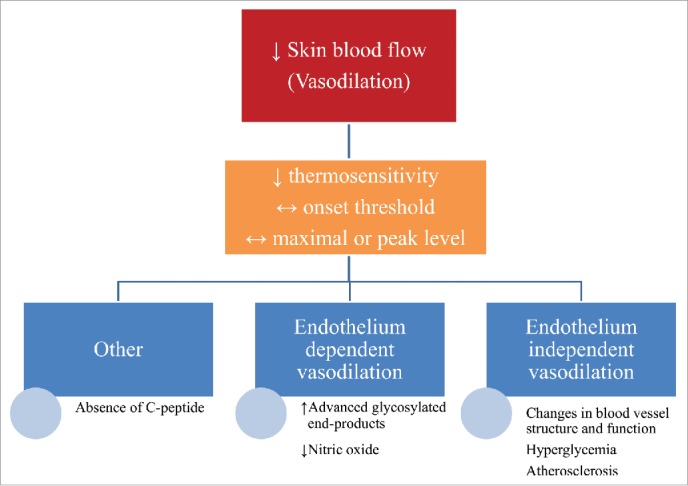
“increased formation of advanced glycosylated end products(69) which can suppress nitric oxide bioavailability and augment basal oxidative stress which affects skin blood flow control.(70,71)”
BackgroundThermoregulatory model for prediction of long-term cold exposure
Xu, X., Tikuisis, P., Gonzalez, R., & Giesbrecht, G. G. (2004) · Computers in Biology and Medicine · doi:10.1016/j.compbiomed.2004.01.004 · Cited by 80
Delayed threshold for active cutaneous vasodilation in patients with Type 2 diabetes mellitus
Wick, D. E., Roberts, S. K., Basu, A., Sandroni, P., Fealey, R. D., Sletten, D. M., & Charkoudian, N. (2005) · Journal of Applied Physiology · doi:10.1152/japplphysiol.00943.2005 · Cited by 79 · cited 2×
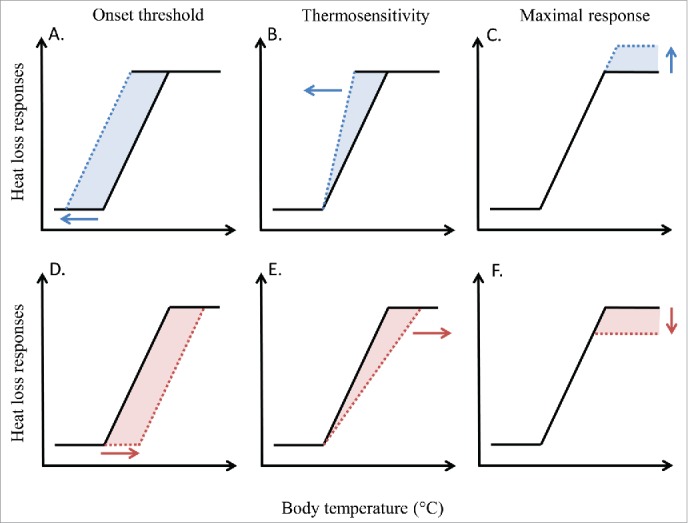
“While little information is available regarding the central versus peripheral mechanisms underlying diabetes-related skin blood flow responses, one study implicated a lower onset threshold for vasodilation as the primary factor to explain a lower skin blood flow; an indication that the modulation of skin blood flow is…”
BackgroundOlder Adults with Type 2 Diabetes Store More Heat during Exercise
Kenny, G. P., Stapleton, J. M., Yardley, J. E., Boulay, P., & Sigal, R. J. (2013) · Medicine & Science in Sports & Exercise · doi:10.1249/mss.0b013e3182940836 · Cited by 79 · cited 7×
“With respect to individuals with diabetes, none of the exercise studies have considered fitness as a potential factor as the healthy controls were all matched for maximal aerobic capacity along with age and physical characteristics.(57-59,108)”
BackgroundResultInfluentialSelf-citationThe concept of regulation for human body temperature
Werner, J. (1980) · Journal of Thermal Biology · doi:10.1016/0306-4565(80)90003-0 · Cited by 77 · cited 1×
“, vasodilation) and sweating, both of which are modulated by sympathetic nerves.(28,29) The action of vasodilation opens the skin’s blood vessels to allow greater blood flow to the skin which increases skin temperature, and thereby increasing the gradient for dry heat exchange between the skin and the external environ…”
BackgroundRedistribution of Sudomotor Responses Is an Early Sign of Sympathetic Dysfunction in Type 1 Diabetes
Hoeldtke, R. D., Bryner, K. D., Horvath, G. G., Phares, R. W., Broy, L. F., & Hobbs, G. R. (2001) · Diabetes · doi:10.2337/diabetes.50.2.436 · Cited by 77
Seasonal Changes in Preprandial Glucose, A1C, and Blood Pressure in Diabetic Patients
Liang, W. W. (2007) · Diabetes Care · doi:10.2337/dc07-0597 · Cited by 75
Prevalence of somatic small fiber neuropathy in obesity
Herman, R. M., Brower, J. B., Stoddard, D. G., Casano, A. R., Targovnik, J. H., Herman, J., & Tearse, P. (2006) · International Journal of Obesity · doi:10.1038/sj.ijo.0803418 · Cited by 74 · cited 1×
“While there are a limited number of studies examining the effects of heat stress in older obese individuals during exercise, it has been shown that obesity is associated with reductions in heat tolerance and impairments in the activation of heat loss responses of skin blood flow and sweating.(134,141) This is exacerba…”
BackgroundChronic exercise is associated with enhanced cutaneous blood flow in Type 2 diabetes
Colberg, S. R., Stansberry, K. B., McNitt, P. M., & Vinik, A. I. (2002) · Journal of Diabetes and its Complications · doi:10.1016/s1056-8727(01)00222-7 · Cited by 71 · cited 1×
“Importantly, these effects appear to depend on fitness such that those with type 2 diabetes who engage in physical activity have reduced impairments in skin vasodilation, albeit individuals with type 2 diabetes exhibit reduced maximal skin blood flow irrespective of fitness.(103) On the other hand, studies of local sw…”
BackgroundThe broad clinical phenotype of Type 1 diabetes at presentation
Merger, S. R., Leslie, R. D., & Boehm, B. O. (2012) · Diabetic Medicine · doi:10.1111/dme.12048 · Cited by 71 · cited 1×
“Diabetes care plans must consider adjustments for the age-related changes in functional status and incorporate appropriate accommodations for individuals who may be less able to manage their glycemia.(42) Furthermore, the earlyonset of type 1 diabetes results in a longer burden of disease, and therefore increased diab…”
BackgroundObesity and the Occurrence of Heat Disorders
Chung, N. K., & Pin, C. H. (1996) · Military Medicine · doi:10.1093/milmed/161.12.739 · Cited by 70 · cited 1×
“5 times more likely to experience a heat-related fatality compared to lean age-matched individuals.(129)”
BackgroundWallberg‐Henriksson, H., GUNNARSSON, R., Rössner, S., & Wahren, J. (1986) · Diabetologia · doi:10.1007/bf02427281 · Cited by 70
A rise in ambient temperature augments insulin absorption in diabetic patients
Koivisto, V. A., FORTNEY, S. M., Hendler, R., & Felig, P. (1981) · Metabolism · doi:10.1016/0026-0495(81)90122-0 · Cited by 67
Platelet cNOS Activity Is Reduced in Patients with IDDM and NIDDM
Bruno, G., Trucco, F., Zumpano, E., Tagliabue, M., Bisceglie, C. D., Pescarmona, G., & Martina, V. (1998) · Thrombosis and Haemostasis · doi:10.1055/s-0037-1614937 · Cited by 65 · cited 1×
“Others have noted impairments in endothelium-dependent and endothelium–independent vasodilation 62 along with reduced nitric oxide bioavailability due primarily to diminished nitric oxide synthase activity.(63).”
BackgroundDo Heat Events Pose a Greater Health Risk for Individuals with Type 2 Diabetes?
Yardley, J. E., Stapleton, J. M., Sigal, R. J., & Kenny, G. P. (2013) · Diabetes Technology & Therapeutics · doi:10.1089/dia.2012.0324 · Cited by 63 · cited 1×
“However, individuals with type 2 diabetes appear to have lower skin blood flow relative to their age-matched controls.(18) Although this may be perceived as beneficial in the context of minimizing heat dissipation during cold exposure, type 2 diabetes is also associated with marked impairments in vascular responsivene…”
BackgroundSelf-citationWeston, P. J., James, M. A., Panerai, R. B., McNally, P. G., Potter, J. F., & Thurston, H. (1998) · Diabetes Research and Clinical Practice · doi:10.1016/s0168-8227(98)00094-1 · Cited by 63
Glycemic Status Affects Cardiopulmonary Exercise Response in Athletes with Type I Diabetes
Baldi, J. C., Cassuto, N. A., Foxx‐Lupo, W. T., Wheatley, C. M., & Snyder, E. M. (2010) · Medicine & Science in Sports & Exercise · doi:10.1249/mss.0b013e3181d1fdb3 · Cited by 63
Waeber, B. (2008) · Vascular Health and Risk Management · doi:10.2147/vhrm.s4175 · Cited by 62 · cited 1×
“Of particular importance, these diabetes-related changes in skin blood flow appear to be closely associated with the duration of diabetes and/or the presence of related complications.(98,99) While little information is available regarding the central versus peripheral mechanisms underlying diabetes-related skin blood…”
BackgroundPanerai, R. B., McCullough, A. J., Weston, P. J., McNally, P. G., Potter, J. F., Swales, J. D., James, M. A., & Thurston, H. (1996) · Diabetologia · doi:10.1007/s001250050587 · Cited by 62
Kihara, M., Opfer‐Gehrking, T. L., & Low, P. A. (1993) · Muscle & Nerve · doi:10.1002/mus.880160612 · Cited by 62
Endothelium-Dependent and -Independent Vascular Dysfunction in Type 1 Diabetes
Chan, N. N., Vallance, P. J., & Colhoun, H. M. (2003) · Arteriosclerosis Thrombosis and Vascular Biology · doi:10.1161/01.atv.0000072968.00157.6b · Cited by 61
Raz, I., Weiss, R., Yegorchikov, Y., Bitton, G., Nagar, R., & Pesach, B. (2009) · Clinical Therapeutics · doi:10.1016/j.clinthera.2009.05.010 · Cited by 60
Physical Activity and Diabetes
Salvatoni, A., Cardani, R., Biasoli, R., Salmaso, M., Paoli, A. D., & Nespoli, L. (2013) · Canadian Journal of Diabetes · doi:10.1016/j.jcjd.2013.02.009 · Cited by 60
Dasgupta, K., Joseph, L., Pilote, L., Strachan, I. B., Sigal, R. J., & Chan, C. (2010) · Cardiovascular Diabetology · doi:10.1186/1475-2840-9-81 · Cited by 59 · cited 1×
“, an indicator of the level of physical activity) during the autumn/winter compared to the spring/summer months.(172) The mechanism underlying these divergent responses in glycemia between those with type 1 and type 2 diabetes in response to environmental factors is unknown and deserves further scrutiny.”
BackgroundSelf-citationEffects of C‐peptide on Microvascular Blood Flow and Blood Hemorheology
Forst, T. M., & Kunt, T. (2003) · Journal of Diabetes Research · doi:10.1080/15438600490424532 · Cited by 58 · cited 1×
“For example, the absence of C-peptide (produced in pancreatic islet b cells) is known to have an important role in microvascular blood flow in a manner which is nitric oxide-dependent.(60) In fact, infusion of C-peptide in those with type 1 diabetes was successful in reversing the group’s impairment in skin blood flow…”
BackgroundEffect of mild essential hypertension on control of forearm blood flow during exercise in the heat
Kenney, W. L., Kamon, E., & BUSKIRK, E. R. (1984) · Journal of Applied Physiology · doi:10.1152/jappl.1984.56.4.930 · Cited by 58 · cited 1×
“However, the effects on skin blood flow have yielded mixed results when assessed under passive heating conditions(128,131,136) whereas consistent reductions in skin blood flow have been measured during exercise in the heat.(137,138) To the best of our knowledge, the effects on sweating have not been studied although m…”
BackgroundKellogg, D. L., Morris, S. R., Rodriguez, S. B., Liu, Y., Grossmann, M., Stagni, G., & Shepherd, A. M. M. (1998) · Journal of Applied Physiology · doi:10.1152/jappl.1998.85.1.175 · Cited by 56
Goodman, J. I. (1966) · The American Journal of Medicine · doi:10.1016/0002-9343(66)90040-4 · Cited by 56 · cited 1×
“In the context of eccrine sweating, the general pattern in individuals with type 1 diabetes is relative lower body anhidrosis along with upper body eu- or hyperhidrosis(49,50) which can lead to global anhidrosis.(51) Importantly, these reductions in skin blood flow and sweating in those with type 1 diabetes have been…”
BackgroundGomes, M. B., Matheus, A. S. D. M., & Tibiriçá, E. V. (2008) · Microvascular Research · doi:10.1016/j.mvr.2008.04.003 · Cited by 54
Cardiac output and skin blood flow in lean and obese individuals during exercise in the heat
Vroman, N. B., BUSKIRK, E. R., & Hodgson, J. L. (1983) · Journal of Applied Physiology · doi:10.1152/jappl.1983.55.1.69 · Cited by 53 · cited 1×
“While there are a limited number of studies examining the effects of heat stress in older obese individuals during exercise, it has been shown that obesity is associated with reductions in heat tolerance and impairments in the activation of heat loss responses of skin blood flow and sweating.(134,141) This is exacerba…”
BackgroundEffect of Glycemic Control on Sudomotor Denervation in Type 2 Diabetes
Luo, K., Chao, C., Hsieh, P.-C., Lue, J., & Hsieh, S. (2012) · Diabetes Care · doi:10.2337/dc11-1607 · Cited by 52 · cited 2×
“For instance, the sweat glands from individuals with type 2 diabetes with poor glycemic control exhibit exacerbated reductions in peri-glandular nerve terminals and in the innervation index.(111,112) On the other TEMPERATURE 129”
BackgroundImpairments in Local Heat Loss in Type 1 Diabetes during Exercise in the Heat
Carter, M. R., McGinn, R. N., Barrera‐Ramirez, J., Sigal, R. J., & Kenny, G. P. (2014) · Medicine & Science in Sports & Exercise · doi:10.1249/mss.0000000000000350 · Cited by 51 · cited 9×
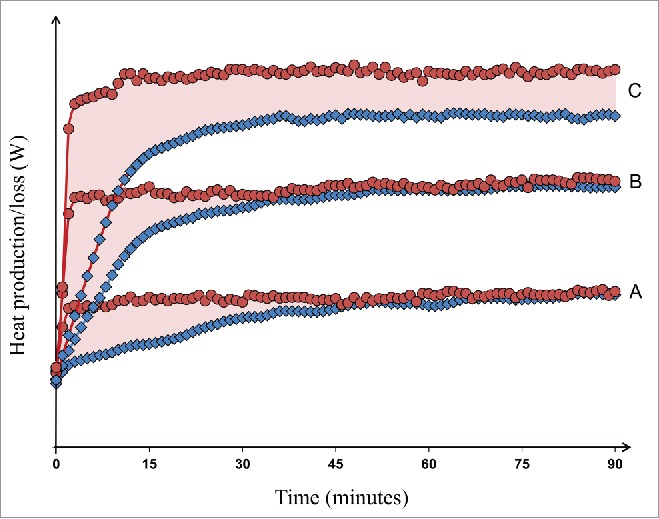
“Given the reduced thermosensitivity of the sweating response in those with type 1 diabetes, Carter et al.(58) surmised that the diabetes-related changes in sweating were due to peripherally-mediated changes such as reduced acetylcholine sensitivity, altered physical properties of the actual sweat glands and/or interru…”
BackgroundResultInfluentialSelf-citationImpaired cerebral blood flow and oxygenation during exercise in type 2 diabetic patients
Kim, Y.-S., Seifert, T., Brassard, P., Rasmussen, P. V., Vaag, A. A., Nielsen, H. B., Secher, N. H., & LIESHOUT, J. J. V. (2015) · Physiological Reports · doi:10.14814/phy2.12430 · Cited by 50 · cited 1×
“This was linked to a marked decrease in cerebral perfusion during exercise as a consequence of lower cardiac output.(121) Impor-”
BackgroundControl aspects of human temperature regulation
Werner, J. (1981) · Automatica · doi:10.1016/0005-1098(81)90052-2 · Cited by 48 · cited 1×
“, vasodilation) and sweating, both of which are modulated by sympathetic nerves.(28,29) The action of vasodilation opens the skin’s blood vessels to allow greater blood flow to the skin which increases skin temperature, and thereby increasing the gradient for dry heat exchange between the skin and the external environ…”
BackgroundAbad, F. H. H., Díaz‐Gómez, N. M., Rodríguez, I., Pérez, R., & Delgado, J. A. (2002) · Diabetic Medicine · doi:10.1046/j.1464-5491.2002.00793.x · Cited by 46
Maintaining Thermogenesis in Cold Exposed Humans: Relying on Multiple Metabolic Pathways
Blondin, D. P., Tingelstad, H. C., Mantha, O. L., Gosselin, C., & Haman, F. (2014) · Comprehensive physiology · doi:10.1002/cphy.c130043 · Cited by 45
Diastolic Function Is Reduced in Adolescents With Type 1 Diabetes in Response to Exercise
Gusso, S., Pinto, T. E., Baldi, J. C., Robinson, E., Cutfield, W. S., & Hofman, P. L. (2012) · Diabetes Care · doi:10.2337/dc11-2331 · Cited by 45
Rönnemaa, T., & Koivisto, V. A. (1988) · Diabetes Care · doi:10.2337/diacare.11.10.769 · Cited by 44 · cited 1×
“Hot ambient conditions can also independently modulate glycemia by increasing insulin absorption and are reported to have additive effects to exercise in decreasing blood glucose levels.(56) These findings were supported during exercise wherein 75% of participants with type 1 diabetes required glucose supplementation…”
BackgroundPetrofsky, J. S. (2011) · Journal of Diabetes Science and Technology · doi:10.1177/193229681100500319 · Cited by 44
Sweat production during global heating and during isometric exercise in people with diabetes.
PETROFSKY, J. S., Lee, S., Patterson, C., Cole, M. D., & Stewart, B. G. (2005) · PubMed · Cited by 44
Sympathetic control of reflex cutaneous vasoconstriction in human aging
Greaney, J. L., Alexander, L. M., & Kenney, W. L. (2015) · Journal of Applied Physiology · doi:10.1152/japplphysiol.00527.2015 · Cited by 44 · cited 1×
“Along these lines, older adults are known to have a reduced ability to defend core temperature during cold exposure, even that which is relatively mild.(148,149)”
BackgroundQuantitation of Sudomotor Innervation in Skin Biopsies of Patients With Diabetic Neuropathy
Luo, K., Chao, C., Chen, Y., Huang, C., Yang, N. C., Kan, H., Wang, S.-H., Yang, W., & Hsieh, S. (2011) · Journal of Neuropathology & Experimental Neurology · doi:10.1097/nen.0b013e318230b0f4 · Cited by 42 · cited 1×
“For instance, the sweat glands from individuals with type 2 diabetes with poor glycemic control exhibit exacerbated reductions in peri-glandular nerve terminals and in the innervation index.(111,112) On the other TEMPERATURE 129”
BackgroundKenney, W. L., & Kamon, E. (1984) · European Journal of Applied Physiology · doi:10.1007/bf00433392 · Cited by 42 · cited 1×
“However, the effects on skin blood flow have yielded mixed results when assessed under passive heating conditions(128,131,136) whereas consistent reductions in skin blood flow have been measured during exercise in the heat.(137,138) To the best of our knowledge, the effects on sweating have not been studied although m…”
BackgroundIs insulin-dependent diabetes mellitus environmentally induced?
Maclaren, N., & Atkinson, M. (1992) · New England Journal of Medicine · doi:10.1056/nejm199207303270509 · Cited by 41 · cited 1×
“Although the causes of type 1 diabetes remain to be elucidated, it is probably caused by a combination of genetic predisposition (with >40 loci known to affect susceptibility)(3) and various environmental factors including stress and viruses.(4) On the other hand, type 2 diabetes is most often diagnosed in adults and…”
BackgroundGreaney, J. L., Stanhewicz, A. E., Kenney, W. L., & Alexander, L. M. (2015) · The Journal of Physiology · doi:10.1113/jp270062 · Cited by 40
Seasonal Variation of HbA1c in Intensive Treatment of Children with Type 1 Diabetes
Nordfeldt, S., & Ludvigsson, J. (2000) · Journal of Pediatric Endocrinology and Metabolism · doi:10.1515/jpem.2000.13.5.529 · Cited by 39
Divergent roles of plasma osmolality and the baroreflex on sweating and skin blood flow
Lynn, A. G., Gagnon, D., Binder, K., Boushel, R., & Kenny, G. P. (2011) · American Journal of Physiology-Regulatory, Integrative and Comparative Physiology · doi:10.1152/ajpregu.00411.2011 · Cited by 39 · cited 2×
“Recently, a few studies demonstrated that the combination of hyperosmolality and hypovolemia presented augmented effects to further exacerbate the impairments of heat loss in healthy individuals.(27,174) In contrast, a different study demonstrated that an acute episode of hyperglycemia (as induced by hyperinsulinemich…”
BackgroundResultSelf-citationCentral and Peripheral Cardiovascular Impairments Limit V·O2peak in Type 1 Diabetes
Rissanen, A., Tikkanen, H. O., Koponen, A. S., Aho, J. M., & Peltonen, J. E. (2014) · Medicine & Science in Sports & Exercise · doi:10.1249/mss.0000000000000419 · Cited by 39 · cited 3×
“In addition, a recent study observed that even after accounting for any differences in cardiac function, otherwise healthy individuals with type 1 diabetes had reduced peak blood flow to the active muscles.(74)”
BackgroundDanzl, D. F. (2002) · Seminars in Respiratory and Critical Care Medicine · doi:10.1055/s-2002-20589 · Cited by 39
Tsujimoto, T., Yamamoto‐Honda, R., Kajio, H., Kishimoto, M., Noto, H., Hachiya, R., Kimura, A., Kakei, M., & Noda, M. (2014) · Medicine · doi:10.1097/md.0000000000000148 · Cited by 34 · cited 3×
“Consistent with these findings during heat stress, seasonal variations in glycemia have been reported such that HbA1c levels for type 1 diabetes are clinically lower during the spring/summer relative to the autumn/winter months(166,167) with differences recently noted to be as high as 3%.(168) Moreover, Tsujimoto et a…”
BackgroundInfluentialLow total haemoglobin mass, blood volume and aerobic capacity in men with type 1 diabetes
Koponen, A. S., Peltonen, J. E., Päivinen, M. K., Aho, J. M., Hägglund, H., Uusitalo, A. L. T., Lindholm, H. J., & Tikkanen, H. O. (2012) · European Journal of Applied Physiology · doi:10.1007/s00421-012-2532-4 · Cited by 34 · cited 1×
“Furthermore, type 1 diabetes has been closely associated with reductions in blood volume which reduces the total amount of fluid available for circulation.(74,80) Therefore, while any impairments in resting cardiovascular function are minimal or non-detectable, individuals with type 1 diabetes may be at increased risk…”
BackgroundDiBona, G. F. (2003) · Acta Physiologica Scandinavica · doi:10.1046/j.1365-201x.2003.01074.x · Cited by 33
Local sensory nerve control of skin blood flow during local warming in type 2 diabetes mellitus
Strom, N. A., Sawyer, J. R., Roberts, S. K., Kingsley‐Berg, S. M., & Charkoudian, N. (2009) · Journal of Applied Physiology · doi:10.1152/japplphysiol.01077.2009 · Cited by 32
Early Endothelial Dysfunction in Young Type 1 Diabetics
Hurks, R., Eisinger, M. J., Goovaerts, I., Gaal, L. V., Vrints, C. J., Weyler, J., Hendriks, J. M., Schil, P. E. V., & Lauwers, P. (2009) · European Journal of Vascular and Endovascular Surgery · doi:10.1016/j.ejvs.2009.01.015 · Cited by 32
Berghoff, M., Kilo, S., Hilz, M. J., & Freeman, R. L. (2006) · Muscle & Nerve · doi:10.1002/mus.20497 · Cited by 31
Diminished skin blood flow in Type I diabetes: evidence for non-endothelium-dependent dysfunction
Katz, A., Ekberg, K., Johansson, B., & Wahren, J. (2001) · Clinical Science · doi:10.1042/cs1010059 · Cited by 30 · cited 1×
“reported similar increases in skin blood flow between non-neuropathic individuals with type 1 diabetes and their healthy counterparts (albeit responses were blunted in neuropathic individuals) whereas other work has shown clear diabetesrelated impairments in skin blood flow.(47,48) In the context of eccrine sweating,…”
ResultEffect of glycaemic control on the vascular nitric oxide system in patients with type 1 diabetes
Rodríguez‐Mañas, L., Bonnardeaux, P. L.-D., Torregrossa, R. P., Álvarez, M. N., Solı́s, J., Pavón, I., Peiró, C., & Sánchez‐Ferrer, C. F. (2003) · Journal of Hypertension · doi:10.1097/00004872-200306000-00013 · Cited by 29
Autonomic control during acute hypoglycemia in type 1 diabetes mellitus
Limberg, J. K., Farni, K. E., Taylor, J. L., Dube, S., Basu, A., Basu, R., Wehrwein, E. A., & Joyner, M. J. (2014) · Clinical Autonomic Research · doi:10.1007/s10286-014-0253-y · Cited by 27 · cited 1×
“While this may result in a decrease in core temperature during resting conditions, the associated dysfunction of the autonomic nervous system may eliminate any potential benefits during whole-body heat stress.(59,76) Similarly, episodes of hyperglycemia can also have an important negative impact on core temperature re…”
BackgroundRoche, D. M., Edmunds, S., Cable, N. T., Didi, M., & Stratton, G. (2008) · Pediatric Exercise Science · doi:10.1123/pes.20.4.426 · Cited by 27 · cited 1×
“Importantly, these reductions in skin blood flow and sweating in those with type 1 diabetes have been related to longer disease duration,(47,52) poorer glycemic control as assessed by higher hemoglobin A1c (HbA1c) levels, 45,50-52 greater degrees of neuropathy, and/or lower aerobic fitness.(53) Despite the fact that t…”
BackgroundIs Whole-Body Thermoregulatory Function Impaired in Type 1 Diabetes Mellitus?
Yardley, J. E., Stapleton, J. M., Carter, M. R., Sigal, R. J., & Kenny, G. P. (2013) · Current Diabetes Reviews · doi:10.2174/1573399811309020004 · Cited by 27 · cited 1×
“Individuals with type 1 diabetes are typically diagnosed during childhood or early adulthood (incidence peaks between ages 10-14 years(39)), are leaner and typically have minimal or no comorbidities at diagnosis.(17) In addition, improved diabetes management and care strategies have led to markedly increased life expe…”
BackgroundSelf-citationMechanisms underlying the postexercise baroreceptor-mediated suppression of heat loss
McGinn, R. N., Paull, G., Meade, R. D., Fujii, N., & Kenny, G. P. (2014) · Physiological Reports · doi:10.14814/phy2.12168 · Cited by 27 · cited 1×
“induced sweating during exercise has been recently well established.(113,114)”
BackgroundSelf-citationMuscle Blood Flow in Diabetes Mellitus: Evidence of Abnormality After Exercise
Menon, R. K., Grace, A. A., Burgoyne, W., Fonseca, V. A., James, I. M., & Dandona, P. (1992) · Diabetes Care · doi:10.2337/diacare.15.5.693 · Cited by 27 · cited 1×
“reported a lower magnitude of postexercise hypotension for individuals with type 1 diabetes as early as 20 minutes after exercise which is consistent with prior observations of reduced postexercise muscle blood flow reported in individuals with diabetes.(86) Interestingly, in the study by McGinn et al.”
ResultChapter 12 The effects of drugs on thermoregulation during exposure to hot environments
Lomax, P., & Schönbaum, E. (1998) · Progress in brain research · doi:10.1016/s0079-6123(08)62037-3 · Cited by 26 · cited 1×
“In fact, some studies suggest that the use of antihypertensive medications (diuretics, vasodilators, b-blockers) can reduce heat tolerance during exercise in the heat.(144,145)”
BackgroundWhole-Body Heat Loss during Exercise in the Heat Is Not Impaired in Type 1 Diabetes
Stapleton, J. M., Yardley, J. E., Boulay, P., Sigal, R. J., & Kenny, G. P. (2013) · Medicine & Science in Sports & Exercise · doi:10.1249/mss.0b013e31829002f3 · Cited by 25 · cited 3×
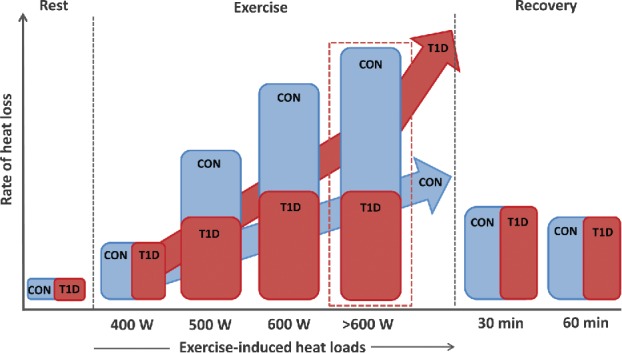
“, engaged in physical activity 3 times per week for 20 min) with type 1 diabetes during dynamic exercise was only published in 2013.(57) Specifically, Stapleton et al.”
BackgroundMethodInfluentialSelf-citationHeart Rate Variability in Type 2 Diabetes Mellitus
Stuckey, M. I., & Petrella, R. J. (2013) · Critical Reviews in Biomedical Engineering · doi:10.1615/critrevbiomedeng.2013008103 · Cited by 25 · cited 1×
“In fact, some evidence indicates that heart rate variability can be a predictor for any diabetes-related complications.(117) Importantly, these effects are strongly dependent upon glycemic control, albeit it has been postulated that episodes of acute hyperglycemia exert more damage than chronically poor management of…”
BackgroundConnat, J., Busseuil, D., Gambert, S., Ody, M., Tébaldini, M., Gamboni, S., Faivre, B., Quiquerez, A., Millet, M., Michaut, P., et al. (2001) · Anatomy and Embryology · doi:10.1007/s429-001-8002-0 · Cited by 24
Autonomic Stress and Balance—the Impact of Age and Diabetes
PETROFSKY, J. S., Focil, N., Prowse, M., Kim, Y., Berk, L., Bains, G. S., & Lee, S. (2010) · Diabetes Technology & Therapeutics · doi:10.1089/dia.2009.0125 · Cited by 24 · cited 1×
“In line with this, individuals with type 2 diabetes show impairments relative to age-matched controls in heart rate variability (an indicator of autonomic nervous system function) at rest and during postural manipulation.(116) In fact, some evidence indicates that heart rate variability can be a predictor for any diab…”
BackgroundStapleton, J. M., Gagnon, D., & Kenny, G. P. (2010) · European Journal of Applied Physiology · doi:10.1007/s00421-010-1380-3 · Cited by 20
Self-citationAscorbic acid: what do we really NO?
Holowatz, L. A. (2011) · Journal of Applied Physiology · doi:10.1152/japplphysiol.01187.2011 · Cited by 18 · cited 1×
“increased formation of advanced glycosylated end products(69) which can suppress nitric oxide bioavailability and augment basal oxidative stress which affects skin blood flow control.(70,71)”
BackgroundFriedman, H. S. (1984) · Archives of Internal Medicine · doi:10.1001/archinte.144.1.43 · Cited by 18
McGinn, R., Carter, M. R., Barrera‐Ramirez, J., Sigal, R. J., Flouris, A. D., & Kenny, G. P. (2014) · Scandinavian Journal of Medicine and Science in Sports · doi:10.1111/sms.12344 · Cited by 17 · cited 8×
“, the same participants) examining the postexercise response in thermal (and cardiovascular responses), McGinn et al.(59) showed that despite these differences in core temperature that persisted throughout the 60 min recovery period, local heat loss responses were similar”
BackgroundResultInfluentialSelf-citationBasal and exercise-induced skeletal muscle blood flow is augmented in type I diabetes mellitus
Skyrme-Jones, R. A. P., Berry, K. L., O’Brien, R. C., & Meredith, I. T. (1999) · Clinical Science · doi:10.1042/cs0980111 · Cited by 16
Zomer, E., de Ridder, I., Kompa, A. R., Komesaroff, P. A., Gilbert, R., & Krum, H. (2008) · Clinical and Experimental Pharmacology and Physiology · doi:10.1111/j.1440-1681.2008.04960.x · Cited by 15 · cited 2×
“Based on the observations that individuals with type 1 diabetes demonstrate greater skin blood flow under baseline resting conditions which enhances dry heat loss (this is thought to be associated with the hyperinsulinemic state44) combined with the evidence of hypoglycemia-mediated blunting of shivering thermogenesis…”
ResultDecreased Circulatory Response to Hypovolemic Stress in Young Women With Type 1 Diabetes
Lindenberger, M., Lindström, T., & Länne, T. (2013) · Diabetes Care · doi:10.2337/dc13-0468 · Cited by 14 · cited 1×
“Specifically, the latter was evidenced by reduced redistribution of peripheral blood toward the central circulation and is consistent in males and females.(89,90)”
BackgroundSympathetic sudomotor disturbance in early type 1 diabetes mellitus is linked to lipid peroxidation
Hoeldtke, R. D., Bryner, K. D., Hoeldtke, M. E., Christie, I., Ganser, G. H., Hobbs, G. R., & Riggs, J. E. (2006) · Metabolism · doi:10.1016/j.metabol.2006.06.023 · Cited by 14
Palazzo, P., Maggio, P., Altavilla, R., Flaviani, A. D., Giordani, I., Malandrucco, I., Picconi, F., Passarelli, F., Pasqualetti, P., Ercolani, M., et al. (2013) · PLoS ONE · doi:10.1371/journal.pone.0083287 · Cited by 14
Donoso, M. V., Gómez, C. R., Orriantia, M. Á., Pérez, V., Torres, C. A., Coddou, C., Nelson, P., Maisey, K. R., Morales, B., Fernández, R., et al. (2008) · Mechanisms of Ageing and Development · doi:10.1016/j.mad.2008.09.018 · Cited by 14
Rand, S., & PETROFSKY, J. S. (2008) · Cited by 14
Brown adipose tissue thermogenesis in humans
Nuutila, P. (2013) · Diabetologia · doi:10.1007/s00125-013-3005-y · Cited by 13
Bodmer, C. W., Schaper, N. C., Janssen, M., de Leeuw, P. W., & Williams, G. (1995) · Clinical Science · doi:10.1042/cs0880421 · Cited by 13
Harding, R. J., & Huntingford, C. (2013) · Cited by 12
Dhatariya, K. (2008) · Medical Hypotheses · doi:10.1016/j.mehy.2008.06.027 · Cited by 11
Impaired compensatory response to hypovolaemic circulatory stress in type 1 diabetes mellitus
Lindenberger, M., Olsen, H., & Länne, T. (2011) · Diabetes and Vascular Disease Research · doi:10.1177/1479164111404576 · Cited by 11 · cited 2×
“Specifically, the latter was evidenced by reduced redistribution of peripheral blood toward the central circulation and is consistent in males and females.(89,90)”
BackgroundThermoregulatory responses to hyperinsulinaemic hypoglycaemia and euglycaemia in IDDM
Maggs, D. G., Macdonald, I. A., & Tattersall, R. B. (1994) · Diabetologia · doi:10.1007/bf00417693 · Cited by 10 · cited 1×
“From a thermoregulatory perspective, hypoglycemia is known to induce sympathetic activation as evidenced by marked increases in sweating, limb blood flow, heart rate, and blood pressure.(173) While this may result in a decrease in core temperature during resting conditions, the associated dysfunction of the autonomic…”
BackgroundThermoregulatory response to passive body heating in borderline hypertension
Drummond, P. D. (1993) · Clinical Autonomic Research · doi:10.1007/bf01829011 · Cited by 10
Eberl, N., Piehlmeier, W., Dachauer, S., König, A., Land, W. G., & Landgraf, R. (2005) · Diabetes/Metabolism Research and Reviews · doi:10.1002/dmrr.555 · Cited by 10 · cited 1×
“5% (indicating chronically elevated blood glucose levels) are strongly associated with reductions in skin blood flow,(66,67) and one study has linked even acute hyperglycemic episodes to irreversible vascular changes which could impair heat loss.(68) Finally, type 1 diabetes is associated with Figure 5.”
BackgroundNaylor, L. H., Yusof, N. M., Paramalingam, N., Jones, T. W., Davis, E. A., & GREEN, D. J. (2013) · European Journal of Applied Physiology · doi:10.1007/s00421-013-2785-6 · Cited by 7
Effect of Local Heating on Postprandial Blood Glucose Excursions Using the InsuPad Device
Hermanns, N., Bitton, G., Reimer, A., Krichbaum, M., Kulzer, B., & Haak, T. (2014) · Journal of Diabetes Science and Technology · doi:10.1177/1932296814546162 · Cited by 7 · cited 1×
“Even local heating of the insulin injection site can lower post-prandial glycemia through increasing insulin absorption and activity,(162,163) and has been suggested as a potential avenue to improve long-term glycemic control.(162) The mechanisms for these improvements remain unclear; however, it has been postulated t…”
BackgroundKenny, G. P., Flouris, A. D., Dervis, S., Friesen, B. J., Sigal, R. J., Malcolm, J., & Poirier, M. P. (2015) · Medicine & Science in Sports & Exercise · doi:10.1249/01.mss.0000477799.65084.9a · Cited by 6
Self-citationAutonomic dysfunction associated with Type 1 diabetes: a role for fitness?
McGinn, R. N., & Kenny, G. P. (2014) · Clinical Autonomic Research · doi:10.1007/s10286-014-0262-x · Cited by 3 · cited 1×
“is commonly regarded as a measure of autonomic nervous system function, baroreflex sensitivity is a vital cardiovascular reflex with important implications for blood pressure and possibly thermoregulatory control.(27,79) Furthermore, type 1 diabetes has been closely associated with reductions in blood volume which red…”
BackgroundSelf-citationAbnormalities of the Cardiovascular Response to Cold Pressor Test in Type 1 Diabetes
Friedman, H. S. (1984) · Archives of Internal Medicine · doi:10.1001/archinte.1984.00350130049010 · cited 1×
“While no studies have yet assessed the direct impact of acute or chronic glycemia management on thermoregulatory responses to cold exposure, one study has indicated that short-term changes in HbA1c levels are closely and inversely correlated with the cardiovascular response to a cold pressor test.(171)”
Backgroundde Valk (1998) · doi:10.1002/(sici)1096-9136(199806)15:6
Research works printed but not linked: 12
- World Health Organization, 2014, Page 150-154. Geneva
- Public Health Agency of Canada, 2011, Government of Canada, 27
- American Diabetes Association, 2014, National Diabetes Statistics Report
- Centers for Disease Control and Prevention, 2014, Division of Diabetes Translation,, 1
- IPCC. Intergovernmental Panel on Climate Change. 5th Assessment Report of the Intergovernmental Panel on Climate Change. Cambridge, UK. 2013.
- Yardley JE, 2013, Curr Diabetes Rev, 9, 126
- Gagge AP, 1996, New York: Oxford University Press, 45
- Petrofsky JS, 2005, Med Sci Monit, 11, CR515
- Rand S, 2008, J Appl Res, 8, 48
- Kenney WL, 1984, J Appl Physiol Respir Environ Exerc Physiol, 56, 930
- Vroman NB, 1983, J Appl Physiol Respir Environ Exerc Physiol, 55, 69
- Baron AD, 1994, Am J Physiol, 266, E248
Cited by
Sorted by citations
Hot weather and heat extremes: health risks
Ebi, K. L., Capon, A., Berry, P., Broderick, C., de Dear, R., Havenith, G., Honda, Y., Kovats, R. S., Ma, W., Malik, A., et al. (2021) · The Lancet · doi:10.1016/s0140-6736(21)01208-3 · Cited by 2,172
Physiology of sweat gland function: The roles of sweating and sweat composition in human health
Baker, L. B. (2019) · Temperature · doi:10.1080/23328940.2019.1632145 · Cited by 732
Physiological factors characterizing heat-vulnerable older adults: A narrative review
Meade, R. D., Akerman, A. P., Notley, S. R., McGinn, R. N., Poirier, P., Gosselin, P., & Kenny, G. P. (2020) · Environment International · doi:10.1016/j.envint.2020.105909 · Cited by 461
Self-citationA wearable patch for continuous analysis of thermoregulatory sweat at rest
Nyein, H. Y. Y., Bariya, M., Tran, B., Ahn, C. H., Brown, B. J., Ji, W., Davis, N., & Javey, A. (2021) · Nature Communications · doi:10.1038/s41467-021-22109-z · Cited by 437
Physical Activity and Diabetes
Sigal, R. J., Armstrong, M. J., Bacon, S., Boulé, N. G., Dasgupta, K., Kenny, G. P., & Riddell, M. C. (2018) · Canadian Journal of Diabetes · doi:10.1016/j.jcjd.2017.10.008 · Cited by 287
Self-citation
Metadata
- Authors
- Kenny, G. P., Sigal, R. J., & McGinn, R.
- Affiliations
- University of Ottawa (CA)
- University of Calgary (CA)
- Corresponding author
- Kenny, Glen P.
- Venue
- Temperature
- Publisher
- Informa UK Limited
- Published
- 2016-01-02
- Volume
- 3
- Issue
- 1
- Pages
- 119-145
- ISSN
- 2332-8940 (ISSN-L)
- 2332-8959
- PMC
- PMC4861190
- OpenAlex
- W2231185364
- Cited by
- 297
- References
- 190
- Citations by year
- 2026: 26 · 2025: 37 · 2024: 40 · 2023: 29 · 2022: 55 · 2021: 24 · 2020: 18 · 2019: 24 · 2018: 17 · 2017: 20 · 2016: 7
- FWCI
- 2.66
- Type
- journal article
- Language
- en
- Open access
- hybrid
- doi.org
- Licence
- Locations
- Temperature (publishedVersion, cc-by-nc)
- Europe PMC (PubMed Central) (publishedVersion, cc-by-nc)
- PubMed Central (publishedVersion, cc-by-nc)
- PubMed (publishedVersion)
- Topics
- Health Sciences › Medicine › Physiology (medical) › Thermoregulation and physiological responses
- Health Sciences › Medicine › Physiology (medical) › Cardiovascular and exercise physiology
- Life Sciences › Agricultural and Biological Sciences › Animal Science and Zoology › Effects of Environmental Stressors on Livestock
- Keywords
- diabetes mellitus, type 1 diabetes, type 2 diabetes, thermoregulation, heat stress, cold exposure, heat-related illness, heat dissipation, skin blood flow, sweating, glycemic control, cardiovascular regulation, core body temperature, cardiorespiratory fitness, diabetes complications
About these checks
Registry, retraction, Cites and statistics results are computed, not judged, with one exception: a printed reference that no index lists is read once by a model before it counts as a citation error. Claims are extracted by a model and kept only when their quote appears verbatim in the text; each cited source is then checked, with a model’s help, for whether it says what the claim relies on. Those verdicts can be wrong — read the claim’s quote and the cited source before relying on one.
Statistics and arithmetic are recomputed, not judged.
Confidence bands are shown only for fields calibrated on our annotated test set. None is calibrated yet, so no band is shown.
What counts as a claim ›How we measure confidence ›How we check this ›
Are you an author, or do you see a problem with this page? Request a review
