

The DOI matches its Crossref record; 73 of the 73 references it cites were found in a registry or an index.
The position of lysosomes within the cell determines their luminal pH
Open accessAbstract
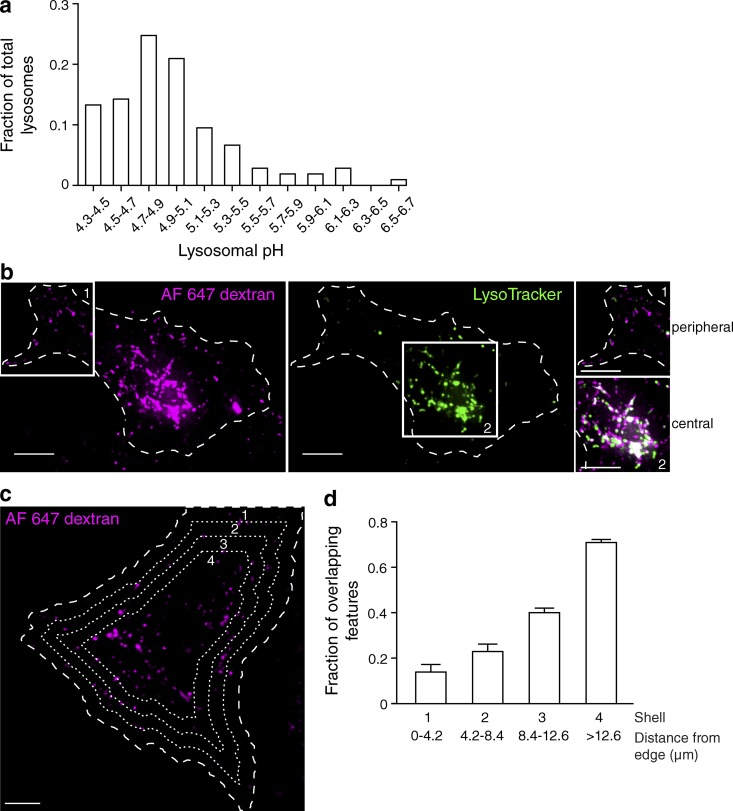
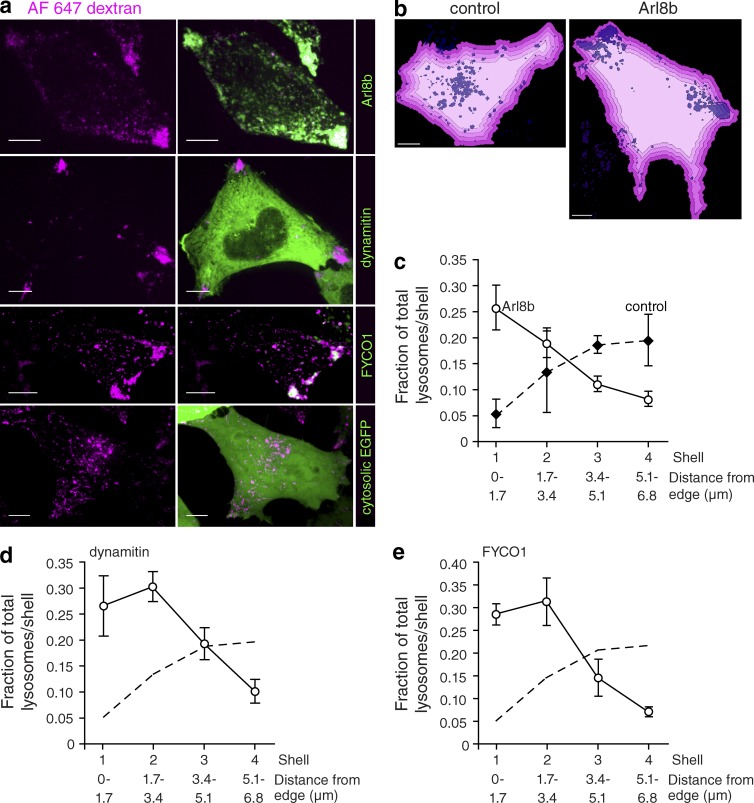
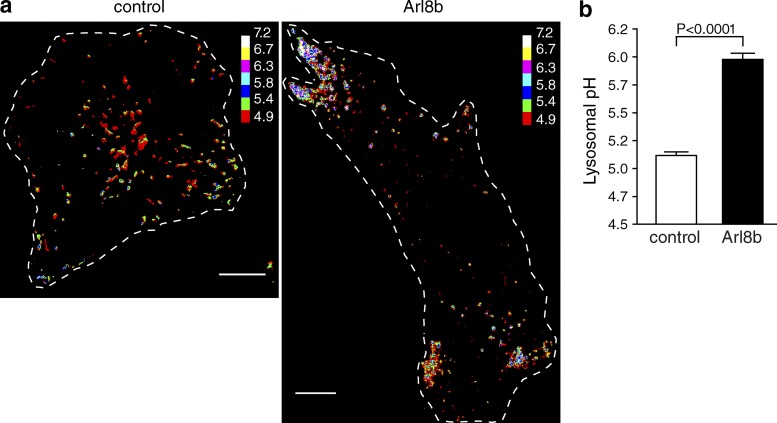
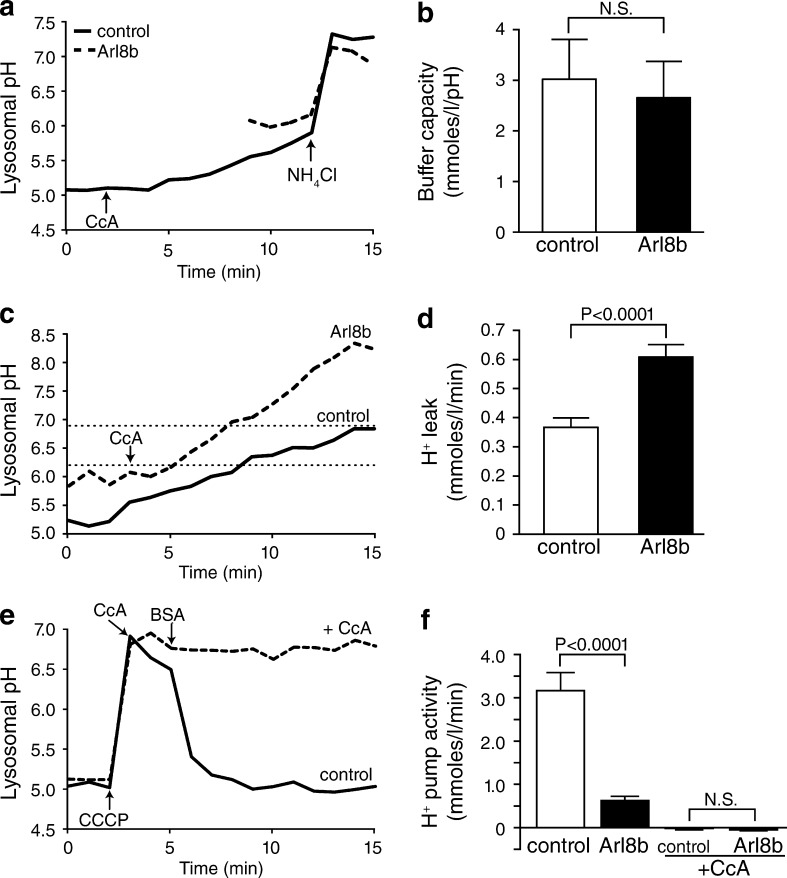
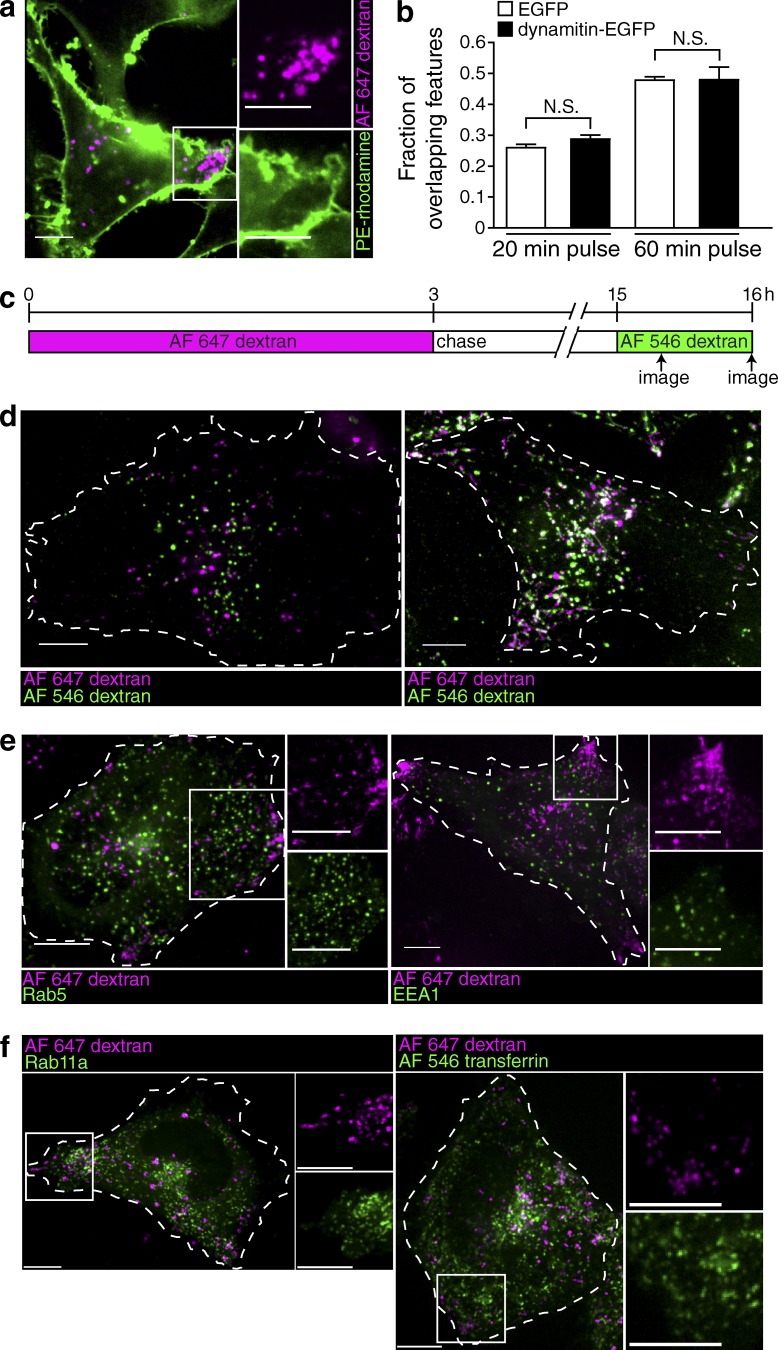
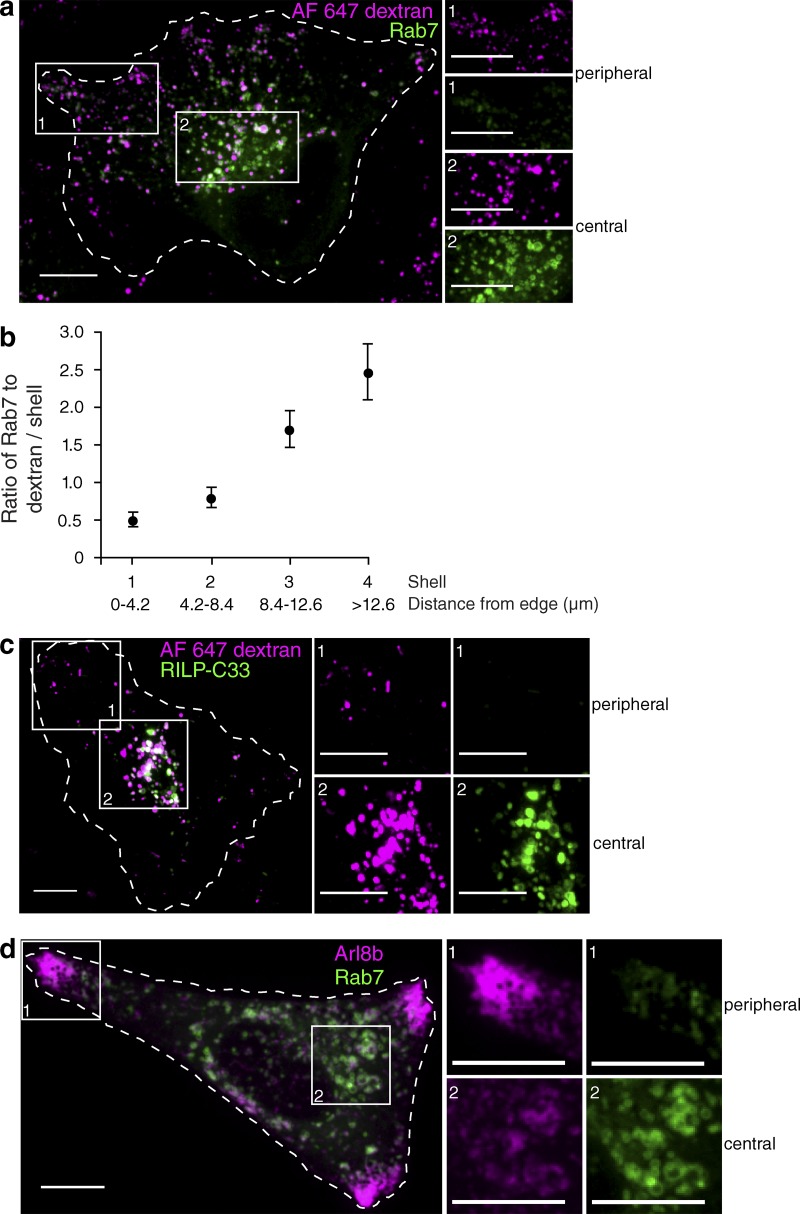
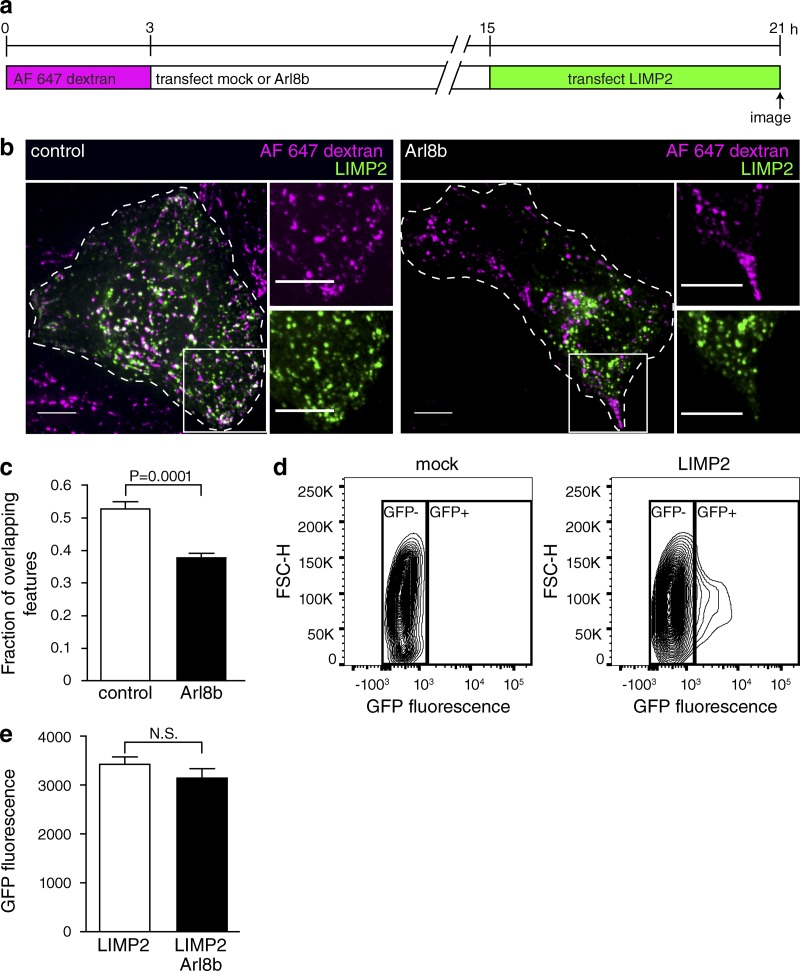
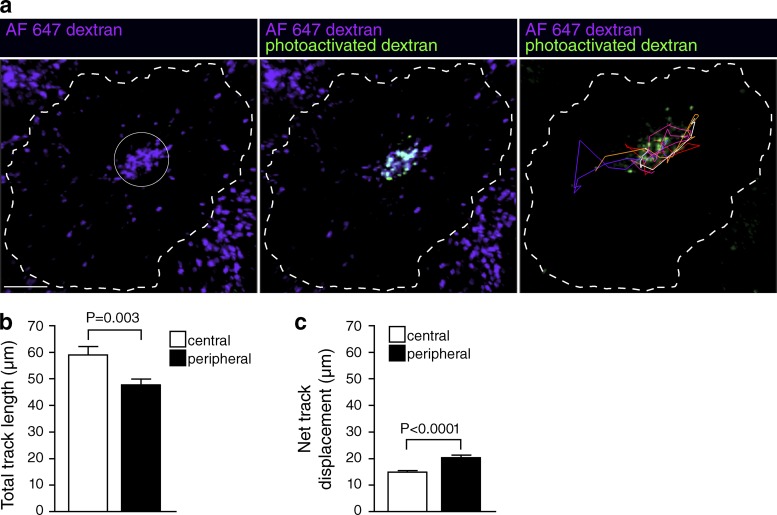
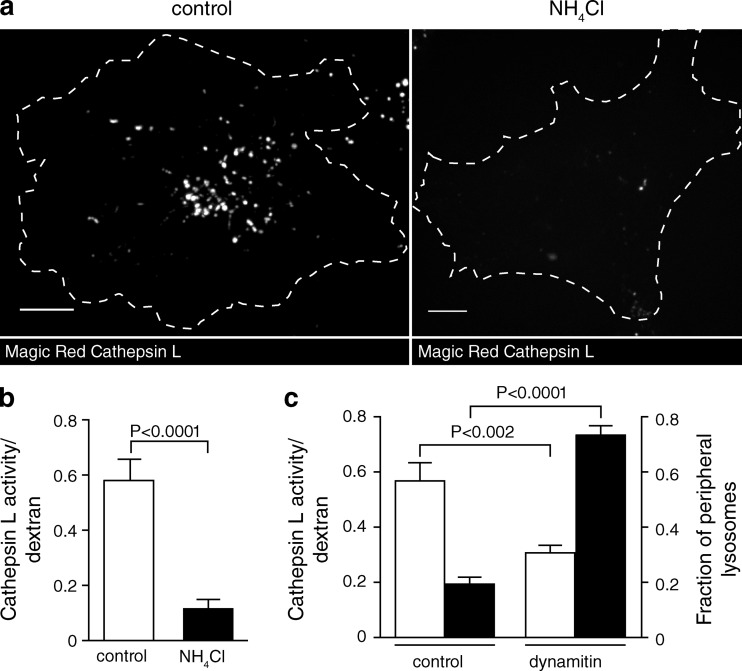
We examined the luminal pH of individual lysosomes using quantitative ratiometric fluorescence microscopy and report an unappreciated heterogeneity: peripheral lysosomes are less acidic than juxtanuclear ones despite their comparable buffering capacity. An increased passive (leak) permeability to protons, together with reduced vacuolar H(+)-adenosine triphosphatase (V-ATPase) activity, accounts for the reduced acidifying ability of peripheral lysosomes. The altered composition of peripheral lysosomes is due, at least in part, to more limited access to material exported by the biosynthetic pathway. The balance between Rab7 and Arl8b determines the subcellular localization of lysosomes; more peripheral lysosomes have reduced Rab7 density. This in turn results in decreased recruitment of Rab-interacting lysosomal protein (RILP), an effector that regulates the recruitment and stability of the V1G1 component of the lysosomal V-ATPase. Deliberate margination of lysosomes is associated with reduced acidification and impaired proteolytic activity. The heterogeneity in lysosomal pH may be an indication of a broader functional versatility.
Overview
The claims and statistics of this paper haven’t been checked yet.
Run the check — free, no account needed. It reads the open-access text and checks the sources it cites.
Integrity signals
Registry
Cites
Statistics
Figures
Verification
Claims the paper makes
The claims and statistics of this paper haven’t been checked yet.
Run the check — free, no account needed. It reads the open-access text and checks the sources it cites.
Claims other papers make about this one
Each is checked against this paper’s own text: does it say what the citing paper says it does?
The cited source doesn’t support the claim as written.
In the citing paper
“Notably, intracellular localization of lysosomes regulates their ability to interact and fuse with vesicles such as autophagosomes or endosomes31, 32, 47, 48.”
From Phosphatidylinositol-(4,5)-Bisphosphate Regulates Plasma Cholesterol Through LDL (Low-Density Lipoprotein) Receptor Lysosomal Degradation (2020) · cites this paper as [31]
Checked by a reasoning model — may be wrong.
Experimental — accuracy not yet measuredThe cited source says what the claim attributes to it.
In the citing paper
“Lysosome activity is dependent on its position within the cell31, 32.”
From Phosphatidylinositol-(4,5)-Bisphosphate Regulates Plasma Cholesterol Through LDL (Low-Density Lipoprotein) Receptor Lysosomal Degradation (2020) · cites this paper as [31]
In the citing paper
“The CCCP effect on lysosomal pH seems to be concentration- and time-dependent.”
From Mitochondrial Uncoupling: A Key Controller of Biological Processes in Physiology and Diseases (2019) · cites this paper as [84]
In the citing paper
“Studies in HeLa cells show that the position of lysosomes within the cell determines their luminal pH; peripheral lysosomes are less acidic than those in the perinuclear region. This is because peripheral lysosomes have less RAB7, which leads to decreased recruitment of the RAB7 effector RILP (RAB-interacting lysosomal protein). RILP, in turn, is responsible for recruiting specific subunits of the”
From The cell biology of the retinal pigment epithelium (2020) · cites this paper as Johnson et al., 2016
Self-check
Percentages, sums and reported differences re-computed from the paper’s own numbers.
The self-check needs the paper’s full text.
Citations
Cites
TFEB Links Autophagy to Lysosomal Biogenesis
Settembre, C., Di Malta, C., Polito, V. A., Arencibia, M. G., Vetrini, F., Erdin, S., Erdin, S. U., Huynh, T., Medina, D., Colella, P., et al. (2011) · Science · doi:10.1126/science.1204592 · Cited by 3,365
de Duve, C., & Wattiaux, R. (1966) · Annual Review of Physiology · doi:10.1146/annurev.ph.28.030166.002251 · Cited by 3,033
Huotari, J., & Helenius, A. (2011) · The EMBO Journal · doi:10.1038/emboj.2011.286 · Cited by 2,448
Ohkuma, S., & Poole, B. (1978) · Proceedings of the National Academy of Sciences · doi:10.1073/pnas.75.7.3327 · Cited by 2,173
Thomas, J. A., Buchsbaum, R., Zimniak, A., & Racker, E. (1979) · Biochemistry · doi:10.1021/bi00578a012 · Cited by 2,132
ACIDIFICATION OF THE ENDOCYTIC AND EXOCYTIC PATHWAYS
Mellman, I., Fuchs, R., & Helenius, A. (1986) · Annual Review of Biochemistry · doi:10.1146/annurev.bi.55.070186.003311 · Cited by 2,045
A lysosome‐to‐nucleus signalling mechanism senses and regulates the lysosome via mTOR and TFEB
Settembre, C., Zoncu, R., Medina, D. L., Vetrini, F., Erdin, S., Erdin, S., Huynh, T., Ferron, M., Karsenty, G., Vellard, M. C., et al. (2012) · The EMBO Journal · doi:10.1038/emboj.2012.32 · Cited by 1,920
Lysosomes: fusion and function
Luzio, J. P., Pryor, P. R., & Bright, N. A. (2007) · Nature Reviews Molecular Cell Biology · doi:10.1038/nrm2217 · Cited by 1,807
Zoncu, R., Bar-Peled, L., Efeyan, A., Wang, S., Sancak, Y., & Sabatini, D. M. (2011) · Science · doi:10.1126/science.1207056 · Cited by 1,673
Lysosome biogenesis and lysosomal membrane proteins: trafficking meets function
Saftig, P., & Klumperman, J. (2009) · Nature Reviews Molecular Cell Biology · doi:10.1038/nrm2745 · Cited by 1,648
Cited by
Sorted by citations
Lysosomes as dynamic regulators of cell and organismal homeostasis
Ballabio, A., & Bonifacino, J. S. (2020) · Nature Reviews Molecular Cell Biology · doi:10.1038/s41580-019-0185-4 · Cited by 1,469
Lysosome-targeting chimaeras for degradation of extracellular proteins
Banik, S. M., Pedram, K., Wisnovsky, S., Ahn, G., Riley, N. M., & Bertozzi, C. R. (2020) · Nature · doi:10.1038/s41586-020-2545-9 · Cited by 1,199
Lysosomal membrane permeabilization and cell death
Wang, F., Gómez‐Sintes, R., & Boya, P. (2018) · Traffic · doi:10.1111/tra.12613 · Cited by 804
Lysosomes as a therapeutic target
Bonam, S. R., Wang, F., & Muller, S. (2019) · Nature Reviews Drug Discovery · doi:10.1038/s41573-019-0036-1 · Cited by 786
The Lysosome as a Regulatory Hub
Perera, R. M., & Zoncu, R. (2016) · Annual Review of Cell and Developmental Biology · doi:10.1146/annurev-cellbio-111315-125125 · Cited by 698
Metadata
- Authors
- Johnson, D. E., Ostrowski, P., Jaumouillé, V., & Grinstein, S.
- Affiliations
- Hospital for Sick Children (CA)
- Corresponding author
- Grinstein, Sergio
- Venue
- Journal of Cell Biology
- Publisher
- Rockefeller University Press
- Published
- 2016-03-14
- Volume
- 212
- Issue
- 6
- Pages
- 677-692
- ISSN
- 0021-9525 (ISSN-L)
- 1540-8140
- PMC
- PMC4792074
- OpenAlex
- W2322556561
- Cited by
- 590
- References
- 73
- Citations by year
- 2026: 49 · 2025: 60 · 2024: 57 · 2023: 64 · 2022: 71 · 2021: 61 · 2020: 66 · 2019: 52 · 2018: 49 · 2017: 38 · 2016: 23
- FWCI
- 37.10
- Type
- journal article
- Language
- en
- Open access
- hybrid
- doi.org
- Licence
- cc-by-nc-sa
- Locations
- The Journal of Cell Biology (publishedVersion, cc-by-nc-sa)
- Europe PMC (PubMed Central) (publishedVersion, cc-by-nc-sa)
- PubMed Central (publishedVersion, cc-by-nc-sa)
- PubMed (publishedVersion)
- Funders
- Hospital for Sick Children
- Canadian Institutes of Health Research (FDN-143202)
- Topics
- Life Sciences › Biochemistry, Genetics and Molecular Biology › Cell Biology › Cellular transport and secretion
- Life Sciences › Biochemistry, Genetics and Molecular Biology › Cell Biology › Autophagy in Disease and Therapy
- Life Sciences › Biochemistry, Genetics and Molecular Biology › Physiology › Calcium signaling and nucleotide metabolism
- Keywords
- lysosomal pH, lysosomal acidification, V-ATPase, Rab7, Arl8b, RILP, lysosomal proteolysis
- MeSH terms
- rab7 GTP-Binding Proteins, HeLa Cells, Humans, Hydrogen-Ion Concentration, Lysosomes, Vacuoles, rab GTP-Binding Proteins, ADP-Ribosylation Factors, Vacuolar Proton-Translocating ATPases, Cell Line, Tumor, Adaptor Proteins, Signal Transducing, Biosynthetic Pathways
About these checks
Registry, retraction, Cites and statistics results are computed, not judged, with one exception: a printed reference that no index lists is read once by a model before it counts as a citation error. Claims are extracted by a model and kept only when their quote appears verbatim in the text; each cited source is then checked, with a model’s help, for whether it says what the claim relies on. Those verdicts can be wrong — read the claim’s quote and the cited source before relying on one.
Statistics and arithmetic are recomputed, not judged.
Confidence bands are shown only for fields calibrated on our annotated test set. None is calibrated yet, so no band is shown.
What counts as a claim ›How we measure confidence ›How we check this ›
Are you an author, or do you see a problem with this page? Request a review
