

TNF-induced osteoclastogenesis and inflammatory bone resorption are inhibited by transcription factor RBP-J
Open accessThe DOI matches its Crossref record; 58 of the 58 references it cites were found in a registry or an index.
Abstract
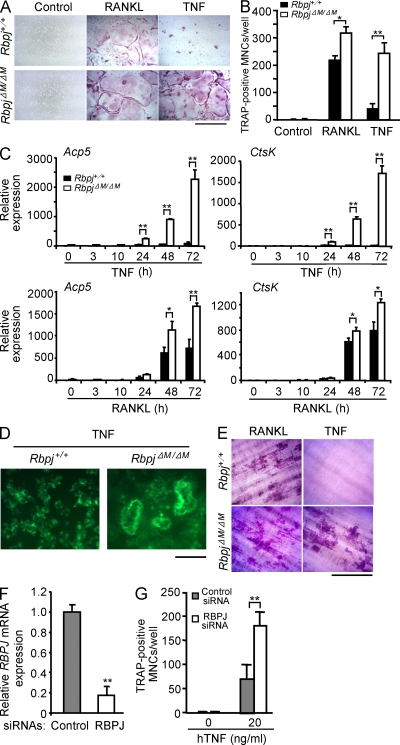
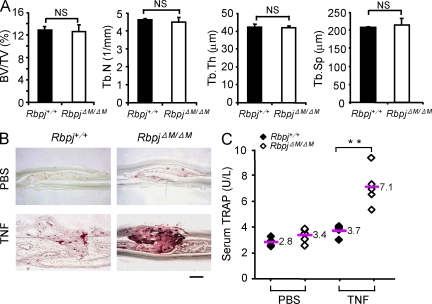
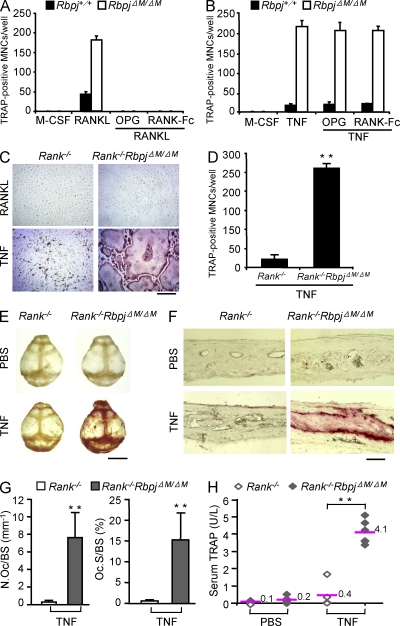
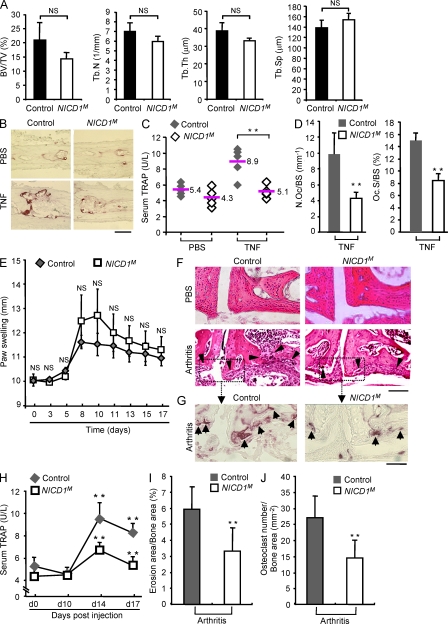
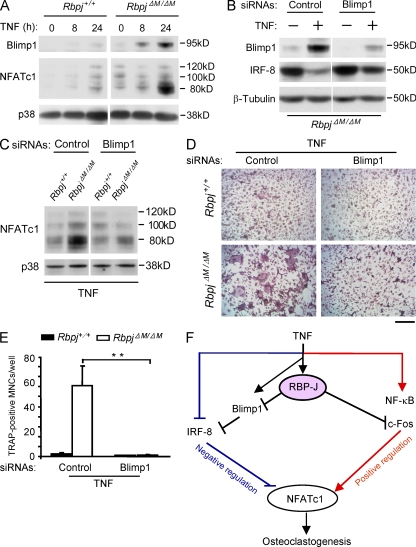
Tumor necrosis factor (TNF) plays a key role in the pathogenesis of inflammatory bone resorption and associated morbidity in diseases such as rheumatoid arthritis and periodontitis. Mechanisms that regulate the direct osteoclastogenic properties of TNF to limit pathological bone resorption in inflammatory settings are mostly unknown. Here, we show that the transcription factor recombinant recognition sequence binding protein at the J(κ) site (RBP-J) strongly suppresses TNF-induced osteoclastogenesis and inflammatory bone resorption, but has minimal effects on physiological bone remodeling. Myeloid-specific deletion of RBP-J converted TNF into a potent osteoclastogenic factor that could function independently of receptor activator of NF-κB (RANK) signaling. In the absence of RBP-J, TNF effectively induced osteoclastogenesis and bone resorption in RANK-deficient mice. Activation of RBP-J selectively in osteoclast precursors suppressed inflammatory osteoclastogenesis and arthritic bone resorption. Mechanistically, RBP-J suppressed induction of the master regulator of osteoclastogenesis (nuclear factor of activated T cells, cytoplasmic 1) by attenuating c-Fos activation and suppressing induction of B lymphocyte-induced maturation protein-1, thereby preventing the down-regulation of transcriptional repressors such as IRF-8 that block osteoclast differentiation. Thus, RBP-J regulates the balance between activating and repressive signals that regulate osteoclastogenesis. These findings identify RBP-J as a key upstream negative regulator of osteoclastogenesis that restrains excessive bone resorption in inflammatory settings.
Overview
The claims and statistics of this paper haven’t been checked yet.
Free: it reads the open-access text and checks the first 5 claims that cite a source we can check. Create a free account to check every claim.
Integrity signals
Registry
Cites
Statistics
Figures
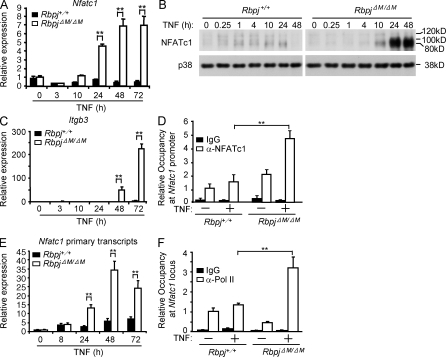
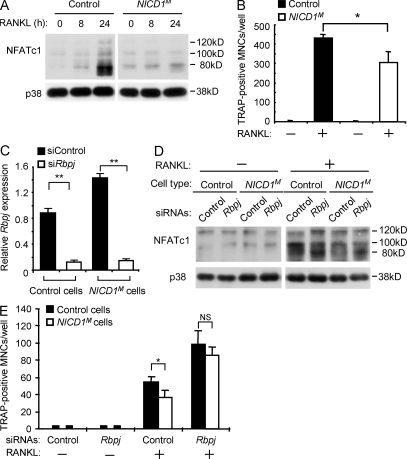
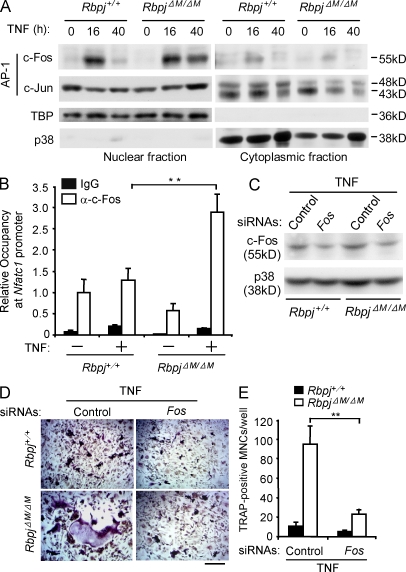
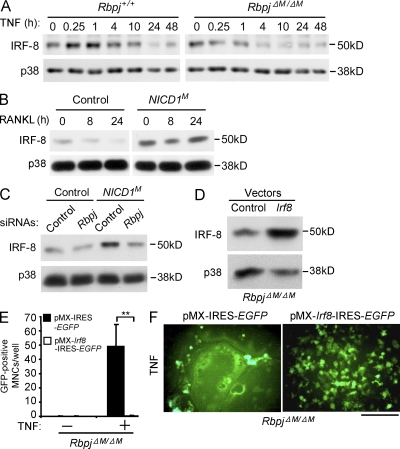
Verification
Claims the paper makes
The claims and statistics of this paper haven’t been checked yet.
Free: it reads the open-access text and checks the first 5 claims that cite a source we can check. Create a free account to check every claim.
Claims other papers make about this one
Each is checked against this paper’s own text: does it say what the citing paper says it does?
The cited source says what the claim attributes to it.
In the citing paper
“Therefore, the above-mentioned cytokines may be related to each other in combined fashion [88,92,93,94,96,101,102,103].”
From Bone diseases in patients with chronic liver disease (2019) · cites this paper as [102]
Self-check
Percentages, sums and reported differences re-computed from the paper’s own numbers.
The self-check needs the paper’s full text.
Citations
Cites
The TNF and TNF Receptor Superfamilies
Locksley, R. M., Killeen, N., & Lenardo, M. J. (2001) · Cell · doi:10.1016/s0092-8674(01)00237-9 · Cited by 3,650
The Canonical Notch Signaling Pathway: Unfolding the Activation Mechanism
Kopan, R., & Ilagan, M. X. G. (2009) · Cell · doi:10.1016/j.cell.2009.03.045 · Cited by 3,643
Osteoimmunology: shared mechanisms and crosstalk between the immune and bone systems
Takayanagi, H. (2007) · Nature Reviews Immunology · doi:10.1038/nri2062 · Cited by 1,878 · cited 3×
“The positive signaling pathways used by the RANKL receptor RANK to activate NFATc1 are well established and include activation of canonical and noncanonical NF-B pathways, mitogen-activated kinase (MAPK) pathways leading to activation of AP-1 and CREB transcription factors, and calcium signaling; effective calcium si…”
BackgroundLam, J., Takeshita, S., Barker, J. E., Kanagawa, O., Ross, F. P., & Teitelbaum, S. L. (2000) · Journal of Clinical Investigation · doi:10.1172/jci11176 · Cited by 1,440 · cited 4×
“Recently, the importance of negative regulation of osteoclastogenesis by transcriptional repressors, including Ids, Eos, MafB, IRF-8, and Bcl6, has been appreciated (Lee et al., 2006; Hu et al., 2007; Kim et al., 2007; Zhao et al., 2009; Miyauchi et al., 2010).”
BackgroundInfluentialKobayashi, K., Takahashi, N., Jimi, E., Udagawa, N., Takami, M., Kotake, S., Nakagawa, N., Kinosaki, M., Yamaguchi, K., Shima, N., et al. (2000) · The Journal of Experimental Medicine · doi:10.1084/jem.191.2.275 · Cited by 1,304
Genome-wide association study meta-analysis identifies seven new rheumatoid arthritis risk loci
BIRAC Consortium, Stahl, E. A., YEAR Consortium, Raychaudhuri, S., Remmers, E. F., Xie, G., Eyre, S., Thomson, B. P., Li, Y., Kurreeman, F. A. S., et al. (2010) · Nature Genetics · doi:10.1038/ng.582 · Cited by 1,253 · cited 2×
“Positive signaling pathways and transcription factors that induce NFATc1 and promote osteoclastogenesis have been extensively studied and are well characterized (Takayanagi, 2007; Novack and Teitelbaum, 2008).”
BackgroundLi, J., Sarosi, I., Yan, X.-Q., Morony, S., Capparelli, C., Tan, H.-L., McCabe, S., Elliott, R., Scully, S., Van, G., et al. (2000) · Proceedings of the National Academy of Sciences · doi:10.1073/pnas.97.4.1566 · Cited by 1,119
Notch signalling regulates stem cell numbers in vitro and in vivo
Androutsellis-Theotokis, A., Leker, R. R., Soldner, F., Hoeppner, D. J., Ravin, R., Poser, S. W., Rueger, M. A., Bae, S.-K., Kittappa, R., & McKay, R. D. G. (2006) · Nature · doi:10.1038/nature04940 · Cited by 956 · cited 3×
“RBP-J activity at sites of inflammation can potentially be attenuated by cytokines that activate Jak-STAT signaling and are pathogenic in diseases such as RA (Ivashkiv and Hu, 2003; Androutsellis-Theotokis et al., 2006; Hu et al., 2008).”
BackgroundNotch–RBP-J signaling controls the homeostasis of CD8− dendritic cells in the spleen
Caton, M. L., Smith-Raska, M. R., & Reizis, B. (2007) · The Journal of Experimental Medicine · doi:10.1084/jem.20062648 · Cited by 859 · cited 2×
“, 2008), DC differentiation, and maintenance of CD8 DC populations (Caton et al., 2007).”
BackgroundNotch signaling controls multiple steps of pancreatic differentiation
Murtaugh, L. C., Stanger, B. Z., Kwan, K. M., & Melton, D. A. (2003) · Proceedings of the National Academy of Sciences · doi:10.1073/pnas.2436557100 · Cited by 782 · cited 9×
“JEM Vol. 209, No. 2 Article 325 of strongly activating RBP-J using forced expression of the Notch intracellular domain 1 (NICD1; Murtaugh et al., 2003; Zanotti et al., 2008; Tao et al., 2010).”
BackgroundMethodInfluentialTumor Necrosis Factor-α Induces Differentiation of and Bone Resorption by Osteoclasts
Azuma, Y., Kaji, K., Katogi, R., Takeshita, S., & Kudo, A. (2000) · Journal of Biological Chemistry · doi:10.1074/jbc.275.7.4858 · Cited by 731 · cited 2×
“In addition, TNF can act directly on osteoclast precursors, often in synergy with RANKL, to promote osteoclastogenesis (Azuma et al., 2000; Kobayashi et al., 2000; Lam et al., 2000; Li et al., 2000; Kim et al., 2005; Boyce et al., 2006; Teitelbaum, 2006; Yao et al., 2006; Schett and Teitelbaum,…”
BackgroundHilton, M. J., Tu, X., Wu, X., Bai, S., Zhao, H., Kobayashi, T., Kronenberg, H. M., Teitelbaum, S. L., Ross, F. P., Kopan, R., et al. (2008) · Nature Medicine · doi:10.1038/nm1716 · Cited by 604 · cited 4×
“…were transfected into primary human CD14+ monocytes with the Lonza a role in mediating the effects of Notch on bone phenotype, especially in the osteoblast lineage, where the Notch pathway plays a key role (Engin et al., 2008; Hilton et al., 2008; Zanotti et al., 2008; Tao et al., 2010).”
BackgroundMethodInfluentialSethi, N., Dai, X., Winter, C. G., & Kang, Y. (2011) · Cancer Cell · doi:10.1016/j.ccr.2010.12.022 · Cited by 577 · cited 2×
“However, the mechanism by which Notch2 mutations (expressed in all cell types) affect bone phenotype is not clear, as Notch has context-dependent and opposing functions in both osteoblast and osteoclast lineages and can either increase or diminish bone mass (Yamada et al., 2003; Bai et al., 2008; Engin et al., 2008; F…”
BackgroundNotch–RBP-J signaling is involved in cell fate determination of marginal zone B cells
Tanigaki, K., Han, H., Yamamoto, N., Tashiro, K., Ikegawa, M., Kuroda, K., Suzuki, A., Nakano, T., & Honjo, T. (2002) · Nature Immunology · doi:10.1038/ni793 · Cited by 478 · cited 4×
“We generated mice with myeloidspecific deletion of Rbpj by crossing Rbpjflox/flox mice (Tanigaki et al., 2002)”
MethodInfluentialDisruption of the mouse RBP-J к gene results in early embryonic death
Oka, C., Nakano, T., Wakeham, A., Pompa, J. L. D. L., Mori, C., Sakai, T., Okazaki, S., Kawaichi, M., Shiota, K., Mak, T. W., et al. (1995) · Development · doi:10.1242/dev.121.10.3291 · Cited by 477
REGULATION OF LYMPHOID DEVELOPMENT, DIFFERENTIATION, AND FUNCTION BY THE NOTCH PATHWAY
Maillard, I., Fang, T., & Pear, W. S. (2005) · Annual Review of Immunology · doi:10.1146/annurev.immunol.23.021704.115747 · Cited by 439 · cited 9×
“Recent work showing that MafB, IRF-8, and Bcl6 are coordinately down-regulated by the transcriptional repressor Blimp1 during osteoclastogenesis (Miyauchi et al., 2010; Nishikawa et al., 2010) suggests that a network of transcriptional repressors functions to control and fine tune the osteoclast…”
BackgroundInfluentialDimorphic effects of Notch signaling in bone homeostasis
Engin, F., Yao, Z., Yang, T., Zhou, G., Bertin, T., Jiang, M. M., Chen, Y., Wang, L., Zheng, H., Sutton, R. E., et al. (2008) · Nature Medicine · doi:10.1038/nm1712 · Cited by 413 · cited 4×
“…opposing functions in both osteoblast and osteoclast lineages and can either increase or diminish bone mass (Yamada et al., 2003; Bai et al., 2008; Engin et al., 2008; Fukushima et al., 2008; Hilton et al., 2008; Zanotti et al., 2008; Kopan and Ilagan, 2009; Engin and Lee, 2010; Tao et al., 2010;…”
BackgroundMethodInfluentialAnti-TNF biologic agents: still the therapy of choice for rheumatoid arthritis
Taylor, P. C., & Feldmann, M. (2009) · Nature Reviews Rheumatology · doi:10.1038/nrrheum.2009.181 · Cited by 389 · cited 1×
“The resounding success of TNF blockade therapy has demonstrated a key role for TNF in the pathogenesis of autoimmune/inflammatory diseases such as rheumatoid arthritis (RA), inflammatory bowel disease, and psoriasis (Locksley et al., 2001; Sethi et al., 2009; Taylor and Feldmann, 2009).”
BackgroundInduction of arthritis with monoclonal antibodies to collagen
Terato, K., Hasty, K. A., Reife, R. A., Cremer, M. A., Kang, A. H., & Stuart, J. M. (1992) · The Journal of Immunology · doi:10.4049/jimmunol.148.7.2103 · Cited by 383 · cited 2×
“We used the collagen antibody-induced arthritis mouse model (Terato et al., 1992; Yarilina et al., 2007) that bypasses the need to induce autoimmunity, and thus allows investigation of inflammatory bone resorption during the inflammatory effector phase of arthritis, in which TNF plays a key role.”
MethodThe Osteoclast: Friend or Foe?
Novack, D. V., & Teitelbaum, S. L. (2008) · Annual Review of Pathology: Mechanisms of Disease · doi:10.1146/annurev.pathmechdis.3.121806.151431 · Cited by 381 · cited 2×
“Positive signaling pathways and transcription factors that induce NFATc1 and promote osteoclastogenesis have been extensively studied and are well characterized (Takayanagi, 2007; Novack and Teitelbaum, 2008).”
BackgroundOsteoclast differentiation independent of the TRANCE–RANK–TRAF6 axis
Kim, N., Kadono, Y., Takami, M., Lee, J., Lee, S.-H., Okada, F., Kim, J. H., Kobayashi, T., Odgren, P. R., Nakano, H., et al. (2005) · The Journal of Experimental Medicine · doi:10.1084/jem.20050978 · Cited by 370 · cited 4×
“Recently, the importance of negative regulation of osteoclastogenesis by transcriptional repressors, including Ids, Eos, MafB, IRF-8, and Bcl6, has been appreciated (Lee et al., 2006; Hu et al., 2007; Kim et al., 2007; Zhao et al., 2009; Miyauchi et al., 2010).”
InfluentialGenetic variants at CD28, PRDM1 and CD2/CD58 are associated with rheumatoid arthritis risk
BIRAC Consortium, Raychaudhuri, S., YEAR Consortium, Thomson, B. P., Remmers, E. F., Eyre, S., Hinks, A., Guiducci, C., Catanese, J. J., Xie, G., et al. (2009) · Nature Genetics · doi:10.1038/ng.479 · Cited by 351
Mutations in NOTCH2 cause Hajdu-Cheney syndrome, a disorder of severe and progressive bone loss
Simpson, M. A., Irving, M. D., Asilmaz, E., Gray, M. J., Dafou, D., Elmslie, F. V., Mansour, S., Holder, S. E., Brain, C. E., Burton, B. K., et al. (2011) · Nature Genetics · doi:10.1038/ng.779 · Cited by 306
M-CSF mediates TNF-induced inflammatory osteolysis
Kitaura, H. (2005) · Journal of Clinical Investigation · doi:10.1172/jci26132 · Cited by 292 · cited 1×
“In addition, TNF can act directly on osteoclast precursors, often in synergy with RANKL, to promote osteoclastogenesis (Azuma et al., 2000; Kobayashi et al., 2000; Lam et al., 2000; Li et al., 2000; Kim et al., 2005; Boyce et al., 2006; Teitelbaum, 2006; Yao et al., 2006; Schett and Teitelbaum,…”
BackgroundInterferon regulatory factor-8 regulates bone metabolism by suppressing osteoclastogenesis
Zhao, B., Takami, M., Yamada, A., Wang, X., Koga, T., Hu, X., Tamura, T., Ozato, K., Choi, Y., Ivashkiv, L. B., et al. (2009) · Nature Medicine · doi:10.1038/nm.2007 · Cited by 292 · cited 14×
“The pMX-Irf8-IRES-EGFP and pMXIRES-EGFP retroviral vectors were previously described (Zhao et al., 2009).”
BackgroundMethodInfluentialSelf-citationIntegrated Regulation of Toll-like Receptor Responses by Notch and Interferon-γ Pathways
Hu, X., Chung, A. Y., Wu, I., Foldi, J., Chen, J., Ji, J. D., Tateya, T., Kang, Y. J., Han, J., Gessler, M., et al. (2008) · Immunity · doi:10.1016/j.immuni.2008.08.016 · Cited by 263 · cited 1×
“…as studied herein, a key role for Notch signaling in physiological bone remodeling in humans has been demonstrated in two recent studies linking Notch2 mutations with Hajdu-Cheney syndrome, a disorder characterized by severe and progressive bone loss (Isidor et al., 2011; Simpson et al., 2011).”
BackgroundSelf-citationMafB negatively regulates RANKL-mediated osteoclast differentiation
Kim, K., Kim, J. H., Lee, J., Jin, H. M., Kook, H., Kim, K. K., Lee, S. Y., & Kim, N. (2007) · Blood · doi:10.1182/blood-2006-09-048249 · Cited by 238 · cited 3×
“For in vivo analysis, we used an established mouse model of TNFinduced inflammatory bone resorption (Kitaura et al., 2005) with minor modifications.”
BackgroundMethodInfluentialBai, S., Kopan, R., Zou, W., Hilton, M. J., Ong, C.-T., Long, F., Ross, F. P., & Teitelbaum, S. L. (2008) · Journal of Biological Chemistry · doi:10.1074/jbc.m707000200 · Cited by 236 · cited 11×
“As Jagged1 activates the Notch signaling pathway to inhibit osteoclastogenesis (Bai et al., 2008), TNF-induced Jagged1 functions as a homeostatic feedback inhibitor to restrain osteoclastogenesis, suggesting that TNF induces feedback inhibition more effectively than does RANKL.”
BackgroundResultInfluentialSensitization of IFN-γ Jak-STAT signaling during macrophage activation
Hu, X., Herrero, C., Li, W.-P., Antoniv, T. T., Falck-Pedersen, E., Koch, A. E., Woods, J. M., Haines, G. K., & Ivashkiv, L. B. (2002) · Nature Immunology · doi:10.1038/ni828 · Cited by 231
Self-citationLi, P., Schwarz, E. M., O'Keefe, R. J., Ma, L., Boyce, B. F., & Xing, L. (2004) · Journal of Bone and Mineral Research · doi:10.1359/jbmr.0301233 · Cited by 220 · cited 1×
“The resounding success of TNF blockade therapy has demonstrated a key role for TNF in the pathogenesis of autoimmune/inflammatory diseases such as rheumatoid arthritis (RA), inflammatory bowel disease, and psoriasis (Locksley et al., 2001; Sethi et al., 2009; Taylor and Feldmann, 2009).”
BackgroundNotch Inhibits Osteoblast Differentiation and Causes Osteopenia
Zanotti, S., Smerdel-Ramoya, A., Stadmeyer, L., Durant, D., Radtke, F., & Canalis, E. (2008) · Endocrinology · doi:10.1210/en.2008-0140 · Cited by 202 · cited 7×
“JEM Vol. 209, No. 2 Article 325 of strongly activating RBP-J using forced expression of the Notch intracellular domain 1 (NICD1; Murtaugh et al., 2003; Zanotti et al., 2008; Tao et al., 2010).”
BackgroundMethodInfluentialBeres, T. M., Masui, T., Swift, G. H., Shi, L., Henke, R. M., & MacDonald, R. J. (2006) · Molecular and Cellular Biology · doi:10.1128/mcb.26.1.117-130.2006 · Cited by 200 · cited 6×
“, 2009) and cellular proteins of unknown function (Taniguchi et al., 1998; Beres et al., 2006).”
BackgroundMethodInfluentialTruncating mutations in the last exon of NOTCH2 cause a rare skeletal disorder with osteoporosis
Isidor, B., Lindenbaum, P., Pichon, O., Bézieau, S., Dina, C., Jacquemont, S., Martin-Coignard, D., Thauvin-Robinet, C., Le Merrer, M., Mandel, J.-L., et al. (2011) · Nature Genetics · doi:10.1038/ng.778 · Cited by 199 · cited 1×
“RBP-J activity at sites of inflammation can potentially be attenuated by cytokines that activate Jak-STAT signaling and are pathogenic in diseases such as RA (Ivashkiv and Hu, 2003; Androutsellis-Theotokis et al., 2006; Hu et al., 2008).”
BackgroundThe Blimp1–Bcl6 axis is critical to regulate osteoclast differentiation and bone homeostasis
Miyauchi, Y., Ninomiya, K., Miyamoto, H., Sakamoto, A., Iwasaki, R., Hoshi, H., Miyamoto, K., Hao, W., Yoshida, S., Morioka, H., et al. (2010) · Journal of Experimental Medicine · doi:10.1084/jem.20091957 · Cited by 199 · cited 9×
“Recent work showing that MafB, IRF-8, and Bcl6 are coordinately down-regulated by the transcriptional repressor Blimp1 during osteoclastogenesis (Miyauchi et al., 2010; Nishikawa et al., 2010) suggests that a network of transcriptional repressors functions to control and fine tune the osteoclast…”
BackgroundInfluentialYao, Z., Li, P., Zhang, Q., Schwarz, E. M., Keng, P., Arbini, A., Boyce, B. F., & Xing, L. (2006) · Journal of Biological Chemistry · doi:10.1074/jbc.m512624200 · Cited by 192 · cited 1×
“…addition, TNF can act directly on osteoclast precursors, often in synergy with RANKL, to promote osteoclastogenesis (Azuma et al., 2000; Kobayashi et al., 2000; Lam et al., 2000; Li et al., 2000; Kim et al., 2005; Boyce et al., 2006; Teitelbaum, 2006; Yao et al., 2006; Schett and Teitelbaum, 2009).”
BackgroundShimizu, T., Kagawa, T., Inoue, T., Nonaka, A., Takada, S., Aburatani, H., & Taga, T. (2008) · Molecular and Cellular Biology · doi:10.1128/mcb.01962-07 · Cited by 188 · cited 9×
“Accumulating evidence shows that RBP-J is also critically involved in other signaling pathways, such as the Wnt–-catenin (Shimizu et al., 2008) and NF-B pathways (Plaisance et al., 1997; Izumiya et al., 2009), and is also targeted by viral proteins (Hayward, 2004; Izumiya et al., 2009) and cellular proteins of unknown…”
BackgroundMethodInfluentialTaniguchi, Y., Furukawa, T., Tun, T., Han, H., & Honjo, T. (1998) · Molecular and Cellular Biology · doi:10.1128/mcb.18.1.644 · Cited by 185 · cited 6×
“, 2009) and cellular proteins of unknown function (Taniguchi et al., 1998; Beres et al., 2006).”
BackgroundMethodInfluentialThe Association of Notch2 and NF-κB Accelerates RANKL-Induced Osteoclastogenesis
Fukushima, H., Nakao, A., Okamoto, F., Shin, M., Kajiya, H., Sakano, S., Bigas, A., Jimi, E., & Okabe, K. (2008) · Molecular and Cellular Biology · doi:10.1128/mcb.00299-08 · Cited by 178 · cited 2×
“However, the mechanism by which Notch2 mutations (expressed in all cell types) affect bone phenotype is not clear, as Notch has context-dependent and opposing functions in both osteoblast and osteoclast lineages and can either increase or diminish bone mass (Yamada et al., 2003; Bai et al., 2008; Engin et al., 2008; F…”
BackgroundRogatsky, I. (2001) · The EMBO Journal · doi:10.1093/emboj/20.21.6071 · Cited by 170
Blimp1-mediated repression of negative regulators is required for osteoclast differentiation
Nishikawa, K., Nakashima, T., Hayashi, M., Fukunaga, T., Kato, S., Kodama, T., Takahashi, S., Calame, K., & Takayanagi, H. (2010) · Proceedings of the National Academy of Sciences · doi:10.1073/pnas.0912779107 · Cited by 170 · cited 8×
“A previous RBP-J negatively regulates Blimp1 expression Recently, Blimp1 has been placed upstream of several repressors of osteoclastogenesis, including IRF-8, during osteoclastogenesis; an increase in Blimp1 expression after RANKL stimulation serves to down-regulate expression of repressors of osteoclastogenesis, and…”
BackgroundInfluentialOsteoclasts; culprits in inflammatory osteolysis.
Teitelbaum, S. L. (2005) · Arthritis Research & Therapy · doi:10.1186/ar1857 · Cited by 158 · cited 11×
“…reports that under many conditions TNF does not induce osteoclastogenesis and bone resorption in vivo in the absence of RANK signaling (Li, J., et al., 2000; Li, P., et al., 2004; Teitelbaum, 2006; Yao et al., 2009), TNF did not induce osteoclast formation and bone resorption in Rank/ mice (Fig.”
BackgroundInfluentialNF-κB p100 limits TNF-induced bone resorption in mice by a TRAF3-dependent mechanism
Yao, Z., Xing, L., & Boyce, B. F. (2009) · Journal of Clinical Investigation · doi:10.1172/jci38716 · Cited by 149 · cited 10×
“…reports that under many conditions TNF does not induce osteoclastogenesis and bone resorption in vivo in the absence of RANK signaling (Li, J., et al., 2000; Li, P., et al., 2004; Teitelbaum, 2006; Yao et al., 2009), TNF did not induce osteoclast formation and bone resorption in Rank/ mice (Fig.”
BackgroundInfluentialZhao, B., & Ivashkiv, L. B. (2011) · Arthritis Research & Therapy · doi:10.1186/ar3379 · Cited by 144
Self-citationRelB is the NF-κB subunit downstream of NIK responsible for osteoclast differentiation
Vaira, S., Johnson, T., Hirbe, A. C., Alhawagri, M., Anwisye, I., Sammut, B., O'Neal, J., Zou, W., Weilbaecher, K. N., Faccio, R., et al. (2008) · Proceedings of the National Academy of Sciences · doi:10.1073/pnas.0708576105 · Cited by 141 · cited 2×
“To our knowledge, RBP-J and RelB (Vaira et al., 2008) are the only transcription factors implicated in preferentially regulating inflammatory or pathological osteoclastogenesis relative to basal osteoclastogenesis, which may offer an opportunity for selective therapeutic targeting of inflammatory bone resorption.”
BackgroundPlaisance, S., Vanden Berghe, W., Boone, E., Fiers, W., & Haegeman, G. (1997) · Molecular and Cellular Biology · doi:10.1128/mcb.17.7.3733 · Cited by 139 · cited 6×
“…that we observed is likely explained by activation of RBP-J function by inflammatory signaling and possibly by additional upstream pathways (Plaisance et al., 1997; Taniguchi et al., 1998; Hayward, 2004; Maillard et al., 2005; Beres et al., 2006; Hu et al., 2008; Bai et al., 2008; Shimizu…”
BackgroundMethodInfluentialFoldi, J., Chung, A. Y., Xu, H., Zhu, J., Outtz, H. H., Kitajewski, J., Li, Y., Hu, X., & Ivashkiv, L. B. (2010) · The Journal of Immunology · doi:10.4049/jimmunol.1001544 · Cited by 128 · cited 7×
“In addition, consistent with induction of RBP-J activity by inflammatory Toll-like receptor signaling (Hu et al., 2008), TNF induced RBP-J activity much more potently than RANKL, as assessed by induction of RBP-J–dependent genes such as Jag1 (Foldi et al., 2010).”
BackgroundInfluentialSelf-citationTargeting TNF for Treatment of Cancer and Autoimmunity
Sethi, G., Sung, B., Kunnumakkara, A. B., & Aggarwal, B. B. (2009) · Advances in experimental medicine and biology · doi:10.1007/978-0-387-89520-8_3 · Cited by 127 · cited 1×
“The resounding success of TNF blockade therapy has demonstrated a key role for TNF in the pathogenesis of autoimmune/inflammatory diseases such as rheumatoid arthritis (RA), inflammatory bowel disease, and psoriasis (Locksley et al., 2001; Sethi et al., 2009; Taylor and Feldmann, 2009).”
BackgroundYamada, T., Yamazaki, H., Yamane, T., Yoshino, M., Okuyama, H., Tsuneto, M., Kurino, T., Hayashi, S.-I., & Sakano, S. (2003) · Blood · doi:10.1182/blood-2002-06-1740 · Cited by 124 · cited 4×
“RBP-J modulates signaling by at least two pathways that have been implicated in osteoclastogenesis: NF-B and the Notch pathway, which has been shown to modestly suppress physiological RANKL-induced osteoclastogenesis (Yamada et al., 2003; Bai et al., 2008).”
BackgroundInfluentialOsteoclast precursors: cytokine-stimulated immunomodulators of inflammatory bone disease
Boyce, B. F., Schwarz, E. M., & Xing, L. (2006) · Current Opinion in Rheumatology · doi:10.1097/01.bor.0000231913.32364.32 · Cited by 122 · cited 6×
“…is highly dependent on synergy or pretreatment with RANKL in most in vitro systems, and does not occur in the absence of RANK signaling in vivo (Lam et al., 2000; Li, J., et al., 2000; Li, P., et al., 2004; Boyce et al., 2006; Teitelbaum, 2006; Schett and Teitelbaum, 2009; Yao et al., 2009).”
BackgroundInfluentialSchett, G., & Teitelbaum, S. L. (2009) · Journal of Bone and Mineral Research · doi:10.1359/jbmr.090533 · Cited by 119 · cited 4×
“TNF-induced osteoclastogenesis is highly dependent on synergy or pretreatment with RANKL in most in vitro systems, and does not occur in the absence of RANK signaling in vivo (Lam et al., 2000; Li, J., et al., 2000; Li, P., et al., 2004; Boyce et al., 2006; Teitelbaum, 2006; Schett and Teitelbaum, 2009; Yao et al., 20…”
BackgroundInfluentialThe JAK/STAT pathway in rheumatoid arthritis: Pathogenic or protective?
Ivashkiv, L. B., & Hu, X. (2003) · Arthritis & Rheumatism · doi:10.1002/art.11095 · Cited by 119 · cited 4×
“…signaling pathways, such as the Wnt–-catenin (Shimizu et al., 2008) and NF-B pathways (Plaisance et al., 1997; Izumiya et al., 2009), and is also targeted by viral proteins (Hayward, 2004; Izumiya et al., 2009) and cellular proteins of unknown function (Taniguchi et al., 1998; Beres et al., 2006).”
BackgroundMethodInfluentialSelf-citationViral interactions with the Notch pathway
Hayward, S. D. (2004) · Seminars in Cancer Biology · doi:10.1016/j.semcancer.2004.04.018 · Cited by 97 · cited 6×
“, 2008), and thus the more prominent inhibitory role of myeloid RBP-J in osteoclastogenesis under inflammatory conditions that we observed is likely explained by activation of RBP-J function by inflammatory signaling and possibly by additional upstream pathways (Plaisance et al., 1997; Taniguchi et al., 1998; Hayward,…”
BackgroundMethodInfluentialId helix-loop-helix proteins negatively regulate TRANCE-mediated osteoclast differentiation
Lee, J., Kim, K., Kim, J. H., Jin, H. M., Choi, H. K., Lee, S.-H., Kook, H., Kim, K. K., Yokota, Y., Lee, S. Y., et al. (2006) · Blood · doi:10.1182/blood-2005-07-2798 · Cited by 95 · cited 2×
“Tnfrsf11a (encoding RANK) knockout mice (referred as to Rank/ mice) have been described previously (Li et al., 2000) and were obtained from Amgen.”
BackgroundMethodHu, R., Sharma, S. M., Bronisz, A., Srinivasan, R., Sankar, U., & Ostrowski, M. C. (2007) · Molecular and Cellular Biology · doi:10.1128/mcb.01839-06 · Cited by 86 · cited 7×
“322 RBP-J regulates osteoclastogenesis and bone resorption | Zhao et al. for other repressors of osteoclastogenesis (Lee et al., 2006; Hu et al., 2007; Kim et al., 2007; Zhao et al., 2009; Miyauchi et al., 2010; Zhao and Ivashkiv, 2011) and functions to release osteoclast precursors from inhibitors…”
BackgroundInfluentialNOTCHing the bone: Insights into multi-functionality
Engin, F., & Lee, B. (2009) · Bone · doi:10.1016/j.bone.2009.05.027 · Cited by 83 · cited 1×
“However, the mechanism by which Notch2 mutations (expressed in all cell types) affect bone phenotype is not clear, as Notch has context-dependent and opposing functions in both osteoblast and osteoclast lineages and can either increase or diminish bone mass (Yamada et al., 2003; Bai et al., 2008; Engin et al., 2008; F…”
BackgroundOsteosclerosis owing to Notch gain of function is solely Rbpj-dependent
Tao, J., Chen, S., Yang, T., Dawson, B., Munivez, E. M., Bertin, T., & Lee, B. (2010) · Journal of Bone and Mineral Research · doi:10.1002/jbmr.115 · Cited by 75 · cited 7×
“JEM Vol. 209, No. 2 Article 325 of strongly activating RBP-J using forced expression of the Notch intracellular domain 1 (NICD1; Murtaugh et al., 2003; Zanotti et al., 2008; Tao et al., 2010).”
BackgroundMethodInfluentialYarilina, A., DiCarlo, E. F., & Ivashkiv, L. B. (2007) · The Journal of Immunology · doi:10.4049/jimmunol.178.4.2204 · Cited by 73 · cited 2×
“We used the collagen antibody-induced arthritis mouse model (Terato et al., 1992; Yarilina et al., 2007) that bypasses the need to induce autoimmunity, and thus allows investigation of inflammatory bone resorption during the inflammatory effector phase of arthritis, in which TNF plays a key role.”
MethodSelf-citationIzumiya, Y., Izumiya, C., Hsia, D. A., Ellison, T. J., Luciw, P. A., & Kung, H.-J. (2009) · Journal of Virology · doi:10.1128/jvi.01999-08 · Cited by 72 · cited 4×
“…signaling pathways, such as the Wnt–-catenin (Shimizu et al., 2008) and NF-B pathways (Plaisance et al., 1997; Izumiya et al., 2009), and is also targeted by viral proteins (Hayward, 2004; Izumiya et al., 2009) and cellular proteins of unknown function (Taniguchi et al., 1998; Beres et al., 2006).”
BackgroundMethodInfluential
Cited by
Osteoimmunology: The conceptual framework unifying the immune and skeletal systems
Okamoto, K., Nakashima, T., Shinohara, M., Negishi-Koga, T., Komatsu, N., Terashima, A., Sawa, S., Nitta, T., & Takayanagi, H. (2017) · Physiological Reviews · doi:10.1152/physrev.00036.2016 · Cited by 534
Xu, H., Zhu, J., Smith, S., Foldi, J., Zhao, B., Chung, A. Y., Outtz, H., Kitajewski, J., Shi, C., Weber, S., et al. (2012) · Nature Immunology · doi:10.1038/ni.2304 · Cited by 438
Self-citationRecent advances in osteoclast biology
Ono, T., & Nakashima, T. (2018) · Histochemistry and Cell Biology · doi:10.1007/s00418-018-1636-2 · Cited by 384
“Reports have shown that Tnfrsf11a−/− osteoclast progenitor cells are able to differentiate into osteoclasts via TNF-α stimulation under conditions in which progenitors are deficient in the transcription factor RBP-J or co-stimulated by TGF-β (Kim et al. 2005; Zhao et al. 2012).”
BackgroundNotch Signaling and the Skeleton
Zanotti, S., & Canalis, E. (2016) · Endocrine Reviews · doi:10.1210/er.2016-1002 · Cited by 321
NF-κB-Mediated Regulation of Osteoclastogenesis
Boyce, B. F., Xiu, Y., Li, J., Xing, L., & Yao, Z. (2015) · Endocrinology and Metabolism · doi:10.3803/enm.2015.30.1.35 · Cited by 299
Metadata
- Authors
- Zhao, B., Grimes, S. N., Li, S., Hu, X., & Ivashkiv, L. B.
- Affiliations
- Hospital for Special Surgery (US)
- Corresponding author
- Ivashkiv, Lionel B.
- Venue
- Journal of Experimental Medicine
- Publisher
- Rockefeller University Press
- Published
- 2012-01-16
- Volume
- 209
- Issue
- 2
- Pages
- 319-334
- ISSN
- 0022-1007 (ISSN-L)
- 1540-9538
- PMC
- PMC3280875
- OpenAlex
- W2130913446
- Cited by
- 182
- References
- 58
- Citations by year
- 2026: 2 · 2025: 7 · 2024: 11 · 2023: 10 · 2022: 15 · 2021: 19 · 2020: 14 · 2019: 18 · 2018: 14 · 2017: 20 · 2016: 15 · 2015: 9 · 2014: 14 · 2013: 7 · 2012: 7
- FWCI
- 4.75
- Type
- journal article
- Language
- en
- Open access
- green
- www.ncbi.nlm.nih.gov
- Licence
- cc-by-nc-sa
- Locations
- The Journal of Experimental Medicine (publishedVersion)
- Europe PMC (PubMed Central) (publishedVersion, cc-by-nc-sa)
- PubMed Central (publishedVersion, cc-by-nc-sa)
- PubMed (publishedVersion)
- Funders
- National Institute of Allergy and Infectious Diseases (R01AI044938)
- National Institute of Arthritis and Musculoskeletal and Skin Diseases (R01AR056729, K99AR062047, R01AR050401, R01AR046713)
- National Institute of Dental and Craniofacial Research (R01DE019420)
- Topics
- Life Sciences › Biochemistry, Genetics and Molecular Biology › Molecular Biology › Bone Metabolism and Diseases
- Health Sciences › Medicine › Rheumatology › Rheumatoid Arthritis Research and Therapies
- Health Sciences › Medicine › Rheumatology › Osteomyelitis and Bone Disorders Research
- Keywords
- RBPJ, TNF-α, osteoclastogenesis, inflammatory bone resorption, NFATc1, c-fos, BCL11A, IRF8, rheumatoid arthritis, periodontitis, transcriptional regulation, myeloid-specific deletion
- MeSH terms
- Positive Regulatory Domain I-Binding Factor 1, Interferon Regulatory Factor-8, Animals, Bone Resorption, Genetic Vectors, Osteoclasts, Retroviridae, Transcription Factors, Transduction, Genetic, Tumor Necrosis Factor-alpha, Immunoblotting, Bone Remodeling, Proto-Oncogene Proteins c-fos, Gene Deletion, DNA Primers, Mice, Knockout, Reverse Transcriptase Polymerase Chain Reaction, RNA Interference, Chromatin Immunoprecipitation, Bone Density Conservation Agents, NFATC Transcription Factors, Interferon Regulatory Factors, Mice, Immunoglobulin J Recombination Signal Sequence-Binding Protein, Real-Time Polymerase Chain Reaction
About these checks
Registry, retraction, Cites and statistics results are computed, not judged, with one exception: a printed reference that no index lists is read once by a model before it counts as a citation error. Claims are extracted by a model and kept only when their quote appears verbatim in the text; each cited source is then checked, with a model’s help, for whether it says what the claim relies on. Those verdicts can be wrong — read the claim’s quote and the cited source before relying on one.
Statistics and arithmetic are recomputed, not judged.
Confidence bands are shown only for fields calibrated on our annotated test set. None is calibrated yet, so no band is shown.
What counts as a claim ›How we measure confidence ›How we check this ›
Are you an author, or do you see a problem with this page? Request a review
Data sources
Bibliographic data: Semantic Scholar, OpenAlex, Crossref.
Contains information from the Semantic Scholar Academic Graph Datasets, made available under the ODC Attribution License (ODC-BY 1.0).
Semantic Scholar’s data is described in: Kinney, R., et al. (2023). The Semantic Scholar Open Data Platform. arXiv:2301.10140.
