

The DOI matches its Crossref record; 77 of the 77 references it cites were found in a registry or an index.
Inefficient clearance of myelin debris by microglia impairs remyelinating processes
Open accessAbstract
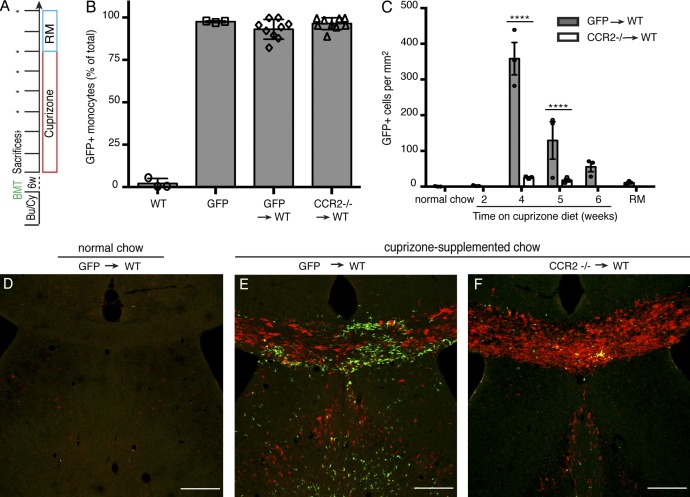
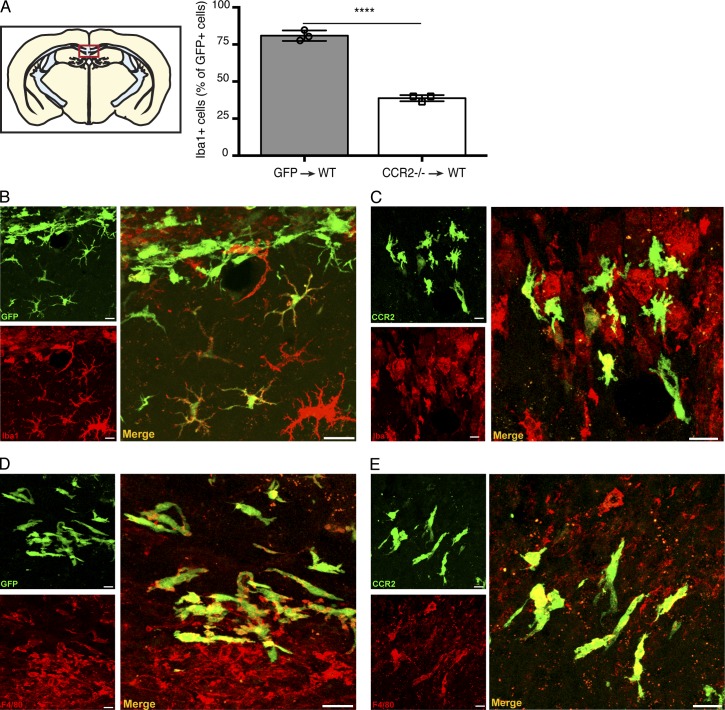
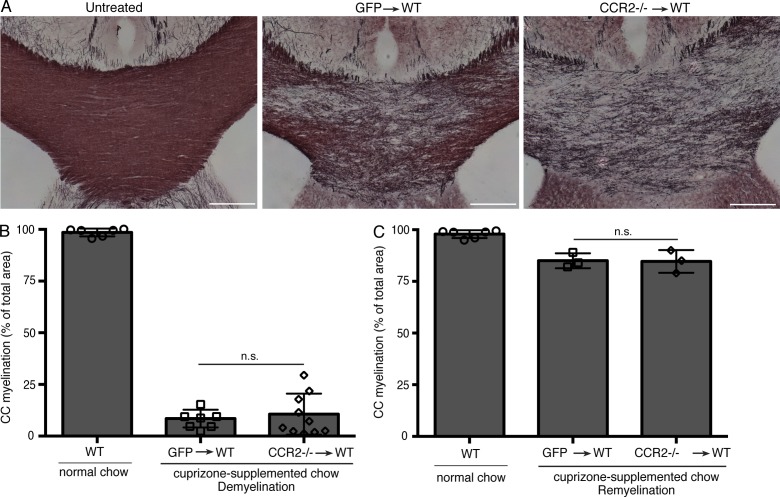
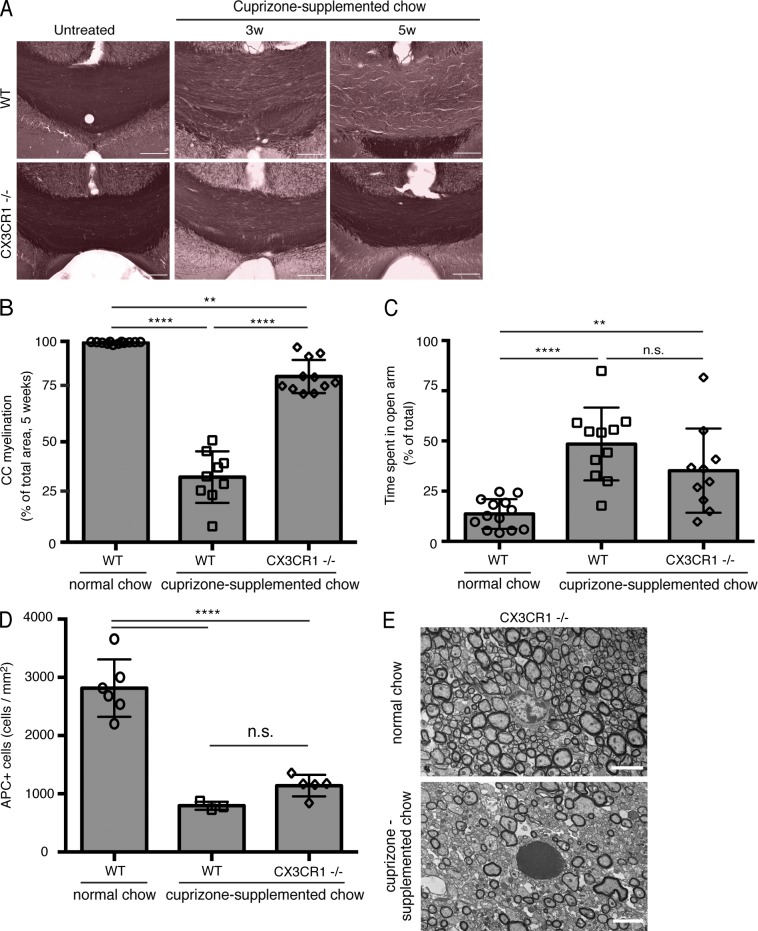
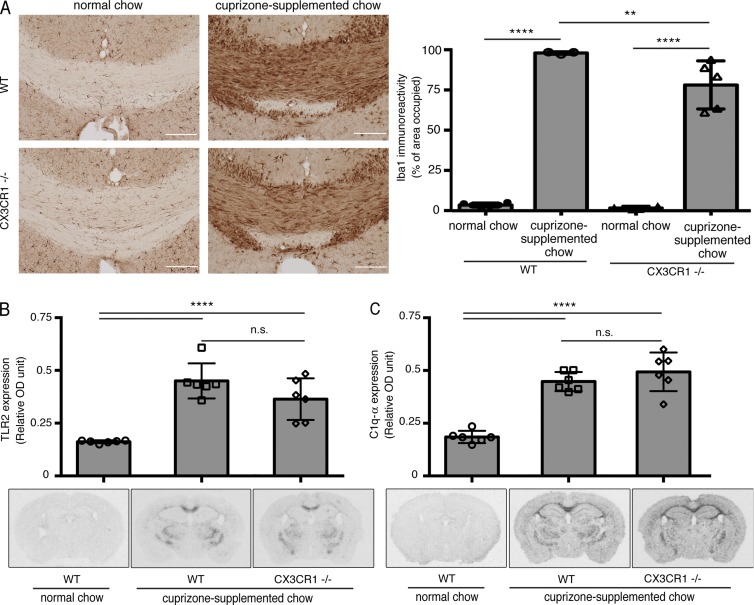
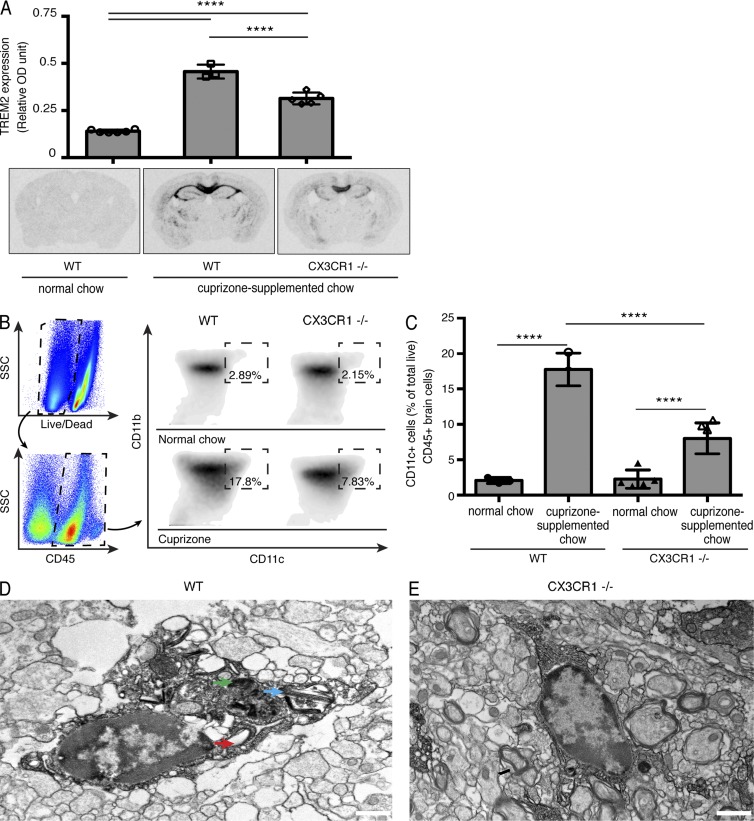
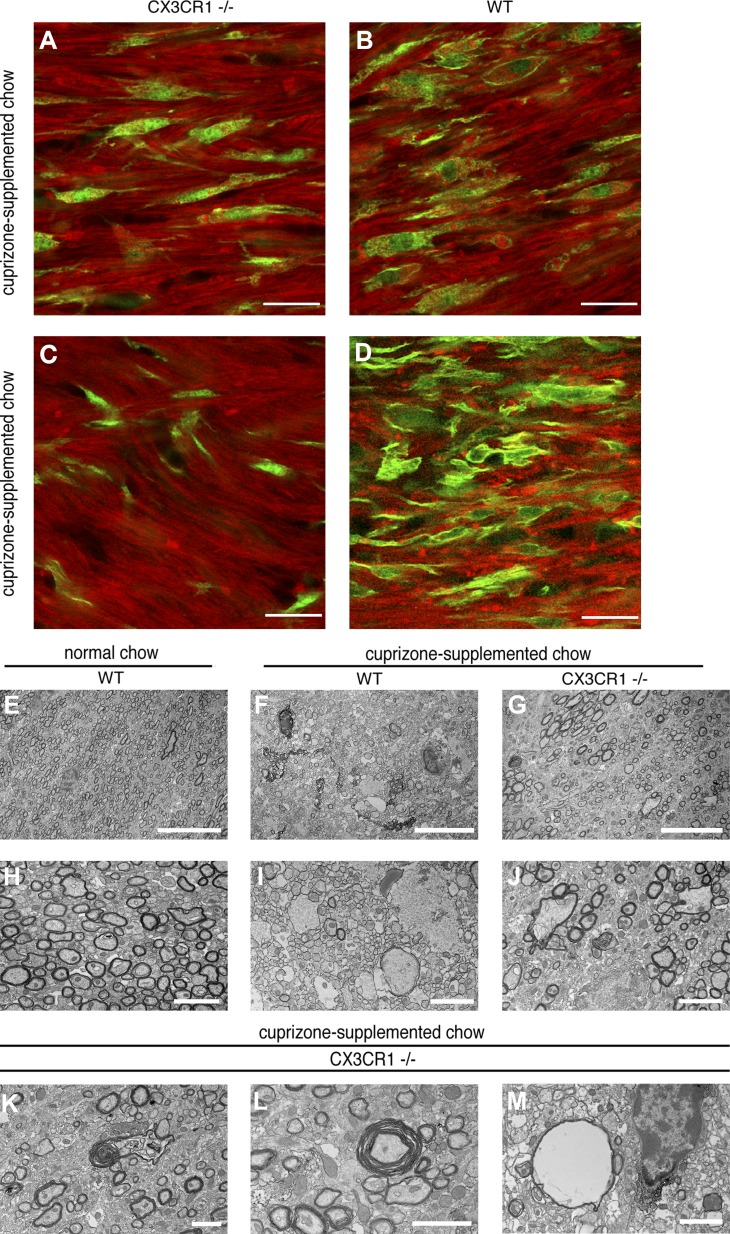
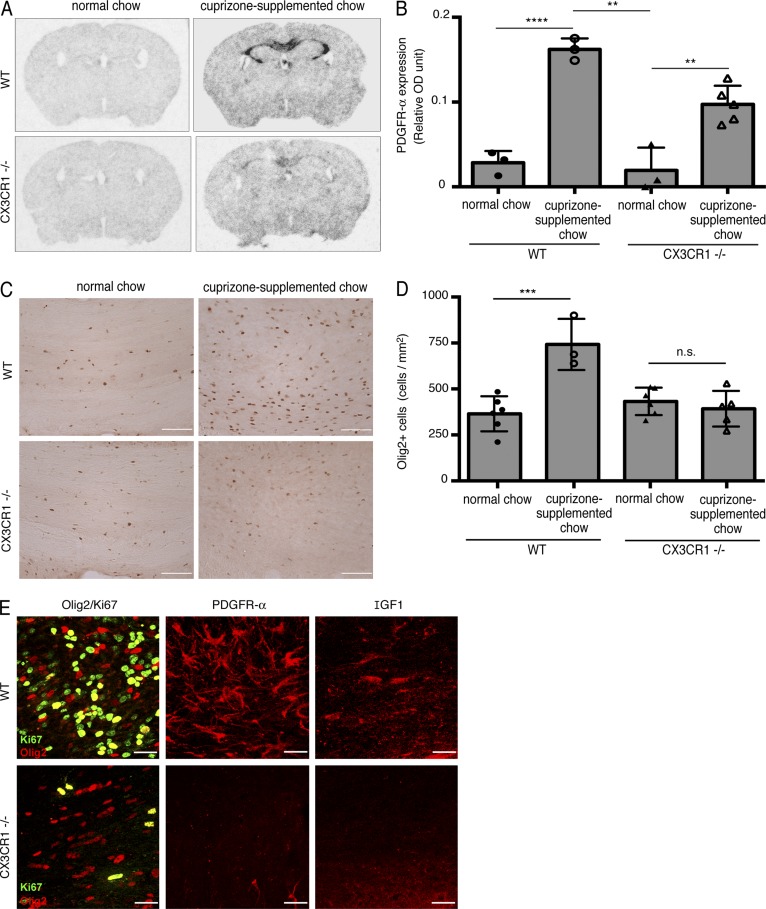
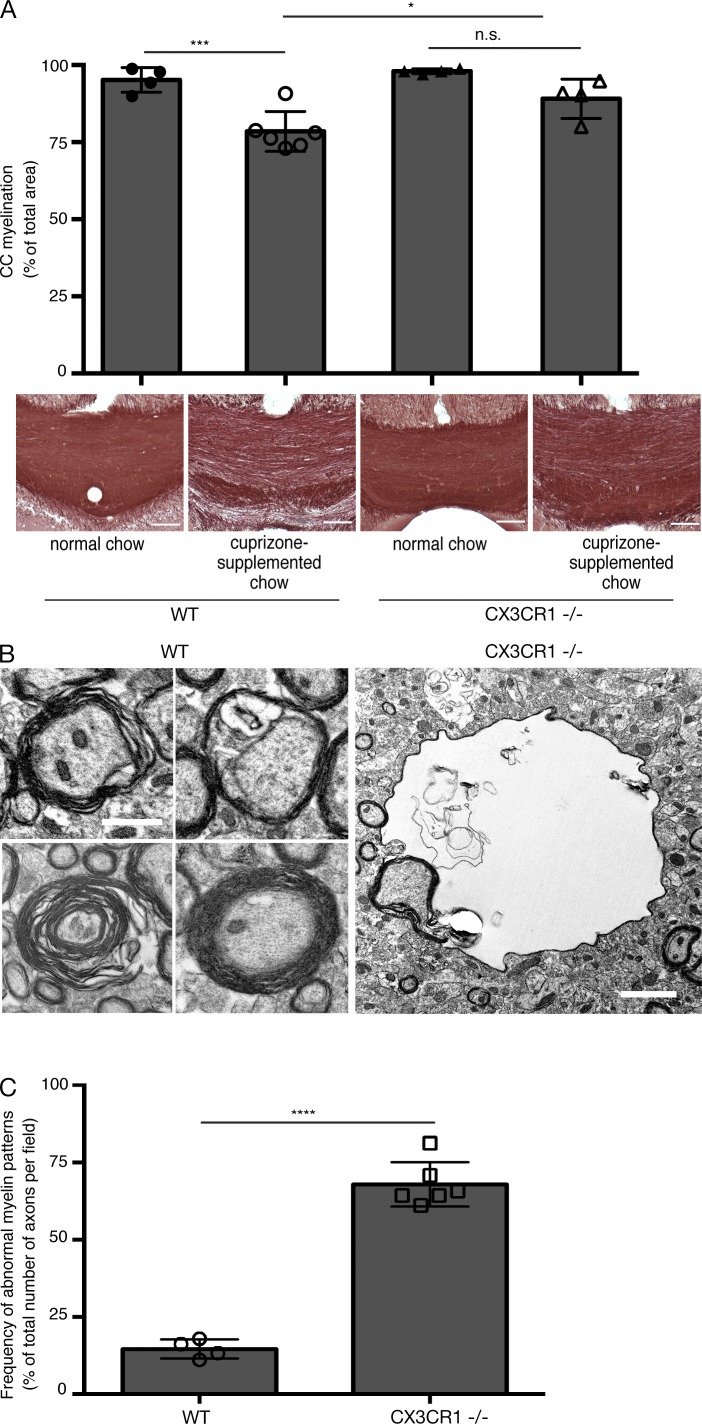
An imbalance between remyelinating and demyelinating rates underlies degenerative processes in demyelinating diseases such as multiple sclerosis. An optimal therapeutic strategy would be to stimulate remyelination while limiting demyelination. Although accumulation of myelin debris impairs remyelination, the mechanisms regulating the clearance of such debris by mononuclear phagocytic cells are poorly understood. We demonstrate that after cuprizone intoxication, CCR2-dependent infiltration of mouse bone marrow-derived cells is abundant in demyelinating areas, but that these cells do not impact demyelination. However, in CX3CR1-deficient mice, the clearance of myelin debris by microglia was blocked greatly, affecting the integrity of the axon and myelin sheaths and thus preventing proper remyelination. These results highlight the crucial role played by CX3CR1 in myelin removal and show that there can be no efficient remyelination after a primary demyelinating insult if myelin clearance by microglia is impaired.
Overview
The claims and statistics of this paper haven’t been checked yet.
Run the check — free, no account needed. It reads the open-access text and checks the sources it cites.
Integrity signals
Registry
Cites
Statistics
Figures
Verification
Claims the paper makes
The claims and statistics of this paper haven’t been checked yet.
Run the check — free, no account needed. It reads the open-access text and checks the sources it cites.
Claims other papers make about this one
Each is checked against this paper’s own text: does it say what the citing paper says it does?
The source backs part of the claim, not all of it — or backs it for a different population, condition or comparison.
In the citing paper
“Mounting evidence suggests that microglia, which are the professional phagocytes of the CNS, are critically involved in ensuring the proper containment and removal of neurotoxic material in neurodegenerative disease pathogenesis (Condello et al., 2015; Hickman et al., 2018; Lampron et al., 2015).”
From SYK coordinates neuroprotective microglial responses in neurodegenerative disease (2022) · cites this paper as Lampron et al., 2015
Experimental — accuracy not yet measuredThe source backs part of the claim, not all of it — or backs it for a different population, condition or comparison.
In the citing paper
“Cessation of cuprizone leads to subsequent remyelination, and clearance of myelin debris is believed to be crucial for remyelination and recovery [5,6].”
From Multifaceted response of microglia in the cuprizone model of demyelination (2026) · cites this paper as [5]
Experimental — accuracy not yet measuredThe source backs part of the claim, not all of it — or backs it for a different population, condition or comparison.
In the citing paper
“Microglia also clear myelin debris, and secrete trophic factors to promote oligodendrocyte growth and survival [5,11,12].”
From Multifaceted response of microglia in the cuprizone model of demyelination (2026) · cites this paper as [5]
Experimental — accuracy not yet measuredThe source backs part of the claim, not all of it — or backs it for a different population, condition or comparison.
In the citing paper
“indicating that microglial clearance of myelin debris continues following cuprizone withdrawal, as reported in previous studies [3,5].”
From Multifaceted response of microglia in the cuprizone model of demyelination (2026) · cites this paper as [5]
Experimental — accuracy not yet measuredThe source backs part of the claim, not all of it — or backs it for a different population, condition or comparison.
In the citing paper
“Accumulation of debris within lesions has been demonstrated to inhibit oligodendrocyte recruitment and differentiation (18, 41, 44) and, thus, delay recovery/remyelination.”
From Microglia depletion exacerbates demyelination and impairs remyelination in a neurotropic coronavirus infection (2020) · cites this paper as [44]
Experimental — accuracy not yet measured
The source backs part of the claim, not all of it — or backs it for a different population, condition or comparison.
In the citing paper
“Long-term demyelination occurs post-SCI, with lipid-containing myelin debris being absorbed and processed by inflammatory cells, including microglia—a process crucial for paving the way for regenerative reactions and inflammation resolution [9–11].”
From miR-223 accelerates lipid droplets clearance in microglia following spinal cord injury by upregulating ABCA1 (2024) · cites this paper as [10]
Experimental — accuracy not yet measuredThe cited source says what the claim attributes to it.
In the citing paper
“Efficient myelin debris removal and clearance by phagocytic cells are critical to eliminate inhibitory signals interfering with OPC activation, recruitment to the site of demyelination and/or differentiation into myelinating mature OLs [14, 26, 27].”
From TREM2 activation on microglia promotes myelin debris clearance and remyelination in a model of multiple sclerosis (2020) · cites this paper as [27]
The cited source says what the claim attributes to it.
In the citing paper
“Recruited cell populations included monocytes and lymphocytes.”
From Cuprizone‐induced demyelination triggers a CD8‐pronounced T cell recruitment (2021) · cites this paper as Lampron et al., 2015
The cited source says what the claim attributes to it.
In the citing paper
“In line with our observation, Lampron and colleagues demonstrated a significant infiltration of transplanted GFP-expressing bone-marrow cells into the CNS, with a peak of infiltration at weeks 4 and 5 of intoxication (Lampron et al., 2015).”
From Cuprizone‐induced demyelination triggers a CD8‐pronounced T cell recruitment (2021) · cites this paper as Lampron et al., 2015
The cited source says what the claim attributes to it.
In the citing paper
“When CCR2 -/-instead of CCR2 +/+ bone-marrow cells were transplanted, infiltration into the CNS was almost completely blocked without affecting the extent of cuprizoneinduced demyelination.”
From Cuprizone‐induced demyelination triggers a CD8‐pronounced T cell recruitment (2021) · cites this paper as Lampron et al., 2015
In the citing paper
“Activated microglia within the demyelinating areas of CPZ lesions express various cytokines, chemokines and growth factors (21, 22), and inefficient clearance of myelin debris by microglia impairs remyelinating processes in the CPZ model (23).”
From Absence of miRNA-146a Differentially Alters Microglia Function and Proteome (2020) · cites this paper as [23]
In the citing paper
“Thus, removal of myelin debris by microglia is important for oligodendrocyte proliferation and stimulation of remyelination, which can be achieved with a neuroprotective microglial phenotype (Lampron et al. 2015).”
From MiR-124 and MiR-155 as Therapeutic Targets in Microglia-Mediated Inflammation in Multiple Sclerosis (2025) · cites this paper as Lampron et al. 2015
Self-check
Percentages, sums and reported differences re-computed from the paper’s own numbers.
The self-check needs the paper’s full text.
Citations
Cites
NIH Image to ImageJ: 25 years of image analysis
Schneider, C. A., Rasband, W. S., & Eliceiri, K. W. (2012) · Nature Methods · doi:10.1038/nmeth.2089 · Cited by 64,638
Fate Mapping Analysis Reveals That Adult Microglia Derive from Primitive Macrophages
Ginhoux, F., Greter, M., Leboeuf, M., Nandi, S., See, P., Gokhan, S., Mehler, M. F., Conway, S. J., Ng, L. G., Stanley, E. R., et al. (2010) · Science · doi:10.1126/science.1194637 · Cited by 5,175
New Multiple Sclerosis Phenotypic Classification
LUBLIN, F. D. (2014) · European Neurology · doi:10.1159/000367614 · Cited by 4,277
Axonal transection in the lesions of multiple sclerosis
Trapp, B. D., Peterson, J., Ransohoff, R. M., Rudick, R., Mörk, S., & Bö, L. (1998) · New England Journal of Medicine · doi:10.1056/nejm199801293380502 · Cited by 4,029
Defining the clinical course of multiple sclerosis
LUBLIN, F. D., & Reingold, S. C. (1996) · Neurology · doi:10.1212/wnl.46.4.907 · Cited by 3,762
Defining the clinical course of multiple sclerosis: The 2013 revisions
Lublin, F. D., Reingold, S. C., Cohen, J. A., Cutter, G. R., Sørensen, P. S., Thompson, A. J., Wolinsky, J. S., Balcer, L. J., Banwell, B., Barkhof, F., et al. (2014) · Neurology · doi:10.1212/wnl.0000000000000560 · Cited by 3,177
Development of Monocytes, Macrophages, and Dendritic Cells
Geissmann, F., Manz, M. G., Jung, S., Sieweke, M. H., Merad, M., & Ley, K. (2010) · Science · doi:10.1126/science.1178331 · Cited by 3,049
The use of the elevated plus maze as an assay of anxiety-related behavior in rodents
Walf, A. A., & Frye, C. A. (2007) · Nature Protocols · doi:10.1038/nprot.2007.44 · Cited by 3,035
The use of a plus-maze to measure anxiety in the mouse
Lister, R. G. (1987) · Psychopharmacology · doi:10.1007/bf00177912 · Cited by 2,617
A Lineage of Myeloid Cells Independent of Myb and Hematopoietic Stem Cells
Schulz, C., Perdiguero, E. G., Chorro, L., Szabo-Rogers, H., Cagnard, N., Kierdorf, K., Prinz, M., Wu, B., Jacobsen, S. E. W., Pollard, J. W., et al. (2012) · Science · doi:10.1126/science.1219179 · Cited by 2,578
Cited by
Sorted by citations
Functions and mechanisms of microglia/macrophages in neuroinflammation and neurogenesis after stroke
Xiong, X., Liu, L., & Yang, Q. (2016) · Progress in Neurobiology · doi:10.1016/j.pneurobio.2016.05.001 · Cited by 713
Regenerating CNS myelin — from mechanisms to experimental medicines
Franklin, R. J. M., & ffrench-Constant, C. (2017) · Nature Reviews Neuroscience · doi:10.1038/nrn.2017.136 · Cited by 647
Microglia in Central Nervous System Inflammation and Multiple Sclerosis Pathology
Voet, S., Prinz, M., & van Loo, G. (2019) · Trends in Molecular Medicine · doi:10.1016/j.molmed.2018.11.005 · Cited by 503
Oligodendrocyte, Astrocyte, and Microglia Crosstalk in Myelin Development, Damage, and Repair
Domingues, H. S., Portugal, C. C., Socodato, R., & Relvas, J. B. (2016) · Frontiers in Cell and Developmental Biology · doi:10.3389/fcell.2016.00071 · Cited by 460
van der Knaap, M. S., & Bugiani, M. (2017) · Acta Neuropathologica · doi:10.1007/s00401-017-1739-1 · Cited by 403
Metadata
- Authors
- Lampron, A., Larochelle, A., Laflamme, N., Préfontaine, P., Plante, M.-M., Sánchez, M. G., Yong, V. W., Stys, P. K., Tremblay, M.-È., & Rivest, S.
- Affiliations
- Université Laval (CA)
- University of Calgary (CA)
- Corresponding author
- Rivest, Serge
- ORCID
- Venue
- Journal of Experimental Medicine
- Publisher
- Rockefeller University Press
- Published
- 2015-03-16
- Volume
- 212
- Issue
- 4
- Pages
- 481-495
- ISSN
- 0022-1007 (ISSN-L)
- 1540-9538
- PMC
- PMC4387282
- OpenAlex
- W2096423240
- Cited by
- 595
- References
- 77
- Citations by year
- 2026: 45 · 2025: 42 · 2024: 46 · 2023: 78 · 2022: 86 · 2021: 55 · 2020: 60 · 2019: 61 · 2018: 44 · 2017: 38 · 2016: 29 · 2015: 11
- FWCI
- 32.27
- Type
- journal article
- Language
- en
- Open access
- green
- www.ncbi.nlm.nih.gov
- Licence
- cc-by-nc-sa
- Locations
- The Journal of Experimental Medicine (publishedVersion)
- Europe PMC (PubMed Central) (publishedVersion, cc-by-nc-sa)
- PubMed Central (publishedVersion, cc-by-nc-sa)
- PubMed (publishedVersion)
- Funders
- Canadian Institutes of Health Research
- Topics
- Health Sciences › Medicine › Clinical Neurology › Multiple Sclerosis Research Studies
- Life Sciences › Neuroscience › Neurology › Neuroinflammation and Neurodegeneration Mechanisms
- Life Sciences › Neuroscience › Developmental Neuroscience › Neurogenesis and neuroplasticity mechanisms
- Keywords
- remyelination, myelin debris clearance, microglia, CX3CR1, CCR2, demyelination, multiple sclerosis, cuprizone, bone marrow-derived cells, axon integrity
- MeSH terms
- CX3C Chemokine Receptor 1, Animals, Axons, Bone Marrow Cells, Demyelinating Diseases, Myelin Sheath, Phagocytes, Microglia, Mice, Knockout, Receptors, Chemokine, Mice, Receptors, CCR2
About these checks
Registry, retraction, Cites and statistics results are computed, not judged, with one exception: a printed reference that no index lists is read once by a model before it counts as a citation error. Claims are extracted by a model and kept only when their quote appears verbatim in the text; each cited source is then checked, with a model’s help, for whether it says what the claim relies on. Those verdicts can be wrong — read the claim’s quote and the cited source before relying on one.
Statistics and arithmetic are recomputed, not judged.
Confidence bands are shown only for fields calibrated on our annotated test set. None is calibrated yet, so no band is shown.
What counts as a claim ›How we measure confidence ›How we check this ›
Are you an author, or do you see a problem with this page? Request a review
