

Stunting in childhood: an overview of global burden, trends, determinants, and drivers of decline
Open accessThe DOI matches its Crossref record; 125 of the 129 references it cites were found in a registry or an index.
Abstract
BACKGROUND: Progress has been made worldwide in reducing chronic undernutrition and rates of linear growth stunting in children under 5 y of age, although rates still remain high in many regions. Policies, programs, and interventions supporting maternal and child health and nutrition have the potential to improve child growth and development. OBJECTIVE: This article synthesizes the available global evidence on the drivers of national declines in stunting prevalence and compares the relative effect of major drivers of stunting decline between countries. METHODS: We conducted a systematic review of published peer-reviewed and gray literature analyzing the relation between changes in key determinants of child linear growth and contemporaneous changes in linear growth outcomes over time. RESULTS: Among the basic determinants of stunting assessed within regression-decomposition analyses, improvement in asset index score was a consistent and strong driver of improved linear growth outcomes. Increased parental education was also a strong predictor of improved child growth. Of the underlying determinants of stunting, reduced rates of open defecation, improved sanitation infrastructure, and improved access to key maternal health services, including optimal antenatal care and delivery in a health facility or with a skilled birth attendant, all accounted for substantially improved child growth, although the magnitude of variation explained by each differed substantially between countries. At the immediate level, changes in several maternal characteristics predicted modest stunting reductions, including parity, interpregnancy interval, and maternal height. CONCLUSIONS: Unique sets of stunting determinants predicted stunting reduction within countries that have reduced stunting. Several common drivers emerge at the basic, underlying, and immediate levels, including improvements in maternal and paternal education, household socioeconomic status, sanitation conditions, maternal health services access, and family planning. Further data collection and in-depth mixed-methods research are required to strengthen recommendations for those countries where the stunting burden remains unacceptably high.
Overview
The claims and statistics of this paper haven’t been checked yet.
Free: it reads the open-access text and checks the first 5 claims that cite a source we can check. Create a free account to check every claim.
Integrity signals
Registry
Cites
Statistics
Figures
Verification
Claims the paper makes
The claims and statistics of this paper haven’t been checked yet.
Free: it reads the open-access text and checks the first 5 claims that cite a source we can check. Create a free account to check every claim.
Claims other papers make about this one
Each is checked against this paper’s own text: does it say what the citing paper says it does?
The cited source says what the claim attributes to it.
In the citing paper
“The substantial progress in reducing the tuberculosis burden in children might reflect recent trends showing marked decreases in child mortality,54 global improvements in child nutrition outcomes,55, 56 increasing tuberculosis case finding and services for children,57, 58, 59 and continued reductions in vertical HIV transmission.60, 61”
Self-check
Percentages, sums and reported differences re-computed from the paper’s own numbers.
The self-check needs the paper’s full text.
Citations
Cites
Maternal and child undernutrition and overweight in low-income and middle-income countries
Black, R. E., Victora, C. G., Walker, S. P., Bhutta, Z. A., Christian, P., de Onis, M., Ezzati, M., Grantham-McGregor, S., Katz, J., Martorell, R., et al. (2013) · The Lancet · doi:10.1016/s0140-6736(13)60937-x · Cited by 8,475
Self-citationMaternal and child undernutrition: global and regional exposures and health consequences
Black, R. E., Allen, L. H., Bhutta, Z. A., Caulfield, L. E., de Onis, M., Ezzati, M., Mathers, C., & Rivera, J. (2008) · The Lancet · doi:10.1016/s0140-6736(07)61690-0 · Cited by 6,443 · cited 1×
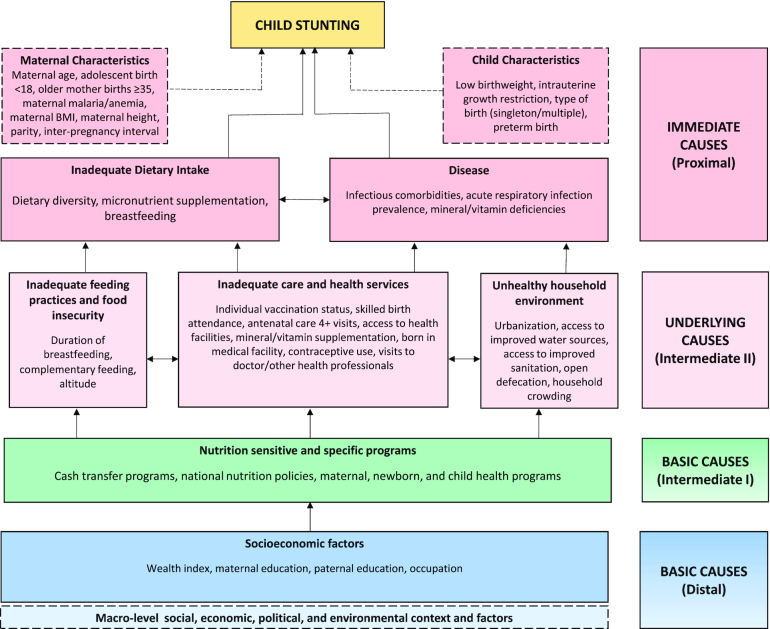
“Adapted versions of the UNICEF framework were highlighted in the Lancet Series on Maternal and Child Nutrition in 2008 (10), and expanded in 2013 (1) to incorporate the theorized effects of both nutrition-sensitive and nutrition-specific interventions.”
MethodSelf-citationDisease control priorities in developing countries
(2006) · Choice Reviews Online · doi:10.5860/choice.44-0343 · Cited by 3,628
Arimond, M., & Ruel, M. T. (2004) · The Journal of Nutrition · doi:10.1093/jn/134.10.2579 · Cited by 1,170 · cited 1×
“Inadequate dietary diversity is associated with increased odds of childhood stunting (123).”
BackgroundAn extension of the Blinder-Oaxaca decomposition technique to logit and probit models
Fairlie, R. W. (2005) · Journal of Economic and Social Measurement · doi:10.3233/jem-2005-0259 · Cited by 1,077 · cited 1×
“Some studies used extensions of Oaxaca-Blinder methods to incorporate dummy and nominal variables into the decomposition analysis (103, 104) or account for logit and probit models (105).”
MethodWagstaff, A., van Doorslaer, E., & Watanabe, N. (2003) · Journal of Econometrics · doi:10.1016/s0304-4076(02)00161-6 · Cited by 1,057
Child undernutrition, tropical enteropathy, toilets, and handwashing
Humphrey, J. H. (2009) · The Lancet · doi:10.1016/s0140-6736(09)60950-8 · Cited by 862
Role of Chlorogenic Acids in Controlling Oxidative and Inflammatory Stress Conditions
Liang, N., & Kitts, D. (2015) · Nutrients · doi:10.3390/nu8010016 · Cited by 805
Contextualising complementary feeding in a broader framework for stunting prevention
Stewart, C. P., Iannotti, L., Dewey, K. G., Michaelsen, K. F., & Onyango, A. W. (2013) · Maternal & Child Nutrition · doi:10.1111/mcn.12088 · Cited by 710
Rutstein, S. O. (2005) · International Journal of Gynecology & Obstetrics · doi:10.1016/j.ijgo.2004.11.012 · Cited by 665
Research works printed but not linked: 3
- Headey D, Hoddinott J, Park S Accounting for nutritional changes in six success stories: a regression-decomposition approach. Global Food Security. 2017; 13: 12– 20. · DOI
- Huicho L, Huayanay-Espinoza CA, Herrera-Perez E, Segura ER, de Guzman JN, Rivera-Ch M, Barros AJ Factors behind the success story of under-five stunting in Peru: a district ecological multilevel analysis. BMC Pediatr. 2017; 17(1): 29. 28103825 PMC5248498 · DOI
- Ponce N, Shimkhada R, Raub A, Daoud A, Nandi A, Richter L, Heymann J The association of minimum wage change on child nutritional status in LMICs: a quasi-experimental multi-country study. Global Public Health. 2018; 13(9): 1307– 21. 28766376 · DOI
Cited by
How countries can reduce child stunting at scale: lessons from exemplar countries
Bhutta, Z. A., Akseer, N., Keats, E. C., Vaivada, T., Baker, S., Horton, S. E., Katz, J., Menon, P., Piwoz, E., Shekar, M., et al. (2020) · The American Journal of Clinical Nutrition · doi:10.1093/ajcn/nqaa153 · Cited by 187
“The first article of this supplement reviewed the major drivers that have led to national reductions in stunting prevalence, operating at basic, underlying, and immediate levels in >70 countries, the majority of which are low- and middle-income countries (LMICs) (19).”
BackgroundSelf-citationLedesma, J. R., Ma, J., Zhang, M., Basting, A. V. L., Chu, H. T., Vongpradith, A., Novotney, A., LeGrand, K. E., Xu, Y. Y., Dai, X., et al. (2024) · The Lancet Infectious Diseases · doi:10.1016/s1473-3099(24)00007-0 · Cited by 146
“…the tuberculosis burden in children might reflect recent trends showing marked decreases in child mortality, 54 global improvements in child nutrition outcomes, 55,56 increasing tuberculosis case finding and services for children, 57–59 and continued reductions in vertical HIV transmission.”
Causes and consequences of child growth faltering in low-resource settings
Mertens, A., Benjamin-Chung, J., Colford, J. M., Coyle, J., van der Laan, M. J., Hubbard, A. E., Rosete, S., Malenica, I., Hejazi, N., Sofrygin, O., et al. (2023) · Nature · doi:10.1038/s41586-023-06501-x · Cited by 130
Self-citationAgostoni, C. V., Baglioni, M., Vecchia, A. L., Molari, G., & Berti, C. (2023) · Nutrients · doi:10.3390/nu15020416 · Cited by 165
Taneja, S., Chowdhury, R., Dhabhai, N., Upadhyay, R. P., Mazumder, S., Sharma, S., Bhatia, K., Chellani, H. K., Dewan, R., Mittal, P., et al. (2022) · BMJ · doi:10.1136/bmj-2022-072046 · Cited by 101
Family Household Characteristics and Stunting: An Update Scoping Review
Yani, D. I., Rahayuwati, L., Sari, C. W. M., Komariah, M., & Fauziah, S. R. (2023) · Nutrients · doi:10.3390/nu15010233 · Cited by 171
“Further, superior parental educational attainment was consistently found to be a strong predictor of improved child growth outcomes [4,40].”
BackgroundAmouzou, A., Barros, A. J. D., Requejo, J. H., Fayé, C., Akseer, N., Bendavid, E., Blumenberg, C., Borghi, J., Baz, S. E., Federspiel, F., et al. (2025) · The Lancet · doi:10.1016/s0140-6736(25)00151-5 · Cited by 76
Self-citationBreastfeeding, feeding practices and stunting in indigenous Ecuadorians under 2 years of age
Tello, B., Rivadeneira, M. F., Moncayo, A. L., Buitrón, J., Astudillo, F., Estrella, A., & Torres-Castillo, A. L. (2022) · International Breastfeeding Journal · doi:10.1186/s13006-022-00461-0 · Cited by 114
Prevalence and risk predictors of childhood stunting in Bangladesh
Abdulla, F., Rahman, A., & Hossain, M. M. (2023) · PLoS ONE · doi:10.1371/journal.pone.0279901 · Cited by 81
“Many studies have been conducted to identify significant risk factors for stunting in low and middle-income countries, and some have focused on Bangladesh [4,7,10, 16– 50 ].”
Akseer, N., Vaivada, T., Rothschild, O., Ho, K., & Bhutta, Z. A. (2020) · American Journal of Clinical Nutrition · doi:10.1093/ajcn/nqaa152 · Cited by 62
“Paper 1 of this supplement provides further detail on the selection of the frameworks and their utility in stunting research (20).”
BackgroundSelf-citationKrebs, N. F., Hambidge, K. M., Westcott, J., Garces, A. L., Figueroa, L., Tshefu, A. K., Lokangaka, A. L., Goudar, S. S., Dhaded, S. M., Saleem, S., et al. (2022) · American Journal of Clinical Nutrition · doi:10.1093/ajcn/nqac051 · Cited by 81
“Last, we highlight the finding that maternal education (at least secondary) emerged as a consistent and modifiable predictor of improved longitudinal growth (linear and ponderal) and reduced stunting at 24 mo (5, 7).”
Determinants of socioeconomic and rural-urban disparities in stunting: evidence from Indonesia
Widyaningsih, W., Mulyaningsih, T., Rahmawati, R., & Adhitya (2022) · Rural and Remote Health · doi:10.22605/rrh7082 · Cited by 132
Stunting as a Synonym of Social Disadvantage and Poor Parental Education
Scheffler, C., Hermanussen, M., Soegianto, S. D. P., Homalessy, A. V., Touw, S. Y., Angi, S. I., Ariyani, Q. S., Suryanto, T., Matulessy, G. K. I., Taolin, F., et al. (2021) · International Journal of Environmental Research and Public Health · doi:10.3390/ijerph18031350 · Cited by 48
“[45], appeared to have no direct impact on height in the children of either school type.”
BackgroundWin, H., Shafique, S., Mizan, S., Wallenborn, J. T., Probst-Hensch, N. M., & Fink, G. (2022) · Archives of Public Health · doi:10.1186/s13690-022-00948-6 · Cited by 68
Determinants of Stunting among Children under Five in Pakistan
Soofi, S. B., Khan, A., Kureishy, S., Hussain, I., Habib, M. A., Umer, M. A., Ariff, S., Sajid, M., Rizvi, A., Ahmed, I., et al. (2023) · Nutrients · doi:10.3390/nu15153480 · Cited by 38
Self-citationFactor related to stunting of children under two years with working mothers in Indonesia
Supadmi, S., Laksono, A. D., Kusumawardani, H. D., Ashar, H., Nursafingi, A., Kusrini, I., & Musoddaq, M. A. (2024) · Clinical Epidemiology and Global Health · doi:10.1016/j.cegh.2024.101538 · Cited by 109
The pediatric global burden of stunting: Focus on Latin America
Montenegro, C. R., Gómez, G., Hincapíe, O., Dvoretskiy, S., DeWitt, T., Gracia, D. A., & Misas, J. D. (2022) · Lifestyle Medicine · doi:10.1002/lim2.67 · Cited by 60
Causes and consequences of child growth faltering in low- and middle-income countriesPreprint
Mertens, A., Benjamin‐Chung, J., Colford, J. M., Coyle, J., van der Laan, M. J., Hubbard, A., Rosete, S., Malenica, I., Hejazi, N. S., Sofrygin, O., et al. (2020) · medRxiv · doi:10.1101/2020.06.09.20127100 · Cited by 34
Review of the Nutrition Situation in Jordan: Trends and Way Forward
Al-Awwad, N. J., Ayoub, J. J., Barham, R., Sarhan, W., Al‐Holy, M., Abughoush, M. H., Hourani, H. M. A., Olaimat, A. N., & Al‐Jawaldeh, A. (2021) · Nutrients · doi:10.3390/nu14010135 · Cited by 47
Weather shocks across seasons and child health: Evidence from a panel study in the Kyrgyz Republic
Freudenreich, H., Aladysheva, A., & Brück, T. (2022) · World Development · doi:10.1016/j.worlddev.2021.105801 · Cited by 47
Effects of Cooking with Liquefied Petroleum Gas or Biomass on Stunting in Infants
Checkley, W., Thompson, L. M., Sinharoy, S. S., Hossen, S., Moulton, L. H., Chang, H. H., Waller, L. A., Steenland, K., Rosa, G. A., Mukeshimana, A., et al. (2024) · New England Journal of Medicine · doi:10.1056/nejmoa2302687 · Cited by 38
Roediger, R., Hendrixson, D. T., & MANARY, M. J. (2020) · American Journal of Clinical Nutrition · doi:10.1093/ajcn/nqaa205 · Cited by 51
“determinants, and drivers of decline (4) is a systematic review of 89 studies from which basic, underlying, and immediate determinants of stunting were identified.”
BackgroundWright, C. M., Macpherson, J., Bland, R., Ashorn, P., Zaman, S., & Ho, F. K. W. (2021) · Journal of Nutrition · doi:10.1093/jn/nxab054 · Cited by 50
“So far, programmatic water, sanitation and hygeine interventions to prevent stunting have been just as disappointing as supplementary feeding (36), but these programs on the whole were not able to deliver the largescale hygiene infrastructure changes that are required (37), and a recent review found that improvements…”
BackgroundKhan, M. N. A., & Yunus, R. M. (2022) · Nutrition · doi:10.1016/j.nut.2022.111947 · Cited by 42
Guerrant, R. L., Bolick, D. T., & Swann, J. R. (2021) · ACS Infectious Diseases · doi:10.1021/acsinfecdis.0c00831 · Cited by 32
Ibrahim, C., Bookari, K., Sacre, Y., Hanna‐Wakim, L., & Hoteit, M. (2022) · Nutrients · doi:10.3390/nu14194201 · Cited by 40
Understanding drivers of stunting reduction in Nigeria from 2003 to 2018: a regression analysis
Adeyemi, O., Touré, M., Covic, N. M., van den Bold, M., Nisbett, N., & Headey, D. (2022) · Food Security · doi:10.1007/s12571-022-01279-8 · Cited by 44
Azriani, D., Masita, Qinthara, N. S., Yulita, I. N., Agustian, D., Zuhairini, Y., & Dhamayanti, M. (2024) · Journal of Health Population and Nutrition · doi:10.1186/s41043-024-00656-7 · Cited by 26
“Access to healthcare services and skilled birth attendance also improve children’s growth [64, 65].”
BackgroundInfluentialMalnourished Microbes: Host–Microbiome Interactions in Child Undernutrition
Jones, H. J., Bourke, C. D., Swann, J. R., & Robertson, R. C. (2023) · Annual Review of Nutrition · doi:10.1146/annurev-nutr-061121-091234 · Cited by 29
Usman, M., & Kopczewska, K. (2022) · International Journal of Environmental Research and Public Health · doi:10.3390/ijerph191710967 · Cited by 39
Urlacher, S. S. (2023) · American Journal of Biological Anthropology · doi:10.1002/ajpa.24719 · Cited by 28
Longitudinal trends and determinants of stunting among children aged 1–15 years
Wake, S. K., Zewotir, T. T., Lulu, K., & Fissuh, Y. H. (2023) · Archives of Public Health · doi:10.1186/s13690-023-01090-7 · Cited by 43
“It is a physical sign of persistent childhood malnutrition that is clearly visible and quantified [6].”
BackgroundAflatoxins posing threat to food safety and security in Pakistan: Call for a one health approach
Ashraf, W., Rehman, A., Rabbani, M., Shaukat, W., & Wang, J.-S. (2023) · Food and Chemical Toxicology · doi:10.1016/j.fct.2023.114006 · Cited by 30
David, S., & Eriksson, A. (2025) · Conflict and Health · doi:10.1186/s13031-025-00654-4 · Cited by 28
“Higher child mortality and stunting are also proxies for overall poor health outcomes [51, 52, 53].”
Rivadeneira, M. F., Moncayo, A. L., Cóndor, J. D., Tello, B., Buitrón, J., Astudillo, F., Caicedo-Gallardo, J. D., Estrella-Proaño, A., Naranjo-Estrella, A., & Torres-Castillo, A. L. (2022) · BMC Public Health · doi:10.1186/s12889-022-14327-x · Cited by 20
“Short maternal height has been associated with a negative effect on children’s growth [1].”
BackgroundInfluentialInfluence of eating concept on eating behavior and stunting in Indonesian Madurese ethnic group
Diana, R., Rachmayanti, R. D., Khomsan, A., & Riyadi, H. (2022) · Journal of Ethnic Foods · doi:10.1186/s42779-022-00162-3 · Cited by 39
“In many countries, stunting can be effectively reduced by improving parental education, household socioeconomic status, sanitation, access to health services, family planning, and good feeding practices (breastfeeding and appropriate complementary feeding) [2, 6].”
BackgroundIslam, B., Ibrahim, T. I., Wang, T., Wu, M., & Qin, J. (2025) · Journal of Global Health · doi:10.7189/jogh.15.04049 · Cited by 46
“Beyond undermining children’s immediate health, the condition has long-term consequences for cognitive development, future productivity, and society [ 23 , 24 ].”
Čvorović, J. (2022) · Public Health Nutrition · doi:10.1017/s1368980022000544 · Cited by 26
“minants of child well-being among the Roma(75).”
Steyn, N. P., & Nel, J. H. (2022) · Current Nutrition Reports · doi:10.1007/s13668-022-00417-0 · Cited by 27
Aronsson, A. E., Vidaurre-Teixidó, P., Jensen, M. R., Solhaug, S., & McNamara, C. L. (2023) · Globalization and Health · doi:10.1186/s12992-023-00958-1 · Cited by 36
“This might, in part, be explained by maternal access to health care, including antenatal care which has been identified as a strong predictor of childhood stunting [37].”
BackgroundXiong, T., Wu, Y., Hu, J., Xu, S., Li, Y., Kong, B., Zhang, Z., Chen, L., Tang, Y., Yao, P., et al. (2023) · Nutrients · doi:10.3390/nu15224821 · Cited by 55
“Stunted children and adolescents face a higher risk of mortality, morbidity, and suboptimal cognitive and motor development [3].”
BackgroundTan, P. Y., Chan, C. L., Som, S. V., Dye, L., Moore, J. B., Caton, S. J., & Gong, Y. Y. (2024) · Critical Reviews in Food Science and Nutrition · doi:10.1080/10408398.2024.2419539 · Cited by 42
“Despite notable progress in reducing stunting among children under 5 in certain regions, no country has yet succeeded in reversing national increases in childhood obesity (Roberto et al. 2015; Vaivada et al. 2020).”
Wegmüller, R., Musau, K., Vergari, L., Custer, E., Anyango, H., Donkor, W., Kiprotich, M., Siegal, K., Petry, N., Wirth, J. P., et al. (2022) · American Journal of Clinical Nutrition · doi:10.1093/ajcn/nqac098 · Cited by 22
“A combination of interventions improving the underlying causes, such as poor nutrition and hygiene, have been repeatedly posited to alleviate the problem (2).”
BackgroundRao, N., Bala, M., Ranganathan, N., Anand, U., Dhingra, S., Costa, J. C., & Weber, A. M. (2023) · BMJ Nutrition Prevention & Health · doi:10.1136/bmjnph-2023-000648 · Cited by 29
“14 21 Controls included household religion, child’s age, ICDS utilisation in the last 12 months, private institutional delivery, delivery by skilled atten-dants, mother’s body mass index, mother’s age (years), mother’s media exposure, mother’s height, mother’s diet diversity, mother’s diet balance,…”
BackgroundSong, C., Sun, H., Wang, B., Song, C., & Lu, H. (2021) · Frontiers in Pediatrics · doi:10.3389/fped.2021.665749 · Cited by 19
“Studies with the following features were excluded: (1) adult population; (2) dietary vitamin D intake; (3) animal studies; (4) no English essays; (5) review articles, commentary, editorial, or letter; (6) intervention studies; (7) studies that had subjects with chronic diseases such as cancer, cystic fibrosis, and oth…”
BackgroundBora, K. (2021) · Journal of Tropical Pediatrics · doi:10.1093/tropej/fmab089 · Cited by 16
Social Behavior Changes Communication Intervention for Stunting Prevention: A Systematic Review
Darajat, A. F., Sansuwito, T. B., Amir, M. D., Hadiyanto, H., Abdullah, D., Dewi, N. P., & Umar, E. (2022) · Open Access Macedonian Journal of Medical Sciences · doi:10.3889/oamjms.2022.7875 · Cited by 32
“Stunting is defined when the height below minus two standard deviations (<−2SD) from the WHO child growth level nutritional status table or below the international reference mean population length or height and is an indicator of success in health, education, and public development [1].”
BackgroundSukmawati, E., Marzuki, K., Batubara, A., Harahap, N. A., Efendi, E., & Weraman, P. (2023) · Jurnal Obsesi Jurnal Pendidikan Anak Usia Dini · doi:10.31004/obsesi.v7i4.4846 · Cited by 16
“Optimal growth in children is essential to ensure good health and quality of life in adulthood (Saleh et al., 2021; Vaivada et al., 2020).”
BackgroundThe forgotten link: how the oral microbiome shapes childhood growth and development
Tjandrawinata, R. R., Amalia, N., Tandi, Y. Y. P., Athallah, A. F., Wibowo, C. A., Aditya, M. R., Muhammad, A., Azizah, M. R., Humardani, F. M., Nojaid, A., et al. (2025) · Frontiers in Oral Health · doi:10.3389/froh.2025.1547099 · Cited by 20
Shafiq, S., Haq, M. Z. U., Naqvi, S. A. R., Sarfaraz, W., Ali, H., Islam, M. S., Hassan, G. Z., Nawaz, M., & Abbas, T. (2025) · Regional Sustainability · doi:10.1016/j.regsus.2025.100242 · Cited by 16
Drivers of success in global health outcomes: A content analysis of Exemplar studies
Akseer, N., Phillips, D. E., & on behalf of the Exemplars in Global Health Partner Network (2024) · PLOS Global Public Health · doi:10.1371/journal.pgph.0003000 · Cited by 15
“These topics include under-five mortality reduction, childhood stunting reduction [8–15], community health workers, vaccine delivery [16–26], neonatal and maternal mortality reduction [27, 28], COVID-19 response [29–36], primary health care, anemia among women of reproductive age, family planning,…”
BackgroundSelf-citationChanyarungrojn, A. P., Lelijveld, N., Crampin, A. C., Nkhwazi, L., Geis, S., Nyirenda, M., & Kerac, M. (2023) · PLOS Global Public Health · doi:10.1371/journal.pgph.0001592 · Cited by 18
Woldekidan, M. A., Wolde, A. A., Tesema, G. W., Walker, A., Kassebaum, N. J., Hailemariam, A., Naghavi, M., Hay, S. I., & Misganaw, A. (2024) · PLOS Global Public Health · doi:10.1371/journal.pgph.0002640 · Cited by 24
Arief, Y. S., Yunita, F. C., Efendi, F., Murti, F. A. K., Pradipta, R. O., & McKenna, L. (2025) · JMIR Pediatrics and Parenting · doi:10.2196/68918 · Cited by 56
“Some studies are in line with findings across the literature [19,38-42].”
Oktarina, C., Dilantika, C., Sitorus, N. L., & Basrowi, R. W. (2024) · Children · doi:10.3390/children11101268 · Cited by 55
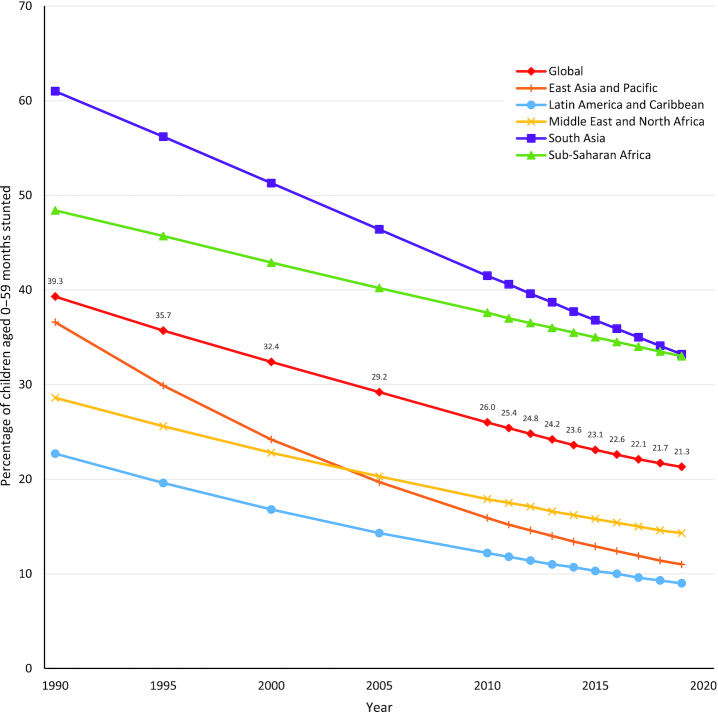
“Although global stunting prevalence in children under five has decreased from 39.3% in 1990 to 21.3% in 2019, South Asia and Sub-Saharan African countries still contribute to this figure significantly [10].”
BackgroundInfluentialUtami, M. M. H., Kustiyah, L., & Dwiriani, C. M. (2023) · Amerta Nutrition · doi:10.20473/amnt.v7i1.2023.120-130 · Cited by 36
Evaluation of a low-resource soy protein production method and its products
Gulkirpik, E., Donnelly, A., Nowakunda, K., Liu, K., & Andrade, J. E. (2023) · Frontiers in Nutrition · doi:10.3389/fnut.2023.1067621 · Cited by 16
Aid and child health: A disaggregated analysis of the effects of aid on impaired growth
Durevall, D. J., & Isaksson, A. (2024) · World Development · doi:10.1016/j.worlddev.2024.106689 · Cited by 12
Taneja, S., Upadhyay, R. P., Chowdhury, R., Kurpad, A. V., Bhardwaj, H., Kumar, T., Dwarkanath, P., Bose, B., Devi, S., Kumar, G., et al. (2021) · American Journal of Clinical Nutrition · doi:10.1093/ajcn/nqab304 · Cited by 16
“1Major congenital malformations included cardiac (3), skeletal/limb (7), and oral cavity (2).”
BackgroundStunting incident prevention: a systematic literature review
Fadmi, F. R., Kuntoro, K., Otok, B. W., & Melaniani, S. (2023) · Journal of Public Health in Africa · doi:10.4081/jphia.2023.2547 · Cited by 11
Middelkoop, K., Micklesfield, L. K., Stewart, J., Walker, N., Jolliffe, D. A., Mendham, A. E., Coussens, A. K., Nuttall, J. J. C., TANG, J. C. Y., Fraser, W. D., et al. (2024) · BMJ Paediatrics Open · doi:10.1136/bmjpo-2024-002495 · Cited by 14
Concurrence of anemia and stunting and associated factors among children aged 6 to 59 months in Peru
Rivera, A., Marín, V., & Romaní, F. (2024) · PLOS Global Public Health · doi:10.1371/journal.pgph.0002914 · Cited by 10
“…findings are consistent with research that has pointed out that the progressive decrease in iron stores in the body, especially between 4 and 6 months, together with inadequate diets and susceptibility to infections, contribute to the increased risk of CAS at this stage of infancy [32, 42, 43].”
ResultPhillips, E. L., Ngure, F. M., Kassim, N., Turner, P. C., Makule, E. E., Smith, L. E., Makori, N., Cramer, B., Humpf, H., Nelson, R., et al. (2024) · American Journal of Clinical Nutrition · doi:10.1016/j.ajcnut.2024.11.022 · Cited by 12
Otoo, G. E., Gaffey, M. F., Confreda, E., Somaskandan, A., Islam, M., Kyei‐Arthur, F., Keats, E. C., Ataullahjan, A., Bhutta, Z. A., & Adu‐Afarwuah, S. (2025) · American Journal of Clinical Nutrition · doi:10.1016/j.ajcnut.2025.02.011 · Cited by 13
Self-citationStunting dan Indeks Massa Tubuh Anak Usia 0-5 Tahun
Asmin, E., Djoko, S. W., & Mainase, J. (2022) · JURNAL ILMIAH KESEHATAN SANDI HUSADA · doi:10.35816/jiskh.v11i1.690 · Cited by 10
Gasparinho, C., Gonçalves, M. H., Chissaque, A., Silva, G. L., Fortes, F., & Gonçalves, L. A. P. (2022) · Nutrients · doi:10.3390/nu14112185 · Cited by 15
“…it was possible to verify a high percentage of mothers with no level of education (9.5%), which has been reported to impact on childhood wasting in other African countries, since the absence of knowledge on child health promotion can negatively influence the nutritional status of children ([43,47].”
BackgroundInfluentialAmegah, A. K., Ayinemi, R., Sewor, C., Fenta, H. M., Yeboah, K., Mohammed, S. A., Dwomoh, D., Annim, S. K., Stranges, S., & Kandala, N. (2024) · European Journal of Clinical Nutrition · doi:10.1038/s41430-024-01453-5 · Cited by 13
“Early nutritional exposure has been proposed to affect epigenetic changes in the developing foetus [60].”
Gustina, E., Sofiana, L., Ayu, S. M., Wardani, Y., & Lasari, D. I. (2020) · Public Health and Preventive Medicine Archive · doi:10.15562/phpma.v8i2.306 · Cited by 9
Putri, F. F., & Sukmana, H. (2022) · Sawala Jurnal Administrasi Negara · doi:10.30656/sawala.v10i2.5168 · Cited by 9
Setiarsih, D., Raharjeng, S. H., Kardina, R. N., Viantry, P., Fildzah, Putri, P. H., Syafiuddin, A., Amalia, R., & Widowati, K. (2023) · Bali Medical Journal · doi:10.15562/bmj.v12i1.4157 · Cited by 9
Co-Occurrence of Stunting and Off-Track Early Child Development in Low- and Middle-Income Countries
Jeong, J., Chi, H., Bliznashka, L., Pitchik, H. O., & Kim, R. (2025) · JAMA Network Open · doi:10.1001/jamanetworkopen.2024.62263 · Cited by 11
Bhutta, Z. A., Islam, M., Gaffey, M. F., Victora, C. G., Menon, P., Katz, J., Horton, S., Yearwood, J. A., & Black, R. E. (2025) · American Journal of Clinical Nutrition · doi:10.1016/j.ajcnut.2025.03.004 · Cited by 23
Self-citationJalaludin, M. Y., Fauzi, M. D., Sidiartha, I. G. L., John, C., Aviella, S., Novery, E., Permatasari, A., & Muhardi, L. (2025) · Children · doi:10.3390/children12050641 · Cited by 39
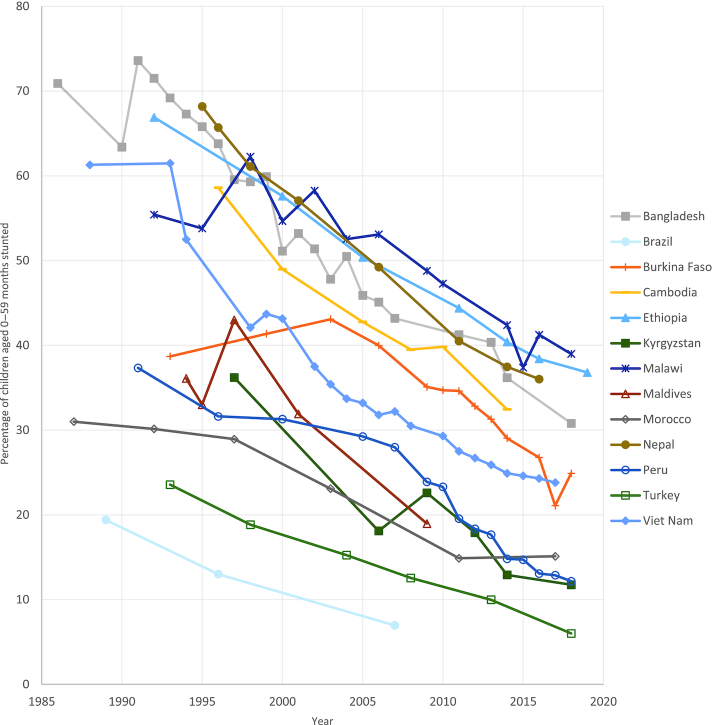
“In LMICs such as Nepal, Bangladesh, and Vietnam, the prevalence of stunting among children under five years of age has historically been high, with rates exceeding 50% in some regions three decades ago [49].”
Pendampingan Gizi Spesifik dan Perilaku Ibu dalam Pola Asuh Anak Stunting Usia 6-24 Bulan
Simbolon, D., Soi, B., Ludji, I. D. R., & Bakoil, M. B. (2021) · JURNAL PROMOSI KESEHATAN INDONESIA · doi:10.14710/jpki.17.1.13-24 · Cited by 33
Hubungan Literasi Gizi dan Pengetahuan Gizi terhadap Kejadian Stunting: A Scoping Review
Wahyuni, F. C., Karomah, U., Basrowi, R. W., Sitorus, N. L., & Lestari, L. A. (2024) · Amerta Nutrition · doi:10.20473/amnt.v7i3sp.2023.71-85 · Cited by 8
Pauzi, R. Y., Ilmi, A. N., & Kumaratih, L. W. (2025) · Medicine in Microecology · doi:10.1016/j.medmic.2025.100152 · Cited by 11
Mothers’ Perceived Susceptibility and Severity of Maternal Behavior in Stunting Prevention
Wardani, N. P. E., Harumi, A. M., Kasiati, K., Windi, Y. K., Husni, E., & Pipitcahyani, T. I. (2022) · Open Access Macedonian Journal of Medical Sciences · doi:10.3889/oamjms.2022.9888 · Cited by 17
“Stunted children are vulnerable to obstruct physical growth, higher mortality and morbidity rates, and other long-term implications such as poor cognitive and motor development, poor academic performance, economic productivity, and reduced physical and neurodevelopmental capacity [4], [5], [6].”
BackgroundMabesa, T., Knight, S. E., & Nkwanyana, N. M. (2022) · South African Journal of Clinical Nutrition · doi:10.1080/16070658.2022.2114405 · Cited by 7
“The poor plotting of length measurements is particularly concerning, especially because stunting has been highlighted as a problem globally and locally.(3,4,14,23,24) The poor recording of length measurements was previously highlighted in anearlier study inKZNclinics, particularly eThekwiniDistrict,(25) and later in W…”
BackgroundShonchoy, A., Akram, A. A., Khan, M., Khalid, H., Mazhar, S., Khan, A., & Kurosaki, T. (2022) · American Journal of Public Health · doi:10.2105/ajph.2022.307111 · Cited by 11
Hebert, K. A., Nsengiyumva, E., Kayitesi, C., Hariharan, K. M., Opondo, C., Ferguson, E., Allen, E., Uwonkunda, I., Ufitinema, A., & Baribwira, C. (2024) · Maternal and Child Nutrition · doi:10.1111/mcn.13648 · Cited by 7
“A recent systematic review (Vaivada et al., 2020) identified that improvements in asset index score, parental education, and improvements to sanitation infrastructure were strong drivers of improved linear growth.”
BackgroundKlemm, J., Coffey, C., Balagamwala, M., Turowska, Z., Kuri, S., & de Pee, S. (2024) · Global Food Security · doi:10.1016/j.gfs.2024.100795 · Cited by 8
Veile, A. J., Christopher, L., Azcorra, H., Dickinson, F., Kramer, K. L., & Varela‐Silva, M. I. (2022) · American Journal of Biological Anthropology · doi:10.1002/ajpa.24510 · Cited by 9
“income, low parental education, limited sanitary infrastructure and health care access) that also predict poor outcomes (Vaivada et al., 2020).”
BackgroundSriwiyanti, Hartati, S., Farama, D. A., & Muzakar, M. (2022) · Journal of Applied Nursing and Health · doi:10.55018/janh.v4i1.30 · Cited by 13
“According to (Notoatmodjo, 2014; Titaley et al., 2019; Vaivada et al., 2020), attitude is how respondents' opinion about matters related to health, health, and factors related to risk factors.”
BackgroundWin, H., Shafique, S., Probst-Hensch, N. M., & Fink, G. (2022) · PLOS Global Public Health · doi:10.1371/journal.pgph.0000456 · Cited by 8
Machine Learning Model For Stunting Prediction
Sutarmi, S., Warijan, W., Indrayana, T., B, D. P. P., & Gunawan, I. (2023) · Jurnal Health Sains · doi:10.46799/jhs.v4i9.1073 · Cited by 20
Win, H., Wallenborn, J. T., Probst-Hensch, N. M., & Fink, G. (2021) · BMC Public Health · doi:10.1186/s12889-021-12181-x · Cited by 12
“likely reflects both genetics and mother’s exposure to poor nutrition in early life [37, 38].”
BackgroundResultCarlqvist, A., Fernandes, M., Ismail, L. C., Villar, J., Kennedy, S., Papageorghiou, A. T., Ohuma, E. O., Craik, R., Bhutta, Z. A., Lambert, A. W., et al. (2025) · EClinicalMedicine · doi:10.1016/j.eclinm.2025.103515 · Cited by 8
Self-citationAzwar, A., Saputra, N., & Mulia, R. A. (2026) · Cogent Social Sciences · doi:10.1080/23311886.2026.2624137 · Cited by 11
Month of birth and height. A case study in rural Spain
Martínez, B. C., Ramallo-Ros, S., Cabezuelos, J. C., & Carrión, J. M. M. (2022) · Economics & Human Biology · doi:10.1016/j.ehb.2022.101157 · Cited by 8
DeBoer, M. D., Elwood, S., Platts-Mills, J. A., McDermid, J. M., Scharf, R. J., McQuade, E. T. R., Jatosh, S., Houpt, E. R., & Mduma, E. R. (2023) · Journal of Nutrition · doi:10.1016/j.tjnut.2023.03.020 · Cited by 6
Persistent Global Burden of Stunting Among Children
Soliman, N. A., Soliman, A. T., Alyafei, F., Elsiddig, S. A., Alaaraj, N., Hamed, N., Mohamed, S., & Itani, M. (2024) · European Journal of Medical and Health Sciences · doi:10.24018/ejmed.2024.6.2.2080 · Cited by 27
“Studies have demonstrated that while some regions show a promising decline in stunting rates, others are witnessing stagnation or even worsening conditions, indicating uneven progress in tackling this public health issue [1], [2].”
BackgroundJalloh, U. H., Koroma, A. S., Gaffey, M. F., Confreda, E., Peterson, S. K., Kargbo, A., Islam, M., Keats, E. C., Bhutta, Z. A., & Juneja, S. (2025) · American Journal of Clinical Nutrition · doi:10.1016/j.ajcnut.2025.02.015 · Cited by 9
Self-citationMind the Gap! Socioeconomic Determinants of the Stunting Urban-Rural Gap for Children in Colombia
Cárdenas, E., Osório, A. M., Joaqui-Barandica, O., & Fonseca, S. M. P. (2022) · Child Indicators Research · doi:10.1007/s12187-021-09880-7 · Cited by 10
Analisis Pelaksanaan Program Pencegahan Stunting
Zulaikha, Y., Windusari, Y., & Idris, H. (2021) · Jurnal Keperawatan Silampari · doi:10.31539/jks.v5i1.3007 · Cited by 6
Murhima’alika, C. C., Zigabe, S. M., Bahati, Y. L., Mwene-Batu, P. L., Mayeri, D. G., Ngaboyeka, G. A., Dramaix, M. W., Donnen, P., & Bisimwa, G. B. (2022) · PLoS ONE · doi:10.1371/journal.pone.0269527 · Cited by 6
“Recent publications consider open defecation and lack of sanitation as a determinant of chronic malnutrition [14].”
BackgroundResponsive feeding education for parents with stunting babies aged 12-36 months
Desiyanti, I. W., & Agustina, R. (2022) · Journal of Health Technology Assessment in Midwifery · doi:10.31101/jhtam.2446 · Cited by 12
STRATEGI PENCEGAHAN DAN PENANGGULANGAN STUNTING PADA ANAK USIA 6-59 BULAN
Tendean, A. F., Sutantri, S., Alhalawi, Z., & Muhammad, C. (2022) · Klabat Journal of Nursing · doi:10.37771/kjn.v4i2.825 · Cited by 30
Fernandes, M., Krebs, N. F., Westcott, J., Tshefu, A. K., Lokangaka, A. L., Bauserman, M., Garces, A. L., Figueroa, L., Saleem, S., Aziz, S., et al. (2023) · Archives of Disease in Childhood · doi:10.1136/archdischild-2023-325352 · Cited by 6
“High rates of cognitive and motor delays and negative behaviours were observed, as expected in low-resource populations with rates of child stunting≥60% 19 20 ; delayed ECD and stunting share many drivers.”
Kibemo, B., Mulugeta, A., Hailu, D., & Gelaw, B. (2022) · Journal of Nutritional Science · doi:10.1017/jns.2022.29 · Cited by 9
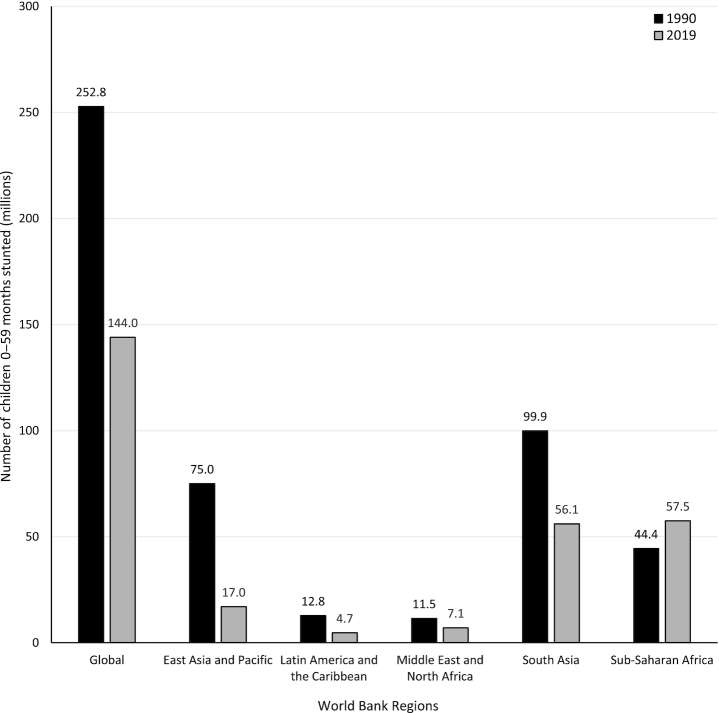
“under-five children in 1990, whereas the number of stunted children was reduced to 144 million in 2019((3)).”
BackgroundSchneider, E. B., Jaramillo‐Echeverri, J., Purcell, M., A’Hearn, B., Arthi, V., Blum, M., Brainerd, E. L., Capuno, J. J., Cermeño, A. L., Challú, A. E., et al. (2026) · BMJ Global Health · doi:10.1136/bmjgh-2024-018607 · Cited by 8
Metadata
- Authors
- Vaivada, T., Akseer, N., Akseer, S., Somaskandan, A., Stefopulos, M., & Bhutta, Z. A.
- Affiliations
- Hospital for Sick Children (CA)
- University of Toronto (CA)
- Aga Khan University (PK)
- Corresponding author
- Bhutta, Zulfiqar A
- Venue
- The American Journal of Clinical Nutrition
- Publisher
- Elsevier BV
- Published
- 2020-09
- Volume
- 112
- Issue
- Suppl 2
- Pages
- 777S-791S
- ISSN
- 0002-9165 (ISSN-L)
- PMC
- PMC7487433
- OpenAlex
- W3082627770
- Cited by
- 381
- References
- 129
- Citations by year
- 2026: 58 · 2025: 57 · 2024: 93 · 2023: 75 · 2022: 76 · 2021: 17 · 2020: 5
- FWCI
- 5.31
- Type
- journal article
- Language
- en
- Open access
- hybrid
- doi.org
- Licence
- cc-by
- www.elsevier.com/tdm/userlicense/1.0/ (tdm)
- creativecommons.org/licenses/by/4.0/ (vor)
- Locations
- American Journal of Clinical Nutrition (publishedVersion, cc-by)
- PubMed Central (publishedVersion, cc-by)
- PubMed (publishedVersion)
- eCommons - AKU (Aga Khan University) (submittedVersion, cc-by)
- Topics
- Health Sciences › Nursing › Nutrition and Dietetics › Child Nutrition and Water Access
- Health Sciences › Medicine › Pediatrics, Perinatology and Child Health › Public Health and Nutrition
- Health Sciences › Medicine › Pediatrics, Perinatology and Child Health › Global Maternal and Child Health
- Keywords
- child stunting, linear growth, malnutrition, household asset index, parental education, sanitation, open defecation, obstetric care, prenatal care, skilled birth attendance, family planning, parity, interpregnancy interval, maternal height, socioeconomic status
- MeSH terms
- Child Health, Adolescent, Child, Child Development, Child, Preschool, Female, Growth Disorders, Humans, Male, Nutritional Status
About these checks
Registry, retraction, Cites and statistics results are computed, not judged, with one exception: a printed reference that no index lists is read once by a model before it counts as a citation error. Claims are extracted by a model and kept only when their quote appears verbatim in the text; each cited source is then checked, with a model’s help, for whether it says what the claim relies on. Those verdicts can be wrong — read the claim’s quote and the cited source before relying on one.
Statistics and arithmetic are recomputed, not judged.
Confidence bands are shown only for fields calibrated on our annotated test set. None is calibrated yet, so no band is shown.
What counts as a claim ›How we measure confidence ›How we check this ›
Are you an author, or do you see a problem with this page? Request a review
Data sources
Bibliographic data: Semantic Scholar, OpenAlex, Crossref.
Contains information from the Semantic Scholar Academic Graph Datasets, made available under the ODC Attribution License (ODC-BY 1.0).
Semantic Scholar’s data is described in: Kinney, R., et al. (2023). The Semantic Scholar Open Data Platform. arXiv:2301.10140.
