

2018 ESC Guidelines for the diagnosis and management of syncope
Open accessThe DOI matches its Crossref record; 482 of the 483 references it cites were found in a registry or an index, and 1 are not checked yet; 231 of the 582 sources its claims cite were checked for support.
Abstract
The Task Force for the diagnosis and management of syncope of the European Society of Cardiology (ESC) Developed with the special contribution of the European Heart Rhythm Association (EHRA) Endorsed by: European Academy of Neurology (EAN), European Federation of Autonomic Societies (EFAS), European Federation of Internal Medicine (EFIM), European Union Geriatric Medicine Society (EUGMS), European Society of Emergency Medicine (EuSEM) The disclosure forms of all experts involved in the development of these Guidelines are available on the ESC website http://www.escardio.org/guidelines. For the Supplementary Data which include background information and detailed discussion of the data that have provided the basis for the Guidelines see https://academic.oup.com/eurheartj/article-lookup/doi/10.1093/eurheartj/ehy037#supplementary-data Click here to access the corresponding chapter in ESC CardioMed - Section 39 Syncope ... ... Guidelines summarize and evaluate available evidence with the aim of assisting health professionals in selecting the best management strategies for an individual patient with a given condition. Guidelines and their recommendations should facilitate decision making of health professionals in their daily practice. However, the final decisions concerning an individual patient must be made by the responsible health professional(s) in consultation with the patient and caregiver as appropriate.
Verified 2026-11-22 · 1 reference not checked yet
Overview
CoChat Summary
TL;DR
These 2018 ESC Guidelines provide a multidisciplinary, evidence-graded framework for diagnosing and managing syncope and transient loss of consciousness (TLOC), emphasizing initial evaluation, risk stratification, and mechanism-guided therapy. They update prior versions with new/revised concepts including prolonged ECG monitoring, syncope units, tilt-testing as hypotensive susceptibility, and refined pacing/ICD indications.
Key findings
- Syncope is defined as TLOC due to cerebral hypoperfusion with rapid onset, short duration, and spontaneous complete recovery; initial evaluation (history, physical examination including standing blood pressure, and ECG) can differentiate syncope from other forms of TLOC in approximately 60% of cases.
- In the emergency department, approximately 50% of syncope patients are admitted (range 12–86%), but composite outcomes in the next 7–30 days include 0.8% death, 6.9% non-fatal severe outcome while in the ED, and another 3.6% post-ED serious outcome; risk stratification scores perform no better than clinical judgment and should not be used alone.
- Implantable loop recorder (ILR) use in unexplained syncope: a meta-analysis of five RCTs in 660 patients showed a 3.7-fold (95% CI 2.7–5.0) increased relative probability of diagnosis versus conventional strategy; pooled data from nine studies in 506 patients found syncope–ECG correlation in 35%, with asystole/bradycardia in 56%, tachycardia in 11%, and no arrhythmia in 33%.
- Treatment recommendations include education/lifestyle modification for reflex syncope; physical counter-pressure manoeuvres reduced recurrence in the PC-Trial (223 patients, relative risk reduction 39%, 95% CI 11–53); beta-blockers are not indicated (Class III, Level A); cardiac pacing for documented asystolic reflex syncope reduced 2-year recurrence from 57% (pacemaker off) to 25% (pacemaker on) in ISSUE-3; fludrocortisone in POST 2 showed a marginal non-significant reduction (hazard ratio 0.69, 95% CI 0.46–1.03; P=0.069; 44% vs 60.5% syncope at 12 months).
Methods
- Design: clinical practice guideline developed by the ESC Task Force for the diagnosis and management of syncope, with special contribution from the European Heart Rhythm Association and endorsement by multiple societies.
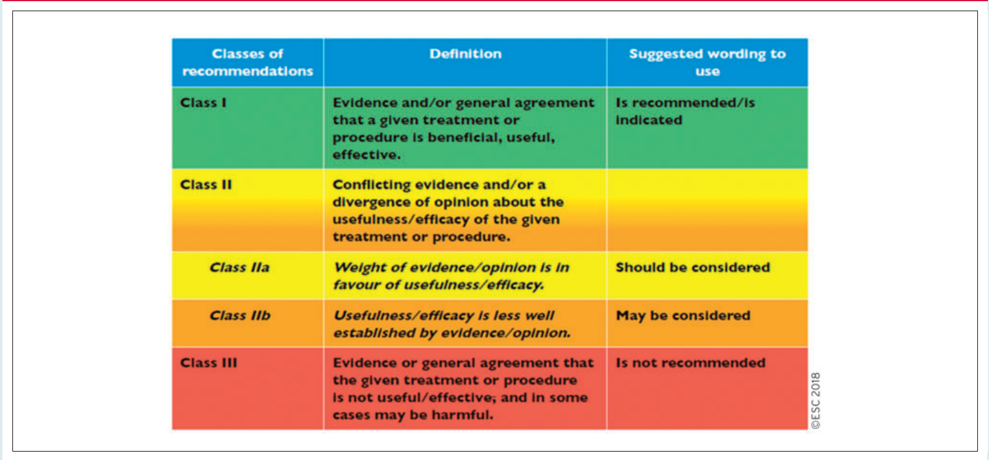
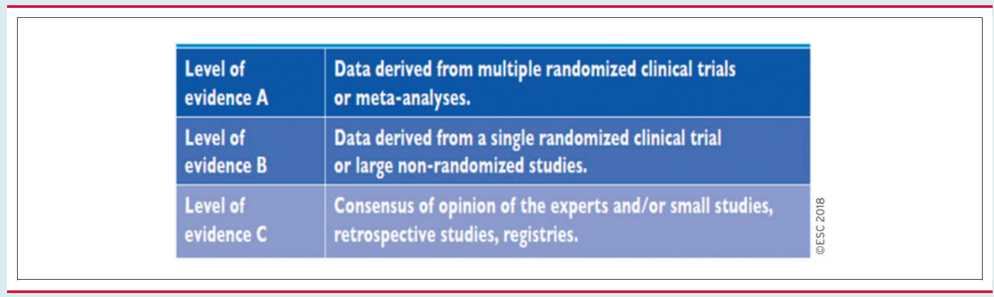
- Data/sample: no primary study sample; the Task Force performed a comprehensive review of published evidence, including randomized trials, observational studies, registries, and consensus documents, and graded recommendations using ESC Classes of recommendations (I–III) and Levels of evidence (A–C).
- Main analysis: evidence synthesis and expert consensus, with practical algorithms and care pathways for initial evaluation, emergency department risk stratification, diagnostic testing, treatment, syncope units, and special populations.
Limitations
- The paper states that many recommendations rely on moderate or weak evidence and consensus rather than large randomized trials; examples include pacing in carotid sinus syndrome, tilt-induced vasovagal syncope, and adenosine-sensitive syncope, where it notes “lack of large RCTs,” “contrasting results,” and “divergence of opinion.”
- The paper explicitly notes diagnostic limitations: tilt testing “offers little diagnostic value in patients for whom it is most needed,” risk stratification scores “perform no better than good clinical judgement,” EPS has a low negative predictive value, and ECG monitoring cannot record blood pressure alongside ECG.
- Evident from the text: this is a guideline document, not a primary empirical study, and it includes a section on “Gaps in evidence and areas for future research”; the provided text is also truncated, so some later sections and supplementary details are not fully available here.
Model-written summary of a shortened version of the paper’s full text (it is longer than we read). Check it against the paper before relying on it.
Integrity signals
Registry
Cites
Statistics
Figures
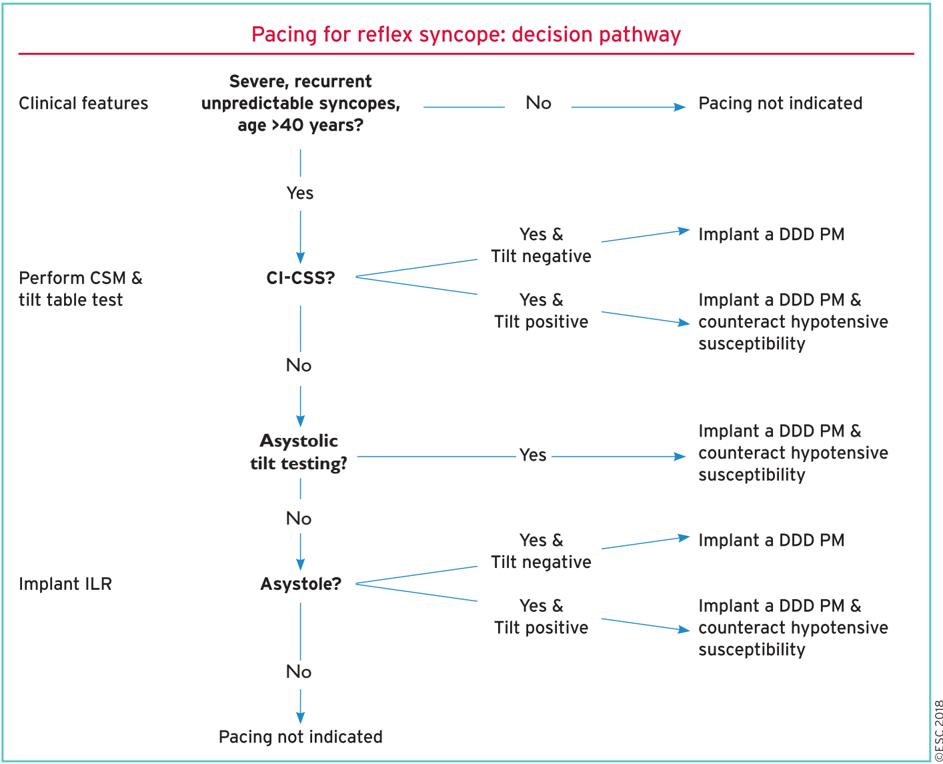
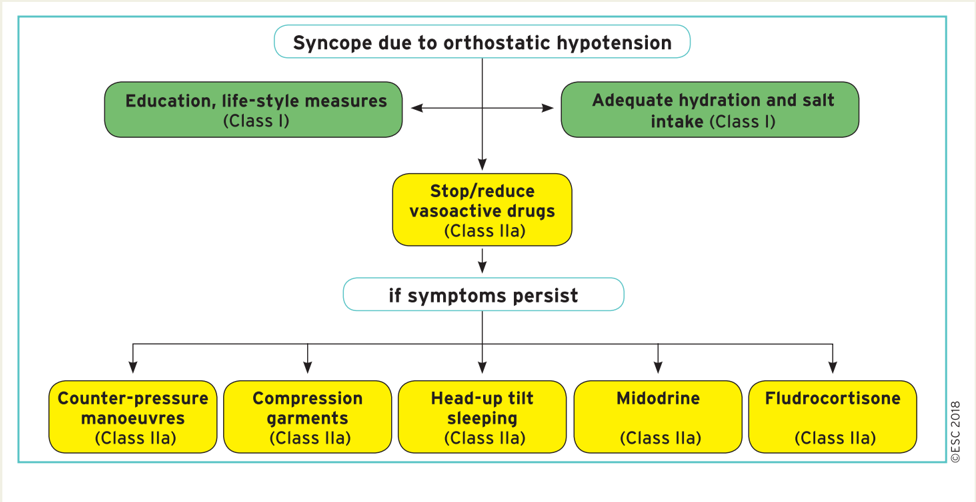
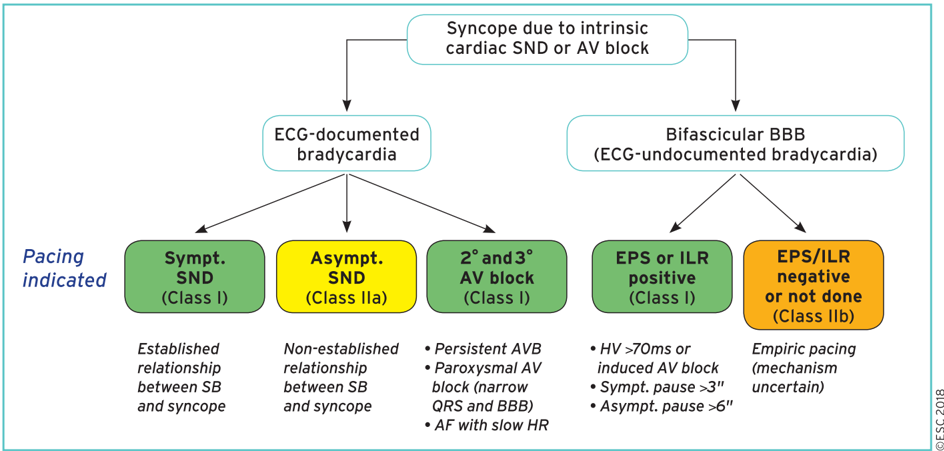
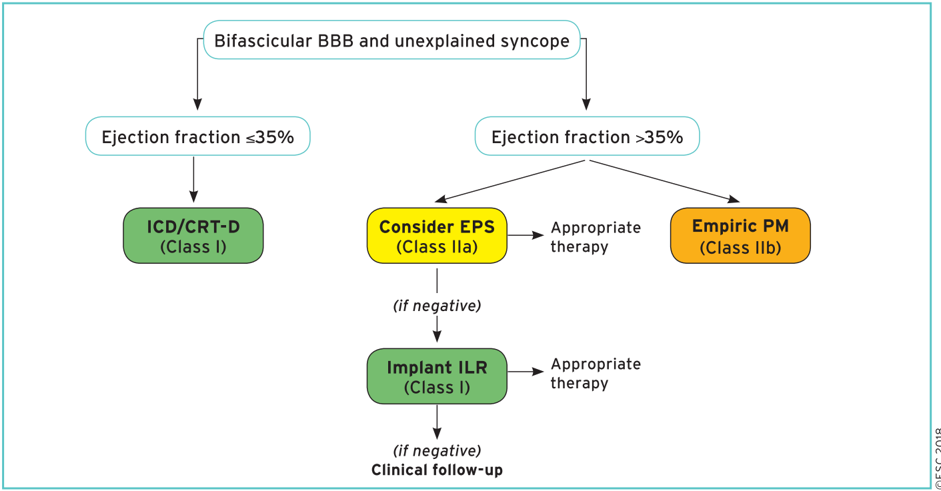
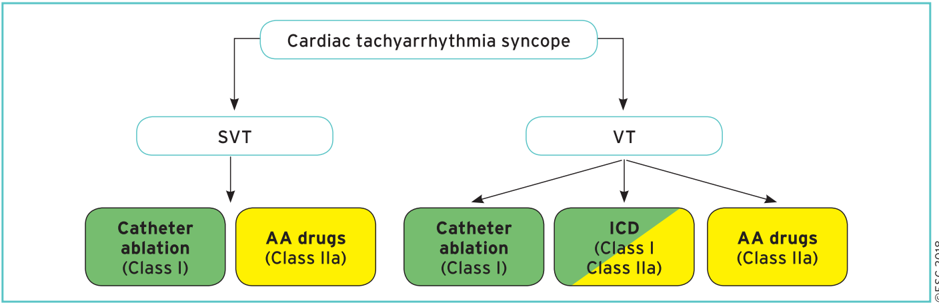
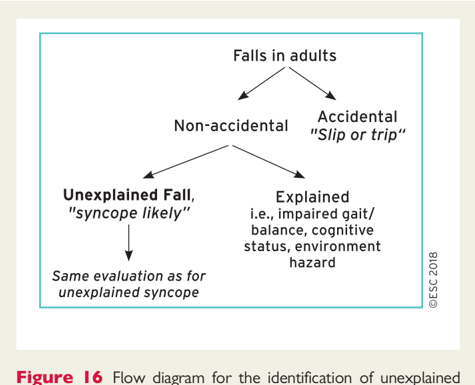
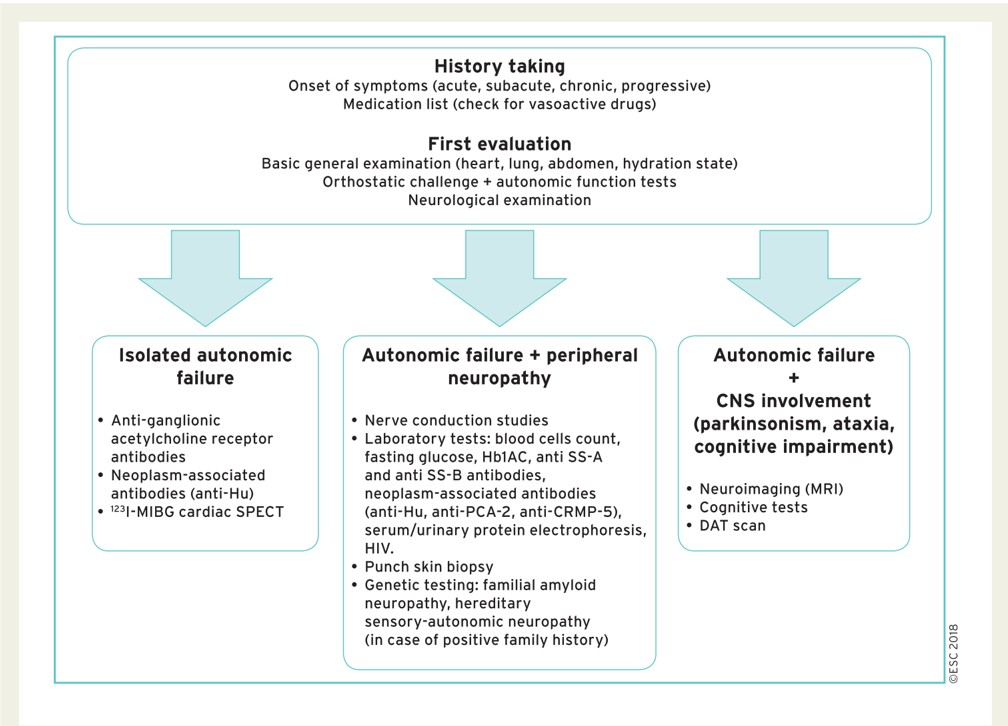
Verification
Claims the paper makes
151 Valid · 22 Not valid · 111 Not checked · 74 Own results and interpretations
Some cited sources support this claim and some don’t — read each source’s verdict below.
In the paper
“There is strong consensus that the diagnosis of CSS requires both the reproduction of spontaneous symptoms during CSM and clinical features of spontaneous syncope compatible with a reflex mechanism.”
What the sources say
- Not checked — no full text of the sourcecites [89] Kerr SR, Pearce MS, Brayne C, Davis RJ, Kenny RA. Carotid sinus hypersensitivity in asymptomatic older persons: implications for diagnosis of syncope and falls. Arch Intern Med 2006; 166 :515-520. source
- Not checked — no full text of the sourcecites [90] Puggioni E, Guiducci V, Brignole M, Menozzi C, Oddone D, Donateo P, Croci F, Solano A, Lolli G, Tomasi C, Bottoni N. Results and complications of the carotid sinus massage performed according to the 'method of symptoms'. Am J Cardiol 2002; 89 :599-601. source
- Partly supportedcites [92] Solari D, Maggi R, Oddone D, Solano A, Croci F, Donateo P, Brignole M. Clinical context and outcome of carotid sinus syndrome diagnosed by means of the 'method of symptoms'. Europace 2014; 16 :928-934. sourceExperimental — accuracy not yet measured
The Methods state that, under the ‘method of symptoms,’ CSS was diagnosed when carotid sinus massage reproduced spontaneous syncope or pre-syncope in the presence of carotid sinus hypersensitivity; the Discussion likewise says symptom reproduction is required. Our copy does not state that clinical features of spontaneous syncope compatible with a reflex mechanism are an additional requirement. The Results also include 14 diagnosed patients who had pre-syncope only. (LLM, conf=0.86)
- Partly supportedcites [93] Solari D, Maggi R, Oddone D, Solano A, Croci F, Donateo P, Wieling W, Brignole M. Assessment of the vasodepressor reflex in carotid sinus syndrome. Circ Arrhythm Electrophysiol 2014; 7 :505-510. sourceExperimental — accuracy not yet measured
The Methods (page unavailable) state that CSS was diagnosed when carotid sinus massage reproduced spontaneous syncope or presyncope in the presence of carotid sinus hypersensitivity. They do not state that clinical features compatible with a reflex mechanism are an additional diagnostic requirement; the study included patients whose syncope remained unexplained after initial evaluation. (LLM, conf=0.86)
- Not checked — no full text of the sourcecites [98] Brignole M, Menozzi C, Lolli G, Bottoni N, Gaggioli G. Long-term outcome of paced and nonpaced patients with severe carotid sinus syndrome. Am J Cardiol 1992; 69 :1039-1043. source
- Disputedcites [99] Claesson JE, Kristensson BE, Edvardsson N, Wahrborg P. Less syncope and milder symptoms in patients treated with pacing for induced cardioinhibitory carotid sinus syndrome: a randomized study. Europace 2007; 9 :932-936. sourceExperimental — accuracy not yet measured
The Definitions section says cardioinhibitory carotid sinus syndrome may be diagnosed even when a close relationship between carotid-sinus manipulation and syncope has not been demonstrated. That contradicts the claim that reproducing spontaneous symptoms during massage is required. The Introduction also notes continuing controversy rather than strong consensus. Page numbers are unavailable in our copy. (LLM, conf=0.88)
Checked by a reasoning model — may be wrong.
- Not checked — no full text of the sourcecites [100] Menozzi C, Brignole M, Lolli G, Bottoni N, Oddone D, Gianfranchi L, Gaggioli G. Follow-up of asystolic episodes in patients with cardioinhibitory, neurally mediated syncope and VVI pacemaker. Am J Cardiol 1993; 72 :1152-1155. source
- Not checked yetcites [101] Maggi R, Menozzi C, Brignole M, Podoleanu C, Iori M, Sutton R, Moya A, Giada F, Orazi S, Grovale N. Cardioinhibitory carotid sinus hypersensitivity predicts an asystolic mechanism of spontaneous neurally mediated syncope. Europace 2007; 9 :563-567. source
Checked before — its earlier verdict is held back until a new check runs.
- Not checked — no full text of the sourcecites [102] Thomas JE. Hyperactive carotid sinus reflex and carotid sinus syncope. Mayo Clin Proc 1969; 44 :127-139. doi:10.1016/s0025-6196(25)05256-5
boosted- Asserted: passes — The authors put it forward as true.
- Checkable: passes — It can be checked against evidence.
- Load-bearing: passes — The paper’s conclusions depend on it.
- Based: passes — The paper gives a reason why it holds.
At least one cited source doesn’t support this claim or points to a different paper, and none confirmed it — see the verdicts below.
In the paper
“A positive cardioinhibitory response to tilt testing predicts, with high probability, asystolic spontaneous syncope; this finding is relevant for therapeutic implications when cardiac pacing is considered (see section 5.2.6).”
What the sources say
- Disputedcites [122] Deharo JC, Jego C, Lanteaume A, Djiane P. An implantable loop recorder study of highly symptomatic vasovagal patients: the heart rhythm observed during a spontaneous syncope is identical to the recurrent syncope but not correlated with the head-up tilt test or adenosine triphosphate test. J Am Coll Cardiol 2006; 47 :587-593. sourceExperimental — accuracy not yet measured
The Discussion states that the response during head-up tilt testing was not predictive of the mechanism of spontaneous syncope. It reports spontaneous syncope without severe bradycardia in two of four patients with a type 2 tilt response, contrary to the claimed high-probability prediction of asystole. The paper instead discusses documented rhythm during spontaneous syncope as relevant to pacing decisions (Discussion, p. 591). (LLM, conf=0.94)
Checked by a reasoning model — may be wrong.
- Not checked — no full text of the sourcecites [123] Brignole M, Sutton R, Menozzi C, Garcia-Civera R, Moya A, Wieling W, Andresen D, Benditt DG, Grovale N, De Santo T, Vardas P, International Study on Syncope of Uncertain Etiology 2 (ISSUE 2) Group. Lack of correlation between the responses to tilt testing and adenosine triphosphate test and the mechanism of spontaneous neurally mediated syncope. Eur Heart J 2006; 27 :2232-2239. source
boostedstates an association- Asserted: passes — The authors put it forward as true.
- Checkable: passes — It can be checked against evidence.
- Load-bearing: passes — The paper’s conclusions depend on it.
- Based: passes — The paper gives a reason why it holds.
- Disputed
At least one cited source doesn’t support this claim or points to a different paper, and none confirmed it — see the verdicts below.
In the paper
“While a positive cardioinhibitory response to tilt testing predicts, with a high probability, an asystolic spontaneous syncope, the presence of a positive vasodepressor, mixed response, or even a negative response, does not exclude the presence of asystole during spontaneous syncope. 122,123”
What the sources say
- Disputedcites [122] Deharo JC, Jego C, Lanteaume A, Djiane P. An implantable loop recorder study of highly symptomatic vasovagal patients: the heart rhythm observed during a spontaneous syncope is identical to the recurrent syncope but not correlated with the head-up tilt test or adenosine triphosphate test. J Am Coll Cardiol 2006; 47 :587-593. sourceExperimental — accuracy not yet measured
The Discussion says that the tilt-test response was not predictive of the mechanism of spontaneous syncope. It also reports spontaneous syncope without severe bradycardia in two of four patients with a type 2 (cardioinhibitory) tilt response, contrary to the claimed high-probability prediction of asystole. (LLM, conf=0.92)
Checked by a reasoning model — may be wrong.
- Not checked — no full text of the sourcecites [123] Brignole M, Sutton R, Menozzi C, Garcia-Civera R, Moya A, Wieling W, Andresen D, Benditt DG, Grovale N, De Santo T, Vardas P, International Study on Syncope of Uncertain Etiology 2 (ISSUE 2) Group. Lack of correlation between the responses to tilt testing and adenosine triphosphate test and the mechanism of spontaneous neurally mediated syncope. Eur Heart J 2006; 27 :2232-2239. source
boostedstates an association- Asserted: passes — The authors put it forward as true.
- Checkable: passes — It can be checked against evidence.
- Load-bearing: passes — The paper’s conclusions depend on it.
- Based: passes — The paper gives a reason why it holds.
- Disputed
At least one cited source doesn’t support this claim or points to a different paper, and none confirmed it — see the verdicts below.
In the paper
“Because up to now smartphone applications have recorded real-time ECG, their current role in syncope is limited for the same reason as for prospective event recorders. 164,165”
What the sources say
- Disputedcites [164] Bruining N, Caiani E, Chronaki C, Guzik P, van der Velde E, Task Force of the e-Cardiology Working. Acquisition and analysis of cardiovascular signals on smartphones: potential, pitfalls and perspectives: by the Task Force of the eCardiology Working Group of European Society of Cardiology. Eur J Prev Cardiol 2014; 21 :4-13. sourceExperimental — accuracy not yet measured
The ECG monitoring section says smartphone ECG technology can be used for diagnostic or monitoring purposes in patients with recurrent syncope. It also describes eMotion continuously transmitting ECG to a smartphone, with recordings uploaded in real time for up to five days. That contradicts the claim's premise that smartphone ECG recording is limited in the same way as a prospective event recorder; the paper does not make that comparison. (LLM, conf=0.83)
Checked by a reasoning model — may be wrong.
- Not checked — no full text of the sourcecites [165] Waks JW, Fein AS, Das S. Wide complex tachycardia recorded with a smartphone cardiac rhythm monitor. JAMA Intern Med 2015; 175 :437-439. source
plainstates a cause- Asserted: passes — The authors put it forward as true.
- Checkable: passes — It can be checked against evidence.
- Load-bearing: passes — The paper’s conclusions depend on it.
- Based: passes — The paper gives a reason why it holds.
- Disputed
At least one cited source doesn’t support this claim or points to a different paper, and none confirmed it — see the verdicts below.
In the paper
“For patients with suspected heart disease, echocardiography serves to confirm or refute the suspicions in equal proportions”
What the sources say
- Not checked — no full text of the sourcecites [235] Recchia D, Barzilai B. Echocardiography in the evaluation of patients with syncope. J Gen Intern Med 1995; 10 :649-655. source
- Disputedcites [236] Sarasin FP, Junod AF, Carballo D, Slama S, Unger PF, Louis-Simonet M. Role of echocardiography in the evaluation of syncope: a prospective study. Heart 2002; 88 :363-367. sourceExperimental — accuracy not yet measured
The Results report that echocardiography confirmed severe aortic stenosis in 8 of 20 patients in whom it was suspected—40%, not an equal proportion. The study concerns selected patients with syncope and suspected aortic stenosis, rather than patients with suspected heart disease generally. (LLM, conf=0.85)
Checked by a reasoning model — may be wrong.
plain- Asserted: passes — The authors put it forward as true.
- Checkable: passes — It can be checked against evidence.
- Load-bearing: unclear — It is unclear whether the paper’s conclusions depend on it.
- Based: passes — The paper gives a reason why it holds.
222 more claims · 98 with their cited sources checked
Create a free account to see all 358 claims and to verify the 12 references still open.
- Probably not a substantial claim. 35
- It may state two separate claims as one. 103
Claims other papers make about this one
Each is checked against this paper’s own text: does it say what the citing paper says it does?
The source backs part of the claim, not all of it — or backs it for a different population, condition or comparison.
In the citing paper
“While international guidelines recommend ILR implantation in patients with unexplained recurrent syncope after a standard workup [5,22,23,24],”
From Diagnostic Yield and Clinical Implications of Implantable Loop Recorders in Patients with Syncope in Germany: A National Database Analysis (2024) · cites this paper as [5]
Experimental — accuracy not yet measuredThe source backs part of the claim, not all of it — or backs it for a different population, condition or comparison.
In the citing paper
“These criteria were subsequently endorsed by major international neurologic, autonomic and cardiologic societies with slight modifications [1,3,4]”
From Postural orthostatic tachycardia syndrome: clinical presentation, aetiology and management (2019) · cites this paper as [4]
Experimental — accuracy not yet measuredThe source backs part of the claim, not all of it — or backs it for a different population, condition or comparison.
In the citing paper
“Direct a1-adrenoreceptor agonist.”
From Postural orthostatic tachycardia syndrome: clinical presentation, aetiology and management (2019) · cites this paper as [4]
Experimental — accuracy not yet measuredThe source backs part of the claim, not all of it — or backs it for a different population, condition or comparison.
In the citing paper
“It may be effective in 'hypovolaemic' subtype and low-BP phenotype with pronounced orthostatic intolerance.”
From Postural orthostatic tachycardia syndrome: clinical presentation, aetiology and management (2019) · cites this paper as [4]
Experimental — accuracy not yet measuredThe source backs part of the claim, not all of it — or backs it for a different population, condition or comparison.
In the citing paper
“However, the cause of syncope remains unknown in up to one third of patients [5,6].”
From Diagnostic Yield and Clinical Implications of Implantable Loop Recorders in Patients with Syncope in Germany: A National Database Analysis (2024) · cites this paper as [5]
Experimental — accuracy not yet measured
3 more claims about this paper
Create a free account to see every claim other papers make about this one.
Self-check
Percentages, sums and reported differences re-computed from the paper’s own numbers.
Each contradiction between two passages listed here was confirmed by an independent check.
Rated minor: it would not touch a result — a value no result rests on, a p-value that stays on the same side of the significance level, or a conflict that is clerical, resolved elsewhere in the paper, or outside its own findings.
In the paper
§ Additional advice and clinical perspectives · p. 14
“Around 10% of patients with syncope in the ED will suffer from a serious outcome within 7-30 days of their visit, with just under half occurring after their stay in the ED”
§ Question 3: Should the patient be admitted to hospital? · p. 13
“only 0.8% die and 6.9% have a non-fatal severe outcome whilst in the ED, while another 3.6% have a post-ED serious outcome”
Citations
Cites
A Randomized Trial of Intensive versus Standard Blood-Pressure Control
The SPRINT Research Group (2015) · New England Journal of Medicine · doi:10.1056/nejmoa1511939 · Cited by 6,325
2014 ESC Guidelines on diagnosis and management of hypertrophic cardiomyopathy
Authors/Task Force members, Elliott, P. M., Anastasakis, A., Borger, M. A., Borggrefe, M., Cecchi, F., Charron, P., Hagege, A. A., Lafont, A., Limongelli, G., et al. (2014) · European Heart Journal · doi:10.1093/eurheartj/ehu284 · Cited by 4,332
Self-citationPriori, S. G., Blomström-Lundqvist, C., Mazzanti, A., Blom, N., Borggrefe, M., Camm, J., Elliott, P. M., Fitzsimons, D., Hatala, R., Hindricks, G., et al. (2015) · European Heart Journal · doi:10.1093/eurheartj/ehv316 · Cited by 3,893
Self-citation(2013) · European Heart Journal · doi:10.1093/eurheartj/eht150 · Cited by 2,809
Self-citationAHA/ACCF/HRS Recommendations for the Standardization and Interpretation of the Electrocardiogram
Surawicz, B., Childers, R., Deal, B. J., & Gettes, L. S. (2009) · Journal of the American College of Cardiology · doi:10.1016/j.jacc.2008.12.013 · Cited by 2,032
Freeman, R., Wieling, W., Axelrod, F. B., Benditt, D. G., Benarroch, E., Biaggioni, I., Cheshire, W. P., Chelimsky, T., Cortelli, P., Gibbons, C. H., et al. (2011) · Clinical Autonomic Research · doi:10.1007/s10286-011-0119-5 · Cited by 1,697 · cited 24×
“There is no doubt that midodrine increases BP both in the supine and upright posture, and ameliorates the symptoms of OH.”
Influential(2015) · Europace · doi:10.1093/europace/euv319 · Cited by 1,592
Self-citationGoldberger, J. J., Cain, M. E., Hohnloser, S. H., Kadish, A. H., Knight, B. P., Lauer, M. S., Maron, B. J., Page, R. L., Passman, R. S., Siscovick, D., et al. (2008) · Circulation · doi:10.1161/circulationaha.107.189375 · Cited by 1,450
Incidence and Prognosis of Syncope
Soteriades, E. S., Evans, J. C., Larson, M. G., Chen, M. H., Chen, L., Benjamin, E. J., & Levy, D. (2002) · New England Journal of Medicine · doi:10.1056/nejmoa012407 · Cited by 1,364 · cited 1×
“Low-risk patients are more likely to have reflex syncope and have an excellent prognosis.(47) OH is associated with a two-fold higher risk of death owing to the severity of comorbidities compared with the general population.”
O'Mahony, C., Jichi, F., Pavlou, M., Monserrat, L., Anastasakis, A., Rapezzi, C., Biagini, E., Gimeno, J. R., Limongelli, G., McKenna, W. J., et al. (2014) · European Heart Journal · doi:10.1093/eurheartj/eht439 · Cited by 1,251 · cited 1×
“82).(350) A prophylactic ICD is appropriate in individuals with other features indicative of a high risk of SCD that are used to estimate the 5-year risk of SCD using the HCM Risk-SCD model(245); they include: age, family history of SCD, maximum left ventricular wall thickness, left atrial diameter, and non-sustained…”
Research works printed but not linked: 1
- Stephenson, 1990, Fits and faints, 41
Cited by
2021 ESC guidelines for the diagnosis and treatment of acute and chronic heart failure
McDonagh, T. A., Metra, M., Adamo, M., Gardner, R. S., Baumbach, A., Böhm, M., Burri, H., Butler, J., Čelutkienė, J., Chioncel, O., et al. (2021) · European Heart Journal · doi:10.1093/eurheartj/ehab368 · Cited by 13,344
Self-citationZeppenfeld, K., Tfelt-Hansen, J., de Riva, M., Winkel, B. G., Behr, E. R., Blom, N. A., Charron, P., Corrado, D., Dagres, N., de Chillou, C., et al. (2022) · European Heart Journal · doi:10.1093/eurheartj/ehac262 · Cited by 3,140
Self-citation2023 ESC guidelines for the management of cardiomyopathies
Arbelo, E., Protonotarios, A., Gimeno, J. R., Arbustini, E., Barriales-Villa, R., Basso, C., Bezzina, C. R., Biagini, E., Blom, N. A., de Boer, R. A., et al. (2023) · European Heart Journal · doi:10.1093/eurheartj/ehad194 · Cited by 2,844
Self-citationThijs, R. D., Surges, R., O'Brien, T. J., & Sander, J. W. (2019) · The Lancet · doi:10.1016/s0140-6736(18)32596-0 · Cited by 2,183
Authors/Task Force Members:, McDonagh, T. A., Metra, M., Adamo, M., Gardner, R. S., Baumbach, A., Böhm, M., Burri, H., Butler, J., Čelutkienė, J., et al. (2022) · European Journal of Heart Failure · doi:10.1002/ejhf.2333 · Cited by 2,171
Self-citation2021 ESC Guidelines on cardiac pacing and cardiac resynchronization therapy
Glikson, M., Nielsen, J. C., Kronborg, M. B., Michowitz, Y., Auricchio, A., Barbash, I. M., Barrabés, J. A., Boriani, G., Braunschweig, F., Brignole, M., et al. (2021) · European Heart Journal · doi:10.1093/eurheartj/ehab364 · Cited by 2,019
Self-citationWorld guidelines for falls prevention and management for older adults: a global initiative
Montero-Odasso, M., van der Velde, N., Martin, F. C., Petrovic, M., Tan, M. P., Ryg, J., Aguilar-Navarro, S., Alexander, N. B., Becker, C., Blain, H., et al. (2022) · Age and Ageing · doi:10.1093/ageing/afac205 · Cited by 1,756
“• For the management of syncope, we advise following local syncope guidelines (e.g. European Cardiac Society Task force on Syncope [ 94]).”
Self-citationEuropean Resuscitation Council Guidelines 2021: Adult advanced life support
Soar, J., Böttiger, B. W., Carli, P., Couper, K., Deakin, C. D., Djärv, T., Lott, C., Olasveengen, T., Paal, P., Pellis, T., et al. (2021) · Resuscitation · doi:10.1016/j.resuscitation.2021.02.010 · Cited by 1,225
2021 ESC Guidelines on cardiac pacing and cardiac resynchronization therapy
Glikson, M., Nielsen, J. C., Kronborg, M. B., Michowitz, Y., Auricchio, A., Barbash, I. M., Barrabés, J. A., Boriani, G., Braunschweig, F., Brignole, M., et al. (2022) · EP Europace · doi:10.1093/europace/euab232 · Cited by 914
Self-citationAutonomic dysfunction in ‘long COVID’: rationale, physiology and management strategies
Dani, M., Dirksen, A., Taraborrelli, P., Torocastro, M., Panagopoulos, D., Sutton, R., & Lim, P. B. (2021) · Clinical Medicine · doi:10.7861/clinmed.2020-0896 · Cited by 721
Self-citationSeferovic, P. M., Ponikowski, P., Anker, S. D., Bauersachs, J., Chioncel, O., Cleland, J. G. F., de Boer, R. A., Drexel, H., Ben Gal, T., Hill, L., et al. (2019) · European Journal of Heart Failure · doi:10.1002/ejhf.1531 · Cited by 611
Self-citationPostural orthostatic tachycardia syndrome: clinical presentation, aetiology and management
Fedorowski, A. (2019) · Journal of Internal Medicine · doi:10.1111/joim.12852 · Cited by 352
Self-citationShaw, B. H., Stiles, L. E., Bourne, K., Green, E. A., Shibao, C. A., Okamoto, L. E., Garland, E. M., Gamboa, A., Diedrich, A., Raj, V., et al. (2019) · Journal of Internal Medicine · doi:10.1111/joim.12895 · Cited by 326
Stiles, M. K., Wilde, A. A. M., Abrams, D. J., Ackerman, M. J., Albert, C. M., Behr, E. R., Chugh, S. S., Cornel, M. C., Gardner, K., Ingles, J., et al. (2021) · Heart Rhythm · doi:10.1016/j.hrthm.2020.10.010 · Cited by 307
Self-citationKaufmann, H., Norcliffe-Kaufmann, L., & Palma, J.-A. (2020) · New England Journal of Medicine · doi:10.1056/nejmra1509723 · Cited by 265
Sabbag, A., Essayagh, B., Barrera, J. D. R., Basso, C., Berni, A., Cosyns, B., Deharo, J.-C., Deneke, T., Di Biase, L., Enriquez-Sarano, M., et al. (2022) · Europace · doi:10.1093/europace/euac125 · Cited by 262
Self-citationKrittanawong, C., Rogers, A. J., Johnson, K. W., Wang, Z., Turakhia, M. P., Halperin, J. L., & Narayan, S. M. (2021) · Nature Reviews Cardiology · doi:10.1038/s41569-020-00445-9 · Cited by 234
Fanaroff, A. C., Califf, R. M., Windecker, S., Smith, S. C., & Lopes, R. D. (2019) · JAMA · doi:10.1001/jama.2019.1122 · Cited by 228
Self-citationAn Expert Consensus Document on the Management of Cardiovascular Manifestations of Fabry Disease
Linhart, A., Germain, D. P., Olivotto, I., Akhtar, M. M., Anastasakis, A., Hughes, D., Namdar, M., Pieroni, M., Hagège, A., Cecchi, F., et al. (2020) · European Journal of Heart Failure · doi:10.1002/ejhf.1960 · Cited by 230
Self-citationDiagnosis and treatment of orthostatic hypotension
Wieling, W., Kaufmann, H., Claydon, V. E., van Wijnen, V. K., Harms, M. P. M., Juraschek, S. P., & Thijs, R. D. (2022) · The Lancet Neurology · doi:10.1016/s1474-4422(22)00169-7 · Cited by 221
“3,17,22 The frequency, severity, and type of ortho static intolerance does not seem to differ between patients with classic and delayed orthostatic hypo tension.”
InfluentialJCS/JHRS 2019 Guideline on Non-Pharmacotherapy of Cardiac Arrhythmias
Nogami, A., Kurita, T., Abe, H., Ando, K., Ishikawa, T., Imai, K., Usui, A., Okishige, K., Kusano, K., Kumagai, K., et al. (2021) · Circulation Journal · doi:10.1253/circj.cj-20-0637 · Cited by 200
Arrhythmic Mitral Valve Prolapse
Miller, M. A., Dukkipati, S. R., Turagam, M., Liao, S. L., Adams, D. H., & Reddy, V. Y. (2018) · Journal of the American College of Cardiology · doi:10.1016/j.jacc.2018.09.048 · Cited by 170
Lampert, R., Chung, E. H., Ackerman, M. J., Arroyo, A. R., Darden, D., Deo, R., Dolan, J., Etheridge, S. P., Gray, B. R., Harmon, K. G., et al. (2024) · Heart Rhythm · doi:10.1016/j.hrthm.2024.05.018 · Cited by 167
JCS/JHRS 2019 guideline on non‐pharmacotherapy of cardiac arrhythmias
Nogami, A., Kurita, T., Abe, H., Ando, K., Ishikawa, T., Imai, K., Usui, A., Okishige, K., Kusano, K., Kumagai, K., et al. (2021) · Journal of Arrhythmia · doi:10.1002/joa3.12491 · Cited by 164
2023 HRS expert consensus statement on the management of arrhythmias during pregnancy
Joglar, J. A., Kapa, S., Saarel, E. V., Dubin, A. M., Görenek, B., Hameed, A. B., de Melo, S. L., Leal, M. A., Mondesert, B. A., Pacheco, L. D., et al. (2023) · Heart Rhythm · doi:10.1016/j.hrthm.2023.05.017 · Cited by 187
Cardioneuroablation for Reflex Syncope
Piotrowski, R., Baran, J. M., Sikorska, A., Kryński, T., & Kułakowski, P. (2022) · JACC. Clinical electrophysiology · doi:10.1016/j.jacep.2022.08.011 · Cited by 168
Self-citationShah, M. J., Silka, M. J., Silva, J. N. A., Balaji, S., Beach, C. M., Benjamin, M. N., Berul, C. I., Cannon, B. C., Cecchin, F., Cohen, M. I., et al. (2021) · Heart Rhythm · doi:10.1016/j.hrthm.2021.07.038 · Cited by 171
European Resuscitation Council Guidelines 2025 Adult Advanced Life Support
Soar, J., Böttiger, B. W., Carli, P. A., Carmona, F., Cimpoesu, D. C., Cole, G., Couper, K., D’Arrigo, S., Deakin, C. D., Ek, J. E., et al. (2025) · Resuscitation · doi:10.1016/j.resuscitation.2025.110769 · Cited by 343
van der Werf, C., Lieve, K. V. V., Bos, J. M., Lane, C. M., Denjoy, I., Rosés‐Noguer, F., Aiba, T., Wada, Y., Ingles, J., Leren, I. S., et al. (2019) · European Heart Journal · doi:10.1093/eurheartj/ehz309 · Cited by 143
Self-citationAntidepressant Drugs Effects on Blood Pressure
Calvi, A., Fischetti, I., Verzicco, I., Murri, M. B., Zanetidou, S., Volpi, R., Coghi, P., Tedeschi, S., Amore, M., & Cabassi, A. (2021) · Frontiers in Cardiovascular Medicine · doi:10.3389/fcvm.2021.704281 · Cited by 177
Yılmaz, A., Bauersachs, J. K., Bengel, F. M., Buechel, R. R., Kindermann, I., Klingel, K., Knebel, F., Meder, B., Morbach, C., Nagel, E. C., et al. (2021) · Clinical Research in Cardiology · doi:10.1007/s00392-020-01799-3 · Cited by 157
Guía ESC 2021 sobre el diagnóstico y tratamiento de la insuficiencia cardiaca aguda y crónica
McDonagh, T. A., Metra, M., Adamo, M., Gardner, R. S., Baumbach, A., Böhm, M., Burri, H., Butler, J., Čelutkienė, J., Chioncel, O. D., et al. (2022) · Revista Española de Cardiología · doi:10.1016/j.recesp.2021.11.027 · Cited by 179
Self-citationFinucane, C., van Wijnen, V. K., Fan, C. W., Soraghan, C. J., Byrne, L., Westerhof, B. E., Freeman, R. L., Fedorowski, A., Harms, M. P. M., Wieling, W., et al. (2019) · Clinical Autonomic Research · doi:10.1007/s10286-019-00606-y · Cited by 149
Self-citationCardiovascular autonomic dysfunction in post-COVID-19 syndrome: a major health-care burden
Fedorowski, A., Fanciulli, A., Raj, S. R., Sheldon, R. S., Shibao, C. A., & Sutton, R. (2024) · Nature Reviews Cardiology · doi:10.1038/s41569-023-00962-3 · Cited by 156
“…performed if beat-to-beat monitoring technologies are available, such as the analysis of HR and BP regulation during the Valsalva manoeuvre, deep breathing, isometric exercise or cognitive tasks, provide important additional information about the functional integrity of the baroreflex arch 28 (Fig.”
InfluentialSelf-citationSavelieva, I., Fumagalli, S., Kenny, R. A., Anker, S. D., Bénétos, A., Boriani, G., Bunch, T. J., Dagres, N., Dubner, S., Fauchier, L., et al. (2023) · EP Europace · doi:10.1093/europace/euac123 · Cited by 147
Self-citationWang, C., Li, Y., Liao, Y., Tian, H., Huang, M., Dong, X., Shi, L., Sun, J., Jin, H., Du, J., et al. (2018) · 中国科学通报:英文版 · doi:10.1016/j.scib.2018.09.019 · Cited by 133
Orthostatic Hypotension: Management of a Complex, But Common, Medical Problem
Fedorowski, A., Ricci, F., Hamrefors, V., Sandau, K. E., Chung, T., Muldowney, J. A. S., Gopinathannair, R., & Olshansky, B. (2022) · Circulation Arrhythmia and Electrophysiology · doi:10.1161/circep.121.010573 · Cited by 161
Self-citationCardiac pacing in severe recurrent reflex syncope and tilt-induced asystole
Brignole, M., Russo, V., Arabia, F., Oliveira, M., Pedrote, A. A., AERTS, A. J. J., Rapacciuolo, A., Bovéda, S., Deharo, J., Maglia, G., et al. (2020) · European Heart Journal · doi:10.1093/eurheartj/ehaa936 · Cited by 133
Self-citationImplantable loop recorder in clinical practice
Bisignani, A., Bonis, S. D., Mancuso, L., Ceravolo, G., & Bisignani, G. (2018) · Journal of Arrhythmia · doi:10.1002/joa3.12142 · Cited by 128
JCS/JHFS 2018 Guideline on the Diagnosis and Treatment of Cardiomyopathies
Kitaoka, H., Tsutsui, H., Kubo, T., Ide, T., Chikamori, T., Fukuda, K., Fujino, N., Higo, T., Isobe, M., Kamiya, C., et al. (2021) · Circulation Journal · doi:10.1253/circj.cj-20-0910 · Cited by 135
Hemodynamic orthostatic dizziness/vertigo: Diagnostic criteria
Kim, H. A., Bisdorff, A., Bronstein, A. M., Lempert, T., Rossi-Izquierdo, M., Staab, J. P., Strupp, M. L., & Kim, J. (2019) · Journal of Vestibular Research · doi:10.3233/ves-190655 · Cited by 132
Debruyne, P., Rossenbacker, T., Collienne, C., Roosen, J., Ector, B., Janssens, L., Charlier, F., Vankelecom, B., Dewilde, W., & Wijns, W. (2018) · Circulation: Arrhythmia and Electrophysiology · doi:10.1161/circep.118.006604 · Cited by 97
Autonomic manifestations of epilepsy: emerging pathways to sudden death?
Thijs, R. D., Ryvlin, P., & Surges, R. (2021) · Nature Reviews Neurology · doi:10.1038/s41582-021-00574-w · Cited by 125
Management of Orthostatic Hypotension in Parkinson’s Disease
Fanciulli, A., Leys, F., Falup‐Pecurariu, C., Thijs, R. D., & Wenning, G. K. (2020) · Journal of Parkinson s Disease · doi:10.3233/jpd-202036 · Cited by 131
Self-citationShu, F., & Shu, J. (2021) · Scientific Reports · doi:10.1038/s41598-021-81115-9 · Cited by 126
Management of diabetic neuropathy
Cernea, S., & Raz, I. (2021) · Metabolism · doi:10.1016/j.metabol.2021.154867 · Cited by 115
Nielsen, J. C., Lin, Y., Figueiredo, M. J. D. O., Shamloo, A. S., Alfie, A., Bovéda, S., Dagres, N., Toro, D. D., Eckhardt, L. L., Ellenbogen, K. A., et al. (2020) · Journal of Arrhythmia · doi:10.1002/joa3.12338 · Cited by 109
Self-citation2019 Chinese guideline for the management of hypertension in the elderly.
Hua, Q., Fan, L. H., & Li, J. (2019) · PubMed Central · doi:10.11909/j.issn.1671-5411.2019.02.001 · Cited by 117
Nielsen, J. C., Lin, Y.-J., de Oliveira Figueiredo, M. J., Sepehri Shamloo, A., Alfie, A., Boveda, S., Dagres, N., Di Toro, D., Eckhardt, L. L., Ellenbogen, K., et al. (2020) · EP Europace · doi:10.1093/europace/euaa065 · Cited by 98
Self-citationValidation of wearable textile electrodes for ECG monitoring
Tsukada, Y. T., Tokita, M., Murata, H., Hirasawa, Y., Yodogawa, K., Iwasaki, Y., Asai, K., Shimizu, W., Kasai, N., Nakashima, H., et al. (2019) · Heart and Vessels · doi:10.1007/s00380-019-01347-8 · Cited by 117
Orthostatic hypotension in older people: considerations, diagnosis and management
Dani, M., Dirksen, A., Taraborrelli, P., Panagopolous, D., Torocastro, M., Sutton, R., & Lim, P. B. (2021) · Clinical Medicine · doi:10.7861/clinmed.2020-1044 · Cited by 134
Self-citationMagkas, N., Tsioufis, C. P., Thomopoulos, C., Dilaveris, P., Georgiopoulos, G. A., Sanidas, E. A., Papademetriou, V., & Tousoulis, D. M. (2019) · Journal of Clinical Hypertension · doi:10.1111/jch.13521 · Cited by 112
Barco, S., Ende-Verhaar, Y. M., Becattini, C., Jiménez, D., Lankeit, M., Huisman, M. V., Konstantinides, S., & Klok, F. A. (2018) · European Heart Journal · doi:10.1093/eurheartj/ehy631 · Cited by 101
Magkas, N., Tsioufis, C. P., Thomopoulos, C., Dilaveris, P., Georgiopoulos, G. A., Doumas, M. N., Papadopoulos, D. P., & Tousoulis, D. M. (2019) · Journal of Clinical Hypertension · doi:10.1111/jch.13491 · Cited by 107
Multicenter Emergency Department Validation of the Canadian Syncope Risk Score
Thiruganasambandamoorthy, V., Sivilotti, M. L. A., Sage, N. L., Yan, J. W., Huang, P., Hegdekar, M., Mercier, É., Mukarram, M. A., Nemnom, M., McRae, A. D., et al. (2020) · JAMA Internal Medicine · doi:10.1001/jamainternmed.2020.0288 · Cited by 108
Tilt testing remains a valuable asset
Sutton, R., Fedorowski, A., Olshansky, B., van Dijk, J. G., Abe, H., Brignole, M., de Lange, F. J., Kenny, R. A., Lim, P. B., Moya‐Mitjans, À., et al. (2021) · European Heart Journal · doi:10.1093/eurheartj/ehab084 · Cited by 101
Self-citationvon Knobelsdorff‐Brenkenhoff, F., & Schulz‐Menger, J. (2023) · Journal of Cardiovascular Magnetic Resonance · doi:10.1186/s12968-023-00950-z · Cited by 101
Orthostatic Hypertension: Critical Appraisal of an Overlooked Condition
Jordan, J., Ricci, F., Hoffmann, F., Hamrefors, V., & Fedorowski, A. (2020) · Hypertension · doi:10.1161/hypertensionaha.120.14340 · Cited by 96
Self-citationACC/AHA/HRS Versus ESC Guidelines for the Diagnosis and Management of Syncope
Goldberger, Z. D., Petek, B. J., Brignole, M., Shen, W.-K., Sheldon, R. S., Solbiati, M., Deharo, J.-C., Moya, A., & Hamdan, M. H. (2019) · Journal of the American College of Cardiology · doi:10.1016/j.jacc.2019.09.012 · Cited by 82
Self-citationAksu, T., Brignole, M., Calò, L., Debruyne, P., Biase, L. D., Deharo, J., Fanciulli, A., Fedorowski, A., Kułakowski, P., Morillo, C. A., et al. (2024) · EP Europace · doi:10.1093/europace/euae206 · Cited by 112
Self-citationRemote Monitoring Alert Burden
O’Shea, C., Middeldorp, M. E., Hendriks, J., Brooks, A. G., Lau, D. H., Emami, M., Mishima, R. S., Thiyagarajah, A., Feigofsky, S. A., Gopinathannair, R., et al. (2020) · JACC. Clinical electrophysiology · doi:10.1016/j.jacep.2020.08.029 · Cited by 89
Serrão, R., Piñero, C., Velez, J., Coutinho, D., Maltêz, F., Lino, S., Castro, R. S. E., Tavares, A. P., Pacheco, P., Lopes, M. J., et al. (2018) · International Journal of Infectious Diseases · doi:10.1016/j.ijid.2018.10.011 · Cited by 82
Juraschek, S. P., Cortez, M. M., Flack, J. M., Ghazi, L., Kenny, R. A., Rahman, M., Spikes, T. A., Shibao, C. A., & Biaggioni, I. (2024) · Hypertension · doi:10.1161/hyp.0000000000000236 · Cited by 110
Self-citationZhao, B., Zeng, L., Zhao, J., Wu, Q., Dong, Y., Zou, F., Gan, L., Wei, Y., & Zhang, W. (2020) · BMJ Open · doi:10.1136/bmjopen-2019-032240 · Cited by 87
Shah, M. J., Silka, M. J., Silva, J. N. A., Balaji, S., Beach, C. M., Benjamin, M. N., Berul, C. I., Cannon, B. C., Cecchin, F., Cohen, M. I., et al. (2021) · Cardiology in the Young · doi:10.1017/s1047951121003413 · Cited by 87
van Dijk, J. G., Ghariq, M., Kerkhof, F. I., Reijntjes, R. H. A. M., van Houwelingen, M. J., van Rossum, I. A., Saal, D. P., van Zwet, E. W., LIESHOUT, J. J. V., Thijs, R. D., et al. (2020) · Circulation Research · doi:10.1161/circresaha.120.316662 · Cited by 79
Self-citationMidodrine for the Prevention of Vasovagal Syncope: A Randomized Clinical Trial
Sheldon, R. S., Faris, P., TANG, A. S. L., Paredes, F. A., Guzmán, J. C., Márquez, M. F., Morillo, C. A., Krahn, A. D., Kuś, T., Ritchie, D., et al. (2021) · Annals of Internal Medicine · doi:10.7326/m20-5415 · Cited by 79
Self-citationMalmö POTS symptom score: Assessing symptom burden in postural orthostatic tachycardia syndrome
Spahic, J. M., Hamrefors, V., Johansson, M., Ricci, F., Melander, O., Sutton, R., & Fedorowski, A. (2022) · Journal of Internal Medicine · doi:10.1111/joim.13566 · Cited by 84
Self-citationSoar, J., Böttiger, B. W., Carli, P. A., Couper, K., Deakin, C. D., Djärv, T., Lott, C., Olasveengen, T. M., Paal, P., Pellis, T., et al. (2021) · Notfall + Rettungsmedizin · doi:10.1007/s10049-021-00893-x · Cited by 71
The pathophysiology of vasovagal syncope: Novel insights
van Dijk, J. G., van Rossum, I. A., & Thijs, R. D. (2021) · Autonomic Neuroscience · doi:10.1016/j.autneu.2021.102899 · Cited by 75
Self-citationGlobal, regional, and national burdens of traumatic brain injury from 1990 to 2021
Yan, J., Wang, C., & Sun, B. (2025) · Frontiers in Public Health · doi:10.3389/fpubh.2025.1556147 · Cited by 121
Cardioneuroablation for Treatment of Atrioventricular Block
Aksu, T., Gopinathannair, R., Bozyel, S., Yalın, K., & Gupta, D. (2021) · Circulation Arrhythmia and Electrophysiology · doi:10.1161/circep.121.010018 · Cited by 73
Rivasi, G., Groppelli, A., Brignole, M., Soranna, D., Zambon, A., Bilo, G., Pengo, M. F., Sharad, B., Hamrefors, V., Rafanelli, M., et al. (2022) · European Heart Journal · doi:10.1093/eurheartj/ehac347 · Cited by 64
Self-citationBrugada syndrome: update and future perspectives
Marsman, E. M., Postema, P. G., & Remme, C. A. (2021) · Heart · doi:10.1136/heartjnl-2020-318258 · Cited by 72
Debruyne, P., Rossenbacker, T., Janssens, L., Collienne, C., Ector, J., Haemers, P., de Waroux, J. L. P., Bazelmans, C., Boussy, T., & Wijns, W. (2021) · Circulation: Arrhythmia and Electrophysiology · doi:10.1161/circep.120.009747 · Cited by 49
Aksu, T., Güler, T. E., Bozyel, S., Yalın, K., & Gopinathannair, R. (2020) · EP Europace · doi:10.1093/europace/euaa230 · Cited by 62
Romero‐Ortuño, R., Martínez‐Velilla, N., Sutton, R., Ungar, A., Fedorowski, A., Galvin, R., Theou, O., Davies, A. N., Reilly, R. B., Claassen, J. A. H. R., et al. (2021) · Frontiers in Network Physiology · doi:10.3389/fnetp.2021.712430 · Cited by 84
Self-citationCardiovascular Disorders and Falls Among Older Adults: A Systematic Review and Meta-Analysis
Bourke, R., Doody, P., Pérez, S., Moloney, D. J., Lipsitz, L. A., & Kenny, R. A. (2023) · The Journals of Gerontology Series A · doi:10.1093/gerona/glad221 · Cited by 84
Self-citationB-Type Natriuretic Peptides and Cardiac Troponins for Diagnosis and Risk-Stratification of Syncope
de Lavallaz, J. D. F., Badertscher, P., Nestelberger, T., Zimmermann, T., Miró, Ò., Salgado, E., Christ, M., Geigy, N., Cullen, L., Than, M. P., et al. (2019) · Circulation · doi:10.1161/circulationaha.118.038358 · Cited by 64
Self-citationLow-blood pressure phenotype underpins the tendency to reflex syncope
Brignole, M., Rivasi, G., Sutton, R., Kenny, R. A., Morillo, C. A., Sheldon, R., Raj, S. R., Ungar, A., Furlan, R., van Dijk, G., et al. (2021) · Journal of Hypertension · doi:10.1097/hjh.0000000000002800 · Cited by 55
Self-citationCOVID-19 Induced Postural Orthostatic Tachycardia Syndrome (POTS): A Review
Mallick, D. C., Goyal, L., Chourasia, P. K., Zapata, M. R., Yashi, K., & Surani, S. (2023) · Cureus · doi:10.7759/cureus.36955 · Cited by 85
Fanciulli, A., Campese, N., Goebel, G., Ndayisaba, J. P., Eschlboeck, S., Kaindlstorfer, C., Raccagni, C., Granata, R., Bonuccelli, U., Ceravolo, R., et al. (2020) · Neurology · doi:10.1212/wnl.0000000000010749 · Cited by 58
Self-citationFukuma, N., Hasumi, E., Fujiu, K., Waki, K., Toyooka, T., Komuro, I., & Ohe, K. (2019) · Scientific Reports · doi:10.1038/s41598-019-48267-1 · Cited by 54
Thijs, R. D., Brignole, M., Falup‐Pecurariu, C., Fanciulli, A., Freeman, R. L., Guaraldi, P., Jordan, J., Habek, M., Hilz, M. J., Traon, A. P., et al. (2021) · Autonomic Neuroscience · doi:10.1016/j.autneu.2021.102792 · Cited by 64
Self-citationHagendorff, A., Fehske, W., Flachskampf, F. A., Helfen, A., Kreidel, F., Kruck, S., Rosée, K. L., Tiemann, K., Voigt, J., von Bardeleben, R. S., et al. (2020) · Der Kardiologe · doi:10.1007/s12181-020-00402-3 · Cited by 80
Duration of Electrocardiographic Monitoring of Emergency Department Patients With Syncope
Thiruganasambandamoorthy, V., Rowe, B. H., Sivilotti, M. L. A., McRae, A. D., Arcot, K., Nemnom, M., Huang, L., Mukarram, M. A., Krahn, A. D., Wells, G. A., et al. (2019) · Circulation · doi:10.1161/circulationaha.118.036088 · Cited by 56
Assessment of signal quality measured with a smart 12‐lead ECG acquisition T‐shirt
Fouassier, D., Roy, X., Blanchard, A., & Hulot, J. (2019) · Annals of Noninvasive Electrocardiology · doi:10.1111/anec.12682 · Cited by 55
Machine learning as a diagnostic decision aid for patients with transient loss of consciousness
Wardrope, A., Jamnadas-Khoda, J., Broadhurst, M., Grünewald, R. A., Heaton, T., Howell, S. J., Koepp, M. J., Parry, S. W., Sisodiya, S. M., Walker, M. C., et al. (2020) · Neurology Clinical Practice · doi:10.1212/cpj.0000000000000726 · Cited by 56
Shah, M. J., Silka, M. J., Silva, J. N. A., Balaji, S., Beach, C. M., Benjamin, M. N., Berul, C. I., Cannon, B. C., Cecchin, F., Cohen, M. I., et al. (2021) · JACC. Clinical electrophysiology · doi:10.1016/j.jacep.2021.07.009 · Cited by 58
Nicolini, P., Mari, D., Abbate, C., Inglese, S., Bertagnoli, L., Tomasini, E., Rossi, P. D., & Lombardi, F. (2020) · Scientific Reports · doi:10.1038/s41598-020-68131-x · Cited by 50
Twenty-five years of research on syncope
Fedorowski, A., Kułakowski, P., Brignole, M., de Lange, F. J., Kenny, R. A., Moya‐Mitjans, À., Rivasi, G., Sheldon, R. S., van Dijk, J. G., Sutton, R., et al. (2023) · EP Europace · doi:10.1093/europace/euad163 · Cited by 54
Self-citationLikelihood of injury due to vasovagal syncope: a systematic review and meta-analysis
Jorge, J. G., Raj, S. R., Teixeira, P. S., Teixeira, J. A. C., & Sheldon, R. S. (2021) · EP Europace · doi:10.1093/europace/euab041 · Cited by 55
Aabel, E. W., Chivulescu, M., Lie, Ø. H., Hopp, E., Gjertsen, E., Ribe, M. P., Helle-Valle, T. M., Edvardsen, T., Hegbom, F., Dejgaard, L. A., et al. (2022) · EP Europace · doi:10.1093/europace/euac182 · Cited by 53
Self-citationHarms, M. P. M., Finucane, C., Pérez-Denia, L., Juraschek, S. P., van Wijnen, V. K., Lipsitz, L. A., van Lieshout, J. J., & Wieling, W. (2021) · Autonomic Neuroscience · doi:10.1016/j.autneu.2020.102756 · Cited by 49
New insights in diagnostics and therapies in syncope: a novel approach to non-cardiac syncope
Brignole, M., & Rivasi, G. (2021) · Heart · doi:10.1136/heartjnl-2020-318261 · Cited by 51
Self-citationEpilepsy in the elderly: Unique challenges in an increasingly prevalent population
Lezaic, N., Roussy, J., Masson, H., Jetté, N., & Keezer, M. R. (2019) · Epilepsy & Behavior · doi:10.1016/j.yebeh.2019.106724 · Cited by 51
Enhanced detection of cardiac arrhythmias utilizing 14-day continuous ECG patch monitoring
Liu, C., Chang, S., Yeh, Y., Chung, F., Hu, Y., Chou, C.-C., Hung, K., Chang, P., Liao, J., Chan, Y., et al. (2021) · International Journal of Cardiology · doi:10.1016/j.ijcard.2021.03.015 · Cited by 52
Fanciulli, A., Campese, N., & Wenning, G. K. (2019) · Clinical Autonomic Research · doi:10.1007/s10286-019-00619-7 · Cited by 48
Self-citationEarly and late-onset syncope: insight into mechanisms
Torabi, P., Rivasi, G., Hamrefors, V., Ungar, A., Sutton, R., Brignole, M., & Fedorowski, A. (2022) · European Heart Journal · doi:10.1093/eurheartj/ehac017 · Cited by 50
Self-citationTorabi, P., Ricci, F., Hamrefors, V., Sutton, R., & Fedorowski, A. (2020) · Frontiers in Cardiovascular Medicine · doi:10.3389/fcvm.2020.00021 · Cited by 54
Self-citation
Metadata
- Authors
- Brignole, M., Moya, A., de Lange, F. J., Deharo, J.-C., Elliott, P. M., Fanciulli, A., Fedorowski, A., Furlan, R., Kenny, R. A., Martín, A., Probst, V., Reed, M. J., Rice, C. P., Sutton, R., Ungar, A., van Dijk, J. G., ESC Scientific Document Group, Torbicki, A., Moreno, J., Aboyans, V., Agewall, S., Asteggiano, R., Blanc, J.-J., Bornstein, N., Boveda, S., Bueno, H., Burri, H., Coca, A., Collet, J.-P., Costantino, G., Díaz-Infante, E., Delgado, V., Dolmans, F., Gaemperli, O., Gajek, J., Hindricks, G., Kautzner, J., Knuuti, J., Kulakowski, P., Lambrinou, E., Leclercq, C., Mabo, P., Morillo, C. A., Piepoli, M. F., Roffi, M., Shen, W. K., Simpson, I. A., Stockburger, M., Vanbrabant, P., Windecker, S., Zamorano, J. L., Windecker, S., Aboyans, V., Agewall, S., Barbato, E., Bueno, H., Coca, A., Collet, J.-P., Coman, I. M., Dean, V., Delgado, V., Fitzsimons, D., Gaemperli, O., Hindricks, G., Iung, B., Jüni, P., Katus, H. A., Knuuti, J., Lancellotti, P., Leclercq, C., McDonagh, T., Piepoli, M. F., Ponikowski, P., Richter, D. J., Roffi, M., Shlyakhto, E., Sousa-Uva, M., Simpson, I. A., Zamorano, J. L., Roithinger, F. X., Chasnoits, A., Vandekerckhove, Y., Traykov, V. B., Puljevic, D., Papasavvas, E., Kautzner, J., Mølgaard, H., Nawar, M., Parikka, H., Vavlukis, M., Piot, O., Etsadashvili, K., Klingenheben, T., Deftereos, S., Sághy, L., Gudmundsson, K., Beinart, R., Raviele, A., Abdrakhmanov, A., Mirrakhimov, E., Kalejs, O., Benlamin, H. A., Puodziukynas, A., Dimmer, C., Sammut, M. A., Raducan, A., Vukmirović, M., Abdelali, S., Hemels, M. E. W., Haugaa, K. H., Baranowski, R., Cunha, P. S., Dan, G.-A., Tyurina, T., Bertelli, L., Mitro, P., Lozano, I. F., Bergfeldt, L., Osswald, S., Afef, B. H., Özdemír, H. M., & Lim, P. B.
- Affiliations
- Presidio Ospedaliero (IT)
- University of Florence (IT)
- Corresponding author
- Brignole, Michele
- ORCID
- Brignole, Michele
- Deharo, Jean-Claude
- Fanciulli, Alessandra
- Fedorowski, Artur
- Furlan, Raffaello
- Kenny, Rose Anne
- Probst, Vincent
- Reed, Matthew J
- Sutton, Richard
- Ungar, Andrea
- Torbicki, Adam
- Moreno, Javier
- Asteggiano, Riccardo
- Burri, Haran
- Costantino, Giorgio
- Gajek, Jacek
- Lambrinou, Ekaterini
- Mabo, Philippe
- Morillo, Carlos A
- Stockburger, Martin
- Vanbrabant, Peter
- Barbato, Emanuele
- Fitzsimons, Donna
- Iung, Bernard
- Jüni, Peter
- Katus, Hugo Albert
- Lancellotti, Patrizio
- McDonagh, Theresa
- Ponikowski, Piotr
- Richter, Dimitrios J
- Shlyakhto, Evgeny
- Chasnoits, Alexandr
- Vandekerckhove, Yves
- Vavlukis, Marija
- Piot, Olivier
- Etsadashvili, Kakhaber
- Deftereos, Spyridon
- Sághy, László
- Beinart, Roy
- Raviele, Antonio
- Abdrakhmanov, Ayan
- Mirrakhimov, Erkin
- Sammut, Mark A
- Vukmirović, Mihailo
- Hemels, Martin E W
- Haugaa, Kristina H
- Baranowski, Rafał
- Cunha, Pedro Silva
- Dan, Gheorghe-Andrei
- Mitro, Peter
- Lozano, Ignacio Fernández
- Bergfeldt, Lennart
- Osswald, Stefan
- Lim, P Boon
- Venue
- European Heart Journal
- Publisher
- Oxford University Press (OUP)
- Published
- 2018-03-19
- Volume
- 39
- Issue
- 21
- Pages
- 1883-1948
- ISSN
- 0195-668X (ISSN-L)
- 1522-9645
- OpenAlex
- W2790615343
- Cited by
- 1,951
- References
- 464
- Citations by year
- 2026: 206 · 2025: 218 · 2024: 236 · 2023: 258 · 2022: 241 · 2021: 273 · 2020: 245 · 2019: 186 · 2018: 84
- FWCI
- 204.82
- Type
- journal article
- Language
- en
- Open access
- bronze
- doi.org
- Locations
- European Heart Journal (publishedVersion)
- PubMed (publishedVersion)
- Florence Research (University of Florence) (submittedVersion, other-oa)
- Open Repository and Bibliography (University of Liège) (submittedVersion, other-oa)
- Pure Amsterdam UMC (submittedVersion, cc-by)
- Trinity's Access to Research Output (TARA) (Trinity College Dublin) (submittedVersion)
- Data Archiving and Networked Services (DANS) (submittedVersion, other-oa)
- Arrow@dit (Dublin Institute of Technology) (submittedVersion, cc-by-nc-sa)
- Data Archiving and Networked Services (DANS) (submittedVersion)
- Leiden Repository (Leiden University) (submittedVersion)
- Bern Open Repository and Information System (University of Bern) (submittedVersion, other-oa)
- IRIS Research product catalog (Sapienza University of Rome) (submittedVersion)
- Lund University Publications (Lund University) (submittedVersion)
- Research Portal (Queen's University Belfast) (submittedVersion, other-oa)
- Spiral (Imperial College London) (submittedVersion)
- Topics
- Health Sciences › Medicine › Cardiology and Cardiovascular Medicine › Cardiovascular Syncope and Autonomic Disorders
- Health Sciences › Medicine › Cardiology and Cardiovascular Medicine › Heart Rate Variability and Autonomic Control
- Life Sciences › Neuroscience › Neurology › Vestibular and auditory disorders
- Keywords
- syncope, autonomic dysfunction, syncope risk stratification, syncope triggers
About these checks
Registry, retraction, Cites and statistics results are computed, not judged, with one exception: a printed reference that no index lists is read once by a model before it counts as a citation error. Claims are extracted by a model and kept only when their quote appears verbatim in the text; each cited source is then checked, with a model’s help, for whether it says what the claim relies on. Those verdicts can be wrong — read the claim’s quote and the cited source before relying on one.
The claim verdicts this report counts are experimental: their accuracy is not yet measured.
A language model drew the claims from the paper on 2026-10-12, under version 3 of the claim definition (model deepseek-v4.1-flash, prompt extract-v3).
A second model labelled each claim on 2026-10-12 (model jev-1.13-20260917, definition revision gold-guideline-v0.2).
Cited sources are checked with a language model’s help (gpt-6-sol).
Statistics and arithmetic are recomputed, not judged.
Confidence bands are shown only for fields calibrated on our annotated test set. None is calibrated yet, so no band is shown.
What counts as a claim ›How we measure confidence ›How we check this ›
Are you an author, or do you see a problem with this page? Request a review
Data sources
Bibliographic data: Semantic Scholar, OpenAlex, Crossref.
Contains information from the Semantic Scholar Academic Graph Datasets, made available under the ODC Attribution License (ODC-BY 1.0).
Semantic Scholar’s data is described in: Kinney, R., et al. (2023). The Semantic Scholar Open Data Platform. arXiv:2301.10140.
