

Adverse effects of statin therapy: perception vs. the evidence – focus on glucose homeostasis, cognitive, renal and hepatic function, haemorrhagic stroke and cataract
Open accessThe DOI matches its Crossref record; 143 of the 143 references it cites were found in a registry or an index.
Abstract
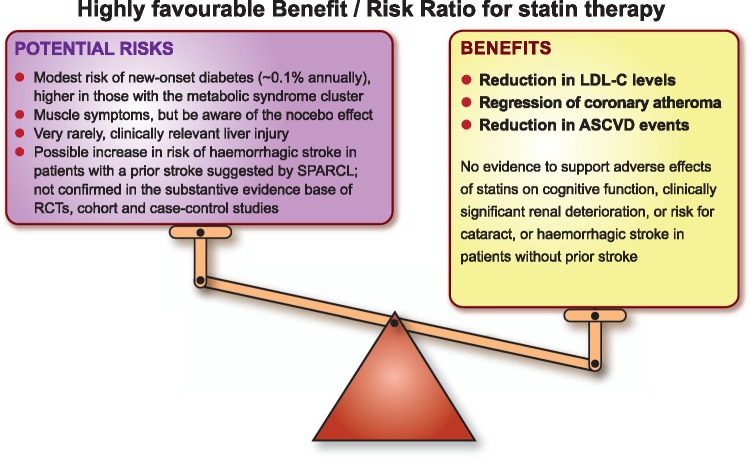
Aims: To objectively appraise evidence for possible adverse effects of long-term statin therapy on glucose homeostasis, cognitive, renal and hepatic function, and risk for haemorrhagic stroke or cataract. Methods and results: A literature search covering 2000-2017 was performed. The Panel critically appraised the data and agreed by consensus on the categorization of reported adverse effects. Randomized controlled trials (RCTs) and genetic studies show that statin therapy is associated with a modest increase in the risk of new-onset diabetes mellitus (about one per thousand patient-years), generally defined by laboratory findings (glycated haemoglobin ≥6.5); this risk is significantly higher in the metabolic syndrome or prediabetes. Statin treatment does not adversely affect cognitive function, even at very low levels of low-density lipoprotein cholesterol and is not associated with clinically significant deterioration of renal function, or development of cataract. Transient increases in liver enzymes occur in 0.5-2% of patients taking statins but are not clinically relevant; idiosyncratic liver injury due to statins is very rare and causality difficult to prove. The evidence base does not support an increased risk of haemorrhagic stroke in individuals without cerebrovascular disease; a small increase in risk was suggested by the Stroke Prevention by Aggressive Reduction of Cholesterol Levels study in subjects with prior stroke but has not been confirmed in the substantive evidence base of RCTs, cohort studies and case-control studies. Conclusion: Long-term statin treatment is remarkably safe with a low risk of clinically relevant adverse effects as defined above; statin-associated muscle symptoms were discussed in a previous Consensus Statement. Importantly, the established cardiovascular benefits of statin therapy far outweigh the risk of adverse effects.
Overview
The claims and statistics of this paper haven’t been checked yet.
Free: it reads the open-access text and checks the first 5 claims that cite a source we can check. Create a free account to check every claim.
Integrity signals
Registry
Cites
Statistics
Figures
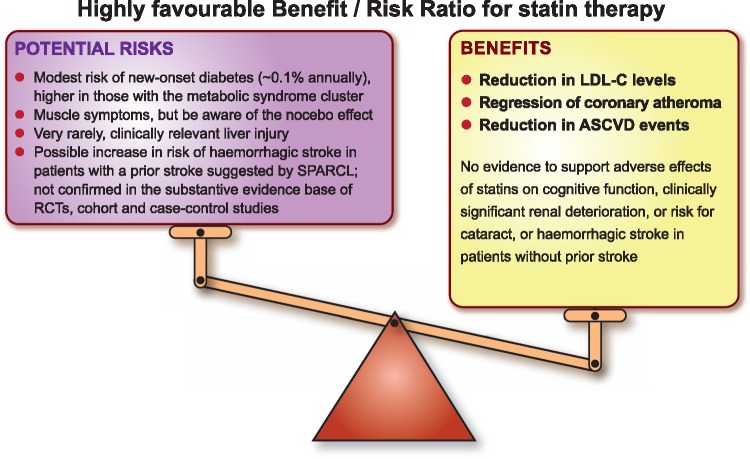
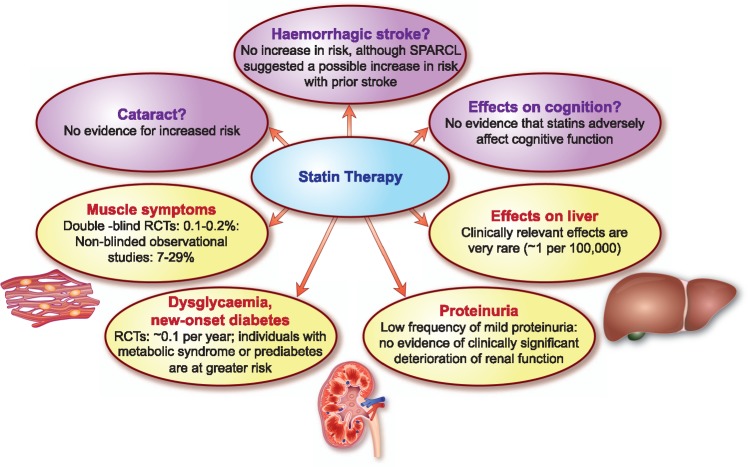
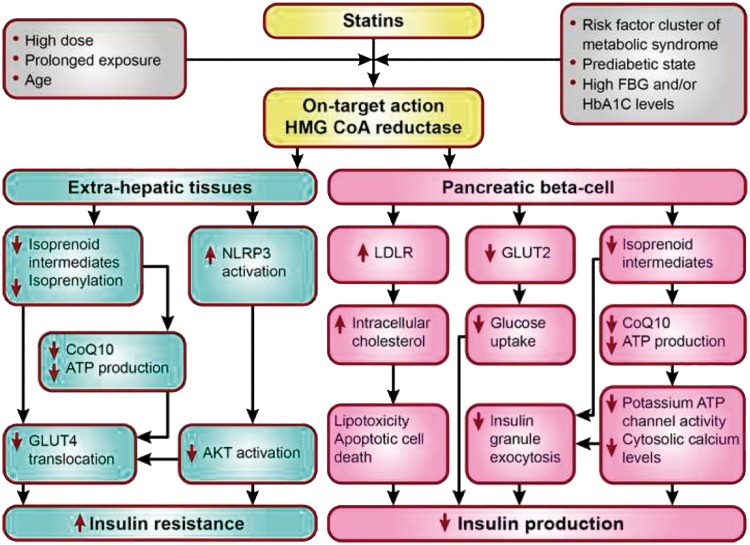
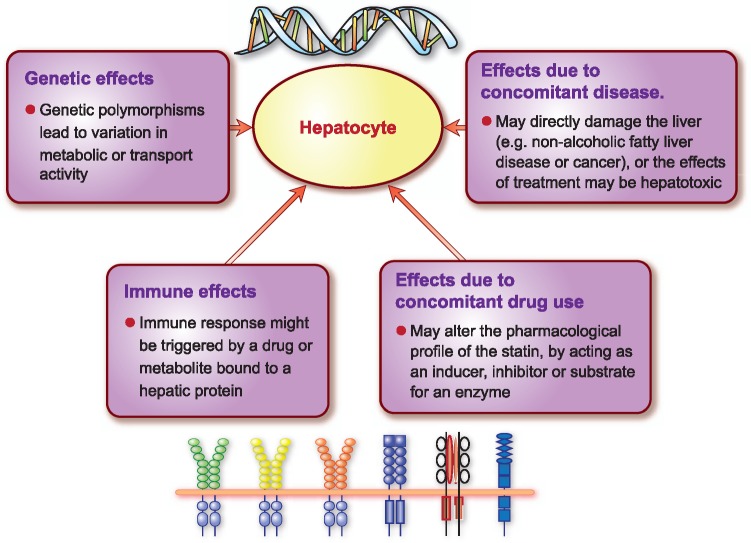
Verification
Claims the paper makes
The claims and statistics of this paper haven’t been checked yet.
Free: it reads the open-access text and checks the first 5 claims that cite a source we can check. Create a free account to check every claim.
Claims other papers make about this one
Each is checked against this paper’s own text: does it say what the citing paper says it does?
The source backs part of the claim, not all of it — or backs it for a different population, condition or comparison.
In the citing paper
“Evidence for an increased risk of haemorrhagic stroke remains inconclusive [38, 54, 55].”
From Established and Emerging Lipid-Lowering Drugs for Primary and Secondary Cardiovascular Prevention (2023) · cites this paper as [54]
Experimental — accuracy not yet measuredThe cited source says what the claim attributes to it.
In the citing paper
“an elevation of liver enzymes, hyperglycaemia [53], new onset of diabetes mellitus type 2 [54] and proteinuria.”
From Established and Emerging Lipid-Lowering Drugs for Primary and Secondary Cardiovascular Prevention (2023) · cites this paper as [54]
The cited source says what the claim attributes to it.
In the citing paper
“Although concerns regarding a potential adverse impact of lipid-lowering agents on cognitive function have been raised, several lines of evidence argue against this association, as detailed in a 2018 European Atherosclerosis Society Consensus Panel statement (165).”
From 10. Cardiovascular Disease and Risk Management: Standards of Care in Diabetes—2025 (2025) · cites this paper as [165]
The cited source says what the claim attributes to it.
In the citing paper
“Although concerns regarding a potential adverse impact of lipid-lowering agents on cognitive function have been raised, several lines of evidence argue against this association, as detailed in a 2018 European Atherosclerosis Society Consensus Panel statement (159).”
From 10. Cardiovascular Disease and Risk Management: Standards of Care in Diabetes—2026 (2026) · cites this paper as [159]
Self-check
Percentages, sums and reported differences re-computed from the paper’s own numbers.
The self-check needs the paper’s full text.
Citations
Cites
Reduction in the incidence of type 2 diabetes with lifestyle intervention or metformin
(2002) · New England Journal of Medicine · doi:10.1056/nejmoa012512 · Cited by 19,011
Ahmed, A., Jorna, T., & Bhandari, S. (2016) · Nephron · doi:10.1159/000447068 · Cited by 11,717
European Guidelines on cardiovascular disease prevention in clinical practice (version 2012)
Authors/Task Force Members:, Perk, J., De Backer, G., Gohlke, H., Graham, I., Reiner, Ž., Verschuren, M., Albus, C., Benlian, P., Boysen, G., et al. (2012) · European Heart Journal · doi:10.1093/eurheartj/ehs092 · Cited by 8,490
Self-citationGenetics of Food Intake Self-Regulation in Childhood: Literature Review and Research Opportunities
Faith, M. S., Carnell, S., & Kral, T. V. E. (2013) · Human Heredity · doi:10.1159/000353879 · Cited by 7,601
Cholesterol Treatment Trialists' (CTT) Collaboration (2010) · The Lancet · doi:10.1016/s0140-6736(10)61350-5 · Cited by 6,550
2016 European Guidelines on cardiovascular disease prevention in clinical practice
Piepoli, M. F., Hoes, A. W., Agewall, S., Albus, C., Brotons, C., Catapano, A. L., Cooney, M.-T., Corrà, U., Cosyns, B., Deaton, C., et al. (2016) · European Heart Journal · doi:10.1093/eurheartj/ehw106 · Cited by 6,457
Self-citationFerence, B. A., Ginsberg, H. N., Graham, I., Ray, K. K., Packard, C. J., Bruckert, E., Hegele, R. A., Krauss, R. M., Raal, F. J., Schunkert, H., et al. (2017) · European Heart Journal · doi:10.1093/eurheartj/ehx144 · Cited by 3,962
Self-citationColhoun, H. M., Betteridge, D. J., Durrington, P. N., Hitman, G. A., W Neil, H. A., Livingstone, S. J., Thomason, M. J., Mackness, M. I., Charlton-Menys, V., & Fuller, J. H. (2004) · The Lancet · doi:10.1016/s0140-6736(04)16895-5 · Cited by 3,755 · cited 1×
“These data are consistent with findings among patients with DM treated with statins who derive a similar relative risk (RR) reduction per unit reduction in LDL-C but a greater absolute benefit.(4,26) Determining whether the effect of statins on DM risk is an ontarget (i.”
Result2016 ESC/EAS Guidelines for the Management of Dyslipidaemias
Catapano, A. L., Graham, I., De Backer, G., Wiklund, O., Chapman, M. J., Drexel, H., Hoes, A. W., Jennings, C. S., Landmesser, U., Pedersen, T. R., et al. (2016) · European Heart Journal · doi:10.1093/eurheartj/ehw272 · Cited by 3,162
Self-citation
Cited by
Items 301–400 of 417
Ramya, M., Ramaiah, B., & Priya, G. K. (2023) · International Journal of Basic & Clinical Pharmacology · doi:10.18203/2319-2003.ijbcp20233902 · Cited by 1
Modern principles of cardiovascular disease prevention
Bershtein, L. L. (2021) · HERALD of North-Western State Medical University named after I I Mechnikov · doi:10.17816/mechnikov75696 · Cited by 1
Suganya, M., Nanthini, A. U. R., Rajasekar, A., Nandini, M. S., Lavanya, G., Almutairi, B. O., Arunkumar, P., & Narenkumar, J. (2023) · Biomass Conversion and Biorefinery · doi:10.1007/s13399-023-04368-6 · Cited by 1
“Statin [3-hydroxy-3-methylglutaryl coenzyme A reductase (HMG-CoA) inhibitors] is the most commonly recommended treat-ment for hyperlipidemia [7].”
Statin treatment in routine clinical practice: Insights from the STATRIP physician survey
Anyfanti, P., Antza, C., Poulis, D., Konstantaros, K., Savvoulidou, M., Styliadis, G., & Kotsis, V. (2026) · Atherosclerosis Plus · doi:10.1016/j.athplu.2026.01.003 · Cited by 1
“Furthermore, statins are associated with transient increases in liver enzymes in only 0.5 – 2 % of patients treated with statins, but are not clinically relevant; idiosyncratic liver injury attributed to statin use is very rare, and causality is difficult to prove [11].”
InfluentialHirpara, A., Tishad, A., Warren, J., Smith, K. L., Levin, P., Stirpe, C., Cheng, C. W., Furey, C. G., & Rajan, P. V. (2025) · Spine · doi:10.1097/brs.0000000000005570 · Cited by 1
HMG-CoA Reductase Inhibition Activity of Sea Pandan Leaves (P. tectorius)
Astari, J. I. R., Anam, K., Aminin, A. L. N., & Rahma, F. F. (2024) · Tropical Journal of Natural Product Research · doi:10.26538/tjnpr/v8i4.31 · Cited by 1
Abid, S. U. A., Monower, M. M., Abrar, A. K., Riva, J. A., Bhuiyan, M. R., Mamun, M. A. A., & Choudhury, S. R. (2025) · Global Heart · doi:10.5334/gh.1412 · Cited by 1
“The most common side effects that have been reliably demonstrated are myopathy (occurring in less than 1% of participants) and a modest risk of new-onset diabetes mellitus (approximately one case per thousand patients) (4, 27).”
(2024) · Progress Publishers eBooks · doi:10.51582/interconf.2024.204 · Cited by 1
Dyslipidaemia in type 2 diabetes: cardiovascular risk assessment and management
Watts, G. F., Bell, D. A., Burns, K. A., & Lan, N. S. R. (2020) · UWA Profiles and Research Repository (UWA) · Cited by 1
Romashchenko, O. V., Хохлов, А. Л., Alferov, P. K., Yakunchenko, T. I., Pyatakovich, F. A., & Mevsha, O. V. (2024) · Актуальные проблемы медицины · doi:10.52575/2687-0940-2024-47-4-449-464 · Cited by 1
Liu, Y., Liu, H., Li, L., Aa, G., Huang, C., Fang, Y., Li, D., Yu, X., Richards, M., Tan, H. C., et al. (2025) · Cardiology Plus · doi:10.1097/cp9.0000000000000133 · Cited by 1
Lipid Lowering and Incidence of Cataract, a Role for Fibrates
Casula, M., Pirillo, A., & Catapano, A. L. (2018) · Clinical Pharmacology & Therapeutics · doi:10.1002/cpt.1269 · Cited by 1
Self-citationMarco-Benedí, V., Laclaustra, M., Sánchez-Hernández, R. M., Ortega, E., Pedro‐Botet, J., Puzo, J., & Civeira, F. (2021) · Journal of Clinical Medicine · doi:10.3390/jcm10163494 · Cited by 1
“Thus, elderly HeFH subjects, having undergone decades of potent lipid-lowering therapy, may be an attractive population model to explore unexpected side effects [10,11].”
BackgroundCardiovascular Disease and Risk Management
(2025) · American Diabetes Association eBooks · doi:10.2337/9781580408462-ch17
CARDIOLOGIA EM FOCO: PREVENÇÃO, DIAGNÓSTICO E TRATAMENTOS ATUAIS
Almeida, A. B., & Horevicht, C. M. (2023) · EPITAYA eBooks · doi:10.47879/ed.ep.2023809
Sajid, E. U., Azeem, M. H., Fatima, A., Jafri, S. M., Hassan, D., Ibrahim, T., Manjee, K. Z., Ahmed, S. R., Ali, T., Shakeel, R., et al. (2026) · Clinical Cardiology · doi:10.1002/clc.70369
Ertürk, E., Ocak, K., Uyan, U., Çoner, A., Kocabaş, U., Kış, M., Başkurt, A. A., Oray, D., Sayın, B. Y., Mammadov, G., et al. (2023) · Akademisyen Kitabevi eBooks · doi:10.37609/akya.2688
New insights into the treatment of hyperlipidemia: An expert review
Tomlinson, B. (2026) · 童綜合醫學雜誌 · doi:10.4103/etmj.etmj-d-25-00051
Bouillet, B., Boulestreau, R., Aboyans, V., Béliard, S., Boccara, F., Cariou, B., Charrière, S., Moulin, P., Vergès, B. L., Valéro, R., et al. (2025) · Annales d Endocrinologie · doi:10.1016/j.ando.2025.102471
Statins in the practice of an internal medicine specialist: A review
Susekov, A. V. (2024) · Consilium Medicum · doi:10.26442/20751753.2024.10.202995
Demystifying the nuances of the lipid patient: a guide for primary care providers
Myerson, M. L., Gillett, K., O’Hara, J., Potter, R., & SKOLNIK, N. (2025) · American Journal of Preventive Cardiology · doi:10.1016/j.ajpc.2025.101070
“Evidence shows that statins are associated with a modest (approximately 1 case per 1000 patients treated) dose-related increase in diabetes risk, particularly in individuals with metabolic syndrome or prediabetes who are at high risk of developing diabetes without statin therapy [4,5,13,68].”
Sumathy, T., Maheshkumar, V. P., & Jaikumar, S. (2024) · Journal Of Advanced Zoology · doi:10.53555/jaz.v45i3.3749
Medikamentöse Therapie von Fettstoffwechselstörungen bei Patienten mit Typ-2-Diabetes
Müller‐Wieland, D., & Parhofer, K. G. (2018) · Diabetologie und Stoffwechsel · doi:10.1055/s-0043-124740
“Es gibt keinen Anhalt für eine erhöhte Rate an neurokognitiven Störungen, Katarakten oder zerebralen Blutungen [31].”
BackgroundMedikamentöse Therapie von Fettstoffwechselstörungen bei Patienten mit Typ-2-Diabetes
Müller‐Wieland, D., & Parhofer, K. G. (2019) · Gefäßmedizin Scan - Zeitschrift für Angiologie Gefäßchirurgie diagnostische und interventionelle Radiologie · doi:10.1055/a-0858-3922
“Es gibt keinen Anhalt für eine erhöhte Rate an neurokognitiven Störungen, Katarakten oder zerebralen Blutungen [31].”
BackgroundLipidológiai megfontolások 2-es típusú diabetesben
Bajnok, L. (2018) · Diabetologia Hungarica · doi:10.24121/dh.2018.15
“gyakoribbak lennének a hasi, idegrendszeri, így pszichés és neuropathiás panaszok, a szexuális zavarok, rosszindulatú betegségek.(15,19) Nem beszélhetünk sztatin-hepatopathiáról sem, mert bár a sztatin okozta májenzimemelkedés gyakorisága – dózistól és szertől függően – 0,2–2,1% közötti (rozuvasztatin mellett ritkább,…”
InfluentialLucchi, T. A. (2022) · Wiley eBooks · doi:10.1002/9781119484288.ch31
Hypertension and Dyslipidemia in Pediatric Obesity
Tran, A. H., & Urbina, E. M. (2023) · Springer eBooks · doi:10.1007/978-3-031-37380-0_12
Genetic Forms of Dyslipidaemia
Romeo, S., Angelin, B., & Parini, P. (2022) · doi:10.1093/med/9780198870197.003.0231
Target the Heart: A New Axis of Alzheimer’s Disease Prevention
Heller, L. I., Lowe, A. S., Hernández, T. D. R., Gore, S. V., Chatterjee, M., & Créton, R. (2025) · Journal of dementia and Alzheimer's disease · doi:10.3390/jdad2020010
“Long-term studies have confirmed that simvastatin treatment is highly effective at improving survival in CVD patients while being “remarkably safe”, leading to few adverse events [53,54].”
Medikamentöse Therapie der Fettstoffwechselstörungen im Kindesalter
Schwab, K. O., & Doerfer, J. (2022) · Springer eBooks · doi:10.1007/978-3-662-63320-5_5
2019 Leitlinie Dyslipidämie kompakt: Was ist neu?
Weingärtner, O., Landmesser, U., Laufs, U., & März, W. (2020) · Der Klinikarzt · doi:10.1055/a-1237-3557
Self-citationWang, J. (2019) · University of Minnesota Digital Conservancy (University of Minnesota)
Fischer, L. T., Hochfellner, D. A., Knoll, L., Pöttler, T., Mader, J. K., & Aberer, F. (2021) · Figshare · doi:10.6084/m9.figshare.14479997
Additional file 2 of Effect of alirocumab on cataracts in patients with acute coronary syndromes
Suc, G., Schwartz, G. G., Goodman, S. G., Jukema, J. W., Manvelian, G. Z., Poulouin, Y., Pordy, R. C., Scemama, M., Szarek, M. J., & Steg, P. G. (2023) · Figshare · doi:10.6084/m9.figshare.23536155
Additional file 1 of Effect of alirocumab on cataracts in patients with acute coronary syndromes
Suc, G., Schwartz, G. G., Goodman, S. G., Jukema, J. W., Manvelian, G. Z., Poulouin, Y., Pordy, R. C., Scemama, M., Szarek, M. J., & Steg, P. G. (2023) · Figshare · doi:10.6084/m9.figshare.23536152
Bansal, M., -, P. K., Kasliwal, R. R., Chandra, P., Kapoor, R., Chouhan, N., Bhan, A., & Trehan, N. K. (2026) · Journal of the Association of Physicians of India · doi:10.59556/japi.74.1344
Pharmacogenomic analysis in patients with familial hypercholesterolemia
Dagli-Hernandez, C. (2022) · Digital Library of Theses and Dissertations (Universidade de São Paulo) · doi:10.11606/t.9.2022.tde-20052022-121840
Beware of early drug intolerance in secondary prevention of cardiovascular disease
Santos, R. D. (2018) · European Heart Journal - Cardiovascular Pharmacotherapy · doi:10.1093/ehjcvp/pvy023
Self-citationHow to prevent cardiovascular events from recurring
Lechner, K., & von Schacky, C. (2020) · European Journal of Preventive Cardiology · doi:10.1177/2047487320909943
Hong, S., Kim, W. J., Kim, S., Park, J. H., Kang, E. S., Moon, M. K., Kim, J. T., Mok, J., Lee, K., Park, C., et al. (2025) · Diabetes Obesity and Metabolism · doi:10.1111/dom.70258
Have we reached the bottom of the bottomless pit- lessons from the recent lipid-lowering trials?
Bansal, M., & Agarwala, R. (2018) · Indian Heart Journal · doi:10.1016/j.ihj.2018.06.010
“It should be noted that such low levels of LDL-C have been shown to be safe.(24) The risk of adverse effects is small and is outweighed by the several-fold greater magnitude of benefits.”
BackgroundHinck, A., & Sechtem, U. P. (2018) · Der Klinikarzt · doi:10.1055/a-0792-1177
In Stufen zu möglichst niedrigem LDL-Cholesterin bei Diabetes
Stirban, O. A. (2019) · Info Diabetologie · doi:10.1007/s15034-019-1461-2
Dyslipidämien: Aktuelles Lipid-Management
Müller‐Wieland, D., Lehrke, M., Lebherz, C., Schütt, K. S., & Marx, N. (2020) · Deutsches Ärzteblatt · doi:10.3238/persdia.2020.05.15.02
Low LDL-C: Is It all Good News?
Hartz, J. C. (2024) · Current Atherosclerosis Reports · doi:10.1007/s11883-024-01238-y
“…analysis of alirocumab trials found the risk increased in those with LDL cholesterol levels less than 25 mg/dL. 37 However, a majority of evidence suggests no association between either pharmacologic lowering of LDL cholesterol or very low levels of LDL cholesterol with cata-racts [52, 65, 66].”
Köhrmann, M., Kraft, P., Reiff, T., & Ringleb, P. A. (2020) · Elsevier eBooks · doi:10.1016/b978-3-437-23431-6.00012-6
Цукровий діабет, дисліпопротеїнемії та статини
Serhiyenko, V. A., & Serhiyenko, A. A. (2022) · Endokrynologia · doi:10.31793/1680-1466.2022.27-1.29
Additional file 1 of A phenome-wide association study of genetically mimicked statins
Li, S., & Schooling, C. M. (2021) · Figshare · doi:10.6084/m9.figshare.14880632
Additional file 2 of A phenome-wide association study of genetically mimicked statins
Li, S., & Schooling, C. M. (2021) · Figshare · doi:10.6084/m9.figshare.14880635
Navigating the highlights of EAS Congress Lisbon
Stock, J. K. (2018) · Atherosclerosis · doi:10.1016/j.atherosclerosis.2018.06.003
Self-citationPetrik, N. I., Syrmilo, N. N., & Kovalyova, A. A. (2020) · Ukrainian Therapeutical Journal · doi:10.30978/utj2020-4-31
Statins and neuroprotective effects
Štětkářová, I., & Dvořák, A. (2021) · Praktické lékárenství · doi:10.36290/lek.2021.026
Statins and neuroprotective effects
Štětkářová, I., & Dvořák, A. (2021) · Neurologie pro praxi · doi:10.36290/neu.2020.067
Tomlinson, B., Chan, P., Liu, Z., & Lam, C. W. K. (2020) · Cardiovascular Drugs and Therapy · doi:10.1007/s10557-020-06951-9
Hong, S.-J., Lee, Y.-J., Kang, W. C., Hong, B.-K., Lee, J.-Y., Lee, J.-B., Yang, T.-H., Yoon, J., Lee, S.-J., Ahn, C.-M., et al. (2024) · Figshare · doi:10.6084/m9.figshare.26517826
Statins and its Effects on Lipids and Glycemic Status: A Quasi-Experimental Study
Khan, S. H., Shahid, R., Hafeez, A., Gillani, M., Qureshi, Z. A., & Hafeez, J. (2024) · Pakistan Armed Forces Medical Journal · doi:10.51253/pafmj.v74i2.8091
On secondary prevention after acute coronary syndrome : -what, when, and who
Huber, D. (2019) · DiVA at Umeå University (Umeå University)
Frequency of Myopathy in Cases of Diabetes Mellitus Using Atorvastatin
Qaisar, W., Khan, I., Imran, M., Khan, F. A., Rauf, H. A., & Shafi, N. (2024) · Journal of Pakistan Society of Internal Medicine. · doi:10.70302/jpsim.v5i1.2426
Pharmacoepidemiology in Cardiorenal Medicine
Tecson, K. M., & Shafiei, S. S. (2020) · Springer eBooks · doi:10.1007/978-3-030-57460-4_24
Assessment of Statin-induced Adverse Effects in Hospitalized Patients: A Clinical Evaluation
Muthal, A., Mahadik, A., Sukre, P., Raut, A., & Kalra, R. (2024) · Journal of Datta Meghe Institute of Medical Sciences University · doi:10.4103/jdmimsu.jdmimsu_568_24
Bruckert, É. (2019) · Médecine des Maladies Métaboliques · doi:10.1016/s1957-2557(19)30205-6
Yanishevskiy, S. N., Skiba, Y. B., Puchek, V. D., & Buchin, I. M. (2019) · Bulletin of the Russian Military Medical Academy · doi:10.32863/1682-7392-2019-3-67-180-182
Talkhan, A., Elezz, A. M. A., Borham, N. E., Abbas, A. N., Saeed, H. T., Taman, L., Shehata, M., Elsharkawy, M. M., Elkasaby, M. H., Frishman, W. H., et al. (2026) · Cardiology in Review · doi:10.1097/crd.0000000000001529
Emotional intelligence as a factor in the effectiveness of psychotherapy for sexual dysfunctions
Spytska, L. (2026) · Archives of Psychiatry and Psychotherapy · doi:10.12740/app/219978
Adetoboye, O. O. (2021) · Food Science & Nutrition Technology · doi:10.23880/fsnt-16000250
Пырочкин, А. В. (2026) · Кардиология в Беларуси · doi:10.34883/pi.2026.18.4.011
Rong, G., Yu, J., Jing, C., Liu, L., Zhong, B., & Li, R. (2026) · Cardiovascular Drugs and Therapy · doi:10.1007/s10557-026-07925-z
Treating lipids in secondary prevention in a developing country: Lies, damn lies and the internet
Wierzbicki, A. S. (2019) · International Journal of Clinical Practice · doi:10.1111/ijcp.13381
Les statines : entre preuves scientifiques et perceptions des patients et des soignants
Kubiak, T., & Goudot, G. (2024) · Archives des Maladies du Coeur et des Vaisseaux - Pratique · doi:10.1016/j.amcp.2024.01.006
Білай, І. М., Романенко, Н. И., & Иванченко, Д. Г. (2021) · Zaporozhye Medical Journal · doi:10.14739/2310-1210.2021.3.207465
Structural and functional implications of ABCC1 variants on clinical statin response
Tropéia, N. C., Freire, P. P., Pereira, E. W. D. A., Sampaio, M. F., Borges, J. B., Bastos, G. M., Thurow, H. S., de Castro, L. R., Nakazone, M. A., Carmo, T. S., et al. (2025) · Journal of Biomolecular Structure and Dynamics · doi:10.1080/07391102.2025.2475225
“…statin consequently exposing peripheric tissue and promoting toxicities, especially skeletal muscle symptoms very common in statin therapeutic regimens that generate myalgia, myopathy, myositis and, in worst cases, rhabdomyolysis (Mach et al., 2018; Turgeon et al., 2016; Ward et al., 2019).”
Estatinas, drogas de amplio espectro de acción y beneficios
Arocha-Rodulfo, I. (2019) · Revista Hospital Clínico Universidad de Chile · doi:10.5354/2735-7996.2019.70039
Cost-Effectiveness of Lipid-Lowering Therapies for Cardiovascular Prevention
Michaeli, D. T. (2024) · heiDOK (Heidelberg University) · doi:10.11588/heidok.00035637
New clarity for managing statin intolerance in diabetes
Hegele, R. A. (2023) · The Lancet Diabetes & Endocrinology · doi:10.1016/s2213-8587(23)00352-2
Self-citationDyslipidemia, obesity and coronavirus disease 2019 (Covid-19)
(2023) · Frontiers research topics · doi:10.3389/978-2-8325-2649-1
Prieto, J. M. M., Sala, X. P., García, P. A., Marín, L. M., Real, J. T., Felices, P. V., Velilla, T. A., Trinidad, R. B., Calmarza, P., Cebollada, J., et al. (2024) · Rovira & Virgili repository
da Palma, P. M. M. N. (2020) · Portuguese National Funding Agency for Science, Research and Technology (RCAAP Project by FCT) · doi:10.34626/zzh0-8m10 · Cited by 1
Schade, D. S., & Eaton, R. P. (2018) · UNM’s Digital Repository (University of New Mexico)
Sumathy, T., P, M. V., & Jaikumar, S. (2024) · doi:10.53555//jaz.v45i3.3749
Impact of Statin Medication Use on Glycemic Control and Complications in Type 1 Diabetes
Bailey, R. (2026) · Digital Commons - University of South Florida (University of South Florida)
Chen, B., Chen, F., Sun, L.-T., Zhou, X.-L., & Guo, K.-B. (2026) · World Journal of Gastrointestinal Oncology · doi:10.4251/wjgo.120407
Lyons Sánchez, D. J. (2024) · Buleria (Universidad de León)
САХАРНЫЙ ДИАБЕТ, АССОЦИИРОВАННЫЙ С ТЕРАПИЕЙ СТАТИНАМИ: СТАТУС ПРОБЛЕМЫ 2018 ГОД
Ж.Д., К., Lazarev, P. V., & С.В., В. (n.d.) · CyberLeninK (CyberLeninka)
Lipid-lowering effect of Riparin I in a poloxamer 407-induced dyslipidemia model in C57BL/6 mice
Carvalho, K. F. D. A. (2025) · LA Referencia (Red Federada de Repositorios Institucionales de Publicaciones Científicas)
Magavern, E. F. (2024) · Queen Mary Research Online (Queen Mary University of London)
Familial hypercholesterolemia: enhancing actionability through the recall-by-genotype experience
Nurm, M. (2022) · DSpace repository (University of Tartu)
Aqilah, A. A., Agustin, R. D., Latuconsina, V. Z., Taihuttu, Y. M., Hutagalung, I., & Mus, R. (2026) · Mutiara Medika: Jurnal Kedokteran dan Kesehatan · doi:10.18196/mmjkk.v26i1.24953
Vorsicht bei Typ-2-Diabetes und Statinen?
(2022) · DMW - Deutsche Medizinische Wochenschrift · doi:10.1055/a-1739-6748
Mitochondria Regulate PD-L1 Expression in Lung Cancer: Mechanistic Insights
Wang, J., Li, W., Dong, Y., Mo, L., & You, Y. (2026) · Oncology Research Featuring Preclinical and Clinical Cancer Therapeutics · doi:10.32604/or.2026.088167
Besekar, S., Jogdand, S., & Patel, S. S. (2025) · Indian Journal of Pharmacology · doi:10.4103/ijp.ijp_770_24
“[22] This misalignment highlights the need for improved education and system‑level interventions to ensure effective guideline implementation, bridging the gap between guidelines and clinical practice to improve patient outcomes and reduce cardiovascular risk.”
Implicaciones clínicas del efecto nocebo
Müller, G., & María, A. (2018) · RIULL (Universidad de La Laguna)
Fernandes‐Braga, W. (2019) · LA Referencia (Red Federada de Repositorios Institucionales de Publicaciones Científicas)
Rodriguez Roca, J. S. (2024) · RODIN (Universidad de Cádiz)
Siostrzonek, P., Brath, H., Globits, S., Speidl, W. S., & Weber, T. (2020) · Journal für Kardiologie (Krause & Pachernegg GmbH)
Statiinit ja maksa - onko huolta?
Strandberg, T. (2025) · Helda - University of Helsinki Institutional Repository
Statin Controversies Continued: Response to the Letter from Azemawah et al.
Tomlinson, B., Chan, P., & Lam, C. W. K. (2020) · Cardiovascular Drugs and Therapy · doi:10.1007/s10557-020-07049-y
Wen, Z., Li, X., Wang, Y., Zhang, Y., Xie, J., Lyu, H., Li, C. J., Wei, J. H., Lei, G., & Zeng, C. (2026) · Bone and Joint Research · doi:10.1302/2046-3758.153.bjr-2025-0239.r1
“21,22 However, in a randomized controlled trial (RCT), the intensive therapy group (targets: LDL-C < 2.0 mmol/L, haemoglobin A1c < 6.2%, blood pressure < 120/75 mm Hg) exhibited a higher, albeit non-statistically significant, fracture risk compared with the conventional therapy group (targets:…”
InfluentialTreatment Advances in Heterozygous Familial Hypercholesterolemia
Meilin Xiang, S. Q. (2025) · International Journal of Frontiers in Medicine · doi:10.25236/ijfm.2025.070113
Recommendations Regarding Statin Therapy in Adults Over 70 Years: Review of Recent Literature
León, J. L., Avella, N., Castellanos, A., Chacón., S., Mendoza-Monsalve, A., Hurtado‐Ortiz, A., Licht-Ardila, M., & Durán, A. (2026) · Revista Salud Bosque · doi:10.18270/rsb.5109
Metadata
- Authors
- Mach, F., Ray, K. K., Wiklund, O., Corsini, A., Catapano, A. L., Bruckert, E., De Backer, G., Hegele, R. A., Hovingh, G. K., Jacobson, T. A., Krauss, R. M., Laufs, U., Leiter, L. A., März, W., Nordestgaard, B. G., Raal, F. J., Roden, M., Santos, R. D., Stein, E. A., Stroes, E. S., Thompson, P. D., Tokgözoğlu, L., Vladutiu, G. D., Gencer, B., Stock, J. K., Ginsberg, H. N., Chapman, M. J., & European Atherosclerosis Society Consensus Panel
- Affiliations
- University Hospital of Geneva (CH)
- Imperial College London (GB)
- Sahlgrenska University Hospital (SE)
- University of Milan (IT)
- National Institute for Health and Medical Research (INSERM) UMRS1166, Department of Endocrinology-Metabolism, ICAN—Institute of CardioMetabolism and Nutrition, AP-HP, Hôpital de la Pitié, Paris, France
- Department of Public Health, University Hospital Ghent, Ghent, Belgium
- Western University (CA)
- Amsterdam UMC Location University of Amsterdam (NL)
- Emory University (US)
- Department of Atherosclerosis Research, Children's Hospital Oakland Research Institute, Oakland, CA, USA
- Leipzig University (DE)
- St. Michael's Hospital (CA)
- University of Graz (AT)
- University of Copenhagen (DK)
- University of the Witwatersrand (ZA)
- Deutsches Diabetes-Zentrum e.V. (DE)
- Universidade de São Paulo (BR)
- Metabolic and Atherosclerosis Research Center, Cincinnati, OH, USA
- Hartford Hospital (US)
- Hacettepe University (TR)
- University at Buffalo, State University of New York (US)
- Division of Cardiology, Department of Medical Specialties, Foundation for Medical Researches, Geneva University Hospital, Rue Gabrielle-Perret-Gentil 4 1205 Geneva, Switzerland
- European Atherosclerosis Society (SE)
- Columbia University (US)
- Inserm (FR)
- Corresponding author
- Mach, François
- ORCID
- Mach, François
- Ray, Kausik K
- Wiklund, Olov
- Corsini, Alberto
- Catapano, Alberico L
- Hegele, Robert A
- Hovingh, G Kees
- Jacobson, Terry A
- Krauss, Ronald M
- Laufs, Ulrich
- Leiter, Lawrence A
- März, Winfried
- Nordestgaard, Børge G
- Raal, Frederick J
- Roden, Michael
- Santos, Raul D
- Stroes, Erik S
- Thompson, Paul D
- Tokgözoğlu, Lale
- Ginsberg, Henry N
- Chapman, M John
- Venue
- European Heart Journal
- Publisher
- Oxford University Press (OUP)
- Published
- 2018-04-27
- Volume
- 39
- Issue
- 27
- Pages
- 2526-2539
- ISSN
- 0195-668X (ISSN-L)
- 1522-9645
- PMC
- PMC6047411
- OpenAlex
- W2801534920
- Semantic Scholar
- 8ac6b81429dbb12d7fb652293904d44437af6936
- Cited by
- 370
- References
- 143
- Citations by year
- 2026: 23 · 2025: 27 · 2024: 49 · 2023: 40 · 2022: 57 · 2021: 43 · 2020: 50 · 2019: 57 · 2018: 23
- FWCI
- 45.21
- Type
- journal article
- Language
- en
- Open access
- hybrid
- doi.org
- Licence
- Locations
- European Heart Journal (publishedVersion, cc-by-nc)
- Europe PMC (PubMed Central) (publishedVersion, cc-by-nc)
- PubMed Central (publishedVersion, cc-by-nc)
- PubMed (publishedVersion)
- Research at the University of Copenhagen (University of Copenhagen) (publishedVersion, cc-by-nc)
- HAL (submittedVersion)
- Archivio Istituzionale della Ricerca (Universita Degli Studi Di Milano) (submittedVersion, other-oa)
- eScholarship (California Digital Library) (submittedVersion)
- eScholarship (California Digital Library) (submittedVersion, cc-by-nc)
- IRIS (submittedVersion)
- Hacettepe University Institutional Repository (hacettepe.edu.tr) (submittedVersion, other-oa)
- Spiral (Imperial College London) (submittedVersion, other-oa)
- Funders
- European Atherosclerosis Society
- Amgen, AstraZeneca, Eli Lilly, Esperion, Merck, Pfizer, and Sanofi-Regeneron
- Topics
- Health Sciences › Medicine › Cardiology and Cardiovascular Medicine › Lipoproteins and Cardiovascular Health
- Life Sciences › Biochemistry, Genetics and Molecular Biology › Cancer Research › Cancer, Lipids, and Metabolism
- Life Sciences › Pharmacology, Toxicology and Pharmaceutics › Toxicology › Pharmacovigilance and Adverse Drug Reactions
- Keywords
- statins, adverse drug reactions, glucose homeostasis, new-onset diabetes, cognitive function, renal function, liver function, hemorrhagic stroke, cataract, statin-induced liver injury, metabolic syndrome, prediabetes, LDL cholesterol, drug safety
- MeSH terms
- Cataract, Cerebral Hemorrhage, Cognition Disorders, Glucose, Homeostasis, Humans, Kidney Diseases, Hydroxymethylglutaryl-CoA Reductase Inhibitors, Stroke, Chemical and Drug Induced Liver Injury
About these checks
Registry, retraction, Cites and statistics results are computed, not judged, with one exception: a printed reference that no index lists is read once by a model before it counts as a citation error. Claims are extracted by a model and kept only when their quote appears verbatim in the text; each cited source is then checked, with a model’s help, for whether it says what the claim relies on. Those verdicts can be wrong — read the claim’s quote and the cited source before relying on one.
Statistics and arithmetic are recomputed, not judged.
Confidence bands are shown only for fields calibrated on our annotated test set. None is calibrated yet, so no band is shown.
What counts as a claim ›How we measure confidence ›How we check this ›
Are you an author, or do you see a problem with this page? Request a review
Data sources
Bibliographic data: Semantic Scholar, OpenAlex, Crossref.
Contains information from the Semantic Scholar Academic Graph Datasets, made available under the ODC Attribution License (ODC-BY 1.0).
Semantic Scholar’s data is described in: Kinney, R., et al. (2023). The Semantic Scholar Open Data Platform. arXiv:2301.10140.
