

Adverse effects of statin therapy: perception vs. the evidence – focus on glucose homeostasis, cognitive, renal and hepatic function, haemorrhagic stroke and cataract
Open accessThe DOI matches its Crossref record; 143 of the 143 references it cites were found in a registry or an index.
Abstract
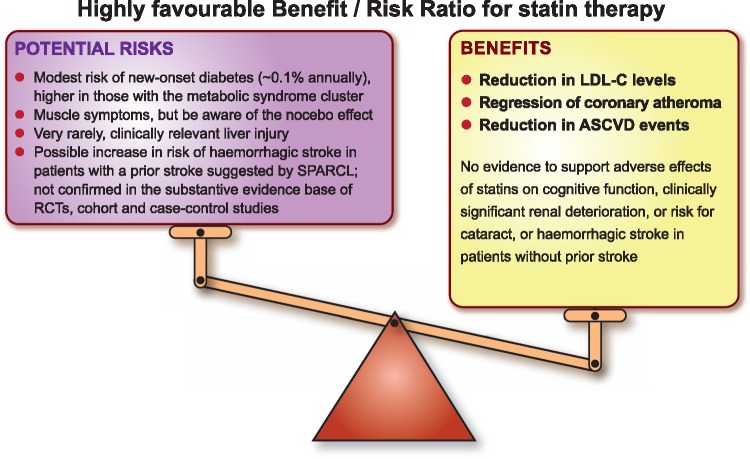
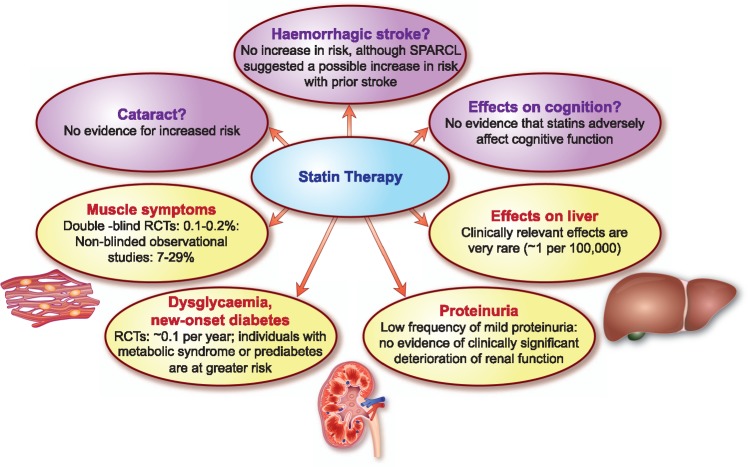
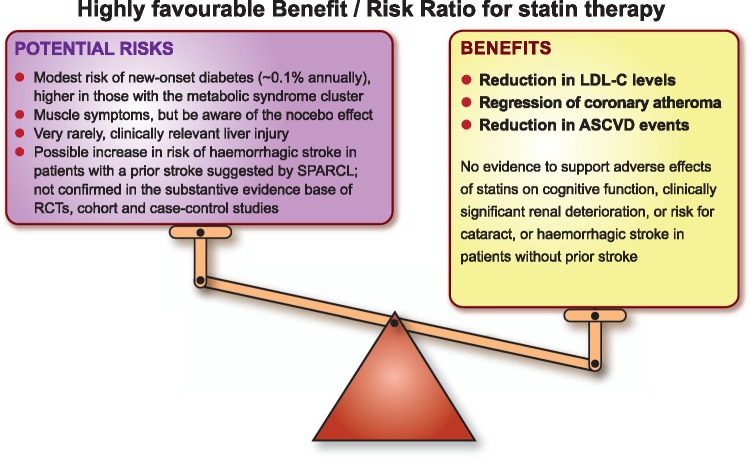
Aims: To objectively appraise evidence for possible adverse effects of long-term statin therapy on glucose homeostasis, cognitive, renal and hepatic function, and risk for haemorrhagic stroke or cataract. Methods and results: A literature search covering 2000-2017 was performed. The Panel critically appraised the data and agreed by consensus on the categorization of reported adverse effects. Randomized controlled trials (RCTs) and genetic studies show that statin therapy is associated with a modest increase in the risk of new-onset diabetes mellitus (about one per thousand patient-years), generally defined by laboratory findings (glycated haemoglobin ≥6.5); this risk is significantly higher in the metabolic syndrome or prediabetes. Statin treatment does not adversely affect cognitive function, even at very low levels of low-density lipoprotein cholesterol and is not associated with clinically significant deterioration of renal function, or development of cataract. Transient increases in liver enzymes occur in 0.5-2% of patients taking statins but are not clinically relevant; idiosyncratic liver injury due to statins is very rare and causality difficult to prove. The evidence base does not support an increased risk of haemorrhagic stroke in individuals without cerebrovascular disease; a small increase in risk was suggested by the Stroke Prevention by Aggressive Reduction of Cholesterol Levels study in subjects with prior stroke but has not been confirmed in the substantive evidence base of RCTs, cohort studies and case-control studies. Conclusion: Long-term statin treatment is remarkably safe with a low risk of clinically relevant adverse effects as defined above; statin-associated muscle symptoms were discussed in a previous Consensus Statement. Importantly, the established cardiovascular benefits of statin therapy far outweigh the risk of adverse effects.
Overview
The claims and statistics of this paper haven’t been checked yet.
Free: it reads the open-access text and checks the first 5 claims that cite a source we can check. Create a free account to check every claim.
Integrity signals
Registry
Cites
Statistics
Figures
Verification
Claims the paper makes
The claims and statistics of this paper haven’t been checked yet.
Free: it reads the open-access text and checks the first 5 claims that cite a source we can check. Create a free account to check every claim.
Claims other papers make about this one
Each is checked against this paper’s own text: does it say what the citing paper says it does?
The source backs part of the claim, not all of it — or backs it for a different population, condition or comparison.
In the citing paper
“Evidence for an increased risk of haemorrhagic stroke remains inconclusive [38, 54, 55].”
From Established and Emerging Lipid-Lowering Drugs for Primary and Secondary Cardiovascular Prevention (2023) · cites this paper as [54]
Experimental — accuracy not yet measuredThe cited source says what the claim attributes to it.
In the citing paper
“an elevation of liver enzymes, hyperglycaemia [53], new onset of diabetes mellitus type 2 [54] and proteinuria.”
From Established and Emerging Lipid-Lowering Drugs for Primary and Secondary Cardiovascular Prevention (2023) · cites this paper as [54]
The cited source says what the claim attributes to it.
In the citing paper
“Although concerns regarding a potential adverse impact of lipid-lowering agents on cognitive function have been raised, several lines of evidence argue against this association, as detailed in a 2018 European Atherosclerosis Society Consensus Panel statement (165).”
From 10. Cardiovascular Disease and Risk Management: Standards of Care in Diabetes—2025 (2025) · cites this paper as [165]
The cited source says what the claim attributes to it.
In the citing paper
“Although concerns regarding a potential adverse impact of lipid-lowering agents on cognitive function have been raised, several lines of evidence argue against this association, as detailed in a 2018 European Atherosclerosis Society Consensus Panel statement (159).”
From 10. Cardiovascular Disease and Risk Management: Standards of Care in Diabetes—2026 (2026) · cites this paper as [159]
Self-check
Percentages, sums and reported differences re-computed from the paper’s own numbers.
The self-check needs the paper’s full text.
Citations
Cites
Reduction in the incidence of type 2 diabetes with lifestyle intervention or metformin
(2002) · New England Journal of Medicine · doi:10.1056/nejmoa012512 · Cited by 19,011
Ahmed, A., Jorna, T., & Bhandari, S. (2016) · Nephron · doi:10.1159/000447068 · Cited by 11,717
European Guidelines on cardiovascular disease prevention in clinical practice (version 2012)
Authors/Task Force Members:, Perk, J., De Backer, G., Gohlke, H., Graham, I., Reiner, Ž., Verschuren, M., Albus, C., Benlian, P., Boysen, G., et al. (2012) · European Heart Journal · doi:10.1093/eurheartj/ehs092 · Cited by 8,490
Self-citationGenetics of Food Intake Self-Regulation in Childhood: Literature Review and Research Opportunities
Faith, M. S., Carnell, S., & Kral, T. V. E. (2013) · Human Heredity · doi:10.1159/000353879 · Cited by 7,601
Cholesterol Treatment Trialists' (CTT) Collaboration (2010) · The Lancet · doi:10.1016/s0140-6736(10)61350-5 · Cited by 6,550
2016 European Guidelines on cardiovascular disease prevention in clinical practice
Piepoli, M. F., Hoes, A. W., Agewall, S., Albus, C., Brotons, C., Catapano, A. L., Cooney, M.-T., Corrà, U., Cosyns, B., Deaton, C., et al. (2016) · European Heart Journal · doi:10.1093/eurheartj/ehw106 · Cited by 6,457
Self-citationFerence, B. A., Ginsberg, H. N., Graham, I., Ray, K. K., Packard, C. J., Bruckert, E., Hegele, R. A., Krauss, R. M., Raal, F. J., Schunkert, H., et al. (2017) · European Heart Journal · doi:10.1093/eurheartj/ehx144 · Cited by 3,962
Self-citationColhoun, H. M., Betteridge, D. J., Durrington, P. N., Hitman, G. A., W Neil, H. A., Livingstone, S. J., Thomason, M. J., Mackness, M. I., Charlton-Menys, V., & Fuller, J. H. (2004) · The Lancet · doi:10.1016/s0140-6736(04)16895-5 · Cited by 3,755 · cited 1×
“These data are consistent with findings among patients with DM treated with statins who derive a similar relative risk (RR) reduction per unit reduction in LDL-C but a greater absolute benefit.(4,26) Determining whether the effect of statins on DM risk is an ontarget (i.”
Result2016 ESC/EAS Guidelines for the Management of Dyslipidaemias
Catapano, A. L., Graham, I., De Backer, G., Wiklund, O., Chapman, M. J., Drexel, H., Hoes, A. W., Jennings, C. S., Landmesser, U., Pedersen, T. R., et al. (2016) · European Heart Journal · doi:10.1093/eurheartj/ehw272 · Cited by 3,162
Self-citationAssociation analyses of 249,796 individuals reveal 18 new loci associated with body mass index
MAGIC, Speliotes, E. K., on behalf of Procardis Consortium, Willer, C. J., Berndt, S. I., Monda, K. L., Thorleifsson, G., Jackson, A. U., Allen, H. L., Lindgren, C. M., et al. (2010) · Nature Genetics · doi:10.1038/ng.686 · Cited by 2,912
High-Dose Atorvastatin after Stroke or Transient Ischemic Attack
The Stroke Prevention by Aggressive Reduction in Cholesterol Levels (SPARCL) Investigators (2006) · New England Journal of Medicine · doi:10.1056/nejmoa061894 · Cited by 2,887
Atorvastatin in patients with type 2 diabetes mellitus undergoing hemodialysis
Wanner, C., Krane, V., März, W., Olschewski, M., Mann, J. F. E., Ruf, G., & Ritz, E. (2005) · New England Journal of Medicine · doi:10.1056/nejmoa043545 · Cited by 2,614
Self-citationBaigent, C., Landray, M. J., Reith, C., Emberson, J., Wheeler, D. C., Tomson, C., Wanner, C., Krane, V., Cass, A., Craig, J., et al. (2011) · The Lancet · doi:10.1016/s0140-6736(11)60739-3 · Cited by 2,479
Statins and risk of incident diabetes: A collaborative meta-analysis of randomised statin trials
Sattar, N., Preiss, D., Murray, H. M., Welsh, P., Buckley, B. M., de Craen, A. J., Seshasai, S. R. K., McMurray, J. J., Freeman, D. J., Jukema, J. W., et al. (2010) · The Lancet · doi:10.1016/s0140-6736(09)61965-6 · Cited by 2,436 · cited 2×
“For example, while single studies were contradictory with respect to the risk of new-onset diabetes mellitus (DM),(7,8) meta-analyses and large data bases provided clear evidence, especially in susceptible individuals with the risk factor cluster of the metabolic syndrome who may already be in a pre-diabetic state.(9)…”
BackgroundResultSelf-citationRosuvastatin and Cardiovascular Events in Patients Undergoing Hemodialysis
Fellström, B. C., Jardine, A. G., Schmieder, R. E., Holdaas, H., Bannister, K., Beutler, J., Chae, D.-W., Chevaile, A., Cobbe, S. M., Grönhagen-Riska, C., et al. (2009) · New England Journal of Medicine · doi:10.1056/nejmoa0810177 · Cited by 2,036
Interpretation of the evidence for the efficacy and safety of statin therapy
Collins, R., Reith, C., Emberson, J., Armitage, J., Baigent, C., Blackwell, L., Blumenthal, R., Danesh, J., Smith, G. D., DeMets, D., et al. (2016) · The Lancet · doi:10.1016/s0140-6736(16)31357-5 · Cited by 1,857 · cited 3×
“These data are consistent with findings among patients with DM treated with statins who derive a similar relative risk (RR) reduction per unit reduction in LDL-C but a greater absolute benefit.(4,26) Determining whether the effect of statins on DM risk is an ontarget (i.”
BackgroundResult2016 ESC/EAS Guidelines for the Management of Dyslipidaemias
Catapano, A. L., Graham, I., De Backer, G., Wiklund, O., Chapman, M. J., Drexel, H., Hoes, A. W., Jennings, C. S., Landmesser, U., Pedersen, T. R., et al. (2016) · Atherosclerosis · doi:10.1016/j.atherosclerosis.2016.08.018 · Cited by 1,582
Self-citationStroes, E. S., Thompson, P. D., Corsini, A., Vladutiu, G. D., Raal, F. J., Ray, K. K., Roden, M., Stein, E., Tokgözoğlu, L., Nordestgaard, B. G., et al. (2015) · European Heart Journal · doi:10.1093/eurheartj/ehv043 · Cited by 1,443
Self-citationPreiss, D. (2011) · JAMA · doi:10.1001/jama.2011.860 · Cited by 1,390 · cited 1×
“5 CVD events for each additional case of diabetes.(18) In this analysis, a ‘case of diabetes’ was defined by serum glycated haemoglobin (HbA1c) >6.”
BackgroundSelf-citationRay, K. K., Seshasai, S. R. K., Wijesuriya, S., Sivakumaran, R., Nethercott, S., Preiss, D., Erqou, S., & Sattar, N. (2009) · The Lancet · doi:10.1016/s0140-6736(09)60697-8 · Cited by 1,383
Self-citationEffects of anacetrapib in patients with atherosclerotic vascular disease
The HPS3/TIMI55–REVEAL Collaborative Group (2017) · New England Journal of Medicine · doi:10.1056/nejmoa1706444 · Cited by 1,047
Cholesterol Lowering in Intermediate-Risk Persons without Cardiovascular Disease
Yusuf, S., Bosch, J., Dagenais, G., Zhu, J., Xavier, D., Liu, L., Pais, P., López-Jaramillo, P., Leiter, L. A., Dans, A., et al. (2016) · New England Journal of Medicine · doi:10.1056/nejmoa1600176 · Cited by 848
Self-citationFreeman, D. J., Norrie, J., Sattar, N., Neely, R. D. G., Cobbe, S. M., Ford, I., Isles, C., Lorimer, A. R., Macfarlane, P. W., McKillop, J. H., et al. (2001) · Circulation · doi:10.1161/01.cir.103.3.357 · Cited by 844
Scott, R. A., Lagou, V., Welch, R. P., Wheeler, E., Montasser, M. E., Luan, J., Mägi, R., Strawbridge, R. J., Rehnberg, E., Gustafsson, S., et al. (2012) · Nature Genetics · doi:10.1038/ng.2385 · Cited by 828
Ridker, P. M., Pradhan, A., MacFadyen, J. G., Libby, P., & Glynn, R. J. (2012) · The Lancet · doi:10.1016/s0140-6736(12)61190-8 · Cited by 816 · cited 1×
“Among such high risk patients who developed new- onset DM, the risk of CVD events was lower on statin therapy supporting the notion that, at least within the time scale of these trials, potential adverse effects of hyperglycaemia do not negate the benefits of LDLC reduction.(8,24) Furthermore, observational data show…”
BackgroundAssociation analyses of 249,796 individuals reveal 18 new loci associated with body mass index
Speliotes, E. K., Willer, C. J., Berndt, S. I., Monda, K. L., Þorleifsson, G., Jackson, A., Allen, H. L., Lindgren, C. M., Luan, J., Mägi, R., et al. (2010) · Carolina Digital Repository (University of North Carolina at Chapel Hill) · doi:10.17615/d3bn-7g86 · Cited by 767
Chalasani, N., Fontana, R. J., Bonkovsky, H. L., Watkins, P. B., Davern, T., Serrano, J., Yang, H., & Rochon, J. (2008) · Gastroenterology · doi:10.1053/j.gastro.2008.09.011 · Cited by 755
Variation in PCSK9 and HMGCR and Risk of Cardiovascular Disease and Diabetes
Ference, B. A., Robinson, J. G., Brook, R. D., Catapano, A. L., Chapman, M. J., Neff, D. R., Voros, S., Giugliano, R. P., Davey Smith, G., Fazio, S., et al. (2016) · New England Journal of Medicine · doi:10.1056/nejmoa1604304 · Cited by 743 · cited 1×
“Long-term follow-up from the METSIM cohort showed that the increased DM risk with statin therapy was attributable to decreases in insulin sensitivity and insulin secretion,(21) although recent reports associated the gut microbiota and the metabolomic profile with these metabolic traits, as well as the effects of stati…”
BackgroundSelf-citationHepatotoxicity. The adverse effects of drugs and other chemicals on the liver
(1980) · Food and Cosmetics Toxicology · doi:10.1016/0015-6264(80)90206-0 · Cited by 691
Sirtori, C. R. (2014) · Pharmacological Research · doi:10.1016/j.phrs.2014.03.002 · Cited by 691 · cited 2×
“It remains to be seen if the pharmacology of different statins (Table 1) is relevant to the issue of statin side effects.(10) Indeed, the metabolism of statins is distinct.”
BackgroundMethodAthyros, V. G., Tziomalos, K., Gossios, T. D., Griva, T., Anagnostis, P., Kargiotis, K., Pagourelias, E. D., Theocharidou, E., Karagiannis, A., & Mikhailidis, D. P. (2010) · The Lancet · doi:10.1016/s0140-6736(10)61272-x · Cited by 685
Giugliano, R. P., Pedersen, T. R., Park, J.-G., De Ferrari, G. M., Gaciong, Z. A., Ceska, R., Toth, K., Gouni-Berthold, I., Lopez-Miranda, J., Schiele, F., et al. (2017) · The Lancet · doi:10.1016/s0140-6736(17)32290-0 · Cited by 682 · cited 2×
“in neurocognitive adverse events compared with placebo (statin alone).(58) The Evaluating PCSK9 Binding antiBody Influence oN coGnitive HeAlth in high cardiovascUlar risk Subjects (EBBINGHAUS) study(59)”
BackgroundSelf-citationSwerdlow, D. I., Preiss, D., Kuchenbaecker, K. B., Holmes, M. V., Engmann, J. E. L., Shah, T., Sofat, R., Stender, S., Johnson, P. C. D., Scott, R. A., et al. (2015) · The Lancet · doi:10.1016/s0140-6736(14)61183-1 · Cited by 680 · cited 2×
“24 kg compared with control at study close.(29) This overall question was clarified by a Mendelian randomization study in 200 000 individuals, in which the associations between common genetic variants (rs17238484 and rs12916) of the HMGCR gene, the target of statins, and body weight, body mass index (BMI), waist circu…”
BackgroundSelf-citationWanner, C., the Kidney Disease: Improving Global Outcomes Lipid Guideline Development Work Group Members, & Tonelli, M. (2014) · Kidney International · doi:10.1038/ki.2014.31 · Cited by 649
Hepatotoxicity: The adverse effects of drugs and other chemicals on the liver
Maddrey, W. C. (2000) · Gastroenterology · doi:10.1016/s0016-5085(00)70192-2 · Cited by 646
Sabatine, M. S., Leiter, L. A., Wiviott, S. D., Giugliano, R. P., Deedwania, P., De Ferrari, G. M., Murphy, S. A., Kuder, J. F., Gouni-Berthold, I., Lewis, B. S., et al. (2017) · The Lancet Diabetes & Endocrinology · doi:10.1016/s2213-8587(17)30313-3 · Cited by 603
Self-citationVery Low Levels of Atherogenic Lipoproteins and the Risk for Cardiovascular Events
Boekholdt, S. M., Hovingh, G. K., Mora, S., Arsenault, B. J., Amarenco, P., Pedersen, T. R., LaRosa, J. C., Waters, D. D., DeMicco, D. A., Simes, R. J., et al. (2014) · Journal of the American College of Cardiology · doi:10.1016/j.jacc.2014.02.615 · Cited by 581 · cited 1×
“A meta-analysis of eight RCTs (38 153 patients on statin therapy), showed a trend between attained LDL-C level and risk for haemorrhagic stroke, although the absolute number of haemorrhagic strokes was low.(122) A subsequent meta-analysis including 248 391 patients, however, found no significant increased risk of intr…”
BackgroundSelf-citationCentral Nervous System Lipoproteins: ApoE and Regulation of Cholesterol Metabolism
Mahley, R. W. (2016) · Arteriosclerosis, Thrombosis, and Vascular Biology · doi:10.1161/atvbaha.116.307023 · Cited by 516 · cited 1×
“Yet the view that statins directly affect the brain is simplistic, given the brain-blood barrier and the fact that the brain is largely self-sufficient with respect to endogenous cholesterol synthesis.(52) The variable quality of data pertaining to this question is also problematic.”
BackgroundHippisley-Cox, J., & Coupland, C. (2010) · BMJ · doi:10.1136/bmj.c2197 · Cited by 512
Cognitive function in a randomized trial of evolocumab
Giugliano, R. P., Mach, F., Zavitz, K., Kurtz, C., Im, K., Kanevsky, E., Schneider, J., Wang, H., Keech, A., Pedersen, T. R., et al. (2017) · New England Journal of Medicine · doi:10.1056/nejmoa1701131 · Cited by 492
Self-citationHemorrhagic stroke in the Stroke Prevention by Aggressive Reduction in Cholesterol Levels study
Goldstein, L. B., Amarenco, P., Szarek, M., Callahan, A., Hennerici, M., Sillesen, H., Zivin, J. A., & Welch, K. M. A. (2008) · Neurology · doi:10.1212/01.wnl.0000296277.63350.77 · Cited by 405 · cited 1×
“This event was more frequent in older individuals, men, or those with prior haemorrhagic stroke.(121)A meta-analysis of eight RCTs (38 153 patients on statin therapy), showed a trend between attained LDL-C level and risk for haemorrhagic stroke, although the absolute number of haemorrhagic strokes was low.”
BackgroundLotta, L. A., Sharp, S. J., Burgess, S., Perry, J. R. B., Stewart, I. D., Willems, S. M., Luan, J., Ardanaz, E., Arriola, L., Balkau, B., et al. (2016) · JAMA · doi:10.1001/jama.2016.14568 · Cited by 394 · cited 1×
“Long-term follow-up from the METSIM cohort showed that the increased DM risk with statin therapy was attributable to decreases in insulin sensitivity and insulin secretion,(21) although recent reports associated the gut microbiota and the metabolomic profile with these metabolic traits, as well as the effects of stati…”
BackgroundAssociation Between Familial Hypercholesterolemia and Prevalence of Type 2 Diabetes Mellitus
Besseling, J., Kastelein, J. J. P., Defesche, J. C., Hutten, B. A., & Hovingh, G. K. (2015) · JAMA · doi:10.1001/jama.2015.1206 · Cited by 387
Self-citationPCSK9 genetic variants and risk of type 2 diabetes: a mendelian randomisation study
Schmidt, A. F., Swerdlow, D. I., Holmes, M. V., Patel, R. S., Fairhurst-Hunter, Z., Lyall, D. M., Hartwig, F. P., Horta, B. L., Hyppönen, E., Power, C., et al. (2017) · The Lancet Diabetes & Endocrinology · doi:10.1016/s2213-8587(16)30396-5 · Cited by 380
Self-citationRisk Factors for Intracerebral Hemorrhage in a Pooled Prospective Study
Sturgeon, J. D., Folsom, A. R., Longstreth, W. T., Shahar, E., Rosamond, W. D., & Cushman, M. (2007) · Stroke · doi:10.1161/strokeaha.107.487090 · Cited by 364
Zhong, G., Wang, Y., Zhang, Y., Guo, J. J., & Zhao, Y. (2015) · PLOS ONE · doi:10.1371/journal.pone.0118333 · Cited by 362
Athyros, V. G., Mikhailidis, D. P., Papageorgiou, A. A., Symeonidis, A. N., Pehlivanidis, A. N., Bouloukos, V. I., & Elisaf, M. (2004) · Journal of Clinical Pathology · doi:10.1136/jcp.2003.012989 · Cited by 353
Gupta, A., Thompson, D., Whitehouse, A., Collier, T., Dahlof, B., Poulter, N., Collins, R., & Sever, P. (2017) · The Lancet · doi:10.1016/s0140-6736(17)31075-9 · Cited by 343
(2016) · The Lancet Diabetes & Endocrinology · doi:10.1016/s2213-8587(16)30156-5 · Cited by 338
HMG CoA reductase inhibitors (statins) for people with chronic kidney disease not requiring dialysis
Palmer, S. C., Navaneethan, S. D., Craig, J. C., Johnson, D. W., Perkovic, V., Hegbrant, J., & Strippoli, G. F. (2014) · Cochrane Database of Systematic Reviews · doi:10.1002/14651858.cd007784.pub2 · Cited by 331
Org, E., Blum, Y., Kasela, S., Mehrabian, M., Kuusisto, J., Kangas, A. J., Soininen, P., Wang, Z., Ala-Korpela, M., Hazen, S. L., et al. (2017) · Genome Biology · doi:10.1186/s13059-017-1194-2 · Cited by 331
Mora, S., Glynn, R. J., Hsia, J., MacFadyen, J. G., Genest, J., & Ridker, P. M. (2010) · Circulation · doi:10.1161/circulationaha.109.906479 · Cited by 327
Nielsen, S. F., & Nordestgaard, B. G. (2016) · European Heart Journal · doi:10.1093/eurheartj/ehv641 · Cited by 324 · cited 2×
“Public perception of the adverse effects of statins is often exaggerated, in part as a consequence of media reports.(13,15) While statins generally have an acceptable safety profile,(2) questions have been”
BackgroundSelf-citationHepatotoxicity associated with statins: Reports of idiosyncratic liver injury post-marketing
Björnsson, E., Jacobsen, E. I., & Kalaitzakis, E. (2012) · Journal of Hepatology · doi:10.1016/j.jhep.2011.07.023 · Cited by 321 · cited 3×
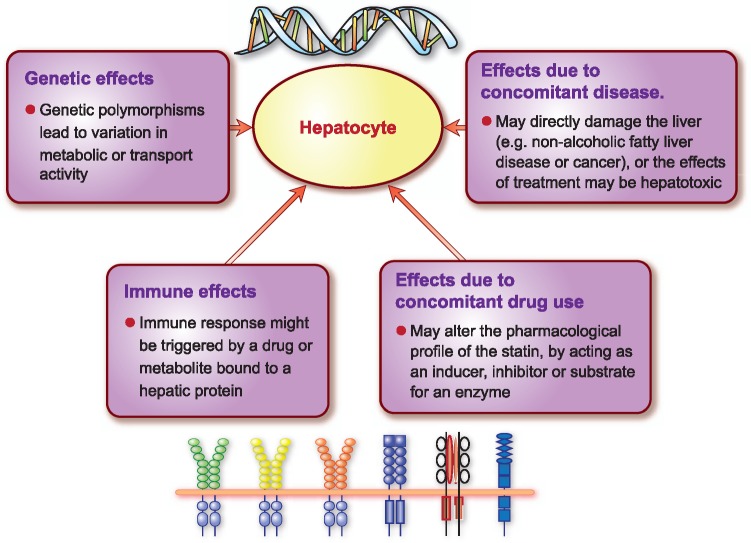
“Liver-mediated drug metabolism and transport have also been implicated in mechanisms underlying DILI (Figure 3).99,100 These interacting factors plus the rarity of severe liver toxicity associated with statins, contribute to the difficulty in assessing the role of statins in DILI.”
BackgroundInfluentialSerban, M.-C., Colantonio, L. D., Manthripragada, A. D., Monda, K. L., Bittner, V. A., Banach, M., Chen, L., Huang, L., Dent, R., Kent, S. T., et al. (2017) · Journal of the American College of Cardiology · doi:10.1016/j.jacc.2016.12.036 · Cited by 318 · cited 1×
“Statin-associated muscle symptoms (SAMS, the focus of a separate Consensus Statement)(12) are the predominant adverse effect encountered in clinical practice (Figure 1), and impact adherence and ultimately clinical outcomes (Box 1).(13,14) A much-debated issue is whether SAMS represent real or nocebo effects.”
BackgroundCederberg, H., Stančáková, A., Yaluri, N., Modi, S., Kuusisto, J., & Laakso, M. (2015) · Diabetologia · doi:10.1007/s00125-015-3528-5 · Cited by 316 · cited 4×
“9 years follow-up, representing 10 new cases per 1000 patients per year of exposure.(22) These individuals were older, more obese, less physically active, and exhibited lower levels of high-density lipoprotein cholesterol (HDL-C) and higher triglycerides, fasting blood glucose and HbA1c.”
BackgroundInfluentialTonelli, M., Moyé, L., Sacks, F. M., Cole, T., & Curhan, G. C. (2003) · Journal of the American Society of Nephrology · doi:10.1097/01.asn.0000068461.45784.2f · Cited by 306
HEMORRHAGIC STROKE IN THE STROKE PREVENTION BY AGGRESSIVE REDUCTION IN CHOLESTEROL LEVELS STUDY
Vergouwen, M. D. I., Vermeulen, M., & Roos, Y. B. W. E. M. (2009) · Neurology · doi:10.1212/01.wnl.0000346744.56398.e5 · Cited by 303
McKinney, J. S., & Kostis, W. J. (2012) · Stroke · doi:10.1161/strokeaha.112.655894 · Cited by 294 · cited 1×
“A further meta-analysis of these patients found no association between the risk of intracerebral haemorrhage and the magnitude of LDL-C reduction.(124) Moreover, even at very low attained LDL-C levels in FOURIER, there was no increase in the risk of haemorrhagic stroke.”
BackgroundNaci, H., Brugts, J., & Ades, T. (2013) · Circulation: Cardiovascular Quality and Outcomes · doi:10.1161/circoutcomes.111.000071 · Cited by 292 · cited 1×
“These elevations were transient, and usually normalized with continuing therapy.(102) Clinically relevant ALT elevations are rare.”
BackgroundPravastatin and cognitive function in the elderly. Results of the PROSPER study
Trompet, S., Vliet, P., Craen, A. J. M., Jolles, J., Buckley, B. M., Murphy, M. B., Ford, I., Macfarlane, P. W., Sattar, N., Packard, C. J., et al. (2010) · Journal of Neurology · doi:10.1007/s00415-009-5271-7 · Cited by 291
Cholesterol and Alzheimer’s disease: Is there a link?
Simons, M., Keller, P., Dichgans, J., & Schulz, J. B. (2001) · Neurology · doi:10.1212/wnl.57.6.1089 · Cited by 257
Oral Medications With Significant Hepatic Metabolism at Higher Risk for Hepatic Adverse Events
Lammert, C., Bjornsson, E., Niklasson, A., & Chalasani, N. (2010) · Hepatology · doi:10.1002/hep.23317 · Cited by 251
Statins and Cognitive Function: A Systematic Review
Richardson, K., Schoen, M., French, B., Umscheid, C. A., Mitchell, M. D., Arnold, S. E., Heidenreich, P. A., Rader, D. J., & deGoma, E. M. (2013) · Annals of Internal Medicine · doi:10.7326/0003-4819-159-10-201311190-00007 · Cited by 250
Mancini, G. B. J., Baker, S., Bergeron, J., Fitchett, D., Frohlich, J., Genest, J., Gupta, M., Hegele, R. A., Ng, D., Pearson, G. J., et al. (2016) · Canadian Journal of Cardiology · doi:10.1016/j.cjca.2016.01.003 · Cited by 250
Self-citationDormuth, C. R., Hemmelgarn, B. R., Paterson, J. M., James, M. T., Teare, G. F., Raymond, C. B., Lafrance, J.-P., Levy, A., Garg, A. X., Ernst, P., et al. (2013) · BMJ · doi:10.1136/bmj.f880 · Cited by 246
Do Statins Impair Cognition? A Systematic Review and Meta-Analysis of Randomized Controlled Trials
Ott, B. R., Daiello, L. A., Dahabreh, I. J., Springate, B. A., Bixby, K., Murali, M., & Trikalinos, T. A. (2015) · Journal of General Internal Medicine · doi:10.1007/s11606-014-3115-3 · Cited by 239 · cited 1×
“tion, both for cognitively normal subjects or those with Alzheimer’s disease.(57) Added to this, a Cochrane review of four”
BackgroundSpectrum of statin hepatotoxicity: Experience of the drug-induced liver injury network
Russo, M. W., Hoofnagle, J. H., Gu, J., Fontana, R. J., Barnhart, H., Kleiner, D. E., Chalasani, N., & Bonkovsky, H. L. (2014) · Hepatology · doi:10.1002/hep.27157 · Cited by 222
Matthews, A., Herrett, E., Gasparrini, A., Van Staa, T., Goldacre, B., Smeeth, L., & Bhaskaran, K. (2016) · BMJ · doi:10.1136/bmj.i3283 · Cited by 221
Ridker, P. M., MacFadyen, J., Cressman, M., & Glynn, R. J. (2010) · Journal of the American College of Cardiology · doi:10.1016/j.jacc.2010.01.020 · Cited by 220
Statins for the treatment of dementia
McGuinness, B., Craig, D., Bullock, R., Malouf, R., & Passmore, P. (2014) · Cochrane Database of Systematic Reviews · doi:10.1002/14651858.cd007514.pub3 · Cited by 216
Tolman, K. G. (2002) · The American Journal of Cardiology · doi:10.1016/s0002-9149(02)02355-x · Cited by 214
Saunders, N. L. J., & Summers, M. J. (2011) · Neuropsychology · doi:10.1037/a0021134 · Cited by 206 · cited 1×
“found in patients with mild cognitive impairment preceding dementia.(70) Finally, in a Mendelian randomization study involving 111 194 individuals from the Danish general population, the Copenhagen General Population Study and the Copenhagen City Heart Study, low LDL-C levels associated with PCSK9 and HMGCR variants h…”
BackgroundGiugliano, R. P., Wiviott, S. D., Blazing, M. A., De Ferrari, G. M., Park, J.-G., Murphy, S. A., White, J. A., Tershakovec, A. M., Cannon, C. P., & Braunwald, E. (2017) · JAMA Cardiology · doi:10.1001/jamacardio.2017.0083 · Cited by 205 · cited 1×
“78 mmol/L (<30 mg/dL) for up to 6 years.(39) Data from the Open-Label Study of Long-term Evaluation”
BackgroundSafety of Very Low Low-Density Lipoprotein Cholesterol Levels With Alirocumab
Robinson, J. G., Rosenson, R. S., Farnier, M., Chaudhari, U., Sasiela, W. J., Merlet, L., Miller, K., & Kastelein, J. J. P. (2017) · Journal of the American College of Cardiology · doi:10.1016/j.jacc.2016.11.037 · Cited by 197 · cited 1×
“for up to 4 years, and a pooled analysis of studies of alirocumab treatment for up to 2 years, add further support.(68,69) Even at the very low”
BackgroundDeGorter, M. K., Tirona, R. G., Schwarz, U. I., Choi, Y.-H., Dresser, G. K., Suskin, N., Myers, K., Zou, G., Iwuchukwu, O., Wei, W.-Q., et al. (2013) · Circulation: Cardiovascular Genetics · doi:10.1161/circgenetics.113.000099 · Cited by 195 · cited 1×
“brane transporters can alter first pass hepatic uptake, a major determinant of residual circulating concentrations and ultimately of peripheral tissue exposure.(11) The issues described above highlight the critical need for an objective appraisal of adverse effects attributed to statins in order to differentiate the p…”
BackgroundSelf-citationHou, W., Lv, J., Perkovic, V., Yang, L., Zhao, N., Jardine, M. J., Cass, A., Zhang, H., & Wang, H. (2013) · European Heart Journal · doi:10.1093/eurheartj/eht065 · Cited by 192
Metabolomic Profiling of Statin Use and Genetic Inhibition of HMG-CoA Reductase
Würtz, P., Wang, Q., Soininen, P., Kangas, A. J., Fatemifar, G., Tynkkynen, T., Tiainen, M., Perola, M., Tillin, T., Hughes, A. D., et al. (2016) · Journal of the American College of Cardiology · doi:10.1016/j.jacc.2015.12.060 · Cited by 188
An assessment by the Statin Liver Safety Task Force: 2014 update
Bays, H., Cohen, D. E., Chalasani, N., & Harrison, S. A. (2014) · Journal of Clinical Lipidology · doi:10.1016/j.jacl.2014.02.011 · Cited by 187 · cited 1×
“A recent update from the US National Lipid Association’s Statin Liver Safety Task Force concluded that recorded hepatotoxicity due to statins remains a very rare event.(113) Clinically apparent liver injury is likely to be a class effect of statins occurring any time after initiation of statin treatment.”
BackgroundStatins and Intracerebral Hemorrhage: Collaborative Systematic Review and Meta-Analysis
Hackam, D. G., Woodward, M., Newby, L. K., Bhatt, D. L., Shao, M., Smith, E. E., Donner, A., Mamdani, M., Douketis, J. D., Arima, H., et al. (2011) · Circulation · doi:10.1161/circulationaha.111.055269 · Cited by 187 · cited 1×
“88).(123) A further meta-analysis of these patients found no association between the risk of intracerebral haemorrhage and the magnitude of LDL-C reduction.”
BackgroundCardiovascular Event Reduction Versus New-Onset Diabetes During Atorvastatin Therapy
Waters, D. D., Ho, J. E., Boekholdt, S. M., DeMicco, D. A., Kastelein, J. J. P., Messig, M., Breazna, A., & Pedersen, T. R. (2013) · Journal of the American College of Cardiology · doi:10.1016/j.jacc.2012.09.042 · Cited by 178
Benn, M., Nordestgaard, B. G., Frikke-Schmidt, R., & Tybjærg-Hansen, A. (2017) · BMJ · doi:10.1136/bmj.j1648 · Cited by 178
Self-citationKim, R. G., Loomba, R., Prokop, L. J., & Singh, S. (2017) · Clinical Gastroenterology and Hepatology · doi:10.1016/j.cgh.2017.04.039 · Cited by 174 · cited 1×
“was associated with a lower risk of hepatic decompensation and mortality, and possibly reduced portal hypertension.(109) Statins should not be prescribed, however, in patients with active hepatitis B virus infection until serum levels of AST, ALT, GGT, total bilirubin, and ALP have normalized.”
BackgroundDrug‐Induced Liver Injury: The Role of Drug Metabolism and Transport
Corsini, A., & Bortolini, M. (2013) · The Journal of Clinical Pharmacology · doi:10.1002/jcph.23 · Cited by 173 · cited 1×
“Liver-mediated drug metabolism and transport have also been implicated in mechanisms underlying DILI (Figure 3).(99,100) These interacting factors plus the rarity of severe liver toxicity associated with statins, contribute to the difficulty in assessing the role of statins in DILI.”
BackgroundSelf-citationThe diabetogenic action of statins — mechanisms and clinical implications
Betteridge, D. J., & Carmena, R. (2016) · Nature Reviews Endocrinology · doi:10.1038/nrendo.2015.194 · Cited by 172 · cited 1×
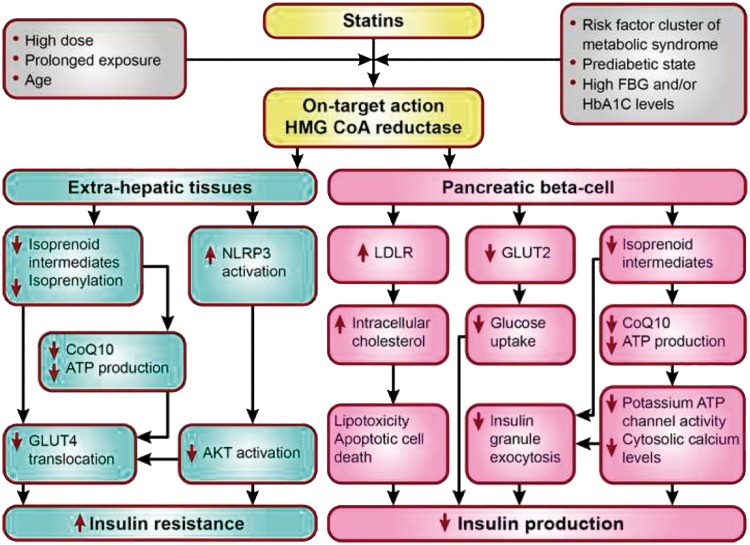
“Mechanistically, statins could increase blood glucose by increasing insulin resistance, possibly mediated by changes in circulating free fatty acids,(27) impairing beta- cell function, or alternative mechanisms, or a combination of these (Figure 2).(28) Indeed, a meta-analysis of new-onset DM and weight change data fr…”
BackgroundColhoun, H. M., Ginsberg, H. N., Robinson, J. G., Leiter, L. A., Müller-Wieland, D., Henry, R. R., Cariou, B., Baccara-Dinet, M. T., Pordy, R., Merlet, L., et al. (2016) · European Heart Journal · doi:10.1093/eurheartj/ehw292 · Cited by 172
Self-citationNon-cardiovascular effects associated with statins
Desai, C. S., Martin, S. S., & Blumenthal, R. S. (2014) · BMJ · doi:10.1136/bmj.g3743 · Cited by 169 · cited 1×
“Observational data and limited preclinical studies suggested a possible link between cataract and statin use.(126,127) A propensity scorematched analysis of a US administrative dataset of 46 249 subjects, including 13 262 statin users, showed that the risk of cataract was slightly higher (by 9%) with statin treatment.”
BackgroundSerum Cholesterol and Cognitive Performance in the Framingham Heart Study
Elias, P. K., Elias, M. F., D’Agostino, R. B., Sullivan, L. M., & Wolf, P. A. (2005) · Psychosomatic Medicine · doi:10.1097/01.psy.0000151745.67285.c2 · Cited by 168 · cited 1×
“On the other hand, it has been suggested that reduction in cholesterol levels with statin therapy may be potentially detrimental for cognitive function.(51) Yet the view that statins directly affect the brain is simplistic, given the brain-blood barrier and the fact that the brain is largely self-sufficient with respe…”
BackgroundPrimary biliary cirrhosis, hyperlipidemia, and atherosclerotic risk: A systematic review
Sorokin, A., Brown, J. L., & Thompson, P. D. (2007) · Atherosclerosis · doi:10.1016/j.atherosclerosis.2006.11.036 · Cited by 167 · cited 1×
“In patients with mild ALT elevation due to steatosis or nonalcoholic fatty liver disease, statin therapy does not result in worsening of liver disease,(106) although caution may be needed in patients with pre-existing primary biliary cirrhosis.(107) Moreover, the cardiovascular benefits of statin therapy are likely to…”
BackgroundSelf-citationde Zeeuw, D., Anzalone, D. A., Cain, V. A., Cressman, M. D., Heerspink, H. J. L., Molitoris, B. A., Monyak, J. T., Parving, H.-H., Remuzzi, G., Sowers, J. R., et al. (2015) · The Lancet Diabetes & Endocrinology · doi:10.1016/s2213-8587(14)70246-3 · Cited by 167
Vergouwen, M. D. I., de Haan, R. J., Vermeulen, M., & Roos, Y. B. W. E. M. (2008) · Stroke · doi:10.1161/strokeaha.107.488791 · Cited by 166
Effect of Statins on Kidney Disease Outcomes: A Systematic Review and Meta-analysis
Su, X., Zhang, L., Lv, J., Wang, J., Hou, W., Xie, X., & Zhang, H. (2016) · American Journal of Kidney Diseases · doi:10.1053/j.ajkd.2016.01.016 · Cited by 166 · cited 1×
“may have potential renoprotective effects, or even slow progression of CKD, although no such benefit on renal function was evident in other studies.(75,79,95)”
BackgroundKoren, M. J., Sabatine, M. S., Giugliano, R. P., Langslet, G., Wiviott, S. D., Kassahun, H., Ruzza, A., Ma, Y., Somaratne, R., & Raal, F. J. (2017) · JAMA Cardiology · doi:10.1001/jamacardio.2017.0747 · Cited by 165 · cited 1×
“for up to 4 years, and a pooled analysis of studies of alirocumab treatment for up to 2 years, add further support.(68,69) Even at the very low”
BackgroundSelf-citationThe efficacy and safety of statins for the treatment of non-alcoholic fatty liver disease
Pastori, D., Polimeni, L., Baratta, F., Pani, A., Del Ben, M., & Angelico, F. (2015) · Digestive and Liver Disease · doi:10.1016/j.dld.2014.07.170 · Cited by 162
Newman, C., Tsai, J., Szarek, M., Luo, D., & Gibson, E. (2006) · The American Journal of Cardiology · doi:10.1016/j.amjcard.2005.07.108 · Cited by 161 · cited 1×
“2% of patients on atorvastatin 10 mg, atorvastatin 80 mg, and placebo (Table 4).(103) In patients with mild ALT elevation due to steatosis or nonalcoholic fatty liver disease, statin therapy does not result in worsening of liver disease,(106) although caution may be needed in patients with pre-existing primary biliary…”
BackgroundSidaway, J. E., Davidson, R. G., McTaggart, F., Orton, T. C., Scott, R. C., Smith, G. J., & Brunskill, N. J. (2004) · Journal of the American Society of Nephrology · doi:10.1097/01.asn.0000138236.82706.ee · Cited by 154 · cited 1×
“This may be caused by reduced tubular reabsorption of albumin, related to inhibition of HMG-CoA reductase and reduced prenylation of proteins involved in endocytosis.(82,83) A potential concern, however, is whether high dose statin therapy increases the risk of acute kidney disease.”
BackgroundRosuvastatin-Induced Arrest in Progression of Renal Disease
Vidt, D. G., Cressman, M. D., Harris, S., Pears, J. S., & Hutchinson, H. G. (2004) · Cardiology · doi:10.1159/000077704 · Cited by 152
HMG CoA reductase inhibitors (statins) for kidney transplant recipients
Palmer, S. C., Navaneethan, S. D., Craig, J. C., Perkovic, V., Johnson, D. W., Nigwekar, S. U., Hegbrant, J., & Strippoli, G. F. (2014) · Cochrane Database of Systematic Reviews · doi:10.1002/14651858.cd005019.pub4 · Cited by 146
Singh-Manoux, A., Gimeno, D., Kivimaki, M., Brunner, E., & Marmot, M. G. (2008) · Arteriosclerosis, Thrombosis, and Vascular Biology · doi:10.1161/atvbaha.108.163998 · Cited by 137
Verhulst, A., D’Haese, P. C., & De Broe, M. E. (2004) · Journal of the American Society of Nephrology · doi:10.1097/01.asn.0000136778.32499.05 · Cited by 135 · cited 1×
“This may be caused by reduced tubular reabsorption of albumin, related to inhibition of HMG-CoA reductase and reduced prenylation of proteins involved in endocytosis.(82,83) A potential concern, however, is whether high dose statin therapy increases the risk of acute kidney disease.”
BackgroundVallejo‐Vaz, A. J., Seshasai, S. R. K., Kurogi, K., Michishita, I., Nozue, T., Sugiyama, S., Tsimikas, S., Yoshida, H., & Ray, K. K. (2015) · Atherosclerosis · doi:10.1016/j.atherosclerosis.2015.06.001 · Cited by 134
Self-citationThe nocebo effect in the context of statin intolerance
Tobert, J. A., & Newman, C. B. (2016) · Journal of clinical lipidology · doi:10.1016/j.jacl.2016.05.002 · Cited by 134 · cited 1×
“A nocebo effect is caused by negative expectations about the effects of treatment, arising from information provided by clinicians and/or the media about possible side effects, which lead to higher reporting rates for adverse effects of the treatment than would otherwise be expected.(12,15,16) The Anglo-Scandinavian C…”
BackgroundNielsen, S. F., & Nordestgaard, B. G. (2014) · The Lancet Diabetes & Endocrinology · doi:10.1016/s2213-8587(14)70173-1 · Cited by 125 · cited 1×
“Furthermore, observational data show that patients who developed DM while receiving a statin not only had a lower rate of macrovascular disease but also microvascular disease complications normally linked to diabetes.(25) Thus, the net benefit among high risk patients in need of statins favours their use, consistent w…”
ResultSelf-citationFarrer, L. A. (1997) · JAMA · doi:10.1001/jama.1997.03550160069041 · Cited by 124
Sanguankeo, A., Upala, S., Cheungpasitporn, W., Ungprasert, P., & Knight, E. L. (2015) · PLoS ONE · doi:10.1371/journal.pone.0132970 · Cited by 110 · cited 1×
“Furthermore, in a number of meta-analyses that have focused on CKD patients, there was no increase in progression of CKD or acute renal events on statin therapy.(75,88,89) Indeed, it has been suggested that statins 2534 F.”
BackgroundAssociation of Statin Use With Cataracts: A Propensity Score–Matched Analysis
Leuschen, J., Mortensen, E. M., Frei, C. R., Mansi, E. A., Panday, V., & Mansi, I. (2013) · JAMA Ophthalmology · doi:10.1001/jamaophthalmol.2013.4575 · Cited by 102 · cited 1×
“A propensity scorematched analysis of a US administrative dataset of 46 249 subjects, including 13 262 statin users, showed that the risk of cataract was slightly higher (by 9%) with statin treatment.(128) In addition, both the Heart Outcomes Prevention Evaluation (HOPE)-3 study and a retrospective nested case–control…”
MethodDrug-Induced Liver Injury: Insights from Genetic Studies
Andrade, R. J., Robles, M., Ulzurrun, E., & Lucena, M. I. (2009) · Pharmacogenomics · doi:10.2217/pgs.09.111 · Cited by 94 · cited 3×
“Liver-mediated drug metabolism and transport have also been implicated in mechanisms underlying DILI (Figure 3).99,100 These interacting factors plus the rarity of severe liver toxicity associated with statins, contribute to the difficulty in assessing the role of statins in DILI.”
BackgroundInfluentialPerdices, E. V., Medina‐Cáliz, I., Hernando, S., Ortega, A., Martín-Ocaña, F., Navarro, J. M., Peláez, G. I. C., Castiella, A., Hallal, H., Romero‐Gómez, M., et al. (2014) · PubMed · Cited by 94
Laties, A. M., Shear, C. L., Lippa, E. A., Gould, A. L., Taylor, H. R., Hurley, D. P., Stephenson, W. P., Keates, E. U., Tupy-Visich, M. A., & Chremos, A. N. (1991) · The American Journal of Cardiology · doi:10.1016/0002-9149(91)90002-3 · Cited by 84 · cited 1×
“In the Expanded Clinical Evaluation of Lovastatin (EXCEL) study in 8032 patients randomized to lovastatin (40 mg or 20 mg once or twice daily) or placebo, there were no significant differences in ocular opacities, visual acuity, or cataract extraction over a follow-up of 48 weeks.(131) The Oxford Cholesterol Study Gro…”
Nikolić, D., Banach, M., Nikfar, S., Salari, P., Mikhailidis, D. P., Toth, P. P., Abdollahi, M. R., Ray, K. K., Pencina, M. J., Małyszko, J., et al. (2013) · International Journal of Cardiology · doi:10.1016/j.ijcard.2013.08.060 · Cited by 84
Self-citationRosuvastatin safety: lessons from the FDA review and post-approval surveillance
Davidson, M. H. (2004) · Expert Opinion on Drug Safety · doi:10.1517/14740338.3.6.547 · Cited by 80
New therapeutic agents for acromegaly
Melmed, S. K. (2015) · Nature Reviews Endocrinology · doi:10.1038/nrendo.2015.196 · Cited by 68
Zhang, Z., Wu, P., Zhang, J., Wang, S., & Zhang, G. (2016) · Pharmacological Research · doi:10.1016/j.phrs.2016.01.005 · Cited by 66 · cited 1×
“Furthermore, in a number of meta-analyses that have focused on CKD patients, there was no increase in progression of CKD or acute renal events on statin therapy.(75,88,89) Indeed, it has been suggested that statins 2534 F.”
BackgroundStatin Use and the Risk of Cataracts: A Systematic Review and Meta‐Analysis
Yu, S., Chu, Y., Li, G., Ren, L., Zhang, Q., & Wu, L. (2017) · Journal of the American Heart Association · doi:10.1161/jaha.116.004180 · Cited by 65 · cited 1×
“show any association between statin use and the development of cataracts.(134) Mechanistically, it has been suggested that the antioxidant”
BackgroundCurrent Challenges and Controversies in Drug-Induced Liver Injury
Corsini, A., Ganey, P. E., Ju, C., Kaplowitz, N., Pessayre, D., Roth, R. A., Watkins, P. B., Albassam, M., Liu, B., Stancic, S., et al. (2012) · Drug Safety · doi:10.1007/bf03261997 · Cited by 65 · cited 2×
“injury (DILI) is the most frequent cause of acute liver failure and the need for liver transplantation in Western countries.(96) The most com-”
BackgroundSelf-citationHarris, M. L., Bron, A. J., Brown, N. A., Keech, A. C., Wallendszus, K. R., Armitage, J. M., MacMahon, S., Snibson, G., & Collins, R. (1995) · British Journal of Ophthalmology · doi:10.1136/bjo.79.11.996 · Cited by 63
Clarke, A. T., Johnson, P. C. D., Hall, G. C., Ford, I., & Mills, P. R. (2016) · PLOS ONE · doi:10.1371/journal.pone.0151587 · Cited by 61 · cited 4×
“Liver-mediated drug metabolism and transport have also been implicated in mechanisms underlying DILI (Figure 3).99,100 These interacting factors plus the rarity of severe liver toxicity associated with statins, contribute to the difficulty in assessing the role of statins in DILI.”
BackgroundInfluentialAssociation of statin use with risk of dementia: A meta‐analysis of prospective cohort studies
Song, Y., Nie, H., Xu, Y., Zhang, L., & Wu, Y. (2013) · Geriatrics & Gerontology International · doi:10.1111/ggi.12044 · Cited by 60
Antioxidant Effects of Statins in the Management of Cardiometabolic Disorders
Lim, S. K., & Barter, P. J. (2014) · Journal of Atherosclerosis and Thrombosis · doi:10.5551/jat.24398 · Cited by 54
Szendroedi, J., Anderwald, C., Krssak, M., Bayerle-Eder, M., Esterbauer, H., Pfeiler, G., Brehm, A., Nowotny, P., Hofer, A., Waldhäusl, W., et al. (2009) · Diabetes Care · doi:10.2337/dc08-1123 · Cited by 53
Self-citationStatin Use and the Risk of Kidney Disease With Long-Term Follow-Up (8.4-Year Study)
Acharya, T., Huang, J., Tringali, S., Frei, C. R., Mortensen, E. M., & Mansi, I. A. (2015) · The American Journal of Cardiology · doi:10.1016/j.amjcard.2015.11.031 · Cited by 53
Current Challenges and Controversies in Drug-Induced Liver Injury
Corsini, A., Ganey, P. E., Ju, C., et al. (2012) · Drug Safety · doi:10.2165/11632970-000000000-00000 · Cited by 50
Self-citationKohli, P., Waters, D. D., Nemr, R., Arsenault, B. J., Messig, M., DeMicco, D. A., Laskey, R. E., & Kastelein, J. J. P. (2015) · Journal of the American College of Cardiology · doi:10.1016/j.jacc.2014.10.053 · Cited by 46 · cited 1×
“Among such high risk patients who developed new- onset DM, the risk of CVD events was lower on statin therapy supporting the notion that, at least within the time scale of these trials, potential adverse effects of hyperglycaemia do not negate the benefits of LDLC reduction.(8,24) Furthermore, observational data show…”
BackgroundWise, S. J., Nathoo, N. A., Etminan, M., Mikelberg, F. S., & Mancini, G. B. J. (2014) · Canadian Journal of Cardiology · doi:10.1016/j.cjca.2014.08.020 · Cited by 44 · cited 1×
“In addition, both the Heart Outcomes Prevention Evaluation (HOPE)-3 study and a retrospective nested case–control study showed an increase in risk for cataract surgery with statin use.(129,130) On the other hand, evidence from RCTs provides reassurance on this question.”
BackgroundBangalore, S., Fayyad, R. S., Hovingh, G. K., Laskey, R. E., Vogt, L., DeMicco, D. A., & Waters, D. D. (2014) · The American Journal of Cardiology · doi:10.1016/j.amjcard.2014.03.046 · Cited by 43
Self-citationRelationship of Sex to Diabetes Risk in Statin Trials
Goodarzi, M. O., Li, X., Krauss, R. M., Rotter, J. I., & Chen, Y. I. (2013) · Diabetes Care · doi:10.2337/dc13-0490 · Cited by 43
Self-citationOverall and abdominal adiposity in midlife and subsequent cognitive function
Kesse-Guyot, E., Andreeva, V. A., Touvier, M., Jeandel, C., Ferry, M., Hercberg, S., & Galan, P. (2015) · The Journal of nutrition, health and aging · doi:10.1007/s12603-014-0508-2 · Cited by 39
Midlife Risk Factors for Impaired Physical and Cognitive Functioning at Older Ages: A Cohort Study
Brunner, E. J., Welch, C. A., Shipley, M. J., Ahmadi-Abhari, S., Singh-Manoux, A., & Kivimäki, M. (2017) · The Journals of Gerontology Series A: Biological Sciences and Medical Sciences · doi:10.1093/gerona/glw092 · Cited by 38
for the J-PREDICT study investigators, Yamazaki, T., Kishimoto, J., Ito, C., Noda, M., Odawara, M., Terauchi, Y., Shiba, T., Kitazato, H., Iwamoto, Y., et al. (2011) · Diabetology International · doi:10.1007/s13340-011-0032-0 · Cited by 36
Bang, C. N., Greve, A. M., la Cour, M., Boman, K., Gohlke-Bärwolf, C., Ray, S. G., Pedersen, T., Rossebø, A. B., Okin, P. M., Devereux, R. B., et al. (2015) · The American Journal of Cardiology · doi:10.1016/j.amjcard.2015.09.026 · Cited by 31
Familial Hypercholesterolemia and Type 2 Diabetes in the Old Order Amish
Xu, H., Ryan, K. A., Jaworek, T. J., Southam, L., Reid, J. G., Overton, J. D., Baras, A., Puurunen, M. K., Zeggini, E., Taylor, S. I., et al. (2017) · Diabetes · doi:10.2337/db17-0173 · Cited by 30 · cited 1×
“On the other hand, causative APOB mutations for familial hypercholesterolaemia were not associated with diabetes.(41)”
BackgroundCognitive Function in a Randomized Trial of Evolocumab
RP, G., F, M., K, Z., C, K., K, I., E, K., J, S., H, W., A, K., TR, P., et al. (2018) · Yearbook of Paediatric Endocrinology · doi:10.1530/ey.15.12.14 · Cited by 21
Self-citationStatin use and risk of cataract: A nested case-control study within a healthcare database
Casula, M., Soranna, D., Corrao, G., Merlino, L. G., Catapano, A. L., & Tragni, E. (2016) · Atherosclerosis · doi:10.1016/j.atherosclerosis.2016.06.020 · Cited by 18
Self-citationA, G., D, T., A, W., T, C., B, D., N, P., R, C., P, S., & Investigators, A. (2018) · Yearbook of Paediatric Endocrinology · doi:10.1530/ey.15.14.12 · Cited by 18
Statin use before and after acute ischemic stroke onset improves neurological outcome
Salat, D., Nogué, R. R., García‐Bonilla, L., & Montaner, J. (2009) · Expert Review of Cardiovascular Therapy · doi:10.1586/erc.09.52 · Cited by 16 · cited 1×
“Alzheimer’s disease,(48,49) leading some to suggest that improved vascular function with statin treatment could be beneficial in the context of several pathologies that cause dementia.(50) On the other hand, it has been suggested that reduction in cholesterol levels with statin therapy may be potentially detrimental f…”
BackgroundLafeber, M., Webster, R. J., Visseren, F. L. J., Bots, M. L., Grobbee, D. E., Spiering, W., Rodgers, A., & on behalf of the Programme to Improve Life and Longevity (PILL) Collaborative Group (2016) · European Journal of Preventive Cardiology · doi:10.1177/2047487315624523 · Cited by 16
Lipid lowering in liver and chronic kidney disease
Herrick, C., Litvin, M., & Goldberg, A. C. (2013) · Best Practice & Research Clinical Endocrinology & Metabolism · doi:10.1016/j.beem.2013.11.006 · Cited by 15 · cited 1×
“Statins should not be prescribed, however, in patients with active hepatitis B virus infection until serum levels of AST, ALT, GGT, total bilirubin, and ALP have normalized.(110)”
BackgroundTransient global amnesia associated with statin intake
Healy, D. T., Morgan, R., & Chinnaswamy, S. (2009) · BMJ Case Reports · doi:10.1136/bcr.06.2008.0033 · Cited by 10
Hockwin, O., Evans, M., Roberts, S. A., & Stoll, R. E. (1990) · PubMed · Cited by 7
Prevention of Cataract by Statins
Kostis, J. B., & Dobrzynski, J. M. (2016) · The American Journal of Cardiology · doi:10.1016/j.amjcard.2016.01.001 · Cited by 3
Cited by
Mach, F., Baigent, C., Catapano, A. L., Koskinas, K. C., Casula, M., Badimon, L., Chapman, M. J., De Backer, G. G., Delgado, V., Ference, B. A., et al. (2020) · European Heart Journal · doi:10.1093/eurheartj/ehz455 · Cited by 8,961
Self-citationMach, F., Baigent, C., Catapano, A. L., Koskinas, K. C., Casula, M., Badimon, L., Chapman, M. J., De Backer, G. G., Delgado, V., Ference, B. A., et al. (2019) · Atherosclerosis · doi:10.1016/j.atherosclerosis.2019.08.014 · Cited by 4,854
Self-citation10. Cardiovascular Disease and Risk Management: Standards of Medical Care in Diabetes—2022
American Diabetes Association Professional Practice Committee (2022) · Diabetes Care · doi:10.2337/dc22-s010 · Cited by 869
“Lipid-Lowering Agents and Cognitive Function Although concerns regarding a potential adverse impact of lipid-lowering agents on cognitive function have been raised, several lines of evidence point against this association, as detailed in a 2018 European Atherosclerosis Society Consensus Panel statement (129).”
BackgroundStatin Toxicity: Mechanistic Insights and Clinical Implications
Ward, N. C., Watts, G. F., & Eckel, R. H. (2019) · Circulation Research · doi:10.1161/circresaha.118.312782 · Cited by 757
10. Cardiovascular Disease and Risk Management: Standards of Medical Care in Diabetes—2021
American Diabetes Association (2021) · Diabetes Care · doi:10.2337/dc21-s010 · Cited by 495
Metadata
- Authors
- Mach, F., Ray, K. K., Wiklund, O., Corsini, A., Catapano, A. L., Bruckert, E., De Backer, G., Hegele, R. A., Hovingh, G. K., Jacobson, T. A., Krauss, R. M., Laufs, U., Leiter, L. A., März, W., Nordestgaard, B. G., Raal, F. J., Roden, M., Santos, R. D., Stein, E. A., Stroes, E. S., Thompson, P. D., Tokgözoğlu, L., Vladutiu, G. D., Gencer, B., Stock, J. K., Ginsberg, H. N., Chapman, M. J., & European Atherosclerosis Society Consensus Panel
- Affiliations
- University Hospital of Geneva (CH)
- Imperial College London (GB)
- Sahlgrenska University Hospital (SE)
- University of Milan (IT)
- National Institute for Health and Medical Research (INSERM) UMRS1166, Department of Endocrinology-Metabolism, ICAN—Institute of CardioMetabolism and Nutrition, AP-HP, Hôpital de la Pitié, Paris, France
- Department of Public Health, University Hospital Ghent, Ghent, Belgium
- Western University (CA)
- Amsterdam UMC Location University of Amsterdam (NL)
- Emory University (US)
- Department of Atherosclerosis Research, Children's Hospital Oakland Research Institute, Oakland, CA, USA
- Leipzig University (DE)
- St. Michael's Hospital (CA)
- University of Graz (AT)
- University of Copenhagen (DK)
- University of the Witwatersrand (ZA)
- Deutsches Diabetes-Zentrum e.V. (DE)
- Universidade de São Paulo (BR)
- Metabolic and Atherosclerosis Research Center, Cincinnati, OH, USA
- Hartford Hospital (US)
- Hacettepe University (TR)
- University at Buffalo, State University of New York (US)
- Division of Cardiology, Department of Medical Specialties, Foundation for Medical Researches, Geneva University Hospital, Rue Gabrielle-Perret-Gentil 4 1205 Geneva, Switzerland
- European Atherosclerosis Society (SE)
- Columbia University (US)
- Inserm (FR)
- Corresponding author
- Mach, François
- ORCID
- Mach, François
- Ray, Kausik K
- Wiklund, Olov
- Corsini, Alberto
- Catapano, Alberico L
- Hegele, Robert A
- Hovingh, G Kees
- Jacobson, Terry A
- Krauss, Ronald M
- Laufs, Ulrich
- Leiter, Lawrence A
- März, Winfried
- Nordestgaard, Børge G
- Raal, Frederick J
- Roden, Michael
- Santos, Raul D
- Stroes, Erik S
- Thompson, Paul D
- Tokgözoğlu, Lale
- Ginsberg, Henry N
- Chapman, M John
- Venue
- European Heart Journal
- Publisher
- Oxford University Press (OUP)
- Published
- 2018-04-27
- Volume
- 39
- Issue
- 27
- Pages
- 2526-2539
- ISSN
- 0195-668X (ISSN-L)
- 1522-9645
- PMC
- PMC6047411
- OpenAlex
- W2801534920
- Semantic Scholar
- 8ac6b81429dbb12d7fb652293904d44437af6936
- Cited by
- 370
- References
- 143
- Citations by year
- 2026: 23 · 2025: 27 · 2024: 49 · 2023: 40 · 2022: 57 · 2021: 43 · 2020: 50 · 2019: 57 · 2018: 23
- FWCI
- 45.21
- Type
- journal article
- Language
- en
- Open access
- hybrid
- doi.org
- Licence
- Locations
- European Heart Journal (publishedVersion, cc-by-nc)
- Europe PMC (PubMed Central) (publishedVersion, cc-by-nc)
- PubMed Central (publishedVersion, cc-by-nc)
- PubMed (publishedVersion)
- Research at the University of Copenhagen (University of Copenhagen) (publishedVersion, cc-by-nc)
- HAL (submittedVersion)
- Archivio Istituzionale della Ricerca (Universita Degli Studi Di Milano) (submittedVersion, other-oa)
- eScholarship (California Digital Library) (submittedVersion)
- eScholarship (California Digital Library) (submittedVersion, cc-by-nc)
- IRIS (submittedVersion)
- Hacettepe University Institutional Repository (hacettepe.edu.tr) (submittedVersion, other-oa)
- Spiral (Imperial College London) (submittedVersion, other-oa)
- Funders
- European Atherosclerosis Society
- Amgen, AstraZeneca, Eli Lilly, Esperion, Merck, Pfizer, and Sanofi-Regeneron
- Topics
- Health Sciences › Medicine › Cardiology and Cardiovascular Medicine › Lipoproteins and Cardiovascular Health
- Life Sciences › Biochemistry, Genetics and Molecular Biology › Cancer Research › Cancer, Lipids, and Metabolism
- Life Sciences › Pharmacology, Toxicology and Pharmaceutics › Toxicology › Pharmacovigilance and Adverse Drug Reactions
- Keywords
- statins, adverse drug reactions, glucose homeostasis, new-onset diabetes, cognitive function, renal function, liver function, hemorrhagic stroke, cataract, statin-induced liver injury, metabolic syndrome, prediabetes, LDL cholesterol, drug safety
- MeSH terms
- Cataract, Cerebral Hemorrhage, Cognition Disorders, Glucose, Homeostasis, Humans, Kidney Diseases, Hydroxymethylglutaryl-CoA Reductase Inhibitors, Stroke, Chemical and Drug Induced Liver Injury
About these checks
Registry, retraction, Cites and statistics results are computed, not judged, with one exception: a printed reference that no index lists is read once by a model before it counts as a citation error. Claims are extracted by a model and kept only when their quote appears verbatim in the text; each cited source is then checked, with a model’s help, for whether it says what the claim relies on. Those verdicts can be wrong — read the claim’s quote and the cited source before relying on one.
Statistics and arithmetic are recomputed, not judged.
Confidence bands are shown only for fields calibrated on our annotated test set. None is calibrated yet, so no band is shown.
What counts as a claim ›How we measure confidence ›How we check this ›
Are you an author, or do you see a problem with this page? Request a review
Data sources
Bibliographic data: Semantic Scholar, OpenAlex, Crossref.
Contains information from the Semantic Scholar Academic Graph Datasets, made available under the ODC Attribution License (ODC-BY 1.0).
Semantic Scholar’s data is described in: Kinney, R., et al. (2023). The Semantic Scholar Open Data Platform. arXiv:2301.10140.
