

Mineral oil: safety and use as placebo in REDUCE-IT and other clinical studies
Open accessThe DOI matches its Crossref record; 72 of the 77 references it cites were found in a registry or an index.
Abstract
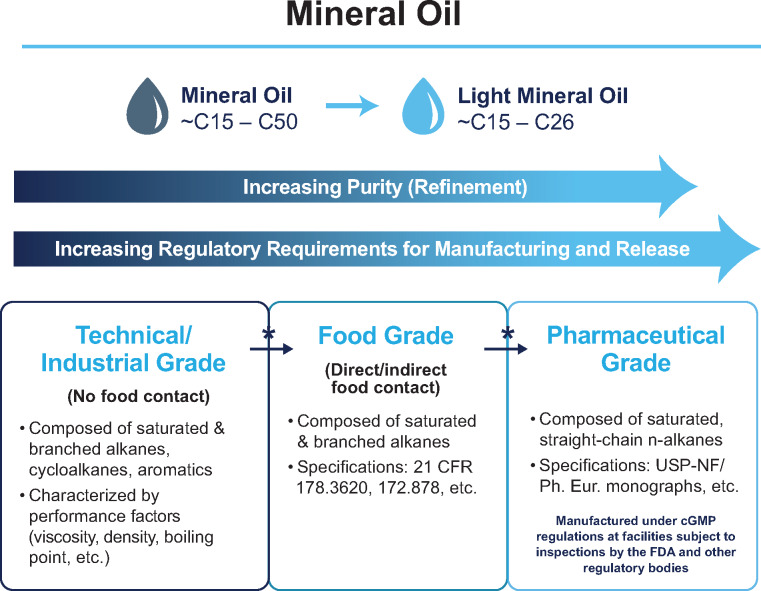
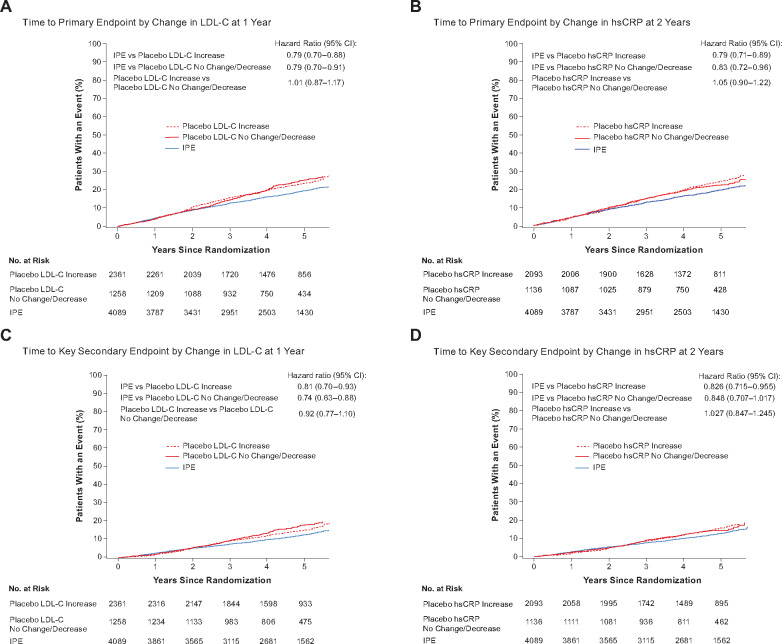
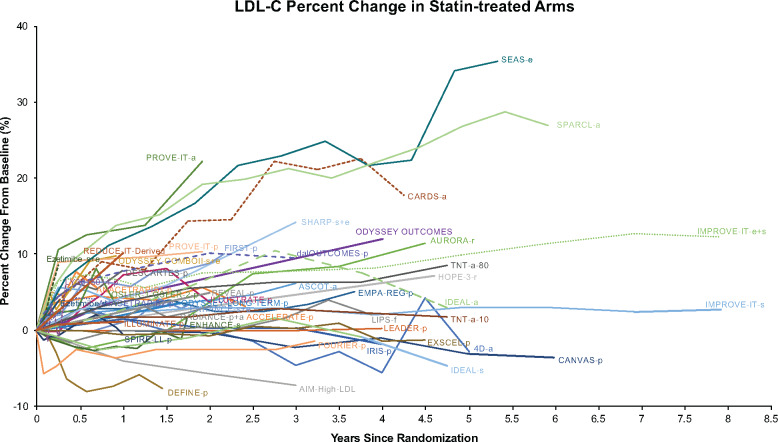
Mineral oil is often used as a clinical trial placebo. Pharmaceutical-grade mineral oil consists of a mixture of saturated hydrocarbons, with a purity and chemical structure that differs substantially from food-grade or technical-/industrial-grade mineral oils. Interest in mineral oil was piqued by suggestions that a portion of the substantially positive results of the Reduction of Cardiovascular Events with Icosapent Ethyl–Intervention Trial (REDUCE-IT) might be attributable to the theoretical negative effects of mineral oil rather than being due to the clinical benefits of icosapent ethyl. The objective of this review was to explore possible mineral oil safety and efficacy effects and contextualize these findings in light of the REDUCE-IT conclusions. A literature search identified studies employing mineral oil placebos. Eighty studies were identified and relevant data extracted. Adverse events associated with mineral oil were generally gastrointestinal and consistent with use as a lubricant laxative. Changes in triglycerides, low-density lipoprotein cholesterol, high-density lipoprotein cholesterol, high-sensitivity C-reactive protein, and other biomarkers were inconsistent and generally not statistically significant, or clinically meaningful with mineral oil, as were changes in blood pressure. There was no consistent evidence that mineral oil in the amounts used in the REDUCE-IT or Effect of Vascepa on Progression of Coronary Atherosclerosis in Patients With Elevated Triglycerides on Statin Therapy (EVAPORATE) trials affects absorption of essential nutrients or drugs, including statins. These results were then considered alongside publicly available data from REDUCE-IT. Based on available evidence, mineral oil does not appear to impact medication absorption or efficacy, or related clinical outcomes, and, therefore, does not meaningfully affect study conclusions when used as a placebo at the quantities used in clinical trials.
Overview
The claims and statistics of this paper haven’t been checked yet.
Free: it reads the open-access text and checks the first 5 claims that cite a source we can check. Create a free account to check every claim.
Integrity signals
Registry
Cites
Statistics
Figures
Verification
Claims the paper makes
The claims and statistics of this paper haven’t been checked yet.
Free: it reads the open-access text and checks the first 5 claims that cite a source we can check. Create a free account to check every claim.
Claims other papers make about this one
Each is checked against this paper’s own text: does it say what the citing paper says it does?
The source backs part of the claim, not all of it — or backs it for a different population, condition or comparison.
In the citing paper
“whereas pharmacologic interventions have proven that lowering of biomarkers such as LDL cholesterol and hsCRP associate with reduced risk”
From Effects of Randomized Treatment With Icosapent Ethyl and a Mineral Oil Comparator on Interleukin-1β, Interleukin-6, C-Reactive Protein, Oxidized Low-Density Lipoprotein Cholesterol, Homocysteine, Lipoprotein(a), and Lipoprotein-Associated Phospholipase A2: A REDUCE-IT Biomarker Substudy (2022) · cites this paper as [12]
Experimental — accuracy not yet measuredThe source backs part of the claim, not all of it — or backs it for a different population, condition or comparison.
In the citing paper
“Regulatory agencies evaluating REDUCE-IT estimated that approximately 3% of the net clinical benefit observed with icosapent ethyl might have been a consequence of adverse biomarker effects on LDL cholesterol and hsCRP attributable to mineral oil.12”
From Effects of Randomized Treatment With Icosapent Ethyl and a Mineral Oil Comparator on Interleukin-1β, Interleukin-6, C-Reactive Protein, Oxidized Low-Density Lipoprotein Cholesterol, Homocysteine, Lipoprotein(a), and Lipoprotein-Associated Phospholipase A2: A REDUCE-IT Biomarker Substudy (2022) · cites this paper as [12]
Experimental — accuracy not yet measuredThe source backs part of the claim, not all of it — or backs it for a different population, condition or comparison.
In the citing paper
“This benefit remained significant even considering a slight increase of LDL-C and highsensitivity C-reactive protein due to the effect of mineral oil in the placebo arm.275,276”
From 2023 ESC guidelines for the management of cardiovascular disease in patients with diabetes. (2023) · cites this paper as [275]
Experimental — accuracy not yet measuredThe cited source says what the claim attributes to it.
In the citing paper
“there has been controversy regarding the use of mineral oil as a comparator within REDUCE-IT, an issue where biomarker and outcome data are limited.[12][13][14]”
From Effects of Randomized Treatment With Icosapent Ethyl and a Mineral Oil Comparator on Interleukin-1β, Interleukin-6, C-Reactive Protein, Oxidized Low-Density Lipoprotein Cholesterol, Homocysteine, Lipoprotein(a), and Lipoprotein-Associated Phospholipase A2: A REDUCE-IT Biomarker Substudy (2022) · cites this paper as [12]
In the citing paper
“the contrapositive conclusion that elevations of these or other biomarkers necessarily increase risk is not proven, nor is the magnitude of any such effect known, even if the effects of the mineral oil comparator used in REDUCE-IT are taken to be causal.[12][13][14]”
From Effects of Randomized Treatment With Icosapent Ethyl and a Mineral Oil Comparator on Interleukin-1β, Interleukin-6, C-Reactive Protein, Oxidized Low-Density Lipoprotein Cholesterol, Homocysteine, Lipoprotein(a), and Lipoprotein-Associated Phospholipase A2: A REDUCE-IT Biomarker Substudy (2022) · cites this paper as [12]
Self-check
Percentages, sums and reported differences re-computed from the paper’s own numbers.
The self-check needs the paper’s full text.
Citations
Cites
Cardiovascular Risk Reduction with Icosapent Ethyl for Hypertriglyceridemia
Bhatt, D. L., Steg, P. G., Miller, M., Brinton, E. A., Jacobson, T. A., Ketchum, S. B., Doyle, R. T., Juliano, R. A., Jiao, L., Granowitz, C., et al. (2019) · New England Journal of Medicine · doi:10.1056/nejmoa1812792 · Cited by 3,317 · cited 7×
“001).(8) A statistically significant 10.”
BackgroundResultInfluentialSelf-citationYokoyama, M., Origasa, H., Matsuzaki, M., Matsuzawa, Y., Saito, Y., Ishikawa, Y., Oikawa, S., Sasaki, J., Hishida, H., Itakura, H., et al. (2007) · The Lancet · doi:10.1016/s0140-6736(07)60527-3 · Cited by 2,516 · cited 1×
“The REDUCE-IT results are also in agreement with the observed risk reduction in the JELIS study, which did not administer a mineral oil placebo within the control group.(8,90) The independent Data and Safety Monitoring Committee (DMC) of REDUCE-IT met regularly and monitored changes in biomarkers in the placebo arm, a…”
ResultSilverman, M. G., Ference, B. A., Im, K., Wiviott, S. D., Giugliano, R. P., Grundy, S. M., Braunwald, E., & Sabatine, M. S. (2016) · JAMA · doi:10.1001/jama.2016.13985 · Cited by 1,483
Ridker, P. M. (2001) · Circulation · doi:10.1161/01.cir.103.13.1813 · Cited by 1,402 · cited 1×
“hsCRP is subject to high intra- and inter-individual variability and is heavily influenced by transient conditions, such as minor trauma, inflammatory processes, and infections.(68) However, concentrations were measured only at three time points in REDUCE-IT (baseline, year 2, and last visit)(8); given that hsCRP valu…”
BackgroundBoekholdt, S. M., Arsenault, B. J., Mora, S., Pedersen, T. R., LaRosa, J. C., Nestel, P. J., Simes, R. J., Durrington, P., Hitman, G. A., Welch, K. M. A., et al. (2012) · JAMA · doi:10.1001/jama.2012.366 · Cited by 795
EFFECTS OF MANIPULATION OF DIETARY FATTY ACIDS ON CLINICAL MANIFESTATIONS OF RHEUMATOID ARTHRITIS
Kremer, J., Michalek, A., Lininger, L., Huyck, C., Bigauoette, J., Timchalk, M., Rynes, R., Zieminski, J., & Bartholomew, L. (1985) · The Lancet · doi:10.1016/s0140-6736(85)92024-0 · Cited by 416 · cited 1×
“5%) was reported in a study of 21 patients with rheumatoid arthritis.(59) Low-density lipoprotein cholesterol changes from baseline in these trials ranged from 6.”
BackgroundEmerging Mechanisms of Cardiovascular Protection for the Omega-3 Fatty Acid Eicosapentaenoic Acid
Mason, R. P., Libby, P., & Bhatt, D. L. (2020) · Arteriosclerosis, Thrombosis, and Vascular Biology · doi:10.1161/atvbaha.119.313286 · Cited by 407 · cited 1×
“While reduction in TG levels may contribute to overall outcomes, they likely did not contribute substantially to the degree of CV risk reduction observed.(16,17) Preclinical and clinical studies support IPE reducing CVevents throughmultiple mechanisms of action, including several that are not fully understood.”
BackgroundSelf-citationPleiotropic Effects of Statins: Benefit Beyond Cholesterol Reduction?
Robinson, J. G., Smith, B., Maheshwari, N., & Schrott, H. (2005) · Journal of the American College of Cardiology · doi:10.1016/j.jacc.2005.05.085 · Cited by 407
Bays, H. E., Ballantyne, C. M., Kastelein, J. J., Isaacsohn, J. L., Braeckman, R. A., & Soni, P. N. (2011) · The American Journal of Cardiology · doi:10.1016/j.amjcard.2011.04.015 · Cited by 358
Research works printed but not linked: 5
- Aguilar F, Charrondiere UR, Dusemund B, Galtier P, Gilbert J, Gott DM, Grilli S, Guertler R, Koenig J, Lambré C, Larsen J‐C, Leblanc J‐C, Mortensen A, Parent‐Massin D, Pratt I, Rietjens IMCM, Stankovic I, Tobback P, Verguieva T, Woutersen RA. Scientific opinion on the use of high viscosity white mineral oils as a food additive. EFSA J 2009; 7: 1387.
- Alexander J, Benford D, Boobis AR, Ceccatelli S, Cottrill B, Cravedi J-P, Domenico AD, Doerge D, Dogliotti E, Edler L, Farmer P, Filipič M, Fink‐Gremmels J, Fürst P, Guérin T, Knutsen HK, Machala M, Mutti A, Rose M, Schlatter JR, van Leeuwen R. Scientific opinion on mineral oil hydrocarbons in food. EFSA Panel on Contaminants in the Food Chain (CONTAM). EFSA J 2012; 10: 2704.
- Budoff MJ, Muhlestein JB, Bhatt DL, Le VT, May HT, Shaikh K, Shekar C, Kinninger A, Lakshmanan S, Roy S, Tayek J, Nelson JR. Effect of icosapent ethyl on progression of coronary atherosclerosis in patients with elevated triglycerides (200-499mg/dl) on statin therapy (EVAPORATE study) [abstract] Presented at Annual Scientific Sessions of the American Heart Association. Philadelphia, PA, 2019.
- Allain G, Le Guen V, Lesven S, Mansourati J, Guerrero F, Kerspern H, Delarue J. Effects of fish oil on metabolic alterations induced by carbohydrate overfeeding in healthy volunteers [abstract 534]. Diabetologia 2009; 52(Suppl 1): S214– S215.
- Mejia-Montilla J, Reyna-Villasmil E, Andrade-Albán M, Lozada-Meza M, Rodríguez-Cevallos M, Solís-Manzano A. [ Vitamin D supplementation and lipid profile in women with polycystic ovary syndrome and vitamin D deficiency]. Med Reprod Embriol Clin 2018; 5: 123– 131.
Cited by
2023 ESC guidelines for the management of cardiovascular disease in patients with diabetes.
Marx, N., Federici, M., Schütt, K., Müller-Wieland, D., Ajjan, R. A., Antunes, M. J., Christodorescu, R. M., Crawford, C., Di Angelantonio, E., Eliasson, B., et al. (2023) · European Heart Journal · doi:10.1093/eurheartj/ehad192 · Cited by 1,642
Djuricic, I., & Calder, P. C. (2021) · Nutrients · doi:10.3390/nu13072421 · Cited by 1,015
“EVAPORATE demonstrated that EPA might directly promote atherosclerotic plaque regression in hypertriglyceridemic individuals [187].”
BackgroundInfluential2025 Focused Update of the 2019 ESC/EAS Guidelines for the management of dyslipidaemias
Mach, F., Koskinas, K. C., Roeters van Lennep, J. E., Tokgözoğlu, L., Badimon, L., Baigent, C., Benn, M., Binder, C. J., Catapano, A. L., De Backer, G. G., et al. (2025) · European Heart Journal · doi:10.1093/eurheartj/ehaf190 · Cited by 688
Virani, S. S., Morris, P. B., Agarwala, A., Ballantyne, C. M., Birtcher, K. K., Kris-Etherton, P. M., Ladden-Stirling, A. B., Miller, M., Orringer, C. E., & Stone, N. J. (2021) · Journal of the American College of Cardiology · doi:10.1016/j.jacc.2021.06.011 · Cited by 341
Coronary heart disease risk: Low-density lipoprotein and beyond
Shaya, G. E., Leucker, T. M., Jones, S. R., Martin, S. S., & Toth, P. P. (2022) · Trends in Cardiovascular Medicine · doi:10.1016/j.tcm.2021.04.002 · Cited by 236
Cardiovascular disease in diabetes, beyond glucose
Eckel, R. H., Bornfeldt, K. E., & Goldberg, I. J. (2021) · Cell Metabolism · doi:10.1016/j.cmet.2021.07.001 · Cited by 212
2025 Focused Update of the 2019 ESC/EAS Guidelines for the management of dyslipidaemias
Mach, F., Koskinas, K. C., Roeters van Lennep, J. E., Tokgözoğlu, L., Badimon, L., Baigent, C., Benn, M., Binder, C. J., Catapano, A. L., De Backer, G. G., et al. (2025) · Atherosclerosis · doi:10.1016/j.atherosclerosis.2025.120479 · Cited by 159
Role of Omega-3 Fatty Acids in Cardiovascular Disease: the Debate Continues
Sherratt, S. C. R., Libby, P., Budoff, M. J., Bhatt, D. L., & Mason, R. P. (2023) · Current Atherosclerosis Reports · doi:10.1007/s11883-022-01075-x · Cited by 129
Self-citationRidker, P. M., Rifai, N., MacFadyen, J., Glynn, R. J., Jiao, L., Steg, P. G., Miller, M., Brinton, E. A., Jacobson, T. A., Tardif, J.-C., et al. (2022) · Circulation · doi:10.1161/circulationaha.122.059410 · Cited by 131
Self-citationTriglyceride-Rich Lipoprotein Remnants and Cardiovascular Disease
Duran, E. K., & Pradhan, A. D. (2021) · Clinical Chemistry · doi:10.1093/clinchem/hvaa296 · Cited by 109
Dietary patterns, dietary nutrients and cardiovascular disease
Nestel, P. J., & Mori, T. A. (2022) · Reviews in Cardiovascular Medicine · doi:10.31083/j.rcm2301017 · Cited by 108
“A minor difference between the two trials was in the placebo groups who were given a mineral oil in REDUCE-IT and vegetable oil in STRENGTH, an issue which has been largely dismissed [71], although the placebo group in the REDUCE-IT trial experienced a 10% increase in LDL-cholesterol [67].”
BackgroundDo patients benefit from omega-3 fatty acids?
Sherratt, S. C. R., Mason, R. P., Libby, P., Steg, P. G., & Bhatt, D. L. (2023) · Cardiovascular Research · doi:10.1093/cvr/cvad188 · Cited by 80
“70,72 They concluded that even if the increase in hsCRP and LDL-C between the treatment arms was entirely attributable to the mineral oil placebo, this would not account for more than 3% of the 25% risk reduction with IPE treatment.”
BackgroundMethodInfluentialSelf-citationLipid-lowering in diabetes: An update
Chait, A., Eckel, R. H., Vrablík, M., & Zambon, A. (2023) · Atherosclerosis · doi:10.1016/j.atherosclerosis.2023.117313 · Cited by 81
Djuricic, I. D., & Calder, P. C. (2025) · Current Atherosclerosis Reports · doi:10.1007/s11883-025-01363-2 · Cited by 77
Update of the risk assessment of mineral oil hydrocarbons in food
(CONTAM), E. P. O. C. I. T. F. C., Schrenk, D., Bignami, M., Bodin, L., del Mazo, J., Grasl‐Kraupp, B., Högstrand, C., Hoogenboom, L. A. P., Leblanc, J., Nebbia, C., et al. (2023) · EFSA Journal · doi:10.2903/j.efsa.2023.8215 · Cited by 74
Sherratt, S. C. R., Libby, P., Bhatt, D. L., & Mason, R. P. (2022) · Prostaglandins, Leukotrienes and Essential Fatty Acids · doi:10.1016/j.plefa.2022.102450 · Cited by 43
Self-citationEPA’s pleiotropic mechanisms of action: a narrative review
Nelson, J. R., Budoff, M. J., Wani, O. R., Le, V. T., Patel, D. K., Nelson, A., & Nemiroff, R. L. (2021) · Postgraduate Medicine · doi:10.1080/00325481.2021.1921491 · Cited by 50
“inflammatory markers in the trials reviewed [19].”
Self-citationMason, R. P., & Eckel, R. H. (2021) · The American Journal of Medicine · doi:10.1016/j.amjmed.2021.03.014 · Cited by 42
Omega-3 fatty acids for cardiovascular event lowering
Kaur, G., Mason, R. P., Steg, P. G., & Bhatt, D. L. (2024) · European Journal of Preventive Cardiology · doi:10.1093/eurjpc/zwae003 · Cited by 47
Self-citationOmega-3-fatty acids: Do they prevent cardiovascular disease?
Mason, R. P., Sherratt, S. C. R., & Eckel, R. H. (2022) · Best Practice & Research Clinical Endocrinology & Metabolism · doi:10.1016/j.beem.2022.101681 · Cited by 44
Li, J., Dou, K., Zhou, Z., Zhao, D. H., Ye, P., Zhao, J., & Guo, L. (2022) · Frontiers in Pharmacology · doi:10.3389/fphar.2022.1069992 · Cited by 41
“Therefore, the use of a certain amount of mineral oil as placebo in clinical studies may have a relatively limited impact on the conclusion of the study (Olshansky et al., 2020).”
BackgroundDifferentiating EPA from EPA/DHA in cardiovascular risk reduction
Toth, P. P., Chapman, M. J., Parhofer, K. G., & Nelson, J. R. (2022) · American Heart Journal Plus: Cardiology Research and Practice · doi:10.1016/j.ahjo.2022.100148 · Cited by 33
“…regulatory reviews and approvals by the US Food and Drug Administration (FDA), European Medicines Agency, Medicines Healthcare Products Regulatory Agency, and Health Canada support that any effect of mineral oil placebo on the outcomes in REDUCE-IT were clinically insignificant [38,41,42].”
BackgroundInfluentialOmega-3 and cardiovascular prevention – Is this still a choice?
Ruscica, M., Sirtori, C. R., Carugo, S., Calder, P. C., & Corsini, A. (2022) · Pharmacological Research · doi:10.1016/j.phrs.2022.106342 · Cited by 30
Managing dyslipidemia in patients with Type 2 diabetes
Tomlinson, B., Patil, N. G., Fok, M., & Lam, C. W. K. (2021) · Expert Opinion on Pharmacotherapy · doi:10.1080/14656566.2021.1912734 · Cited by 33
“apoB, and hsCRP in the mineral oil group, but these effects were not considered to have influenced the outcome [100].”
BackgroundLipoprotein(a) Blood Levels and Cardiovascular Risk Reduction With Icosapent Ethyl
Szarek, M. J., Bhatt, D. L., Miller, M. J., Brinton, E. A., Jacobson, T. A., Tardif, J., Ballantyne, C. M., Mason, R. P., Ketchum, S. B., Pineda, A. L., et al. (2024) · Journal of the American College of Cardiology · doi:10.1016/j.jacc.2024.02.016 · Cited by 27
Self-citationSherratt, S. C. R., Libby, P., Bhatt, D. L., & Mason, R. P. (2023) · Journal of the American Heart Association · doi:10.1161/jaha.122.029109 · Cited by 23
Self-citationCaffrey, C., Leamy, A., O’Sullivan, E., Zabetakis, I., Lordan, R., & Nasopoulou, C. (2023) · Marine Drugs · doi:10.3390/md21110549 · Cited by 26
“However, this is disputed in a review published by the REDUCE-IT trial authors [111].”
BackgroundGaba, P., Bhatt, D. L., Mason, R. P., Miller, M. J., Verma, S., Steg, P. G., & Boden, W. E. (2022) · Journal of clinical lipidology · doi:10.1016/j.jacl.2022.05.067 · Cited by 23
Self-citationReview of recent clinical trials and their impact on the treatment of hypercholesterolemia
Parham, J. S., & Goldberg, A. C. (2022) · Progress in Cardiovascular Diseases · doi:10.1016/j.pcad.2022.11.011 · Cited by 24
Colesterol remanente, riesgo vascular y prevención de la arteriosclerosis
Pintó, X., Fanlo‐Maresma, M., Esteve, V., Millán, J., Blanco, A., Blasco, M., Díaz-Díaz, J. L., Rodríguez, Á. D., Mangas, A., Pascual, V., et al. (2023) · Clínica e Investigación en Arteriosclerosis · doi:10.1016/j.arteri.2023.02.001 · Cited by 29
Summoning STRENGTH to Question the Placebo in REDUCE-IT
Bostrom, J., Beckman, J. A., & Berger, J. S. (2021) · Circulation · doi:10.1161/circulationaha.121.054539 · Cited by 19
Eicosapentaenoic acid vs. docosahexaenoic acid for the prevention of cardiovascular disease
Sweeney, T. E., Gaine, S. P., & Michos, E. D. (2023) · Current Opinion in Endocrinology, Diabetes & Obesity · doi:10.1097/med.0000000000000796 · Cited by 18
A Tale of Two New Targets for Hypertriglyceridaemia: Which Choice of Therapy?
Ward, N. C., Chan, D. C., & Watts, G. F. (2022) · BioDrugs · doi:10.1007/s40259-022-00520-2 · Cited by 21
“However, the value of this trial has been challenged, with evidence suggesting that benefits are not mediated by reduction in TRLs and that the positive findings may relate to acceleration in risk of ASCVD in the group treated with ‘placebo’ oil [38].”
BackgroundRecent Updates in Hypertriglyceridemia Management for Cardiovascular Disease Prevention
Quispe, R., Sweeney, T. E., Varma, B., Agarwala, A., & Michos, E. D. (2022) · Current Atherosclerosis Reports · doi:10.1007/s11883-022-01052-4 · Cited by 18
Controversies in the Use of Omega-3 Fatty Acids to Prevent Atherosclerosis
Quispe, R., Alfaddagh, A., Kazzi, B., Zghyer, F., Marvel, F. A., Blumenthal, R. S., Sharma, G., & Martin, S. S. (2022) · Current Atherosclerosis Reports · doi:10.1007/s11883-022-01031-9 · Cited by 17
A Critical Review of Icosapent Ethyl in Cardiovascular Risk Reduction
Huston, J., Schaffner, H., Cox, A., Sperry, A. J., Mcgee, S., Lor, P., Langley, L., Skrable, B., Ashchi, M., Bisharat, M. B., et al. (2023) · American Journal of Cardiovascular Drugs · doi:10.1007/s40256-023-00583-8 · Cited by 20
“Various studies using mineral oil were evaluated, and it was determined that there was no meaningful effect on biomarkers such as TGs, LDL, HDL, hs-CRP, and others, and the adverse effects noted from mineral oil use resulted from its laxative-like properties [38].”
BackgroundMason, R. P., Sherratt, S. C. R., & Eckel, R. H. (2022) · Metabolism · doi:10.1016/j.metabol.2022.155161 · Cited by 17
The reduction in cardiovascular risk in REDUCE-IT is due to eicosapentaenoic acid in icosapent ethyl
Steg, P. G., & Bhatt, D. L. (2021) · European Heart Journal · doi:10.1093/eurheartj/ehab760 · Cited by 16
“The issue of placebo choice and changes in biomarkers has been thoroughly reviewed by the US FDA, Health Canada, and the European Medicines Agency, who all concluded that any theoretical effect of placebo choice on the 25% risk reduction seen in REDUCEIT would have been very small.(3) In addition, icosapent ethyl has…”
BackgroundSelf-citationZhang, W., Gan, D., Huo, S., & Chen, P. (2024) · Frontiers in Nutrition · doi:10.3389/fnut.2024.1490953 · Cited by 16
Iqbal, T., & Miller, M. J. (2021) · Current Cardiology Reports · doi:10.1007/s11886-021-01527-x · Cited by 15
Zeng, X. R., Meng, Z., Qiu, Z., He, J., Fan, J., & Li, D. (2023) · Virtual and Physical Prototyping · doi:10.1080/17452759.2023.2209778 · Cited by 15
“As for mineral oil, it is an inert, chemically stable ingredient that has been widely used in the fi eld of pharmaceuticals, foods, and cosmetics (Olshansky et al. 2020; Nash et al. 1996).”
BackgroundKapoor, K., Alfaddagh, A., Stone, N. J., & Blumenthal, R. S. (2021) · Journal of clinical lipidology · doi:10.1016/j.jacl.2021.06.004 · Cited by 14
Remnant cholesterol, vascular risk, and prevention of atherosclerosis
Pintó, X., Fanlo‐Maresma, M., Esteve-Luque, V., & Millán, J. (2023) · Clínica e Investigación en Arteriosclerosis (English Edition) · doi:10.1016/j.artere.2023.07.005 · Cited by 18
Approach to Lipid Management in the Patient With Diabetes
Kim, S. J., & Subramanian, S. (2025) · The Journal of Clinical Endocrinology & Metabolism · doi:10.1210/clinem/dgaf018 · Cited by 15
Omega-3 polyunsaturated fatty acids in neurodegenerative disorders: Mixed designs = mixed results
Dyall, S. C., & Plourde, M. (2025) · Progress in Lipid Research · doi:10.1016/j.plipres.2025.101356 · Cited by 13
Icosapent Ethyl - More than Just a Fish Tale?
Curfman, G., & Shehada, E. (2020) · Open Heart · doi:10.1136/openhrt-2021-001616 · Cited by 13
“18 It is noteworthy that increases in the levels of these three biomarkers were not observed in the corn oil comparison group in STRENGTH.”
Hull, M. A., Ow, P. L., Ruddock, S., Brend, T., Smith, A. F., Marshall, H. C., Song, M., Chan, A. T., Garrett, W. S., Yilmaz, Ö. H., et al. (2023) · BMJ Open · doi:10.1136/bmjopen-2023-077427 · Cited by 10
“…ethyl (IPE; Vascepa (USA) or Vazkepa (UK and Europe), Amarin Pharma, Bridgewater, New Jersey, USA), taken as two capsules twice daily with food, or four identical placebo capsules (containing pharmaceutical grade mineral oil 21 ) taken in an identical fashion, before liver surgery (figure 1).”
BackgroundStrategies for the Secondary Prevention of Atherosclerotic Cardiovascular Disease
Hurwitz, M., Agboola, O. J., Gami, A., Williams, M. S., Virani, S. S., Sharma, G. V., & Patel, J. (2025) · US Cardiology Review · doi:10.15420/usc.2024.33 · Cited by 10
“110 Several over-the-counter supplements are additionally marketed for use in lipid management, but RCT data demonstrate no significant difference in triglycerides or LDL cholesterol associated with these supplements compared with placebo.”
Omega-3 Fatty Acids Effect on Major Cardiovascular Events in Patients at High Cardiovascular Risk
Olshansky, B., Bhatt, D. L., & Chung, M. K. (2021) · JAMA · doi:10.1001/jama.2021.0824 · Cited by 10
Self-citationRausch, J., Gillespie, S. L., Orchard, T., Tan, A., & McDaniel, J. C. (2021) · Prostaglandins Leukotrienes and Essential Fatty Acids · doi:10.1016/j.plefa.2021.102302 · Cited by 9
Fish Oil for Healthy Aging: Potential Application to Master Athletes
Murphy, C. H., & McGlory, C. (2021) · Sports Medicine · doi:10.1007/s40279-021-01509-7 · Cited by 11
Toth, P. P., Ferrières, J., Waters, M., Mortensen, M. B., Lan, N. S. R., & Wong, N. D. (2023) · Frontiers in Cardiovascular Medicine · doi:10.3389/fcvm.2023.1220017 · Cited by 9
“Furthermore, mineral oil is a common agent used as a placebo in clinical trials due in part to its inert properties (20), and recent animal and in vitro data did not show significant changes in statin absorption when administered with mineral oil, nor any biologic properties of mineral oil (21, 22).”
BackgroundVelidakis, N., Stachteas, P., Gkougkoudi, E., Papadopoulos, C. E., & Kadoglou, N. P. E. (2024) · Pharmaceuticals · doi:10.3390/ph17050568 · Cited by 9
“A recent meta-analysis of 48 trials aimed to investigate the possible lipid-lowering e ff ects of SGLT2i, presenting a pooled increase in LDL-C levels by 3.9 mg/dL, as well as in HDL-C”
BackgroundInfluentialSynthesis and antioxidant properties of a novel arylamine antioxidant
Chao, M., Fan, R., Zhang, L., Wang, X., Shu, Q., Gao, J., Chen, L., Gong, P., & Shen, D. (2021) · Bulletin of the Korean Chemical Society · doi:10.1002/bkcs.12384 · Cited by 8
Hall, W. L. (2024) · Proceedings of The Nutrition Society · doi:10.1017/s0029665124000181 · Cited by 8
Miller, M. (2024) · Current Opinion in Cardiology · doi:10.1097/hco.0000000000001136 · Cited by 7
Novel Pharmacotherapies for Hyperlipidemia
Reamy, B. V., Ford, B., & Goodman, C. (2023) · Primary Care Clinics in Office Practice · doi:10.1016/j.pop.2023.08.002 · Cited by 7
Reilly, N. A., Dekkers, K. F., Molenaar, J., Arumugam, S., Kuipers, T. B., Ariyürek, Y., Hoeksema, M. A., Jukema, J. W., & Heijmans, B. T. (2024) · JACC Basic to Translational Science · doi:10.1016/j.jacbts.2024.09.002 · Cited by 8
Gupta, A., & Alkhalil, M. (2023) · Journal of Clinical Medicine · doi:10.3390/jcm12113758 · Cited by 7
“Moreover, the reduction in cardiovascular events in response to icosapent ethyl was not influenced by the direction of change in LDL-c or hs-CRP in the placebo arm [67,71].”
BackgroundWarda, F., Graham, L., Batch-Joudi, J., Gupta, N., Haas, M. J., & Mooradian, A. D. (2023) · Journal of Food Biochemistry · doi:10.1155/2023/7300030 · Cited by 7
Biophysical impact of lubricating base oil aerosols on natural pulmonary surfactant film
Gong, Y., Hu, L., Li, M., Yang, Y., Xu, L., & Hao, J. (2024) · Journal of Hazardous Materials · doi:10.1016/j.jhazmat.2024.135248 · Cited by 7
Focused update 2025 delle linee guida ESC/EAS 2019 per il trattamento delle dislipidemie
Mach, F., Koskinas, K. C., van Lennep, J. E. R., Tokgözoğlu, L. S., Badimón, L., Baigent, C., Benn, M., Binder, C. J., Catapano, A. L., Backer, G. D., et al. (2025) · Giornale Ialiano di Cardiologia · doi:10.1714/4586.45945 · Cited by 11
Golabi, S., Robahat, T., Madjdinasab, N., Kamyari, N., & Naghashpour, M. (2025) · Food Science & Nutrition · doi:10.1002/fsn3.70884 · Cited by 6
“Therefore, when used as a placebo in clinical trials at these quantities, mineral oil is unlikely to influence study results or alter overall conclusions (Olshansky et al. 2020).”
InfluentialImpact of Dietary Fats on Cardiovascular Disease with a Specific Focus on Omega-3 Fatty Acids
Maggioni, A. P., Poli, G., & Mannucci, P. M. (2022) · Journal of Clinical Medicine · doi:10.3390/jcm11226652 · Cited by 6
“The conclusion was that any possible negative effect of mineral oil placebo on the 25% risk reduction seen in REDUCE-IT would have been quite limited and not sufficiently relevant to nullify the favorable effects of icosapent ethyl seen in the trial [33].”
BackgroundLipid lowering therapy in 2022 and beyond - How far we have come
Saseen, J. J., & Virani, S. S. (2022) · Progress in Cardiovascular Diseases · doi:10.1016/j.pcad.2022.11.008 · Cited by 6
Gaba, P., Bhatt, D. L., & Boden, W. E. (2023) · European Heart Journal · doi:10.1093/eurheartj/ehad668 · Cited by 6
“14,15 Moreover, recent work comparing EPA with mineral oil or corn oil in vitro demonstrated that, while EPA produced a significant reduction in the rate of LDL oxidation, there was no change with mineral or corn oil, supporting the inert nature of this placebo.”
BackgroundSelf-citationPolyunsaturated fatty acids in cardiovascular diseases: uncertainty prevails
Siniarski, A., & Gajos, G. (2021) · Polskie Archiwum Medycyny Wewnętrznej · doi:10.20452/pamw.16066 · Cited by 7
Henry, D., Baugé, E., Staels, B., & Lalloyer, F. (2025) · Pharmacological Reviews · doi:10.1016/j.pharmr.2025.100086 · Cited by 5
Designing Water‐in‐Oil Emulsion Using Microfluidic Systems Through Machine Learning
Damiati, S., Wu, M., Turky, A. M., Kodzius, R., & Damiati, S. A. (2025) · Natural Sciences · doi:10.1002/ntls.70014 · Cited by 5
Chukwurah, M. I., & Miller, M. J. (2023) · Current Cardiology Reports · doi:10.1007/s11886-023-01926-2 · Cited by 5
Pedro‐Botet, J., Barrios, V., Sánchez‐Margalet, V., Tamargo, J. L., Arrieta, F., Gámez, J. M., Gimeno-Orna, J. A., Escobar, C., Gómez‐Doblas, J. J., & Pérez, A. (2022) · Endocrinología Diabetes y Nutrición · doi:10.1016/j.endinu.2022.03.004 · Cited by 5
Simental-Mendía, L. E., Simental-Mendía, M. A., Barragán‐Zuñiga, L. J., & Aguillón-Marín, P. (2025) · Journal of clinical lipidology · doi:10.1016/j.jacl.2025.12.013 · Cited by 4
Sun, Q., & Hu, F. B. (2026) · Journal of Nutrition · doi:10.1016/j.tjnut.2026.101669 · Cited by 4
The Evolving Role of Omega 3 Fatty Acids in Cardiovascular Disease: Is Icosapent Ethyl the Answer?
Lakshmanan, S., & Budoff, M. J. (2021) · Heart International · doi:10.17925/hi.2021.15.1.7 · Cited by 4
Self-citationSabbour, H. M., Bhatt, D. L., Elhenawi, Y., Aljaberi, A. K., Bennani, L., Fiad, T. M., Hasan, K. Y., Hashmani, S., Hijazi, R. A., Khan, Z., et al. (2024) · Cardiovascular Drugs and Therapy · doi:10.1007/s10557-023-07519-z · Cited by 4
“The safety of pharmaceutical grade mineral oil was investigated and its use as placebo in clinical trials was found to be acceptable and not biasing trial outcomes [95].”
Self-citationPieterman, E. J., Princen, H. M. G., Jarke, A., Nilsson, R. G., Cavallin, A., Bergenholm, L., Henricsson, M., Gopaul, V. S., Agrawal, R., Nissen, S. E., et al. (2021) · Frontiers in Pharmacology · doi:10.3389/fphar.2021.681455 · Cited by 4
“A review article on mineral oil as placebo in REDUCE-IT and other clinical studies concluded that even if mineral oil effects were real, they would be small and would not impact study conclusions (Olshansky et al., 2020).”
BackgroundSherratt, S. C. R. (2022) · Circulation · doi:10.1161/circulationaha.122.061919 · Cited by 4
Zambon, A., Gentile, L., Galimberti, F., Manzato, E., Giaccari, A., Sesti, G., Belfiore, A., Norata, G. D., Temporelli, P. L., Frulloni, L., et al. (2025) · Nutrition Metabolism and Cardiovascular Diseases · doi:10.1016/j.numecd.2025.104214 · Cited by 3
The role of icosapent ethyl in cardiovascular risk reduction
Goldenberg, R., CHENG, A. Y. Y., Gilbert, J. D., Lonn, E., Pedersen, S. D., & Verma, S. (2021) · Current Opinion in Cardiology · doi:10.1097/hco.0000000000000873 · Cited by 3
Eicosapentaenoic Acid: between Cardiovascular Benefits and the Risk of Atrial Fibrillation
Egalini, F., Rossi, M., Massussi, M., Gaggero, G., Beccuti, G., Benso, A. S., Piepoli, M. F., & Broglio, F. (2023) · Endocrine Metabolic & Immune Disorders - Drug Targets · doi:10.2174/0118715303280825231122153024 · Cited by 3
“Some researchers differ, relying on the extensive, historical, safe prescription of mineral oil in both clinical and research contexts [39-41].”
BackgroundLinee guida ESC 2023 per il trattamento delle malattie cardiovascolari nei pazienti diabetici
Marx, N., Federici, M., Schütt, K. S., Müller‐Wieland, D., Ajjan, R., Antunes, M. J., Christodorescu, R., Crawford, C. A., Angelantonio, E. D., Eliasson, B., et al. (2024) · Giornale Ialiano di Cardiologia · doi:10.1714/4162.41558 · Cited by 6
Khoukaz, H. B., & Fay, W. P. (2021) · PubMed Central · Cited by 6
REDUCE-IT, biomarkers, and confirmation bias: are we missing the forest for the trees?
Sherratt, S. C. R. (2023) · European Journal of Preventive Cardiology · doi:10.1093/eurjpc/zwad169 · Cited by 3
Icosapent Ethyl Supplementation and Cardiovascular Prevention—Implications of Evolving Data
Wilkins, J. T., & Lloyd-Jones, D. M. (2022) · JAMA Cardiology · doi:10.1001/jamacardio.2022.3701 · Cited by 2
Icosapento de etilo en la disminución del riesgo residual. Nuevas evidencias
de Isla, L. P., & Cerezo, A. S. (2023) · Revista Española de Cardiología Suplementos · doi:10.1016/s1131-3587(23)00010-9 · Cited by 3
Eicosapentanoic Acid Supplementation for Atherosclerotic Cardiovascular Disease Prevention
Bittner, V. (2024) · Circulation · doi:10.1161/circulationaha.124.069881 · Cited by 3
Hong, K., Rowhani-Farid, A., & Doshi, P. (2023) · Clinical Trials · doi:10.1177/17407745231167756 · Cited by 1
Rethinking triglycerides in the management of atherosclerotic cardiovascular disease
Khanna, S., Bhatt, D. L., Libby, P., & Bhat, A. (2026) · European Journal of Preventive Cardiology · doi:10.1093/eurjpc/zwag341 · Cited by 1
Self-citationPedro‐Botet, J., Barrios, V., Sánchez‐Margalet, V., Tamargo, J. L., Arrieta, F., Gámez, J. M., Gimeno-Orna, J. A., Escobar, C., Gómez‐Doblas, J. J., & Pérez, A. (2022) · Endocrinología Diabetes y Nutrición (English ed ) · doi:10.1016/j.endien.2022.11.009 · Cited by 2
Abdelfattah, O., Sayed, A., Al-Refaei, A., Abdeldayem, J., Moustafa, K., Elias, N., & Saleh, Y. (2023) · Frontiers in clinical drug research. Diabetes and obesity · doi:10.2174/9789815123586123070008 · Cited by 1
▼Icosapent ethyl for CV risk reduction
BMJ Publishing Group Ltd (2024) · Drug and Therapeutics Bulletin · doi:10.1136/dtb.2024.000038 · Cited by 1
“22 It has been suggested that there is still a beneficial effect of icosapent ethyl even if any adverse effect of the mineral oil is considered; however, it is unclear how large the remaining beneficial effect of EPA is when any unfavourable effect of mineral oil is taken into account.”
Robustness of highly purified eicosapentaenoic acid trials and their cardiovascular outcomes
Zuin, M., & Bilato, C. (2026) · Journal of Cardiovascular Medicine · doi:10.2459/jcm.0000000000001857 · Cited by 1
動脈硬化 = The journal of Japan Atherosclerosis Society
日本動脈硬化研究会, & 日本動脈硬化学会 (2002) · Medical Entomology and Zoology
Lakshmanan, S., Budoff, M. J., & Nelson, J. R. (2022) · Circulation · doi:10.1161/circulationaha.122.061986 · Cited by 1
Self-citationJi, J., Wang, Y., Wang, D., Jiang, M., & Hou, J. (2023) · Elsevier eBooks · doi:10.1016/b978-0-443-15978-7.00005-9
A relação entre fontes de ômega-3 e do receptor GPR120 em diferentes estados inflamatórios
Nakandakari, S. C. B. R. (2023) · doi:10.47749/t/unicamp.2023.1376032
Taradeh, M. (2023) · theses.fr (ABES) · doi:10.70675/8cb53537z2270z4c15zb7b0za5a5fecc4fe3 · Cited by 2
Evidencia en la prevención cardiovascular con icosapento de etilo
Díaz-Díaz, J. L. (2025) · Clínica e Investigación en Arteriosclerosis · doi:10.1016/j.arteri.2025.500818
Evidence on cardiovascular prevention with icosapent ethyl
Díaz-Díaz, J. L. (2025) · Clínica e Investigación en Arteriosclerosis (English Edition) · doi:10.1016/j.artere.2025.500818
Kwak, B. S., Kim, E., Jun, T., Kim, A. R., Moon, Y., Lee, J., Kang, M., & Park, H. (2025) · ACS Omega · doi:10.1021/acsomega.5c06025
Metadata
- Authors
- Olshansky, B., Chung, M. K., Budoff, M. J., Philip, S., Jiao, L., Doyle, Jr., Copland, C., Giaquinto, A., Juliano, R. A., & Bhatt, D. L.
- Affiliations
- University of Iowa (US)
- Cleveland Clinic (US)
- The Lundquist Institute (US)
- Amarin (United States) (US)
- Amarin Pharma, Inc, Bridgewater, NJ, USA
- Brigham and Women's Hospital (US)
- Corresponding author
- Olshansky, Brian
- ORCID
- Venue
- European Heart Journal Supplements
- Publisher
- Oxford University Press (OUP)
- Published
- 2020-10-01
- Volume
- 22
- Issue
- Supplement_J
- Pages
- J34-J48
- ISSN
- 1520-765X (ISSN-L)
- 1554-2815
- PMC
- PMC7537802
- OpenAlex
- W3092016772
- Cited by
- 103
- References
- 77
- Citations by year
- 2026: 7 · 2025: 14 · 2024: 12 · 2023: 25 · 2022: 22 · 2021: 21 · 2020: 1
- FWCI
- 10.91
- Type
- journal article
- Language
- en
- Open access
- hybrid
- doi.org
- Licence
- Locations
- European Heart Journal Supplements (publishedVersion, cc-by-nc)
- PubMed Central (publishedVersion, cc-by-nc)
- PubMed (publishedVersion)
- eScholarship (California Digital Library) (submittedVersion)
- Funders
- Amarin Pharma, Inc
- Topics
- Health Sciences › Nursing › Nutrition and Dietetics › Fatty Acid Research and Health
- Physical Sciences › Mathematics › Statistics and Probability › Statistical Methods in Clinical Trials
- Health Sciences › Medicine › Cardiology and Cardiovascular Medicine › Lipoproteins and Cardiovascular Health
- Keywords
- mineral oil, placebo, icosapent ethyl, alkanes, drug absorption, statins, triglycerides, cardiovascular events, adverse events, coronary artery disease
About these checks
Registry, retraction, Cites and statistics results are computed, not judged, with one exception: a printed reference that no index lists is read once by a model before it counts as a citation error. Claims are extracted by a model and kept only when their quote appears verbatim in the text; each cited source is then checked, with a model’s help, for whether it says what the claim relies on. Those verdicts can be wrong — read the claim’s quote and the cited source before relying on one.
Statistics and arithmetic are recomputed, not judged.
Confidence bands are shown only for fields calibrated on our annotated test set. None is calibrated yet, so no band is shown.
What counts as a claim ›How we measure confidence ›How we check this ›
Are you an author, or do you see a problem with this page? Request a review
Data sources
Bibliographic data: Semantic Scholar, OpenAlex, Crossref.
Contains information from the Semantic Scholar Academic Graph Datasets, made available under the ODC Attribution License (ODC-BY 1.0).
Semantic Scholar’s data is described in: Kinney, R., et al. (2023). The Semantic Scholar Open Data Platform. arXiv:2301.10140.
