

Mineral oil: safety and use as placebo in REDUCE-IT and other clinical studies
Open accessThe DOI matches its Crossref record; 72 of the 77 references it cites were found in a registry or an index.
Abstract
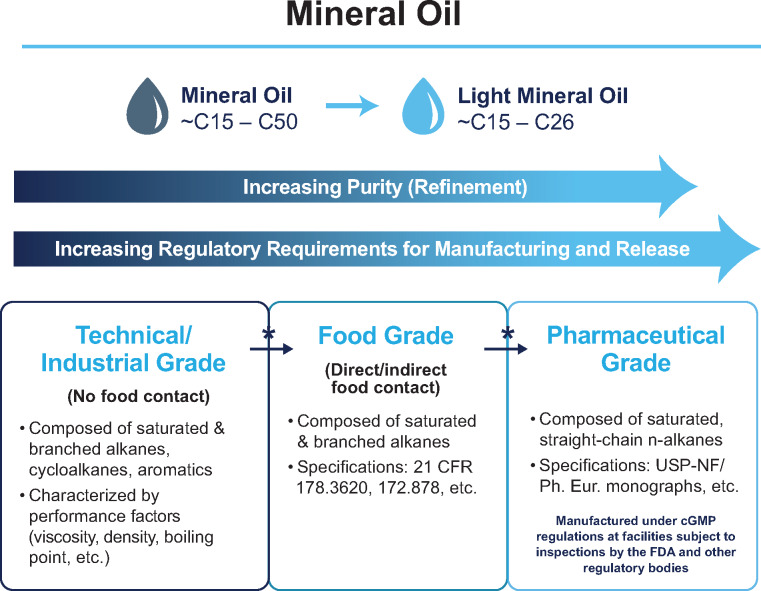
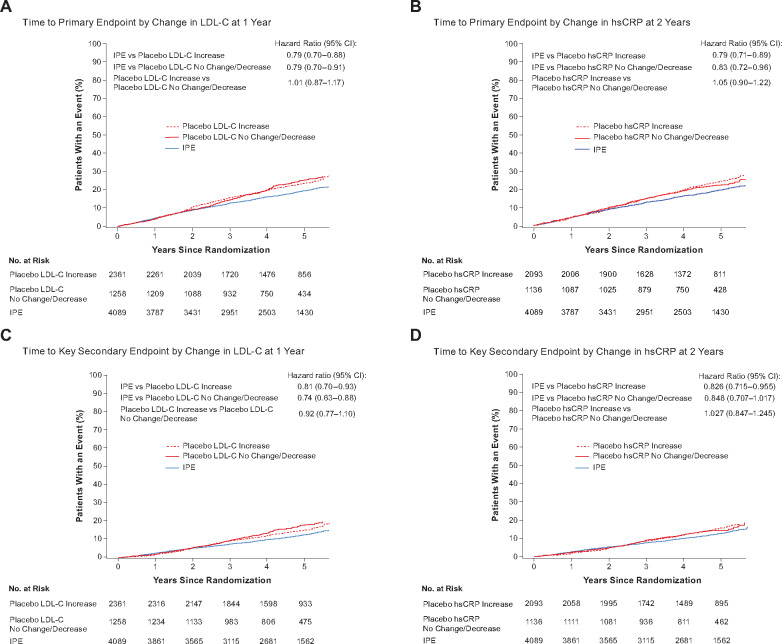
Mineral oil is often used as a clinical trial placebo. Pharmaceutical-grade mineral oil consists of a mixture of saturated hydrocarbons, with a purity and chemical structure that differs substantially from food-grade or technical-/industrial-grade mineral oils. Interest in mineral oil was piqued by suggestions that a portion of the substantially positive results of the Reduction of Cardiovascular Events with Icosapent Ethyl–Intervention Trial (REDUCE-IT) might be attributable to the theoretical negative effects of mineral oil rather than being due to the clinical benefits of icosapent ethyl. The objective of this review was to explore possible mineral oil safety and efficacy effects and contextualize these findings in light of the REDUCE-IT conclusions. A literature search identified studies employing mineral oil placebos. Eighty studies were identified and relevant data extracted. Adverse events associated with mineral oil were generally gastrointestinal and consistent with use as a lubricant laxative. Changes in triglycerides, low-density lipoprotein cholesterol, high-density lipoprotein cholesterol, high-sensitivity C-reactive protein, and other biomarkers were inconsistent and generally not statistically significant, or clinically meaningful with mineral oil, as were changes in blood pressure. There was no consistent evidence that mineral oil in the amounts used in the REDUCE-IT or Effect of Vascepa on Progression of Coronary Atherosclerosis in Patients With Elevated Triglycerides on Statin Therapy (EVAPORATE) trials affects absorption of essential nutrients or drugs, including statins. These results were then considered alongside publicly available data from REDUCE-IT. Based on available evidence, mineral oil does not appear to impact medication absorption or efficacy, or related clinical outcomes, and, therefore, does not meaningfully affect study conclusions when used as a placebo at the quantities used in clinical trials.
Overview
The claims and statistics of this paper haven’t been checked yet.
Free: it reads the open-access text and checks the first 5 claims that cite a source we can check. Create a free account to check every claim.
Integrity signals
Registry
Cites
Statistics
Figures
Verification
Claims the paper makes
The claims and statistics of this paper haven’t been checked yet.
Free: it reads the open-access text and checks the first 5 claims that cite a source we can check. Create a free account to check every claim.
Claims other papers make about this one
Each is checked against this paper’s own text: does it say what the citing paper says it does?
The source backs part of the claim, not all of it — or backs it for a different population, condition or comparison.
In the citing paper
“whereas pharmacologic interventions have proven that lowering of biomarkers such as LDL cholesterol and hsCRP associate with reduced risk”
From Effects of Randomized Treatment With Icosapent Ethyl and a Mineral Oil Comparator on Interleukin-1β, Interleukin-6, C-Reactive Protein, Oxidized Low-Density Lipoprotein Cholesterol, Homocysteine, Lipoprotein(a), and Lipoprotein-Associated Phospholipase A2: A REDUCE-IT Biomarker Substudy (2022) · cites this paper as [12]
Experimental — accuracy not yet measuredThe source backs part of the claim, not all of it — or backs it for a different population, condition or comparison.
In the citing paper
“Regulatory agencies evaluating REDUCE-IT estimated that approximately 3% of the net clinical benefit observed with icosapent ethyl might have been a consequence of adverse biomarker effects on LDL cholesterol and hsCRP attributable to mineral oil.12”
From Effects of Randomized Treatment With Icosapent Ethyl and a Mineral Oil Comparator on Interleukin-1β, Interleukin-6, C-Reactive Protein, Oxidized Low-Density Lipoprotein Cholesterol, Homocysteine, Lipoprotein(a), and Lipoprotein-Associated Phospholipase A2: A REDUCE-IT Biomarker Substudy (2022) · cites this paper as [12]
Experimental — accuracy not yet measuredThe source backs part of the claim, not all of it — or backs it for a different population, condition or comparison.
In the citing paper
“This benefit remained significant even considering a slight increase of LDL-C and highsensitivity C-reactive protein due to the effect of mineral oil in the placebo arm.275,276”
From 2023 ESC guidelines for the management of cardiovascular disease in patients with diabetes. (2023) · cites this paper as [275]
Experimental — accuracy not yet measuredThe cited source says what the claim attributes to it.
In the citing paper
“there has been controversy regarding the use of mineral oil as a comparator within REDUCE-IT, an issue where biomarker and outcome data are limited.[12][13][14]”
From Effects of Randomized Treatment With Icosapent Ethyl and a Mineral Oil Comparator on Interleukin-1β, Interleukin-6, C-Reactive Protein, Oxidized Low-Density Lipoprotein Cholesterol, Homocysteine, Lipoprotein(a), and Lipoprotein-Associated Phospholipase A2: A REDUCE-IT Biomarker Substudy (2022) · cites this paper as [12]
In the citing paper
“the contrapositive conclusion that elevations of these or other biomarkers necessarily increase risk is not proven, nor is the magnitude of any such effect known, even if the effects of the mineral oil comparator used in REDUCE-IT are taken to be causal.[12][13][14]”
From Effects of Randomized Treatment With Icosapent Ethyl and a Mineral Oil Comparator on Interleukin-1β, Interleukin-6, C-Reactive Protein, Oxidized Low-Density Lipoprotein Cholesterol, Homocysteine, Lipoprotein(a), and Lipoprotein-Associated Phospholipase A2: A REDUCE-IT Biomarker Substudy (2022) · cites this paper as [12]
Self-check
Percentages, sums and reported differences re-computed from the paper’s own numbers.
The self-check needs the paper’s full text.
Citations
Cites
Cardiovascular Risk Reduction with Icosapent Ethyl for Hypertriglyceridemia
Bhatt, D. L., Steg, P. G., Miller, M., Brinton, E. A., Jacobson, T. A., Ketchum, S. B., Doyle, R. T., Juliano, R. A., Jiao, L., Granowitz, C., et al. (2019) · New England Journal of Medicine · doi:10.1056/nejmoa1812792 · Cited by 3,317 · cited 7×
“001).(8) A statistically significant 10.”
BackgroundResultInfluentialSelf-citationYokoyama, M., Origasa, H., Matsuzaki, M., Matsuzawa, Y., Saito, Y., Ishikawa, Y., Oikawa, S., Sasaki, J., Hishida, H., Itakura, H., et al. (2007) · The Lancet · doi:10.1016/s0140-6736(07)60527-3 · Cited by 2,516 · cited 1×
“The REDUCE-IT results are also in agreement with the observed risk reduction in the JELIS study, which did not administer a mineral oil placebo within the control group.(8,90) The independent Data and Safety Monitoring Committee (DMC) of REDUCE-IT met regularly and monitored changes in biomarkers in the placebo arm, a…”
ResultSilverman, M. G., Ference, B. A., Im, K., Wiviott, S. D., Giugliano, R. P., Grundy, S. M., Braunwald, E., & Sabatine, M. S. (2016) · JAMA · doi:10.1001/jama.2016.13985 · Cited by 1,483
Ridker, P. M. (2001) · Circulation · doi:10.1161/01.cir.103.13.1813 · Cited by 1,402 · cited 1×
“hsCRP is subject to high intra- and inter-individual variability and is heavily influenced by transient conditions, such as minor trauma, inflammatory processes, and infections.(68) However, concentrations were measured only at three time points in REDUCE-IT (baseline, year 2, and last visit)(8); given that hsCRP valu…”
BackgroundBoekholdt, S. M., Arsenault, B. J., Mora, S., Pedersen, T. R., LaRosa, J. C., Nestel, P. J., Simes, R. J., Durrington, P., Hitman, G. A., Welch, K. M. A., et al. (2012) · JAMA · doi:10.1001/jama.2012.366 · Cited by 795
EFFECTS OF MANIPULATION OF DIETARY FATTY ACIDS ON CLINICAL MANIFESTATIONS OF RHEUMATOID ARTHRITIS
Kremer, J., Michalek, A., Lininger, L., Huyck, C., Bigauoette, J., Timchalk, M., Rynes, R., Zieminski, J., & Bartholomew, L. (1985) · The Lancet · doi:10.1016/s0140-6736(85)92024-0 · Cited by 416 · cited 1×
“5%) was reported in a study of 21 patients with rheumatoid arthritis.(59) Low-density lipoprotein cholesterol changes from baseline in these trials ranged from 6.”
BackgroundEmerging Mechanisms of Cardiovascular Protection for the Omega-3 Fatty Acid Eicosapentaenoic Acid
Mason, R. P., Libby, P., & Bhatt, D. L. (2020) · Arteriosclerosis, Thrombosis, and Vascular Biology · doi:10.1161/atvbaha.119.313286 · Cited by 407 · cited 1×
“While reduction in TG levels may contribute to overall outcomes, they likely did not contribute substantially to the degree of CV risk reduction observed.(16,17) Preclinical and clinical studies support IPE reducing CVevents throughmultiple mechanisms of action, including several that are not fully understood.”
BackgroundSelf-citationPleiotropic Effects of Statins: Benefit Beyond Cholesterol Reduction?
Robinson, J. G., Smith, B., Maheshwari, N., & Schrott, H. (2005) · Journal of the American College of Cardiology · doi:10.1016/j.jacc.2005.05.085 · Cited by 407
Bays, H. E., Ballantyne, C. M., Kastelein, J. J., Isaacsohn, J. L., Braeckman, R. A., & Soni, P. N. (2011) · The American Journal of Cardiology · doi:10.1016/j.amjcard.2011.04.015 · Cited by 358
Ballantyne, C. M., Bays, H. E., Kastelein, J. J., Stein, E., Isaacsohn, J. L., Braeckman, R. A., & Soni, P. N. (2012) · The American Journal of Cardiology · doi:10.1016/j.amjcard.2012.05.031 · Cited by 342 · cited 1×
“Only the ANCHOR study had >100 patients taking a mineral oil regimen.(10) Six of the CV studies reported on statin use; the remainder did not document statin use (Table 1).”
BackgroundPeet, M., & Horrobin, D. F. (2002) · Journal of Psychiatric Research · doi:10.1016/s0022-3956(01)00048-6 · Cited by 329
Ozturk, B., Argin, S., Ozilgen, M., & McClements, D. J. (2015) · Food Chemistry · doi:10.1016/j.foodchem.2015.04.065 · Cited by 329 · cited 1×
“Studies have shown that fatty acids or vitamin D3 formulated in a nanoemulsion delivery system of indigestible mineral oil is less bioavailable than a similar emulsion of digestible corn oil.(76,77) The relevance of these findings to absorption of fat-soluble vitamins and drugs not formulated in a nanoemulsion is not…”
BackgroundKabir, M., Skurnik, G., Naour, N., Pechtner, V., Meugnier, E., Rome, S., Quignard-Boulangé, A., Vidal, H., Slama, G., Clément, K., et al. (2007) · The American Journal of Clinical Nutrition · doi:10.1093/ajcn/86.5.1670 · Cited by 316
Effects of Icosapent Ethyl on Total Ischemic Events
Bhatt, D. L., Steg, P. G., Miller, M., Brinton, E. A., Jacobson, T. A., Ketchum, S. B., Doyle, R. T., Juliano, R. A., Jiao, L., Granowitz, C., et al. (2019) · Journal of the American College of Cardiology · doi:10.1016/j.jacc.2019.02.032 · Cited by 259
Self-citationKoskinas, K. C., Siontis, G. C. M., Piccolo, R., Mavridis, D., Räber, L., Mach, F., & Windecker, S. (2018) · European Heart Journal · doi:10.1093/eurheartj/ehx566 · Cited by 252
Belch, J. J., Ansell, D., Madhok, R., O'Dowd, A., & Sturrock, R. D. (1988) · Annals of the Rheumatic Diseases · doi:10.1136/ard.47.2.96 · Cited by 220
Osmotic and stimulant laxatives for the management of childhood constipation
Gordon, M., MacDonald, J. K., Parker, C. E., Akobeng, A. K., & Thomas, A. G. (2016) · Cochrane Database of Systematic Reviews · doi:10.1002/14651858.cd009118.pub3 · Cited by 182
Cho, H.-J., Salvia‐Trujillo, L., Kim, J., Park, Y., Xiao, H., & McClements, D. J. (2014) · Food Chemistry · doi:10.1016/j.foodchem.2014.01.084 · Cited by 164 · cited 1×
“Studies have shown that fatty acids or vitamin D3 formulated in a nanoemulsion delivery system of indigestible mineral oil is less bioavailable than a similar emulsion of digestible corn oil.(76,77) The relevance of these findings to absorption of fat-soluble vitamins and drugs not formulated in a nanoemulsion is not…”
BackgroundThe eicosapentaenoic acid:arachidonic acid ratio and its clinical utility in cardiovascular disease
Nelson, J. R., & Raskin, S. (2019) · Postgraduate Medicine · doi:10.1080/00325481.2019.1607414 · Cited by 152 · cited 1×
“Preclinical and clinical studies support IPE reducing CVevents throughmultiple mechanisms of action, including several that are not fully understood.(18,19) However, a few critics have suggested that the observed reduction in CV risk was not only due to positive effects of IPE but also due to negative effects from the…”
BackgroundBays, H. E., Ballantyne, C. M., Braeckman, R. A., Stirtan, W. G., & Soni, P. N. (2013) · American Journal of Cardiovascular Drugs · doi:10.1007/s40256-012-0002-3 · Cited by 141
REDUCE-IT USA: Results From the 3146 Patients Randomized in the United States
Bhatt, D. L., Miller, M., Brinton, E. A., Jacobson, T. A., Steg, P. G., Ketchum, S. B., Doyle, R. T., Juliano, R. A., Jiao, L., Granowitz, C., et al. (2020) · Circulation · doi:10.1161/circulationaha.119.044440 · Cited by 136
Self-citationNogueira, M. A., de Oliveira, C. P. M. S., Alves, V. A. F., Stefano, J. T., Rodrigues, L., Torrinhas, R. S., Cogliati, B., Barbeiro, H. V., Carrilho, F. J., & Waitzberg, D. L. (2015) · Clinical Nutrition · doi:10.1016/j.clnu.2015.05.001 · Cited by 132
Yang, B. (1999) · The Journal of Nutritional Biochemistry · doi:10.1016/s0955-2863(99)00049-2 · Cited by 115
Abdolahi, M., Tafakhori, A., Togha, M., Okhovat, A. A., Siassi, F., Eshraghian, M. R., Sedighiyan, M., Djalali, M., Honarvar, N. M., & Djalali, M. (2017) · Immunogenetics · doi:10.1007/s00251-017-0992-8 · Cited by 115
Mohammadi, E., Rafraf, M., Farzadi, L., Jafarabadi, M. A., & Sabour, S. (2012) · PubMed · Cited by 111
Mineral oil in human tissues, Part I: Concentrations and molecular mass distributions
Barp, L., Kornauth, C., Würger, T., Rudas, M., Biedermann, M., Reiner, A., Concin, N., & Grob, K. (2014) · Food and Chemical Toxicology · doi:10.1016/j.fct.2014.04.029 · Cited by 104 · cited 1×
“Some studies showed mineral oil bioaccumulation in humans as a result of exposure to industrial-/technical- or food-grade mineral oils, which have been detected in fat, mesenteric lymph nodes, liver, and spleen, with lower levels in the lung, kidney, brain, and heart.(33) These mineral oils are derived from food, cosm…”
BackgroundPaixão, E. M. D. S., Oliveira, A. C. D. M., Pizato, N., Muniz‐Junqueira, M. I., Magalhães, K. G., Nakano, E. Y., & Ito, M. (2017) · Nutrition Journal · doi:10.1186/s12937-017-0295-9 · Cited by 102
Tan, A., Sullenbarger, B., Prakash, R., & McDaniel, J. C. (2018) · Prostaglandins, Leukotrienes and Essential Fatty Acids · doi:10.1016/j.plefa.2018.03.010 · Cited by 88
Liquid paraffin: a reappraisal of its role in the treatment of constipation
Sharif, F., Crushell, E., O'Driscoll, K., & Bourke, B. (2001) · Archives of Disease in Childhood · doi:10.1136/adc.85.2.121 · Cited by 88 · cited 2×
“In large doses, food-grade mineral oil has been used to treat constipation, primarily in children.(5,6) Food-grade mineral oil can be further refined and hydrogenated to remove impurities, and these straightchain n-alkanes, when manufactured under current Good Manufacturing Practices at facilities subject to inspectio…”
Rashidmayvan, M., Mohammadshahi, M., Seyedian, S. S., & Haghighizadeh, M. H. (2019) · Journal of Diabetes & Metabolic Disorders · doi:10.1007/s40200-019-00439-6 · Cited by 87
De Truchis, P., Kirstetter, M., Perier, A., Meunier, C., Zucman, D., Force, G., Doll, J., Katlama, C., Rozenbaum, W., Masson, H., et al. (2007) · JAIDS Journal of Acquired Immune Deficiency Syndromes · doi:10.1097/qai.0b013e31802c2f3d · Cited by 81 · cited 1×
“Statin use was not reported in 19 of 21 non-CV studies and was prohibited in the other 2 studies.(45,58)”
BackgroundRazavi, M., Jamilian, M., Samimi, M., Afshar Ebrahimi, F., Taghizadeh, M., Bekhradi, R., Seyed Hosseini, E., Haddad Kashani, H., Karamali, M., & Asemi, Z. (2017) · Nutrition & Metabolism · doi:10.1186/s12986-017-0236-9 · Cited by 77
Budoff, M. J., Muhlestein, J. B., Bhatt, D. L., Le Pa, V. T., May, H. T., Shaikh, K., Shekar, C., Kinninger, A., Lakshmanan, S., Roy, S. K., et al. (2021) · Cardiovascular Research · doi:10.1093/cvr/cvaa184 · Cited by 76
Self-citationVitamin D supplementation improves the metabolic syndrome risk profile in postmenopausal women
Ferreira, P., Cangussu, L. M., Bueloni-Dias, F. N., Orsatti, C. L., Schmitt, E. B., Nahás-Neto, J., & Nahás, E. A. P. (2019) · Climacteric · doi:10.1080/13697137.2019.1611761 · Cited by 76
FISHing for the Miracle of Eicosapentaenoic Acid
Kastelein, J. J. P., & Stroes, E. S. G. (2019) · New England Journal of Medicine · doi:10.1056/nejme1814004 · Cited by 74 · cited 1×
“However, a few critics have suggested that the observed reduction in CV risk was not only due to positive effects of IPE but also due to negative effects from the pharmaceutical-grade mineral oil control, a supposition based on small elevations in some lipid levels and inflammatory markers in the placebo arm.(20) The…”
BackgroundFlaxseed oil supplementation decreases C-reactive protein levels in chronic hemodialysis patients
Lemos, J. R. N., Alencastro, M. G., Konrath, A. V., Cargnin, M., & Manfro, R. C. (2012) · Nutrition Research · doi:10.1016/j.nutres.2012.08.007 · Cited by 74 · cited 1×
“The only non-CV study in which any of these changes was statistically significant was a 12% increase in TG levels in terminal renal failure patients on chronic haemodialysis.(47) Statin use was not reported in 19 of 21 non-CV studies and was prohibited in the other 2 studies.”
BackgroundBudoff, M., Brent Muhlestein, J., Le, V. T., May, H. T., Roy, S., & Nelson, J. R. (2018) · Clinical Cardiology · doi:10.1002/clc.22856 · Cited by 73
Self-citationBoden, W. E., Bhatt, D. L., Toth, P. P., Ray, K. K., Chapman, M. J., & Lüscher, T. F. (2020) · European Heart Journal · doi:10.1093/eurheartj/ehz778 · Cited by 72 · cited 1×
“001].(8,14,15) While reduction in TG levels may contribute to overall outcomes, they likely did not contribute substantially to the degree of CV risk reduction observed.”
BackgroundSelf-citationGharekhani, A., Khatami, M., Dashti‐Khavidaki, S., Razeghi, E., Noorbala, A.-A., Nazari, S. S. H., & Mansournia, M. A. (2014) · European Journal of Clinical Pharmacology · doi:10.1007/s00228-014-1666-1 · Cited by 72
Abdolahi, M., Sarraf, P., Javanbakht, M. H., Honarvar, N. M., Hatami, M., Soveyd, N., Tafakhori, A., Sedighiyan, M., Djalali, M., Jafarieh, A., et al. (2018) · CNS & Neurological Disorders - Drug Targets · doi:10.2174/1871527317666180625101643 · Cited by 70
Mirmasoumi, G., Fazilati, M., Foroozanfard, F., Vahedpoor, Z., Mahmoodi, S., Taghizadeh, M., Esfeh, N. K., Mohseni, M., Karbassizadeh, H., & Asemi, Z. (2018) · Experimental and Clinical Endocrinology & Diabetes · doi:10.1055/s-0043-119751 · Cited by 64
Emsley, R. A., Niehaus, D. J. H., Oosthuizen, P., Koen, L., Ascott-Evans, B. H., Chiliza, B., van Rensburg, S. J., & Smit, R. (2008) · Psychiatry Research · doi:10.1016/j.psychres.2007.06.029 · Cited by 64
Lotfi‐Dizaji, L., Mahboob, S., Aliashrafi, S., Vaghef‐Mehrabany, E., Ebrahimi‐Mameghani, M., & Morovati, A. (2018) · Clinical Endocrinology · doi:10.1111/cen.13861 · Cited by 63
ω‐3 Fatty Acids Infusions as Adjuvant Therapy in Rheumatoid Arthritis
Bahadori, B., Uitz, E., Thonhofer, R., Trummer, M., Pestemer‐Lach, I., McCarty, M. F., & Krejs, G. J. (2010) · Journal of Parenteral and Enteral Nutrition · doi:10.1177/0148607109342130 · Cited by 60
Gharekhani, A., Khatami, M., Dashti‐Khavidaki, S., Razeghi, E., Abdollahi, A., Nazari, S. S. H., & Mansournia, M. A. (2014) · Journal of Renal Nutrition · doi:10.1053/j.jrn.2014.01.014 · Cited by 53
Barp, L., Biedermann, M., Grob, K., Blas-Y-Estrada, F., Nygaard, U. C., Alexander, J., & Cravedi, J. (2016) · The Science of The Total Environment · doi:10.1016/j.scitotenv.2016.09.203 · Cited by 52 · cited 1×
“Bioaccumulation of industrial-/technical- or food-grade mineral oil has been reported with longer durations of oral exposure, particularly for n-alkanes with 20–40 carbons.(34) However, similar to above, these findings do not apply to pharmaceutical-grade mineral oil.”
BackgroundVariable Responses of Species and Strains to White Mineral Oils and Paraffin Waxes
Miller, M. J., Lonardo, E. C., Greer, R. D., Bevan, C. D., Edwards, D. A., Smith, J. H., & Freeman, J. J. (1996) · Regulatory Toxicology and Pharmacology · doi:10.1006/rtph.1996.0009 · Cited by 48 · cited 2×
“This response may be specific to this strain of rat and may not be relevant to humans, who respond to hydrocarbons more similarly to rat strains that do not produce granulomas.(35,36) Evidence from decades of clinical use support safety of alkanes from mineral oils in humans.”
BackgroundMozaffari–Khosravi, H., Loloei, S., Mirjalili, M., & Barzegar, K. (2014) · Blood Pressure Monitoring · doi:10.1097/mbp.0000000000000091 · Cited by 46 · cited 1×
“The relevance of these findings to absorption of fat-soluble vitamins and drugs not formulated in a nanoemulsion is not clear, as a vitamin D intervention study using pure liquid paraffin as a placebo found no reduction in vitamin D levels in the placebo group.(73) Databases of drug–drug interactions provide no eviden…”
BackgroundInhibition of Gastric Motility by Duodenal Contents in Turkeys
Duke, G. E., & Evanson, O. A. (1972) · Poultry Science · doi:10.3382/ps.0511625 · Cited by 45 · cited 1×
“Mineral oil, as a laxative, has no direct effect on gastric motility, affecting colonic motility secondarily.(24,25)”
BackgroundLakshmanan, S., Shekar, C., Kinninger, A., Dahal, S., Onuegbu, A., Cai, A. N., Hamal, S., Birudaraju, D., Roy, S. K., Nelson, J. R., et al. (2020) · Cardiovascular Research · doi:10.1093/cvr/cvz329 · Cited by 42 · cited 1×
“non-mineral oil placebo used in another prospective randomized trial (Garlic 5).(80) The two trials were of similar design, with coronary computed tomography angiography performed in EVAPORATE at baseline and 9months, and in Garlic 5 at baseline and 12months.”
MethodSelf-citationHosseini, M. S., Mirkarimi, S., Amini, M., Mohtashami, R., Kianbakht, S., & Huseini, H. F. (2013) · DOAJ (DOAJ: Directory of Open Access Journals) · Cited by 41
Autoimmune/inflammatory syndrome induced by mineral oil: a health problem
Lastra, O. L. V., Medina, G., Cruz-Domínguez, M. P., Ramírez, G. M., Blancas, R. B. P., Amaro, A. L. P., Martínez, A. V., Sepúlveda-Delgado, J., & Jara, L. J. (2018) · Clinical Rheumatology · doi:10.1007/s10067-018-4078-2 · Cited by 39 · cited 1×
“Other AEs include pneumonia secondary to aspiration(6,26) and various complications, including an autoimmune syndrome and death, following illegal direct injection of mineral oil as a dermal filler.(27,28) Pharmaceutical-grademineral oils are composed of saturated hydrocarbons that are highly refined to achieve extrem…”
BackgroundBhatt, D. L. (2019) · European Heart Journal · doi:10.1093/eurheartj/ehz179 · Cited by 37
Self-citationSerum β-Carotene, Retinol, and α-Tocopherol Levels During Mineral Oil Therapy for Constipation
Clark, J. H. (1987) · Archives of Pediatrics and Adolescent Medicine · doi:10.1001/archpedi.1987.04460110080028 · Cited by 36
Horrobin, D. F., Ells, K., Morse-Fisher, N., & Manku, M. S. (1991) · Prostaglandins Leukotrienes and Essential Fatty Acids · doi:10.1016/0952-3278(91)90090-r · Cited by 29
Can pleiotropic effects of eicosapentaenoic acid (EPA) impact residual cardiovascular risk?
Nelson, J. R., True, W. S., Le, V., & Mason, R. P. (2017) · Postgraduate Medicine · doi:10.1080/00325481.2017.1385365 · Cited by 27 · cited 1×
“Preclinical and clinical studies support IPE reducing CVevents throughmultiple mechanisms of action, including several that are not fully understood.(18,19) However, a few critics have suggested that the observed reduction in CV risk was not only due to positive effects of IPE but also due to negative effects from the…”
BackgroundGhorbanihaghjo, A., Kolahi, S., Seifirad, S., Rashtchizadeh, N., Argani, H., Hajialilo, M., Khabazi, A., Alizadeh, S., & Bahreini, E. (2012) · PubMed · Cited by 26
Improved detection of mineral oil toxicity using an extended mouse embryo assay
Ainsworth, A. J., Fredrickson, J. R., & Morbeck, D. E. (2017) · Journal of Assisted Reproduction and Genetics · doi:10.1007/s10815-016-0856-4 · Cited by 26 · cited 1×
“pharmaceutical-grade mineral oil and mainly due to peroxidation of aromatic and saturated hydrocarbon impurities rather than the mineral oil itself.(31) In pharmacokinetic studies, mineral oil was undetectable in blood samples.”
BackgroundThe Safety of Mineral Oil in the Treatment of Constipation—A Lesson from Prolonged Overdose
Gal-Ezer, S., & Shaoul, R. R. (2006) · Clinical Pediatrics · doi:10.1177/0009922806295285 · Cited by 25 · cited 3×
“In large doses, food-grade mineral oil has been used to treat constipation, primarily in children.(5,6) Food-grade mineral oil can be further refined and hydrogenated to remove impurities, and these straightchain n-alkanes, when manufactured under current Good Manufacturing Practices at facilities subject to inspectio…”
BackgroundAgh, F., Honarvar, N. M., Djalali, M., Nematipour, E., Gholamhosseini, S., Zarei, M., Ansari, S., & Javanbakht, M. H. (2017) · PubMed · Cited by 25
Mazaherioun, M., Djalali, M., Koohdani, F., Javanbakht, M. H., Zarei, M., Beigy, M., Ansari, S., Rezvan, N., & Saedisomeolia, A. (2017) · Medical Principles and Practice · doi:10.1159/000484089 · Cited by 20
Adenuga, D., Goyak, K. O., & Lewis, R. J. (2017) · Critical Reviews in Toxicology · doi:10.1080/10408444.2017.1319336 · Cited by 19 · cited 2×
“This response may be specific to this strain of rat and may not be relevant to humans, who respond to hydrocarbons more similarly to rat strains that do not produce granulomas.(35,36) Evidence from decades of clinical use support safety of alkanes from mineral oils in humans.”
BackgroundBoogaard, P. J., Goyak, K. O., BILES, R. W., van Stee, L. L. P., Miller, M. S., & Miller, M. J. (2012) · Regulatory Toxicology and Pharmacology · doi:10.1016/j.yrtph.2012.02.014 · Cited by 18 · cited 1×
“In pharmacokinetic studies, mineral oil was undetectable in blood samples.(32) Some studies showed mineral oil bioaccumulation in humans as a result of exposure to industrial-/technical- or food-grade mineral oils, which have been detected in fat, mesenteric lymph nodes, liver, and spleen, with lower levels in the lun…”
BackgroundFogaça, M. N., Galduróz, J. C. F., Eserian, J. K., & Galduróz, J. C. F. (2011) · BMC Clinical Pharmacology · doi:10.1186/1472-6904-11-10 · Cited by 18
Gholamhosseini, S., Nematipour, E., Djazayery, A., Javanbakht, M. H., Koohdani, F., Zareei, M., & Djalali, M. (2014) · Nutrition · doi:10.1016/j.nut.2014.09.010 · Cited by 17
Mortazavi, A., Nematipoor, E., Djalali, M., Keshavarz, S. A., Samavat, S., Zarei, M., & Javanbakht, M. H. (2018) · Europe PMC (PubMed Central) · Cited by 17
Golzari, M. H., Javanbakht, M. H., Ghaedi, E., Mohammadi, H., & Djalali, M. (2019) · Clinical Nutrition Research · doi:10.7762/cnr.2019.8.1.17 · Cited by 15
Soares, A. C. F., Tahan, S., & de Morais, M. B. (2009) · Jornal de Pediatria · doi:10.1590/s0021-75572009000400009 · Cited by 13
Yokote, K., Niwa, K., Hakoda, T., Oh, F., Kajimoto, Y., Fukui, T., Kim, H., Noda, Y., Lundström, T., & Yajima, T. (2020) · Circulation Journal · doi:10.1253/circj.cj-19-0358 · Cited by 7 · cited 1×
“Other AEs include pneumonia secondary to aspiration(6,26) and various complications, including an autoimmune syndrome and death, following illegal direct injection of mineral oil as a dermal filler.(27,28) Pharmaceutical-grademineral oils are composed of saturated hydrocarbons that are highly refined to achieve extrem…”
BackgroundRamezani, A., Djalali, M., & Yosefinejad, A. (2018) · DOAJ (DOAJ: Directory of Open Access Journals) · Cited by 3
EFFECT OF MINERAL OIL ON PLASMA LIPIDA: A META-ANALYSIS
Radel, J. A., Pender, D. N., & Shah, S. A. (2020) · Journal of the American College of Cardiology · doi:10.1016/s0735-1097(20)32535-3 · Cited by 2
Research works printed but not linked: 5
- Aguilar F, Charrondiere UR, Dusemund B, Galtier P, Gilbert J, Gott DM, Grilli S, Guertler R, Koenig J, Lambré C, Larsen J‐C, Leblanc J‐C, Mortensen A, Parent‐Massin D, Pratt I, Rietjens IMCM, Stankovic I, Tobback P, Verguieva T, Woutersen RA. Scientific opinion on the use of high viscosity white mineral oils as a food additive. EFSA J 2009; 7: 1387.
- Alexander J, Benford D, Boobis AR, Ceccatelli S, Cottrill B, Cravedi J-P, Domenico AD, Doerge D, Dogliotti E, Edler L, Farmer P, Filipič M, Fink‐Gremmels J, Fürst P, Guérin T, Knutsen HK, Machala M, Mutti A, Rose M, Schlatter JR, van Leeuwen R. Scientific opinion on mineral oil hydrocarbons in food. EFSA Panel on Contaminants in the Food Chain (CONTAM). EFSA J 2012; 10: 2704.
- Budoff MJ, Muhlestein JB, Bhatt DL, Le VT, May HT, Shaikh K, Shekar C, Kinninger A, Lakshmanan S, Roy S, Tayek J, Nelson JR. Effect of icosapent ethyl on progression of coronary atherosclerosis in patients with elevated triglycerides (200-499mg/dl) on statin therapy (EVAPORATE study) [abstract] Presented at Annual Scientific Sessions of the American Heart Association. Philadelphia, PA, 2019.
- Allain G, Le Guen V, Lesven S, Mansourati J, Guerrero F, Kerspern H, Delarue J. Effects of fish oil on metabolic alterations induced by carbohydrate overfeeding in healthy volunteers [abstract 534]. Diabetologia 2009; 52(Suppl 1): S214– S215.
- Mejia-Montilla J, Reyna-Villasmil E, Andrade-Albán M, Lozada-Meza M, Rodríguez-Cevallos M, Solís-Manzano A. [ Vitamin D supplementation and lipid profile in women with polycystic ovary syndrome and vitamin D deficiency]. Med Reprod Embriol Clin 2018; 5: 123– 131.
Cited by
2023 ESC guidelines for the management of cardiovascular disease in patients with diabetes.
Marx, N., Federici, M., Schütt, K., Müller-Wieland, D., Ajjan, R. A., Antunes, M. J., Christodorescu, R. M., Crawford, C., Di Angelantonio, E., Eliasson, B., et al. (2023) · European Heart Journal · doi:10.1093/eurheartj/ehad192 · Cited by 1,642
Djuricic, I., & Calder, P. C. (2021) · Nutrients · doi:10.3390/nu13072421 · Cited by 1,015
“EVAPORATE demonstrated that EPA might directly promote atherosclerotic plaque regression in hypertriglyceridemic individuals [187].”
BackgroundInfluential2025 Focused Update of the 2019 ESC/EAS Guidelines for the management of dyslipidaemias
Mach, F., Koskinas, K. C., Roeters van Lennep, J. E., Tokgözoğlu, L., Badimon, L., Baigent, C., Benn, M., Binder, C. J., Catapano, A. L., De Backer, G. G., et al. (2025) · European Heart Journal · doi:10.1093/eurheartj/ehaf190 · Cited by 688
Virani, S. S., Morris, P. B., Agarwala, A., Ballantyne, C. M., Birtcher, K. K., Kris-Etherton, P. M., Ladden-Stirling, A. B., Miller, M., Orringer, C. E., & Stone, N. J. (2021) · Journal of the American College of Cardiology · doi:10.1016/j.jacc.2021.06.011 · Cited by 341
Coronary heart disease risk: Low-density lipoprotein and beyond
Shaya, G. E., Leucker, T. M., Jones, S. R., Martin, S. S., & Toth, P. P. (2022) · Trends in Cardiovascular Medicine · doi:10.1016/j.tcm.2021.04.002 · Cited by 236
Metadata
- Authors
- Olshansky, B., Chung, M. K., Budoff, M. J., Philip, S., Jiao, L., Doyle, Jr., Copland, C., Giaquinto, A., Juliano, R. A., & Bhatt, D. L.
- Affiliations
- University of Iowa (US)
- Cleveland Clinic (US)
- The Lundquist Institute (US)
- Amarin (United States) (US)
- Amarin Pharma, Inc, Bridgewater, NJ, USA
- Brigham and Women's Hospital (US)
- Corresponding author
- Olshansky, Brian
- ORCID
- Venue
- European Heart Journal Supplements
- Publisher
- Oxford University Press (OUP)
- Published
- 2020-10-01
- Volume
- 22
- Issue
- Supplement_J
- Pages
- J34-J48
- ISSN
- 1520-765X (ISSN-L)
- 1554-2815
- PMC
- PMC7537802
- OpenAlex
- W3092016772
- Cited by
- 103
- References
- 77
- Citations by year
- 2026: 7 · 2025: 14 · 2024: 12 · 2023: 25 · 2022: 22 · 2021: 21 · 2020: 1
- FWCI
- 10.91
- Type
- journal article
- Language
- en
- Open access
- hybrid
- doi.org
- Licence
- Locations
- European Heart Journal Supplements (publishedVersion, cc-by-nc)
- PubMed Central (publishedVersion, cc-by-nc)
- PubMed (publishedVersion)
- eScholarship (California Digital Library) (submittedVersion)
- Funders
- Amarin Pharma, Inc
- Topics
- Health Sciences › Nursing › Nutrition and Dietetics › Fatty Acid Research and Health
- Physical Sciences › Mathematics › Statistics and Probability › Statistical Methods in Clinical Trials
- Health Sciences › Medicine › Cardiology and Cardiovascular Medicine › Lipoproteins and Cardiovascular Health
- Keywords
- mineral oil, placebo, icosapent ethyl, alkanes, drug absorption, statins, triglycerides, cardiovascular events, adverse events, coronary artery disease
About these checks
Registry, retraction, Cites and statistics results are computed, not judged, with one exception: a printed reference that no index lists is read once by a model before it counts as a citation error. Claims are extracted by a model and kept only when their quote appears verbatim in the text; each cited source is then checked, with a model’s help, for whether it says what the claim relies on. Those verdicts can be wrong — read the claim’s quote and the cited source before relying on one.
Statistics and arithmetic are recomputed, not judged.
Confidence bands are shown only for fields calibrated on our annotated test set. None is calibrated yet, so no band is shown.
What counts as a claim ›How we measure confidence ›How we check this ›
Are you an author, or do you see a problem with this page? Request a review
Data sources
Bibliographic data: Semantic Scholar, OpenAlex, Crossref.
Contains information from the Semantic Scholar Academic Graph Datasets, made available under the ODC Attribution License (ODC-BY 1.0).
Semantic Scholar’s data is described in: Kinney, R., et al. (2023). The Semantic Scholar Open Data Platform. arXiv:2301.10140.
