

Horizontal Gene Transfer Contributes to the Evolution of Arthropod Herbivory
Open accessThe DOI matches its Crossref record; 152 of the 152 references it cites were found in a registry or an index.
Abstract
Within animals, evolutionary transition toward herbivory is severely limited by the hostile characteristics of plants. Arthropods have nonetheless counteracted many nutritional and defensive barriers imposed by plants and are currently considered as the most successful animal herbivores in terrestrial ecosystems. We gather a body of evidence showing that genomes of various plant feeding insects and mites possess genes whose presence can only be explained by horizontal gene transfer (HGT). HGT is the asexual transmission of genetic information between reproductively isolated species. Although HGT is known to have great adaptive significance in prokaryotes, its impact on eukaryotic evolution remains obscure. Here, we show that laterally transferred genes into arthropods underpin many adaptations to phytophagy, including efficient assimilation and detoxification of plant produced metabolites. Horizontally acquired genes and the traits they encode often functionally diversify within arthropod recipients, enabling the colonization of more host plant species and organs. We demonstrate that HGT can drive metazoan evolution by uncovering its prominent role in the adaptations of arthropods to exploit plants.
Overview
The claims and statistics of this paper haven’t been checked yet.
Free: it reads the open-access text and checks the first 5 claims that cite a source we can check. Create a free account to check every claim.
Integrity signals
Registry
Cites
Statistics
Figures
Verification
Claims the paper makes
The claims and statistics of this paper haven’t been checked yet.
Free: it reads the open-access text and checks the first 5 claims that cite a source we can check. Create a free account to check every claim.
Claims other papers make about this one
Each is checked against this paper’s own text: does it say what the citing paper says it does?
The source backs part of the claim, not all of it — or backs it for a different population, condition or comparison.
In the citing paper
“A notable example in animals is the presence of microbial genes in the genome of the coffee borer beetle Hypothenemus hampei, which facilitates the digestion of caffeine and reflects a functional adaptation through HGT [35].”
From Origin and Evolution of Genes in Eukaryotes: Mechanisms, Dynamics, and Functional Implications (2025) · cites this paper as [35]
Experimental — accuracy not yet measured
Self-check
Percentages, sums and reported differences re-computed from the paper’s own numbers.
The self-check needs the paper’s full text.
Citations
Cites
The Carbohydrate-Active EnZymes database (CAZy): an expert resource for Glycogenomics
Cantarel, B. L., Coutinho, P. M., Rancurel, C., Bernard, T., Lombard, V., & Henrissat, B. (2009) · Nucleic Acids Research · doi:10.1093/nar/gkn663 · Cited by 5,972 · cited 2×
“GHs are delineated into specific families and sub-families through the curated Carbohydrate-Active database of enzymes involved in carbohydrate metabolism (Cantarel et al. 2009).”
OrthoMCL: Identification of Ortholog Groups for Eukaryotic Genomes
Li, L., Stoeckert, C. J., & Roos, D. S. (2003) · Genome Research · doi:10.1101/gr.1224503 · Cited by 5,707 · cited 1×
“Using the plethora of sequenced genomes, families of orthologues can be systemically classified (Tatusov et al. 1997; Li et al. 2003).”
Carpita, N., & Gibeaut, D. (1993) · The Plant Journal · doi:10.1046/j.1365-313x.1993.00999.x · Cited by 3,651 · cited 1×
“In some plant species, these composite fibers form a thick rigid layer (for instance in woody plants), and pose a barrier for arthropods aiming to feed on plant nutrients (Carpita and Gibeaut 1993; Whetten and Sederoff 1995; Heredia 2003; Sorensen et al. 2010).”
A Genomic Perspective on Protein Families
Tatusov, R. L., Koonin, E. V., & Lipman, D. J. (1997) · Science · doi:10.1126/science.278.5338.631 · Cited by 3,590 · cited 1×
“Using the plethora of sequenced genomes, families of orthologues can be systemically classified (Tatusov et al. 1997; Li et al. 2003).”
Herbivory in Relation to Plant Nitrogen Content
Mattson, W. J. (1980) · Annual Review of Ecology and Systematics · doi:10.1146/annurev.es.11.110180.001003 · Cited by 3,425 · cited 2×
“As many plant species and tissues are characterized by a relatively high carbohydrate content, but low protein and vitamin levels (Mattson 1980; Strong et al. 1984; Awmack and Leather 2002), herbivorous animals need to optimize the assimilation of the limited supply of nutrients in plant tissues.”
Phylogenomics resolves the timing and pattern of insect evolution
Misof, B., Liu, S., Meusemann, K., Peters, R. S., Donath, A., Mayer, C., Frandsen, P. B., Ware, J., Flouri, T., Beutel, R. G., et al. (2014) · Science · doi:10.1126/science.1257570 · Cited by 2,694 · cited 1×
“For many arthropod studies, both requirements can be met as a significant part of the arthropod phylogenomic tree is well mapped and keeps improving due to the increasing number of sequenced arthropod genomes and transcriptomes (Regier et al. 2010; Wheat and Wahlberg 2013; Misof et al. 2014).”
Plant Immunity to Insect Herbivores
Howe, G. A., & Jander, G. (2008) · Annual Review of Plant Biology · doi:10.1146/annurev.arplant.59.032607.092825 · Cited by 2,427 · cited 2×
“Plant resistance to herbivory can be achieved by physical barriers such as trichomes and waxy cuticles and/or by the production of chemical defenses (Howe and Jander 2008).”
Host Plant Quality and Fecundity in Herbivorous Insects
Awmack, C. S., & Leather, S. R. (2002) · Annual Review of Entomology · doi:10.1146/annurev.ento.47.091201.145300 · Cited by 2,201 · cited 2×
“As many plant species and tissues are characterized by a relatively high carbohydrate content, but low protein and vitamin levels (Mattson 1980; Strong et al. 1984; Awmack and Leather 2002), herbivorous animals need to optimize the assimilation of the limited supply of nutrients in plant tissues.”
Schoonhoven, L. M., Jermy, T., & van Loon, J. J. A. (1998) · Springer eBooks · doi:10.1007/978-1-4899-3200-6 · Cited by 1,686 · cited 2×
“The arthropod phylum is now considered to harbor the most successful animal herbivores in terrestrial ecosystems, both in terms of biomass and species diversity (Strong et al. 1984; Labandeira 2002, 2006; Schoonhoven et al. 2006) (fig.”
Fundamentals of molecular evolution
(1991) · Journal of Human Evolution · doi:10.1016/0047-2484(91)90069-8 · Cited by 1,654
Cited by
The evolution and genomic basis of beetle diversity
McKenna, D. D., Shin, S., Ahrens, D., Balke, M., Beza-Beza, C., Clarke, D. J., Donath, A., Escalona, H. E., Friedrich, F., Letsch, H., et al. (2019) · Proceedings of the National Academy of Sciences · doi:10.1073/pnas.1909655116 · Cited by 606
“For GH5-2, GH28, GH45, and GH32, a similar gene has been independently horizontally transferred to a plant-feeding organism outside of Insecta (16).”
InfluentialFunctional horizontal gene transfer from bacteria to eukaryotes
Husnik, F., & McCutcheon, J. P. (2018) · Nature Reviews Microbiology · doi:10.1038/nrmicro.2017.137 · Cited by 480
Division of labor in honey bee gut microbiota for plant polysaccharide digestion
Zheng, H., Perreau, J., Powell, J. E., Han, B., Zhang, Z., Kwong, W. K., Tringe, S. G., & Moran, N. A. (2019) · Proceedings of the National Academy of Sciences · doi:10.1073/pnas.1916224116 · Cited by 358
“P polysaccharides are abundant in many animal diets, but animals generally lack enzymes to digest these substrates (1).”
BackgroundWhitefly hijacks a plant detoxification gene that neutralizes plant toxins
Xia, J., Guo, Z., Yang, Z., Han, H., Wang, S., Xu, H., Yang, X., Yang, F., Wu, Q., Xie, W., et al. (2021) · Cell · doi:10.1016/j.cell.2021.02.014 · Cited by 298
Potential Effects of Horizontal Gene Exchange in the Human Gut
Lerner, A., Matthias, T., & Aminov, R. (2017) · Frontiers in Immunology · doi:10.3389/fimmu.2017.01630 · Cited by 198
Drastic Genome Reduction in an Herbivore’s Pectinolytic Symbiont
Salem, H., Bauer, E., Kirsch, R., Berasategui, A., Cripps, M., Weiss, B., Koga, R., Fukumori, K., Vogel, H., Fukatsu, T., et al. (2017) · Cell · doi:10.1016/j.cell.2017.10.029 · Cited by 203
“…deficient in their repertoire of pectinolytic enzymes, recent efforts have annotated and functionally characterized a range of pectinase-coding genes in genomes of herbivorous arthropods following horizontal acquisition from microbes (CalderónCortés et al., 2012; Boto, 2014; Wybouw et al., 2016).”
InfluentialMetagenomic Approaches to Analyze Antimicrobial Resistance: An Overview
de Abreu, V. A. C., Perdigão, J., & de Almeida, S. S. (2021) · Frontiers in Genetics · doi:10.3389/fgene.2020.575592 · Cited by 145
Bryon, A., Kurlovs, A. H., Dermauw, W., Greenhalgh, R., Riga, M., Grbić, M., Tirry, L., Osakabe, M., VONTAS, J. G., Clark, R. M., et al. (2017) · Proceedings of the National Academy of Sciences · doi:10.1073/pnas.1706865114 · Cited by 129
“Although body color in aphids has been shown to impact interactions with natural enemies (23, 24), the broader significance of the parallel acquisition of fungal carotenoid biosynthesis genes in divergent plant feeding arthropod groups has remained speculative (25).”
BackgroundAntibiotic and pesticide susceptibility and the Anthropocene operating space
Living with Resistance project, Jørgensen, P. S., Aktipis, A., Brown, Z. S., Carrière, Y., Downes, S. J., Dunn, R. R., Epstein, G., Frisvold, G. B., Hawthorne, D. J., et al. (2018) · Nature Sustainability · doi:10.1038/s41893-018-0164-3 · Cited by 134
Origin and function of beneficial bacterial symbioses in insects
Kaltenpoth, M., Flórez, L. V., Vigneron, A., Dirksen, P., & Engl, T. (2025) · Nature Reviews Microbiology · doi:10.1038/s41579-025-01164-z · Cited by 123
“Endogenously encoded glycoside hydrolases of bacterial or fungal origin occur in the genomes of several families of Coleoptera, Lepidoptera, Phasmatodea and Blattodea, as well as other insect orders 60,61,63 .”
Evolutionary trends of digestion and absorption in the major insect orders
Terra, W. R., & Ferreira, C. (2020) · Arthropod Structure & Development · doi:10.1016/j.asd.2020.100931 · Cited by 102
Genome-enabled insights into the biology of thrips as crop pests
Rotenberg, D., Baumann, A. A., Ben-Mahmoud, S. K., Christiaens, O., Dermauw, W., Ioannidis, P., Jacobs, C. G. C., Jentzsch, I. M. V., Oliver, J. E., Poelchau, M. F., et al. (2020) · BMC Biology · doi:10.1186/s12915-020-00862-9 · Cited by 106
Co‐option of microbial associates by insects and their impact on plant–folivore interactions
Mason, C. J., Jones, A. G., & Felton, G. W. (2018) · Plant Cell & Environment · doi:10.1111/pce.13430 · Cited by 102
Symbiont Digestive Range Reflects Host Plant Breadth in Herbivorous Beetles
Salem, H., Kirsch, R., Pauchet, Y., Berasategui, A., Fukumori, K., Moriyama, M., Cripps, M. G., Windsor, D. M., Fukatsu, T., & Gerardo, N. M. (2020) · Current Biology · doi:10.1016/j.cub.2020.05.043 · Cited by 96
Self-citationGene Expression and Diet Breadth in Plant-Feeding Insects: Summarizing Trends
Birnbaum, S. S. L., & Abbot, P. (2019) · Trends in Ecology & Evolution · doi:10.1016/j.tree.2019.10.014 · Cited by 78
Genome streamlining in a minute herbivore that manipulates its host plant
Greenhalgh, R., Dermauw, W., Glas, J. J., Rombauts, S., Wybouw, N., Thomas, J., Alba, J. M., Pritham, E. J., Legarrea, S., Feyereisen, R., et al. (2020) · eLife · doi:10.7554/elife.56689 · Cited by 74
Self-citationMicrobial Communities of Lycaenid Butterflies Do Not Correlate with Larval Diet
Whitaker, M. R. L., Salzman, S., Sanders, J. G., Kaltenpoth, M., & Pierce, N. E. (2016) · Frontiers in Microbiology · doi:10.3389/fmicb.2016.01920 · Cited by 76
“In such cases, the genes in question could be ancestral within insect clades, or they could be recently acquired from microbes through horizontal gene transfer events (Hansen and Moran, 2014; Wybouw et al., 2016).”
BackgroundLiving Organisms Author Their Read-Write Genomes in Evolution
Shapiro, J. A. (2017) · Biology · doi:10.3390/biology6040042 · Cited by 73
Why Do Herbivorous Mites Suppress Plant Defenses?
Blaazer, C. J. H., Villacis‐Perez, E., Chafi, R., Leeuwen, T. V., Kant, M. R., & Schimmel, B. C. J. (2018) · Frontiers in Plant Science · doi:10.3389/fpls.2018.01057 · Cited by 71
“Finally, it is of note that symbioses with microorganisms, or alternatively horizontal gene transfer events from microbes, may underlie a herbivore’s ability to overcome plant defenses (Douglas, 2015; Wybouw et al., 2016).”
BackgroundUncovering the molecular mechanisms of lignocellulose digestion in shipworms
Sabbadin, F., Pesante, G., Elias, L., Beßer, K., Li, Y., Steele‐King, C. G., Stark, M., Rathbone, D. A., Dowle, A., Bates, R., et al. (2018) · Biotechnology for Biofuels · doi:10.1186/s13068-018-1058-3 · Cited by 74
“This GH30 gene might thus be the result of an ancient horizontal gene transfer (HGT) from bacteria, a phenomenon previously observed for several GH families in multiple invertebrate genomes [7].”
BackgroundMao, M., Yang, X., & Bennett, G. M. (2018) · Proceedings of the National Academy of Sciences · doi:10.1073/pnas.1811932115 · Cited by 75
“Plant cell wall-degrading HTGs are commonly found in arthropods and they may play a role in the evolution of herbivory (51).”
BackgroundBacterial symbionts support larval sap feeding and adult folivory in (semi-)aquatic reed beetles
Reis, F., Kirsch, R., Pauchet, Y., Bauer, E., Bilz, L. C., Fukumori, K., Fukatsu, T., Kölsch, G., & Kaltenpoth, M. (2020) · Nature Communications · doi:10.1038/s41467-020-16687-7 · Cited by 69
Self-citationSnoeck, S., Wybouw, N., Leeuwen, T. V., & Dermauw, W. (2018) · G3 Genes Genomes Genetics · doi:10.1534/g3.118.200585 · Cited by 61
Self-citationBiotin provisioning by horizontally transferred genes from bacteria confers animal fitness benefits
Ren, F., Sun, X., Wang, T., Yao, Y. T., Huang, Y., Zhang, X., & Luan, J. (2020) · The ISME Journal · doi:10.1038/s41396-020-0704-5 · Cited by 61
“making some metabolic pathways intact [1, 9, 16, 17].”
Apolygus lucorum genome provides insights into omnivorousness and mesophyll feeding
Liu, Y., Liu, H., Wang, H., Huang, T., Liu, B., Yang, B., Yin, L., Li, B., Zhang, Y., Zhang, S., et al. (2020) · Molecular Ecology Resources · doi:10.1111/1755-0998.13253 · Cited by 70
“It is also found in Hemiptera and Coleoptera, predicted to be horizontally transferred from fungi (Wybouw et al., 2016; Xu et al., 2019).”
BackgroundHorizontal gene transfer from genetically modified plants - Regulatory considerations
Philips, J. G., Avila, E. M., & Robold, A. V. (2022) · Frontiers in Bioengineering and Biotechnology · doi:10.3389/fbioe.2022.971402 · Cited by 64
“Other potential recipients include arthropods and nematodes, which also have a history of horizontally acquiring genes from bacteria and fungi (Mitreva et al., 2009; Haegeman et al., 2011; Wybouw et al., 2016).”
BackgroundCyanogenesis in Arthropods: From Chemical Warfare to Nuptial Gifts
Zagrobelny, M., de Castro, É. C. P., Møller, B. L., & Bak, S. (2018) · Insects · doi:10.3390/insects9020051 · Cited by 58
“cyanogenic plants because they contain an effective β-cyanoalanine synthase for detoxification of HCN as observed in members of the order Lepidoptera (discussed in Section 4) [82].”
BackgroundCordaux, R., & Gilbert, C. (2017) · Genes · doi:10.3390/genes8070186 · Cited by 57
“Striking examples include, but are not limited to, the acquisition of enzymes enabling phytophagy [11,12] and heme biosynthesis [13] in several nematodes and arthropods, and toxins conferring antibacterial immunity in multiple organisms [14,15].”
BackgroundGlycosyltransferases: the multifaceted enzymatic regulator in insects
Nagare, M., Ayachit, M. S., Agnihotri, A., Schwab, W. G., & Joshi, R. S. (2020) · Insect Molecular Biology · doi:10.1111/imb.12686 · Cited by 62
“Many of these enzyme families are proved to be an outcome of Horizontal Gene Transfer (HGT) between prokaryotic organisms and arthropod genome (Wybouw et al., 2016).”
BackgroundWybouw, N., Leeuwen, T. V., & Dermauw, W. (2018) · Insect Molecular Biology · doi:10.1111/imb.12374 · Cited by 59
“Such microbial plant cell wall degrading enzymes (PCWDEs) have been found in the genomes of both chewing and piercing/sucking insects and have allowed for the colonization of new plant tissues and species (Pauchet & Heckel, 2013; Kirsch et al., 2014; Pauchet et al., 2014; Shelomi et al., 2014; Kirsch et al., 2016; Wyb…”
BackgroundInfluentialSelf-citationLateral gene transfer in eukaryotes: tip of the iceberg or of the ice cube?
Danchin, É. (2016) · BMC Biology · doi:10.1186/s12915-016-0330-x · Cited by 55
“These animal species have acquired a whole set of enzymes from bacteria to help them degrade the plant cell wall, other plant poly-and oligo-saccharides, or to overcome plant defense mechanisms [9, 10].”
Cambier, S., Ginis, O., Moreau, S. J. M., Gayral, P., Hearn, J., Stone, G. N., Giron, D., Huguet, E., & Drezen, J. (2019) · Frontiers in Physiology · doi:10.3389/fphys.2019.00926 · Cited by 55
Tokuda, G. (2019) · Advances in insect physiology · doi:10.1016/bs.aiip.2019.08.001 · Cited by 61
Dai, X., Kiuchi, T., Zhou, Y., Jia, S., Xu, Y., Katsuma, S., Shimada, T., & Wang, H. (2021) · Molecular Biology and Evolution · doi:10.1093/molbev/msab080 · Cited by 49
Dong, X., Chaisiri, K., Xia, D., Armstrong, S. D., Fang, Y., Donnelly, M. J., Kadowaki, T., McGarry, J. W., Darby, A. C., & Makepeace, B. L. (2018) · GigaScience · doi:10.1093/gigascience/giy127 · Cited by 53
“However, it is irrefutable that several metazoan taxa are reliant on functions obtained via LGT for 61 essential physiological processes, including digestion of complex and/or toxic materials (especially in 62 the case of herbivores and plant parasites) and the avoidance of host defences [8-11].”
Horizontally transferred genes as RNA interference targets for aphid and whitefly control
Feng, H., Chen, W., Hussain, S., Shakir, S., Tzin, V., Adegbayi, F., Ugine, T. A., Fei, Z., & Jander, G. (2022) · Plant Biotechnology Journal · doi:10.1111/pbi.13992 · Cited by 51
“Many of those HTGs have been shown to be expressed and functional after the incorporation into the recipient genome (Wybouw et al., 2016; Husnik and McCutcheon, 2018), providing the recipient species benefits such as nutrition, protection and adaptation to environmental stresses (Soucy et al.,…”
BackgroundInfluentialEngineering pest tolerance through plant-mediated RNA interference
Chung, S. H., Feng, H., & Jander, G. (2021) · Current Opinion in Plant Biology · doi:10.1016/j.pbi.2021.102029 · Cited by 49
Metabolic novelty originating from horizontal gene transfer is essential for leaf beetle survival
Kirsch, R., Okamura, Y., Haeger, W., Vogel, H., Kunert, G., & Pauchet, Y. (2022) · Proceedings of the National Academy of Sciences · doi:10.1073/pnas.2205857119 · Cited by 48
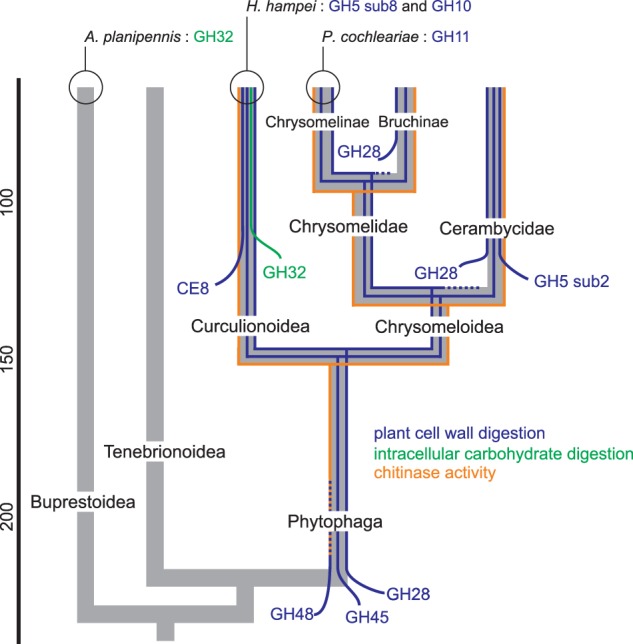
“Their conservation for millions of years after initial acquisition, metabolic integration, and subfunctionalization following gene duplication suggest that PGs played a key role in the diversification of plant-feeding insects (38, 41).”
BackgroundSelf-citationPantothenate mediates the coordination of whitefly and symbiont fitness
Ren, F., Sun, X., Wang, T., Yan, J.-Y., Yao, Y. T., Li, C., & Luan, J. (2021) · The ISME Journal · doi:10.1038/s41396-020-00877-8 · Cited by 45
Bao, X., Yan, J.-Y., Yao, Y. T., Wang, Y., Visendi, P., Seal, S., & Luan, J. (2021) · PLoS Pathogens · doi:10.1371/journal.ppat.1010120 · Cited by 44
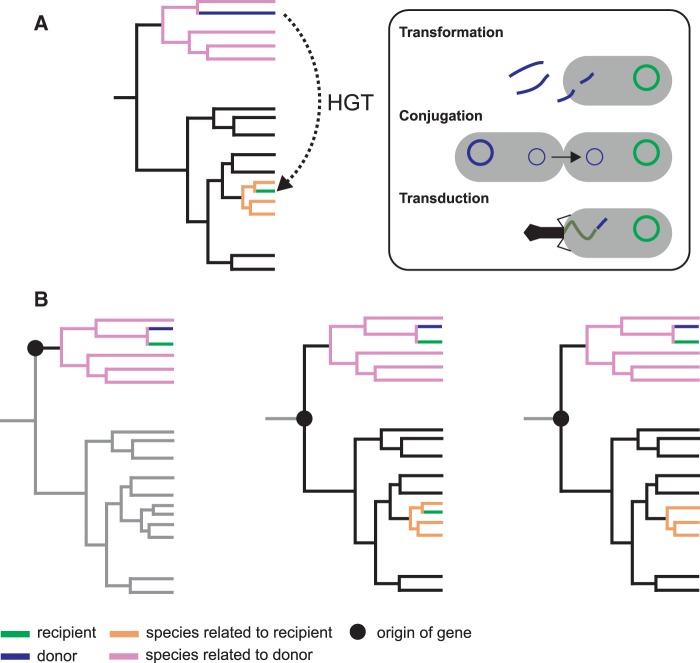
“Horizontal gene transfer is the asexual transmission of genetic information between reproductively isolated species and has great impacts on genomic evolution [12].”
BackgroundHorizontal Transfer of Bacterial Cytolethal Distending Toxin B Genes to Insects
Verster, K. I., Wisecaver, J. H., Karageorgi, M., Duncan, R. P., Gloss, A. D., Armstrong, E. E., Price, D. K., Menon, A. R., Ali, Z. M., & Whiteman, N. K. (2019) · Molecular Biology and Evolution · doi:10.1093/molbev/msz146 · Cited by 46
“The evolution of herbivory in insects is occasionally associated with HGT events involving the acquisition of microbial genes for digesting food and overcoming plant defenses (Wybouw et al. 2016).”
BackgroundWhitefly hijacks a plant detoxification gene that neutralizes plant toxins
Xia, J., Guo, Z., Yang, Z., Han, H., Wang, S., Xu, H., Yang, X., Yang, F., Wu, Q., Xie, W., et al. (2021) · Cell · doi:10.1016/j.cell.2021.06.010 · Cited by 46
Multiple Horizontal Acquisitions of Plant Genes in the Whitefly Bemisia tabaci
Gilbert, C., & Maumus, F. (2022) · Genome Biology and Evolution · doi:10.1093/gbe/evac141 · Cited by 47
“To conclude, our study reveals that in addition to bacterial genes, which repeatedly entered arthropod genomes and fueled the evolution of herbivory (20), numerous plant genes have been acquired through HGT by B.”
Njiru, C., Xue, W., Rouck, S. D., Alba, J. M., Kant, M. R., Chruszcz, M., Vanholme, B., Dermauw, W., Wybouw, N., & Leeuwen, T. V. (2022) · BMC Biology · doi:10.1186/s12915-022-01323-1 · Cited by 42
“urticae DOGs of likely fungal origin degrade natural plant compounds strengthens the hypothesis that horizontal gene transfer is a driving force in the evolution of arthropod herbivory [95].”
BackgroundSelf-citationMyriapod genomes reveal ancestral horizontal gene transfer and hormonal gene loss in millipedes
So, W. L., Nong, W., Xie, Y., Baril, T., Ma, H.-Y., Qu, Z., Haimovitz, J., Swale, T., Gaitán‐Espitía, J. D., Lau, K., et al. (2022) · Nature Communications · doi:10.1038/s41467-022-30690-0 · Cited by 42
What prevents mainstream evolutionists teaching the whole truth about how genomes evolve?
Shapiro, J. A., & Noble, D. (2021) · Progress in Biophysics and Molecular Biology · doi:10.1016/j.pbiomolbio.2021.04.004 · Cited by 39
Whitefly genomes contain ribotoxin coding genes acquired from plants
Lapadula, W. J., Mascotti, M. L., & Ayub, M. J. (2020) · Scientific Reports · doi:10.1038/s41598-020-72267-1 · Cited by 37
Hybrids and horizontal transfer: introgression allows adaptive allele discovery
Schmickl, R., Marburger, S., Bray, S., & Yant, L. J. (2017) · Journal of Experimental Botany · doi:10.1093/jxb/erx297 · Cited by 39
Evolution of insect innate immunity through domestication of bacterial toxins
Verster, K. I., Cinege, G., Lipinszki, Z., Magyar, L. B., Kurucz, É., Tarnopol, R. L., Ábrahám, E., Darula, Z., Karageorgi, M., Tamsil, J. A., et al. (2023) · Proceedings of the National Academy of Sciences · doi:10.1073/pnas.2218334120 · Cited by 36
“For example, genes encoding a carotenoid pathway were horizontally acquired by aphids from fungi (1), and the coffee berry borer beetle acquired a mannanase-encoding gene from bacteria (2), among myriad other cases of HGT from microbial donors to diverse arthropod taxa (3, 4).”
BackgroundWang, Y.-Z., Ye, Y., Lu, J.-B., Wang, X., Lu, H., Zhang, Z., Ye, Z.-X., Lu, Y., Sun, Z., Chen, J., et al. (2023) · Molecular Biology and Evolution · doi:10.1093/molbev/msad221 · Cited by 35
“…to the acquisition of novel traits in arthropods, such as male courtship in moths (Li et al. 2022b), essential amino-acid production in mealybugs (Husnik et al. 2013), detoxification of plant produced metabolites in spider mites (Wybouw et al. 2016), and body coloration in aphids (Moran 2010).”
BackgroundEt tu, Brute? Not Even Intracellular Mutualistic Symbionts Escape Horizontal Gene Transfer
López-Madrigal, S., & Gil, R. (2017) · Genes · doi:10.3390/genes8100247 · Cited by 35
“Eukaryotes, however, present several barriers to HGT, including the selective double membrane of the cellular nucleus, the required adjustment of acquired genetic elements to the eukaryotic transcription machinery, and the need to affect the germ cell line in order to ensure intergenerational transmission in multicell…”
BackgroundFeng, J.-M., Jiang, C., Sun, Z., Hua, C.-J., Wen, J., Miao, W., & Xiong, J. (2019) · Molecular Phylogenetics and Evolution · doi:10.1016/j.ympev.2019.106687 · Cited by 36
Microbial symbionts of herbivorous species across the insect tree
Frago, E., Zytynska, S. E., & Fatouros, N. E. (2020) · Advances in insect physiology · doi:10.1016/bs.aiip.2020.04.002 · Cited by 36
A Behavior-Manipulating Virus Relative as a Source of Adaptive Genes forDrosophilaParasitoids
Giovanni, D. D., Lepetit, D., Guinet, B., Bennetot, B., Boulesteix, M., Couté, Y., Bouchez, O., Ravallec, M., & Varaldi, J. (2020) · Molecular Biology and Evolution · doi:10.1093/molbev/msaa030 · Cited by 34
Models for Gut-Mediated Horizontal Gene Transfer by Bacterial Plasmid Conjugation
Ott, L. C., & Mellata, M. (2022) · Frontiers in Microbiology · doi:10.3389/fmicb.2022.891548 · Cited by 32
Bacterial contribution to genesis of the novel germ line determinant oskar
Blondel, L., Jones, T. E. M., & Extavour, C. G. M. (2020) · eLife · doi:10.7554/elife.45539 · Cited by 34
“…of convincing examples of HGT from both prokaryotic and eukaryotic origins (see for example Husnik and McCutcheon, 2018; Di Lelio et al., 2019; Wybouw et al., 2016; Quispe-Huamanquispe et al., 2017), some authors suspect that the contribution of horizontal gene transfer to the acquisition of…”
BackgroundUndheim, E. A. B., & Jenner, R. A. (2021) · Nature Communications · doi:10.1038/s41467-021-21093-8 · Cited by 32
Kurlovs, A. H., Beer, B. D., Ji, M., Vandenhole, M., Meyer, T. D., Feyereisen, R., Clark, R. M., & Leeuwen, T. V. (2022) · PLoS Genetics · doi:10.1371/journal.pgen.1010333 · Cited by 32
Hu, Y., D’Amelio, C. L., Béchade, B., Cabuslay, C., Łukasik, P., Sanders, J. G., Price, S. L., Fanwick, E., Powell, S., Moreau, C. S., et al. (2023) · Ecological Monographs · doi:10.1002/ecm.1560 · Cited by 31
“…& Moran, 2015; Meseguer et al., 2017), but that the origins of novel resource acquisition or defensive strategies (Fernandez-Marin et al., 2015; Werner et al., 2018), or the acquisition of key genes via lateral gene transfer (Wybouw et al., 2016), can prevent or eliminate the need for symbionts.”
BackgroundIntraspecific diversity in the mechanisms underlying abamectin resistance in a cosmopolitan pest
Villacis‐Perez, E., Xue, W., Vandenhole, M., Beer, B. D., Dermauw, W., & Leeuwen, T. V. (2023) · Evolutionary Applications · doi:10.1111/eva.13542 · Cited by 30
“Finally, horizontally transferred genes from bacteria and fungi (Wybouw et al., 2016), such as the intra-diol ring cleavage dioxygenases (DOGs) from spider mites, can convey unexpected metabolic capacities that were previously overlooked in studying xenobiotic metabolism, such as aromatic ring…”
BackgroundDhaygude, K., Nair, A., Johansson, H. M., Wurm, Y., & Sundström, L. (2019) · BMC Genomics · doi:10.1186/s12864-019-5665-6 · Cited by 30
Phylloxerids share ancestral carotenoid biosynthesis genes of fungal origin with aphids and adelgids
Zhao, C., & Nabity, P. D. (2017) · PLoS ONE · doi:10.1371/journal.pone.0185484 · Cited by 27
“Although a great number of reported HGT events occur between microorganisms, recent studies demonstrate that insects readily incorporate foreign genes into their genomes [2].”
BackgroundThe pectinases from Sphenophorus levis: Potential for biotechnological applications
Habrylo, O., Evangelista, D. E., Castilho, P. V., Pelloux, J., & Henrique‐Silva, F. (2018) · International Journal of Biological Macromolecules · doi:10.1016/j.ijbiomac.2018.01.172 · Cited by 27
Sun, X., Liu, B., Li, C., Chen, Z.-B., Xu, X., & Luan, J. (2022) · Molecular Ecology · doi:10.1111/mec.16416 · Cited by 28
“…symbiont, whitefly raw material for host adaptation that supports and controls insect symbionts (Bublitz et al., 2019; Chung et al., 2018; Husnik et al., 2013; Luan et al., 2015; Moran & Bennett, 2014; Nakabachi et al., 2014; Ren et al., 2020, 2021; Sloan et al., 2014; Wybouw et al., 2016).”
BackgroundImpact of Lateral Transfers on the Genomes of Lepidoptera
Drezen, J., Josse, T., Bézier, A., Gauthier, J., Huguet, E., & Herniou, E. A. (2017) · Genes · doi:10.3390/genes8110315 · Cited by 26
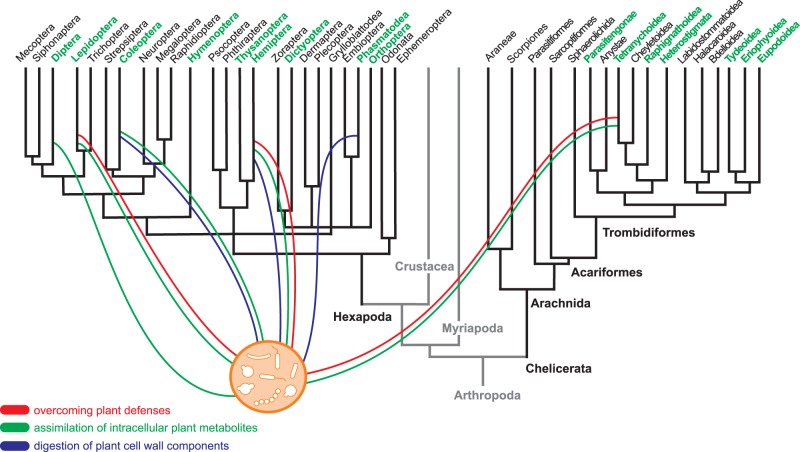
“In many instances, the microbial genes are proposed to be involved in adaptation to host plants, because they encode enzymes involved either in the assimilation of intracellular plant metabolites (carbohydrates and amino acids), or in overcoming plant defences [43].”
BackgroundNweze, J. E., Šustr, V., Brune, A., & Angel, R. (2024) · Microbiome · doi:10.1186/s40168-023-01731-7 · Cited by 25
“However, detritivores generally lack enzymes to digest complex polysaccharides [3, 4], which make up most of the plant litter biomass [5].”
BackgroundMiyazaki, T., Oba, N., & Park, E. Y. (2020) · Insect Biochemistry and Molecular Biology · doi:10.1016/j.ibmb.2020.103494 · Cited by 24
Horizontally acquired antibacterial genes associated with adaptive radiation of ladybird beetles
Li, H., Tang, X., Huang, Y., Xu, Z.-Y., Chen, M., Du, X., Qiu, B.-Y., Chen, P., Zhang, W., Ślipiński, A., et al. (2021) · BMC Biology · doi:10.1186/s12915-020-00945-7 · Cited by 25
“Prominent examples include HGTs that have contributed to the evolution of herbivory in arthropods and nematodes by facilitating plant cell wall digestion and metabolite assimilation and overcoming plant defenses [12, 13].”
BackgroundThe Genomic Basis of Evolutionary Novelties in a Leafhopper
Li, Z., Li, Y., Xue, A. Z., Dang, V., Holmes, V. R., Johnston, J. S., Barrick, J. E., & Moran, N. A. (2022) · Molecular Biology and Evolution · doi:10.1093/molbev/msac184 · Cited by 23
“During their evolution, insects have occasionally acquired genes from bacteria, fungi, and plants (Moran and Jarvik 2010; Acuña et al. 2012; Wybouw et al. 2016; Husnik and McCutcheon 2018; McKenna et al. 2019; Xia et al. 2021, Li et al. 2022).”
BackgroundMetazoan Ribosome Inactivating Protein encoding genes acquired by Horizontal Gene Transfer
Lapadula, W. J., Marcet, P. L., Mascotti, M. L., Sanchez-Puerta, M. V., & Ayub, M. J. (2017) · Scientific Reports · doi:10.1038/s41598-017-01859-1 · Cited by 23
Sidestepping Darwin: horizontal gene transfer from plants to insects
Gilbert, C., & Maumus, F. (2023) · Current Opinion in Insect Science · doi:10.1016/j.cois.2023.101035 · Cited by 22
İnak, E., Alpkent, Y. N., Saalwaechter, C., Albayrak, T., İnak, A., Dermauw, W., Geibel, S., & Leeuwen, T. V. (2022) · Pesticide Biochemistry and Physiology · doi:10.1016/j.pestbp.2022.105235 · Cited by 21
The mechanisms underpinning lateral gene transfer between grasses
Pereira, L., Christin, P., & Dunning, L. T. (2022) · Plants People Planet · doi:10.1002/ppp3.10347 · Cited by 21
Xu, P., Lu, B., Liu, J., Chao, J., Donkersley, P., Holdbrook, R., & Lu, Y. (2019) · BMC Evolutionary Biology · doi:10.1186/s12862-019-1351-1 · Cited by 24
A Review of the Host Plant Location and Recognition Mechanisms of Asian Longhorn Beetle
Lyu, F., Hai, X., & Wang, Z. (2023) · Insects · doi:10.3390/insects14030292 · Cited by 24
Huang, Y., Escalona, H. E., Sun, Y., Zhang, P., Du, X., Gong, S., Tang, X.-F., Liang, Y., Yang, D., Chen, P., et al. (2025) · BMC Biology · doi:10.1186/s12915-025-02174-2 · Cited by 20
Silencing horizontally transferred genes for the control of the whitefly Bemisia tabaci
Wang, T., & Luan, J. (2022) · Journal of Pest Science · doi:10.1007/s10340-022-01492-6 · Cited by 20
“Therefore, HTGs can support and control insect symbionts and thereby contribute to the evolution of insect herbivory (Wybouw et al. 2016).”
BackgroundYang, Z., Guo, Z., Cheng, G., Xia, J., Hu, Y., Zhong, J., Yang, X., Xie, W., Wang, S., Wu, Q., et al. (2024) · Science Advances · doi:10.1126/sciadv.adi3105 · Cited by 19
“The role of horizontally transferred genes (HTGs) in improving the adaptive capacity of recipient insects has been well documented ( 56 , 57 ).”
BackgroundHuang, H., Li, L., Ye, Z.-X., Lu, J., Lou, Y.-H., Wei, Z., Sun, Z., Chen, J., Li, J., & Zhang, C. (2024) · Communications Biology · doi:10.1038/s42003-024-05961-9 · Cited by 20
To the Land and Beyond: Crab Microbiomes as a Paradigm for the Evolution of Terrestrialization
Cannicci, S., Fratini, S., Meriggi, N., Bacci, G., Iannucci, A., Mengoni, A., & Cavalieri, D. (2020) · Frontiers in Microbiology · doi:10.3389/fmicb.2020.575372 · Cited by 21
Huo, S., Yan, Z., Zhang, F., Chen, L., Sun, J., Hoffmann, A. A., & Hong, X. (2021) · BMC Genomics · doi:10.1186/s12864-021-07894-7 · Cited by 19
Horizontal Transfer of Microbial Toxin Genes to Gall Midge Genomes
Verster, K. I., Tarnopol, R. L., Akalu, S. M., & Whiteman, N. K. (2021) · Genome Biology and Evolution · doi:10.1093/gbe/evab202 · Cited by 20
Ecology and Evolution of Secondary Compound Detoxification Systems in Caterpillars
Groen, S. C., & Whiteman, N. K. (2022) · Fascinating life sciences · doi:10.1007/978-3-030-86688-4_5 · Cited by 21
Insect derived extra oral GH32 plays a role in susceptibility of wheat to Hessian fly
Subramanyam, S., Nemacheck, J. A., Bernal-Crespo, V., & Sardesai, N. (2021) · Scientific Reports · doi:10.1038/s41598-021-81481-4 · Cited by 18
Research progress on horizontal gene transfer and its functions in insects
Xing, B., Yang, L., Gulinuer, A., & Yè, G. (2023) · Tropical Plants · doi:10.48130/tp-2023-0003 · Cited by 18
Origin and Evolution of Genes in Eukaryotes: Mechanisms, Dynamics, and Functional Implications
Saccone, S., Brancato, D., Bruno, F., Coniglio, E., Sturiale, V., & Federico, C. (2025) · Genes · doi:10.3390/genes16060702 · Cited by 17
“A notable example in animals is the presence of microbial genes in the genome of the coffee borer beetle Hypothenemus hampei , which facilitates the digestion of caffeine and reflects a functional adaptation through HGT [35].”
Agrawal, A., Ramasamy, G. G., Pathak, J., Nayyar, N., Muthugounder, M., Pratheepa, M., Rai, A. K., & Venkatesan, T. (2022) · Journal of Economic Entomology · doi:10.1093/jee/toac072 · Cited by 17
“To identify and annotate the CYP genes, the evolutionary tree was constructed along with the 85 CYP genes (Yu et al. 2015) from the P. xylostella genome (Supp Fig.”
InfluentialMolecular evolution and diversification of phytoene synthase (PSY) gene family
Lisbôa, M. P., Canal, D., Filgueiras, J. P. C., & Turchetto‐Zolet, A. C. (2022) · Genetics and Molecular Biology · doi:10.1590/1678-4685-gmb-2021-0411 · Cited by 18
“Some evidence suggests that the presence of certain genes in various plant-feeding insects, mites, and fungi can only be explained by horizontal gene transfer (Moran and Jarvik, 2010; Novikova et al ., 2010; Walsh et al ., 2013; Wybouw et al ., 2016).”
Plants use identical inhibitors to protect their cell wall pectin against microbes and insects
Kirsch, R., Vurmaz, E., Schaefer, C., Eberl, F., Sporer, T., Haeger, W., & Pauchet, Y. (2020) · Ecology and Evolution · doi:10.1002/ece3.6180 · Cited by 23
Self-citationInsect herbivores benefit from horizontal gene transfer
Prasad, A., Chirom, O., & Prasad, M. (2021) · Trends in Plant Science · doi:10.1016/j.tplants.2021.07.012 · Cited by 17
Emameh, R. Z., Barker, H. R., Hytönen, V. P., & Parkkila, S. (2018) · Applied and Environmental Microbiology · doi:10.1128/aem.00771-18 · Cited by 17
Wang, C., Sun, W., & Zhang, Z. (2018) · Insect Molecular Biology · doi:10.1111/imb.12558 · Cited by 16
“Interestingly, it appears that insects are able to gain foreign genes from other genomes via HGT (Wybouw et al., 2016).”
BackgroundEvolution of the Biosynthetic Pathway for Cyanogenic Glucosides in Lepidoptera
Zagrobelny, M., Jensen, M. K., Vogel, H., Feyereisen, R., & Bak, S. (2018) · Journal of Molecular Evolution · doi:10.1007/s00239-018-9854-8 · Cited by 16
Kohli, S., Gulati, P., Narang, A., Maini, J., Vellarikkal, S. K., Pandey, R., Scaria, V., Sivasubbu, S., & Brahmachari, V. (2021) · Genomics · doi:10.1016/j.ygeno.2021.05.014 · Cited by 16
β-Cyanoalanine Synthases and Their Possible Role in Pierid Host Plant Adaptation
Herfurth, A.-M., van Ohlen, M., & Wittstock, U. (2017) · Insects · doi:10.3390/insects8020062 · Cited by 15
“As the presence and extent of rhodanese activity did not correlate with the use of cyanogenic food plants, the study suggested that cyanide detoxification may not be the primary role of rhodaneses in insects [15].”
BackgroundInfluentialNjiru, C., Vandenhole, M., Jonckheere, W., Wybouw, N., & Leeuwen, T. V. (2023) · Pesticide Biochemistry and Physiology · doi:10.1016/j.pestbp.2023.105591 · Cited by 14
Self-citationOrr, T. J., Kitanovic, S., Schramm, K. M., Skopec, M. M., Wilderman, P. R., Halpert, J. R., & Dearing, M. D. (2020) · Molecular Ecology · doi:10.1111/mec.15431 · Cited by 14
Brückner, A., Barnett, A. A., Bhat, P., Antoshechkin, I. A., & Kitchen, S. A. (2022) · Acarologia · doi:10.24349/pjye-gkeo · Cited by 14
Aluja, M., Cabagne, G., Altúzar‐Molina, A., Pascacio‐Villafán, C., Enciso, E., & Guillén, L. (2020) · Insects · doi:10.3390/insects11050309 · Cited by 15
“[92] review the role horizontal gene transfer could have had on the evolution of arthropod herbivory”
BackgroundColinet, D., Haon, M., Drula, É., Boyer, M., Grisel, S., Belliardo, C., Koutsovoulos, G., Berrin, J., & Danchin, É. (2025) · Genome Biology and Evolution · doi:10.1093/gbe/evaf012 · Cited by 13
Metadata
- Authors
- Wybouw, N., Pauchet, Y., Heckel, D. G., & Van Leeuwen, T.
- Affiliations
- University of Amsterdam (NL)
- Max Planck Institute for Chemical Ecology (DE)
- Corresponding author
- Wybouw, Nicky
- Venue
- Genome Biology and Evolution
- Publisher
- Oxford University Press (OUP)
- Published
- 2016-06
- Volume
- 8
- Issue
- 6
- Pages
- 1785-1801
- ISSN
- 1759-6653 (ISSN-L)
- PMC
- PMC4943190
- OpenAlex
- W2432572080
- Cited by
- 209
- References
- 152
- Citations by year
- 2026: 16 · 2025: 23 · 2024: 16 · 2023: 19 · 2022: 32 · 2021: 23 · 2020: 28 · 2019: 13 · 2018: 22 · 2017: 14 · 2016: 3
- FWCI
- 20.30
- Type
- journal article
- Language
- en
- Open access
- gold
- doi.org
- Licence
- cc-by-nc
- Locations
- Genome Biology and Evolution (publishedVersion, cc-by-nc)
- Europe PMC (PubMed Central) (publishedVersion, cc-by-nc)
- PubMed Central (publishedVersion, cc-by-nc)
- PubMed (publishedVersion)
- Ghent University Academic Bibliography (Ghent University) (submittedVersion, other-oa)
- UvA-DARE (University of Amsterdam) (submittedVersion, cc-by-nc)
- MPG.PuRe (Max Planck Society) (submittedVersion, other-oa)
- Data Archiving and Networked Services (DANS) (submittedVersion, other-oa)
- Max Planck Digital Library (submittedVersion, other-oa)
- HighWire Press Open Archive (submittedVersion)
- Funders
- European Commission (618105, HORIZON2020, 658795)
- Fonds Wetenschappelijk Onderzoek (G.0093.12N, G053815N)
- Max-Planck-Gesellschaft
- Vlaamse regering
- Topics
- Life Sciences › Biochemistry, Genetics and Molecular Biology › Genetics › Chromosomal and Genetic Variations
- Life Sciences › Agricultural and Biological Sciences › Insect Science › Insect symbiosis and bacterial influences
- Life Sciences › Biochemistry, Genetics and Molecular Biology › Molecular Biology › Genomics and Phylogenetic Studies
- Keywords
- horizontal gene transfer, arthropod herbivory, phytophagy, phytophagous insects, plant-feeding mites, plant defense metabolites, detoxification, host plant colonization, eukaryotic evolution, animal evolution
- MeSH terms
- Animals, Arthropods, Biological Evolution, Phylogeny, Plants, Ecosystem, Evolution, Molecular, Gene Transfer, Horizontal, Herbivory
About these checks
Registry, retraction, Cites and statistics results are computed, not judged, with one exception: a printed reference that no index lists is read once by a model before it counts as a citation error. Claims are extracted by a model and kept only when their quote appears verbatim in the text; each cited source is then checked, with a model’s help, for whether it says what the claim relies on. Those verdicts can be wrong — read the claim’s quote and the cited source before relying on one.
Statistics and arithmetic are recomputed, not judged.
Confidence bands are shown only for fields calibrated on our annotated test set. None is calibrated yet, so no band is shown.
What counts as a claim ›How we measure confidence ›How we check this ›
Are you an author, or do you see a problem with this page? Request a review
Data sources
Bibliographic data: Semantic Scholar, OpenAlex, Crossref.
Contains information from the Semantic Scholar Academic Graph Datasets, made available under the ODC Attribution License (ODC-BY 1.0).
Semantic Scholar’s data is described in: Kinney, R., et al. (2023). The Semantic Scholar Open Data Platform. arXiv:2301.10140.
