

The FNIH Sarcopenia Project: Rationale, Study Description, Conference Recommendations, and Final Estimates
Open accessThe DOI matches its Crossref record; 41 of the 42 references it cites were found in a registry or an index, and 1 are not checked yet.
Abstract
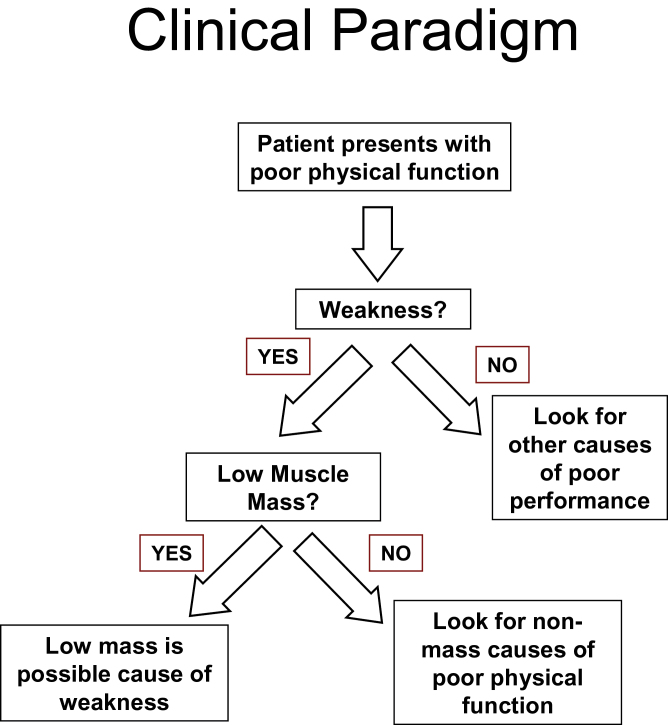
BACKGROUND: Low muscle mass and weakness are common and potentially disabling in older adults, but in order to become recognized as a clinical condition, criteria for diagnosis should be based on clinically relevant thresholds and independently validated. The Foundation for the National Institutes of Health Biomarkers Consortium Sarcopenia Project used an evidence-based approach to develop these criteria. Initial findings were presented at a conference in May 2012, which generated recommendations that guided additional analyses to determine final recommended criteria. Details of the Project and its findings are presented in four accompanying manuscripts. METHODS: The Foundation for the National Institutes of Health Sarcopenia Project used data from nine sources of community-dwelling older persons: Age, Gene/Environment Susceptibility-Reykjavik Study, Boston Puerto Rican Health Study, a series of six clinical trials, Framingham Heart Study, Health, Aging, and Body Composition, Invecchiare in Chianti, Osteoporotic Fractures in Men Study, Rancho Bernardo Study, and Study of Osteoporotic Fractures. Feedback from conference attendees was obtained via surveys and breakout groups. RESULTS: The pooled sample included 26,625 participants (57% women, mean age in men 75.2 [±6.1 SD] and in women 78.6 [±5.9] years). Conference attendees emphasized the importance of evaluating the influence of body mass on cutpoints. Based on the analyses presented in this series, the final recommended cutpoints for weakness are grip strength <26kg for men and <16kg for women, and for low lean mass, appendicular lean mass adjusted for body mass index <0.789 for men and <0.512 for women. CONCLUSIONS: These evidence-based cutpoints, based on a large and diverse population, may help identify participants for clinical trials and should be evaluated among populations with high rates of functional limitations.
Overview
The claims and statistics of this paper haven’t been checked yet.
Free: it reads the open-access text and checks the first 5 claims that cite a source we can check. Create a free account to check every claim.
Integrity signals
Registry
Cites
Statistics
Figures
Verification
Claims the paper makes
The claims and statistics of this paper haven’t been checked yet.
Free: it reads the open-access text and checks the first 5 claims that cite a source we can check. Create a free account to check every claim.
Claims other papers make about this one
Each is checked against this paper’s own text: does it say what the citing paper says it does?
The source backs part of the claim, not all of it — or backs it for a different population, condition or comparison.
In the citing paper
“The separate criteria for muscle mass and strength implied the need to target interventions for individuals with low mass or low strength.”
From Sarcopenic obesity in older adults: aetiology, epidemiology and treatment strategies (2018) · cites this paper as [182]
Experimental — accuracy not yet measuredThe source backs part of the claim, not all of it — or backs it for a different population, condition or comparison.
In the citing paper
“Currently, there is no international consensus on the operational definition of sarcopenia, and several definitions of sarcopenia are used with consequent impact on the prevalence of sarcopenia [6,[31][32][33][34].”
From Is There Enough Evidence for Osteosarcopenic Obesity as a Distinct Entity? A Critical Literature Review (2019) · cites this paper as [31]
Experimental — accuracy not yet measuredThe source backs part of the claim, not all of it — or backs it for a different population, condition or comparison.
In the citing paper
“Indeed, a major reason for the variation in sarcopenic obesity prevalence is the method of adjusting muscle quantity for body size.46,47,55,57”
From Changes in lean body mass with glucagon‐like peptide ‐1‐based therapies and mitigation strategies (2024) · cites this paper as [57]
Experimental — accuracy not yet measuredThe source backs part of the claim, not all of it — or backs it for a different population, condition or comparison.
In the citing paper
“Sarcopenia, a decrease in muscle mass and/or function, is frequent in undernourished patients admitted to the ICU [21].”
From ESPEN practical and partially revised guideline: Clinical nutrition in the intensive care unit (2023) · cites this paper as [21]
Experimental — accuracy not yet measuredThe cited source says what the claim attributes to it.
In the citing paper
“The Foundation for the National Institutes of Health (FNIH) Sarcopenia Project182 suggested a causal, indirect relationship between muscle mass and function in their definition of sarcopenia.”
From Sarcopenic obesity in older adults: aetiology, epidemiology and treatment strategies (2018) · cites this paper as [182]
6 more claims about this paper
Create a free account to see every claim other papers make about this one.
Self-check
Percentages, sums and reported differences re-computed from the paper’s own numbers.
The self-check needs the paper’s full text.
Citations
Cites
Chobanian, A. V. (2003) · JAMA · doi:10.1001/jama.289.19.2560 · Cited by 25,386
Sarcopenia: European consensus on definition and diagnosis
Cruz-Jentoft, A. J., Baeyens, J. P., Bauer, J. M., Boirie, Y., Cederholm, T., Landi, F., Martin, F. C., Michel, J.-P., Rolland, Y., Schneider, S. M., et al. (2010) · Age and Ageing · doi:10.1093/ageing/afq034 · Cited by 11,601
Grundy, S. M., Cleeman, J. I., Merz, C. N. B., Brewer, H. B., Clark, L. T., Hunninghake, D. B., Pasternak, R. C., Smith, S. C., & Stone, N. J. (2004) · Circulation · doi:10.1161/01.cir.0000133317.49796.0e · Cited by 6,902
Gait speed and survival in older adults.
Studenski, S. (2011) · JAMA · doi:10.1001/jama.2010.1923 · Cited by 4,558 · cited 1×
“8 m/s because it predicts reduced overall survival (13), disability (14), and has been recommended by other experts (15).”
BackgroundSelf-citationEpidemiology of Sarcopenia among the Elderly in New Mexico
Baumgartner, R. N., Koehler, K. M., Gallagher, D., Romero, L., Heymsfield, S. B., Ross, R. R., Garry, P. J., & Lindeman, R. D. (1998) · American Journal of Epidemiology · doi:10.1093/oxfordjournals.aje.a009520 · Cited by 4,004 · cited 1×
“The definition proposed for sarcopenia was a ratio of muscle mass to height 2 SDs below the mean found in healthy young persons drawn from the Rosetta Stone project (37).”
BackgroundFollow-up report on the diagnosis of diabetes mellitus
The Expert Committee on the Diagnosis and Classification of Diabetes Mellitus* (2003) · Diabetes Care · doi:10.2337/diacare.26.11.3160 · Cited by 3,784
Risk Factors for Hip Fracture in White Women
Cummings, S. R., Nevitt, M. C., Browner, W. S., Stone, K., Fox, K. M., Ensrud, K. E., Cauley, J., Black, D., & Vogt, T. M. (1995) · New England Journal of Medicine · doi:10.1056/nejm199503233321202 · Cited by 3,595
Guralnik, J. M., Ferrucci, L., Pieper, C. F., Leveille, S. G., Markides, K. S., Ostir, G. V., Studenski, S., Berkman, L. F., & Wallace, R. B. (2000) · The Journals of Gerontology Series A: Biological Sciences and Medical Sciences · doi:10.1093/gerona/55.4.m221 · Cited by 2,898 · cited 3×
“Walking courses that were longer or shorter were converted to a speed that would have been achieved on a 4- or 6-m course using previously published equations (33).”
BackgroundMethodInfluentialSelf-citationEpidemiological approaches to heart disease: the Framingham study
Dawber, T. R., Meadors, G. F., & Moore, F. E. (1951) · American Journal of Public Health and the Nations Health · doi:10.2105/ajph.41.3.279 · Cited by 2,148 · cited 1×
“—In 1948, the Framingham Heart Study (FHS) Original cohort recruited two thirds of the population sample from Framingham, Massachusetts, to evaluate risk factors of heart disease (24).”
BackgroundAbellan Van Kan, G., Rolland, Y., Andrieu, S., Bauer, J., Beauchet, O., Bonnefoy, M., Cesari, M., Donini, L. M., Gillette-Guyonnet, S., Inzitari, M., et al. (2009) · The Journal of nutrition, health and aging · doi:10.1007/s12603-009-0246-z · Cited by 2,003 · cited 1×
“8 m/s because it predicts reduced overall survival (13), disability (14), and has been recommended by other experts (15).”
Background
Cited by
Items 301–400 of 1,014
Estimating the Prevalence of Muscle Wasting, Weakness, and Sarcopenia in Hemodialysis Patients
Slee, A., McKeaveney, C., Adamson, G., Davenport, A., Farrington, K., Fouque, D. P., Kalantar‐Zadeh, K., Mallett, J., Maxwell, A. P., Mullan, R. N., et al. (2019) · Journal of Renal Nutrition · doi:10.1053/j.jrn.2019.09.004 · Cited by 95
Current pharmacotherapies for sarcopenia
Hardee, J. P., & Lynch, G. S. (2019) · Expert Opinion on Pharmacotherapy · doi:10.1080/14656566.2019.1622093 · Cited by 84
“older individuals as originally assumed [3].”
MethodComparative Approaches to Understanding the Relation Between Aging and Physical Function
Justice, J. N., Cesari, M., Seals, D. R., Shively, C. A., & Carter, C. S. (2016) · The Journals of Gerontology Series A: Biological Sciences and Medical Sciences · doi:10.1093/gerona/glv035 · Cited by 84
Increased Mortality in Elderly Patients with Sarcopenia and Acetabular Fractures
Deren, M. E., Babu, J., Cohen, E. M., Machan, J. T., Born, C. T., & Hayda, R. A. (2017) · Journal of Bone and Joint Surgery · doi:10.2106/jbjs.16.00734 · Cited by 85
Beaudart, C., Locquet, M., Reginster, J.-Y., Delandsheere, L., Petermans, J., & Bruyère, O. (2018) · Aging Clinical and Experimental Research · doi:10.1007/s40520-017-0866-9 · Cited by 84
“Once adjusted for age and sex, a lower general QoL was found with the SarQoL® for sarcopenic subjects compared to non-sarcopenic subjects when using four definitions based on low muscle mass and low muscle function, including the definitions of Cruz-Jentoft [3] (56.3 ± 13.4 vs 68.0 ± 15.2, p 0.001), Studenski [19] (51…”
BackgroundMethodInfluentialYang, M. J., Hu, X., Xie, L., Zhang, L., Zhou, J., Lin, J., Wang, Y., Li, Y., Han, Z., Zhang, D., et al. (2018) · Journal of the American Medical Directors Association · doi:10.1016/j.jamda.2018.04.012 · Cited by 90
Yang, L., Smith, L., & Hamer, M. (2019) · Journal of Epidemiology and Community Health · doi:10.1136/jech-2018-211258 · Cited by 83
Clinically Meaningful Change for Physical Performance: Perspectives of the ICFSR Task Force
Guralnik, J. M., Bandeen‐Roche, K., Bhasin, S., Eremenco, S., Landi, F., Muscedere, J., Perera, S., Reginster, J., Woodhouse, L. J., & Vellas, B. J. (2020) · The Journal of Frailty & Aging · doi:10.14283/jfa.2019.33 · Cited by 96
“Handgrip strength and LLFDI were not responsive to change while both the Foundation of the National Institutes of Health (FNIH) and European guidelines advocate using handgrip strength to identify participants for sarcopenia trials (27, 28).”
Self-citationSarcopenia as a predictor of future cognitive impairment in older adults
Moon, J. H., Moon, J. H., Kim, K. M., Choi, S. H., Lim, S., Park, K. S., Kim, K. W., & Jang, H. C. (2016) · The Journal of nutrition, health and aging · doi:10.1007/s12603-015-0613-x · Cited by 83
Multi-omics research in sarcopenia: Current progress and future prospects
Liu, J., Dong, S., Shen, H., Yang, D.-Y., Chen, B., Ma, X., Peng, Y., Xiao, H., & Deng, H. (2022) · Ageing Research Reviews · doi:10.1016/j.arr.2022.101576 · Cited by 93
Lim, W. S., Cheong, C. Y., Lim, J.-Y., Tan, M. M. Y., Chia, J. Q., Malik, N. A., & Tay, L. (2022) · The Journal of Frailty & Aging · doi:10.14283/jfa.2022.59 · Cited by 100
“Chua KY et al 2020 (31) Prospective cohort study over 2 years; Community-dwelling 2 major Chinese dialect groups – Hokkien and Cantonese 13 789 74 (63-97); Male=5656 (41%) NA • HGS is inversely associated with a risk of mortality in a dose-dependent manner HR=2.”
BackgroundLian, R., Liu, Q., Jiang, G., Zhang, X., Tang, H., Lü, J., & Yang, M. J. (2023) · Ageing Research Reviews · doi:10.1016/j.arr.2023.102148 · Cited by 91
Rosique-Esteban, N., Babió, N., Díaz‐López, A., Romaguera, D., Martínez, J. A., Martín, V., Schröder, H., Estruch, R., Vidal, J., Buil‐Cosiales, P., et al. (2018) · Clinical Nutrition · doi:10.1016/j.clnu.2018.05.023 · Cited by 100
“Sarcopenia was defined as low muscle mass (according to FNIH cut-offs) plus low muscle strength (lowest sex-specific tertile for 30-s chair-stand test).”
BackgroundMethodInfluentialLei, Y., Yao, X., Shen, J., Sun, G., Sun, Q., Tian, X., Li, X., Li, X., Ye, L., Zhang, Z., et al. (2019) · Experimental Gerontology · doi:10.1016/j.exger.2019.110798 · Cited by 88
Kuyumcu, M. E., Halil, M. G., Kara, Ö., Çuni, B., Çağlayan, G., Güven, S. C., Yeşil, Y., Arık, G., Doğu, B. B., Cankurtaran, M., et al. (2016) · Archives of Gerontology and Geriatrics · doi:10.1016/j.archger.2016.04.004 · Cited by 91
Harris-Love, M. O., Monfaredi, R., Ismail, C., Blackman, M. R., & Cleary, K. (2014) · Frontiers in Aging Neuroscience · doi:10.3389/fnagi.2014.00172 · Cited by 79
Tang, T., Zhuo, Y., Xie, L., Wang, H., & Yang, M. J. (2020) · Scientific Reports · doi:10.1038/s41598-020-58304-z · Cited by 85
Veronese, N., Koyanagi, A., Cereda, E., Maggi, S., Barbagallo, M., Dominguez, L. J., & Smith, L. (2022) · European Geriatric Medicine · doi:10.1007/s41999-022-00627-3 · Cited by 79
“Following the criteria of the revised European consensus on the definition and diagnosis of sarcopenia [14], sarcopenia was defined as weak handgrip strength and having low skeletal muscle mass (SMM), as reflected by lower skeletal mass index (SMI).”
MethodReijnierse, E. M., Trappenburg, M. C., Leter, M. J., Blauw, G. J., Sipilä, S., Sillanpää, E., Narici, M. V., Hogrel, J.-Y., Butler-Browne, G., McPhee, J. S., et al. (2015) · Gerontology · doi:10.1159/000377699 · Cited by 79
Zanker, J., Scott, D. S., Reijnierse, E. M., Brennan-Olsen, S. L., Daly, R. M., Girgis, C. M., Grossmann, M., Hayes, A., Henwood, T. R., Hirani, V., et al. (2018) · The journal of nutrition health & aging · doi:10.1007/s12603-018-1113-6 · Cited by 89
Smith, L., Tully, M. A., Jacob, L., Blackburn, N. E., Adlakha, D., Caserotti, P., Soysal, P., Veronese, N., Sánchez, G. F. L., Vancampfort, D., et al. (2020) · International Journal of Environmental Research and Public Health · doi:10.3390/ijerph17051708 · Cited by 98
“Utilizing measured weight and height to create a skeletal muscle mass index (SMI), the ASM was further divided by BMI [19].”
MethodInfluentialSui, S. X., Holloway‐Kew, K. L., Hyde, N. K., Williams, L. J., Leach, S., & Pasco, J. A. (2020) · Scientific Reports · doi:10.1038/s41598-020-67251-8 · Cited by 94
Sarcopenia in Patients With Parkinson's Disease: A Systematic Review and Meta-Analysis
Cai, Y., Feng, F., Wei, Q., Jiang, Z., Ou, R., & Shang, H. (2021) · Frontiers in Neurology · doi:10.3389/fneur.2021.598035 · Cited by 94
“Several sarcopenia definitions have been developed by different working groups or societies since the first term of sarcopenia was defined in 1988 (6) [the European Working Group on Sarcopenia in Older People (EWGSOP) (7, 8), the International Working Group on Sarcopenia (IWGS) (9), the Society on Sarcopenia, Cachexia…”
BackgroundHarvey, N. C., ORWOLL, E. S., Kwok, T. C. Y., Karlsson, M. K., Rosengren, B. E., Ribom, E. L., Cauley, J. A., Cawthon, P. M., Ensrud, K. E., Liu, E., et al. (2020) · Journal of Bone and Mineral Research · doi:10.1002/jbmr.4293 · Cited by 87
“Individuals were classified as sarcopenic or non-sarcopenic according to each individual sarcopenia definition, as published by International Working group on Sarcopenia (IWGS),((22)) Baumgartner,((23)) European Working Group on Sarcopenia in Older People (EWGSOP1),((24)) Morley,((25)) Delmonico,((26,27)) Asian Workin…”
MethodSelf-citationKawakami, R., Tanisawa, K., Ito, T., Usui, C., Miyachi, M., Torii, S., Midorikawa, T., Ishii, K., Muraoka, I., Suzuki, K., et al. (2022) · Journal of the American Medical Directors Association · doi:10.1016/j.jamda.2022.08.016 · Cited by 92
Relationship between Testosterone and Sarcopenia in Older-Adult Men: A Narrative Review
Shigehara, K., Kato, Y., Izumi, K., & Mizokami, A. (2022) · Journal of Clinical Medicine · doi:10.3390/jcm11206202 · Cited by 92
“Since then, the algorithm proposed by the European Working Group on Sarcopenia in Older People (the presence of both low muscle mass and low muscle strength or performance) [14] and by the Foundation for the National Institutes of Health sarcopenia project (appendicular lean mass adjusting for body mass index to defin…”
MethodGeriatric syndromes: new frontiers in HIV and sarcopenia
Hawkins, K. L., Brown, T. T., Margolick, J. B., & Erlandson, K. M. (2017) · AIDS · doi:10.1097/qad.0000000000001444 · Cited by 94
“favored inclusion of measures of both muscle mass and muscle strength, or physical function [21], and some definitions further adjust for the BMI [22].”
BackgroundInfluentialDefining sarcopenia: some caveats and challenges
Sanchez-Rodriguez, D., Marco, E., & Cruz-Jentoft, A. J. (2020) · Current Opinion in Clinical Nutrition & Metabolic Care · doi:10.1097/mco.0000000000000621 · Cited by 77
Sarcopenia and nervous system disorders
Yang, J., Jiang, F., Yang, M. J., & Chen, Z. (2022) · Journal of Neurology · doi:10.1007/s00415-022-11268-8 · Cited by 85
“It has been the consensus definition of sarcopenia which is supported by the Asian Working Group on Sarcopenia and the Foundation for the National Institutes of Health (FNIH) [4, 5].”
MethodGilligan, L. A., Towbin, A. J., Dillman, J. R., Somasundaram, E., & Trout, A. T. (2019) · Pediatric Radiology · doi:10.1007/s00247-019-04562-7 · Cited by 82
The role of muscle mass and body fat on disability among older adults: A cross-national analysis
Tyrovolas, S., Koyanagi, A., Olaya, B., Ayuso‐Mateos, J. L., Miret, M., Chatterji, S., Tobiasz‐Adamczyk, B., Koskinen, S. V. P., Leonardi, M., & Haro, J. M. (2015) · Experimental Gerontology · doi:10.1016/j.exger.2015.06.002 · Cited by 86
Marzetti, E., Cesari, M., Calvani, R., Msihid, J., Tosato, M., Rodriguez-Mañas, L., Lattanzio, F., Cherubini, A., Bejuit, R., Di Bari, M., et al. (2018) · Experimental Gerontology · doi:10.1016/j.exger.2018.09.017 · Cited by 76
“The theoretical framework of PF&S was built on past landmark experiences in the field and was mostly inspired by the LIFE study (Pahor et al., 2014) and the FNIH project (Studenski et al., 2014).”
Longitudinal association of sarcopenia and mild cognitive impairment among older Mexican adults
Salinas‐Rodríguez, A., Palazuelos‐González, R., Rivera‐Almaraz, A., & Manrique-Espinoza, B. S. (2021) · Journal of Cachexia Sarcopenia and Muscle · doi:10.1002/jcsm.12787 · Cited by 86
“Further, the SMI was obtained, dividing the ASM by the body mass index (BMI).(26) Then, low SMM (defined as the presence of low SMI) was established by the lowest quintile of the SMI based on sex-stratified values.”
MethodLu, Y., Li, G., Ferrari, P., Freisling, H., Qiao, Y., Wu, L., Shao, L., & Ke, C. (2022) · BMC Medicine · doi:10.1186/s12916-022-02389-y · Cited by 91
“men and women) for analyses on account of the different HGS levels between the two sexes (Additional file 1: Table S1) [24].”
BackgroundHurt, R. T., Ebbert, J. O., Croghan, I. T., Nanda, S., Schroeder, D. R., Teigen, L. M., Velapati, S. R., & Mundi, M. S. (2020) · Journal of Parenteral and Enteral Nutrition · doi:10.1002/jpen.1994 · Cited by 88
“5 (19, 65) 27 (19, 60) 39 (19, 61) 43 (25, 63) 36 (19, 65) Sex, n (%) Male 43 (24) 9 (20) 16 (36) 11 (25) 7 (16) Female 133 (76) 35 (80) 28 (64) 33 (75) 37 (84) Race White 162 (92) 37 (84) 42 (95) 42 (95) 41 (93) Asian 5 (3) 2 (5) 2 (5) 1 (2) 0 (0) Black 2 (1) 1 (2) 0 (0) 1 (2) 0 (0) >1 race 7 (4) 4 (9) 0 (0) 0 (0) 3…”
BackgroundSouth Asian Working Action Group on SARCOpenia (SWAG-SARCO) – A consensus document
Dhar, M., Kapoor, N., Suastika, K., Khamseh, M. E., Selim, S., Kumar, V., Raza, S. A., Azmat, U., Pathania, M., Mahadeb, Y., et al. (2022) · Osteoporosis and Sarcopenia · doi:10.1016/j.afos.2022.04.001 · Cited by 84
“In 2010, the EuropeanWorking Group on Sarcopenia in Older People (EWGSOP) [41] formulated their guidelines for sarcopenia followed by the International Working Group on Sarcopenia (IWGS) [42]in 2011, Asian Working Group for Sarcopenia (AWGS) [43], and the Foundation for the National Institutes of Health (FNIH) 44in 20…”
BackgroundInfluentialAssessment of existing anthropometric indices for screening sarcopenic obesity in older adults
Kim, J. E., Choi, J., Kim, M., & Won, C. W. (2022) · British Journal Of Nutrition · doi:10.1017/s0007114522001817 · Cited by 84
Batsis, J. A., Zbehlik, A. J., Pidgeon, D., & Bartels, S. J. (2015) · BMC Geriatrics · doi:10.1186/s12877-015-0118-9 · Cited by 74
“Challenges exist in adequately defining the relationship between sarcopenia and obesity which has impeded progress in characterizing the syndrome [5].”
BackgroundMethodInfluentialThe prevalence of low muscle mass associated with obesity in the USA
Murdock, D. J., Wu, N., Grimsby, J. S., Calle, R. A., Donahue, S., Glass, D. J., Sleeman, M. W., & Sanchez, R. J. (2022) · Skeletal Muscle · doi:10.1186/s13395-022-00309-5 · Cited by 73
“512) [34, 35], and the American Association of Clinical Endocrinology BF percentage thresholds for the diagnosis of obesity (males > 25% and females > 35%) [36].”
BackgroundOsteoporosis Diagnosis in Men: The T-Score Controversy Revisited
Binkley, N., Adler, R. A., & Bilezikian, J. P. (2014) · Current Osteoporosis Reports · doi:10.1007/s11914-014-0242-z · Cited by 84
Sarcopenia and hospital-related outcomes in the old people: a systematic review and meta-analysis
Zhao, Y., Zhang, Y., Hao, Q., Ge, M., & Dong, B. (2018) · Aging Clinical and Experimental Research · doi:10.1007/s40520-018-0931-z · Cited by 84
Zhao, R., Li, X., Jiang, Y., Su, N., Li, J., Kang, L., Zhang, Y., & Yang, M. (2022) · Gerontology · doi:10.1159/000525758 · Cited by 91
Papachristou, E., Ramsay, S. E., Lennon, L. T., Papacosta, O., Iliffe, S., Whincup, P. H., & Wannamethee, S. G. (2015) · BMC Geriatrics · doi:10.1186/s12877-015-0169-y · Cited by 73
Nachit, M., & Leclercq, I. A. (2019) · Clinical Science · doi:10.1042/cs20180421 · Cited by 73
KEMMLER, W. K., Grimm, A., Bebenek, M., Kohl, M., & von Stengel, S. (2018) · Calcified Tissue International · doi:10.1007/s00223-018-0424-2 · Cited by 83
Szlejf, C., Suemoto, C. K., Brunoni, A. R., Viana, M. C., Moreno, A. B., Matos, S. M. A., Lotufo, P. A., & Benseñor, I. M. (2019) · Journal of the American Medical Directors Association · doi:10.1016/j.jamda.2018.09.020 · Cited by 72
Handgrip strength, inflammatory markers, and mortality
Smith, L., Yang, L., & Hamer, M. (2019) · Scandinavian Journal of Medicine and Science in Sports · doi:10.1111/sms.13433 · Cited by 79
Kemmler, W., Teschler, M., Weißenfels, A., Sieber, C., Freiberger, E., & von Stengel, S. (2017) · Osteoporosis International · doi:10.1007/s00198-017-3964-9 · Cited by 71
“, EWGSOP [6], IWGS [7]) or body mass index (FNIH [8]), the cutoff points for grip strength, gait velocity, and muscle mass index are far from consistent.”
BackgroundMethodInfluential“Brain-muscle loop” in the fragility of older persons: from pathophysiology to new organizing models
Lauretani, F., Meschi, T., Ticinesi, A., & Maggio, M. G. (2017) · Aging Clinical and Experimental Research · doi:10.1007/s40520-017-0729-4 · Cited by 90
“Recently, the Foundation for the National Institutes of Health (NIH) Biomarkers Consortium Sarcopenia Project using data from nine sources of communitydwelling older persons worldwide [9] found that low grip strength, rather than low muscle mass, is a powerful independent predictor of mobility limitation and mortality…”
Fragilidade física e velocidade da marcha em idosos da comunidade: uma revisão sistemática
Binotto, M. A., Lenardt, M. H., & Rodríguez-Martínez, M. D. C. (2018) · Revista da Escola de Enfermagem da USP · doi:10.1590/s1980-220x2017028703392 · Cited by 124
Grosicki, G. J., Barrett, B. B., Englund, D. A., Liu, C. K., Travison, T. G., Cederholm, T., Koochek, A., von Berens, Å., Gustafsson, T. P., Benard, T., et al. (2020) · The Journal of Frailty & Aging · doi:10.14283/jfa.2019.30 · Cited by 72
“Sarcopenia variables and cut-points from the Foundation for the National Institutes of Health Sarcopenia Project (21)”
Cut Points for Clinical Muscle Weakness Among Older Americans
Duchowny, K. A., Peterson, M. D., & Clarke, P. J. (2017) · American Journal of Preventive Medicine · doi:10.1016/j.amepre.2016.12.022 · Cited by 71
“92 kg for women).(10,11) However, these cut points were derived from non nationally representative, pooled data across eight observational and six clinical trial studies that do not reflect the growing racial and ethnic diversity in the U.”
BackgroundScott, D., Park, M. S., Kim, T. N., Ryu, J. Y., Hong, H. C., Yoo, H. J., Baik, S. H., Jones, G., & Choi, K. M. (2016) · The Journal of nutrition, health and aging · doi:10.1007/s12603-015-0559-z · Cited by 70
Pipek, L. Z., Baptista, C. G., Nascimento, R. F. V., Taba, J. V., Suzuki, M. O., do Nascimento, F. S., Martines, D. R., Nii, F., Iuamoto, L. R., Carneiro-D’Albuquerque, L. A., et al. (2020) · PLoS ONE · doi:10.1371/journal.pone.0237740 · Cited by 71
“The most used classifications for the diagnosis of sarcopenia that do not use only imaging criteria are AWGS [39], EWGSOP2 [40], IWGS [41] e FNIH[42] (Fig 2).”
MethodScreening Accuracy of SARC-F for Sarcopenia in the Elderly: A Diagnostic Meta-Analysis
Lü, J., Ding, L.-Y., Xu, Q., Zhu, S., Xu, X., Hua, H., Chen, L., & Xu, H. (2020) · The journal of nutrition health & aging · doi:10.1007/s12603-020-1471-8 · Cited by 84
“…(IWGS) in 2011 (7), the Asian Working Group for Sarcopenia (AWGS) in 2014 (8), the Foundation for the National Institutes of Health (FNIH) in 2014 (9), the European Working Group on Sarcopenia in Older People (EWGSOP2) in 2019 (2) all defined the diagnosis of sarcopenia requiring the assessment…”
Escriche-Escuder, A., Fuentes-Abolafio, I. J., Roldán‐Jiménez, C., & Vargas, A. I. C. (2021) · Experimental Gerontology · doi:10.1016/j.exger.2021.111420 · Cited by 88
Zhang, Q., Zhang, K.-P., Zhang, X., Tang, M., Song, C.-H., Cong, M.-H., Guo, Z.-Q., Ding, J.-S., Braga, M., Cederholm, T., et al. (2021) · Clinical Nutrition · doi:10.1016/j.clnu.2021.01.033 · Cited by 70
Curcumin: A Golden Approach to Healthy Aging: A Systematic Review of the Evidence
Nunes, Y. C., Mendes, N. M., Pereira de Lima, E., Chehadi, A. C., Lamas, C. B., Haber, J. F. S., dos Santos Bueno, M., Araújo, A. C., Catharin, V. C. S., Detregiachi, C. R. P., et al. (2024) · Nutrients · doi:10.3390/nu16162721 · Cited by 69
Optimizing Skeletal Muscle Anabolic Response to Resistance Training in Aging
Endo, Y., Nourmahnad, A., & Sinha, I. (2020) · Frontiers in Physiology · doi:10.3389/fphys.2020.00874 · Cited by 69
Kupisz-Urbańska, M., Płudowski, P., & Marcinowska-Suchowierska, E. (2021) · Nutrients · doi:10.3390/nu13041247 · Cited by 86
Bone is Not Alone: the Effects of Skeletal Muscle Dysfunction in Chronic Kidney Disease
Avin, K. G., & Moorthi, R. N. (2015) · Current Osteoporosis Reports · doi:10.1007/s11914-015-0261-4 · Cited by 77
Belarmino, G., Gonzalez, M. C., Sala, P., Torrinhas, R. S., Andraus, W., D’Albuquerque, L. A. C., Pereira, R. M. R., Caparbo, V. F., Ferrioli, E., Pfrimer, K., et al. (2018) · Journal of Parenteral and Enteral Nutrition · doi:10.1177/0148607117701400 · Cited by 70
Prospective views for whey protein and/or resistance training against age-related sarcopenia
Liao, Y., Peng, Z., Chen, L., Zhang, Y., Cheng, Q., Nüssler, A. K., Bao, W., Liu, L., & Yang, W. (2019) · Aging and Disease · doi:10.14336/ad.2018.0325 · Cited by 68
“as auxiliary means to diagnose sarcopenia [40].”
Sarcopenia: What Is the Origin of This Aging-Induced Disorder?
Gustafsson, T. P., & Ulfhake, B. (2021) · Frontiers in Genetics · doi:10.3389/fgene.2021.688526 · Cited by 81
Veronese, N., Smith, L., Cereda, E., Maggi, S., Barbagallo, M., Dominguez, L. J., & Koyanagi, A. (2021) · Experimental Gerontology · doi:10.1016/j.exger.2021.111624 · Cited by 76
Mo, Y., Zhou, Y., Chan, H. Y. L., Evans, C., & Maddocks, M. M. (2023) · BMC Geriatrics · doi:10.1186/s12877-023-04489-7 · Cited by 85
“…Group on Sarcopenia in Older Persons (EWG-SOP) [9, 34], EWGSOP2 criteria [9], the Foundation for the National Institutes of Health (FNIH) criteria [35], the Asian Working Group for Sarcopenia (AWGS) criteria [36] or the strength, assistance in walking, rising from a chair, climbing stairs, and…”
BackgroundTowards Personalized Management of Sarcopenia in COPD
van Bakel, S. I. J., Gosker, H. R., LANGEN, R. C. J., & Schols, A. M. W. J. (2021) · International Journal of COPD · doi:10.2147/copd.s280540 · Cited by 76
Monaco, M. D., Castiglioni, C., Toma, E. D., Gardin, L., Giordano, S., Monaco, R. D., & Tappero, R. (2015) · Aging Clinical and Experimental Research · doi:10.1007/s40520-014-0306-z · Cited by 78
Frailty and sarcopenia in Bogotá: results from the SABE Bogotá Study
Samper‐Ternent, R., Ortiz, C. A. R., Ottenbacher, K. J., & Cano, C. A. (2016) · Aging Clinical and Experimental Research · doi:10.1007/s40520-016-0561-2 · Cited by 87
“Important advances in sarcopenia have been achieved with acceptance of a single definition and validation studies that have shown its replicability and internal validity [18, 19].”
BackgroundSarcopenia and Frailty: Challenges in Mainstream Nephrology Practice
Wong, L., Duque, G., & McMahon, L. P. (2021) · Kidney International Reports · doi:10.1016/j.ekir.2021.05.039 · Cited by 70
Reijnierse, E. M., Trappenburg, M. C., Leter, M. J., Blauw, G. J., de van der Schueren, M. A. E., Meskers, C. G. M., & Maier, A. B. (2015) · PLOS ONE · doi:10.1371/journal.pone.0135933 · Cited by 66
Cesari, M., Rolland, Y., Abellan Van Kan, G., Bandinelli, S., Vellas, B., Ferrucci, L., & Kritchevsky, S. (2015) · The Journals of Gerontology: Series A · doi:10.1093/gerona/glu181 · Cited by 66
Self-citationKemmler, W., Kohl, M., Freiberger, E., Sieber, C., & von Stengel, S. (2018) · BMC Geriatrics · doi:10.1186/s12877-018-0759-6 · Cited by 66
“Following the sarcopenia definition of the FNIH [29], we calculated skeletal muscle mass index (SMI) as ASMM/ BMI.”
BackgroundMethodInfluentialDamanti, S., Azzolino, D., Roncaglione, C., Arosio, B., Rossi, P. D., & Cesari, M. (2019) · Nutrients · doi:10.3390/nu11091991 · Cited by 91
“than muscle mass with adverse health outcomes [28].”
BackgroundBone health assessment in older people with or without muscle health impairment
Locquet, M., Beaudart, C., Bruyère, O., Kanis, J. A., Delandsheere, L., & Reginster, J.-Y. (2018) · Osteoporosis International · doi:10.1007/s00198-018-4384-1 · Cited by 65
“In the case of sarcopenia, some studies defined the disease based on low musclemass alone [8–12], but a growing consensus advocates for sarcopenia to be defined additionally on the basis of decreased muscle strength and/or impaired physical function [13, 14].”
BackgroundCesari, M., Fielding, R. A., Bénichou, O., Bernabei, R., Bhasin, S., Guralnik, J. M., Jette, A. M., Landi, F., Pahor, M., Rodríguez‐Mañas, L., et al. (2015) · The Journal of Frailty & Aging · doi:10.14283/jfa.2015.64 · Cited by 74
Self-citationRelationship between smoking and the incidence of sarcopenia: The SarcoPhAge cohort
Locquet, M., Bruyère, O., Lengelé, L., Reginster, J., & Beaudart, C. (2021) · Public Health · doi:10.1016/j.puhe.2021.01.017 · Cited by 79
Picca, A., Calvani, R., Coelho‐Júnior, H. J., Marini, F., Landi, F., & Marzetti, E. (2022) · International Journal of Molecular Sciences · doi:10.3390/ijms232214006 · Cited by 73
“, SPPB [18] score between 3 and 9); (b) low absolute or BMI-adjusted aLM as measured by dual X-ray absorptiometry, according to the cut-points of the Foundation for the National Institutes of Health (FNIH) sarcopenia project [59]; and (c) absence of major mobility disability (i.”
MethodGustafsson, T. P., & Ulfhake, B. (2024) · International Journal of Molecular Sciences · doi:10.3390/ijms252010932 · Cited by 100
“…most of us find that the speed of muscle contraction a working groups (the EWGSOP2 [30], the Asian Working Group for Sarcopenia (AWGS) [31], and the FNIH [32]), a condition that becomes clinically significant in the sixth decade of life with an annual increase of 0.5–2% in the elderly population.”
BackgroundInfluentialFrailty and sarcopenia: From theory to clinical implementation and public health relevance
Cesari, M., Nobili, A., & Vitale, G. (2016) · European Journal of Internal Medicine · doi:10.1016/j.ejim.2016.07.021 · Cited by 79
Bourgeois, B., Fan, B., Johannsen, N., Gonzalez, M. C., Ng, B. K., Sommer, M. J., Shepherd, J. A., & Heymsfield, S. B. (2019) · Journal of Cachexia, Sarcopenia and Muscle · doi:10.1002/jcsm.12353 · Cited by 65
Could very low-calorie ketogenic diets turn off low grade inflammation in obesity? Emerging evidence
Barrea, L., Caprio, M., Watanabe, M., Cammarata, G., Feraco, A., Muscogiuri, G., Verde, L., Colao, A., & Savastano, S. (2022) · Critical Reviews in Food Science and Nutrition · doi:10.1080/10408398.2022.2054935 · Cited by 68
“Sarcopenia is defined as the progressive decline in skeletal muscle mass and strength occurring in aging, and is associated with significant morbidity and mortality (Cruz-Jentoft et al. 2010; Muscaritoli et al. 2010; Studenski et al. 2014).”
BackgroundSex Differences of Sarcopenia in an Elderly Asian Population: The Prevalence and Risk Factors
Hwang, J., & Park, S. (2022) · International Journal of Environmental Research and Public Health · doi:10.3390/ijerph191911980 · Cited by 72
“The skeletal muscle mass index (SMI) was calculated as ASM (kg)/ BMI (kg/m2), and sarcopenia was defined as an SMI of 0.789 in men and 0.521 in women based on the criteria of the Foundation for the National Institutes of Health Sarcopenia Project [27].”
BackgroundInfluentialPark, S., Kim, S. G., Lee, S., Kim, Y., Cho, S., Kim, K., Kim, Y. C., Han, S. S., Lee, H., Lee, J. P., et al. (2023) · Journal of Cachexia Sarcopenia and Muscle · doi:10.1002/jcsm.13174 · Cited by 70
“(ii) Second, we collected an objective parameter for muscle mass loss, the appendicular lean mass adjusted for body mass index (appendicular lean mass/body mass index), measured by a BC418MA body composition analyser (Tanita, Tokyo, Japan) and available in 329 903 samples.(12,21) (iii) Third, we collected functional p…”
MethodHan, E., Lee, Y., Kim, G., Kim, S. R., Lee, B., Kang, E. S., Ahn, C. W., & Soo, B. (2016) · Metabolism · doi:10.1016/j.metabol.2016.07.003 · Cited by 68
Balogun, S. A., Winzenberg, T. M., Wills, K. E., Scott, D. S., Callisaya, M. L., Cicuttini, F., Jones, G., & Aitken, D. A. (2019) · Archives of Gerontology and Geriatrics · doi:10.1016/j.archger.2019.01.015 · Cited by 68
Invernizzi, M., Alessandro de, S. I. R. E., D’Andrea, F., Carrera, D., Renò, F., Migliaccio, S., Iolascon, G., & Cisari, C. (2018) · Aging Clinical and Experimental Research · doi:10.1007/s40520-018-1090-y · Cited by 70
Sarcopenia in hepatocellular carcinoma: Current knowledge and future directions
Perisetti, A., Goyal, H., Yendala, R., Chandan, S., Tharian, B., & Thandassery, R. B. (2022) · World Journal of Gastroenterology · doi:10.3748/wjg.v28.i4.432 · Cited by 71
Comparing SARC-CalF With SARC-F for Screening Sarcopenia in Adults With Type 2 Diabetes Mellitus
Xu, Z., Zhang, P., Chen, Y., Jiang, J., Zhou, Z., & Zhu, H. (2022) · Frontiers in Nutrition · doi:10.3389/fnut.2022.803924 · Cited by 72
“The five diagnostic classifications are utilized for screening sarcopenia: (1) the European Working Group on Sarcopenia in Older People (EWGSOP) (17); (2) the AWGS (5); (3) the International Working Group on Sarcopenia (IWGS) (18); (4) the Society on Sarcopenia Cachexia and Wasting Disorders (SCWD) (19); and (5) the F…”
MethodHigher Risk of Sarcopenia in Older Adults with Type 2 Diabetes: NHANES 1999–2018
Dai, S., Shu, D., Meng, F., Chen, Y., Wang, J., Liu, X., Xiao, X., Guo, W., & Chen, F. (2023) · Obesity Facts · doi:10.1159/000530241 · Cited by 63
Steihaug, O. M., Gjesdal, C. G., Bogen, B. E., Kristoffersen, M. H., Lien, G., Hufthammer, K. O., & Ranhoff, A. H. (2018) · BMC Geriatrics · doi:10.1186/s12877-018-0755-x · Cited by 69
“Age, sex and BMI were included in the models because they are established predictors of mobility after hip fracture [24] or sarcopenia [25].”
BackgroundMuscoloskeletal aging, sarcopenia and cancer
Colloca, G. A., Capua, B. D., Bellieni, A., Cesari, M., Marzetti, E., Valentini, V., & Calvani, R. (2018) · Journal of Geriatric Oncology · doi:10.1016/j.jgo.2018.11.007 · Cited by 72
Wingo, B. C., Barry, V. G., Ellis, A. C., & Gower, B. A. (2018) · Clinical Nutrition ESPEN · doi:10.1016/j.clnesp.2018.08.013 · Cited by 63
Ankle power biofeedback attenuates the distal-to-proximal redistribution in older adults
Browne, M. G., & Franz, J. R. (2019) · Gait & Posture · doi:10.1016/j.gaitpost.2019.04.011 · Cited by 77
Courel-Ibáñez, J., Buendía-Romero, Á., Pallarés, J. G., García-Conesa, S., Martínez-Cava, A., & Izquierdo, M. (2022) · Journal of the American Medical Directors Association · doi:10.1016/j.jamda.2021.05.037 · Cited by 62
Polish Validation of the SarQoL®, a Quality of Life Questionnaire Specific to Sarcopenia
Konstantynowicz, J., Abramowicz, P., Glinkowski, W., Taranta, E., Marcinowicz, L., Dymitrowicz, M., Reginster, J., Bruyère, O., & Beaudart, C. (2018) · Journal of Clinical Medicine · doi:10.3390/jcm7100323 · Cited by 65
Low muscle mass in older adults and mortality: A systematic review and meta-analysis
de Santana, F. M., Premaor, M. O., Tanigava, N. Y., & Pereira, R. M. R. (2021) · Experimental Gerontology · doi:10.1016/j.exger.2021.111461 · Cited by 75
“A couple of additional formal guidelines and societal official positions have followed similar recommendations after the EWGSOP's (Studenski et al., 2014; Chen et al., 2014; Chumlea et al., 2011).”
BackgroundLi, X., He, J., & Sun, Q. (2024) · Clinical Nutrition · doi:10.1016/j.clnu.2024.07.006 · Cited by 74
Sarcopenia Definitions and Their Associations With Mortality in Older Australian Women
Sim, M., Prince, R. L., Scott, D. S., Daly, R. M., Duque, G., Inderjeeth, C. A., Zhu, K., Woodman, R. J., Hodgson, J. M., & Lewis, J. R. (2018) · Journal of the American Medical Directors Association · doi:10.1016/j.jamda.2018.10.016 · Cited by 73
Symptom Burden Among Community‐Dwelling Older Adults in the United States
Patel, K. V., Guralnik, J. M., Phelan, E. A., Gell, N., Wallace, R. B., Sullivan, M. D., & Turk, D. C. (2018) · Journal of the American Geriatrics Society · doi:10.1111/jgs.15673 · Cited by 69
Self-citation
Metadata
- Authors
- Studenski, S. A., Peters, K. W., Alley, D. E., Cawthon, P. M., McLean, R. R., Harris, T. B., Ferrucci, L., Guralnik, J. M., Fragala, M. S., Kenny, A. M., Kiel, D. P., Kritchevsky, S. B., Shardell, M. D., Dam, T.-T. L., & Vassileva, M. T.
- Affiliations
- University of Pittsburgh (US)
- California Pacific Medical Center (US)
- University of Maryland, Baltimore (US)
- Beth Israel Deaconess Medical Center (US)
- National Institutes of Health (US)
- University of Central Florida (US)
- Wake Forest University Health Sciences (US)
- Columbia University (US)
- Foundation for the National Institutes of Health (US)
- Corresponding author
- Studenski, Stephanie A.
- ORCID
- Venue
- The Journals of Gerontology: Series A
- Publisher
- Oxford University Press (OUP)
- Published
- 2014-03-31
- Volume
- 69
- Issue
- 5
- Pages
- 547-558
- ISSN
- 1079-5006 (ISSN-L)
- 1758-535X
- PMC
- PMC3991146
- OpenAlex
- W2156791190
- Cited by
- 2,545
- References
- 41
- Citations by year
- 2026: 186 · 2025: 315 · 2024: 270 · 2023: 254 · 2022: 257 · 2021: 272 · 2020: 246 · 2019: 206 · 2018: 195 · 2017: 138 · 2016: 86 · 2015: 85 · 2014: 29
- FWCI
- 74.91
- Type
- journal article
- Language
- en
- Open access
- hybrid
- doi.org
- Licence
- cc-by-nc
- Locations
- The Journals of Gerontology Series A (publishedVersion, cc-by-nc)
- Europe PMC (PubMed Central) (publishedVersion, cc-by-nc)
- PubMed Central (publishedVersion, cc-by-nc)
- PubMed (publishedVersion)
- Digital Access to Scholarship at Harvard (DASH) (Harvard University) (submittedVersion, cc-by)
- Journal of International Crisis and Risk Communication Research (submittedVersion)
- Funders
- Foundation for the National Institutes of Health (N01‐HC 25195, N01-AG-12100, P30 AG024827)
- Patrick and Catherine Weldon Donaghue Medical Research Foundation
- Amgen
- Eli Lilly and Company
- Ministero della Salute (263 MD 9164 13, N01-AG-916413, 263 MD 821336, N01-AG-821336, 263 MD 9164)
- Syddansk Universitet
- Hjartavernd (N01-AG-1-2100)
- National Institutes of Health (N01-AG-6-2103, n01ag12100-57-0-2, N01-AG-916413, N01‐AG‐6‐2106, 263MD9164, 1u13ag041583-01, N01-AG-6-2101, n01hc25195-41-0-1, 263 MD 821336, N01-AG-821336, AR/AG41398)
- University of California, San Diego
- National Institute on Aging (N01‐AG‐6–2101, 263 MD 9164, R37AG007181, R01AG005394, N01AG-821336, DK31801, 263-MD-9164-13, 5P60AG13631, AG005407, 821336, 1U13AG041583, N01[AG]916413, N01-AG12100, N01-AG012100, AG027576, R01AR/AG 41398, AR/AG 41398, U01 AR45580, 263MD821336, U01-AG-18197, AG07181, N01-HC-25195, AG 024827, AG-6-2106, AG-6-2103, R01‐AR‐35584, R01AG018887, AG005394, U01AG018197, R01AG005407, R01 AR35583, U01 AR45632, U01AG027810, R01AG027576, P01AG023394, 916413, U01 AR45654, AG18197, R01AG007181, R01AG027087, U01 AR45614, AG-6-2101, AG028507, R01 AG18887, R01‐AR‐35582, U13 AG041583, N01AG62106, AG027574, U01 AR45583, AG027810, R01AG028507, U01 AR45647, AG41398, N01-AG-62103, R01AG027574, P30AG024827)
- National Heart, Lung, and Blood Institute (N01-HC-025195, P50HL105185)
- National Institute of Diabetes and Digestive and Kidney Diseases (N01-HC-25195, R01DK031801, DK-31801, AG07181)
- National Institute of Arthritis and Musculoskeletal and Skin Diseases (U01AR45614, R01 AR/AG 41398, R01-AR35582, U01-AR45632, N01-AG-12100, U01 AR45647, U01AR045583, R01AR035584, R01AR35583, U01 AR-45583, AR45654, AR45614, U01-AR-45654, AR45647, AR35583, U01AR045580, AR-35584, AR 35582, AR45583, U01AR045632, U01AR045654, R01AR035582, U01AR045614, AR45580, AR/AG 41398, U01AR045647, R01AR035583, U01 AG18197, AR45632, R01‐AR‐35584, U01AR45580)
- National Center for Research Resources (U01 AR45654, RR-06192, U01 AR45632, M01RR006192, MO1 RR06192, U01 AR45580, U01 AR45647, UL1RR024140, U01 AR45614, U01 AR45583, U01 AG18197, RR024140)
- National Institute on Minority Health and Health Disparities (R01MD009164)
- Topics
- Health Sciences › Medicine › Physiology (medical) › Nutrition and Health in Aging
- Health Sciences › Medicine › Geriatrics and Gerontology › Frailty in Older Adults
- Health Sciences › Medicine › Physiology (medical) › Body Composition Measurement Techniques
- Keywords
- sarcopenia, older adults, muscle weakness, appendicular lean mass, grip strength, body mass index, diagnostic criteria, cut-off values, community-dwelling older adults, biomarkers
- MeSH terms
- Age Factors, Aged, Aged, 80 and over, Disease Susceptibility, Female, Humans, Male, National Institutes of Health (U.S.), Research Design, Risk Factors, Sex Factors, United States, Body Mass Index, Hand Strength, Sarcopenia
About these checks
Registry, retraction, Cites and statistics results are computed, not judged, with one exception: a printed reference that no index lists is read once by a model before it counts as a citation error. Claims are extracted by a model and kept only when their quote appears verbatim in the text; each cited source is then checked, with a model’s help, for whether it says what the claim relies on. Those verdicts can be wrong — read the claim’s quote and the cited source before relying on one.
Statistics and arithmetic are recomputed, not judged.
Confidence bands are shown only for fields calibrated on our annotated test set. None is calibrated yet, so no band is shown.
What counts as a claim ›How we measure confidence ›How we check this ›
Are you an author, or do you see a problem with this page? Request a review
Data sources
Bibliographic data: Semantic Scholar, OpenAlex, Crossref.
Contains information from the Semantic Scholar Academic Graph Datasets, made available under the ODC Attribution License (ODC-BY 1.0).
Semantic Scholar’s data is described in: Kinney, R., et al. (2023). The Semantic Scholar Open Data Platform. arXiv:2301.10140.
