

The FNIH Sarcopenia Project: Rationale, Study Description, Conference Recommendations, and Final Estimates
Open accessThe DOI matches its Crossref record; 41 of the 42 references it cites were found in a registry or an index, and 1 are not checked yet.
Abstract
BACKGROUND: Low muscle mass and weakness are common and potentially disabling in older adults, but in order to become recognized as a clinical condition, criteria for diagnosis should be based on clinically relevant thresholds and independently validated. The Foundation for the National Institutes of Health Biomarkers Consortium Sarcopenia Project used an evidence-based approach to develop these criteria. Initial findings were presented at a conference in May 2012, which generated recommendations that guided additional analyses to determine final recommended criteria. Details of the Project and its findings are presented in four accompanying manuscripts. METHODS: The Foundation for the National Institutes of Health Sarcopenia Project used data from nine sources of community-dwelling older persons: Age, Gene/Environment Susceptibility-Reykjavik Study, Boston Puerto Rican Health Study, a series of six clinical trials, Framingham Heart Study, Health, Aging, and Body Composition, Invecchiare in Chianti, Osteoporotic Fractures in Men Study, Rancho Bernardo Study, and Study of Osteoporotic Fractures. Feedback from conference attendees was obtained via surveys and breakout groups. RESULTS: The pooled sample included 26,625 participants (57% women, mean age in men 75.2 [±6.1 SD] and in women 78.6 [±5.9] years). Conference attendees emphasized the importance of evaluating the influence of body mass on cutpoints. Based on the analyses presented in this series, the final recommended cutpoints for weakness are grip strength <26kg for men and <16kg for women, and for low lean mass, appendicular lean mass adjusted for body mass index <0.789 for men and <0.512 for women. CONCLUSIONS: These evidence-based cutpoints, based on a large and diverse population, may help identify participants for clinical trials and should be evaluated among populations with high rates of functional limitations.
Overview
The claims and statistics of this paper haven’t been checked yet.
Free: it reads the open-access text and checks the first 5 claims that cite a source we can check. Create a free account to check every claim.
Integrity signals
Registry
Cites
Statistics
Figures
Verification
Claims the paper makes
The claims and statistics of this paper haven’t been checked yet.
Free: it reads the open-access text and checks the first 5 claims that cite a source we can check. Create a free account to check every claim.
Claims other papers make about this one
Each is checked against this paper’s own text: does it say what the citing paper says it does?
The source backs part of the claim, not all of it — or backs it for a different population, condition or comparison.
In the citing paper
“The separate criteria for muscle mass and strength implied the need to target interventions for individuals with low mass or low strength.”
From Sarcopenic obesity in older adults: aetiology, epidemiology and treatment strategies (2018) · cites this paper as [182]
Experimental — accuracy not yet measuredThe source backs part of the claim, not all of it — or backs it for a different population, condition or comparison.
In the citing paper
“Currently, there is no international consensus on the operational definition of sarcopenia, and several definitions of sarcopenia are used with consequent impact on the prevalence of sarcopenia [6,[31][32][33][34].”
From Is There Enough Evidence for Osteosarcopenic Obesity as a Distinct Entity? A Critical Literature Review (2019) · cites this paper as [31]
Experimental — accuracy not yet measuredThe source backs part of the claim, not all of it — or backs it for a different population, condition or comparison.
In the citing paper
“Indeed, a major reason for the variation in sarcopenic obesity prevalence is the method of adjusting muscle quantity for body size.46,47,55,57”
From Changes in lean body mass with glucagon‐like peptide ‐1‐based therapies and mitigation strategies (2024) · cites this paper as [57]
Experimental — accuracy not yet measuredThe source backs part of the claim, not all of it — or backs it for a different population, condition or comparison.
In the citing paper
“Sarcopenia, a decrease in muscle mass and/or function, is frequent in undernourished patients admitted to the ICU [21].”
From ESPEN practical and partially revised guideline: Clinical nutrition in the intensive care unit (2023) · cites this paper as [21]
Experimental — accuracy not yet measuredThe cited source says what the claim attributes to it.
In the citing paper
“The Foundation for the National Institutes of Health (FNIH) Sarcopenia Project182 suggested a causal, indirect relationship between muscle mass and function in their definition of sarcopenia.”
From Sarcopenic obesity in older adults: aetiology, epidemiology and treatment strategies (2018) · cites this paper as [182]
6 more claims about this paper
Create a free account to see every claim other papers make about this one.
Self-check
Percentages, sums and reported differences re-computed from the paper’s own numbers.
The self-check needs the paper’s full text.
Citations
Cites
Chobanian, A. V. (2003) · JAMA · doi:10.1001/jama.289.19.2560 · Cited by 25,386
Sarcopenia: European consensus on definition and diagnosis
Cruz-Jentoft, A. J., Baeyens, J. P., Bauer, J. M., Boirie, Y., Cederholm, T., Landi, F., Martin, F. C., Michel, J.-P., Rolland, Y., Schneider, S. M., et al. (2010) · Age and Ageing · doi:10.1093/ageing/afq034 · Cited by 11,601
Grundy, S. M., Cleeman, J. I., Merz, C. N. B., Brewer, H. B., Clark, L. T., Hunninghake, D. B., Pasternak, R. C., Smith, S. C., & Stone, N. J. (2004) · Circulation · doi:10.1161/01.cir.0000133317.49796.0e · Cited by 6,902
Gait speed and survival in older adults.
Studenski, S. (2011) · JAMA · doi:10.1001/jama.2010.1923 · Cited by 4,558 · cited 1×
“8 m/s because it predicts reduced overall survival (13), disability (14), and has been recommended by other experts (15).”
BackgroundSelf-citationEpidemiology of Sarcopenia among the Elderly in New Mexico
Baumgartner, R. N., Koehler, K. M., Gallagher, D., Romero, L., Heymsfield, S. B., Ross, R. R., Garry, P. J., & Lindeman, R. D. (1998) · American Journal of Epidemiology · doi:10.1093/oxfordjournals.aje.a009520 · Cited by 4,004 · cited 1×
“The definition proposed for sarcopenia was a ratio of muscle mass to height 2 SDs below the mean found in healthy young persons drawn from the Rosetta Stone project (37).”
BackgroundFollow-up report on the diagnosis of diabetes mellitus
The Expert Committee on the Diagnosis and Classification of Diabetes Mellitus* (2003) · Diabetes Care · doi:10.2337/diacare.26.11.3160 · Cited by 3,784
Risk Factors for Hip Fracture in White Women
Cummings, S. R., Nevitt, M. C., Browner, W. S., Stone, K., Fox, K. M., Ensrud, K. E., Cauley, J., Black, D., & Vogt, T. M. (1995) · New England Journal of Medicine · doi:10.1056/nejm199503233321202 · Cited by 3,595
Guralnik, J. M., Ferrucci, L., Pieper, C. F., Leveille, S. G., Markides, K. S., Ostir, G. V., Studenski, S., Berkman, L. F., & Wallace, R. B. (2000) · The Journals of Gerontology Series A: Biological Sciences and Medical Sciences · doi:10.1093/gerona/55.4.m221 · Cited by 2,898 · cited 3×
“Walking courses that were longer or shorter were converted to a speed that would have been achieved on a 4- or 6-m course using previously published equations (33).”
BackgroundMethodInfluentialSelf-citationEpidemiological approaches to heart disease: the Framingham study
Dawber, T. R., Meadors, G. F., & Moore, F. E. (1951) · American Journal of Public Health and the Nations Health · doi:10.2105/ajph.41.3.279 · Cited by 2,148 · cited 1×
“—In 1948, the Framingham Heart Study (FHS) Original cohort recruited two thirds of the population sample from Framingham, Massachusetts, to evaluate risk factors of heart disease (24).”
BackgroundAbellan Van Kan, G., Rolland, Y., Andrieu, S., Bauer, J., Beauchet, O., Bonnefoy, M., Cesari, M., Donini, L. M., Gillette-Guyonnet, S., Inzitari, M., et al. (2009) · The Journal of nutrition, health and aging · doi:10.1007/s12603-009-0246-z · Cited by 2,003 · cited 1×
“8 m/s because it predicts reduced overall survival (13), disability (14), and has been recommended by other experts (15).”
Background
Cited by
Items 101–200 of 1,014
Handgrip Strength and Health in Aging Adults
McGrath, R. P., Kraemer, W. J., Snih, S. A., & Peterson, M. D. (2018) · Sports Medicine · doi:10.1007/s40279-018-0952-y · Cited by 227
Roshanravan, B., Gamboa, J., & Wilund, K. (2017) · American Journal of Kidney Diseases · doi:10.1053/j.ajkd.2017.01.051 · Cited by 225
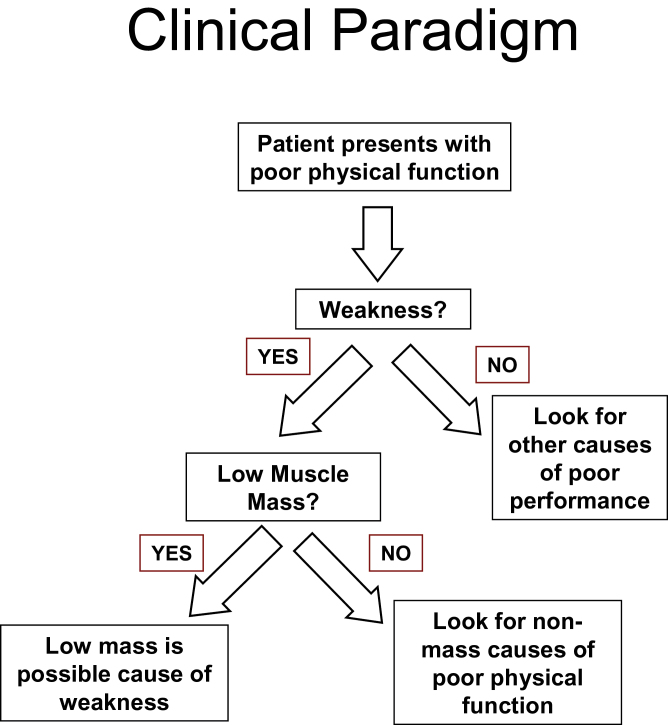
“The Foundation for the National Institutes of Health Sarcopenia Project recently established a clinical paradigm for clinicians making a differential diagnosis of poor physical function based on empirical evidence.(25) Definitions of sarcopenia relying on estimates of lean mass alone are inconsistently associated with…”
Wilkinson, T. J., Miksza, J., Yates, T., Lightfoot, C. J., Baker, L. A., Watson, E. L., Zaccardi, F., & Smith, A. C. (2021) · Journal of Cachexia, Sarcopenia and Muscle · doi:10.1002/jcsm.12705 · Cited by 227
Guglielmi, G., Ponti, F., Agostini, M., Amadori, M., Battista, G., & Bazzocchi, A. (2016) · Aging Clinical and Experimental Research · doi:10.1007/s40520-016-0589-3 · Cited by 221
Role of Age-Related Mitochondrial Dysfunction in Sarcopenia
Ferri, E., Marzetti, E., Calvani, R., Picca, A., Cesari, M., & Arosio, B. (2020) · International Journal of Molecular Sciences · doi:10.3390/ijms21155236 · Cited by 224
Health Care Costs Associated With Muscle Weakness: A UK Population-Based Estimate
Pinedo-Villanueva, R., Westbury, L. D., Syddall, H. E., Sanchez-Santos, M. T., Dennison, E. M., Robinson, S. M., & Cooper, C. (2019) · Calcified Tissue International · doi:10.1007/s00223-018-0478-1 · Cited by 221
Jones, G., Trajanoska, K., Santanasto, A. J., Stringa, N., Kuo, C.-L., Atkins, J. L., Lewis, J. R., Duong, T., Hong, S., Biggs, M. L., et al. (2021) · Nature Communications · doi:10.1038/s41467-021-20918-w · Cited by 221
Self-citationJung, H.-W., Kim, J. W., Kim, J.-Y., Kim, S.-W., Yang, H. K., Lee, J. W., Lee, K.-W., Kim, D.-W., Kang, S.-B., Kim, K.-I., et al. (2015) · Supportive Care in Cancer · doi:10.1007/s00520-014-2418-6 · Cited by 217
Cawthon, P. M., Orwoll, E. S., Peters, K. E., Ensrud, K. E., Cauley, J. A., Kado, D. M., Stefanick, M. L., Shikany, J. M., Strotmeyer, E. S., Glynn, N. W., et al. (2019) · The Journals of Gerontology: Series A · doi:10.1093/gerona/gly129 · Cited by 213
Self-citationPolyzos, S. A., & Margioris, A. N. (2018) · Hormones · doi:10.1007/s42000-018-0049-x · Cited by 212
“With many different recommendations, it is unsurprising that the perceived prevalence of sarcopenia varies: it is lower when the three criteria are required (FNIHSP) [11] but higher when two criteria are required [4, 9, 10], as shown in a comparative study [12].”
BackgroundSarcopenia and cardiovascular diseases: A systematic review and meta‐analysis
Zuo, X., Li, X., Tang, K., Zhao, R., Wu, M., Wang, Y., & Li, T. (2023) · Journal of Cachexia, Sarcopenia and Muscle · doi:10.1002/jcsm.13221 · Cited by 207
Protein intake and muscle function in older adults
Deer, R. R., & Volpi, E. (2015) · Current Opinion in Clinical Nutrition and Metabolic Care · doi:10.1097/mco.0000000000000162 · Cited by 206
Batsis, J. A., Mackenzie, T. A., Lopez-Jimenez, F., & Bartels, S. J. (2015) · Nutrition Research · doi:10.1016/j.nutres.2015.09.003 · Cited by 203
“cutpoints are associated with longitudinal adverse outcomes [9].”
BackgroundMethodInfluentialSarcopenia in Heart Failure: A Systematic Review and Meta-Analysis
Zhang, Y., Zhang, J., Ni, W., Yuan, X., Zhang, H., Li, P., Xu, J., & Zhao, Z. (2021) · ESC Heart Failure · doi:10.1002/ehf2.13255 · Cited by 201
Reference Values for Skeletal Muscle Mass – Current Concepts and Methodological Considerations
Walowski, C. O., Braun, W., Maisch, M. J., Jensen, B., Peine, S., Norman, K., Müller, M. J., & Bosy-Westphal, A. (2020) · Nutrients · doi:10.3390/nu12030755 · Cited by 200
“…of young, healthy adults Cawthon et al. (2014) DXA (QDR 4500, Hologic 2000, Lunar Prodigy) ASM adjusted for BMI men: <0.789 women: <0.512 recommended by FNIH (Studenski et al., 2014) n = 11,270 study performed in US men women n 7582 3688 Age (year) 65 to 80 65 to 80 BMI (kg/m2) NA NA → CART…”
BackgroundInfluentialFalls among older adults with sarcopenia dwelling in nursing home or community: A meta-analysis
Zhang, X., Huang, P., Dou, Q., Wang, C., Zhang, W., Yang, Y., Wang, J., Xie, X., Zhou, J., & Zeng, Y. (2020) · Clinical Nutrition · doi:10.1016/j.clnu.2019.01.002 · Cited by 199
Sarcopenia in cancer: Risking more than muscle loss
Anjanappa, M., Corden, M., Green, A., Roberts, D., Hoskin, P., McWilliam, A., & Choudhury, A. (2020) · Technical Innovations & Patient Support in Radiation Oncology · doi:10.1016/j.tipsro.2020.10.001 · Cited by 199
“Similarly, the Foundation for the National Institutes of Health defined muscle mass and muscle strength using a definite cut off [9].”
MethodDe Buyser, S. L., Petrovic, M., Taes, Y. E., Toye, K. R. C., Kaufman, J.-M., Lapauw, B., & Goemaere, S. (2016) · Age and Ageing · doi:10.1093/ageing/afw071 · Cited by 198
“In this final selection of older persons, low lean mass might be a possible cause of their weakness [5].”
BackgroundMethodInfluentialVellas, B., Fielding, R. A., Bens, C., Bernabei, R., Cawthon, P. M., Cederholm, T., Cruz-Jentoft, A. J., Del Signore, S., Donahue, S., Morley, J., et al. (2018) · The Journal of Frailty & Aging · doi:10.14283/jfa.2017.30 · Cited by 195
“The proposal outlined the evolution of sarcopenia as a distinct diagnosis, the efforts to reach an international consensus definition (3, 4), the impact of sarcopenia on function, and the potential for development of drugs to treat the condition.”
BackgroundSelf-citationColetta, G., & Phillips, S. M. (2023) · Ageing Research Reviews · doi:10.1016/j.arr.2023.101883 · Cited by 193
“Contents lists available at ScienceDirect Ageing Research Reviews journal homepage: www.elsevier.com/locate/arr https://doi.org/10.1016/j.arr.2023.101883 Received 6 December 2022; Received in revised form 22 January 2023; Accepted 12 February 2023 Ageing Research Reviews 86 (2023) 101883 ESPEN special interest group/S…”
BackgroundMethodInfluentialHirani, V., Blyth, F., Naganathan, V., Le Couteur, D. G., Seibel, M. J., Waite, L. M., Handelsman, D. J., & Cumming, R. G. (2015) · Journal of the American Medical Directors Association · doi:10.1016/j.jamda.2015.02.006 · Cited by 191
on behalf of the SPRINTT Consortium, Landi, F., Cesari, M., Calvani, R., Cherubini, A., Di Bari, M., Bejuit, R., Mshid, J., Andrieu, S., Sinclair, A. J., et al. (2017) · Aging Clinical and Experimental Research · doi:10.1007/s40520-016-0715-2 · Cited by 191
“, low muscle mass) relies on the cut-points for appendicular lean mass (aLM) indicated by the Foundation for the National Institutes of Health (FNIH) sarcopenia project [11].”
MethodZhang, H., Lin, S., Gao, T., Zhong, F., Cai, J., Sun, Y., & Ma, A. (2018) · Nutrients · doi:10.3390/nu10030364 · Cited by 188
“Additionally, the FNIH Sarcopenia Project has recommended the definition of low muscle mass adjusted for body mass to examine sarcopenia in the general population [38].”
Sarcopenic obesity in ageing: cardiovascular outcomes and mortality
Atkins, J. L., & Wannamathee, S. G. (2020) · British Journal of Nutrition · doi:10.1017/s0007114520002172 · Cited by 187
“In 2014, an alternative and more specific sarcopenia definition was recommended by the Foundation for the National Institutes of Health Sarcopenia Project; appendicular lean mass cut-points adjusted for BMI (<0·789 for men;<0·512 for women) and for grip strength cut-points (<26 kg for men; <16 kg for women)(50).”
Sarcopenia – The search for emerging biomarkers
Kalinkovich, A., & Livshits, G. (2015) · Ageing Research Reviews · doi:10.1016/j.arr.2015.05.001 · Cited by 187
Large meta-analysis of genome-wide association studies identifies five loci for lean body mass
Zillikens, M. C., Demissie, S., Hsu, Y.-H., Yerges-Armstrong, L. M., Chou, W.-C., Stolk, L., Livshits, G., Broer, L., Johnson, T., Koller, D. L., et al. (2017) · Nature Communications · doi:10.1038/s41467-017-00031-7 · Cited by 184
Self-citationExercise Intolerance in Older Adults With Heart Failure With Preserved Ejection Fraction
Pandey, A., Shah, S. J., Butler, J., Kellogg, D. L., Lewis, G. D., Forman, D. E., Mentz, R. J., Borlaug, B. A., Simon, M. A., Chirinos, J. A., et al. (2021) · Journal of the American College of Cardiology · doi:10.1016/j.jacc.2021.07.014 · Cited by 184
Blood flow restricted resistance training in older adults at risk of mobility limitations
Cook, S. B., LaRoche, D. P., Villa, M. R., Barile, H., & Manini, T. M. (2017) · Experimental Gerontology · doi:10.1016/j.exger.2017.10.004 · Cited by 182
“Sarcopenia is the age-related loss of muscle mass and strength that places older adults at increased risk of many adverse outcomes (Studenski et al., 2014).”
Diagnosing sarcopenia: Functional perspectives and a new algorithm from the ISarcoPRM
Kara, M., Kaymak, B., Frontera, W., Ata, A., Ricci, V, Ekiz, T., Chang, K., Han, D., Michail, X., Quittan, M., et al. (2021) · Journal of Rehabilitation Medicine · doi:10.2340/16501977-2851 · Cited by 183
“8m/s and/or inability to rise from a chair without support (9).”
BackgroundInfluentialThe Predictive Value of the EWGSOP Definition of Sarcopenia: Results From the InCHIANTI Study
Bianchi, L., Ferrucci, L., Cherubini, A., Maggio, M., Bandinelli, S., Savino, E., Brombo, G., Zuliani, G., Guralnik, J. M., Landi, F., et al. (2016) · The Journals of Gerontology Series A: Biological Sciences and Medical Sciences · doi:10.1093/gerona/glv129 · Cited by 181
Self-citationResistance Exercise to Prevent and Manage Sarcopenia and Dynapenia
Law, T. D., Clark, L. A., & Clark, B. C. (2016) · Annual Review of Gerontology and Geriatrics · doi:10.1891/0198-8794.36.205 · Cited by 181
Cachexia, Muscle Wasting, and Frailty in Cardiovascular Disease
Bielecka-Dabrowa, A., Ebner, N., dos Santos, M. R., Ishida, J., Hasenfuss, G., & von Haehling, S. (2020) · European Journal of Heart Failure · doi:10.1002/ejhf.2011 · Cited by 181
Linge, J., Birkenfeld, A. L., & Neeland, I. J. (2024) · Circulation · doi:10.1161/circulationaha.124.067676 · Cited by 180
“43,44,51,54 Commonly used adjustments (division by height, 2 weight, or body mass index) have been shown to be ineffective and lead to either underestimation or overestimation of sarcopenia within obesity (Figure 2).”
Rooks, D., Swan, T., Goswami, B., Filosa, L. A., Bunte, O., Panchaud, N., Coleman, L. A., Miller, R. R., Garcia Garayoa, E., Praestgaard, J., et al. (2020) · JAMA Network Open · doi:10.1001/jamanetworkopen.2020.20836 · Cited by 177
Physical Activity and Sarcopenic Obesity: Definition, Assessment, Prevalence and Mechanism
Lee, D.-C., Shook, R. P., Drenowatz, C., & Blair, S. N. (2016) · Future Science OA · doi:10.4155/fsoa-2016-0028 · Cited by 177
D3‐Creatine dilution and the importance of accuracy in the assessment of skeletal muscle mass
Evans, W. J., Hellerstein, M., Orwoll, E., Cummings, S., & Cawthon, P. M. (2019) · Journal of Cachexia, Sarcopenia and Muscle · doi:10.1002/jcsm.12390 · Cited by 176
“Sarcopenia undertook a data-analysis based effort to better define diagnostic criteria for sarcopenia.(27) Using DXA derived appendicular lean mass from multiple cohort studies in older people, Cawthon et al.”
MethodSelf-citationPicca, A., Ponziani, F. R., Calvani, R., Marini, F., Biancolillo, A., Coelho-Júnior, H. J., Gervasoni, J., Primiano, A., Putignani, L., Del Chierico, F., et al. (2019) · Nutrients · doi:10.3390/nu12010065 · Cited by 172
“to the cutpoints of the Foundation for the National Institutes of Health (FNIH) sarcopenia project [29]; and (c) absence of mobility disability (i.”
BackgroundSarcopenic Obesity: Epidemiologic Evidence, Pathophysiology, and Therapeutic Perspectives
Koliaki, C., Liatis, S., Dalamaga, M., & Kokkinos, A. (2019) · Current Obesity Reports · doi:10.1007/s13679-019-00359-9 · Cited by 176
Ribeiro, H. S., Neri, S. G. R., Oliveira, J. S., Bennett, P. N., Viana, J. L., & Lima, R. M. (2022) · Clinical Nutrition · doi:10.1016/j.clnu.2022.03.025 · Cited by 175
Du, Y., Wang, X., Xie, H., Zheng, S., Wu, X., Zhu, X., Zhang, X., Xue, S., Li, H., Hong, W., et al. (2019) · BMC Endocrine Disorders · doi:10.1186/s12902-019-0432-x · Cited by 175
Mijnarends, D. M., Schols, J. M. G. A., Meijers, J. M. M., Tan, F. E. S., Verlaan, S., Luiking, Y. C., Morley, J. E., & Halfens, R. J. G. (2015) · Journal of the American Medical Directors Association · doi:10.1016/j.jamda.2014.11.011 · Cited by 175
Lee, S. Y., Ahn, S., Kim, Y. J., Ji, M. J., Kim, K. M., Choi, S. H., Jang, H. C., & Lim, S. (2018) · Nutrients · doi:10.3390/nu10060738 · Cited by 175
“We derived specific equations for ASMM as well as WBMM, which are critical in the diagnosis of sarcopenia [40,41].”
Yang, M., Hu, X., Xie, L., Zhang, L., Zhou, J., Lin, J., Wang, Y., Li, Y., Han, Z., Zhang, D., et al. (2018) · Journal of the American Medical Directors Association · doi:10.1016/j.jamda.2017.12.016 · Cited by 174
Scott, D., Seibel, M., Cumming, R., Naganathan, V., Blyth, F., Le Couteur, D. G., Handelsman, D. J., Waite, L. M., & Hirani, V. (2017) · Journal of Bone and Mineral Research · doi:10.1002/jbmr.3016 · Cited by 174
“More individuals will potentially be diagnosed as sarcopenic using the EWGSOP than FNIH definition given that the low hand-grip criteria (<30 versus <26 kg) are less conservative, and also because individuals without low hand-grip strength may still be considered sarcopenic under the EWGSOP definition if gait speed is…”
BackgroundMethodEpidemiology of Sarcopenia: Determinants Throughout the Lifecourse
Shaw, S. C., Dennison, E. M., & Cooper, C. (2017) · Calcified Tissue International · doi:10.1007/s00223-017-0277-0 · Cited by 174
“The FNIH Sarcopenia project [144] is pooling data from large well-characterised cohorts in an effort to identify clinically relevant thresholds for muscle mass and strength that may be generalised to both genders; different ethnicities; multiple geographic regions; as well as a range of health states.”
Sarcopenia: a chronic complication of type 2 diabetes mellitus
Trierweiler, H., Kisielewicz, G., Hoffmann Jonasson, T., Rasmussen Petterle, R., Aguiar Moreira, C., & Zeghbi Cochenski Borba, V. (2018) · Diabetology & Metabolic Syndrome · doi:10.1186/s13098-018-0326-5 · Cited by 172
“In addition to being an important risk factor for frailty, obesity also increases the levels of inflammatory markers that inhibit the synthesis of muscle proteins [26].”
BackgroundKim, S., Kim, M., & Won, C. W. (2018) · Journal of the American Medical Directors Association · doi:10.1016/j.jamda.2017.07.006 · Cited by 173
Association Between Purpose in Life and Objective Measures of Physical Function in Older Adults
Kim, E. S., Kawachi, I., Chen, Y., & Kubzansky, L. D. (2017) · JAMA Psychiatry · doi:10.1001/jamapsychiatry.2017.2145 · Cited by 167
Addressing obesity in aging patients
Batsis, J. A., & Zagaria, A. B. (2018) · Medical Clinics of North America · doi:10.1016/j.mcna.2017.08.007 · Cited by 167
Voelker, S. N., Michalopoulos, N., Maier, A. B., & Reijnierse, E. M. (2021) · Journal of the American Medical Directors Association · doi:10.1016/j.jamda.2021.05.011 · Cited by 165
Batsis, J. A., Mackenzie, T. A., Jones, J. D., Lopez-Jimenez, F., & Bartels, S. J. (2016) · Clinical Nutrition · doi:10.1016/j.clnu.2016.03.028 · Cited by 166
“Recently, the Foundation for the National Institutes of Health proposed definitions of sarcopenia that could assist in identifying cohorts of subjects [2].”
BackgroundInoue, T., Maeda, K., Nagano, A., Shimizu, A., Ueshima, J., Murotani, K., Sato, K., & Tsubaki, A. (2020) · Nutrients · doi:10.3390/nu12123743 · Cited by 162
“We assessed the quality of the included studies using both the National Institutes of Health (NIH) Quality Assessment tool for Observational Cohort and Cross-Sectional Studies and the Quality Assessment of Controlled Intervention Studies [10].”
MethodLee, W.-J., Peng, L.-N., Chiou, S.-T., & Chen, L.-K. (2016) · PLOS ONE · doi:10.1371/journal.pone.0160876 · Cited by 159
Body Composition Remodeling and Mortality: The Health Aging and Body Composition Study
Santanasto, A. J., Goodpaster, B. H., Kritchevsky, S. B., Miljkovic, I., Satterfield, S., Schwartz, A. V., Cummings, S. R., Boudreau, R. M., Harris, T. B., & Newman, A. B. (2016) · The Journals of Gerontology Series A: Biological Sciences and Medical Sciences · doi:10.1093/gerona/glw163 · Cited by 162
Self-citationBatsis, J. A., Gill, L. E., Masutani, R. K., Adachi‐Mejia, A. M., Blunt, H. B., Bagley, P. J., Lopez‐Jimenez, F., & Bartels, S. J. (2017) · Journal of the American Geriatrics Society · doi:10.1111/jgs.14514 · Cited by 160
“Sarcopenia progresses with age, and older adults have lower compensatory capacity to offset the loss of muscle mass and strength that may hasten functional impairment and incident disability.(11,33,34) Clinicians should evaluate each person individually and focus on wellness and prevention of sarcopenia and bone loss…”
Relationship Between Sarcopenia and Cardiovascular Diseases in the Elderly: An Overview
He, N., Zhang, Y., Zhang, L., Zhang, S., & Ye, H. (2021) · Frontiers in Cardiovascular Medicine · doi:10.3389/fcvm.2021.743710 · Cited by 157
“EWGSOP (9), AWGs (10), IWGS (7), FNIH (12) all state that the diagnosis of sarcopenia should take into account a combination of muscle mass and muscle function, with the leading indicators including muscle mass, muscle strength, and muscle function.”
BackgroundMetabolic Disorders in Menopause
Jeong, H. G., & Park, H. (2022) · Metabolites · doi:10.3390/metabo12100954 · Cited by 212
“EWGSOP, European Working Group on Sarcopenia in Older People [65]; ESPEN SIG, Special Interest Group “cachexia-anorexia in chronic wasting diseases” [66]; IWGS, International Working Group on Sarcopenia [67]; Sarcopenia with limited mobility, Society for Sarcopenia Cachexia and Wasting Disorders [68]; FNIH Sarcopenia…”
BackgroundZanker, J., Sim, M., Anderson, K. L. M., Balogun, S. A., Brennan-Olsen, S. L., Dent, E., Duque, G., Girgis, C. M., Grossmann, M., Hayes, A., et al. (2022) · Journal of Cachexia Sarcopenia and Muscle · doi:10.1002/jcsm.13115 · Cited by 190
“, the application of machine learning to produce optimal variables and cut-points).(24,25) Recent defini-”
MethodAssessment of maximal handgrip strength: how many attempts are needed?
Reijnierse, E. M., de Jong, N., Trappenburg, M. C., Blauw, G. J., Butler‐Browne, G., Gapeyeva, H., Hogrel, J., McPhee, J. S., Narici, M. V., Sipilä, S., et al. (2017) · Journal of Cachexia, Sarcopenia and Muscle · doi:10.1002/jcsm.12181 · Cited by 153
Agostini, D., Donati Zeppa, S., Lucertini, F., Annibalini, G., Gervasi, M., Ferri Marini, C., Piccoli, G., Stocchi, V., Barbieri, E., & Sestili, P. (2018) · Nutrients · doi:10.3390/nu10081103 · Cited by 151
“an International Working Group on Sarcopenia (IWGS) incorporated sex-specific threshold values for muscle mass [4] while the Foundation of NIH (FNIH) Sarcopenia Project proposed a different definition for sarcopenia [5].”
BackgroundMuscle and Bone Mass Loss in the Elderly Population: Advances in diagnosis and treatment
Colón, C. J. P., Molina-Vicenty, I. L., Frontera-Rodríguez, M., García-Ferré, A., Rivera, B. P., Cintrón-Vélez, G., & Frontera-Rodríguez, S. (2018) · Journal of Biomedicine · doi:10.7150/jbm.23390 · Cited by 150
Scott, D., Chandrasekara, S. D., Laslett, L. L., Cicuttini, F., Ebeling, P. R., & Jones, G. (2016) · Calcified Tissue International · doi:10.1007/s00223-016-0123-9 · Cited by 149
An Overview of Sarcopenic Obesity
Cauley, J. A. (2015) · Journal of Clinical Densitometry · doi:10.1016/j.jocd.2015.04.013 · Cited by 196
Comparison of Handgrip and Leg Extension Strength in Predicting Slow Gait Speed in Older Adults
Fragala, M. S., Alley, D. E., Shardell, M. D., Harris, T. B., McLean, R. R., Kiel, D. P., Cawthon, P. M., Dam, T. L., Ferrucci, L., Guralnik, J. M., et al. (2016) · Journal of the American Geriatrics Society · doi:10.1111/jgs.13871 · Cited by 148
Self-citationDerstine, B. A., Holcombe, S. A., Goulson, R. L., Ross, B. E., Wang, N. C., Sullivan, J. A., Su, G. L., & Wang, S. C. (2018) · The Journal of nutrition, health and aging · doi:10.1007/s12603-017-0983-3 · Cited by 75
Wathanavasin, W., Banjongjit, A., Avihingsanon, Y., Praditpornsilpa, K., Tungsanga, K., Eiam‐Ong, S., & Susantitaphong, P. (2022) · Nutrients · doi:10.3390/nu14194077 · Cited by 169
Prevalence and incidence of sarcopenia in the very old: findings from the Newcastle 85+ Study
Dodds, R. M., Granic, A., Davies, K., Kirkwood, T. B. L., Jagger, C., & Sayer, A. A. (2017) · Journal of Cachexia, Sarcopenia and Muscle · doi:10.1002/jcsm.12157 · Cited by 147
Sarcopenia and osteoporosis in older people: a systematic review and meta-analysis
Nielsen, B. R., Abdulla, J., Andersen, H. E., Schwarz, P., & Suetta, C. (2018) · European Geriatric Medicine · doi:10.1007/s41999-018-0079-6 · Cited by 166
Associations of low handgrip strength with cancer mortality: a multicentre observational study
Zhuang, C., Zhang, F., Li, W., Wang, K., Xu, H., Song, C., Guo, Z., & Shi, H. (2020) · Journal of Cachexia Sarcopenia and Muscle · doi:10.1002/jcsm.12614 · Cited by 162
“Besides, sex‐specific HGS/BMI cut‐off points were calculated in the other analysis to compare results with those at low HGS, in accordance with the suggestion of the Foundation for the National Institutes of Health to adjustment for BMI.26 Cut‐off points for low HGS/BMI ratio were 0.997 for women and 1.102 for men bas…”
MethodInfluentialHuang, C.-Y., Mayer, P. K., Wu, M., Liu, D.-H., Wu, P., & Yen, H. (2022) · Ageing Research Reviews · doi:10.1016/j.arr.2022.101747 · Cited by 169
“The cutoff values for the same diagnostic items (hand grip and gait speed) for sarcopenia and frailty are very similar (Cruz-Jentoft et al., 2019; Chen et al., 2020a, 2020b; Cruz-Jentoft et al., 2014; Studenski et al., 2014; Fried et al., 2001).”
BackgroundIdentifying and Managing Malnutrition, Frailty and Sarcopenia in the Community: A Narrative Review
Roberts, S., Collins, P. F., & Rattray, M. (2021) · Nutrients · doi:10.3390/nu13072316 · Cited by 167
“Sarcopenia can be identified as low muscle mass with low grip strength using the FNIH definition [20], or slowness with weakness and low lean mass (for severe sarcopenia) as per EWGSOP definitions.”
BackgroundMethodInfluentialKim, M., & Won, C. W. (2020) · Journal of the American Medical Directors Association · doi:10.1016/j.jamda.2020.03.018 · Cited by 141
Golabi, P., Gerber, L., Paik, J. M., Deshpande, R., de Avila, L., & Younossi, Z. M. (2020) · JHEP Reports · doi:10.1016/j.jhepr.2020.100171 · Cited by 140
Chatzipetrou, V., Bégin, M., Hars, M., & Trombetti, A. (2021) · Calcified Tissue International · doi:10.1007/s00223-021-00898-1 · Cited by 173
MC3R links nutritional state to childhood growth and the timing of puberty
Lam, B. Y. H., Williamson, A., Finer, S., Day, F. R., Tadross, J. A., Gonçalves Soares, A., Wade, K., Sweeney, P., Bedenbaugh, M. N., Porter, D. T., et al. (2021) · Nature · doi:10.1038/s41586-021-04088-9 · Cited by 139
Shin, M. J., Jeon, Y. K., & Kim, I. J. (2018) · The World Journal of Men's Health · doi:10.5534/wjmh.180001 · Cited by 134
“Thereafter, the International Working Group on Sarcopenia (IWGS) [14], Asian Working Group for Sarcopenia (AWGS) [15], and Foundation for the National Institutes of Health (FNIH) Sarcopenia Project suggested a consensus diagnosis based on social conditions (Table 1) [16].”
BackgroundAssessment of Lean Mass and Physical Performance in Sarcopenia
Cawthon, P. M. (2015) · Journal of Clinical Densitometry · doi:10.1016/j.jocd.2015.05.063 · Cited by 138
Self-citationKuo, P. ‐., Schrack, J. A., Shardell, M. D., Levine, M., Moore, A. Z., An, Y., Elango, P., Karikkineth, A., Tanaka, T., de Cabo, R., et al. (2020) · Journal of Internal Medicine · doi:10.1111/joim.13024 · Cited by 135
Self-citationBianchi, L., Abete, P., Bellelli, G., Bo, M., Cherubini, A., Corica, F., Di Bari, M., Maggio, M., Manca, G. M., Rizzo, M. R., et al. (2017) · The Journals of Gerontology: Series A · doi:10.1093/gerona/glw343 · Cited by 135
“Sarcopenia is therefore considered a geriatric syndrome defined as a progressive impairment of muscle function due to the loss of skeletal muscle mass that occurs with advancing age (2).”
InfluentialThe Prevalence of Sarcopenia in Chinese Older Adults: Meta-Analysis and Meta-Regression
Chen, Z., Li, W., Ho, M. M., & Chau, P. H. (2021) · Nutrients · doi:10.3390/nu13051441 · Cited by 155
Sarcopenia, Frailty, and Diabetes in Older Adults
Jang, H. C. (2016) · Diabetes & Metabolism Journal · doi:10.4093/dmj.2016.40.3.182 · Cited by 135
Rectus femoris (RF) ultrasound for the assessment of muscle mass in older people
Berger, J., Bunout, D., Barrera, G., de la Maza, M. P., Henriquez, S., Leiva, L., & Hirsch, S. (2015) · Archives of Gerontology and Geriatrics · doi:10.1016/j.archger.2015.03.006 · Cited by 133
Mean Hand Grip Strength and Cut-off Value for Sarcopenia in Korean Adults Using KNHANES VI
Yoo, J., Choi, H., & Ha, Y. (2017) · Journal of Korean Medical Science · doi:10.3346/jkms.2017.32.5.868 · Cited by 151
“Therefore, it was impossible to determine the cut-off values to reflect the physical performance of EWGSOP or the foundation for the National Institutes of Health algorithms (8,19).”
BackgroundSarcopenia in Autoimmune and Rheumatic Diseases: A Comprehensive Review
An, H. J., Tizaoui, K., Terrazzino, S., Cargnin, S., Lee, K. H., Nam, S. W., Kim, J., Yang, J. W., Lee, J. Y., Smith, L., et al. (2020) · International Journal of Molecular Sciences · doi:10.3390/ijms21165678 · Cited by 156
“The Foundation of the National Institute of Health (FNIH) [15], the International Working Group on Sarcopenia (IWGS) [16], and the European Society on Clinician Nutrition and Metabolism special interest groups (ESPEN SIG) [17] also proposed a definition for sarcopenia that contained both muscle mass and function.”
BackgroundYamada, Y., Buehring, B., Krueger, D., Anderson, R. M., Schoeller, D. A., & Binkley, N. (2016) · The Journals of Gerontology Series A: Biological Sciences and Medical Sciences · doi:10.1093/gerona/glw225 · Cited by 132
König, M., Spira, D., Demuth, I., Steinhagen-Thiessen, E., & Norman, K. (2018) · The Journals of Gerontology: Series A · doi:10.1093/gerona/glx074 · Cited by 131
Ageing well: a review of sarcopenia and frailty
Keevil, V. L., & Romero‐Ortuño, R. (2015) · Proceedings of The Nutrition Society · doi:10.1017/s0029665115002037 · Cited by 150
Developing Consensus Criteria for Sarcopenia: An Update
McLean, R. R., & Kiel, D. P. (2015) · Journal of Bone and Mineral Research · doi:10.1002/jbmr.2492 · Cited by 129
Self-citationKoo, B. K., Um, S. H., Seo, D. S., Joo, S. K., Bae, J. M., Park, J. H., Chang, M. S., Kim, J. H., Lee, J., Jeong, W., et al. (2018) · Liver International · doi:10.1111/liv.13587 · Cited by 128
Beneficial Effects of Leucine Supplementation on Criteria for Sarcopenia: A Systematic Review
Martínez-Arnau, F. M., Fonfría-Vivas, R., & Cauli, O. (2019) · Nutrients · doi:10.3390/nu11102504 · Cited by 129
“Regarding methodological issues, our analysis highlighted that different sarcopenia evaluation methods have often failed to adequately meet the criteria proposed by the international guidelines [1,72,73].”
Cawthon, P. M., Visser, M., Arai, H., Ávila-Funes, J. A., Barazzoni, R., Bhasin, S., Binder, E., Bruyère, O., Cederholm, T., Chen, L.-K., et al. (2022) · European Geriatric Medicine · doi:10.1007/s41999-022-00706-5 · Cited by 126
Self-citationCawthon, P. M., Travison, T. G., Manini, T. M., Patel, S., Pencina, K. M., Fielding, R. A., Magaziner, J. M., Newman, A. B., Brown, T., Kiel, D. P., et al. (2020) · The Journals of Gerontology Series A · doi:10.1093/gerona/glz081 · Cited by 127
Self-citationThe relationship between sarcopenia and fragility fracture—a systematic review
Wong, R. M. Y., Wong, H., Zhang, N., Chow, S. K., Chau, W., Wang, J., Chim, Y. N., Leung, K., & Cheung, W. (2019) · Osteoporosis International · doi:10.1007/s00198-018-04828-0 · Cited by 144
“In 2014, the Asian Working Group for Sarcopenia (AWGS) and the Foundation for the National Institutes of Health (FNIH) of the USA also established the consensus for sarcopenia diagnosis for their respective regions [6, 7].”
BackgroundSarcopenia and fatty liver disease
Kim, J. A., & Choi, K. M. (2019) · Hepatology International · doi:10.1007/s12072-019-09996-7 · Cited by 134
Definitions of Sarcopenia: Associations with Previous Falls and Fracture in a Population Sample
Clynes, M. A., Edwards, M. H., Buehring, B., Dennison, E. M., Binkley, N., & Cooper, C. (2015) · Calcified Tissue International · doi:10.1007/s00223-015-0044-z · Cited by 126
Osteosarcopenic Obesity: Current Knowledge, Revised Identification Criteria and Treatment Principles
Kelly, O. J., Gilman, J. C., Boschiero, D., & Ilich, J. Z. (2019) · Nutrients · doi:10.3390/nu11040747 · Cited by 126
“512 and handgrip strength cutoffs of <26 kg and <16 kg for both older men and women respectively [58].”
BackgroundMalnutrition in Older Adults with Cancer
Zhang, X., & Edwards, B. J.-A. (2019) · Current Oncology Reports · doi:10.1007/s11912-019-0829-8 · Cited by 143
Nabuco, H. C. G., Tomeleri, C. M., Fernandes, R. R., Sugihara Junior, P., Cavalcante, E. F., Cunha, P. M., Antunes, M., Nunes, J. P., Venturini, D., Barbosa, D. S., et al. (2019) · Clinical Nutrition ESPEN · doi:10.1016/j.clnesp.2019.04.007 · Cited by 125
Handgrip Strength in Old and Very Old Adults: Mood, Cognition, Function, and Mortality
Stessman, J., Rottenberg, Y., Fischer, M., Hammerman‐Rozenberg, A., & Jacobs, J. M. (2017) · Journal of the American Geriatrics Society · doi:10.1111/jgs.14509 · Cited by 140
Sarcopenia and health-related outcomes: an umbrella review of observational studies
the Special Interest Groups in Systematic Reviews and Meta-analyses for healthy ageing Sarcopenia and Frailty and resilience in older persons of the European Geriatric Medicine Society (EuGMS), Veronese, N., Demurtas, J., Soysal, P., Smith, L., Torbahn, G., Schoene, D., Schwingshackl, L., Sieber, C. C., Bauer, J. M., et al. (2019) · European Geriatric Medicine · doi:10.1007/s41999-019-00233-w · Cited by 141
“Finally, for the association between sarcopenia and falls, there were no significant differences between the studies using the FNIH (n = 6 studies) [22] and the EWGSOP criteria (n = 5 studies), having both a class II evidence.”
MethodResultInfluential
Metadata
- Authors
- Studenski, S. A., Peters, K. W., Alley, D. E., Cawthon, P. M., McLean, R. R., Harris, T. B., Ferrucci, L., Guralnik, J. M., Fragala, M. S., Kenny, A. M., Kiel, D. P., Kritchevsky, S. B., Shardell, M. D., Dam, T.-T. L., & Vassileva, M. T.
- Affiliations
- University of Pittsburgh (US)
- California Pacific Medical Center (US)
- University of Maryland, Baltimore (US)
- Beth Israel Deaconess Medical Center (US)
- National Institutes of Health (US)
- University of Central Florida (US)
- Wake Forest University Health Sciences (US)
- Columbia University (US)
- Foundation for the National Institutes of Health (US)
- Corresponding author
- Studenski, Stephanie A.
- ORCID
- Venue
- The Journals of Gerontology: Series A
- Publisher
- Oxford University Press (OUP)
- Published
- 2014-03-31
- Volume
- 69
- Issue
- 5
- Pages
- 547-558
- ISSN
- 1079-5006 (ISSN-L)
- 1758-535X
- PMC
- PMC3991146
- OpenAlex
- W2156791190
- Cited by
- 2,545
- References
- 41
- Citations by year
- 2026: 186 · 2025: 315 · 2024: 270 · 2023: 254 · 2022: 257 · 2021: 272 · 2020: 246 · 2019: 206 · 2018: 195 · 2017: 138 · 2016: 86 · 2015: 85 · 2014: 29
- FWCI
- 74.91
- Type
- journal article
- Language
- en
- Open access
- hybrid
- doi.org
- Licence
- cc-by-nc
- Locations
- The Journals of Gerontology Series A (publishedVersion, cc-by-nc)
- Europe PMC (PubMed Central) (publishedVersion, cc-by-nc)
- PubMed Central (publishedVersion, cc-by-nc)
- PubMed (publishedVersion)
- Digital Access to Scholarship at Harvard (DASH) (Harvard University) (submittedVersion, cc-by)
- Journal of International Crisis and Risk Communication Research (submittedVersion)
- Funders
- Foundation for the National Institutes of Health (N01‐HC 25195, N01-AG-12100, P30 AG024827)
- Patrick and Catherine Weldon Donaghue Medical Research Foundation
- Amgen
- Eli Lilly and Company
- Ministero della Salute (263 MD 9164 13, N01-AG-916413, 263 MD 821336, N01-AG-821336, 263 MD 9164)
- Syddansk Universitet
- Hjartavernd (N01-AG-1-2100)
- National Institutes of Health (N01-AG-6-2103, n01ag12100-57-0-2, N01-AG-916413, N01‐AG‐6‐2106, 263MD9164, 1u13ag041583-01, N01-AG-6-2101, n01hc25195-41-0-1, 263 MD 821336, N01-AG-821336, AR/AG41398)
- University of California, San Diego
- National Institute on Aging (N01‐AG‐6–2101, 263 MD 9164, R37AG007181, R01AG005394, N01AG-821336, DK31801, 263-MD-9164-13, 5P60AG13631, AG005407, 821336, 1U13AG041583, N01[AG]916413, N01-AG12100, N01-AG012100, AG027576, R01AR/AG 41398, AR/AG 41398, U01 AR45580, 263MD821336, U01-AG-18197, AG07181, N01-HC-25195, AG 024827, AG-6-2106, AG-6-2103, R01‐AR‐35584, R01AG018887, AG005394, U01AG018197, R01AG005407, R01 AR35583, U01 AR45632, U01AG027810, R01AG027576, P01AG023394, 916413, U01 AR45654, AG18197, R01AG007181, R01AG027087, U01 AR45614, AG-6-2101, AG028507, R01 AG18887, R01‐AR‐35582, U13 AG041583, N01AG62106, AG027574, U01 AR45583, AG027810, R01AG028507, U01 AR45647, AG41398, N01-AG-62103, R01AG027574, P30AG024827)
- National Heart, Lung, and Blood Institute (N01-HC-025195, P50HL105185)
- National Institute of Diabetes and Digestive and Kidney Diseases (N01-HC-25195, R01DK031801, DK-31801, AG07181)
- National Institute of Arthritis and Musculoskeletal and Skin Diseases (U01AR45614, R01 AR/AG 41398, R01-AR35582, U01-AR45632, N01-AG-12100, U01 AR45647, U01AR045583, R01AR035584, R01AR35583, U01 AR-45583, AR45654, AR45614, U01-AR-45654, AR45647, AR35583, U01AR045580, AR-35584, AR 35582, AR45583, U01AR045632, U01AR045654, R01AR035582, U01AR045614, AR45580, AR/AG 41398, U01AR045647, R01AR035583, U01 AG18197, AR45632, R01‐AR‐35584, U01AR45580)
- National Center for Research Resources (U01 AR45654, RR-06192, U01 AR45632, M01RR006192, MO1 RR06192, U01 AR45580, U01 AR45647, UL1RR024140, U01 AR45614, U01 AR45583, U01 AG18197, RR024140)
- National Institute on Minority Health and Health Disparities (R01MD009164)
- Topics
- Health Sciences › Medicine › Physiology (medical) › Nutrition and Health in Aging
- Health Sciences › Medicine › Geriatrics and Gerontology › Frailty in Older Adults
- Health Sciences › Medicine › Physiology (medical) › Body Composition Measurement Techniques
- Keywords
- sarcopenia, older adults, muscle weakness, appendicular lean mass, grip strength, body mass index, diagnostic criteria, cut-off values, community-dwelling older adults, biomarkers
- MeSH terms
- Age Factors, Aged, Aged, 80 and over, Disease Susceptibility, Female, Humans, Male, National Institutes of Health (U.S.), Research Design, Risk Factors, Sex Factors, United States, Body Mass Index, Hand Strength, Sarcopenia
About these checks
Registry, retraction, Cites and statistics results are computed, not judged, with one exception: a printed reference that no index lists is read once by a model before it counts as a citation error. Claims are extracted by a model and kept only when their quote appears verbatim in the text; each cited source is then checked, with a model’s help, for whether it says what the claim relies on. Those verdicts can be wrong — read the claim’s quote and the cited source before relying on one.
Statistics and arithmetic are recomputed, not judged.
Confidence bands are shown only for fields calibrated on our annotated test set. None is calibrated yet, so no band is shown.
What counts as a claim ›How we measure confidence ›How we check this ›
Are you an author, or do you see a problem with this page? Request a review
Data sources
Bibliographic data: Semantic Scholar, OpenAlex, Crossref.
Contains information from the Semantic Scholar Academic Graph Datasets, made available under the ODC Attribution License (ODC-BY 1.0).
Semantic Scholar’s data is described in: Kinney, R., et al. (2023). The Semantic Scholar Open Data Platform. arXiv:2301.10140.
