

The FNIH Sarcopenia Project: Rationale, Study Description, Conference Recommendations, and Final Estimates
Open accessThe DOI matches its Crossref record; 41 of the 42 references it cites were found in a registry or an index, and 1 are not checked yet.
Abstract
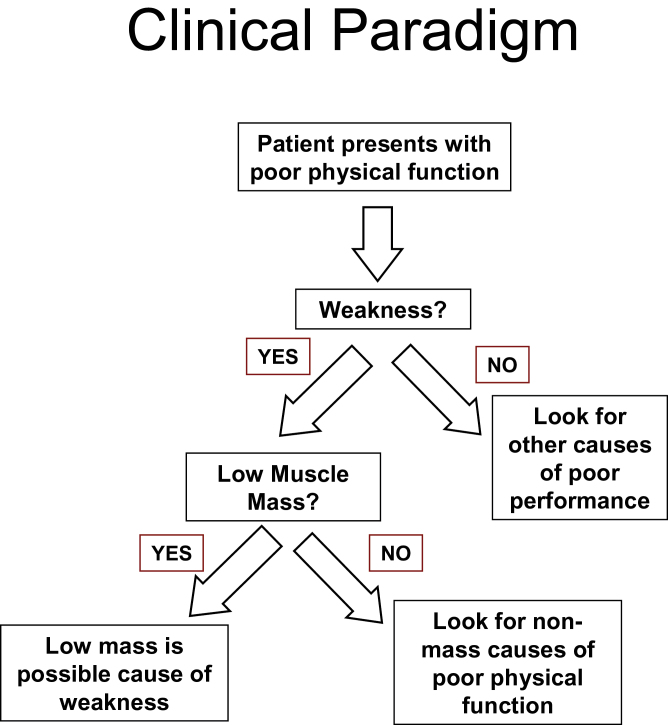
BACKGROUND: Low muscle mass and weakness are common and potentially disabling in older adults, but in order to become recognized as a clinical condition, criteria for diagnosis should be based on clinically relevant thresholds and independently validated. The Foundation for the National Institutes of Health Biomarkers Consortium Sarcopenia Project used an evidence-based approach to develop these criteria. Initial findings were presented at a conference in May 2012, which generated recommendations that guided additional analyses to determine final recommended criteria. Details of the Project and its findings are presented in four accompanying manuscripts. METHODS: The Foundation for the National Institutes of Health Sarcopenia Project used data from nine sources of community-dwelling older persons: Age, Gene/Environment Susceptibility-Reykjavik Study, Boston Puerto Rican Health Study, a series of six clinical trials, Framingham Heart Study, Health, Aging, and Body Composition, Invecchiare in Chianti, Osteoporotic Fractures in Men Study, Rancho Bernardo Study, and Study of Osteoporotic Fractures. Feedback from conference attendees was obtained via surveys and breakout groups. RESULTS: The pooled sample included 26,625 participants (57% women, mean age in men 75.2 [±6.1 SD] and in women 78.6 [±5.9] years). Conference attendees emphasized the importance of evaluating the influence of body mass on cutpoints. Based on the analyses presented in this series, the final recommended cutpoints for weakness are grip strength <26kg for men and <16kg for women, and for low lean mass, appendicular lean mass adjusted for body mass index <0.789 for men and <0.512 for women. CONCLUSIONS: These evidence-based cutpoints, based on a large and diverse population, may help identify participants for clinical trials and should be evaluated among populations with high rates of functional limitations.
Overview
The claims and statistics of this paper haven’t been checked yet.
Free: it reads the open-access text and checks the first 5 claims that cite a source we can check. Create a free account to check every claim.
Integrity signals
Registry
Cites
Statistics
Figures
Verification
Claims the paper makes
The claims and statistics of this paper haven’t been checked yet.
Free: it reads the open-access text and checks the first 5 claims that cite a source we can check. Create a free account to check every claim.
Claims other papers make about this one
Each is checked against this paper’s own text: does it say what the citing paper says it does?
The source backs part of the claim, not all of it — or backs it for a different population, condition or comparison.
In the citing paper
“The separate criteria for muscle mass and strength implied the need to target interventions for individuals with low mass or low strength.”
From Sarcopenic obesity in older adults: aetiology, epidemiology and treatment strategies (2018) · cites this paper as [182]
Experimental — accuracy not yet measuredThe source backs part of the claim, not all of it — or backs it for a different population, condition or comparison.
In the citing paper
“Currently, there is no international consensus on the operational definition of sarcopenia, and several definitions of sarcopenia are used with consequent impact on the prevalence of sarcopenia [6,[31][32][33][34].”
From Is There Enough Evidence for Osteosarcopenic Obesity as a Distinct Entity? A Critical Literature Review (2019) · cites this paper as [31]
Experimental — accuracy not yet measuredThe source backs part of the claim, not all of it — or backs it for a different population, condition or comparison.
In the citing paper
“Indeed, a major reason for the variation in sarcopenic obesity prevalence is the method of adjusting muscle quantity for body size.46,47,55,57”
From Changes in lean body mass with glucagon‐like peptide ‐1‐based therapies and mitigation strategies (2024) · cites this paper as [57]
Experimental — accuracy not yet measuredThe source backs part of the claim, not all of it — or backs it for a different population, condition or comparison.
In the citing paper
“Sarcopenia, a decrease in muscle mass and/or function, is frequent in undernourished patients admitted to the ICU [21].”
From ESPEN practical and partially revised guideline: Clinical nutrition in the intensive care unit (2023) · cites this paper as [21]
Experimental — accuracy not yet measuredThe cited source says what the claim attributes to it.
In the citing paper
“The Foundation for the National Institutes of Health (FNIH) Sarcopenia Project182 suggested a causal, indirect relationship between muscle mass and function in their definition of sarcopenia.”
From Sarcopenic obesity in older adults: aetiology, epidemiology and treatment strategies (2018) · cites this paper as [182]
6 more claims about this paper
Create a free account to see every claim other papers make about this one.
Self-check
Percentages, sums and reported differences re-computed from the paper’s own numbers.
The self-check needs the paper’s full text.
Citations
Cites
Chobanian, A. V. (2003) · JAMA · doi:10.1001/jama.289.19.2560 · Cited by 25,386
Sarcopenia: European consensus on definition and diagnosis
Cruz-Jentoft, A. J., Baeyens, J. P., Bauer, J. M., Boirie, Y., Cederholm, T., Landi, F., Martin, F. C., Michel, J.-P., Rolland, Y., Schneider, S. M., et al. (2010) · Age and Ageing · doi:10.1093/ageing/afq034 · Cited by 11,601
Grundy, S. M., Cleeman, J. I., Merz, C. N. B., Brewer, H. B., Clark, L. T., Hunninghake, D. B., Pasternak, R. C., Smith, S. C., & Stone, N. J. (2004) · Circulation · doi:10.1161/01.cir.0000133317.49796.0e · Cited by 6,902
Gait speed and survival in older adults.
Studenski, S. (2011) · JAMA · doi:10.1001/jama.2010.1923 · Cited by 4,558 · cited 1×
“8 m/s because it predicts reduced overall survival (13), disability (14), and has been recommended by other experts (15).”
BackgroundSelf-citationEpidemiology of Sarcopenia among the Elderly in New Mexico
Baumgartner, R. N., Koehler, K. M., Gallagher, D., Romero, L., Heymsfield, S. B., Ross, R. R., Garry, P. J., & Lindeman, R. D. (1998) · American Journal of Epidemiology · doi:10.1093/oxfordjournals.aje.a009520 · Cited by 4,004 · cited 1×
“The definition proposed for sarcopenia was a ratio of muscle mass to height 2 SDs below the mean found in healthy young persons drawn from the Rosetta Stone project (37).”
BackgroundFollow-up report on the diagnosis of diabetes mellitus
The Expert Committee on the Diagnosis and Classification of Diabetes Mellitus* (2003) · Diabetes Care · doi:10.2337/diacare.26.11.3160 · Cited by 3,784
Risk Factors for Hip Fracture in White Women
Cummings, S. R., Nevitt, M. C., Browner, W. S., Stone, K., Fox, K. M., Ensrud, K. E., Cauley, J., Black, D., & Vogt, T. M. (1995) · New England Journal of Medicine · doi:10.1056/nejm199503233321202 · Cited by 3,595
Guralnik, J. M., Ferrucci, L., Pieper, C. F., Leveille, S. G., Markides, K. S., Ostir, G. V., Studenski, S., Berkman, L. F., & Wallace, R. B. (2000) · The Journals of Gerontology Series A: Biological Sciences and Medical Sciences · doi:10.1093/gerona/55.4.m221 · Cited by 2,898 · cited 3×
“Walking courses that were longer or shorter were converted to a speed that would have been achieved on a 4- or 6-m course using previously published equations (33).”
BackgroundMethodInfluentialSelf-citationEpidemiological approaches to heart disease: the Framingham study
Dawber, T. R., Meadors, G. F., & Moore, F. E. (1951) · American Journal of Public Health and the Nations Health · doi:10.2105/ajph.41.3.279 · Cited by 2,148 · cited 1×
“—In 1948, the Framingham Heart Study (FHS) Original cohort recruited two thirds of the population sample from Framingham, Massachusetts, to evaluate risk factors of heart disease (24).”
BackgroundAbellan Van Kan, G., Rolland, Y., Andrieu, S., Bauer, J., Beauchet, O., Bonnefoy, M., Cesari, M., Donini, L. M., Gillette-Guyonnet, S., Inzitari, M., et al. (2009) · The Journal of nutrition, health and aging · doi:10.1007/s12603-009-0246-z · Cited by 2,003 · cited 1×
“8 m/s because it predicts reduced overall survival (13), disability (14), and has been recommended by other experts (15).”
Background
Cited by
Items 801–900 of 1,014
Physical performance measures in screening for reduced lean body mass in adult females with obesity
El Ghoch, M., Rossi, A. P., Calugi, S., Rubele, S., Soave, F., Zamboni, M., Chignola, E., Mazzali, G., Bazzani, P. V., & Dalle Grave, R. (2018) · Nutrition, Metabolism and Cardiovascular Diseases · doi:10.1016/j.numecd.2018.06.008 · Cited by 26
Kim, J. E., Baek, Y., Jeong, K., & Lee, S. (2022) · Frontiers in Nutrition · doi:10.3389/fnut.2022.910481 · Cited by 29
Azizan, A. (2024) · International Journal of Disabilities Sports & Health Sciences · doi:10.33438/ijdshs.1362539 · Cited by 34
Qian, S., Zhang, S., Lu, M., Chen, S., Liu, L., Liu, S., Jiang, F., & Zhang, J. (2024) · Frontiers in Public Health · doi:10.3389/fpubh.2024.1310383 · Cited by 31
Confortin, S. C., Meneghini, V., Ono, L. M., Schneider, I. J. C., Barbosa, A. R., & d’Orsi, E. (2017) · Revista de Nutrição · doi:10.1590/1678-98652017000300002 · Cited by 28
Sarcopenic Obesity: Definition, Health Consequences and Clinical Management
El Ghoch, M., Calugi, S., & Grave, R. D. (2018) · The Open Nutrition Journal · doi:10.2174/1874288201812010070 · Cited by 26
Outcome Priorities for Older Persons With Sarcopenia
Hiligsmann, M., Beaudart, C., Bruyère, O., Biver, E., Bauer, J. M., Cruz-Jentoft, A. J., Gesmundo, A., Goisser, S., Landi, F., Locquet, M., et al. (2019) · Journal of the American Medical Directors Association · doi:10.1016/j.jamda.2019.08.026 · Cited by 33
Celentano, V., Kamil-Mustafa, L., Beable, R., Ball, C., Flashman, K. G., Jennings, Z., Leary, D. P. O., Higginson, A., & Luxton, S. (2020) · Updates in Surgery · doi:10.1007/s13304-020-00790-x · Cited by 29
Chiu, T.-H., Chen, S., Yu, H.-C., Hsu, J., Shih, M. P., Jiang, H., Hsu, W., & Lee, M. (2020) · Nutrients · doi:10.3390/nu12061683 · Cited by 29
“BMI was calculated using height and body weight.”
BackgroundInfluentialRemelli, F., Maietti, E., Abete, P., Bellelli, G., Bo, M., Cherubini, A., Corica, F., Bari, M. D., Maggio, M. G., Rizzo, M. R., et al. (2021) · Aging Clinical and Experimental Research · doi:10.1007/s40520-021-01949-1 · Cited by 28
Terada, T., Reed, J. L., Vidal‐Almela, S., Mistura, M., Kamiya, K., & Way, K. L. (2022) · Cardiovascular Diabetology · doi:10.1186/s12933-022-01468-x · Cited by 32
“To account for different body sizes, ASM index (ASMI) was calculated by adjusting the ASM for BMI as recommended by the Foundation for the National Institutes of Health (FNIH) [31].”
MethodInfluentialHan, E., Lee, Y., Lee, J. S., Lee, H. W., Kim, B. K., Park, J. Y., Kim, D. Y., Ahn, S. H., Lee, B., Kang, E. S., et al. (2022) · Gut and Liver · doi:10.5009/gnl210290 · Cited by 29
“19”
Long, D. E., Peck, B. D., Lavin, K. M., Dungan, C. M., Kosmac, K., Tuggle, S. C., Bamman, M. M., Kern, P. A., & Peterson, C. A. (2022) · Journal of Applied Physiology · doi:10.1152/japplphysiol.00025.2022 · Cited by 27
Sarcopenia in the Cirrhotic Patient: Current Knowledge and Future Directions
Warner, E. R., & Satapathy, S. K. (2022) · Journal of Clinical and Experimental Hepatology · doi:10.1016/j.jceh.2022.06.005 · Cited by 31
Veronese, N., Koyanagi, A., Barbagallo, M., Dominguez, L. J., Maggi, S., Soysal, P., Bolzetta, F., Ruotolo, G., Castagna, A., & Smith, L. (2023) · The Journals of Gerontology Series A · doi:10.1093/gerona/glad062 · Cited by 27
Fernandes, J., Pérez‐Zepeda, M. U., Béland, F., Guralnik, J. M., Zunzunegui, M. V., & Guerra, R. O. (2016) · AGE · doi:10.1007/s11357-016-9888-z · Cited by 32
Self-citationAs we grow old: nutritional considerations for older patients on dialysis
Johansson, L., Fouque, D. P., Bellizzi, V., Chauveau, P., Kolko, A., Molina, P., Sezer, S., ter Wee, P. M., Teta, D., & Carrero, J. J. (2016) · Nephrology Dialysis Transplantation · doi:10.1093/ndt/gfw201 · Cited by 30
Body composition assessment in the prediction of osteoporotic fractures
Hars, M., & Trombetti, A. (2017) · Current Opinion in Rheumatology · doi:10.1097/bor.0000000000000406 · Cited by 30
Marques, A., & Queirós, C. (2018) · Perspectives in nursing management and care for older adults · doi:10.1007/978-3-319-76681-2_2 · Cited by 36
“currently not a routine aspect of clinical practice, partly because of the lack of appropriate screening strategies [41].”
BackgroundLong, D. E., Peck, B. D., Tuggle, S. C., Villasante Tezanos, A. G., Windham, S. T., Bamman, M. M., Kern, P. A., Peterson, C. A., & Walton, R. G. (2021) · GeroScience · doi:10.1007/s11357-020-00315-9 · Cited by 25
SAÚDE PÚBLICA: EPIDEMIOLOGIA, CLÍNICA E ESTRATÉGIAS DE TRATAMENTO
Oliveira, C. P. D. C., da Silva, A. A., Filho, P. S. D. P. S., & Mota, L. P. (2023) · Paulo Sérgio da Paz Silva Filho eBooks · doi:10.56161/sci.ed.20230128 · Cited by 24
Maniscalco, L., Veronese, N., Ragusa, F. S., Vernuccio, L., Dominguez, L. J., Smith, L., Matranga, D., & Barbagallo, M. (2023) · Archives of Gerontology and Geriatrics · doi:10.1016/j.archger.2023.105160 · Cited by 33
He, D., Gao, B., Wang, J., Yang, C., Wu, S., Chen, S., Li, J., Chen, M., Zhao, M., & Zhang, L. (2024) · Nephrology Dialysis Transplantation · doi:10.1093/ndt/gfae011 · Cited by 29
Teixeira, L. A. D. C., Soares, L. A., da Fonseca, S. F., Gonçalves, G. T., dos Santos, J. M., Viegas, Â. A., Parentoni, A. N., Figueiredo, P. H. S., Mendonça, V. A., & Lacerda, A. C. R. (2024) · Scientific Reports · doi:10.1038/s41598-024-76417-7 · Cited by 42
Leone, A., Carluccio, A. M., Caroppo, A., Manni, A., & Rescio, G. (2025) · Sensors · doi:10.3390/s25072122 · Cited by 30
“…global guidelines for the diagnosis and management of sarcopenia have been developed, notably by the EWGSOP [8,9], the Asian Working Group for Sarcopenia (AWGS) [10,11], the International Working Group on Sarcopenia (IWGS) [12], and the Foundation of National Institutes of Health (FNIH) [13].”
Epidemiology of sarcopenia: A narrative review
Tseng, T.-H., Fu, S., Sie, N.-H., Lu, Y.-C., Wang, C.-Y., & Wu, C. (2025) · Osteoporosis and Sarcopenia · doi:10.1016/j.afos.2025.06.003 · Cited by 40
“…[3], its revised version EWGSOP2 [4], the Asian Working Group for Sarcopenia 2014 (AWGS 2014) [5] and 2019 (AWGS 2019) [6], the International Working Group on Sarcopenia (IWGS) [7], the Foundation for the National Institutes of Health (FNIH) [8], and definitions based solely on low muscle mass [9].”
Evaluation of older Adults with obesity for bariatric surgery: Geriatricians' perspective
Batsis, J. A., & Dolkart, K. M. (2015) · Journal of Clinical Gerontology and Geriatrics · doi:10.1016/j.jcgg.2015.01.001 · Cited by 25
Yang, K., Liao, Y., Chang, K. C., Huang, K., & Han, D. (2020) · Diagnostics · doi:10.3390/diagnostics10060400 · Cited by 24
“to the sarcopenia and consensuses on definition have been developed in Europe [2], Asia [3] and North America [4].”
BackgroundInfluentialNguyen, T. N., Nguyen, T. N., Nguyen, A. T., Nguyen, T. X., Nguyen, H. T. T., Nguyen, T. T. H., Pham, T., & Vu, H. T. T. (2020) · BMJ Open · doi:10.1136/bmjopen-2020-037630 · Cited by 35
Muscle Quality Is Associated with History of Falls in Octogenarians
Amorim, D. N. P., Nascimento, D. D. C., Stone, W. J., Alves, V. P., Moraes, C. F., & Silva, K. H. C. V. E. (2020) · The journal of nutrition health & aging · doi:10.1007/s12603-020-1485-2 · Cited by 35
Health measures and long-term care use in the European frail population
Roquebert, Q., Sicsic, J., & Rapp, T. (2021) · The European Journal of Health Economics · doi:10.1007/s10198-020-01263-z · Cited by 28
Arnal‐Gómez, A., Iranzo, M. À. C. I., Tomás, J. M., Chuliá, M. Á. T., Balasch‐Bernat, M., Sentandreu‐Mañó, T., Forcano, S., & Serrano, N. C. (2021) · Journal of Clinical Medicine · doi:10.3390/jcm10051018 · Cited by 31
“The EWGSOP2 consensus presents cut-off points for both ASMI (kg/height squared) [51] and ASM (kg) [29] for use when calculating muscle mass.”
BackgroundMethodWiegmann, S., Armbrecht, G., Borucki, D., Buehring, B., Buttgereit, F., Detzer, C., Schaumburg, D., Zeiner, K. N., & Dietzel, R. (2021) · BMC Musculoskeletal Disorders · doi:10.1186/s12891-021-04605-x · Cited by 30
“Sarcopenia can be confirmed by a combination of low muscle strength and muscle mass [10, 43].”
BackgroundMethodInfluentialDXA-Derived Indices in the Characterisation of Sarcopenia
Schweighofer, N., Colantonio, C., Haudum, C. W., Hutz, B., Kolesnik, E., Mursic, I., Pilz, S., Schmidt, A. G., Stadlbauer, V., Zirlik, A., et al. (2021) · Nutrients · doi:10.3390/nu14010186 · Cited by 29
“SMI: skeletal muscle mass index; ASM [kg]: appendicular skeletal muscle mass, calculation: lean mass arms and legs–bone mass arms and legs [25]; LESMI: lower extremity skeletal muscle mass index; LESM [kg]: lower extremity skeletal muscle mass index, calculation: lean mass legs–bone mass legs [19]; rLM: relative lean…”
BackgroundMethodSerum Retinol Binding Protein 4 as a Potential Biomarker for Sarcopenia in Older Adults
Chang, C.-L., Li, Y., Wang, Z., Li, M., Jia, K.-Y., Sun, H., Wang, Q., Zhao, C., Lü, X., & Gao, W. Q. (2022) · The Journals of Gerontology Series A · doi:10.1093/gerona/glac151 · Cited by 32
Jo, I. H., Song, D. S., Chang, U. I., & Yang, J. M. (2023) · Scientific Reports · doi:10.1038/s41598-023-34263-z · Cited by 25
Ladang, A., Kovacs, S., Lengelé, L., Locquet, M., Beaudart, C., Reginster, J., Bruyère, O., & Cavalier, E. (2023) · Aging Clinical and Experimental Research · doi:10.1007/s40520-023-02521-9 · Cited by 25
“Several definitions of the disease coexist and according to the chosen definition, the overall contribution of these three determinants to the diagnosis of sarcopenia is different [3, 5–7].”
BackgroundChiles Shaffer, N., Ferrucci, L., Shardell, M., Simonsick, E. M., & Studenski, S. (2017) · Journal of the American Geriatrics Society · doi:10.1111/jgs.14706 · Cited by 25
Self-citationSingh, H., Kim, D., Bemben, M. G., & Bemben, D. A. (2017) · PubMed Central · Cited by 35
Touban, B. M., Pavlesen, S., Smoak, J. B., Sayegh, M. J., Wang, J., Zhao, J., & Anders, M. J. (2018) · Journal of Orthopaedic Trauma · doi:10.1097/bot.0000000000001331 · Cited by 28
Kim, M., & Won, C. W. (2018) · Archives of Gerontology and Geriatrics · doi:10.1016/j.archger.2018.12.009 · Cited by 27
Silveira, É. A., de Souza, J. D., Rodrigues, A. P. D. S., Lima, R. M., Cardoso, C. K. D. S., & de Oliveira, C. M. (2020) · Nutrients · doi:10.3390/nu12051498 · Cited by 30
Physical Activity Predicts Higher Physical Function in Older Adults: The Osteoarthritis Initiative
Batsis, J. A., GERMAIN, C. M., Vásquez, E., Zbehlik, A. J., & Bartels, S. J. (2015) · Journal of Physical Activity and Health · doi:10.1123/jpah.2014-0531 · Cited by 30
No effect of topical ampicillin prophylaxis in elective operations of the colon or rectum.
Raahave, D., Hesselfeldt, P., Pedersen, T., Zachariassen, A., Kann, D., & Hansen, O. H. (1989) · PubMed · Cited by 30
Sarcopenia and Health Care Utilization in Older Women
Cawthon, P. M., Lui, L.-Y., McCulloch, C. E., Cauley, J. A., Paudel, M. L., Taylor, B., Schousboe, J. T., & Ensrud, K. E. (2017) · The Journals of Gerontology Series A: Biological Sciences and Medical Sciences · doi:10.1093/gerona/glw118 · Cited by 24
Self-citationHao, J., Hu, S.-Y., Zhuang, Z., Zhang, J.-W., Xiong, M.-R., Wang, R., Zhuang, W., & Wang, M. (2024) · Lipids in Health and Disease · doi:10.1186/s12944-024-02373-w · Cited by 30
“Sarcopenia was diagnosed following guidelines from the Foundation for the National Institutes of Health (FNIH), with ALM BMI being less than 0.789 for males and less than 0.512 for females [11].”
InfluentialWoo, J., & Leung, J. (2016) · The Journals of Gerontology Series A: Biological Sciences and Medical Sciences · doi:10.1093/gerona/glv197 · Cited by 24
Lee, W., Liu, L.-K., Hwang, A., Peng, L., Lin, M.-H., & Chen, L. (2017) · Scientific Reports · doi:10.1038/s41598-017-09366-z · Cited by 28
Al‐Attar, A., Presnell, S. R., Clasey, J. L., Long, D. E., Walton, R. G., Sexton, M., Starr, M. E., Kern, P. A., Peterson, C. A., & Lutz, C. T. (2018) · Frontiers in Immunology · doi:10.3389/fimmu.2018.00440 · Cited by 27
“Leanness is a significant risk factor for health outcomes in the elderly (20, 21) and was calculated as appendicular lean mass divided by body mass index (BMI).”
MethodAddressing Obesity to Promote Healthy Aging
Roderka, M. N., Puri, S., & Batsis, J. A. (2020) · Clinics in Geriatric Medicine · doi:10.1016/j.cger.2020.06.006 · Cited by 28
Hsiao, M., Chang, K. C., Wu, W., Huang, K., & Han, D. (2020) · Journal of the American Medical Directors Association · doi:10.1016/j.jamda.2020.08.003 · Cited by 24
Sarcopenia in Primary Care: Screening, Diagnosis, Management
Crosignani, S., Sedini, C., Calvani, R., Marzetti, E., & Cesari, M. (2021) · The Journal of Frailty & Aging · doi:10.14283/jfa.2020.63 · Cited by 32
“2014 FNIH Sarcopenia Project (50) Functional limitation in presence of weakness (reduced strength) as a result of reduced muscle mass Muscle mass, muscle strength Physical performance used as an outcome Cut-points are provided”
Age-related degeneration of lumbar muscle morphology in healthy younger versus older men
Dallaway, A., Hattersley, J. G., Diokno, M., Tallis, J. A., Renshaw, D. W., Wilson, A. J., Wayte, S. C., Weedall, A., & Duncan, M. J. (2020) · The Aging Male · doi:10.1080/13685538.2021.1878130 · Cited by 28
Sobestiansky, S., Åberg, A. C., & Cederholm, T. (2021) · Clinical Nutrition ESPEN · doi:10.1016/j.clnesp.2021.07.002 · Cited by 31
Jun, S., Cowan, A., Dwyer, J. T., Campbell, W. W., Thalacker‐Mercer, A. E., Gahche, J. J., & Bailey, R. L. (2021) · Journal of Nutrition · doi:10.1093/jn/nxab288 · Cited by 34
van den Helder, J., Verreijen, A. M., van Dronkelaar, C., Memelink, R. G., Engberink, M. F., Engelbert, R., Weijs, P. J. M., & Tieland, M. (2022) · Frontiers in Nutrition · doi:10.3389/fnut.2022.874980 · Cited by 34
Sarcopenia and mortality risk in community-dwelling Brazilian older adults
Pereira, C. C., Pagotto, V., de Oliveira, C. M., & Silveira, É. A. (2022) · Scientific Reports · doi:10.1038/s41598-022-22153-9 · Cited by 28
Potential therapeutic targets for sarcopenia identified by Mendelian randomisation
Jiang, W., Zhan, W., Zhou, L., Dong, M., Liu, L., Xu, X. S., & Cao, Z. (2023) · Age and Ageing · doi:10.1093/ageing/afad024 · Cited by 24
“In the female population, AT1B2 (0.90, P = 1.28E-05) and TNFSF12 (1.08, P = 8.53E-05) revealed causal associations with sarcopenia risk according to the EWGSOP criterion; hepatocyte growth factor (HGF) (0.76, P = 7.83E04) revealed a negative association according to the FNIH criterion (Figure 3).”
BackgroundInfluentialMontes‐Ibarra, M., Orsso, C. E., Limón‐Miró, A. T., González, M. C., Marzetti, E., Landi, F., Heymsfield, S. B., Barazzoni, R., & Prado, C. M. M. (2023) · American Journal of Clinical Nutrition · doi:10.1016/j.ajcnut.2023.04.003 · Cited by 29
“females [130] High % BF: >25% in men and >35% in”
BackgroundTam, K., Wong‐Pack, M., Liu, T., Adachi, J. D., Lau, A. N., Ma, J., Παπαϊωάννου, Α., & Rodrigues, I. B. (2023) · JCR Journal of Clinical Rheumatology · doi:10.1097/rhu.0000000000001980 · Cited by 34
Heo, G. Y., Koh, H. B., Jung, C., Park, J. T., Han, S. H., Yoo, T., Kang, S., & Kim, H. W. (2024) · American Journal of Kidney Diseases · doi:10.1053/j.ajkd.2023.11.004 · Cited by 27
Identification and treatment of older persons with sarcopenia
Lauretani, F., Bautmans, I., Vita, F. D., Nardelli, A., Ceda, G. P., & Maggio, M. G. (2014) · The Aging Male · doi:10.3109/13685538.2014.958457 · Cited by 28
Hsu, B., Cumming, R. G., Blyth, F., Naganathan, V., Waite, L. M., Couteur, D. G. L., Seibel, M. J., & Handelsman, D. J. (2017) · The Journals of Gerontology Series A · doi:10.1093/gerona/glx170 · Cited by 25
“The ALM was standardized by body mass index (BMI) (ALMBMI) to take into account the body size of participants (38).”
Sampaio, R. A. C., Sampaio, P. Y. S., Castaño, L. A. A., Barbieri, J. F., Coelho‐Júnior, H. J., Arai, H., Uchida, M. C., & Gutierrez, G. L. (2017) · Sao Paulo Medical Journal · doi:10.1590/1516-3180.2017.0049030517 · Cited by 30
Jang, B. Y., & Bu, S. Y. (2018) · Nutrition Research and Practice · doi:10.4162/nrp.2018.12.3.222 · Cited by 24
“Calculation of SI was performed according to a previous report from the Foundation for the National Institutes of Health [28].”
MethodInfluentialYang, M. J., Hu, X., Xie, L., Zhang, L., Zhou, J., Lin, J., Wang, Y., Li, Y., Han, Z., Zhang, D., et al. (2018) · Medicine · doi:10.1097/md.0000000000012426 · Cited by 26
Moraes, A. B., Cavalari, E. M. R., de Paula, M. P., Arruda, M., Curi, D., Leitão, R., de Mendonça, L. M. C., Farias, M. L. F., Madeira, M., & Neto, L. V. (2018) · Journal of Endocrinological Investigation · doi:10.1007/s40618-018-0985-y · Cited by 28
Seko, Y., Mizuno, N., Okishio, S., Takahashi, A., Kataoka, S., Okuda, K., Furuta, M., Takemura, M., Taketani, H., Umemura, A., et al. (2019) · Hepatology Research · doi:10.1111/hepr.13321 · Cited by 23
Increased resting metabolism in neurofibromatosis type 1
de Souza, M. L. R., Jansen, A. K., Rodrigues, L. O. C., Vilela, D. L. D. S., Kakehasi, A. M., Martins, A. S., de Souza, J. F., & de Rezende, N. A. (2019) · Clinical Nutrition ESPEN · doi:10.1016/j.clnesp.2019.05.006 · Cited by 27
Application of Cut‐Points for Low Muscle Strength and Lean Mass in Mobility‐Limited Older Adults
Grosicki, G. J., Travison, T. G., Zhu, H., Magaziner, J., Binder, E. F., Pahor, M., Correa‐de‐Araujo, R., Cawthon, P. M., Bhasin, S., Orwig, D., et al. (2020) · Journal of the American Geriatrics Society · doi:10.1111/jgs.16525 · Cited by 24
Self-citationSui, S. X., Holloway‐Kew, K. L., Hyde, N. K., Williams, L. J., Tembo, M. C., Leach, S., & Pasco, J. A. (2021) · Journal of Clinical Medicine · doi:10.3390/jcm10020343 · Cited by 24
“According to FNIH [4], sarcopenia is defined as low ALM/BMI and low HGS (ALM/BMI + HGS) (Table 1).”
BackgroundMethodInfluentialLinking epidemiology and molecular mechanisms in sarcopenic obesity in populations
El Bizri, I., & Batsis, J. A. (2020) · Proceedings of the Nutrition Society · doi:10.1017/s0029665120000075 · Cited by 23
Burton, A. J., Drew, S. E., Cassim, B., Jarjou, L., Gooberman‐Hill, R., Noble, S., Mafirakureva, N., Graham, S. M., Grundy, C., Hawley, S. J., et al. (2023) · Wellcome Open Research · doi:10.12688/wellcomeopenres.19391.1 · Cited by 28
“Analysis will take a stepwise approach: 1) determine sarcopenia prevalence using existing definitions 64–68 (based on combinations of hand grip strength, gait speed and appendicular lean mass (ALM) by DXA and BMI) and, using receiver operator curve analysis (ROC), the sensitivity and specificity of…”
Li, X., Wang, R., Hou, Z., & Sun, Q. (2024) · Archives of Gerontology and Geriatrics · doi:10.1016/j.archger.2024.105390 · Cited by 29
Sarcopenia as the Mobility Phenotype of Aging: Clinical Implications
Ji, S., Jung, H., Baek, J. Y., Jang, I., & Lee, E. (2024) · Journal of Bone Metabolism · doi:10.11005/jbm.2024.31.1.1 · Cited by 27
Huang, H., Yu, X., Jiang, S., Wang, C., Chen, Z., Chen, D., Yang, X., & Zhao, Q. (2024) · Experimental Gerontology · doi:10.1016/j.exger.2024.112560 · Cited by 23
“The diagnostic criteria for sarcopenia recommended by the Foundation for the National Institutes of Health (FNIH) (Studenski et al., 2014), given that the population under investigation consisted of American citizens.”
Murea, M., Geary, R. L., Edwards, M. S., Moossavi, S., Davis, R. P., Goldman, M. P., Hurie, J., Williams, T. K., Velázquez-Ramírez, G. A., Robinson, T. W., et al. (2019) · Contemporary Clinical Trials Communications · doi:10.1016/j.conctc.2019.100357 · Cited by 22
Nebuloni, C. C., Máximo, R. D. O., de Oliveira, C. M., & Alexandre, T. D. S. (2019) · The Journals of Gerontology Series A · doi:10.1093/gerona/glz257 · Cited by 25
“To test the first and second hypotheses, men with GS < 26kg and women with GS < 16kg were considered to have dynapenia (9,10,11,12).”
Safety of a Combined WB-EMS and High-Protein Diet Intervention in Sarcopenic Obese Elderly Men
KEMMLER, W. K., von Stengel, S., Kohl, M., Rohleder, N., Bertsch, T., Sieber, C. C., Freiberger, E., & Kob, R. (2020) · Clinical Interventions in Aging · doi:10.2147/cia.s248868 · Cited by 31
Hong, N., Siglinsky, E., Krueger, D. C., White, R., Kim, C. O., Kim, H. C., Yeom, Y., Binkley, N., Rhee, Y., & Buehring, B. (2020) · Osteoporosis International · doi:10.1007/s00198-020-05591-x · Cited by 24
Lee, J., Park, H. M., & Lee, Y. (2021) · Nutrients · doi:10.3390/nu13114031 · Cited by 25
Rashid, A., Hauge, S. C., Suetta, C., & Hansen, D. (2022) · PLoS ONE · doi:10.1371/journal.pone.0262572 · Cited by 30
“The European Working Group on Sarcopenia [EWGSOP] [10] and other international groups [11, 12] have, over the years, developed numerous clinical definitions and cutoff values for sarcopenia, focusing on muscle mass, muscle strength, and muscle function.”
BackgroundSantos, C. A. F., Amirato, G. R., Jacinto, A. F., Pedrosa, A., Caldo‐Silva, A., Sampaio, A. R., Pimenta, N., Santos, J. M. B., Pochini, A. D. C., & Bachi, A. L. L. (2022) · Healthcare · doi:10.3390/healthcare10020323 · Cited by 34
“Taken together, these musculoskeletal changes are age related neuromechanical parameters and can represent significant predictors of mobility decline, sarcopenia, and frailty in older adults [6,18,32].”
BackgroundÇatıkkaş, N. M., Bahat, Z., Ören, M. M., & Bahat, G. (2022) · Aging Clinical and Experimental Research · doi:10.1007/s40520-022-02085-0 · Cited by 30
Bibliometric Analysis of the Knowledge Base and Future Trends on Sarcopenia from 1999–2021
Xiao, Y., Deng, Z., Tan, H.-J., Jiang, T., & Chen, Z. (2022) · International Journal of Environmental Research and Public Health · doi:10.3390/ijerph19148866 · Cited by 26
Muscle Steatosis and Fibrosis in Older Adults, From the AJR Special Series on Imaging of Fibrosis
Lenchik, L., Mazzoli, V., Cawthon, P. M., Hepple, R. T., & Boutin, R. D. (2023) · American Journal of Roentgenology · doi:10.2214/ajr.23.29742 · Cited by 26
Self-citationFeng, Z., Zhao, F., Wang, Z., Tang, X., Xie, Y., & Li, Q. (2024) · BMC Gastroenterology · doi:10.1186/s12876-024-03192-0 · Cited by 29
Kim, Y., Joh, J., Kim, S., Hwang, H., & Shin, I. (2014) · BMC Geriatrics · doi:10.1186/1471-2318-14-144 · Cited by 27
Batsis, J. A., GERMAIN, C. M., Vásquez, E., & Bartels, S. J. (2016) · European Journal of Clinical Nutrition · doi:10.1038/ejcn.2016.90 · Cited by 27
Rojer, A. G. M., Reijnierse, E. M., Trappenburg, M. C., van Lummel, R. C., Niessen, M., van Schooten, K. S., Pijnappels, M. A. G. M., Meskers, C. G. M., & Maier, A. B. (2017) · Journal of Aging and Health · doi:10.1177/0898264317721554 · Cited by 27
“Muscle mass, muscle strength, and physical performance are important measures of the diagnostic process of sarcopenia (Cruz-Jentoft et al., 2010; Fielding et al., 2011; Studenski et al., 2014).”
BackgroundRelationship Between Handgrip Strength and Nonalcoholic Fatty Liver Disease: Nationwide Surveys
Lee, K. (2018) · Metabolic Syndrome and Related Disorders · doi:10.1089/met.2018.0077 · Cited by 27
“RHGS, a joint measure of strength and weight status, 12 has been recommended as a tool to measure the muscle weakness and low lean mass 20 and to evaluate the accuracy of a cardiovascular risk estimation model in predicting cardio-vascular events and all-cause mortality.”
Sarcopenia, frailty and mortality: the evidence is growing
Dodds, R. M., & Sayer, A. A. (2016) · Age and Ageing · doi:10.1093/ageing/afw148 · Cited by 28
Sarcopenia‐related changes in serum GLP‐1 level affect myogenic differentiation
Huang, H., Wang, Y., Jiang, H., Yu, H. W., Chen, Y., Chiou, A., & Kuo, J. (2024) · Journal of Cachexia, Sarcopenia and Muscle · doi:10.1002/jcsm.13524 · Cited by 22
Liu, Y., Wu, Y., Cao, X., Yang, K., Tong, Y., Zhang, F., Wang, C., Cui, R., Ren, J., Li, Q., et al. (2024) · BMC Geriatrics · doi:10.1186/s12877-024-04691-1 · Cited by 27
“…Working Group on Sarcopenia in Older Adults (EWG-SOP), Asian Working Group for Sarcopenia (AWGS), International Sarcopenia Working Group (IWGS), and the Foundation for the National Institutes of Health (FNIH) Sarcopenia Project, have developed their own diagnostic criteria for sarcopenia [3–5].”
BackgroundAge-related sarcopenia and altered gut microbiota: A systematic review
Wang, M., Ren, F., Zhou, Y., He, Y., Du, T., & Tan, Y. (2024) · Microbial Pathogenesis · doi:10.1016/j.micpath.2024.106850 · Cited by 28
Sarcopenia in interstitial lung disease
Sheehy, R. D., McCormack, S. R., Fermoyle, C. C., & Corte, T. J. (2024) · European Respiratory Review · doi:10.1183/16000617.0126-2024 · Cited by 31
“Finally, a further limitation of DXA is that assessment of muscle quality is not possible and results may be influenced by confounders such as fluid status [8, 32, 35 – 38].”
Dominguez, L. J., Veronese, N., Smith, L., Ragusa, F. S., Schirò, P., Bella, G. D., & Barbagallo, M. (2025) · Nutrients · doi:10.3390/nu17020313 · Cited by 28
Definition and diagnosis of sarcopenia: Asia-Pacific perspectives
Huang, W.-F., Chen, Y., Chang, C., & Wu, C. (2025) · Osteoporosis and Sarcopenia · doi:10.1016/j.afos.2025.05.004 · Cited by 26
“The Foundation for the National Institutes of Health (FNIH) Biomarker Consortium Sarcopenia Project in 2014 utilized an empirical approach to create diagnostic criteria for sarcopenia, defined by diminished muscle mass and weakness in older adults [13].”
Wang, L., Chao, J., Zhang, N., Li, X., Li, J., Jin, S., Tan, G., Chen, T., & Wu, Y. (2025) · Gerontology · doi:10.1159/000549808 · Cited by 36
Some clarifications of terminology may facilitate sarcopenia assessment
Lewandowicz, A., Slawinski, P. R., Kądalska, E., & Targowski, T. (2020) · Archives of Medical Science · doi:10.5114/aoms.2020.91293 · Cited by 25
“It appears to have a strong modifying effect on the impact of lean mass on gait slowness in women [31].”
Background
Metadata
- Authors
- Studenski, S. A., Peters, K. W., Alley, D. E., Cawthon, P. M., McLean, R. R., Harris, T. B., Ferrucci, L., Guralnik, J. M., Fragala, M. S., Kenny, A. M., Kiel, D. P., Kritchevsky, S. B., Shardell, M. D., Dam, T.-T. L., & Vassileva, M. T.
- Affiliations
- University of Pittsburgh (US)
- California Pacific Medical Center (US)
- University of Maryland, Baltimore (US)
- Beth Israel Deaconess Medical Center (US)
- National Institutes of Health (US)
- University of Central Florida (US)
- Wake Forest University Health Sciences (US)
- Columbia University (US)
- Foundation for the National Institutes of Health (US)
- Corresponding author
- Studenski, Stephanie A.
- ORCID
- Venue
- The Journals of Gerontology: Series A
- Publisher
- Oxford University Press (OUP)
- Published
- 2014-03-31
- Volume
- 69
- Issue
- 5
- Pages
- 547-558
- ISSN
- 1079-5006 (ISSN-L)
- 1758-535X
- PMC
- PMC3991146
- OpenAlex
- W2156791190
- Cited by
- 2,545
- References
- 41
- Citations by year
- 2026: 186 · 2025: 315 · 2024: 270 · 2023: 254 · 2022: 257 · 2021: 272 · 2020: 246 · 2019: 206 · 2018: 195 · 2017: 138 · 2016: 86 · 2015: 85 · 2014: 29
- FWCI
- 74.91
- Type
- journal article
- Language
- en
- Open access
- hybrid
- doi.org
- Licence
- cc-by-nc
- Locations
- The Journals of Gerontology Series A (publishedVersion, cc-by-nc)
- Europe PMC (PubMed Central) (publishedVersion, cc-by-nc)
- PubMed Central (publishedVersion, cc-by-nc)
- PubMed (publishedVersion)
- Digital Access to Scholarship at Harvard (DASH) (Harvard University) (submittedVersion, cc-by)
- Journal of International Crisis and Risk Communication Research (submittedVersion)
- Funders
- Foundation for the National Institutes of Health (N01‐HC 25195, N01-AG-12100, P30 AG024827)
- Patrick and Catherine Weldon Donaghue Medical Research Foundation
- Amgen
- Eli Lilly and Company
- Ministero della Salute (263 MD 9164 13, N01-AG-916413, 263 MD 821336, N01-AG-821336, 263 MD 9164)
- Syddansk Universitet
- Hjartavernd (N01-AG-1-2100)
- National Institutes of Health (N01-AG-6-2103, n01ag12100-57-0-2, N01-AG-916413, N01‐AG‐6‐2106, 263MD9164, 1u13ag041583-01, N01-AG-6-2101, n01hc25195-41-0-1, 263 MD 821336, N01-AG-821336, AR/AG41398)
- University of California, San Diego
- National Institute on Aging (N01‐AG‐6–2101, 263 MD 9164, R37AG007181, R01AG005394, N01AG-821336, DK31801, 263-MD-9164-13, 5P60AG13631, AG005407, 821336, 1U13AG041583, N01[AG]916413, N01-AG12100, N01-AG012100, AG027576, R01AR/AG 41398, AR/AG 41398, U01 AR45580, 263MD821336, U01-AG-18197, AG07181, N01-HC-25195, AG 024827, AG-6-2106, AG-6-2103, R01‐AR‐35584, R01AG018887, AG005394, U01AG018197, R01AG005407, R01 AR35583, U01 AR45632, U01AG027810, R01AG027576, P01AG023394, 916413, U01 AR45654, AG18197, R01AG007181, R01AG027087, U01 AR45614, AG-6-2101, AG028507, R01 AG18887, R01‐AR‐35582, U13 AG041583, N01AG62106, AG027574, U01 AR45583, AG027810, R01AG028507, U01 AR45647, AG41398, N01-AG-62103, R01AG027574, P30AG024827)
- National Heart, Lung, and Blood Institute (N01-HC-025195, P50HL105185)
- National Institute of Diabetes and Digestive and Kidney Diseases (N01-HC-25195, R01DK031801, DK-31801, AG07181)
- National Institute of Arthritis and Musculoskeletal and Skin Diseases (U01AR45614, R01 AR/AG 41398, R01-AR35582, U01-AR45632, N01-AG-12100, U01 AR45647, U01AR045583, R01AR035584, R01AR35583, U01 AR-45583, AR45654, AR45614, U01-AR-45654, AR45647, AR35583, U01AR045580, AR-35584, AR 35582, AR45583, U01AR045632, U01AR045654, R01AR035582, U01AR045614, AR45580, AR/AG 41398, U01AR045647, R01AR035583, U01 AG18197, AR45632, R01‐AR‐35584, U01AR45580)
- National Center for Research Resources (U01 AR45654, RR-06192, U01 AR45632, M01RR006192, MO1 RR06192, U01 AR45580, U01 AR45647, UL1RR024140, U01 AR45614, U01 AR45583, U01 AG18197, RR024140)
- National Institute on Minority Health and Health Disparities (R01MD009164)
- Topics
- Health Sciences › Medicine › Physiology (medical) › Nutrition and Health in Aging
- Health Sciences › Medicine › Geriatrics and Gerontology › Frailty in Older Adults
- Health Sciences › Medicine › Physiology (medical) › Body Composition Measurement Techniques
- Keywords
- sarcopenia, older adults, muscle weakness, appendicular lean mass, grip strength, body mass index, diagnostic criteria, cut-off values, community-dwelling older adults, biomarkers
- MeSH terms
- Age Factors, Aged, Aged, 80 and over, Disease Susceptibility, Female, Humans, Male, National Institutes of Health (U.S.), Research Design, Risk Factors, Sex Factors, United States, Body Mass Index, Hand Strength, Sarcopenia
About these checks
Registry, retraction, Cites and statistics results are computed, not judged, with one exception: a printed reference that no index lists is read once by a model before it counts as a citation error. Claims are extracted by a model and kept only when their quote appears verbatim in the text; each cited source is then checked, with a model’s help, for whether it says what the claim relies on. Those verdicts can be wrong — read the claim’s quote and the cited source before relying on one.
Statistics and arithmetic are recomputed, not judged.
Confidence bands are shown only for fields calibrated on our annotated test set. None is calibrated yet, so no band is shown.
What counts as a claim ›How we measure confidence ›How we check this ›
Are you an author, or do you see a problem with this page? Request a review
Data sources
Bibliographic data: Semantic Scholar, OpenAlex, Crossref.
Contains information from the Semantic Scholar Academic Graph Datasets, made available under the ODC Attribution License (ODC-BY 1.0).
Semantic Scholar’s data is described in: Kinney, R., et al. (2023). The Semantic Scholar Open Data Platform. arXiv:2301.10140.
