

The FNIH Sarcopenia Project: Rationale, Study Description, Conference Recommendations, and Final Estimates
Open accessThe DOI matches its Crossref record; 41 of the 42 references it cites were found in a registry or an index, and 1 are not checked yet.
Abstract
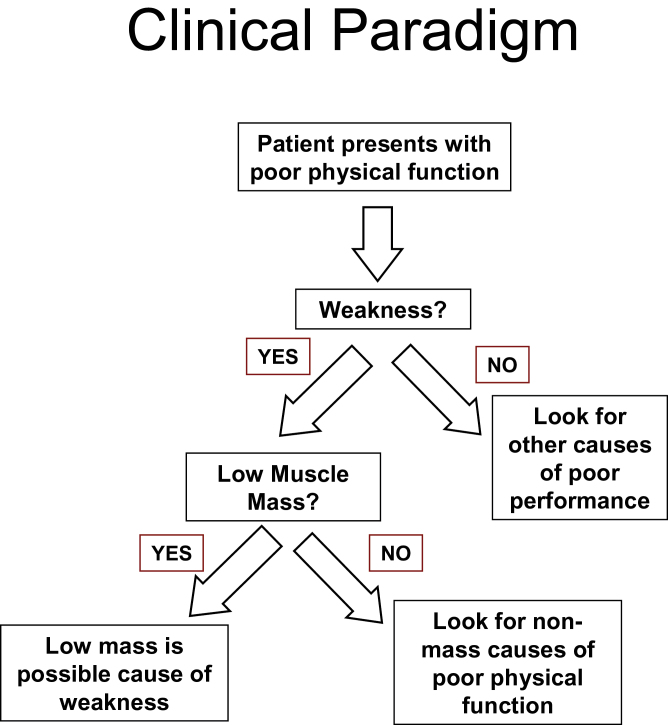
BACKGROUND: Low muscle mass and weakness are common and potentially disabling in older adults, but in order to become recognized as a clinical condition, criteria for diagnosis should be based on clinically relevant thresholds and independently validated. The Foundation for the National Institutes of Health Biomarkers Consortium Sarcopenia Project used an evidence-based approach to develop these criteria. Initial findings were presented at a conference in May 2012, which generated recommendations that guided additional analyses to determine final recommended criteria. Details of the Project and its findings are presented in four accompanying manuscripts. METHODS: The Foundation for the National Institutes of Health Sarcopenia Project used data from nine sources of community-dwelling older persons: Age, Gene/Environment Susceptibility-Reykjavik Study, Boston Puerto Rican Health Study, a series of six clinical trials, Framingham Heart Study, Health, Aging, and Body Composition, Invecchiare in Chianti, Osteoporotic Fractures in Men Study, Rancho Bernardo Study, and Study of Osteoporotic Fractures. Feedback from conference attendees was obtained via surveys and breakout groups. RESULTS: The pooled sample included 26,625 participants (57% women, mean age in men 75.2 [±6.1 SD] and in women 78.6 [±5.9] years). Conference attendees emphasized the importance of evaluating the influence of body mass on cutpoints. Based on the analyses presented in this series, the final recommended cutpoints for weakness are grip strength <26kg for men and <16kg for women, and for low lean mass, appendicular lean mass adjusted for body mass index <0.789 for men and <0.512 for women. CONCLUSIONS: These evidence-based cutpoints, based on a large and diverse population, may help identify participants for clinical trials and should be evaluated among populations with high rates of functional limitations.
Overview
The claims and statistics of this paper haven’t been checked yet.
Free: it reads the open-access text and checks the first 5 claims that cite a source we can check. Create a free account to check every claim.
Integrity signals
Registry
Cites
Statistics
Figures
Verification
Claims the paper makes
The claims and statistics of this paper haven’t been checked yet.
Free: it reads the open-access text and checks the first 5 claims that cite a source we can check. Create a free account to check every claim.
Claims other papers make about this one
Each is checked against this paper’s own text: does it say what the citing paper says it does?
The source backs part of the claim, not all of it — or backs it for a different population, condition or comparison.
In the citing paper
“The separate criteria for muscle mass and strength implied the need to target interventions for individuals with low mass or low strength.”
From Sarcopenic obesity in older adults: aetiology, epidemiology and treatment strategies (2018) · cites this paper as [182]
Experimental — accuracy not yet measuredThe source backs part of the claim, not all of it — or backs it for a different population, condition or comparison.
In the citing paper
“Currently, there is no international consensus on the operational definition of sarcopenia, and several definitions of sarcopenia are used with consequent impact on the prevalence of sarcopenia [6,[31][32][33][34].”
From Is There Enough Evidence for Osteosarcopenic Obesity as a Distinct Entity? A Critical Literature Review (2019) · cites this paper as [31]
Experimental — accuracy not yet measuredThe source backs part of the claim, not all of it — or backs it for a different population, condition or comparison.
In the citing paper
“Indeed, a major reason for the variation in sarcopenic obesity prevalence is the method of adjusting muscle quantity for body size.46,47,55,57”
From Changes in lean body mass with glucagon‐like peptide ‐1‐based therapies and mitigation strategies (2024) · cites this paper as [57]
Experimental — accuracy not yet measuredThe source backs part of the claim, not all of it — or backs it for a different population, condition or comparison.
In the citing paper
“Sarcopenia, a decrease in muscle mass and/or function, is frequent in undernourished patients admitted to the ICU [21].”
From ESPEN practical and partially revised guideline: Clinical nutrition in the intensive care unit (2023) · cites this paper as [21]
Experimental — accuracy not yet measuredThe cited source says what the claim attributes to it.
In the citing paper
“The Foundation for the National Institutes of Health (FNIH) Sarcopenia Project182 suggested a causal, indirect relationship between muscle mass and function in their definition of sarcopenia.”
From Sarcopenic obesity in older adults: aetiology, epidemiology and treatment strategies (2018) · cites this paper as [182]
6 more claims about this paper
Create a free account to see every claim other papers make about this one.
Self-check
Percentages, sums and reported differences re-computed from the paper’s own numbers.
The self-check needs the paper’s full text.
Citations
Cites
Chobanian, A. V. (2003) · JAMA · doi:10.1001/jama.289.19.2560 · Cited by 25,386
Sarcopenia: European consensus on definition and diagnosis
Cruz-Jentoft, A. J., Baeyens, J. P., Bauer, J. M., Boirie, Y., Cederholm, T., Landi, F., Martin, F. C., Michel, J.-P., Rolland, Y., Schneider, S. M., et al. (2010) · Age and Ageing · doi:10.1093/ageing/afq034 · Cited by 11,601
Grundy, S. M., Cleeman, J. I., Merz, C. N. B., Brewer, H. B., Clark, L. T., Hunninghake, D. B., Pasternak, R. C., Smith, S. C., & Stone, N. J. (2004) · Circulation · doi:10.1161/01.cir.0000133317.49796.0e · Cited by 6,902
Gait speed and survival in older adults.
Studenski, S. (2011) · JAMA · doi:10.1001/jama.2010.1923 · Cited by 4,558 · cited 1×
“8 m/s because it predicts reduced overall survival (13), disability (14), and has been recommended by other experts (15).”
BackgroundSelf-citationEpidemiology of Sarcopenia among the Elderly in New Mexico
Baumgartner, R. N., Koehler, K. M., Gallagher, D., Romero, L., Heymsfield, S. B., Ross, R. R., Garry, P. J., & Lindeman, R. D. (1998) · American Journal of Epidemiology · doi:10.1093/oxfordjournals.aje.a009520 · Cited by 4,004 · cited 1×
“The definition proposed for sarcopenia was a ratio of muscle mass to height 2 SDs below the mean found in healthy young persons drawn from the Rosetta Stone project (37).”
BackgroundFollow-up report on the diagnosis of diabetes mellitus
The Expert Committee on the Diagnosis and Classification of Diabetes Mellitus* (2003) · Diabetes Care · doi:10.2337/diacare.26.11.3160 · Cited by 3,784
Risk Factors for Hip Fracture in White Women
Cummings, S. R., Nevitt, M. C., Browner, W. S., Stone, K., Fox, K. M., Ensrud, K. E., Cauley, J., Black, D., & Vogt, T. M. (1995) · New England Journal of Medicine · doi:10.1056/nejm199503233321202 · Cited by 3,595
Guralnik, J. M., Ferrucci, L., Pieper, C. F., Leveille, S. G., Markides, K. S., Ostir, G. V., Studenski, S., Berkman, L. F., & Wallace, R. B. (2000) · The Journals of Gerontology Series A: Biological Sciences and Medical Sciences · doi:10.1093/gerona/55.4.m221 · Cited by 2,898 · cited 3×
“Walking courses that were longer or shorter were converted to a speed that would have been achieved on a 4- or 6-m course using previously published equations (33).”
BackgroundMethodInfluentialSelf-citationEpidemiological approaches to heart disease: the Framingham study
Dawber, T. R., Meadors, G. F., & Moore, F. E. (1951) · American Journal of Public Health and the Nations Health · doi:10.2105/ajph.41.3.279 · Cited by 2,148 · cited 1×
“—In 1948, the Framingham Heart Study (FHS) Original cohort recruited two thirds of the population sample from Framingham, Massachusetts, to evaluate risk factors of heart disease (24).”
BackgroundAbellan Van Kan, G., Rolland, Y., Andrieu, S., Bauer, J., Beauchet, O., Bonnefoy, M., Cesari, M., Donini, L. M., Gillette-Guyonnet, S., Inzitari, M., et al. (2009) · The Journal of nutrition, health and aging · doi:10.1007/s12603-009-0246-z · Cited by 2,003 · cited 1×
“8 m/s because it predicts reduced overall survival (13), disability (14), and has been recommended by other experts (15).”
Background
Cited by
Items 601–700 of 1,014
Curcumin as a Therapeutic Agent for Sarcopenia
Gany, S. L. S., Chin, K., Tan, J. K., Aminuddin, A., & Makpol, S. (2023) · Nutrients · doi:10.3390/nu15112526 · Cited by 45
Newman, A. B. (2023) · The Journals of Gerontology Series A · doi:10.1093/gerona/glad021 · Cited by 48
Sarcopenia in Type 2 Diabetes Mellitus: Study of the Modifiable Risk Factors Involved
Sravya, S. L., Swain, J., Sahoo, A., Mangaraj, S., Kanwar, J., Jadhao, P. A., & Das, S. (2023) · Journal of Clinical Medicine · doi:10.3390/jcm12175499 · Cited by 47
Correlation between Frailty and Cognitive Function in Non-Demented Community Dwelling Older Koreans
Kim, S., Park, J. L., Hwang, H. S., & Kim, Y. (2014) · Korean Journal of Family Medicine · doi:10.4082/kjfm.2014.35.6.309 · Cited by 41
Influence of nutritional status in the diagnosis of sarcopenia in nursing home residents
Lardiés‐Sánchez, B., Sanz‐París, A., Pérez-Nogueras, J., Serrano‐Oliver, A., TORRES-ANORO, M. E., & Cruz-Jentoft, A. J. (2017) · Nutrition · doi:10.1016/j.nut.2017.03.002 · Cited by 50
Jeanmaire, C., Mazières, B., Verrouil, É., Bernard, L., Guillemin, F., & Rat, A. (2017) · Seminars in Arthritis and Rheumatism · doi:10.1016/j.semarthrit.2017.10.012 · Cited by 48
“associated with low muscle strength or low physical performance [24][41], but we did not collect data on muscle strength or physical performance.”
BackgroundInfluentialAssociations of components of sarcopenic obesity with bone health and balance in older adults
Scott, D., Shore-Lorenti, C., McMillan, L., Mesinovic, J., Clark, R. A., Hayes, A., Sanders, K. M., Duque, G., & Ebeling, P. R. (2018) · Archives of Gerontology and Geriatrics · doi:10.1016/j.archger.2017.12.006 · Cited by 38
Impact of Sarcopenia and Frailty in a Multicenter Cohort of Polypathological Patients
Bernabeu‐Wittel, M., González-Molina, Á., Fernández-Ojeda, R., Díez‐Manglano, J., Salgado, F., Soto-Martín, M., Muniesa, M., Ollero‐Baturone, M., & Gómez-Salgado, J. C. (2019) · Journal of Clinical Medicine · doi:10.3390/jcm8040535 · Cited by 49
“With respect to the actual controversy in selecting the optimal definition criteria for sarcopenia, recently, the multicenter FNIH cohort study empirically proposed new cut-off points of weakness and low skeletal muscle mass adjusted by body mass index [33,34]; these new criteria have resulted in a more strict definit…”
BackgroundTay, J., Goss, A. M., Locher, J. L., Ard, J. D., & Gower, B. A. (2019) · The journal of nutrition health & aging · doi:10.1007/s12603-019-1260-4 · Cited by 50
Low muscle mass is associated with osteoporosis: A nationwide population-based study
Jang, S.-Y., Park, J., Ryu, S. Y., & Choi, S.-W. (2020) · Maturitas · doi:10.1016/j.maturitas.2020.01.003 · Cited by 44
Osteosarcopenia: the Path Beyond Controversy
Zanker, J., & Duque, G. (2020) · Current Osteoporosis Reports · doi:10.1007/s11914-020-00567-6 · Cited by 42
“Studies used a variety of methods to define sarcopenia [9, 11, 12, 14], osteopenia or osteoporosis (the presence of fracture, or low BMD, or both).”
MethodResultCano‐García, L., Arija, S. M., Domínguez‐Quesada, C., Vacas, J., Armenteros-Ortiz, P. J., Ruiz, D., Martín-Martín, J. M., Redondo‐Rodríguez, R., García-Studer, A., Ortiz-Marquez, F., et al. (2023) · Nutrients · doi:10.3390/nu15112440 · Cited by 44
“Outcomes were classified as follows: (1) probable sarcopenia, i.e., only low muscle strength (<27 kg in men and <16 kg in women); (2) confirmed sarcopenia, i.e., low muscle strength and low muscle quantity (appendicular lean mass index [ALM/height2] < 7.0 kg/m2 in men and <5.5 kg/m2 in women); and (3) severe sarcopeni…”
MethodInfluentialApplying a Lifespan Developmental Perspective to Chronic Pain: Pediatrics to Geriatrics
Walco, G. A., Krane, E. J., Schmader, K. E., & Weiner, D. K. (2016) · Journal of Pain · doi:10.1016/j.jpain.2015.11.003 · Cited by 47
Mendes, J., Afonso, C., Moreira, P. A. M., Padrão, P., Santos, A., Borges, N., Negrão, R., & do Amaral, T. F. (2018) · Journal of Parenteral and Enteral Nutrition · doi:10.1002/jpen.1424 · Cited by 49
Promoting mobility and healthy aging in men: a narrative review
Ebeling, P. R., Cicuttini, F., Scott, D. S., & Jones, G. (2019) · Osteoporosis International · doi:10.1007/s00198-019-05080-w · Cited by 42
Sarcopenia is associated with non-alcoholic fatty liver disease in men with type 2 diabetes
Seo, D. H., Lee, Y.-H., Park, S. W., Choi, Y. J., Huh, B. W., Lee, E., Huh, K. B., Kim, S. H., & Cha, B.-S. (2020) · Diabetes & Metabolism · doi:10.1016/j.diabet.2019.10.004 · Cited by 38
Wilkinson, T. J., Gore, E. F., Vadaszy, N., Nixon, D. G. D., Watson, E. L., & Smith, A. C. (2020) · Journal of Ultrasound in Medicine · doi:10.1002/jum.15421 · Cited by 46
“CKD stage, n (%) 1–2 15 (17) 5 (11) 10 (22) 3a 13 (14) 5 (11) 8 (17) 3b 24 (26) 15 (33) 9 (20) 4 33 (36) 16 (36) 17 (37) 5 6 (7) 4 (9) 2 (4) Primary cause of disease, n (%) Unknown etiology 62 (55) 31 (57) 31 (53) Other etiology 21 (19) 10 (5) 11 (19) Polycystic kidney disease 14 (12) 8 (15) 6 (10)”
Salinas‐Rodríguez, A., Rivera‐Almaraz, A., Scott, A., & Manrique-Espinoza, B. S. (2020) · Frontiers in Medicine · doi:10.3389/fmed.2020.562963 · Cited by 44
Ramírez‐Vélez, R., Rincón‐Pabón, D., Correa‐Bautista, J. E., García‐Hermoso, A., & Izquierdo, M. (2021) · Clinical Nutrition ESPEN · doi:10.1016/j.clnesp.2021.05.009 · Cited by 48
Kouvari, M., Polyzos, S. A., Chrysohoou, C., Skoumas, J., Pitsavos, C. S., Panagiotakos, D. B., & Mantzoros, C. S. (2022) · Clinical Nutrition · doi:10.1016/j.clnu.2022.03.022 · Cited by 38
Zhu, K., Wactawski-Wende, J., Ochs-Balcom, H. M., LaMonte, M. J., Hovey, K. M., Evans, W., Shankaran, M., Troen, B. R., & Banack, H. R. (2021) · The Journals of Gerontology: Series A · doi:10.1093/gerona/glab020 · Cited by 37
“The authors of the Foundation for the National Institutes of Health sarcopenia project concluded that low lean mass, by itself, is a poor predictor of physical functional impairment when compared to low strength (3).”
BackgroundKinoshita, K., Satake, S., Matsui, Y., & Arai, H. (2021) · The journal of nutrition health & aging · doi:10.1007/s12603-021-1620-8 · Cited by 44
The Current Landscape of Pharmacotherapies for Sarcopenia
Bahat, G., & Özkök, S. (2024) · Drugs & Aging · doi:10.1007/s40266-023-01093-7 · Cited by 48
“More recently, “muscle strength” has replaced “muscle mass” as the central focus of the sarcopenia concept for almost all guidelines [1, 6, 7].”
Zhou, H., Su, H., Gong, Y., Chen, L., Xu, L., Chen, G., & Tong, P. (2024) · Scientific Reports · doi:10.1038/s41598-024-61928-0 · Cited by 45
“The sarcopenia index is calculated as the ratio of total ASM (kg) to BMI (kg/m 2 ) 21 .”
MethodPeterson, M. D., Zhang, P., Duchowny, K. A., Markides, K. S., Ottenbacher, K. J., & Snih, S. A. (2016) · The Journals of Gerontology Series A: Biological Sciences and Medical Sciences · doi:10.1093/gerona/glw051 · Cited by 37
Graumam, R. Q., Pinheiro, M. M., Nery, L. E., & Castro, C. H. D. M. (2018) · Osteoporosis International · doi:10.1007/s00198-018-4483-z · Cited by 46
Sarcopenia Prevalence Using Different Definitions in Older Community-Dwelling Canadians
Purcell, S. A., Mackenzie, M. L., Barbosa-Silva, T. G., Dionne, I. J., Ghosh, S., Olobatuyi, O. V., Siervo, M., Ye, M., & Prado, C. M. M. (2020) · The journal of nutrition health & aging · doi:10.1007/s12603-020-1427-z · Cited by 43
“Therefore, the main objective of study was to determine the prevalence of sarcopenia in older Canadians using three of the most frequently adopted operational definitions: the ones proposed by the International Working Group on Sarcopenia (IWGS) (9), Foundation for the National Institutes of Health (FNIH) (10), and re…”
InfluentialLi, Q., Zhang, X., Tang, M., Song, M., Zhang, Q., Zhang, K., Ruan, G., Zhang, X., Ge, Y., Yang, M., et al. (2021) · Nutrition · doi:10.1016/j.nut.2021.111286 · Cited by 43
Davies, B., Walter, S., Rodríguez‐Laso, Á., Carnicero, J. A. C., García‐García, F. J., Álvarez‐Bustos, A., & Rodríguez‐Mañas, L. (2022) · Journal of the American Medical Directors Association · doi:10.1016/j.jamda.2022.03.013 · Cited by 41
Murawiak, M., Krzymińska-Siemaszko, R., Kaluźniak-Szymanowska, A., Lewandowicz, M., Tobis, S., Wieczorowska-Tobis, K., & Deskur-Śmielecka, E. (2022) · Nutrients · doi:10.3390/nu14142889 · Cited by 37
Pal, R., Bhadada, S. K., Aggarwal, A., & Singh, T. (2021) · Osteoporosis and Sarcopenia · doi:10.1016/j.afos.2020.12.003 · Cited by 44
“8 m/s were categorized as having poor physical performance [3,22,23].”
BackgroundAssociation Between Sarcopenia and Fracture Risk in a Population From the UK Biobank Database
Jauffret, C., Périchon, R., Lamer, A., Cortet, B., Chazard, E., & Paccou, J. (2023) · Journal of Bone and Mineral Research · doi:10.1002/jbmr.4884 · Cited by 37
“The study conducted by Studenski and colleagues((28)) suggests that the coexistence of obesity and sarcopenia (defined using the Foundation for the National Institutes of Health criteria) is associated with a higher fracture risk than obesity alone.”
BackgroundCraig, J. V., Bunn, D. K., Hayhoe, R. P. G., Appleyard, W. O., Lenaghan, E., & Welch, A. A. (2017) · Nutrition Reviews · doi:10.1093/nutrit/nux042 · Cited by 46
Markers of nutritional status and mortality in older adults: The role of anemia and hypoalbuminemia
Corona, L. P., Duarte, Y. A. D. O., & Lebrão, M. L. (2017) · Geriatrics and gerontology international/Geriatrics & gerontology international · doi:10.1111/ggi.13137 · Cited by 40
Locquet, M., Beaudart, C., Hajaoui, M., Pétermans, J., Reginster, J., & Bruyère, O. (2018) · Journal of the American Medical Directors Association · doi:10.1016/j.jamda.2018.06.004 · Cited by 42
Yoshida, T., Yamada, Y., Tanaka, F., Yamagishi, T., Shibata, S., & Kawakami, Y. (2018) · Experimental Gerontology · doi:10.1016/j.exger.2018.09.022 · Cited by 40
“On the basis of many studies in the late 1990s and through the 2000s, international working groups have re-defined sarcopenia as an age-related loss of muscle mass and loss of strength and/or physical function to connect a diagnostic condition to a subject's future health outcomes (Cruz-Jentoft et al., 2010; Fielding…”
BackgroundMuscle mass measures and incident osteoporosis in a large cohort of postmenopausal women
Papageorgiou, M., Sathyapalan, T., & Schutte, R. (2018) · Journal of Cachexia Sarcopenia and Muscle · doi:10.1002/jcsm.12359 · Cited by 39
Prevalence of sarcopenia in inpatients 70 years and older using different diagnostic criteria
Reijnierse, E. M., Buljan, A., Tuttle, C. S. L., Ancum, J. M. V., Verlaan, S., Meskers, C. G. M., & Maier, A. B. (2018) · Nursing Open · doi:10.1002/nop2.219 · Cited by 39
“Numerous proposed diagnos‐ tic criteria for sarcopenia use a measure of physical performance such as gait speed (Cruz‐Jentoft et al., 2010; Fielding et al., 2011; Studenski et al., 2014).”
BackgroundInfluentialPrognostic value of a rapid sarcopenia measure in acutely ill older adults
Aliberti, M. J. R., Szlejf, C., Covinsky, K. E., Lee, S. J., Filho, W. J., & Suemoto, C. K. (2019) · Clinical Nutrition · doi:10.1016/j.clnu.2019.08.026 · Cited by 38
Lee, H. S., Koh, I., Kim, H.-S., & Kwon, Y. (2019) · Thrombosis Research · doi:10.1016/j.thromres.2019.09.007 · Cited by 38
Updated concept of sarcopenia based on muscle–bone relationship
Yakabe, M., Hosoi, T., Akishita, M., & Ogawa, S. (2019) · Journal of Bone and Mineral Metabolism · doi:10.1007/s00774-019-01048-2 · Cited by 40
Meerkerk, C. D. A., Chargi, N., de Jong, P. A., van den Bos, F., & de Bree, R. (2021) · Journal of Geriatric Oncology · doi:10.1016/j.jgo.2020.10.002 · Cited by 34
Sousa‐Santos, A. R., Barros, D. G. M., Montanha, T., Carvalho, J., & do Amaral, T. F. (2021) · Archives of Gerontology and Geriatrics · doi:10.1016/j.archger.2021.104517 · Cited by 42
Yu, J. H., Kim, R. E. Y., Jung, J., Park, S. Y., Lee, D. Y., Cho, H. J., Kim, N. H., Yoo, H. J., Seo, J. A., Kim, S. G., et al. (2021) · BMC Geriatrics · doi:10.1186/s12877-021-02581-4 · Cited by 44
“Appendicular skeletal muscle mass (ASM, kg) was defined as the sum of the lean soft tissue mass of the arms and legs [16], and BMI-corrected ASM (ASM/BMI) was also calculated [17].”
MethodCho, J., Park, M., Moon, W., Han, S., & Moon, Y. (2021) · Neurological Sciences · doi:10.1007/s10072-021-05728-8 · Cited by 43
“The Foundation for the National Institutes of Health Sarcopenia Project 2014 (FNIHSP) suggested using the value obtained through ASM divided by BMI [ASM (kg)/BMI (kg/m2)] [21].”
MethodA Multifactorial Approach for Sarcopenia Assessment: A Literature Review
Supriya, R., Singh, K. P., Gao, Y., Li, F., Dutheil, F., & Baker, J. S. (2021) · Biology · doi:10.3390/biology10121354 · Cited by 50
“Later, the Foundation for the National Institutes of Health (FINH) began its work on the sarcopenia project in 2014 [10,11].”
BackgroundIs the whole not greater than the sum of its parts? The case of sarcopenic obesity
Batsis, J. A., & Cook, S. B. (2017) · American Journal of Clinical Nutrition · doi:10.3945/ajcn.117.159871 · Cited by 37
“It could likewise be due to biological changes observed during the aging process, inflammatory mediators or cytokine production, changes in fat distribution, and possible physiologic interactions between muscle and adipose tissue (1, 2).”
BackgroundInfluentialMetabolomic profiles to explore biomarkers of severe sarcopenia in older men: A pilot study
Shin, H. E., Won, C. W., & Kim, M. (2022) · Experimental Gerontology · doi:10.1016/j.exger.2022.111924 · Cited by 37
Wei, M., Meng, D., Guo, H., He, S., Tian, Z., Wang, Z., Yang, G., & Wang, Z. (2022) · International Journal of Environmental Research and Public Health · doi:10.3390/ijerph19169952 · Cited by 43
“8 g/kg/d for the entire adult population), there is no positive effect on the increase of LBM or the enhancement of the anabolic response to testosterone [22,23].”
BackgroundAssociation between sarcopenia and osteoarthritis among the US adults: a cross-sectional study
Peng, P., Wu, J., Fang, W., Tian, J., He, M., Xiao, F., Lin, K. C., Xu, X., He, W., Liu, W., et al. (2024) · Scientific Reports · doi:10.1038/s41598-023-50528-z · Cited by 48
Luo, Y., Wang, Y., Tang, S., Xu, L., Zhao, X., Han, M., Liu, Y., Xu, Y. J., & Han, B. (2024) · BMC Geriatrics · doi:10.1186/s12877-024-04952-z · Cited by 45
Tu, S., Hao, X., Xu, S., Jin, X., Liao, W., Xia, H., Wang, S., & Sun, G. (2025) · International Journal of Molecular Sciences · doi:10.3390/ijms26146740 · Cited by 51
“This adjustment aims to improve specificity by accounting for adiposity [103].”
Whitney, D. G., & Peterson, M. D. (2019) · Frontiers in Physiology · doi:10.3389/fphys.2018.01871 · Cited by 37
Xia, W., Barazanchi, A. W. H., MacFater, W. S., & Hill, A. G. (2019) · Injury · doi:10.1016/j.injury.2019.07.001 · Cited by 37
Park, S. H., Kim, D. J., & Plank, L. D. (2020) · European Journal of Clinical Nutrition · doi:10.1038/s41430-020-0591-x · Cited by 37
“Because body mass and gender substantially influence muscle strength, adjustment with body mass index has been recommended in the research field of muscle health [35, 36].”
BackgroundSmith, L., Jacob, L., Barnett, Y., Butler, L., Shin, J. I., Sánchez, G. F. L., Soysal, P., Veronese, N., Haro, J. M., & Koyanagi, A. (2021) · Nutrients · doi:10.3390/nu13061879 · Cited by 37
“Following the criteria used in previous publications using the same dataset [22,23], sarcopenia was defined as having low skeletal muscle mass (SMM) as reflected by lower skeletal mass index (SMI) and either a slow gait speed or a weak handgrip strength [24].”
MethodInfluentialLeigheb, M., Alessandro de, S. I. R. E., Colangelo, M., Zagaria, D., Grassi, F. A., Rena, O., Conte, P., Neri, P., Carriero, A., Sacchetti, G. M., et al. (2021) · Diagnostics · doi:10.3390/diagnostics11112158 · Cited by 45
“Muscle strength was evaluated by the hand grip strength test (HGS), through the hand-held dynamometer (Jamar hydraulic hand dynamometer, Sammons Preston, Bolingbrook, IL, USA), considering the maximum value (in kilograms) of three consecutive measurements of the upper dominant limb (with a pause of 1 min after each me…”
MethodSafonova, Y. A., Lesnyak, O. M., Baranova, I. A., Сулейманова, А. К., & Zotkin, E. G. (2019) · Rheumatology Science and Practice · doi:10.14412/1995-4484-2019-38-45 · Cited by 36
Kim, M., Walston, J. D., & Won, C. W. (2021) · The Journals of Gerontology Series A · doi:10.1093/gerona/glab201 · Cited by 41
Li, R., Lin, S., Tu, J., Chen, Y., Cheng, B., Mo, X., & Xie, T. (2023) · Journal of Translational Medicine · doi:10.1186/s12967-023-04261-w · Cited by 40
“Patients with laboratory-confirmed diabetes in the National Health and Nutritional Examination Surveys (NHANES) were studied, and the classification of low skeletal muscle mass was based on the criteria designated by “Foundation for the National Institutes of Health (FNIH) Sarcopenia Project” [17].”
MethodHigher dietary live microbe intake is associated with a lower risk of sarcopenia
Yan, K., Ma, X., Li, C., Zhang, X., Shen, M., Chen, S., Zhao, J., He, W. A., Hong, H., Gong, Y., et al. (2024) · Clinical Nutrition · doi:10.1016/j.clnu.2024.05.030 · Cited by 35
Bıçaklı, D. H., Özveren, A., Uslu, R., Meseri, R., Çehreli, R., Uyar, M., Karabulut, B., & Akçiçek, F. (2017) · Nutrition · doi:10.1016/j.nut.2017.09.013 · Cited by 42
How to Diagnose Sarcopenia in Korean Older Adults?
Jang, H. C., & the Sarcopenia Study Group of Korean Geriatrics Society (2018) · Annals of Geriatric Medicine and Research · doi:10.4235/agmr.2018.22.2.73 · Cited by 38
Recent Progress in Sarcopenia Research: a Focus on Operationalizing a Definition of Sarcopenia
Cawthon, P. M. (2018) · Current Osteoporosis Reports · doi:10.1007/s11914-018-0484-2 · Cited by 41
Self-citationHypovitaminosis D and Aging: Is There a Role in Muscle and Brain Health?
D’Amelio, P., & Quacquarelli, L. (2020) · Nutrients · doi:10.3390/nu12030628 · Cited by 35
“primary definition [9] Gait speed ≤ 0.”
BackgroundKoyanagi, A., Veronese, N., Solmi, M., Oh, H. Y., Shin, J. I., Jacob, L., Yang, L., Haro, J. M., & Smith, L. (2020) · Nutrients · doi:10.3390/nu12030706 · Cited by 40
“Country‐specific cut‐offs were only used to determine low SMI, as this indicator is likely to be affected by racial differences in body composition.”
MethodInfluentialA feasibility study of an unsupervised, pre‐operative exercise program for adults with lung cancer
Finley, D. J., Fay, K. A., Batsis, J. A., Stevens, C. J., Sacks, O. A., Darabos, C., Cook, S. B., & Lyons, K. D. (2020) · European Journal of Cancer Care · doi:10.1111/ecc.13254 · Cited by 41
“…scores are only slightly lower than the general population (Reeve et al., 2007), their grip strength scores do not indicate the presence of frailty (Studenski et al., 2014), and they report a considerable amount of baseline minutes of physical activity (i.e., above the 300 minutes of exercise…”
BackgroundTeschler, M., Heimer, M., Schmitz, B., KEMMLER, W. K., & Mooren, F. C. (2021) · Journal of Cachexia Sarcopenia and Muscle · doi:10.1002/jcsm.12717 · Cited by 40
“512 for women.(13) The SMI represents the ratio of appendicular skeletal muscle 844 M.”
Prognostic Value of Handgrip Strength in Older Adults Undergoing Cardiac Surgery
Fountotos, R., Munir, H., Goldfarb, M., Lauck, S., Kim, D. H., Perrault, L. P., Arora, R. C., Moss, E., Rudski, L., Bendayan, M., et al. (2021) · Canadian Journal of Cardiology · doi:10.1016/j.cjca.2021.08.016 · Cited by 42
Dynapenic abdominal obesity and the effect on long-term gait speed and falls in older adults
Zhang, L., Liu, S., Wang, W., Sun, M., Tian, H., Wei, L. S., & Wu, Y. (2021) · Clinical Nutrition · doi:10.1016/j.clnu.2021.11.011 · Cited by 42
Lin, Y., Wang, C., Tsai, J., Chen, C.-T., Chen, Y.-H., Hung, S., & Hsu, B. (2022) · Nutrients · doi:10.3390/nu14050923 · Cited by 40
“Th prevalence of low ASMI, low HGS, slow GS, and sarcopenia across four arcopenia criteria among patients undergoing PD. ASMI, appendicular skeletal muscle index; HGS, handgrip strength; GS, gait speed; AWGS, Asian Working Group for Sarcopenia; EWGSOP, European Working Group on Sarcopenia in Older People; FNIH, Founda…”
MethodInfluentialPrevalence of Sarcopenia in Women with Breast Cancer
Morlino, D., Marra, M., Cioffi, I., Santarpia, L., Placido, P. D., Giuliano, M., Angelis, C. D., Carrano, S., Verrazzo, A., Buono, G., et al. (2022) · Nutrients · doi:10.3390/nu14091839 · Cited by 38
“Low ASM was defined using the Studenski cutoffs: <15 kg for women [29].”
MethodPrevalence of sarcopenia and mortality rate in older adults with hip fracture
Kim, H. S., Park, J.-W., Lee, Y., Yoo, J., Choi, Y., Yoon, B., Ha, Y., & Koo, K. (2022) · Journal of the American Geriatrics Society · doi:10.1111/jgs.17905 · Cited by 37
Zhao, J., Zeng, L., Liang, G., Dou, Y., Zhou, G., Pan, J., Yang, W., Hong, K., Liu, J. L., & Zhao, L. (2023) · Scientific Reports · doi:10.1038/s41598-023-49658-1 · Cited by 40
“The ASM BMI -cutoff values for males and females were 0.789 and 0.512, respectively 19 .”
BackgroundMethodInfluentialAbdominal obesity as a risk factor for disability in Brazilian older adults
Corona, L. P., Alexandre, T. D. S., Duarte, Y. A. D. O., & Lebrão, M. L. (2017) · Public Health Nutrition · doi:10.1017/s1368980016003505 · Cited by 37
“We classified low grip strength in men as values under 26 kg and in women as values under 16 kg((38)).”
Geng, Q., Zhai, H., Wang, L., Wei, H., & Hou, S. (2023) · Medicine · doi:10.1097/md.0000000000034254 · Cited by 33
“However, Studenski et al[82] showed that due to anabolic resistance, even if patients with sarcopenia ingest sufficient protein, the effect of muscle enhancement is not obvious in the case of low muscle synthesis sensitivity.”
BackgroundRastreamento do risco de sarcopenia em adultos com 50 anos ou mais hospitalizados
Cristaldo, M. R. A., Guandalini, V. R., Faria, S. D. O., & Spexoto, M. C. B. (2021) · Revista Brasileira de Geriatria e Gerontologia · doi:10.1590/1981-22562021024.210016pub-date · Cited by 84
Skinner, J. S., Shepstone, L., Hickson, M., & Welch, A. A. (2023) · Calcified Tissue International · doi:10.1007/s00223-023-01081-4 · Cited by 39
“Since total FFM increases with body size we used the following accepted methods to scale for this: • ALM divided by BMI (ALM/BMI), which was recommended by the FNIH Sarcopenia Project as its chosen measure of lean mass [19].”
KEMMLER, W. K., Sieber, C. C., Freiberger, E., & von Stengel, S. (2017) · Gerontology · doi:10.1159/000477935 · Cited by 37
Sarcopenia and Variation in the Human Leukocyte Antigen Complex
Jones, G., Pilling, L. C., Kuo, C., Kuchel, G. A., Ferrucci, L., & Melzer, D. R. (2019) · The Journals of Gerontology Series A · doi:10.1093/gerona/glz042 · Cited by 33
“The Foundation for the National Institutes of Health (FNIH) definition of sarcopenia (19) based on low grip strength and appendicular lean mass could not be analyzed with the cohort due to less than 0.2%/0.1% of the female/male participants meeting the criteria.”
BackgroundInfluentialSelf-citationTapper, E. B., Derstine, B. A., Baki, J., & Su, G. L. (2019) · Digestive Diseases and Sciences · doi:10.1007/s10620-019-05713-4 · Cited by 33
Tanaka, M., Okada, H., Hashimoto, Y., Kumagai, M., Nishimura, H., Oda, Y., & Fukui, M. (2019) · Clinical Nutrition · doi:10.1016/j.clnu.2019.07.021 · Cited by 36
Kim, Y. M., Kim, J., Baik, S. J., Jung, D. H., Park, J. J., Youn, Y. H., & Park, H. (2019) · Scientific Reports · doi:10.1038/s41598-019-56702-6 · Cited by 41
Handgrip Strength in the Korean Population: Normative Data and Cutoff Values
Lee, Y. L., Lee, B. H., & Lee, S. Y. (2019) · Annals of Geriatric Medicine and Research · doi:10.4235/agmr.19.0042 · Cited by 38
Pathobiology of frailty in lung disease
Koons, B., Greenland, J. R., Diamond, J. M., & Singer, J. P. (2020) · Translational research · doi:10.1016/j.trsl.2020.04.001 · Cited by 36
Cumulative and Incremental Value of Sarcopenia Components on Predicting Adverse Outcomes
Lam, F. M. H., Su, Y., Lu, Z., Yu, R., Leung, J. C. S., & Kwok, T. C. Y. (2020) · Journal of the American Medical Directors Association · doi:10.1016/j.jamda.2020.05.056 · Cited by 34
“In step 2, muscle strength and function were added on top of SARC-F in 5 models: (1) grip strength, (2) gait speed, (3) 5-time chair-stand test, (4) grip strength and gait speed, and (5) grip strength and 5-time chair-stand test.”
MethodRewinding sarcopenia: a narrative review on the renin–angiotensin system
Ekiz, T., Kara, M., Ata, A. M., Ricci, V., Kara, Ö., Özcan, F., & Özçakar, L. (2021) · Aging Clinical and Experimental Research · doi:10.1007/s40520-020-01761-3 · Cited by 34
“8 m/s and/or inability to rise from a chair without support) [21].”
BackgroundMethodBellafronte, N. T., Ono, A. D. Q. M., & Chiarello, P. G. (2021) · Medical Principles and Practice · doi:10.1159/000517597 · Cited by 40
Kim, M., & Won, C. W. (2021) · Journal of the American Medical Directors Association · doi:10.1016/j.jamda.2021.11.007 · Cited by 41
Romani, M., Berger, M. M., & D’Amelio, P. (2022) · Nutrients · doi:10.3390/nu14030483 · Cited by 38
Fernandes, S. G. G., da Silva, E. R., York, B. N., Macêdo, P. R. D. S., Gonçalves, R. S. D. S. A., da Câmara, S. M. A., Carrillo-Larco, R. M., & Maciel, Á. C. C. (2022) · The journal of nutrition health & aging · doi:10.1007/s12603-022-1788-6 · Cited by 37
“Of these, 12 had lower cutoff values than what is established in the consensuses (1, 2, 85-87), for both men and women.”
Sui, S. X., Balanta‐Melo, J., Pasco, J. A., & Plotkin, L. I. (2022) · Current Osteoporosis Reports · doi:10.1007/s11914-022-00736-9 · Cited by 44
Defining and diagnosing sarcopenia: Is the glass now half full?
Barazzoni, R., Cederholm, T., Zanetti, M., & Cappellari, G. G. (2023) · Metabolism · doi:10.1016/j.metabol.2023.155558 · Cited by 38
Nonalcoholic fatty liver disease in the over-60s: Impact of sarcopenia and obesity
Wijarnpreecha, K., Panjawatanan, P., Aby, E., Ahmed, A., & Kim, D. (2019) · Maturitas · doi:10.1016/j.maturitas.2019.03.016 · Cited by 32
Therapeutic strategies for sarcopenic obesity: a systematic review
Poggiogalle, E., Parrinello, E., Barazzoni, R., Busetto, L., & Donini, L. M. (2021) · Current Opinion in Clinical Nutrition & Metabolic Care · doi:10.1097/mco.0000000000000714 · Cited by 32
Spanoudaki, M., Giaginis, C., Mentzelou, M., Bisbinas, A., Solovos, E., Papadopoulos, K., Paliokas, I., Zidrou, C., Cheimaras, A., Hassapidou, M. N., et al. (2023) · Life · doi:10.3390/life13061242 · Cited by 51
Wei, L., Zeng, J., Fan, M., Chen, B., Li, X., Li, Y., & Xu, S. (2023) · Journal of Diabetes · doi:10.1111/1753-0407.13464 · Cited by 37
The Interconnection Between Muscle and Bone: A Common Clinical Management Pathway
Smith, C., Sim, M., Via, J. D., Levinger, I., & Duque, G. (2023) · Calcified Tissue International · doi:10.1007/s00223-023-01146-4 · Cited by 39
“This is approximately 37% and 13% higher compared to cut-points proposed by the Foundation for the National Institutes of Health (FNIH) for males and females, respectively [49].”
The Reference Value of Skeletal Muscle Mass Index for Defining the Sarcopenia of Women in Korea
Kwon, H.-J., Ha, Y., & Park, H.-M. (2015) · Journal of Bone Metabolism · doi:10.11005/jbm.2015.22.2.71 · Cited by 38
Cooper, R., Bann, D., Wloch, E. G., Adams, J. E., & Kuh, D. J. (2014) · The Journals of Gerontology Series A · doi:10.1093/gerona/glu214 · Cited by 39
Metadata
- Authors
- Studenski, S. A., Peters, K. W., Alley, D. E., Cawthon, P. M., McLean, R. R., Harris, T. B., Ferrucci, L., Guralnik, J. M., Fragala, M. S., Kenny, A. M., Kiel, D. P., Kritchevsky, S. B., Shardell, M. D., Dam, T.-T. L., & Vassileva, M. T.
- Affiliations
- University of Pittsburgh (US)
- California Pacific Medical Center (US)
- University of Maryland, Baltimore (US)
- Beth Israel Deaconess Medical Center (US)
- National Institutes of Health (US)
- University of Central Florida (US)
- Wake Forest University Health Sciences (US)
- Columbia University (US)
- Foundation for the National Institutes of Health (US)
- Corresponding author
- Studenski, Stephanie A.
- ORCID
- Venue
- The Journals of Gerontology: Series A
- Publisher
- Oxford University Press (OUP)
- Published
- 2014-03-31
- Volume
- 69
- Issue
- 5
- Pages
- 547-558
- ISSN
- 1079-5006 (ISSN-L)
- 1758-535X
- PMC
- PMC3991146
- OpenAlex
- W2156791190
- Cited by
- 2,545
- References
- 41
- Citations by year
- 2026: 186 · 2025: 315 · 2024: 270 · 2023: 254 · 2022: 257 · 2021: 272 · 2020: 246 · 2019: 206 · 2018: 195 · 2017: 138 · 2016: 86 · 2015: 85 · 2014: 29
- FWCI
- 74.91
- Type
- journal article
- Language
- en
- Open access
- hybrid
- doi.org
- Licence
- cc-by-nc
- Locations
- The Journals of Gerontology Series A (publishedVersion, cc-by-nc)
- Europe PMC (PubMed Central) (publishedVersion, cc-by-nc)
- PubMed Central (publishedVersion, cc-by-nc)
- PubMed (publishedVersion)
- Digital Access to Scholarship at Harvard (DASH) (Harvard University) (submittedVersion, cc-by)
- Journal of International Crisis and Risk Communication Research (submittedVersion)
- Funders
- Foundation for the National Institutes of Health (N01‐HC 25195, N01-AG-12100, P30 AG024827)
- Patrick and Catherine Weldon Donaghue Medical Research Foundation
- Amgen
- Eli Lilly and Company
- Ministero della Salute (263 MD 9164 13, N01-AG-916413, 263 MD 821336, N01-AG-821336, 263 MD 9164)
- Syddansk Universitet
- Hjartavernd (N01-AG-1-2100)
- National Institutes of Health (N01-AG-6-2103, n01ag12100-57-0-2, N01-AG-916413, N01‐AG‐6‐2106, 263MD9164, 1u13ag041583-01, N01-AG-6-2101, n01hc25195-41-0-1, 263 MD 821336, N01-AG-821336, AR/AG41398)
- University of California, San Diego
- National Institute on Aging (N01‐AG‐6–2101, 263 MD 9164, R37AG007181, R01AG005394, N01AG-821336, DK31801, 263-MD-9164-13, 5P60AG13631, AG005407, 821336, 1U13AG041583, N01[AG]916413, N01-AG12100, N01-AG012100, AG027576, R01AR/AG 41398, AR/AG 41398, U01 AR45580, 263MD821336, U01-AG-18197, AG07181, N01-HC-25195, AG 024827, AG-6-2106, AG-6-2103, R01‐AR‐35584, R01AG018887, AG005394, U01AG018197, R01AG005407, R01 AR35583, U01 AR45632, U01AG027810, R01AG027576, P01AG023394, 916413, U01 AR45654, AG18197, R01AG007181, R01AG027087, U01 AR45614, AG-6-2101, AG028507, R01 AG18887, R01‐AR‐35582, U13 AG041583, N01AG62106, AG027574, U01 AR45583, AG027810, R01AG028507, U01 AR45647, AG41398, N01-AG-62103, R01AG027574, P30AG024827)
- National Heart, Lung, and Blood Institute (N01-HC-025195, P50HL105185)
- National Institute of Diabetes and Digestive and Kidney Diseases (N01-HC-25195, R01DK031801, DK-31801, AG07181)
- National Institute of Arthritis and Musculoskeletal and Skin Diseases (U01AR45614, R01 AR/AG 41398, R01-AR35582, U01-AR45632, N01-AG-12100, U01 AR45647, U01AR045583, R01AR035584, R01AR35583, U01 AR-45583, AR45654, AR45614, U01-AR-45654, AR45647, AR35583, U01AR045580, AR-35584, AR 35582, AR45583, U01AR045632, U01AR045654, R01AR035582, U01AR045614, AR45580, AR/AG 41398, U01AR045647, R01AR035583, U01 AG18197, AR45632, R01‐AR‐35584, U01AR45580)
- National Center for Research Resources (U01 AR45654, RR-06192, U01 AR45632, M01RR006192, MO1 RR06192, U01 AR45580, U01 AR45647, UL1RR024140, U01 AR45614, U01 AR45583, U01 AG18197, RR024140)
- National Institute on Minority Health and Health Disparities (R01MD009164)
- Topics
- Health Sciences › Medicine › Physiology (medical) › Nutrition and Health in Aging
- Health Sciences › Medicine › Geriatrics and Gerontology › Frailty in Older Adults
- Health Sciences › Medicine › Physiology (medical) › Body Composition Measurement Techniques
- Keywords
- sarcopenia, older adults, muscle weakness, appendicular lean mass, grip strength, body mass index, diagnostic criteria, cut-off values, community-dwelling older adults, biomarkers
- MeSH terms
- Age Factors, Aged, Aged, 80 and over, Disease Susceptibility, Female, Humans, Male, National Institutes of Health (U.S.), Research Design, Risk Factors, Sex Factors, United States, Body Mass Index, Hand Strength, Sarcopenia
About these checks
Registry, retraction, Cites and statistics results are computed, not judged, with one exception: a printed reference that no index lists is read once by a model before it counts as a citation error. Claims are extracted by a model and kept only when their quote appears verbatim in the text; each cited source is then checked, with a model’s help, for whether it says what the claim relies on. Those verdicts can be wrong — read the claim’s quote and the cited source before relying on one.
Statistics and arithmetic are recomputed, not judged.
Confidence bands are shown only for fields calibrated on our annotated test set. None is calibrated yet, so no band is shown.
What counts as a claim ›How we measure confidence ›How we check this ›
Are you an author, or do you see a problem with this page? Request a review
Data sources
Bibliographic data: Semantic Scholar, OpenAlex, Crossref.
Contains information from the Semantic Scholar Academic Graph Datasets, made available under the ODC Attribution License (ODC-BY 1.0).
Semantic Scholar’s data is described in: Kinney, R., et al. (2023). The Semantic Scholar Open Data Platform. arXiv:2301.10140.
