

ESHRE guideline: endometriosis
Open accessThe DOI matches its Crossref record; 231 of the 250 references it cites were found in a registry or an index; 42 of the 130 sources its claims cite were checked for support.
Abstract
European Society of Human Reproduction and Embryology (ESHRE) clinical guideline on diagnosis and management of endometriosis. Focuses on recommendations for surgical and medical management of pain and infertility. Provides guidance on when to perform surgery for deep infiltrating endometriosis.
Overview
CoChat Summary
TL;DR
This 2022 ESHRE guideline provides 109 recommendations on the diagnosis and management of endometriosis, covering pain, infertility, recurrence, adolescents, menopause, extrapelvic and asymptomatic disease, prevention, and cancer. It updates prior ESHRE guidelines, with five topics where significant changes in clinical practice are expected.
Key findings
- The guideline contains 109 recommendations: 79 supported by research data and 30 good practice points (GPPs), plus 30 research recommendations.
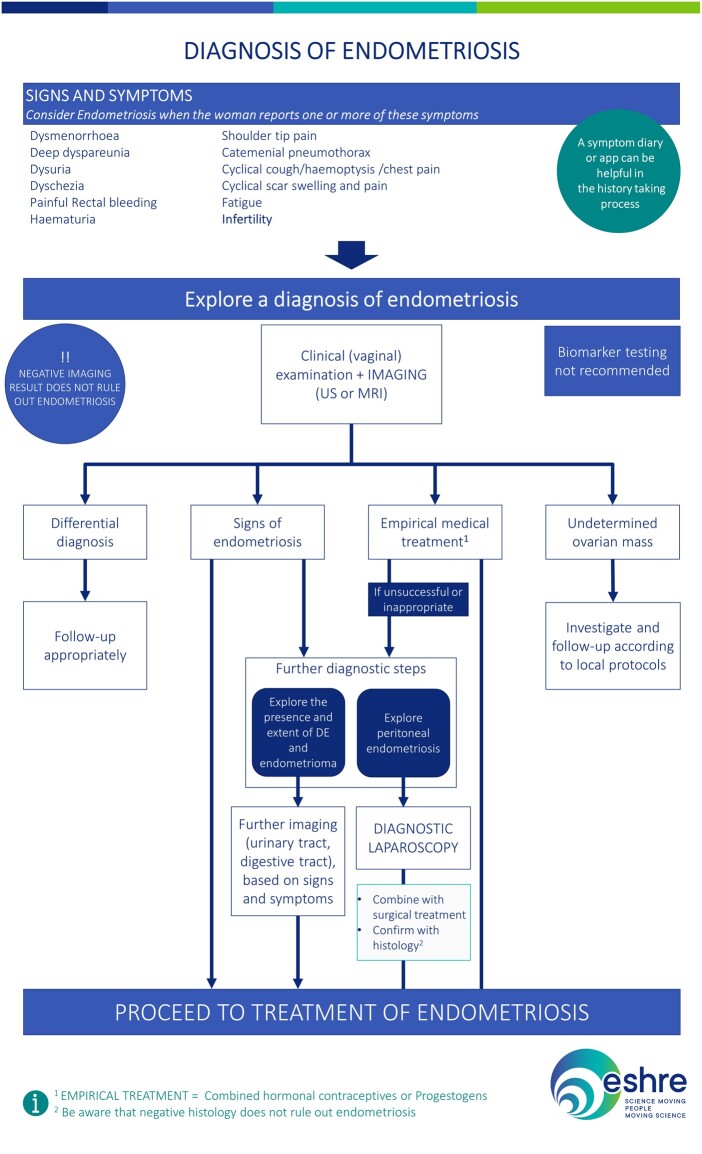
- The diagnostic process challenges laparoscopy and histology as gold standard tests; it recommends imaging (ultrasound or MRI) in the diagnostic work-up, advises against biomarkers for diagnosis, and reserves laparoscopy for patients with negative imaging or unsuccessful/inappropriate empirical treatment.
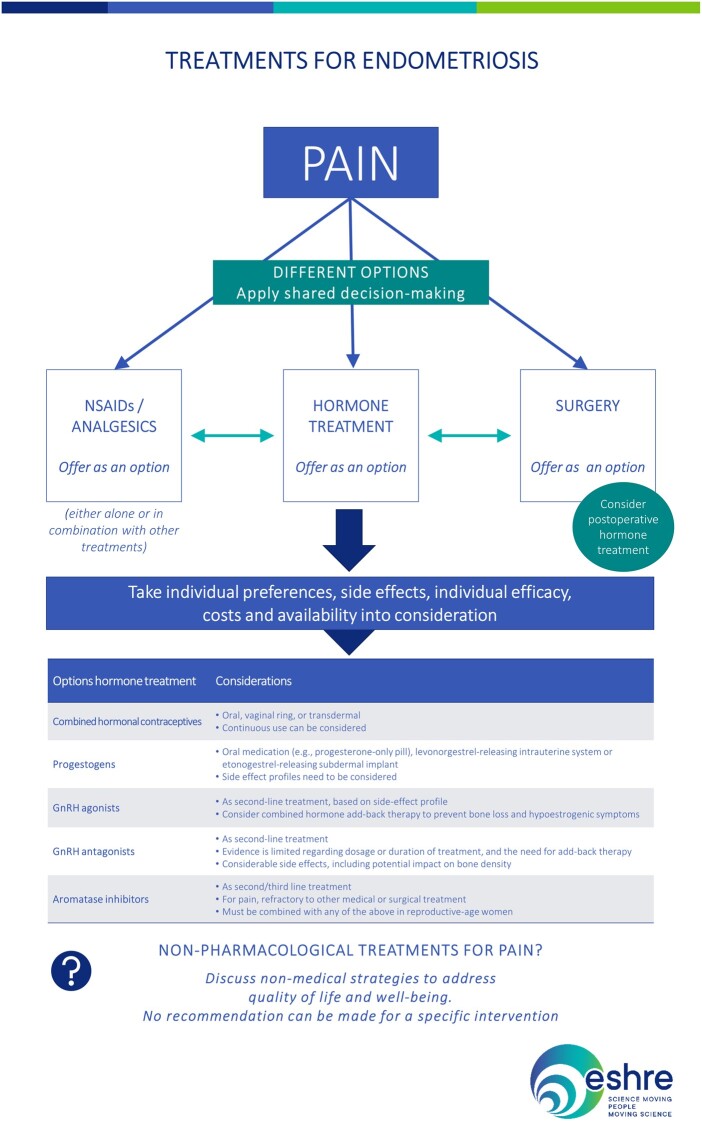
- Treatment options for endometriosis-associated pain include analgesics/NSAIDs, hormonal treatments (combined hormonal contraceptives, progestogens, GnRH agonists or antagonists, aromatase inhibitors), and surgery; five topics with significant changes include the diagnostic process, GnRH antagonists as second-line, postoperative medical treatment for pain, no extended GnRH agonist before ART, and use of the endometriosis fertility index (EFI).
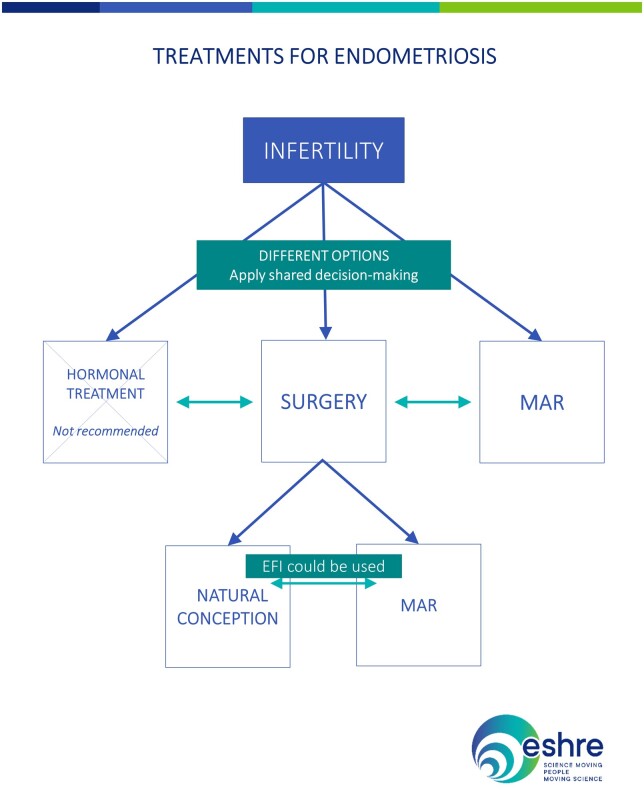
- For endometriosis-associated infertility, surgery and/or medically assisted reproduction are feasible; ovarian suppression, pentoxifylline/anti-inflammatory drugs/letrozole outside ovulation induction, and routine surgery before ART for rASRM stage I/II or endometrioma are not recommended.
Methods
- The guideline was developed according to ESHRE’s structured methodology; 42 key questions were formulated (7 narrative, 35 PICO), with PubMed/MEDLINE and Cochrane searches from inception to 1 December 2020, limited to English-language studies.
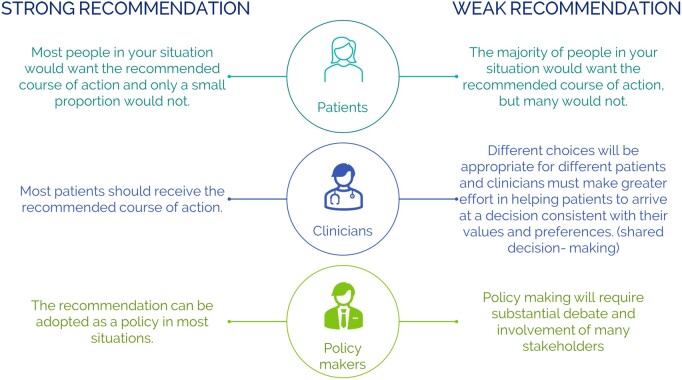
- Evidence was assessed and summarized in evidence tables; recommendations were drafted by specialist subgroups, discussed in core guideline development group meetings until consensus, labelled strong or weak, and graded High, Moderate, Low, or Very low; GPPs were added where relevant.
- A stakeholder review ran from 24 June to 15 August 2021; 56.5% of the 253 comments resulted in an adaptation or correction. The guideline will be considered for update 4 years after publication, with an intermediate assessment at 2 years.
Limitations
- Stated: the guideline describes different management options but, based on existing evidence, no firm recommendations could be formulated on the most appropriate treatments; for specific clinical issues such as asymptomatic endometriosis or extrapelvic endometriosis, evidence is too scarce to make evidence-based recommendations.
- Stated: there is an urgent need for more research on the most appropriate diagnostic and treatment options and on the natural course of the disease.
- Evident from the text: many recommendations are weak or based on low/very low-quality evidence or GPPs; no prognostic markers exist to select patients who would benefit from surgery; no specific non-medical intervention can be recommended; and heterogeneity prevented conclusions on surgical techniques for deep endometriosis-associated pain.
Model-written summary. Check it against the paper before relying on it.
Integrity signals
Registry
Cites
Statistics
Figures
Verification
Claims the paper makes
30 Valid · 5 Not valid · 26 Not checked · 25 Own results and interpretations
At least one cited source doesn’t support this claim or points to a different paper, and none confirmed it — see the verdicts below.
In the paper
“Clinicians may consider operative laparoscopy for the treatment of endometrioma-associated infertility as it may increase their chance of natural pregnancy, although no data from comparative studies exist (Dan and Limin, 2013; Alborzi et al., 2019; Candiani et al., 2020).”
§ ESHRE guideline: endometriosis† > Results > Treatment of endometriosis-associated infertility
What the sources say
- Not checked — no full text of the sourcecites Dan and Limin, 2013 matched to “Laparoscopic ovarian cystectomy versus fenestration/coagulation or laser vaporization for the treatment of endometriomas: a meta-analysis of randomized controlled trials” (2013) source
- Disputedcites Alborzi et al., 2019 matched to “The success of various endometrioma treatments in infertility: a systematic review and meta-analysis of prospective studies” (2019) sourceExperimental — accuracy not yet measured
The Results describe a prospective randomized trial comparing two laparoscopic treatments for endometriomas and reporting pregnancy rates after treatment without medication. That contradicts the categorical claim that no comparative-study data exist for operative laparoscopy and natural pregnancy. The trial compares two operations, however, not surgery against no surgery. (LLM, conf=0.83)
Checked by a reasoning model — may be wrong.
- Not checked — no full text of the sourcecites Candiani et al., 2020 matched to “Recurrence Rate after “One-Step” CO2 Fiber Laser Vaporization versus Cystectomy for Ovarian Endometrioma: A 3-Year Follow-up Study” (2020) source
hedged- Asserted: passes — The authors put it forward as true.
- Checkable: passes — It can be checked against evidence.
- Load-bearing: passes — The paper’s conclusions depend on it.
- Based: passes — The paper gives a reason why it holds.
The cited sources support only part of this claim — read each source’s verdict below.
In the paper
“Both GnRH antagonist and agonist protocols can be offered based on patients’ and physicians’ preferences as no difference in pregnancy or live birth rate has been demonstrated (Pabuccu et al., 2007; Rodriguez-Purata et al., 2013; Bastu et al., 2014; Kolanska et al., 2017; Drakopoulos et al., 2018).”
§ ESHRE guideline: endometriosis† > Results > Treatment of endometriosis-associated infertility
What the sources say
- Not checked — no full text of the sourcecites Pabuccu et al., 2007 matched to “GnRH agonist and antagonist protocols for stage I-II endometriosis and endometrioma in in vitro fertilization/intracytoplasmic sperm injection cycles” (2007) source
- Not checked — no full text of the sourcecites Rodriguez-Purata et al., 2013 matched to “Endometriosis and IVF: are agonists really better? Analysis of 1180 cycles with the propensity score matching” (2013) source
- Partly supportedcites Bastu et al., 2014 matched to “Comparison of ovulation induction protocols after endometrioma resection” (2014) sourceExperimental — accuracy not yet measured
The Results (Table 2; page not provided) show no significant difference in pregnancy or ongoing-pregnancy rates between protocols among IVF patients who had undergone endometrioma resection. The Conclusions (page not provided) call for further studies evaluating live birth rates, so this paper does not establish that live birth rates are similar. Its study population is also narrower than women with endometriosis generally. (LLM, conf=0.91)
boosted- Asserted: passes — The authors put it forward as true.
- Checkable: passes — It can be checked against evidence.
- Load-bearing: passes — The paper’s conclusions depend on it.
- Based: passes — The paper gives a reason why it holds.
The cited sources support only part of this claim — read each source’s verdict below.
In the paper
“Women with endometriosis can be reassured regarding the safety of ART since the recurrence rates are not increased compared to those women not undergoing ART (Benaglia et al., 2008; Somigliana et al., 2019).”
§ ESHRE guideline: endometriosis† > Results > Treatment of endometriosis-associated infertility
What the sources say
- Could not verifycites Benaglia et al., 2008 matched to “Endometrioma and oocyte retrieval-induced pelvic abscess: a clinical concern or an exceptional complication?” (2008) sourceExperimental — accuracy not yet measured
The Abstract (page unavailable) says the study estimated pelvic-abscess frequency after oocyte retrieval in women with endometriomas. Searches for endometriosis recurrence after IVF and a comparison with women not undergoing IVF found no passage addressing either point. (LLM, conf=0.76)
- Partly supportedcites Somigliana et al., 2019 matched to “Ovarian stimulation and endometriosis progression or recurrence: a systematic review” (2019) sourceExperimental — accuracy not yet measured
The Discussion (page unavailable) describes moderately supported, reassuring evidence that IVF has a limited impact on endometriosis recurrence. But the claim extends that reassurance to ART generally: the review's discussion of IUI (page unavailable) identifies a possible increased recurrence risk, and the Discussion says the evidence is incomplete. (LLM, conf=0.88)
plain- Asserted: passes — The authors put it forward as true.
- Checkable: passes — It can be checked against evidence.
- Load-bearing: passes — The paper’s conclusions depend on it.
- Based: passes — The paper gives a reason why it holds.
- Could not verify
The cited sources support only part of this claim — read each source’s verdict below.
In the paper
“The extended administration of GnRH agonist prior to ART treatment to improve live birth rate in infertile women with endometriosis is not recommended, as the benefit is uncertain (Georgiou et al., 2019; Cao et al., 2020; Kaponis et al., 2020).”
§ ESHRE guideline: endometriosis† > Results > Treatment of endometriosis-associated infertility
What the sources say
- Not checked — no full text of the sourcecites Georgiou et al., 2019 matched to “Long-term GnRH agonist therapy before in vitro fertilisation (IVF) for improving fertility outcomes in women with endometriosis” (2019) source
- Partly supportedcites Cao et al., 2020 matched to “The effectiveness of different down-regulating protocols on in vitro fertilization-embryo transfer in endometriosis: a meta-analysis” (2020) sourceExperimental — accuracy not yet measured
The Discussion reports that a Cochrane review found uncertain effects of long-term GnRH agonist therapy on pregnancy outcomes in infertile patients with endometriosis. Cao et al. do not establish uncertainty specifically for live birth rate or recommend against extended treatment; their own analysis reports improved clinical pregnancy rates in some groups. (LLM, conf=0.82)
- Not checked — no full text of the sourcecites Kaponis et al., 2020 matched to “Ultralong administration of gonadotropin-releasing hormone agonists before in vitro fertilization improves fertilization rate but not clinical pregnancy rate in women with mild endometriosis: a prospective, randomized, controlled trial” (2020) source
plain- Asserted: passes — The authors put it forward as true.
- Checkable: passes — It can be checked against evidence.
- Load-bearing: passes — The paper’s conclusions depend on it.
- Based: passes — The paper gives a reason why it holds.
The cited sources support only part of this claim — read each source’s verdict below.
In the paper
“Presacral neurectomy (PSN) is beneficial for treatment of endometriosis-associated midline pain as an adjunct to conventional laparoscopic surgery, but it should be stressed that PSN requires a high degree of skill and is associated with an increased risk of adverse effects such as intraoperative bleeding, and postoperative constipation, urinary urgency and painless first stage of labour (Miller e”
§ ESHRE guideline: endometriosis† > Results > Treatment of endometriosis-associated pain
What the sources say
- Partly supportedcites Miller et al., 2020 matched to “Clinical utility of presacral neurectomy as an adjunct to conservative endometriosis surgery: systematic review and meta-analysis of controlled studies” (2020) sourceExperimental — accuracy not yet measured
The Discussion reports that adjunctive presacral neurectomy reduced treatment failure for endometriosis-related midline pain. However, the Conclusion limits the finding to well-selected patients and says it *may* provide greater relief; the Results include both laparoscopic and open surgery, rather than establishing the benefit specifically for conventional laparoscopic surgery. (LLM, conf=0.84)
plainstates a cause- Asserted: passes — The authors put it forward as true.
- Checkable: passes — It can be checked against evidence.
- Load-bearing: passes — The paper’s conclusions depend on it.
- Based: passes — The paper gives a reason why it holds.
- Partly supported
54 more claims · 22 with their cited sources checked
Create a free account to see all 86 claims and every source verdict.
- Probably not a substantial claim. 26
- It may state two separate claims as one. 3
Claims other papers make about this one
Each is checked against this paper’s own text: does it say what the citing paper says it does?
The source backs part of the claim, not all of it — or backs it for a different population, condition or comparison.
In the citing paper
“although the major associations have difficulty siding sharply in favour of one treatment over another”
From IVF/ICSI or surgery as first approach for the treatment of infertility associated with ovarian and deep infiltrating endometriosis? A systematic review and meta-analysis. (2026) · cites this paper as Becker et al., 2022
Experimental — accuracy not yet measuredThe source backs part of the claim, not all of it — or backs it for a different population, condition or comparison.
In the citing paper
“it appears that, for some of them, patients with ovarian endometriomas (OMA) should not be referred for surgery, except in cases of pelvic pain”
From IVF/ICSI or surgery as first approach for the treatment of infertility associated with ovarian and deep infiltrating endometriosis? A systematic review and meta-analysis. (2026) · cites this paper as Becker et al., 2022
Experimental — accuracy not yet measuredThe source backs part of the claim, not all of it — or backs it for a different population, condition or comparison.
In the citing paper
“Therefore, optimal HRT in young women who have undergone pelvic clearance for endometriosis remains uncertain.”
From HRT in Women Undergoing Pelvic Clearance for Endometriosis—A Case Report and a National Survey (2023) · cites this paper as [10]
Experimental — accuracy not yet measuredThe source backs part of the claim, not all of it — or backs it for a different population, condition or comparison.
In the citing paper
“This has led the British Menopause Society (BMS) and European Society of Human Reproduction and Embryology (ESHRE) to recommend continuous C-HRT and avoidance of EO-HRT in this group of women at least until age of natural menopause [9,10].”
From HRT in Women Undergoing Pelvic Clearance for Endometriosis—A Case Report and a National Survey (2023) · cites this paper as [10]
Experimental — accuracy not yet measuredThe source backs part of the claim, not all of it — or backs it for a different population, condition or comparison.
In the citing paper
“Danazol is no longer recommended as a first-line therapy due to its bothersome side effect profile, such as acne, edema, vaginal spotting, weight gain, muscle cramps, deepening of voice, and increase in facial hair [ 79 ].”
From Thoracic Endometriosis Syndrome: A Comprehensive Review and Multidisciplinary Approach to Management (2024) · cites this paper as [79]
Experimental — accuracy not yet measured
3 more claims about this paper
Create a free account to see every claim other papers make about this one.
Citations
Cites
Zondervan, K. T., Becker, C. M., & Missmer, S. A. (2020) · New England Journal of Medicine · doi:10.1056/nejmra1810764 · Cited by 2,249
Self-citationESHRE guideline: management of women with endometriosis
Dunselman, G. A. J., Vermeulen, N., Becker, C., Calhaz-Jorge, C., D'Hooghe, T., De Bie, B., Heikinheimo, O., Horne, A. W., Kiesel, L., Nap, A., et al. (2014) · Human Reproduction · doi:10.1093/humrep/det457 · Cited by 2,211 · cited 2×
“The current guideline and recommendations are an update of the ESHRE endometriosis guidelines published in 2013 and 2005 (Kennedy et al. , 2005; Dunselman et al. , 2014).”
Self-citationEskenazi, B., & Warner, M. L. (1997) · Obstetrics and Gynecology Clinics of North America · doi:10.1016/s0889-8545(05)70302-8 · Cited by 1,617
ESHRE guideline for the diagnosis and treatment of endometriosis
Kennedy, S., Bergqvist, A., Chapron, C., D’Hooghe, T., Dunselman, G., Greb, R., Hummelshoj, L., Prentice, A., & Saridogan, E. (2005) · Human Reproduction · doi:10.1093/humrep/dei135 · Cited by 1,584
Pearce, C. L., Templeman, C., Rossing, M. A., Lee, A., Near, A. M., Webb, P. M., Nagle, C. M., Doherty, J. A., Cushing-Haugen, K. L., Wicklund, K. G., et al. (2012) · The Lancet Oncology · doi:10.1016/s1470-2045(11)70404-1 · Cited by 939 · cited 1×
“Routine US monitoring of asymptomatic endometriosis can be considered (Maouris, 1991; Alca´zar et al. , 2005; Pearce et al. , 2012; Serati et al. , 2013).”
High prevalence of endometriosis in infertile women with normal ovulation and normospermic partners
Meuleman, C., Vandenabeele, B., Fieuws, S., Spiessens, C., Timmerman, D., & D'Hooghe, T. (2009) · Fertility and Sterility · doi:10.1016/j.fertnstert.2008.04.056 · Cited by 606
Cervical cancer and use of hormonal contraceptives: a systematic review
Smith, J. S., Green, J., de Gonzalez, A. B., Appleby, P., Peto, J., Plummer, M., Franceschi, S., & Beral, V. (2003) · The Lancet · doi:10.1016/s0140-6736(03)12949-2 · Cited by 544
Imaging modalities for the non-invasive diagnosis of endometriosis
Nisenblat, V., Bossuyt, P. M., Farquhar, C., Johnson, N., & Hull, M. L. (2016) · Cochrane Database of Systematic Reviews · doi:10.1002/14651858.cd009591.pub2 · Cited by 538 · cited 2×
“…in endometrial tissue, blood, menstrual or uterine fluids to diagnose endometriosis (Mol et al. , 1998; May et al. , 2010; May et al. , 2011; Liu et al. , 2015; Cosar et al. , 2016; Gupta et al. , 2016; Hirsch et al. , 2016; Nisenblat et al. , 2016a; Vanhie et al. , 2019; Moustafa et al. , 2020).”
Sutton, C. J. G., Ewen, S. P., Whitelaw, N., & Haines, P. (1994) · Fertility and Sterility · doi:10.1016/s0015-0282(16)56990-8 · Cited by 525
Wentzensen, N., Poole, E. M., Trabert, B., White, E., Arslan, A. A., Patel, A. V., Setiawan, V. W., Visvanathan, K., Weiderpass, E., Adami, H.-O., et al. (2016) · Journal of Clinical Oncology · doi:10.1200/jco.2016.66.8178 · Cited by 514 · cited 1×
“…about the risk of malignancy associated with the use of hormonal contraceptives (Smith et al. , 2003; Zucchetto et al. , 2009; Gierisch et al. , 2013; Havrilesky et al. , 2013; Braganza et al. , 2014; Berlanda et al. , 2016; Wentzensen et al. , 2016; Butt et al. , 2018; Michels et al. , 2018).”
Cited by
Items 1,301–1,400 of 1,654
Wongwananuruk, T., Petyim, S., Suwannalert, P., Tungprasertpol, K., & Klaymook, S. (2026) · PLoS ONE · doi:10.1371/journal.pone.0341590 · Cited by 1
Bontempo, A. C., Saleem, A., Lee, L. E., Schmitz, K., Grimes, J. P., Lawrence, I., Chowdhary, P., Flood, D., Bhagat, N., & Opoku‐Anane, J. (2026) · Diagnosis · doi:10.1515/dx-2026-0067
“Though the invasive nature of the de fi nitive diagnostic technique (i.e., laparoscopic surgery with biopsy [32]) undoubtedly hinders diagnosis, these reviews identi fi ed many additional reasons beyond invasiveness of the diagnostic method, including patient, social, clinician, healthcare system,…”
InfluentialSurgical interventions to optimize fertility
Humphries, L. A., Traub, A. M., & Shah, D. K. (2026) · Fertility and Sterility · doi:10.1016/j.fertnstert.2026.02.003 · Cited by 3
Tchinda, D., Pisoh, D. W., Sylvain, L. N., Ombaku, K. S., Mforteh, A. A. A., Ako, T. W., Dione, M. R., Wafeu, G. S., Funzeh, T. L., & Enow, M. R. (2025) · Research Square · doi:10.21203/rs.3.rs-7743661/v1
Zamora-Clemente, E., Borrás, A., & Manau, D. (2026) · Clínica e Investigación en Ginecología y Obstetricia · doi:10.1016/j.gine.2026.101109
Zheng, Q., Li, J., Chen, S., Wang, J., & Chen, L. (2025) · Journal of Assisted Reproduction and Genetics · doi:10.1007/s10815-025-03661-9
“However, estimates suggest that it affects approximately 2 to 10% of women in the general population, with around 50% experiencing difficulties conceiving naturally [2].”
Bal, M., Salunke, V., Pande, S., Sachdeva, G., & Das, D. K. (2026) · Stem Cell Reviews and Reports · doi:10.1007/s12015-026-11216-3
Peterek, R., Kowalczyk, K., Leziak, A., Stojko, R., & Drosdzol-Cop, A. B. (2026) · Frontiers in Reproductive Health · doi:10.3389/frph.2025.1700299
“To confirm endometriosis, endometriotic lesions in laparoscopy or positive histopathological results are needed; however, negative histopathological results do not rule out the condition (10, 13).”
InfluentialEndometriosis Imaging Diagnosis Beyond Specialized Centers: A Retrospective Cross-Sectional Study
Wahab, S., Chehade, Z., Russo, M. L., et al. (2025) · Cureus · doi:10.7759/cureus.99050
“ESHRE also advises further investigation with non-invasive diagnostic imaging (MRI or ultrasound), even when the clinical examination appears normal [5].”
Sobieszuk, K., Mazurek, S., & Kratz, E. M. (2025) · Applied Sciences · doi:10.3390/app152111591
Bladder Endometriosis: An Updated Narrative Review with Three Surgical Cases
Ramírez, J. C., Gómez, D. T., Cepeda, K. D., & Trujillo, C. G. (2026) · International Urogynecology Journal · doi:10.1007/s00192-026-06689-2
Sukhikh, G. T., Adamyan, L. V., Baranov, I. I., Yarmolinskaya, M. I., Bezhenar, V. F., Bayramova, G. R., Tapilskaya, N. I., Карева, Е. Н., Kasyan, G. R., Andreeva, E. N., et al. (2026) · Russian Journal of Human Reproduction · doi:10.17116/repro20263204118 · Cited by 1
Plu‐Bureau, G. (2025) · Elsevier eBooks · doi:10.1016/b978-0-443-13825-6.00192-8
Benefits of Hormonal Contraception Administration for Menstrual Cycle Disorders
Monterrosa‐Blanco, A., Ricciardiello, F., Battipaglia, C., & Genazzani, A. D. (2026) · Reproductive medicine for clinicians · doi:10.1007/978-3-032-07322-8_24
Chen, Q., Jia, L., Wang, S., Chen, M., Zhang, C., Fang, Y., Deng, M., & Jin, C. (2024) · Journal of Ultrasound in Medicine · doi:10.1002/jum.16586 · Cited by 3
Moumane, K., Asri, I. E., Batouta, Z. I., Yalid, A., & Ed-Daoudi, M. (2026) · Lecture notes in networks and systems · doi:10.1007/978-3-032-32029-2_25
Markwei, M. T., Fan, C., Walker, C., Yao, M., Feldman, M., Kho, R. M., & Russo, M. L. (2025) · European Journal of Obstetrics & Gynecology and Reproductive Biology · doi:10.1016/j.ejogrb.2025.114608 · Cited by 1
Ni, W., Wu, X., Li, F., Xu, M., & Tian, Y. (2025) · Frontiers in Pharmacology · doi:10.3389/fphar.2025.1691279
“Current therapies (e.g., hormonal suppression and surgery) face challenges of recurrence and side effects (Becker et al., 2022; Cullen et al., 2013), underscoring the need for novel therapeutic strategies.”
Endometriosis: Why do Some People Have Really Bad Period Pain?
Nap, A. W., Verdonk, P., & Giacomozzi, M. (2026) · Frontiers for Young Minds · doi:10.3389/frym.2026.1641006
Self-citationKnez, J., & Jurkovic, D. (2025) · Ultrasound in Obstetrics and Gynecology · doi:10.1002/uog.29217
“The lack of sound evidence to support the routine use of any active management strategy to prevent ovarian cancer in women with endometriosis has been summarized in the current ESHRE guideline on endometriosis 11 .”
Siconolfi, A., Azzi, M., Lami, A., Sanna, E., Seracchioli, R., & Meriggiola, M. C. (2025) · Contraception and Reproductive Medicine · doi:10.1186/s40834-025-00399-8 · Cited by 2
“%) indicated they would remove the implant, 14.2% chose transdermal estradiol, 11.4% [16] NSAIDs, 5.7% POP (progestin-only pill), 2.8% Tamoxifen and 2.1% [3] IUD.”
InfluentialSelf-citationBroul, M., Vančo, M., Banýrová, J., & Hujová, A. (2026) · International Journal of Gynecology & Obstetrics · doi:10.1002/ijgo.71238
Ong, H. I., Shulman, N., Nugraha, P., Wrenn, S., Nally, D., Peirce, C. B., Mahmood, U., McCormick, J. J., Proud, D. M., Warrier, S. K., et al. (2024) · Research Square · doi:10.21203/rs.3.rs-4084202/v1
Borghese, G., Maletta, M., Roncarati, I., Raffone, A., Lenzi, J., Cobellis, L., Miscia, M., Iodice, R., Marca, A. L., Raimondo, D., et al. (2025) · European Journal of Obstetrics & Gynecology and Reproductive Biology · doi:10.1016/j.ejogrb.2025.114724
Self-citationChen, J.-H., Lei, Y., Lin, D., Zhang, H.-Y., Huang, Z.-X., Huang, R.-F., Wei, P.-T., Meng-jie, Y., Ding, X.-Y., Zhou, W., et al. (2026) · Human Cell · doi:10.1007/s13577-026-01438-5
“Given the lack of reliable non-invasive biomarkers and the continued reliance on laparoscopic diagnosis [37], circulating exosomal miRNAs have attracted increasing attention because of their remarkable stability in body fluids and resistance to enzymatic degradation [38].”
Kohl, C., Kager, J., Donutiu, R., Gerken, M., & Papathemelis, T. (2025) · Geburtshilfe und Frauenheilkunde · doi:10.1055/a-2593-0666
D’Hooghe, T. (2026) · Human Reproduction Open · doi:10.1093/hropen/hoag031
In Vivo Shadows and In Vitro Light: The Early Embryological Journey Amid Endometriosis
Mrugacz, G., Mospinek, A., Modrzyńska-Olejniczak, M., Byczkowski, B., Radaj, E., & Olcha, P. (2025) · Biology · doi:10.3390/biology14080957 · Cited by 1
Chen, F., & Li, W. (2026) · European Journal of Obstetrics & Gynecology and Reproductive Biology · doi:10.1016/j.ejogrb.2026.115247
Dienogest therapy: a window of opportunity for endometriosis
Yakushevskaya, O. V., Iurova, M. V., & Mezhevitinova, E. A. (2023) · Meditsinskiy sovet = Medical Council · doi:10.21518/ms2023-339
Ma, Y., Chen, W., Guo, S., Wu, S., 保典, 森., Lu, Y., Wang, Y., Bian, J., Zhang, X., Zhang, X., et al. (2025) · Reproductive BioMedicine Online · doi:10.1016/j.rbmo.2025.105441 · Cited by 1
Nutrition Care for Endometriosis: Considerations for Practice Guidelines
Arthur, E. (2026) · Canadian Journal of Dietetic Practice and Research · doi:10.3148/cjdpr-2026-015
Sadłocha, M., Winkowska, E., Staniczek, J., Czuba, Z. P., & Stojko, R. (2026) · Journal of Reproductive Immunology · doi:10.1016/j.jri.2026.104966
Zhang, Y., Zhu, Y., & Sun, J. (2022) · International Journal of Women s Health · doi:10.2147/ijwh.s377418
Önal, M., Kocaman, A., KATIRCI, Y., Çamlıdağ, İ., Ekici, H., & Bakay, K. (2026) · Frontiers in Medicine · doi:10.3389/fmed.2026.1760689 · Cited by 1
“Among its subtypes, ovarian endometrioma represents a distinct clinicopathological entity with an estimated prevalence of 17–44% in women diagnosed with endometriosis (4–6).”
da Silva, A. L., Podgaec, S., Quintáiros, R. D. A., & Silva, J. C. R. E. (2026) · Femina · doi:10.61622/0100-7254544202606
Лепетенко, Ю. Ю. (2025) · Reports of Vinnytsia National Medical University · doi:10.31393/reports-vnmedical-2025-29(1)-29
Hladchuk, I. Z., Rozhkovska, N. М., Sytnikova, V. O., Shpak, I. V., & Syvyi, S. M. (2022) · Reproductive Endocrinology · doi:10.18370/2309-4117.2022.65.23-28 · Cited by 2
Kalaitzopoulos, D. R., Zografou, M. T., Daniilidis, A., Somigliana, E., Vigano, P., Salmeri, N., Casalechi, M., Leeners, B., Makieva, S., Mackens, S., et al. (2026) · Human Reproduction · doi:10.1093/humrep/deag137
Self-citationWang, Y., Xia, W., Su, X., & Fang, L. (2026) · Frontiers in Immunology · doi:10.3389/fimmu.2026.1940736
“Current guidance favors imaging, with laparoscopy considered when imaging is negative and empirical treatment is unsuccessful or inappropriate (94).”
Gut-peritoneal-multisystem axis in endometriosis
El‐Assaad, F., & El-Omar, E. M. (2026) · Gut · doi:10.1136/gutjnl-2025-337490
Modern use of radiological diagnostic methods in patients with deep infiltrating endometriosis
Tcybuk, E. M., Валерьевна, Ш. Е., Tsypurdeeva, A. A., & Yarmolinskaya, M. I. (2025) · Journal of obstetrics and women s diseases · doi:10.17816/jowd642740
Scovazzi, U., Xholli, A., Schiaffino, M. G., Molinari, F., Perugi, I., Primizia, E., Cagnacci, A., & Londero, A. P. (2025) · Ultrasound in Medicine & Biology · doi:10.1016/j.ultrasmedbio.2025.03.004
Transvaginal Ultrasound: Current Practices and Barriers in Pakistani Sonographers
Gilani, S. A., Farooq, S. M. Y., Uzair, M., et al. (2025) · Pakistan BioMedical Journal · doi:10.54393/pbmj.v8i11.1304
Robotic-assisted surgery and the NOSE technique in the treatment of colorectal endometriosis
Nefedov, P. P., Popov, А. А., Fedorov, A. A., Glebov, T. A., & Sopova, Y. I. (2026) · Medical Robotics · doi:10.63769/3033-6392-2026-1-1-77-84
Filho, A. L. D. S., Podgaec, S., Quintáiros, R. D. A., & Silva, J. C. R. E. (2026) · Femina · doi:10.61622/0100-7254546202603
Cirkel, A., Göbel, H., Göbel, C. H., Alkatout, I., Kaiser, A., Brüggemann, N., Minnerup, J., Rody, A., & Cirkel, C. (2026) · BMC Women s Health · doi:10.1186/s12905-026-04335-z
Endometriose und Kinderwunsch – wann ist eine Operation angezeigt?
Krentel, H., Andrikos, D., Tanovska, P., Vlachodimitris, I., & Wilde, R. L. D. (2025) · Gynäkologische Endokrinologie · doi:10.1007/s10304-025-00619-z
Kuruma, A., Sakata, M., Nakatsuka, E., Kawano, M., & Kodama, M. (2025) · Cureus · doi:10.7759/cureus.97388
“Still, routine pre-assisted reproductive technology surgery is not recommended, as benefits are uncertain and ovarian reserve may be compromised [13].”
InfluentialEndometrioid carcinoma associated with ovarian endometriosis: need for cautions during treatment
(2023) · European Journal of Gynaecological Oncology · doi:10.22514/ejgo.2023.014
Primary care assessment of endometriosis
MacVicar, S. (2026) · Practice Nursing · doi:10.12968/pnur.2026.0004
Endometriosis and adenomyosis: some aspects of medical (endocrine) treatment (part 1)
Ebert, A. D. (2022) · Siberian medical review · doi:10.20333/25000136-2022-6-111-116
Osikov, M., Курносенко, И. В., Kryukov, V., et al. (2026) · Bulletin of Russian State Medical University · doi:10.24075/brsmu.2026.031
Disorders affecting endometrial receptivity
Marzal, A. (2024) · The Journal of Reproduction · doi:10.58779/issn.2954-467x.tjor2024.v2.n4.54
“It has a serious impact on quality of life due to the pain it provokes and the aforementioned reproductive problems (9) .”
BackgroundInfluentialMedikamentöse Therapie der Endometriose – ein Update
Römer, T. (2022) · Journal für Gynäkologische Endokrinologie/Schweiz · doi:10.1007/s41975-022-00268-6
Teng, P. S., Wang, L., Ding, C., et al. (2024) · bioRxiv (Cold Spring Harbor Laboratory) · doi:10.1101/2024.09.23.614461
A MODERN NONINVASIVE METHODS OF DIAGNOSIS GENITAL ENDOMETRIOSIS ASSOCIATED WITH INFERTILITY
Bakun, O. V. (2024) · Clinical anatomy and operative surgery · doi:10.24061/1727-0847.23.1.2024.21 · Cited by 1
STATUS OF THE LIPID PEROXIDATION SYSTEM IN ADENOMYOSA
Semenyna, H., Mandziy, I., Fartushok, T. V., & Doroshenko-Kravchyk, M. V. (2025) · ГРААЛЬ НАУКИ · doi:10.36074/grail-of-science.20.06.2025.107
“To date, ideas about the etiology of A are ambiguous, sometimes contradictory [10,11,12].”
Gelez, C., Nef, J., & Huber, D. E. (2026) · European Journal of Obstetrics & Gynecology and Reproductive Biology · doi:10.1016/j.ejogrb.2026.115464
Du, J., Lv, Z., & Luo, X. (2025) · Current Issues in Molecular Biology · doi:10.3390/cimb47100831
“The precise prevalence of endometriosis remains unclear, with estimates ranging from 2% to 10% in the general female population and reaching nearly 50% among women affected by infertility [3].”
Goławski, K., Zielińska, Z., Wojtyła, C., Ołdak, Ł., Kuźmicki, M., Ławicki, S., Ciebiera, M., Issat, T., Gorodkiewicz, E., Pierzyński, P., et al. (2025) · Diagnostics · doi:10.3390/diagnostics15111366
Zecchini, Y., Alberico, D., Ambruoso, D., Pillinini, C., Dridi, D., & Barbàra, G. (2025) · European Journal of Obstetrics & Gynecology and Reproductive Biology · doi:10.1016/j.ejogrb.2025.113944
Adamyan, L. V., Pivazyan, L. G., Kurbatova, K. S., Saryglar, R. Y., Lupatov, A. Y., Asaturova, A. V., Kuznetsova, M. V., Trofimov, D. Y., & Stepanian, A. A. (2026) · Russian Journal of Human Reproduction · doi:10.17116/repro20263203115
Bonab, L. N. H., Motafeghi, F., Naz, M. S. G., Chegeni, S., Azizi, F., Daneshpour, M. S., & Tehrani, F. R. (2026) · Middle East Fertility Society Journal · doi:10.1186/s43043-026-00324-2
Gaia‐Oltean, A. I., Telecan, T., Pop, L., Pop, M. G., Badea, A. F., & Micu, R. (2026) · Healthcare · doi:10.3390/healthcare14193241
Gladchuk, I. Z., & Haydarzhi, K. D. (2022) · Izdevniecība “Baltija Publishing” eBooks · doi:10.30525/978-9934-26-226-5-5
Rectosigmoid Endometrioma Mimicking Rectal Hematoma: A Diagnostic Dilemma Managed Conservatively
Deborah, T. Y. C., Tiang, K.-P., & Masood, M. S. B. (2025) · Cureus · doi:10.7759/cureus.100525
“Consensus guidelines recommend hormonal suppression as first-line therapy for mild or regressing disease, using agents such as GnRH analogues, progestins (e.g., dienogest), or combined oral contraceptives [7-9].”
Kumar, S., Khuroo, A. H., Quadros, R. R., Dharmadhikari, S. K., Khandhedia, C., Puppalwar, G., & Mane, A. (2026) · Clinical Pharmacology in Drug Development · doi:10.1002/cpdd.70053
Self-citationPathway to Endometriosis Diagnosis in South Australia: A Qualitative Study
Shea, G., Bowman, R., Shipman, J., O’Hara, R. L., & Barry, C. (2025) · Australian and New Zealand Journal of Obstetrics and Gynaecology · doi:10.1111/ajo.70068 · Cited by 1
“Additionally, there has been a move towards less-invasive techniques such as specialised ultrasound and MRI to assist with diagnosis [23].”
Diagnostic potential of small non-coding RNAs in pipelle biopsy material of eutopic endometrium
Fedosova, D. V., Aleksandrova, M. S., Garanin, A., Zabegina, L., Kruglov, S. Y., Кацуба, К. Е., Шалаев, А. В., Lokteva, P. A., Polkovnikova, I. A., Апалько, С. В., et al. (2026) · Russian Journal of Human Reproduction · doi:10.17116/repro20263201192
Yang, X., Zhang, H., He, H., et al. (2026) · Journal of Ovarian Research · doi:10.1186/s13048-026-02027-8
“Although laparoscopy with histopathological confirmation has traditionally been considered a definitive diagnostic method [5, 6], current guidelines recommend reserving it for cases with negative imaging results or when empirical treatment is unsuccessful or inappropriate [7].”
Suryoraharjo, K. E., Freger, S., Alonzi, S. M., Makwanda, A. B., Leonardi, M., & Ogata, A. F. (2025) · medRxiv · doi:10.1101/2025.09.19.25336201
Are We Missing the Bladder? Reflections on Endometriosis and IC/BPS
Favero, G. D., Zeppernick, F. A., Zeppernick, M. M., Pfiffer, T., Schwandner, T., & Meinhold-Heerlein, I. M. (2026) · International Urogynecology Journal · doi:10.1007/s00192-026-06804-3
Luo, R., Liu, M., Zhong, W., Wu, J., Fan, Y., & Liu, M. (2025) · Journal of Gynecology Obstetrics and Human Reproduction · doi:10.1016/j.jogoh.2025.103048
Serum Galectin-1 as a Diagnostic Biomarker in Endometriosis: A Prospective Longitudinal Study
Brubel, R., Balogh, D. B., Polgár, B., Szereday, L., Hudelist, G., Ács, N., & Bokor, A. (2025) · International Journal of Molecular Sciences · doi:10.3390/ijms262110390 · Cited by 2
Self-citationEscleroterapia en la endometriosis
Miquel, L., Netter, A., Gnisci, A., Pivano, A., & Agostini, A. (2025) · EMC - Ginecología-Obstetricia · doi:10.1016/s1283-081x(25)50398-3
Endometriosis at the Molecular Crossroads: Pathways, Targets, and Emerging Therapeutic Strategies
Toczek, J., Major, K., Stojko, R., & Sadłocha, M. (2026) · Current Issues in Molecular Biology · doi:10.3390/cimb48101001
Molecular Insights Into Endometriosis for Early Detection and Therapeutic Targets
Kuai, M., Li, B., Shi, Z., 黄庆通, Pan, Y., Tang, M., Gao, X., Fang, J., & Lü, P. (2026) · Reproductive Sciences · doi:10.1007/s43032-026-02124-5
“As the “gold standard” for diagnosing EMs, Laparoscopy allowing surgical excision of visible lesions for histopathological examination [ 73 ].”
Actualización en Ginecología Vol. 6
Marrero, J. C., Jaramillo, P. A. S., Gómez, K. M. M., Alcívar, A. B. A., Parra, N., Alban, L. M. R., Peralta, M. H. V., & Torres, C. A. S. (2023) · Juan Cuevas eBooks · doi:10.56470/978-9942-650-59-7
Romeo, P., Tassone, A., Bonanno, L., Vizzielli, G., Restaino, S. W., Ronsini, C., Chiantera, V., Granese, R., & Cianci, S. (2026) · European Journal of Obstetrics & Gynecology and Reproductive Biology · doi:10.1016/j.ejogrb.2026.115288 · Cited by 1
Francone, N. O., Bulun, S. E., Ma, Y., Yilmaz, B., Akin-Olugbade, O. O., Bernardi, L. A., Jungheim, E. S., Feinberg, E. C., Boots, C. E., PhD, M. K., et al. (2026) · Reproductive BioMedicine Online · doi:10.1016/j.rbmo.2026.105982 · Cited by 1
Non-invasive diagnostics of endometriosis based on plasma miRNA expression
Ordiyants, I. M., Novginov, D. S., Zyukina, Z. V., Khachatryan, A. M., & Titov, S. E. (2024) · Fundamental and Clinical Medicine · doi:10.23946/2500-0764-2023-8-4-24-36 · Cited by 2
(2023) · doi:10.1101/2023.02.22.23286305 · Cited by 9
“COVID-19 symptom checkers ranged widely in both sensitivity (14-94) and specificity (29-100), with only four symptom checkers having both sensitivity and specificity above 50% and two with All rights reserved.”
BackgroundHe, Y., Zhang, X., Li, Y., Chen, Q., Zhang, Y., Jin, Z., & Sun, N. (2026) · Frontiers in Medicine · doi:10.3389/fmed.2026.1849361 · Cited by 1
“While assisted reproductive technology (ART) is an effective treatment for infertility related to endometriosis (4), the success rates of ART in these patients remain a clinical concern.”
Fitas, L. S., Pinto, P. V., & Bernardes, J. (2026) · Journal of Obstetrics and Gynaecology Canada · doi:10.1016/j.jogc.2026.103468 · Cited by 1
Su, H., Jian, Y., Tang, R., Chau, H., Cheng, X., Liu, X., Tong, Y., 宁进尧, Zhang, X., Chen, J., et al. (2026) · Human Reproduction Open · doi:10.1093/hropen/hoag024 · Cited by 3
Relationship between endometriosis and infertility
Santos, G. S. (2024) · SAP Health and Policy · doi:10.62486/shp2024125
DIAGNOSTIC AND THERAPEUTIC CHALLENGES IN ENDOMETRIOSIS: A NARRATIVE REVIEW
Krupska, A., Brzózka, K., Ledwożyw, K., Piełuć, A., Pyrka, Z., & Cionżyńska, W. (2026) · International Journal of Innovative Technologies in Social Science · doi:10.31435/ijitss.3(51).2026.5926
Intrauterine Insemination in Women with Endometriosis
Ferrero, S., Maggiore, U. L. R., & Bernardini, L. (2024) · Springer eBooks · doi:10.1007/978-3-031-50662-8_13
Self-citationEpidemiology of endometriosis and adenomyosis
Upson, K., Missmer, S. A., Tellum, T., Harris, H. R., & As‐Sanie, S. (2026) · Elsevier eBooks · doi:10.1016/b978-0-443-45863-7.00031-7
Shukri, M. N. A., Riyami, A. S. A. A., Al-Ghafri, W., & Gowri, V. (2023) · Middle East Fertility Society Journal · doi:10.1186/s43043-023-00141-x
Chernetsova, A. S., Adamyan, L. V., Murvatov, K. D., & Stepanyan, A. A. (2024) · Russian Journal of Human Reproduction · doi:10.17116/repro202430041112 · Cited by 3
Liu, X., Qu, Z., Gu, J., Lian, F., & Fu, S. (2026) · Frontiers in Medicine · doi:10.3389/fmed.2026.1984591
Algorithm of differentiated treatment of patients with ovarian endometrioma and infertility
Sadullayev, A. S., & Medvediev, M. V. (2024) · UKRAINIAN JOURNAL HEALTH OF WOMAN · doi:10.15574/hw.2024.170.71
You no longer need surgery to be diagnosed with endometriosis. Here’s what’s changed
Armour, M., Leonardi, M., & Ng, C. H. M. (2022) · The Conversation · doi:10.64628/aa.76urrsds9
Vom Symptom zur Diagnose: Schmerzen im Beckenbereich
Bühler, O. D., & Engeler, D. S. (2026) · Urologie in der Praxis · doi:10.1007/s41973-026-00340-9
HAIDARZHI, K. D., Lavrynenko, G. L., & Gladchuk, I. Z. (2025) · doi:10.32782/2226-2008-2025-2-10
田, 滢. (2025) · Advances in Clinical Medicine · doi:10.12677/acm.2025.15103033
Correa, M. E., Diaz, B., Álvarez-Hott, F., & Miranda-Mendoza, I. (2026) · Cureus · doi:10.7759/cureus.112646
“When pregnancy is not immediately sought, postoperative hormonal suppression should be discussed to reduce recurrence risk [3].”
Influential
Metadata
- Authors
- Becker, C. M., Bokor, A., Heikinheimo, O., Horne, A., Jansen, F., Kiesel, L., King, K., Kvaskoff, M., Nap, A., Petersen, K., Saridogan, E., Tomassetti, C., van Hanegem, N., Vulliemoz, N., Vermeulen, N., ESHRE Endometriosis Guideline Group, Altmäe, S., Ata, B., Ball, E., Barra, F., Bastu, E., Bianco-Anil, A., Knudsen, U. B., Brubel, R., Cambitzi, J., Cantineau, A., Cheong, Y., Daniilidis, A., De Bie, B., Exacoustos, C., Ferrero, S., Gelbaya, T., Goetz-Collinet, J., Hudelist, G., Hussain, M., Indrielle-Kelly, T., Khazali, S., Kumar, S. L., Leone Roberti Maggiore, U., Maas, J. W. M., McLaughlin, H., Metello, J., Mijatovic, V., Miremadi, Y., Muteshi, C., Nisolle, M., Oral, E., Pados, G., Parades, D., Pluchino, N., Supramaniam, P. R., Schick, M., Seeber, B., Seracchioli, R., Laganà, A. S., Stavroulis, A., Tebache, L., Uncu, G., Van den Broeck, U., van Peperstraten, A., Vereczkey, A., Wolthuis, A., Bahat, P. Y., & Yazbeck, C.
- Affiliations
- University of Oxford (GB)
- Semmelweis University (HU)
- University of Helsinki (FI)
- MRC Centre for Reproductive Health (GB)
- EndoHome—Endometriosis Association Belgium , Belgium
- University Hospital Münster (DE)
- Individual Endometriosis Advocate , Ireland
- Inserm (FR)
- Radboud University Nijmegen (NL)
- University College London Hospitals NHS Foundation Trust (GB)
- Department of Obstetrics and Gynaecology, University College London Hospital , London, UK
- Universitair Ziekenhuis Leuven (BE)
- Department of Reproductive Medicine and Gynecology, University Medical Center Utrecht , Utrecht, The Netherlands
- Department of Woman Mother Child, Fertility Medicine and Gynaecological Endocrinology, Lausanne University Hospital , Lausanne, Switzerland
- European Society of Human Reproduction and Embryology (BE)
- Aarhus University (DK)
- Centre Hospitalier Universitaire Vaudois (CH)
- Bursa Uludağ Üni̇versi̇tesi̇ (TR)
- Corresponding author
- Becker, Christian M
- ORCID
- Becker, Christian M
- Bokor, Attila
- Heikinheimo, Oskari
- Horne, Andrew
- Kiesel, Ludwig
- King, Kathleen
- Kvaskoff, Marina
- Nap, Annemiek
- Tomassetti, Carla
- Vermeulen, Nathalie
- Altmäe, Signe
- Ball, Elizabeth
- Barra, Fabio
- Knudsen, Ulla Breth
- Cantineau, Astrid
- Cheong, Ying
- Daniilidis, Angelos
- Hudelist, Gernot
- Indrielle-Kelly, Tereza
- Khazali, Shaheen
- Maas, Jacques W M
- Metello, José
- Mijatovic, Velja
- Muteshi, Charles
- Nisolle, Michelle
- Oral, Engin
- Pados, George
- Pluchino, Nicola
- Supramaniam, Prasanna Raj
- Schick, Maren
- Seeber, Beata
- Seracchioli, Renato
- Laganà, Antonio Simone
- Uncu, Gürkan
- Wolthuis, Albert
- Bahat, Pınar Yalçın
- Yazbeck, Chadi
- Venue
- Human Reproduction Open
- Publisher
- Oxford University Press (OUP)
- Published
- 2022-01-01
- Volume
- 2022
- Issue
- 2
- Pages
- hoac009-hoac009
- ISSN
- 2399-3529 (ISSN-L)
- PMC
- PMC8951218
- OpenAlex
- W4214754424
- Semantic Scholar
- 9b3b56ba47277eeae136f9c369e90b91f4b39fc2
- Cited by
- 1,712
- References
- 250
- Citations by year
- 2026: 482 · 2025: 452 · 2024: 401 · 2023: 278 · 2022: 97
- FWCI
- 258.47
- Type
- journal article
- Language
- en
- Open access
- gold
- doi.org
- Licence
- Locations
- Human Reproduction Open (publishedVersion, cc-by-nc)
- PubMed Central (publishedVersion, cc-by-nc)
- PubMed (publishedVersion)
- Cineca Institutional Research Information System (Tor Vergata University) (publishedVersion, other-oa)
- Research Publications (Maastricht University) (publishedVersion, cc-by-nc)
- Pure Amsterdam UMC (publishedVersion, cc-by)
- SERVAL (Université de Lausanne) (publishedVersion, cc-by-nc)
- Repository of the Academy's Library (Library of the Hungarian Academy of Sciences) (acceptedVersion)
- ePrints Soton (University of Southampton) (acceptedVersion)
- IRIS (submittedVersion, cc-by-nc)
- Lirias (submittedVersion, cc-by)
- Archivio istituzionale della ricerca (Alma Mater Studiorum Università di Bologna) (submittedVersion, cc-by-nc)
- Työväentutkimus Vuosikirja (submittedVersion)
- ORBi (University of Liège) (submittedVersion, other-oa)
- Edinburgh Research Explorer (University of Edinburgh) (submittedVersion, cc-by-nc)
- Radboud Repository (Radboud University) (submittedVersion)
- Radboud Repository (Radboud University) (submittedVersion, other-oa)
- Funders
- ESHRE
- Topics
- Health Sciences › Medicine › Reproductive Medicine › Endometriosis Research and Treatment
- Health Sciences › Medicine › Obstetrics and Gynecology › Gynecological conditions and treatments
- Health Sciences › Medicine › Obstetrics and Gynecology › Ectopic Pregnancy Diagnosis and Management
- Keywords
- endometriosis, endometriosis diagnosis, endometriosis-associated pain, endometriosis-associated infertility, asymptomatic endometriosis, extrapelvic endometriosis, endometriosis prevention, medical treatment
About these checks
Registry, retraction, Cites and statistics results are computed, not judged, with one exception: a printed reference that no index lists is read once by a model before it counts as a citation error. Claims are extracted by a model and kept only when their quote appears verbatim in the text; each cited source is then checked, with a model’s help, for whether it says what the claim relies on. Those verdicts can be wrong — read the claim’s quote and the cited source before relying on one.
The claim verdicts this report counts are experimental: their accuracy is not yet measured.
A language model drew the claims from the paper on 2026-10-12, under version 3 of the claim definition (model deepseek-v4.1-flash, prompt extract-v3).
A second model labelled each claim on 2026-10-12 (model jev-1.13-20260917, definition revision gold-guideline-v0.2).
Cited sources are checked with a language model’s help (gpt-6-sol).
Statistics and arithmetic are recomputed, not judged.
Confidence bands are shown only for fields calibrated on our annotated test set. None is calibrated yet, so no band is shown.
What counts as a claim ›How we measure confidence ›How we check this ›
Are you an author, or do you see a problem with this page? Request a review
Data sources
Bibliographic data: Semantic Scholar, OpenAlex, Crossref.
Contains information from the Semantic Scholar Academic Graph Datasets, made available under the ODC Attribution License (ODC-BY 1.0).
Semantic Scholar’s data is described in: Kinney, R., et al. (2023). The Semantic Scholar Open Data Platform. arXiv:2301.10140.
