

The DOI matches its Crossref record; 45 of the 45 references it cites were found in a registry or an index.
Dynamic metabolic profiling of cyanobacterial glycogen biosynthesis under conditions of nitrate depletion
Open accessAbstract
Cyanobacteria represent a globally important biomass because they are responsible for a substantial proportion of primary production in the hydrosphere. Arthrospira platensis is a fast-growing halophilic cyanobacterium capable of accumulating glycogen and has the potential to serve as a feedstock in the fermentative production of third-generation biofuels. Accordingly, enhancing cyanobacterial glycogen production is a promising biofuel production strategy. However, the regulatory mechanism of glycogen metabolism in cyanobacteria is poorly understood. The aim of the present study was to determine the metabolic flux of glycogen biosynthesis using a dynamic metabolomic approach. Time-course profiling of widely targeted cyanobacterial metabolic intermediates demonstrated a global metabolic reprogramming that involves transient increases in the levels of some amino acids during the glycogen production phase induced by nitrate depletion. Also, in vivo labelling with NaH(13)CO3 enabled direct measurement of metabolic intermediate turnover in A. platensis, revealing that under conditions of nitrate depletion glycogen is biosynthesized with carbon derived from amino acids released from proteins via gluconeogenesis. This dynamic metabolic profiling approach provided conclusive evidence of temporal alterations in the metabolic profile in cyanobacterial cells.
Overview
The claims and statistics of this paper haven’t been checked yet.
Run the check — free, no account needed. It reads the open-access text and checks the sources it cites.
Integrity signals
Registry
Cites
Statistics
Figures
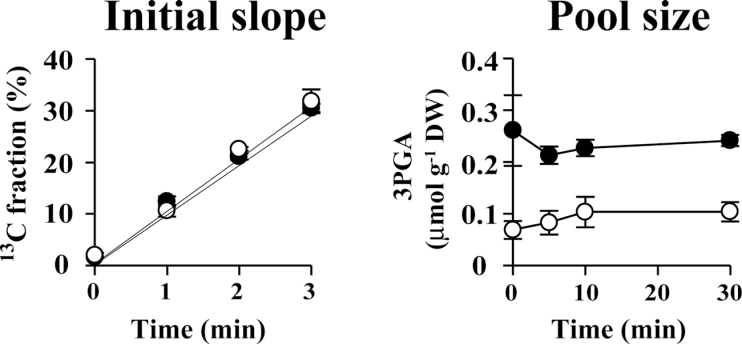
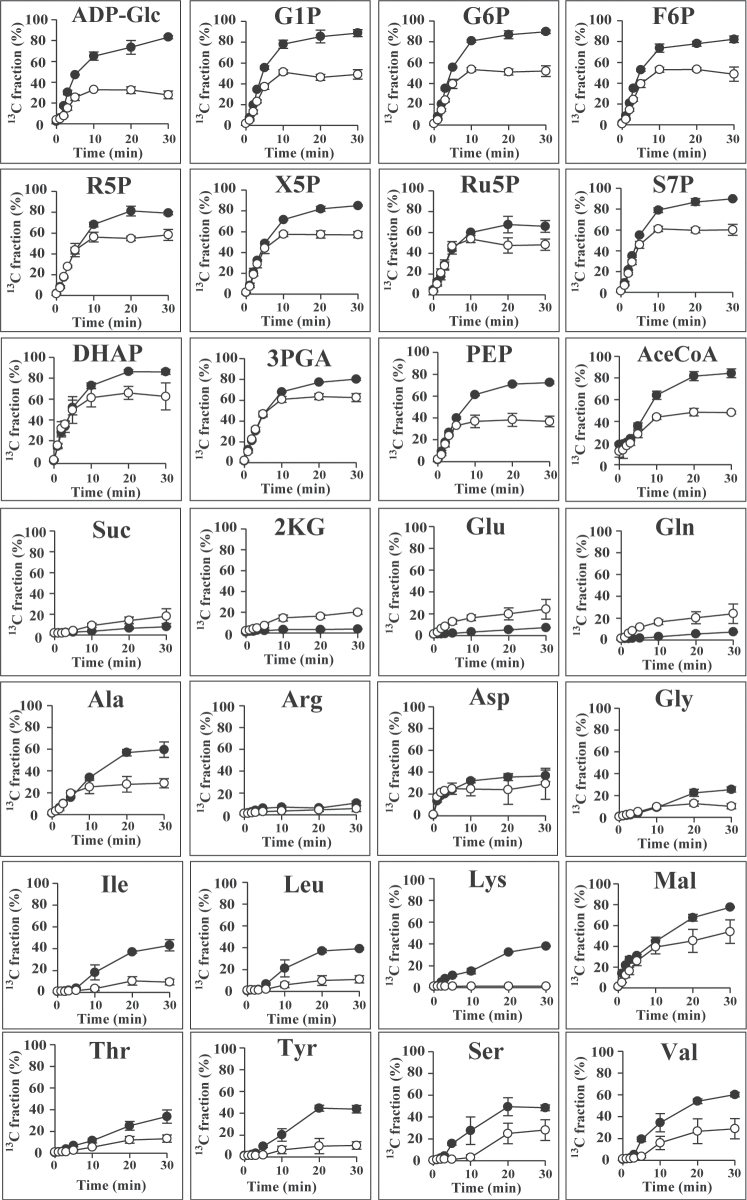
Verification
Claims the paper makes
The claims and statistics of this paper haven’t been checked yet.
Run the check — free, no account needed. It reads the open-access text and checks the sources it cites.
Claims other papers make about this one
Each is checked against this paper’s own text: does it say what the citing paper says it does?
In the citing paper
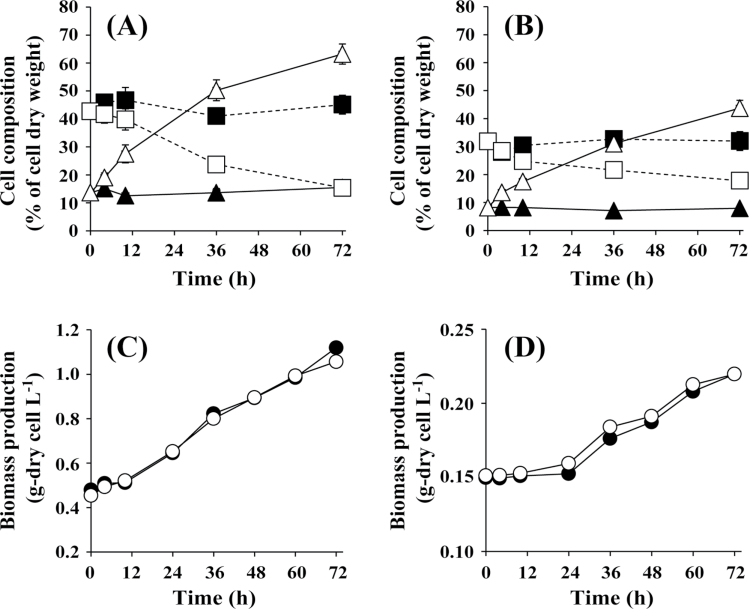
“In the presence of nitrate, the glycogen and protein contents remained nearly constant at ~15% DW and ~50% DW, respectively.”
From Arthrospira platensis as a Feasible Feedstock for Bioethanol Production (2021) · cites this paper as [64]
In the citing paper
“Time-course profiling of metabolites demonstrated transient increases in the levels of other amino acids (glycine, histidine, isoleucine, leucine, methionine, phenylalanine, proline, threonine, and tyrosine).”
From Arthrospira platensis as a Feasible Feedstock for Bioethanol Production (2021) · cites this paper as [64]
In the citing paper
“Analyzing the metabolic intermediates, they observed that shifting the cyanobacterial cells into nitrogen depletion and cultivating them for 72 h resulted in global metabolic modifications that involved reductions in the levels of several free amino acids (aspartate, glutamate, and glutamine), and increased in the levels of organic acids (2-ketoglutarate, malate, and succinate).”
From Arthrospira platensis as a Feasible Feedstock for Bioethanol Production (2021) · cites this paper as [64]
In the citing paper
“In contrast, in the absence of nitrate, the glycogen content increased to 63.2% DW while the protein content decreased to 15.4%.”
From Arthrospira platensis as a Feasible Feedstock for Bioethanol Production (2021) · cites this paper as [64]
Self-check
Percentages, sums and reported differences re-computed from the paper’s own numbers.
The self-check needs the paper’s full text.
Citations
Cites
Generic Assignments, Strain Histories and Properties of Pure Cultures of Cyanobacteria
Rippka, R., Stanier, R. Y., Deruelles, J., Herdman, M., & Waterbury, J. B. (1979) · Microbiology · doi:10.1099/00221287-111-1-1 · Cited by 7,606
Kaneko, T., Sato, S., Kotani, H., Tanaka, A., Asamizu, E., Nakamura, Y., Miyajima, N., Hirosawa, M., Sugiura, M., Sasamoto, S., et al. (1996) · DNA Research · doi:10.1093/dnares/3.3.185 · Cited by 2,434
Kaneko, T., Sato, S., Kotani, H., Tanaka, A., Asamizu, E., Nakamura, Y., Miyajima, N., Hirosawa, M., Sugiura, M., Sasamoto, S., et al. (1996) · DNA Research · doi:10.1093/dnares/3.3.109 · Cited by 2,132
Prochlorococcus , a Marine Photosynthetic Prokaryote of Global Significance
Partensky, F., Hess, W. R., & Vaulot, D. (1999) · Microbiology and Molecular Biology Reviews · doi:10.1128/mmbr.63.1.106-127.1999 · Cited by 1,357 · cited 1×
“Cyanobacteria represent a globally important biomass because they are responsible for a substantial proportion of primary production in the hydrosphere (Partensky et al., 1999).”
Micro and macroalgal biomass: a renewable source for bioethanol
John, R. P., Anisha, G. S., Nampoothiri, K. M., & Pandey, A. (2011) · Bioresource Technology · doi:10.1016/j.biortech.2010.06.139 · Cited by 1,090 · cited 2×
“The cultivation of terrestrial plants as energy resources is also limited by the availability of fresh water supplies (John et al., 2011; Quintana et al., 2011).”
From Bacterial Glycogen to Starch: Understanding the Biogenesis of the Plant Starch Granule
Ball, S. G., & Morell, M. K. (2003) · Annual Review of Plant Biology · doi:10.1146/annurev.arplant.54.031902.134927 · Cited by 748
Aquatic phototrophs: efficient alternatives to land-based crops for biofuels
Dismukes, G. C., Carrieri, D., Bennette, N., Ananyev, G. M., & Posewitz, M. C. (2008) · Current Opinion in Biotechnology · doi:10.1016/j.copbio.2008.05.007 · Cited by 733 · cited 2×
“Cyanobacteria are especially attractive because their photosynthetic and biomass production rates are higher than those of terrestrial plants (Dismukes et al., 2008; Quintana et al., 2011).”
Technological trends, global market, and challenges of bio-ethanol production
Mussatto, S. I., Dragone, G., Guimarães, P. M. R., Silva, J. P. A., Carneiro, L. M., Roberto, I. C., Vicente, A. A., Domingues, L., & Teixeira, J. A. (2010) · Biotechnology Advances · doi:10.1016/j.biotechadv.2010.07.001 · Cited by 730 · cited 1×
“Biofuels are generally classified as either ‘first-generation fuels’ if they are produced from sugar/starch crops or ‘second-generation fuels’ if they are produced from lignocellulosic biomass feedstocks such as crop residues, grasses, sawdust, and wood chips (Mussatto et al., 2010; Hasunuma and Kondo, 2012).”
Bioethanol production using carbohydrate-rich microalgae biomass as feedstock
Ho, S.-H., Huang, S.-W., Chen, C.-Y., Hasunuma, T., Kondo, A., & Chang, J.-S. (2013) · Bioresource Technology · doi:10.1016/j.biortech.2012.10.015 · Cited by 683 · cited 1×
“in green algae such as Chlorella vulgaris and Dunaliella tertiolecta (Rismani-Yazdi et al., 2011; Ho et al., 2013).”
Self-citationThe phycobilisome, a light-harvesting complex responsive to environmental conditions
Grossman, A. R., Schaefer, M. R., Chiang, G. G., & Collier, J. L. (1993) · Microbiological Reviews · doi:10.1128/mr.57.3.725-749.1993 · Cited by 666
Cited by
Sorted by citations
Kodama, M. (2020) · Institutional Repositories DataBase (IRDB) · Cited by 267
Möllers, K. B., Cannella, D., Jørgensen, H., & Frigaard, N.-U. (2014) · Biotechnology for Biofuels · doi:10.1186/1754-6834-7-64 · Cited by 215
“Thus, the progress of PBS degradation in Synechococcus is a useful proxy for estimating both the initiation of nitrate limitation and the timing of maximum carbohydrate accumulation.”
BackgroundInfluentialBiophotovoltaics: Green Power Generation From Sunlight and Water
Tschörtner, J., Lai, B., & Krömer, J. O. (2019) · Frontiers in Microbiology · doi:10.3389/fmicb.2019.00866 · Cited by 186
Ho, S., Nakanishi, A., Kato, Y., Yamasaki, H., Chang, J., Misawa, N., Hirose, Y., Minagawa, J., Hasunuma, T., & Kondo, A. (2017) · Scientific Reports · doi:10.1038/srep45471 · Cited by 159
“The intermediate metabolites in lipid/starch synthesis pathway ( e.g. , 3 PGA, pyruvate, AcCoA, G3P, F6P, G6P, and G1P) were targeted and determined according to a previously described method 28 .”
A RuBisCO-mediated carbon metabolic pathway in methanogenic archaea
Takunari, K., Mehrotra, S., Endo, C., Kizu, N., Matusda, M., Kimura, H., Mizohata, E., Tsuyoshi Inoue, A., Hasunuma, T., Yokota, A., et al. (2017) · Nature Communications · doi:10.1038/ncomms14007 · Cited by 140
Ho, S., Nakanishi, A., Ye, X., Chang, J., Hara, K. Y., Hasunuma, T., & Kondo, A. (2014) · Biotechnology for Biofuels · doi:10.1186/1754-6834-7-97 · Cited by 128
“Cell sampling was performed according to our previously reported method [22] with minor modifications.”
BackgroundMethodInfluentialHow to measure metabolic fluxes: a taxonomic guide for 13C fluxomics
Niedenführ, S., Wiechert, W., & Nöh, K. (2014) · Current Opinion in Biotechnology · doi:10.1016/j.copbio.2014.12.003 · Cited by 119
Nakajima, T., Kajihata, S., Yoshikawa, K., Matsuda, F., Furusawa, C., Hirasawa, T., & Shimizu, H. (2014) · Plant and Cell Physiology · doi:10.1093/pcp/pcu091 · Cited by 100
Aikawa, S., Nishida, A., Ho, S., Chang, J., Hasunuma, T., & Kondo, A. (2014) · Biotechnology for Biofuels · doi:10.1186/1754-6834-7-88 · Cited by 103
“strain PCC 6803, Arthrospira platensis, Arthrospira maxima, Anabaena variabilis, and Anacystis nidulans [16-23].”
BackgroundKato, Y., Inabe, K., Hidese, R., Kondo, A., & Hasunuma, T. (2021) · Bioresource Technology · doi:10.1016/j.biortech.2021.126196 · Cited by 89
Advances in Metabolic Engineering of Cyanobacteria for Photosynthetic Biochemical Production
Lai, M. J., & Lan, E. I. (2015) · Metabolites · doi:10.3390/metabo5040636 · Cited by 95
“In addition, metabolomics analyses on these cyanobacteria have been reported [2–4].”
BackgroundPhélippé, M., Gonçalves, O., Thouand, G., Cogne, G., & Laroche, C. (2019) · Algal Research · doi:10.1016/j.algal.2019.101426 · Cited by 84
Damrow, R., Maldener, I., & Zilliges, Y. (2016) · Frontiers in Microbiology · doi:10.3389/fmicb.2016.00966 · Cited by 84
“…knockout mutants reveals unambiguously that the primary carbon excess (from terminating photosynthetic reactions and starting amino acid release by protein degradation (Hasunuma et al., 2013; Depraetere et al., 2015) is mainly directed into glycogen synthesis and not into PHB synthesis (Figure 4).”
BackgroundHo, S., Nakanishi, A., Ye, X., Chang, J., Chen, C., Hasunuma, T., & Kondo, A. (2015) · Biotechnology for Biofuels · doi:10.1186/s13068-015-0226-y · Cited by 78
“glucose-6-phosphate; Mal, malate; PEP, phosphoenolpyruvate; 3-PG, 3-phos a decrease in turnover of TCA cycle intermediates [20], which is consistent with our findings.”
BackgroundMethodResultInfluentialHasunuma, T., Matsuda, M., & Kondo, A. (2016) · Metabolic Engineering Communications · doi:10.1016/j.meteno.2016.04.003 · Cited by 73
“…were analyzed using a capillary electrophoresis-mass spectrometry (CE-MS) system (CE, Agilent G7100; MS, Agilent G6224AA LC/MSD TOF; Agilent Technologies) controlled by MassHunter Workstation Data Acquisition software (Agilent Technologies), as described previously (Hasunuma et al., 2013).”
MethodInfluentialDempo, Y., Ohta, E., Nakayama, Y., Bamba, T., & Fukusaki, E. (2014) · Metabolites · doi:10.3390/metabo4020499 · Cited by 75
“Cell sampling was performed according to a previously reported method [42], with minor modifications.”
MethodDepraetere, O., Deschoenmaeker, F., Badri, H., Monsieurs, P., Foubert, I., Leys, N., Wattiez, R., & Muylaert, K. (2015) · PLOS ONE · doi:10.1371/journal.pone.0132461 · Cited by 68
“observed in Arthrospira platensis [56] and in Synechocystis sp.”
BackgroundHasunuma, T., Takaki, A., Matsuda, M., Kato, Y., Vavricka, C. J., & Kondo, A. (2019) · ACS Synthetic Biology · doi:10.1021/acssynbio.9b00280 · Cited by 63
Gopalakrishnan, S., Pakrasi, H. B., & Maranas, C. D. (2018) · Metabolic Engineering · doi:10.1016/j.ymben.2018.03.008 · Cited by 63
Hondo, S., Takahashi, M., Osanai, T., Matsuda, M., Hasunuma, T., Tazuke, A., Nakahira, Y., Chohnan, S., Hasegawa, M., & Asayama, M. (2015) · Journal of Bioscience and Bioengineering · doi:10.1016/j.jbiosc.2015.03.004 · Cited by 61
Sakihama, Y., Hidese, R., Hasunuma, T., & Kondo, A. (2019) · Scientific Reports · doi:10.1038/s41598-019-41863-1 · Cited by 60
Chen, J.-H., Kato, Y., Matsuda, M., Chen, C., Nagarajan, D., Hasunuma, T., Kondo, A., & Chang, J. (2021) · Bioresource Technology · doi:10.1016/j.biortech.2021.125200 · Cited by 61
Hauf, W., Watzer, B., Roos, N., Klotz, A., & Forchhammer, K. (2015) · Applied and Environmental Microbiology · doi:10.1128/aem.00604-15 · Cited by 58
“Furthermore, carbon flux is redirected toward glycogen synthesis upon macronutrient starvation (5).”
BackgroundDutt, V., & Srivastava, S. (2017) · Photosynthesis Research · doi:10.1007/s11120-017-0464-x · Cited by 55
“It was shown that glycogen synthesized under conditions of N-deprivation is derived from amino acids released by proteolysis (Hasunuma et al. 2013).”
BackgroundInfluentialChow, T.-J., Su, H.-Y., Tsai, T.-Y., Chou, H.-H., Lee, T., & Chang, J. (2014) · Bioresource Technology · doi:10.1016/j.biortech.2014.10.065 · Cited by 54
Krasaesueb, N., Incharoensakdi, A., & Khetkorn, W. (2019) · Biotechnology Reports · doi:10.1016/j.btre.2019.e00345 · Cited by 53
“PCC 6803 by induction of a highly efficient bicarbonate transporter for taking up HCO3- into Synechocystis cell [8,18].”
MethodLiu, Q., Yao, C., Sun, Y., Chen, W., Tan, H., Cao, X., Xue, S., & Yin, H. (2019) · Biotechnology for Biofuels · doi:10.1186/s13068-019-1470-3 · Cited by 52
Harvesting carbohydrate-rich Arthrospira platensis by spontaneous settling
Depraetere, O., Pierre, G., Deschoenmaeker, F., Badri, H., Foubert, I., Leys, N., Markou, G., Wattiez, R., Michaud, P., & Muylaert, K. (2015) · Bioresource Technology · doi:10.1016/j.biortech.2014.12.084 · Cited by 51
Will, S. E., Henke, P., Boedeker, C., Huang, S., Brinkmann, H., Rohde, M., Jarek, M., Friedl, T., Seufert, S., Schumacher, M., et al. (2018) · Genome Biology and Evolution · doi:10.1093/gbe/evy275 · Cited by 53
Proteomic and cellular views of Arthrospira sp. PCC 8005 adaptation to nitrogen depletion
Deschoenmaeker, F., Facchini, R., Leroy, B., Badri, H., Zhang, C., & Wattiez, R. (2014) · Microbiology · doi:10.1099/mic.0.074641-0 · Cited by 51
“PCC 6803 study showed an increase not only in glycogen, but also in metabolites downstream of sugar catabolism under nitrogen starvation (Hasunuma et al., 2013).”
BackgroundInfluentialHasunuma, T., Matsuda, M., Senga, Y., Aikawa, S., Toyoshima, M., Shimakawa, G., Miyake, C., & Kondo, A. (2014) · Biotechnology for Biofuels · doi:10.1186/s13068-014-0183-x · Cited by 51
“Here, the effect of flv3 overexpression on intracellular carbon metabolism was investigated using a dynamic profiling technique [21] that measures the turnover of metabolic intermediates in cyanobacterial cells.”
MethodInfluentialSumiya, N., Kawase, Y., Hayakawa, J., Matsuda, M., Nakamura, M., Era, A., Tanaka, K., Kondo, A., Hasunuma, T., Imamura, S., et al. (2015) · Plant and Cell Physiology · doi:10.1093/pcp/pcv120 · Cited by 50
“described previously (Hasunuma et al. 2013), with minor modifications.”
MethodInfluentialUtilization of recovered nitrogen from hydrothermal carbonization process by Arthrospira platensis
Yao, C., Pan, Y., Lu, H., Wu, P., Meng, Y., Cao, X., & Xue, S. (2016) · Bioresource Technology · doi:10.1016/j.biortech.2016.03.166 · Cited by 49
Dynamic Metabolome Analysis Reveals the Metabolic Fate of Medium-Chain Fatty Acids in AML12 Cells
Fushimi, T., Izumi, Y., Takahashi, M., Hata, K., Murano, Y., & Bamba, T. (2020) · Journal of Agricultural and Food Chemistry · doi:10.1021/acs.jafc.0c04723 · Cited by 45
Aikawa, S., Ho, S., Nakanishi, A., Chang, J., Hasunuma, T., & Kondo, A. (2015) · Biotechnology Journal · doi:10.1002/biot.201400344 · Cited by 48
Yao, C., Wu, P., Pan, Y., Lu, H., Chi, L., Meng, Y., Cao, X., Xue, S., & Yang, X. (2016) · Bioresource Technology · doi:10.1016/j.biortech.2016.05.110 · Cited by 48
Yukawa, T., Bamba, T., Guirimand, G. G. Y., Matsuda, M., Hasunuma, T., & Kondo, A. (2020) · Biotechnology and Bioengineering · doi:10.1002/bit.27560 · Cited by 46
“The CE‐TOFMS parameters were as described previously (Hasunuma et al., 2013).”
MethodQian, X., Kim, M. K., Kumaraswamy, G. K., Agarwal, A., Lun, D. S., & Dismukes, G. C. (2016) · Biochimica et Biophysica Acta (BBA) - Bioenergetics · doi:10.1016/j.bbabio.2016.12.007 · Cited by 47
Producing next-generation biofuels from filamentous cyanobacteria: An economic feasibility analysis
Johnson, T. J., Jahandideh, A., Johnson, M. D., Fields, K. H., Richardson, J. W., Muthukumarappan, K., Cao, Y., Gu, Z., Halfmann, C. T., Zhou, R., et al. (2016) · Algal Research · doi:10.1016/j.algal.2016.10.020 · Cited by 43
13C flux analysis of cyanobacterial metabolism
Adebiyi, A. O., Jazmin, L. J., & Young, J. D. (2014) · Photosynthesis Research · doi:10.1007/s11120-014-0045-1 · Cited by 43
“A similar transient (13)C labeling study was recently combined with intracellular metabolite profiling to investigate the response to nitrate depletion in cyanobacteria (Hasunuma et al. 2013).”
BackgroundWang, J., Zhang, X., Shi, M., Gao, L., Niu, X., Te, R., Chen, L., & Zhang, W. (2014) · Functional & Integrative Genomics · doi:10.1007/s10142-014-0370-7 · Cited by 41
Joseph, A., Aikawa, S., Sasaki, K., Teramura, H., Hasunuma, T., Matsuda, F., Osanai, T., Hirai, M. Y., & Kondo, A. (2013) · FEBS Letters · doi:10.1016/j.febslet.2013.12.008 · Cited by 41
“After nitrogen depletion, Synechocystis started to accumulate glycogen and the glycogen content reached 44% of dry-cell weight after 72 h [5].”
BackgroundMethodInfluentialYoshikawa, K., Aikawa, S., Kojima, Y., Toya, Y., Furusawa, C., Kondo, A., & Shimizu, H. (2015) · PLOS ONE · doi:10.1371/journal.pone.0144430 · Cited by 39
“PCC 6803 [29] and Escherichia coli [32].”
BackgroundMethodInfluentialNakajima, T., Yoshikawa, K., Toya, Y., Matsuda, F., & Shimizu, H. (2017) · Plant and Cell Physiology · doi:10.1093/pcp/pcw233 · Cited by 39
“This cannot be achieved in cells that are transferred to a nitrogen-depleted medium because transient protein degradation causes the recycling of nitrogen and carbon to generate an endogenous source of nitrogen under these conditions (Krasikov et al. 2012, Hasunuma et al. 2013).”
BackgroundJohnson, T. J., Gibbons, J., Gu, L., Zhou, R., & Gibbons, W. R. (2016) · Biotechnology Progress · doi:10.1002/btpr.2358 · Cited by 38
“MFA has also been used to determine the metabolic flux of glycogen biosynthesis of Arthrospira platensis under conditions of nitrate depletion.(3)”
MethodQian, X., Zhang, Y., Lun, D. S., & Dismukes, G. C. (2018) · ACS Synthetic Biology · doi:10.1021/acssynbio.8b00116 · Cited by 38
López-Pacheco, I. Y., Rodas-Zuluaga, L. I., Cuéllar‐Bermúdez, S. P., Hidalgo-Vázquez, E., Molina-Vázquez, A., Araújo, R. G., Martínez-Ruiz, M., Varjani, S., Barceló, ., Iqbal, H. M. N., et al. (2022) · Marine Drugs · doi:10.3390/md20100601 · Cited by 39
“[86] Synechocystis and Arthrospira reached about 40% and 60% dry weigh of glycogen during nitrogen starvation [86].”
BackgroundChen, J.-H., Kato, Y., Matsuda, M., Chen, C., Nagarajan, D., Hasunuma, T., Kondo, A., Dong, C., Lee, D., & Chang, J. (2019) · Bioresource Technology · doi:10.1016/j.biortech.2019.121786 · Cited by 36
Machine learning discovery of missing links that mediate alternative branches to plant alkaloids
Vavricka, C. J., Takahashi, S., Watanabe, N., Takenaka, M., Matsuda, M., Yoshida, T., Suzuki, R., Kiyota, H., Li, J., Minami, H., et al. (2022) · Nature Communications · doi:10.1038/s41467-022-28883-8 · Cited by 37
Joseph, A., Aikawa, S., Sasaki, K., Matsuda, F., Hasunuma, T., & Kondo, A. (2014) · AMB Express · doi:10.1186/s13568-014-0017-z · Cited by 37
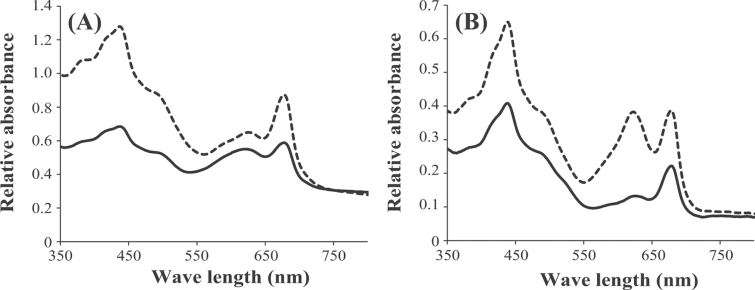
“During prolonged nitrogen starvation, Synechocystis sp. PCC 6803 stores glycogen and degrades nitrogen-rich phycobilisomes, resulting in loss of the pigment phycocyanin, a condition which is referred to as bleaching or chlorosis (Krasikov et al. 2012; Hasunuma et al. 2013b).”
BackgroundAsplund‐Samuelsson, J., Janasch, M., & Hudson, E. P. (2017) · Metabolic Engineering · doi:10.1016/j.ymben.2017.12.011 · Cited by 35
Shimakawa, G., Hasunuma, T., Kondo, A., Matsuda, M., Makino, A., & Miyake, C. (2014) · Bioscience Biotechnology and Biochemistry · doi:10.1080/09168451.2014.943648 · Cited by 35
Mohanty, B., Majedi, S. M., Pavagadhi, S., Te, S. H., Boo, C. Y., Gin, K. Y., & Swarup, S. (2022) · Metabolites · doi:10.3390/metabo12050406 · Cited by 34
Inokuma, K., Matsuda, M., Sasaki, D., Hasunuma, T., & Kondo, A. (2018) · Microbial Cell Factories · doi:10.1186/s12934-018-0998-4 · Cited by 33
Acetyl-CoA-derived biofuel and biochemical production in cyanobacteria: a mini review
Choi, Y., Lee, J. W., Kim, J. W., & Park, J. M. (2020) · Journal of Applied Phycology · doi:10.1007/s10811-020-02128-x · Cited by 33
“It has been reported that nitrogen depletion in cyanobacteria increased degradation of intracellular amino acid (Hasunuma et al. 2013; Hauf et al. 2013), possibly contributing additional carbon flux to acetyl-CoA synthesis (Anfelt et al. 2015).”
Muro‐Pastor, M. I., Cutillas-Farray, Á., Pérez-Rodríguez, L., Pérez-Saavedra, J., Armas, A. V.-D., Paredes, A. L., Robles‐Rengel, R., & Florencio, F. J. (2020) · PLANT PHYSIOLOGY · doi:10.1104/pp.20.00802 · Cited by 33
“…and many genes and proteins of unknown function have been identified as possibly involved in this sophisticated adaptation strategy (Krasikov et al., 2012; Hasunuma et al., 2013; Osanai et al., 2014a; Spät et al., 2015, 2018; Choi et al., 2016; Carrieri et al., 2017; Giner-Lamia et al., 2017).”
BackgroundKiyota, H., Hirai, M. Y., & Ikeuchi, M. (2014) · Metabolites · doi:10.3390/metabo4030517 · Cited by 33
“This free amino acid profile is consistent with previous reports in Synechocystis [19], the unicellular cyanobacterium Anacystis nidulans [15], and the multicellular cyanobacterium Arthrospira platensis [14].”
ResultGrowth of Cyanobacteria: Optimization for Increased Carbohydrate Content
Kushwaha, D., Upadhyay, S. N., & Mishra, P. K. (2017) · Applied Biochemistry and Biotechnology · doi:10.1007/s12010-017-2620-3 · Cited by 35
Kobayashi, Y., Inokuma, K., Matsuda, M., Kondo, A., & Hasunuma, T. (2021) · Metabolic Engineering Communications · doi:10.1016/j.mec.2021.e00188 · Cited by 32
Kato, A., Use, K., Takatani, N., Ikeda, K., Matsuura, M., Kojima, K., Aichi, M., Maeda, S.-I., & Omata, T. (2016) · Biotechnology for Biofuels · doi:10.1186/s13068-016-0506-1 · Cited by 32
“elongatus PCC 7942 accumulate glycogen as the storage material under the conditions of N limitation [17–19], it has been supposed that cyanobacteria are not well suited for lipid production.”
BackgroundKharwar, S., & Mishra, A. K. (2019) · Environmental and Experimental Botany · doi:10.1016/j.envexpbot.2019.103966 · Cited by 31
Noguchi, S., Putri, S. P., Lan, E. I., Laviña, W. A., Dempo, Y., Bamba, T., Liao, J. C., & Fukusaki, E. (2016) · Metabolomics · doi:10.1007/s11306-015-0940-2 · Cited by 32
“For metabolic turnover analysis, 13C-labelling experiment was carried out according to Hasunuma et al. (2013) with minor modifications.”
MethodDiversity of Polysaccharides in Cyanobacteria
Bhatnagar, M., & Bhatnagar, A. (2019) · Springer eBooks · doi:10.1007/978-981-13-8315-1_15 · Cited by 29
Ueno, M., Sae-Tang, P., Kusama, Y., Hihara, Y., Matsuda, M., Hasunuma, T., & Nishiyama, Y. (2016) · Plant and Cell Physiology · doi:10.1093/pcp/pcw153 · Cited by 27
Tanaka, K., Shirai, T., Vavricka, C. J., Matsuda, M., Kondo, A., & Hasunuma, T. (2022) · PLANT PHYSIOLOGY · doi:10.1093/plphys/kiac602 · Cited by 27
Nitrogen depletion in Arthrospira sp. PCC 8005, an ultrastructural point of view
Deschoenmaeker, F., Facchini, R., Cabrera, J. C., Bayon-Vicente, G., Sachdeva, N., Flammang, P., & Wattiez, R. (2016) · Journal of Structural Biology · doi:10.1016/j.jsb.2016.08.007 · Cited by 27
Determination of the Glycogen Content in Cyanobacteria
Porcellinis, A. J. D., Frigaard, N., & Sakuragi, Y. (2017) · Journal of Visualized Experiments · doi:10.3791/56068 · Cited by 26
Klanchui, A., Dulsawat, S., Chaloemngam, K., Cheevadhanarak, S., Prommeenate, P., & Meechai, A. (2018) · Metabolites · doi:10.3390/metabo8040084 · Cited by 24
“platensis NIE-39 cultured under nitrate-free (Society of Toxicology) SOT medium [60].”
MethodBenson, P. J., Purcell, D., Hocart, C. H., Truong, T. T., James, G. O., Rourke, L. M., Djordjevic, M. A., Blackburn, S. I., & Price, G. D. (2016) · Frontiers in Microbiology · doi:10.3389/fmicb.2016.00475 · Cited by 24
“To minimize differences in spectra due to baseline shifts, the spectra were baseline corrected using the “rubber band” algorithm, excluding CO2 peaks, of the OPUS control software (version 7.2, Bruker Optik Gmbtl).”
BackgroundMethodInfluentialGlycogen Production in Marine Cyanobacterial Strain Synechococcus sp. NKBG 15041c
Badary, A., Takamatsu, S., Nakajima, M., Ferri, S. R., Lindblad, P. C., & Sode, K. (2018) · Marine Biotechnology · doi:10.1007/s10126-017-9792-2 · Cited by 24
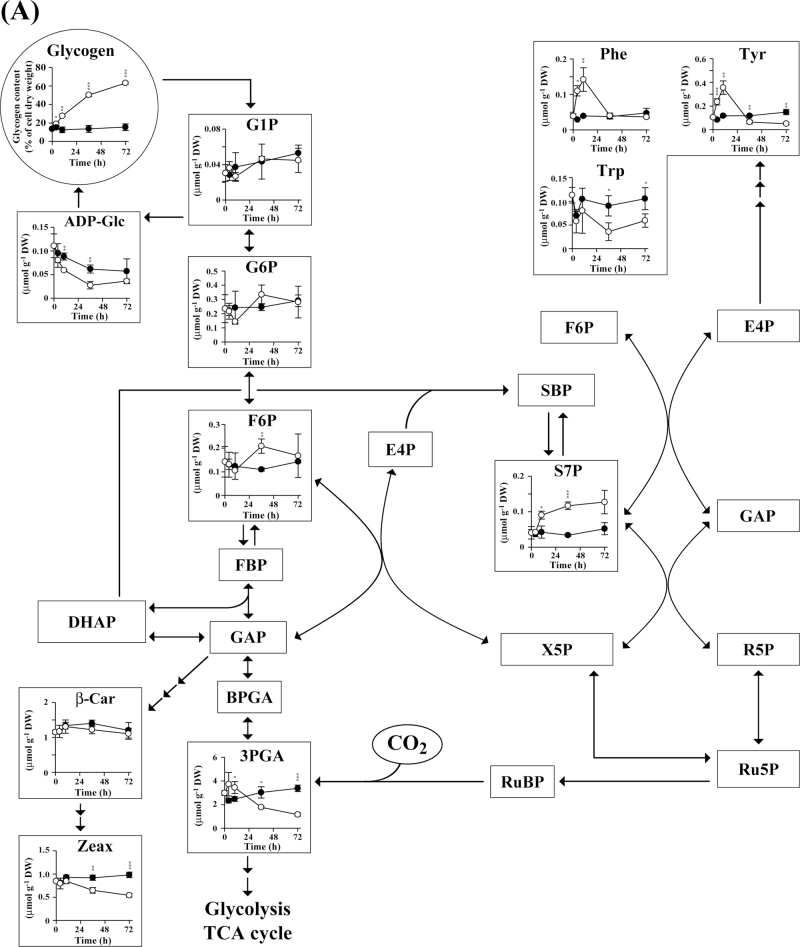
“It has been also suggested that under nitrogen-depleted conditions, glycogen is synthesized from carbon derived from gluconeogenesis in the cyanobacterium Arthrospira platensis which suggests their incorporation in glycogen biosynthesis (Hasunuma et al. 2013).”
BackgroundFujinuma, S., Nakatsumi, H., Shimizu, H., Sugiyama, S., Harada, A., Goya, T., Tanaka, M., Kohjima, M., Takahashi, M., Izumi, Y., et al. (2023) · Cell Reports · doi:10.1016/j.celrep.2023.112530 · Cited by 24
Tan, Y., Fang, M., Jin, L., Zhang, C., Li, H., & Xing, X. (2015) · Journal of Bioscience and Bioengineering · doi:10.1016/j.jbiosc.2015.02.012 · Cited by 23
“In this study, the medium was not added except the supply of CO2 during the culture period, which would presumably lead to a slight drop in the final Chl content as the decrease of nitrogen source would influence the protein synthesis and chlorophyll synthesis (46,47).”
BackgroundArthrospira platensis as a Feasible Feedstock for Bioethanol Production
Gonzalez Bautista, E., & Laroche, C. (2021) · Applied Sciences · doi:10.3390/app11156756 · Cited by 22
“In 2013, Hasunuma et al. [64] compared the glycogen and protein content of Arthro-spira in replete and depleted nitrate conditions.”
BackgroundCarbon Fate and Flux in Prochlorococcus under Nitrogen Limitation
Szul, M. J., Dearth, S. P., Campagna, S. R., & Zinser, E. R. (2019) · mSystems · doi:10.1128/msystems.00254-18 · Cited by 22
“Whereas other N-limited phytoplankton drain their pools of nitrogen-containing metabolites (28, 32, 33, 35, 41, 45), Prochlorococcus strain VOL29 appears to largely do the opposite and expand these pools.”
BackgroundResultInfluentialNitrogen Availability Affects the Metabolic Profile in Cyanobacteria
Inabe, K., Miichi, A., Matsuda, M., Yoshida, T., Kato, Y., Hidese, R., Kondo, A., & Hasunuma, T. (2021) · Metabolites · doi:10.3390/metabo11120867 · Cited by 22
“However, metabolites produced with different types of nitrogen sources have not been fully investigated, in contrast to the effects of nitrogen starvation [19,20].”
BackgroundKudo, H., Ono, S., Abe, K., Matsuda, M., Hasunuma, T., Nishizawa, T., Asayama, M., Nishihara, H., & Chohnan, S. (2023) · Microbial Cell Factories · doi:10.1186/s12934-023-02083-5 · Cited by 22
“After being dissolved in water, the extracted metabolites were subjected to CE-MS, as described previously [42].”
MethodVidal, R., & Venegas‐Calerón, M. (2019) · Journal of Microbiological Methods · doi:10.1016/j.mimet.2019.105686 · Cited by 22
Heteropoly acid catalyzed hydrolysis of glycogen to glucose
Klein, M., Pulidindi, I. N., Perkas, N., & Gedanken, A. (2015) · Biomass and Bioenergy · doi:10.1016/j.biombioe.2015.02.036 · Cited by 21
“[10] Hasunuma T, Kikuyama F, Matsuda M, Aikawa S, Izumi Y, Kondo A.”
BackgroundAikawa, S., Nishida, A., Hasunuma, T., Chang, J., & Kondo, A. (2019) · Metabolites · doi:10.3390/metabo9120297 · Cited by 21
“The CE/MS analytical conditions for cationic and anionic metabolite analyses were as described previously [49].”
MethodTargeting leukemia-specific dependence on the de novo purine synthesis pathway
Yamauchi, T., Miyawaki, K., Semba, Y., Takahashi, M., Izumi, Y., Nogami, J., Nakao, F., Sugio, T., Sasaki, K., Pinello, L., et al. (2021) · Leukemia · doi:10.1038/s41375-021-01369-0 · Cited by 21
“Cell sampling and extraction were performed according to a previous reported method [27], with minor modifications.”
MethodFujita, T., Nakao, E., Takeuchi, M., Tanimura, A., Ando, A., Kishino, S., Kikukawa, H., Shima, J., Ogawa, J., & Shimizu, S. (2016) · Biocatalysis and Agricultural Biotechnology · doi:10.1016/j.bcab.2016.03.006 · Cited by 20
“It is believed that duckweeds J and B exposed to poor nutrient condition could have accumulated starch as a survival strategy via a mechanism similar to glycogen accumulation in Arthrospira platensis under condition of nitrogen depletion (Hasunuma et al. 2013).”
BackgroundJohnson, T. J., Halfmann, C. T., Zahler, J. D., Zhou, R., & Gibbons, W. R. (2016) · Algal Research · doi:10.1016/j.algal.2016.06.023 · Cited by 21
Kato, Y., & Hasunuma, T. (2021) · Advances in experimental medicine and biology · doi:10.1007/978-981-15-7360-6_10 · Cited by 20
Krishnan, A., Qian, X., Ananyev, G., Lun, D. S., & Dismukes, G. C. (2018) · Advances in Experimental Medicine and Biology · doi:10.1007/978-981-13-0854-3_8 · Cited by 20
Panyakampol, J., Cheevadhanarak, S., Senachak, J., Dulsawat, S., Siangdung, W., Tanticharoen, M., & Paithoonrangsarid, K. (2015) · Journal of Applied Phycology · doi:10.1007/s10811-015-0765-4 · Cited by 19
Osanai, T., Oikawa, A., Iijima, H., Kuwahara, A., Asayama, M., Tanaka, K., Ikeuchi, M., Saito, K., & Hirai, M. Y. (2014) · Environmental Microbiology · doi:10.1111/1462-2920.12554 · Cited by 19
“Nitrogen-poor amino acids temporarily increase after nitrogen depletion, whereas nitrogen-rich amino acids decrease (Hasunuma et al., 2013; Hauf et al., 2013; Osanai et al., 2013b; 2014b).”
BackgroundInfluentialApplications of Metabolomics Analysis in Environmental Research
Bedia, C., Cardoso, P., Dalmau, N., Garreta‐Lara, E., Gómez‐Canela, C., Gorrochategui, E., Navarro‐Reig, M., Ortiz‐Villanueva, E., Puig‐Castellví, F., & Tauler, R. (2018) · Comprehensive analytical chemistry · doi:10.1016/bs.coac.2018.07.006 · Cited by 23
Compatible solutes profiling and carbohydrate feedstock from diversified cyanobacteria
Keshari, N., Gugger, M. F., Zhu, T., & Lü, X. (2019) · Algal Research · doi:10.1016/j.algal.2019.101637 · Cited by 18
Gupta, N., & Mishra, A. K. (2022) · Environmental and Experimental Botany · doi:10.1016/j.envexpbot.2022.104967 · Cited by 17
l-Lactate treatment by photosynthetic cyanobacteria expressing heterogeneous l-lactate dehydrogenase
Kato, Y., Inabe, K., Haraguchi, Y., Shimizu, T., Kondo, A., & Hasunuma, T. (2023) · Scientific Reports · doi:10.1038/s41598-023-34289-3 · Cited by 16
Huang, Y., Liu, S., Shen, Y., Hong, J., Peng, L., Li, L., Xu, P., Jun, H., Chen, X., & Ostrovsky, I. (2020) · Harmful Algae · doi:10.1016/j.hal.2020.101796 · Cited by 17
“Previous studies showed that for some cyanobacteria, nitrogen deficiency results in excess carbon (Hasunuma et al., 2013; Yue et al., 2015).”
BackgroundNoh, Y., Lee, H., Kim, M., Hong, S.-J., Lee, H., Kim, D., Cho, B., Lee, C., & Choi, H. (2021) · Biomolecules · doi:10.3390/biom11020214 · Cited by 17
“Both types of profiling have been used to understand cyanobacterial characteristics in altered environments, such as nutrient starvation and salinity stress [23,24].”
BackgroundCurrent insights into molecular mechanisms of environmental stress tolerance in Cyanobacteria
Rai, P., Pathania, R., Bhagat, N., Bongirwar, R., Shukla, P., & Srivastava, S. (2025) · World Journal of Microbiology and Biotechnology · doi:10.1007/s11274-025-04260-7 · Cited by 18
“Metabolomics of Arthrospira platensis under nitrogen starvation indicates increased levels of most of the amino acids except glutamate and glutamine (Hasunuma et al. 2013).”
Huang, Y., Hong, J., Liang, C., Li, G., Shen, L., HaiChun, Z., Xiong-xing, H., & Chen, X. (2019) · Chemosphere · doi:10.1016/j.chemosphere.2019.01.080 · Cited by 15
Usai, G., Cordara, A., Re, A., Polli, M. F., Mannino, G., Bertea, C. M., Fino, D., Pirri, C. F., & Menin, B. (2022) · Frontiers in Bioengineering and Biotechnology · doi:10.3389/fbioe.2022.1005960 · Cited by 14
Shimmori, Y., Kanesaki, Y., Nozawa, M., Yoshikawa, H., & Ehira, S. (2018) · Plant and Cell Physiology · doi:10.1093/pcp/pcy059 · Cited by 14
A shift in glutamine nitrogen metabolism contributes to the malignant progression of cancer
Kodama, M., Oshikawa, K., Shimizu, H., Yoshioka, S., Takahashi, M., Izumi, Y., Bamba, T., Tateishi, C., Tomonaga, T., Matsumoto, M., et al. (2020) · Nature Communications · doi:10.1038/s41467-020-15136-9 · Cited by 14
He, L., Wu, S. G., Wan, N., Reding, A., & Tang, Y. (2015) · Microbial Cell Factories · doi:10.1186/s12934-015-0396-0 · Cited by 14
“This prediction agrees with two previous studies [20, 21].”
ResultSugar and Sugar Alcohol Production in Genetically Modified Cyanobacteria
Frigaard, N. (2017) · Elsevier eBooks · doi:10.1016/b978-0-12-811519-0.00002-9 · Cited by 13
Nutritional value of microalgae for ruminants and implications from microalgae production
Lamminen, M. (2021) · CABI Reviews · doi:10.1079/pavsnnr202116054 · Cited by 13
Metadata
- Authors
- Hasunuma, T., Kikuyama, F., Matsuda, M., Aikawa, S., Izumi, Y., & Kondo, A.
- Affiliations
- Japan Science and Technology Agency (JP)
- Kobe University (JP)
- Corresponding author
- Hasunuma, Tomohisa
- Venue
- Journal of Experimental Botany
- Publisher
- Oxford University Press (OUP)
- Published
- 2013-05-08
- Volume
- 64
- Issue
- 10
- Pages
- 2943-2954
- ISSN
- 0022-0957 (ISSN-L)
- 1460-2431
- PMC
- PMC3697948
- OpenAlex
- W2103644949
- Cited by
- 160
- References
- 45
- Citations by year
- 2026: 4 · 2025: 6 · 2024: 10 · 2023: 8 · 2022: 16 · 2021: 18 · 2020: 10 · 2019: 15 · 2018: 12 · 2017: 12 · 2016: 17 · 2015: 13 · 2014: 17 · 2013: 1
- FWCI
- 7.16
- Type
- journal article
- Language
- en
- Open access
- hybrid
- doi.org
- Licence
- cc-by-nc
- Locations
- Journal of Experimental Botany (publishedVersion, cc-by-nc)
- PubMed Central (publishedVersion, cc-by-nc)
- PubMed (publishedVersion)
- Funders
- Japan Science and Technology Agency
- Precursory Research for Embryonic Science and Technology
- Topics
- Life Sciences › Biochemistry, Genetics and Molecular Biology › Molecular Biology › Microbial Metabolic Engineering and Bioproduction
- Physical Sciences › Energy › Renewable Energy, Sustainability and the Environment › Algal biology and biofuel production
- Life Sciences › Biochemistry, Genetics and Molecular Biology › Biochemistry › Lipid metabolism and biosynthesis
- Keywords
- Spirulina platensis, nitrate depletion, metabolic flux, metabolic reprogramming, amino acid accumulation, gluconeogenesis, metabolic intermediates, third-generation biofuels, halophilic cyanobacteria
- MeSH terms
- Cyanobacteria, Amino Acids, Gluconeogenesis, Glycogen, Nitrates, Metabolome, Biofuels
About these checks
Registry, retraction, Cites and statistics results are computed, not judged, with one exception: a printed reference that no index lists is read once by a model before it counts as a citation error. Claims are extracted by a model and kept only when their quote appears verbatim in the text; each cited source is then checked, with a model’s help, for whether it says what the claim relies on. Those verdicts can be wrong — read the claim’s quote and the cited source before relying on one.
Statistics and arithmetic are recomputed, not judged.
Confidence bands are shown only for fields calibrated on our annotated test set. None is calibrated yet, so no band is shown.
What counts as a claim ›How we measure confidence ›How we check this ›
Are you an author, or do you see a problem with this page? Request a review
