

Assessing the gene space in draft genomes
Open accessThe DOI matches its Crossref record; 22 of the 22 references it cites were found in a registry or an index.
Abstract
Genome sequencing projects have been initiated for a wide range of eukaryotes. A few projects have reached completion, but most exist as draft assemblies. As one of the main reasons to sequence a genome is to obtain its catalog of genes, an important question is how complete or completable the catalog is in unfinished genomes. To answer this question, we have identified a set of core eukaryotic genes (CEGs), that are extremely highly conserved and which we believe are present in low copy numbers in higher eukaryotes. From an analysis of a phylogenetically diverse set of eukaryotic genome assemblies, we found that the proportion of CEGs mapped in draft genomes provides a useful metric for describing the gene space, and complements the commonly used N50 length and x-fold coverage values.
Overview
The claims and statistics of this paper haven’t been checked yet.
Free: it reads the open-access text and checks the first 5 claims that cite a source we can check. Create a free account to check every claim.
Integrity signals
Registry
Cites
Statistics
Figures
Verification
Claims the paper makes
The claims and statistics of this paper haven’t been checked yet.
Free: it reads the open-access text and checks the first 5 claims that cite a source we can check. Create a free account to check every claim.
Claims other papers make about this one
Each is checked against this paper’s own text: does it say what the citing paper says it does?
The cited source says what the claim attributes to it.
In the citing paper
“The completeness of our assembly was also supported by high coverage (95.6%) in essential eukaryotic genes assessed by Core Eukaryotic Genes Mapping Approach16 (Supplementary Table 2) and the very low duplication rate in Core Eukaryotic Genes Mapping Approach (1.13) indicated that our assembly was largely free from inflation by contaminating organisms.”
From Extremotolerant tardigrade genome and improved radiotolerance of human cultured cells by tardigrade-unique protein (2016) · cites this paper as [16]
Self-check
Percentages, sums and reported differences re-computed from the paper’s own numbers.
The self-check needs the paper’s full text.
Citations
Cites
Analysis of the genome sequence of the flowering plant Arabidopsis thaliana
Initiative, T. A. G. (2000) · Nature · doi:10.1038/35048692 · Cited by 9,301
The Genome Sequence of Drosophila melanogaster
Adams, M. D., Celniker, S. E., Holt, R. A., Evans, C. A., Gocayne, J. D., Amanatides, P. G., Scherer, S. E., Li, P. W., Hoskins, R. A., Galle, R. F., et al. (2000) · Science · doi:10.1126/science.287.5461.2185 · Cited by 5,929
Whole-Genome Random Sequencing and Assembly of Haemophilus influenzae Rd
Fleischmann, R. D., Adams, M. D., White, O., Clayton, R. A., Kirkness, E. F., Kerlavage, A. R., Bult, C. J., Tomb, J.-F., Dougherty, B. A., Merrick, J. M., et al. (1995) · Science · doi:10.1126/science.7542800 · Cited by 5,654
Eddy, S. R. (1998) · Bioinformatics · doi:10.1093/bioinformatics/14.9.755 · Cited by 5,515
Genome Sequence of the Nematode C. elegans : A Platform for Investigating Biology
The C. elegans Sequencing Consortium* (1998) · Science · doi:10.1126/science.282.5396.2012 · Cited by 4,485
The COG database: an updated version includes eukaryotes
Tatusov, R. L., Fedorova, N. D., Jackson, J. D., Jacobs, A. R., Kiryutin, B., Koonin, E. V., Krylov, D. M., Mazumder, R., Mekhedov, S. L., Nikolskaya, A. N., et al. (2003) · BMC Bioinformatics · doi:10.1186/1471-2105-4-41 · Cited by 4,430
International Chicken Genome Sequencing Consortium (2004) · Nature · doi:10.1038/nature03154 · Cited by 2,750
Genome sequence, comparative analysis and haplotype structure of the domestic dog
members, B. S. P., Lindblad-Toh, K., Wade, C. M., Mikkelsen, T. S., Karlsson, E. K., Jaffe, D. B., Kamal, M., Clamp, M., Chang, J. L., Kulbokas, E. J., et al. (2005) · Nature · doi:10.1038/nature04338 · Cited by 2,568 · cited 2×
“For example, improvements to the ARACHNE assembler algorithm (8) dramatically improved the assembly of the dog genome sequence when compared to the previous version; specifically the N50 contig size increased 3-fold from 61 kb to 180 kb (9).”
BackgroundMethodBirney, E., Clamp, M., & Durbin, R. (2004) · Genome Research · doi:10.1101/gr.1865504 · Cited by 2,542
Initial sequence of the chimpanzee genome and comparison with the human genome
The Chimpanzee Sequencing and Analysis Consortium (2005) · Nature · doi:10.1038/nature04072 · Cited by 2,459
Cited by
Items 101–200 of 398
Obligate mutualism within a host drives the extreme specialization of a fig wasp genome
Xiao, J., Yue, Z., Jia, L.-Y., Yang, X., Niu, L.-H., Wang, Z., Zhang, P., Sun, B., He, S., Li, Z., et al. (2013) · Genome biology · doi:10.1186/gb-2013-14-12-r141 · Cited by 109
“4) [19] evaluation, we used 248 ultra-conserved core eukaryotic genes (CEGs) that were widely distributed and conserved in species to assess the completeness of genome assembly and gene-set.”
MethodFrancis, W. R., Christianson, L. M., Kiko, R., Powers, M. L., Shaner, N. C., & Haddock, S. H. D. (2013) · BMC Genomics · doi:10.1186/1471-2164-14-167 · Cited by 117
“For this study, we also used the subset of eukaryotic KOGs containing 248 genes from the CEGMA pipeline which were identified as single-copy orthologs in most genomes [26,27].”
MethodBednarek, P., Piślewska‐Bednarek, M., van Themaat, E. V. L., Maddula, R. K., Svatoš, A., & Schulze‐Lefert, P. (2011) · New Phytologist · doi:10.1111/j.1469-8137.2011.03824.x · Cited by 115
Hahn, C., Fromm, B., & Bachmann, L. (2014) · Genome Biology and Evolution · doi:10.1093/gbe/evu078 · Cited by 106
“It has thus been suggested earlier that only the most conservative groups of genes should be used as indicators for completeness in such cases (Parra et al. 2009).”
BackgroundMethodInfluentialTallon, A. K., Hill, S. R., & Ignell, R. (2019) · Scientific Reports · doi:10.1038/s41598-018-36550-6 · Cited by 105
Transcriptomes of parents identify parenting strategies and sexual conflict in a subsocial beetle
Parker, D. J., Cunningham, C. B., Walling, C. A., Stamper, C. E., Head, M. L., Roy-Zokan, E. M., McKinney, E. C., Ritchie, M. G., & Moore, A. J. (2015) · Nature Communications · doi:10.1038/ncomms9449 · Cited by 107
Hara, Y., Tatsumi, K., Yoshida, M., Kajikawa, E., Kiyonari, H., & Kuraku, S. (2015) · BMC Genomics · doi:10.1186/s12864-015-2007-1 · Cited by 92
“In addition, orthologs of longer sequences result in a complete assessment with higher resolution because contigs with more than 70 % coverage in length to the HMMER profiles are recognized as ‘complete’ by CEGMA [17].”
BackgroundMethodInfluentialThe American cranberry: first insights into the whole genome of a species adapted to bog habitat
Polashock, J. J., Zelzion, E., Fajardo, D. A., Zalapa, J. E., Georgi, L. L., Bhattacharya, D., & Vorsa, N. (2014) · BMC Plant Biology · doi:10.1186/1471-2229-14-165 · Cited by 104
“macrocarpon draft genome assembly was done using CEGMA [24,25] and showed that 377 (82%) out of the 458 Core Eukaryotic Genes (CEG) were present in the assembly.”
MethodAncient convergent losses of Paraoxonase 1 yield potential risks for modern marine mammals
Meyer, W. K., Jamison, J., Richter, R., Woods, S. E., Partha, R., Kowalczyk, A., Kronk, C., Chikina, M., Bonde, R. K., Crocker, D. E., et al. (2018) · Science · doi:10.1126/science.aap7714 · Cited by 91
Genes associated with ant social behavior show distinct transcriptional and evolutionary patterns
Mikheyev, A. S., & Linksvayer, T. A. (2015) · eLife · doi:10.7554/elife.04775 · Cited by 98
“CEGMA analysis (Parra et al., 2009) found complete sequences for 92% of the ultra-conserved Mikheyev and Linksvayer. eLife 2015;4:e04775.”
MethodLeushkin, E. V., Sutormin, R. A., Nabieva, E., Penin, A. A., Kondrashov, A. S., & Logacheva, M. D. (2013) · BMC Genomics · doi:10.1186/1471-2164-14-476 · Cited by 94
“Application of the CEGMA pipeline for assessing the resulting gene space [26] showed that 187 or 75.”
MethodMacrander, J., Brugler, M. R., & Daly, M. (2015) · BMC Genomics · doi:10.1186/s12864-015-1417-4 · Cited by 96
“CEGMA [72] was used to assess the completeness of the acrorhagi from aggressive and non-aggressive polyps transcriptome [73,74].”
MethodTraeger, S., Altegoer, F., Freitag, M., Gabaldón, T., Kempken, F., Kumar, A., Marcet‐Houben, M., Pöggeler, S., Stajich, J., & Nowrousian, M. (2013) · PLoS Genetics · doi:10.1371/journal.pgen.1003820 · Cited by 93
“confluens, we performed a BLASTP search with a eukaryotic core gene set as previously described [26].”
MethodHennebert, E., Leroy, B., Wattiez, R., & Ladurner, P. (2015) · Journal of Proteomics · doi:10.1016/j.jprot.2015.07.002 · Cited by 87
“CEGMA explores the presence of a set of 248 highly conserved core eukaryotic genes (CEGs) which occur in all eukaryotes [19,29].”
BackgroundThe Whole-Genome Sequence of the Coral Acropora millepora
Ying, H., Hayward, D. C., Cooke, I., Wang, W., Moya, A., Siemering, K. R., Sprungala, S., Ball, E. E., Forêt, S., & Miller, D. J. (2019) · Genome Biology and Evolution · doi:10.1093/gbe/evz077 · Cited by 81
Ying, H., Cooke, I., Sprungala, S., Wang, W., Hayward, D. C., Tang, Y., Huttley, G. A., Ball, E. E., Forêt, S., & Miller, D. J. (2018) · Genome biology · doi:10.1186/s13059-018-1552-8 · Cited by 89
“Gene space completeness assessment CEGMA software version 2.5 [26] was conducted to assess the completeness of genome assembly and annotated gene models.”
MethodInfluentialKirk, N. L., Howells, E. J., Abrego, D., Burt, J. A., & Meyer, E. (2018) · Molecular Ecology · doi:10.1111/mec.14934 · Cited by 82
Are We There Yet? Reliably Estimating the Completeness of Plant Genome Sequences
Veeckman, E., Ruttink, T., & Vandepoele, K. (2016) · The Plant Cell · doi:10.1105/tpc.16.00349 · Cited by 79
“The read depth profile may further identify wrongly assembled, collapsed, or duplicated regions (Hunt et al., 2013; Rahman and Pachter, 2013).”
BackgroundGenome sequence of a rice pest, the white-backed planthopper (Sogatella furcifera)
Wang, L., Tang, N., Gao, X., Chang, Z., Zhang, L., Zhou, G., Guo, D., Zeng, Z., Li, W., Akinyemi, I. A., et al. (2017) · GigaScience · doi:10.1093/gigascience/giw004 · Cited by 87
“Third, a core eukaryotic genes (CEG) mapping approach (CEGMA) dataset comprising 248 CEGs [12] was used to evaluate the completeness of the draft: 94.8 % (235/248) of genes were completely covered by the assembly, and 99.6 % (247/248)of genes were at least partially covered by the assembly genome (Table S8).”
MethodInfluentialWhole genome sequencing data and de novo draft assemblies for 66 teleost species
Malmstrøm, M., Matschiner, M., Tørresen, O. K., Jakobsen, K. S., & Jentoft, S. (2017) · Scientific Data · doi:10.1038/sdata.2016.132 · Cited by 79
Blood meal induced regulation of the chemosensory gene repertoire in the southern house mosquito
Taparia, T., Ignell, R., & Hill, S. R. (2017) · BMC Genomics · doi:10.1186/s12864-017-3779-2 · Cited by 86
“To validate the sufficiency of the coverage, the core eukaryotic genes mapping approach (Cegma) provides a set of reliable gene annotations, whose proportion in the genome assembly provides an estimate of the proportion of all known genes that are present [43].”
MethodThe genome of the Gulf pipefish enables understanding of evolutionary innovations
Small, C. M., Bassham, S., Catchen, J., Amores, A., Fuiten, A. M., Brown, R. S., Jones, A. G., & Cresko, W. A. (2016) · Genome Biology · doi:10.1186/s13059-016-1126-6 · Cited by 78
“An analysis of core eukaryotic genes (CEGs) using CEGMA [22] revealed that our assembly contained complete information for 245 of 248 CEGs and “partial” information for the remaining three CEGs.”
MethodInfluentialGenomics of speciation and introgression in Princess cichlid fishes from Lake Tanganyika
Gante, H. F., Matschiner, M., Malmstrøm, M., Jakobsen, K. S., Jentoft, S., & Salzburger, W. (2016) · Molecular Ecology · doi:10.1111/mec.13767 · Cited by 87
“We then used the software CEGMA version 2.4.010312 (Parra et al. 2007, 2009) to investigate the presence (‘partial’ or ‘complete’) of 248 conserved eukaryotic genes with few paralogs.”
MethodInfluentialChang, T., Salvucci, A. E., Crous, P. W., & Stergiopoulos, I. (2016) · PLoS Genetics · doi:10.1371/journal.pgen.1005904 · Cited by 83
“Nonetheless, all three species had completeness ratios comparable to those previously reported for other fungal genome sequencing projects [19], and thus the produced genome assemblies for P.”
BackgroundMethodInfluentialHorizontal gene transfer and gene dosage drives adaptation to wood colonization in a tree pathogen
Dhillon, B. D. S., Feau, N., Aerts, A. L., Beauseigle, S., Bernier, L., Copeland, A., Foster, A. J., Gill, N., Henrissat, B., Herath, P., et al. (2015) · Proceedings of the National Academy of Sciences · doi:10.1073/pnas.1424293112 · Cited by 80
“4% of the Core Eukaryotic Genes Mapping Approach (15) eukaryotic gene space, respectively.”
BackgroundInfluentialBlanco‐Ulate, B., Rolshausen, P. E., & Cantù, D. (2013) · Genome Announcements · doi:10.1128/genomea.00339-13 · Cited by 72
“The UCR-NP2 gene space was estimated to be 98% complete by mapping 248 low-copy core eukaryotic genes (CEGs) conserved across higher eukaryotes to the scaffolds (8).”
BackgroundMethodDale, A. L., Feau, N., Everhart, S. E., Dhillon, B. D. S., Wong, B., Sheppard, J., Bilodeau, G. J., Brar, A., Tabima, J. F., Shen, D., et al. (2019) · mBio · doi:10.1128/mbio.02452-18 · Cited by 83
“To generate a set of “neutral” proteins for comparison, sequence homologs of the 458 proteins of the core eukaryotic CEGMA data set (107) were also retrieved by using the same tBLASTn approach.”
MethodThe Genome Sequence of a Widespread Apex Predator, the Golden Eagle (Aquila chrysaetos)
Doyle, J. M., Katzner, T. E., Bloom, P. H., Ji, Y., Wijayawardena, B. K., & DeWoody, J. A. (2014) · PLoS ONE · doi:10.1371/journal.pone.0095599 · Cited by 78
“chrysaetos genome relative to a conserved set of core eukaryotic proteins [29].”
Singh, P. P., Varshney, D., & Adholeya, A. (2015) · BMC Genomics · doi:10.1186/s12864-015-2229-2 · Cited by 79
“Core Eukaryotic Genes Mapping (CEGMA) [26, 27] ana-”
InfluentialGenome Architecture and Evolution of a Unichromosomal Asexual Nematode
Fradin, H., Kiontke, K. C., Zegar, C., Gutwein, M. R., Lucas, J., Kovtun, M., Corcoran, D. L., Baugh, L. R., Fitch, D. H. A., Piano, F., et al. (2017) · Current Biology · doi:10.1016/j.cub.2017.08.038 · Cited by 83
“5 [38] to find how many complete or partial matches it had to 248 highly conserved eukaryotic single-copy genes (Table S4).”
Wang, C., Grohme, M. A., Mali, B., Schill, R. O., & Frohme, M. (2014) · PLoS ONE · doi:10.1371/journal.pone.0092663 · Cited by 76
“8%, respectively, out of the highly conserved groups 3 and 4 of CEGs (as defined in [50]) were identified, 72.”
BackgroundSeidl, M. F., Faino, L., Shi‐Kunne, X., van den Berg, G. C. M., Bolton, M. D., & Thomma, B. P. H. J. (2014) · Molecular Plant-Microbe Interactions · doi:10.1094/mpmi-06-14-0173-r · Cited by 70
Characterizing Ancylostoma caninum transcriptome and exploring nematode parasitic adaptation
Wang, Z., Abubucker, S., Martin, J. C., Wilson, R. K., Hawdon, J. M., & Mitreva, M. (2010) · BMC Genomics · doi:10.1186/1471-2164-11-307 · Cited by 78
“Comparative analysis and functional assignments The core eukaryotic genes (CEGs)[45] were used to estimate the completeness of the A.”
The Genome ofHaemoproteus tartakovskyiand Its Relationship to Human Malaria Parasites
Bensch, S., Canbäck, B., DeBarry, J. D., Johansson, T., Hellgren, O., Kissinger, J. C., Palinauskas, V., Videvall, E., & Valkiūnas, G. (2016) · Genome Biology and Evolution · doi:10.1093/gbe/evw081 · Cited by 86
“CEGMA orthologs were extracted from the published genomes (Parra et al. 2009) of seven species of Plasmodium, three more distantly related apicomplexan species (To. gondii, B. bovis, and Theileria equi), and our sequenced P. ashfordi transcriptome and the H. tartakovskyi genome.”
MethodSequencing of Australian wild rice genomes reveals ancestral relationships with domesticated rice
Brożyńska, M., Copetti, D., Furtado, A., Wing, R. A., Crayn, D. M., Fox, G. P., Ishikawa, R., & Henry, R. J. (2016) · Plant Biotechnology Journal · doi:10.1111/pbi.12674 · Cited by 87
“CEGMA uses a set of 248 CEGs (core eukaryotic genes) which are very highly conserved in eukaryotes and are present in low copy number (Parra et al., 2009).”
Thakur, O., & Randhawa, G. S. (2018) · BMC Genomics · doi:10.1186/s12864-018-5205-9 · Cited by 74
Massonnet, M., Morales‐Cruz, A., Figueroa-Balderas, R. E., Lawrence, D. P., Baumgartner, K., & Cantù, D. (2016) · Molecular Plant Pathology · doi:10.1111/mpp.12491 · Cited by 73
“Gene space completeness was assessed using CEGMA (Parra et al., 2009) and BUSCO (Sim~ao et al., 2015).”
MethodShin, H., Hong, S.-J., Yoo, C., Han, M.-A., Lee, H., Choi, H., Cho, S., Lee, C., & Cho, B. (2016) · Scientific Reports · doi:10.1038/srep37770 · Cited by 69
Tanwar, U. K., Pruthi, V., & Randhawa, G. S. (2017) · Frontiers in Plant Science · doi:10.3389/fpls.2017.00091 · Cited by 69
“These CEGs represent the proteins mostly coded by the housekeeping genes and therefore can be expected to be expressed (Parra et al., 2007, 2009; Nakasugi et al., 2013).”
BackgroundMethodUse of a draft genome of coffee (Coffea arabica) to identify SNP s associated with caffeine content
Tran, H. T. M., Ramaraj, T., Furtado, A., Lee, L. S., & Henry, R. J. (2018) · Plant Biotechnology Journal · doi:10.1111/pbi.12912 · Cited by 75
Schlegel, M., Münsterkötter, M., Güldener, U., Bruggmann, R., Duò, A., Hainaut, M., Henrissat, B., Sieber, C. M. K., Hoffmeister, D., & Grünig, C. R. (2016) · BMC Genomics · doi:10.1186/s12864-016-3369-8 · Cited by 66
“subalpina genome and annotation was assessed by mapping two separate highly conserved core gene sets including 248 and 246 proteins respectively [106, 107].”
Methodvan der Nest, M. A., Beirn, L. A., Crouch, J. A., Demers, J. E., de Beer, Z. W., Vos, L. D., Gordon, T. R., Moncalvo, J., Naidoo, K., Ramirez, S. S., et al. (2014) · IMA Fungus · doi:10.5598/imafungus.2014.05.02.11 · Cited by 70
“However, a few taxa from this genus – such as Amanita jacksonii, A. hemibapha, A. caesarea and allies – are also traditionally and culturally known to be excellent wild edible mushrooms in many regions of the world (Pegler 2002, Boa 2004).”
BackgroundLie, K. K., Tørresen, O. K., Solbakken, M. H., Rønnestad, I., Tooming‐Klunderud, A., Nederbragt, A. J., Jentoft, S., & Sæle, Ø. (2018) · BMC Genomics · doi:10.1186/s12864-018-4570-8 · Cited by 70
“010312 [70, 71] with default options, and BUSCO v1.”
MethodImproved de novo genomic assembly for the domestic donkey
Renaud, G., Petersen, B., Seguin‐Orlando, A., Bertelsen, M. F., Waller, A. S., Newton, J. R., Paillot, R., Bryant, N. A., Vaudin, M., Librado, P., et al. (2018) · Science Advances · doi:10.1126/sciadv.aaq0392 · Cited by 66
Cocker, J. M., Wright, J., Li, J., Swarbreck, D., Dyer, S. C., Cáccamo, M., & Gilmartin, P. M. (2018) · Scientific Reports · doi:10.1038/s41598-018-36304-4 · Cited by 61
Mosier, A. C., Miller, C. S., Frischkorn, K. R., Ohm, R. A., Li, Z., LaButti, K. M., Lapidus, A. L., Lipzen, A., Chen, C., Johnson, J., et al. (2016) · Frontiers in Microbiology · doi:10.3389/fmicb.2016.00238 · Cited by 67
“First, we used the CEGMA pipeline (Parra et al., 2009) to estimate completeness based on the presence of 248 eukaryotic orthologous groups (KOGs) (Koonin et al., 2004) identified as present in single or low copy number across six diverse eukaryotic genomes.”
InfluentialPym, A., Singh, K. S., Nordgren, Ã., Davies, T. G. E., Zimmer, C. T., Eliáš, J., Slater, R., & Bass, C. (2019) · BMC Genomics · doi:10.1186/s12864-019-6397-3 · Cited by 67
Vazquez, J. M., & Lynch, V. J. (2021) · eLife · doi:10.7554/elife.65041 · Cited by 61
de Bekker, C., Ohm, R. A., Evans, H. C., Brachmann, A., & Hughes, D. P. (2017) · Scientific Reports · doi:10.1038/s41598-017-12863-w · Cited by 66
Stephens, T. G., Ragan, M. A., Bhattacharya, D., & Chan, C. X. (2018) · Scientific Reports · doi:10.1038/s41598-018-35620-z · Cited by 67
Verma, S., Gazara, R. K., Nizam, S., Parween, S., Chattopadhyay, D., & Verma, P. K. (2016) · Scientific Reports · doi:10.1038/srep24638 · Cited by 70
“rabiei were relatively less in number (10,596) compared to those in the genomes of the necrotrophic fungal pathogens P.”
Draft Genome Sequence of the Grapevine Dieback Fungus Eutypa lata UCR-EL1
Blanco‐Ulate, B., Rolshausen, P. E., & Cantù, D. (2013) · Genome Announcements · doi:10.1128/genomea.00228-13 · Cited by 58
“Scaffolds were masked for repeats using RepeatMasker (13), and gene prediction was performed with the eukaryotic gene finder Augustus (14), trained using the gene models identified by CEGMA (12).”
BackgroundMethodHan, X., Chakrabortti, A., Zhu, J., Liang, Z., & Li, J. (2016) · BMC Genomics · doi:10.1186/s12864-016-2974-x · Cited by 58
“CEGMA, a bioinformatics tool for assessing the completeness of the gene space, was employed with a refined set of 248 core eukaryotic genes to evaluate the assembly efficiency of the sequenced genome [30].”
MethodMadagascar ground gecko genome analysis characterizes asymmetric fates of duplicated genes
Hara, Y., Takeuchi, M., Kageyama, Y., Tatsumi, K., Hibi, M., Kiyonari, H., & Kuraku, S. (2018) · BMC Biology · doi:10.1186/s12915-018-0509-4 · Cited by 63
“(b) A scatter plot of the assessments of assembly quality: CEGMA completeness scores referring to the CVG and N50 scaffold lengths for available reptile genome assemblies.”
MethodInfluentialRabe, F., Bosch, J., Stirnberg, A., Guse, T., Bauer, L., Seitner, D., Rabanal, F. A., Czedik‐Eysenberg, A., Uhse, S., Bindics, J., et al. (2016) · eLife · doi:10.7554/elife.20522 · Cited by 55
“From the expected 248 single-copy orthologs extracted from 21 genomes (Parra et al., 2009), 247 are present in the U. bromivora genome (missing KOG1468, translation initiation factor eIF-2B), indicating that >99% of the gene space is covered by the assembly.”
BackgroundMethodInfluentialRujirawat, T., Patumcharoenpol, P., Lohnoo, T., Yingyong, W., Lerksuthirat, T., Tangphatsornruang, S., Suriyaphol, P., Grenville‐Briggs, L. J., Garg, G., Kittichotirat, W., et al. (2015) · Genome Announcements · doi:10.1128/genomea.00574-15 · Cited by 55
“The draft genome was assessed to be 92% complete, using CEGMA with a well-defined set of 248 highly conserved genes from eukaryotes (9, 10).”
MethodTechnical considerations in Hi‐C scaffolding and evaluation of chromosome‐scale genome assemblies
Yamaguchi, K., Kadota, M., Nishimura, O., Ohishi, Y., Naito, Y., & Kuraku, S. (2021) · Molecular Ecology · doi:10.1111/mec.16146 · Cited by 69
“%) by CEGMA.”
MethodInfluentialSequencing the genome of Marssonina brunnea reveals fungus-poplar co-evolution
Zhu, S., Cao, Y.-Z., Jiang, C., Tan, B.-Y., Wang, Z., Feng, S., Zhang, L. N., Su, X.-H., Brejová, B., Vinař, T., et al. (2012) · BMC Genomics · doi:10.1186/1471-2164-13-382 · Cited by 62
“To measure the reliability of gene prediction, these predicted genes were compared by BLAST (BLASTP, E-value ≤ 1e-10) against CEGs (core eukaryotic genes) for orthologues [24,25].”
MethodVizueta, J., Frías-López, C., Macías‐Hernández, N., Arnedo, M. A., Sánchez‐Gracia, A., & Rozas, J. (2016) · Genome Biology and Evolution · doi:10.1093/gbe/evw296 · Cited by 66
“…we also searched these functionally annotated transcripts for KEGG enzymes and pathways (Kanehisa and Goto 2000), for CEG (Core Eukaryotic Genes) (Parra et al. 2007; Parra et al. 2009) and for the list of housekeeping (HK) genes used in supplementary table S1A in Frı́as-López et al. (2015).”
MethodShrestha, A., Champagne, D. E., Culbreath, A. K., Rotenberg, D., Whitfield, A. E., & Srinivasan, R. (2017) · Journal of General Virology · doi:10.1099/jgv.0.000874 · Cited by 57
Verbruggen, B., Bickley, L. K., Santos, E. M., Tyler, C. R., Stentiford, G. D., Bateman, K. S., & van Aerle, R. (2015) · BMC Genomics · doi:10.1186/s12864-015-1667-1 · Cited by 56
“5 [29, 63].”
Hou, Y., Ma, X., Wan, W., Long, N., Zhang, J., Tan, Y., Duan, S., Zeng, Y., & Dong, Y. (2016) · PLoS ONE · doi:10.1371/journal.pone.0155258 · Cited by 59
“The CEGMAmapping protocol [21] showed that the genome assemblies of A.”
MethodInfluentialCochetel, N., Escudié, F., Cookson, S. J., Dai, Z., Vivin, P., Bert, P., Muñoz, M. S., Delrot, S., Klopp, C., Ollat, N., et al. (2017) · Journal of Experimental Botany · doi:10.1093/jxb/erx224 · Cited by 60
“edu/Datasets/cegma/, last accessed 20 July 2016) (Parra et al., 2009), which allows comparison Fig.”
BackgroundMethodInfluentialQuandt, C. A., Bushley, K. E., & Spatafora, J. W. (2015) · BMC Genomics · doi:10.1186/s12864-015-1777-9 · Cited by 49
“The Core Eukaryotic Mapping Genes Approach (CEGMA) was used to estimate the completeness of the T. ophioglossoides genome [49].”
InfluentialHeitlinger, E. G., Spork, S., Lucius, R., & Dieterich, C. (2014) · BMC Genomics · doi:10.1186/1471-2164-15-696 · Cited by 69
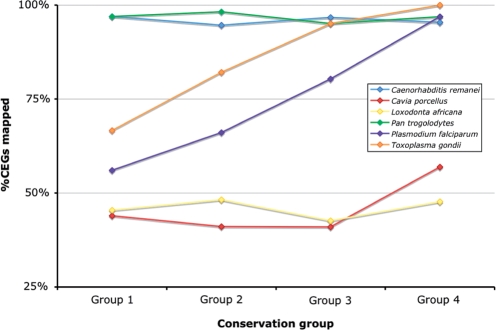
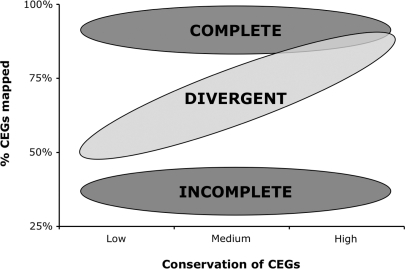
“[79] divided these CEGs into four groups according to the degree of conservation observed in the pairwise alignments (4 being the most conserved group, 1 the least).”
Understanding Haemonchus contortus Better Through Genomics and Transcriptomics
Gasser, R. B., Schwarz, E. M., Korhonen, P. K., & Young, N. D. (2016) · Advances in Parasitology/Advances in parasitology · doi:10.1016/bs.apar.2016.02.015 · Cited by 69
Wingfield, B. D., Ades, P. K., Al‐Naemi, F., Beirn, L. A., Bihon, W., Crouch, J. A., de Beer, Z. W., Vos, L. D., Duong, T. A., Fields, C. J., et al. (2015) · IMA Fungus · doi:10.5598/imafungus.2015.06.01.15 · Cited by 61
“The number of core eukaryotic genes present in the assembly was assessed using CEGMA (Parra et al. 2007) through the iPLANT Discovery Environment interface (https://de.iplantcollaborative.org/de/) and gene predictions were obtained using AUGUSTUS v. 3.0.2 with Coprinopsis cinerea gene models (Stanke et al. 2008).”
MethodInfluentialGrewe, F., Lagostina, E., Wu, H., Printzen, C., & Lumbsch, H. T. (2018) · MycoKeys · doi:10.3897/mycokeys.43.29093 · Cited by 58
“We used the Core Eukaryotic Gene Mapping Approach (CEGMA) to estimate the genomic completeness of the assembly (Parra et al. 2009).”
MethodLeavitt, S. D., Grewe, F., Widhelm, T. J., Muggia, L., Wray, B. D., & Lumbsch, H. T. (2016) · Scientific Reports · doi:10.1038/srep22262 · Cited by 58
Transcriptional signatures of somatic neoblasts and germline cells in Macrostomum lignano
Grudniewska, M., Mouton, S., Simanov, D., Beltman, F. W., Grelling, M., Mulder, K. D., Arindrarto, W., Weissert, P. M., van der Elst, S., & Berezikov, E. (2016) · eLife · doi:10.7554/elife.20607 · Cited by 54
“The assembly appears to be complete in terms of genes space, with 247 out of 248 core eukaryotic genes (Parra et al., 2009) present (Table 1).”
InfluentialPaula, D. P., Togawa, R. C., Costa, M. M. C., Grynberg, P., Martins, N. F., & Andow, D. A. (2016) · Insect Molecular Biology · doi:10.1111/imb.12243 · Cited by 62
“…was used (default parameters) to assess the completeness of the transcriptome assembly and identify the presence of a core consisting of 248 highly conserved proteins that are found in a wide range of eukaryotes, mostly housekeeping genes, that can be expected to be expressed (Parra et al., 2009).”
MethodLi, C.-X., Zhao, S., Zhang, T., Xian, L., Liao, L., Liu, J., & Feng, J. (2017) · Scientific Reports · doi:10.1038/s41598-017-00567-0 · Cited by 52
Tollis, M., Hutchins, E. D., Stapley, J., Rupp, S. M., Eckalbar, W. L., Maayan, I., Lasku, E., Infante, C. R., Dennis, S. R., Robertson, J. A., et al. (2018) · Genome Biology and Evolution · doi:10.1093/gbe/evy013 · Cited by 56
“For instance, Hox cluster paralogs control limb element patterning during development (Pineault and Wellik 2014) and the T-box transcription factor 5 (tbx5) controls limb bud outgrowth (Rallis et al. 2003).”
BackgroundLoss of olfaction in sea snakes provides new perspectives on the aquatic adaptation of amniotes
Kishida, T., Go, Y., Tatsumoto, S., Tatsumi, K., Kuraku, S., & Toda, M. (2019) · Proceedings of the Royal Society B Biological Sciences · doi:10.1098/rspb.2019.1828 · Cited by 54
Xu, Z., Zhu, W., Liu, Y., Liu, X., Chen, Q., Miao, P., Wang, X., Shen, G., & He, L. (2014) · PLoS ONE · doi:10.1371/journal.pone.0094779 · Cited by 47
“Considering the transcriptome for CSM showed a higher coverage than that for Anopheles albimanus (showed 90% coverage) and the coverage ranged from 95–98% in the other genome sequenced species [30,32], we could say that the quality of transcriptome assembly for CSM is considerably good.”
BackgroundMcDonald, T. R., Mueller, O., Dietrich, F. S., & Lutzoni, F. M. (2013) · BMC Genomics · doi:10.1186/1471-2164-14-225 · Cited by 47
“In order to test completeness of the assemblies, the CEGMA (Core Eukaryotic Genes Mapping Approach) pipeline [60,61] was used.”
MethodCooper, J., Sinclair, G. A., & Wawrik, B. (2016) · Frontiers in Microbiology · doi:10.3389/fmicb.2016.00639 · Cited by 57
The genome sequence of the wisent (Bison bonasus)
Wang, K., Wang, L., Lenstra, J. A., Jian, J., Yang, Y., Hu, Q., Lai, D., Qiu, Q., Ma, T., Du, Z., et al. (2017) · GigaScience · doi:10.1093/gigascience/gix016 · Cited by 47
“To assess the integrity of our assembly, we carried out BUSCO [7] and CEGMA [8] analyses on the wisent genome.”
Iwasaka, H., Koyanagi, R., Satoh, R., Nagano, A., Watanabe, K., Hisata, K., Satoh, N., & Aki, T. (2018) · Genes · doi:10.3390/genes9040200 · Cited by 53
“To determine the ploidy level of the genome, we analyzed a set of 248 core eukaryotic genes (CEGs), which are highly conserved and are present in low copy numbers in higher eukaryotes [37].”
Plett, J. M., Gibon, J., Kohler, A., Duffy, K., Hoegger, P. J., Velagapudi, R., Han, J., Kües, U., Grigoriev, I. V., & Martin, F. M. (2012) · Fungal Genetics and Biology · doi:10.1016/j.fgb.2012.01.002 · Cited by 51
“A tBLASTn search (cutoff e-value of ≤ 1e-5) using the protein sequences of the Core Eukaryotic Genes (CEG) (Parra et al., 2009) showed that 243 (98%) of the 248 CEG proteins were found in the current L.”
MethodInfluentialGenomic adaptations of the green alga Dunaliella salina to life under high salinity
Polle, J. E. W., Calhoun, S., McKie-Krisberg, Z. M., Prochnik, S. E., Neofotis, P. G., Yim, W. C., Hathwaik, L. T., Jenkins, J. W., Molina, H., Bunkenborg, J., et al. (2020) · Algal Research · doi:10.1016/j.algal.2020.101990 · Cited by 54
“The genome of D. salina is reasonably complete because both 97.6% CEGMA [57] and 89% BUSCO [58] coverages are high and comparable to that of other related green algal genomes (https://phycocosm.jgi.doe.gov; Suppl.”
BackgroundInfluentialOlafson, P. U., Aksoy, S., Attardo, G. M., Buckmeier, G., Chen, X., Coates, C. J., Davis, M., Dykema, J., Emrich, S., Friedrich, M., et al. (2021) · BMC Biology · doi:10.1186/s12915-021-00975-9 · Cited by 59
“These gene set comparisons provide an additional metric of genome completeness as these are highly conserved among flies [40, 68].”
BackgroundShin, H., Hong, S.-J., Kim, H., Yoo, C., Lee, H., Choi, H., Lee, C., & Cho, B. (2015) · Bioresource Technology · doi:10.1016/j.biortech.2015.07.002 · Cited by 48
“Furthermore, the 13,861 transcripts were matched against the core eukaryotic genes (CEGs), composed of highly conserved genes among eukaryotes that are present in low copy in eukaryotic genomes, which can be used as a standard to evaluate assembly results (Parra et al., 2009).”
BackgroundTørresen, O. K., Brieuc, M. S. O., Solbakken, M. H., Sørhus, E., Nederbragt, A. J., Jakobsen, K. S., Meier, S., Edvardsen, R. B., & Jentoft, S. (2018) · BMC Genomics · doi:10.1186/s12864-018-4616-y · Cited by 46
“The melAeg assembly has shorter contigs and scaffolds than gadMor2, but approximately the same numbers of genes are found with CEGMA [43, 44] and BUSCO [45].”
BackgroundMethodInfluentialIncreased taxon sampling reveals thousands of hidden orthologs in flatworms
Martín-Durán, J. M., Ryan, J. F., Vellutini, B. C., Pang, K., & Hejnol, A. (2017) · Genome Research · doi:10.1101/gr.216226.116 · Cited by 45
“S1) and can be regarded as fairly incomplete (Parra et al. 2009).”
A transcriptional blueprint for a spiral-cleaving embryo
Chou, H.-C., Pruitt, M., Bastin, B. R., & Schneider, S. (2016) · BMC Genomics · doi:10.1186/s12864-016-2860-6 · Cited by 63
“This set of core eukaryotic genes are highly conserved and present in almost every eukaryotic species, and thus serve as a measure of quality for our assembly [42–44].”
BackgroundAmerica's red gold: multiple lineages of cultivated cochineal in Mexico
Campana, M. G., García, N. M. R., & Tuross, N. (2015) · Ecology and Evolution · doi:10.1002/ece3.1398 · Cited by 43
“Genome completeness was evaluated using the Core Eukaryotic Gene (CEGs) approach implemented in CEGMA (Parra et al. 2009).”
MethodHara, Y., Shibahara, R., Kondo, K., Abe, W., & Kunieda, T. (2021) · Open Biology · doi:10.1098/rsob.200413 · Cited by 52
“5 [59], both ofwhichwere executed on the web tool gVolante [60].”
Bellora, N., Moliné, M., Palma, M. D., Coelho, M. A., Hittinger, C. T., Sampaio, J. P., Gonçalves, P. M., & Libkind, D. (2016) · BMC Genomics · doi:10.1186/s12864-016-3244-7 · Cited by 44
“Applying the models defined by Parra et al. [23], we found 247 and 245 out of 248 confident CEGs, respectively, for the type and CRUB strains.”
Price, S. J., Garner, T. W. J., Balloux, F., Ruis, C., Paszkiewicz, K. H., Moore, K., & Griffiths, A. G. F. (2015) · PLoS ONE · doi:10.1371/journal.pone.0130500 · Cited by 43
“This proportion is calculated relative to a reference set containing 248 of the most highly conserved CEGs and analysis suggests it is a good metric to assess completeness of draft assemblies [40].”
BackgroundGenetic and genomic glimpses of the elusive arbuscular mycorrhizal fungi
Lanfranco, L., & Young, J. P. W. (2012) · Current Opinion in Plant Biology · doi:10.1016/j.pbi.2012.04.003 · Cited by 47
van Hooff, J. J. E., Snel, B., & Kops, G. J. P. L. (2017) · Genome Biology and Evolution · doi:10.1093/gbe/evx088 · Cited by 43
Čadež, N., Bellora, N., Ulloa, R., Hittinger, C. T., & Libkind, D. (2019) · PLoS ONE · doi:10.1371/journal.pone.0210792 · Cited by 47
Cuesta, I., González, L. M., Estrada, K., Grande, R., Zaballos, Á., Lobo, C. A., de la Barrera, J., Sánchez‐Flores, A., & Montero, E. (2014) · Genome Announcements · doi:10.1128/genomea.01194-14 · Cited by 41
“5 (14), we obtained 80% completeness of the genome.”
BackgroundGenomic exaptation enables Lasius niger adaptation to urban environments
Konorov, E. A., Nikitin, M. A., Mikhailov, K. V., Lysenkov, S. N., Belenky, M., Chang, P. L., Nuzhdin, S. V., & Scobeyeva, V. A. (2017) · BMC Evolutionary Biology · doi:10.1186/s12862-016-0867-x · Cited by 41
“Genome assembly completeness was assessed using CEGMA [12] and BUSCO [13].”
MethodDecay of sexual trait genes in an asexual parasitoid wasp
Kraaijeveld, K., Anvar, S. Y., Frank, J., Schmitz, A., Bast, J., Wilbrandt, J., Petersen, M., Ziesmann, T., Niehuis, O., de Knijff, P., et al. (2016) · Genome Biology and Evolution · doi:10.1093/gbe/evw273 · Cited by 48
“CEGs are highly conserved and thought to be present in every genome of a multicellular eukaryote in low copy numbers (Parra et al. 2009).”
BackgroundMethodMarra, N. J., Richards, V. P., Early, A. M., Bogdanowicz, S. M., Bitar, P. D. P., Stanhope, M. J., & Shivji, M. S. (2017) · BMC Genomics · doi:10.1186/s12864-016-3411-x · Cited by 44
“To get an estimate of the completeness of each transcriptome we analyzed each assembly with the tool CEGMA (under default parameters) to assess the presence of 248 Core Eukaryotic Genes (CEGs) [44, 45].”
MethodTollis, M., DeNardo, D. F., Cornelius, J. A., Dolby, G., Edwards, T., Henen, B. T., Karl, A. E., Murphy, R. W., & Kusumi, K. (2017) · PLoS ONE · doi:10.1371/journal.pone.0177708 · Cited by 42
New insights into the phylogenetics and population structure of the prairie falcon (Falco mexicanus)
Doyle, J. M., Bell, D. A., Bloom, P. H., Emmons, G., Fesnock, A. L., Katzner, T. E., LaPré, L., Leonard, K., SanMiguel, P. J., Westerman, R., et al. (2018) · BMC Genomics · doi:10.1186/s12864-018-4615-z · Cited by 41
“5 [49] was used to identify core eukaryotic genes present in the draft assembly.”
MethodMassonnet, M., Morales‐Cruz, A., Minio, A., Figueroa-Balderas, R. E., Lawrence, D. P., Travadon, R., Rolshausen, P. E., Baumgartner, K., & Cantù, D. (2018) · Frontiers in Microbiology · doi:10.3389/fmicb.2018.01784 · Cited by 45
Metadata
- Authors
- Parra, G., Bradnam, K., Ning, Z., Keane, T., & Korf, I.
- Affiliations
- Wellcome Sanger Institute (GB)
- Corresponding author
- Korf, Ian
- Venue
- Nucleic Acids Research
- Publisher
- Oxford University Press (OUP)
- Published
- 2008-11-28
- Volume
- 37
- Issue
- 1
- Pages
- 289-297
- ISSN
- 0305-1048 (ISSN-L)
- 1362-4962
- PMC
- PMC2615622
- OpenAlex
- W2141157287
- Cited by
- 395
- References
- 22
- Citations by year
- 2026: 2 · 2025: 2 · 2024: 3 · 2023: 6 · 2022: 7 · 2021: 18 · 2020: 14 · 2019: 28 · 2018: 43 · 2017: 56 · 2016: 65 · 2015: 58 · 2014: 35 · 2013: 31 · 2012: 12
- FWCI
- 2.06
- Type
- journal article
- Language
- en
- Open access
- gold
- doi.org
- Licence
- Locations
- Nucleic Acids Research (publishedVersion, cc-by-nc)
- Europe PMC (PubMed Central) (publishedVersion, cc-by-nc)
- PubMed Central (publishedVersion, cc-by-nc)
- PubMed (publishedVersion)
- OSTI OAI (U.S. Department of Energy Office of Scientific and Technical Information) (submittedVersion, other-oa)
- eScholarship (California Digital Library) (submittedVersion)
- eScholarship (California Digital Library) (submittedVersion, cc-by-nc)
- Funders
- U.S. Department of Energy
- Wellcome Trust
- Broad Institute
- Joint Genome Institute
- National Institutes of Health (5r01hg004348-05)
- National Human Genome Research Institute (1R01 HG004348, HG004348)
- Topics
- Life Sciences › Biochemistry, Genetics and Molecular Biology › Molecular Biology › Genomics and Phylogenetic Studies
- Life Sciences › Biochemistry, Genetics and Molecular Biology › Genetics › Chromosomal and Genetic Variations
- Life Sciences › Biochemistry, Genetics and Molecular Biology › Molecular Biology › Bioinformatics and Genomic Networks
- Keywords
- draft genome assembly, gene content, eukaryotic genomes, gene mapping
- MeSH terms
- Animals, Chromosome Mapping, Genes, Humans, Proteins, Genomics
About these checks
Registry, retraction, Cites and statistics results are computed, not judged, with one exception: a printed reference that no index lists is read once by a model before it counts as a citation error. Claims are extracted by a model and kept only when their quote appears verbatim in the text; each cited source is then checked, with a model’s help, for whether it says what the claim relies on. Those verdicts can be wrong — read the claim’s quote and the cited source before relying on one.
Statistics and arithmetic are recomputed, not judged.
Confidence bands are shown only for fields calibrated on our annotated test set. None is calibrated yet, so no band is shown.
What counts as a claim ›How we measure confidence ›How we check this ›
Are you an author, or do you see a problem with this page? Request a review
Data sources
Bibliographic data: Semantic Scholar, OpenAlex, Crossref.
Contains information from the Semantic Scholar Academic Graph Datasets, made available under the ODC Attribution License (ODC-BY 1.0).
Semantic Scholar’s data is described in: Kinney, R., et al. (2023). The Semantic Scholar Open Data Platform. arXiv:2301.10140.
