

Ensembl 2017
Open accessThe DOI matches its Crossref record; 56 of the 56 references it cites were found in a registry or an index.
Abstract
Ensembl (www.ensembl.org) is a database and genome browser for enabling research on vertebrate genomes. We import, analyse, curate and integrate a diverse collection of large-scale reference data to create a more comprehensive view of genome biology than would be possible from any individual dataset. Our extensive data resources include evidence-based gene and regulatory region annotation, genome variation and gene trees. An accompanying suite of tools, infrastructure and programmatic access methods ensure uniform data analysis and distribution for all supported species. Together, these provide a comprehensive solution for large-scale and targeted genomics applications alike. Among many other developments over the past year, we have improved our resources for gene regulation and comparative genomics, and added CRISPR/Cas9 target sites. We released new browser functionality and tools, including improved filtering and prioritization of genome variation, Manhattan plot visualization for linkage disequilibrium and eQTL data, and an ontology search for phenotypes, traits and disease. We have also enhanced data discovery and access with a track hub registry and a selection of new REST end points. All Ensembl data are freely released to the scientific community and our source code is available via the open source Apache 2.0 license.
Overview
The claims and statistics of this paper haven’t been checked yet.
Free: it reads the open-access text and checks the first 5 claims that cite a source we can check. Create a free account to check every claim.
Integrity signals
Registry
Cites
Statistics
Figures
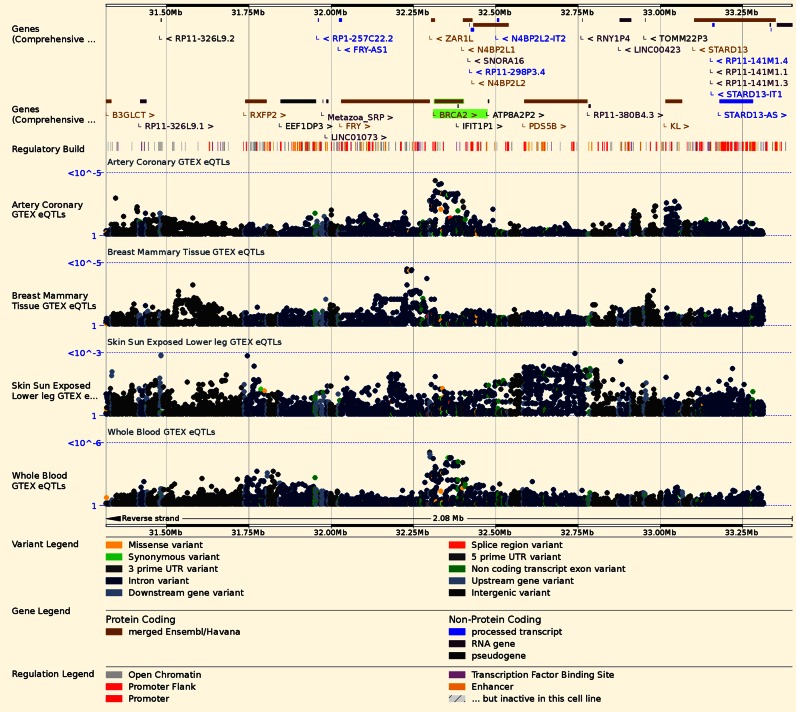
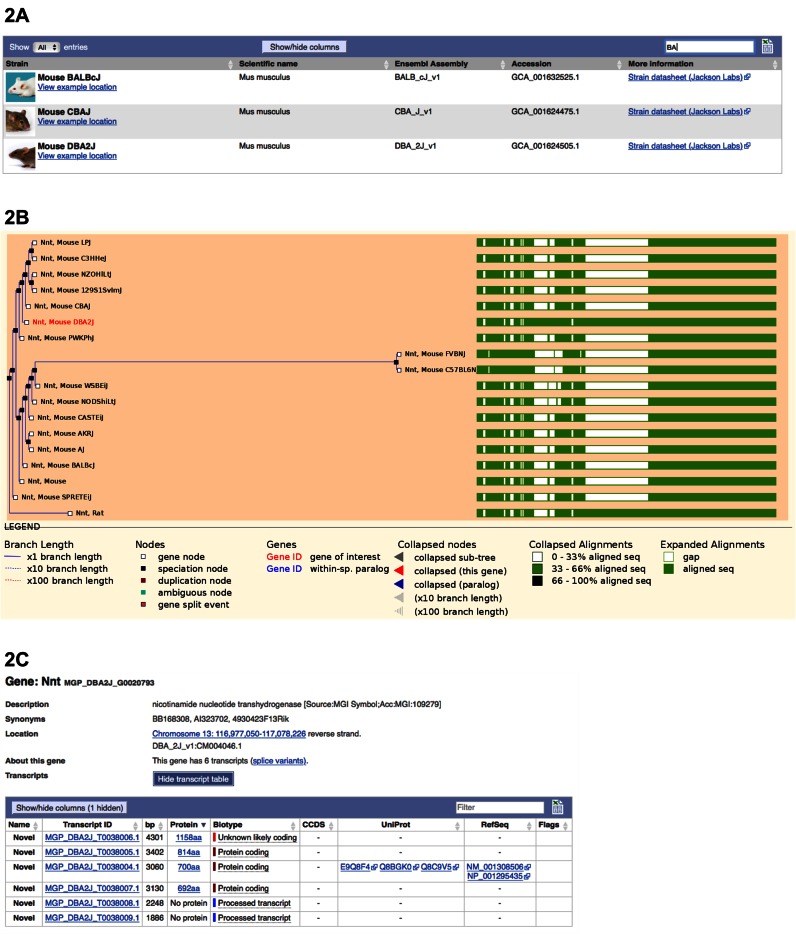
Verification
Claims the paper makes
The claims and statistics of this paper haven’t been checked yet.
Free: it reads the open-access text and checks the first 5 claims that cite a source we can check. Create a free account to check every claim.
Claims other papers make about this one
Each is checked against this paper’s own text: does it say what the citing paper says it does?
The source backs part of the claim, not all of it — or backs it for a different population, condition or comparison.
In the citing paper
“However, if one considers that many genes are transcribed with splice variants, the number of human proteins increases to ~70,000 (per Ensembl 3 ).”
From How many human proteoforms are there? (2018) · cites this paper as [3]
Experimental — accuracy not yet measuredThe check wasn’t confident either way, so it gives no verdict — never disputed.
In the citing paper
“Thanks to the human genome project, we can now estimate the number of protein-coding genes to be in the range of 19,587-20,245 (refs. 1,3,4).”
From How many human proteoforms are there? (2018) · cites this paper as [3]
Experimental — accuracy not yet measured
Self-check
Percentages, sums and reported differences re-computed from the paper’s own numbers.
The self-check needs the paper’s full text.
Citations
Cites
A global reference for human genetic variation
The 1000 Genomes Project Consortium, authors, C., Auton, A., Abecasis, G. R., Steering committee, Altshuler, D. M., Durbin, R. M., Abecasis, G. R., Bentley, D. R., Chakravarti, A., et al. (2015) · Nature · doi:10.1038/nature15393 · Cited by 18,247
Self-citationAn integrated encyclopedia of DNA elements in the human genome
The ENCODE Project Consortium (2012) · Nature · doi:10.1038/nature11247 · Cited by 18,072
Haploview: analysis and visualization of LD and haplotype maps
Barrett, J. C., Fry, B., Maller, J., & Daly, M. J. (2005) · Bioinformatics · doi:10.1093/bioinformatics/bth457 · Cited by 14,525
Database resources of the National Center for Biotechnology Information: update
Wheeler, D. L. (2004) · Nucleic Acids Research · doi:10.1093/nar/gkh073 · Cited by 10,641
Analysis of protein-coding genetic variation in 60,706 humans
Exome Aggregation Consortium, Lek, M., Karczewski, K. J., Minikel, E. V., Samocha, K. E., Banks, E., Fennell, T., O’Donnell-Luria, A. H., Ware, J. S., Hill, A. J., et al. (2016) · Nature · doi:10.1038/nature19057 · Cited by 9,587
The Ensembl Variant Effect Predictor
McLaren, W., Gil, L., Hunt, S. E., Riat, H. S., Ritchie, G. R. S., Thormann, A., Flicek, P., & Cunningham, F. (2016) · Genome Biology · doi:10.1186/s13059-016-0974-4 · Cited by 8,099 · cited 2×
“To better support RefSeq transcripts (47), VEP now reports information on matched regions between Ensembl and RefSeq transcripts and mismatches between RefSeq transcripts and the reference genome assembly (46).”
MethodSelf-citationKumar, P., Henikoff, S., & Ng, P. C. (2009) · Nature Protocols · doi:10.1038/nprot.2009.86 · Cited by 6,521 · cited 2×
“The new tables can manage many hundreds of thousands of rows, and can be customized to display only variants with a range of SIFT (31) or PolyPhen (32) scores; those with particular consequence types or minor allele frequencies; or other properties.”
BackgroundInfluentialO'Leary, N. A., Wright, M. W., Brister, J. R., Ciufo, S., Haddad, D., McVeigh, R., Rajput, B., Robbertse, B., Smith-White, B., Ako-Adjei, D., et al. (2016) · Nucleic Acids Research · doi:10.1093/nar/gkv1189 · Cited by 6,357
UniProt: a hub for protein information
The UniProt Consortium (2015) · Nucleic Acids Research · doi:10.1093/nar/gku989 · Cited by 5,106
The Genotype-Tissue Expression (GTEx) pilot analysis: Multitissue gene regulation in humans
The GTEx Consortium, Ardlie, K. G., Deluca, D. S., Segrè, A. V., Sullivan, T. J., Young, T. R., Gelfand, E. T., Trowbridge, C. A., Maller, J. B., Tukiainen, T., et al. (2015) · Science · doi:10.1126/science.1262110 · Cited by 5,062
Cited by
ShinyGO: a graphical gene-set enrichment tool for animals and plants
Ge, S. X., Jung, D., & Yao, R. (2020) · Bioinformatics · doi:10.1093/bioinformatics/btz931 · Cited by 5,270
Zerbino, D. R., Achuthan, P., Akanni, W., Amode, M. R., Barrell, D., Bhai, J., Billis, K., Cummins, C., Gall, A., Girón, C. G., et al. (2018) · Nucleic Acids Research · doi:10.1093/nar/gkx1098 · Cited by 2,605
“Genomes are no longer sequenced one by one, rather in batches, and already Ensembl can display clades, as illustrated by our addition in 2016 of a collection of laboratory mouse strains (22).”
BackgroundSelf-citationSignificantly improving the quality of genome assemblies through curation
Howe, K., Chow, W., Collins, J., Pelan, S., Pointon, D.-L., Sims, Y., Torrance, J., Tracey, A., & Wood, J. (2021) · GigaScience · doi:10.1093/gigascience/giaa153 · Cited by 2,090
20 years of the SMART protein domain annotation resource
Letunic, I., & Bork, P. (2018) · Nucleic Acids Research · doi:10.1093/nar/gkx922 · Cited by 2,020
The Encyclopedia of DNA elements (ENCODE): data portal update
Davis, C. A., Hitz, B. C., Sloan, C. A., Chan, E. T., Davidson, J. M., Gabdank, I., Hilton, J. A., Jain, K., Baymuradov, U. K., Narayanan, A. K., et al. (2018) · Nucleic Acids Research · doi:10.1093/nar/gkx1081 · Cited by 1,717
iDEP: an integrated web application for differential expression and pathway analysis of RNA-Seq data
Ge, S. X., Son, E. W., & Yao, R. (2018) · BMC Bioinformatics · doi:10.1186/s12859-018-2486-6 · Cited by 1,661
“To enable gene ID conversion, we downloaded all available gene ID mappings for 220 species from Ensembl [26, 27] (Additional file 1: Table S1), including 98 from Ensembl (vertebrates, release 91), 53 from Ensembl Plants (release 37) [28], and 69 from Ensembl Metazoa (release 37).”
MethodHowe, K. L., Achuthan, P., Allen, J., Allen, J., Alvarez-Jarreta, J., Amode, M. R., Armean, I. M., Azov, A. G., Bennett, R., Bhai, J., et al. (2021) · Nucleic Acids Research · doi:10.1093/nar/gkaa942 · Cited by 1,568
Self-citationHow many human proteoforms are there?
Aebersold, R., Agar, J. N., Amster, I. J., Baker, M. S., Bertozzi, C. R., Boja, E. S., Costello, C. E., Cravatt, B. F., Fenselau, C., Garcia, B. A., et al. (2018) · Nature Chemical Biology · doi:10.1038/nchembio.2576 · Cited by 907
“How many human proteoforms are there? Nature Chemical Biology, 14(3), 206-214.”
BackgroundRfam 13.0: shifting to a genome-centric resource for non-coding RNA families
Kalvari, I., Argasinska, J., Quinones-Olvera, N., Nawrocki, E. P., Rivas, E., Eddy, S. R., Bateman, A., Finn, R. D., & Petrov, A. I. (2018) · Nucleic Acids Research · doi:10.1093/nar/gkx1038 · Cited by 1,000
Multi-omic machine learning predictor of breast cancer therapy response
Sammut, S.-J., Crispin-Ortuzar, M., Chin, S.-F., Provenzano, E., Bardwell, H. A., Ma, W., Cope, W., Dariush, A., Dawson, S.-J., Abraham, J. E., et al. (2022) · Nature · doi:10.1038/s41586-021-04278-5 · Cited by 654
23andMe Research Team, Walters, R. K., Polimanti, R., Johnson, E. C., McClintick, J. N., Adams, M. J., Adkins, A. E., Aliev, F., Bacanu, S.-A., Batzler, A., et al. (2018) · Nature Neuroscience · doi:10.1038/s41593-018-0275-1 · Cited by 632
Significantly improving the quality of genome assemblies through curation
Howe, K., Chow, W., Collins, J. C., Pelan, S., Pointon, D.-L. B., Sims, Y., Torrance, J. H., Tracey, A., & Wood, J. M. D. (2020) · bioRxiv · doi:10.1101/2020.08.12.247734 · Cited by 520
A test metric for assessing single-cell RNA-seq batch correction
Büttner, M., Miao, Z., Wolf, F. A., Teichmann, S. A., & Theis, F. J. (2019) · Nature Methods · doi:10.1038/s41592-018-0254-1 · Cited by 511
The UCSC Genome Browser database: 2018 update
Casper, J., Zweig, A. S., Villarreal, C., Tyner, C., Speir, M. L., Rosenbloom, K. R., Raney, B. J., Lee, C. M., Lee, B. T., Karolchik, D., et al. (2018) · Nucleic Acids Research · doi:10.1093/nar/gkx1020 · Cited by 475
The complete sequence of a human Y chromosome
Rhie, A., Nurk, S., Cechova, M., Hoyt, S. J., Taylor, D. J., Altemose, N., Hook, P. W., Koren, S., Rautiainen, M., Alexandrov, I. A., et al. (2023) · Nature · doi:10.1038/s41586-023-06457-y · Cited by 471
Self-citationNon‐Coding RNA Analysis Using the Rfam Database
Kalvari, I., Nawrocki, E. P., Argasinska, J., Quinones‐Olvera, N., Finn, R. D., Bateman, A., & Petrov, A. I. (2018) · Current Protocols in Bioinformatics · doi:10.1002/cpbi.51 · Cited by 460
MHC-I Genotype Restricts the Oncogenic Mutational Landscape
Marty, R., Kaabinejadian, S., Rossell, D., Slifker, M. J., van de Haar, J., Engin, H. B., de Prisco, N., Ideker, T., Hildebrand, W. H., Font-Burgada, J., et al. (2017) · Cell · doi:10.1016/j.cell.2017.09.050 · Cited by 352
RNAcentral: a hub of information for non-coding RNA sequences
The RNAcentral Consortium, Sweeney, B. A., Petrov, A. I., Burkov, B., Finn, R. D., Bateman, A., Szymanski, M., Karlowski, W. M., Gorodkin, J., Seemann, S. E., et al. (2019) · Nucleic Acids Research · doi:10.1093/nar/gky1034 · Cited by 299
Self-citationZengini, E., Hatzikotoulas, K., Tachmazidou, I., Steinberg, J., Hartwig, F. P., Southam, L., Hackinger, S., Boer, C. G., Styrkarsdottir, U., Gilly, A., et al. (2018) · Nature Genetics · doi:10.1038/s41588-018-0079-y · Cited by 319
Exome sequencing of 20,791 cases of type 2 diabetes and 24,440 controls
Platform, B. G., Flannick, J., DiscovEHR Collaboration, CHARGE, LuCamp, ProDiGY, GoT2D, ESP, SIGMA-T2D, T2D-GENES, et al. (2019) · Nature · doi:10.1038/s41586-019-1231-2 · Cited by 304
“Annotations were produced for all ENSEMBL transcripts with the –flag-pick-allele option used to assign a “best guess” annotation to each variant according to the following ordered criteria for transcripts [12]: transcript support level (TSL, i.”
MethodLynn, G. M., Sedlik, C., Baharom, F., Zhu, Y., Ramirez-Valdez, R. A., Coble, V. L., Tobin, K., Nichols, S. R., Itzkowitz, Y., Zaidi, N., et al. (2020) · Nature Biotechnology · doi:10.1038/s41587-019-0390-x · Cited by 349
Integrated cross-study datasets of genetic dependencies in cancer
Pacini, C., Dempster, J. M., Boyle, I., Gonçalves, E., Najgebauer, H., Karakoc, E., van der Meer, D., Barthorpe, A., Lightfoot, H., Jaaks, P., et al. (2021) · Nature Communications · doi:10.1038/s41467-021-21898-7 · Cited by 307
“We tested the ability of each dataset to identify expected dependency relations between paralogs, gene pairs coding for interacting proteins, or members of the same complex using gene pairs annotation from publicly available databases 33–35 (Methods).”
MethodPMut: a web-based tool for the annotation of pathological variants on proteins, 2017 update
López-Ferrando, V., Gazzo, A., de la Cruz, X., Orozco, M., & Gelpí, J. L. (2017) · Nucleic Acids Research · doi:10.1093/nar/gkx313 · Cited by 253
Multicellular Transcriptional Analysis of Mammalian Heart Regeneration
Quaife-Ryan, G. A., Sim, C. B., Ziemann, M., Kaspi, A., Rafehi, H., Ramialison, M., El-Osta, A., Hudson, J. E., & Porrello, E. R. (2017) · Circulation · doi:10.1161/circulationaha.117.028252 · Cited by 291
Predicting mRNA abundance directly from genomic sequence using deep convolutional neural networks
Agarwal, V., & Shendure, J. (2018) · doi:10.1101/416685 · Cited by 243
Predicting mRNA Abundance Directly from Genomic Sequence Using Deep Convolutional Neural Networks
Agarwal, V., & Shendure, J. (2020) · Cell Reports · doi:10.1016/j.celrep.2020.107663 · Cited by 243
Wang, R., Nambiar, R., Zheng, D., & Tian, B. (2018) · Nucleic Acids Research · doi:10.1093/nar/gkx1000 · Cited by 239
Species-specific pace of development is associated with differences in protein stability
Rayon, T., Stamataki, D., Perez-Carrasco, R., Garcia-Perez, L., Barrington, C., Melchionda, M., Exelby, K., Lazaro, J., Tybulewicz, V. L. J., Fisher, E. M. C., et al. (2020) · Science · doi:10.1126/science.aba7667 · Cited by 268
“The GRCm38 mouse and the GRCh38 human reference genomeswere usedwith theEnsembl release-89 (54) gene annotations.”
MethodSettling the score: variant prioritization and Mendelian disease
Eilbeck, K., Quinlan, A., & Yandell, M. (2017) · Nature Reviews Genetics · doi:10.1038/nrg.2017.52 · Cited by 228
Comparative genomics of the tardigrades Hypsibius dujardini and Ramazzottius varieornatus
Yoshida, Y., Koutsovoulos, G., Laetsch, D. R., Stevens, L., Kumar, S., Horikawa, D. D., Ishino, K., Komine, S., Kunieda, T., Tomita, M., et al. (2017) · PLOS Biology · doi:10.1371/journal.pbio.2002266 · Cited by 223
“To identify 949 HOX loci in other genomes, genome assembly files were downloaded from ENSEMBL Genomes [54] or 950 Wormbase ParaSite [110, 111] and formatted for local search with BLAST+ [85].”
BackgroundMethodInfluentialChèneby, J., Gheorghe, M., Artufel, M., Mathelier, A., & Ballester, B. (2018) · Nucleic Acids Research · doi:10.1093/nar/gkx1092 · Cited by 239
Resolving systematic errors in widely used enhancer activity assays in human cells
Muerdter, F., Boryń, Ł. M., Woodfin, A. R., Neumayr, C., Rath, M., Zabidi, M. A., Pagani, M., Haberle, V., Kazmar, T., Catarino, R. R., et al. (2018) · Nature Methods · doi:10.1038/nmeth.4534 · Cited by 208
VarCards: an integrated genetic and clinical database for coding variants in the human genome
Li, J., Shi, L., Zhang, K., Zhang, Y., Hu, S., Zhao, T., Teng, H., Li, X., Jiang, Y., Ji, L., et al. (2018) · Nucleic Acids Research · doi:10.1093/nar/gkx1039 · Cited by 197
VariantValidator: Accurate validation, mapping, and formatting of sequence variation descriptions
Freeman, P. J., Hart, R. K., Gretton, L. J., Brookes, A. J., & Dalgleish, R. (2018) · Human Mutation · doi:10.1002/humu.23348 · Cited by 196
The genetic and biochemical determinants of mRNA degradation rates in mammals
Agarwal, V., & Kelley, D. R. (2022) · Genome Biology · doi:10.1186/s13059-022-02811-x · Cited by 155
The comparative genomics and complex population history of Papio baboons
Rogers, J., Raveendran, M., Harris, R. A., Mailund, T., Leppälä, K., Athanasiadis, G., Schierup, M. H., Cheng, J., Munch, K., Walker, J. A., et al. (2019) · Science Advances · doi:10.1126/sciadv.aau6947 · Cited by 152
Self-citationCATH: expanding the horizons of structure-based functional annotations for genome sequences
Sillitoe, I., Dawson, N., Lewis, T. E., Das, S., Lees, J. G., Ashford, P., Tolulope, A., Scholes, H. M., Senatorov, I., Bujan, A., et al. (2019) · Nucleic Acids Research · doi:10.1093/nar/gky1097 · Cited by 152
Massively parallel characterization of transcriptional regulatory elements
Agarwal, V., Inoue, F., Schubach, M., Penzar, D., Martin, B. K., Dash, P. M., Keukeleire, P., Zhang, Z., Sohota, A., Zhao, J., et al. (2025) · Nature · doi:10.1038/s41586-024-08430-9 · Cited by 146
“For human protein-coding gene promoters, we extracted the average signal across cell types in TPM for each CAGE peak listed in hg19.cage_peak_phase1and2combined_tpm_ann. osc.txt.gz from the FANTOM5 consortium 57,58 .”
Wang, S., Ke, H., Zhang, H., Ma, Y., Ao, L., Zou, L., Yang, Q., Zhu, H., Nie, J., Wu, C., et al. (2018) · Cell Death & Disease · doi:10.1038/s41419-018-0869-2 · Cited by 173
ShinyGO: a graphical enrichment tool for ani-mals and plantsPreprint
Ge, S. X., & Jung, D.-M. (2018) · bioRxiv · doi:10.1101/315150 · Cited by 137
Brd4 and P300 Confer Transcriptional Competency during Zygotic Genome Activation
Chan, S. H., Tang, Y., Miao, L., Darwich‐Codore, H., Vejnar, C. E., Beaudoin, J.-D., Musaev, D., Fernández, J. P., Benitez, M. D. J., Bazzini, A., et al. (2019) · Developmental Cell · doi:10.1016/j.devcel.2019.05.037 · Cited by 177
qPrimerDB: a thermodynamics-based gene-specific qPCR primer database for 147 organisms
Lu, K., Li, T., He, J., Chang, W., Zhang, R., Liu, M., Yu, M., Fan, Y., Ma, J., Sun, W., et al. (2018) · Nucleic Acids Research · doi:10.1093/nar/gkx725 · Cited by 167
Methods, Tools and Current Perspectives in Proteogenomics
Ruggles, K. V., Krug, K., Wang, X., Clauser, K. R., Wang, J., Payne, S. H., Fenyö, D., Zhang, B., & Mani, D. R. (2017) · Molecular & Cellular Proteomics · doi:10.1074/mcp.mr117.000024 · Cited by 148
Ribosomal DNA harbors an evolutionarily conserved clock of biological aging
Wang, M., & Lemos, B. (2019) · Genome Research · doi:10.1101/gr.241745.118 · Cited by 131
SPOCD1 is an essential executor of piRNA-directed de novo DNA methylation
Zoch, A., Auchynnikava, T., Berrens, R. V., Kabayama, Y., Schöpp, T., Heep, M., Vasiliauskaitė, L., Pérez-Rico, Y. A., Cook, A. G., Shkumatava, A., et al. (2020) · Nature · doi:10.1038/s41586-020-2557-5 · Cited by 158
A quantitative framework for characterizing the evolutionary history of mammalian gene expression
Chen, J., Swofford, R., Johnson, J., Cummings, B. B., Rogel, N., Lindblad-Toh, K., Haerty, W., Palma, F. D., & Regev, A. (2019) · Genome Research · doi:10.1101/gr.237636.118 · Cited by 128
Guidelines for SHAPE Reagent Choice and Detection Strategy for RNA Structure Probing Studies
Busan, S., Weidmann, C. A., Sengupta, A., & Weeks, K. M. (2019) · Biochemistry · doi:10.1021/acs.biochem.8b01218 · Cited by 137
Labuhn, M., Perkins, K., Matzk, S., Varghese, L. N., Garnett, C., Papaemmanuil, E., Metzner, M., Kennedy, A., Amstislavskiy, V. S., Risch, T., et al. (2019) · Cancer Cell · doi:10.1016/j.ccell.2019.06.007 · Cited by 152
Co-evolution of tumor and immune cells during progression of multiple myeloma
Liu, R., Gao, Q., Foltz, S. M., Fowles, J. S., Yao, L., Wang, J. T., Cao, S., Sun, H., Wendl, M. C., Sethuraman, S., et al. (2021) · Nature Communications · doi:10.1038/s41467-021-22804-x · Cited by 133
Sharon, N., Chawla, R., Mueller, J., Vanderhooft, J., Whitehorn, L. J., Rosenthal, B., Gürtler, M., Estanboulieh, R. R., Shvartsman, D., Gifford, D. K., et al. (2019) · Cell · doi:10.1016/j.cell.2018.12.003 · Cited by 120
Merkel Cells Activate Sensory Neural Pathways through Adrenergic Synapses
Hoffman, B. U., Baba, Y., Griffith, T. N., Mosharov, E. V., Woo, S., Roybal, D., Karsenty, G., Patapoutian, A., Sulzer, D., & Lumpkin, E. A. (2018) · Neuron · doi:10.1016/j.neuron.2018.10.034 · Cited by 148
A compendium of conserved cleavage and polyadenylation events in mammalian genes
Wang, R., Zheng, D., Yehia, G., & Tian, B. (2018) · Genome Research · doi:10.1101/gr.237826.118 · Cited by 106
Nucleoporin TPR is an integral component of the TREX-2 mRNA export pathway
Aksenova, V., Smith, A. C. H., Lee, H., Bhat, P., Esnault, C., Chen, S., Iben, J., Kaufhold, R. T., Yau, K. C., Echeverría, C., et al. (2020) · Nature Communications · doi:10.1038/s41467-020-18266-2 · Cited by 141
unitas: the universal tool for annotation of small RNAs
Gebert, D., Hewel, C., & Rosenkranz, D. (2017) · BMC Genomics · doi:10.1186/s12864-017-4031-9 · Cited by 141
“Following miRNA annotation, sequences that do not correspond to miRNAs are mapped to a species-specific collection of non-coding RNA and cDNA sequences downloaded from Ensembl database [18], Genomic tRNA database [20] and SILVA rRNA database [21].”
MethodLiu, C., Chen, Z., Chen, K., Liao, F.-T., Chung, C.-E., Liu, X., Lin, Y., Keohavong, P., Leikauf, G. D., & Di, Y. P. (2020) · Cancer Research · doi:10.1158/0008-5472.can-20-1994 · Cited by 123
Thybert, D., Roller, M., Navarro, F. C. P., Fiddes, I., Streeter, I., Feig, C., Martin-Galvez, D., Kolmogorov, M., Janoušek, V., Akanni, W., et al. (2018) · Genome Research · doi:10.1101/gr.234096.117 · Cited by 117
Self-citationLee, Y., Lahens, N. F., Zhang, S., Bedont, J. L., Field, J. M., & Sehgal, A. (2019) · PLoS Biology · doi:10.1371/journal.pbio.3000228 · Cited by 138
A call for public archives for biological image data
Ellenberg, J., Swedlow, J. R., Barlow, M., Cook, C. E., Sarkans, U., Patwardhan, A., Brazma, A., & Birney, E. (2018) · Nature Methods · doi:10.1038/s41592-018-0195-8 · Cited by 107
Genomic Determinants of Protein Abundance Variation in Colorectal Cancer Cells
Roumeliotis, T. I., Williams, S. P., Gonçalves, E., Alsinet, C., Del Castillo Velasco-Herrera, M., Aben, N., Ghavidel, F. Z., Michaut, M., Schubert, M., Price, S., et al. (2017) · Cell Reports · doi:10.1016/j.celrep.2017.08.010 · Cited by 115
Combinatorial Targeting by MicroRNAs Co-ordinates Post-transcriptional Control of EMT
Cursons, J., Pillman, K. A., Scheer, K. G., Gregory, P. A., Foroutan, M., Hediyeh-zadeh, S., Toubia, J., Crampin, E. J., Goodall, G. J., Bracken, C. P., et al. (2018) · Cell Systems · doi:10.1016/j.cels.2018.05.019 · Cited by 109
Gunda, V., Gigliotti, B., Ashry, T., Ndishabandi, D., McCarthy, M., Zhou, Z., Amin, S., Lee, K. E., Stork, T., Wirth, L., et al. (2019) · International Journal of Cancer · doi:10.1002/ijc.32041 · Cited by 111
“1, Pasadena, CA) using the GRCm38 mouse genome for indexing.(22,23) Quantified transcripts were collapsed into gene counts to be used for differential expression analysis.”
MethodAgBioData consortium recommendations for sustainable genomics and genetics databases for agriculture
Harper, L., Campbell, J., Cannon, E. K. S., Jung, S., Poelchau, M., Walls, R., Andorf, C., Arnaud, E., Berardini, T. Z., Birkett, C., et al. (2018) · Database · doi:10.1093/database/bay088 · Cited by 84
“Ensembl is a well-established system to analyse, store and access genomic data sets (84).”
Prokopenko, D., Morgan, S. L., Mullin, K., Hofmann, O., Chapman, B., Kirchner, R., (ADNI), A. D. N. I., Amberkar, S., Wohlers, I., Lange, C., et al. (2021) · Alzheimer's & Dementia · doi:10.1002/alz.12319 · Cited by 105
Li, J.-T., Wang, Q., Yang, M.-D. H., Li, Q.-S., Cui, M.-S., Dong, Z., Wang, H., Yu, J., Zhao, Y., Yang, C.-R., et al. (2021) · Nature Genetics · doi:10.1038/s41588-021-00933-9 · Cited by 112
Proteomics Standards Initiative: Fifteen Years of Progress and Future Work
Deutsch, E. W., Orchard, S., Binz, P.-A., Bittremieux, W., Eisenacher, M., Hermjakob, H., Kawano, S., Lam, H., Mayer, G., Menschaert, G., et al. (2017) · Journal of Proteome Research · doi:10.1021/acs.jproteome.7b00370 · Cited by 94
Ythdf m6A Readers Function Redundantly during Zebrafish Development
Kontur, C., Jeong, M., Cifuentes, D., & Giraldez, A. J. (2020) · Cell Reports · doi:10.1016/j.celrep.2020.108598 · Cited by 94
“Genomic sequence indices for STAR were built including exon-junction coordinates from Ensembl v92 (Aken et al., 2017).”
Local Delivery of miR-21 Stabilizes Fibrous Caps in Vulnerable Atherosclerotic Lesions
Jin, H. H., Li, D. Y., Chernogubova, E., Sun, C., Busch, A., Eken, S. M., Saliba‐Gustafsson, P., Winter, H., Winski, G., Raaz, U., et al. (2018) · Molecular Therapy · doi:10.1016/j.ymthe.2018.01.011 · Cited by 90
Long non-coding RNA and tumor hypoxia: new players ushered toward an old arena
Shih, J.-W., & Kung, H.-J. (2017) · Journal of Biomedical Science · doi:10.1186/s12929-017-0358-4 · Cited by 102
Faculty Opinions recommendation of Whole-Genome Alignment and Comparative Annotation.
Stanke, M. (2020) · Faculty Opinions – Post-Publication Peer Review of the Biomedical Literature · doi:10.3410/f.734326805.793570658 · Cited by 1
“The EPO pipeline especially began to see wide use as part of the Ensembl genome browser (15).”
BackgroundBerauer, J., Mezina, A. I., Okou, D. T., Sabo, A., Muzny, D. M., Gibbs, R. A., Hegde, M., Chopra, P., Cutler, D. J., Perlmutter, D. H., et al. (2019) · Hepatology · doi:10.1002/hep.30515 · Cited by 99
Self-citationYang, Q., Lin, S. L., Kwok, M. K., Leung, G. M., & Schooling, C. M. (2018) · American Journal of Epidemiology · doi:10.1093/aje/kwy096 · Cited by 109
The intracellular proteome of African swine fever virus
Keßler, C., Forth, J. H., Keil, G. M., Mettenleiter, T. C., Blome, S., & Karger, A. (2018) · Scientific Reports · doi:10.1038/s41598-018-32985-z · Cited by 86
The emerging roles of CDK12 in tumorigenesis
Paculová, H., & Kohoutek, J. (2017) · Cell Division · doi:10.1186/s13008-017-0033-x · Cited by 93
Stop-codon read-through arises largely from molecular errors and is generally nonadaptive
Li, C., & Zhang, J. (2019) · PLoS Genetics · doi:10.1371/journal.pgen.1008141 · Cited by 97
Alankarage, D., Ip, E., Szot, J. O., Munro, J. E., Blue, G. M., Harrison, K., Cuny, H., Enriquez, A., Troup, M., Humphreys, D. T., et al. (2018) · Genetics in Medicine · doi:10.1038/s41436-018-0296-x · Cited by 81
The kinetic landscape of an RNA-binding protein in cells
Sharma, D., Zagore, L. L., Brister, M. M., Ye, X., Crespo‐Hernández, C. E., Licatalosi, D. D., & Jankowsky, E. (2021) · Nature · doi:10.1038/s41586-021-03222-x · Cited by 84
“To define 3’UTR length, coordinates from Refseq and Ensembl 30,31 were matched with PolyA-Seq data 17 .”
InfluentialEvolution of genetic networks for human creativity
Zwir, I. J. S., del Val, C., Hintsanen, M., Cloninger, K. M., Romero‐Zaliz, R., Mesa, A., Arnedo, J., Salas, R., Poblete, G. F., Raitoharju, E., et al. (2021) · Molecular Psychiatry · doi:10.1038/s41380-021-01097-y · Cited by 142
Characterisation of the British honey bee metagenome
Regan, T. W., Barnett, M. W., Laetsch, D. R., Bush, S. J., Wragg, D., Budge, G. E., Highet, F., Dainat, B., de Miranda, J. R., Watson, M., et al. (2018) · Nature Communications · doi:10.1038/s41467-018-07426-0 · Cited by 85
Wafer, R., Tandon, P., & Minchin, J. E. N. (2017) · Frontiers in Endocrinology · doi:10.3389/fendo.2017.00102 · Cited by 91
“Teleost species with a single pparg ortholog include, ostariophysi such as zebrafish (cyprinidae); and euteleostei such as, Atlantic cod (gadiformes), pufferfish (tetradontiformes, both fugu and tetraodon), stickleback (gasterodae), and Nile tilapia (cichlidae) (Ensembl Gene Tree: ENSGT00870000136388) (47).”
BackgroundInfluentialPrediction of mRNA subcellular localization using deep recurrent neural networks
Yan, Z., Lécuyer, É., & Blanchette, M. (2019) · Bioinformatics · doi:10.1093/bioinformatics/btz337 · Cited by 81
Selection against admixture and gene regulatory divergence in a long-term primate field study
Vilgalys, T. P., Fogel, A. S., Mututua, R. S., Warutere, J. K., Siodi, L. I., Anderson, J. A., Kim, S. Y., Voyles, T., Robinson, J. A., Wall, J. D., et al. (2022) · Science · doi:10.1126/science.abm4917 · Cited by 74
Mutant FUS and ELAVL4 (HuD) Aberrant Crosstalk in Amyotrophic Lateral Sclerosis
De Santis, R., Alfano, V., de Turris, V., Colantoni, A., Santini, L., Garone, M. G., Antonacci, G., Peruzzi, G., Sudria-Lopez, E., Wyler, E., et al. (2019) · Cell Reports · doi:10.1016/j.celrep.2019.05.085 · Cited by 70
Chromosome-level genome assembly of golden pompano (Trachinotus ovatus) in the family Carangidae
Zhang, D., Guo, L. J., Guo, H., Zhu, K.-C., Li, S.-Q., Zhang, Y., Zhang, N., Liu, B.-S., Jiang, S., & Li, J.-T. (2019) · Scientific Data · doi:10.1038/s41597-019-0238-8 · Cited by 78
Viswanathan, S. R., Nogueira, M. F., Buss, C. G., Krill-Burger, J. M., Wawer, M. J., Małolepsza, E., Berger, A. C., Choi, P. S., Shih, J., Taylor, A. M., et al. (2018) · Nature Genetics · doi:10.1038/s41588-018-0155-3 · Cited by 88
Endogenous Retroviruses Transcriptional Modulation After Severe Infection, Trauma and Burn
Tabone, O., Mommert, M., Jourdan, C., Cerrato, E., Legrand, M. M., Lepape, A., Allaouchiche, B., Rimmelé, T., Pachot, A., Monneret, G., et al. (2019) · Frontiers in Immunology · doi:10.3389/fimmu.2018.03091 · Cited by 77
Zhou, B., Zhao, H., Yu, J., Guo, C., Dou, X., Song, F., Hu, G., Cao, Z., Qu, Y., Yang, Y., et al. (2017) · Nucleic Acids Research · doi:10.1093/nar/gkx677 · Cited by 75
Automated exploration of gene ontology term and pathway networks with ClueGO-REST
Mlecnik, B., Galon, J., & Bindea, G. (2019) · Bioinformatics · doi:10.1093/bioinformatics/btz163 · Cited by 68
A single m6A modification in U6 snRNA diversifies exon sequence at the 5’ splice site
Ishigami, Y., Ohira, T., Isokawa, Y., Suzuki, Y., & Suzuki, T. (2021) · Nature Communications · doi:10.1038/s41467-021-23457-6 · Cited by 60
Extensive hybridization reveals multiple coloration genes underlying a complex plumage phenotype
Aguillon, S. M., Walsh, J., & Lovette, I. J. (2021) · Proceedings of the Royal Society B Biological Sciences · doi:10.1098/rspb.2020.1805 · Cited by 76
“To characterize putative candidate genes, we used ontology information from the zebra finch Ensembl database [61] and functional information from the Uniprot database [81].”
MethodInfluentialExploring the RNA landscape of endothelial exosomes
Pérez-Boza, J., Lion, M., & Struman, I. (2018) · RNA · doi:10.1261/rna.064352.117 · Cited by 65
“For the analysis of long RNAs, sequences from the total RNA libraries were mapped against the coding (Aken et al. 2017) or the noncoding genome (Pignatelli et al. 2016).”
Overview and considerations in bottom-up proteomics
Miller, R., & Smith, L. M. (2022) · The Analyst · doi:10.1039/d2an01246d · Cited by 101
Vejnar, C. E., Abdelmessih, M., Takacs, C. M., Yartseva, V., Oikonomou, P., Christiano, R., Stoeckius, M., Lau, S., Lee, M. T., Beaudoin, J.-D., et al. (2019) · Genome Research · doi:10.1101/gr.245159.118 · Cited by 90
Loose ends: almost one in five human genes still have unresolved coding status
Abascal, F., Juan, D., Jungreis, I., Martinez, L., Rigau, M., Rodriguez, J. M., Vazquez, J., & Tress, M. L. (2018) · Nucleic Acids Research · doi:10.1093/nar/gky587 · Cited by 68
Evaluation of IFITM3 rs12252 Association With Severe Pediatric Influenza Infection
Randolph, A. G., Yip, W., Allen, E. K., Rosenberger, C. M., Agan, A. A., Ash, S., Zhang, Y., Bhangale, T., Finkelstein, D., Cvijanovich, N. Z., et al. (2017) · The Journal of Infectious Diseases · doi:10.1093/infdis/jix242 · Cited by 63
DBTSS/DBKERO for integrated analysis of transcriptional regulation
Suzuki, A., Kawano, S., Mitsuyama, T., Suyama, M., Kanai, Y., Shirahige, K., Sasaki, H., Tokunaga, K., Tsuchihara, K., Sugano, S., et al. (2017) · Nucleic Acids Research · doi:10.1093/nar/gkx1001 · Cited by 76
TelNet - a database for human and yeast genes involved in telomere maintenance
Braun, D. M., Chung, I., Kepper, N., Deeg, K. I., & Rippe, K. (2018) · BMC Genetics · doi:10.1186/s12863-018-0617-8 · Cited by 70
“html) [50, 51], and the Saccharomyces Genome Database (SGD, http:// www.”
BackgroundComparative analysis of alternative polyadenylation in S. cerevisiae and S. pombe
Liu, X., Hoque, M., Larochelle, M., Lemay, J., Yurko, N., Manley, J. L., Bachand, F., & Tian, B. (2017) · Genome Research · doi:10.1101/gr.222331.117 · Cited by 60
“Gene models were obtained from the Ensembl databases (Aken et al. 2017).”
Inferring targeting modes of Argonaute-loaded tRNA fragments
Guan, L., Karaiskos, S., & Grigoriev, A. (2019) · RNA Biology · doi:10.1080/15476286.2019.1676633 · Cited by 58
“The portion of the hybrid read following the tRF sequence was considered the targeted sequence and it was searched against the human transcriptome [56] and the human genome (hg38) using blastn, word size 7, default scoring matrix and 10 maximum hits.”
MethodBogner, A. N., Stiers, K. M., & Tanner, J. J. (2021) · Amino Acids · doi:10.1007/s00726-021-02999-5 · Cited by 65
Peng, H., Zheng, Y., Zhao, Z., Liu, T., & Li, J. (2018) · Bioinformatics · doi:10.1093/bioinformatics/bty558 · Cited by 53
Metadata
- Authors
- Aken, B. L., Achuthan, P., Akanni, W., Amode, M. R., Bernsdorff, F., Bhai, J., Billis, K., Carvalho-Silva, D., Cummins, C., Clapham, P., Gil, L., Girón, C. G., Gordon, L., Hourlier, T., Hunt, S. E., Janacek, S. H., Juettemann, T., Keenan, S., Laird, M. R., Lavidas, I., Maurel, T., McLaren, W., Moore, B., Murphy, D. N., Nag, R., Newman, V., Nuhn, M., Ong, C. K., Parker, A., Patricio, M., Riat, H. S., Sheppard, D., Sparrow, H., Taylor, K., Thormann, A., Vullo, A., Walts, B., Wilder, S. P., Zadissa, A., Kostadima, M., Martin, F. J., Muffato, M., Perry, E., Ruffier, M., Staines, D. M., Trevanion, S. J., Cunningham, F., Yates, A., Zerbino, D. R., & Flicek, P.
- Affiliations
- European Bioinformatics Institute (GB)
- Wellcome Sanger Institute (GB)
- Corresponding author
- Flicek, Paul
- ORCID
- Aken, Bronwen L.
- Achuthan, Premanand
- Akanni, Wasiu
- Bernsdorff, Friederike
- Bhai, Jyothish
- Billis, Konstantinos
- Cummins, Carla
- Gil, Laurent
- Girón, Carlos García
- Hourlier, Thibaut
- Hunt, Sarah E.
- Janacek, Sophie H.
- Juettemann, Thomas
- Keenan, Stephen
- Laird, Matthew R.
- Lavidas, Ilias
- Maurel, Thomas
- McLaren, William
- Moore, Benjamin
- Murphy, Daniel N.
- Nag, Rishi
- Nuhn, Michael
- Ong, Chuang Kee
- Taylor, Kieron
- Thormann, Anja
- Vullo, Alessandro
- Walts, Brandon
- Wilder, Steven P.
- Zadissa, Amonida
- Kostadima, Myrto
- Martin, Fergal J.
- Muffato, Matthieu
- Perry, Emily
- Ruffier, Magali
- Staines, Daniel M.
- Trevanion, Stephen J.
- Cunningham, Fiona
- Yates, Andrew
- Zerbino, Daniel R.
- Flicek, Paul
- Venue
- Nucleic Acids Research
- Publisher
- Oxford University Press (OUP)
- Published
- 2016-11-28
- Volume
- 45
- Issue
- D1
- Pages
- D635-D642
- ISSN
- 0305-1048 (ISSN-L)
- 1362-4962
- PMC
- PMC5210575
- OpenAlex
- W4210659358
- Cited by
- 512
- References
- 53
- Citations by year
- 2026: 10 · 2025: 16 · 2024: 16 · 2023: 22 · 2022: 28 · 2021: 54 · 2020: 58 · 2019: 103 · 2018: 129 · 2017: 75
- FWCI
- 53.90
- Type
- journal article
- Language
- en
- Open access
- gold
- doi.org
- Licence
- Locations
- Nucleic Acids Research (publishedVersion, cc-by)
- PubMed Central (publishedVersion, cc-by)
- PubMed (publishedVersion)
- HighWire Press Open Archive (submittedVersion)
- Funders
- Wellcome Trust (WT201535/Z/16/Z, FP7/2007–2013, WT104947, WT095908, 284209, WT104947/Z/14/Z, WT201535, WT 098051, 201535/Z/16/Z, WT200990/Z/16/Z)
- European Bioinformatics Institute
- European Molecular Biology Laboratory
- European Commission (282510, 2007–2013, FP7 2007-2013, HORIZON2020, FP7/2007, 284209, 634143)
- National Institutes of Health (FP7/2007-2013)
- Directorate for Biological Sciences
- Biotechnology and Biological Sciences Research Council (BB/M020398/1, BB/M01844X/1, BB/M011615/1, BB/M018458/1, BB/E011640/1, BB/I025360/2, BB/L024225/1, BB/I025360/1)
- National Human Genome Research Institute (U41HG007823, U41HG007234, U41HG007823-S1)
- Topics
- Life Sciences › Biochemistry, Genetics and Molecular Biology › Molecular Biology › Genomics and Phylogenetic Studies
- Life Sciences › Biochemistry, Genetics and Molecular Biology › Molecular Biology › Bioinformatics and Genomic Networks
- Life Sciences › Biochemistry, Genetics and Molecular Biology › Molecular Biology › Genetics, Bioinformatics, and Biomedical Research
- Keywords
- Ensembl, vertebrate genomes, genome browser, genome annotation, genomic variation, gene trees, gene expression regulation, comparative genomics, linkage disequilibrium, expression quantitative trait loci, phenotype ontologies, REST API
- MeSH terms
- Animals, Gene Expression Regulation, Humans, Software, Species Specificity, Genetic Variation, Vertebrates, Genome, Human, Evolution, Molecular, Computational Biology, Genomics, Databases, Genetic, Data Mining, Search Engine, Molecular Sequence Annotation, Web Browser
About these checks
Registry, retraction, Cites and statistics results are computed, not judged, with one exception: a printed reference that no index lists is read once by a model before it counts as a citation error. Claims are extracted by a model and kept only when their quote appears verbatim in the text; each cited source is then checked, with a model’s help, for whether it says what the claim relies on. Those verdicts can be wrong — read the claim’s quote and the cited source before relying on one.
Statistics and arithmetic are recomputed, not judged.
Confidence bands are shown only for fields calibrated on our annotated test set. None is calibrated yet, so no band is shown.
What counts as a claim ›How we measure confidence ›How we check this ›
Are you an author, or do you see a problem with this page? Request a review
Data sources
Bibliographic data: Semantic Scholar, OpenAlex, Crossref.
Contains information from the Semantic Scholar Academic Graph Datasets, made available under the ODC Attribution License (ODC-BY 1.0).
Semantic Scholar’s data is described in: Kinney, R., et al. (2023). The Semantic Scholar Open Data Platform. arXiv:2301.10140.
