

Abasic and oxidized ribonucleotides embedded in DNA are processed by human APE1 and not by RNase H2
Open accessThe DOI matches its Crossref record; 93 of the 93 references it cites were found in a registry or an index.
Abstract
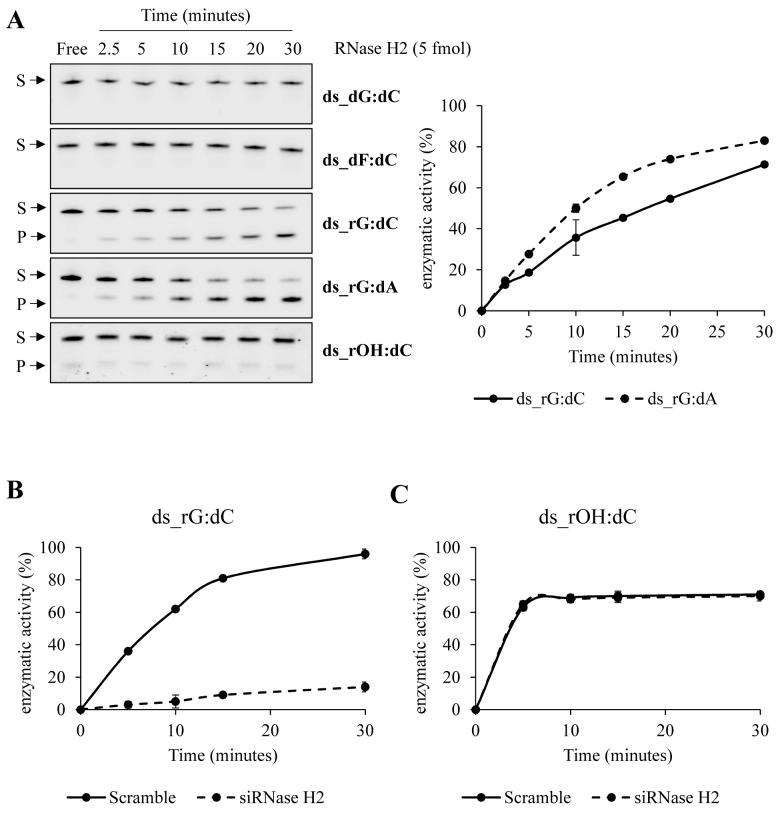
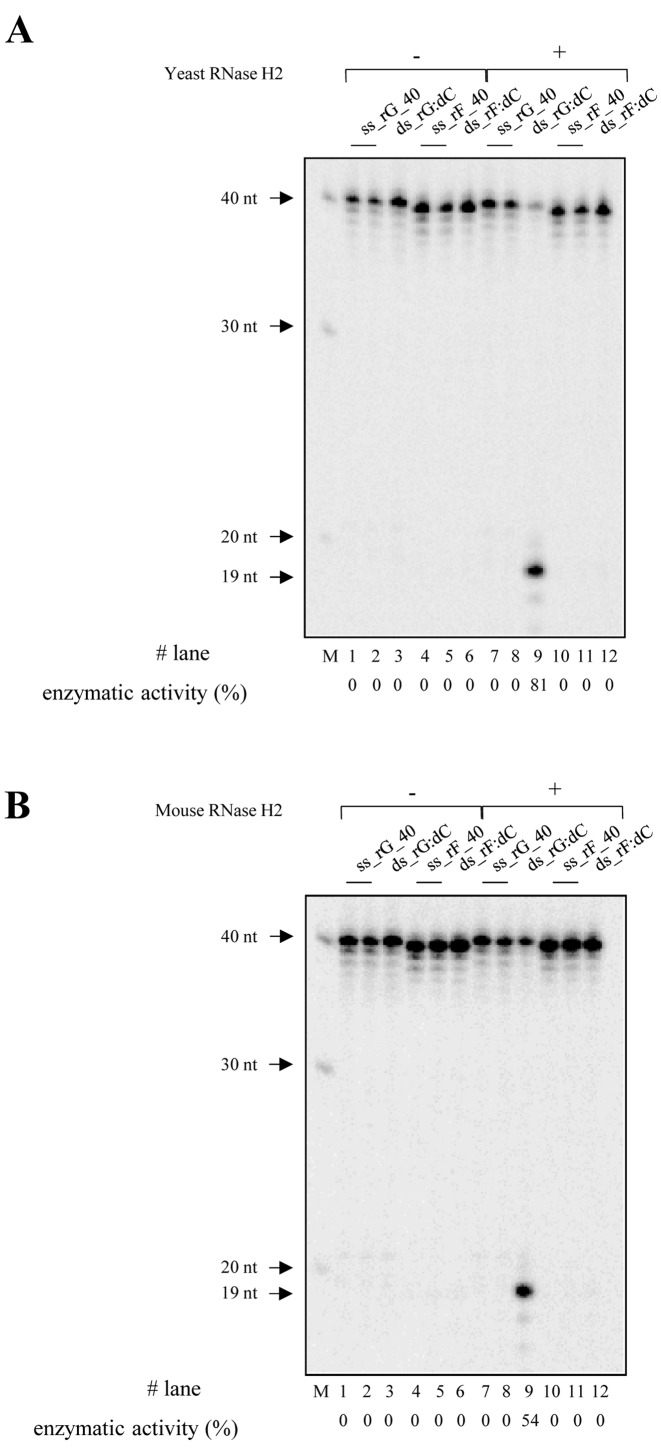
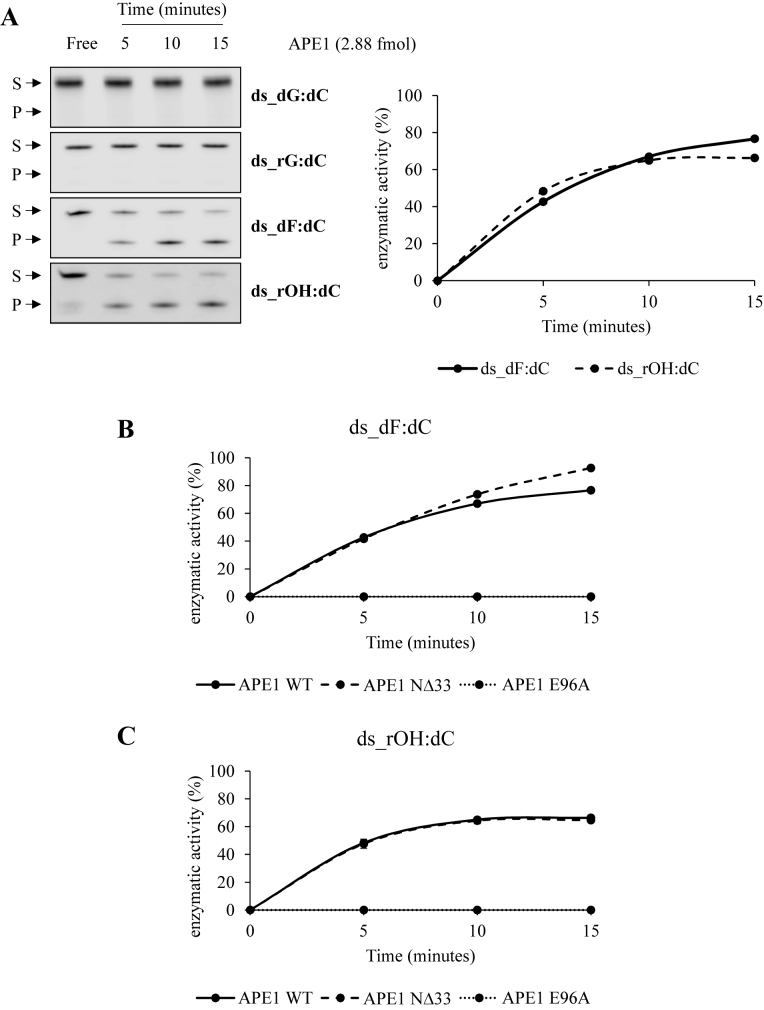
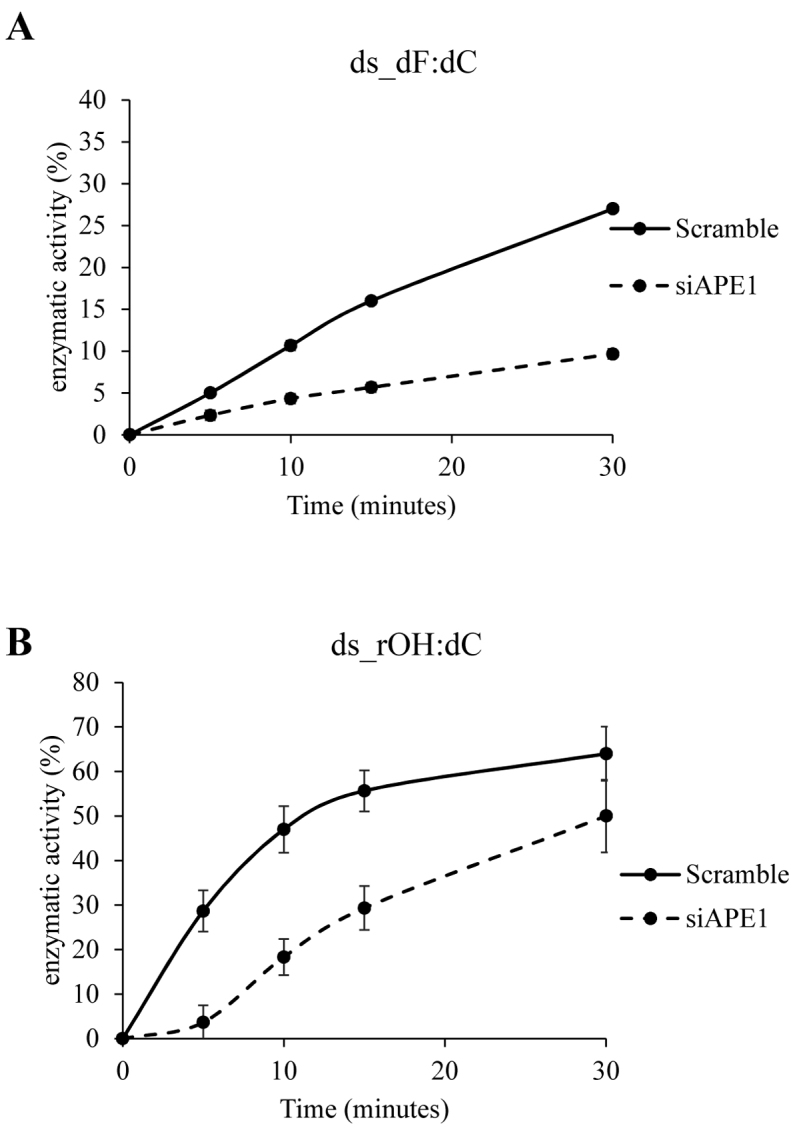
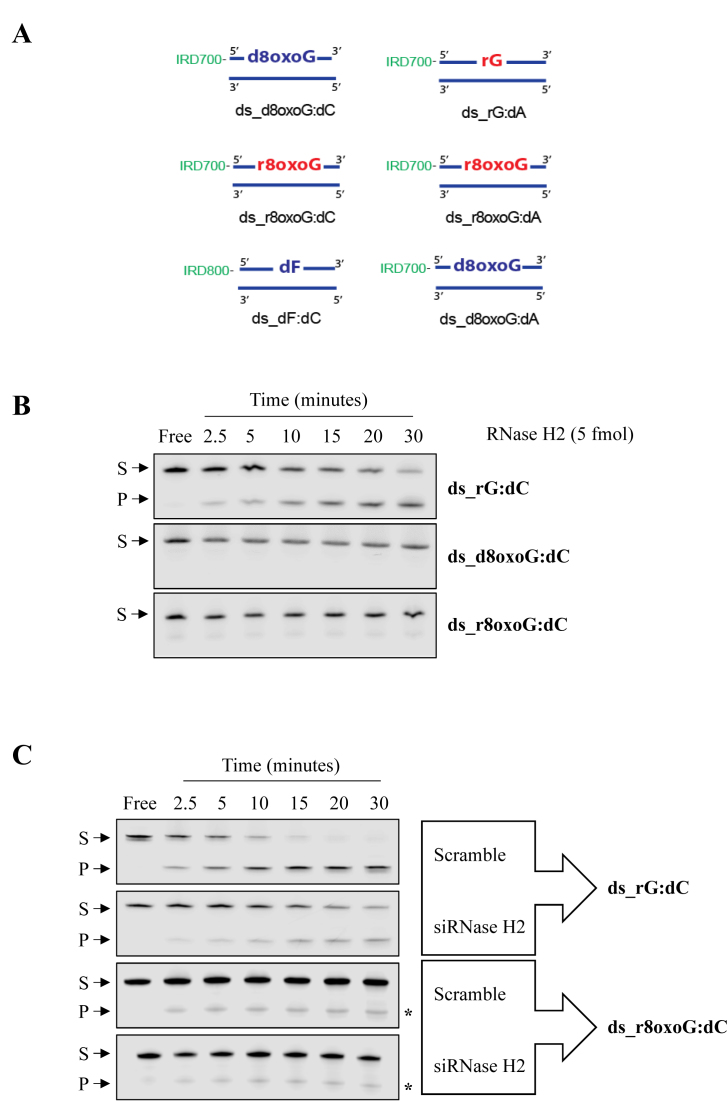
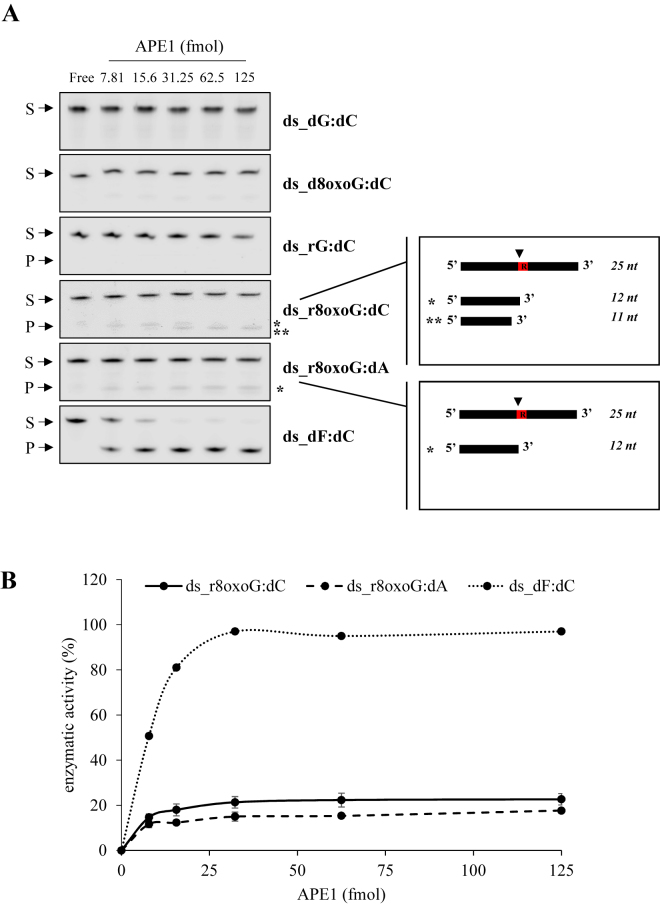
Ribonucleoside 5'-monophosphates (rNMPs) are the most common non-standard nucleotides found in DNA of eukaryotic cells, with over 100 million rNMPs transiently incorporated in the mammalian genome per cell cycle. Human ribonuclease (RNase) H2 is the principal enzyme able to cleave rNMPs in DNA. Whether RNase H2 may process abasic or oxidized rNMPs incorporated in DNA is unknown. The base excision repair (BER) pathway is mainly responsible for repairing oxidized and abasic sites into DNA. Here we show that human RNase H2 is unable to process an abasic rNMP (rAP site) or a ribose 8oxoG (r8oxoG) site embedded in DNA. On the contrary, we found that recombinant purified human apurinic/apyrimidinic endonuclease-1 (APE1) and APE1 from human cell extracts efficiently process an rAP site in DNA and have weak endoribonuclease and 3'-exonuclease activities on r8oxoG substrate. Using biochemical assays, our results provide evidence of a human enzyme able to recognize and process abasic and oxidized ribonucleotides embedded in DNA.
Overview
The claims and statistics of this paper haven’t been checked yet.
Free: it reads the open-access text and checks the first 5 claims that cite a source we can check. Create a free account to check every claim.
Integrity signals
Registry
Cites
Statistics
Figures
Verification
Claims the paper makes
The claims and statistics of this paper haven’t been checked yet.
Free: it reads the open-access text and checks the first 5 claims that cite a source we can check. Create a free account to check every claim.
Claims other papers make about this one
Each is checked against this paper’s own text: does it say what the citing paper says it does?
The source backs part of the claim, not all of it — or backs it for a different population, condition or comparison.
In the citing paper
“rNMPs have the propensity to form mismatches and are likely to become damaged, resulting in ribonucleotide lesions”
From Ribonucleotide errors, RNase HII, and ribonucleotide excision repair (2026) · cites this paper as Malfatti et al. 2017
Experimental — accuracy not yet measuredThe source backs part of the claim, not all of it — or backs it for a different population, condition or comparison.
In the citing paper
“Instead, in humans, AP endonuclease 1 (APE1) was shown to be able to incise ribonucleotide lesions both in vitro and in vivo by making an incision on the 5′ end of the oxidized or AP rNMP (Malfatti et al. 2017).”
From Ribonucleotide errors, RNase HII, and ribonucleotide excision repair (2026) · cites this paper as Malfatti et al. 2017
Experimental — accuracy not yet measuredThe source backs part of the claim, not all of it — or backs it for a different population, condition or comparison.
In the citing paper
“Interestingly, human APE1 has demonstrated activity on incising damaged rNMPs in vitro and in vivo, suggesting the involvement of APE1 in an additional pathway dedicated to the repair of a subset of single rNMP lesions which differs from its role in canonical BER (Figure 3B) (Malfatti et al. 2017).”
From Ribonucleotide errors, RNase HII, and ribonucleotide excision repair (2026) · cites this paper as Malfatti et al. 2017
Experimental — accuracy not yet measured
Self-check
Percentages, sums and reported differences re-computed from the paper’s own numbers.
The self-check needs the paper’s full text.
Citations
Cites
Instability and decay of the primary structure of DNA
Lindahl, T. (1993) · Nature · doi:10.1038/362709a0 · Cited by 5,679
Physiological concentrations of purines and pyrimidines
Traut, T. W. (1994) · Molecular and Cellular Biochemistry · doi:10.1007/bf00928361 · Cited by 1,867
Rate of depurination of native deoxyribonucleic acid
Lindahl, T., & Nyberg, B. (1972) · Biochemistry · doi:10.1021/bi00769a018 · Cited by 1,556 · cited 1×
“This rate gives 10 000 abasic sites per day in human cells (74).”
BackgroundKrokan, H. E., & Bjoras, M. (2013) · Cold Spring Harbor Perspectives in Biology · doi:10.1101/cshperspect.a012583 · Cited by 1,322
Base-excision repair of oxidative DNA damage
David, S. S., O'Shea, V. L., & Kundu, S. (2007) · Nature · doi:10.1038/nature05978 · Cited by 1,238 · cited 1×
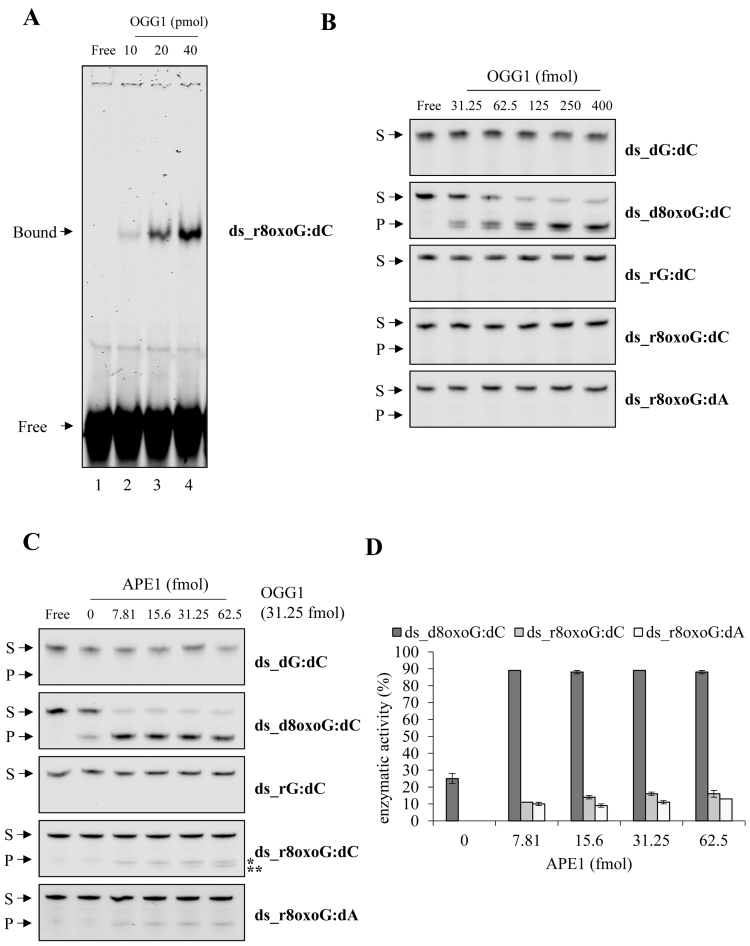
“Since OGG1 is the major glycosylase enzyme in the BER pathway, coordinating with the downstream endonuclease APE1, which is able to recognize and process the abasic site generated by the glycosylase activity of OGG1 (28,58,59), we measured its glycosylase activity on the same substrates using recombinant purified APE1…”
MethodAicardi–Goutières syndrome and the type I interferonopathies
Crow, Y. J., & Manel, N. (2015) · Nature Reviews Immunology · doi:10.1038/nri3850 · Cited by 925
MUTAGENESIS BY APURINIC/APYRIMIDINIC SITES
Loeb, L. A., & Preston, B. D. (1986) · Annual Review of Genetics · doi:10.1146/annurev.ge.20.120186.001221 · Cited by 901 · cited 2×
“Indeed, like deoxyribonucleotides, rNMPs are also susceptible to oxidative insults (5,70), and a significant generation of abasic sites formation has been demonstrated upon RNA oxidation and alkylation (71).”
BackgroundRibonuclease H: the enzymes in eukaryotes
Cerritelli, S. M., & Crouch, R. J. (2009) · The FEBS Journal · doi:10.1111/j.1742-4658.2009.06908.x · Cited by 814 · cited 2×
“RNase H2-null murine embryonic fibroblasts (MEFs) activate a p53-dependent damage response, whereas null-RNase H2 are embryonic lethal (15).”
BackgroundSelf-citationDNA-bound structures and mutants reveal abasic DNA binding by APE1 DNA repair and coordination
Mol, C. D., Izumi, T., Mitra, S., & Tainer, J. A. (2000) · Nature · doi:10.1038/35000249 · Cited by 755
Crow, Y. J., Leitch, A., Hayward, B. E., Garner, A., Parmar, R., Griffith, E., Ali, M., Semple, C., Aicardi, J., Babul-Hirji, R., et al. (2006) · Nature Genetics · doi:10.1038/ng1842 · Cited by 675
The Human OGG1 Gene: Structure, Functions, and Its Implication in the Process of Carcinogenesis
Boiteux, S., & Radicella, J. P. (2000) · Archives of Biochemistry and Biophysics · doi:10.1006/abbi.2000.1773 · Cited by 475 · cited 1×
“OGG1 protein belongs to the bi-functional glycosylases family having both lyase and glycosylase activities on oxidized dG (57).”
BackgroundReijns, M. A. M., Rabe, B., Rigby, R. E., Mill, P., Astell, K. R., Lettice, L. A., Boyle, S., Leitch, A., Keighren, M., Kilanowski, F., et al. (2012) · Cell · doi:10.1016/j.cell.2012.04.011 · Cited by 466 · cited 1×
“Altered RNase H2 function in AGS patients may result in increased level of rNMPs in DNA, which could in turn activate DNA damage response signaling and induce innate immune response (19,20).”
BackgroundClinical and Molecular Phenotype of Aicardi-Goutières Syndrome
Rice, G., Patrick, T., Parmar, R., Taylor, C. F., Aeby, A., Aicardi, J., Artuch, R., Montalto, S. A., Bacino, C. A., Barroso, B., et al. (2007) · The American Journal of Human Genetics · doi:10.1086/521373 · Cited by 445
Abundant ribonucleotide incorporation into DNA by yeast replicative polymerases
Nick McElhinny, S. A., Watts, B. E., Kumar, D., Watt, D. L., Lundström, E.-B., Burgers, P. M. J., Johansson, E., Chabes, A., & Kunkel, T. A. (2010) · Proceedings of the National Academy of Sciences · doi:10.1073/pnas.0914857107 · Cited by 409 · cited 2×
“In addition, it has been estimated that the amount of rNTPs is generally 40–350-fold higher than that of dNTPs in cycling cells (6–8) increasing the probability of incorrect rNMP incorporation during DNA replication and repair (2,4,6,7).”
BackgroundRNase H2-Initiated Ribonucleotide Excision Repair
Sparks, J. L., Chon, H., Cerritelli, S. M., Kunkel, T. A., Johansson, E., Crouch, R. J., & Burgers, P. M. (2012) · Molecular Cell · doi:10.1016/j.molcel.2012.06.035 · Cited by 339 · cited 1×
“In humans, as well as in yeast and bacteria including Archaea, the main processing pathway responsible for repairing of these lesions is the RER pathway, which involves the RNase H2 enzyme (65,66).”
BackgroundSelf-citationGermline Susceptibility to Colorectal Cancer Due to Base-Excision Repair Gene Defects
Farrington, S. M., Tenesa, A., Barnetson, R., Wiltshire, A., Prendergast, J., Porteous, M., Campbell, H., & Dunlop, M. G. (2005) · The American Journal of Human Genetics · doi:10.1086/431213 · Cited by 293 · cited 1×
“BER is known to repair a wide spectrum of oxidative lesions in nuclear and mitochondrial DNA (27,28), and preventing cancer (29,30).”
BackgroundMutagenic Processing of Ribonucleotides in DNA by Yeast Topoisomerase I
Kim, N., Huang, S.-Y. N., Williams, J. S., Li, Y. C., Clark, A. B., Cho, J.-E., Kunkel, T. A., Pommier, Y., & Jinks-Robertson, S. (2011) · Science · doi:10.1126/science.1205016 · Cited by 291
Vidal, A. E. (2001) · Nucleic Acids Research · doi:10.1093/nar/29.6.1285 · Cited by 269
Human Apurinic/Apyrimidinic Endonuclease 1
Li, M., & Wilson, D. M. (2014) · Antioxidants & Redox Signaling · doi:10.1089/ars.2013.5492 · Cited by 255
APE1/Ref-1 Interacts with NPM1 within Nucleoli and Plays a Role in the rRNA Quality Control Process
Vascotto, C., Fantini, D., Romanello, M., Cesaratto, L., Deganuto, M., Leonardi, A., Radicella, J. P., Kelley, M. R., D'Ambrosio, C., Scaloni, A., et al. (2009) · Molecular and Cellular Biology · doi:10.1128/mcb.01337-08 · Cited by 247 · cited 5×
“These unexpected results, which suggest that APE1 3′-exonuclease activity strongly depends on the electrostatic interaction of APE1, involving its unstructured N-terminal domain, with the substrate (52), may be explained on the basis of the previously characterized ability of APE1 to process some particular structured…”
BackgroundInfluentialSelf-citationBase excision repair of 8-hydroxyguanine protects DNA from endogenous oxidative stress
Boiteux, S., & Radicella, J. P. (1999) · Biochimie · doi:10.1016/s0300-9084(99)80039-x · Cited by 246 · cited 1×
“Since OGG1 is the major glycosylase enzyme in the BER pathway, coordinating with the downstream endonuclease APE1, which is able to recognize and process the abasic site generated by the glycosylase activity of OGG1 (28,58,59), we measured its glycosylase activity on the same substrates using recombinant purified APE1…”
MethodMammalian RNase H2 removes ribonucleotides from DNA to maintain genome integrity
Hiller, B., Achleitner, M., Glage, S., Naumann, R., Behrendt, R., & Roers, A. (2012) · Journal of Experimental Medicine · doi:10.1084/jem.20120876 · Cited by 245 · cited 1×
“RNase H2 importance in higher organisms is testified by its essentiality for embryonic development in mouse (67).”
BackgroundOxidized messenger RNA induces translation errors
Tanaka, M., Chock, P. B., & Stadtman, E. R. (2007) · Proceedings of the National Academy of Sciences · doi:10.1073/pnas.0609737104 · Cited by 237 · cited 1×
“For instance, oxidized RNA (80) or RNA containing abasic sites (75) show inhibitory effects on reverse transcriptase activity, whereas oxidized mRNA (81,82) or mRNA with abasic sites (83) exhibit compromised translation activity as well as translation fidelity (84).”
BackgroundThe DNA Damage Response Induces IFN
Brzostek-Racine, S., Gordon, C., Van Scoy, S., & Reich, N. C. (2011) · The Journal of Immunology · doi:10.4049/jimmunol.1100040 · Cited by 234 · cited 1×
“Altered RNase H2 function in AGS patients may result in increased level of rNMPs in DNA, which could in turn activate DNA damage response signaling and induce innate immune response (19,20).”
BackgroundTwo essential but distinct functions of the mammalian abasic endonuclease
Izumi, T., Brown, D. B., Naidu, C. V., Bhakat, K. K., MacInnes, M. A., Saito, H., Chen, D. J., & Mitra, S. (2005) · Proceedings of the National Academy of Sciences · doi:10.1073/pnas.0500986102 · Cited by 221 · cited 1×
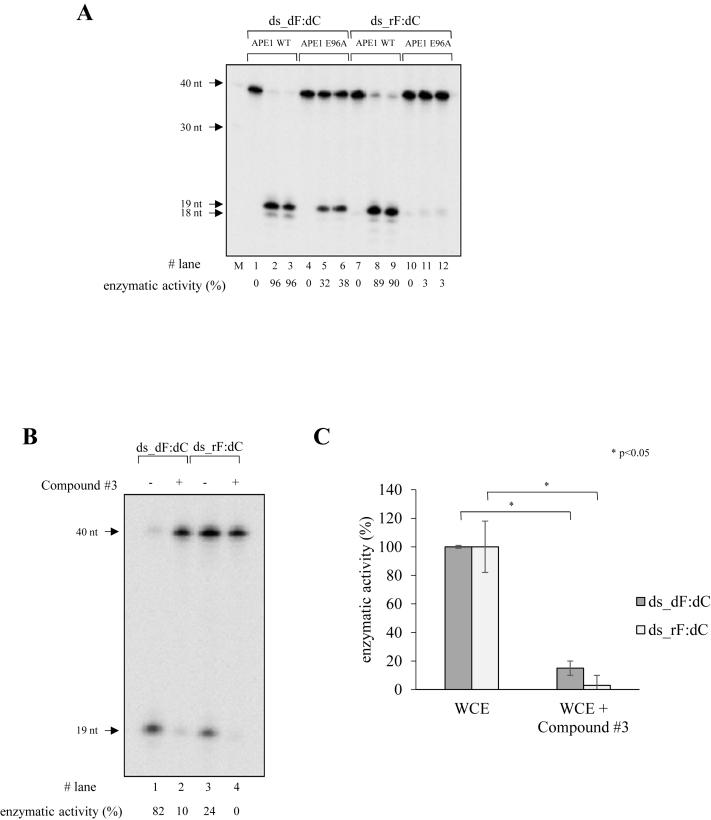
“To further characterize the enzymatic activity of APE1, we used the purified recombinant mutant APE1 E96A protein, in which the missense mutation of the residue in the catalytic site, characterized by the substitution of the glutamic acid in position 96 with alanine, causes a decreased enzymatic activity of the protei…”
MethodThe current state of eukaryotic DNA base damage and repair
Bauer, N. C., Corbett, A. H., & Doetsch, P. W. (2015) · Nucleic Acids Research · doi:10.1093/nar/gkv1136 · Cited by 217 · cited 1×
“Abasic sites, which form by spontaneous hydrolysis of the N-glycosidic bond in DNA or following removal of a damaged base by BER glycosylases, are major targets or intermediate substrates in the BER pathway of DNA repair (31).”
BackgroundInfluentialStorici, F., Bebenek, K., Kunkel, T. A., Gordenin, D. A., & Resnick, M. A. (2007) · Nature · doi:10.1038/nature05720 · Cited by 215
Self-citationThe major human AP endonuclease (Ape1) is involved in the nucleotide incision repair pathway
Gros, L. (2004) · Nucleic Acids Research · doi:10.1093/nar/gkh165 · Cited by 209
Nucleic acid oxidation in Alzheimer disease
Moreira, P. I., Nunomura, A., Nakamura, M., Takeda, A., Shenk, J. C., Aliev, G., Smith, M. A., & Perry, G. (2008) · Free Radical Biology and Medicine · doi:10.1016/j.freeradbiomed.2008.01.002 · Cited by 206 · cited 1×
“Indeed, like deoxyribonucleotides, rNMPs are also susceptible to oxidative insults (5,70), and a significant generation of abasic sites formation has been demonstrated upon RNA oxidation and alkylation (71).”
BackgroundBeernink, P. T., Segelke, B. W., Hadi, M. Z., Erzberger, J. P., Wilson, D. M., & Rupp, B. (2001) · Journal of Molecular Biology · doi:10.1006/jmbi.2001.4529 · Cited by 188 · cited 2×
“To further characterize the enzymatic activity of APE1, we used the purified recombinant mutant APE1 E96A protein, in which the missense mutation of the residue in the catalytic site, characterized by the substitution of the glutamic acid in position 96 with alanine, causes a decreased enzymatic activity of the protei…”
BackgroundMethodProcessing ribonucleotides incorporated during eukaryotic DNA replication
Williams, J. S., Lujan, S. A., & Kunkel, T. A. (2016) · Nature Reviews Molecular Cell Biology · doi:10.1038/nrm.2016.37 · Cited by 188 · cited 8×
“Furthermore, taking into consideration all rNMPs that are synthesized during lagging strand synthesis, more than 100 million rNMPs are introduced into the mammalian genome per cell cycle (3).”
BackgroundInfluentialMessenger RNA oxidation is an early event preceding cell death and causes reduced protein expression
Shan, X., Chang, Y., & Glenn Lin, C. (2007) · The FASEB Journal · doi:10.1096/fj.07-8200com · Cited by 178 · cited 1×
“For instance, oxidized RNA (80) or RNA containing abasic sites (75) show inhibitory effects on reverse transcriptase activity, whereas oxidized mRNA (81,82) or mRNA with abasic sites (83) exhibit compromised translation activity as well as translation fidelity (84).”
BackgroundCapturing snapshots of APE1 processing DNA damage
Freudenthal, B. D., Beard, W. A., Cuneo, M. J., Dyrkheeva, N. S., & Wilson, S. H. (2015) · Nature Structural & Molecular Biology · doi:10.1038/nsmb.3105 · Cited by 176 · cited 1×
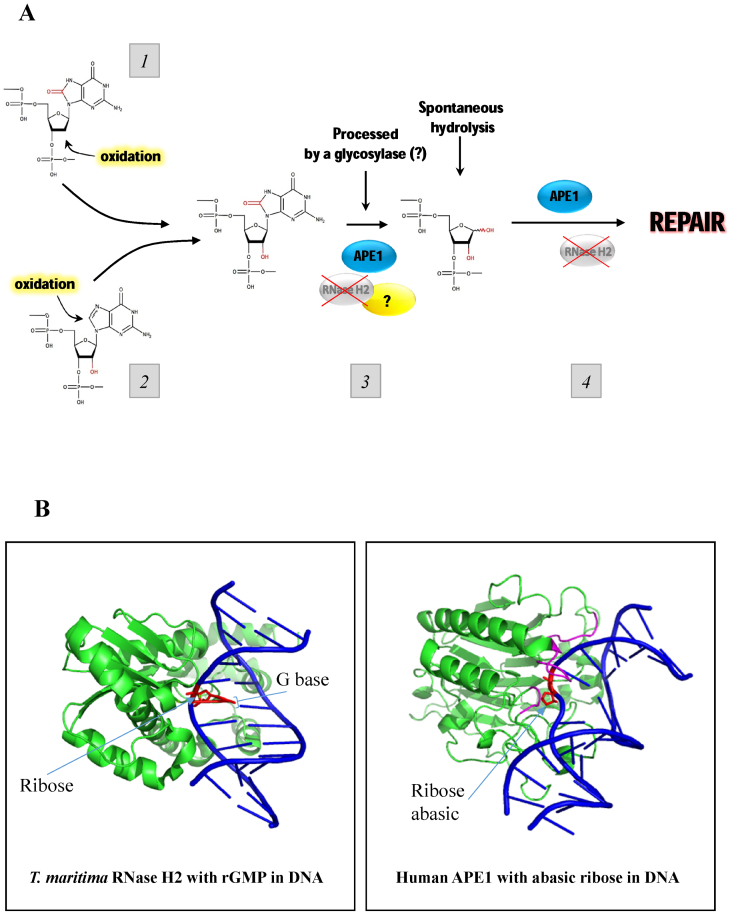
“Differently from RNase H2, APE1 specifically recognizes and cleaves an abasic distortion in DNA, and basically engulfs the sugar-phosphate further distorting the DNA (86), as seen in Figure 11B.”
BackgroundBase excision repair in nuclear and mitochondrial DNA
Dianov, G. L., Souza-Pinto, N., Nyaga, S. G., Thybo, T., Stevnsner, T., & Bohr, V. A. (2001) · Progress in nucleic acid research and molecular biology · doi:10.1016/s0079-6603(01)68107-8 · Cited by 174 · cited 2×
“BER is the main mechanism coping with the repair of non-distorting single-base lesions, such as abasic sites and oxidized bases (27).”
BackgroundRibonucleotides in DNA: Origins, repair and consequences
Williams, J. S., & Kunkel, T. A. (2014) · DNA Repair · doi:10.1016/j.dnarep.2014.03.029 · Cited by 169 · cited 4×
“(A) 8oxo-ribonucleotides could be generated in the cellular nucleotide pool or even when they are already incorporated in DNA as a result of an oxidation of the sugar (1) and/or the base (2).”
BackgroundInfluentialMol, C. D., Izumi, T., Mitra, S., & Tainer, J. A. (2000) · Nature · doi:10.1038/35006693 · Cited by 160
Barnes, T., Kim, W., Mantha, A. K., Kim, S.-E., Izumi, T., MITRA, S. P., & Lee, C. H. (2009) · Nucleic Acids Research · doi:10.1093/nar/gkp275 · Cited by 160
Topoisomerase 1-Mediated Removal of Ribonucleotides from Nascent Leading-Strand DNA
Williams, J. S., Smith, D. J., Marjavaara, L., Lujan, S. A., Chabes, A., & Kunkel, T. A. (2013) · Molecular Cell · doi:10.1016/j.molcel.2012.12.021 · Cited by 157
Berquist, B. R., McNeill, D. R., & Wilson, D. M. (2008) · Journal of Molecular Biology · doi:10.1016/j.jmb.2008.03.053 · Cited by 146 · cited 1×
“As recently demonstrated, APE1 can endonucleolytically cleave abasic single-stranded RNA (37,38,40), has a 3′-RNA phosphatase activity, and a weak 3′-5′ exoribonuclease activity (42).”
BackgroundRNase H2 roles in genome integrity revealed by unlinking its activities
Chon, H., Sparks, J. L., Rychlik, M., Nowotny, M., Burgers, P. M., Crouch, R. J., & Cerritelli, S. M. (2013) · Nucleic Acids Research · doi:10.1093/nar/gkt027 · Cited by 145
Self-citationErzberger, J. P., & Wilson, D. M. (1999) · Journal of Molecular Biology · doi:10.1006/jmbi.1999.2888 · Cited by 135
Parsons, J. L., Dianova, I. I., Khoronenkova, S. V., Edelmann, M. J., Kessler, B. M., & Dianov, G. L. (2011) · Molecular Cell · doi:10.1016/j.molcel.2011.02.016 · Cited by 134
Ribonucleotide incorporation, proofreading and bypass by human DNA polymerase δ
Clausen, A. R., Zhang, S., Burgers, P. M., Lee, M. Y., & Kunkel, T. A. (2013) · DNA Repair · doi:10.1016/j.dnarep.2012.11.006 · Cited by 130 · cited 3×
“possesses a strong activity on this type of damage (4).”
BackgroundChon, H., Vassilev, A., DePamphilis, M. L., Zhao, Y., Zhang, J., Burgers, P. M., Crouch, R. J., & Cerritelli, S. M. (2009) · Nucleic Acids Research · doi:10.1093/nar/gkn913 · Cited by 127
Self-citationChemical synthesis of a biologically active natural tRNA with its minor bases
Gasparutto, D., Livache, T., Bazin, H., Duplaa, A.-M., Guy, A., Khorlin, A., Molko, D., Roget, A., & Téoule, R. (1992) · Nucleic Acids Research · doi:10.1093/nar/20.19.5159 · Cited by 127 · cited 2×
“Synthesis of oligonucleotide containing an internal ribose 8-oxo-guanosine (r8oxoG) and an IRDye700 fluorophore at 5′ end was in-house carried out on an Applied Biosystems 392 DNA/RNA synthesizer using the phosphoramidite chemistry, associated with the phenoxyacetyl protecting group for the nucleobases and the tertiob…”
MethodSelf-citationAudebert, M. (2000) · Nucleic Acids Research · doi:10.1093/nar/28.14.2672 · Cited by 122
Ribose-seq: global mapping of ribonucleotides embedded in genomic DNA
Koh, K. D., Balachander, S., Hesselberth, J. R., & Storici, F. (2015) · Nature Methods · doi:10.1038/nmeth.3259 · Cited by 122 · cited 7×
“Increased body of evidence supports the notion that incorporation of rNMPs in DNA is a frequent phenomenon, having profound detrimental effects on genome stability of both prokaryotes and eukaryotes (1,2,63,64).”
BackgroundInfluentialSelf-citationFantini, D., Vascotto, C., Marasco, D., D’Ambrosio, C., Romanello, M., Vitagliano, L., Pedone, C., Poletto, M., Cesaratto, L., Quadrifoglio, F., et al. (2010) · Nucleic Acids Research · doi:10.1093/nar/gkq691 · Cited by 122 · cited 3×
“acetylation, ubiquitination, proteolysis); (iii) is involved in modulating the interaction with different protein partners and finally (iv) may modulate the catalytic rate, probably acting on the koff of the catalytic reaction due to increased speed of product release (37,48,78).”
BackgroundResultSelf-citationBinding Capacity of Human YB-1 Protein for RNA Containing 8-Oxoguanine
Hayakawa, H., Uchiumi, T., Fukuda, T., Ashizuka, M., Kohno, K., Kuwano, M., & Sekiguchi, M. (2002) · Biochemistry · doi:10.1021/bi0201872 · Cited by 114 · cited 1×
“A role for the YB-1 protein in recognizing oxidized ribonucleotides sites in RNA has also been hypothesized (88), but no specific enzymatic mechanisms able to remove the oxidized base has been described, yet.”
BackgroundThe Exonuclease Activity of Human Apurinic/Apyrimidinic Endonuclease (APE1)
Chou, K.-M., & Cheng, Y. (2003) · Journal of Biological Chemistry · doi:10.1074/jbc.m212143200 · Cited by 111 · cited 3×
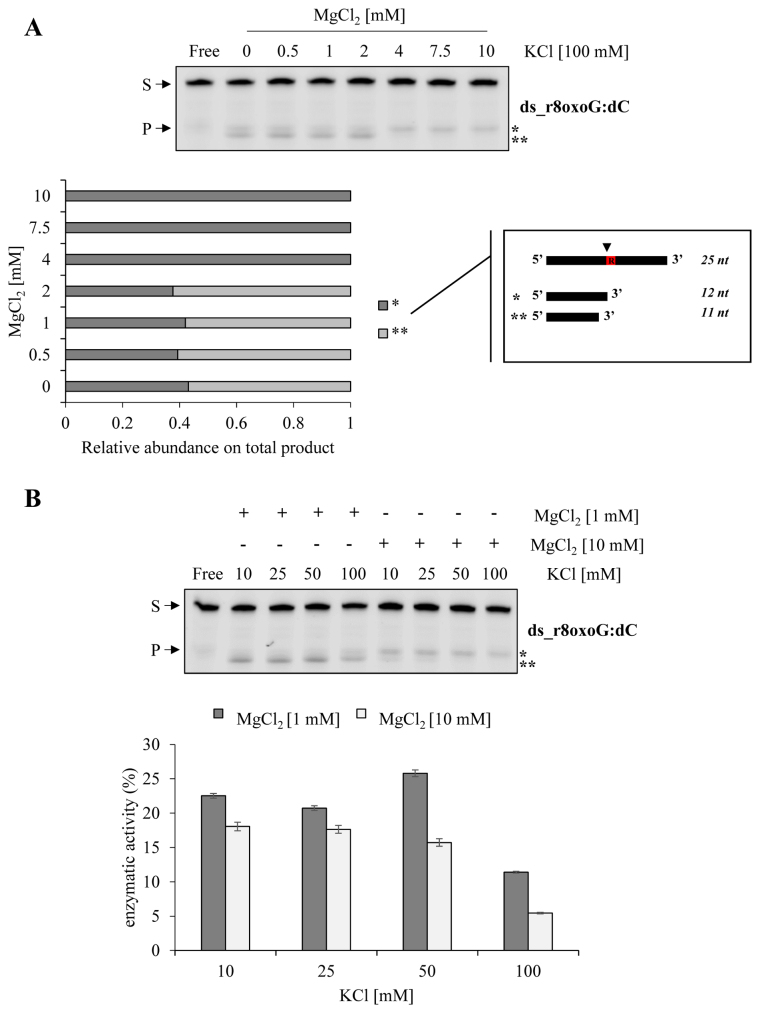
“We therefore tested whether the 3′-exonuclease activity observed on the ds r8oxodG:dC shared some common features (in terms of dependence on the ionic strength conditions) with the 3′-exonuclease activity on mispaired DNA, as previously described (60).”
BackgroundMethodResultInfluentialQuality control of chemically damaged RNA
Simms, C. L., & Zaher, H. S. (2016) · Cellular and Molecular Life Sciences · doi:10.1007/s00018-016-2261-7 · Cited by 111 · cited 1×
“To date, RNA oxidation has been shown to exert detrimental physiological effects and to be a common feature in different human pathologies ranging from ageing to neurodegenerative and cancer diseases (79).”
BackgroundRychlik, M. P., Chon, H., Cerritelli, S. M., Klimek, P., Crouch, R. J., & Nowotny, M. (2010) · Molecular Cell · doi:10.1016/j.molcel.2010.11.001 · Cited by 109
Self-citationAl‐Attar, A., Gossage, L., Fareed, K. R., Shehata, M., Mohammed, M., Zaitoun, A. M., Soomro, I. N., Lobo, D. N., Abbotts, R., Chan, S. Y. T., et al. (2010) · British Journal of Cancer · doi:10.1038/sj.bjc.6605541 · Cited by 105 · cited 1×
“Moreover, since APE1 is overexpressed in different types of cancer, such as ovarian, gastro-esophageal, pancreatico-biliary, lung and breast cancers (90,91), it would be interesting to determine whether any correlation exists between its expression level and presence of modified rNMPs in cancers.”
BackgroundGenome‐wide analysis and proteomic studies reveal APE1/Ref‐1 multifunctional role in mammalian cells
Vascotto, C., Cesaratto, L., Zeef, L. A. H., Deganuto, M., DˈAmbrosio, C., Scaloni, A., Romanello, M., Damante, G., Taglialatela, G., Delneri, D., et al. (2009) · PROTEOMICS · doi:10.1002/pmic.200800638 · Cited by 104 · cited 2×
“acetylation, ubiquitination, proteolysis); (iii) is involved in modulating the interaction with different protein partners and finally (iv) may modulate the catalytic rate, probably acting on the koff of the catalytic reaction due to increased speed of product release (37,48,78).”
BackgroundSelf-citationMajor oxidative products of cytosine are substrates for the nucleotide incision repair pathway
Daviet, S., Couvé, S., Gros, L., Shinozuka, K., Ide, H., Saparbaev, M. K., & Ishchenko, A. A. (2006) · DNA repair · doi:10.1016/j.dnarep.2006.08.001 · Cited by 98 · cited 1×
“Notably, the limited activity obtained in the experimental conditions we used (also after changing the pH conditions, data not shown) are in agreement with previous reports on the NIR function by APE1 on some particular substrates such as the dG:dG and the 5OH-dC:dG (44).”
ResultIntrusion of a DNA Repair Protein in the RNome World: Is This the Beginning of a New Era?
Tell, G., Wilson, D. M., & Lee, C. H. (2010) · Molecular and Cellular Biology · doi:10.1128/mcb.01174-09 · Cited by 91 · cited 4×
“Interestingly, emerging literature, including ours, pointed to a new function of BER in RNA quality control surveillance and RNA-decay with the functions of SMUG1, PARP1 and APE1 in RNA processing (38,72).”
BackgroundMethodInfluentialSelf-citationThe chemical stability of abasic RNA compared to abasic DNA
Küpfer, P. A., & Leumann, C. J. (2006) · Nucleic Acids Research · doi:10.1093/nar/gkl948 · Cited by 86 · cited 2×
“For instance, oxidized RNA (80) or RNA containing abasic sites (75) show inhibitory effects on reverse transcriptase activity, whereas oxidized mRNA (81,82) or mRNA with abasic sites (83) exhibit compromised translation activity as well as translation fidelity (84).”
BackgroundPizzi, S., Sertic, S., Orcesi, S., Cereda, C., Bianchi, M., Jackson, A. P., Lazzaro, F., Plevani, P., & Muzi-Falconi, M. (2015) · Human Molecular Genetics · doi:10.1093/hmg/ddu485 · Cited by 81
Potenski, C. J., & Klein, H. L. (2014) · Nucleic Acids Research · doi:10.1093/nar/gku773 · Cited by 79 · cited 1×
“Increased body of evidence supports the notion that incorporation of rNMPs in DNA is a frequent phenomenon, having profound detrimental effects on genome stability of both prokaryotes and eukaryotes (1,2,63,64).”
BackgroundUracil in duplex DNA is a substrate for the nucleotide incision repair pathway in human cells
Prorok, P., Alili, D., Saint-Pierre, C., Gasparutto, D., Zharkov, D. O., Ishchenko, A. A., Tudek, B., & Saparbaev, M. K. (2013) · Proceedings of the National Academy of Sciences · doi:10.1073/pnas.1305624110 · Cited by 77
Self-citationPoletto, M., Malfatti, M. C., Dorjsuren, D. G., Scognamiglio, P. L., Marasco, D., Vascotto, C., Jadhav, A., Maloney, D. J., Wilson, D. M., Simeonov, A. M., et al. (2015) · Molecular Carcinogenesis · doi:10.1002/mc.22313 · Cited by 77 · cited 3×
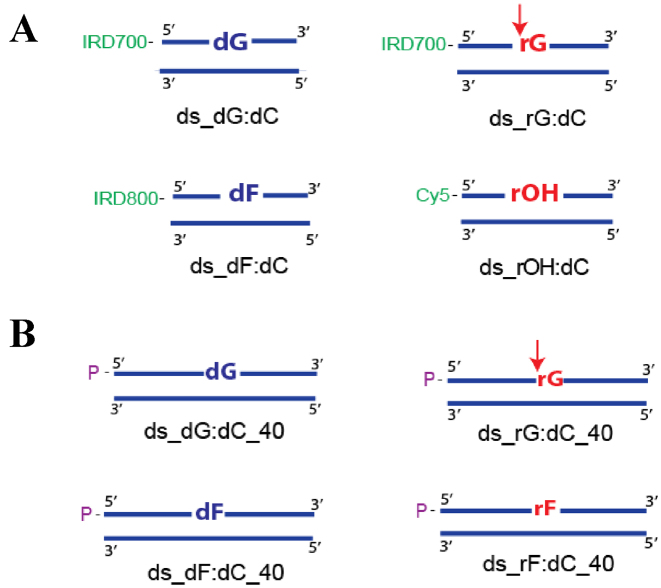
“As a positive control for APE1 endonuclease activity, an oligonucleotide substrate containing a tetrahydrofuran residue mimicking the abasic site, called ds dF:dC (52,53), was used.”
BackgroundMethodSelf-citationAvoidance of ribonucleotide-induced mutations by RNase H2 and Srs2-Exo1 mechanisms
Potenski, C. J., Niu, H., Sung, P., & Klein, H. L. (2014) · Nature · doi:10.1038/nature13292 · Cited by 76 · cited 1×
“In the absence of RNase H2, topoisomerase I cleavage (21), followed by nick processing by Srs2–Exo1, can remove some rNMPs (22,23).”
BackgroundOxidative base damage in RNA detected by reverse transcriptase
Rhee, Y., Valentine, M. R., & Termini, J. (1995) · Nucleic Acids Research · doi:10.1093/nar/23.16.3275 · Cited by 73 · cited 1×
“For instance, oxidized RNA (80) or RNA containing abasic sites (75) show inhibitory effects on reverse transcriptase activity, whereas oxidized mRNA (81,82) or mRNA with abasic sites (83) exhibit compromised translation activity as well as translation fidelity (84).”
BackgroundVaisman, A., McDonald, J. P., Huston, D., Kuban, W., Liu, L., Van Houten, B., & Woodgate, R. (2013) · PLoS Genetics · doi:10.1371/journal.pgen.1003878 · Cited by 70 · cited 1×
“rNMPs in DNA can be also targeted by the nucleotide excision repair (NER) factors in bacteria (24).”
BackgroundHudak, K. A., Bauman, J. D., & Tumer, N. E. (2002) · RNA · doi:10.1017/s1355838202026638 · Cited by 70 · cited 1×
“For instance, oxidized RNA (80) or RNA containing abasic sites (75) show inhibitory effects on reverse transcriptase activity, whereas oxidized mRNA (81,82) or mRNA with abasic sites (83) exhibit compromised translation activity as well as translation fidelity (84).”
BackgroundRNA-driven genetic changes in bacteria and in human cells
Shen, Y., Nandi, P., Taylor, M. B., Stuckey, S., Bhadsavle, H. P., Weiss, B., & Storici, F. (2011) · Mutation research. Fundamental and molecular mechanisms of mutagenesis · doi:10.1016/j.mrfmmm.2011.03.016 · Cited by 68 · cited 1×
“Moreover, rNMPs in DNA can be template for DNA synthesis (13,14), although the DNA polymerases processivity on rNMP tracts is reduced (13).”
BackgroundSelf-citationRepair of persistent strand breaks in the mitochondrial genome
Sykora, P., Wilson, D. M., & Bohr, V. A. (2012) · Mechanisms of Ageing and Development · doi:10.1016/j.mad.2011.11.003 · Cited by 67 · cited 1×
“BER is known to repair a wide spectrum of oxidative lesions in nuclear and mitochondrial DNA (27,28), and preventing cancer (29,30).”
BackgroundRibose—An Internal Threat to DNA
Caldecott, K. W. (2014) · Science · doi:10.1126/science.1248234 · Cited by 62
Alternative Excision Repair Pathways
Yasui, A. (2013) · Cold Spring Harbor Perspectives in Biology · doi:10.1101/cshperspect.a012617 · Cited by 59
RNA intrusions change DNA elastic properties and structure
Chiu, H.-C., Koh, K. D., Evich, M., Lesiak, A. L., Germann, M. W., Bongiorno, A., Riedo, E., & Storici, F. (2014) · Nanoscale · doi:10.1039/c4nr01794c · Cited by 56
Self-citationWilson, D. M. (2004) · Journal of Molecular Biology · doi:10.1016/j.jmb.2004.11.028 · Cited by 53
The effect of RNA base lesions on mRNA translation
Calabretta, A., Küpfer, P. A., & Leumann, C. J. (2015) · Nucleic Acids Research · doi:10.1093/nar/gkv377 · Cited by 52 · cited 1×
“For instance, oxidized RNA (80) or RNA containing abasic sites (75) show inhibitory effects on reverse transcriptase activity, whereas oxidized mRNA (81,82) or mRNA with abasic sites (83) exhibit compromised translation activity as well as translation fidelity (84).”
BackgroundMispaired rNMPs in DNA are mutagenic and are targets of mismatch repair and RNases H
Shen, Y., Koh, K. D., Weiss, B., & Storici, F. (2012) · Nature Structural & Molecular Biology · doi:10.1038/nsmb.2176 · Cited by 50 · cited 2×
“RNase H2 is the principal protein able to process paired and mismatched rNMP sites embedded in DNA by generating a nick to their 5′ side (26) (and references therein).”
BackgroundSelf-citationMazouzi, A., Vigouroux, A., Aikeshev, B., Brooks, P. J., Saparbaev, M. K., Moréra, S., & Ishchenko, A. A. (2013) · Proceedings of the National Academy of Sciences · doi:10.1073/pnas.1305281110 · Cited by 45
Randerath, K., Reddy, R., Danna, T. F., Watson, W. P., Crane, A. E., & Randerath, E. (1992) · Mutation Research/DNAging · doi:10.1016/0921-8734(92)90038-q · Cited by 44 · cited 3×
“Indeed, like deoxyribonucleotides, rNMPs are also susceptible to oxidative insults (5,70), and a significant generation of abasic sites formation has been demonstrated upon RNA oxidation and alkylation (71).”
BackgroundImpact of ribonucleotide incorporation by DNA polymerases β and λ on oxidative base excision repair
Crespan, E., Furrer, A., Rösinger, M., Bertoletti, F., Mentegari, E., Chiapparini, G., Imhof, R., Ziegler, N., Sturla, S. J., Hübscher, U., et al. (2016) · Nature Communications · doi:10.1038/ncomms10805 · Cited by 40 · cited 2×
“In addition, it has been estimated that the amount of rNTPs is generally 40–350-fold higher than that of dNTPs in cycling cells (6–8) increasing the probability of incorrect rNMP incorporation during DNA replication and repair (2,4,6,7).”
BackgroundRibonucleotide-induced helical alteration in DNA prevents nucleosome formation.
Hovatter, K. R., & Martinson, H. G. (1987) · Proceedings of the National Academy of Sciences · doi:10.1073/pnas.84.5.1162 · Cited by 39 · cited 1×
“Increased body of evidence supports the notion that incorporation of rNMPs in DNA is a frequent phenomenon, having profound detrimental effects on genome stability of both prokaryotes and eukaryotes (1,2,63,64).”
BackgroundOrdonez, H., & Shuman, S. (2014) · Nucleic Acids Research · doi:10.1093/nar/gku1027 · Cited by 37
Defining the RNaseH2 enzyme-initiated ribonucleotide excision repair pathway in Archaea
Heider, M. R., Burkhart, B. W., Santangelo, T. J., & Gardner, A. F. (2017) · Journal of Biological Chemistry · doi:10.1074/jbc.m117.783472 · Cited by 37 · cited 1×
“In humans, as well as in yeast and bacteria including Archaea, the main processing pathway responsible for repairing of these lesions is the RER pathway, which involves the RNase H2 enzyme (65,66).”
BackgroundChohan, M., Mackedenski, S. J., Li, W.-M., & Lee, C. H. (2014) · Journal of Molecular Biology · doi:10.1016/j.jmb.2014.12.001 · Cited by 36 · cited 2×
“As observed above, the appearance of an additional faster migrating cleavage product (indicated by a double asterisk corresponding to a 11-nt product in Figure 8D) was visible in the case of the ds r8oxoG:dC substrate, which might be associated with a recently identified 3′-exonuclease activity by the protein (42).”
BackgroundPrognostic Value of Human Apurinic/Apyrimidinic Endonuclease 1 (APE1) Expression in Breast Cancer
Woo, J., Park, H., Sung, S. H., Moon, B.-I., Suh, H., & Lim, W. (2014) · PLoS ONE · doi:10.1371/journal.pone.0099528 · Cited by 34 · cited 1×
“Moreover, since APE1 is overexpressed in different types of cancer, such as ovarian, gastro-esophageal, pancreatico-biliary, lung and breast cancers (90,91), it would be interesting to determine whether any correlation exists between its expression level and presence of modified rNMPs in cancers.”
BackgroundRegulatory mechanisms of RNA function: emerging roles of DNA repair enzymes
Jobert, L., & Nilsen, H. L. (2014) · Cellular and Molecular Life Sciences · doi:10.1007/s00018-014-1562-y · Cited by 33 · cited 1×
“Interestingly, emerging literature, including ours, pointed to a new function of BER in RNA quality control surveillance and RNA-decay with the functions of SMUG1, PARP1 and APE1 in RNA processing (38,72).”
BackgroundCilli, P., Minoprio, A., Bossa, C., Bignami, M., & Mazzei, F. (2015) · Journal of Biological Chemistry · doi:10.1074/jbc.m115.679209 · Cited by 29 · cited 2×
“In addition, a possible RER and BER involvement in removal of r8oxoG from DNA has been proposed in other reports (36,77).”
BackgroundEnzymatic N-riboside scission in RNA and RNA precursors
Schramm, V. L. (1997) · Current Opinion in Chemical Biology · doi:10.1016/s1367-5931(97)80069-5 · Cited by 25
Hydrolysis of N-glycosidic Bonds in Nucleosides, Nucleotides, and their Derivatives
Kochetkov, N. K., & Budovskii, E. I. (1972) · Springer eBooks · doi:10.1007/978-1-4684-2973-2_4 · Cited by 25 · cited 1×
“It was estimated that spontaneous depurination occurs 1,000 times slower in RNA than DNA (73).”
BackgroundImpact of Ribonucleotide Backbone on Translesion Synthesis and Repair of 7,8-Dihydro-8-oxoguanine
Sassa, A., Çağlayan, M., Rodriguez, Y., Beard, W. A., Wilson, S. H., Nohmi, T., Honma, M., & Yasui, M. (2016) · Journal of Biological Chemistry · doi:10.1074/jbc.m116.738732 · Cited by 23 · cited 2×
“In addition, a possible RER and BER involvement in removal of r8oxoG from DNA has been proposed in other reports (36,77).”
BackgroundResultRice, G. I., Reijns, M. A. M., Coffin, S. R., Forte, G. M. A., Anderson, B. H., Szynkiewicz, M., Gornall, H., Gent, D., Leitch, A., Botella, M. P., et al. (2013) · Human Mutation · doi:10.1002/humu.22336 · Cited by 21 · cited 1×
“Moreover, RNase H2 mutations in humans are causally linked to the onset of AGS, a rare autoimmune inflammatory disease (68,69).”
BackgroundAnalysis of Ribonucleotide Removal from DNA by Human Nucleotide Excision Repair
Lindsey‐Boltz, L. A., Kemp, M. G., Hu, J., & Sancar, A. (2015) · Journal of Biological Chemistry · doi:10.1074/jbc.m115.695254 · Cited by 20 · cited 1×
“However, in vitro experiments showed that human NER proteins are not active to remove rNMPs embedded in DNA (25).”
BackgroundStructural Impact of Single Ribonucleotide Residues in DNA
Evich, M., Spring‐Connell, A. M., Storici, F., & Germann, M. W. (2016) · ChemBioChem · doi:10.1002/cbic.201600385 · Cited by 20
Self-citationSastre-Moreno, G., Sánchez, A., Esteban, V., & Blanco, L. (2014) · Nucleic Acids Research · doi:10.1093/nar/gku711 · Cited by 19
Small Molecule Inhibitors of the Human Apurinic/apyrimidinic Endonuclease 1 (APE1)
Rai, G., Vyjayanti, V. N., Dorjsuren, D. G., Simeonov, A. M., Jadhav, A., Wilson, D. M., & Maloney, D. J. (2013) · Europe PMC (PubMed Central) · Cited by 15
Measuring the Elasticity of Ribonucleotide(s)-Containing DNA Molecules Using AFM
Koh, K. D., Chiu, H., Riedo, E., & Storici, F. (2015) · Methods in molecular biology · doi:10.1007/978-1-4939-2562-9_3 · Cited by 10
Self-citationKochetkov, N. K., & Budovskii, E. I. (1972) · Springer eBooks · doi:10.1007/978-1-4684-2973-2_3 · Cited by 8 · cited 1×
“Despite the fact that spontaneous depurination occurs ∼1,000 times slower in RNA than DNA (33), due to the high abundance of rNMPs in genomes, with >100 million rNMPs transiently present in mammalian DNA during one replication cycle, considering rNMP incorporation by DNA polymerases during DNA replication and repair,…”
Background
Cited by
Hallmarks of DNA replication stress
Saxena, S., & Zou, L. (2022) · Molecular Cell · doi:10.1016/j.molcel.2022.05.004 · Cited by 439
8-Oxoguanine: from oxidative damage to epigenetic and epitranscriptional modification
Hahm, J. Y., Park, J., Jang, E.-S., & Chi, S. W. (2022) · Experimental & Molecular Medicine · doi:10.1038/s12276-022-00822-z · Cited by 317
Revisiting Two Decades of Research Focused on Targeting APE1 for Cancer Therapy: The Pros and Cons
Malfatti, M. C., Bellina, A., Antoniali, G., & Tell, G. (2023) · Cells · doi:10.3390/cells12141895 · Cited by 76
“Specifically, APE1 has been demonstrated to be able to cleave abasic RNA [15] and damaged ribonucleotides embedded in DNA [17,18], revealing it as an efficient endoribonuclease.”
BackgroundSelf-citationWulfridge, P., & Sarma, K. (2024) · Nature Cell Biology · doi:10.1038/s41556-024-01437-4 · Cited by 80
“In addition, as RNaseH2 is unable to remove abasic ribonucleotides embedded in dsDNA 93 , its activity may be similarly inhibited in the context of DNA:RNA hybrids.”
RNA: a double-edged sword in genome maintenance
Zong, D., Oberdoerffer, P., Batista, P. J., & Nussenzweig, A. (2020) · Nature Reviews Genetics · doi:10.1038/s41576-020-0263-7 · Cited by 63
Metadata
- Authors
- Malfatti, M. C., Balachander, S., Antoniali, G., Koh, K. D., Saint-Pierre, C., Gasparutto, D., Chon, H., Crouch, R. J., Storici, F., & Tell, G.
- Affiliations
- University of Udine (IT)
- Georgia Institute of Technology (US)
- Centre National de la Recherche Scientifique (FR)
- National Institutes of Health (US)
- Corresponding author
- Storici, Francesca
- Tell, Gianluca
- ORCID
- Venue
- Nucleic Acids Research
- Publisher
- Oxford University Press (OUP)
- Published
- 2017-08-18
- Volume
- 45
- Issue
- 19
- Pages
- 11193-11212
- ISSN
- 0305-1048 (ISSN-L)
- 1362-4962
- PMC
- PMC5737539
- OpenAlex
- W2750389306
- Semantic Scholar
- 598b71b2e36ca49876f1f9da3670f6ffe1e8ce18
- Cited by
- 59
- References
- 93
- Citations by year
- 2026: 5 · 2025: 5 · 2024: 4 · 2023: 6 · 2022: 7 · 2021: 9 · 2020: 9 · 2019: 9 · 2018: 5
- FWCI
- 2.57
- Type
- journal article
- Language
- en
- Open access
- gold
- doi.org
- Licence
- Locations
- Nucleic Acids Research (publishedVersion, cc-by-nc)
- Europe PMC (PubMed Central) (publishedVersion, cc-by-nc)
- PubMed Central (publishedVersion, cc-by-nc)
- PubMed (publishedVersion)
- HAL (submittedVersion)
- Institutional Research Information System (University of Udine) (submittedVersion, cc-by-nc-nd)
- Funders
- Associazione Italiana per la Ricerca sul Cancro (IG 2013, IG2013-14038)
- Università degli Studi di Udine
- National Institutes of Health
- National Institute of Environmental Health Sciences (R01ES026243)
- National Institute of Child Health and Human Development
- Topics
- Life Sciences › Biochemistry, Genetics and Molecular Biology › Molecular Biology › DNA Repair Mechanisms
- Life Sciences › Biochemistry, Genetics and Molecular Biology › Molecular Biology › DNA and Nucleic Acid Chemistry
- Life Sciences › Biochemistry, Genetics and Molecular Biology › Molecular Biology › RNA regulation and disease
- Keywords
- abasic sites, APE1, apurinic/apyrimidinic endonuclease 1, RNase H2, base excision repair, 8-oxoguanine, endoribonuclease activity, 3' exonuclease activity, DNA repair
- MeSH terms
- Binding Sites, DNA, DNA Repair, HeLa Cells, Humans, Kinetics, Models, Genetic, Oxidation-Reduction, Protein Binding, Recombinant Proteins, Ribonucleotides, Substrate Specificity, Ribonuclease H, DNA-(Apurinic or Apyrimidinic Site) Lyase
About these checks
Registry, retraction, Cites and statistics results are computed, not judged, with one exception: a printed reference that no index lists is read once by a model before it counts as a citation error. Claims are extracted by a model and kept only when their quote appears verbatim in the text; each cited source is then checked, with a model’s help, for whether it says what the claim relies on. Those verdicts can be wrong — read the claim’s quote and the cited source before relying on one.
Statistics and arithmetic are recomputed, not judged.
Confidence bands are shown only for fields calibrated on our annotated test set. None is calibrated yet, so no band is shown.
What counts as a claim ›How we measure confidence ›How we check this ›
Are you an author, or do you see a problem with this page? Request a review
Data sources
Bibliographic data: Semantic Scholar, OpenAlex, Crossref.
Contains information from the Semantic Scholar Academic Graph Datasets, made available under the ODC Attribution License (ODC-BY 1.0).
Semantic Scholar’s data is described in: Kinney, R., et al. (2023). The Semantic Scholar Open Data Platform. arXiv:2301.10140.
