

The Weng'an biota and the Ediacaran radiation of multicellular eukaryotes
Open accessThe DOI matches its Crossref record; 153 of the 157 references it cites were found in a registry or an index.
Abstract
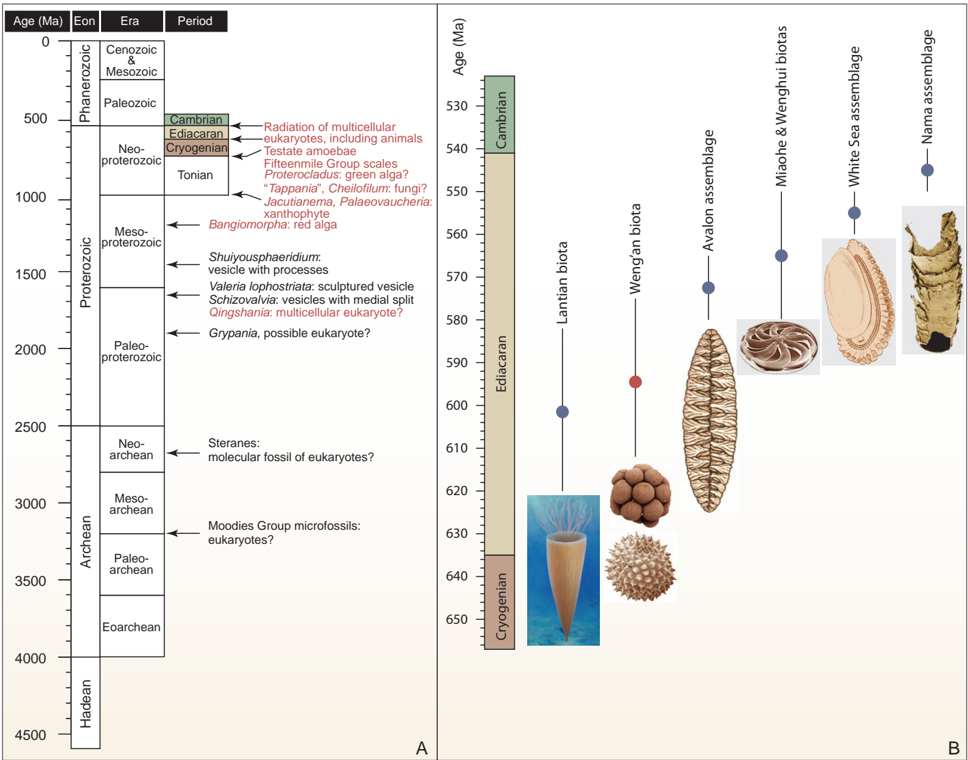
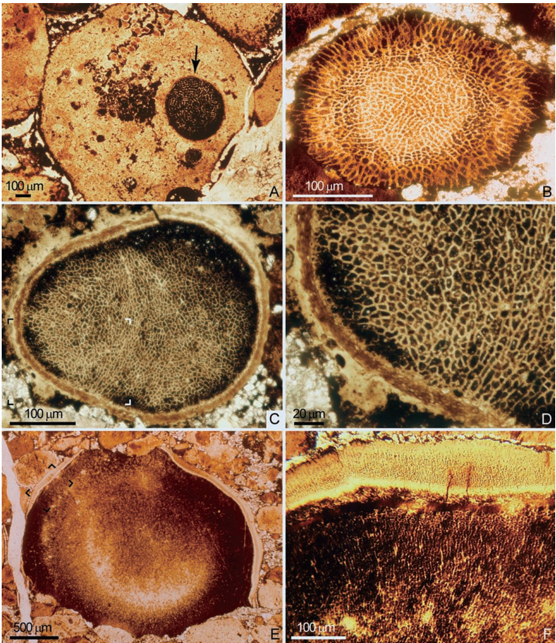
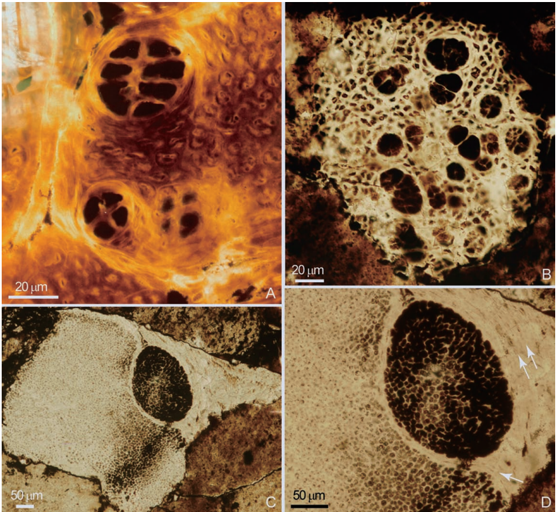
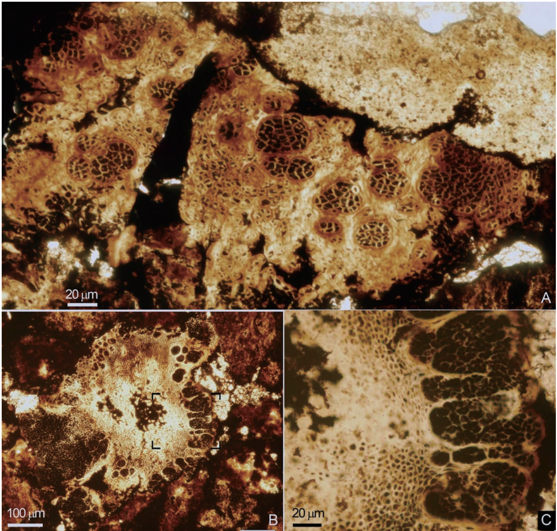
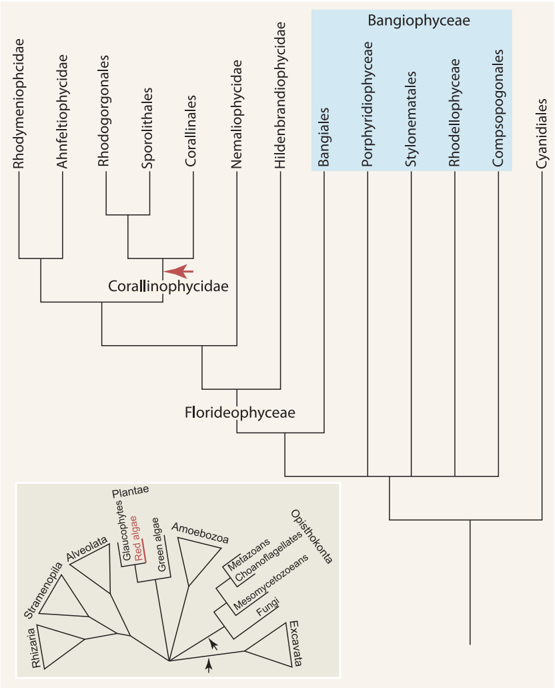
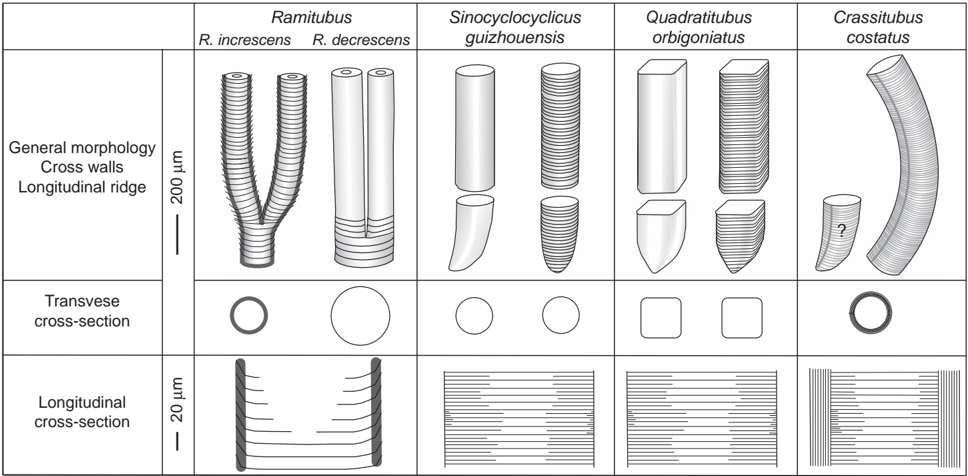
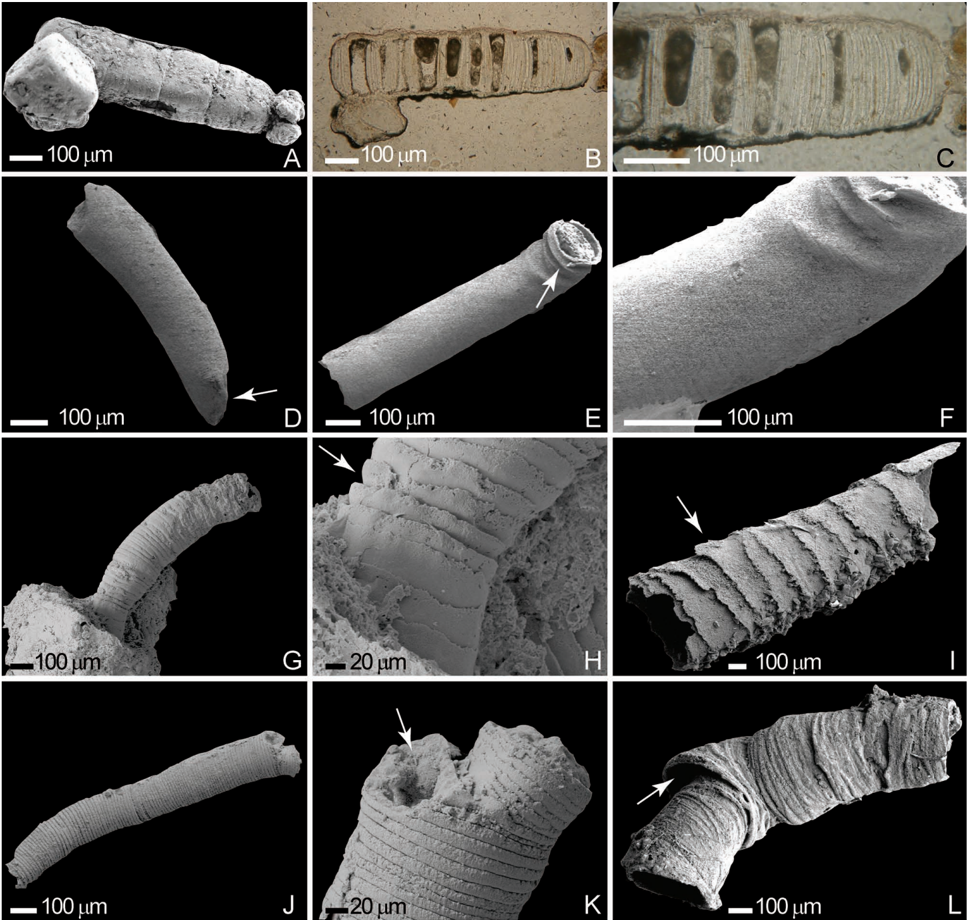
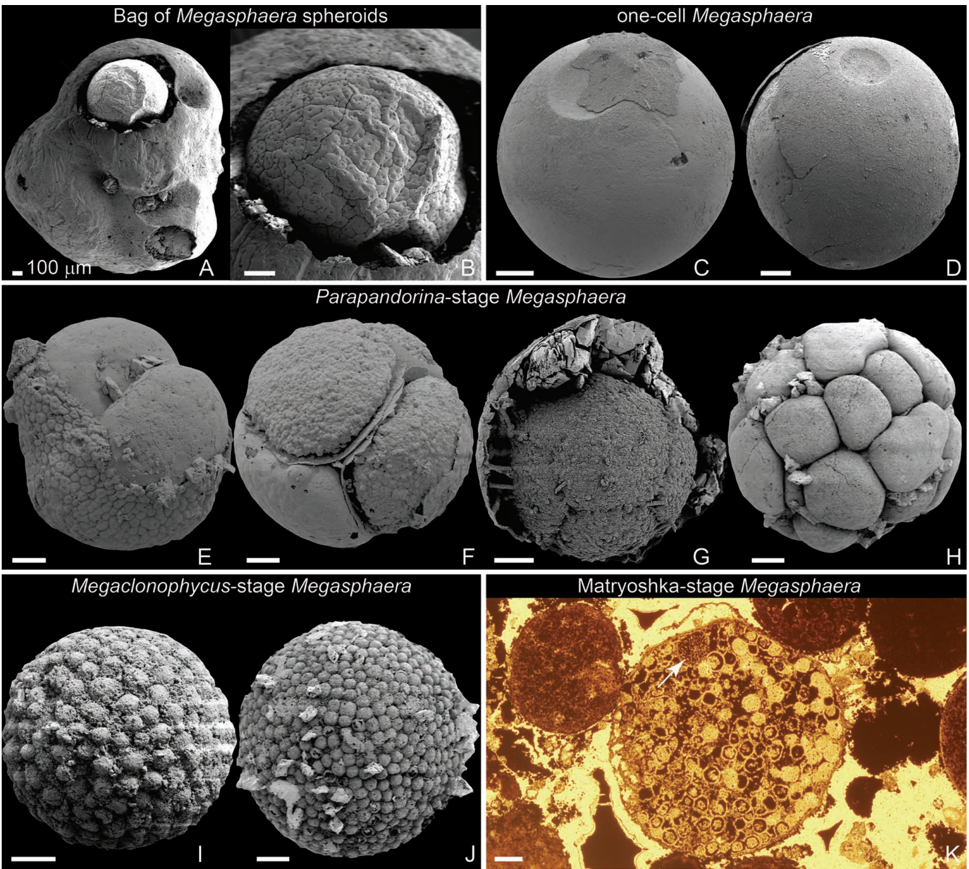
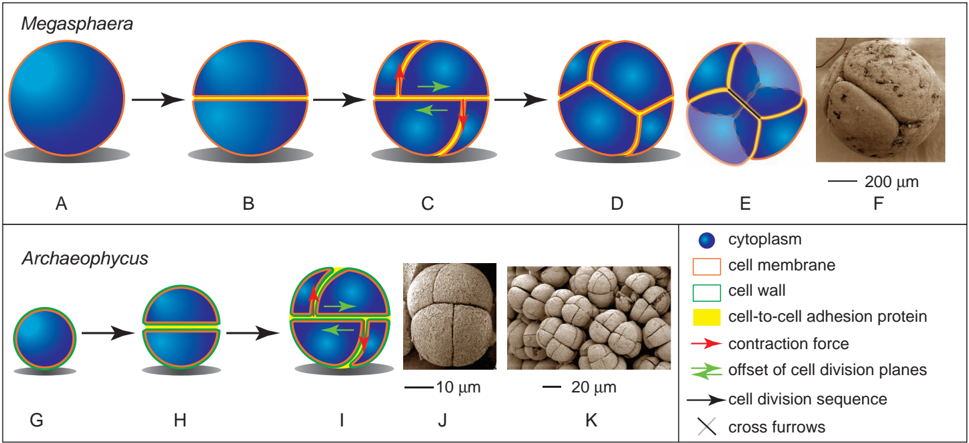
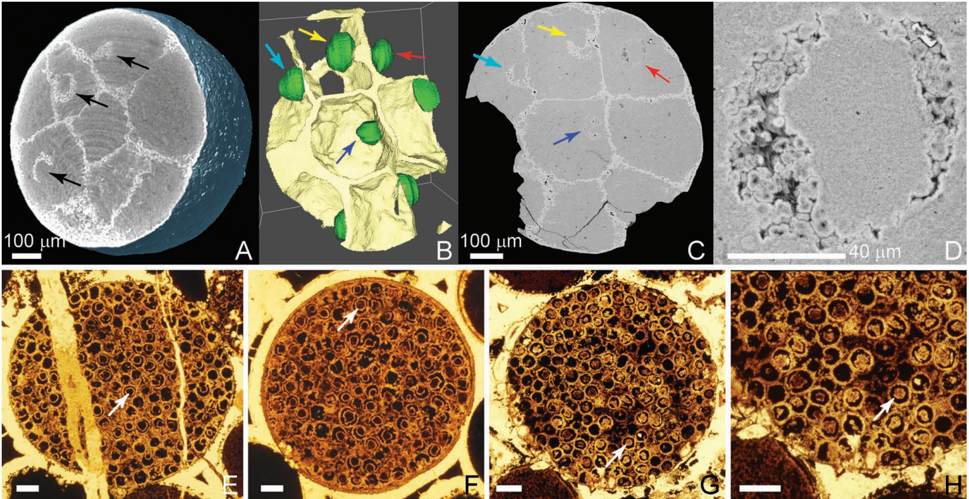
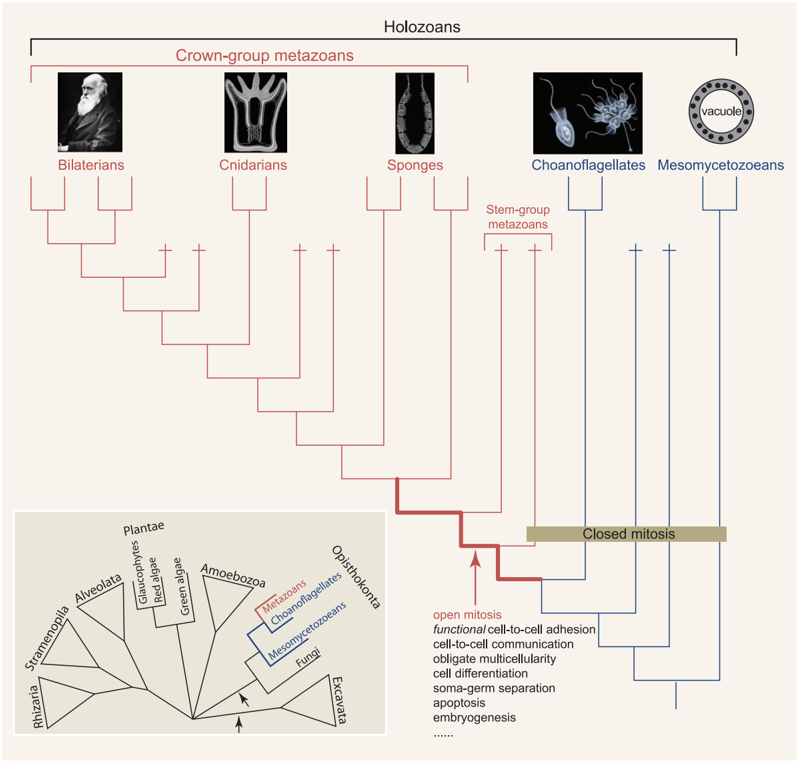
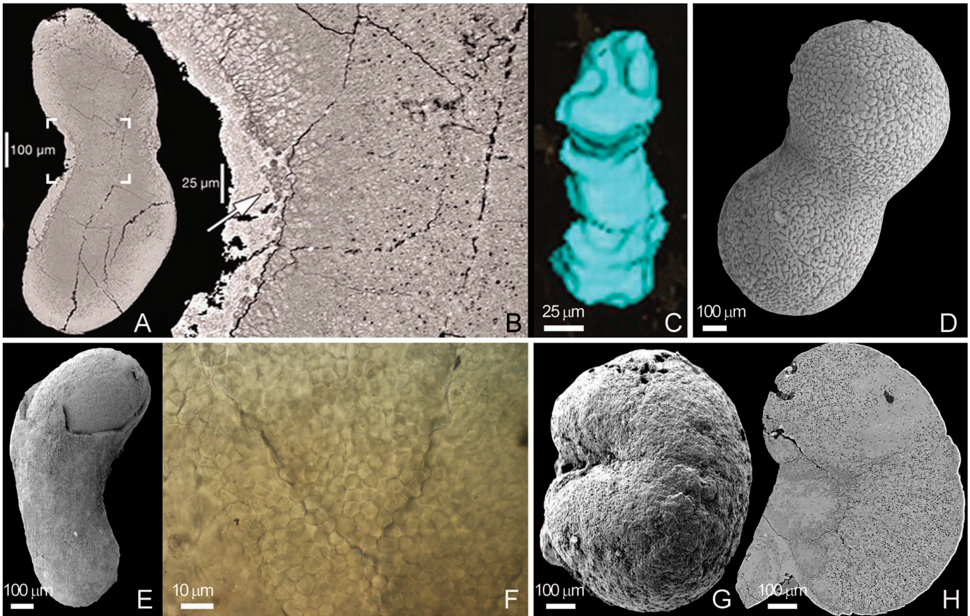
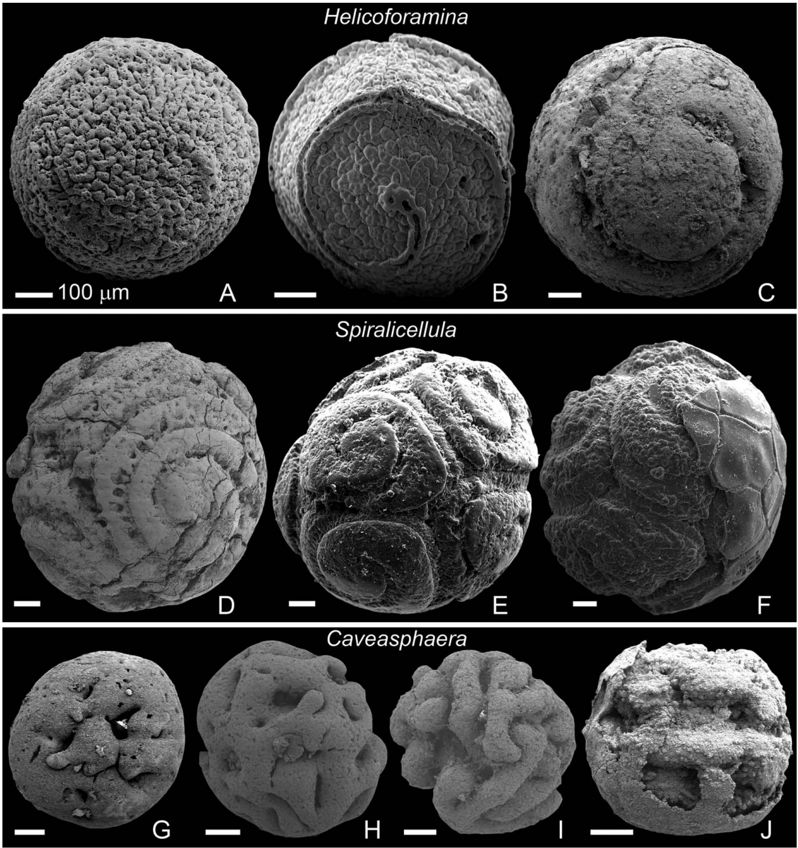
The rise of multicellularity represents a major evolutionary transition and it occurred independently in multiple eukaryote clades. Although simple multicellular organisms may have evolved in the Mesoproterozoic Era or even earlier, complex multicellular eukaryotes began to diversify only in the Ediacaran Period, just before the Cambrian explosion. Thus, the Ediacaran fossil record can provide key paleontological evidence about the early radiation of multicellular eukaryotes that ultimately culminated in the Cambrian explosion. The Ediacaran Weng'an biota in South China hosts exceptionally preserved eukaryote fossils, including various acanthomorphic acritarchs, pseudoparenchymatous thalli, tubular microfossils, and spheroidal fossils such as Megasphaera, Helicoforamina, Spiralicellula, and Caveasphaera. Many of these fossils have been interpreted as multicellular eukaryotes, although alternative interpretations have also been proposed. In this review, we critically examine these various interpretations, focusing particularly on Megasphaera, which has been variously interpreted as a sulfur-oxidizing bacterium, a unicellular protist, a mesomycetozoean-like holozoan, a volvocine green alga, a stem-group animal, or a crown-group animal. We conclude that Megasphaera is a multicellular eukaryote with evidence for cell-to-cell adhesion, a flexible membrane unconstrained by a rigid cell wall, spatial cellular differentiation, germ–soma separation, and programmed cell death. These features are inconsistent with the bacterium, unicellular protist, and mesomycetozoean-like holozoan interpretations. Thus, the surviving hypotheses, particularly the stem-group animal and algal interpretations, should be further tested with additional evidence. The Weng'an biota also hosts cellularly differentiated pseudoparenchymatous thalli with specialized reproductive structures indicative of an affinity with florideophyte red algae. The other Weng'an fossils reviewed here may also be multicellular eukaryotes, although direct cellular evidence is lacking in some and phylogenetic affinities are poorly constrained in others. The Weng'an biota offers many research opportunities to resolve the life histories and phylogenetic diversity of early multicellular eukaryotes and to illuminate the evolutionary prelude to the Cambrian explosion.
Overview
The claims and statistics of this paper haven’t been checked yet.
Free: it reads the open-access text and checks the first 5 claims that cite a source we can check. Create a free account to check every claim.
Integrity signals
Registry
Cites
Statistics
Figures
Verification
Claims the paper makes
The claims and statistics of this paper haven’t been checked yet.
Free: it reads the open-access text and checks the first 5 claims that cite a source we can check. Create a free account to check every claim.
Claims other papers make about this one
Each is checked against this paper’s own text: does it say what the citing paper says it does?
The source backs part of the claim, not all of it — or backs it for a different population, condition or comparison.
In the citing paper
“Though a stem-group animal interpretation cannot yet be ruled out, affinities with other eukaryotic lineages, including algal and protist clades, are at least equally likely and require further investigation [27, 71, 73, 74].”
From The origin of animals: Can molecular clocks and the fossil record be reconciled? (2017) · cites this paper as [71]
Experimental — accuracy not yet measuredThe source backs part of the claim, not all of it — or backs it for a different population, condition or comparison.
In the citing paper
“TheWeng'anbiotaoftheDoushantuoFormation,SouthChina,is likely to predate the classical Ediacaran macrobiota [71].”
From The origin of animals: Can molecular clocks and the fossil record be reconciled? (2017) · cites this paper as [71]
Experimental — accuracy not yet measuredThe source backs part of the claim, not all of it — or backs it for a different population, condition or comparison.
In the citing paper
“The DoushantuoFormationcanbedatedto635-551Ma,andalthough the age of the fossiliferous units is poorly constrained within this interval, they are most likely 570-600Ma [71].”
From The origin of animals: Can molecular clocks and the fossil record be reconciled? (2017) · cites this paper as [71]
Experimental — accuracy not yet measuredThe source backs part of the claim, not all of it — or backs it for a different population, condition or comparison.
In the citing paper
“the first fossil evidence for metazoans (the Doushantuo embryos) about 600 Ma”
From Early metazoan life: divergence, environment and ecology (2015) · cites this paper as [28]
Experimental — accuracy not yet measuredThe cited source says what the claim attributes to it.
In the citing paper
“likely early metazoan embryos have been described from the Doushantuo Formation in south China approximately 600 Ma [28]”
From Early metazoan life: divergence, environment and ecology (2015) · cites this paper as [28]
1 more claim about this paper
Create a free account to see every claim other papers make about this one.
Self-check
Percentages, sums and reported differences re-computed from the paper’s own numbers.
The self-check needs the paper’s full text.
Citations
Cites
The Major Transitions in Evolution
Maynard Smith, J., & Szathmary, E. (1997) · Oxford University Press eBooks · doi:10.1093/oso/9780198502944.001.0001 · Cited by 2,551 · cited 1×
“INTRODUCTION The evolution of multicellularity, best exemplified by the rise of animals, represents a major transition in the history of life [1] and had transformative geobiological and ecological impacts.”
BackgroundThe Revised Classification of Eukaryotes
Adl, S. M., Simpson, A. G. B., Lane, C. E., Lukeš, J., Bass, D., Bowser, S. S., Brown, M. W., Burki, F., Dunthorn, M., Hampl, V., et al. (2012) · Journal of Eukaryotic Microbiology · doi:10.1111/j.1550-7408.2012.00644.x · Cited by 1,680 · cited 5×
“A life cycle with an endospore stage occurs convergently in many eukaryote groups [117], and cannot be used to uniquely identify Megasphaera as mesomycetozoean-like holozoans.”
BackgroundInfluentialU-Pb Ages from the Neoproterozoic Doushantuo Formation, China
Condon, D., Zhu, M., Bowring, S., Wang, W., Yang, A., & Jin, Y. (2005) · Science · doi:10.1126/science.1107765 · Cited by 1,329 · cited 2×
“[90] argue that the karstification surface atop unit 3 may be a glacio-eustatic response to the ~582 Ma Gaskiers glaciation [92], implying that the Weng’an biota would be constrained”
BackgroundThe Amphimedon queenslandica genome and the evolution of animal complexity
Srivastava, M., Simakov, O., Chapman, J., Fahey, B., Gauthier, M. E. A., Mitros, T., Richards, G. S., Conaco, C., Dacre, M., Hellsten, U., et al. (2010) · Nature · doi:10.1038/nature09201 · Cited by 1,049 · cited 1×
“likely a stem-group metazoan [51], although it is not entirely clear whether living sponges have (or the earliest animals had) true gastrulation and epithelia [153-155].”
BackgroundThe Trichoplax genome and the nature of placozoans
Srivastava, M., Begovic, E., Chapman, J., Putnam, N. H., Hellsten, U., Kawashima, T., Kuo, A., Mitros, T., Salamov, A., Carpenter, M. L., et al. (2008) · Nature · doi:10.1038/nature07191 · Cited by 889
Three-dimensional preservation of algae and animal embryos in a Neoproterozoic phosphorite
Xiao, S., Zhang, Y., & Knoll, A. H. (1998) · Nature · doi:10.1038/35318 · Cited by 783 · cited 6×
“17 Megasphaera was compared with embryos of crown-group animals [16, 136].”
BackgroundInfluentialSelf-citationThe Evolution of Multicellularity: A Minor Major Transition?
Grosberg, R. K., & Strathmann, R. R. (2007) · Annual Review of Ecology, Evolution, and Systematics · doi:10.1146/annurev.ecolsys.36.102403.114735 · Cited by 732 · cited 2×
“Multicellularity evolved independently at least 25 times among eukaryotes [2-4], and complex multicellularity—characterized by intercellular communication and, commonly, tissue differentiation controlled by regulatory gene networks—occurs in a handful of eukaryotic groups [5, 6].”
BackgroundButterfield, N. J. (2000) · Paleobiology · doi:10.1666/0094-8373(2000)026<0386:bpngns>2.0.co;2 · Cited by 714 · cited 1×
“Multicellular eukaryotes may have evolved in the late Paleoproterozoic and certainly by the Mesoproterozoic (1600–1000 Ma) [9-11], although their diversity remained relatively low until in the Ediacaran Period (Fig.”
BackgroundBiostratigraphic and Geochronologic Constraints on Early Animal Evolution
Grotzinger, J. P., Bowring, S. A., Saylor, B. Z., & Kaufman, A. J. (1995) · Science · doi:10.1126/science.270.5236.598 · Cited by 701 · cited 1×
“[17], Miaohe biota and the equivalent Wenghui biota [18-21], White Sea assemblage [22], and Nama assemblage [23].”
BackgroundEukaryotic organisms in Proterozoic oceans
Knoll, A. H., Javaux, E. J., Hewitt, D., & Cohen, P. (2006) · Philosophical Transactions of the Royal Society B: Biological Sciences · doi:10.1098/rstb.2006.1843 · Cited by 701 · cited 1×
“[7-9].”
Research works printed but not linked: 27
- 10. Yan, Y and Liu, Z. Significance of eukaryotic organisms in the microfossil flora of the Changcheng System. Acta Micropale- ontol Sin 1993; 10: 167-80.
- 25. Zou, C and Li, J. The first discovery of algal phosphorite. Acta Geol Sin-Engl Ed 1965; 6: 80-5.
- 26. Zhu, S and Wang, Y. Phosphatic stromatolites in Kaiyang phosphorite de- posits, Guizhou, China. In: Symposium of 5th International Field Workshop and Seminar on Phosphorite. Beijing: Geological Publishing House, 1984, 143-64.
- 27. Zhou, M, Sheng, Z and Zhu, S. Sinian phosphatic stromatolites in South China. In: Symposium of 5th International Field Workshop and Seminar on Phospho- rite. Beijing: Geological Publishing House, 1984, 129-42.
- 28. Zhu, S, Wang, Y and Zhang, L. Formation of the Kaiyang phosphorites in China as relates to ancient microorganisms. In: Symposium of 5th International Field Workshop and Seminar on Phosphorite. Beijing: Geological Publishing House, 1984, 165-93.
- 29. Zhu, S and Wang, Y. Phosphatic stromatolites and microfossils from the Doushantuo age in the central Guizhou. In: Wang, Y, Yin, G and Zheng, S et al. (eds). The Upper Precambrian and Sinian-Cambrian Boundary in Guizhou. Guiyang: The People's Publishing House of Guizhou, 1984, 93-105.
- 30. Zhao, D. The discovery of phosphatic red algae in the Sinian Doushantuo For- mation. Acta Sedimentol Sin 1986; 4: 126-7.
- 31. Dong, Y, Ji, Q and Wang, S. The discovery of the trace fossils of microbes in the rocks of Sinian Doushantuo Formation, Southwest China. Acta Geol Sin- Engl Ed 1984; 1984: 346-7.
- 32. Chen, J. The Dawn of Animal World. Nanjing: Jiangsu Science and Technology Press, 2004.
- 36. Chen, M and Liu, K. The geological significance of newly discovered microfos- sils from the upper Sinian (Doushantuo age) phosphorites. Acta Geol Sin- Engl Ed 1986; 1: 46-53.
- 38. Xue, Y, Tang, T and Yu, C. Discovery of the oldest skeletal fossils from upper Sinian Doushantuo Formation in Weng'an, Guizhou, and its significance. Acta Palaeontol Sin 1992; 31: 530-9.
- 40. Xue, Y, Tang, T and Yu, C et al. Large spheroidal chlorophyta fossils from the Doushantuo Formation phosphoric sequence (late Sinian), central Guizhou, South China. Acta Palaeontol Sin 1995; 34: 688-706.
- 46. Zhang, Y and Yuan, X. [The discovery of sexual reproductive structures in ter- minal Proterozoic multicellular red algae]. Sci China (Series B) 1995; 25: 749- 54 (in Chinese).
- 50. Xue, Y, Zhou, C and Tang, T. "Animal embryos", a misinterpretation of Neo- proterozoic microfossils. Acta Micropal Sin 1999; 16: 1-4.
- 51. Xiao, S and Knoll, AH. Embryos or algae? A reply. Acta Micropal Sin 1999; 16: 313-23.
- 58. Li, C-W, Chen, J-Y and Hua, T-E. Interpreting late Precambrian microfossils: response. Science 1998; 282: 1783. REVIEW · DOI · Paper page
- 59. Li, G, Xue, Y and Zhou, C. Late Proterozoic tubular fossils from the Doushantuo Formation of Weng'an, Guizhou, China. Palaeoworld 1997;7:29-37.
- 62. Li, Y, Zhang, XL and Guo, JF et al. New materials of phosphatized cylin- drical and tabulate microfossils from the Neoproterozoic Doushantuo For- mation at Weng'an, Guizhou, South China. Acta Palaeontol Sin 2003; 42: 200-7.
- 65. Liu, P, Yin, C and Chen, S et al. Affinity, distribution and stratigraphic signifi- cation of tubular microfossils from Ediacaran Doushantuo Formation in South China. Acta Palaeontol Sin 2010; 49: 308-24.
- 82. Yin, C, Liu, Y and Gao, L et al. Phosphatized Biota in Early Sinian (Ediacaran)- Weng'an Biota and Its Environment. Beijing: Geological Publishing House, 2007.
- 83. Ye, L, Chen, Q and Zhao, D et al. The Phosphorites of China. Beijing: Science Press, 1989.
- 100. Zhao, D. Pelletal phosphorites of the Doushantuo Formation in Sinian Period. Acta Petrol Sin 1985; 1: 41-50.
- Zhou, 1998, Stratigraphy and sedimentary environment of the Upper Sinian Doushantuo Formation in Weng'an phosphorite deposit, Guizhou Province, J Stratigr, 22, 308
- Wu, 2006, The geochemistry of phosphorite of Doushantuo Formation in Weng'an, China: insights from trace elements and REE, J East China Inst Technol, 29, 108
- Graham, 2000, Algae
- Bengtson, 2005, Mineralized skeletons and early animal evolution, 101
- Yin, 2003, New advances in the study of the Sinian Doushantuo acritarch genus Tianzhushania, Geol Bull China, 22, 87
Cited by
Bengtson, S., Sallstedt, T., Belivanova, V., & Whitehouse, M. (2017) · PLOS Biology · doi:10.1371/journal.pbio.2000735 · Cited by 284
The tempo of Ediacaran evolution
Yang, C., Rooney, A. D., Condon, D. J., Li, X.-H., Grazhdankin, D. V., Bowyer, F. T., Hu, C., Macdonald, F. A., & Zhu, M. (2021) · Science Advances · doi:10.1126/sciadv.abi9643 · Cited by 202
Exceptionally preserved fossil assemblages through geologic time and space
Muscente, A. D., Schiffbauer, J. D., Broce, J., Laflamme, M., O'Donnell, K., Boag, T. H., Meyer, M., Hawkins, A. D., Huntley, J. W., McNamara, M., et al. (2017) · Gondwana Research · doi:10.1016/j.gr.2017.04.020 · Cited by 194
Self-citationA one-billion-year-old multicellular chlorophyte
Tang, Q., Pang, K., Yuan, X., & Xiao, S. (2020) · Nature Ecology & Evolution · doi:10.1038/s41559-020-1122-9 · Cited by 186
Self-citationThe origin of animals: Can molecular clocks and the fossil record be reconciled?
Cunningham, J. A., Liu, A. G., Bengtson, S., & Donoghue, P. C. J. (2017) · BioEssays · doi:10.1002/bies.201600120 · Cited by 178
“Though a stem-group animal interpretation cannot yet be ruled out, affinities with other eukaryotic lineages, including algal and protist clades, are at least equally likely and require further investigation [27, 71, 73, 74].”
BackgroundInfluentialEarly metazoan life: divergence, environment and ecology
Erwin, D. H. (2015) · Philosophical Transactions of the Royal Society B: Biological Sciences · doi:10.1098/rstb.2015.0036 · Cited by 154
“To summarize issues of direct relevance to the origin of nervous systems: likely early metazoan embryos have been described from the Doushantuo Formation in south China approximately 600 Ma [28], followed by the enigmatic macrofossils of the Ediacaran, ranging from 578 to 542 Ma.”
BackgroundUncovering the spatial heterogeneity of Ediacaran carbon cycling
Li, C., Hardisty, D. S., Luo, G., Huang, J., Algeo, T. J., Cheng, M., Shi, W., An, Z., Tong, J., Xie, S., et al. (2017) · Geobiology · doi:10.1111/gbi.12222 · Cited by 152
A Field Guide to Finding Fossils on Mars
McMahon, S., Bosak, T., Grotzinger, J. P., Milliken, R. E., Summons, R. E., Daye, M., Newman, S., Fraeman, A. A., Williford, K. H., & Briggs, D. E. G. (2018) · Journal of Geophysical Research Planets · doi:10.1029/2017je005478 · Cited by 156
“Laminated and nodular phosphates, and to a lesser extent carbonates, are important sources of wellpreserved fossil microbes and organic matter on Earth (e.g., Figure 1a; Knoll et al., 1993; Morais et al., 2017; Xiao et al., 2014).”
BackgroundThe redox structure of Ediacaran and early Cambrian oceans and its controls
Li, C., Shi, W., Cheng, M., Jin, C., & Algeo, T. J. (2020) · Science Bulletin · doi:10.1016/j.scib.2020.09.023 · Cited by 140
The origin of animal body plans: a view from fossil evidence and the regulatory genome
Erwin, D. H. (2020) · Development · doi:10.1242/dev.182899 · Cited by 133
Ediacaran integrative stratigraphy and timescale of China
Zhou, C., Yuan, X., Xiao, S., Chen, Z., & Hua, H. (2018) · Science China Earth Sciences · doi:10.1007/s11430-017-9216-2 · Cited by 132
Self-citationWang, W., Guan, C., Zhou, C., Peng, Y., Pratt, L. M., Chen, X., Chen, L., Chen, Z., Yuan, X., & Xiao, S. (2017) · Geobiology · doi:10.1111/gbi.12226 · Cited by 99
“Ediacaran successions in South China, particularly the Doushantuo Formation, are highly fossiliferous (Liu et al., 2014; Xiao, Yuan, Steiner, & Knoll, 2002; Xiao et al., 2014).”
Self-citationArmored kinorhynch-like scalidophoran animals from the early Cambrian
Zhang, H., Xiao, S., Liu, Y., Yuan, X., Wan, B., Muscente, A. D., Shao, T., Gong, H., & Cao, G. (2015) · Scientific Reports · doi:10.1038/srep16521 · Cited by 102
Self-citationBykova, N., LoDuca, S. T., Ye, Q., Marusin, V. V., Grazhdankin, D. V., & Xiao, S. (2020) · Precambrian Research · doi:10.1016/j.precamres.2020.105875 · Cited by 97
Self-citationVarejão, F. G., Warren, L. V., Simões, M. G., Fursich, F. T., Matos, S. A., & Assine, M. L. (2019) · Palaios · doi:10.2110/palo.2019.041 · Cited by 92
Xiao, S., & Narbonne, G. M. (2020) · Elsevier eBooks · doi:10.1016/b978-0-12-824360-2.00018-8 · Cited by 135
Self-citationHoffman, P. F., Halverson, G. P., Schrag, D. P., Higgins, J. A., Domack, E. W., Macdonald, F. A., Pruss, S. B., Blättler, C. L., Crockford, P. W., Hodgin, E. B., et al. (2021) · Earth-Science Reviews · doi:10.1016/j.earscirev.2021.103616 · Cited by 84
Cui, H., Xiao, S., Zhou, C., Peng, Y., Kaufman, A. J., & Plummer, R. E. (2016) · Sedimentary Geology · doi:10.1016/j.sedgeo.2016.05.008 · Cited by 83
“…including multicellular algae, acritarchs, and putative animals, have been discovered from phosphorites and chert nodules of the Doushantuo Formation (Xiao et al., 1998; Liu et al., 2014a; Xiao et al., 2014b), while the Dengying Formation contains macroscopic Ediacaran body and trace r).”
BackgroundSelf-citationZHOU, C., LI, X.-H., XIAO, S., LAN, Z., OUYANG, Q., GUAN, C., & CHEN, Z. (2017) · Geological Magazine · doi:10.1017/s0016756816001175 · Cited by 80
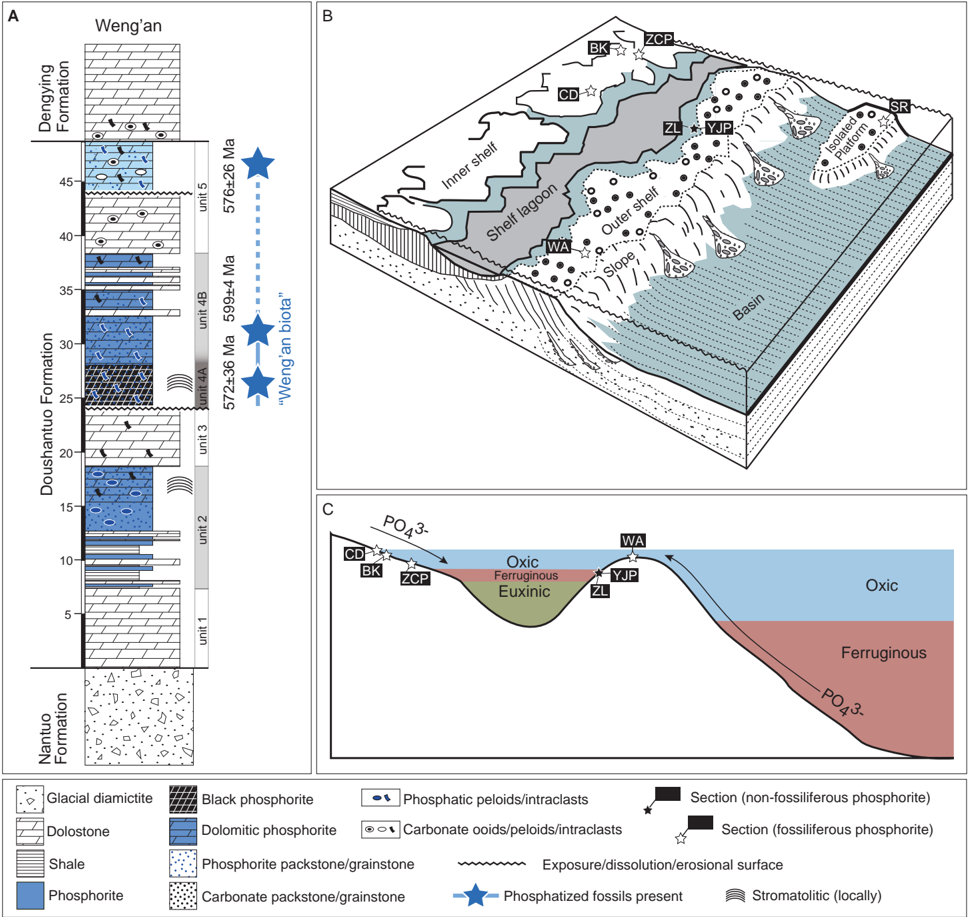
“†Author for correspondence: cmzhou@nigpas.ac.cn The stratigraphic background of the Weng’an biota has been published previously (Xiao et al., 2014a) and is briefly summarized here.”
BackgroundSelf-citationYe, Q., Tong, J., An, Z., Hu, J., Tian, L., Guan, K., & Xiao, S. (2017) · Journal of Systematic Palaeontology · doi:10.1080/14772019.2017.1404499 · Cited by 78
“Several different modes of preservation account for most exceptionally preserved biotas in the Ediacaran Period, including phosphatization (Xiao & Knoll 1999; Xiao et al. 2014), silicification (P.”
BackgroundSelf-citationEnvironmental disturbance, resource availability, and biologic turnover at the dawn of animal life
Muscente, A. D., Boag, T. H., Bykova, N., & Schiffbauer, J. D. (2018) · Earth-Science Reviews · doi:10.1016/j.earscirev.2017.11.019 · Cited by 72
Self-citationButterfield, N. J. (2015) · Current Biology · doi:10.1016/j.cub.2015.07.021 · Cited by 75
Cunningham, J. A., Vargas, K., Yin, Z., Bengtson, S., & Donoghue, P. C. J. (2017) · Journal of the Geological Society · doi:10.1144/jgs2016-142 · Cited by 67
Loron, C., Rainbird, R. H., Turner, E. C., Greenman, J. W., & Javaux, E. (2018) · Precambrian Research · doi:10.1016/j.precamres.2018.12.024 · Cited by 67
Implications for Ediacaran biological evolution from the ca. 602 Ma Lantian biota in China
Yang, C., Li, Y., Selby, D. S., Wan, B., Guan, C., Zhou, C., & Li, X. (2022) · Geology · doi:10.1130/g49734.1 · Cited by 64
Self-citationEdiacaran origin and Ediacaran-Cambrian diversification of Metazoa
Carlisle, E., Yin, Z., Pisani, D., & Donoghue, P. C. J. (2024) · Science Advances · doi:10.1126/sciadv.adp7161 · Cited by 60
“Although some continue to argue for the presence of total-group metazoans in the Weng’an biota ( 10 , 13 , 58 , 94 ), this is not incompatible with our results.”
Electron microscopy reveals evidence for simple multicellularity in the Proterozoic fossil Chuaria
Tang, Q., Pang, K., Yuan, X., & Xiao, S. (2017) · Geology · doi:10.1130/g38680.1 · Cited by 62
Self-citationSong, G., Wang, X., Shi, X., & Jiang, G. (2016) · Geoscience Frontiers · doi:10.1016/j.gsf.2016.11.012 · Cited by 60
Doushantuo-type microfossils from latest Ediacaran phosphorites of northern Mongolia
Anderson, R. P., Macdonald, F. A., Jones, D. S. J., McMahon, S., & Briggs, D. E. G. (2017) · Geology · doi:10.1130/g39576.1 · Cited by 57
Wang, Z., Wang, J., Suess, E., Wang, G., Chen, C., & Xiao, S. (2016) · Geology · doi:10.1130/g38613.1 · Cited by 52
Self-citationZhang, Y., Pufahl, P. K., Du, Y., Chen, G., Liu, J., Chen, Q., Wang, Z., & Yu, W. (2019) · Sedimentary Geology · doi:10.1016/j.sedgeo.2019.05.004 · Cited by 52
Zhou, C., Guan, C., Cui, H., Ouyang, Q., & Wang, W. (2016) · Palaeogeography Palaeoclimatology Palaeoecology · doi:10.1016/j.palaeo.2016.08.017 · Cited by 51
“…geological investigations owing to its well-preserved fossils and the potential for investigating the co-evolution of eukaryotes and their living environments during this key transitional period (Zhou et al., 2007;McFadden et al., 2008; Liu et al., 2014; Xiao et al., 2014 and references therein).”
BackgroundSelf-citationAssessing the veracity of Precambrian ‘sponge’ fossils using in situ nanoscale analytical techniques
Muscente, A. D., Marc Michel, F., Dale, J. G., & Xiao, S. (2015) · Precambrian Research · doi:10.1016/j.precamres.2015.03.010 · Cited by 49
Self-citationWan, B., Yuan, X., Chen, Z., Guan, C., Pang, K., Tang, Q., & Xiao, S. (2016) · Palaeontology · doi:10.1111/pala.12242 · Cited by 48
Self-citationThree Cambrian fossils assembled into an extinct body plan of cnidarian affinity
Ou, Q., Han, J., Zhang, Z., Shu, D., Sun, G., & Mayer, G. (2017) · Proceedings of the National Academy of Sciences · doi:10.1073/pnas.1701650114 · Cited by 48
Anderson, R. P., McMahon, S., Macdonald, F. A., Jones, D. S. J., & Briggs, D. E. G. (2018) · Journal of Systematic Palaeontology · doi:10.1080/14772019.2018.1443977 · Cited by 46
“Xiao & Knoll, 2000; Xiao et al., 2014b Type species.”
BackgroundMethodResultInfluentialChen, W., Wan, W., Zhao, Y., He, H. A., Wu, Q., Zhou, Y. F., & Xie, S. (2022) · Bulletin of Engineering Geology and the Environment · doi:10.1007/s10064-022-02747-3 · Cited by 41
“Limited by the boundary, the stratigraphy of the mine is often deviated and presents "S" shape, and the white rock backslope is asymmetrically shuttle-distributed, with upright or inverted folds in the east and slightly flattened in the west (Xiao et al. 2014).”
BackgroundRecurrent photic zone euxinia limited ocean oxygenation and animal evolution during the Ediacaran
Zheng, W., Zhou, A., Sahoo, S., Nolan, M. R., Ostrander, C. M., Sun, R., Anbar, A. D., Xiao, S., & Chen, J. (2023) · Nature Communications · doi:10.1038/s41467-023-39427-z · Cited by 45
“The shelf and upper slope sections (WA and TY) contain Ediacaran microfossils of the Weng ’ an biota 14 and mac-rofossils of the Wenghui biota 73 , respectively.”
Self-citationNuclei and nucleoli in embryo-like fossils from the Ediacaran Weng’an Biota
Yin, Z., Cunningham, J. A., Vargas, K., Bengtson, S., Zhu, M., & Donoghue, P. C. J. (2017) · Precambrian Research · doi:10.1016/j.precamres.2017.08.009 · Cited by 41
“This interpretation has been controversial, perhaps because details of cytokinesis have been invoked to exclude the affinity of fossils from crown-Metazoa, but also because of a prevailing notion that nuclei cannot be fossilized in early eukaryote microfossils (Francis et al., 1978; Knoll and Barghoorn, 1975; Pang et…”
BackgroundMethodInfluentialPhosphogenesis, aragonite fan formation and seafloor environments following the Marinoan glaciation
Okubo, J., Muscente, A. D., Luvizotto, G. L., Uhlein, G. J., & Warren, L. V. (2018) · Precambrian Research · doi:10.1016/j.precamres.2018.04.002 · Cited by 42
Self-citationA late Ediacaran ice age: The key node in the Earth system evolution
Wang, R., Yin, Z., & Shen, B. (2023) · Earth-Science Reviews · doi:10.1016/j.earscirev.2023.104610 · Cited by 38
Meroblastic cleavage identifies some Ediacaran Doushantuo (China) embryo-like fossils as metazoans
Yin, Z., Zhu, M., Bottjer, D. J., Zhao, F., & Tafforeau, P. (2016) · Geology · doi:10.1130/g38262.1 · Cited by 39
Ouyang, Q., Zhou, C., Xiao, S., Chen, Z., & Shao, Y. (2018) · Precambrian Research · doi:10.1016/j.precamres.2018.10.012 · Cited by 38
Self-citationHuman microbial ecology and the rising new medicine
Godoy‐Vitorino, F. (2019) · Annals of Translational Medicine · doi:10.21037/atm.2019.06.56 · Cited by 40
“8 M years ago as the dating of Grypania spiralis (9), yet the first metazoan fossil is about 600 mya (Doushantuo embryos) (10), and the Amniota must have separated from their closest living 342”
BackgroundExperimental taphonomy of organelles and the fossil record of early eukaryote evolution
Carlisle, E. M., Jobbins, M., Pankhania, V., Cunningham, J. A., & Donoghue, P. C. J. (2021) · Science Advances · doi:10.1126/sciadv.abe9487 · Cited by 36
“However, the nucleus interpretation has been rejected principally on the basis of plausibility and the expectation that other organelles should also be pre-served ( 36 ).”
BackgroundZhu, B., & Jiang, S. (2017) · Geological Magazine · doi:10.1017/s001675681700022x · Cited by 35
“The stratigraphy of the Doushantuo Formation at Weng’an has been described in several publications (e.g. Zhou et al. 2007; Zhu, Zhang & Yang, 2007; Xiao et al. 2014).”
BackgroundMethodInfluentialA multicellular developmental program in a close animal relative
Olivetta, M., Bhickta, C., Chiaruttini, N., Burns, J. A., & Dudin, O. (2024) · Nature · doi:10.1038/s41586-024-08115-3 · Cited by 35
“…supported by paleontological studies, particularly those focusing on the early Ediacaran Weng'an Biota of the Doushantuo Formation (609 Mya) ( 22 ), which have uncovered fossils like Megasphaera , Helicoforamina , Spiralicellula , and Caveasphaera , which are tentatively classified animal…”
BackgroundAge and implications of the phosphatic Birmania Formation, Rajasthan, India
Hughes, N. C., Myrow, P. M., McKenzie, N. R., Xiao, S., Banerjee, D. M., Stockli, D. F., & Tang, Q. (2015) · Precambrian Research · doi:10.1016/j.precamres.2015.06.012 · Cited by 34
Self-citationWang, Z., Chen, C., Wang, J., Suess, E., Chen, X., Ma, X., Wang, G., & Xiao, S. (2020) · Precambrian Research · doi:10.1016/j.precamres.2019.105586 · Cited by 26
Self-citationEdiacaran Doushantuo-type biota discovered in Laurentia
Willman, S., Peel, J. S., Ineson, J. R., Schovsbo, N. H., Rugen, E. J., & Frei, R. (2020) · Communications Biology · doi:10.1038/s42003-020-01381-7 · Cited by 32
Shang, X., Moczydłowska, M., Liu, P., & Liu, L. (2018) · Precambrian Research · doi:10.1016/j.precamres.2018.05.029 · Cited by 31
Yoon, H. S., Nelson, W. A., Lindstrom, S. C., Boo, S. M., Pueschel, C. M., Qiu, H., & Bhattacharya, D. (2017) · Springer eBooks · doi:10.1007/978-3-319-28149-0_33 · Cited by 48
Dong, Y., Hui, B., Sun, S., Sun, J., Zang, R., Zhang, B., Luo, Q., Chong, F., Yu, K., Fan, M., et al. (2023) · Earth-Science Reviews · doi:10.1016/j.earscirev.2023.104638 · Cited by 32
The Early Ediacaran Caveasphaera Foreshadows the Evolutionary Origin of Animal-like Embryology
Yin, Z., Vargas, K., Cunningham, J. A., Bengtson, S., Zhu, M., Marone, F., & Donoghue, P. C. J. (2019) · Current Biology · doi:10.1016/j.cub.2019.10.057 · Cited by 29
“The Ediacaran Weng’an Biota (Doushantuo Formation, 609 Ma old) is a rich microfossil assemblage that preserves biological structure to a subcellular level of fidelity and encompasses a range of developmental stages [1].”
BackgroundHawkins, A. D., Xiao, S., Jiang, G., Wang, X., & Shi, X. (2017) · Precambrian Research · doi:10.1016/j.precamres.2017.08.004 · Cited by 28
“Acanthomorphic acritarchs recovered from the Siduping section include Doushantuo taxa from the Yangtze Gorges and Weng’an areas (Liu et al., 2014a; Xiao et al., 2014a).”
BackgroundSelf-citationCritical appraisal of tubular putative eumetazoans from the Ediacaran Weng'an Doushantuo biota
Cunningham, J. A., Vargas, K., Pengju, L., Belivanova, V., Marone, F., Martínez-Pérez, C., Guizar-Sicairos, M., Holler, M., Bengtson, S., & Donoghue, P. C. J. (2015) · Proceedings of the Royal Society B: Biological Sciences · doi:10.1098/rspb.2015.1169 · Cited by 26
“The Weng’an biota [6] from the Doushantuo Formation of South China has yielded a suite of Early Ediacaran microfossils described as embryonic [7] and adult [8] animals, including putative stem-group metazoans [9], sponges [10,11], cnidarians [12] and bilaterians [8,13,14].”
BackgroundQu, Y., Wang, J., Xiao, S., Whitehouse, M. J., Engdahl, A., Wang, G., & McLoughlin, N. (2017) · Precambrian Research · doi:10.1016/j.precamres.2017.01.003 · Cited by 29
“…including possible metazoan embryos (Xiao et al., 1998, 2007; Chen et al., 2004, 2009; Hagadorn et al., 2006; Yin et al., 2007), cyanobacteria, sulfur bacteria, multicellular algae, and acanthomorphic acritarchs (Xiao, 2004; Xiao et al., 2014b; McFadden et al., 2008, 2009; Bailey et al., 2013).”
BackgroundSelf-citationA possible billion-year-old holozoan with differentiated multicellularity
Strother, P. K., Brasier, M. D., Wacey, D., Timpe, L. C., Saunders, M., & Wellman, C. H. (2021) · Current Biology · doi:10.1016/j.cub.2021.03.051 · Cited by 26
Ouyang, Q., Zhou, C., Xiao, S., Guan, C., Chen, Z., Yuan, X., & Sun, Y. (2020) · Precambrian Research · doi:10.1016/j.precamres.2020.106005 · Cited by 27
Self-citationMuscente, A. D., Czaja, A. D., Tuggle, J., Winkler, C. R., & Xiao, S. (2018) · Astrobiology · doi:10.1089/ast.2017.1699 · Cited by 24
“Morphological characters can provide compelling evidence of biology, particularly for geologically young microfossils of morphologically complex eukaryotes (Xiao et al., 2014).”
Self-citationSun, W., Yin, Z., Cunningham, J. A., Liu, P., Zhu, M., & Donoghue, P. C. J. (2020) · Interface Focus · doi:10.1098/rsfs.2020.0015 · Cited by 23
“Regardless, mitochondria are difficult enough to observe in living cells without specific stains and contemporary phylogenetic interpretations of the Weng’an embryo-like fossils as holozoans [16,19,23,25,43] is not compatible with the presence of chloroplasts (but see [44]).”
BackgroundDawn of complex animal food webs: A new predatory anthozoan (Cnidaria) from Cambrian
Ou, Q., Shu, D., Zhang, Z., Han, J., Iten, H. V., Cheng, M., Sun, J., Yao, X., Wang, R., & Mayer, G. (2021) · The Innovation · doi:10.1016/j.xinn.2021.100195 · Cited by 23
Dawn of metazoans: to what extent was this influenced by the onset of “modern-type plate tectonics”?
Cordani, U. G., Fairchild, T. R., Ganade, C. E., Babinski, M., & Leme, J. D. M. (2020) · Brazilian Journal of Geology · doi:10.1590/2317-4889202020190095 · Cited by 23
“The Lantian Formation is assuredly Ediacaran in age and possibly as old as 635 Ma; however, from a conservative point of view, all that can be said is that they are most likely older than 551 Ma (Xiao et al. 2014).”
BackgroundChen, C., Wang, J., Wang, Z., Peng, Y., Chen, X., Ma, X., Cen, Y., Zhao, J., & Zhou, P. (2020) · Precambrian Research · doi:10.1016/j.precamres.2020.105829 · Cited by 22
Hu, M., Gao, D., Wei, G., Yang, W., & Xie, W. (2018) · Geological Journal · doi:10.1002/gj.3261 · Cited by 24
“…Ediacaran in China has been of scientific interest for more than a century with numerous paleontological (McFadden, Xiao, Zhou, & Kowalewski, 2009; Xiao et al., 2014; Yin et al., 2013; Yuan, Chen, Xiao, Zhou, & Hua, 2011), paleogeographical, paleoclimatological, and paleoecological investigations…”
BackgroundPrecambrian Earth: Co-evolution of life and geodynamics
Westall, F., & Xiao, S. (2024) · Precambrian Research · doi:10.1016/j.precamres.2024.107589 · Cited by 23
Self-citationAn outer shelf shelly fauna from Cambrian Series 2 (Stage 4) of North Greenland (Laurentia)
Peel, J. S. (2021) · Journal of Paleontology · doi:10.1017/jpa.2020.112 · Cited by 24
“Phosphatized spheres are known from the Ediacaran (Xiao et al., 2014; Cunningham et al., 2017; Anderson et al., 2019) and Cambrian and Early Ordovician (Donoghue et al., 2006) in Canada, China, Siberia, Australia, and USA.”
BackgroundTerminal Ediacaran carbonate tempestites in the eastern Yangtze Gorges area, South China
Xiao, Q., She, Z., Wang, G., Li, Y., Ouyang, G., Cao, K., Mason, R., & Du, Y. (2020) · Palaeogeography Palaeoclimatology Palaeoecology · doi:10.1016/j.palaeo.2020.109681 · Cited by 20
Origin and Early Evolution of the Eukaryotes: Perspectives from the Fossil Record
Agić, H. (2021) · Advances in astrobiology and biogeophysics · doi:10.1007/978-3-030-81039-9_11 · Cited by 20
Han, S., Löhr, S., Abbott, A. N., Baldermann, A., Voigt, M., & Yu, B. (2022) · Communications Earth & Environment · doi:10.1038/s43247-022-00495-6 · Cited by 20
Yin, Z., Sun, W., Liu, P., Zhu, M., & Donoghue, P. C. J. (2020) · Science Advances · doi:10.1126/sciadv.abb0083 · Cited by 19
“In the history of interpretations of the Weng’an biota, Y-shaped cell interfaces are seen also in Megasphaera, where they have been commonly interpreted to indicate animal affinity (5, 12, 22); however, Y-shaped cell interfaces are encountered in embryo-like conformations of cells in diverse eukaryotes including cilia…”
BackgroundInfluentialSchwid, M. F., Xiao, S., Hiatt, E. E., Fang, Y., & Nolan, M. R. (2020) · Palaeogeography Palaeoclimatology Palaeoecology · doi:10.1016/j.palaeo.2020.109993 · Cited by 19
Self-citationZhu, B., Jiang, S., Pi, D.-H., Ge, L., & Yang, J. (2018) · Journal of Earth Science · doi:10.1007/s12583-017-0907-5 · Cited by 18
“This distinctive time Period is characterized by major changes in the evolution of life such as radiation of complex multicellular life (Xiao et al., 2014, 2007, 2002; McCall, 2006; Brasier and Antcliffe, 2004).”
BackgroundNew Megasphaera -like microfossils reveal their reproductive strategies
Zhang, Y., & Zhang, X. (2017) · Precambrian Research · doi:10.1016/j.precamres.2017.08.006 · Cited by 17
Palaeobiology of the early Ediacaran Shuurgat Formation, Zavkhan Terrane, south-western Mongolia
Anderson, R. P., McMahon, S., Bold, U., Macdonald, F. A., & Briggs, D. E. G. (2016) · Journal of Systematic Palaeontology · doi:10.1080/14772019.2016.1259272 · Cited by 20
“The best-known fossils from the Doushantuo Formation are multicellular and mostly preserved in ore-grade phosphorites (Xiao et al. 1998, 2004, 2014a, b; Xiao & Knoll 2000; Xiao 2004).”
BackgroundMethodResultInfluentialZinc Geochemical Cycling in a Phosphorus‐Rich Ocean During the Early Ediacaran
Fan, H., Wen, H., Xiao, C., Zhou, T., Cloquet, C., & Zhu, X. (2018) · Journal of Geophysical Research Oceans · doi:10.1029/2018jc014068 · Cited by 17
Yin, Z., Sun, W., Liu, P., Chen, J., Bottjer, D. J., Li, J., & Zhu, M. (2022) · Philosophical Transactions of the Royal Society B Biological Sciences · doi:10.1098/rstb.2021.0032 · Cited by 17
Stratigraphic evidence for a major unconformity within the Ediacaran System
Li, R., Zhou, X., Eddy, M. P., Ickert, R. B., Wang, Z., Tang, D., Huang, K., & Peng, P. (2024) · Earth and Planetary Science Letters · doi:10.1016/j.epsl.2024.118715 · Cited by 16
Yoon, H. S., Nelson, W. A., Lindstrom, S. C., Boo, S. M., Pueschel, C. M., Qiu, H., & Bhattacharya, D. (2016) · Springer eBooks · doi:10.1007/978-3-319-32669-6_33-1 · Cited by 18
Phosphorus flux during the Ediacaran: Rooted in continental weathering or pelagic upwelling?
Fan, H., Zhang, H., Wei, W., Hiatt, E. E., Ward, J. F., & Wen, H. (2024) · Earth and Planetary Science Letters · doi:10.1016/j.epsl.2024.118975 · Cited by 16
EXCEPTIONALLY PRESERVED FOSSIL ASSEMBLAGES THROUGH GEOLOGIC TIME AND SPACE
Muscente, A. D., Laflamme, M., Schiffbauer, J. D., Broce, J. S., O'Donnell, K. H., Boag, T. H., Meyer, M., Hawkins, A. D., Huntley, J. W., & Xiao, S. (2016) · Abstracts with programs - Geological Society of America · doi:10.1130/abs/2016am-282405 · Cited by 15
Self-citationYe, Q., An, Z., Yu, Y. Y., Zhou, Z., Hu, J., Tong, J., & Xiao, S. (2023) · Precambrian Research · doi:10.1016/j.precamres.2023.107001 · Cited by 15
Self-citationAgić, H., Jensen, S., Meinhold, G., Högström, A. E. S., Ebbestad, J. O. R., Høyberget, M., Palacios, T., & Taylor, W. L. (2023) · Palaeogeography Palaeoclimatology Palaeoecology · doi:10.1016/j.palaeo.2023.111956 · Cited by 15
“A range of biological affinities has been proposed for some DPA/ECAP taxa, including holozoan protists, green algae, and meta-zoans (Huldtgren et al., 2011; Chen et al., 2014; Xiao et al., 2014b; Moczyd ł owska, 2016; Cunningham et al., 2017).”
BackgroundChai, S., Aria, C., & Hua, H. (2022) · BMC Biology · doi:10.1186/s12915-022-01394-0 · Cited by 14
“Outer-layer cells of fossilized metazoan embryos can superficially resemble our fossils [13], but the regular juxtaposition of tube tips, the constant unit number across our specimens, and details of the internal organization in Protocodium all rule out an embryonic identity.”
BackgroundEdiacaran cap dolomite of Shennongjia, northern Yangtze Craton, South China
Kuang, H., Liu, Y., Peng, N., Vandyk, T. M., Heron, D. P. L., Zhu, Z.-C., Bai, H., Wang, Y., Wang, Z., Zhong, Q., et al. (2021) · Precambrian Research · doi:10.1016/j.precamres.2021.106483 · Cited by 14
Comparative taphonomy and phylogenetic signal of phosphatized Weng’an and Kuanchuanpu Biotas
Bottjer, D. J., Yin, Z., Zhao, F., & Zhu, M. (2019) · Precambrian Research · doi:10.1016/j.precamres.2019.105408 · Cited by 14
The Ediacaran‐Cambrian Transition
Kaufman, A. J. (2018) · Geophysical monograph · doi:10.1002/9781119382508.ch7 · Cited by 13
Shang, X., & Liu, P. (2021) · Precambrian Research · doi:10.1016/j.precamres.2021.106508 · Cited by 12
Gan, T., Zhou, G., Luo, T., Pang, K., Zhou, M., Luo, W., Wang, S., & Xiao, S. (2019) · EarthArXiv (California Digital Library) · doi:10.1016/j.precamres.2022.106685 · Cited by 12
Self-citationServais, T., Cascales‐Miñana, B., Harper, D. A. T., Lefèbvre, B., Bocxlaer, B. V., & Wang, W. (2023) · Evolving Earth · doi:10.1016/j.eve.2023.100018 · Cited by 15
Deposition and termination of Neoproterozoic iron formations (NIFs): New insights from NIFs in China
Ye, H., Wu, C., Li, W., Lei, R., Sun, X., Hao, W., & Konhauser, K. O. (2024) · Earth-Science Reviews · doi:10.1016/j.earscirev.2024.104861 · Cited by 11
Did high temperature rather than low O2 hinder the evolution of eukaryotes in the Precambrian?
Zhang, F., Wang, H., Ye, Y., Liu, Y., Lyu, Y., Deng, Y., Lyu, D., Wang, X., Wu, H., Deng, S., et al. (2022) · Precambrian Research · doi:10.1016/j.precamres.2022.106755 · Cited by 11
Qi, L., Cawood, P. A., Yang, J., Xu, Y., & Du, Y. (2020) · Precambrian Research · doi:10.1016/j.precamres.2020.105967 · Cited by 15
Sun, W., Yin, Z., Liu, P., Donoghue, P. C. J., Li, J., & Zhu, M. (2021) · Paläontologische Zeitschrift · doi:10.1007/s12542-021-00597-0 · Cited by 10
“The early Ediacaran Weng’an Biota from the Doushantuo Formation, Guizhou Province, southwestern China has yielded abundant phosphatized embryo-like fossils with exceptional preservation of subcellular structures, providing a unique window to exploring the evolution history of multicellular eukaryotes 609 million years…”
BackgroundMethodHan, S., Löhr, S., Abbott, A. N., Baldermann, A., Shields, G., Cui, H., Kaufman, A. J., Chen, B., & Yu, B. (2023) · Earth and Planetary Science Letters · doi:10.1016/j.epsl.2023.118524 · Cited by 10
“Interestingly, eukaryotic fossils (e.g. acanthomorphic acritarchs) in the DST are mostly observed in shelf settings or at the shelf margin to slope transition, but more rarely found in slope to basin settings (Bowyer et al., 2017; Jiang et al., 2011; Xiao et al., 2014).”
BackgroundZhang, Y., Chang, S., Feng, Q., & Zheng, S. (2023) · Journal of Earth Science · doi:10.1007/s12583-021-1485-0 · Cited by 9
“One species M. cym‐ bala have papillate knobs on a surface with polygonal sculp‐ ture (Xiao et al., 2014a).”
BackgroundResultInfluentialLi, R., Cui, L., Fu, D., & Zhang, X. (2023) · Journal of Systematics and Evolution · doi:10.1111/jse.12942 · Cited by 9
“Four related fossil records from the Precambrian (Butter fi eld, 2000; Xiao et al., 2014; Bengtson et al., 2017) were discovered in thin sections of silici fi ed carbonates, phosphorites and phosphatized stromatolitic microbialites.”
BackgroundInfluentialTrace elements of pyrite in the Ediacaran Doushantuo Formation reveal ancient methane release events
Chen, C., Wang, J., Algeo, T. J., Wang, Z., Ma, X., Song, Q., & Geng, K. (2024) · Precambrian Research · doi:10.1016/j.precamres.2024.107627 · Cited by 8
Astronomically calibrating early Ediacaran evolution
Zhang, T., Ma, C., Li, Y., Li, C., Silva, A. D., Fan, T., Gao, Q., Kuang, M., Liu, W., Li, M., et al. (2025) · Nature Communications · doi:10.1038/s41467-025-57201-1 · Cited by 10
Deep-time major biological and climatic events versus global changes: Progresses and challenges
Shen, S., Zhang, F., Wang, W., Wang, X., Fan, J., Chen, J., Wang, B., Cao, J., Yang, S., Zhang, H., et al. (2023) · Chinese Science Bulletin (Chinese Version) · doi:10.1360/tb-2023-0218 · Cited by 20
Metadata
- Authors
- Xiao, S., Muscente, A. D., Chen, L., Zhou, C., Schiffbauer, J. D., Wood, A. D., Polys, N. F., & Yuan, X.
- Affiliations
- Virginia Tech (US)
- Chinese Academy of Sciences (CN)
- University of Missouri (US)
- Venue
- National Science Review
- Publisher
- Oxford University Press (OUP)
- Published
- 2014-12-01
- Volume
- 1
- Issue
- 4
- Pages
- 498-520
- ISSN
- 2053-714X (ISSN-L)
- 2095-5138
- OpenAlex
- W2318212640
- Cited by
- 172
- References
- 157
- Citations by year
- 2026: 12 · 2025: 18 · 2024: 17 · 2023: 16 · 2022: 14 · 2021: 14 · 2020: 16 · 2019: 10 · 2018: 15 · 2017: 17 · 2016: 15 · 2015: 8
- FWCI
- 9.74
- Type
- journal article
- Language
- en
- Open access
- hybrid
- doi.org
- Locations
- National Science Review (publishedVersion, cc-by)
- HighWire Press Open Archive (submittedVersion)
- Funders
- National Science Foundation (1250800, KZZD-EW-02, 1124062)
- Chinese Academy of Sciences (KZZD‐EW‐02, 2013CB835000)
- Ministry of Science and Technology of the People's Republic of China (2013CB835000, KZZD-EW-02)
- Topics
- Physical Sciences › Earth and Planetary Sciences › Paleontology › Paleontology and Stratigraphy of Fossils
- Life Sciences › Agricultural and Biological Sciences › Ecology, Evolution, Behavior and Systematics › Protist diversity and phylogeny
- Physical Sciences › Earth and Planetary Sciences › Paleontology › Paleontology and Evolutionary Biology
- Keywords
- Weng'an Biota, Ediacaran, multicellular eukaryotes, Cambrian explosion, Megasphaera, acritarchs, programmed cell death, cell-cell adhesion, early animal evolution, Ediacaran fossils
About these checks
Registry, retraction, Cites and statistics results are computed, not judged, with one exception: a printed reference that no index lists is read once by a model before it counts as a citation error. Claims are extracted by a model and kept only when their quote appears verbatim in the text; each cited source is then checked, with a model’s help, for whether it says what the claim relies on. Those verdicts can be wrong — read the claim’s quote and the cited source before relying on one.
Statistics and arithmetic are recomputed, not judged.
Confidence bands are shown only for fields calibrated on our annotated test set. None is calibrated yet, so no band is shown.
What counts as a claim ›How we measure confidence ›How we check this ›
Are you an author, or do you see a problem with this page? Request a review
Data sources
Bibliographic data: Semantic Scholar, OpenAlex, Crossref.
Contains information from the Semantic Scholar Academic Graph Datasets, made available under the ODC Attribution License (ODC-BY 1.0).
Semantic Scholar’s data is described in: Kinney, R., et al. (2023). The Semantic Scholar Open Data Platform. arXiv:2301.10140.
