

Prediction of Complications and Prognostication in Perioperative Medicine: A Systematic Review and PROBAST Assessment of Machine Learning Tools
Open accessThe DOI matches its Crossref record; 147 of the 148 references it cites were found in a registry or an index.
Abstract
Background: The utilization of artificial intelligence and machine learning as diagnostic and predictive tools in perioperative medicine holds great promise. Indeed, many studies have been performed in recent years to explore the potential. The purpose of this systematic review is to assess the current state of machine learning in perioperative medicine, its utility in prediction of complications and prognostication, and limitations related to bias and validation. Methods: A multidisciplinary team of clinicians and engineers conducted a systematic review using the Preferred Reporting Items for Systematic Review and Meta-Analysis (PRISMA) protocol. Multiple databases were searched, including Scopus, Cumulative Index to Nursing and Allied Health Literature (CINAHL), the Cochrane Library, PubMed, Medline, Embase, and Web of Science. The systematic review focused on study design, type of machine learning model used, validation techniques applied, and reported model performance on prediction of complications and prognostication. This review further classified outcomes and machine learning applications using an ad hoc classification system. The Prediction model Risk Of Bias Assessment Tool (PROBAST) was used to assess risk of bias and applicability of the studies. Results: A total of 103 studies were identified. The models reported in the literature were primarily based on single-center validations (75%), with only 13% being externally validated across multiple centers. Most of the mortality models demonstrated a limited ability to discriminate and classify effectively. The PROBAST assessment indicated a high risk of systematic errors in predicted outcomes and artificial intelligence or machine learning applications. Conclusions: The findings indicate that the development of this field is still in its early stages. This systematic review indicates that application of machine learning in perioperative medicine is still at an early stage. While many studies suggest potential utility, several key challenges must be first overcome before their introduction into clinical practice. Editor’s Perspective: What We Already Know about This Topic: What This Article Tells Us That Is New:
Overview
The claims and statistics of this paper haven’t been checked yet.
Free: it reads the open-access text and checks the first 5 claims that cite a source we can check. Create a free account to check every claim.
Integrity signals
Registry
Cites
Statistics
Figures
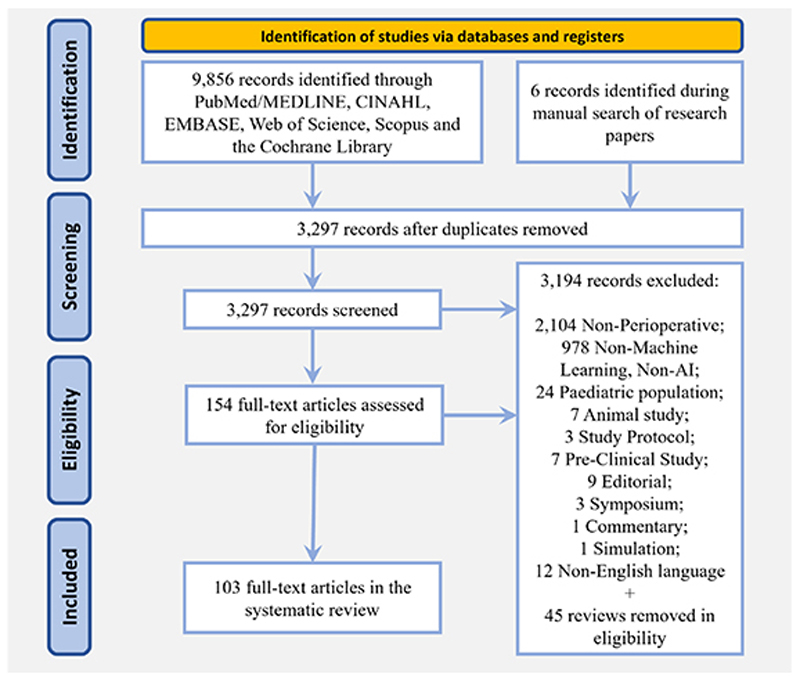
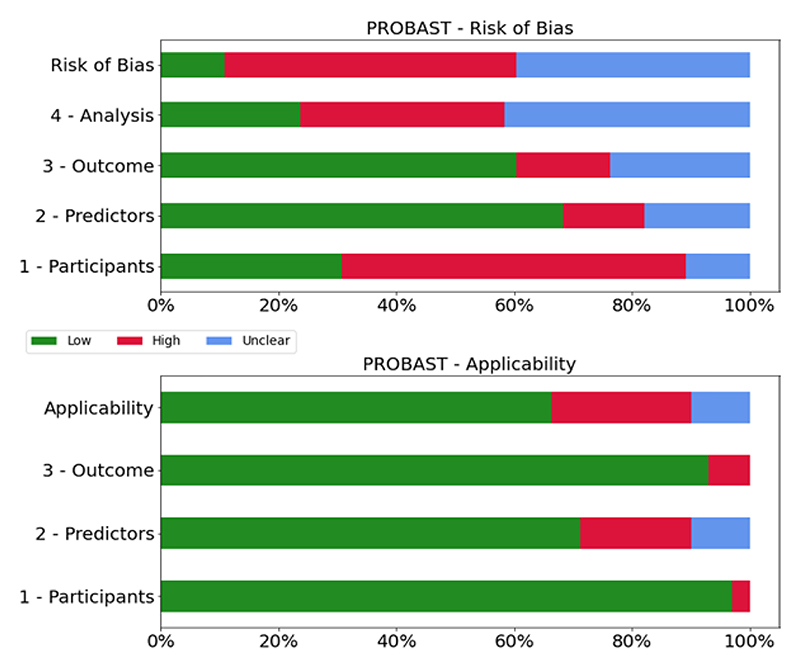
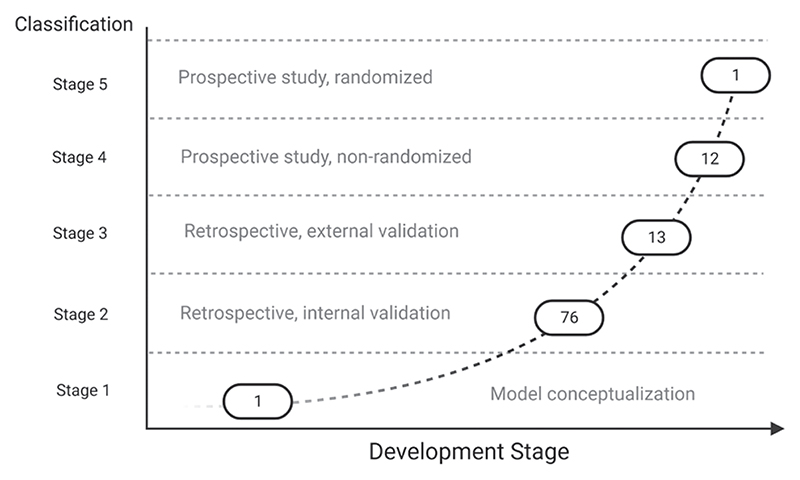
Verification
Claims the paper makes
The claims and statistics of this paper haven’t been checked yet.
Free: it reads the open-access text and checks the first 5 claims that cite a source we can check. Create a free account to check every claim.
Claims other papers make about this one
Each is checked against this paper’s own text: does it say what the citing paper says it does?
The cited source doesn’t support the claim as written.
In the citing paper
“This observation is consistent with the findings of the meta-analysis by Arina et al. and underscores the importance of establishing a benchmark against clinical expertise [32].”
From Prediction of Postoperative ICU Requirements: Closing the Translational Gap with a Real-World Clinical Benchmark for Artificial Intelligence Approaches (2025) · cites this paper as [32]
Checked by a reasoning model — may be wrong.
Experimental — accuracy not yet measuredThe source backs part of the claim, not all of it — or backs it for a different population, condition or comparison.
In the citing paper
“In their systematic review and meta-analysis, Arina et al. summarized relevant AI models, highlighting three major limitations: the overall modest performance of existing approaches, the challenges of imbalanced datasets, and the lack of a pragmatic clinical benchmark [32].”
From Prediction of Postoperative ICU Requirements: Closing the Translational Gap with a Real-World Clinical Benchmark for Artificial Intelligence Approaches (2025) · cites this paper as [32]
Experimental — accuracy not yet measuredThe source backs part of the claim, not all of it — or backs it for a different population, condition or comparison.
In the citing paper
“The absence of widespread adoption of promising data-driven and ML-based approaches can also be attributed to the lack of direct performance comparisons with subjective clinical decision-making [4,[31][32][33][34][35].”
From Prediction of Postoperative ICU Requirements: Closing the Translational Gap with a Real-World Clinical Benchmark for Artificial Intelligence Approaches (2025) · cites this paper as [32]
Experimental — accuracy not yet measuredThe source backs part of the claim, not all of it — or backs it for a different population, condition or comparison.
In the citing paper
“In their systematic review and meta-analysis, Arina et al. summarized relevant AI models, highlighting three major limitations: the overall modest performance of existing approaches, the challenges of imbalanced datasets, and the lack of a pragmatic clinical benchmark [32].”
From Prediction of Postoperative ICU Requirements: Closing the Translational Gap with a Real-World Clinical Benchmark for Artificial Intelligence Approaches (2025) · cites this paper as [32]
Experimental — accuracy not yet measured
1 more claim about this paper
Create a free account to see every claim other papers make about this one.
Self-check
Percentages, sums and reported differences re-computed from the paper’s own numbers.
The self-check needs the paper’s full text.
Citations
Cites
1 retracted
Ren, W., Li, D., Wang, J., Zhang, J., Fu, Z., & Yao, Y. (2022) · Computational and Mathematical Methods in Medicine · doi:10.1155/2022/8661324 · Cited by 16 · cited 1×
“• Development of postoperative complications: Most studies focused on the prediction of postoperative acute complications 26–28, 44– 49 Three studies developed models to predict the risk of perioperative transfusion in general surgery 80,81 and cardiac surgery.”
RetractedThe PRISMA 2020 statement: An updated guideline for reporting systematic reviews
Page, M. J., McKenzie, J. E., Bossuyt, P. M., Boutron, I., Hoffmann, T. C., Mulrow, C. D., Shamseer, L., Tetzlaff, J. M., Akl, E. A., Brennan, S. E., et al. (2021) · BMJ · doi:10.1136/bmj.n71 · Cited by 108,283
The Measurement of Observer Agreement for Categorical Data
Landis, J. R., & Koch, G. G. (1977) · Biometrics · doi:10.2307/2529310 · Cited by 81,148 · cited 3×
“The United States and China, the leading countries in artificial intelligence development, contributed the highest number of publications, followed by South Korea.”
Gulshan, V., Peng, L., Coram, M., Stumpe, M. C., Wu, D., Narayanaswamy, A., Venugopalan, S., Widner, K., Madams, T., Cuadros, J., et al. (2016) · JAMA · doi:10.1001/jama.2016.17216 · Cited by 7,697 · cited 1×
“138,139 Whereas the use of machine learning in these specialties are primarily used as diagnostic aids, its use in perioperative medicine encompasses a broad range of applications including prognostication, analyzing vital signs for clinical decision support, and predicting complications.”
International evaluation of an AI system for breast cancer screening
McKinney, S. M., Sieniek, M., Godbole, V., Godwin, J., Antropova, N., Ashrafian, H., Back, T., Chesus, M., Corrado, G. S., Darzi, A., et al. (2020) · Nature · doi:10.1038/s41586-019-1799-6 · Cited by 3,287 · cited 1×
“138,139 Whereas the use of machine learning in these specialties are primarily used as diagnostic aids, its use in perioperative medicine encompasses a broad range of applications including prognostication, analyzing vital signs for clinical decision support, and predicting complications.”
PROBAST: A Tool to Assess the Risk of Bias and Applicability of Prediction Model Studies
Wolff, R. F., Moons, K. G. M., Riley, R. D., Whiting, P. F., Westwood, M., Collins, G. S., Reitsma, J. B., Kleijnen, J., Mallett, S., & for the PROBAST Group† (2019) · Annals of Internal Medicine · doi:10.7326/m18-1376 · Cited by 2,984 · cited 2×
“Bias was evaluated using the Prediction model Risk Of Bias Assessment Tool (PROBAST), 18 and an ad hoc classification was developed to determine the readiness level of the machine learning algorithms reported.”
Explainable machine-learning predictions for the prevention of hypoxaemia during surgery
Lundberg, S. M., Nair, B., Vavilala, M. S., Horibe, M., Eisses, M. J., Adams, T., Liston, D. E., Low, D. K.-W., Newman, S.-F., Kim, J., et al. (2018) · Nature Biomedical Engineering · doi:10.1038/s41551-018-0304-0 · Cited by 1,967 · cited 1×
“100 in the surgical intensive care unit 35 or in the hospital.”
Collins, G. S., Reitsma, J. B., Altman, D. G., & Moons, K. (2015) · BMC Medicine · doi:10.1186/s12916-014-0241-z · Cited by 1,927
Moons, K. G. M., Wolff, R. F., Riley, R. D., Whiting, P. F., Westwood, M., Collins, G. S., Reitsma, J. B., Kleijnen, J., & Mallett, S. (2019) · Annals of Internal Medicine · doi:10.7326/m18-1377 · Cited by 1,669
Statistics versus machine learning
Bzdok, D., Altman, N., & Krzywinski, M. (2018) · Nature Methods · doi:10.1038/nmeth.4642 · Cited by 1,508 · cited 1×
“17 We herein report a systematic review that focuses on prognostic artificial intelligence and machine learning models in perioperative medicine, aiming to carefully appraise the literature and identify knowledge gaps.”
Khuri, S. F., Henderson, W. G., DePalma, R. G., Mosca, C., Healey, N. A., & Kumbhani, D. J. (2005) · Annals of Surgery · doi:10.1097/01.sla.0000179621.33268.83 · Cited by 1,452
Do no harm: a roadmap for responsible machine learning for health care
Wiens, J., Saria, S., Sendak, M., Ghassemi, M., Liu, V. X., Doshi-Velez, F., Jung, K., Heller, K., Kale, D., Saeed, M., et al. (2019) · Nature Medicine · doi:10.1038/s41591-019-0548-6 · Cited by 1,266
Roberts, M., Driggs, D., Thorpe, M., Gilbey, J., Yeung, M., Ursprung, S., Aviles-Rivero, A. I., Etmann, C., McCague, C., Beer, L., et al. (2021) · Nature Machine Intelligence · doi:10.1038/s42256-021-00307-0 · Cited by 1,044 · cited 1×
“%) studies applied external validation, 26,27,42,52,58,74,78,80,83,98,112,114,126 while the remaining 87% used only internal validation.”
Mangano, D. T., Browner, W. S., Hollenberg, M., London, M. J., Tubau, J. F., & Tateo, I. M. (1990) · New England Journal of Medicine · doi:10.1056/nejm199012273232601 · Cited by 992
Roberts, M. T., Driggs, D., Thorpe, M., Gilbey, J., Yeung, M., Ursprung, S., Avilés-Rivero, A. I., Etmann, C., McCague, C., Beer, L., et al. (2020) · Apollo (University of Cambridge) · doi:10.17863/cam.64000 · Cited by 895
External validation of prognostic models: what, why, how, when and where?
Ramspek, C. L., Jager, K. J., Dekker, F. W., Zoccali, C., & van Diepen, M. (2021) · Clinical Kidney Journal · doi:10.1093/ckj/sfaa188 · Cited by 887 · cited 2×
“105 In terms of confirming generalizability and clinical implementation of machine learning models, external validation should be mandatory, ideally performed in different hospitals, 136 and using separate cohorts of patients to evaluate model performance.”
Collins, G. S., Dhiman, P., Andaur Navarro, C. L., Ma, J., Hooft, L., Reitsma, J. B., Logullo, P., Beam, A. L., Peng, L., Van Calster, B., et al. (2021) · BMJ Open · doi:10.1136/bmjopen-2020-048008 · Cited by 852 · cited 1×
“24 A PROBAST is being specifically developed to assess artificial intelligence and machine learning models (PROBAST–artificial intelligence) 25 but was not available at the time of study.”
Modern modelling techniques are data hungry: a simulation study for predicting dichotomous endpoints
van der Ploeg, T., Austin, P. C., & Steyerberg, E. W. (2014) · BMC Medical Research Methodology · doi:10.1186/1471-2288-14-137 · Cited by 809
Hatib, F., Jian, Z., Buddi, S., Lee, C., Settels, J., Sibert, K., Rinehart, J., & Cannesson, M. (2018) · Anesthesiology · doi:10.1097/aln.0000000000002300 · Cited by 614 · cited 2×
“Hatib et al. 89 used pre-processed data from continuous arterial monitoring obtained during surgery to assess the risk of intraoperative hypotension.”
Wijnberge, M., Geerts, B. F., Hol, L., Lemmers, N., Mulder, M. P., Berge, P., Schenk, J., Terwindt, L. E., Hollmann, M. W., Vlaar, A. P., et al. (2020) · JAMA · doi:10.1001/jama.2020.0592 · Cited by 586 · cited 1×
“Intraoperative depth of anesthesia using real-time EEG data, 88 acute events such as intraoperative hypotension, 90–94, 132, 133”
de Hond, A. A. H., Leeuwenberg, A. M., Hooft, L., Kant, I. M. J., Nijman, S. W. J., van Os, H. J. A., Aardoom, J. J., Debray, T. P. A., Schuit, E., van Smeden, M., et al. (2022) · npj Digital Medicine · doi:10.1038/s41746-021-00549-7 · Cited by 499
Rose, J., Weiser, T. G., Hider, P., Wilson, L., Gruen, R. L., & Bickler, S. W. (2015) · The Lancet Global Health · doi:10.1016/s2214-109x(15)70087-2 · Cited by 420 · cited 1×
“The incidence of postoperative mortality ranges from 1.7 to 5.7% 3–6 and accounts for 7.7% of the global burden of death.”
InfluentialBihorac, A., Ozrazgat-Baslanti, T., Ebadi, A., Motaei, A., Madkour, M., Pardalos, P. M., Lipori, G., Hogan, W. R., Efron, P. A., Moore, F., et al. (2019) · Annals of Surgery · doi:10.1097/sla.0000000000002706 · Cited by 377 · cited 4×
“A noticeable trend is the emergence of machine learning models integrated into the hospital electronic healthcare record system such as that described by Bihorac et al. 29 These systems utilize machine learning algorithms and deep learning models to analyze patient data throughout their hospital stay, essentially trac…”
InfluentialXue, B., Li, D., Lu, C., King, C. R., Wildes, T., Avidan, M. S., Kannampallil, T., & Abraham, J. (2021) · JAMA Network Open · doi:10.1001/jamanetworkopen.2021.2240 · Cited by 365
Bertsimas, D., Dunn, J., Velmahos, G. C., & Kaafarani, H. M. A. (2018) · Annals of Surgery · doi:10.1097/sla.0000000000002956 · Cited by 321
The role of machine learning in clinical research: transforming the future of evidence generation
Weissler, E. H., Naumann, T., Andersson, T., Ranganath, R., Elemento, O., Luo, Y., Freitag, D. F., Benoit, J., Hughes, M. C., Khan, F., et al. (2021) · Trials · doi:10.1186/s13063-021-05489-x · Cited by 280 · cited 1×
“203145Z/16/Z and NS/A000050/1 (to Dr. Mazomenos).”
A General Framework for the Evaluation of Clinical Trial Quality
Berger, V., & Alperson, S. (2009) · Reviews on Recent Clinical Trials · doi:10.2174/157488709788186021 · Cited by 251 · cited 1×
“21 The grading describes the readiness level of each machine learning model for possible clinical application, the type of study conducted, and the degree of validation.”
Supervised Machine-learning Predictive Analytics for Prediction of Postinduction Hypotension
Kendale, S., Kulkarni, P., Rosenberg, A. D., & Wang, J. (2018) · Anesthesiology · doi:10.1097/aln.0000000000002374 · Cited by 244 · cited 1×
“Intraoperative depth of anesthesia using real-time EEG data, 88 acute events such as intraoperative hypotension, 90–94, 132, 133”
Derogar, M., Orsini, N., Sadr-Azodi, O., & Lagergren, P. (2012) · Journal of Clinical Oncology · doi:10.1200/jco.2011.40.3568 · Cited by 217 · cited 1×
“5,7,8 14 Over the last 10 yr, there has been an emergence of novel predictive tools for perioperative outcomes driven by artificial intelligence and machine learning techniques.”
Stability of clinical prediction models developed using statistical or machine learning methods
Riley, R. D., & Collins, G. S. (2023) · Biometrical Journal · doi:10.1002/bimj.202200302 · Cited by 211 · cited 1×
“146 Progress has been made in understanding the limitations of human cognition, but significant gaps still remain.”
Lee, H.-C., Yoon, S., Yang, S.-M., Kim, W., Ryu, H.-G., Jung, C.-W., Suh, K.-S., & Lee, K. (2018) · Journal of Clinical Medicine · doi:10.3390/jcm7110428 · Cited by 196 · cited 2×
“…comparing models against results obtained from: PerioPerative Medicine arina et al. (1) Multivariate logistic regression 30,31,36,43,48,54,55,60,62,65,67, 69,75,76,78,80,95,106,107,110 (2) Previously validated scores such as perioperative medi-cine-related scores ( e.g. , ASA status, POSSUM,…”
Lee, H.-C., Yoon, H.-K., Nam, K., Cho, Y. J., Kim, T. K., Kim, W. H., & Bahk, J.-H. (2018) · Journal of Clinical Medicine · doi:10.3390/jcm7100322 · Cited by 194
Maheshwari, K., Shimada, T., Yang, D., Khanna, S., Cywinski, J. B., Irefin, S. A., Ayad, S., Turan, A., Ruetzler, K., Qiu, Y., et al. (2020) · Anesthesiology · doi:10.1097/aln.0000000000003557 · Cited by 187 · cited 1×
“140 recommendations While artificial intelligence and machine learning hold great potential in revolutionizing perioperative medicine and improving outcomes, current limitations must be first addressed, such as the issues addressed above regarding bias, external validation, generalizability, and…”
Postoperative complications: an observational study of trends in the United States from 2012 to 2018
Dencker, E. E., Bonde, A., Troelsen, A., Varadarajan, K. M., & Sillesen, M. (2021) · BMC Surgery · doi:10.1186/s12893-021-01392-z · Cited by 187 · cited 1×
“5,7,8 14 Over the last 10 yr, there has been an emergence of novel predictive tools for perioperative outcomes driven by artificial intelligence and machine learning techniques.”
Survival after postoperative morbidity: a longitudinal observational cohort study
Moonesinghe, S. R., Harris, S., Mythen, M. G., Rowan, K. M., Haddad, F. S., Emberton, M., & Grocott, M. P. W. (2014) · British Journal of Anaesthesia · doi:10.1093/bja/aeu224 · Cited by 162 · cited 1×
“5,7,8 14 Over the last 10 yr, there has been an emergence of novel predictive tools for perioperative outcomes driven by artificial intelligence and machine learning techniques.”
Chiew, C. J., Liu, N., Wong, T. H., Sim, Y. E., & Abdullah, H. R. (2020) · Annals of Surgery · doi:10.1097/sla.0000000000003297 · Cited by 151 · cited 1×
“109 • Need for intensive care unit stay for more than 24 h 99,100,102–104 • Readmission and discharge timing: Several studies predicted the risk of hospital readmission within 30 days of surgery, 114 when patients would be ready for hospital discharge 98,102 or length of stay after orthopedic…”
Perioperative medicine: the future of anaesthesia?
Grocott, M. P. W., & Pearse, R. M. (2012) · British Journal of Anaesthesia · doi:10.1093/bja/aes124 · Cited by 150 · cited 1×
“The incidence of postoperative mortality ranges from 1.7 to 5.7% 3–6 and accounts for 7.7% of the global burden of death.”
InfluentialCritical appraisal of artificial intelligence-based prediction models for cardiovascular disease
van Smeden, M., Heinze, G., Van Calster, B., Asselbergs, F. W., Vardas, P. E., Bruining, N., de Jaegere, P., Moore, J. H., Denaxas, S., Boulesteix, A. L., et al. (2022) · European Heart Journal · doi:10.1093/eurheartj/ehac238 · Cited by 139
Brennan, M., Puri, S., Ozrazgat-Baslanti, T., Feng, Z., Ruppert, M., Hashemighouchani, H., Momcilovic, P., Li, X., Wang, D. Z., & Bihorac, A. (2019) · Surgery · doi:10.1016/j.surg.2019.01.002 · Cited by 131 · cited 3×
“%) studies applied external validation, 26,27,42,52,58,74,78,80,83,98,112,114,126 while the remaining 87% used only internal validation.”
Bonde, A., Varadarajan, K. M., Bonde, N., Troelsen, A., Muratoglu, O. K., Malchau, H., Yang, A. D., Alam, H. B., & Sillesen, M. (2021) · The Lancet Digital Health · doi:10.1016/s2589-7500(21)00084-4 · Cited by 131
Bishara, A. M., Chiu, C., Whitlock, E. L., Douglas, V. C., Lee, S., Butte, A. J., Leung, J. M., & Donovan, A. L. (2022) · BMC Anesthesiology · doi:10.1186/s12871-021-01543-y · Cited by 130 · cited 1×
“…comparing models against results obtained from: PerioPerative Medicine arina et al. (1) Multivariate logistic regression 30,31,36,43,48,54,55,60,62,65,67, 69,75,76,78,80,95,106,107,110 (2) Previously validated scores such as perioperative medi-cine-related scores ( e.g. , ASA status, POSSUM,…”
Deep-learning model for predicting 30-day postoperative mortality
Fritz, B. A., Cui, Z., Zhang, M., He, Y., Chen, Y., Kronzer, A., Ben Abdallah, A., King, C. R., & Avidan, M. S. (2019) · British Journal of Anaesthesia · doi:10.1016/j.bja.2019.07.025 · Cited by 127 · cited 1×
“…were identified, comparing models against results obtained from: PerioPerative Medicine arina et al. (1) Multivariate logistic regression 30,31,36,43,48,54,55,60,62,65,67, 69,75,76,78,80,95,106,107,110 (2) Previously validated scores such as perioperative medi-cine-related scores ( e.g. ,…”
Deep learning models for the prediction of intraoperative hypotension
Lee, S., Lee, H., Chu, Y., Song, S. W., Ahn, G. J., Lee, H., Yang, S., & Koh, S. B. (2021) · British Journal of Anaesthesia · doi:10.1016/j.bja.2020.12.035 · Cited by 126
Nudel, J., Bishara, A. M., de Geus, S. W. L., Patil, P., Srinivasan, J., Hess, D. T., & Woodson, J. (2020) · Surgical Endoscopy · doi:10.1007/s00464-020-07378-x · Cited by 121 · cited 3×
“The United States and China, the leading countries in artificial intelligence development, contributed the highest number of publications, followed by South Korea.”
Steps to avoid overuse and misuse of machine learning in clinical research
Volovici, V., Syn, N. L., Ercole, A., Zhao, J. J., & Liu, N. (2022) · Nature Medicine · doi:10.1038/s41591-022-01961-6 · Cited by 110
Zhang, Y., Yang, D. H., Liu, Z., Chen, C., Ge, M., Li, X., Luo, T., Wu, Z., Shi, C., Wang, B., et al. (2021) · Journal of Translational Medicine · doi:10.1186/s12967-021-02990-4 · Cited by 109 · cited 4×
“%) studies applied external validation, 26,27,42,52,58,74,78,80,83,98,112,114,126 while the remaining 87% used only internal validation.”
InfluentialHill, B. L., Brown, R., Gabel, E., Rakocz, N., Lee, C., Cannesson, M., Baldi, P., Olde Loohuis, L., Johnson, R., Jew, B., et al. (2019) · British Journal of Anaesthesia · doi:10.1016/j.bja.2019.07.030 · Cited by 103 · cited 1×
“The potential for early, accurate diagnosis of organ dysfunction or other complications leading to timely or even pre-emptive treatment is an intriguing prospect but must be approached with rigorous validation and proper scrutiny to ensure improved outcomes and resource efficiency.”
Kang, A. R., Lee, J., Jung, W., Lee, M., Park, S. Y., Woo, J., & Kim, S. H. (2020) · PLOS ONE · doi:10.1371/journal.pone.0231172 · Cited by 99 · cited 1×
“Intraoperative depth of anesthesia using real-time EEG data, 88 acute events such as intraoperative hypotension, 90–94, 132, 133”
Adhikari, L., Ozrazgat-Baslanti, T., Ruppert, M., Madushani, R. W. M. A., Paliwal, S., Hashemighouchani, H., Zheng, F., Tao, M., Lopes, J. M., Li, X., et al. (2019) · PLOS ONE · doi:10.1371/journal.pone.0214904 · Cited by 98
Hofer, I. S., Lee, C., Gabel, E., Baldi, P., & Cannesson, M. P. (2020) · npj Digital Medicine · doi:10.1038/s41746-020-0248-0 · Cited by 88 · cited 2×
“…were identified, comparing models against results obtained from: PerioPerative Medicine arina et al. (1) Multivariate logistic regression 30,31,36,43,48,54,55,60,62,65,67, 69,75,76,78,80,95,106,107,110 (2) Previously validated scores such as perioperative medi-cine-related scores ( e.g. , ASA…”
Hechi, M. W. E., Maurer, L. R., Levine, J. T., Zhuo, Y. D., Moheb, M. N. E., Velmahos, G. C., Dunn, J., Bertsimas, D., & Kaafarani, H. M. A. (2021) · Journal of the American College of Surgeons · doi:10.1016/j.jamcollsurg.2021.02.009 · Cited by 82 · cited 1×
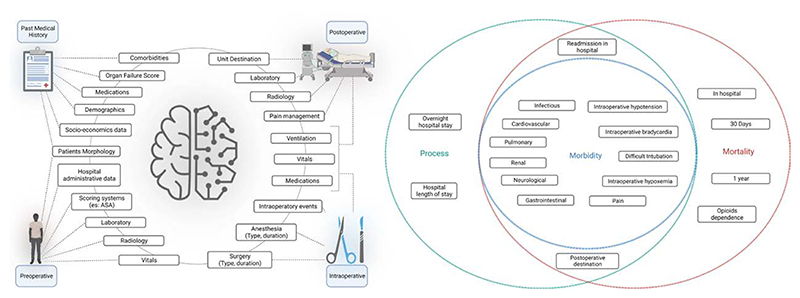
“The type of outcome and features used are shown in figure 2, and the details of the machine learning models are reported in supplementary table 1 (https://links. lww.com/ALN/D308).”
On Model Evaluation Under Non-constant Class Imbalance
Brabec, J., Komárek, T., Franc, V., & Machlica, L. (2020) · Lecture notes in computer science · doi:10.1007/978-3-030-50423-6_6 · Cited by 81
Tavolara, T. E., Gürcan, M. N., Segal, S., & Niazi, M. K. K. (2021) · Computers in Biology and Medicine · doi:10.1016/j.compbiomed.2021.104737 · Cited by 81 · cited 2×
“…or other scores 58,62 ( e.g. , Bariclot tool, STOP-BANG score, Mallampati test, various frailty indexes, and the acute kidney injury score) 34,49,58,72,79,82,86,114,121 (3) Clinical assessment 42,52,88 Overall, the machine learning models described in these articles outperformed their technical or…”
Abbas, A., Mosseri, J., Lex, J. R., Toor, J., Ravi, B., Khalil, E. B., & Whyne, C. M. (2021) · International Journal of Medical Informatics · doi:10.1016/j.ijmedinf.2021.104670 · Cited by 80 · cited 1×
“105 In terms of confirming generalizability and clinical implementation of machine learning models, external validation should be mandatory, ideally performed in different hospitals, 136 and using separate cohorts of patients to evaluate model performance.”
Maheshwari, K. K., Buddi, S., Jian, Z., Settels, J. J., Shimada, T., Cohen, B., Sessler, D. I., & Hatib, F. (2020) · Journal of Clinical Monitoring and Computing · doi:10.1007/s10877-020-00463-5 · Cited by 78
Global Trend in Artificial Intelligence–Based Publications in Radiology From 2000 to 2018
West, E., Mutasa, S., Zhu, Z., & Ha, R. (2019) · American Journal of Roentgenology · doi:10.2214/ajr.19.21346 · Cited by 77 · cited 1×
“203145Z/16/Z and NS/A000050/1 (to Dr. Mazomenos).”
Chen, C., Yang, D., Gao, S., Zhang, Y., Chen, L., Wang, B., Mo, Z., Yang, Y., Hei, Z., & Zhou, S. (2021) · Respiratory Research · doi:10.1186/s12931-021-01690-3 · Cited by 74 · cited 1×
“%) studies applied external validation, 26,27,42,52,58,74,78,80,83,98,112,114,126 while the remaining 87% used only internal validation.”
Austin, P. C., Harrell, F. E., & Steyerberg, E. W. (2021) · Statistical Methods in Medical Research · doi:10.1177/09622802211002867 · Cited by 74 · cited 1×
“137 These findings demonstrate that use of artificial intelligence and machine learning in perioperative medicine is still in the early stages of development compared to other specialties such as radiology and ophthalmology, e.g. , for cancer screening and retinopathy.”
Song, Y., Yang, X., Luo, Y., Ou-yang, C.-L., Yu, Y., Ma, Y., Li, H., Lou, J., Liu, Y., Chen, Y., et al. (2022) · CNS Neuroscience & Therapeutics · doi:10.1111/cns.13991 · Cited by 74
Machine Learning Prediction of Postoperative Emergency Department Hospital Readmission
Mišić, V. V., Gabel, E., Hofer, I. S., Rajaram, K., & Mahajan, A. (2020) · Anesthesiology · doi:10.1097/aln.0000000000003140 · Cited by 73 · cited 3×
“%) studies applied external validation, 26,27,42,52,58,74,78,80,83,98,112,114,126 while the remaining 87% used only internal validation.”
Lee, C. K., Samad, M., Hofer, I. S., Cannesson, M. P., & Baldi, P. (2021) · npj Digital Medicine · doi:10.1038/s41746-020-00377-1 · Cited by 73 · cited 1×
“…were identified, comparing models against results obtained from: PerioPerative Medicine arina et al. (1) Multivariate logistic regression 30,31,36,43,48,54,55,60,62,65,67, 69,75,76,78,80,95,106,107,110 (2) Previously validated scores such as perioperative medi-cine-related scores ( e.g. , ASA…”
McNelis, J., & Castaldi, M. T. (2014) · Patient Safety in Surgery · doi:10.1186/1754-9493-8-19 · Cited by 71
Hu, X., Liu, H., Zhao, X., Sun, X., Zhou, J. H., Gao, X. H., Guan, H., Zhou, Y., Zhao, Q., Han, Y., et al. (2021) · CNS Neuroscience & Therapeutics · doi:10.1111/cns.13758 · Cited by 69
Lee, S. W., Lee, H., Suh, J., Lee, K. H., Lee, H., Seo, S., Kim, T. K., Lee, S.-W., & Kim, Y. (2022) · npj Digital Medicine · doi:10.1038/s41746-022-00625-6 · Cited by 69 · cited 2×
“…scores ( e.g. , ASA status, POSSUM, Charlson Comorbidity Index, or National Surgical Quality Improvement Program calculator scores) 30,32,49,61,100,104 or other scores 58,62 ( e.g. , Bariclot tool, STOP-BANG score, Mallampati test, various frailty indexes, and the acute kidney…”
Regulating AI in medicine in the United States and Europe
Vokinger, K. N., & Gasser, U. (2021) · Nature Machine Intelligence · doi:10.1038/s42256-021-00386-z · Cited by 68
Assessment of the high-risk perioperative patient
Minto, G., & Biccard, B. M. (2013) · Continuing Education in Anaesthesia Critical Care & Pain · doi:10.1093/bjaceaccp/mkt020 · Cited by 67 · cited 2×
“The United States and China, the leading countries in artificial intelligence development, contributed the highest number of publications, followed by South Korea.”
Ko, S., Jo, C., Chang, C. B., Lee, Y. S., Moon, Y., Youm, J. W., Han, H., Lee, M. C., Lee, H., & Ro, D. H. (2020) · Knee Surgery Sports Traumatology Arthroscopy · doi:10.1007/s00167-020-06258-0 · Cited by 67 · cited 3×
“%) studies applied external validation, 26,27,42,52,58,74,78,80,83,98,112,114,126 while the remaining 87% used only internal validation.”
Racine, A. M., Tommet, D., D’Aquila, M., Fong, T. G., Gou, Y., Tabloski, P. A., Metzger, E. D., Hshieh, T. T., Schmitt, E. M., Vasunilashorn, S. M., et al. (2020) · Journal of General Internal Medicine · doi:10.1007/s11606-020-06238-7 · Cited by 67 · cited 1×
“While the development of these technologies could potentially enhance patient care and health-care resource utilization, the realization of these benefits requires careful consideration of the current limitations and challenges in the field.”
Schenk, J., Wijnberge, M., Maaskant, J. M., Hollmann, M. W., Hol, L., Immink, R. V., Vlaar, A. P. J., van der Ster, B. J. P., Geerts, B. F., & Veelo, D. P. (2021) · British Journal of Anaesthesia · doi:10.1016/j.bja.2021.05.033 · Cited by 67
Gabriel, R. A., Sharma, B. S., Doan, C. N., Jiang, X., Schmidt, U. H., & Vaida, F. (2018) · Anesthesia & Analgesia · doi:10.1213/ane.0000000000003798 · Cited by 65
Clinical risk assessment tools in anaesthesia
Stones, J., & Yates, D. (2018) · BJA Education · doi:10.1016/j.bjae.2018.09.009 · Cited by 62 · cited 1×
“16 However, classical statistics may struggle with nonlinear relationships and large numbers of variables, whereas the advantage of machine learning lies in its diverse range of algorithms that can model complex relationships and perform variable selection.”
Zhao, H., You, J., Peng, Y., & Feng, Y. (2021) · Frontiers in Surgery · doi:10.3389/fsurg.2021.634629 · Cited by 60 · cited 1×
“…models against results obtained from: PerioPerative Medicine arina et al. (1) Multivariate logistic regression 30,31,36,43,48,54,55,60,62,65,67, 69,75,76,78,80,95,106,107,110 (2) Previously validated scores such as perioperative medi-cine-related scores ( e.g. , ASA status, POSSUM,…”
Forte, J. C., Yeshmagambetova, G., van der Grinten, M. L., Scheeren, T., Nijsten, M. W., Mariani, M. A., Henning, R. H., & Epema, A. H. (2022) · JAMA Network Open · doi:10.1001/jamanetworkopen.2022.37970 · Cited by 58
Fernandes, M. P. B., Armengol de la Hoz, M., Rangasamy, V., & Subramaniam, B. (2021) · Journal of Cardiothoracic and Vascular Anesthesia · doi:10.1053/j.jvca.2020.07.029 · Cited by 53 · cited 1×
“130 • Anesthetic and surgical risks: Several models were developed to predict anesthetic risk, 64 risk of postin-duction hypotension, 124 identifying patients at risk of obstructive sleep apnea, 79 or risk of postoperative re-intubation.”
Intelligent Perioperative System: Towards Real-Time Big Data Analytics in Surgery Risk Assessment
Feng, Z., Bhat, R. R., Yuan, X., Freeman, D., Baslanti, T., Bihorac, A., & Li, X. (2017) · 2017 IEEE 15th Intl Conf on Dependable, Autonomic and Secure Computing, 15th Intl Conf on Pervasive Intelligence and Computing, 3rd Intl Conf on Big Data Intelligence and Computing and Cyber Science and Technology Congress(DASC/PiCom/DataCom/CyberSciTech) · doi:10.1109/dasc-picom-datacom-cyberscitec.2017.201 · Cited by 52
Khalifa, M., Magrabi, F., & Gallego, B. (2019) · BMC Medical Informatics and Decision Making · doi:10.1186/s12911-019-0940-7 · Cited by 52 · cited 1×
“24 A PROBAST is being specifically developed to assess artificial intelligence and machine learning models (PROBAST–artificial intelligence) 25 but was not available at the time of study.”
Chen, C., Chen, B., Yang, J., Li, X., Peng, X., Feng, Y., Guo, R., Zou, F., Zhou, S., & Hei, Z. (2023) · Annals of Medicine · doi:10.1080/07853890.2023.2179104 · Cited by 50
Li, H., Jiao, J., Zhang, S., Tang, H., Qu, X., & Yue, B. (2020) · The Journal of Knee Surgery · doi:10.1055/s-0040-1710573 · Cited by 48
Prediction of intraoperative hypotension from the linear extrapolation of mean arterial pressure
Jacquet‐Lagrèze, M., Larue, A., Guilherme, E., Schweizer, R., Portran, P., Ruste, M., Gazon, M., Aubrun, F., & Fellahi, J.-L. (2022) · European Journal of Anaesthesiology · doi:10.1097/eja.0000000000001693 · Cited by 48
Collaborative, C., Dajti, I., Valenzuela, J. I., Boccalatte, L., Gemelli, N. A., Smith, D., Dudi-Venkata, N. N., Kroon, H. M., Sammour, T., Roberts, M., et al. (2021) · British journal of surgery · doi:10.1093/bjs/znab183 · Cited by 47
Prediction of perioperative transfusions using an artificial neural network
Walczak, S., & Velanovich, V. (2020) · PLoS ONE · doi:10.1371/journal.pone.0229450 · Cited by 46 · cited 3×
“%) studies applied external validation, 26,27,42,52,58,74,78,80,83,98,112,114,126 while the remaining 87% used only internal validation.”
Stefani, L. P. C., Gamermann, P. W., Backof, A., Guollo, F., Borges, R., Martin, A., Caumo, W., & Félix, E. A. (2018) · Journal of Clinical Anesthesia · doi:10.1016/j.jclinane.2018.06.025 · Cited by 44 · cited 1×
“5,7,8 14 Over the last 10 yr, there has been an emergence of novel predictive tools for perioperative outcomes driven by artificial intelligence and machine learning techniques.”
Alpha rhythm collapse predicts iso-electric suppressions during anesthesia
Cartailler, J., Parutto, P., Touchard, C., Vallée, F., & Holcman, D. (2019) · Communications Biology · doi:10.1038/s42003-019-0575-3 · Cited by 44 · cited 1×
“Intraoperative depth of anesthesia using real-time EEG data, 88 acute events such as intraoperative hypotension, 90–94, 132, 133”
Zeng, S., Li, L., Hu, Y., Luo, L., & Fang, Y. (2021) · BMC Medical Informatics and Decision Making · doi:10.1186/s12911-021-01731-3 · Cited by 43
MacKay, E. J., Stubna, M. D., Chivers, C., Draugelis, M. E., Hanson, W. J., Desai, N. D., & Groeneveld, P. W. (2021) · PLoS ONE · doi:10.1371/journal.pone.0252585 · Cited by 42 · cited 2×
“%) studies applied external validation, 26,27,42,52,58,74,78,80,83,98,112,114,126 while the remaining 87% used only internal validation.”
Gabriel, R. A., Harjai, B., Prasad, R., Simpson, S., Chu, I., Fisch, K. M., & Said, E. T. (2022) · Regional Anesthesia & Pain Medicine · doi:10.1136/rapm-2021-103299 · Cited by 42 · cited 1×
“…comparing models against results obtained from: PerioPerative Medicine arina et al. (1) Multivariate logistic regression 30,31,36,43,48,54,55,60,62,65,67, 69,75,76,78,80,95,106,107,110 (2) Previously validated scores such as perioperative medi-cine-related scores ( e.g. , ASA status,…”
Solomon, S., Saxena, R. C., Neradilek, M. B., Hau, V., Fong, C. T., Lang, J. D., Posner, K. L., & Nair, B. G. (2020) · Anesthesia & Analgesia · doi:10.1213/ane.0000000000004636 · Cited by 41 · cited 1×
“…results obtained from: PerioPerative Medicine arina et al. (1) Multivariate logistic regression 30,31,36,43,48,54,55,60,62,65,67, 69,75,76,78,80,95,106,107,110 (2) Previously validated scores such as perioperative medi-cine-related scores ( e.g. , ASA status, POSSUM, Charlson Comorbidity…”
Karri, R., Kawai, A., Thong, Y. J., Ramson, D. M., Perry, L. A., Segal, R., Smith, J. A., & Penny‐Dimri, J. C. (2021) · Heart Lung and Circulation · doi:10.1016/j.hlc.2021.05.101 · Cited by 41 · cited 1×
“…scores 58,62 ( e.g. , Bariclot tool, STOP-BANG score, Mallampati test, various frailty indexes, and the acute kidney injury score) 34,49,58,72,79,82,86,114,121 (3) Clinical assessment 42,52,88 Overall, the machine learning models described in these articles outperformed their technical or…”
Suhre, W. M., O’Reilly-Shah, V. N., & Cleve, W. V. (2020) · BMC Anesthesiology · doi:10.1186/s12871-020-01036-4 · Cited by 39 · cited 4×
“%) studies applied external validation, 26,27,42,52,58,74,78,80,83,98,112,114,126 while the remaining 87% used only internal validation.”
InfluentialPredicting respiratory failure after pulmonary lobectomy using machine learning techniques
Bolourani, S., Wang, P., Patel, V. M., Manetta, F., & Lee, P. C. (2020) · Surgery · doi:10.1016/j.surg.2020.05.032 · Cited by 38
The future of artificial intelligence in intensive care: moving from predictive to actionable AI
Smit, J. M., Krijthe, J. H., van Bommel, J., Collaborators, T. C. I. F. I., van Genderen, M. E., Labrecque, J. A., Komorowski, M., Gommers, D. A. M. P. J., & Reinders, M. J. T. (2023) · Intensive Care Medicine · doi:10.1007/s00134-023-07102-y · Cited by 38
Tjeertes, E. K. M., Ultee, K. H. J., Stolker, R. J., Verhagen, H. J. M., Gonçalves, F. B., Hoofwijk, A. G. M., & Hoeks, S. E. (2016) · World Journal of Surgery · doi:10.1007/s00268-016-3600-4 · Cited by 37
Merkow, R. P., Shan, Y., Gupta, A. R., Yang, A. D., Sama, P., Schumacher, M., Cooke, D. T., Barnard, C., & Bilimoria, K. Y. (2020) · The Joint Commission Journal on Quality and Patient Safety · doi:10.1016/j.jcjq.2020.06.011 · Cited by 37 · cited 2×
“These tools offer exciting opportunities for advancing perioperative medicine.”
Prediction of serious outcomes based on continuous vital sign monitoring of high-risk patients
Kristinsson, Æ. Ö., Gu, Y., Rasmussen, S. M., Mølgaard, J., Haahr-Raunkjær, C., Meyhoff, C. S., Aasvang, E. K., & Sørensen, H. B. D. (2022) · Computers in Biology and Medicine · doi:10.1016/j.compbiomed.2022.105559 · Cited by 37 · cited 1×
“40 One study utilized both a retrospective data-base and enrolled patients for a prospective study, 89 while another used a cross-sectional study design.”
Kitcharanant, N., Chotiyarnwong, P., Tanphiriyakun, T., Vanitcharoenkul, E., Mahaisavariya, C., Boonyaprapa, W., & Unnanuntana, A. (2022) · BMC Geriatrics · doi:10.1186/s12877-022-03152-x · Cited by 37
Cabrera, A., Bouterse, A., Nelson, M., Razzouk, J. A., Ramos, O., Chung, D., Cheng, W. K., & Danisa, O. (2022) · Journal of Clinical Neuroscience · doi:10.1016/j.jocn.2022.10.029 · Cited by 37 · cited 1×
“109 • Need for intensive care unit stay for more than 24 h 99,100,102–104 • Readmission and discharge timing: Several studies predicted the risk of hospital readmission within 30 days of surgery, 114 when patients would be ready for hospital discharge 98,102 or length of stay after orthopedic…”
A new decision support model for preanesthetic evaluation
Sobrie, O., Lazouni, M. E. A., Mahmoudi, S., Mousseau, V., & Pirlot, M. (2016) · Computer Methods and Programs in Biomedicine · doi:10.1016/j.cmpb.2016.05.021 · Cited by 35
Sridhar, S., Whitaker, B. M., Mouat-Hunter, A., & McCrory, B. (2022) · PLoS ONE · doi:10.1371/journal.pone.0277479 · Cited by 35 · cited 1×
“109 • Need for intensive care unit stay for more than 24 h 99,100,102–104 • Readmission and discharge timing: Several studies predicted the risk of hospital readmission within 30 days of surgery, 114 when patients would be ready for hospital discharge 98,102 or length of stay after orthopedic…”
Lu, Y., Forlenza, E. M., Cohn, M. R., Lavoie-Gagne, O. Z., Wilbur, R. R., Song, B. M., Krych, A. J., & Forsythe, B. (2020) · Knee Surgery Sports Traumatology Arthroscopy · doi:10.1007/s00167-020-06321-w · Cited by 31
Li, X.-F., Huang, Y.-Z., Tang, J.-Y., Li, R., & Wang, X. (2021) · World Journal of Clinical Cases · doi:10.12998/wjcc.v9.i29.8729 · Cited by 31
Chen, P., Chen, L., Lin, Y.-K., Li, G.-H., Lai, F., Lü, C.-W., Yang, C.-Y., Chen, K., & Lin, T. (2022) · JMIR Medical Informatics · doi:10.2196/38241 · Cited by 31 · cited 2×
“Three main types of benchmarks were identified, comparing models against results obtained from: PerioPerative Medicine arina et al. (1) Multivariate logistic regression 30,31,36,43,48,54,55,60,62,65,67, 69,75,76,78,80,95,106,107,110 (2) Previously validated scores such as perioperative medi-cine-related scores ( e.g.…”
InfluentialPrediction model for myocardial injury after non-cardiac surgery using machine learning
Oh, A. R., Park, J., Shin, S. J., Choi, B., Lee, J., Lee, S. H., & Yang, K. (2023) · Scientific Reports · doi:10.1038/s41598-022-26617-w · Cited by 31
Jungquist, C. R., Chandola, V., Spulecki, C., Nguyen, K. V., Crescenzi, P., Tekeste, D., & Sayapaneni, P. R. (2019) · Worldviews on Evidence-Based Nursing · doi:10.1111/wvn.12362 · Cited by 30 · cited 1×
“…scores 58,62 ( e.g. , Bariclot tool, STOP-BANG score, Mallampati test, various frailty indexes, and the acute kidney injury score) 34,49,58,72,79,82,86,114,121 (3) Clinical assessment 42,52,88 Overall, the machine learning models described in these articles outperformed their technical or clinical…”
Gabriel, R. A., Harjai, B., Simpson, S., Du, A. L., Tully, J. L., George, O., & Waterman, R. S. (2022) · JMIR Perioperative Medicine · doi:10.2196/39650 · Cited by 29 · cited 1×
“…results obtained from: PerioPerative Medicine arina et al. (1) Multivariate logistic regression 30,31,36,43,48,54,55,60,62,65,67, 69,75,76,78,80,95,106,107,110 (2) Previously validated scores such as perioperative medi-cine-related scores ( e.g. , ASA status, POSSUM, Charlson Comorbidity Index,…”
Machine Learning for the Prediction of Complications in Patients After Mitral Valve Surgery
Jiang, H., Liu, L., Wang, Y., Ji, H., Ma, X., Wu, J., Huang, Y., Wang, X., Gui, R., Zhao, Q., et al. (2021) · Frontiers in Cardiovascular Medicine · doi:10.3389/fcvm.2021.771246 · Cited by 28
Prediction of Mortality in Surgical Intensive Care Unit Patients Using Machine Learning Algorithms
Yun, K., Oh, J., Hong, T. H., & Kim, E. Y. (2021) · Frontiers in Medicine · doi:10.3389/fmed.2021.621861 · Cited by 27 · cited 1×
“100 in the surgical intensive care unit 35 or in the hospital.”
Xue, Q., Duan, W., Ji, M., Tong, J., Yang, J., & Zhou, C.-M. (2021) · Frontiers in Medicine · doi:10.3389/fmed.2021.655686 · Cited by 26
Artificial Intelligence May Predict Early Sepsis After Liver Transplantation
Kamaleswaran, R., Sataphaty, S. K., Mas, V. R., Eason, J. D., & Maluf, D. G. (2021) · Frontiers in Physiology · doi:10.3389/fphys.2021.692667 · Cited by 26
Optimizing predictive strategies for acute kidney injury after major vascular surgery
Filiberto, A. C., Ozrazgat‐Baslanti, T., Loftus, T. J., Peng, Y.-C., Datta, S., Efron, P. A., Upchurch, G. R., Bihorac, A., & Cooper, M. A. (2021) · Surgery · doi:10.1016/j.surg.2021.01.030 · Cited by 25 · cited 1×
“…scores ( e.g. , ASA status, POSSUM, Charlson Comorbidity Index, or National Surgical Quality Improvement Program calculator scores) 30,32,49,61,100,104 or other scores 58,62 ( e.g. , Bariclot tool, STOP-BANG score, Mallampati test, various frailty indexes, and the acute kidney injury…”
Prediction of Postoperative Complications for Patients of End Stage Renal Disease
Jeong, Y.-S., Kim, J., Kim, D., Woo, J., Kim, M. G., Choi, H. W., Kang, A. R., & Park, S. Y. (2021) · Sensors · doi:10.3390/s21020544 · Cited by 24
Tschoellitsch, T., Böck, C., Mahečić, T. T., Hofmann, A., & Meier, J. M. (2022) · European Journal of Anaesthesiology · doi:10.1097/eja.0000000000001721 · Cited by 24 · cited 1×
“119 Tan et al. 51 developed a model to predict early phase postoperative hypertension after carotid endarterectomy.”
Machine Learning and Statistics in Clinical Research Articles—Moving Past the False Dichotomy
Finlayson, S. G., Beam, A. L., & van Smeden, M. (2023) · JAMA Pediatrics · doi:10.1001/jamapediatrics.2023.0034 · Cited by 24 · cited 1×
“15 Existing risk stratification tools such as POSSUM, SORT, and NELA have traditionally utilized logistic regression, a statistical technique also employed in machine learning for similar purposes.”
van de Sande, D., van Genderen, M. E., Verhoef, C. K., Huiskens, J., Gommers, D. A. M. P. J., van Unen, E., Schasfoort, R. A., Schepers, J., van Bommel, J., & Grünhagen, D. J. (2022) · Surgery · doi:10.1016/j.surg.2022.03.031 · Cited by 23 · cited 2×
“%) studies applied external validation, 26,27,42,52,58,74,78,80,83,98,112,114,126 while the remaining 87% used only internal validation.”
Thompson, C. L., & Morgan, H. M. (2020) · Bulletin of the World Health Organization · doi:10.2471/blt.19.237230 · Cited by 22
Above and Beyond Age: Prediction of Major Postoperative Adverse Events in Head and Neck Surgery
Mascarella, M. A., Muthukrishnan, N., Maleki, F., Kergoat, M., Richardson, K., Mlynarek, A., Forest, V., Reinhold, C., Martín, D. R., Hier, M. P., et al. (2021) · Annals of Otology Rhinology & Laryngology · doi:10.1177/00034894211041222 · Cited by 22 · cited 3×
“• Development of postoperative complications: Most studies focused on the prediction of postoperative acute complications 26–28, 44– 49 Three studies developed models to predict the risk of perioperative transfusion in general surgery 80,81 and cardiac surgery.”
Song, B. M., Lu, Y., Wilbur, R. R., Lavoie-Gagne, O. Z., Pareek, A., Forsythe, B., & Krych, A. J. (2021) · Arthroscopy Sports Medicine and Rehabilitation · doi:10.1016/j.asmr.2021.10.001 · Cited by 21 · cited 1×
“109 • Need for intensive care unit stay for more than 24 h 99,100,102–104 • Readmission and discharge timing: Several studies predicted the risk of hospital readmission within 30 days of surgery, 114 when patients would be ready for hospital discharge 98,102 or length of stay after orthopedic…”
Opal: an implementation science tool for machine learning clinical decision support in anesthesia
Bishara, A. M., Wong, A. H., Wang, L., Chopra, M., Fan, W., Lin, A. J., Fong, N., Palacharla, A., Spinner, J., Armstrong, R., et al. (2021) · Journal of Clinical Monitoring and Computing · doi:10.1007/s10877-021-00774-1 · Cited by 21
Difficult diagnosis in the ICU : making the right call but beware uncertainty and bias
Pisciotta, W., Arina, P., Hofmaenner, D. A., & Singer, M. (2023) · Anaesthesia · doi:10.1111/anae.15897 · Cited by 21 · cited 1×
“147 We therefore recommend adopting a human-centered design approach in conjunction with a continuous artificial intelligence development cycle with the aim of enhancing clinician performance.”
Self-citationPetrosyan, Y., Mesana, T. G., & Sun, L. Y. (2022) · BMC Medical Informatics and Decision Making · doi:10.1186/s12911-022-01859-w · Cited by 20
Bai, P., Zhou, Y., Liu, Y., Li, G., Li, Z., Wang, T., & Guo, X. (2020) · Computational and Mathematical Methods in Medicine · doi:10.1155/2020/6217392 · Cited by 19 · cited 1×
“71,78 • Noteworthy studies: Bihorac et al. 29 and Feng et al. 41 created MysurgicalRisk, an ensemble model integrated with their hospital electronic health record system.”
Kunze, K. N., Karhade, A. V., Polce, E. M., Schwab, J. H., & Levine, B. R. (2022) · Archives of Orthopaedic and Trauma Surgery · doi:10.1007/s00402-022-04452-y · Cited by 19
Machine learning algorithms to predict major bleeding after isolated coronary artery bypass grafting
Gao, Y., Liu, X., Wang, L., Wang, S., Yu, Y., Ding, Y., Wang, J., & Ao, H. (2022) · Frontiers in Cardiovascular Medicine · doi:10.3389/fcvm.2022.881881 · Cited by 19
Li, P., Wang, Y., Li, H., Cheng, B., Wu, S., Ye, H., Ma, D., Fang, X., the International Surgical Outcomes Study (ISOS) group in China, Cao, Y., et al. (2023) · Aging Clinical and Experimental Research · doi:10.1007/s40520-022-02325-3 · Cited by 19
The new SUMPOT to predict postoperative complications using an Artificial Neural Network
Chelazzi, C., Villa, G., Manno, A., Ranfagni, V., Emmi, G., & Romagnoli, S. (2021) · Scientific Reports · doi:10.1038/s41598-021-01913-z · Cited by 17 · cited 1×
“• Development of postoperative complications: Most studies focused on the prediction of postoperative acute complications 26–28, 44– 49 Three studies developed models to predict the risk of perioperative transfusion in general surgery 80,81 and cardiac surgery.”
A Machine Learning Approach in Predicting Mortality Following Emergency General Surgery
Gao, J., & Merchant, A. M. (2021) · The American Surgeon · doi:10.1177/00031348211038568 · Cited by 17
Peng, X., Zhu, T., Wang, T., Wang, F., Li, K., & Hao, X. (2022) · BMC Anesthesiology · doi:10.1186/s12871-022-01827-x · Cited by 17
Castle, J. P., Jildeh, T. R., Chaudhry, F., Turner, E. H. G., Abbas, M. J., Mahmoud, O., Hengy, M. H., Okoroha, K. R., & Lynch, T. S. (2022) · Arthroscopy The Journal of Arthroscopic and Related Surgery · doi:10.1016/j.arthro.2022.12.025 · Cited by 17
Shin, S. J., Park, J., Lee, S. H., Yang, K., & Park, R. W. (2021) · JMIR Medical Informatics · doi:10.2196/32771 · Cited by 16
Zhang, L., Yan, Y. R., Li, S. Q., Li, H. P., Lin, Y. N., Li, N., Sun, X. W., Ding, Y. J., Li, C. X., & Li, Q. Y. (2021) · BMJ Open · doi:10.1136/bmjopen-2020-048482 · Cited by 16 · cited 2×
“130 • Anesthetic and surgical risks: Several models were developed to predict anesthetic risk, 64 risk of postin-duction hypotension, 124 identifying patients at risk of obstructive sleep apnea, 79 or risk of postoperative re-intubation.”
Effect of acute postsurgical pain trajectories on 30-day and 1-year pain
Awadalla, S. S., Winslow, V., Avidan, M. S., Haroutounian, S., & Kannampallil, T. G. (2022) · PLOS ONE · doi:10.1371/journal.pone.0269455 · Cited by 16
van de Sande, D., van Genderen, M. E., Verhoef, C., van Bommel, J., Gommers, D., van Unen, E., Huiskens, J., & Grünhagen, D. J. (2021) · Surgery · doi:10.1016/j.surg.2021.05.005 · Cited by 15 · cited 2×
“…• Need for intensive care unit stay for more than 24 h 99,100,102–104 • Readmission and discharge timing: Several studies predicted the risk of hospital readmission within 30 days of surgery, 114 when patients would be ready for hospital discharge 98,102 or length of stay after orthopedic surgery.”
Park, K., Kim, N. Y., Kim, K. J., Oh, C., Chae, D., & Kim, S. Y. (2021) · Anesthesia & Analgesia · doi:10.1213/ane.0000000000005779 · Cited by 15
Forte, J. C., Mungroop, H. E., de Geus, F., van der Grinten, M. L., Bouma, H. R., Pettilä, V., Scheeren, T., Nijsten, M. W., Mariani, M. A., van der Horst, I. C. C., et al. (2021) · Scientific Reports · doi:10.1038/s41598-021-82403-0 · Cited by 14
Looking Beyond Perioperative Morbidity and Mortality as Measures of Surgical Quality
Merkow, R. P., & Massarweh, N. N. (2021) · Annals of Surgery · doi:10.1097/sla.0000000000004966 · Cited by 14
Machine learning to predict post-operative acute kidney injury stage 3 after heart transplantation
Li, T., Yang, Y., Huang, J., Chen, R., Wu, Y., Li, Z. Y., Lin, G., Liu, H., & Wu, M. (2022) · BMC Cardiovascular Disorders · doi:10.1186/s12872-022-02721-7 · Cited by 14
Gabriel, R. A., Simpson, S., Zhong, W., Burton, B. N., Mehdipour, S., & Said, E. T. (2023) · JMIR Perioperative Medicine · doi:10.2196/40455 · Cited by 14
Tan, J., Wang, Q., Shi, W., Liang, K., Yu, B., & Mao, Q. (2020) · Annals of Vascular Surgery · doi:10.1016/j.avsg.2020.07.001 · Cited by 13
Using Machine Learning to Predict Postoperative Liver Dysfunction After Aortic Arch Surgery
Shi, S., Lei, G., Yang, L., Zhang, C., Fang, Z., Li, J., & Wang, G. (2021) · Journal of Cardiothoracic and Vascular Anesthesia · doi:10.1053/j.jvca.2021.02.046 · Cited by 13
Xie, T., Jiang, Z., Wen, C., Shen, D., Bian, J., Liu, S., Deng, X., & Zha, Y. (2021) · Aging · doi:10.18632/aging.202711 · Cited by 9 · cited 1×
“The second, from Xie et al. , 73 used blood metabolomic profiling to predict the risk of postoperative gastrointestinal failure.”
Predictive Analytics for Inpatient Postoperative Opioid Use in Patients Undergoing Mastectomy
Dolendo, I. M., Wallace, A. M., Armani, A., Waterman, R. S., Said, E. T., & Gabriel, R. A. (2022) · Cureus · doi:10.7759/cureus.23079 · Cited by 9 · cited 1×
“…identified, comparing models against results obtained from: PerioPerative Medicine arina et al. (1) Multivariate logistic regression 30,31,36,43,48,54,55,60,62,65,67, 69,75,76,78,80,95,106,107,110 (2) Previously validated scores such as perioperative medi-cine-related scores ( e.g. , ASA status,…”
Ezuma, C. O., Lu, Y., Pareek, A., Wilbur, R. R., Krych, A. J., Forsythe, B., & Camp, C. L. (2022) · Arthroscopy Sports Medicine and Rehabilitation · doi:10.1016/j.asmr.2022.03.009 · Cited by 9 · cited 1×
“…obtained from: PerioPerative Medicine arina et al. (1) Multivariate logistic regression 30,31,36,43,48,54,55,60,62,65,67, 69,75,76,78,80,95,106,107,110 (2) Previously validated scores such as perioperative medi-cine-related scores ( e.g. , ASA status, POSSUM, Charlson Comorbidity Index, or…”
Du, Y., Shi, H., Yang, X., & Wu, W. (2022) · Frontiers in Neurology · doi:10.3389/fneur.2022.942023 · Cited by 8 · cited 1×
“…against results obtained from: PerioPerative Medicine arina et al. (1) Multivariate logistic regression 30,31,36,43,48,54,55,60,62,65,67, 69,75,76,78,80,95,106,107,110 (2) Previously validated scores such as perioperative medi-cine-related scores ( e.g. , ASA status, POSSUM, Charlson…”
McLeod, G. A., Kennedy, I., Simpson, E., Joss, J., & Goldmann, K. (2022) · Interactive Journal of Medical Research · doi:10.2196/34096 · Cited by 7 · cited 1×
“…or other scores 58,62 ( e.g. , Bariclot tool, STOP-BANG score, Mallampati test, various frailty indexes, and the acute kidney injury score) 34,49,58,72,79,82,86,114,121 (3) Clinical assessment 42,52,88 Overall, the machine learning models described in these articles outperformed their…”
Tourani, R., Murphree, D. H., Melton, G. B., Wick, E., Kor, D. J., & Simon, G. (2019) · Studies in health technology and informatics · doi:10.3233/shti190251 · Cited by 6 · cited 2×
“%) studies applied external validation, 26,27,42,52,58,74,78,80,83,98,112,114,126 while the remaining 87% used only internal validation.”
Chae, D., Kim, N. Y., Kim, H. J., Kim, T. L., Kang, S. J., & Kim, S. Y. (2022) · Clinical and Translational Science · doi:10.1111/cts.13356 · Cited by 6
Jones, R. N., Tommet, D., Steingrimsson, J. A., Racine, A. M., Fong, T. G., Gou, Y., Hshieh, T. T., Metzger, E. D., Schmitt, E. M., Tabloski, P. A., et al. (2021) · Alzheimer s & Dementia Diagnosis Assessment & Disease Monitoring · doi:10.1002/dad2.12201 · Cited by 4
A machine learning approach to predicting early and late postoperative reintubation
Koretsky, M. J., Brovman, E. Y., Urman, R. D., Tsai, M. H., & Cheney, N. (2022) · Journal of Clinical Monitoring and Computing · doi:10.1007/s10877-022-00908-z · Cited by 4
Research works printed but not linked: 1
- 4. Tjeertes EKM, Ultee KHJ, Stolker RJ, Verhagen HJM, Bastos Gonçalves FM, Hoofwijk AGM, Hoeks SE: Perioperative complications are associated with adverse long-term prognosis and affect the cause of death after general surgery. World J Surg 2016; 40:2581-90 · DOI
Cited by
Mehta, D., Gonzalez, X. T., Huang, G. T.-W., & Abraham, J. (2024) · British Journal of Anaesthesia · doi:10.1016/j.bja.2024.08.007 · Cited by 48
“A recent systematic review by Arina and colleagues 15 spe-cifically examined the state of ML tools in predicting complications and prognostication within perioperative medicine.”
InfluentialComprehensive overview of artificial intelligence in surgery: a systematic review and perspectives
Chevalier, O., Dubey, G., Benkabbou, A., Majbar, M. A., & Souadka, A. (2025) · Pflügers Archiv - European Journal of Physiology · doi:10.1007/s00424-025-03076-6 · Cited by 42
Ferrari, D., Arina, P., Edgeworth, J. D., Ćurčin, V., Guidetti, V., Mandreoli, F., & Wang, Y. (2024) · PLOS Digital Health · doi:10.1371/journal.pdig.0000641 · Cited by 25
Self-citationCritelli, B., Hassan, A., Lahooti, I., Noh, L., Park, J. S., Tong, K., Lahooti, A., Matzko, N. E., Adams, J. N., Liß, L., et al. (2025) · PLoS Medicine · doi:10.1371/journal.pmed.1004432 · Cited by 29
“Unfortunately, these shortcomings are like those identified in other fields such as oncology [28] and anesthesiology [73].”
Machine learning and preoperative risk prediction: the machines are coming
Shelley, B., & Shaw, M. (2024) · British Journal of Anaesthesia · doi:10.1016/j.bja.2024.07.015 · Cited by 25
Metadata
- Authors
- Arina, P., Kaczorek, M. R., Hofmaenner, D. A., Pisciotta, W., Refinetti, P., Singer, M., Mazomenos, E. B., & Whittle, J.
- Affiliations
- University College London (GB)
- Wellcome / EPSRC Centre for Interventional and Surgical Sciences (GB)
- University Hospital Zurich (CH)
- Corresponding author
- Arina, Pietro
- ORCID
- Venue
- Anesthesiology
- Published
- 2023-11-09
- Volume
- 140
- Issue
- 1
- Pages
- 85-101
- ISSN
- 0003-3022 (ISSN-L)
- 1528-1175
- PMC
- PMC11146190
- OpenAlex
- W4388517949
- Semantic Scholar
- 8a94f89d94679a309879d53bc0f7a6da57a6f6ca
- Cited by
- 81
- References
- 148
- Citations by year
- 2026: 38 · 2025: 28 · 2024: 15
- FWCI
- 4.23
- Type
- journal article
- Language
- en
- Open access
- hybrid
- doi.org
- Locations
- Anesthesiology (publishedVersion, cc-by)
- PubMed Central (publishedVersion, cc-by)
- PubMed (publishedVersion)
- UCL Discovery (University College London) (submittedVersion, cc-by)
- Zurich Open Repository and Archive (University of Zurich) (submittedVersion)
- Funders
- Wellcome Trust (203145, 223793)
- Topics
- Health Sciences › Medicine › Cardiology and Cardiovascular Medicine › Cardiac, Anesthesia and Surgical Outcomes
- Health Sciences › Medicine › Health Informatics › Artificial Intelligence in Healthcare and Education
- Health Sciences › Health Professions › Health Information Management › Artificial Intelligence in Healthcare
- Keywords
- machine learning, artificial intelligence, perioperative medicine, surgical complications, outcome prediction, mortality prediction, risk of bias, external validation, PROBAST, model discrimination, clinical implementation
- MeSH terms
- Machine Learning, Perioperative Medicine, Artificial Intelligence, Bias, Databases, Factual
About these checks
Registry, retraction, Cites and statistics results are computed, not judged, with one exception: a printed reference that no index lists is read once by a model before it counts as a citation error. Claims are extracted by a model and kept only when their quote appears verbatim in the text; each cited source is then checked, with a model’s help, for whether it says what the claim relies on. Those verdicts can be wrong — read the claim’s quote and the cited source before relying on one.
Statistics and arithmetic are recomputed, not judged.
Confidence bands are shown only for fields calibrated on our annotated test set. None is calibrated yet, so no band is shown.
What counts as a claim ›How we measure confidence ›How we check this ›
Are you an author, or do you see a problem with this page? Request a review
Data sources
Bibliographic data: Semantic Scholar, OpenAlex, Crossref.
Contains information from the Semantic Scholar Academic Graph Datasets, made available under the ODC Attribution License (ODC-BY 1.0).
Semantic Scholar’s data is described in: Kinney, R., et al. (2023). The Semantic Scholar Open Data Platform. arXiv:2301.10140.
