

CTLA-4 and PD-1 Pathways: Similarities, Differences, and Implications of Their Inhibition
Open accessThe DOI matches its Crossref record; 92 of the 93 references it cites were found in a registry or an index.
Abstract
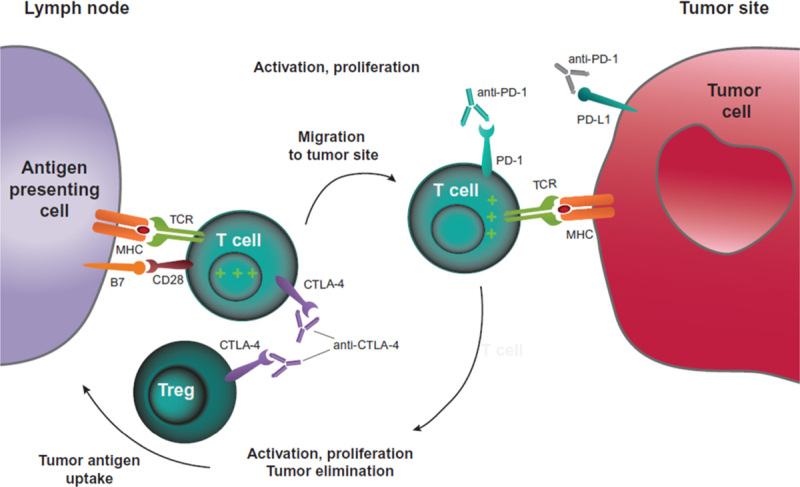
The cytotoxic T-lymphocyte-associated antigen 4 (CTLA-4) and programmed death 1 (PD-1) immune checkpoints are negative regulators of T-cell immune function. Inhibition of these targets, resulting in increased activation of the immune system, has led to new immunotherapies for melanoma, non-small cell lung cancer, and other cancers. Ipilimumab, an inhibitor of CTLA-4, is approved for the treatment of advanced or unresectable melanoma. Nivolumab and pembrolizumab, both PD-1 inhibitors, are approved to treat patients with advanced or metastatic melanoma and patients with metastatic, refractory non-small cell lung cancer. In addition the combination of ipilimumab and nivolumab has been approved in patients with BRAF WT metastatic or unresectable melanoma. The roles of CTLA-4 and PD-1 in inhibiting immune responses, including antitumor responses, are largely distinct. CTLA-4 is thought to regulate T-cell proliferation early in an immune response, primarily in lymph nodes, whereas PD-1 suppresses T cells later in an immune response, primarily in peripheral tissues. The clinical profiles of immuno-oncology agents inhibiting these 2 checkpoints may vary based on their mechanistic differences. This article provides an overview of the CTLA-4 and PD-1 pathways and implications of their inhibition in cancer therapy.
Overview
The claims and statistics of this paper haven’t been checked yet.
Free: it reads the open-access text and checks the first 5 claims that cite a source we can check. Create a free account to check every claim.
Integrity signals
Registry
Cites
Statistics
Figures
Verification
Claims the paper makes
The claims and statistics of this paper haven’t been checked yet.
Free: it reads the open-access text and checks the first 5 claims that cite a source we can check. Create a free account to check every claim.
Claims other papers make about this one
Each is checked against this paper’s own text: does it say what the citing paper says it does?
In the citing paper
“These differences may be the result of the different mechanisms of T cell inhibition by CTLA-4 and PD-1, as the former is understood to function more proximally to T cell activation and the latter is thought to function at later stages in the periphery (119).”
From Immune Checkpoint Inhibitors for the Treatment of Cancer: Clinical Impact and Mechanisms of Response and Resistance (2021) · cites this paper as [119]
In the citing paper
“While CTLA-4 regulates T cells proliferation early in the immune response within the lymph nodes, PD-1 suppresses T-cell activation later, within the body periphery [174].”
From Gut Microbiota and Cancer: From Pathogenesis to Therapy (2019) · cites this paper as [174]
Self-check
Percentages, sums and reported differences re-computed from the paper’s own numbers.
The self-check needs the paper’s full text.
Citations
Cites
PD-1 and PD-L1 Immune Checkpoint Blockade to Treat Breast Cancer
Hartkopf, A. D., Taran, F.-A., Wallwiener, M., Walter, C. B., Krämer, B., Grischke, E.-M., & Brucker, S. Y. (2016) · Breast Care · doi:10.1159/000453569 · Cited by 30,845
New response evaluation criteria in solid tumours: revised RECIST guideline (version 1.1)
Eisenhauer, E. A., Therasse, P., Bogaerts, J., Schwartz, L. H., Sargent, D., Ford, R., Dancey, J., Arbuck, S., Gwyther, S., Mooney, M., et al. (2009) · European Journal of Cancer · doi:10.1016/j.ejca.2008.10.026 · Cited by 29,534
Adverse Renal Effects of Immune Checkpoint Inhibitors: A Narrative Review
Wanchoo, R., Karam, S., Uppal, N. N., Barta, V. S., Deray, G., Devoe, C., Launay-Vacher, V., Jhaveri, K. D., & on behalf of Cancer and Kidney International Network Workgroup on Immune Checkpoint Inhibitors (2017) · American Journal of Nephrology · doi:10.1159/000455014 · Cited by 15,256
Improved Survival with Ipilimumab in Patients with Metastatic Melanoma
Hodi, F. S., O'Day, S. J., McDermott, D. F., Weber, R. W., Sosman, J. A., Haanen, J. B., Gonzalez, R., Robert, C., Schadendorf, D., Hassel, J. C., et al. (2010) · New England Journal of Medicine · doi:10.1056/nejmoa1003466 · Cited by 15,155 · cited 2×
“Consistent with its survival benefit, CTLA-4 blockade is associated with durable responses in a proportion of patients treated, with some responses reported to last >3 years.(51,54) More recently, PD-1 blockade has been shown to improve survival and progression-free survival in patients with metastatic melanoma and in…”
BackgroundThe blockade of immune checkpoints in cancer immunotherapy
Pardoll, D. M. (2012) · Nature Reviews Cancer · doi:10.1038/nrc3239 · Cited by 13,838 · cited 1×
“This has the potential to provide a more targeted signal with less unwanted toxicity, as selftolerance mediated through PD-1:PD-L2 interactions should be preserved.(37,49) Furthermore, as PD-L1 is known to bind CD80 as well as PD-1 to deliver inhibitory signals to T cells,(33) PDL1 inhibition with an appropriate antib…”
BackgroundSafety, activity, and immune correlates of anti–PD-1 antibody in cancer
Topalian, S. L., Hodi, F. S., Brahmer, J. R., Gettinger, S. N., Smith, D. C., McDermott, D. F., Powderly, J. D., Carvajal, R. D., Sosman, J. A., Atkins, M. B., et al. (2012) · New England Journal of Medicine · doi:10.1056/nejmoa1200690 · Cited by 12,628 · cited 1×
“Commonly reported immune-mediated AEs include rash or pruritus, gastrointestinal disorders, and endocri nopathies.(54,55,57,66,69,78,79) The overall rate of grade Z3 AEs was higher with ipilimumab (20%) compared with pembrolizumab (10% to 13%) in a phase III trial.”
BackgroundNivolumab versus docetaxel in advanced nonsquamous non-small-cell lung cancer
Borghaei, H., Paz-Ares, L., Horn, L., Spigel, D. R., Steins, M., Ready, N. E., Chow, L. Q., Vokes, E. E., Felip, E., Holgado, E., et al. (2015) · New England Journal of Medicine · doi:10.1056/nejmoa1507643 · Cited by 9,335
Nivolumab versus Docetaxel in Advanced Squamous-Cell Non–Small-Cell Lung Cancer
Brahmer, J., Reckamp, K. L., Baas, P., Crinò, L., Eberhardt, W. E. E., Poddubskaya, E., Antonia, S., Pluzanski, A., Vokes, E. E., Holgado, E., et al. (2015) · New England Journal of Medicine · doi:10.1056/nejmoa1504627 · Cited by 8,447
Combined Nivolumab and Ipilimumab or Monotherapy in Untreated Melanoma
Larkin, J., Chiarion-Sileni, V., Gonzalez, R., Grob, J. J., Cowey, C. L., Lao, C. D., Schadendorf, D., Dummer, R., Smylie, M., Rutkowski, P., et al. (2015) · New England Journal of Medicine · doi:10.1056/nejmoa1504030 · Cited by 8,157
Mutational landscape determines sensitivity to PD-1 blockade in non–small cell lung cancer
Rizvi, N. A., Hellmann, M. D., Snyder, A., Kvistborg, P., Makarov, V., Havel, J. J., Lee, W., Yuan, J., Wong, P., Ho, T. S., et al. (2015) · Science · doi:10.1126/science.aaa1348 · Cited by 7,802 · cited 1×
“As with CTLA-4, mutational burden and higher neoantigen burden have recently been shown to be associated with efficacy in patients with NSCLC treated with PD-1 blockade.(77)”
BackgroundPD-1 blockade induces responses by inhibiting adaptive immune resistance
Tumeh, P. C., Harview, C. L., Yearley, J. H., Shintaku, I. P., Taylor, E. J. M., Robert, L., Chmielowski, B., Spasic, M., Henry, G., Ciobanu, V., et al. (2014) · Nature · doi:10.1038/nature13954 · Cited by 6,609 · cited 1×
“Other markers of response to anti-PD-1 or PD-L1 therapy have also been explored and include features associated with PD-L1-mediated suppression of preexisting immunity.(48,76) As with CTLA-4, mutational burden and higher neoantigen burden have recently been shown to be associated with efficacy in patients with NSCLC t…”
BackgroundPembrolizumab for the Treatment of Non–Small-Cell Lung Cancer
Garon, E. B., Rizvi, N. A., Hui, R., Leighl, N., Balmanoukian, A. S., Eder, J. P., Patnaik, A., Aggarwal, C., Gubens, M., Horn, L., et al. (2015) · New England Journal of Medicine · doi:10.1056/nejmoa1501824 · Cited by 6,198 · cited 1×
“Preliminary data across tumor types suggest that patients with PD-L1-expressing tumors or infiltrating immune cells typically have a higher response rate to anti-PD-1 or anti-PD-L1 therapy and may also have improved survival outcomes compared with patients with low or negative PD-L1 expression.(27,48,55,63,64,70,74,75…”
ResultPembrolizumab versus Ipilimumab in Advanced Melanoma
Robert, C., Schachter, J., Long, G. V., Arance, A., Grob, J. J., Mortier, L., Daud, A., Carlino, M. S., McNeil, C., Lotem, M., et al. (2015) · New England Journal of Medicine · doi:10.1056/nejmoa1503093 · Cited by 5,887
Nivolumab in Previously Untreated Melanoma without BRAF Mutation
Robert, C., Long, G. V., Brady, B., Dutriaux, C., Maio, M., Mortier, L., Hassel, J. C., Rutkowski, P., McNeil, C., Kalinka-Warzocha, E., et al. (2015) · New England Journal of Medicine · doi:10.1056/nejmoa1412082 · Cited by 5,519 · cited 1×
“Unconventional response patterns have also been observed in patients with lung cancer or RCC receiving PD-1 pathway inhibitors.(56,64,65,70) These atypical responses have led to the development of modified response criteria called immunerelated response criteria (Supplemental Table 1, Supplemental Digital Content 1, h…”
BackgroundPD-1 and Its Ligands in Tolerance and Immunity
Keir, M. E., Butte, M. J., Freeman, G. J., & Sharpe, A. H. (2008) · Annual Review of Immunology · doi:10.1146/annurev.immunol.26.021607.090331 · Cited by 5,378 · cited 4×
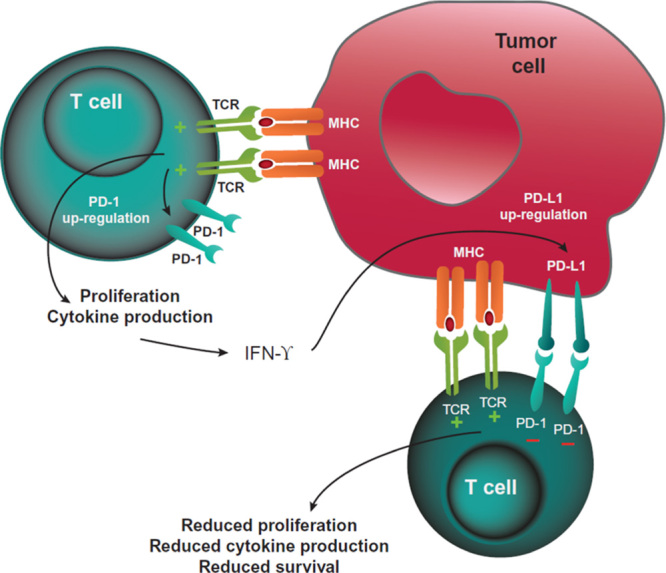
“It regulates T-cell activation through binding to its ligands, programmed death ligand 1 (PD-L1) and programmed death ligand 2 (PD-L2).(20) Similar to CTLA-4 signaling, PD-1 binding inhibits T-cell proliferation, and interferon-g (IFN-g), tumor necrosis factor-a, and IL-2 production, and reduces T-cell survival(20) (F…”
BackgroundInfluentialPredictive correlates of response to the anti-PD-L1 antibody MPDL3280A in cancer patients
Herbst, R. S., Soria, J.-C., Kowanetz, M., Fine, G. D., Hamid, O., Gordon, M. S., Sosman, J. A., McDermott, D. F., Powderly, J. D., Gettinger, S. N., et al. (2014) · Nature · doi:10.1038/nature14011 · Cited by 5,231 · cited 5×
“Treatment-related grade 3-4 AEs were reported in 4% to 13% of patients receiving PD-L1 inhibitors in phase I/II trials across 2 different agents and multiple tumor types.(48,74,75,81) While data from comparative trials are not yet available, the incidence of grade 3-4 treatment-related AEs may trend lower with PD-L1 i…”
BackgroundResultInfluentialIpilimumab plus Dacarbazine for Previously Untreated Metastatic Melanoma
Robert, C., Thomas, L., Bondarenko, I., O'Day, S., Weber, J., Garbe, C., Lebbe, C., Baurain, J.-F., Testori, A., Grob, J.-J., et al. (2011) · New England Journal of Medicine · doi:10.1056/nejmoa1104621 · Cited by 4,496 · cited 1×
“Anti-CTLA-4 blockade with ipilimumab was the first treatment to prolong overall survival in patients with advanced melanoma in a randomized setting.(51,52) Analysis of long-term survival data pooled across several phase II and phase III trials showed that the survival curve begins to plateau at about 3 years, with 3-y…”
BackgroundGenetic Basis for Clinical Response to CTLA-4 Blockade in Melanoma
Snyder, A., Makarov, V., Merghoub, T., Yuan, J., Zaretsky, J. M., Desrichard, A., Walsh, L. A., Postow, M. A., Wong, P., Ho, T. S., et al. (2014) · New England Journal of Medicine · doi:10.1056/nejmoa1406498 · Cited by 4,286 · cited 1×
“An association between melanoma mutational load and clinical benefit with CTLA-4 blockade has been shown, but was insufficient alone to predict patients who are likely to respond to treatment(73); however, work examining tumor neoantigens has shown promise, with the identification of a neoantigen signature present in…”
BackgroundNivolumab plus Ipilimumab in Advanced Melanoma
Wolchok, J. D., Kluger, H., Callahan, M. K., Postow, M. A., Rizvi, N. A., Lesokhin, A. M., Segal, N. H., Ariyan, C. E., Gordon, R.-A., Reed, K., et al. (2013) · New England Journal of Medicine · doi:10.1056/nejmoa1302369 · Cited by 4,230
Wherry, E. J. (2011) · Nature Immunology · doi:10.1038/ni.2035 · Cited by 4,062 · cited 3×
“PD-1 binding with its ligands decreases the magnitude of the immune response in T cells that are already engaged in an effector T-cell response.(22) This results in a more restricted spectrum of T-cell activation compared with CTLA-4 blockade, which may explain the apparently lower incidence of immune-mediated adverse…”
BackgroundInfluentialEnhancement of Antitumor Immunity by CTLA-4 Blockade
Leach, D. R., Krummel, M. F., & Allison, J. P. (1996) · Science · doi:10.1126/science.271.5256.1734 · Cited by 3,955 · cited 1×
“Preclinical studies showing decreased tumor growth and improved survival with CTLA-4 or PD-1 pathway blockade provide the rationale for immune checkpoint inhibition for cancer treatment.(39,40) Monoclonal antibodies that block CTLA-4 or PD-1 are now approved for melanoma and lung cancer, and are in development for oth…”
BackgroundWolchok, J. D., Hoos, A., O'Day, S., Weber, J. S., Hamid, O., Lebbé, C., Maio, M., Binder, M., Bohnsack, O., Nichol, G., et al. (2009) · Clinical Cancer Research · doi:10.1158/1078-0432.ccr-09-1624 · Cited by 3,222
The Immunobiology of Cancer Immunosurveillance and Immunoediting
Dunn, G. P., Old, L. J., & Schreiber, R. D. (2004) · Immunity · doi:10.1016/j.immuni.2004.07.017 · Cited by 3,032 · cited 1×
“A core concept in cancer immunotherapy is that tumor cells, which would normally be recognized by T cells, have developed ways to evade the host immune system by taking advantage of peripheral tolerance.(5,6) Inhibition of the immune checkpoint pathways has led to the approval of several new drugs: ipilimumab (anti-CT…”
BackgroundCTLA-4 Control over Foxp3 + Regulatory T Cell Function
Wing, K., Onishi, Y., Prieto-Martin, P., Yamaguchi, T., Miyara, M., Fehervari, Z., Nomura, T., & Sakaguchi, S. (2008) · Science · doi:10.1126/science.1160062 · Cited by 2,956
Nivolumab and ipilimumab versus ipilimumab in untreated melanoma
Postow, M. A., Chesney, J., Pavlick, A. C., Robert, C., Grossmann, K., McDermott, D., Linette, G. P., Meyer, N., Giguere, J. K., Agarwala, S. S., et al. (2015) · New England Journal of Medicine · doi:10.1056/nejmoa1414428 · Cited by 2,781 · cited 1×
“In patients with previously untreated melanoma or recurrent SCLC, the incidence of drug-related grade 3-4 AEs was 54% to 55% with concurrent blockade compared with 24% to 27% with ipilimumab alone and 15% to 16% with nivolumab alone.(58,83,89) Prior CTLA-4 inhibition does not appear to predispose patients to developme…”
BackgroundWeber, J. S., D'Angelo, S. P., Minor, D., Hodi, F. S., Gutzmer, R., Neyns, B., Hoeller, C., Khushalani, N. I., Miller, W. H., Lao, C. D., et al. (2015) · The Lancet Oncology · doi:10.1016/s1470-2045(15)70076-8 · Cited by 2,676 · cited 4×
“9 months for the combination and monotherapy, respectively.(58) Combinations of CTLA-4 and PD-1 inhibitors are also being investigated in patients with several other tumor types, including advanced NSCLC and RCC.”
BackgroundMethodResultInfluentialMPDL3280A (anti-PD-L1) treatment leads to clinical activity in metastatic bladder cancer
Powles, T., Eder, J. P., Fine, G. D., Braiteh, F. S., Loriot, Y., Cruz, C., Bellmunt, J., Burris, H. A., Petrylak, D. P., Teng, S.-L., et al. (2014) · Nature · doi:10.1038/nature13904 · Cited by 2,381 · cited 2×
“Preliminary data across tumor types suggest that patients with PD-L1-expressing tumors or infiltrating immune cells typically have a higher response rate to anti-PD-1 or anti-PD-L1 therapy and may also have improved survival outcomes compared with patients with low or negative PD-L1 expression.(27,48,55,63,64,70,74,75…”
BackgroundResultTaube, J. M., Klein, A., Brahmer, J. R., Xu, H., Pan, X., Kim, J. H., Chen, L., Pardoll, D. M., Topalian, S. L., & Anders, R. A. (2014) · Clinical Cancer Research · doi:10.1158/1078-0432.ccr-13-3271 · Cited by 2,324
Greenwald, R. J., Freeman, G. J., & Sharpe, A. H. (2005) · Annual Review of Immunology · doi:10.1146/annurev.immunol.23.021704.115611 · Cited by 2,318 · cited 1×
“Central to this process are the cytotoxic T-lymphocyte–associated antigen 4 (CTLA-4) and programmed death 1 (PD-1) immune checkpoint pathways.(3) The CTLA-4 and PD-1 pathways are thought to operate at different stages of an immune response.”
BackgroundPD-L1 expression as a predictive biomarker in cancer immunotherapy
Patel, S. P., & Kurzrock, R. (2015) · Molecular Cancer Therapeutics · doi:10.1158/1535-7163.mct-14-0983 · Cited by 2,291 · cited 1×
“PD-L1 expression on tumor cells varies by tumor type and also within a given tumor type, but appears to be particularly abundant in melanoma, non– small cell lung cancer (NSCLC), and ovarian cancer.(27,28,47) In a recent study, PD-L1 expression on tumor cells was shown to be significantly associated with PD-1 expressi…”
BackgroundCD28 and CTLA-4 have opposing effects on the response of T cells to stimulation.
Krummel, M. F., & Allison, J. P. (1995) · The Journal of experimental medicine · doi:10.1084/jem.182.2.459 · Cited by 2,245 · cited 2×
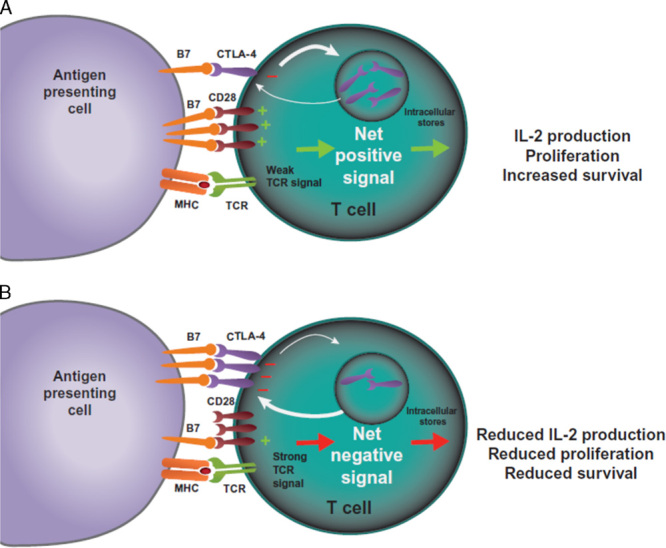
“The relative amount of CD28:B7 binding versus CTLA-4:B7 binding determines whether a T cell will undergo activation or anergy.(4) Furthermore, some evidence suggests that CTLA-4 binding to B7 may actually produce inhibitory signals that counteract the stimulatory signals from CD28:B7 and TCR:MHC binding.”
BackgroundTakahashi, T., Tagami, T., Yamazaki, S., Uede, T., Shimizu, J., Sakaguchi, N., Mak, T. W., & Sakaguchi, S. (2000) · The Journal of Experimental Medicine · doi:10.1084/jem.192.2.303 · Cited by 2,233
Topalian, S. L., Sznol, M., McDermott, D. F., Kluger, H. M., Carvajal, R. D., Sharfman, W. H., Brahmer, J. R., Lawrence, D. P., Atkins, M. B., Powderly, J. D., et al. (2014) · Journal of Clinical Oncology · doi:10.1200/jco.2013.53.0105 · Cited by 2,222
Schadendorf, D., Hodi, F. S., Robert, C., Weber, J. S., Margolin, K., Hamid, O., Patt, D., Chen, T.-T., Berman, D. M., & Wolchok, J. D. (2015) · Journal of Clinical Oncology · doi:10.1200/jco.2014.56.2736 · Cited by 2,141 · cited 1×
“Analysis of long-term survival data pooled across several phase II and phase III trials showed that the survival curve begins to plateau at about 3 years, with 3-year survival rates of 22%, 26%, and 20% in all patients with sufficient follow-up, in treatment-naive patients, and in previously treated patients, respecti…”
BackgroundPD-L1 regulates the development, maintenance, and function of induced regulatory T cells
Francisco, L. M., Salinas, V. H., Brown, K. E., Vanguri, V. K., Freeman, G. J., Kuchroo, V. K., & Sharpe, A. H. (2009) · Journal of Experimental Medicine · doi:10.1084/jem.20090847 · Cited by 2,079 · cited 2×
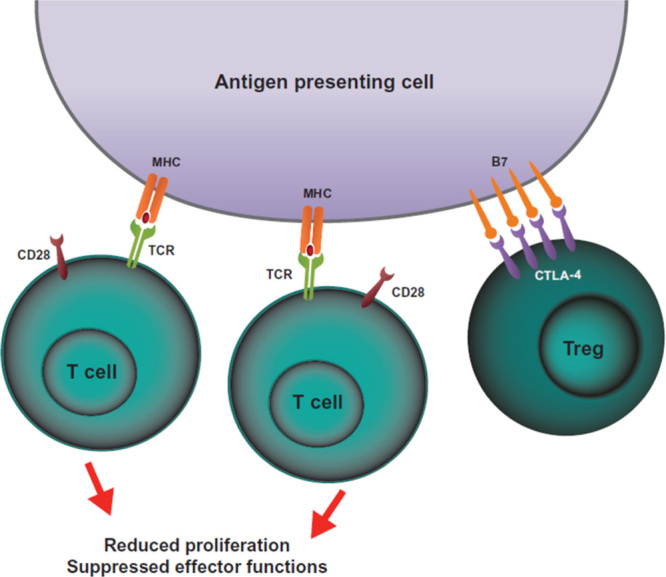
“PD-L1 has been shown to contribute to the conversion of naive CD4 + T cells to Treg cells34 and to inhibit T-cell responses by promoting the induction and maintenance of Tregs.35 Consistent with these findings, PD-1 blockade can reverse Tregmediated suppression of effector T cells in vitro.36 PD-1 binding with its lig…”
ResultCTLA-4 and PD-1 Receptors Inhibit T-Cell Activation by Distinct Mechanisms
Parry, R. V., Chemnitz, J. M., Frauwirth, K. A., Lanfranco, A. R., Braunstein, I., Kobayashi, S. V., Linsley, P. S., Thompson, C. B., & Riley, J. L. (2005) · Molecular and Cellular Biology · doi:10.1128/mcb.25.21.9543-9553.2005 · Cited by 1,931 · cited 2×
“If a T cell experiences coincident TCR and PD-1 binding, PD-1-generated signals prevent phosphorylation of key TCR signaling intermediates, which terminates early TCR signaling and reduces activation of T cells.(10,21) PD-1 expression is a hallmark of “exhausted” T cells that have experienced high levels of stimulatio…”
BackgroundCurran, M. A., Montalvo, W., Yagita, H., & Allison, J. P. (2010) · Proceedings of the National Academy of Sciences · doi:10.1073/pnas.0915174107 · Cited by 1,874
Trans-endocytosis of CD80 and CD86: a molecular basis for the cell-extrinsic function of CTLA-4
Qureshi, O. S., Zheng, Y., Nakamura, K., Attridge, K., Manzotti, C., Schmidt, E. M., Baker, J., Jeffery, L. E., Kaur, S., Briggs, Z., et al. (2011) · Science · doi:10.1126/science.1202947 · Cited by 1,860
Robert, C., Ribas, A., Wolchok, J. D., Hodi, F. S., Hamid, O., Kefford, R., Weber, J. S., Joshua, A. M., Hwu, W.-J., Gangadhar, T. C., et al. (2014) · The Lancet · doi:10.1016/s0140-6736(14)60958-2 · Cited by 1,774
Butte, M. J., Keir, M. E., Phamduy, T. B., Sharpe, A. H., & Freeman, G. J. (2007) · Immunity · doi:10.1016/j.immuni.2007.05.016 · Cited by 1,732 · cited 1×
“Inhibition of PD-L2 binding leads to enhanced TH2 activity, 32 whereas PD-L1 binding to CD80 has been shown to inhibit Tcell responses.(33) These different biological effects are likely to contribute to differences in activity and toxicity between antibodies directed at PD-1 (preventing binding to both ligands) as opp…”
BackgroundInhibitory B7-family molecules in the tumour microenvironment
Zou, W., & Chen, L. (2008) · Nature Reviews Immunology · doi:10.1038/nri2326 · Cited by 1,608 · cited 1×
“PD-L1 expression on tumor cells varies by tumor type and also within a given tumor type, but appears to be particularly abundant in melanoma, non– small cell lung cancer (NSCLC), and ovarian cancer.(27,28,47) In a recent study, PD-L1 expression on tumor cells was shown to be significantly associated with PD-1 expressi…”
BackgroundRibas, A., Puzanov, I., Dummer, R., Schadendorf, D., Hamid, O., Robert, C., Hodi, F. S., Schachter, J., Pavlick, A. C., Lewis, K. D., et al. (2015) · The Lancet Oncology · doi:10.1016/s1470-2045(15)00083-2 · Cited by 1,572
Rizvi, N. A., Mazières, J., Planchard, D., Stinchcombe, T. E., Dy, G. K., Antonia, S. J., Horn, L., Lena, H., Minenza, E., Mennecier, B., et al. (2015) · The Lancet Oncology · doi:10.1016/s1470-2045(15)70054-9 · Cited by 1,415 · cited 1×
“Commonly reported immune-mediated AEs include rash or pruritus, gastrointestinal disorders, and endocri nopathies.(54,55,57,66,69,78,79) The overall rate of grade Z3 AEs was higher with ipilimumab (20%) compared with pembrolizumab (10% to 13%) in a phase III trial.”
BackgroundManagement of Immune-Related Adverse Events and Kinetics of Response With Ipilimumab
Weber, J. S., Kähler, K. C., & Hauschild, A. (2012) · Journal of Clinical Oncology · doi:10.1200/jco.2012.41.6750 · Cited by 1,415
Co-inhibitory molecules of the B7–CD28 family in the control of T-cell immunity
Chen, L. (2004) · Nature Reviews Immunology · doi:10.1038/nri1349 · Cited by 1,257 · cited 1×
“PD-L1 is expressed on leukocytes, on nonhematopoietic cells, and in nonlymphoid tissues, and can be induced on parenchymal cells by inflammatory cytokines (IFNg) or tumorigenic signaling pathways.(25) PD-L1 expression is also found on many different tumor types, and is associated with an increased amount of tumor-infi…”
BackgroundGettinger, S. N., Horn, L., Gandhi, L., Spigel, D. R., Antonia, S. J., Rizvi, N. A., Powderly, J. D., Heist, R. S., Carvajal, R. D., Jackman, D. M., et al. (2015) · Journal of Clinical Oncology · doi:10.1200/jco.2014.58.3708 · Cited by 1,177
Nivolumab for Metastatic Renal Cell Carcinoma: Results of a Randomized Phase II Trial
Motzer, R. J., Rini, B. I., McDermott, D. F., Redman, B. G., Kuzel, T. M., Harrison, M. R., Vaishampayan, U. N., Drabkin, H. A., George, S., Logan, T. F., et al. (2015) · Journal of Clinical Oncology · doi:10.1200/jco.2014.59.0703 · Cited by 1,074 · cited 3×
“Unconventional response patterns have also been observed in patients with lung cancer or RCC receiving PD-1 pathway inhibitors.(56,64,65,70) These atypical responses have led to the development of modified response criteria called immunerelated response criteria (Supplemental Table 1, Supplemental Digital Content 1, h…”
BackgroundResultControl of peripheral T‐cell tolerance and autoimmunity via the CTLA‐4 and PD‐1 pathways
Fife, B. T., & Bluestone, J. A. (2008) · Immunological Reviews · doi:10.1111/j.1600-065x.2008.00662.x · Cited by 1,054 · cited 7×
“The B7 ligands for CTLA-4 are expressed by professional APCs, which typically reside in lymph nodes or spleen(2); however, PD-L1 and PD-L2 are more widely expressed.(2,10,23,24) PD-L1 is expressed on leukocytes, on nonhematopoietic cells, and in nonlymphoid tissues, and can be induced on parenchymal cells by inflammat…”
BackgroundInfluentialBlockade of B7-H1 and PD-1 by monoclonal antibodies potentiates cancer therapeutic immunity
Hirano, F., Kaneko, K., Tamura, H., Dong, H., Wang, S., Ichikawa, M., Rietz, C., Flies, D. B., Lau, J. S., Zhu, G., et al. (2005) · Cancer Research · doi:10.1158/0008-5472.1089.65.3 · Cited by 1,018
Chambers, C. A., Kuhns, M. S., Egen, J. G., & Allison, J. P. (2001) · Annual Review of Immunology · doi:10.1146/annurev.immunol.19.1.565 · Cited by 998
CTLA-4: new insights into its biological function and use in tumor immunotherapy
Egen, J. G., Kuhns, M. S., & Allison, J. P. (2002) · Nature Immunology · doi:10.1038/ni0702-611 · Cited by 940 · cited 2×
“Proposed mechanisms for such inhibitory signals include direct inhibition at the TCR immune synapse, inhibition of CD28 or its signaling pathway, or increased mobility of T cells leading to decreased ability to interact with APCs.(9,12,13) CTLA-4 itself is subject to regulation, particularly by localization within the…”
BackgroundKrummel, M. F., & Allison, J. P. (1996) · The Journal of experimental medicine · doi:10.1084/jem.183.6.2533 · Cited by 932 · cited 1×
“In case of a net negative signal through CTLA-4:B7 binding, full activation of T cells is prevented by inhibition of IL-2 production and cell cycle progression.(15) CTLA-4 is also involved in other aspects of immune control.”
BackgroundIwama, S., De Remigis, A., Callahan, M. K., Slovin, S. F., Wolchok, J. D., & Caturegli, P. (2014) · Science Translational Medicine · doi:10.1126/scitranslmed.3008002 · Cited by 715 · cited 1×
“Hypophysitis is reported in about 2% to 4% of patients receiving ipilimumab but in <1% of patients receiving PD-1 inhibitors(51,54,55,69,80); however, this variation in incidence may not be related to differences in immune mechanism of action, but may be explained by ectopic expression of CTLA-4 in the pituitary gland…”
BackgroundSelecting and maintaining a diverse T-cell repertoire
Goldrath, A. W., & Bevan, M. J. (1999) · Nature · doi:10.1038/35005508 · Cited by 714 · cited 2×
“A selection process then begins, and T cells with strong reactivity to self-peptides are deleted in the thymus to prevent autoreactivity in a process called central tolerance.(1) T cells with insufficient MHC binding undergo apoptosis, but those that can weakly respond to MHC molecules and self-peptides are not delete…”
BackgroundOtt, P. A., Hodi, F. S., & Robert, C. (2013) · Clinical Cancer Research · doi:10.1158/1078-0432.ccr-13-0143 · Cited by 696 · cited 2×
“This has the potential to provide a more targeted signal with less unwanted toxicity, as selftolerance mediated through PD-1:PD-L2 interactions should be preserved.(37,49) Furthermore, as PD-L1 is known to bind CD80 as well as PD-1 to deliver inhibitory signals to T cells,(33) PDL1 inhibition with an appropriate antib…”
BackgroundThe Interaction Properties of Costimulatory Molecules Revisited
Collins, A. V., Brodie, D. W., Gilbert, R. J. C., Iaboni, A., Manso-Sancho, R., Walse, B., Stuart, D. I., van der Merwe, P. A., & Davis, S. J. (2002) · Immunity · doi:10.1016/s1074-7613(02)00362-x · Cited by 684
Hino, R., Kabashima, K., Kato, Y., Yagi, H., Nakamura, M., Honjo, T., Okazaki, T., & Tokura, Y. (2010) · Cancer · doi:10.1002/cncr.24899 · Cited by 667
Chen, D. S., Irving, B. A., & Hodi, F. S. (2012) · Clinical Cancer Research · doi:10.1158/1078-0432.ccr-12-1362 · Cited by 654
Latchman, Y. E., Liang, S. C., Wu, Y., Chernova, T., Sobel, R. A., Klemm, M., Kuchroo, V. K., Freeman, G. J., & Sharpe, A. H. (2004) · Proceedings of the National Academy of Sciences · doi:10.1073/pnas.0307252101 · Cited by 636 · cited 1×
“The B7 ligands for CTLA-4 are expressed by professional APCs, which typically reside in lymph nodes or spleen(2); however, PD-L1 and PD-L2 are more widely expressed.(2,10,23,24) PD-L1 is expressed on leukocytes, on nonhematopoietic cells, and in nonlymphoid tissues, and can be induced on parenchymal cells by inflammat…”
BackgroundReversal of the TCR Stop Signal by CTLA-4
Schneider, H., Downey, J., Smith, A., Zinselmeyer, B. H., Rush, C., Brewer, J. M., Wei, B., Hogg, N., Garside, P., & Rudd, C. E. (2006) · Science · doi:10.1126/science.1131078 · Cited by 621 · cited 2×
“Proposed mechanisms for such inhibitory signals include direct inhibition at the TCR immune synapse, inhibition of CD28 or its signaling pathway, or increased mobility of T cells leading to decreased ability to interact with APCs.(9,12,13) CTLA-4 itself is subject to regulation, particularly by localization within the…”
BackgroundIntracellular Trafficking of CTLA-4 and Focal Localization Towards Sites of TCR Engagement
Linsley, P. S., Bradshaw, J., Greene, J., Peach, R., Bennett, K. L., & Mittler, R. S. (1996) · Immunity · doi:10.1016/s1074-7613(00)80480-x · Cited by 609 · cited 2×
“Stimulatory signals resulting from both TCR and CD28:B7 binding induce upregulation of CTLA-4 on the cell surface by exocytosis of CTLA-4-containing vesicles.(14) This process operates in a graded feedback loop whereby stronger TCR signaling elicits more CTLA-4 translocation to the cell surface.”
BackgroundWang, C., Thudium, K. B., Han, M., Wang, X.-T., Huang, H., Feingersh, D., Garcia, C., Wu, Y., Kuhne, M., Srinivasan, M., et al. (2014) · Cancer Immunology Research · doi:10.1158/2326-6066.cir-14-0040 · Cited by 601 · cited 1×
“Consistent with these findings, PD-1 blockade can reverse Tregmediated suppression of effector T cells in vitro.(36) PD-1 binding with its ligands decreases the magnitude of the immune response in T cells that are already engaged in an effector T-cell response.”
ResultEgen, J. G., & Allison, J. P. (2002) · Immunity · doi:10.1016/s1074-7613(01)00259-x · Cited by 535
Weber, J. S., Kudchadkar, R. R., Yu, B., Gallenstein, D., Horak, C. E., Inzunza, H. D., Zhao, X., Martinez, A. J., Wang, W., Gibney, G., et al. (2013) · Journal of Clinical Oncology · doi:10.1200/jco.2013.51.4802 · Cited by 535
Rubenstein, J. L., Hsi, E. D., Johnson, J. L., Jung, S.-H., Nakashima, M. O., Grant, B., Cheson, B. D., & Kaplan, L. D. (2013) · Journal of Clinical Oncology · doi:10.1200/jco.2012.46.9957 · Cited by 509
Hammers, H. J., Plimack, E. R., Infante, J. R., Rini, B. I., McDermott, D. F., Lewis, L. D., Voss, M. H., Sharma, P., Pal, S. K., Razak, A. R. A., et al. (2017) · Journal of Clinical Oncology · doi:10.1200/jco.2016.72.1985 · Cited by 505
Combination Therapy with Anti–CTLA-4 and Anti–PD-1 Leads to Distinct Immunologic Changes In Vivo
Das, R., Verma, R., Sznol, M., Boddupalli, C. S., Gettinger, S. N., Kluger, H., Callahan, M., Wolchok, J. D., Halaban, R., Dhodapkar, M. V., et al. (2015) · The Journal of Immunology · doi:10.4049/jimmunol.1401686 · Cited by 461
McDermott, D. F., Drake, C. G., Sznol, M., Choueiri, T. K., Powderly, J. D., Smith, D. C., Brahmer, J. R., Carvajal, R. D., Hammers, H. J., Puzanov, I., et al. (2015) · Journal of Clinical Oncology · doi:10.1200/jco.2014.58.1041 · Cited by 439 · cited 1×
“Unconventional response patterns have also been observed in patients with lung cancer or RCC receiving PD-1 pathway inhibitors.(56,64,65,70) These atypical responses have led to the development of modified response criteria called immunerelated response criteria (Supplemental Table 1, Supplemental Digital Content 1, h…”
BackgroundPiccirillo, C. (2004) · Seminars in Immunology · doi:10.1016/j.smim.2003.12.003 · Cited by 392
Wang, L., Pino-Lagos, K., de Vries, V. C., Guleria, I., Sayegh, M. H., & Noelle, R. J. (2008) · Proceedings of the National Academy of Sciences · doi:10.1073/pnas.0710441105 · Cited by 389
Improved Survival with T Cell Clonotype Stability After Anti–CTLA-4 Treatment in Cancer Patients
Cha, E., Klinger, M., Hou, Y., Cummings, C., Ribas, A., Faham, M., & Fong, L. (2014) · Science Translational Medicine · doi:10.1126/scitranslmed.3008211 · Cited by 383 · cited 1×
“An immediate turnover of the T-cell repertoire on initial treatment was shown, and it continued to evolve with further treatment; both expansion and loss of individual T-cell clonotypes were identified, but there was a net increase in TCR diversity.(46) Overall survival, however, was associated with the maintenance of…”
BackgroundCTLA4 Blockade Broadens the Peripheral T-Cell Receptor Repertoire
Robert, L., Tsoi, J., Wang, X., Emerson, R., Homet, B., Chodon, T., Mok, S., Huang, R. R., Cochran, A. J., Comin-Anduix, B., et al. (2014) · Clinical Cancer Research · doi:10.1158/1078-0432.ccr-13-2648 · Cited by 376 · cited 1×
“An increase in the diversity of the peripheral T-cell pool following CTLA-4 blockade in patients with melanoma has recently been reported.(45) An ipilimumab study in patients with melanoma or prostate cancer provided evidence that baseline T-cell profile may also be important.”
BackgroundProgrammed Death Ligand 2 in Cancer-Induced Immune Suppression
Rozali, E. N., Hato, S. V., Robinson, B. W., Lake, R. A., & Lesterhuis, W. J. (2012) · Clinical and Developmental Immunology · doi:10.1155/2012/656340 · Cited by 328 · cited 1×
“PD-L2 is primarily expressed on dendritic cells and monocytes, but can be induced on a wide variety of other immune cells and nonimmune cells, depending on the local microenvironment.(29) PD-1 has a higher binding affinity for PDL2 than for PD-L1, and this difference may be responsible for differential contributions o…”
BackgroundBennett, F., Luxenberg, D., Ling, V., Wang, I.-M., Marquette, K., Lowe, D., Khan, N., Veldman, G., Jacobs, K. A., Valge-Archer, V. E., et al. (2003) · The Journal of Immunology · doi:10.4049/jimmunol.170.2.711 · Cited by 281 · cited 1×
“If a T cell experiences coincident TCR and PD-1 binding, PD-1-generated signals prevent phosphorylation of key TCR signaling intermediates, which terminates early TCR signaling and reduces activation of T cells.(10,21) PD-1 expression is a hallmark of “exhausted” T cells that have experienced high levels of stimulatio…”
BackgroundStructural Analysis of CTLA-4 Function In Vivo
Masteller, E. L., Chuang, E., Mullen, A. C., Reiner, S. L., & Thompson, C. B. (2000) · The Journal of Immunology · doi:10.4049/jimmunol.164.10.5319 · Cited by 252 · cited 3×
“Furthermore, some evidence suggests that CTLA-4 binding to B7 may actually produce inhibitory signals that counteract the stimulatory signals from CD28:B7 and TCR:MHC binding.(11,12) Proposed mechanisms for such inhibitory signals include direct inhibition at the TCR immune synapse, inhibition of CD28 or its signaling…”
BackgroundDifferential binding properties of B7-H1 and B7-DC to programmed death-1
Youngnak, P., Kozono, Y., Kozono, H., Iwai, H., Otsuki, N., Jin, H., Omura, K., Yagita, H., Pardoll, D. M., Chen, L., et al. (2003) · Biochemical and Biophysical Research Communications · doi:10.1016/s0006-291x(03)01257-9 · Cited by 209
Huber, S., Hoffmann, R., Muskens, F., & Voehringer, D. (2010) · Blood · doi:10.1182/blood-2010-02-271981 · Cited by 204
Fallarino, F., Fields, P. E., & Gajewski, T. F. (1998) · The Journal of Experimental Medicine · doi:10.1084/jem.188.1.205 · Cited by 186 · cited 1×
“Furthermore, some evidence suggests that CTLA-4 binding to B7 may actually produce inhibitory signals that counteract the stimulatory signals from CD28:B7 and TCR:MHC binding.(11,12) Proposed mechanisms for such inhibitory signals include direct inhibition at the TCR immune synapse, inhibition of CD28 or its signaling…”
BackgroundAkbari, O., Stock, P., Singh, A. K., Lombardi, V, Lee, W.-L., Freeman, G. J., Sharpe, A. H., Umetsu, D. T., & DeKruyff, R. H. (2010) · Mucosal Immunology · doi:10.1038/mi.2009.112 · Cited by 182 · cited 1×
“One model showed opposing roles of PD-L1 and PD-L2 signaling in activation of natural killer T cells.(31) Inhibition of PD-L2 binding leads to enhanced TH2 activity, 32 whereas PD-L1 binding to CD80 has been shown to inhibit Tcell responses.”
Camouflage and sabotage: tumor escape from the immune system
Poschke, I., Mougiakakos, D., & Kiessling, R. (2011) · Cancer Immunology, Immunotherapy · doi:10.1007/s00262-011-1012-8 · Cited by 169 · cited 1×
“A core concept in cancer immunotherapy is that tumor cells, which would normally be recognized by T cells, have developed ways to evade the host immune system by taking advantage of peripheral tolerance.(5,6) Inhibition of the immune checkpoint pathways has led to the approval of several new drugs: ipilimumab (anti-CT…”
BackgroundRizvi, N. A., Brahmer, J. R., Ou, S.-H. I., Segal, N. H., Khleif, S., Hwu, W.-J., Gutierrez, M., Schoffski, P., Hamid, O., Weiss, J., et al. (2015) · Journal of Clinical Oncology · doi:10.1200/jco.2015.33.15_suppl.8032 · Cited by 159 · cited 1×
“Treatment-related grade 3-4 AEs were reported in 4% to 13% of patients receiving PD-L1 inhibitors in phase I/II trials across 2 different agents and multiple tumor types.(48,74,75,81) While data from comparative trials are not yet available, the incidence of grade 3-4 treatment-related AEs may trend lower with PD-L1 i…”
BackgroundRibas, A., Hodi, F. S., Kefford, R., Hamid, O., Daud, A., Wolchok, J. D., Hwu, W.-J., Gangadhar, T. C., Patnaik, A., Joshua, A. M., et al. (2014) · Journal of Clinical Oncology · doi:10.1200/jco.2014.32.15_suppl.lba9000 · Cited by 147
Phase I study of nivolumab in combination with ipilimumab in metastatic renal cell carcinoma (mRCC).
Hammers, H. J., Plimack, E. R., Infante, J. R., Ernstoff, M. S., Rini, B. I., McDermott, D. F., Razak, A. R. A., Pal, S. K., Voss, M. H., Sharma, P., et al. (2014) · Journal of Clinical Oncology · doi:10.1200/jco.2014.32.15_suppl.4504 · Cited by 139 · cited 1×
“In metastatic RCC, preliminary data suggest that the objective response rate is higher with a combination blockade (38% to 43%) than was seen with PD-1 inhibition alone in a different trial (20% to 22%).(70,86) Early data from lung cancer trials do not suggest increased antitumor activity with a combination blockade i…”
ResultAntonia, S. J., Gettinger, S. N., Chow, L. Q. M., Juergens, R. A., Borghaei, H., Shen, Y., Harbison, C., Chen, A. C., Ready, N., & Rizvi, N. A. (2014) · Journal of Clinical Oncology · doi:10.1200/jco.2014.32.15_suppl.8023 · Cited by 125
Segal, N. H., Ou, S.-H. I., Balmanoukian, A. S., Fury, M. G., Massarelli, E., Brahmer, J. R., Weiss, J., Schoffski, P., Antonia, S. J., Massard, C., et al. (2015) · Journal of Clinical Oncology · doi:10.1200/jco.2015.33.15_suppl.3011 · Cited by 80 · cited 2×
“Preliminary data across tumor types suggest that patients with PD-L1-expressing tumors or infiltrating immune cells typically have a higher response rate to anti-PD-1 or anti-PD-L1 therapy and may also have improved survival outcomes compared with patients with low or negative PD-L1 expression.(27,48,55,63,64,70,74,75…”
BackgroundResultSelby, M., Engelhardt, J., Lu, L.-S., Quigley, M., Wang, C., Chen, B., & Korman, A. J. (2013) · Journal of Clinical Oncology · doi:10.1200/jco.2013.31.15_suppl.3061 · Cited by 75
Immunomodulatory therapy for melanoma: Ipilimumab and beyond
Callahan, M. K., Postow, M. A., & Wolchok, J. D. (2013) · Clinics in Dermatology · doi:10.1016/j.clindermatol.2012.08.006 · Cited by 71 · cited 2×
“Retrospective studies have identified several markers associated with response, including absolute lymphocyte count, upregulation of the T-cell activation makerinducible costimulator (ICOS), and the development of a polyfunctional T-cell response to the tumor antigen NY-ESO1.(72) To date, none of these potential marke…”
BackgroundHammers, H. J., Plimack, E. R., Infante, J. R., Rini, B. I., McDermott, D. F., Ernstoff, M., Voss, M. H., Sharma, P., Pal, S. K., Razak, A. R. A., et al. (2015) · Journal of Clinical Oncology · doi:10.1200/jco.2015.33.15_suppl.4516 · Cited by 66
Antonia, S. J., Bendell, J. C., Taylor, M. H., Calvo, E., Jaeger, D., De Braud, F. G., Ott, P. A., Pietanza, M. C., Horn, L., Le, D. T., et al. (2015) · Journal of Clinical Oncology · doi:10.1200/jco.2015.33.15_suppl.7503 · Cited by 65
Ipilimumab in advanced melanoma: reports of long-lasting responses
Farolfi, A., Ridolfi, L., Guidoboni, M., Nicoletti, S. V. L., Piciucchi, S., Valmorri, L., Costantini, M., Scarpi, E., Amadori, D., & Ridolfi, R. (2012) · Melanoma Research · doi:10.1097/cmr.0b013e328353e65c · Cited by 56 · cited 4×
“Commonly reported immune-mediated AEs include rash or pruritus, gastrointestinal disorders, and endocri nopathies.(54,55,57,66,69,78,79) The overall rate of grade Z3 AEs was higher with ipilimumab (20%) compared with pembrolizumab (10% to 13%) in a phase III trial.”
BackgroundInfluentialHodi, F. S., Ribas, A., DAUD, A. I., Hamid, O., Robert, C., Kefford, R. F., Hwu, W., Gangadhar, T. C., Joshua, A. M., Hersey, P., et al. (2014) · Journal of Clinical Oncology · doi:10.1200/jco.2014.32.15_suppl.3006 · Cited by 40 · cited 1×
“Approximately 4% to 8% of patients with advanced melanoma receiving nivolumab or pembrolizumab in clinical trials had unconventional responses that did not meet Response Evaluation Criteria in Solid Tumors (RECIST) criteria, but were nevertheless associated with patient benefit.(55,66,68,69) Unconventional response pa…”
BackgroundGettinger, S. N., Hellmann, M. D., Shepherd, F. A., Antonia, S. J., Brahmer, J. R., Chow, L. Q. M., Goldman, J. W., Juergens, R. A., Borghaei, H., Ready, N., et al. (2015) · Journal of Clinical Oncology · doi:10.1200/jco.2015.33.15_suppl.8025 · Cited by 36
Cited by
A guide to cancer immunotherapy: from T cell basic science to clinical practice
Waldman, A. D., Fritz, J. M., & Lenardo, M. J. (2020) · Nature Reviews Immunology · doi:10.1038/s41577-020-0306-5 · Cited by 4,154
Approaches to treat immune hot, altered and cold tumours with combination immunotherapies
Galon, J., & Bruni, D. (2019) · Nature Reviews Drug Discovery · doi:10.1038/s41573-018-0007-y · Cited by 3,409
Macrophages in immunoregulation and therapeutics
Chen, S., Saeed, A. F. U. H., Liu, Q., Jiang, Q., Xu, H., Xiao, G. G., Rao, L., & Duo, Y. (2023) · Signal Transduction and Targeted Therapy · doi:10.1038/s41392-023-01452-1 · Cited by 2,229
Non–Small Cell Lung Cancer: Epidemiology, Screening, Diagnosis, and Treatment
Duma, N., Santana-Davila, R., & Molina, J. R. (2019) · Mayo Clinic Proceedings · doi:10.1016/j.mayocp.2019.01.013 · Cited by 2,184
Bagchi, S., Yuan, R., & Engleman, E. G. (2021) · Annual Review of Pathology: Mechanisms of Disease · doi:10.1146/annurev-pathol-042020-042741 · Cited by 2,189
Metadata
- Authors
- Buchbinder, E. I., & Desai, A.
- Affiliations
- Beth Israel Deaconess Medical Center (US)
- Corresponding author
- Buchbinder, Elizabeth I.
- Venue
- American Journal of Clinical Oncology
- Published
- 2016-02
- Volume
- 39
- Issue
- 1
- Pages
- 98-106
- ISSN
- 0277-3732 (ISSN-L)
- PMC
- PMC4892769
- OpenAlex
- W2263759961
- Semantic Scholar
- c9c3c3d663a529752c4069c96a394e11c1f1250d
- Cited by
- 2,360
- References
- 93
- Citations by year
- 2026: 183 · 2025: 259 · 2024: 300 · 2023: 262 · 2022: 308 · 2021: 287 · 2020: 265 · 2019: 196 · 2018: 170 · 2017: 101 · 2016: 25
- FWCI
- 10.61
- Type
- journal article
- Language
- en
- Open access
- hybrid
- doi.org
- Licence
- cc-by-nc-nd
- Locations
- American Journal of Clinical Oncology (publishedVersion, cc-by-nc-nd)
- Europe PMC (PubMed Central) (publishedVersion, cc-by-nc-nd)
- PubMed Central (publishedVersion, cc-by-nc-nd)
- PubMed (publishedVersion)
- Digital Access to Scholarship at Harvard (DASH) (Harvard University) (submittedVersion, cc-by)
- Funders
- Bristol-Myers Squibb
- Genentech
- Topics
- Health Sciences › Medicine › Oncology › Cancer Immunotherapy and Biomarkers
- Life Sciences › Immunology and Microbiology › Immunology › T-cell and B-cell Immunology
- Life Sciences › Immunology and Microbiology › Immunology › Immunotherapy and Immune Responses
- Keywords
- CTLA-4, PD-1, immune checkpoint, immune checkpoint inhibitors, ipilimumab, nivolumab, pembrolizumab, melanoma, non-small cell lung cancer, combination immunotherapy, T cell regulation, antitumor immunity
- MeSH terms
- Ipilimumab, Nivolumab, Antibodies, Monoclonal, Antineoplastic Agents, Carcinoma, Non-Small-Cell Lung, Humans, Immunotherapy, Lung Neoplasms, Melanoma, Skin Neoplasms, Signal Transduction, CTLA-4 Antigen, Programmed Cell Death 1 Receptor, Antibodies, Monoclonal, Humanized
About these checks
Registry, retraction, Cites and statistics results are computed, not judged, with one exception: a printed reference that no index lists is read once by a model before it counts as a citation error. Claims are extracted by a model and kept only when their quote appears verbatim in the text; each cited source is then checked, with a model’s help, for whether it says what the claim relies on. Those verdicts can be wrong — read the claim’s quote and the cited source before relying on one.
Statistics and arithmetic are recomputed, not judged.
Confidence bands are shown only for fields calibrated on our annotated test set. None is calibrated yet, so no band is shown.
What counts as a claim ›How we measure confidence ›How we check this ›
Are you an author, or do you see a problem with this page? Request a review
Data sources
Bibliographic data: Semantic Scholar, OpenAlex, Crossref.
Contains information from the Semantic Scholar Academic Graph Datasets, made available under the ODC Attribution License (ODC-BY 1.0).
Semantic Scholar’s data is described in: Kinney, R., et al. (2023). The Semantic Scholar Open Data Platform. arXiv:2301.10140.
