

CTLA-4 and PD-1 Pathways: Similarities, Differences, and Implications of Their Inhibition
Open accessThe DOI matches its Crossref record; 92 of the 93 references it cites were found in a registry or an index.
Abstract
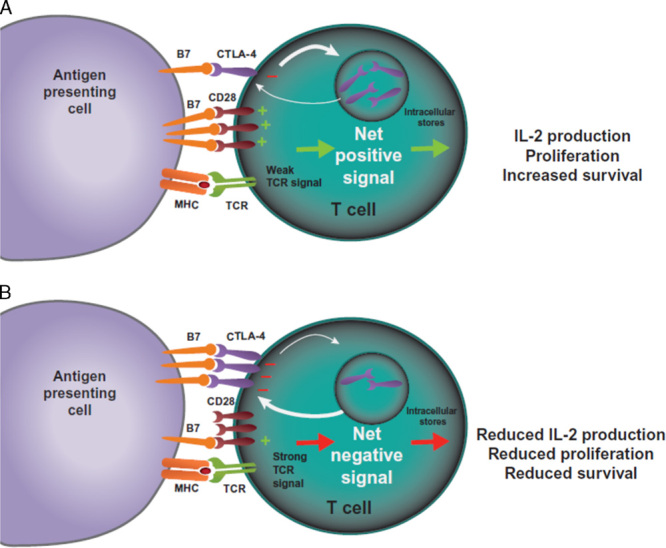
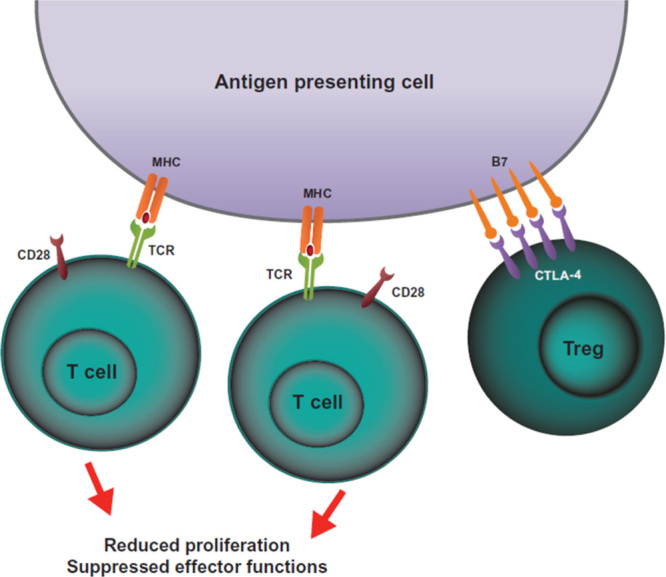
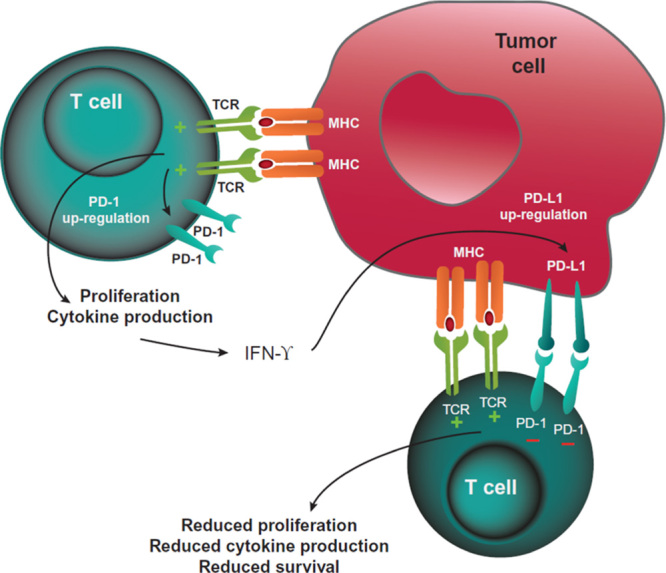
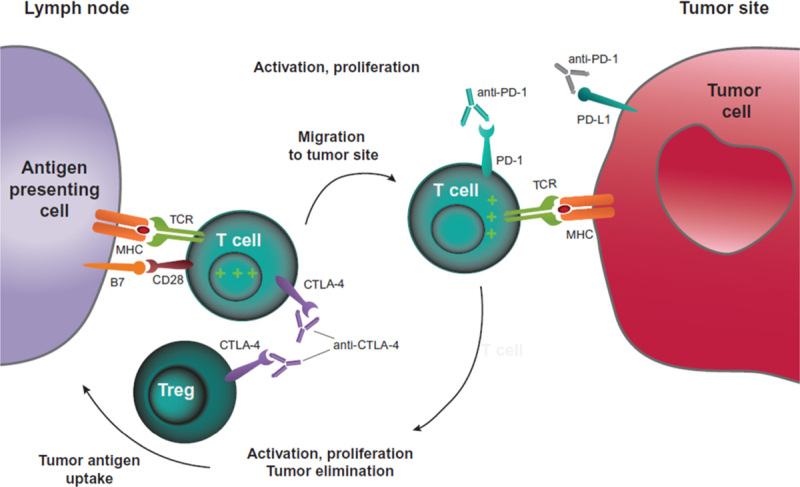
The cytotoxic T-lymphocyte-associated antigen 4 (CTLA-4) and programmed death 1 (PD-1) immune checkpoints are negative regulators of T-cell immune function. Inhibition of these targets, resulting in increased activation of the immune system, has led to new immunotherapies for melanoma, non-small cell lung cancer, and other cancers. Ipilimumab, an inhibitor of CTLA-4, is approved for the treatment of advanced or unresectable melanoma. Nivolumab and pembrolizumab, both PD-1 inhibitors, are approved to treat patients with advanced or metastatic melanoma and patients with metastatic, refractory non-small cell lung cancer. In addition the combination of ipilimumab and nivolumab has been approved in patients with BRAF WT metastatic or unresectable melanoma. The roles of CTLA-4 and PD-1 in inhibiting immune responses, including antitumor responses, are largely distinct. CTLA-4 is thought to regulate T-cell proliferation early in an immune response, primarily in lymph nodes, whereas PD-1 suppresses T cells later in an immune response, primarily in peripheral tissues. The clinical profiles of immuno-oncology agents inhibiting these 2 checkpoints may vary based on their mechanistic differences. This article provides an overview of the CTLA-4 and PD-1 pathways and implications of their inhibition in cancer therapy.
Overview
The claims and statistics of this paper haven’t been checked yet.
Free: it reads the open-access text and checks the first 5 claims that cite a source we can check. Create a free account to check every claim.
Integrity signals
Registry
Cites
Statistics
Figures
Verification
Claims the paper makes
The claims and statistics of this paper haven’t been checked yet.
Free: it reads the open-access text and checks the first 5 claims that cite a source we can check. Create a free account to check every claim.
Claims other papers make about this one
Each is checked against this paper’s own text: does it say what the citing paper says it does?
In the citing paper
“These differences may be the result of the different mechanisms of T cell inhibition by CTLA-4 and PD-1, as the former is understood to function more proximally to T cell activation and the latter is thought to function at later stages in the periphery (119).”
From Immune Checkpoint Inhibitors for the Treatment of Cancer: Clinical Impact and Mechanisms of Response and Resistance (2021) · cites this paper as [119]
In the citing paper
“While CTLA-4 regulates T cells proliferation early in the immune response within the lymph nodes, PD-1 suppresses T-cell activation later, within the body periphery [174].”
From Gut Microbiota and Cancer: From Pathogenesis to Therapy (2019) · cites this paper as [174]
Self-check
Percentages, sums and reported differences re-computed from the paper’s own numbers.
The self-check needs the paper’s full text.
Citations
Cites
PD-1 and PD-L1 Immune Checkpoint Blockade to Treat Breast Cancer
Hartkopf, A. D., Taran, F.-A., Wallwiener, M., Walter, C. B., Krämer, B., Grischke, E.-M., & Brucker, S. Y. (2016) · Breast Care · doi:10.1159/000453569 · Cited by 30,845
New response evaluation criteria in solid tumours: revised RECIST guideline (version 1.1)
Eisenhauer, E. A., Therasse, P., Bogaerts, J., Schwartz, L. H., Sargent, D., Ford, R., Dancey, J., Arbuck, S., Gwyther, S., Mooney, M., et al. (2009) · European Journal of Cancer · doi:10.1016/j.ejca.2008.10.026 · Cited by 29,534
Adverse Renal Effects of Immune Checkpoint Inhibitors: A Narrative Review
Wanchoo, R., Karam, S., Uppal, N. N., Barta, V. S., Deray, G., Devoe, C., Launay-Vacher, V., Jhaveri, K. D., & on behalf of Cancer and Kidney International Network Workgroup on Immune Checkpoint Inhibitors (2017) · American Journal of Nephrology · doi:10.1159/000455014 · Cited by 15,256
Improved Survival with Ipilimumab in Patients with Metastatic Melanoma
Hodi, F. S., O'Day, S. J., McDermott, D. F., Weber, R. W., Sosman, J. A., Haanen, J. B., Gonzalez, R., Robert, C., Schadendorf, D., Hassel, J. C., et al. (2010) · New England Journal of Medicine · doi:10.1056/nejmoa1003466 · Cited by 15,155 · cited 2×
“Consistent with its survival benefit, CTLA-4 blockade is associated with durable responses in a proportion of patients treated, with some responses reported to last >3 years.(51,54) More recently, PD-1 blockade has been shown to improve survival and progression-free survival in patients with metastatic melanoma and in…”
BackgroundThe blockade of immune checkpoints in cancer immunotherapy
Pardoll, D. M. (2012) · Nature Reviews Cancer · doi:10.1038/nrc3239 · Cited by 13,838 · cited 1×
“This has the potential to provide a more targeted signal with less unwanted toxicity, as selftolerance mediated through PD-1:PD-L2 interactions should be preserved.(37,49) Furthermore, as PD-L1 is known to bind CD80 as well as PD-1 to deliver inhibitory signals to T cells,(33) PDL1 inhibition with an appropriate antib…”
BackgroundSafety, activity, and immune correlates of anti–PD-1 antibody in cancer
Topalian, S. L., Hodi, F. S., Brahmer, J. R., Gettinger, S. N., Smith, D. C., McDermott, D. F., Powderly, J. D., Carvajal, R. D., Sosman, J. A., Atkins, M. B., et al. (2012) · New England Journal of Medicine · doi:10.1056/nejmoa1200690 · Cited by 12,628 · cited 1×
“Commonly reported immune-mediated AEs include rash or pruritus, gastrointestinal disorders, and endocri nopathies.(54,55,57,66,69,78,79) The overall rate of grade Z3 AEs was higher with ipilimumab (20%) compared with pembrolizumab (10% to 13%) in a phase III trial.”
BackgroundNivolumab versus docetaxel in advanced nonsquamous non-small-cell lung cancer
Borghaei, H., Paz-Ares, L., Horn, L., Spigel, D. R., Steins, M., Ready, N. E., Chow, L. Q., Vokes, E. E., Felip, E., Holgado, E., et al. (2015) · New England Journal of Medicine · doi:10.1056/nejmoa1507643 · Cited by 9,335
Nivolumab versus Docetaxel in Advanced Squamous-Cell Non–Small-Cell Lung Cancer
Brahmer, J., Reckamp, K. L., Baas, P., Crinò, L., Eberhardt, W. E. E., Poddubskaya, E., Antonia, S., Pluzanski, A., Vokes, E. E., Holgado, E., et al. (2015) · New England Journal of Medicine · doi:10.1056/nejmoa1504627 · Cited by 8,447
Combined Nivolumab and Ipilimumab or Monotherapy in Untreated Melanoma
Larkin, J., Chiarion-Sileni, V., Gonzalez, R., Grob, J. J., Cowey, C. L., Lao, C. D., Schadendorf, D., Dummer, R., Smylie, M., Rutkowski, P., et al. (2015) · New England Journal of Medicine · doi:10.1056/nejmoa1504030 · Cited by 8,157
Mutational landscape determines sensitivity to PD-1 blockade in non–small cell lung cancer
Rizvi, N. A., Hellmann, M. D., Snyder, A., Kvistborg, P., Makarov, V., Havel, J. J., Lee, W., Yuan, J., Wong, P., Ho, T. S., et al. (2015) · Science · doi:10.1126/science.aaa1348 · Cited by 7,802 · cited 1×
“As with CTLA-4, mutational burden and higher neoantigen burden have recently been shown to be associated with efficacy in patients with NSCLC treated with PD-1 blockade.(77)”
Background
Cited by
A guide to cancer immunotherapy: from T cell basic science to clinical practice
Waldman, A. D., Fritz, J. M., & Lenardo, M. J. (2020) · Nature Reviews Immunology · doi:10.1038/s41577-020-0306-5 · Cited by 4,154
Approaches to treat immune hot, altered and cold tumours with combination immunotherapies
Galon, J., & Bruni, D. (2019) · Nature Reviews Drug Discovery · doi:10.1038/s41573-018-0007-y · Cited by 3,409
Macrophages in immunoregulation and therapeutics
Chen, S., Saeed, A. F. U. H., Liu, Q., Jiang, Q., Xu, H., Xiao, G. G., Rao, L., & Duo, Y. (2023) · Signal Transduction and Targeted Therapy · doi:10.1038/s41392-023-01452-1 · Cited by 2,229
Non–Small Cell Lung Cancer: Epidemiology, Screening, Diagnosis, and Treatment
Duma, N., Santana-Davila, R., & Molina, J. R. (2019) · Mayo Clinic Proceedings · doi:10.1016/j.mayocp.2019.01.013 · Cited by 2,184
Bagchi, S., Yuan, R., & Engleman, E. G. (2021) · Annual Review of Pathology: Mechanisms of Disease · doi:10.1146/annurev-pathol-042020-042741 · Cited by 2,189
Targeting macrophages: therapeutic approaches in cancer
Cassetta, L., & Pollard, J. W. (2018) · Nature Reviews Drug Discovery · doi:10.1038/nrd.2018.169 · Cited by 2,048
Antonia, S. J., López-Martin, J. A., Bendell, J., Ott, P. A., Taylor, M., Eder, J. P., Jäger, D., Pietanza, M. C., Le, D. T., de Braud, F., et al. (2016) · The Lancet Oncology · doi:10.1016/s1470-2045(16)30098-5 · Cited by 1,244
Cholesterol Induces CD8+ T Cell Exhaustion in the Tumor Microenvironment
Ma, X., Bi, E., Lu, Y., Su, P., Huang, C., Liu, L., Wang, Q., Yang, M., Kalady, M. F., Qian, J., et al. (2019) · Cell Metabolism · doi:10.1016/j.cmet.2019.04.002 · Cited by 1,033
“, the combination of anti-PD-1 with anti-CTLA-4 (Buchbinder and Desai, 2016; Duraiswamy et al., 2013; Dyck and Mills, 2017), anti-PD-1 with anti-TIM-3 (Sakuishi et al.”
Huang, R., & Zhou, P.-K. (2021) · Signal Transduction and Targeted Therapy · doi:10.1038/s41392-021-00648-7 · Cited by 907
“Their receptors may interact with B7 to ensure the inactivation of T cells.(401) As a result, immune checkpoint blockade would promote adaptive immunity and inhibit cancer proliferation and growth.”
BackgroundEnhancing immunotherapy in cancer by targeting emerging immunomodulatory pathways
Kraehenbuehl, L., Weng, C.-H., Eghbali, S., Wolchok, J. D., & Merghoub, T. (2022) · Nature Reviews Clinical Oncology · doi:10.1038/s41571-021-00552-7 · Cited by 846
Robust prediction of response to immune checkpoint blockade therapy in metastatic melanoma
Auslander, N., Zhang, G., Lee, J. S., Frederick, D. T., Miao, B., Moll, T., Tian, T., Wei, Z., Madan, S., Sullivan, R. J., et al. (2018) · Nature Medicine · doi:10.1038/s41591-018-0157-9 · Cited by 738
Cold and hot tumors: from molecular mechanisms to targeted therapy
Wu, B., Zhang, B., Li, B., Wu, H., & Jiang, M. (2024) · Signal Transduction and Targeted Therapy · doi:10.1038/s41392-024-01979-x · Cited by 682
Improving immunotherapy outcomes with anti-angiogenic treatments and vice versa
Khan, K. A., & Kerbel, R. S. (2018) · Nature Reviews Clinical Oncology · doi:10.1038/nrclinonc.2018.9 · Cited by 657
Engineering CAR-T Cells for Next-Generation Cancer Therapy
Hong, M., Clubb, J. D., & Chen, Y. Y. (2020) · Cancer Cell · doi:10.1016/j.ccell.2020.07.005 · Cited by 639
Yang, R., Sun, L., Li, C.-F., Wang, Y.-H., Yao, J., Li, H., Yan, M., Chang, W.-C., Hsu, J.-M., Cha, J.-H., et al. (2021) · Nature Communications · doi:10.1038/s41467-021-21099-2 · Cited by 632
Patel, M. R., Ellerton, J., Infante, J. R., Agrawal, M., Gordon, M., Aljumaily, R., Britten, C. D., Dirix, L., Lee, K.-W., Taylor, M., et al. (2018) · The Lancet Oncology · doi:10.1016/s1470-2045(17)30900-2 · Cited by 590
Gut Microbiota and Cancer: From Pathogenesis to Therapy
Vivarelli, S., Salemi, R., Candido, S., Falzone, L., Santagati, M., Stefani, S., Torino, F., Banna, G. L., Tonini, G., & Libra, M. (2019) · Cancers · doi:10.3390/cancers11010038 · Cited by 586
“While CTLA-4 regulates T cells proliferation early in the immune response within the lymph nodes, PD-1 suppresses T-cell activation later, within the body periphery [174].”
BackgroundNext generation of immune checkpoint inhibitors and beyond
Marin-Acevedo, J. A., Kimbrough, E. O., & Lou, Y. (2021) · Journal of Hematology & Oncology · doi:10.1186/s13045-021-01056-8 · Cited by 548
“Inhibitory pathways As mentioned previously, cell growth and immune evasion by malignant cells result from Treg recruitment, promotion of chronic inflammation and exhaustion of T cells, and expression of molecules like PD-L1 or CTLA4, which induce a state of anergy among immune cells located in the TME [3, 7, 14, 15].”
BackgroundInfluentialImmune checkpoints and their inhibition in cancer and infectious diseases
Dyck, L., & Mills, K. H. G. (2017) · European Journal of Immunology · doi:10.1002/eji.201646875 · Cited by 541
Tumor Immunology and Tumor Evolution: Intertwined Histories
Galon, J., & Bruni, D. (2020) · Immunity · doi:10.1016/j.immuni.2019.12.018 · Cited by 540
Regulatory mechanisms of immune checkpoints PD-L1 and CTLA-4 in cancer
Zhang, H., Dai, Z., Wu, W., Wang, Z., Zhang, N., Zhang, L., Zeng, W.-J., Liu, Z., & Cheng, Q. (2021) · Journal of Experimental & Clinical Cancer Research · doi:10.1186/s13046-021-01987-7 · Cited by 535
Chaudhary, B., & Elkord, E. (2016) · Vaccines · doi:10.3390/vaccines4030028 · Cited by 511
“PD-1 is highly upregulated on “exhausted” T cells, inhibiting T cell proliferation, IFN-γ and IL-2 production [52].”
BackgroundHammers, H. J., Plimack, E. R., Infante, J. R., Rini, B. I., McDermott, D. F., Lewis, L. D., Voss, M. H., Sharma, P., Pal, S. K., Razak, A. R. A., et al. (2017) · Journal of Clinical Oncology · doi:10.1200/jco.2016.72.1985 · Cited by 505
“Nivolumab is a fully human immunoglobulin G4 programmed death 1 (PD-1) immune checkpoint inhibitor antibody that selectively blocks the interaction between PD-1 expressed on activated T cells, with its ligands PD-L1/PD-L2 preventing the T cells from being inactivated.(11,12) Nivolumab has demonstrated durable antitumo…”
BackgroundJohnson, M. L., Cho, B. C., Luft, A., Alatorre-Alexander, J., Geater, S. L., Laktionov, K., Kim, S.-W., Ursol, G., Hussein, M., Lim, F. L., et al. (2023) · Journal of Clinical Oncology · doi:10.1200/jco.22.00975 · Cited by 463
“As of March 12, 2021, patients in the T 1 D 1 CT and D1 CT arms had received a median (range) of 8 (1-49) and 8 (1-48) durvalumab doses, respectively (Data Supplement).”
BackgroundMechanisms of BCG immunotherapy and its outlook for bladder cancer
Pettenati, C., & Ingersoll, M. A. (2018) · Nature Reviews Urology · doi:10.1038/s41585-018-0055-4 · Cited by 457
Colorectal Cancer Immunotherapy: Options and Strategies
Johdi, N. A., & Sukor, N. F. (2020) · Frontiers in Immunology · doi:10.3389/fimmu.2020.01624 · Cited by 452
Chae, Y. K., Arya, A., Iams, W., Cruz, M. R., Chandra, S., Choi, J., & Giles, F. (2018) · Journal for ImmunoTherapy of Cancer · doi:10.1186/s40425-018-0349-3 · Cited by 445
“CTLA-4 expression on CD8+ and CD4+ T cells precludes stimulatory signaling from CD28-B7 binding and TCR-MHC binding [11, 19].”
BackgroundInfluentialKelley, R. K., Sangro, B., Harris, W., Ikeda, M., Okusaka, T., Kang, Y.-K., Qin, S., Tai, D. W.-M., Lim, H. Y., Yau, T., et al. (2021) · Journal of Clinical Oncology · doi:10.1200/jco.20.03555 · Cited by 444
PD-1/PD-L1 Checkpoint Inhibitors in Tumor Immunotherapy
Liu, J., Chen, Z., Li, Y., Zhao, W., Wu, J., & Zhang, Z. (2021) · Frontiers in Pharmacology · doi:10.3389/fphar.2021.731798 · Cited by 417
Zhou, Y., Fei, M., Zhang, G., Liang, W.-C., Lin, W., Wu, Y., Piskol, R., Ridgway, J., McNamara, E., Huang, H., et al. (2020) · Immunity · doi:10.1016/j.immuni.2020.01.014 · Cited by 399
CAR-T cells: the long and winding road to solid tumors
D’Aloia, M. M., Zizzari, I. G., Sacchetti, B., Pierelli, L., & Alimandi, M. (2018) · Cell Death & Disease · doi:10.1038/s41419-018-0278-6 · Cited by 399
“A good clinical outcome depends on several parameters: (1) choice of the target epitope; (2) CAR architecture; (3) CAR-T cell doses, frequencies and way of administration of CAR-T cells; (4) efficient tumor homing and long-term survival in the tumor environment; (5) patients’ lymphodepletion prior to the administratio…”
BackgroundImmune checkpoint therapy in liver cancer
Xu, F., Jin, T., Zhu, Y., & Dai, C. (2018) · Journal of Experimental & Clinical Cancer Research · doi:10.1186/s13046-018-0777-4 · Cited by 397
“The PD-1 pathway is found to suppress T cell activation mainly within peripheral tissues at the later phase, whereas the CTLA-4 pathways are involved in regulation of T cell-mediated immune responses primarily in lymph nodes at the priming phase [17].”
BackgroundNY-ESO-1 Based Immunotherapy of Cancer: Current Perspectives
Thomas, R., Al-Khadairi, G., Roelands, J., Hendrickx, W., Dermime, S., Bedognetti, D., & Decock, J. (2018) · Frontiers in Immunology · doi:10.3389/fimmu.2018.00947 · Cited by 393
Immune evasion in cancer: mechanisms and cutting-edge therapeutic approaches
Tufail, M., Jiang, C.-H., & Li, N. (2025) · Signal Transduction and Targeted Therapy · doi:10.1038/s41392-025-02280-1 · Cited by 363
NK Cell-Based Immune Checkpoint Inhibition
Khan, M., Arooj, S., & Wang, H. (2020) · Frontiers in Immunology · doi:10.3389/fimmu.2020.00167 · Cited by 356
Clinical Pharmacokinetics and Pharmacodynamics of Immune Checkpoint Inhibitors
Centanni, M., Moes, D. J. A. R., Trocóniz, I. F., Ciccolini, J., & van Hasselt, J. G. C. (2019) · Clinical Pharmacokinetics · doi:10.1007/s40262-019-00748-2 · Cited by 355
Recent Progresses in Phototherapy‐Synergized Cancer Immunotherapy
Ng, C. W., Li, J., & Pu, K. (2018) · Advanced Functional Materials · doi:10.1002/adfm.201804688 · Cited by 349
Rotte, A., Jin, J. Y., & Lemaire, V. (2018) · Annals of Oncology · doi:10.1093/annonc/mdx686 · Cited by 344
Treatment of Advanced Melanoma in 2020 and Beyond
Jenkins, R. W., & Fisher, D. E. (2021) · Journal of Investigative Dermatology · doi:10.1016/j.jid.2020.03.943 · Cited by 339
“, PD-L1/PD-L2 and B7, respectively) are expressed on tumor cells or other immune cells and serve to restrain T-cell function (Buchbinder and Desai, 2016).”
BackgroundEmerging Therapeutic Strategies to Overcome Drug Resistance in Cancer Cells
Garg, P., Malhotra, J., Kulkarni, P., Horne, D., Salgia, R., & Singhal, S. S. (2024) · Cancers · doi:10.3390/cancers16132478 · Cited by 339
“Cancer cells can exploit these pathways to evade immune detection and destruction [71].”
BackgroundRecent advances in non-small cell lung cancer targeted therapy; an update review
Araghi, M., Mannani, R., Heidarnejad maleki, A., Hamidi, A., Rostami, S., Safa, S. H., Faramarzi, F., Khorasani, S., Alimohammadi, M., Tahmasebi, S., et al. (2023) · Cancer Cell International · doi:10.1186/s12935-023-02990-y · Cited by 328
“CTAL-4 is considered a leader of the immune checkpoint inhibitors, which potentially suppressing autoreactive T cells at the initial stage of naive T-cell activation, typically in lymph nodes [234].”
BackgroundPotential Strategies Overcoming the Temozolomide Resistance for Glioblastoma
JIAPAER, S., FURUTA, T., TANAKA, S., KITABAYASHI, T., & NAKADA, M. (2018) · Neurologia medico-chirurgica · doi:10.2176/nmc.ra.2018-0141 · Cited by 324
Biomarkers of response to PD-1/PD-L1 inhibition
Maleki Vareki, S., Garrigós, C., & Duran, I. (2017) · Critical Reviews in Oncology/Hematology · doi:10.1016/j.critrevonc.2017.06.001 · Cited by 318
DNA Damage and Cancer Immunotherapy: A STING in the Tale
Reisländer, T., Groelly, F. J., & Tarsounas, M. (2020) · Molecular Cell · doi:10.1016/j.molcel.2020.07.026 · Cited by 314
Sacdalan, D. B., Lucero, J. A., & Sacdalan, D. (2018) · OncoTargets and Therapy · doi:10.2147/ott.s153290 · Cited by 306
“5,38 However, recent studies have shown that T reg infiltration of tumors portends a more favorable prognosis in specific cancer types such as follicular lymphoma, diffuse large B-cell lymphoma, Hodgkin’s lymphoma, and even colorectal cancer, which possibly reflects the effect of the type of cancer…”
Managing Resistance to Immune Checkpoint Inhibitors in Lung Cancer: Treatment and Novel Strategies
Passaro, A., Brahmer, J., Antonia, S., Mok, T., & Peters, S. (2022) · Journal of Clinical Oncology · doi:10.1200/jco.21.01845 · Cited by 303
Pharmacomicrobiomics: exploiting the drug-microbiota interactions in anticancer therapies
Panebianco, C., Andriulli, A., & Pazienza, V. (2018) · Microbiome · doi:10.1186/s40168-018-0483-7 · Cited by 298
“CTLA-4, also known as CD152, is a T cell surface receptor which, once activated upon binding to its ligands (CD80 or CD86) expressed on antigen presenting cells, triggers an inhibitory signal in early activated T cell [29].”
BackgroundCTLA-4: From mechanism to autoimmune therapy
Hosseini, A., Gharibi, T., Marofi, F., Babaloo, Z., & Baradaran, B. (2020) · International Immunopharmacology · doi:10.1016/j.intimp.2020.106221 · Cited by 297
Combined immune checkpoint blockade as a therapeutic strategy for BRCA1 -mutated breast cancer
Nolan, E., Savas, P., Policheni, A. N., Darcy, P. K., Vaillant, F., Mintoff, C. P., Dushyanthen, S., Mansour, M., Pang, J.-M. B., Fox, S. B., et al. (2017) · Science Translational Medicine · doi:10.1126/scitranslmed.aal4922 · Cited by 295
“Although we targeted PD-1, PD-L1 inhibitors may produce a similar response but have a more favorable toxicity profile than PD-1 inhibitors, because the latter prevent binding of both PD-L1 and PD-L2 ligands (6, 11).”
BackgroundA snapshot of the PD-1/PD-L1 pathway
Ghosh, C., Luong, G., & Sun, Y. (2021) · Journal of Cancer · doi:10.7150/jca.57334 · Cited by 292
“CTLA-4 functions at the early stage of T-cell immune response primarily in lymph nodes, whereas PD-1 functions at the later stage of T-cell immune response primarily in peripheral tissues [24].”
BackgroundStructural basis of checkpoint blockade by monoclonal antibodies in cancer immunotherapy
Lee, J. Y., Lee, H. T., Shin, W., Chae, J., Choi, J., Kim, S. H., Lim, H., Won Heo, T., Park, K. Y., Lee, Y. J., et al. (2016) · Nature Communications · doi:10.1038/ncomms13354 · Cited by 285
Horvath, L., Thienpont, B., Zhao, L., Wolf, D., & Pircher, A. (2020) · Molecular Cancer · doi:10.1186/s12943-020-01260-z · Cited by 283
“CTLA-4 is expressed on CD8 and CD4 T lymphocytes and Treg and regulates early naïve T cell activation in secondary lymphoid organs [3, 4].”
BackgroundNiemira, M., Collin, F., Szalkowska, A., Bielska, A., Chwialkowska, K., Reszec, J., Niklinski, J., Kwasniewski, M., & Kretowski, A. (2019) · Cancers · doi:10.3390/cancers12010037 · Cited by 279
“For the red module, the highly connected hub gene was CTLA4, which is a member of the immunoglobulin superfamily and encodes a transmembrane protein which negatively regulates the T cell function [43].”
Molecular and Cellular Functions of CTLA-4
Van Coillie, S., Wiernicki, B., & Xu, J. (2020) · Advances in Experimental Medicine and Biology · doi:10.1007/978-981-15-3266-5_2 · Cited by 278
Hepatotoxicity From Immune Checkpoint Inhibitors: A Systematic Review and Management Recommendation
Peeraphatdit, T. (., Wang, J., Odenwald, M. A., Hu, S., Hart, J., & Charlton, M. R. (2020) · Hepatology · doi:10.1002/hep.31227 · Cited by 264
“The benefits of liver biopsy are (1) to exclude other causes of liver disease such as liver metastasis; (2) to confirm the diagnosis of IMH, especially if granulomatous hepatitis is found in patients who are on anti-CTLA4; and (3) to evaluate the histologic severity of IMH.”
BackgroundMethodInfluentialAide, N., Hicks, R. J., Le Tourneau, C., Lheureux, S., Fanti, S., & Lopci, E. (2019) · European Journal of Nuclear Medicine and Molecular Imaging · doi:10.1007/s00259-018-4171-4 · Cited by 263
Soluble immune checkpoints in cancer: production, function and biological significance
Gu, D., Ao, X., Yang, Y., Chen, Z., & Xu, X. (2018) · Journal for ImmunoTherapy of Cancer · doi:10.1186/s40425-018-0449-0 · Cited by 261
Kundu, M., Butti, R., Panda, V. K., Malhotra, D., Das, S., Mitra, T., Kapse, P., Gosavi, S. W., & Kundu, G. C. (2024) · Molecular Cancer · doi:10.1186/s12943-024-01990-4 · Cited by 250
“Targeting CTLA4 and PD-1 improve T cell metabolism and restore its immune function [28].”
BackgroundT Regulatory Cells and Priming the Suppressive Tumor Microenvironment
Paluskievicz, C. M., Cao, X., Abdi, R., Zheng, P., Liu, Y., & Bromberg, J. S. (2019) · Frontiers in Immunology · doi:10.3389/fimmu.2019.02453 · Cited by 251
“CTLA-4 is a homolog of CD28; competitive binding of Treg CTLA-4 to CD80/86 on APC blocks CD28-mediated costimulatory signals, and downregulates other costimulatory molecules required for T cell activation (76).”
BackgroundClinical cancer immunotherapy: Current progress and prospects
Liu, C., Yang, M., Zhang, D., Chen, M., & Zhu, D. (2022) · Frontiers in Immunology · doi:10.3389/fimmu.2022.961805 · Cited by 249
Molecular mechanism of PD-1/PD-L1 blockade via anti-PD-L1 antibodies atezolizumab and durvalumab
Lee, H. T., Lee, J. Y., Lim, H., Lee, S. H., Moon, Y. J., Pyo, H. J., Ryu, S. E., Shin, W., & Heo, Y.-S. (2017) · Scientific Reports · doi:10.1038/s41598-017-06002-8 · Cited by 244
Immunotherapy of Prostate Cancer: Facts and Hopes
Bilusic, M., Madan, R. A., & Gulley, J. L. (2017) · Clinical Cancer Research · doi:10.1158/1078-0432.ccr-17-0019 · Cited by 244
“Oneof themajor concerns with this approach has been the possibility of increased toxicity; however, preliminary data suggest that this combination is no more toxic than a single-agent checkpoint inhibitor (50).”
BackgroundRole of tumor-infiltrating lymphocytes in patients with solid tumors: Can a drop dig a stone?
Badalamenti, G., Fanale, D., Incorvaia, L., Barraco, N., Listì, A., Maragliano, R., Vincenzi, B., Calò, V., Iovanna, J. L., Bazan, V., et al. (2019) · Cellular Immunology · doi:10.1016/j.cellimm.2018.01.013 · Cited by 247
Cardiotoxicity of immune checkpoint inhibitors
Varricchi, G., Galdiero, M. R., Marone, G., Criscuolo, G., Triassi, M., Bonaduce, D., Marone, G., & Tocchetti, C. G. (2017) · ESMO Open · doi:10.1136/esmoopen-2017-000247 · Cited by 246
Metallic nanoparticles for cancer immunotherapy
Evans, E. R., Bugga, P., Asthana, V., & Drezek, R. (2018) · Materials Today · doi:10.1016/j.mattod.2017.11.022 · Cited by 244
Hudson, K., Cross, N., Jordan-Mahy, N., & Leyland, R. (2020) · Frontiers in Immunology · doi:10.3389/fimmu.2020.568931 · Cited by 243
“Immune checkpoint molecules expressed on T cells such as cytotoxic T lymphocyte antigen 4 (CTLA-4) and PD-1 regulate immune responses by dampening T cell activation to prevent exacerbated activation and autoimmunity (4, 34).”
BackgroundImmunotherapy in the Treatment of Metastatic Melanoma: Current Knowledge and Future Directions
Ralli, M., Botticelli, A., Visconti, I. C., Angeletti, D., Fiore, M., Marchetti, P., Lambiase, A., de Vincentiis, M., & Greco, A. (2020) · Journal of Immunology Research · doi:10.1155/2020/9235638 · Cited by 244
Hot and cold tumors: Immunological features and the therapeutic strategies
Wang, L., Geng, H., Liu, Y., Liu, L., Chen, Y., Wu, F., Liu, Z., Ling, S., Wang, Y., & Zhou, L. (2023) · MedComm · doi:10.1002/mco2.343 · Cited by 241
The Role Of PD-1/PD-L1 Axis In Treg Development And Function: Implications For Cancer Immunotherapy
Cai, J., Wang, D., Zhang, G., & Guo, X. (2019) · OncoTargets and Therapy · doi:10.2147/ott.s221340 · Cited by 241
NF-kappaB: Two Sides of the Same Coin
Pires, B., Silva, R., Ferreira, G., & Abdelhay, E. (2018) · Genes · doi:10.3390/genes9010024 · Cited by 237
“However, as previously discussed, NF-κB plays also an important role in Tregs and myeloid-derived suppressor cell functions; thus, the context, the type of infiltrating immune cells in the tumor, and the milieu are crucial for the role of NF-κB in the antitumor immunity (as simplified in Figure 3).”
BackgroundInfluentialWnt signaling pathway in cancer immunotherapy
Zhou, Y., Xu, J., Luo, H., Meng, X., Chen, M., & Zhu, D. (2022) · Cancer Letters · doi:10.1016/j.canlet.2021.10.034 · Cited by 233
Treg-mediated acquired resistance to immune checkpoint inhibitors
Saleh, R., & Elkord, E. (2019) · Cancer Letters · doi:10.1016/j.canlet.2019.05.003 · Cited by 236
Vedolizumab treatment for immune checkpoint inhibitor-induced enterocolitis
Bergqvist, V., Hertervig, E., Gedeon, P., Kopljar, M., Griph, H., Kinhult, S., Carneiro, A., & Marsal, J. (2017) · Cancer Immunology Immunotherapy · doi:10.1007/s00262-017-1962-6 · Cited by 234
Primary immunodeficiency and autoimmunity: A comprehensive review
Amaya-Uribe, L., Rojas, M., Azizi, G., Anaya, J.-M., & Gershwin, M. E. (2019) · Journal of Autoimmunity · doi:10.1016/j.jaut.2019.01.011 · Cited by 233
Molecular Interactions of Antibody Drugs Targeting PD-1, PD-L1, and CTLA-4 in Immuno-Oncology
Lee, H. T., Lee, S. H., & Heo, Y.-S. (2019) · Molecules · doi:10.3390/molecules24061190 · Cited by 233
“While the interaction between CTLA4 and B7 ligands limits priming of naive T cells, the interaction between PD-1 and PD-L1 renders effector T cells to be exhausted in the tumor microenvironment, raising hopes for therapeutic synergy in the combination strategy [21,23].”
BackgroundClinical development of targeted and immune based anti-cancer therapies
Seebacher, N. A., Stacy, A. E., Porter, G. M., & Merlot, A. M. (2019) · Journal of Experimental & Clinical Cancer Research · doi:10.1186/s13046-019-1094-2 · Cited by 231
Che, L.-H., Liu, J.-W., Huo, J.-P., Luo, R., Xu, R.-M., He, C., Li, Y.-Q., Zhou, A.-J., Huang, P., Chen, Y.-Y., et al. (2021) · Cell Discovery · doi:10.1038/s41421-021-00312-y · Cited by 222
Cardiovascular Toxicities of Immune Checkpoint Inhibitors
Ball, S., Ghosh, R. K., Wongsaengsak, S., Bandyopadhyay, D., Ghosh, G. C., Aronow, W. S., Fonarow, G. C., Lenihan, D. J., & Bhatt, D. L. (2019) · Journal of the American College of Cardiology · doi:10.1016/j.jacc.2019.07.079 · Cited by 222
Macrophage targeting in cancer
Lopez‐Yrigoyen, M., Cassetta, L., & Pollard, J. W. (2021) · Annals of the New York Academy of Sciences · doi:10.1111/nyas.14377 · Cited by 221
Metabolic Reprogramming of Colorectal Cancer Cells and the Microenvironment: Implication for Therapy
Nenkov, M., Ma, Y., Gaßler, N., & Chen, Y. (2021) · International Journal of Molecular Sciences · doi:10.3390/ijms22126262 · Cited by 218
Significance and implications of FDA approval of pembrolizumab for biomarker-defined disease
Boyiadzis, M. M., Kirkwood, J. M., Marshall, J. L., Pritchard, C. C., Azad, N. S., & Gulley, J. L. (2018) · Journal for ImmunoTherapy of Cancer · doi:10.1186/s40425-018-0342-x · Cited by 219
“Cross-talk can also lead to T-cell exhaustion and reduce the efficacy of immunotherapy [2, 46].”
BackgroundCalabrò, L., Morra, A., Giannarelli, D., Amato, G., D'Incecco, A., Covre, A., Lewis, A., Rebelatto, M. C., Danielli, R., Altomonte, M., et al. (2018) · The Lancet Respiratory Medicine · doi:10.1016/s2213-2600(18)30151-6 · Cited by 218
TMB or not TMB as a biomarker: That is the question
Addeo, A., Friedlaender, A., Banna, G. L., & Weiss, G. J. (2021) · Critical Reviews in Oncology/Hematology · doi:10.1016/j.critrevonc.2021.103374 · Cited by 217
Abu-Sbeih, H., Ali, F. S., Alsaadi, D., Jennings, J., Luo, W., Gong, Z., Richards, D. M., Charabaty, A., & Wang, Y. (2018) · Journal for ImmunoTherapy of Cancer · doi:10.1186/s40425-018-0461-4 · Cited by 215
Biological drug and drug delivery-mediated immunotherapy
Xiao, Q., Li, X., Li, Y., Wu, Z., Xu, C., Chen, Z., & He, W. (2021) · Acta Pharmaceutica Sinica B · doi:10.1016/j.apsb.2020.12.018 · Cited by 211
“Egg phosphatidylcholine liposomes were used to co-load an antigen, OVA or methylated BSA, and a water-insoluble inhibitor of NF-k B, curcumin or quercetin, and targeted APCs 116 , demonstrating as suppressing the response of the cells to proinflammatory pathway and promoting the proliferation of Ag-specific Foxp3 þ Treg…”
BackgroundInfluentialDual blockade immunotherapy targeting PD-1/PD-L1 and CTLA-4 in lung cancer
Cheng, W., Kang, K., Zhao, A., & Wu, Y. (2024) · Journal of Hematology & Oncology · doi:10.1186/s13045-024-01581-2 · Cited by 204
“CTLA-4 is expressed at high levels during the initial activation phase of T-cells, where it competes with CD28 for binding to CD80 and CD86 on antigen-presenting cells, sending inhibitory signals to T-cells and preventing their activation and effector functions [27, 28].”
BackgroundOpening doors with ultrasound and microbubbles: Beating biological barriers to promote drug delivery
Deprez, J., Lajoinie, G., Engelen, Y., De Smedt, S. C., & Lentacker, I. (2021) · Advanced Drug Delivery Reviews · doi:10.1016/j.addr.2021.02.015 · Cited by 207
Combinations of Bevacizumab With Cancer Immunotherapy
Chen, D. S., & Hurwitz, H. (2018) · The Cancer Journal · doi:10.1097/ppo.0000000000000327 · Cited by 207
Immuno-thermal ablations – boosting the anticancer immune response
Slovak, R., Ludwig, J. M., Gettinger, S. N., Herbst, R. S., & Kim, H. S. (2017) · Journal for ImmunoTherapy of Cancer · doi:10.1186/s40425-017-0284-8 · Cited by 205
“Both the CTLA-4 and PD-1 pathway have been implicated in the ability of tumors to evade the host immune system [34].”
BackgroundInfluentialNanomaterial-Based Tumor Photothermal Immunotherapy
Xu, P., & Liang, F. (2020) · International Journal of Nanomedicine · doi:10.2147/ijn.s249252 · Cited by 201
Immunotherapy for glioblastoma: the promise of combination strategies
Bausart, M., Préat, V., & Malfanti, A. (2022) · Journal of Experimental & Clinical Cancer Research · doi:10.1186/s13046-022-02251-2 · Cited by 201
Hepatocellular Carcinoma Immunotherapy
Sperandio, R. C., Pestana, R. C., Miyamura, B. V., & Kaseb, A. O. (2022) · Annual Review of Medicine · doi:10.1146/annurev-med-042220-021121 · Cited by 198
The Immune Landscape of Prostate Cancer and Nomination of PD-L2 as a Potential Therapeutic Target
Zhao, S. G., Lehrer, J., Chang, S. L., Das, R., Erho, N., Liu, Y., Sjöström, M., Den, R. B., Freedland, S. J., Klein, E. A., et al. (2019) · JNCI: Journal of the National Cancer Institute · doi:10.1093/jnci/djy141 · Cited by 198
O'Malley, D. M., Neffa, M., Monk, B. J., Melkadze, T., Huang, M., Kryzhanivska, A., Bulat, I., Meniawy, T. M., Bagameri, A., Wang, E. W., et al. (2022) · Journal of Clinical Oncology · doi:10.1200/jco.21.02067 · Cited by 188
“By contrast, CTLA-4 blockade promotes activation of effector T cells and reduces the suppressive activity of regulatory T cells, leading to enhanced antitumor immunity.(14) These distinct yet complementarymechanisms of action underlie the improved outcomes seen with concomitant blockade of the PD-1 and CTLA-4 pathways.”
BackgroundSuzman, D. L., Pelosof, L., Rosenberg, A., & Avigan, M. I. (2018) · Liver International · doi:10.1111/liv.13746 · Cited by 189
Immunotherapy for Glioblastoma: Current Progress and Challenges
Yu, M. W., & Quail, D. F. (2021) · Frontiers in Immunology · doi:10.3389/fimmu.2021.676301 · Cited by 185
Chuzi, S., Tavora, F., Cruz, M., Costa, R., Chae, Y. K., Carneiro, B. A., & Giles, F. J. (2017) · Cancer Management and Research · doi:10.2147/cmar.s136818 · Cited by 181
“By targeting cytotoxic T-lymphocyte antigen 4 (CTLA-4) and programmed cell death-1 (PD-1), these medications block negative regulators of T-cell function and enhance antitumor immune activity.(1) Remarkable tumor responses to these agents have been documented across various malignancies, leading to their approval by t…”
Meng, L., Wu, H., Wu, J., Ding, P., He, J., Sang, M., & Liu, L. (2024) · Cell Death & Disease · doi:10.1038/s41419-023-06389-5 · Cited by 174
“It has been veri fi ed that CTLA-4 can impede T cell proliferation and differentiation, induce cell cycle arrest, and reduce IL-2 production to exert the inhibitory function in T cell modulation [67].”
BackgroundA comprehensive review of immune checkpoint inhibitors for cancer treatment
Arafat Hossain, M. (2024) · International Immunopharmacology · doi:10.1016/j.intimp.2024.113365 · Cited by 178
Plasmacytoid dendritic cell in immunity and cancer
Mitchell, D., Chintala, S., & Dey, M. (2018) · Journal of Neuroimmunology · doi:10.1016/j.jneuroim.2018.06.012 · Cited by 178
Metadata
- Authors
- Buchbinder, E. I., & Desai, A.
- Affiliations
- Beth Israel Deaconess Medical Center (US)
- Corresponding author
- Buchbinder, Elizabeth I.
- Venue
- American Journal of Clinical Oncology
- Published
- 2016-02
- Volume
- 39
- Issue
- 1
- Pages
- 98-106
- ISSN
- 0277-3732 (ISSN-L)
- PMC
- PMC4892769
- OpenAlex
- W2263759961
- Semantic Scholar
- c9c3c3d663a529752c4069c96a394e11c1f1250d
- Cited by
- 2,360
- References
- 93
- Citations by year
- 2026: 183 · 2025: 259 · 2024: 300 · 2023: 262 · 2022: 308 · 2021: 287 · 2020: 265 · 2019: 196 · 2018: 170 · 2017: 101 · 2016: 25
- FWCI
- 10.61
- Type
- journal article
- Language
- en
- Open access
- hybrid
- doi.org
- Licence
- cc-by-nc-nd
- Locations
- American Journal of Clinical Oncology (publishedVersion, cc-by-nc-nd)
- Europe PMC (PubMed Central) (publishedVersion, cc-by-nc-nd)
- PubMed Central (publishedVersion, cc-by-nc-nd)
- PubMed (publishedVersion)
- Digital Access to Scholarship at Harvard (DASH) (Harvard University) (submittedVersion, cc-by)
- Funders
- Bristol-Myers Squibb
- Genentech
- Topics
- Health Sciences › Medicine › Oncology › Cancer Immunotherapy and Biomarkers
- Life Sciences › Immunology and Microbiology › Immunology › T-cell and B-cell Immunology
- Life Sciences › Immunology and Microbiology › Immunology › Immunotherapy and Immune Responses
- Keywords
- CTLA-4, PD-1, immune checkpoint, immune checkpoint inhibitors, ipilimumab, nivolumab, pembrolizumab, melanoma, non-small cell lung cancer, combination immunotherapy, T cell regulation, antitumor immunity
- MeSH terms
- Ipilimumab, Nivolumab, Antibodies, Monoclonal, Antineoplastic Agents, Carcinoma, Non-Small-Cell Lung, Humans, Immunotherapy, Lung Neoplasms, Melanoma, Skin Neoplasms, Signal Transduction, CTLA-4 Antigen, Programmed Cell Death 1 Receptor, Antibodies, Monoclonal, Humanized
About these checks
Registry, retraction, Cites and statistics results are computed, not judged, with one exception: a printed reference that no index lists is read once by a model before it counts as a citation error. Claims are extracted by a model and kept only when their quote appears verbatim in the text; each cited source is then checked, with a model’s help, for whether it says what the claim relies on. Those verdicts can be wrong — read the claim’s quote and the cited source before relying on one.
Statistics and arithmetic are recomputed, not judged.
Confidence bands are shown only for fields calibrated on our annotated test set. None is calibrated yet, so no band is shown.
What counts as a claim ›How we measure confidence ›How we check this ›
Are you an author, or do you see a problem with this page? Request a review
Data sources
Bibliographic data: Semantic Scholar, OpenAlex, Crossref.
Contains information from the Semantic Scholar Academic Graph Datasets, made available under the ODC Attribution License (ODC-BY 1.0).
Semantic Scholar’s data is described in: Kinney, R., et al. (2023). The Semantic Scholar Open Data Platform. arXiv:2301.10140.
