

The DOI matches its Crossref record; 51 of the 51 references it cites were found in a registry or an index; none of the 55 sources its claims cite is checked for support yet.
Digit Symbol Substitution Test: The Case for Sensitivity Over Specificity in Neuropsychological Testing
Open accessAbstract
Purpose/Background: Development of the Digit Symbol Substitution Test (DSST) was initiated over a century ago as an experimental tool to understand human associative learning. Its clinical utility, owing to its brevity and high discriminant validity, was first recognized in the 1940s, and now the DSST is among the most commonly used tests in clinical neuropsychology. Methods: Specific studies and articles were reviewed to illustrate what the test measures, to evaluate its sensitivity to change, and to discuss its use in clinical practice. Results: The DSST is a valid and sensitive measure of cognitive dysfunction impacted by many domains. Performance on the DSST correlates with real-world functional outcomes (eg, the ability to accomplish everyday tasks) and recovery from functional disability in a range of psychiatric conditions including schizophrenia and major depressive disorder. Importantly, the DSST has been demonstrated to be sensitive to changes in cognitive functioning in patients with major depressive disorder and offers promise as a clinical decision-making tool for monitoring treatment effects in this and other disorders affecting cognition. Implications/Conclusions: The DSST is sensitive to the presence of cognitive dysfunction as well as to change in cognitive function across a wide range of clinical populations but has low specificity to determine exactly which cognitive domain has been affected. However, the DSST offers a practical and effective method to monitor cognitive functions over time in clinical practice.
Overview
AI snapshot
Written from the paper’s full text.
TL;DR
The Digit Symbol Substitution Test (DSST) is a brief, widely used paper-and-pencil measure that is sensitive to cognitive dysfunction and change across many clinical populations, including major depressive disorder (MDD). It is polyfactorial and has low specificity for identifying which cognitive domain is impaired, but it may be useful for monitoring cognition over time in clinical practice.
Key findings
- The DSST is sensitive to cognitive impairment and change across psychiatric, neurologic, pharmacologic, and sleep-related conditions; in MDD, a meta-analysis of 1904 subjects across 22 studies found moderate impairment versus controls (Cohen’s d = 0.55; 95% CI, 0.34–0.75; P < 0.001).
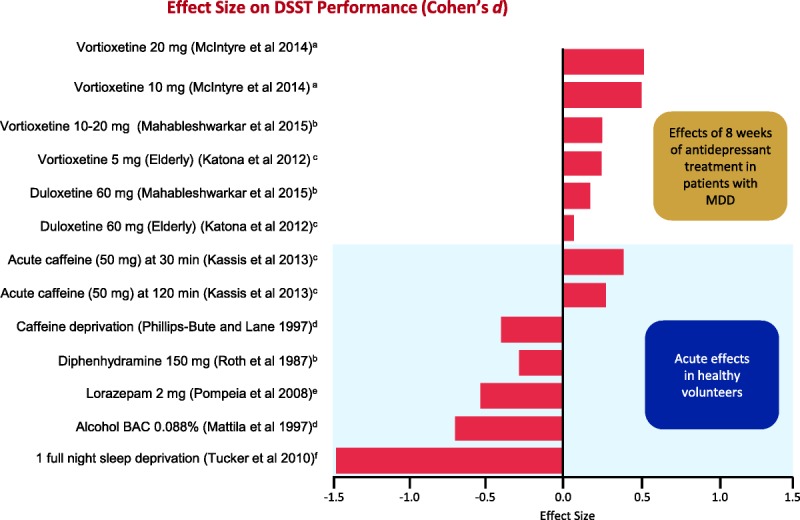
- Vortioxetine trials in MDD reported DSST treatment effect sizes of 0.51 and 0.52 for 10 or 20 mg in one study and 0.254 for 10 to 20 mg in another; a meta-analysis found vortioxetine improved DSST-assessed cognition more than other antidepressants.
- DSST performance correlates with real-world functional outcomes: in MDD patients 6 months after hospital discharge, DSST was strongly associated with functional recovery in work, school, and housing (odds ratio nearly 20).
- The DSST is polyfactorial and sensitive but not specific: impaired performance can arise from motor speed, attention, visuoperceptual functions, associative learning, working memory, and executive functions, so it does not by itself identify the affected cognitive domain.
Methods
- Narrative review of specific studies and articles to illustrate what the DSST measures, its sensitivity to change, and its use in clinical practice.
- Evidence reviewed includes DSST studies in brain damage, schizophrenia, MDD, diabetes, sleep restriction, alcohol intoxication, and sedative/hypnotic pharmacodynamic studies.
- Main synthesis compares DSST effect sizes across patient groups and pharmacologic benchmarks, including alcohol, antihistamines, benzodiazepines, caffeine, and sleep deprivation.
Limitations
- The paper states the DSST has low specificity for determining exactly which cognitive domain has been affected and raises the question of whether a single brief cognitive assessment can be sufficient for clinically meaningful conclusions.
- The paper notes that repeated DSST administration may produce learning or practice effects, although randomized designs can overcome resulting confounding in some studies.
- Evident from the text: this is a narrative review of selected studies rather than a systematic review, and it does not report a formal search strategy, inclusion criteria, or quantitative synthesis of all available DSST evidence.
Model-written summary. Check it against the paper before relying on it.
Integrity signals
Registry
Cites
Statistics
Figures
Verification
Claims the paper makes
39 Not checked yet · 28 Own interpretation · 11 Sources not found · 2 No basis given · 1 Own method
In the paper
“This observation suggests that improvement with exposure occurs in part for reasons other than associative learning of the pairs.”
§ Digit Symbol Substitution Test > DESCRIPTION AND HISTORY > What Does the DSST Measure?
What the sources say
- Not checked yetcites [22] Beres CA Baron A Improved digit symbol substitution by older women as a result of extended practice. J Gerontol. 1981; 36: 591– 597. 7264244 source
hedgedconditional- Asserted: passes — The authors put it forward as true.
- Checkable: passes — It can be checked against evidence.
- Load-bearing: passes — The paper’s conclusions depend on it.
- Based: passes — The paper gives a reason why it holds.
In the paper
“The sensitivity of the DSST is owed, in part, to its property as a polyfactoriaI measure.28”
§ Digit Symbol Substitution Test > DESCRIPTION AND HISTORY > Sensitivity and Sensitivity to Change of the DSST
What the sources say
- Not matchedcites [28] Ryan C Butters N Didario B The relationship between abstinence and recovery of function in male alcoholics. Clin Neuropsychol. 1980; 2: 125– 134.
Couldn’t be matched to a paper in Crossref, so it can’t be checked.
plainconditional- Asserted: passes — The authors put it forward as true.
- Checkable: passes — It can be checked against evidence.
- Load-bearing: passes — The paper’s conclusions depend on it.
- Based: passes — The paper gives a reason why it holds.
- Not matched
In the paper
“These findings indicate that the executive function of strategizing or consciously exerting effort to learn the pairings is among the activities that contribute to performance on this test.”
§ Digit Symbol Substitution Test > DESCRIPTION AND HISTORY > What Does the DSST Measure?
What the sources say
- Not checked yetcites [22] Beres CA Baron A Improved digit symbol substitution by older women as a result of extended practice. J Gerontol. 1981; 36: 591– 597. 7264244 source
hedgedcorrelational- Asserted: passes — The authors put it forward as true.
- Checkable: passes — It can be checked against evidence.
- Load-bearing: passes — The paper’s conclusions depend on it.
- Based: passes — The paper gives a reason why it holds.
In the paper
“This finding supports the observation that the DSST is a polyfactorial test”
§ Digit Symbol Substitution Test > DESCRIPTION AND HISTORY > What Does the DSST Measure?
What the sources say
- Not matchedcites [18] Lezak MD Neuropsychological Assessment. 3rd ed New York: Oxford University Press; 1995.
Couldn’t be matched to a paper in Crossref, so it can’t be checked.
plain- Asserted: passes — The authors put it forward as true.
- Checkable: passes — It can be checked against evidence.
- Load-bearing: unclear — It is unclear whether the paper’s conclusions depend on it.
- Based: passes — The paper gives a reason why it holds.
- Not matched
In the paper
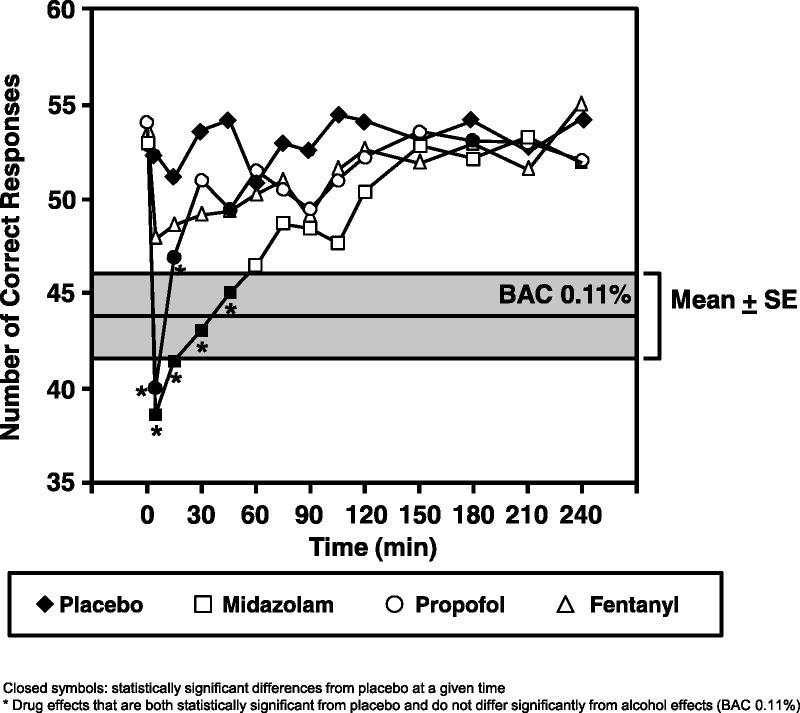
“Compared with placebo, triazolam significantly impaired performance on the DSST (P < 0.001) and increased beta amplitude on the EEG (P < 0.002).34”
§ Digit Symbol Substitution Test > DESCRIPTION AND HISTORY > Sensitivity and Sensitivity to Change of the DSST
What the sources say
- Not checked yetcites [34] Greenblatt DJ Gan L Harmatz JS Pharmocokinetics and pharmacodynamics of single-dose triazolam: electroencephalography compared with the Digit-Symbol Substitution Test. Br J Clin Pharmacol. 2005; 60: 244– 248. 16120062 PMC1884767 source
plaindirect- Asserted: passes — The authors put it forward as true.
- Checkable: passes — It can be checked against evidence.
- Load-bearing: passes — The paper’s conclusions depend on it.
- Based: passes — The paper gives a reason why it holds.
In the paper
“and that impairment in any one of the required domains (ie, motor speed associated with aging) results in performance decline.”
§ Digit Symbol Substitution Test > DESCRIPTION AND HISTORY > What Does the DSST Measure?
What the sources say
- Not matchedcites [18] Lezak MD Neuropsychological Assessment. 3rd ed New York: Oxford University Press; 1995.
Couldn’t be matched to a paper in Crossref, so it can’t be checked.
plaindirect- Asserted: passes — The authors put it forward as true.
- Checkable: passes — It can be checked against evidence.
- Load-bearing: unclear — It is unclear whether the paper’s conclusions depend on it.
- Based: passes — The paper gives a reason why it holds.
- Not matched
In the paper
“In both middle-aged and older persons, diabetes mellitus type 2 has been found to be associated with an increased risk of mild cognitive impairment and dementia.30”
§ Digit Symbol Substitution Test > DESCRIPTION AND HISTORY > Sensitivity and Sensitivity to Change of the DSST
What the sources say
- Not checked yetcites [30] Dong Y Kua ZJ Khoo EY The utility of brief cognitive tests for patients with type 2 diabetes mellitus: a systematic review. J Am Med Dir Assoc. 2016; 17: 889– 895. 27461866 source
plaincorrelational- Asserted: passes — The authors put it forward as true.
- Checkable: passes — It can be checked against evidence.
- Load-bearing: passes — The paper’s conclusions depend on it.
- Based: passes — The paper gives a reason why it holds.
In the paper
“That the DSST is sensitive to age effects is well known.23”
§ Digit Symbol Substitution Test > DESCRIPTION AND HISTORY > What Does the DSST Measure?
What the sources say
- Not checked yetcites [23] Hoyer WJ Stawski RS Wasylyshyn C Adult age and digit symbol substitution performance: a meta-analysis. Psychol Aging. 2004; 19: 211– 214. 15065945 source
boostedcorrelational- Asserted: passes — The authors put it forward as true.
- Checkable: passes — It can be checked against evidence.
- Load-bearing: unclear — It is unclear whether the paper’s conclusions depend on it.
- Based: passes — The paper gives a reason why it holds.
In the paper
“This correlation of specific QEEG indices with activation in the frontal lobes supports the theory that executive functioning plays a part in DSST performance.”
§ Digit Symbol Substitution Test > DESCRIPTION AND HISTORY > What Does the DSST Measure?
What the sources say
- Not matchedcites [25] Thornton KE Carmody DP Symbol Digit and the quantitative EEG. Neurotherapy. 2012; 16: 210– 222.
Couldn’t be matched to a paper in Crossref, so it can’t be checked.
plaincorrelational- Asserted: passes — The authors put it forward as true.
- Checkable: passes — It can be checked against evidence.
- Load-bearing: passes — The paper’s conclusions depend on it.
- Based: passes — The paper gives a reason why it holds.
- Not matched
A conclusion the paper draws from its own results — it cites no other source for it, so there is none to check. The quote shows it is in the paper.
In the paper
“The DSST is sensitive to the presence of cognitive dysfunction as well as to change in cognitive function across a wide range of clinical populations but has low specificity to determine exactly which cognitive domain has been affected.”
§ Digit Symbol Substitution Test > Abstract > Implications/Conclusions
plaincorrelational- Asserted: passes — The authors put it forward as true.
- Checkable: passes — It can be checked against evidence.
- Load-bearing: passes — The paper’s conclusions depend on it.
- Based: passes — The paper gives a reason why it holds.
- It may state two separate claims as one. 14
- Probably not a substantial claim. 16
In the paper
“In fact, deficits in processing speed as measured by DSST performance may mediate a wide range of other cognitive deficits and may further reflect a final common pathway of impairment in a range of simple and complex cognitive processes that are likely to include working memory and executive functions.29”
§ Digit Symbol Substitution Test > DESCRIPTION AND HISTORY > Sensitivity and Sensitivity to Change of the DSST
What the sources say
- Not checked yetcites [29] Amaresha AC Danivas V Shivakumar V Clinical correlates of parametric digit-symbol substitution test in schizophrenia. Asian J Psychiatr. 2014; 10: 45– 50. 25042951 PMC4156309 source
hedgedconditional- Asserted: passes — The authors put it forward as true.
- Checkable: passes — It can be checked against evidence.
- Load-bearing: unclear — It is unclear whether the paper’s conclusions depend on it.
- Based: passes — The paper gives a reason why it holds.
It may state two separate claims as one.
The paper states this without a source or data behind it here, so there is nothing to check it against. The quote shows it is in the paper.
In the paper
“now the DSST is among the most commonly used tests in clinical neuropsychology.”
§ Digit Symbol Substitution Test > Abstract > Purpose/Background
plain- Asserted: passes — The authors put it forward as true.
- Checkable: passes — It can be checked against evidence.
- Load-bearing: fails — The paper’s conclusions may not depend on it.
- Based: fails — The paper may give no reason why it holds.
Probably not a substantial claim. The paper’s conclusions may not depend on it. The paper may give no reason why it holds.
In the paper
“Since then, the DSST was found to be the single most sensitive test, among WAIS subtests, to determine the presence of brain damage and discriminate between patient groups (including healthy comparison groups).26”
§ Digit Symbol Substitution Test > DESCRIPTION AND HISTORY > Sensitivity and Sensitivity to Change of the DSST
What the sources say
- Not checked yetcites [26] Russell EW WAIS factor analysis with brain-damaged subjects using criterion measures. J Consult Clin Psychol. 1972; 39: 133– 139. 5045269
plaincorrelational- Asserted: passes — The authors put it forward as true.
- Checkable: passes — It can be checked against evidence.
- Load-bearing: unclear — It is unclear whether the paper’s conclusions depend on it.
- Based: passes — The paper gives a reason why it holds.
It may state two separate claims as one.
A conclusion the paper draws from its own results — it cites no other source for it, so there is none to check. The quote shows it is in the paper.
In the paper
“Working memory, another executive function, is likely required to hold in mind the task rules and for the continual updating of required symbol-digit pairs.”
§ Digit Symbol Substitution Test > DESCRIPTION AND HISTORY > What Does the DSST Measure?
hedgedconditional- Asserted: passes — The authors put it forward as true.
- Checkable: passes — It can be checked against evidence.
- Load-bearing: fails — The paper’s conclusions may not depend on it.
- Based: fails — The paper may give no reason why it holds.
Probably not a substantial claim. The paper’s conclusions may not depend on it. The paper may give no reason why it holds. It may state two separate claims as one.
A conclusion the paper draws from its own results — it cites no other source for it, so there is none to check. The quote shows it is in the paper.
In the paper
“For example, if pairings are rapidly learned following the first few trials, performance speed will improve because the subject will not need to refer to the key to check the accuracy of each pairing.”
§ Digit Symbol Substitution Test > DESCRIPTION AND HISTORY > What Does the DSST Measure?
plaindirect- Asserted: passes — The authors put it forward as true.
- Checkable: passes — It can be checked against evidence.
- Load-bearing: fails — The paper’s conclusions may not depend on it.
- Based: fails — The paper may give no reason why it holds.
Probably not a substantial claim. The paper’s conclusions may not depend on it. The paper may give no reason why it holds.
A conclusion the paper draws from its own results — it cites no other source for it, so there is none to check. The quote shows it is in the paper.
In the paper
“The DSST is a valid and sensitive measure of cognitive dysfunction impacted by many domains.”
§ Digit Symbol Substitution Test > Abstract > Results
plaincorrelational- Asserted: passes — The authors put it forward as true.
- Checkable: passes — It can be checked against evidence.
- Load-bearing: passes — The paper’s conclusions depend on it.
- Based: passes — The paper gives a reason why it holds.
It may state two separate claims as one.
A conclusion the paper draws from its own results — it cites no other source for it, so there is none to check. The quote shows it is in the paper.
In the paper
“Performance on the DSST correlates with real-world functional outcomes (eg, the ability to accomplish everyday tasks) and recovery from functional disability in a range of psychiatric conditions including schizophrenia and major depressive disorder.”
§ Digit Symbol Substitution Test > Abstract > Results
plaincorrelational- Asserted: passes — The authors put it forward as true.
- Checkable: passes — It can be checked against evidence.
- Load-bearing: passes — The paper’s conclusions depend on it.
- Based: unclear — It is unclear why the paper says it holds.
It may state two separate claims as one.
A conclusion the paper draws from its own results — it cites no other source for it, so there is none to check. The quote shows it is in the paper.
In the paper
“The DSST measures a range of cognitive operations.”
§ Digit Symbol Substitution Test > DESCRIPTION AND HISTORY > What Does the DSST Measure?
plaindirect- Asserted: passes — The authors put it forward as true.
- Checkable: passes — It can be checked against evidence.
- Load-bearing: fails — The paper’s conclusions may not depend on it.
- Based: passes — The paper gives a reason why it holds.
Probably not a substantial claim. The paper’s conclusions may not depend on it.
In the paper
“The authors showed that both elderly and young subjects improved not only within each day but also between days.”
§ Digit Symbol Substitution Test > DESCRIPTION AND HISTORY > What Does the DSST Measure?
What the sources say
- Not checked yetcites [22] Beres CA Baron A Improved digit symbol substitution by older women as a result of extended practice. J Gerontol. 1981; 36: 591– 597. 7264244 source
plaindirect- Asserted: passes — The authors put it forward as true.
- Checkable: passes — It can be checked against evidence.
- Load-bearing: passes — The paper’s conclusions depend on it.
- Based: passes — The paper gives a reason why it holds.
It may state two separate claims as one.
A conclusion the paper draws from its own results — it cites no other source for it, so there is none to check. The quote shows it is in the paper.
In the paper
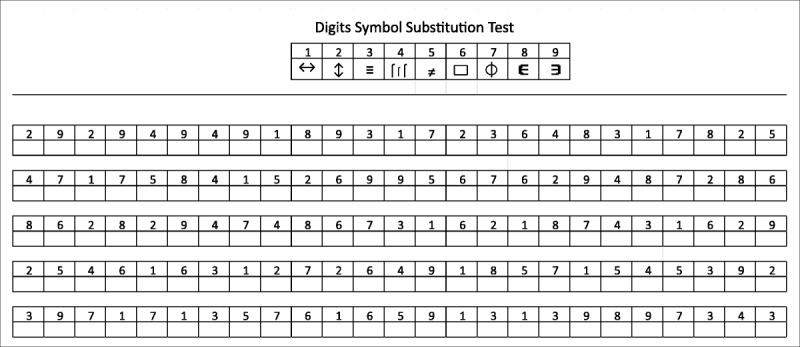
“Good performance on the DSST requires intact motor speed, attention, and visuoperceptual functions, including scanning and the ability to write or draw (ie, basic manual dexterity).”
§ Digit Symbol Substitution Test > DESCRIPTION AND HISTORY > What Does the DSST Measure?
plaindirect- Asserted: passes — The authors put it forward as true.
- Checkable: passes — It can be checked against evidence.
- Load-bearing: fails — The paper’s conclusions may not depend on it.
- Based: fails — The paper may give no reason why it holds.
Probably not a substantial claim. The paper’s conclusions may not depend on it. The paper may give no reason why it holds.
In the paper
“and described (quoting Kinsbourne) DSST responses as “the end product of the integration of visual perceptual, oculomotor, fine manual motor, and mental functions.””
§ Digit Symbol Substitution Test > DESCRIPTION AND HISTORY > What Does the DSST Measure?
What the sources say
- Not matchedcites [19] Darby D Walsh K Neuropsychology. 5th ed Melbourne: Churchill Livingstone; 2005.
Couldn’t be matched to a paper in Crossref, so it can’t be checked.
plaindirect- Asserted: passes — The authors put it forward as true.
- Checkable: passes — It can be checked against evidence.
- Load-bearing: fails — The paper’s conclusions may not depend on it.
- Based: passes — The paper gives a reason why it holds.
Probably not a substantial claim. The paper’s conclusions may not depend on it.
- Not matched
In the paper
“For example, Glosser et al27 noted the sensitivity of the DSST in alcoholic Korsakoff patients, patients with right hemisphere damage, and patients with chronic alcoholism.”
§ Digit Symbol Substitution Test > DESCRIPTION AND HISTORY > Sensitivity and Sensitivity to Change of the DSST
What the sources say
- Not checked yetcites [27] Glosser G Butters N Kaplan E Visuoperceptual processes in brain damaged patients on the digit symbol substitution test. Int J Neurosci. 1977; 7: 59– 66. 893004 source
plaincorrelational- Asserted: passes — The authors put it forward as true.
- Checkable: passes — It can be checked against evidence.
- Load-bearing: unclear — It is unclear whether the paper’s conclusions depend on it.
- Based: passes — The paper gives a reason why it holds.
It may state two separate claims as one.
A conclusion the paper draws from its own results — it cites no other source for it, so there is none to check. The quote shows it is in the paper.
In the paper
“The decision to consciously engage in this learning strategy to improve performance speed calls for the executive functions of planning and strategizing.”
§ Digit Symbol Substitution Test > DESCRIPTION AND HISTORY > What Does the DSST Measure?
plaindirect- Asserted: passes — The authors put it forward as true.
- Checkable: passes — It can be checked against evidence.
- Load-bearing: fails — The paper’s conclusions may not depend on it.
- Based: fails — The paper may give no reason why it holds.
Probably not a substantial claim. The paper’s conclusions may not depend on it. The paper may give no reason why it holds.
A conclusion the paper draws from its own results — it cites no other source for it, so there is none to check. The quote shows it is in the paper.
In the paper
“Performance might also be affected by associative learning.”
§ Digit Symbol Substitution Test > DESCRIPTION AND HISTORY > What Does the DSST Measure?
hedgedconditional- Asserted: passes — The authors put it forward as true.
- Checkable: passes — It can be checked against evidence.
- Load-bearing: fails — The paper’s conclusions may not depend on it.
- Based: passes — The paper gives a reason why it holds.
Probably not a substantial claim. The paper’s conclusions may not depend on it.
In the paper
“Darby and Walsh19 emphasized that performance on the DSST is the final common pathway for expression of quite diverse types of impairment”
§ Digit Symbol Substitution Test > DESCRIPTION AND HISTORY > What Does the DSST Measure?
What the sources say
- Not matchedcites [19] Darby D Walsh K Neuropsychology. 5th ed Melbourne: Churchill Livingstone; 2005.
Couldn’t be matched to a paper in Crossref, so it can’t be checked.
plaindirect- Asserted: passes — The authors put it forward as true.
- Checkable: passes — It can be checked against evidence.
- Load-bearing: fails — The paper’s conclusions may not depend on it.
- Based: passes — The paper gives a reason why it holds.
Probably not a substantial claim. The paper’s conclusions may not depend on it.
- Not matched
A conclusion the paper draws from its own results — it cites no other source for it, so there is none to check. The quote shows it is in the paper.
In the paper
“The DSST is perhaps the most commonly used test in all of neuropsychology, owing to several inherent properties: brevity, reliability, and the minimal impact of language, culture, and education on test performance.”
§ Digit Symbol Substitution Test > DESCRIPTION AND HISTORY
hedgeddirect- Asserted: passes — The authors put it forward as true.
- Checkable: passes — It can be checked against evidence.
- Load-bearing: fails — The paper’s conclusions may not depend on it.
- Based: fails — The paper may give no reason why it holds.
Probably not a substantial claim. The paper’s conclusions may not depend on it. The paper may give no reason why it holds. It may state two separate claims as one.
In the paper
“Tucker et al39 also measured the effect of sleep deprivation on DSST performance and yielded similar results.”
§ Digit Symbol Substitution Test > DESCRIPTION AND HISTORY > Sensitivity and Sensitivity to Change of the DSST
What the sources say
- Not checked yetcites [39] Tucker AM Whitney P Belenky G Effects of sleep deprivation on dissociated components of executive functioning. Sleep. 2010; 33: 47– 57. 20120620 PMC2802247 source
plaindirect- Asserted: passes — The authors put it forward as true.
- Checkable: passes — It can be checked against evidence.
- Load-bearing: unclear — It is unclear whether the paper’s conclusions depend on it.
- Based: passes — The paper gives a reason why it holds.
It may state two separate claims as one.
What the paper did — it cites no source for this, so there is none to check. The quote shows it is in the paper.
In the paper
“the validity and reliability of the paper DSST depend on the test being administered in the manner it was validated.”
§ Digit Symbol Substitution Test > DESCRIPTION AND HISTORY
plaindirect- Asserted: passes — The authors put it forward as true.
- Checkable: passes — It can be checked against evidence.
- Load-bearing: fails — The paper’s conclusions may not depend on it.
- Based: fails — The paper may give no reason why it holds.
Probably not a substantial claim. The paper’s conclusions may not depend on it. The paper may give no reason why it holds.
None of the sources cited for this claim have been checked yet.
In the paper
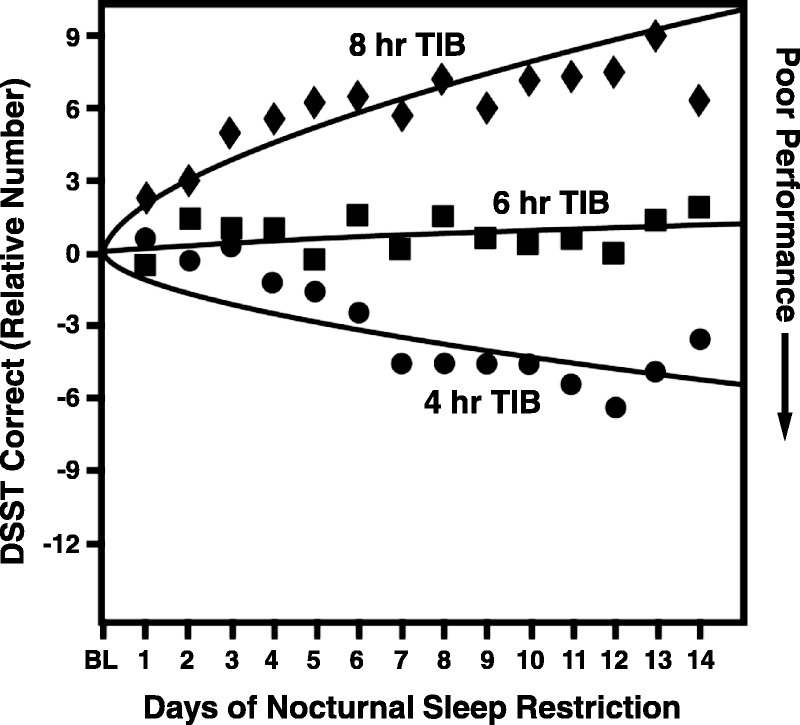
“The 8-hour group showed some improvement over the first few days (possibly a learning effect), whereas the 4-hour group differed from the 8-hour group by more than 12 points by the end of the first week and continued to decline over the second week.”
§ Digit Symbol Substitution Test > DESCRIPTION AND HISTORY > Sensitivity and Sensitivity to Change of the DSST
What the sources say
- Not checked yetcites [37] Van Dongen HP Maislin G Mullington JM The cumulative cost of additional wakefulness: dose-response effects on neurobehavioral functions and sleep physiology from chronic sleep restriction and total sleep deprivation. Sleep. 2003; 26: 117– 126. 12683469 source
- Not checked yetcites [38] Banks S Dinges DF Behavioral and physiological consequences of sleep restriction. J Clin Sleep Med. 2007; 3: 519– 528. 17803017 PMC1978335 source
plaincorrelationaln = 35- Asserted: passes — The authors put it forward as true.
- Checkable: passes — It can be checked against evidence.
- Load-bearing: passes — The paper’s conclusions depend on it.
- Based: passes — The paper gives a reason why it holds.
It may state two separate claims as one.
A conclusion the paper draws from its own results — it cites no other source for it, so there is none to check. The quote shows it is in the paper.
In the paper
“The DSST is sensitive to both the presence of cognitive dysfunction and change in cognitive function, across a wide range of clinical populations.”
§ Digit Symbol Substitution Test > CONCLUDING COMMENTS
plaincorrelational- Asserted: passes — The authors put it forward as true.
- Checkable: passes — It can be checked against evidence.
- Load-bearing: passes — The paper’s conclusions depend on it.
- Based: unclear — It is unclear why the paper says it holds.
It may state two separate claims as one.
A conclusion the paper draws from its own results — it cites no other source for it, so there is none to check. The quote shows it is in the paper.
In the paper
“Performance on the DSST correlates with real-world functional outcomes (eg, the ability to accomplish everyday tasks) and recovery from functional disability.”
§ Digit Symbol Substitution Test > CONCLUDING COMMENTS
plaincorrelational- Asserted: passes — The authors put it forward as true.
- Checkable: passes — It can be checked against evidence.
- Load-bearing: passes — The paper’s conclusions depend on it.
- Based: unclear — It is unclear why the paper says it holds.
It may state two separate claims as one.
A conclusion the paper draws from its own results — it cites no other source for it, so there is none to check. The quote shows it is in the paper.
In the paper
“However, where the objective of testing is not diagnosis, but rather to identify impairment regardless of its nature and origin or to detect change within a patient, a brief and simple test such as the DSST may offer important benefits to clinical practice.”
§ Digit Symbol Substitution Test > CONCLUDING COMMENTS
hedgedconditional- Asserted: passes — The authors put it forward as true.
- Checkable: passes — It can be checked against evidence.
- Load-bearing: passes — The paper’s conclusions depend on it.
- Based: passes — The paper gives a reason why it holds.
Probably not a substantial claim.
A conclusion the paper draws from its own results — it cites no other source for it, so there is none to check. The quote shows it is in the paper.
In the paper
“As discussed previously, the DSST's sensitivity to change is one of its main strengths.”
§ Digit Symbol Substitution Test > DESCRIPTION AND HISTORY > Clinical Meaningfulness in Patients With MDD
plain- Asserted: passes — The authors put it forward as true.
- Checkable: passes — It can be checked against evidence.
- Load-bearing: fails — The paper’s conclusions may not depend on it.
- Based: fails — The paper may give no reason why it holds.
Probably not a substantial claim. The paper’s conclusions may not depend on it. The paper may give no reason why it holds.
A conclusion the paper draws from its own results — it cites no other source for it, so there is none to check. The quote shows it is in the paper.
In the paper
“The utility of the DSST for monitoring patients in the clinic derives from several properties, many of which are shared by other neuropsychological tests, including its brevity, its sensitivity to change, and minimal impact from education and culture.”
§ Digit Symbol Substitution Test > CONCLUDING COMMENTS
plaindirect- Asserted: passes — The authors put it forward as true.
- Checkable: passes — It can be checked against evidence.
- Load-bearing: passes — The paper’s conclusions depend on it.
- Based: passes — The paper gives a reason why it holds.
It may state two separate claims as one.
- The authors state this as an assumption: Cognition is important for functioning and quality of life.
A conclusion the paper draws from its own results — it cites no other source for it, so there is none to check. The quote shows it is in the paper.
In the paper
“In the context of clinical decision making in a physician's office, this simple cognitive test can, in combination with a psychiatric clinical evaluation, be useful at the level of the individual patient for medication choice and dosing.”
§ Digit Symbol Substitution Test > CONCLUDING COMMENTS
plaincorrelational- Asserted: passes — The authors put it forward as true.
- Checkable: passes — It can be checked against evidence.
- Load-bearing: passes — The paper’s conclusions depend on it.
- Based: passes — The paper gives a reason why it holds.
Probably not a substantial claim.
- The authors state this as an assumption: Cognition is important for functioning and quality of life.
A conclusion the paper draws from its own results — it cites no other source for it, so there is none to check. The quote shows it is in the paper.
In the paper
“The DSST offers high sensitivity to detect impairment, but low specificity to determine exactly which cognitive domain has suffered the impairment.”
§ Digit Symbol Substitution Test > CONCLUDING COMMENTS
plaincorrelational- Asserted: passes — The authors put it forward as true.
- Checkable: passes — It can be checked against evidence.
- Load-bearing: passes — The paper’s conclusions depend on it.
- Based: fails — The paper may give no reason why it holds.
Probably not a substantial claim. The paper may give no reason why it holds. It may state two separate claims as one.
In the paper
“Further, there is growing awareness of the prevalence of cognitive symptoms and their impact on life functioning in MDD patients, leading to an increase in the recognition of such symptoms as clinically important targets for therapeutic improvement.47”
§ Digit Symbol Substitution Test > DESCRIPTION AND HISTORY > Clinical Meaningfulness in Patients With MDD
What the sources say
- Not checked yetcites [47] Mattingly G Anderson RH Mattingly SG The impact of cognitive challenges in major depression: the role of the primary care physician. Postgrad Med. 2016; 128: 665– 671. 27500820 source
plaindirect- Asserted: passes — The authors put it forward as true.
- Checkable: passes — It can be checked against evidence.
- Load-bearing: fails — The paper’s conclusions may not depend on it.
- Based: passes — The paper gives a reason why it holds.
Probably not a substantial claim. The paper’s conclusions may not depend on it.
The paper relies on this without support.
In clinical practice, the DSST is administered in the manner in which it was validated.
“the validity and reliability of the paper DSST depend on the test being administered in the manner it was validated.”
The authors state this as an assumption.
Cognition is important for functioning and quality of life.
“Although the importance of cognition for functioning and quality of life may be regarded as self-evident”
Claims other papers make about this one
Each is checked against this paper’s own text: does it say what the citing paper says it does?
The source backs part of the claim, not all of it — or backs it for a different population, condition or comparison.
In the citing paper
“Enhanced processing speed has been correlated with improved ability to perform day-to-day tasks and a lower risk of future cognitive/mobility/mood disorders [32].”
From Health Benefits of Video Games in Adolescents and Young Adults (2026) · cites this paper as [32]
Experimental — accuracy not yet measured
Self-check
Percentages, sums and reported differences re-computed from the paper’s own numbers.
Each contradiction between two passages listed here was confirmed by an independent check.
Rated minor: it would not touch a result — a value no result rests on, a p-value that stays on the same side of the significance level, or a conflict that is clerical, resolved elsewhere in the paper, or outside its own findings.
In the paper
§ Digit Symbol Substitution Test > DESCRIPTION AND HISTORY
“The original WAIS, developed in 1955, has 90 stimulus items (number of blanks into which the symbols are copied)”
§ Digit Symbol Substitution Test > DESCRIPTION AND HISTORY
“all of which were among the 67 stimulus items in its predecessor, the WBIS.”
Citations
Cites
Van Dongen, H. P. A., Maislin, G., Mullington, J. M., & Dinges, D. F. (2003) · Sleep · doi:10.1093/sleep/26.2.117 · Cited by 3,173
(1995) · Cited by 2,809
Randolph, C., Tierney, M. C., Mohr, E., & Chase, T. N. (1998) · Journal of Clinical and Experimental Neuropsychology · doi:10.1076/jcen.20.3.310.823 · Cited by 2,519
Snyder, H. R. (2013) · Psychological Bulletin · doi:10.1037/a0028727 · Cited by 1,667
Behavioral and Physiological Consequences of Sleep Restriction
Banks, S., & Dinges, D. F. (2007) · Journal of Clinical Sleep Medicine · doi:10.5664/jcsm.26918 · Cited by 1,505
Robbins, T. W., James, M., Owen, A. M., Sahakian, B. J., McInnes, L., & Rabbitt, P. (1994) · Dementia and Geriatric Cognitive Disorders · doi:10.1159/000106735 · Cited by 1,078
The Measurement of Adult Intelligence.
Wechsler, D. (1940) · Archives of Neurology And Psychiatry · doi:10.1001/archneurpsyc.1940.02280030188021 · Cited by 980
Benedict, R. H. B., DeLuca, J., Phillips, G. A., LaRocca, N. G., Hudson, L. D., & Rudick, R. A. (2017) · Multiple Sclerosis Journal · doi:10.1177/1352458517690821 · Cited by 846
A meta-analysis of cognitive deficits in first-episode Major Depressive Disorder
Lee, R. S. C., Hermens, D. F., Porter, M. A., & Redoblado-Hodge, M. A. (2012) · Journal of Affective Disorders · doi:10.1016/j.jad.2011.10.023 · Cited by 737
SAHAKIAN, B. J., MORRIS, R. G., EVENDEN, J. L., HEALD, A., LEVY, R., PHILPOT, M., & ROBBINS, T. W. (1988) · Brain · doi:10.1093/brain/111.3.695 · Cited by 666
Cited by
Sorted by citations
Items 701–800 of 840
Pisani, S., Velayudhan, L., Aarsland, D., et al. (2024) · medRxiv · doi:10.1101/2024.08.01.24311353
How to Evaluate Digital Healthcare Applications in a Large-Scale Pilot?
Grigoleit, S., Lombard-Vance, R., Goodfellow, N. A., Fleming, G. F., Scott, M., Rocha, P., Gioulekas, F., Santofimia, M. J., García, X., Zurkuhlen, A., et al. (2024) · Signals and communication technology · doi:10.1007/978-3-031-58527-2_9
Sex Differences in Cognitive Performance Persist into Your 80sPreprint
Julian, R., Fröhlich, S. M., Müller, K., et al. (2024) · Research Square · doi:10.21203/rs.3.rs-4900286/v1
Associations between novel anthropometric indices and cognitive function among U.S. older adultsPreprint
Tan, Z., Deng, H., Nie, Y., Yan, N., & Ai, L. (2024) · Research Square · doi:10.21203/rs.3.rs-4806769/v1
Ahrens, J., Ford, S. D., Schaefer, B., Reese, D., KHAN, A. R., Tibbo, P. G., Rabin, R. A., Cassidy, C., & Palaniyappan, L. K. (2024) · bioRxiv (Cold Spring Harbor Laboratory) · doi:10.1101/2024.09.12.612734
“…all participants, followed by cognitive assessments with National Adult Reading Test (NART), the written and oral digit symbol substitution test (W-DSST and O-DSST, mean reported together as modified-DSST; 28 ) and the Category Fluency Test (Table 1) at baseline, 6 months, and 12-month follow-up.”
MethodChuang, I., Huang, X., Chen, I.-C., Wu, Y., & Wu, C. (2024) · doi:10.2196/preprints.66673
Longitudinal associations of life space mobility and domain-specific cognitive measures in ACTIVE
Smail, E. J., Rebok, G. W., Gross, A. L., Clay, O. J., Ball, K., Crowe, M., Kaufmann, C. N., Manini, T. M., & Parisi, J. M. (2024) · Aging Neuropsychology and Cognition · doi:10.1080/13825585.2024.2413720
“The DSST involves matching symbols to numbers (Jaeger, 2018), and the UFOV measures the visual speed of target detection in the presence and absence of visual clutter (Wood & Owsley, 2014).”
Possemis, N., Caldenhove, S., Prickaerts, J., & Blokland, A. (2024) · Journal of Cognitive Enhancement · doi:10.1007/s41465-024-00313-1
吕, 志. (2024) · Advances in Clinical Medicine · doi:10.12677/acm.2024.14112885
Laurienti, P. J., Kritchevsky, S. B., Lyday, R. G., Miller, M. E., Lockhart, S. N., Rundle, M. M., Hugenschmidt, C. E., Burdette, J. H., Shappell, H. M., Chen, H., et al. (2024) · bioRxiv (Cold Spring Harbor Laboratory) · doi:10.1101/2024.11.07.622257
Thambidurai, A., Sharma, V., Sowgandhi, C. N., et al. (2024) · Indian Journal of Aerospace Medicine · doi:10.25259/ijasm_2_2024
Sekhar, M. B., Narayanappa, D., & Biswal, P. (2024) · Indian Journal of Aerospace Medicine · doi:10.25259/ijasm_16_2024
“[18,20] The current study showed that the response time of DSST did not change in the immediate post-nap period; however, the same was significantly faster after 30 th min of the post-nap period, and the improvement persisted for the rest of 2 h.”
Yu, T., Mao, Y., Qiu, J., et al. (2024) · SSRN Electronic Journal · doi:10.2139/ssrn.5074673
Cai, D.-C., Song, P., Song, F., & Shi, Y. (2025) · Scientific Reports · doi:10.1038/s41598-025-89388-0
Data-driven subtypes of late-life depression—secondary analysis of a cluster-randomized RCT
van Diepen, J., Hendriks, G., Zuidersma, M., Voshaar, R. C. O., & Janssen, N. P. (2025) · Aging & Mental Health · doi:10.1080/13607863.2025.2468406
“The DSST has been demonstrated to be sensitive to changes in cognitive functioning in patients with major depressive disorder (Jaeger, 2018).”
Effect of short term strength training on executive function in type 2 diabetes mellitus
Jani, P. A., & Verma, N. (2025) · International Journal of Research in Medical Sciences · doi:10.18203/2320-6012.ijrms20250682
Dense Longitudinal Precision Neuroimaging of Recovery from Traumatic Brain InjuryPreprint
Rajesh, A., Laumann, T. O., Barch, D. M., Kay, B. P., Meyer, A. C., Kummer, T. T., Dosenbach, N. U. F., & Gordon, E. M. (2025) · bioRxiv (Cold Spring Harbor Laboratory) · doi:10.1101/2025.03.09.642218
Exploring the learning process in college students: Impact of morning and evening chronotypes
Singh, A., Pande, B., Sinha, M., et al. (2025) · Medical Journal Armed Forces India · doi:10.1016/j.mjafi.2025.02.001
Totomanova, I., Haijen, E. C. H. M., Hurks, P. P. M., Ramaekers, J. G., & Kuypers, K. P. C. (2025) · International review of neurobiology · doi:10.1016/bs.irn.2025.03.002
Liu, Z., Yuan, T., Ma, Y., & Wang, R. (2025) · Brain Conflux · doi:10.71321/pzxtk440
Pollak, C., & Blumen, H. M. (2025) · doi:10.2196/preprints.77955
Murugesan, M., Thangavelu, R. B., & Komalanathan, V. (2025) · Work · doi:10.1177/10519815251337930
O’Kelley, L., Swanson, B. A., Bishop‐Royse, J., et al. (2025) · International Journal of Environmental Research and Public Health · doi:10.3390/ijerph22060852
Gul, H. L., Sockolov, M., Howes, K. A., Kaur, A., Occhipinti, M., Bang, H., Alnimri, M., Huang, Y., Dray, J. V., & Chen, L. (2025) · Transplantation Reports · doi:10.1016/j.tpr.2025.100178
Porto, L., Wouters, J., & van Wieringen, A. (2025) · Ear and Hearing · doi:10.1097/aud.0000000000001680 · Cited by 1
A Radiomic Approach to Clinical MRI Refines the Thalamus-Cognition Link in Multiple SclerosisPreprint
Buyukturkoglu, K., Lin, L., Davis, L., et al. (2025) · bioRxiv (Cold Spring Harbor Laboratory) · doi:10.1101/2025.06.05.657698
“Lastly, to assess disease specificity, we analyzed healthy controls (HC) from the Reference Ability Neural Network (RANN) Study (N = 269) (35) who completed the Digit Symbol Substitution Test (DSST) (36), a cognitive measure analogous to the SDMT.”
The Interaction of Multigenerational Home Environments With Hearing Loss, Cognition, and Depression
Tucker, L. H., Weinstein, H. N. W., Denham, M. W., et al. (2025) · The Laryngoscope · doi:10.1002/lary.32312
Dyer, J., Barbey, F. M., Ghoshal, A., Hake, A. M., Hansen, B. J., Islam, M. N., Jaeger, J., Kozak, R., Marston, H. M., Moss, M. B., et al. (2025) · Journal of Medical Internet Research · doi:10.2196/55469
Self-citation(2024) · doi:10.2196/preprints.55469
Self-citationXia, S., Chen, F., Wang, W., Jiang, T., Zhu, J., Yang, L., Yang, M., Xiang, Q., & Liu, W. (2025) · BMJ Open · doi:10.1136/bmjopen-2024-094645 · Cited by 1
Ji, W., Wecht, J. M., Jo, H. J., Stefanovic, F., Miecznikowski, J. C., Chiaravalloti, N. D., & Sisto, S. A. (2025) · PLoS ONE · doi:10.1371/journal.pone.0326861
Shi, L., Tian, X., Lu, X., Yih, B., & Chen, J. (2025) · Journal of Alzheimer s Disease · doi:10.1177/13872877251362665
Najeeb, A. A. M., Qutishat, M., Ikhlaq, R., Ahmed, I., & Al‐Huseini, S. (2025) · Journal of Ect · doi:10.1097/yct.0000000000001185
Wang, P., Peng, S.-W., Lin, S.-Y., & Chow, L.-H. (2025) · Journal of Alzheimer s Disease · doi:10.1177/13872877251364562
Chen, P., Chiu, C., & Chen, P.-T. (2025) · Journal of Orthopaedic Surgery and Research · doi:10.1186/s13018-025-06180-6
Beers, S., de van der Schueren, M. A. E., Grootswagers, P., van de Rest, O., Waterink, L., Sikkes, S. A. M., Deckers, K., Soons, L. M., Claassen, J. A. H. R., Smidt, N., et al. (2025) · The journal of nutrition health & aging · doi:10.1016/j.jnha.2025.100680 · Cited by 1
Windle, R., Dillon, H., & Heinrich, A. (2025) · Ear and Hearing · doi:10.1097/aud.0000000000001716
Prabhu, N. M., Matke, M., Lehmann, N., Aye, N., Ziegler, G., & Taubert, M. (2026) · Experimental Gerontology · doi:10.1016/j.exger.2026.113268
Park, S. K., Walker, E., Arboleda-Merino, L., et al. (2025) · medRxiv · doi:10.1101/2025.09.17.25335908
Matsui, Y., Fujisawa, C., Minakami, M., et al. (2025) · Research Square · doi:10.21203/rs.3.rs-7578612/v1
Cottez, R. J., Peyrot, C., Denis, H. L., Tremblay, C., Loiselle, A., Filali‐Mouhim, A., Hébert, S. S., Leclerc, N. M., Blennow, K., Zetterberg, H., et al. (2025) · medRxiv · doi:10.1101/2025.09.26.25336739
Rajesh, A., Laumann, T. O., Wang, Q., Jiang, M., Wang, Y., Barch, D. M., Kay, B. P., Meyer, A., Dosenbach, N. U. F., & Gordon, E. M. (2025) · Research Square · doi:10.21203/rs.3.rs-7682138/v1
Real-life cognitive functioning after acquired brain injury: An experience sampling study
Domensino, A.-F., Lenaert, B., Verhagen, S. J. W., Bartels, S. L., & Heugten, C. M. V. (2025) · Digital Health · doi:10.1177/20552076251387051 · Cited by 1
Unverzagt, M. E., van Schooten, K. S., McCrum, C., et al. (2025) · Research Square · doi:10.21203/rs.3.rs-7830071/v1
Fernandez, D. A., Scott, B. M., Kheradbin, N., Guadagno, L., Gade, S., Schmitz, S., Keller, J. N., & Hilsabeck, R. C. (2025) · Archives of Clinical Neuropsychology · doi:10.1093/arclin/acaf099 · Cited by 1
Cantuaria, M. L., & Schmidt, J. H. (2025) · Elsevier eBooks · doi:10.1016/b978-0-443-29198-2.00010-2
Cognitive Function, Diabetes, and Recurrent Falls: From the Health ABC Study
Ellis, A. C., Bui, C., Rosso, A. L., Shah, A., Snow, A. L., Black, S. R., Sazonov, E. E., Payne‐Foster, P., & Strotmeyer, E. S. (2025) · Journal of Applied Gerontology · doi:10.1177/07334648251395793
Vikingsson, S., Zamarripa, C. A., Spindle, T. R., et al. (2025) · Journal of Analytical Toxicology · doi:10.1093/jat/bkaf102
Katsifi, M.-A., Critselis, E., Tigani, X., Vlachakis, D., Kanaka‐Gantenbein, C., & Bacopoulou, F. (2025) · Advances in experimental medicine and biology · doi:10.1007/978-3-032-03398-7_20 · Cited by 1
Task Complexity Amplifies Practice Effects on Quarterly Self-Administered Cognitive Tasks (Preprint)Preprint
Christianson, K., Lyu, C., Karjadi, C., Devine, S., Ang, T. F. A., Anda‐Duran, I. D., Kolachalama, V. B., Lin, H., Ding, H., Gifford, K. A., et al. (2025) · doi:10.2196/preprints.87208
Elfassy, T., Kulandavelu, S., Dodds, L., et al. (2025) · Obstetric Anesthesia Digest · doi:10.1097/01.aoa.0001171004.92276.37
Galbiati, A., & Leclair‐Visonneau, L. (2025) · SLEEP · doi:10.1093/sleep/zsaf385 · Cited by 1
Dudinova, A. I., Legenko, M. S., & Strazhesko, I. D. (2025) · Advances in Gerontology · doi:10.1134/s2079057026600126
Matev, V., Rothenberg, M., Donath, J., Cukaci, C., Klöbl, M., Barede, K. A., Stöhrmann, P., Dörl, G., Lanzenberger, R. R., Winkler, D., et al. (2025) · medRxiv · doi:10.64898/2025.12.10.25341977
Cheng, J. L., Coombs, G. B., Pizzola, C. A., Mattook, K. C., Armstrong, C., MacDonald, M. J., & Walsh, J. J. (2025) · Experimental Physiology · doi:10.1113/ep092810
Prokopidis, K., Cacciatore, S., Kirk, B., Veronese, N., Duque, G., & Schlögl, M. (2025) · The Journals of Gerontology Series A · doi:10.1093/gerona/glaf276
Chen, J., Basavatia, V. P., Kwei, K., et al. (2025) · IEEE Transactions on Neural Systems and Rehabilitation Engineering · doi:10.1109/tnsre.2025.3648325
Association between handgrip strength and cognitive function in older adults living with cancer
Oscanoa, T. J., Cieza-Macedo, E. C., & Romero‐Ortuño, R. (2025) · European Journal of Clinical and Experimental Medicine · doi:10.15584/ejcem.2025.4.21
“For example, Yang et al. used the Animal Fluency Test (AFT) 22 and the Digit Symbol Substitution Test (DSST) 23 , which assess executive function and processing speed.”
Sporda Fiziksel, Fizyolojik ve Psikolojik Ölçümlerde Güncel Yaklaşımlar
Havuz, Y., ÇAKIR, G., & ÇAKIR, H. İ. (2025) · Spor Eğitim Dergisi · doi:10.55238/seder.1708474
Signal in the Noise: Dispersion as a Marker of Post-Stroke Cognitive Impairment
Delmas, S., Tiwari, A., & Lodha, N. (2025) · Applied Sciences · doi:10.3390/app16010388
Santos, F. C. D., Zhou, X., Clifford, K. P., Segura, A. G., Syeda, A. S., Felsky, D., Lenze, E. J., Mulsant, B. H., Tripathy, S. J., Sibille, E. L., et al. (2026) · Biological Psychiatry Global Open Science · doi:10.1016/j.bpsgos.2025.100685
“SDS is thought to broadly engage executive functioning and processing speed and is a sensitive measure for cognitive dysfunction, particularly in depression (67).”
Graphical modeling of cortical tau pathology topography for its subtyping in Alzheimer’s disease
Yue, J., Wang, X., Ringman, J. M., & Shi, Y. (2026) · Imaging Neuroscience · doi:10.1162/imag.a.1110
Mah, E., Gallagher, D., Gao, F., Ramirez, J., Rabin, J. S., Survilla, K., Vieira, D., Chen, J. J., Kang, Y., Andreazza, A. C., et al. (2026) · Neurobiology of Aging · doi:10.1016/j.neurobiolaging.2026.01.005
Keuss, S. E., Lu, K., James, S., et al. (2026) · BMC Research Notes · doi:10.1186/s13104-025-07323-y
“This is consistent with the DSST being highly sensitive to small changes in cognition over time, likely because it assesses processing speed [10].”
Sims, A., Irwin, C. G., Stainer, M. J., Wishart, D. E., Palmer, B., McGregor, I. S., & McCartney, D. (2026) · Transportation Research Part F Traffic Psychology and Behaviour · doi:10.1016/j.trf.2026.103793
Validation of a web-based cognitive test for early detection of Alzheimer's disease
Byeon, J. H., Lee, D., Shin, E. J., et al. (2026) · Journal of Alzheimer s Disease · doi:10.1177/13872877261415925
Carcelén-Fraile, M. D. M., Carcelén‐Fraile, M. D. C., Hita‐Contreras, F., Castellote‐Caballero, Y., & Aibar‐Almazán, A. (2026) · GeroScience · doi:10.1007/s11357-026-02124-y · Cited by 1
Modi¹, R., Mohan¹, A., Pareek, P., Solanki¹, A., Devnani, B., Gupta¹, A., Prem, R., Chavan¹, S., Tiwari², S., & Gupta³, T. (2026) · Research Square · doi:10.21203/rs.3.rs-8657389/v1
ReCOGnAIze app to detect vascular cognitive impairment and mild cognitive impairment
Mohammed, A. A., Vipin, A., Leow, Y. J., Setiabudi, E., Tan, F., Agarwal, H., Liau, K. X., Tanoto, P., Liew, S. Y., Qiu, B., et al. (2026) · Alzheimer s & Dementia · doi:10.1002/alz.70992 · Cited by 1
Dysfonction cognitive postopératoire : détection, prévention et traitement
Seyour, M., Fariss, E., Tsobgnie, M. N., et al. (2026) · Anesthésie & Réanimation · doi:10.1016/j.anrea.2026.01.006
Walking to protect against cognitive decline: the role of APOE genotype and sex
Burma, J. S., Rosano, C., Best, J. R., Simonsick, E. M., Liu-Ambrose, T. Y. L., & Barha, C. K. (2026) · Biology of Sex Differences · doi:10.1186/s13293-026-00860-6
Yang, H. Y., Zhang, S., & Zhong, L. (2026) · Frontiers in Nutrition · doi:10.3389/fnut.2026.1761323
Pengaruh Pemberian Sarapan terhadap Konsenterasi Belajar pada Remaja
Putra, M. G. S., Kustiyah, L., Dwiriani, C. M., & Septiani, E. (2025) · Nutriology Jurnal Pangan Gizi Kesehatan · doi:10.30812/nutriology.v6i2.5178
Domain-specific circadian rescue following sleep deprivation
Guo, B., Yan, K., Deng, Y., Zhao, W., Chen, X., Xue, C., Chai, Y., Quan, P., Goel, N., Basner, M., et al. (2026) · SLEEP · doi:10.1093/sleep/zsag054
Lu, W., Li, Y., Wang, Z., Hu, Y., Liu, X., Yang, X., Xu, H., Xu, H., Lin, C., Jiang, X., et al. (2026) · Journal of Affective Disorders · doi:10.1016/j.jad.2026.121557
Lynch, K. M., Bennett, E. E., Liu, C., Stapp, E. K., Levine, D. A., Glymour, M. M., Zimmerman, S. C., Griswold, M. E., Odden, M. C., López, O. L., et al. (2026) · The Journals of Gerontology Series A · doi:10.1093/gerona/glag072
Hipolito, M., Awofeso, O., VanMeter, A., Rai, N., Akhtar, J., Idowu, A., Sadhukhan, T., Mejía, C., Popal, H., Aitken, R., et al. (2026) · Alzheimer's & Dementia: Translational Research & Clinical Interventions · doi:10.1002/trc2.70226
Age differences in socio-emotional feedback processing during learning: an ERP study
Braunwarth, J. I., & Ferdinand, N. K. (2026) · Frontiers in Aging Neuroscience · doi:10.3389/fnagi.2026.1756618
“They then completed the Digit Symbol Substitution Test (Jaeger, 2018) as a measure of fluid intelligence and a demographic questionnaire covering education, exercise, nutrition, and social participation.”
Zheng, Y., Yun, H.-Y., Lee, J.-H., Jo, W., Jin, J., Lee, S. O., Jang, S., & Lee, S. K. (2026) · Medicine · doi:10.1097/md.0000000000048085
Wang, T., & Zhu, W. (2026) · Medicine · doi:10.1097/md.0000000000048275
“[18] Higher scores represented better cognitive abilities.”
Zimmermann, N., Liebrand, M., Michel, C., Stüble, M., Klaassen, A.-L., Burkhardt, E., Wiest, R., Kaess, M., Kindler, J., & Morishima, Y. (2026) · Translational Psychiatry · doi:10.1038/s41398-026-04030-5
Memory and Resting‐State Connectivity in Acute Transient Global Amnesia: A Case–Control fMRI Study
Otmani, E. E., Barbeau, E., Lemesle, B., et al. (2026) · Annals of Clinical and Translational Neurology · doi:10.1002/acn3.70396
Selective head cooling intervention improves mental health markers: A multimodal feasibility study
Napora, Z., McLaughlin, M., Griffith, O., Cooney, L., McNally, E., & Slobounov, S. (2026) · Acta Psychologica · doi:10.1016/j.actpsy.2026.106871
Kaula, A. J., Taptiklis, N., Cormack, F. K., Kuijper, L. C. M., Avey, S., Chatterjee, M., Rehman, R. Z. U., de Bot, S. T., Pilotto, A., van der Woude, C. J., et al. (2026) · medRxiv · doi:10.64898/2026.04.26.26351685
Incorporated vs Additional Dual-Task Training in Community-Dwelling Older Adults
Chuang, I., Wu, H.-J., Ma, H., Wu, Y.-R., & Wu, C.-Y. (2026) · Clinical Interventions in Aging · doi:10.2147/cia.s584037
Yang, X., Li, Y., Wang, Z., Hu, Y., Lu, W., Xu, H., Xu, H., Lin, C., Zhao, Y., Jiang, X., et al. (2026) · Journal of Affective Disorders · doi:10.1016/j.jad.2026.121923
Yin, X., Peng, H., Li, Y., Song, Y., Chen, L., Yao, N., Li, P., He, Z., Chen, H., Huang, L., et al. (2026) · Brain and Behavior · doi:10.1002/brb3.71423
Wang, J., Cheng, B., Li, D., Cui, Y., Lu, R., Liang, X., Zhang, H., Guo, Y., Li, J., Zheng, Y., et al. (2026) · Journal of Psychiatric Research · doi:10.1016/j.jpsychires.2026.05.008
Mhatre‐Winters, I., Cirillo, P. M., Factor-Litvak, P. R., Han, Y., Krigbaum, N. Y., Zimmermann, L. M., Link, B. G., Go, Y., Jones, D. P., Cohn, B. A., et al. (2026) · medRxiv · doi:10.64898/2026.05.13.26352896
Papaioannou, A., Ioannidis, G., Kennedy, C., Hladysh, G., Lee, J., Adachi, J. D., Cowan, D., Duarte, D., Hategan, A., Innes, A., et al. (2026) · Trials · doi:10.1186/s13063-026-09782-5
Modi, R., Pareek, P., Tiwari, S., Solanki, A., Devnani, B., Mohan, A., Gupta, A. K., Nair, R., & Gupta, T. (2026) · Asian Journal of Neurosurgery · doi:10.1055/s-0046-1823132
Liu, J., Zhao, L. F., Fan, T., Qiang, W., Zhu, T. L., Yan, S., Xie, L., Gao, G., Gao, H., Yu, X., et al. (2026) · BMC Pregnancy and Childbirth · doi:10.1186/s12884-026-09272-1
The Physical and Cognitive Benefits of Pickleball Participation in Older Adults
Janzen, A., & Hatfield, G. L. (2026) · Journal of Aging and Physical Activity · doi:10.1123/japa.2024-0176
Plasma p‐tau markers, vascular factors, and cognitive decline in the CIMA‐Q cohort
Cottez, R. J., Peyrot, C., Denis, H. L., Tremblay, C., Loiselle, A., Dallaire‐Théroux, C., Filali‐Mouhim, A., Hébert, S. S., Leclerc, N. M., Blennow, K., et al. (2026) · Alzheimer s & Dementia · doi:10.1002/alz.71588
Fan, X., Yang, Y., Zhao, Y., & Liao, J. (2026) · Journal of Activity Sedentary and Sleep Behaviors · doi:10.1186/s44167-026-00105-2
Durga, V., Lee, C. S., & Jamil, A. (2026) · Malaysian Journal of Dermatology · doi:10.4103/mjd.mjd_34_26
A hippocampal neuroimaging signature of neurovascular insulin signalling links metabolism to moodPreprint
Cherix, A., Godlewska, B. R., Lazari, A., Zhao, S., Dugan, G., Tachrount, M., Greco, M., Smart, S., Clarke, W. T., Bannerman, D. M., et al. (2026) · bioRxiv (Cold Spring Harbor Laboratory) · doi:10.64898/2026.06.17.732833
Myelin-driven structural network redundancy underlies cognition in cerebral small vessel disease
Qiu, Y., Hu, W., Wang, Y., Fu, Q., Hu, Y., Xu, Q., Wei, H., Zhou, Y., & Sun, Y. (2026) · Alzheimer s Research & Therapy · doi:10.1186/s13195-026-02115-3
Yazdi, S. M. (2026) · Archives of Clinical Neuropsychology · doi:10.1093/arclin/acag047
Metadata
- Authors
- Jaeger, J.
- Affiliations
- Albert Einstein College of Medicine (US)
- Corresponding author
- Jaeger, Judith
- ORCID
- Jaeger, Judith
- Venue
- Journal of Clinical Psychopharmacology
- Published
- 2018-10
- Volume
- 38
- Issue
- 5
- Pages
- 513-519
- ISSN
- 0271-0749 (ISSN-L)
- 1533-712X
- PMC
- PMC6291255
- OpenAlex
- W2888254436
- Semantic Scholar
- 03a57054a4cacf4a26d3972a3d9d226a7a3b0249
- Cited by
- 836
- References
- 51
- Citations by year
- 2026: 103 · 2025: 169 · 2024: 175 · 2023: 119 · 2022: 100 · 2021: 100 · 2020: 52 · 2019: 17
- FWCI
- 5.73
- Type
- journal article
- Language
- en
- Open access
- hybrid
- doi.org
- Licence
- Locations
- Journal of Clinical Psychopharmacology (publishedVersion, cc-by-nc-nd)
- Europe PMC (PubMed Central) (publishedVersion, other-oa)
- PubMed Central (publishedVersion, cc-by-nc-nd)
- PubMed (publishedVersion)
- Topics
- Social Sciences › Psychology › Applied Psychology › Psychological Testing and Assessment
- Social Sciences › Psychology › Clinical Psychology › Historical and Modern Theater Studies
- Social Sciences › Psychology › Experimental and Cognitive Psychology › Cognitive Abilities and Testing
- Keywords
- Digit Symbol Substitution Test, cognitive impairment, neuropsychological assessment, major depressive disorder, schizophrenia, treatment monitoring, functional disability, sensitivity to change, associative learning, clinical decision-making
- MeSH terms
- Association Learning, Major Depressive Disorder, Humans, Neuropsychological Tests, Reproducibility of Results, Cognitive Dysfunction
About these checks
Registry, retraction, Cites and statistics results are computed, not judged, with one exception: a printed reference that no index lists is read once by a model before it counts as a citation error. Claims are extracted by a model and kept only when their quote appears verbatim in the text; each cited source is then checked, with a model’s help, for whether it says what the claim relies on. Those verdicts can be wrong — read the claim’s quote and the cited source before relying on one.
A language model drew the claims from the paper on 2026-10-08, under version 3 of the claim definition (model deepseek-v4.1-flash, prompt extract-v3).
A second model labelled each claim on 2026-10-08 (model jev-1.13-20260917, definition revision gold-guideline-v0.2).
Statistics and arithmetic are recomputed, not judged.
Confidence bands are shown only for fields calibrated on our annotated test set. None is calibrated yet, so no band is shown.
What counts as a claim ›How we measure confidence ›How we check this ›
Are you an author, or do you see a problem with this page? Request a review
