

The DOI matches its Crossref record; 161 of the 162 references it cites were found in a registry or an index.
Role of TET enzymes in DNA methylation, development, and cancer
Open accessAbstract
The pattern of DNA methylation at cytosine bases in the genome is tightly linked to gene expression, and DNA methylation abnormalities are often observed in diseases. The ten eleven translocation (TET) enzymes oxidize 5-methylcytosines (5mCs) and promote locus-specific reversal of DNA methylation. TET genes, and especially TET2 , are frequently mutated in various cancers, but how the TET proteins contribute to prevent the onset and maintenance of these malignancies is largely unknown. Here, we highlight recent advances in understanding the physiological function of the TET proteins and their role in regulating DNA methylation and transcription. In addition, we discuss some of the key outstanding questions in the field.
Overview
The claims and statistics of this paper haven’t been checked yet.
Run the check — free, no account needed. It reads the open-access text and checks the sources it cites.
Integrity signals
Registry
Cites
Statistics
Figures
Verification
Claims the paper makes
The claims and statistics of this paper haven’t been checked yet.
Run the check — free, no account needed. It reads the open-access text and checks the sources it cites.
Claims other papers make about this one
Each is checked against this paper’s own text: does it say what the citing paper says it does?
The source backs part of the claim, not all of it — or backs it for a different population, condition or comparison.
In the citing paper
“Generally, 2OGO catalyze specific hydroxylation of substrates, which, in turn, leads to demethylations via other catalytic cycles or downstream pathway involving thymine-DNA-glycosylase, which catalyzed base excision with DNA base excision repair [101,120].”
From Vitamin C-Sources, Physiological Role, Kinetics, Deficiency, Use, Toxicity, and Determination (2021) · cites this paper as [120]
Experimental — accuracy not yet measuredIn the citing paper
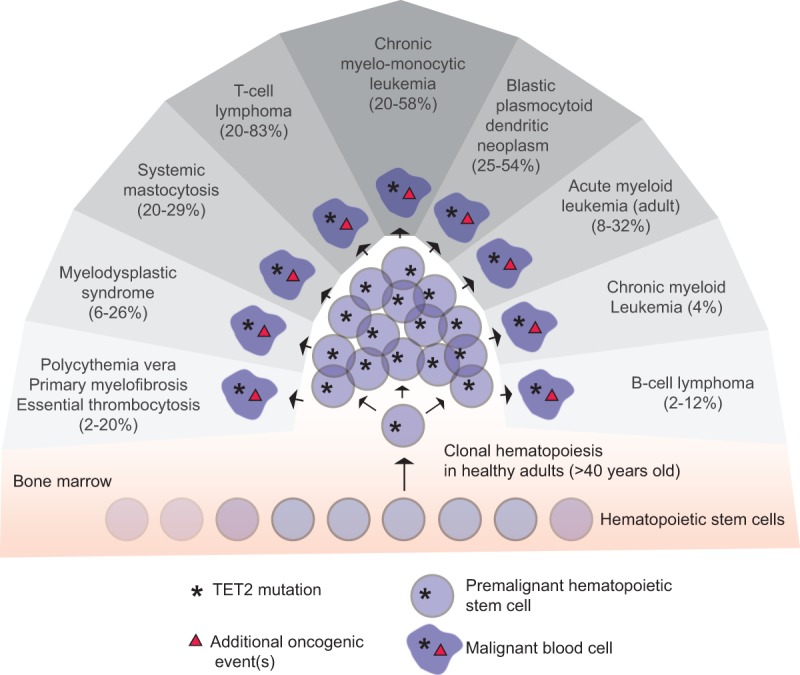
“TET2 is frequently mutated or lost somatically in both myeloid and lymphoid malignancies63,64.”
From Targeting cancer vulnerabilities with high-dose vitamin C (2019) · cites this paper as [63]
Self-check
Percentages, sums and reported differences re-computed from the paper’s own numbers.
The self-check needs the paper’s full text.
Citations
Cites
Conversion of 5-Methylcytosine to 5-Hydroxymethylcytosine in Mammalian DNA by MLL Partner TET1
Tahiliani, M., Koh, K. P., Shen, Y., Pastor, W. A., Bandukwala, H., Brudno, Y., Agarwal, S., Iyer, L. M., Liu, D. R., Aravind, L., et al. (2009) · Science · doi:10.1126/science.1170116 · Cited by 5,836 · cited 1×
“Thus, it was remarkable when ten eleven translocation protein 1 (TET1) was discovered and shown to be able to modify methylcytosine and potentially erase DNAmethylation (Tahiliani et al. 2009).”
BackgroundGenomic and Epigenomic Landscapes of Adult De Novo Acute Myeloid Leukemia
The Cancer Genome Atlas Research Network (2013) · New England Journal of Medicine · doi:10.1056/nejmoa1301689 · Cited by 5,078
Age-related clonal hematopoiesis associated with adverse outcomes
Jaiswal, S., Fontanillas, P., Flannick, J., Manning, A., Grauman, P. V., Mar, B. G., Lindsley, R. C., Mermel, C. H., Burtt, N., Chavez, A., et al. (2014) · New England Journal of Medicine · doi:10.1056/nejmoa1408617 · Cited by 4,841 · cited 1×
“Second, TET2 mutations are frequently observed in aged healthy individuals with clonal hematopoiesis and increase the propensity to develop hematopoieticmalignancies (Busque et al. 2012; Genovese et al. 2014; Jaiswal et al. 2014; Xie et al. 2014).”
BackgroundClonal hematopoiesis and blood-cancer risk inferred from blood DNA sequence
Genovese, G., Kähler, A. K., Handsaker, R. E., Lindberg, J., Rose, S. A., Bakhoum, S. F., Chambert, K., Mick, E., Neale, B. M., Fromer, M., et al. (2014) · New England Journal of Medicine · doi:10.1056/nejmoa1409405 · Cited by 3,531 · cited 1×
“Second, TET2 mutations are frequently observed in aged healthy individuals with clonal hematopoiesis and increase the propensity to develop hematopoieticmalignancies (Busque et al. 2012; Genovese et al. 2014; Jaiswal et al. 2014; Xie et al. 2014).”
BackgroundTet proteins can convert 5-methylcytosine to 5-formylcytosine and 5-carboxylcytosine
Ito, S., Shen, L., Dai, Q., Wu, S. C., Collins, L. B., Swenberg, J. A., He, C., & Zhang, Y. (2011) · Science · doi:10.1126/science.1210597 · Cited by 3,451 · cited 3×
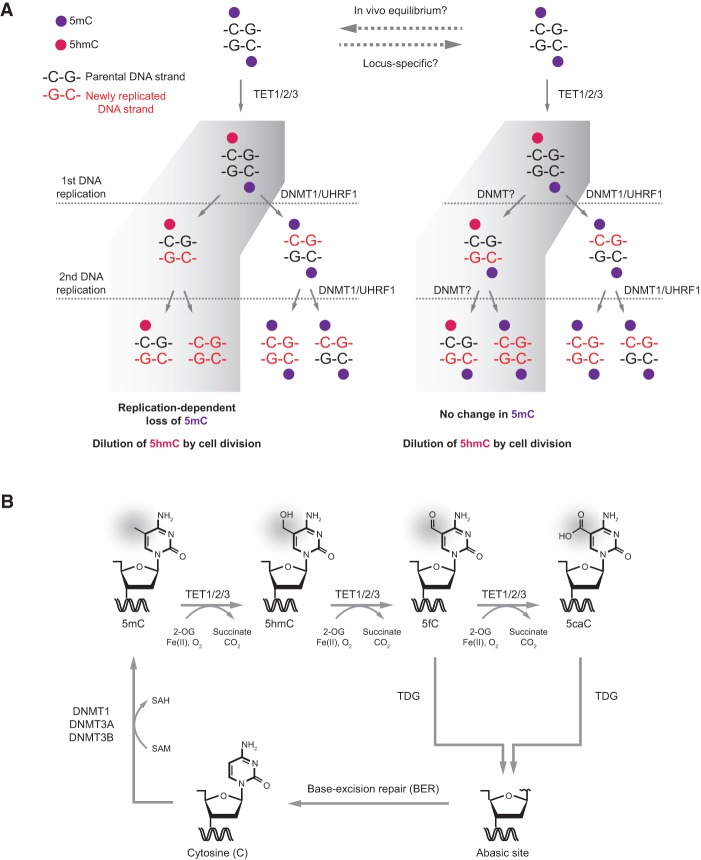
“6-fold) substrates compared with the initial oxidation reaction of 5mC (Ito et al. 2011; Hu et al. 2015).”
BackgroundXu, W., Yang, H., Liu, Y., Yang, Y., Wang, P., Kim, S.-H., Ito, S., Yang, C., Wang, P., Xiao, M.-T., et al. (2011) · Cancer Cell · doi:10.1016/j.ccr.2010.12.014 · Cited by 2,875
A decade of exploring the cancer epigenome—biological and translational implications
Baylin, S. B., & Jones, P. A. (2011) · Nature Reviews Cancer · doi:10.1038/nrc3130 · Cited by 2,871
Tet-Mediated Formation of 5-Carboxylcytosine and Its Excision by TDG in Mammalian DNA
He, Y., Li, B.-Z., Li, Z., Liu, P., Wang, Y., Tang, Q., Ding, J., Jia, Y., Chen, Z., Li, L., et al. (2011) · Science · doi:10.1126/science.1210944 · Cited by 2,776 · cited 4×
“Subsequent to the discovery of oxidized 5mC bases, it was demonstrated that TDG has no effect on 5hmC but shows robust recruitment and in vitro catalytic activity toward 5fC and 5caC (He et al. 2011; Maiti and Drohat 2011; Spruijt et al. 2013).”
BackgroundInfluentialFigueroa, M. E., Abdel-Wahab, O., Lu, C., Ward, P. S., Patel, J., Shih, A., Li, Y., Bhagwat, N., Vasanthakumar, A., Fernandez, H. F., et al. (2010) · Cancer Cell · doi:10.1016/j.ccr.2010.11.015 · Cited by 2,766
The Nuclear DNA Base 5-Hydroxymethylcytosine Is Present in Purkinje Neurons and the Brain
Kriaucionis, S., & Heintz, N. (2009) · Science · doi:10.1126/science.1169786 · Cited by 2,700 · cited 1×
“By comparison, the products of further TET-mediated oxidation, 5fC and 5caC, are observed at ∼10-fold to 100-fold lower levels than 5hmC and often close to or under the detection limit (Kriaucionis and Heintz 2009; Globisch et al. 2010; Szwagierczak et al. 2010; He et al. 2011; Ito et al. 2011; Pfaffeneder et al. 2011…”
Background
Cited by
Sorted by citations
Items 301–400 of 1,001
Lan, Y., Pan, H., Li, C., Banks, K. M., Sam, J., Ding, B., Elemento, O., Goll, M. G., & Evans, T. (2019) · Cell Reports · doi:10.1016/j.celrep.2018.12.076 · Cited by 33
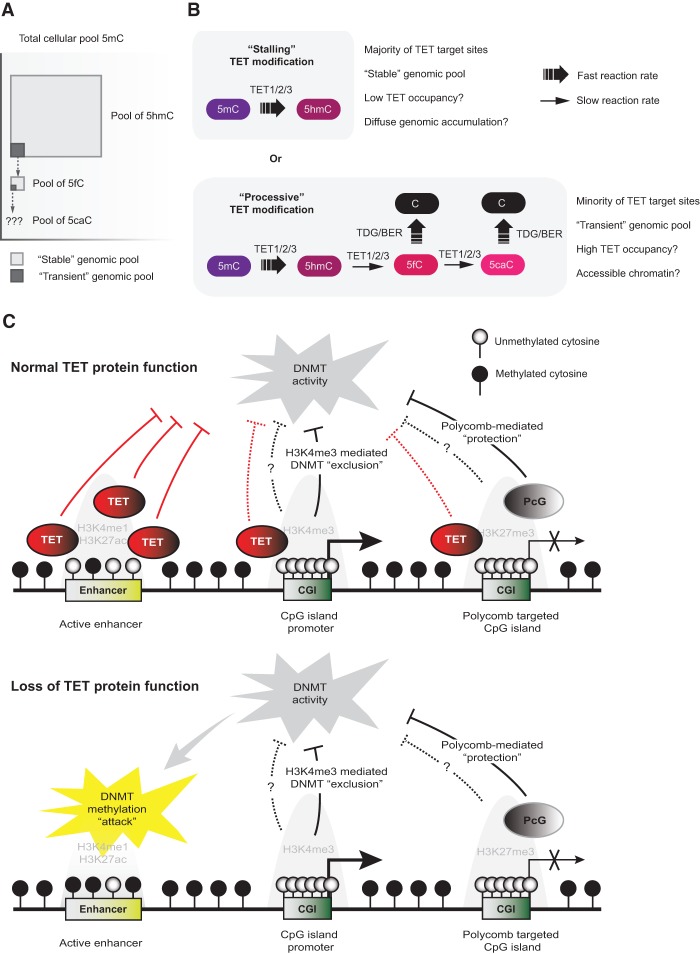
“In promoters, CpG islands may be protected against ectopic DNA methylation by additional mechanisms, including exclusion of de novo DNMTs and polycomb-associated proteins (Boulard et al., 2015; Noh et al., 2015; Ooi et al., 2007; Rasmussen and Helin, 2016).”
BackgroundDrosophila Tet Is Expressed in Midline Glia and Is Required for Proper Axonal Development
Ismail, J. N., Badini, S., Frey, F., Abou-Kheir, W. G., & Shirinian, M. (2019) · Frontiers in Cellular Neuroscience · doi:10.3389/fncel.2019.00252 · Cited by 29
Ali, M. M., Phillips, S. A., & Mahmoud, A. M. (2020) · Cells · doi:10.3390/cells9010134 · Cited by 33
“Efforts are underway to study the role of TET1 in cancer and developmental diseases, however there is an obvious lack in studies investigating this mechanism in the context of obesity [12].”
BackgroundTETology: Epigenetic Mastermind in Action
Seethy, A. A., Pethusamy, K., Chattopadhyay, I., Sah, R., Chopra, A., Dhar, R., & Karmakar, S. (2021) · Applied Biochemistry and Biotechnology · doi:10.1007/s12010-021-03537-5 · Cited by 31
The Role of Ten-Eleven Translocation Proteins in Inflammation
Gerecke, C., Rodrigues, C. E., Homann, T., & Kleuser, B. (2022) · Frontiers in Immunology · doi:10.3389/fimmu.2022.861351 · Cited by 36
“In summary, the role of TET enzymes in the development of cancer has been examined and extensively proven (16, 66, 79) (Figure 3).”
BackgroundDeciphering the role of aberrant DNA methylation in NAFLD and NASH
Vachher, M., Bansal, S., Kumar, B., Yadav, S., & Burman, A. (2022) · Heliyon · doi:10.1016/j.heliyon.2022.e11119 · Cited by 33
Emperle, M., Dukatz, M., Kunert, S., Holzer, K., Rajavelu, A., Jurkowska, R. Z., & Jeltsch, A. (2018) · Scientific Reports · doi:10.1038/s41598-018-31635-8 · Cited by 34
Chapel, D. B., Husain, A. N., & Krausz, T. N. (2018) · Modern Pathology · doi:10.1038/s41379-018-0159-7 · Cited by 32
miR-29 regulates Tet1 expression and contributes to early differentiation of mouse ESCs
Cui, Y., Li, T., Yang, D., Li, S., & Le, W. (2016) · Oncotarget · doi:10.18632/oncotarget.10751 · Cited by 34
“The ten-eleven translocation (TET) family of proteins (Tet1, Tet2 and Tet3), which oxidize 5mC to 5-hydroxymethylcytosine (5hmC) and further to form 5-formylcytosine and 5-carboxylcytosine [5–8], are thought to be involved in active and/or passive DNA demethylation [9].”
BackgroundFischer, A. P., & Miles, S. L. (2017) · Biochemical and Biophysical Research Communications · doi:10.1016/j.bbrc.2017.06.017 · Cited by 32
TET proteins in natural and induced differentiation
Scott-Browne, J. P., Lio, C. J., & Rao, A. (2017) · Current Opinion in Genetics & Development · doi:10.1016/j.gde.2017.07.011 · Cited by 30
“The enrichment of oxi-mC at enhancers has been frequently observed (reviewed in [7,10]) and analysis of TET-deficient cells has revealed TET-dependent developmentally related enhancers.”
InfluentialAdvances and Limitations of Current Epigenetic Studies Investigating Mammalian Axonal Regeneration
Palmisano, I., & Giovanni, S. D. (2018) · Neurotherapeutics · doi:10.1007/s13311-018-0636-1 · Cited by 30
Serrano, A., Asnani-Kishnani, M., Couturier, C., Astier, J., Palou, A., Landrier, J., Ribot, J., & Bonet, M. L. (2020) · Nutrients · doi:10.3390/nu12020461 · Cited by 31
“To this end, mRNA levels of DNA methyltransferase (DNMT) and ten-eleven translocation (TET) enzymes—involved in the acquisition and the removal of the methylation mark, respectively [29,30]—were analyzed in iWAT of young (35-day-old) animals.”
BackgroundMethodEpigenetic changes during ageing and their underlying mechanisms
Braga, D. L., Mousovich‐Neto, F., Tonon-da-Silva, G., Salgueiro, W. G., & Mori, M. A. (2020) · Biogerontology · doi:10.1007/s10522-020-09874-y · Cited by 33
Role of succinate dehydrogenase deficiency and oncometabolites in gastrointestinal stromal tumors
Zhao, Y., Feng, F., Guo, Q., Wang, Y., & Zhao, R. (2020) · World Journal of Gastroenterology · doi:10.3748/wjg.v26.i34.5074 · Cited by 35
HIV-1 Tat and cocaine impact mitochondrial epigenetics: effects on DNA methylation
Doke, M., Jeganathan, V., McLaughlin, J. P., & Samikkannu, T. (2020) · Epigenetics · doi:10.1080/15592294.2020.1834919 · Cited by 30
“DNMT level changes have been found to be epigenetically linked with TET enzymes, which oxidize 5mCs and promote locus-specific DNA demethylation [49].”
BackgroundMethodKawai, T., Richards, J. S., & Shimada, M. (2021) · Communications Biology · doi:10.1038/s42003-021-02849-w · Cited by 32
Cao, J., Zhang, Q., Yang, Q., Yu, Y., Meng, M., & Zou, J. (2022) · Oral Diseases · doi:10.1111/odi.14491 · Cited by 31
Adam, S., Klingel, V., Radde, N. E., Bashtrykov, P., & Jeltsch, A. (2023) · Nucleic Acids Research · doi:10.1093/nar/gkad465 · Cited by 30
Recent Progress in the Understanding of Angioimmunoblastic T-cell Lymphoma
Fujisawa, M., Chiba, S., & Sakata‐Yanagimoto, M. (2017) · Journal of the Japan Society of the Reticuloendothelial System · doi:10.3960/jslrt.17019 · Cited by 33
Loss of neuronal Tet2 enhances hippocampal-dependent cognitive function
Pratt, K. J. B., Shea, J. M., Remesal, L., Bieri, G., Smith, L. K., Couthouis, J., Chen, C. P., Roy, I. J., Gontier, G., & Villeda, S. (2022) · Cell Reports · doi:10.1016/j.celrep.2022.111612 · Cited by 30
“Despite similar enzymatic activity, TET enzymes exhibit unique regulatory functions (Rasmussen and Helin, 2016).”
TET protein inhibitors: Potential and limitations
Kaplánek, R., Kejík, Z., Hajduch, J., Veselá, K., Kučnirová, K., Skaličková, M., Venhauerova, A., Hosnedlová, B., Hromádka, R., Dytrych, P., et al. (2023) · Biomedicine & Pharmacotherapy · doi:10.1016/j.biopha.2023.115324 · Cited by 32
Ciccarone, F., Castelli, S., Ioannilli, L., & Ciriolo, M. R. (2018) · Molecular Nutrition & Food Research · doi:10.1002/mnfr.201800970 · Cited by 30
Parker, M. J., Weigele, P., & Saleh, L. (2018) · Biochemistry · doi:10.1021/acs.biochem.8b01185 · Cited by 29
Bisserier, M., Janoštiak, R., Lezoualc’h, F., & Hadri, L. (2020) · Vascular Biology · doi:10.1530/vb-19-0030 · Cited by 30
“Ten-eleven translocation methylcytosine dioxygenase 1 (TET1) catalyzes the conversion of the modified DNA base 5-methylcytosine (5-mC) to 5-hydroxymethylcytosine (5-hmC) and initiates the first step of active DNA demethylation in mammals (62, 63).”
BackgroundGomes, A. M., Pinto, T. S., Fernandes, C. J. D. C., da Silva, R. A., & Zambuzzi, W. F. (2019) · Journal of Cellular Physiology · doi:10.1002/jcp.29412 · Cited by 30
“…PI3K signaling is a necessary upstream pathway to modulate TET‐related genes and consequently leading to the enzymatic oxidation of 5‐meC at CpG dinucleotide by 5mC oxidases, the TET proteins, which use α‐ketoglutarate, oxygen and Fe++ as cofactors (Rasmussen & Helin, 2016; Tahiliani et al., 2009).”
BackgroundEpigenetic Regulation of Dental Pulp Stem Cell Fate
Zhou, D., Gan, L., Peng, Y., Zhou, Y., Zhou, X., Wan, M., Fan, Y., Xu, X., Zhou, X., Zheng, L., et al. (2020) · Stem Cells International · doi:10.1155/2020/8876265 · Cited by 31
Bhat, K. S., Kim, H., Alam, A., Ko, M., An, J., & Lim, S. (2021) · Advanced Healthcare Materials · doi:10.1002/adhm.202101193 · Cited by 30
Ahmad, S., Wen, Y., & Irudayaraj, J. (2021) · Toxicology Reports · doi:10.1016/j.toxrep.2021.11.014 · Cited by 30
“TETs enzymes are reported in several carcinomas and their lower expression is considered a hallmark of gastric, lung, prostrate, liver and breast tumors [58].”
Recent advances in understanding DNA methylation of prostate cancer
Shin, H. J., Hua, J. T., & Li, H. (2023) · Frontiers in Oncology · doi:10.3389/fonc.2023.1182727 · Cited by 32
Role of TET1-mediated epigenetic modulation in Alzheimer's disease
Armstrong, M. J., Jin, Y., Vattathil, S., Huang, Y., Schroeder, J. P., Bennet, D. A., Qin, Z. S., Wingo, T. S., & Jin, P. (2023) · Neurobiology of Disease · doi:10.1016/j.nbd.2023.106257 · Cited by 32
“This modification can be oxidized by the ten-eleven translocation (TET) family of proteins including TET1, TET2, and TET3, producing the dynamic 5-hydroxymethylcytosine (5hmC) modification (Kohli and Zhang, 2013; Liu et al., 2021; Rasmussen and Helin, 2016; Wu and Zhang, 2017).”
Extraordinary Cancer Epigenomics: Thinking Outside the Classical Coding and Promoter Box
Murtha, M. J., & Esteller, M. (2016) · Trends in cancer · doi:10.1016/j.trecan.2016.08.004 · Cited by 30
“IDH mutants have severely altered methylomes, [259_TD$DIFF]which is likely [260_TD$DIFF]to be due to [261_TD$DIFF] -hydroxyglutarate-mediated inhibition of TET family 50-methylcytosine hydroxylases [263_TD$DIFF], which catalyze a key step in the removal of DNA methylation [57,61,62].”
BackgroundMathematical models of DNA methylation dynamics: Implications for health and ageing
Zagkos, L., Auley, M. T. M., Roberts, J. A., & Kavallaris, N. I. (2018) · Journal of Theoretical Biology · doi:10.1016/j.jtbi.2018.11.006 · Cited by 30
Epigenetic toxicity of heavy metals − implications for embryonic stem cells
Kim, N., Filipovic, D., Bhattacharya, S., & Cuddapah, S. (2024) · Environment International · doi:10.1016/j.envint.2024.109084 · Cited by 32
Halliwell, D. O., Honig, F., Bagby, S., Roy, S., & Murrell, A. (2025) · Communications Biology · doi:10.1038/s42003-025-07681-0 · Cited by 29
Alivand, M. R., Soheili, Z., Pornour, M., Solali, S., & Sabouni, F. (2017) · Journal of Cellular Biochemistry · doi:10.1002/jcb.25965 · Cited by 29
“Increasing 5hmC in DNA structure can be effective in progression of demethylation [Chen and Wu, 2016; Kao et al., 2016; Rasmussen and Helin, 2016].”
BackgroundResultInfluentialEpigenetic silencing of SALL3 is an independent predictor of poor survival in head and neck cancer
Misawa, K., Mochizuki, D., Imai, A., Misawa, Y., Endo, S., Mima, M., Kawasaki, H., Carey, T. E., & Kanazawa, T. (2017) · Clinical Epigenetics · doi:10.1186/s13148-017-0363-1 · Cited by 29
“Missense and truncating mutations in TET genes are present in nearly all solid tumor types at a relatively low frequency [41].”
BackgroundAlterations of regulatory factors and DNA methylation pattern in thyroid cancer
Iancu, I. V., Botezatu, A., Plesa, A., Huică, I., Fudulu, A., Albulescu, A., Bostan, M., Mihaila, M. A., Grancea, C., Manda, D. A., et al. (2020) · Cancer Biomarkers · doi:10.3233/cbm-190871 · Cited by 29
“TET proteins family consists in three members: TET1, TET2 and TET3 and they are accountable to catalysing the conversion of 5-methylcytosine (5mC) to 5-hydroxymethylcytosine (5hmC), to 5-formylcytosine (5fC) and 5-carboxylcytosine (5caC) [15,16].”
Oncometabolites and the response to radiotherapy
Xiang, K., Jendrossek, V., & Matschke, J. (2020) · Radiation Oncology · doi:10.1186/s13014-020-01638-9 · Cited by 30
“Of note, overproduction of the oncometabolites 2-HG, succinate or fumarate induced a pseudo-hypoxic phenotype by HIF1α-stabilization under normoxic conditions [121, 122] through inhibition of αKGDD prolyl hydroxylases (PHD) responsible for hydroxylation and subsequent degradation of HIF1α [24, 115, 130].”
BackgroundSingle-nucleotide methylation specifically represses type I interferon in antiviral innate immunity
Gao, Z., Li, W., Mao, X.-T., Huang, T., Wang, H., Li, Y., Liu, B.-Q., Zhong, J.-Y., Chai, R., Jin, J., et al. (2021) · The Journal of Experimental Medicine · doi:10.1084/jem.20201798 · Cited by 28
Mitotic inheritance of DNA methylation: more than just copy and paste
Ming, X., Zhu, B., & Li, Y. (2021) · Journal of genetics and genomics/Journal of Genetics and Genomics · doi:10.1016/j.jgg.2021.01.006 · Cited by 30
Host Epigenetic Alterations and Hepatitis B Virus-Associated Hepatocellular Carcinoma
Zeisel, M. B., Guerrieri, F., & Levrero, M. (2021) · Journal of Clinical Medicine · doi:10.3390/jcm10081715 · Cited by 29
“While Zheng et al. reported that HBx did not alter HDAC1 expression, HDAC catalytic activity, total histone acetylation patterns, and acetylated H3 or H4 distribution patterns in defined gene promoters, including IGFBP3, CDH6, MT1F and IL4R in Huh7-based models [52], other studies using Hep3B-and…”
ResultT herapeutic targeting of chromatin: status and opportunities
Siklos, M. I., & Kubicek, S. (2021) · FEBS Journal · doi:10.1111/febs.15966 · Cited by 28
Dvoriantchikova, G., Lypka, K. R., & Ivanov, D. (2022) · Frontiers in Genetics · doi:10.3389/fgene.2022.827274 · Cited by 28
“DNA demethylation can be carried out passively, when a newly synthesized strand in proliferating cells is not methylated by Dnmt1 after DNA replication, or actively via the DNA demethylation pathway, which requires functioning members of the TET family (Dominguez and Shaknovich, 2014; Li et al., 2015b; Rasmussen and H…”
BackgroundRecent Advances in Epigenetics of Age-Related Kidney Diseases
Liu, F., Chen, J., Li, Z., & Meng, X. (2022) · Genes · doi:10.3390/genes13050796 · Cited by 31
“In mammals, DNA methylation patterns are routinely established and maintained by three DNA methyltransferases (DNMT) [70,71] including DNMT1, DNMT3a, and DNMT3b, while in contrast, DNA demethylation can be achieved by the ten-eleven translocation (TET) enzymes through converting 5mC to 5-hydroxymethylcytosine (5hmC) […”
BackgroundAl-Imam, M. J., Hussein, U. A., Sead, F. F., Faqri, A. M. A., Mekkey, S. M., khazel, A. J., & Almashhadani, H. A. (2023) · DNA repair · doi:10.1016/j.dnarep.2023.103526 · Cited by 29
Rocca, S., Carrà, G., Poggio, P., Morotti, A., & Brancaccio, M. (2018) · Molecular Cancer · doi:10.1186/s12943-018-0774-4 · Cited by 28
“This modification, in turn, promotes locus-specific reversal of DNA methylation, impacting on DNA methylation landscape [138].”
Hallmarks of aging: A user’s guide for comparative biologists
Biga, P. R., Duan, J. E., Young, T. E., Marks, J. R., Bronikowski, A. M., Decena-Segarra, L. P., Randolph, E. C., Pavuluri, A., Li, G., Fang, Y., et al. (2024) · Ageing Research Reviews · doi:10.1016/j.arr.2024.102616 · Cited by 33
“Cytosine methylation resulting in 5-methylcytosine (5mC) is controlled by the combined action of DNA methyltransferases and ten eleven translocation (TET) enzymes (Rasmussen and Helin, 2016).”
Epithelial-mesenchymal transition promotes metabolic reprogramming to suppress ferroptosis
Guo, W., Duan, Z., Wu, J., & Zhou, B. P. (2025) · Seminars in Cancer Biology · doi:10.1016/j.semcancer.2025.02.013 · Cited by 33
Kaur, G., & Batra, S. (2020) · Cell Biology and Toxicology · doi:10.1007/s10565-020-09522-8 · Cited by 27
Decoding DNA methylation in epigenetics of multiple myeloma
Yang, T., Liu, X., Kumar, S. K., Jin, F., & Dai, Y. (2021) · Blood Reviews · doi:10.1016/j.blre.2021.100872 · Cited by 28
Epigenetic modification and BRAF gene mutation in thyroid carcinoma
Huang, G. C., Chen, J., Zhou, J., Xiao, S., Zeng, W.-H., Xia, J., & Zeng, X. (2021) · Cancer Cell International · doi:10.1186/s12935-021-02405-w · Cited by 28
“The ten-eleven translocation (TET) protein DNA demethylase has been identified, and the TET protein family comprises three members: TET1, TET2, and TET3 [96].”
BackgroundExpression and prognosis analysis of TET family in acute myeloid leukemia
Zhang, T., Zhao, Y., Zhao, Y., & Zhou, J. (2020) · Aging · doi:10.18632/aging.102928 · Cited by 28
“The process of DNA methylation controlled by several molecules such as DNA methyltransferases (DNMTs) has been well characterized [3, 4], but the underlying mechanism of demethylation remains to be elucidated.”
BackgroundInfluentialYang, S., Tan, H.-X., Lai, Z., Peng, H., Yang, H., Fu, Q., Wang, H., Li, D., & Li, M. (2022) · Cellular and Molecular Life Sciences · doi:10.1007/s00018-022-04639-x · Cited by 33
“DNA methylation and transcription mediated by ten-eleven translocation(TET) methylcytosine dioxygenase is an important way for α-KG to participate in epigenetic regulation of genes [39].”
BackgroundCTCF and Its Multi-Partner Network for Chromatin Regulation
Moral‐Morales, A. D., Salgado-Albarrán, M., Sánchez-Pérez, Y., Wenke, N. K., Baumbach, J., & Soto‐Reyes, E. (2023) · Cells · doi:10.3390/cells12101357 · Cited by 30
The Ageing Brain: Effects on DNA Repair and DNA Methylation in Mice
Langie, S. A. S., Cameron, K., Ficz, G., Oxley, D., Tomaszewski, B., Gorniak, J., Maas, L. M., Godschalk, R., van Schooten, F., Reik, W., et al. (2017) · Genes · doi:10.3390/genes8020075 · Cited by 30
Primer in Genetics and Genomics, Article 6: Basics of Epigenetic Control
Fessele, K. L., & Wright, F. (2017) · Biological Research For Nursing · doi:10.1177/1099800417742967 · Cited by 32
Ghahremani‐Nasab, M., Bakhshayesh, A. R. D., Akbari‐Gharalari, N., & Mehdipour, A. (2023) · Journal of Biological Engineering · doi:10.1186/s13036-023-00380-6 · Cited by 34
Targeting latent viral infection in EBV-associated lymphomas
Kong, I. Y., & Giulino-Roth, L. G. (2024) · Frontiers in Immunology · doi:10.3389/fimmu.2024.1342455 · Cited by 27
“This process can be reversed by the ten-eleven translocation (TET) enzyme, which converts the 5mC to cytosines by oxidizing the 5mC to form 5-hydroxymethylcytosine (5hmC) (28).”
BackgroundGene body DNA hydroxymethylation restricts the magnitude of transcriptional changes during aging
Occean, J. R., Yang, N., Sun, Y., Dawkins, M. S., Munk, R. B., Belair, C., Dar, S. A., Anerillas, C., Wang, L., Shi, C., et al. (2024) · Nature Communications · doi:10.1038/s41467-024-50725-y · Cited by 30
“Suggestively, transcriptional dysregulation is a hallmark of cancer, an age-related disease with extensively documented TET mutations as well as loss of 5hmC 80 – 82 .”
BackgroundEpigenome editing by CRISPR/Cas9 in clinical settings: possibilities and challenges
Pei, W., Zhang, Y., Yin, T., & Yu, Y. (2019) · Briefings in Functional Genomics · doi:10.1093/bfgp/elz035 · Cited by 28
To, K. K. W., & Cho, W. C. S. (2021) · Current Cancer Drug Targets · doi:10.2174/1568009621666210203111220 · Cited by 27
5-methylcytosine turnover: Mechanisms and therapeutic implications in cancer
Turpin, M., & Salbert, G. (2022) · Frontiers in Molecular Biosciences · doi:10.3389/fmolb.2022.976862 · Cited by 31
“DNMTs and TET-mediated demethylation can be promoted by TF binding to unmethylated and methylated regions of the genome respectively (Rasmussen and Helin, 2016).”
BackgroundLineage tracing reveals B cell antibody class switching is stochastic, cell-autonomous, and tuneable
Horton, M. B., Cheon, H., Duffy, K. R., Brown, D. V., Naik, S. H., Alvarado, C., Groom, J. R., Heinzel, S., & Hodgkin, P. D. (2022) · Immunity · doi:10.1016/j.immuni.2022.08.004 · Cited by 25
Genetic and Epigenetic Mechanisms Regulating Blood Pressure and Kidney Dysfunction
Pandey, K. N. (2024) · Hypertension · doi:10.1161/hypertensionaha.124.22072 · Cited by 28
“113 TET enzymes are considered a significant target of future therapies for hypertension and kidney diseases by reversing the nature of gene repression.”
BackgroundZhang, T., Zhou, J., Yang, D., Wang, Y., Wen, X., Guo, H. Y., Yang, L., Lian, X., Lin, J., & Qian, J. (2017) · Journal of Cellular Physiology · doi:10.1002/jcp.26373 · Cited by 27
“It is seen as a putative tumor suppressor gene during cancer initiation and development (Rasmussen & Helin, 2016).”
Background5-Hydroxymethylcytosine and ten-eleven translocation dioxygenases in head and neck carcinoma
Misawa, K., Yamada, S., Mima, M., Nakagawa, T., Kurokawa, T., Imai, A., Mochizuki, D., Morita, K., Ishikawa, R., Endo, S., et al. (2019) · Journal of Cancer · doi:10.7150/jca.34806 · Cited by 26
“Missense and truncating mutations in TET genes are present in nearly all solid tumor types at a relatively low frequency [16].”
BackgroundMicroRNA-191 regulates endometrial cancer cell growth via TET1-mediated epigenetic modulation of APC
Yang, C., Ota-Kurogi, N., Ikeda, K., Okumura, T., Horie‐Inoue, K., Takeda, S., & Inoue, S. (2020) · The Journal of Biochemistry · doi:10.1093/jb/mvaa014 · Cited by 26
Shenoy, S. (2020) · Surgical Oncology · doi:10.1016/j.suronc.2020.04.017 · Cited by 29
Epigenetic Regulatory Enzymes: mutation Prevalence and Coexistence in Cancers
Sharma, A., Liu, H., Herwig‐Carl, M. C., Dakal, T. C., & Schmidt‐Wolf, I. G. H. (2021) · Cancer Investigation · doi:10.1080/07357907.2021.1872593 · Cited by 26
Epigenetic Regulation of Cell-Fate Changes That Determine Adult Liver Regeneration After Injury
Aloia, L. (2021) · Frontiers in Cell and Developmental Biology · doi:10.3389/fcell.2021.643055 · Cited by 25
Regulation of TET2 gene expression and 5mC oxidation in breast cancer cells by estrogen signaling
Zhu, X., Xiong, L., Lyu, R., Shen, Y., Liu, L., Li, S., Argueta, C. E., & Tan, L. (2021) · Biochemical and Biophysical Research Communications · doi:10.1016/j.bbrc.2021.12.042 · Cited by 26
Zhou, L., Zhao, Y., Pan, L.-C., Wang, J., Shi, X., Du, G., & He, Q. (2022) · World Journal of Gastroenterology · doi:10.3748/wjg.v28.i32.4600 · Cited by 27
Cheng, H., Hung‐Ke, L., Sheu, M., Lee, C., Tsai, Y., & Lai, D. (2022) · Immunology · doi:10.1111/imm.13600 · Cited by 26
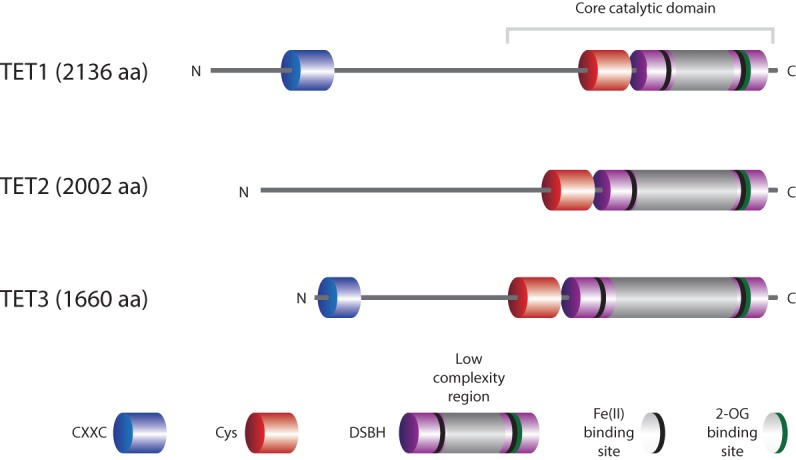
“Ten-eleven translocation (TET) family proteins are Fe(II) and 2-oxoglutarate-dependent dioxygenases that catalyse the sequential oxidation of 5-methylcytosine (5mC) in DNA to 5-hydroxymethylcytosine (5hmC), 5-formylcytosine (5fC) or 5-carboxylcytosine (5caC) [27].”
BackgroundDynamic antagonism between key repressive pathways maintains the placental epigenome
Weigert, R., Hetzel, S., Bailly, N., Haggerty, C., Ilik, İ., Yung, P. Y. K., Navarro, C., Bolondi, A., Kumar, A. S., Anania, C., et al. (2023) · Nature Cell Biology · doi:10.1038/s41556-023-01114-y · Cited by 27
Nguyen, J. D., Llamas, J., Shi, T., Crump, J. G., Groves, A. K., & Segil, N. (2023) · Proceedings of the National Academy of Sciences · doi:10.1073/pnas.2300839120 · Cited by 26
“The action of thymine- DNA-glycosylase (TDG) and base excision repair (BER) ultimately restores the unmethylated cytosine (51).”
BackgroundDas, A. B., Smith-Díaz, C. C., & Vissers, M. C. M. (2020) · Haematologica · doi:10.3324/haematol.2020.259283 · Cited by 25
Hypoxia switches TET1 from being tumor-suppressive to oncogenic
Yang, Q., Dang, H., Liu, J., Wang, X., Wang, J., Lan, X., Ji, M., Xing, M., & Hou, P. (2023) · Oncogene · doi:10.1038/s41388-023-02659-w · Cited by 24
“As a member of the DNA dioxygenase family, TET1 is often thought to regulate gene expression via DNA demethylation [57].”
BackgroundSepúlveda, H., Li, X., Arteaga-Vazquez, L. J., López-Moyado, I. F., Brunelli, M., Hernández-Espinosa, L., Yue, X., Angel, J. C., Brown, C., Dong, Z., et al. (2025) · Nature Structural & Molecular Biology · doi:10.1038/s41594-025-01505-9 · Cited by 28
Structural analyses reveal that MBD 3 is a methylated CG binder
Liu, K., Lei, M., Wu, Z., Gan, B. S., Cheng, H., Li, Y., & Min, J. (2019) · FEBS Journal · doi:10.1111/febs.14850 · Cited by 26
Sheldon, E. L., Schrey, A. W., Hurley, L. L., & Griffith, S. C. (2020) · Journal of Avian Biology · doi:10.1111/jav.02294 · Cited by 28
Brewitz, L., Nakashima, Y., & Schofield, C. J. (2020) · Chemical Science · doi:10.1039/d0sc04301j · Cited by 25
Inhibition of TET‐mediated DNA demethylation suppresses osteoblast differentiation
Dusadeemeelap, C., Rojasawasthien, T., Matsubara, T., Kokabu, S., & Addison, W. N. (2022) · The FASEB Journal · doi:10.1096/fj.202101402r · Cited by 25
Jin, Z., Feng, H., Liang, J., Jing, X., Zhao, Q., Zhan, L., Shen, B., Cheng, X., Su, L., & Qiu, W. (2020) · Cell Death and Disease · doi:10.1038/s41419-020-03089-2 · Cited by 25
Pan-cancer predictions of transcription factors mediating aberrant DNA methylation
Detilleux, D., Spill, Y. G., Balaramane, D., Weber, M., & Bardet, A. F. (2022) · Epigenetics & Chromatin · doi:10.1186/s13072-022-00443-w · Cited by 29
“We did not investigate here the mechanisms by which FOXA1 and GATA3 lead to demethylation and whether this occurs via a passive and/or an active demethylation through the recruitment of Ten-Eleven Translocation (TET) enzymes [50].”
BackgroundThe yin and yang of itaconate metabolism and its impact on the tumor microenvironment
Chen, F., Dowerg, B., & Cordes, T. (2023) · Current Opinion in Biotechnology · doi:10.1016/j.copbio.2023.102996 · Cited by 22
TET Upregulation Leads to 5-Hydroxymethylation Enrichment in Hepatoblastoma
Rivas, M. P., Aguiar, T. F. M., Fernandes, G. R., de Caires-Junior, L. C., Goulart, E., Telles-Silva, K. A., Cypriano, M., de Toledo, S. R. C., Rosenberg, C., Carraro, D. M., et al. (2019) · Frontiers in Genetics · doi:10.3389/fgene.2019.00553 · Cited by 25
“Studies with animal models described TET overexpression in embryonic development stages repressing differentiation (Ito et al., 2010; RawłuszkoWieczorek et al., 2015; Rasmussen and Helin, 2016), as well as in cellular reprogramming of IPS cells (Bagci and Fisher, 2013).”
BackgroundTreatment-resistant schizophrenia: focus on the transsulfuration pathway
Berry, T. M., Hamza, E. A., & Moustafa, A. A. (2019) · Reviews in the Neurosciences · doi:10.1515/revneuro-2019-0057 · Cited by 25
“Fe(II) and α-ketoglutarate-dependent ten-eleven translocation (TET) enzymes demethylate DNA (Rasmussen and Helin, 2016), whereas Fe(II) and α-ketoglutaratedependent JumonjiC-domain-containing enzymes demethylate lysine residues of histones (Tsukada et al.”
BackgroundInfluentialTopham, J. T., Titmuss, E., Pleasance, E., Williamson, L. M., Karasinska, J. M., Culibrk, L., Lee, M. K. C., Mendis, S. R., Denroche, R. E., Jang, G.-H., et al. (2020) · Molecular Cancer Therapeutics · doi:10.1158/1535-7163.mct-20-0094 · Cited by 27
“3B and include TET2, which encodes the primary DNA demethylating enzyme in mammalian adult tissues (41).”
BackgroundEpigenetic targeting of cancer stem cells by polyphenols (cancer stem cells targeting)
Ghasemi, S., Xu, S., Nabavi, S. M., Amirkhani, M. A., Sureda, A., Tejada, S., & Lorigooini, Z. (2021) · Phytotherapy Research · doi:10.1002/ptr.7059 · Cited by 28
“In addition, ten-eleven translocation (TET) enzymes constitute another category of enzymes affecting DNA hypermethylation (Rasmussen & Helin, 2016).”
BackgroundA novel class of selective non-nucleoside inhibitors of human DNA methyltransferase 3A
Huang, S., Stillson, N. J., Sandoval, J. E., Yung, C., & Reich, N. O. (2021) · Bioorganic & Medicinal Chemistry Letters · doi:10.1016/j.bmcl.2021.127908 · Cited by 24
Liao, Z., Fang, Z., Gou, S., Luo, Y., Liu, Y., He, Z., Li, X., Peng, Y., Fu, Z., Li, D., et al. (2022) · BMC Medicine · doi:10.1186/s12916-021-02229-5 · Cited by 27
“However, TET enzymes are frequently mutated [167].”
Targeting epigenetic alterations in cancer stem cells
Verona, F., Pantina, V. D., Modica, C., Lo Iacono, M., D’Accardo, C., Porcelli, G., Cricchio, D., Turdo, A., Gaggianesi, M., Franco, S. D., et al. (2022) · Frontiers in Molecular Medicine · doi:10.3389/fmmed.2022.1011882 · Cited by 27
“, 2009), although until recently it was considered an irreversible process (Rasmussen and Helin, 2016).”
Liang, D., Yan, R., Long, X., Ji, D., Song, B., Wang, M., Zhang, F., Cheng, X., Sun, F., Zhu, R., et al. (2024) · Nature Cell Biology · doi:10.1038/s41556-024-01475-y · Cited by 25
“This comparatively static landscape is perturbed locally by the TET (ten-eleven-translocation) family of dioxygenases, by which 5mC is converted into sequential oxidative derivates such as 5-hydroxymethylcytosine (5hmC), 5-formylcytosine (5fC) and 5-carboxylcytosine (5caC) 4–6 .”
BackgroundA role for TET2 in parathyroid carcinoma
Barazeghi, E., Gill, A. J., Sidhu, S. B., Norlén, O., Dina, R. E., Palazzo, F. F., Hellman, P., Stalberg, P. L. H., & Westin, G. (2017) · Endocrine Related Cancer · doi:10.1530/erc-17-0009 · Cited by 24
“2016, Rasmussen & Helin 2016).”
Epigenetic modifications by polyphenolic compounds alter gene expression in the hippocampus
Frolinger, T., Herman, F. J., Sharma, A., Sims, S. L., Wang, J., & Pasinetti, G. M. (2018) · Biology Open · doi:10.1242/bio.035196 · Cited by 23
“In a first set of studies using real-time PCR, we quantified the expression of the epigenetics modifiersDNMTs and TETs, enzymes that are important for adding or removing methyl-groups to or from the DNA, respectively (Rasmussen and Helin, 2016; Robert et al., 2003; Robertson et al., 1999).”
BackgroundRestoration of TET2 deficiency inhibits tumor growth in head neck squamous cell carcinoma
Huang, R., Wang, Y., Ge, H., Wang, D., Wang, Y., Zhang, W., Yang, J., & Cheng, J. (2020) · Annals of Translational Medicine · doi:10.21037/atm.2020.02.145 · Cited by 23
“In addition, these TET enzymes play vital functions in cell fate determination, cell differentiation, development and various diseases including cancer (9).”
BackgroundBase-excision repair pathway shapes 5-methylcytosine deamination signatures in pan-cancer genomes
Silveira, A. B., Houy, A., Ganier, O., Özemek, B., Vanhuele, S., Vincent‐Salomon, A., Cassoux, N., Mariani, P., Pierron, G., Leyvraz, S., et al. (2024) · Nature Communications · doi:10.1038/s41467-024-54223-z · Cited by 22
Fan, X., Shi, G., & Zhao, P. (2019) · European Neuropsychopharmacology · doi:10.1016/j.euroneuro.2019.10.010 · Cited by 23
Chemical and Light Inducible Epigenome Editing
Zhao, W., Wang, Y., & Liang, F. (2020) · International Journal of Molecular Sciences · doi:10.3390/ijms21030998 · Cited by 23
Metadata
- Authors
- Rasmussen, K. D., & Helin, K.
- Affiliations
- University of Copenhagen (DK)
- Corresponding author
- Helin, Kristian
- Venue
- Genes & Development
- Publisher
- Cold Spring Harbor Laboratory
- Published
- 2016-04-01
- Volume
- 30
- Issue
- 7
- Pages
- 733-750
- ISSN
- 0890-9369 (ISSN-L)
- 1549-5477
- PMC
- PMC4826392
- OpenAlex
- W2325267338
- Cited by
- 1,040
- References
- 162
- Citations by year
- 2026: 56 · 2025: 87 · 2024: 116 · 2023: 100 · 2022: 135 · 2021: 141 · 2020: 131 · 2019: 97 · 2018: 83 · 2017: 60 · 2016: 30
- Type
- posted content
- Language
- en
- Open access
- hybrid
- doi.org
- Licence
- cc-by-nc
- Locations
- Genes & Development (publishedVersion, cc-by-nc)
- PubMed Central (publishedVersion, cc-by-nc)
- PubMed (publishedVersion)
- Research at the University of Copenhagen (University of Copenhagen) (publishedVersion, cc-by-nc)
- HighWire Press Open Archive (submittedVersion)
- Funders
- Danish Medical Research Council (1333-00120B)
- European Research Council (294666_DNAMET)
- Danish Cancer Society
- Danish National Research Foundation (DNRF 82)
- Danish Council for Strategic Research
- Novo Nordisk Foundation
- Topics
- Life Sciences › Biochemistry, Genetics and Molecular Biology › Molecular Biology › Epigenetics and DNA Methylation
- Life Sciences › Biochemistry, Genetics and Molecular Biology › Molecular Biology › Genomics and Chromatin Dynamics
- Life Sciences › Biochemistry, Genetics and Molecular Biology › Molecular Biology › Cancer-related gene regulation
- Keywords
- TET enzymes, DNA methylation, 5-methylcytosine oxidation, TET2, demethylation, cancer, developmental regulation, transcriptional regulation, gene expression
- MeSH terms
- Animals, Cytosine, DNA-Binding Proteins, Humans, Neoplasms, Oxidation-Reduction, Proto-Oncogene Proteins, Gene Expression Regulation, Neoplastic, DNA Methylation, Epigenesis, Genetic, Dioxygenases
About these checks
Registry, retraction, Cites and statistics results are computed, not judged, with one exception: a printed reference that no index lists is read once by a model before it counts as a citation error. Claims are extracted by a model and kept only when their quote appears verbatim in the text; each cited source is then checked, with a model’s help, for whether it says what the claim relies on. Those verdicts can be wrong — read the claim’s quote and the cited source before relying on one.
Statistics and arithmetic are recomputed, not judged.
Confidence bands are shown only for fields calibrated on our annotated test set. None is calibrated yet, so no band is shown.
What counts as a claim ›How we measure confidence ›How we check this ›
Are you an author, or do you see a problem with this page? Request a review
