

The DOI matches its Crossref record; 22 of the 22 references it cites were found in a registry or an index.
Insulin adherence behaviours and barriers in the multinational Global Attitudes of Patients and Physicians in Insulin Therapy study
Open accessAbstract
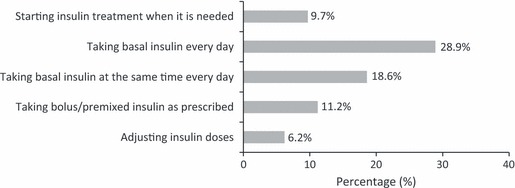
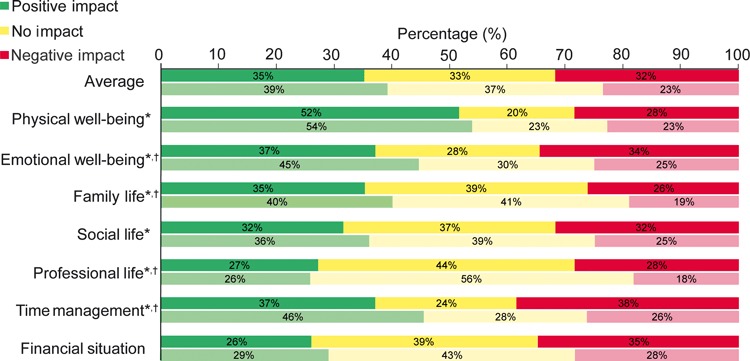
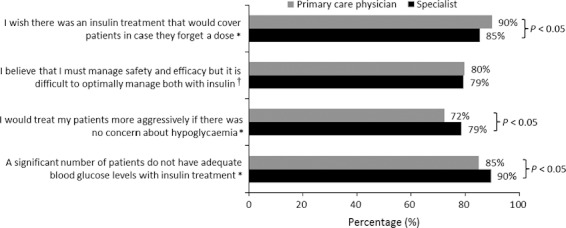
AIMS: To examine patient and physician beliefs regarding insulin therapy and the degree to which patients adhere to their insulin regimens. METHODS: Internet survey of 1250 physicians (600 specialists, 650 primary care physicians) who treat patients with diabetes and telephone survey of 1530 insulin-treated patients (180 with Type 1 diabetes, 1350 with Type 2 diabetes) in China, France, Japan, Germany, Spain, Turkey, the UK or the USA. RESULTS: One third (33.2%) of patients reported insulin omission/non-adherence at least 1 day in the last month, with an average of 3.3 days. Three quarters (72.5%) of physicians report that their typical patient does not take their insulin as prescribed, with a mean of 4.3 days per month of basal insulin omission/non-adherence and 5.7 days per month of prandial insulin omission/non-adherence. Patients and providers indicated the same five most common reasons for insulin omission/non-adherence: too busy; travelling; skipped meals; stress/emotional problems; public embarrassment. Physicians reported low patient success at initiating insulin in a timely fashion and adjusting insulin doses. Most physicians report that many insulin-treated patients do not have adequate glucose control (87.6%) and that they would treat more aggressively if not for concern about hypoglycaemia (75.5%). Although a majority of patients (and physicians) regard insulin treatment as restrictive, more patients see insulin treatment as having positive than negative impacts on their lives. CONCLUSIONS: Glucose control is inadequate among insulin-treated patients, in part attributable to insulin omission/non-adherence and lack of dose adjustment. There is a need for insulin regimens that are less restrictive and burdensome with lower risk of hypoglycaemia.
Overview
The claims and statistics of this paper haven’t been checked yet.
Run the check — free, no account needed. It reads the open-access text and checks the sources it cites.
Integrity signals
Registry
Cites
Statistics
Figures
Verification
Claims the paper makes
The claims and statistics of this paper haven’t been checked yet.
Run the check — free, no account needed. It reads the open-access text and checks the sources it cites.
Claims other papers make about this one
Each is checked against this paper’s own text: does it say what the citing paper says it does?
The source backs part of the claim, not all of it — or backs it for a different population, condition or comparison.
In the citing paper
“As injection therapy is used by more than 80% of people with insulin-requiring diabetes, there is a clear need for intuitive, integrated systems to help multiple daily injection (MDI) patients interpret CGM data into actionable management steps to reduce the burden of demanding self-care directives and support telemedicine (3, 6, 10-13).”
From Observed Glycemic and Psychosocial Benefits in the Prospective Bigfoot Unity Real World Study: A 6-Month Analysis (2025) · cites this paper as [3]
Experimental — accuracy not yet measuredThe source backs part of the claim, not all of it — or backs it for a different population, condition or comparison.
In the citing paper
“For people with insulin-requiring diabetes, dosing instructions may be complex and confusing (3-6).”
From Observed Glycemic and Psychosocial Benefits in the Prospective Bigfoot Unity Real World Study: A 6-Month Analysis (2025) · cites this paper as [3]
Experimental — accuracy not yet measuredThe source backs part of the claim, not all of it — or backs it for a different population, condition or comparison.
In the citing paper
“As injection therapy is used by more than 80% of people with insulin-requiring diabetes, there is a clear need for intuitive, integrated systems to help multiple daily injection (MDI) patients interpret CGM data into actionable management steps to reduce the burden of demanding self-care directives and support telemedicine (3, 6, 10-13).”
From Observed Glycemic and Psychosocial Benefits in the Prospective Bigfoot Unity Real World Study: A 6-Month Analysis (2025) · cites this paper as [3]
Experimental — accuracy not yet measuredThe source backs part of the claim, not all of it — or backs it for a different population, condition or comparison.
In the citing paper
“Similar to all insulin analogues, the risk of hypoglycaemia is a major safety concern, and is considered a key obstacle in regulating blood glucose levels by both patients and physicians [10, 57].”
From A Review of the Pharmacological Properties of Insulin Degludec and Their Clinical Relevance (2014) · cites this paper as [10]
Experimental — accuracy not yet measured
Self-check
Percentages, sums and reported differences re-computed from the paper’s own numbers.
The self-check needs the paper’s full text.
Citations
Cites
Nathan, D. M., Buse, J. B., Davidson, M. B., Ferrannini, E., Holman, R. R., Sherwin, R., & Zinman, B. (2009) · Diabetes Care · doi:10.2337/dc08-9025 · Cited by 3,834
A systematic review of adherence with medications for diabetes
Cramer, J. A. (2004) · Diabetes Care · doi:10.2337/diacare.27.5.1218 · Cited by 1,203
Peyrot, M., Rubin, R. R., Lauritzen, T., Snoek, F. J., Matthews, D. R., & Skovlund, S. E. (2005) · Diabetic Medicine · doi:10.1111/j.1464-5491.2005.01644.x · Cited by 931
Self-citationResistance to Insulin Therapy Among Patients and Providers
Peyrot, M. F., Rubin, R. R., Lauritzen, T., Skovlund, S. E., Snoek, F. J., Matthews, D. R., Landgraf, R., Kleinebreil, L., & Panel, O. B. O. T. I. D. A. (2005) · Diabetes Care · doi:10.2337/diacare.28.11.2673 · Cited by 784
Self-citationMorris, A. D., Boyle, D. I., McMahon, A. D., Greene, S. A., MacDonald, T. M., & Newton, R. W. (1997) · The Lancet · doi:10.1016/s0140-6736(97)06234-x · Cited by 507
Correlates of Insulin Injection Omission
Peyrot, M., Rubin, R. R., Kruger, D. F., & Travis, L. B. (2010) · Diabetes Care · doi:10.2337/dc09-1348 · Cited by 407
Self-citationAdherence to pharmacologic therapy in patients with type 2 diabetes mellitus
Rubin, R. R. (2005) · The American Journal of Medicine · doi:10.1016/j.amjmed.2005.04.012 · Cited by 403
Psychological insulin resistance: patient beliefs and implications for diabetes management
Brod, M. I., Kongsø, J. H., Alolga, S. L., & Christensen, T. L. (2008) · Quality of Life Research · doi:10.1007/s11136-008-9419-1 · Cited by 238
Insulin therapy for type 2 diabetes.
Swinnen, S. G., Hoekstra, J. B., & DeVries, J. H. (2009) · Diabetes Care · doi:10.2337/dc09-s318 · Cited by 181
Nakar, S., Yitzhaki, G., Rosenberg, R., & Vinker, S. (2007) · Journal of Diabetes and its Complications · doi:10.1016/j.jdiacomp.2006.02.004 · Cited by 159
Cited by
Sorted by citations
Semaglutide added to basal insulin in type 2 diabetes (SUSTAIN 5): a randomized, controlled trial.
Rodbard, H. W., Lingvay, I., Reed, J., de la Rosa, R., Rose, L., Sugimoto, D., Araki, E., Chu, P.-L., Wijayasinghe, N., & Norwood, P. (2018) · The Journal of Clinical Endocrinology & Metabolism · doi:10.1210/jc.2018-00070 · Cited by 412
Riddle, M. C., Bolli, G. B., Ziemen, M., Muehlen-Bartmer, I., Bizet, F., & Home, P. (2014) · Diabetes Care · doi:10.2337/dc14-0991 · Cited by 354
Bolli, G. B., Riddle, M. C., Bergenstal, R. M., Ziemen, M., Sestakauskas, K., Goyeau, H., Home, P. D., & on behalf of the EDITION 3 study investigators (2015) · Diabetes, Obesity and Metabolism · doi:10.1111/dom.12438 · Cited by 301
Davies, M. J., Gagliardino, J. J., Gray, L. J., Khunti, K., Mohan, V., & Hughes, R. (2013) · Diabetic Medicine · doi:10.1111/dme.12128 · Cited by 302
Medication Adherence With Diabetes Medication
Capoccia, K. L., Odegard, P. S., & Letassy, N. A. (2015) · The Science of Diabetes Self-Management and Care · doi:10.1177/0145721715619038 · Cited by 292
Yki-Järvinen, H., Bergenstal, R., Ziemen, M., Wardecki, M., Muehlen-Bartmer, I., Boelle, E., & Riddle, M. C. (2014) · Diabetes Care · doi:10.2337/dc14-0990 · Cited by 274
Buse, J. B., Vilsbøll, T., Thurman, J., Blevins, T. C., Langbakke, I. H., Bøttcher, S. G., & Rodbard, H. W. (2014) · Diabetes Care · doi:10.2337/dc14-0785 · Cited by 259
Rosenstock, J., Jelaska, A., Zeller, C., Kim, G.-H., Broedl, U. C., Woerle, H. J., & on behalf of the EMPA‐REG BASAL trial investigators (2015) · Diabetes Obesity and Metabolism · doi:10.1111/dom.12503 · Cited by 254
Body Weight Considerations in the Management of Type 2 Diabetes
Apovian, C. M., Okemah, J., & O'Neil, P. M. (2018) · Advances in Therapy · doi:10.1007/s12325-018-0824-8 · Cited by 253
Identification of barriers to insulin therapy and approaches to overcoming them
Russell‐Jones, D., Pouwer, F., & Khunti, K. (2018) · Diabetes, Obesity and Metabolism · doi:10.1111/dom.13132 · Cited by 238
Ritzel, R. A., Roussel, R., Bolli, G. B., Vinet, L., Brulle-Wohlhueter, C., Glezer, S., & Yki‐Järvinen, H. (2015) · Diabetes Obesity and Metabolism · doi:10.1111/dom.12485 · Cited by 236
Chou, D. H., Webber, M. J., Tang, B. C., Lin, A. B., Thapa, L. S., Deng, D., Truong, J. V., Cortinas, A. B., Langer, R., & Anderson, D. G. (2015) · Proceedings of the National Academy of Sciences · doi:10.1073/pnas.1424684112 · Cited by 237
Clinical inertia to insulin initiation and intensification in the UK: A focused literature review
Khunti, K., & Millar-Jones, D. (2016) · Primary care diabetes · doi:10.1016/j.pcd.2016.09.003 · Cited by 238
A Review of the Pharmacological Properties of Insulin Degludec and Their Clinical Relevance
Haahr, H., & Heise, T. (2014) · Clinical Pharmacokinetics · doi:10.1007/s40262-014-0165-y · Cited by 226
“Similar to all insulin analogues, the risk of hypoglycaemia is a major safety concern, and is considered a key obstacle in regulating blood glucose levels by both patients and physicians [10, 57].”
BackgroundMeneghini, L., Atkin, S. L., Gough, S. C. L., Raz, I., Blonde, L., Shestakova, M., Bain, S., Johansen, T., Begtrup, K., Birkeland, K. I., et al. (2013) · Diabetes Care · doi:10.2337/dc12-1668 · Cited by 226
Self-citationLingvay, I., Manghi, F. P., García-Hernández, P., Norwood, P., Lehmann, L., Tarp-Johansen, M. J., Buse, J. B., & for the DUAL V Investigators (2016) · JAMA · doi:10.1001/jama.2016.1252 · Cited by 220
Mathieu, C., Hollander, P., Miranda-Palma, B., Cooper, J., Franek, E., Russell-Jones, D., Larsen, J., Tamer, S. C., Bain, S. C., & on behalf of the NN1250-3770 (BEGIN: Flex T1) Trial Investigators (2013) · The Journal of Clinical Endocrinology & Metabolism · doi:10.1210/jc.2012-3249 · Cited by 219
Addressing Clinical Inertia in Type 2 Diabetes Mellitus: A Review
Okemah, J., Peng, J., & Quiñones, M. (2018) · Advances in Therapy · doi:10.1007/s12325-018-0819-5 · Cited by 211
Once-Weekly Insulin for Type 2 Diabetes without Previous Insulin Treatment
Rosenstock, J., BAJAJ, H. S., Janež, A., Silver, R., Begtrup, K., Hansen, M. V., Jia, T., & Goldenberg, R. (2020) · New England Journal of Medicine · doi:10.1056/nejmoa2022474 · Cited by 206
Billings, L. K., Doshi, A., Gouet, D., Oviedo, A., Rodbard, H. W., Tentolouris, N., Grøn, R., Halladin, N., & Jódar, E. (2018) · Diabetes Care · doi:10.2337/dc17-1114 · Cited by 197
Glucose-Responsive Nanoparticles for Rapid and Extended Self-Regulated Insulin Delivery
Volpatti, L. R., Matranga, M. A., Cortinas, A. B., Delcassian, D., Daniel, K. B., Langer, R., & Anderson, D. G. (2019) · ACS Nano · doi:10.1021/acsnano.9b06395 · Cited by 198
Khunti, S., Khunti, K., & Seidu, S. (2019) · Therapeutic Advances in Endocrinology and Metabolism · doi:10.1177/2042018819844694 · Cited by 182
Russell-Jones, D., Bode, B. W., De Block, C., Franek, E., Heller, S. R., Mathieu, C., Philis-Tsimikas, A., Rose, L., Woo, V. C., Østerskov, A. B., et al. (2017) · Diabetes Care · doi:10.2337/dc16-1771 · Cited by 177
on behalf of the DEVOTE Study Group, Zinman, B., Marso, S. P., Poulter, N. R., Emerson, S. S., Pieber, T. R., Pratley, R. E., Lange, M., Brown‐Frandsen, K., Moses, A. C., et al. (2017) · Diabetologia · doi:10.1007/s00125-017-4423-z · Cited by 170
pH-sensitive MOF integrated with glucose oxidase for glucose-responsive insulin delivery
Zhang, C., Hong, S., Liu, M., Yu, W., Zhang, M., Zhang, L., Zeng, X., & Zhang, X. (2020) · Journal of Controlled Release · doi:10.1016/j.jconrel.2020.01.038 · Cited by 171
Weekly Icodec versus Daily Glargine U100 in Type 2 Diabetes without Previous Insulin
Rosenstock, J., Bain, S. C., Gowda, A., Jódar, E., Liang, B., Lingvay, I., Nishida, T., Trevisan, R., & Mosenzon, O. (2023) · New England Journal of Medicine · doi:10.1056/nejmoa2303208 · Cited by 170
Closed-Loop Basal Insulin Delivery Over 36 Hours in Adolescents With Type 1 Diabetes
Elleri, D., Allen, J. M., Kumareswaran, K., Leelarathna, L., Nodale, M., Caldwell, K., Cheng, P., Kollman, C., Haidar, A., Murphy, H. R., et al. (2012) · Diabetes Care · doi:10.2337/dc12-0816 · Cited by 158
Nishimura, E., Pridal, L., Glendorf, T., Hansen, B. F., Hubálek, F., Kjeldsen, T., Kristensen, N. R., Lützen, A., Lyby, K., Madsen, P., et al. (2021) · BMJ Open Diabetes Research & Care · doi:10.1136/bmjdrc-2021-002301 · Cited by 159
Gough, S. C. L., Bhargava, A., Jain, R., Mersebach, H., Rasmussen, S., & Bergenstal, R. M. (2013) · Diabetes Care · doi:10.2337/dc12-2329 · Cited by 150
Peyrot, M. F., Barnett, A. H., Meneghini, L., & Schumm‐Draeger, P. ‐. (2012) · Diabetes Obesity and Metabolism · doi:10.1111/j.1463-1326.2012.01636.x · Cited by 144
Self-citationPhilis‐Tsimikas, A., Asong, M., Franek, E., Jia, T., Rosenstock, J., Stachlewska, K., Watada, H., & Kellerer, M. (2023) · The Lancet Diabetes & Endocrinology · doi:10.1016/s2213-8587(23)00093-1 · Cited by 146
Adolfsson, P., Hartvig, N. V., Kaas, A., Møller, J. B., & Hellman, J. (2020) · Diabetes Technology & Therapeutics · doi:10.1089/dia.2019.0411 · Cited by 139
Andreozzi, F., Candido, R., Corrao, S., Fornengo, R., Giancaterini, A., Ponzani, P., Ponziani, M. C., Tuccinardi, F., & Mannino, D. (2020) · Diabetology & Metabolic Syndrome · doi:10.1186/s13098-020-00559-7 · Cited by 128
BAJAJ, H. S., Bergenstal, R. M., Christoffersen, A., Davies, M. J., Gowda, A., Isendahl, J., Lingvay, I., Senior, P. A., Silver, R., Trevisan, R., et al. (2021) · Diabetes Care · doi:10.2337/dc20-2877 · Cited by 124
Continuous glucose monitoring for the routine care of type 2 diabetes mellitus
Ajjan, R. A., Battelino, T., Cos, X., Del Prato, S., Philips, J.-C., Meyer, L., Seufert, J., & Seidu, S. (2024) · Nature Reviews Endocrinology · doi:10.1038/s41574-024-00973-1 · Cited by 117
“Although therapeutic inertia is a consequence of multiple factors 21,68–70 , fear of hypoglycaemia is known to slow therapy escalations 71,72 .”
Spain, C. V., Wright, J. J., Hahn, R., Wivel, A. E., & Martin, A. A. (2016) · Clinical Therapeutics · doi:10.1016/j.clinthera.2016.05.009 · Cited by 120
Kleinman, N. J., Shah, A., Shah, S., Phatak, S., & Viswanathan, V. (2017) · Telemedicine and e-Health · doi:10.1089/tmj.2016.0265 · Cited by 116
Mauricio, D., Meneghini, L., Seufert, J., Liao, L., Wang, H., Tong, L., Cali, A. M. G., Stella, P., Carita, P., & Khunti, K. (2017) · Diabetes Obesity and Metabolism · doi:10.1111/dom.12927 · Cited by 115
Self-citationFulcher, G. R., Christiansen, J. S., Bantwal, G., Polaszewska-Muszyńska, M., Mersebach, H., Andersen, T. H., & NISKANEN, L. K. (2014) · Diabetes Care · doi:10.2337/dc13-2908 · Cited by 111
Guerci, B., Chanan, N., Kaur, S., Jasso-Mosqueda, J. G., & Lew, E. (2019) · Diabetes Therapy · doi:10.1007/s13300-019-0590-x · Cited by 106
Terauchi, Y., Koyama, M., Cheng, X., Takahashi, Y., Riddle, M. C., Bolli, G. B., & Hirose, T. (2015) · Diabetes Obesity and Metabolism · doi:10.1111/dom.12618 · Cited by 106
Smart approaches to glucose-responsive drug delivery
Webber, M. J., & Anderson, D. G. (2015) · Journal of drug targeting · doi:10.3109/1061186x.2015.1055749 · Cited by 103
Perceptions of insulin use in type 2 diabetes in primary care: a thematic synthesis
Ellis, K., Mulnier, H. E., & Forbes, A. (2018) · BMC Family Practice · doi:10.1186/s12875-018-0753-2 · Cited by 101
Benefits and Challenges of Diabetes Technology Use in Older Adults
Toschi, E., & Munshi, M. N. (2019) · Endocrinology and Metabolism Clinics of North America · doi:10.1016/j.ecl.2019.10.001 · Cited by 100
Gabbay, R. A., Kendall, D., Beebe, C., Cuddeback, J. K., Hobbs, T. M., Khan, N. D., Leal, S., Miller, E. M., Novak, L. M., Rajpathak, S. N., et al. (2020) · Clinical Diabetes · doi:10.2337/cd20-0053 · Cited by 91
Self-citationTechnology in the management of type 2 diabetes: Present status and future prospects
DALY, A. B., & Hovorka, R. (2021) · Diabetes Obesity and Metabolism · doi:10.1111/dom.14418 · Cited by 100
Electrically controlled release of insulin using polypyrrole nanoparticles
Hosseini-Nassab, N., Samanta, D., Abdolazimi, Y., Annes, J. P., & Zare, R. N. (2016) · Nanoscale · doi:10.1039/c6nr08288b · Cited by 90
Linetzky, B., Jiang, D., Funnell, M. M., Curtis, B. H., & Polonsky, W. H. (2016) · Journal of Diabetes · doi:10.1111/1753-0407.12443 · Cited by 89
Identifying and meeting the challenges of insulin therapy in type 2 diabetes
SORLI, C. H., & HEILE, M. K. (2014) · Journal of Multidisciplinary Healthcare · doi:10.2147/jmdh.s64084 · Cited by 95
Alramadan, M. J., Magliano, D. J., Almigbal, T. H., Batais, M. A., Afroz, A., Alramadhan, H. J., Mahfoud, W. F., Alragas, A. M., & Billah, B. (2018) · BMC Endocrine Disorders · doi:10.1186/s12902-018-0292-9 · Cited by 91
Nayak, A., Vakili, S., Nayak, K., Nikolov, M. C., Chiu, M., Sosseinheimer, P., Talamantes, S., Testa, S., Palanisamy, S., Giri, V. K., et al. (2023) · JAMA Network Open · doi:10.1001/jamanetworkopen.2023.40232 · Cited by 89
Barriers and solutions to diabetes management: An Indian perspective
Wangnoo, S., Maji, D., Das, A., Rao, P., Moses, A., Sethi, B. K., Unnikrishnan, A., Kalra, S., Balaji, V., Bantwal, G., et al. (2013) · Indian Journal of Endocrinology and Metabolism · doi:10.4103/2230-8210.113749 · Cited by 85
Tong, W. T., Vethakkan, S. R., & Ng, C. J. (2015) · BMJ Open · doi:10.1136/bmjopen-2014-006407 · Cited by 81
Glucose and H 2 O 2 dual-sensitive nanogels for enhanced glucose-responsive insulin delivery
Li, C., Liu, X., Liu, Y., Huang, F., Wu, G., Liu, Y., Zhang, Z., Ding, Y., Lv, J., Ma, R., et al. (2019) · Nanoscale · doi:10.1039/c9nr01554j · Cited by 81
Yavuz, D. G., Özcan, S., & Deyneli, O. (2015) · Patient Preference and Adherence · doi:10.2147/ppa.s87935 · Cited by 80
Rosenstock, J., Juneja, R., Beals, J. M., Moyers, J. S., Ilag, L. L., & McCrimmon, R. J. (2024) · Endocrine Reviews · doi:10.1210/endrev/bnad037 · Cited by 83
A Systematic Review of Insulin Adherence Measures in Patients with Diabetes
Stolpe, S., Kroes, M. A., Webb, N., & Wisniewski, T. (2016) · Journal of Managed Care & Specialty Pharmacy · doi:10.18553/jmcp.2016.22.11.1224 · Cited by 77
Brod, M., Rana, A., & Barnett, A. H. (2012) · Current Medical Research and Opinion · doi:10.1185/03007995.2012.743458 · Cited by 77
Self-citationHeise, T., Nosek, L., Roepstorff, C., Chenji, S., Klein, O., & Haahr, H. L. (2014) · Diabetes Therapy · doi:10.1007/s13300-014-0070-2 · Cited by 75
Heise, T., Chien, J. Y., Beals, J. M., Benson, C., Klein, O., Moyers, J. S., Haupt, A., & Pratt, E. J. (2022) · Diabetes Obesity and Metabolism · doi:10.1111/dom.14956 · Cited by 75
Missed and Mistimed Insulin Doses in People with Diabetes: A Systematic Literature Review
Robinson, S., Newson, R. S., Liao, B., Kennedy-Martin, T., & Battelino, T. (2021) · Diabetes Technology & Therapeutics · doi:10.1089/dia.2021.0164 · Cited by 73
“16,18 Physicians included in GAPP1 and in another U.S. survey indicated that a high proportion of PwD missed insulin doses or failed to take insulin as prescribed (Table 2).”
InfluentialClinical use of insulin degludec
Vora, J. P., Cariou, B., Evans, M., Gross, J. L., Harris, S. B., Landstedt‐Hallin, L., Mithal, A., Rodriguez, M. R., & Meneghini, L. (2015) · Diabetes Research and Clinical Practice · doi:10.1016/j.diabres.2015.04.002 · Cited by 73
Self-citationGlucose-responsive insulin release: Analysis of mechanisms, formulations, and evaluation criteria
Yang, J., & Cao, Z. (2017) · Journal of Controlled Release · doi:10.1016/j.jconrel.2017.01.043 · Cited by 74
Ritzel, R. A., Roussel, R., Giaccari, A., Vora, J. P., Brulle-Wohlhueter, C., & Yki‐Järvinen, H. (2017) · Diabetes Obesity and Metabolism · doi:10.1111/dom.13105 · Cited by 75
Khunti, K., Alsifri, S., Aronson, R., Cigrovski Berković, M., Enters-Weijnen, C., Forsén, T., Galstyan, G., Geelhoed-Duijvestijn, P., Goldfracht, M., Gydesen, H., et al. (2017) · Diabetes Research and Clinical Practice · doi:10.1016/j.diabres.2017.05.004 · Cited by 71
Assessment of medication self-administration using artificial intelligence
Zhao, M., Hoti, K., Wang, H., Raghu, A., & Katabi, D. (2021) · Nature Medicine · doi:10.1038/s41591-021-01273-1 · Cited by 70
Giugliano, D., Longo, M., Caruso, P., Di Fraia, R., Scappaticcio, L., Gicchino, M., Petrizzo, M., Bellastella, G., Maiorino, M. I., & Esposito, K. (2021) · Diabetes Care · doi:10.2337/dc20-2623 · Cited by 69
“However, insulin therapy is burdened by challenging issues, such as the risk of hypoglycemia, weight gain, and the complexity of injectable treatment (2).”
BackgroundPhilis‐Tsimikas, A., Billings, L. K., Busch, R. S., Morales, C., Sahay, R. K., Halladin, N., Eggert, S., Begtrup, K., & Harris, S. B. (2019) · Diabetes Obesity and Metabolism · doi:10.1111/dom.13666 · Cited by 69
Glucose and H2O2 Dual-Responsive Polymeric Micelles for the Self-Regulated Release of Insulin
Liu, X., Li, C., Lv, J., Huang, F., An, Y., Shi, L., & Ma, R. (2020) · ACS Applied Bio Materials · doi:10.1021/acsabm.9b01185 · Cited by 68
Abebe, S. M., Berhane, Y., Worku, A., Alemu, S., & Mesfin, N. (2015) · Diabetes, Metabolic Syndrome and Obesity: Targets and Therapy · doi:10.2147/dmso.s75467 · Cited by 68
Gomes, M. B., & Negrato, C. A. (2016) · Diabetes Research and Clinical Practice · doi:10.1016/j.diabres.2016.07.011 · Cited by 68
Russell-Jones, D., Gall, M.-A., Niemeyer, M., Diamant, M., & Del Prato, S. (2015) · Nutrition, Metabolism and Cardiovascular Diseases · doi:10.1016/j.numecd.2015.06.005 · Cited by 66
Microgel encapsulated nanoparticles for glucose-responsive insulin delivery
Volpatti, L. R., Facklam, A. L., Cortinas, A. B., Lu, Y., Matranga, M. A., MacIsaac, C., Hill, M. C., Langer, R., & Anderson, D. G. (2020) · Biomaterials · doi:10.1016/j.biomaterials.2020.120458 · Cited by 65
Rosenstock, J., Emral, R., Sauque-Reyna, L., Mohan, V., Trescolí, C., Al Sifri, S., Lalic, N., Alvarez, A., Picard, P., Bonnemaire, M., et al. (2021) · Diabetes Care · doi:10.2337/dc21-0393 · Cited by 63
Nigussie, S., Birhan, N., Amare, F., Mengistu, G., Adem, F., & Abegaz, T. M. (2021) · PLOS ONE · doi:10.1371/journal.pone.0251506 · Cited by 62
“Starting insulin therapy for T2DM patients often showed blood glucose level is not well controlled [41, 42].”
BackgroundFrías, J. P., Chien, J. Y., Zhang, Q., Chigutsa, E., Landschulz, W. H., Syring, K. E., Wullenweber, P. K., Haupt, A., & KAZDA, C. M. (2023) · The Lancet Diabetes & Endocrinology · doi:10.1016/s2213-8587(22)00388-6 · Cited by 64
Insulin Efsitora versus Degludec in Type 2 Diabetes without Previous Insulin Treatment
Wysham, C., BAJAJ, H. S., Prato, S. D., Franco, D. R., Kiyosue, A., Dahl, D. B., Zhou, C., Carr, M. C., Case, M. G., & GONCALVES, L. F. (2024) · New England Journal of Medicine · doi:10.1056/nejmoa2403953 · Cited by 61
Challenges and recent advances in the subcutaneous delivery of insulin
Guo, X., & Wang, W. (2016) · Expert Opinion on Drug Delivery · doi:10.1080/17425247.2016.1232247 · Cited by 61
Injectable self-assembled peptide hydrogels for glucose-mediated insulin delivery
Fu, M., Zhang, C., Dai, Y., Li, X., Pan, M., Huang, W., Qian, H., & Ge, L. (2018) · Biomaterials Science · doi:10.1039/c8bm00006a · Cited by 57
Real-World Insulin Treatment Persistence among Patients with Type 2 Diabetes
Wei, W., Pan, C., Xie, L., & Başer, O. (2013) · Endocrine Practice · doi:10.4158/ep13159.or · Cited by 56
Boas, L. C. G.-V., de Lima, M. L. S. A. P., & Pace, A. E. (2014) · Revista Latino-Americana de Enfermagem · doi:10.1590/0104-1169.3155.2386 · Cited by 54
Challenges Associated with Insulin Therapy in Type 2 Diabetes Mellitus
Edelman, S. V., & Pettus, J. (2014) · The American Journal of Medicine · doi:10.1016/j.amjmed.2014.07.003 · Cited by 56
Stimuli-responsive self-assembled dendrimers for oral protein delivery
Zeng, Z., Qi, D., Yang, L., Liu, J., Tang, Y., Chen, H., & Feng, X. (2019) · Journal of Controlled Release · doi:10.1016/j.jconrel.2019.10.049 · Cited by 53
Basal Insulin Intensification in Patients with Type 2 Diabetes: A Review
Meece, J. D. (2018) · Diabetes Therapy · doi:10.1007/s13300-018-0395-3 · Cited by 51
Riddle, M. C., Bolli, G. B., Home, P., Bergenstal, R. M., Ziemen, M., Muehlen-Bartmer, I., Wardęcki, M., Vinet, L., Jeandidier, N., & Yki‐Järvinen, H. (2016) · Diabetes Technology & Therapeutics · doi:10.1089/dia.2015.0290 · Cited by 50
Hypoglycemia: New Definitions and Regulatory Implications
Ratner, R. E. (2018) · Diabetes Technology & Therapeutics · doi:10.1089/dia.2018.0113 · Cited by 52
Moses, R. G., Kalra, S., Brook, D., Sockler, J., Monyak, J. T., Visvanathan, J., Montanaro, M., & Fisher, S. A. (2013) · Diabetes Obesity and Metabolism · doi:10.1111/dom.12234 · Cited by 49
Philis‐Tsimikas, A., Brod, M. I., Niemeyer, M., Francisco, A. M. O., & Rothman, J. (2013) · Advances in Therapy · doi:10.1007/s12325-013-0036-1 · Cited by 48
Leiter, L. A., Boras, D., & Woo, V. C. (2014) · Canadian Journal of Diabetes · doi:10.1016/j.jcjd.2013.08.270 · Cited by 48
Bolli, G. B., Riddle, M. C., Bergenstal, R. M., Wardęcki, M., Goyeau, H., & Home, P. (2017) · Diabetes & Metabolism · doi:10.1016/j.diabet.2017.04.007 · Cited by 48
Therapeutic Inertia in the Management of Type 2 Diabetes: A Narrative Review
Rodriguez, P., Martin, V. T. S., & Pantalone, K. M. (2024) · Diabetes Therapy · doi:10.1007/s13300-024-01530-9 · Cited by 55
Twigg, M. J., Poland, F. M., Bhattacharya, D., Desborough, J., & Wright, D. J. (2012) · Research in Social and Administrative Pharmacy · doi:10.1016/j.sapharm.2012.10.004 · Cited by 48
Electrothermal patches driving the transdermal delivery of insulin
Pagneux, Q., Ye, R., Li, C., Barras, A., Hennuyer, N., Staels, B., Caina, D., Osses, J. A., Abderrahmani, A., Plaisance, V., et al. (2019) · Nanoscale Horizons · doi:10.1039/c9nh00576e · Cited by 48
Ceriello, A., de Valk, H. W., Guerci, B., Haak, T., Owens, D. R., Canobbio, M., Fritzen, K., Stautner, C., & Schnell, O. (2020) · Diabetes Research and Clinical Practice · doi:10.1016/j.diabres.2020.108053 · Cited by 50
Mitchell, B. D., He, X., Sturdy, I. M., Cagle, A. P., & Settles, J. A. (2016) · Endocrine Practice · doi:10.4158/ep15831.or · Cited by 46
Mitchell, B. D., Vietri, J., Zagar, A. J., Curtis, B. H., & Reaney, M. D. (2013) · BMC Endocrine Disorders · doi:10.1186/1472-6823-13-59 · Cited by 46
Blood Glucose Measurement in the Intensive Care Unit: What is the Best Method?
Le, H. T., Harris, N., Estilong, A. J., Olson, A., & Rice, M. J. (2013) · Journal of Diabetes Science and Technology · doi:10.1177/193229681300700226 · Cited by 44
Haahr, H. L., Fita, E. G., & Heise, T. (2016) · Clinical Pharmacokinetics · doi:10.1007/s40262-016-0455-7 · Cited by 45
McGovern, A. P., Hinton, W., Calderara, S., Munro, N. M., Whyte, M., & de Lusignan, S. (2018) · Diabetes Therapy · doi:10.1007/s13300-017-0361-5 · Cited by 47
Automated meal detection from continuous glucose monitor data through simulation and explanation
Zheng, M., Ni, B., & Kleinberg, S. (2019) · Journal of the American Medical Informatics Association · doi:10.1093/jamia/ocz159 · Cited by 45
Metadata
- Authors
- Peyrot, M., Barnett, A. H., Meneghini, L. F., & Schumm‐Draeger, P. ‐.
- Affiliations
- Johns Hopkins University (US)
- Heart of England NHS Foundation Trust (GB)
- University of Miami (US)
- München Klinik Bogenhausen (DE)
- Corresponding author
- Peyrot, M.
- Venue
- Diabetic Medicine
- Publisher
- Wiley
- Published
- 2012-04-16
- Volume
- 29
- Issue
- 5
- Pages
- 682-689
- ISSN
- 0742-3071 (ISSN-L)
- 1464-5491
- PMC
- PMC3433794
- OpenAlex
- W1613501644
- Cited by
- 655
- References
- 22
- Citations by year
- 2026: 29 · 2025: 41 · 2024: 61 · 2023: 43 · 2022: 42 · 2021: 43 · 2020: 53 · 2019: 49 · 2018: 52 · 2017: 48 · 2016: 52 · 2015: 50 · 2014: 46 · 2013: 35 · 2012: 8
- FWCI
- 38.62
- Type
- journal article
- Language
- en
- Open access
- bronze
- doi.org
- Locations
- Diabetic Medicine (publishedVersion)
- Europe PMC (PubMed Central) (publishedVersion, cc-by)
- PubMed Central (publishedVersion, cc-by)
- PubMed (publishedVersion)
- University of Birmingham Research Portal (University of Birmingham) (submittedVersion)
- Topics
- Health Sciences › Medicine › Family Practice › Medication Adherence and Compliance
- Health Sciences › Medicine › Endocrinology, Diabetes and Metabolism › Diabetes Management and Education
- Health Sciences › Medicine › Endocrinology, Diabetes and Metabolism › Diabetes Management and Research
- Keywords
- insulin therapy, insulin adherence, insulin omission, barriers to adherence, patient beliefs, physician beliefs, type 1 diabetes, type 2 diabetes, glycemic control, hypoglycemia, basal insulin, prandial insulin, insulin dose adjustment
- MeSH terms
- Assessment of Medication Adherence, Blood Glucose, China, Diabetes Mellitus, Type 1, Diabetes Mellitus, Type 2, Female, France, Germany, Glycated Hemoglobin, Humans, Hypoglycemic Agents, Insulin, Japan, Male, Middle Aged, Spain, Turkey, United States, Health Behavior, Drug Monitoring, Medication Adherence
About these checks
Registry, retraction, Cites and statistics results are computed, not judged, with one exception: a printed reference that no index lists is read once by a model before it counts as a citation error. Claims are extracted by a model and kept only when their quote appears verbatim in the text; each cited source is then checked, with a model’s help, for whether it says what the claim relies on. Those verdicts can be wrong — read the claim’s quote and the cited source before relying on one.
Statistics and arithmetic are recomputed, not judged.
Confidence bands are shown only for fields calibrated on our annotated test set. None is calibrated yet, so no band is shown.
What counts as a claim ›How we measure confidence ›How we check this ›
Are you an author, or do you see a problem with this page? Request a review
