

The DOI matches its Crossref record; 11 of the 11 references it cites were found in a registry or an index.
Understanding the evolution of immune genes in jawed vertebrates
Abstract
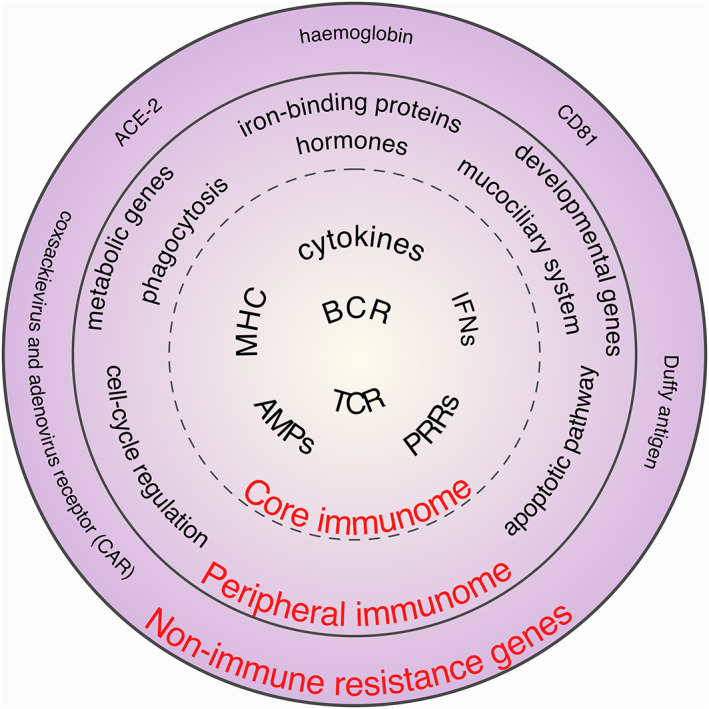
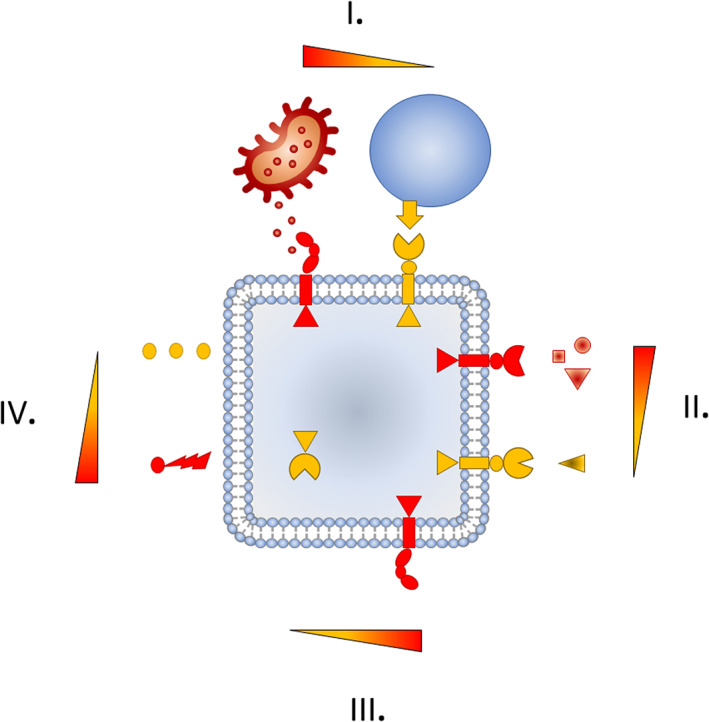
Driven by co-evolution with pathogens, host immunity continuously adapts to optimize defence against pathogens within a given environment. Recent advances in genetics, genomics and transcriptomics have enabled a more detailed investigation into how immunogenetic variation shapes the diversity of immune responses seen across domestic and wild animal species. However, a deeper understanding of the diverse molecular mechanisms that shape immunity within and among species is still needed to gain insight into—and generate evolutionary hypotheses on—the ultimate drivers of immunological differences. Here, we discuss current advances in our understanding of molecular evolution underpinning jawed vertebrate immunity. First, we introduce the immunome concept, a framework for characterizing genes involved in immune defence from a comparative perspective, then we outline how immune genes of interest can be identified. Second, we focus on how different selection modes are observed acting across groups of immune genes and propose hypotheses to explain these differences. We then provide an overview of the approaches used so far to study the evolutionary heterogeneity of immune genes on macro and microevolutionary scales. Finally, we discuss some of the current evidence as to how specific pathogens affect the evolution of different groups of immune genes. This review results from the collective discussion on the current key challenges in evolutionary immunology conducted at the ESEB 2021 Online Satellite Symposium: Molecular evolution of the vertebrate immune system, from the lab to natural populations. Abstract Reviewing current advances in our understanding of molecular evolution underpinning vertebrate immunity, we propose hypotheses to explain differences in selection modes across immune genes and discuss supporting evidence.
Overview
The claims and statistics of this paper haven’t been checked yet.
Run the check — free, no account needed. It reads the open-access text and checks the sources it cites.
Integrity signals
Registry
Cites
Statistics
Figures
Verification
Claims the paper makes
The claims and statistics of this paper haven’t been checked yet.
Run the check — free, no account needed. It reads the open-access text and checks the sources it cites.
Claims other papers make about this one
Each is checked against this paper’s own text: does it say what the citing paper says it does?
The source backs part of the claim, not all of it — or backs it for a different population, condition or comparison.
In the citing paper
“Homology inference methods usually struggle to align genes with naturally low alignment scores due to their biological properties, such as fast-evolving genes like immunity genes or hybrid sterility genes (Trachana et al. 2011, Schwartz et al. 2014, Vinkler et al. 2023).”
From Annotation matters: the effect of structural gene annotation on orthology inference (2025) · cites this paper as Vinkler et al. 2023
Experimental — accuracy not yet measured
Self-check
Percentages, sums and reported differences re-computed from the paper’s own numbers.
The self-check needs the paper’s full text.
Citations
Cites
Subramanian, A., Tamayo, P., Mootha, V. K., Mukherjee, S., Ebert, B. L., Gillette, M. A., Paulovich, A., Pomeroy, S. L., Golub, T. R., Lander, E. S., et al. (2005) · Proceedings of the National Academy of Sciences · doi:10.1073/pnas.0506580102 · Cited by 53,625
Highly accurate protein structure prediction with AlphaFold
Jumper, J., Evans, R., Pritzel, A., Green, T., Figurnov, M., Ronneberger, O., Tunyasuvunakool, K., Bates, R., Žídek, A., Potapenko, A., et al. (2021) · Nature · doi:10.1038/s41586-021-03819-2 · Cited by 43,764
Trained immunity: A program of innate immune memory in health and– disease
Netea, M. G., Joosten, L. A. B., Latz, E., Mills, K. H. G., Natoli, G., Stunnenberg, H. G., O’Neill, L. A. J., & Xavier, R. J. (2016) · Science · doi:10.1126/science.aaf1098 · Cited by 2,768
International Chicken Genome Sequencing Consortium (2004) · Nature · doi:10.1038/nature03154 · Cited by 2,750
The Immunological Genome Project: networks of gene expression in immune cells
The Immunological Genome Project Consortium, Heng, T. S. P., Painter, M. W., Elpek, K., Lukacs-Kornek, V., Mauermann, N., Turley, S. J., Koller, D., Kim, F. S., Wagers, A. J., et al. (2008) · Nature Immunology · doi:10.1038/ni1008-1091 · Cited by 1,864
Detecting Individual Sites Subject to Episodic Diversifying Selection
Murrell, B., Wertheim, J. O., Moola, S., Weighill, T., Scheffler, K., & Kosakovsky Pond, S. L. (2012) · PLoS Genetics · doi:10.1371/journal.pgen.1002764 · Cited by 1,811
Functional and evolutionary implications of gene orthology
Gabaldón, T., & Koonin, E. V. (2013) · Nature Reviews Genetics · doi:10.1038/nrg3456 · Cited by 643
Fumagalli, M., Sironi, M., Pozzoli, U., Ferrer-Admettla, A., Pattini, L., & Nielsen, R. (2011) · PLoS Genetics · doi:10.1371/journal.pgen.1002355 · Cited by 600
Patterns of Positive Selection in Six Mammalian Genomes
Kosiol, C., Vinař, T., da Fonseca, R. R., Hubisz, M. J., Bustamante, C. D., Nielsen, R., & Siepel, A. (2008) · PLoS Genetics · doi:10.1371/journal.pgen.1000144 · Cited by 576
- Invited Review - African Indigenous Cattle: Unique Genetic Resources in a Rapidly Changing World
Mwai, O., Hanotte, O., Kwon, Y.-J., & Cho, S. (2015) · Asian-Australasian Journal of Animal Sciences · doi:10.5713/ajas.15.0002r · Cited by 300
PU.1 controls fibroblast polarization and tissue fibrosis
Wohlfahrt, T., Rauber, S., Uebe, S., Luber, M., Soare, A., Ekici, A., Weber, S., Matei, A.-E., Chen, C.-W., Maier, C., et al. (2019) · Nature · doi:10.1038/s41586-019-0896-x · Cited by 187
Research works printed but not linked: 332
- Acevedo-Whitehouse, 2006, Is MHC enough for understanding wildlife immunogenetics?, Trends in Ecology Evolution, 21, 433, 10.1016/j.tree.2006.05.010 · DOI
- Adamo, 2004, How should behavioural ecologists interpret measurements of immunity?, Animal Behaviour, 68, 1443, 10.1016/j.anbehav.2004.05.005 · DOI
- Adelman, 2013, House finch populations differ in early inflammatory signaling and pathogen tolerance at the peak of mycoplasma gallisepticum infection, The American Naturalist, 181, 674, 10.1086/670024 · DOI
- Afrache, 2020, A potential nomenclature for the Immuno polymorphism database (IPD) of chicken MHC genes: Progress and problems, Immunogenetics, 72, 9, 10.1007/s00251-019-01145-6 · DOI
- Albalat, 2016, Evolution by gene loss, Nature Reviews Genetics, 17, 379, 10.1038/nrg.2016.39 · DOI · Paper page
- Alcaide, 2011, Molecular evolution of the toll-like receptor multigene family in birds, Molecular Biology and Evolution, 28, 1703, 10.1093/molbev/msq351 · DOI
- Alizon, 2008, Multiple infections, immune dynamics, and the evolution of virulence, The American Naturalist, 172, E150, 10.1086/590958 · DOI
- Alves, 2019, Parallel adaptation of rabbit populations to myxoma virus, Science, 363, 1319, 10.1126/science.aau7285 · DOI
- Apanius, 1997, The nature of selection on the major histocompatibility complex, Critical Reviews in Immunology, 17, 179, 10.1615/CritRevImmunol.v17.i2.40 · DOI
- Areal, 2011, Signatures of positive selection in Tolllike receptor (TLR) genes in mammals, BMC Evolutionary Biology, 11, 368, 10.1186/1471-2148-11-368 · DOI
- Arora, 2020, HLA heterozygote advantage against HIV-1 is driven by quantitative and qualitative differences in HLA allele-specific peptide presentation, Molecular Biology and Evolution, 37, 639, 10.1093/molbev/msz249 · DOI
- Ashley, 2012, Inflammation: Mechanisms, costs, and natural variation, Annual Review of Ecology, Evolution, and Systematics, 43, 385, 10.1146/annurev-ecolsys-040212-092530 · DOI
- Backstrom, 2013, Cis-regulatory sequence variation and association with mycoplasma load in natural populations of the house finch (Carpodacus mexicanus), Ecology and Evolution, 3, 655, 10.1002/ece3.484 · DOI
- Bagheri, 2018, Evolution and species-specific conservation of toll-like receptors in terrestrial vertebrates, International Reviews of Immunology, 37, 217, 10.1080/08830185.2018.1506780 · DOI
- Bainová, 2014, First evidence of independent pseudogenization of toll-like receptor 5 in passerine birds, Developmental and Comparative Immunology, 45, 151, 10.1016/j.dci.2014.02.010 · DOI
- Banerjee, 2020, Novel insights into immune Systems of Bats, Frontiers in Immunology, 11, 26, 10.3389/fimmu.2020.00026 · DOI
- Barber, 2008, Growth and energetics in the stickleback–Schistocephalus host–parasite system: A review of experimental infection studies, Behaviour, 145, 647, 10.1163/156853908792451403 · DOI
- Barrow, 2008, The extended human leukocyte receptor complex: Diverse ways of modulating immune responses, Immunological Reviews, 224, 98, 10.1111/j.1600-065X.2008.00653.x · DOI
- Bashirova, 2020, HLA tapasin independence: Broader peptide repertoire and HIV control, Proceedings of the National Academy of Sciences of the United States of America, 117, 28232, 10.1073/pnas.2013554117 · DOI
- Bataille, 2015, Susceptibility of amphibians to chytridiomycosis is associated with MHC class II conformation, Proceedings of the Biological Sciences, 282, 20143127
- Bean, 2022, Avian Immunology, 249, 10.1016/B978-0-12-818708-1.00024-5 · DOI
- Berger, 2021, The parasite Schistocephalus solidus secretes proteins with putative host manipulation functions, Parasites & Vectors, 14, 436, 10.1186/s13071-021-04933-w · DOI
- Bernatchez, 2003, MHC studies in nonmodel vertebrates: What have we learned about natural selection in 15 years?, Journal of Evolutionary Biology, 16, 363, 10.1046/j.1420-9101.2003.00531.x · DOI
- Beutler, 2005, Genetic dissection of innate immunity to infection: The mouse cytomegalovirus model, Current Opinion in Immunology, 17, 36, 10.1016/j.coi.2004.11.004 · DOI
- Bhattacharya, 2018, ImmPort, toward repurposing of open access immunological assay data for translational and clinical research, Scientific Data, 5, 180015, 10.1038/sdata.2018.15 · DOI
- Bilham, 2017, Badger macrophages fail to produce nitric oxide, a key anti-mycobacterial effector molecule, Scientific Reports, 7, 45470, 10.1038/srep45470 · DOI
- Bolnick, 2014, Major histocompatibility complex class IIb polymorphism influences gut microbiota composition and diversity, Molecular Ecology, 23, 4831, 10.1111/mec.12846 · DOI
- Bonneaud, 2011, Rapid evolution of disease resistance is accompanied by functional changes in gene expression in a wild bird, Proceedings of the National Academy of Sciences of the United States of America, 108, 7866, 10.1073/pnas.1018580108 · DOI
- Boonyanuwat, 2006, Influences of major histocompatibility complex class I haplotypes on avian influenza virus disease traits in Thai indigenous chickens, Animal Science Journal, 77, 285, 10.1111/j.1740-0929.2006.00350.x · DOI
- Borg, 2011, Variation in MHC genotypes in two populations of house sparrow (Passer domesticus) with different population histories, Ecology and Evolution, 1, 145, 10.1002/ece3.13 · DOI
- Breuer, 2013, InnateDB: Systems biology of innate immunity and beyond--recent updates and continuing curation, Nucleic Acids Research, 41, D1228, 10.1093/nar/gks1147 · DOI
- Briles, 1977, Marek's disease: Effects of B histocompatibility alloalleles in resistant and susceptible chicken lines, Science, 195, 193, 10.1126/science.831269 · DOI
- Brouwer, 2010, MHC-dependent survival in a wild population: Evidence for hidden genetic benefits gained through extra-pair fertilizations, Molecular Ecology, 19, 3444, 10.1111/j.1365-294X.2010.04750.x · DOI
- Brunner, 2021, Global patterns of ranavirus detections, FACETS, 6, 912, 10.1139/facets-2020-0013 · DOI
- Buchmann, 2014, Evolution of innate immunity: clues from invertebrates via fish to mammals, Frontiers in Immunology, 5, 459, 10.3389/fimmu.2014.00459 · DOI
- Buckley, 2012, Dynamic evolution of toll-like receptor multigene families in echinoderms, Frontiers in Immunology, 3, 136, 10.3389/fimmu.2012.00136 · DOI
- Burri, 2010, Adaptive divergence of ancient gene duplicates in the avian MHC class II beta, Molecular Biology and Evolution, 27, 2360, 10.1093/molbev/msq120 · DOI
- Bustamante, 2005, Natural selection on protein-coding genes in the human genome, Nature, 437, 1153, 10.1038/nature04240 · DOI
- Campbell, 2018, A novel approach to wildlife transcriptomics provides evidence of disease-mediated differential expression and changes to the microbiome of amphibian populations, Molecular Ecology, 27, 1413, 10.1111/mec.14528 · DOI
- Carbon, 2009, AmiGO: Online access to ontology and annotation data, Bioinformatics, 25, 288, 10.1093/bioinformatics/btn615 · DOI
- Carrington, 1999, HLA and HIV-1: Heterozygote advantage and B*35-Cw*04 disadvantage, Science, 283, 1748, 10.1126/science.283.5408.1748 · DOI
- Casey, 2010, Sensors and regulators of intracellular pH, Nature Reviews Molecular Cell Biology, 11, 50, 10.1038/nrm2820 · DOI · Paper page
- Cattadori, 2008, Parasite co-infection and interaction as drivers of host heterogeneity, International Journal for Parasitology, 38, 371, 10.1016/j.ijpara.2007.08.004 · DOI
- Chakrabarti, 2010, Structural and functional roles of coevolved sites in proteins, PLoS One, 5, e8591, 10.1371/journal.pone.0008591 · DOI
- Chapman, 2016, The evolution of innate immune genes: Purifying and balancing selection on beta-defensins in waterfowl, Molecular Biology and Evolution, 33, 3075, 10.1093/molbev/msw167 · DOI
- Chappell, 2015, Expression levels of MHC class I molecules are inversely correlated with promiscuity of peptide binding, eLife, 4, e05345, 10.7554/eLife.05345 · DOI
- Charbonnel, 2005, A long-term genetic survey of an ungulate population reveals balancing selection acting on MHC through spatial and temporal fluctuations in selection, Heredity, 95, 377, 10.1038/sj.hdy.6800735 · DOI
- Chattopadhyay, 2020, Novel de novo genome of Cynopterus brachyotis reveals evolutionarily abrupt shifts in gene family composition across fruit bats, Genome Biology and Evolution, 12, 259, 10.1093/gbe/evaa030 · DOI
- Chebii, 2021, Genomics of Adaptations in Ungulates, Animals (Basel), 11, 1617, 10.3390/ani11061617 · DOI
- Chen, 2015, Genomic organization of the crested ibis MHC provides new insight into ancestral avian MHC structure, Scientific Reports, 5, 7963, 10.1038/srep07963 · DOI
- Clark, 2022, VLDLR and ApoER2 are receptors for multiple alphaviruses, Nature, 602, 475, 10.1038/s41586-021-04326-0 · DOI
- Colgan, 2021, Evolution and expression of the immune system of a Facultatively anadromous salmonid, Frontiers in Immunology, 12, 1, 10.3389/fimmu.2021.568729 · DOI
- Cortázar-Chinarro, 2022, Major histocompatibility complex variation and haplotype associated survival in response to experimental infection of two Bd-GPL strains along a latitudinal gradient, Frontiers in Ecology and Evolution, 10, 915271, 10.3389/fevo.2022.915271 · DOI
- Cortázar-Chinarro, 2018, Signatures of historical selection on MHC reveal different selection patterns in the moor frog (Rana arvalis), Immunogenetics, 70, 477, 10.1007/s00251-017-1051-1 · DOI
- Cunningham, 2022, Ensembl 2022, Nucleic Acids Research, 50, D988, 10.1093/nar/gkab1049 · DOI · Paper page
- Danilova, 2006, The evolution of immune mechanisms, Journal of Experimental Zoology Part B-Molecular and Developmental Evolution, 306B, 496, 10.1002/jez.b.21102 · DOI
- Dascher, 2003, Evolutionary constraints on CD1 structure: Insights from comparative genomic analysis, Trends in Immunology, 24, 412, 10.1016/S1471-4906(03)00179-0 · DOI
- Davies, 2021, Contemporary evolution of the innate immune receptor gene TLR3 in an isolated vertebrate population, Molecular Ecology, 30, 2528, 10.1111/mec.15914 · DOI
- Dawson, 2013, Structural and functional annotation of the porcine immunome, BMC Genomics, 14, 332, 10.1186/1471-2164-14-332 · DOI
- Dinkel, 2014, The eukaryotic linear motif resource ELM: 10 years and counting, Nucleic Acids Research, 42, D259, 10.1093/nar/gkt1047 · DOI
- Dionne, 2009, MHC standing genetic variation and pathogen resistance in wild Atlantic salmon, Philosophical Transactions of the Royal Society of London. Series B, Biological Sciences, 364, 1555, 10.1098/rstb.2009.0011 · DOI
- Dionne, 2007, Clinal variation in MHC diversity with temperature: Evidence for the role of host-pathogen interaction on local adaptation in Atlantic salmon, Evolution, 61, 2154, 10.1111/j.1558-5646.2007.00178.x · DOI
- Divín, 2022, Cannabinoid receptor 2 evolutionary gene loss makes parrots more susceptible to neuroinflammation, Proceedings of the Royal Society B: Biological Sciences, 289, 20221941, 10.1098/rspb.2022.1941 · DOI
- Djaoud, 2020, HLAs, TCRs, and KIRs, a triumvirate of human cell-mediated immunity, Annual Review of Biochemistry, 89, 717, 10.1146/annurev-biochem-011520-102754 · DOI
- Downing, 2010, The differential evolutionary dynamics of avian cytokine and TLR gene classes, Journal of Immunology, 184, 6993, 10.4049/jimmunol.0903092 · DOI
- Dubé, 2021, Underwhelming or misunderstood? Genetic variability of pattern recognition receptors in immune responses and resistance to mycobacterium tuberculosis, Frontiers in Immunology, 12, 714808, 10.3389/fimmu.2021.714808 · DOI
- Ebert, 2020, Host-parasite co-evolution and its genomic signature, Nature Reviews Genetics, 21, 754, 10.1038/s41576-020-0269-1 · DOI
- Eisen, 2010, Evolving concepts of specificity in immune reactions, PNAS, 107, 22373, 10.1073/pnas.1012051108 · DOI
- Eizaguirre, 2010, Major histocompatibility complex polymorphism: Dynamics and consequences of parasite-mediated local adaptation in fishes, Journal of Fish Biology, 77, 2023, 10.1111/j.1095-8649.2010.02819.x · DOI
- Eizaguirre, 2012, Rapid and adaptive evolution of MHC genes under parasite selection in experimental vertebrate populations, Nature Communications, 3, 621, 10.1038/ncomms1632 · DOI
- Ejsmond, 2014, Sexual selection and the evolutionary dynamics of the major histocompatibility complex, Proceedings of the Royal Society B: Biological Sciences, 281, 20141662, 10.1098/rspb.2014.1662 · DOI
- Ekblom, 2010, Evolutionary analysis and expression profiling of zebra finch immune genes, Genome Biology and Evolution, 2, 781, 10.1093/gbe/evq061 · DOI
- Elliott, 2011, Unifying concepts of MHC-dependent natural killer cell education, Trends in Immunology, 32, 364, 10.1016/j.it.2011.06.001 · DOI
- Ellison, 2014, Fighting a losing battle: Vigorous immune response countered by pathogen suppression of host defenses in the chytridiomycosis-susceptible frog Atelopus zeteki, G3: Genes Genomes, Genetics, 4, 1275, 10.1534/g3.114.010744 · DOI
- Ellison, 2014, More than skin deep: Functional genomic basis for resistance to amphibian chytridiomycosis, Genome Biology and Evolution, 7, 286, 10.1093/gbe/evu285 · DOI
- Enard, 2014, Genome-wide signals of positive selection in human evolution, Genome Research, 24, 885, 10.1101/gr.164822.113 · DOI
- Epstein, 2016, Rapid evolutionary response to a transmissible cancer in Tasmanian devils, Nature Communications, 7, 12684, 10.1038/ncomms12684 · DOI
- Erra Díaz, 2018, Unravelling the interplay between extracellular acidosis and immune cells, Mediators of Inflammation, 2018, e1218297, 10.1155/2018/1218297 · DOI
- Eskew, 2018, Gene expression differs in susceptible and resistant amphibians exposed to Batrachochytrium dendrobatidis, Royal Society Open Science, 5, 170910, 10.1098/rsos.170910 · DOI
- Farquharson, 2022, Restoring faith in conservation action: Maintaining wild genetic diversity through the Tasmanian devil insurance program, iScience, 25, 104474, 10.1016/j.isci.2022.104474 · DOI
- Feigin, 2018, Genome of the Tasmanian tiger provides insights into the evolution and demography of an extinct marsupial carnivore, Nature Ecology and Evolution, 2, 182, 10.1038/s41559-017-0417-y · DOI
- Fiddaman, 2022, Adaptation and cryptic Pseudogenization in penguin toll-like receptors, Molecular Biology and Evolution, 39, msab354, 10.1093/molbev/msab354 · DOI
- Figueiró, 2017, Genome-wide signatures of complex introgression and adaptive evolution in the big cats, Science Advances, 3, e1700299, 10.1126/sciadv.1700299 · DOI
- Figueroa, 1988, MHC polymorphism pre-dating speciation, Nature, 335, 265, 10.1038/335265a0 · DOI
- Fijarczyk, 2018, Balancing selection and introgression of newt immune-response genes, Proceedings of the Royal Society B: Biological Sciences, 285, 20180819, 10.1098/rspb.2018.0819 · DOI
- Fisher, 2011, Evolution of the bovine TLR gene family and member associations with Mycobacterium avium subspecies paratuberculosis infection, PLoS One, 6, e27744, 10.1371/journal.pone.0027744 · DOI
- Flies, 2017, Comparative analysis of immune checkpoint molecules and their potential role in the transmissible Tasmanian devil facial tumor disease, Frontiers in Immunology, 8, 513, 10.3389/fimmu.2017.00513 · DOI
- Flies, 2020, A novel system to map protein interactions reveals evolutionarily conserved immune evasion pathways on transmissible cancers, Science Advances, 6, eaba5031, 10.1126/sciadv.aba5031 · DOI
- Flies, 2020, Rewilding immunology, Science, 369, 37, 10.1126/science.abb8664 · DOI
- Follin, 2013, In silico peptide-binding predictions of passerine MHC class I reveal similarities across distantly related species, suggesting convergence on the level of protein function, Immunogenetics, 65, 299, 10.1007/s00251-012-0676-3 · DOI
- Fraik, 2020, Disease swamps molecular signatures of genetic-environmental associations to abiotic factors in Tasmanian devil (Sarcophilus harrisii) populations, Evolution, 74, 1392, 10.1111/evo.14023 · DOI
- Freud, 2017, The broad Spectrum of human natural killer cell diversity, Immunity, 47, 820, 10.1016/j.immuni.2017.10.008 · DOI
- Fuess, 2021, Between-population differences in constitutive and infection-induced gene expression in threespine stickleback, Molecular Ecology, 30, 6791, 10.1111/mec.16197 · DOI
- Garcia-Longoria, 2022, Reciprocal positive effects on parasitemia between coinfecting haemosporidian parasites in house sparrows, BMC Ecology and Evolution, 22, 73, 10.1186/s12862-022-02026-5 · DOI
- Gautier, 2009, A whole genome Bayesian scan for adaptive genetic divergence in west African cattle, BMC Genomics, 10, 550, 10.1186/1471-2164-10-550 · DOI
- Geng, 2010, PCR detection and electron microscopic observation of bred Chinese giant salamander infected with ranavirus associated with mass mortality, Chinese Veterinary Science/Zhongguo Shouyi Kexue, 40, 817
- Gibson, 2009, Enzymatic assembly of DNA molecules up to several hundred kilobases, Nature Methods, 6, 343, 10.1038/nmeth.1318 · DOI
- Gillespie, 2022, The reactome pathway knowledgebase 2022, Nucleic Acids Research, 50, D687, 10.1093/nar/gkab1028 · DOI
- Gong, 2020, DAMP-sensing receptors in sterile inflammation and inflammatory diseases, Nature Reviews Immunology, 20, 95, 10.1038/s41577-019-0215-7 · DOI · Paper page
- Gonzalez-Quevedo, 2015, Drift, not selection, shapes toll-like receptor variation among oceanic Island populations, Molecular Ecology, 24, 5852, 10.1111/mec.13437 · DOI
- Goulder, 2012, HIV and HLA class I: An evolving relationship, Immunity, 37, 426, 10.1016/j.immuni.2012.09.005 · DOI
- Graham, 2005, Evolutionary causes and consequences of immunopathology, Annual Review of Ecology, Evolution, and Systematics, 36, 373, 10.1146/annurev.ecolsys.36.102003.152622 · DOI
- Grandchamp, 2018, Synchronous birth is a dominant pattern in receptor-ligand evolution, BMC Genomics, 19, 611, 10.1186/s12864-018-4977-2 · DOI
- Grayfer, 2015, Ranaviruses, 141
- Griffin, 2014, Farmed deer: A veterinary model for chronic mycobacterial diseases that is accessible, appropriate and cost-effective, Journal of Pharmacy & Bioallied Sciences, 6, 10, 10.4103/0975-7406.124302 · DOI
- Grimholt, 2003, MHC polymorphism and disease resistance in Atlantic salmon (Salmo salar); facing pathogens with single expressed major histocompatibility class I and class II loci, Immunogenetics, 55, 210, 10.1007/s00251-003-0567-8 · DOI
- Grogan, 2018, Evolution of resistance to chytridiomycosis is associated with a robust early immune response, Molecular Ecology, 27, 919, 10.1111/mec.14493 · DOI
- Grossen, 2014, Introgression from domestic goat generated variation at the major histocompatibility complex of alpine ibex, PLoS Genetics, 10, e1004438, 10.1371/journal.pgen.1004438 · DOI
- Guethlein, 2015, Co-evolution of MHC class I and variable NK cell receptors in placental mammals, Immunological Reviews, 267, 259, 10.1111/imr.12326 · DOI
- Halabi, 2021, The dominantly expressed class II molecule from a resistant MHC haplotype presents only a few Marek's disease virus peptides by using an unprecedented binding motif, PLoS Biology, 19, e3001057, 10.1371/journal.pbio.3001057 · DOI
- Halabi, 2022, New vistas unfold: Chicken MHC molecules reveal unexpected ways to present peptides to the immune system, Frontiers in Immunology, 13, 886672, 10.3389/fimmu.2022.886672 · DOI
- Hammond, 2009, Evolution and survival of marine carnivores did not require a diversity of killer cell Ig-like receptors or Ly49 NK cell receptors, The Journal of Immunology, 182, 3618, 10.4049/jimmunol.0803026 · DOI
- Hanotte, 2003, Mapping of quantitative trait loci controlling trypanotolerance in a cross of tolerant west African N'Dama and susceptible east African Boran cattle, Proceedings. National Academy of Sciences. United States of America, 100, 7443, 10.1073/pnas.1232392100 · DOI
- Hawley, 2012, Contrasting epidemic histories reveal pathogen-mediated balancing selection on class II MHC diversity in a wild songbird, PLoS One, 7, e30222, 10.1371/journal.pone.0030222 · DOI
- Hedrick, 2013, Adaptive introgression in animals: Examples and comparison to new mutation and standing variation as sources of adaptive variation, Molecular Ecology, 22, 4606, 10.1111/mec.12415 · DOI
- Heins, 2008, The stickleback-Schistocephalus host-parasite system as a model for understanding the effect of a macroparasite on host reproduction, Behaviour, 145, 625, 10.1163/156853908792451412 · DOI
- Hilton, 2019, Single-cell transcriptomics of the naked mole-rat reveals unexpected features of mammalian immunity, PLoS Biology, 17, e3000528, 10.1371/journal.pbio.3000528 · DOI
- Hochachka, 2000, Density-dependent decline of host abundance resulting from a new infectious disease, Proceedings of the National Academy of Sciences of the United States of America, 97, 5303, 10.1073/pnas.080551197 · DOI
- Hochachka, 2013, Multiple host transfers, but only one successful lineage in a continent-spanning emergent pathogen, Proceedings Biological Sciences, 280, 20131068
- Hofmann, 2003, v-src oncogene-specific carboxy-terminal peptide is immunoprotective against Rous sarcoma growth in chickens with MHC class I allele B-F12, Vaccine, 21, 4694, 10.1016/S0264-410X(03)00516-4 · DOI
- Högstrand, 1999, Gene conversion can create new MHC alleles, Immunological Reviews, 167, 305, 10.1111/j.1600-065X.1999.tb01400.x · DOI
- Holt, 2015, Immunogenomics: A foundation for intelligent immune design, Genome Medicine, 7, 116, 10.1186/s13073-015-0247-y · DOI
- Hölzer, 2021, PoSeiDon: A Nextflow pipeline for the detection of evolutionary recombination events and positive selection, Bioinformatics, 37, 1018, 10.1093/bioinformatics/btaa695 · DOI
- Horrocks, 2011, Pathogen pressure puts immune defense into perspective, Integrative and Comparative Biology, 51, 563, 10.1093/icb/icr011 · DOI
- Howe, 2016, Structure and evolutionary history of a large family of NLR proteins in the zebrafish, Open Biology, 6, 160009, 10.1098/rsob.160009 · DOI · Paper page
- Huang, 2022, Contemporary selection on MHC genes in a free-living ruminant population, Ecology Letters, 25, 828, 10.1111/ele.13957 · DOI
- Huang, 2017, Global transcriptome analysis identifies differentially expressed genes related to lipid metabolism in wagyu and Holstein cattle, Scientific Reports, 7, 5278, 10.1038/s41598-017-05702-5 · DOI
- Huang, 2013, The duck genome and transcriptome provide insight into an avian influenza virus reservoir species, Nature Genetics, 45, 776, 10.1038/ng.2657 · DOI
- Huang, 2011, Molecular evolution of the vertebrate TLR1 gene family - a complex history of gene duplication, gene conversion, positive selection and co-evolution, BMC Evolutionary Biology, 11, 149, 10.1186/1471-2148-11-149 · DOI
- Hubert, 2018, Cancer- and behavior-related genes are targeted by selection in the Tasmanian devil (Sarcophilus harrisii), PLoS One, 13, e0201838, 10.1371/journal.pone.0201838 · DOI
- Hughes, 1988, Pattern of nucleotide substitution at major histocompatibility complex class I loci reveals overdominant selection, Nature, 335, 167, 10.1038/335167a0 · DOI
- Hughes, 1989, Nucleotide substitution at major histocompatibility complex class II loci: Evidence for overdominant selection, Proceedings of the National Academy of Sciences of the United States of America, 86, 958, 10.1073/pnas.86.3.958 · DOI
- Hyland, 2021, Adaptive evolution in TRIF leads to discordance between human and mouse innate immune signaling, Genome Biology and Evolution, 13, evab268, 10.1093/gbe/evab268 · DOI
- International HIV Controllers Study, 2010, The major genetic determinants of HIV-1 control affect HLA class I peptide presentation, Science, 330, 1551, 10.1126/science.1195271 · DOI
- Irestedt, 2022, A guide to avian museomics: Insights gained from resequencing hundreds of avian study skins, Molecular Ecology Resources, 22, 2672, 10.1111/1755-0998.13660 · DOI
- Irving, 2021, Lessons from the host defences of bats, a unique viral reservoir, Nature, 589, 363, 10.1038/s41586-020-03128-0 · DOI
- Jagoda, 2018, Disentangling immediate adaptive introgression from selection on standing Introgressed variation in humans, Molecular Biology and Evolution, 35, 623, 10.1093/molbev/msx314 · DOI
- Johnson, 2008, Ranavirus infection of free-ranging and captive box turtles and tortoises in the United States, Journal of Wildlife Diseases, 44, 851, 10.7589/0090-3558-44.4.851 · DOI
- Jolles, 2015, Beyond mice and men: Environmental change, immunity and infections in wild ungulates, Parasite Immunology, 37, 255, 10.1111/pim.12153 · DOI
- Jorgensen, 2017, Programmed cell death as a defence against infection, Nature Reviews. Immunology, 17, 151, 10.1038/nri.2016.147 · DOI
- Kanehisa, 2000, KEGG: Kyoto encyclopedia of genes and genomes, Nucleic Acids Research, 28, 27, 10.1093/nar/28.1.27 · DOI · Paper page
- Kaufman, 2018, Generalists and specialists: A new view of how MHC class I molecules fight infectious pathogens, Trends in Immunology, 39, 367, 10.1016/j.it.2018.01.001 · DOI
- Kaufman, 1999, The chicken B locus is a minimal essential major histocompatibility complex, Nature, 401, 923, 10.1038/44856 · DOI
- Keestra, 2008, Unique properties of the chicken TLR4/MD-2 complex: Selective lipopolysaccharide activation of the MyD88-dependent pathway, Journal of Immunology, 181, 4354, 10.4049/jimmunol.181.6.4354 · DOI
- Khan, 2019, Comparative physiological and metabolic analysis reveals a complex mechanism involved in drought tolerance in chickpea (Cicer arietinum L.) induced by PGPR and PGRs, Scientific Reports, 9, 2097, 10.1038/s41598-019-38702-8 · DOI
- Kirkham, 2014, Complexity and diversity of the NKR-P1: Clr (Klrb1:Clec2) recognition systems, Frontiers in Immunology, 5, 214, 10.3389/fimmu.2014.00214 · DOI
- Klein, 1994, Mhc polymorphism and parasites, Philosophical Transactions of the Royal Society of London Series B-Biological Sciences, 346, 351, 10.1098/rstb.1994.0152 · DOI
- Koch, 2007, Structures of an MHC class I molecule from B21 chickens illustrate promiscuous peptide binding, Immunity, 27, 885, 10.1016/j.immuni.2007.11.007 · DOI
- Kolora, 2021, Origins and evolution of extreme lifespan in Pacific Ocean rockfishes, Science, 374, 842, 10.1126/science.abg5332 · DOI
- Kosakovsky Pond, 2005, Not so different after all: A comparison of methods for detecting amino acid sites under selection, Molecular Biology and Evolution, 22, 1208, 10.1093/molbev/msi105 · DOI
- Kosakovsky Pond, 2005, HyPhy: Hypothesis testing using phylogenies, Bioinformatics, 21, 676, 10.1093/bioinformatics/bti079 · DOI · Paper page
- Kosakovsky Pond, 2006, Automated phylogenetic detection of recombination using a genetic algorithm, Molecular Biology and Evolution, 23, 1891, 10.1093/molbev/msl051 · DOI
- Kosch, 2016, Major histocompatibility complex selection dynamics in pathogen-infected túngara frog (Physalaemus pustulosus) populations, Biology Letters, 12, 20160345, 10.1098/rsbl.2016.0345 · DOI
- Kosch, 2017, Characterization of MHC class IA in the endangered southern corroboree frog, Immunogenetics, 69, 165, 10.1007/s00251-016-0965-3 · DOI
- Košmrlj, 2010, Effects of thymic selection of the T-cell repertoire on HLA class I-associated control of HIV infection, Nature, 465, 350, 10.1038/nature08997 · DOI
- Králová, 2018, Signatures of diversifying selection and convergence acting on passerine toll-like receptor 4 in an evolutionary context, Molecular Ecology, 27, 2871, 10.1111/mec.14724 · DOI
- Krause-Kyora, 2018, Ancient DNA study reveals HLA susceptibility locus for leprosy in medieval Europeans, Nature Communications, 9, 1569, 10.1038/s41467-018-03857-x · DOI
- Krchlíková, 2021, Repeated MDA5 gene loss in birds: An evolutionary perspective, Viruses, 13, 2131, 10.3390/v13112131 · DOI
- Krchlíková, 2023, Dynamic evolution of avian RNA virus sensors: Repeated loss of RIG-I and RIPLET, Viruses, 15, 3, 10.3390/v15010003 · DOI
- Kurtz, 2004, Major histocompatibility complex diversity influences parasite resistance and innate immunity in sticklebacks, Proceedings of the Biological Sciences, 271, 197, 10.1098/rspb.2003.2567 · DOI
- Lachish, 2009, Demography, disease and the devil: Life-history changes in a disease-affected population of Tasmanian devils (Sarcophilus harrisii), The Journal of Animal Ecology, 78, 427, 10.1111/j.1365-2656.2008.01494.x · DOI
- Laky, 2008, Notch signaling in CD4 and CD8 T cell development, Current Opinion in Immunology, 20, 197, 10.1016/j.coi.2008.03.004 · DOI
- Lazzaro, 2020, Antimicrobial peptides: Application informed by evolution, Science, 368, eaau5480, 10.1126/science.aau5480 · DOI
- Lenz, 2013, Evaluating patterns of convergent evolution and trans-species polymorphism at MHC immunogenes in two sympatric stickleback species, Evolution, 67, 2400, 10.1111/evo.12124 · DOI
- Levy, 2020, Evidence of pathogen-induced Immunogenetic selection across the large geographic range of a wild seabird, Molecular Biology and Evolution, 37, 1708, 10.1093/molbev/msaa040 · DOI
- Ley, 1996, Mycoplasma gallisepticum isolated from house finches (Carpodacus mexicanus) with conjunctivitis, Avian Diseases, 40, 480, 10.2307/1592250 · DOI
- Liu, 2020, Evolutionary history of the toll-like receptor gene family across vertebrates, Genome Biology and Evolution, 12, 3615, 10.1093/gbe/evz266 · DOI
- Luttrell, 1998, Natural Mycoplasma gallisepticum infection in a captive flock of house finches, Journal of Wildlife Diseases, 34, 289, 10.7589/0090-3558-34.2.289 · DOI
- Luzzatto, 2012, Sickle cell anaemia and malaria, Mediterranean Journal of Hematology and Infectious Diseases, 4, e2012065, 10.4084/mjhid.2012.065 · DOI
- Machado, 2015, An evolutionary history of defensins: A role for copy number variation in maximizing host innate and adaptive immune responses, Frontiers in Immunology, 6, 115, 10.3389/fimmu.2015.00115 · DOI
- Mallikarjunappa, 2021, Johne's disease in dairy cattle: An Immunogenetic perspective, Frontiers in Veterinary Science, 8, 718987, 10.3389/fvets.2021.718987 · DOI
- Mallikarjunappa, 2018, Short communication: Uncovering quantitative trait loci associated with resistance to Mycobacterium avium ssp. paratuberculosis infection in Holstein cattle using a high-density single nucleotide polymorphism panel, Journal of Dairy Science, 101, 7280, 10.3168/jds.2018-14388 · DOI
- Malmstrøm, 2016, Evolution of the immune system influences speciation rates in teleost fishes, Nature Genetics, 48, 1204, 10.1038/ng.3645 · DOI
- Marchalonis, 2002, Natural recognition repertoire and the evolutionary emergence of the combinatorial immune system, The FASEB Journal, 16, 842, 10.1096/fj.01-0953hyp · DOI
- Margres, 2020, Spontaneous tumor regression in Tasmanian devils associated with RASL11A activation, Genetics, 215, 1143, 10.1534/genetics.120.303428 · DOI
- Martin, 2018, Killer cell immunoglobulin-like receptor 3DL1 variation modifies HLA-B*57 protection against HIV-1, The Journal of Clinical Investigation, 128, 1903, 10.1172/JCI98463 · DOI
- McLaren, 2015, Polymorphisms of large effect explain the majority of the host genetic contribution to variation of HIV-1 virus load, Proceedings of the National Academy of Sciences of the United States of America, 112, 14658, 10.1073/pnas.1514867112 · DOI
- Medzhitov, 2012, Disease tolerance as a defense strategy, Science, 335, 936, 10.1126/science.1214935 · DOI · Paper page
- Mestas, 2004, Of mice and not men: Differences between mouse and human immunology, The Journal of Immunology, 172, 2731, 10.4049/jimmunol.172.5.2731 · DOI · Paper page
- Meyer-Lucht, 2016, Adaptive and neutral genetic differentiation among Scottish and endangered Irish red grouse (Lagopus lagopus scotica), Conservation Genetics, 17, 615, 10.1007/s10592-016-0810-0 · DOI
- Migalska, 2018, Profiling of the TCRβ repertoire in non-model species using high-throughput sequencing, Scientific Reports, 8, 11613, 10.1038/s41598-018-30037-0 · DOI
- Minias, 2018, A global analysis of selection at the avian MHC, Evolution, 72, 1278, 10.1111/evo.13490 · DOI
- Minias, 2019, Evolution of copy number at the MHC varies across the avian tree of life, Genome Biology and Evolution, 11, 17, 10.1093/gbe/evy253 · DOI
- Minias, 2022, Selection balancing at innate immune genes: Adaptive polymorphism maintenance in toll-like receptors, Molecular Biology and Evolution, 39, msac102, 10.1093/molbev/msac102 · DOI
- Morger, 2015, Distinct haplotype structure at the innate immune receptor toll-like receptor 2 across bank vole populations and lineages in Europe, Biological Journal of the Linnean Society, 116, 124, 10.1111/bij.12593 · DOI
- Morrissey, 2021, The molecular assembly of the marsupial γμ T cell receptor defines a third T cell lineage, Science, 371, 1383, 10.1126/science.abe7070 · DOI
- Mueller, 2020, Avian Immunome DB: An example of a user-friendly interface for extracting genetic information, BMC Bioinformatics, 21, 502, 10.1186/s12859-020-03764-3 · DOI
- Muirhead, 2001, Consequences of population structure on genes under balancing selection, Evolution, 55, 1532
- Murrell, 2013, FUBAR: A fast, unconstrained Bayesian AppRoximation for inferring selection, Molecular Biology and Evolution, 30, 1196, 10.1093/molbev/mst030 · DOI
- Murrell, 2015, Gene-wide identification of episodic selection, Molecular Biology and Evolution, 32, 1365, 10.1093/molbev/msv035 · DOI
- Nadachowska-Brzyska, 2012, Interspecific hybridization increases MHC class II diversity in two sister species of newts, Molecular Ecology, 21, 887, 10.1111/j.1365-294X.2011.05347.x · DOI
- Natsopoulou, 2012, Parasites and parallel divergence of the number of individual MHC alleles between sympatric three-spined stickleback Gasterosteus aculeatus morphs in Iceland, Journal of Fish Biology, 81, 1696, 10.1111/j.1095-8649.2012.03430.x · DOI
- Nei, 1997, Evolution by the birth-and-death process in multigene families of the vertebrate immune system, Proceedings of the National Academy of Sciences, 94, 7799, 10.1073/pnas.94.15.7799 · DOI
- Nei, 2005, Concerted and birth-and-death evolution of multigene families, Annual Review of Genetics, 39, 121, 10.1146/annurev.genet.39.073003.112240 · DOI · Paper page
- Nielsen, 2005, A scan for positively selected genes in the genomes of humans and chimpanzees, PLoS Biology, 3, 976, 10.1371/journal.pbio.0030170 · DOI
- Nomiyama, 2013, Systematic classification of vertebrate chemokines based on conserved synteny and evolutionary history, Genes to Cells, 18, 1, 10.1111/gtc.12013 · DOI
- Norris, 2000, Ecological immunology: Life history trade-offs and immune defense in birds, Behavioral Ecology, 11, 19, 10.1093/beheco/11.1.19 · DOI
- Nozawa, 2009, Reliabilities of identifying positive selection by the branch-site and the site-prediction methods, Proceedings of the National Academy of Sciences, 106, 6700, 10.1073/pnas.0901855106 · DOI
- Nunes, 2021, How natural selection shapes genetic differentiation in the MHC region: A case study with native Americans, Human Immunology, 82, 523, 10.1016/j.humimm.2021.03.005 · DOI
- O'Connor, 2018, The evolution of immunity in relation to colonization and migration, Nature Ecology and Evolution, 2, 841, 10.1038/s41559-018-0509-3 · DOI
200 of 332 shown
Cited by
Sorted by citations
Annotation matters: the effect of structural gene annotation on orthology inference
Prieto-Baños, S., Nevers, Y., Altenhoff, A., Warwick Vesztrocy, A., Dessimoz, C., & Glover, N. M. (2025) · Bioinformatics · doi:10.1093/bioinformatics/btaf365 · Cited by 19
Metadata
- Authors
- Vinkler, M., Fiddaman, S. R., Těšický, M., O'Connor, E. A., Savage, A. E., Lenz, T. L., Smith, A. L., Kaufman, J., Bolnick, D. I., Davies, C. S., Dedić, N., Flies, A. S., Samblás, M. M. G., Henschen, A. E., Novák, K., Palomar, G., Raven, N., Samaké, K., Slade, J., Veetil, N. K., Voukali, E., Höglund, J., Richardson, D. S., & Westerdahl, H.
- Affiliations
- Department of Zoology Faculty of Science Charles University Prague Czech Republic
- Department of Biology University of Oxford Oxford UK
- Department of Biology Lund University Lund Sweden
- Department of Biology University of Central Florida Florida Orlando USA
- Research Unit for Evolutionary Immunogenomics Department of Biology University of Hamburg Hamburg Germany
- Department of Veterinary Medicine University of Cambridge Cambridge UK
- Department of Ecology and Evolutionary Biology University of Connecticut Storrs Connecticut USA
- School of Biological Sciences University of East Anglia Norwich UK
- Department of Botany and Zoology Masaryk University Brno Czech Republic
- Menzies Institute for Medical Research University of Tasmania Hobart Tasmania Australia
- Department of Parasitology University of Granada Granada Spain
- Department of Biological Sciences University of Memphis Memphis Tennessee USA
- Department of Genetics and Breeding Institute of Animal Science Prague Uhříněves Czech Republic
- Faculty of Biology Institute of Environmental Sciences Jagiellonian University Kraków Poland
- Department of Science Engineering and Build Environment Deakin University Victoria Waurn Ponds Australia
- Department of Genetics and Microbiology Faculty of Science Charles University Prague Czech Republic
- Department of Biology California State University Fresno California USA
- Department of Ecology and Genetics Uppsala Universitet Uppsala Sweden
- ORCID
- Vinkler, Michal
- Fiddaman, Steven R.
- Těšický, Martin
- O'Connor, Emily A.
- Savage, Anna E.
- Lenz, Tobias L.
- Smith, Adrian L.
- Kaufman, Jim
- Bolnick, Daniel I.
- Davies, Charli S.
- Dedić, Neira
- Flies, Andrew S.
- Samblás, M. Mercedes Gómez
- Henschen, Amberleigh E.
- Novák, Karel
- Palomar, Gemma
- Raven, Nynke
- Samaké, Kalifa
- Slade, Joel
- Veetil, Nithya Kuttiyarthu
- Voukali, Eleni
- Höglund, Jacob
- Richardson, David S.
- Westerdahl, Helena
- Venue
- Journal of Evolutionary Biology
- Publisher
- Oxford University Press (OUP)
- Published
- 2023-06-01
- Volume
- 36
- Issue
- 6
- Pages
- 847-873
- ISSN
- 1420-9101
- 1010-061X
- PMC
- PMC10247546
- Cited by
- 55
- References
- 11
- Language
- en
- Funders
- Biotechnology and Biological Sciences Research Council (BB/K004468/1, BB/M011224/1, BB/N023803/1, BB/V000756/1)
- Department for Environment, Food and Rural Affairs, UK Government (OD0221)
- Deutsche Forschungsgemeinschaft (437857095)
- Grantová Agentura České Republiky (19-20152Y, 19‐20152Y)
- Grantová Agentura, Univerzita Karlova (646119)
- H2020 European Research Council (ERC-2019-StG-853272-PALAEOFARM, ERC‐2019‐StG‐853272‐PALAEOFARM)
- John Fell Fund, University of Oxford (0005172)
- Ministerstvo Školství, Mládeže a Tělovýchovy (SVV 260684/2023)
- Ministerstvo Zemědělství (MZE-RO0723, MZE‐RO0723)
- National Institutes of Health (1R01AI123659-01A1, 1R01AI123659‐01A1)
- Univerzita Karlova v Praze (START/SCI/113 with reg. no. CZ.02.2.69/0.0/0.0/19_)
- Vetenskapsrådet (2020-04285, 2020‐04285)
About these checks
Registry, retraction, Cites and statistics results are computed, not judged, with one exception: a printed reference that no index lists is read once by a model before it counts as a citation error. Claims are extracted by a model and kept only when their quote appears verbatim in the text; each cited source is then checked, with a model’s help, for whether it says what the claim relies on. Those verdicts can be wrong — read the claim’s quote and the cited source before relying on one.
Statistics and arithmetic are recomputed, not judged.
Confidence bands are shown only for fields calibrated on our annotated test set. None is calibrated yet, so no band is shown.
What counts as a claim ›How we measure confidence ›How we check this ›
Are you an author, or do you see a problem with this page? Request a review
