

Climate models predict increasing temperature variability in poor countries
Open accessThe DOI matches its Crossref record; 56 of the 56 references it cites were found in a registry or an index.
Abstract
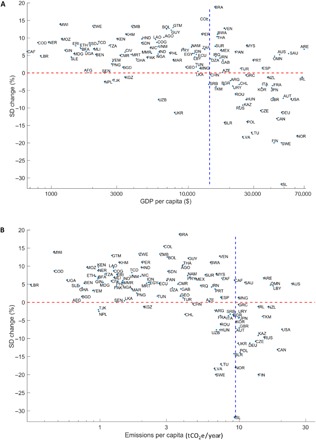
Temperature variability will increase in poor countries and decrease in rich countries, creating a new climate injustice.
Overview
The claims and statistics of this paper haven’t been checked yet.
Free: it reads the open-access text and checks the first 5 claims that cite a source we can check. Create a free account to check every claim.
Integrity signals
Registry
Cites
Statistics
Figures
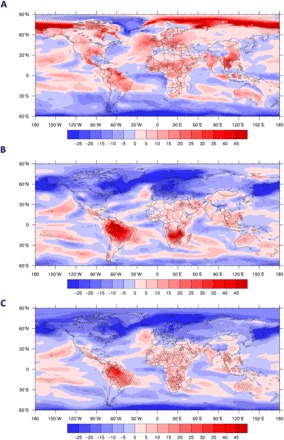
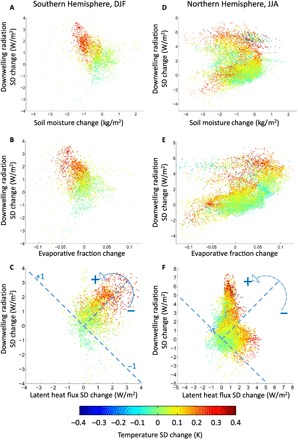
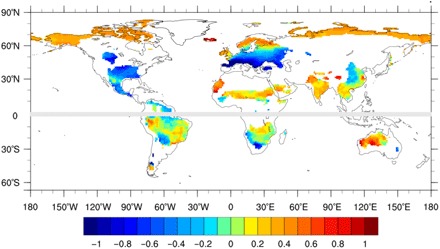
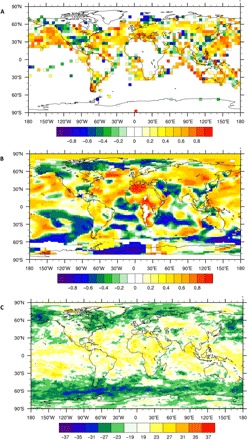
Verification
Claims the paper makes
The claims and statistics of this paper haven’t been checked yet.
Free: it reads the open-access text and checks the first 5 claims that cite a source we can check. Create a free account to check every claim.
Claims other papers make about this one
Each is checked against this paper’s own text: does it say what the citing paper says it does?
The cited source says what the claim attributes to it.
In the citing paper
“This is clearly seen in poor countries, which are more vulnerable to weather and climate fluctuation than wealthier countries (95).”
From The Impact of Climate Change on Mental Health: A Systematic Descriptive Review (2020) · cites this paper as [95]
Self-check
Percentages, sums and reported differences re-computed from the paper’s own numbers.
The self-check needs the paper’s full text.
Citations
Cites
The ERA‐Interim reanalysis: configuration and performance of the data assimilation system
Dee, D. P., Uppala, S. M., Simmons, A. J., Berrisford, P., Poli, P., Kobayashi, S., Andrae, U., Balmaseda, M. A., Balsamo, G., Bauer, P., et al. (2011) · Quarterly Journal of the Royal Meteorological Society · doi:10.1002/qj.828 · Cited by 24,480
An Overview of CMIP5 and the Experiment Design
Taylor, K. E., Stouffer, R. J., & Meehl, G. A. (2012) · Bulletin of the American Meteorological Society · doi:10.1175/bams-d-11-00094.1 · Cited by 14,052
The Modern-Era Retrospective Analysis for Research and Applications, Version 2 (MERRA-2)
Gelaro, R., McCarty, W., Suárez, M. J., Todling, R., Molod, A., Takacs, L., Randles, C. A., Darmenov, A., Bosilovich, M. G., Reichle, R., et al. (2017) · Journal of Climate · doi:10.1175/jcli-d-16-0758.1 · Cited by 9,010
NCEP–DOE AMIP-II reanalysis (R-2)
Kanamitsu, M., Ebisuzaki, W., Woollen, J., Yang, S.-K., Hnilo, J. J., Fiorino, M., & Potter, G. L. (2002) · Bulletin of the American Meteorological Society · doi:10.1175/bams-83-11-1631 · Cited by 5,771
Investigating soil moisture–climate interactions in a changing climate: A review
Seneviratne, S. I., Corti, T., Davin, E. L., Hirschi, M., Jaeger, E. B., Lehner, I., Orlowsky, B., & Teuling, A. J. (2010) · Earth-Science Reviews · doi:10.1016/j.earscirev.2010.02.004 · Cited by 5,638
Climate Extremes: Observations, Modeling, and Impacts
Easterling, D. R., Meehl, G. A., Parmesan, C., Changnon, S. A., Karl, T. R., & Mearns, L. O. (2000) · Science · doi:10.1126/science.289.5487.2068 · Cited by 4,867
Tipping elements in the Earth’s climate system
Lenton, T. M., Held, H., Kriegler, E., Hall, J. W., Lucht, W., Rahmstorf, S., & Schellnhuber, H. J. (2008) · Proceedings of the National Academy of Sciences · doi:10.1073/pnas.0705414105 · Cited by 3,982
Self-citationThe RCP greenhouse gas concentrations and their extensions from 1765 to 2300
Meinshausen, M., Smith, S. J., Calvin, K., Daniel, J. S., Kainuma, M. L. T., Lamarque, J.-F., Matsumoto, K., Montzka, S. A., Raper, S. C. B., Riahi, K., et al. (2011) · Climatic Change · doi:10.1007/s10584-011-0156-z · Cited by 3,584
The Twentieth Century Reanalysis Project
Compo, G. P., Whitaker, J. S., Sardeshmukh, P. D., Matsui, N., Allan, R. J., Yin, X., Gleason, B. E., Vose, R. S., Rutledge, G., Bessemoulin, P., et al. (2011) · Quarterly Journal of the Royal Meteorological Society · doi:10.1002/qj.776 · Cited by 3,518
Global surface temperature change
Hansen, J., Ruedy, R., Sato, M., & Lo, K. (2010) · Reviews of Geophysics · doi:10.1029/2010rg000345 · Cited by 3,081
Research works printed but not linked: 1
- 10.1175/1520-0442(2002)015 · doi:10.1175/1520-0442(2002)015
Cited by
Items 101–200 of 491
Zanocco, C. M., Flora, J. A., & Boudet, H. S. (2022) · PLOS Climate · doi:10.1371/journal.pclm.0000026 · Cited by 46
“For example, at a global level, less developed countries are more likely to be impacted by increasingly frequent and intense heat waves due to climate change [8].”
BackgroundHirwa, H., Li, F., Qiao, Y., Measho, S., Muhirwa, F., Tian, C., Leng, P., Ingabire, R., Itangishaka, A. C., Chen, G., et al. (2022) · Frontiers in Environmental Science · doi:10.3389/fenvs.2022.851249 · Cited by 42
“Climate models predict high evapotranspiration and lower soil moisture levels in arid and semi-arid regions of Africa (McCarthy et al., 2001; Bathiany et al., 2018), suggesting some tropical grasslands could become drier and unsuitable for farming (Schmidhuber and Tubiello, 2007).”
BackgroundKontopoulos, D. ‐. G., Smith, T., Barraclough, T. G., & Pawar, S. S. (2020) · PLoS Biology · doi:10.1371/journal.pbio.3000894 · Cited by 50
“8 ̊C [1], coupled with an increase in temperature fluctuations in certain areas [2].”
Climate Change and Children’s Health: Building a Healthy Future for Every Child
Ahdoot, S., Baum, C. R., Cataletto, M. B., Hogan, P., Wu, C. B., Bernstein, A. S., Bole, A., Balk, S. J., Byron, L. G., Huerta-Montañez, G. M., et al. (2024) · PEDIATRICS · doi:10.1542/peds.2023-065504 · Cited by 72
Sakti, A. D., Fauzi, A. I., Wilwatikta, F. N., Rajagukguk, Y. S., Sudhana, S. A., Yayusman, L. F., Syahid, L. N., Sritarapipat, T., Principe, J. A., Trang, N. T. Q., et al. (2020) · Remote Sensing · doi:10.3390/rs12172720 · Cited by 42
Arif, M., Haroon, M., Nawaz, A. F., Abbas, H., Xu, R., & Li, L. (2025) · Plant Molecular Biology · doi:10.1007/s11103-025-01569-7 · Cited by 42
“These impacts disproportionately affect vulnerable nations, exacerbating climate inequality (Bathiany et al. 2018).”
InfluentialUrban heat island impacts on mental health in middle-aged and older adults
Bao, Y., Li, Y., Gu, J., Shen, C., Zhang, Y., Deng, X., Han, L., & Ran, J. (2025) · Environment International · doi:10.1016/j.envint.2025.109470 · Cited by 45
Li, Z., Yuan, Y. S., Wu, L., Qin, L., Zhou, M., Yu, L., Wang, Q., & Wang, P. (2025) · Advanced Fiber Materials · doi:10.1007/s42765-025-00563-4 · Cited by 40
“Global warming has significantly increased energy demands for refrigeration, leading to environmental issues such as the greenhouse effect and ozone depletion [1].”
Jakpor, O., Chevrier, C., Kloog, I., Benmerad, M., Giorgis-Allemand, L., Cordier, S., Seyve, E., Vicedo‐Cabrera, A. M., Slama, R., Heude, B., et al. (2020) · Environment International · doi:10.1016/j.envint.2020.105847 · Cited by 42
Elser, H. C., Parks, R. M., Moghavem, N., Kiang, M. V., Bozinov, N., Henderson, V. W., Rehkopf, D. H., & Casey, J. A. (2021) · PLoS Medicine · doi:10.1371/journal.pmed.1003580 · Cited by 43
“As anthropogenic greenhouse gas emissions drive global climate change, weather and temperature also are expected to become increasingly variable [25,34,35].”
BackgroundEvolutionary trade-offs between heat and cold tolerance limit responses to fluctuating climates
Schou, M. F., Engelbrecht, A., Brand, Z., SVENSSON, E. I., Cloete, S. W. P., & Cornwallis, C. K. (2022) · Science Advances · doi:10.1126/sciadv.abn9580 · Cited by 40
Lefers, R. M., Tester, M. A., & Lauersen, K. J. (2020) · Frontiers in Plant Science · doi:10.3389/fpls.2020.00801 · Cited by 40
Xu, Q., Zhou, Q., Chen, J., Li, T., Ma, J., Du, R., Su, M., Li, J., Xu, M. Y., Sun, S., et al. (2023) · The Science of The Total Environment · doi:10.1016/j.scitotenv.2023.166726 · Cited by 39
“For example, for each degree of global warming in Amazonia and southern Africa, temperature variability increased by 15 %, while up to 10 % ◦C− 1 in the Sahel, India, and Southeast Asia (Bathiany et al., 2018).”
BackgroundInfluentialFluctuating temperature modifies heat-mortality association around the globe
Wu, Y. Y., Wen, B., Li, S., Gasparrini, A., Tong, S., Overcenco, A. V., Urban, A., Schneider, A. E., Entezari, A., Vicedo-Cabrera, A. M., et al. (2022) · The Innovation · doi:10.1016/j.xinn.2022.100225 · Cited by 46
“11,12 Extensive studies have established evidence of the health effects of TV, showing a signi fi cant association between TV and mortality in many parts of the world and substantial public health burden stemming from TV. 13,14 Traditionally, studies of the health effects of TV have controlled for…”
Rahman, M. M., Garcia, E., Lim, C. C., Ghazipura, M., Alam, N., Palinkas, L. A., McConnell, R., & Thurston, G. D. (2022) · Environment International · doi:10.1016/j.envint.2022.107267 · Cited by 43
“More research is needed in low and middle-income countries (LMIC), and in countries with tropical and sub-tropical temperatures, where impacts may be much greater.”
BackgroundInfluentialMazzuco, A. C. D. A., Stelzer, P. S., & Bernardino, A. F. (2020) · PeerJ · doi:10.7717/peerj.8289 · Cited by 40
The interface between Macroecology and Conservation: existing links and untapped opportunities
Santini, L., Antão, L. H., Jung, M., Benítez‐López, A., Rapacciuolo, G., Marco, M. D., Jones, F. A. M., Haghkerdar, J. M., & González‐Suárez, M. (2021) · Frontiers of Biogeography · doi:10.21425/f5fbg53025 · Cited by 41
“Broad-scale analyses can also consider how human welfare and migrations are related to climate change, and identify susceptible groups and areas (Bathiany et al. 2018, Xu et al. 2020), thus potentially anticipating impacts on biodiversity and reducing conflict probability.”
BackgroundLand Use Change and Its Impact on Ecological Risk in the Huaihe River Eco-Economic Belt
Wang, H., Feng, R., Li, X., Yang, Y., & Pan, Y. (2023) · Land · doi:10.3390/land12061247 · Cited by 36
“Human interference with the ecosystem leads to the shrinkage of vegetation cover, fragmentation of habitats, and a sharp decline in biodiversity [2,3], which have serious impacts on regional landscape ecological security [4–7].”
BackgroundKrah, F., Büntgen, U., & Bässler, C. (2023) · Ecology Letters · doi:10.1111/ele.14275 · Cited by 36
Moving climate change beyond the tragedy of the commons
Brown, K., Adger, W. N., & Cinner, J. E. (2018) · Global Environmental Change · doi:10.1016/j.gloenvcha.2018.11.009 · Cited by 37
Contrasting State‐Dependent Effects of Natural Forcing on Global and Local Climate Variability
Ellerhoff, B. M., Kirschner, M. J., Ziegler, E., Holloway, M. D., Sime, L. C., & Rehfeld, K. (2022) · Geophysical Research Letters · doi:10.1029/2022gl098335 · Cited by 34
“Global warming also affects climate variability (Bathiany et al., 2018; Olonscheck et al., 2021).”
ResultSeasonal Temperature Variability and Mortality in the Medicare Population
Healy, J. P., Yazdi, M. D., Wei, Y., Qiu, X., Shtein, A., Dominici, F., Shi, L., & Schwartz, J. D. (2023) · Environmental Health Perspectives · doi:10.1289/ehp11588 · Cited by 36
“15 Because our research pointed to the harmful e ff ects of Warm SD on those in the lower third of poverty, future epidemiological studies of mortality from seasonal temperature variability in these so-called “ poorer ” regions should be conducted.”
Catastrophic Climate Risk and Brazilian Amazonian Politics and Policies: A New Research Agenda
Pereira, J. C., & Viola, E. (2019) · Global Environmental Politics · doi:10.1162/glep_a_00499 · Cited by 36
Green innovation and income inequality: A complex system analysis
Napolitano, L., Sbardella, A., Consoli, D., Barbieri, N., & Perruchas, F. (2022) · Structural Change and Economic Dynamics · doi:10.1016/j.strueco.2022.09.007 · Cited by 42
“Further, income inequality and demand for environmental innovation exhibit similar patterns since countries that are likely to suffer the strongest negative effects of environmental degradation are also among the poorest (Mendelsohn et al., 2006; Bathiany et al., 2018), and often exhibit high levels of income inequali…”
Onyutha, C., Asiimwe, A., Ayugi, B. O., Ngoma, H., Ongoma, V., & Tabari, H. (2021) · Atmosphere · doi:10.3390/atmos12070887 · Cited by 35
“This is particularly the case for the countries within the tropical zone which will experience the largest impacts [3–5], despite them having made the smallest contribution to climate change [6,7].”
BackgroundHydrologic variability contributes to reduced survival through metamorphosis in a stream salamander
Lowe, W. H., Swartz, L. K., Addis, B. R., & Likens, G. E. (2019) · Proceedings of the National Academy of Sciences · doi:10.1073/pnas.1908057116 · Cited by 35
“These results add to mounting evidence that metamorphic stages are vulnerable to abiotic and biotic stressors (56 – 58), while also underscoring the need for more research on this topic in light of climate-related increases in environmental variability worldwide (9, 59, 60).”
ResultTransgenerational Plasticity and Bet-Hedging: A Framework for Reaction Norm Evolution
Joschinski, J., & Bonte, D. (2020) · Frontiers in Ecology and Evolution · doi:10.3389/fevo.2020.517183 · Cited by 35
Liu, Y., Ortega-Farias, S. O., Tian, F., Wang, S., & Li, S. (2021) · Frontiers in Environmental Science · doi:10.3389/fenvs.2021.791336 · Cited by 35
“, 1997; Krüger and Emmanuel, 2013; Shamir and Georgakakos, 2014), and is also the basis for climate change studies (Alkama and Cescatti, 2016; Bathiany et al., 2018).”
BackgroundLow and high air temperature and cardiovascular risk
Ni, W., Areal, A. T., Lechner, K., Breitner, S., Zhang, S., Woeckel, M., Slesinski, S. C., Nikolaou, N., Dallavalle, M., Schikowski, T., et al. (2025) · Atherosclerosis · doi:10.1016/j.atherosclerosis.2025.119238 · Cited by 38
Breeding strategies for animal resilience to weather variation in meat sheep
Sánchez-Molano, E., Kapsona, V. V., Oikonomou, S., McLaren, A., Lambe, N. R., Conington, J., & Banos, G. (2020) · BMC Genetics · doi:10.1186/s12863-020-00924-5 · Cited by 37
Climate Change Impact on Hydrological Regimes and Extreme Events in Southern Africa
Kusangaya, S., Mazvimavi, D., Shekede, M. D., Masunga, B., Kunedzimwe, F., & Manatsa, D. (2021) · Springer eBooks · doi:10.1007/978-3-030-61225-2_5 · Cited by 41
Günay, D., İşeri, E., Ersoy, M., & Elega, A. A. (2021) · Environmental Communication · doi:10.1080/17524032.2021.1885462 · Cited by 35
“According to the model developed by Bathiany et al., temperature fluctuations are greater in low-GDP countries (Bathiany et al., 2018; Thaker et al., 2017).”
BackgroundMethodMukhopadhyay, B. K., & Weitz, C. A. (2022) · International Journal of Environmental Research and Public Health · doi:10.3390/ijerph191912446 · Cited by 35
“Comparable studies of the elderly have rarely taken pace in countries located in the tropics, such as India, where the intensity of summer heat is often much greater and lasts longer than in temperate climates [42], where heat waves are more intense [43], and where both are becoming more severe [44–46].”
BackgroundImpact of climate variation on hydrometeorology in Iran
Moghim, S. (2018) · Global and Planetary Change · doi:10.1016/j.gloplacha.2018.08.013 · Cited by 32
Spatiotemporal temperature trends over homogenous climatic regions of Pakistan during 1961–2017
Hussain, A., Hussain, I., Ali, S., Ullah, W., Khan, F., Ullah, S., Abbas, H., Manzoom, A., Cao, J., & Zhou, J. (2023) · Theoretical and Applied Climatology · doi:10.1007/s00704-023-04484-3 · Cited by 34
Bamboo, climate change and forest use: A critical combination for southwestern Amazonian forests?
Ferreira, E. J. L., Kalliola, R., & Ruokolainen, K. (2019) · AMBIO · doi:10.1007/s13280-019-01299-3 · Cited by 35
Elnaggar, A., Said, M., Kraševec, I., Said, A., Grau‐Bové, J., & Moubarak, H. M. R. (2024) · Heritage Science · doi:10.1186/s40494-024-01170-z · Cited by 31
“Climate change scenarios were developed to predict the extreme and average future environmental conditions [5, 6].”
BackgroundIncreases in the temperature seasonal cycle indicate long-term drying trends in Amazonia
Ritchie, P. D. L., Parry, I., Clarke, J. J., Huntingford, C., & Cox, P. M. (2022) · Communications Earth & Environment · doi:10.1038/s43247-022-00528-0 · Cited by 37
Why the impacts of climate change may make us less likely to reduce emissions
Millward-Hopkins, J. (2022) · Global Sustainability · doi:10.1017/sus.2022.20 · Cited by 37
“…and are primary drivers of investments in high-carbon activities (Ceddia, 2020; Manych et al., 2021), while simultaneously being less exposed to climate impacts and more able to adapt to (or recover from) the impacts they do suffer (Bathiany et al., 2018; Byers et al., 2018; Levy & Patz, 2015).”
BackgroundGenetic analysis of novel phenotypes for farm animal resilience to weather variability
Sánchez-Molano, E., Kapsona, V. V., Ilska, J. J., Desire, S., Conington, J., Mucha, S., & Banos, G. (2019) · BMC Genetics · doi:10.1186/s12863-019-0787-z · Cited by 33
Inam, S. A., Hashim, H., Ashraf, S. N., Naim, S. W., Rajput, H., & Umer, S. (2025) · VFAST Transactions on Software Engineering · doi:10.21015/vtse.v13i4.2231 · Cited by 30
Health effects of heat vulnerability in Rio de Janeiro: a validation model for policy applications
Prosdocimi, D., & Klima, K. (2020) · SN Applied Sciences · doi:10.1007/s42452-020-03750-7 · Cited by 35
The mating system affects the temperature sensitivity of male and female fertility
Baur, J., Jagusch, D., Michalak, P., Koppik, M., & Berger, D. (2021) · Functional Ecology · doi:10.1111/1365-2435.13952 · Cited by 30
Casas, J. D. H., Escalante, E. F., Gil, R. C., & Ayuga, F. (2022) · Water · doi:10.3390/w14223703 · Cited by 30
Wei, J., Li, Q., Liu, W., Zhang, S., Xu, H., & Pei, H. (2023) · The Science of The Total Environment · doi:10.1016/j.scitotenv.2023.162985 · Cited by 30
Under threat: the International AIDS Society–Lancet Commission on Health and Human Rights
Beyrer, C., Kamarulzaman, A., Isbell, M. T., Amon, J. J., Baral, S., Bassett, M. T., Cepeda, J., Deacon, H. J., Dean, L. T., Fan, L., et al. (2024) · The Lancet · doi:10.1016/s0140-6736(24)00302-7 · Cited by 31
Adapting attribution science to the climate extremes of tomorrow
Harrington, L. J., & Otto, F. E. L. (2018) · Environmental Research Letters · doi:10.1088/1748-9326/aaf4cc · Cited by 32
“Moreover, supplementary figures 3 and 4 show these conclusions to be robust, even if increases in temperature variability (and hence a widening of the PDF)were to accompany the warming-driven shifts in the distribution mean (Holmes et al 2016, Bathiany et al 2018, Guirguis et al 2018).”
BackgroundGenetic and plastic rewiring of food webs under climate change
Barbour, M. A., & Gibert, J. P. (2021) · Journal of Animal Ecology · doi:10.1111/1365-2656.13541 · Cited by 34
“For example, as mean global temperatures rise, temperature variability has been in - creasing steadily (Bathiany et al., 2018).”
BackgroundLarger scyphozoan species dwelling in temperate, shallow waters show higher blooming potential
Fernández-Alías, A., Marcos, C., & Pérez‐Ruzafa, Á. (2021) · Marine Pollution Bulletin · doi:10.1016/j.marpolbul.2021.113100 · Cited by 29
The Impact of Large-Scale Orography on Northern Hemisphere Winter Synoptic Temperature Variability
Lutsko, N. J., Baldwin, J. W., & Cronin, T. W. (2019) · Journal of Climate · doi:10.1175/jcli-d-19-0129.1 · Cited by 29
Climate change and epilepsy: Time to take action
Sisodiya, S. M., Fowler, H. J., LAKE, I. R., Nanji, R. O., Gaweł, K., Esguerra, C. V., Newton, C. R. J. C., & Foley, A. (2019) · Epilepsia Open · doi:10.1002/epi4.12359 · Cited by 30
“44 In India, models also indicate an intensification of heatwaves, with areas that do not currently experience heatwaves becoming severely affected this century.”
BackgroundAssociation between temperature variability and global meningitis incidence
Chen, J., Jiao, Z., Liang, Z., Ma, J., Xu, M. Q., Biswal, S. S., Ramanathan, M., Sun, S., & Zhang, Z. (2022) · Environment International · doi:10.1016/j.envint.2022.107649 · Cited by 31
McKeon, C. M., Kelly, R., Börger, L., Palma, A. D., & Buckley, Y. M. (2023) · Global Ecology and Biogeography · doi:10.1111/geb.13713 · Cited by 29
Nie, P., Zhao, K., Ma, D., Liu, H., Amin, S., & Yasin, I. (2024) · Sustainability · doi:10.3390/su16198693 · Cited by 36
Baltuttis, D., Töppel, J., Tränkler, T., & Wiethe, C. (2020) · International Review of Financial Analysis · doi:10.1016/j.irfa.2019.01.007 · Cited by 28
Chen, X., Li, Y., Chau, H. W., Zhao, H., Li, M., Lei, T., & Zou, Y. (2020) · Theoretical and Applied Climatology · doi:10.1007/s00704-020-03092-9 · Cited by 27
Mitigating the effects of climate change on human health with vaccines and vaccinations
Kim, C. L., Agampodi, S. B., Marks, F., Kim, J. H., & Excler, J. (2023) · Frontiers in Public Health · doi:10.3389/fpubh.2023.1252910 · Cited by 31
“However, the climate change-induced weather variability projected under RCP scenarios, with sudden large changes in temperature, may conversely increase the risk of influenza epidemics and result in shifting patterns (111, 112).”
BackgroundHow Daily Temperature and Precipitation Distributions Evolve With Global Surface Temperature.
Samset, B. H., Stjern, C. W., Lund, M. T., Mohr, C. W., Sand, M., & Daloz, A. S. (2019) · Earth s Future · doi:10.1029/2019ef001160 · Cited by 27
“…2017) have produced a variety of approaches to quantify variability and its influence onmeans and extremes (Årthun et al., 2018; Bador et al., 2018; Bathiany et al., 2018; Deser et al., 2017; King et al., 2015; Lejeune et al., 2018;Mahlstein et al., 2011; Schaller et al., 2018;Wills et al., 2018;…”
BackgroundMethodResultInfluentialAryal, Y. N., & Zhu, J. (2019) · International Journal of Climatology · doi:10.1002/joc.6402 · Cited by 28
“…on the projected drought frequencies might be attributed to the fact that climate models are not consistent in projecting the changes in temperature variability with warming (Pendergrass et al., 2017; Figure S4) and also the changes are of opposite sign in different seasons (Bathiany et al., 2018).”
BackgroundRomero, G. Q., Gonçalves‐Souza, T., Roslin, T. V., Marquis, R. J., Marino, N. A. C., Novotný, V., Cornelissen, T., Orivel, J., Sui, S., Aires, G., et al. (2022) · Global Change Biology · doi:10.1111/gcb.16150 · Cited by 26
“Global temperatures, the frequency of extreme precipitation events and temperature variability are all increasing at unprecedented rates (IPCC Climate Change, 2014; Donat et al., 2016; Bathiany et al., 2018).”
BackgroundDecreases in days with sudden day-to-day temperature change in the warming world
Zhou, X., Wang, Q., & Yang, T. (2020) · Global and Planetary Change · doi:10.1016/j.gloplacha.2020.103239 · Cited by 25
Climate change in Brazilian agriculture: vulnerability and adaptation assessment
dos Santos, E. A., Fortini, R. M., Cardoso, L., & Zanúncio, J. C. (2023) · International Journal of Environmental Science and Technology · doi:10.1007/s13762-022-04730-7 · Cited by 26
“Climate change increases risks unevenly within and between regions of the world, significantly impacting communities and people who contribute the least to this effect (IPCC 2014; Bathiany et al. 2018).”
BackgroundOne-way water transport and enhanced heating and cooling for cotton fabrics
Zhao, H., Fan, Z., Jia, C., & Cai, Z. (2023) · Cellulose · doi:10.1007/s10570-023-05073-3 · Cited by 24
“Only a few works associated it with thermal conductivity and cooling of fabrics(Choi and Kim 2013; Soumya et al.”
BackgroundClimate change and world population
O’Sullivan, J. (2021) · Elsevier eBooks · doi:10.1016/b978-0-12-822373-4.00008-2 · Cited by 26
Lai, K. Y., Bauermeister, S., & Sarkar, C. (2026) · npj Mental Health Research · doi:10.1038/s44184-026-00190-w · Cited by 23
“Global scale climatic models predict increasing temperature variability during warm seasons in low-income tropical countries including Amazonia and Southern African nations, Sahel, India and Southeast Asia 78 .”
Kirk, D., Luijckx, P., Jones, N. T., Krichel, L., Pencer, C., Molnár, P. K., & Krkošek, M. (2020) · Proceedings of the Royal Society B Biological Sciences · doi:10.1098/rspb.2020.1526 · Cited by 23
Indian heatwaves in a future climate with varying hazard thresholds
Rao, K. K., Reddy, P. J., & Chowdary, J. S. (2023) · Environmental Research Climate · doi:10.1088/2752-5295/acb077 · Cited by 33
“Bathiany et al (2018) reported that the climate models show increasing temperature variability over India, evidenced by the increase in the standard deviations of temperature, which is because of the domination of radiation on the latent heat fluxes over the northern hemispheric regions.”
BackgroundHow Can Weedy Rice Stand against Abiotic Stresses? A Review
Fogliatto, S., Ferrero, A., & Vidotto, F. (2020) · Agronomy · doi:10.3390/agronomy10091284 · Cited by 23
“Given the importance of temperature regimens in regulating seed dormancy and germination, a significant impact of climate change is foreseen for weedy rice germination patterns [95].”
BackgroundHydric effects on thermal tolerances influence climate vulnerability in a high‐latitude beetle
Riddell, E. A., Mutanen, M., & Ghalambor, C. K. (2023) · Global Change Biology · doi:10.1111/gcb.16830 · Cited by 23
“We also ran an additional analyses in climates that were warmer than Oulu, Finland, based on the observation that most A. subfus-cus live in regions 5.2°C warmer than our field site.”
MethodInfluentialSoil warming effects on tropical forests with highly weathered soils
Wood, T. E., Cavaleri, M. A., Giardina, C. P., Khan, S., Mohan, J. E., Nottingham, A. T., Reed, S. C., & Slot, M. (2019) · Elsevier eBooks · doi:10.1016/b978-0-12-813493-1.00015-6 · Cited by 25
Austin, C. J., & Moehring, A. J. (2019) · Journal of Evolutionary Biology · doi:10.1111/jeb.13530 · Cited by 22
Assessment of climate change impact on double-cropping systems
Andréa, M. C. D. S., Dallacort, R., Tieppo, R. C., & Barbieri, J. D. (2020) · SN Applied Sciences · doi:10.1007/s42452-020-2325-z · Cited by 22
Dodson, J. C., Dérer, P., Cafaro, P., & Götmark, F. (2022) · International Environmental Agreements Politics Law and Economics · doi:10.1007/s10784-022-09573-8 · Cited by 22
“In addition, countries projected to be most negatively affected by climate change have a large proportion of their populations dependent on climate-sensitive sectors for their livelihoods (Bathiany et al., 2018).”
BackgroundEffects of meteorological factors on influenza transmissibility by virus type/subtype
Yan, Z.-L., Liu, W., Long, Y., Ming, B.-W., Zhou, Y., Qin, P., Ou, C., & Li, L. (2024) · BMC Public Health · doi:10.1186/s12889-024-17961-9 · Cited by 21
Feng, X., Tian, J., Wu, J., Wu, G., Ren, Y., He, C., Bao, W., & Yu, T. (2025) · Environmental Research · doi:10.1016/j.envres.2025.121884 · Cited by 21
Heat shock protein gene expression varies among tissues and populations in free-living birds
Woodruff, M. J., Zimmer, C., Ardia, D. R., Vitousek, M. N., & Rosvall, K. A. (2022) · The Auk · doi:10.1093/ornithology/ukac018 · Cited by 21
Global forests are influenced by the legacies of past inter-annual temperature variability
Hansen, W. D., Schwartz, N. B., Williams, P., Albrich, K., Kueppers, L. M., Rammig, A., Reyer, C., Staver, A. C., & Seidl, R. (2022) · Environmental Research Ecology · doi:10.1088/2752-664x/ac6e4a · Cited by 27
“…predict relatively modest twenty-first-century mean warming in the tropics compared to high latitudes, but temperature variability is expected to markedly increase (Bathiany et al 2018), and tropical forests are acutely sensitive to contemporary interannual temperature variability in our analysis.”
BackgroundShen, C., & Wang, Y. (2023) · Journal of Environmental Management · doi:10.1016/j.jenvman.2023.117376 · Cited by 21
Suter, M. K., Miller, K. A., Anggraeni, I., Ebi, K. L., Game, E. T., Krenz, J. E., Masuda, Y. J., Sheppard, L. A., Wolff, N. H., & Spector, J. T. (2019) · Environmental Research Letters · doi:10.1088/1748-9326/ab2b53 · Cited by 22
“…better understanding of heat exposure and risks is particularly important in lowlatitude, poorer, tropical countries because these countries are already experiencing hot, humid climates and are projected to have the most extreme future temperatures (UNDP 2016, Mora et al 2017, Bathiany et al 2018).”
BackgroundMohamed, M. A., & El-Mahdy, M. E.-S. (2021) · Geoscientific instrumentation, methods and data systems · doi:10.5194/gi-10-45-2021 · Cited by 21
Pexas, G., Mackenzie, S. G., Jeppsson, K.-H., Olsson, A.-C., Wallace, M., & Kyriazakis, I. (2021) · Journal of Cleaner Production · doi:10.1016/j.jclepro.2021.125784 · Cited by 21
Managing microclimate challenges for museum buildings in Egypt
ElAdl, M., Fathy, F., Morsi, N. K., Nessim, A. A. I., Refat, M., & Sabry, H. (2021) · Ain Shams Engineering Journal · doi:10.1016/j.asej.2021.06.015 · Cited by 21
Extreme Events and Production Shocks for Key Crops in Southern Africa Under Climate Change
Thomas, T. S., Robertson, R., Strzepek, K. M., & Arndt, C. (2022) · Frontiers in Climate · doi:10.3389/fclim.2022.787582 · Cited by 24
Massey, M. D. B., & Dalziel, A. C. (2023) · Biology Letters · doi:10.1098/rsbl.2023.0266 · Cited by 24
“Le9:20230266 intensify with climate change [19,20], and constant versus variable temperatures often produce different phenotypic effects, even when sharing thermal means [21,22].”
BackgroundGendered impacts of climate change: evidence from weather shocks
Fruttero, A., Halim, D. L., Broccolini, C., Coelho, B., Gninafon, H., & Muller, N. (2024) · Environmental Research Climate · doi:10.1088/2752-5295/ad8025 · Cited by 38
“Most reported deaths from weather, climate, and water extremes occurred in developing countries between 1970 and 2019 (WMO (World Meteorological Organization) 2021), and poor countries are in hotspot regions of increasing temperature variability (Bathiany et al 2018).”
What will it take to implement health and health-related sustainable development goals?
Bhutta, Z. A., Siddiqi, S., Aftab, W., Siddiqui, F. J., Huicho, L., Mogilevskii, R., Mahmood, Q., Friberg, P., & Akbari, F. (2020) · BMJ Global Health · doi:10.1136/bmjgh-2020-002963 · Cited by 20
Evolutionary constraints mediate extinction risk under climate change
Garcia‐Costoya, G., Williams, C. E., Faske, T. M., Moorman, J. D., & Logan, M. L. (2023) · Ecology Letters · doi:10.1111/ele.14173 · Cited by 20
“Global climate change is a major threat to life on Earth, with climate models predicting continued increases in both the mean and variability of environmental temperature (Allan et al., 2021; Bathiany et al., 2018).”
BackgroundBeobide‐Arsuaga, G., Suarez‐Gutierrez, L., Barkhordarian, A., Olonscheck, D., & Baehr, J. (2025) · Nature Communications · doi:10.1038/s41467-025-65392-w · Cited by 24
Blamey, L. K., Plagányi, É. E., Hutton, T., Deng, R. A., Upston, J., & Jarrett, A. (2021) · Conservation Biology · doi:10.1111/cobi.13864 · Cited by 22
“To meet conservation and economic objectives in marine systems, harvest strategies need to be robust to environmental variability, including environmental extremes, which is predicted to increase under climate change (Bathiany et al., 2018; Herring et al., 2018).”
BackgroundAnalysis of the impact of success on three dimensions of sustainability in 173 countries
Kaklauskas, A., & Kaklauskiene, L. (2022) · Scientific Reports · doi:10.1038/s41598-022-19131-6 · Cited by 19
“Method Our study method includes the following stages: (1) framing the investigation problem, (2) examining the literature, (3) developing and verifying two hypotheses, (4) collecting data, (5) the multiple criteria examination of 173 countries by means of the Degree of Project Utility and Investment Value Assessments…”
BackgroundMethodHuman influence on daily temperature variability over land
Wan, H., Kirchmeier‐Young, M. C., & Zhang, X. (2021) · Environmental Research Letters · doi:10.1088/1748-9326/ac1cb9 · Cited by 21
Ahmad, M., Kumari, M., Kumar, N., Goswami, G., Shahfahad, & Asgher, M. S. (2023) · GeoJournal · doi:10.1007/s10708-023-10829-2 · Cited by 19
“Changes in climatic variability explained by seasonal variation are referred to as exposure and are usually related to precipitation and temperature (Bathiany et al., 2018; Gornall et al., 2010).”
BackgroundIncreasing interannual climate variability during crop flowering in Europe
Bathiany, S., Belleflamme, A., Otto, J., Ney, P., Goergen, K., & Rechid, D. (2023) · Environmental Research Letters · doi:10.1088/1748-9326/acc87e · Cited by 21
Self-citationGenetic analysis of phenotypic indicators for heat tolerance in crossbred dairy cattle
Oloo, R. D., Ekine-Dzivenu, C. C., Mrode, R., Bennewitz, J., Ojango, J. M. K., Kipkosgei, G., Gebreyohanes, G., Okeyo, A. M., & Chagunda, M. G. G. (2024) · animal · doi:10.1016/j.animal.2024.101139 · Cited by 18
Heat stress reveals a fertility debt owing to postcopulatory sexual selection
Baur, J., Zwoinska, M. K., Koppik, M., Snook, R. R., & Berger, D. (2023) · Evolution Letters · doi:10.1093/evlett/qrad007 · Cited by 17
“Climate warming and the incidence of heat waves are one of the most common and impactful consequences of anthropogenic environmental change (Bathiany et al., 2018; IPCC, 2022; Johnson et al., 2018; Varela et al., 2020), and male fertility is highly sensitive to increased temperatures (Chirgwin et…”
Weird winter weather in the Anthropocene: How volatile temperatures shape violent crime
Thomas, C., & Wolff, K. T. (2023) · Journal of Criminal Justice · doi:10.1016/j.jcrimjus.2023.102090 · Cited by 18
Wahid, S. S., Islam, M. N., & Raza, W. A. (2024) · Springer eBooks · doi:10.1007/978-981-97-0610-5_15 · Cited by 18
The impact of forage condition on household food security in northern Kenya and southern Ethiopia
Alulu, V., Shikuku, K. M., Lepariyo, W., Paliwal, A., Galgallo, D., Gobu, W., & Banerjee, R. (2024) · Food Security · doi:10.1007/s12571-024-01473-w · Cited by 18
“Yet subtle changes in systems dynamics may help to quantify the proximity of a tipping point and to enable interventions to avoid a looming harmful transition (Bathiany et al., 2018).”
Okereke, C. N., Kaurilind, E., Liu, B., Kanagendran, A., Pazouki, L., & Niinemets, Ü. (2022) · Environmental and Experimental Botany · doi:10.1016/j.envexpbot.2021.104777 · Cited by 17
High Temperature and Elevated CO2 Modify Phenology and Growth in Pepper Plants
Pereyda-González, J., De‐la‐Peña, C., Tezara, W., Zamora-Bustillos, R., Andueza‐Noh, R. H., Noh-Kú, J. G., Carrera-Marín, M., & Hernández, R. G. (2022) · Agronomy · doi:10.3390/agronomy12081836 · Cited by 17
Metadata
- Authors
- Bathiany, S., Dakos, V., Scheffer, M., & Lenton, T. M.
- Affiliations
- Wageningen University & Research (NL)
- Centre National de la Recherche Scientifique (FR)
- University of Exeter (GB)
- Corresponding author
- Bathiany, Sebastian
- Venue
- Science Advances
- Published
- 2018-05-04
- Volume
- 4
- Issue
- 5
- Pages
- eaar5809-eaar5809
- ISSN
- 2375-2548 (ISSN-L)
- PMC
- PMC5931768
- OpenAlex
- W2799499225
- Cited by
- 479
- References
- 56
- Citations by year
- 2026: 26 · 2025: 64 · 2024: 72 · 2023: 64 · 2022: 80 · 2021: 63 · 2020: 55 · 2019: 44 · 2018: 11
- FWCI
- 25.35
- Type
- journal article
- Language
- en
- Open access
- gold
- doi.org
- Licence
- cc-by-nc
- Locations
- Science Advances (publishedVersion, cc-by-nc)
- Europe PMC (PubMed Central) (publishedVersion, cc-by-nc)
- PubMed Central (publishedVersion, cc-by-nc)
- PubMed (publishedVersion)
- Socio-Environmental Systems Modeling (acceptedVersion, cc-by-nc)
- HAL (submittedVersion, cc-by-nc)
- Figshare (submittedVersion, cc-by-nc)
- Open Research Exeter (University of Exeter) (submittedVersion, cc-by-nc)
- Data Archiving and Networked Services (DANS) (submittedVersion, cc-by-nc)
- Funders
- Netherlands Organisation for Scientific Research (Zwaartekracht project NESSC)
- Topics
- Physical Sciences › Environmental Science › Global and Planetary Change › Climate variability and models
- Physical Sciences › Environmental Science › Global and Planetary Change › Climate Change and Environmental Impact
- Life Sciences › Agricultural and Biological Sciences › Agronomy and Crop Science › Climate change impacts on agriculture
- Keywords
- temperature variability, climate change projections, climate models, developing countries, climate inequality, Sahel, India, Southeast Asia, soil drying, atmospheric structure, meridional temperature gradient, sea ice decline, extreme weather events, climate change vulnerability
About these checks
Registry, retraction, Cites and statistics results are computed, not judged, with one exception: a printed reference that no index lists is read once by a model before it counts as a citation error. Claims are extracted by a model and kept only when their quote appears verbatim in the text; each cited source is then checked, with a model’s help, for whether it says what the claim relies on. Those verdicts can be wrong — read the claim’s quote and the cited source before relying on one.
Statistics and arithmetic are recomputed, not judged.
Confidence bands are shown only for fields calibrated on our annotated test set. None is calibrated yet, so no band is shown.
What counts as a claim ›How we measure confidence ›How we check this ›
Are you an author, or do you see a problem with this page? Request a review
Data sources
Bibliographic data: Semantic Scholar, OpenAlex, Crossref.
Contains information from the Semantic Scholar Academic Graph Datasets, made available under the ODC Attribution License (ODC-BY 1.0).
Semantic Scholar’s data is described in: Kinney, R., et al. (2023). The Semantic Scholar Open Data Platform. arXiv:2301.10140.
