

Microfibers in oceanic surface waters: A global characterization
Open accessThe DOI matches its Crossref record; 57 of the 57 references it cites were found in a registry or an index.
Abstract
Contrary to global production, most fibers floating in the ocean are not synthetic but natural fibers of animal or plant origin.
Overview
The claims and statistics of this paper haven’t been checked yet.
Free: it reads the open-access text and checks the first 5 claims that cite a source we can check. Create a free account to check every claim.
Integrity signals
Registry
Cites
Statistics
Figures



Verification
Claims the paper makes
The claims and statistics of this paper haven’t been checked yet.
Free: it reads the open-access text and checks the first 5 claims that cite a source we can check. Create a free account to check every claim.
Self-check
Percentages, sums and reported differences re-computed from the paper’s own numbers.
The self-check needs the paper’s full text.
Citations
Cites
Production, use, and fate of all plastics ever made
Geyer, R., Jambeck, J. R., & Law, K. L. (2017) · Science Advances · doi:10.1126/sciadv.1700782 · Cited by 18,606
Human Consumption of Microplastics
Cox, K. D., Covernton, G. A., Davies, H. L., Dower, J. F., Juanes, F., & Dudas, S. E. (2019) · Environmental Science & Technology · doi:10.1021/acs.est.9b01517 · Cited by 2,745 · cited 2×
“Given their abundance, it is not surprising that fibers have been detected in food (18), drinking water (28), and human lungs (29), as well as in the digestive tracts of many aquatic (30, 31) and terrestrial organisms (32).”
BackgroundAtmospheric transport and deposition of microplastics in a remote mountain catchment
Allen, S., Allen, D., Phoenix, V. R., Le Roux, G., Durántez Jiménez, P., Simonneau, A., Binet, S., & Galop, D. (2019) · Nature Geoscience · doi:10.1038/s41561-019-0335-5 · Cited by 2,319 · cited 5×
“Alternatively, smaller fibers may be most easily advected by long-range aerial transport, thus reaching the most remote areas of the planet (15).”
BackgroundResultInfluentialThe deep sea is a major sink for microplastic debris
Woodall, L. C., Sanchez-Vidal, A., Canals, M., Paterson, G. L. J., Coppock, R., Sleight, V., Calafat, A., Rogers, A. D., Narayanaswamy, B. E., & Thompson, R. C. (2014) · Royal Society Open Science · doi:10.1098/rsos.140317 · Cited by 1,946 · cited 4×
“This is in agreement with recent studies showing that cellulosic fibers account for more than 60–80% of all fibers in seafloor sediments (23, 24), marine organisms (30, 31), wastewater (38), fresh water (26, 27), ice cores (22), and airborne fiber populations (14, 39).”
BackgroundResultInfluentialA global inventory of small floating plastic debris
van Sebille, E., Wilcox, C., Lebreton, L., Maximenko, N., Hardesty, B. D., van Franeker, J. A., Eriksen, M., Siegel, D., Galgani, F., & Law, K. L. (2015) · Environmental Research Letters · doi:10.1088/1748-9326/10/12/124006 · Cited by 1,713
Napper, I. E., & Thompson, R. C. (2016) · Marine Pollution Bulletin · doi:10.1016/j.marpolbul.2016.09.025 · Cited by 1,679 · cited 3×
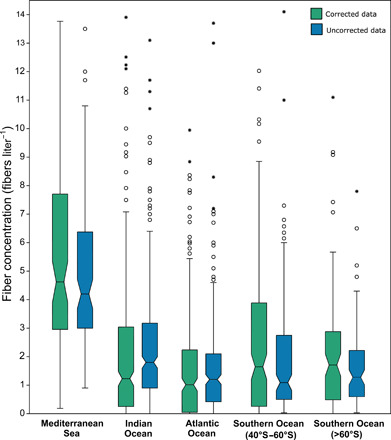
“Nevertheless, the longest fibers were found in the Mediterranean Sea, probably indicating recent inputs into the basin, being closer to pollution sources and more similar to the length of cotton and rayon fibers freshly released by laundering (10, 11).”
BackgroundResultA first overview of textile fibers, including microplastics, in indoor and outdoor environments
Dris, R., Gasperi, J., Mirande, C., Mandin, C., Guerrouache, M., Langlois, V., & Tassin, B. (2017) · Environmental Pollution · doi:10.1016/j.envpol.2016.12.013 · Cited by 1,604
Anthropogenic contamination of tap water, beer, and sea salt
Kosuth, M., Mason, S. A., & Wattenberg, E. V. (2018) · PLOS ONE · doi:10.1371/journal.pone.0194970 · Cited by 1,244 · cited 1×
“Given their abundance, it is not surprising that fibers have been detected in food (18), drinking water (28), and human lungs (29), as well as in the digestive tracts of many aquatic (30, 31) and terrestrial organisms (32).”
BackgroundGlobal warming releases microplastic legacy frozen in Arctic Sea ice
Obbard, R. W., Sadri, S., Wong, Y. Q., Khitun, A. A., Baker, I., & Thompson, R. C. (2014) · Earth's Future · doi:10.1002/2014ef000240 · Cited by 1,092 · cited 3×
“This is in agreement with recent studies showing that cellulosic fibers account for more than 60–80% of all fibers in seafloor sediments (23, 24), marine organisms (30, 31), wastewater (38), fresh water (26, 27), ice cores (22), and airborne fiber populations (14, 39).”
BackgroundResultPrimary microplastics in the oceans: A global evaluation of sources
Boucher, J., & Friot, D. (2017) · doi:10.2305/iucn.ch.2017.01.en · Cited by 1,023 · cited 3×
“Synthetic fibers, however, are generally smoother and brighter than cellulosic ones (55), and therefore, the bias should have been directed toward a preferential selection of synthetic fibers, rather than cellulosic ones.”
Background
Cited by
Items 101–200 of 544
Matias, R. S., Gomes, S., Barboza, L. G. A., Salazar-Gutierrez, D., Guilhermino, L. M., & Valente, L. M. P. (2023) · Chemosphere · doi:10.1016/j.chemosphere.2023.139055 · Cited by 59
Maritime ports and beach management as sources of coastal macro-, meso-, and microplastic pollution
Masiá, P., Ardura, A., Gaitán, M., Gerber, S., Rayón-Viña, F., & García‐Vázquez, E. (2021) · Environmental Science and Pollution Research · doi:10.1007/s11356-021-12821-0 · Cited by 58
Prevalence of microplastics and anthropogenic debris within a deep-sea food web
Hamilton, B. M., Rochman, C. M., Hoellein, T., Robison, B. H., Houtan, K. S. V., & Choy, C. A. (2021) · Marine Ecology Progress Series · doi:10.3354/meps13846 · Cited by 57
“Microplastics have been documented globally in aquatic environments (freshwater and marine) and terrestrial ecosystems (Suaria et al. 2020).”
BackgroundPrevalence of microplastic fibers in the marginal sea water column off southeast China
Wang, X., Zhu, L., Liu, K., & Li, D. (2021) · The Science of The Total Environment · doi:10.1016/j.scitotenv.2021.150138 · Cited by 54
Hale, R. C., King, A. E., Ramirez, J. M., Guardia, M. J. L., & Nidel, C. (2022) · Environmental Science & Technology Letters · doi:10.1021/acs.estlett.2c00417 · Cited by 58
Impact of polyester and cotton microfibers on growth and sublethal biomarkers in juvenile mussels
Walkinshaw, C., Tolhurst, T. J., Lindeque, P. K., Thompson, R. C., & Cole, M. (2023) · Microplastics and Nanoplastics · doi:10.1186/s43591-023-00052-8 · Cited by 57
“These small anthropogenic fibres, termed microfi-bres, are typically composed of polyester, polypropylene or nylon, however numerous studies also report the presence of naturally derived and semi-synthetic cellulosic microfibres (e.g. cotton, rayon) in environmental samples [15–18].”
InfluentialYu, Y., Tian, D., Han, Y., Huang, L., Tang, Y., Zhang, W., Zhou, W., Shi, W. M., Yu, Y., & Liu, G. (2022) · The Science of The Total Environment · doi:10.1016/j.scitotenv.2022.156442 · Cited by 53
Xu, Y., Chan, F. K. S., Stanton, T. H., Johnson, M. F., Kay, P., He, J. Y., Wang, J., Kong, C., Wang, Z., Liu, D., et al. (2021) · The Science of The Total Environment · doi:10.1016/j.scitotenv.2021.146863 · Cited by 52
“Natural textile fibres have recently been found to dominate fibre populations in a multiple environments (Guen et al., 2019; Stanton et al., 2019; Suaria et al., 2020).”
BackgroundBergami, E., Ferrari, E., Löder, M. G. J., Birarda, G., Laforsch, C., Vaccari, L., & Corsi, I. (2022) · Environmental Research · doi:10.1016/j.envres.2022.114487 · Cited by 51
Courtene‐Jones, W., van Gennip, S. J., Pénicaud, J., Penn, E., & Thompson, R. C. (2022) · Marine Pollution Bulletin · doi:10.1016/j.marpolbul.2022.114371 · Cited by 55
Accumulation of microplastics in predatory birds near a densely populated urban area
Wayman, C. H., González-Pleiter, M., Fernández‐Piñas, F., Sorribes, E. L., Fernández-Valeriano, R., López, I., González, F., & Rosal, R. (2024) · The Science of The Total Environment · doi:10.1016/j.scitotenv.2024.170604 · Cited by 50
Plastic and paint debris in marine protected areas of Peru
De-la-Torre, G. E., Dioses-Salinas, D. C., Pizarro-Ortega, C. I., López, A. D. F., Severini, M. D. F., Rimondino, G. N., Malanca, F. E., Dobaradaran, S., Aragaw, T. A., Mghili, B., et al. (2023) · The Science of The Total Environment · doi:10.1016/j.scitotenv.2023.165788 · Cited by 50
Considering microplastic characteristics in ecological risk assessment: A case study for China
Zhou, Y., Zhang, Z., Bao, F., Du, Y., Dong, H., Wan, C., Huang, Y., & Zhang, H. (2024) · Journal of Hazardous Materials · doi:10.1016/j.jhazmat.2024.134111 · Cited by 50
Gray Water from Ships: A Significant Sea-Based Source of Microplastics?
Peng, G., Xu, B., & Li, D. (2021) · Environmental Science & Technology · doi:10.1021/acs.est.1c05446 · Cited by 56
Evolving Perspectives of Stewardship in the Seafood Industry
Blasiak, R., Dauriach, A., Jouffray, J., Folke, C., Österblom, H., Bebbington, J., Bengtsson, F., Causevic, A., Geerts, B., Grønbrekk, W., et al. (2021) · Frontiers in Marine Science · doi:10.3389/fmars.2021.671837 · Cited by 49
“Recent studies have also found that many particles and fibers found in ocean water are organic in nature or cannot be conclusively categorized as microplastics (Martinelli et al., 2020; Suaria et al., 2020), suggesting the need for greater scientific clarity in sampling and analysis of ocean plastics.”
BackgroundA new look at the potential role of marine plastic debris as a global vector of toxic benthic algae
Leite, I. D. P., Menegotto, A., Lana, P. D. C., & Mafra, L. L. (2022) · The Science of The Total Environment · doi:10.1016/j.scitotenv.2022.156262 · Cited by 48
Exponential Decrease of Airborne Microplastics: From Megacity to Open OceanPreprint
Wang, X., Wei, N., Liu, K., Zhu, L., Li, C., Zong, C., & Li, D. (2022) · SSRN Electronic Journal · doi:10.1016/j.scitotenv.2022.157702 · Cited by 48
Sambolino, A., Iniguez, E., Herrera, I., Kaufmann, M., Dinis, A., & Cordeiro, N. (2023) · Science of The Total Environment · doi:10.1016/j.scitotenv.2023.164952 · Cited by 47
Sánchez-García, N., & Sanz‐Lázaro, C. (2023) · Environmental Pollution · doi:10.1016/j.envpol.2023.121310 · Cited by 47
Khatmullina, L., & Chubarenko, I. (2021) · Environmental Pollution · doi:10.1016/j.envpol.2021.117714 · Cited by 48
Ergas, M., Figueroa, D., Paschke, K., Urbina, M. A., Navarro, J. M., & Vargas‐Chacoff, L. (2023) · Marine Pollution Bulletin · doi:10.1016/j.marpolbul.2023.115380 · Cited by 47
Villanova-Solano, C., Díaz-Peña, F. J., Hernández-Sánchez, C., González‐Sálamo, J., González-Pleiter, M., Vega-Moreno, D., Fernández‐Piñas, F., Fraile‐Nuez, E., Machín, F., & Hernández‐Borges, J. (2021) · Chemosphere · doi:10.1016/j.chemosphere.2021.132530 · Cited by 51
Ejection of marine microplastics by raindrops: a computational and experimental study
Lehmann, M., Oehlschlägel, L. M., Häusl, F. P., Held, A., & Gekle, S. (2021) · Microplastics and Nanoplastics · doi:10.1186/s43591-021-00018-8 · Cited by 57
Royer, S., Wiggin, K. J., Kogler, M., & Deheyn, D. D. (2021) · The Science of The Total Environment · doi:10.1016/j.scitotenv.2021.148060 · Cited by 49
Martínez, T. M., de la Fuente, J., Puig‐Lozano, R., Marques, N., Arbelo, M., Brito, J. J. H., Fernández, A., & Caballero, M. D. G. (2021) · Marine Pollution Bulletin · doi:10.1016/j.marpolbul.2021.113105 · Cited by 44
Shim, W. J., Kim, S., Lee, J., Eo, S., Kim, J., & Sun, C. (2022) · Environmental Pollution · doi:10.1016/j.envpol.2022.119911 · Cited by 46
Self-citationA Flow-through Passive Sampler for Microplastics in Air
Dong, H., Wang, X., Xu, L., Ding, J., & Wania, F. (2023) · Environmental Science & Technology · doi:10.1021/acs.est.2c07016 · Cited by 45
Microplastic contamination in large migratory fishes collected in the open Atlantic Ocean
Pereira, R., Rodrigues, S. M., Silva, D., Freitas, V., Almeida, C. M. R., & Ramos, S. (2022) · Marine Pollution Bulletin · doi:10.1016/j.marpolbul.2022.114454 · Cited by 47
Assessing microplastic distribution within infaunal benthic communities in a coastal embayment
Pagter, E., Nash, R., Frias, J. P. G. L., & Kavanagh, F. (2021) · The Science of The Total Environment · doi:10.1016/j.scitotenv.2021.148278 · Cited by 43
Détrée, C., Labbé, C., Paul-Pont, I., Prado, É., Rakwe, M. E., Thomas, L., Delorme, N., Goïc, N. L., & Huvet, A. (2023) · Environmental Pollution · doi:10.1016/j.envpol.2023.121861 · Cited by 45
Wang, Y., Jing, S., Hou, P., Ni, R., Niu, L., Wanger, T. C., Liu, W., & Liu, K. (2024) · Water Research · doi:10.1016/j.watres.2024.121597 · Cited by 42
Felice, B. D., Antenucci, S., Ortenzi, M. A., & Parolini, M. (2021) · The Science of The Total Environment · doi:10.1016/j.scitotenv.2021.150495 · Cited by 43
“and polymeric composition (Suaria et al., 2020), and their potential threat for aquatic organisms (e.”
Pedrotti, M. L., Lacerda, A. L., Petit, S., Ghiglione, J., & Gorsky, G. (2022) · PLoS ONE · doi:10.1371/journal.pone.0275284 · Cited by 44
Pellegrini, C., Saliu, F., Bosman, A., Sammartino, I., Raguso, C., Mercorella, A., Galvez, D., Petrizzo, A., Madricardo, F., Lasagni, M., et al. (2023) · The Science of The Total Environment · doi:10.1016/j.scitotenv.2023.164908 · Cited by 44
Latchere, O., Audroin, T., Hétier, J., Métais, I., & Châtel, A. (2021) · Environmental Pollution · doi:10.1016/j.envpol.2021.116449 · Cited by 40
Shi, Y., Huang, H., Zheng, L., Tian, Y., Gong, Z., Wang, J., Li, W., & Gao, S. (2023) · The Science of The Total Environment · doi:10.1016/j.scitotenv.2023.166584 · Cited by 39
Belontz, S. L., Corcoran, P. L., de Haan‐Ward, J., Helm, P. A., & Märvin, C. H. (2022) · Marine Pollution Bulletin · doi:10.1016/j.marpolbul.2022.113709 · Cited by 47
Liu, J., Zhu, B., An, L., Ding, J., & Xu, Y. (2022) · Environmental Pollution · doi:10.1016/j.envpol.2022.120771 · Cited by 39
Matias, R. S., Gomes, S., Barboza, L. G. A., Almeida, C. M. R., Marques, A., Guilhermino, L. M., & Valente, L. M. P. (2024) · The Science of The Total Environment · doi:10.1016/j.scitotenv.2024.172535 · Cited by 39
Giarratano, E., Mauro, R. P. D., Silva, L., Tomba, J. P., & Hernández-Moresino, R. D. (2022) · Marine Pollution Bulletin · doi:10.1016/j.marpolbul.2022.114267 · Cited by 40
Yusof, K. M. K. K., Anuar, S. T., Mohamad, Y., Jaafar, M., Mohamad, N., Bachok, Z., Mohamad, N., & Ibrahim, Y. S. (2023) · Marine Pollution Bulletin · doi:10.1016/j.marpolbul.2023.115268 · Cited by 42
Study on the Extraction Method of Microplastic System in Textile Wastewater
Li, J., Liu, Y., Gao, Y., Li, X., & Gong, Y. (2023) · Polymers · doi:10.3390/polym15061394 · Cited by 37
Life-cycle environmental impact assessment and plastic pollution prevention measures of wet wipes
Yuting, Z., Wen, Z., Lin, W., Hu, Y., Kosajan, V., & Zhang, T. (2021) · Resources Conservation and Recycling · doi:10.1016/j.resconrec.2021.105803 · Cited by 44
Cheng, S., Jessica, Yoshikawa, K., & Cross, J. S. (2024) · Science of The Total Environment · doi:10.1016/j.scitotenv.2023.167936 · Cited by 36
Li, B., Li, B., Jia, Q., Hong, B., Xie, Y., Xiao, Y., Peng, J., Cai, Y., & Yang, Z. (2023) · Environmental Research · doi:10.1016/j.envres.2023.115492 · Cited by 43
Catarino, A. I., Mahu, E., Severin, M. I., Akpetou, L. K., Annasawmy, P. A., Asuquo, F. E., Beckman, F., Benomar, M., Jaya-Ram, A., Malouli, M., et al. (2023) · Frontiers in Marine Science · doi:10.3389/fmars.2023.1126895 · Cited by 35
“Frontiers in Marine Science 06 and 1 mm (CARAT, Belgium), and the polymer types were based on frequently sampled plastic items on beaches (Suaria et al., 2020; Everaert et al., 2022), namely polystyrene (PS), polyvinyl chloride (PVC), polypropylene (PP), nylon, polyethylene (PE) and polyethylene terephthalate (PET).”
BackgroundVertical flux of microplastic, a case study in the Southern Ocean, South Georgia
Rowlands, E., Galloway, T. S., Cole, M., Peck, V. L., Posacka, A. M., Thorpe, S. E., & Manno, C. (2023) · Marine Pollution Bulletin · doi:10.1016/j.marpolbul.2023.115117 · Cited by 35
Stanton, T. H., Stanes, E., Gwinnett, C. M. B., Lei, X., Cauilan-Cureg, M., Ramos, M., Sallach, J. B., Harrison, E., Osborne, A. O., Sanders, C. H., et al. (2023) · Journal of Cleaner Production · doi:10.1016/j.jclepro.2023.139391 · Cited by 35
Su, Y., Yang, C., Wang, S., Li, H., Wu, Y., Xing, B., & Ji, R. (2024) · Environmental Science & Technology · doi:10.1021/acs.est.4c00846 · Cited by 37
Savoca, M. S., Abreo, N. A. S., Arias, A. H., Baes, L., Baini, M., Bergami, E., Brander, S. M., Canals, M., Choy, C. A., Corsi, I., et al. (2024) · Environmental Science Advances · doi:10.1039/d4va00174e · Cited by 34
Regional study of microplastics in surface waters and deep sea sediments south of the Algarve Coast
Lechthaler, S., Schwarzbauer, J., Reicherter, K. R., Stauch, G., & Schüttrumpf, H. (2020) · Regional Studies in Marine Science · doi:10.1016/j.rsma.2020.101488 · Cited by 39
Sharma, M. D., & Krupadam, R. J. (2021) · Environmental Research · doi:10.1016/j.envres.2021.112198 · Cited by 34
Bao, Q., Wong, W., Liu, S., & Tao, X. (2022) · Polymers · doi:10.3390/polym14061216 · Cited by 34
“The principal form of microplastics is fiber (84–85%) [13,14].”
BackgroundCarbery, M., Herb, F., Reynes, J., Pham, C. K., Fong, W., & Lehner, R. (2022) · Marine Pollution Bulletin · doi:10.1016/j.marpolbul.2022.114179 · Cited by 35
Biao, W., Hashim, N. A., Rabuni, M. F., Lide, O., & Ullah, A. (2024) · Separation and Purification Technology · doi:10.1016/j.seppur.2024.129929 · Cited by 34
Co-contaminant risks in water reuse and biosolids application for agriculture
Carter, L., Adams, B., Berman, T., Cohen, N., Cytryn, E. J., Elder, F. C. T., Garduño-Jiménez, A.-L., Greenwald, D., Kasprzyk‐Hordern, B., Korach-Rechtman, H., et al. (2025) · Environmental Pollution · doi:10.1016/j.envpol.2025.126219 · Cited by 37
Rojas-Jiménez, K., Villalobos-Rojas, F., Gatgens-García, J., Rodríguez-Arias, M., Hernández-Montero, N., & Wehrtmann, I. S. (2022) · Marine Pollution Bulletin · doi:10.1016/j.marpolbul.2022.114040 · Cited by 38
My, T. T. A., Dat, N. D., & Hung, N. Q. (2023) · Molecules · doi:10.3390/molecules28124634 · Cited by 35
“Nevertheless, washing textiles made with these fibers could result in the discharge of these substances into the environment, which is presently regarded as a growing threat to the marine ecosystem [47,48].”
BackgroundMicroplastic occurrence in sub-surface waters of the Indonesian archipelago
Cordova, M. R., Iskandar, M. R., Surinati, D., Kaisupy, M. T., Wibowo, S. P. A., Subandi, R., Ulumuddin, Y. I., Purbonegoro, T., Yogaswara, D., Sani, S. Y., et al. (2024) · Frontiers in Marine Science · doi:10.3389/fmars.2024.1362414 · Cited by 33
Bagaev, A., Esiukova, E., Litvinyuk, D. A., Chubarenko, I., Veerasingam, S., Venkatachalapathy, R., & Verzhevskaya, L. V. (2021) · Environmental Science and Pollution Research · doi:10.1007/s11356-021-14183-z · Cited by 32
Sánchez-Guerrero-Hernández, M. J., González‐Fernández, D., Sendra, M., Ramos, F., Yeste, M. P., & González‐Ortegón, E. (2022) · The Science of The Total Environment · doi:10.1016/j.scitotenv.2022.160451 · Cited by 33
“The chemical characterization of the fi bres found agreed with studies carried out by Suaria et al. (2020) and Remy et al. (2015), where most fi - bresfound inoceanicwaters and in macrocrustaceans were not of synthetic origin.”
InfluentialXiao-fang, M., Shan, J., Chai, Y., Wei, Z., Li, C., Jin, K., Zhou, H., Yan, X., & Ji, R. (2023) · The Science of The Total Environment · doi:10.1016/j.scitotenv.2023.167869 · Cited by 33
Lin, H., Li, X., Hu, W., Yu, S., Li, X., Lei, L., Yang, F., & Luo, Y. (2024) · Journal of Hazardous Materials · doi:10.1016/j.jhazmat.2024.134169 · Cited by 33
The African Marine Litter Outlook
Maes, T., & Preston-Whyte, F. (2022) · Springer eBooks · doi:10.1007/978-3-031-08626-7 · Cited by 35
Indoor Airborne Microplastics: Human Health Importance and Effects of Air Filtration and Turbulence
Gaylarde, C. C., Neto, J. A. B., & da Fonseca, E. M. (2024) · Microplastics · doi:10.3390/microplastics3040040 · Cited by 31
Kumar, P., Kumar, A., Kumar, D., Prajapati, K. B., Mahajan, A. K., Pant, D., Yadav, A., Giri, A., Manda, S., Bhandari, S., et al. (2025) · Journal of Environmental Management · doi:10.1016/j.jenvman.2025.124249 · Cited by 32
Prajapati, A., Jadhao, P., & Kumar, A. R. (2025) · Environmental Pollution · doi:10.1016/j.envpol.2025.126183 · Cited by 30
Mahara, N., Alava, J. J., Kowal, M., Grant, E. M., Boldt, J. L., Kwong, L. E., & Hunt, B. P. V. (2021) · Marine Ecology Progress Series · doi:10.3354/meps13966 · Cited by 30
Pittura, L., Nardi, A., Cocca, M., Falco, F. D., d’Errico, G., Mazzoli, C., Mongera, F., Benedetti, M., Gorbi, S., Avella, M., et al. (2022) · Frontiers in Marine Science · doi:10.3389/fmars.2022.981365 · Cited by 31
“Overall, MFs are detected in surface layer at levels ranging from less than one item L-1 up to few tens items L-1 (Bagaev et al., 2017; Gago et al., 2018; Suaria et al., 2020; Herzke et al., 2021; Di Mauro et al., 2022), but substantial amounts are probably suspended in the water column or exported to the seafloor (Su…”
BackgroundInfluentialLorenzo, T. D., Cabigliera, S. B., Martellini, T., Laurati, M., Chelazzi, D., Galassi, D. M. P., & Cincinelli, A. (2022) · Chemosphere · doi:10.1016/j.chemosphere.2022.136830 · Cited by 32
Analytical Chemistry of Plastic Debris: Sampling, Methods, and Instrumentation
Hale, R. C., Seeley, M. E., King, A. E., & Yu, L. (2021) · Environmental contamination remediation and management · doi:10.1007/978-3-030-78627-4_2 · Cited by 35
Mauro, R. P. D., Castillo, S., Pérez, A. F., Iachetti, C. M., Silva, L., Tomba, J. P., & Chiesa, I. L. (2022) · Environmental Pollution · doi:10.1016/j.envpol.2022.119364 · Cited by 31
Colombo, C. V., Fernández-Severini, M. D., López, A. D. F., Ardusso, M. G., Rimondino, G. N., Malanca, F. E., & Buzzi, N. S. (2022) · Environmental Research · doi:10.1016/j.envres.2022.114738 · Cited by 33
Deep Sea Microplastic Pollution Extends Out to Sediments in the Northeast Atlantic Ocean Margins
Nash, R., Joyce, H., Pagter, E., Frias, J. P. G. L., Guinan, J. C., Healy, L., Kavanagh, F., Deegan, M., & O’Sullivan, D. (2022) · Environmental Science & Technology · doi:10.1021/acs.est.2c05926 · Cited by 30
Song, C., Liu, Y., Ding, G., Yang, J. T., Wang, C., Wu, J., Wu, G., Li, M., Guo, L., Qin, J., et al. (2022) · ACS Applied Nano Materials · doi:10.1021/acsanm.2c04734 · Cited by 28
Buteler, M., Fasanella, M., Alma, A. M., Silva, L. I., Langenheim, M., & Tomba, J. P. (2022) · The Science of The Total Environment · doi:10.1016/j.scitotenv.2022.161254 · Cited by 29
Effect of cotton fabric properties on fiber release and marine biodegradation
Kim, S., Cho, Y., & Park, C. H. (2022) · Textile Research Journal · doi:10.1177/00405175211068781 · Cited by 27
“Cotton fabrics are often processed, finished, dyed, and coated with a wide range of chemicals, including resins, softeners, and water repellents, which may considerably slow their remineralization.(9,15) Together, the fabric structure factors may explain the long-term accumulation of cotton fibers in marine environmen…”
BackgroundResultInfluentialMicroplastic in the Marine Environment of the Indian Ocean
Thiemann, T. (2023) · Journal of Environmental Protection · doi:10.4236/jep.2023.144020 · Cited by 29
Underestimated activity-based microplastic intake under scenario-specific exposures
Liu, K., Li, Q., Andrady, A. L., Wang, X., He, Y., & Li, D. (2023) · Environmental Science and Ecotechnology · doi:10.1016/j.ese.2023.100316 · Cited by 27
“Compared with size-based effects, the geometry-dependent effects of plastic debris on its transport and bioavailability have been neglected in previous studies, but they have recently received attention due to their potential critical roles [132 e 134].”
BackgroundFull-chain analysis on emerging contaminants in soil: Source, migration and remediation
Liu, L., Liu, C., Fu, R., Nie, F., Zuo, W., Tian, Y., & Zhang, J. (2024) · Chemosphere · doi:10.1016/j.chemosphere.2024.142854 · Cited by 29
Pollution Has No Borders: Microplastics in Antarctica
Pellegrino, D., Russa, D. L., & Barberio, L. (2025) · Environments · doi:10.3390/environments12030077 · Cited by 26
Falco, F. D., Pace, E. D., Avella, M., Gentile, G., Errico, M. E., Kržan, A., Khiar, H. E., Zupan, M., & Cocca, M. (2021) · Water Air & Soil Pollution · doi:10.1007/s11270-021-05342-6 · Cited by 29
“As a result, microfibers are ubiquitous pollutants, whose presence and occurrence have been reported in the most different aquatic environments (Kanhai et al., 2018; Lahens et al., 2018; Suaria et al., 2020; Woodall et al, 2014) and ingested by marine organisms (Li et al.”
BackgroundRimondi, V., Monnanni, A., Beni, E. D., Bicocchi, G., Chelazzi, D., Cincinelli, A., Fratini, S., Martellini, T., Morelli, G., Venturi, S., et al. (2022) · Toxics · doi:10.3390/toxics10040159 · Cited by 27
“As synthetic fibers occupy 2/3 of the global fiber production market [78], this mismatch between world production and current water column composition is an intriguing task of environmental research [34].”
BackgroundInfluentialCattaneo, N., Zarantoniello, M., Conti, F., Frontini, A., Chemello, G., Dimichino, B., Marongiu, F., Cardinaletti, G., Gioacchini, G., & Olivotto, I. (2023) · Animals · doi:10.3390/ani13142256 · Cited by 28
“In oceans, MPs were discovered decades ago, and it has now been demonstrated that they are present everywhere from the water surface to the sediment [8,9].”
BackgroundAbd-Elkader, A., Hamed, E. S. A. E., Mahdy, A., & Shabaka, S. H. (2023) · Marine Pollution Bulletin · doi:10.1016/j.marpolbul.2023.115760 · Cited by 27
Lu, H.-C., Smith, J. L., Ziajahromi, S., & Leusch, F. D. L. (2023) · Chemosphere · doi:10.1016/j.chemosphere.2023.140957 · Cited by 26
Rodrigues, F., Faria, M., Mendonça, I., Sousa, E., Ferreira, A. R., & Cordeiro, N. (2024) · The Science of The Total Environment · doi:10.1016/j.scitotenv.2024.170846 · Cited by 26
Jandang, S., Alfonso, M. B., Nakano, H., Phinchan, N., Darumas, U., Viyakarn, V., Chavanich, S. A., & Isobe, A. (2024) · The Science of The Total Environment · doi:10.1016/j.scitotenv.2024.176210 · Cited by 29
Microplastics in Ship Sewage and Solutions to Limit Their Spread: A Case Study
Kalniņa, R., Demjanenko, I., Smilgainis, K., Lūkins, K., Bankovics, A., & Drunka, R. (2022) · Water · doi:10.3390/w14223701 · Cited by 25
Determinants for an Efficient Enzymatic Catalysis in Poly(Ethylene Terephthalate) Degradation
Castro-Rodríguez, J. A., Rodríguez‐Sotres, R., & Farrés, A. (2023) · Catalysts · doi:10.3390/catal13030591 · Cited by 25
“landfills and into natural water bodies, mainly the oceans [3].”
BackgroundScotti, G., D’Alessandro, M., Esposito, V., Vivona, P., & Panti, C. (2023) · Ecological Indicators · doi:10.1016/j.ecolind.2023.110368 · Cited by 26
Lefebvre, C., Bihanic, F. L., Jalón‐Rojas, I., Dusacre, E., Chassaigne--Viscaïno, L., Bichon, J., Clérandeau, C., Morin, B., Lecomte, S., & Cachot, J. (2023) · The Science of The Total Environment · doi:10.1016/j.scitotenv.2023.165460 · Cited by 25
Sevillano-González, M., González-Sálamo, J., Díaz-Peña, F. J., Hernández-Sánchez, C., Catalán Torralbo, S., Ródenas Seguí, A., & Hernández-Borges, J. (2022) · Marine Pollution Bulletin · doi:10.1016/j.marpolbul.2021.113174 · Cited by 24
Spanjer, A. R., Liedtke, T. L., Conn, K. E., Weiland, L. K., Black, R. W., & Godfrey, N. (2020) · Environmental Pollution · doi:10.1016/j.envpol.2020.115083 · Cited by 24
Sucharitakul, P., Pitt, K. A., & Welsh, D. T. (2021) · The Science of The Total Environment · doi:10.1016/j.scitotenv.2021.148076 · Cited by 24
Bunge, A., Lugert, V., McClure, M., Kammann, U., Hanel, R., & Scharsack, J. P. (2022) · The Science of The Total Environment · doi:10.1016/j.scitotenv.2022.153077 · Cited by 25
Evaluating and Modeling the Degradation of PLA/PHB Fabrics in Marine Water
Bao, Q., Zhang, Z., Luo, H., & Tao, X. (2022) · Polymers · doi:10.3390/polym15010082 · Cited by 24
“Synthetic textiles are one of the major sources of such microplastic pollution, contributing approximately 35% of the global release of primary microplastics [9].”
BackgroundSantonicola, S., Volgare, M., Rossi, F., Castaldo, R., Cocca, M., & Colavita, G. (2024) · Chemosphere · doi:10.1016/j.chemosphere.2024.142778 · Cited by 24
Barone, M., Dimante‐Deimantovica, I., Busmane, S., Koistinen, A. P., Poikāne, R., Saarni, S., Stivriņš, N., Tylmann, W., Uurasjärvi, E., & Vīksna, A. (2024) · Environmental Advances · doi:10.1016/j.envadv.2024.100577 · Cited by 24
Silva, L., Ronda, A. C., Morales, M. C. S., & Tomba, J. P. (2024) · Marine Pollution Bulletin · doi:10.1016/j.marpolbul.2024.117133 · Cited by 24
Metadata
- Authors
- Suaria, G., Achtypi, A., Perold, V., Lee, J. R., Pierucci, A., Bornman, T. G., Aliani, S., & Ryan, P. G.
- Affiliations
- Istituto di Scienze Marine del Consiglio Nazionale delle Ricerche (IT)
- University of Cape Town (ZA)
- Monash University (AU)
- University of Cagliari (IT)
- South African Environmental Observation Network (ZA)
- Corresponding author
- Suaria, Giuseppe
- ORCID
- Venue
- Science Advances
- Published
- 2020-06-05
- Volume
- 6
- Issue
- 23
- Pages
- eaay8493-eaay8493
- ISSN
- 2375-2548 (ISSN-L)
- PMC
- PMC7274779
- OpenAlex
- W3033279253
- Cited by
- 528
- References
- 57
- Citations by year
- 2026: 79 · 2025: 100 · 2024: 101 · 2023: 79 · 2022: 83 · 2021: 74 · 2020: 12
- FWCI
- 15.32
- Type
- journal article
- Language
- en
- Open access
- gold
- doi.org
- Licence
- cc-by-nc
- Locations
- Science Advances (publishedVersion, cc-by-nc)
- PubMed Central (publishedVersion, cc-by-nc)
- PubMed (publishedVersion)
- Nelson Mandela University Research Repository (submittedVersion, cc-by-nc)
- HAL (submittedVersion)
- Funders
- Swiss Polar Institute
- Topics
- Physical Sciences › Environmental Science › Pollution › Microplastics and Plastic Pollution
- Physical Sciences › Environmental Science › Pollution › Pharmaceutical and Antibiotic Environmental Impacts
- Physical Sciences › Environmental Science › Pollution › Oil Spill Detection and Mitigation
- Keywords
- microfibers, marine surface waters, natural polymers, cellulose fibers, synthetic fibers, microplastics, fiber composition, marine plastic pollution
About these checks
Registry, retraction, Cites and statistics results are computed, not judged, with one exception: a printed reference that no index lists is read once by a model before it counts as a citation error. Claims are extracted by a model and kept only when their quote appears verbatim in the text; each cited source is then checked, with a model’s help, for whether it says what the claim relies on. Those verdicts can be wrong — read the claim’s quote and the cited source before relying on one.
Statistics and arithmetic are recomputed, not judged.
Confidence bands are shown only for fields calibrated on our annotated test set. None is calibrated yet, so no band is shown.
What counts as a claim ›How we measure confidence ›How we check this ›
Are you an author, or do you see a problem with this page? Request a review
Data sources
Bibliographic data: Semantic Scholar, OpenAlex, Crossref.
Contains information from the Semantic Scholar Academic Graph Datasets, made available under the ODC Attribution License (ODC-BY 1.0).
Semantic Scholar’s data is described in: Kinney, R., et al. (2023). The Semantic Scholar Open Data Platform. arXiv:2301.10140.
