

Microfibers in oceanic surface waters: A global characterization
Open accessThe DOI matches its Crossref record; 57 of the 57 references it cites were found in a registry or an index.
Abstract
Contrary to global production, most fibers floating in the ocean are not synthetic but natural fibers of animal or plant origin.
Overview
The claims and statistics of this paper haven’t been checked yet.
Free: it reads the open-access text and checks the first 5 claims that cite a source we can check. Create a free account to check every claim.
Integrity signals
Registry
Cites
Statistics
Figures



Verification
Claims the paper makes
The claims and statistics of this paper haven’t been checked yet.
Free: it reads the open-access text and checks the first 5 claims that cite a source we can check. Create a free account to check every claim.
Self-check
Percentages, sums and reported differences re-computed from the paper’s own numbers.
The self-check needs the paper’s full text.
Citations
Cites
Production, use, and fate of all plastics ever made
Geyer, R., Jambeck, J. R., & Law, K. L. (2017) · Science Advances · doi:10.1126/sciadv.1700782 · Cited by 18,606
Human Consumption of Microplastics
Cox, K. D., Covernton, G. A., Davies, H. L., Dower, J. F., Juanes, F., & Dudas, S. E. (2019) · Environmental Science & Technology · doi:10.1021/acs.est.9b01517 · Cited by 2,745 · cited 2×
“Given their abundance, it is not surprising that fibers have been detected in food (18), drinking water (28), and human lungs (29), as well as in the digestive tracts of many aquatic (30, 31) and terrestrial organisms (32).”
BackgroundAtmospheric transport and deposition of microplastics in a remote mountain catchment
Allen, S., Allen, D., Phoenix, V. R., Le Roux, G., Durántez Jiménez, P., Simonneau, A., Binet, S., & Galop, D. (2019) · Nature Geoscience · doi:10.1038/s41561-019-0335-5 · Cited by 2,319 · cited 5×
“Alternatively, smaller fibers may be most easily advected by long-range aerial transport, thus reaching the most remote areas of the planet (15).”
BackgroundResultInfluentialThe deep sea is a major sink for microplastic debris
Woodall, L. C., Sanchez-Vidal, A., Canals, M., Paterson, G. L. J., Coppock, R., Sleight, V., Calafat, A., Rogers, A. D., Narayanaswamy, B. E., & Thompson, R. C. (2014) · Royal Society Open Science · doi:10.1098/rsos.140317 · Cited by 1,946 · cited 4×
“This is in agreement with recent studies showing that cellulosic fibers account for more than 60–80% of all fibers in seafloor sediments (23, 24), marine organisms (30, 31), wastewater (38), fresh water (26, 27), ice cores (22), and airborne fiber populations (14, 39).”
BackgroundResultInfluentialA global inventory of small floating plastic debris
van Sebille, E., Wilcox, C., Lebreton, L., Maximenko, N., Hardesty, B. D., van Franeker, J. A., Eriksen, M., Siegel, D., Galgani, F., & Law, K. L. (2015) · Environmental Research Letters · doi:10.1088/1748-9326/10/12/124006 · Cited by 1,713
Napper, I. E., & Thompson, R. C. (2016) · Marine Pollution Bulletin · doi:10.1016/j.marpolbul.2016.09.025 · Cited by 1,679 · cited 3×
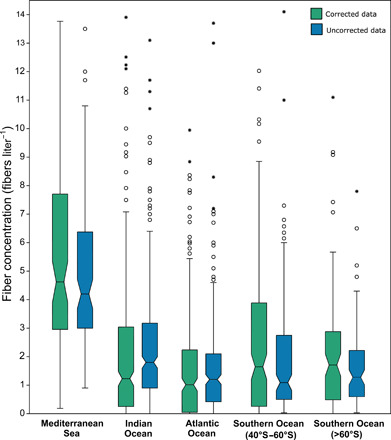
“Nevertheless, the longest fibers were found in the Mediterranean Sea, probably indicating recent inputs into the basin, being closer to pollution sources and more similar to the length of cotton and rayon fibers freshly released by laundering (10, 11).”
BackgroundResultA first overview of textile fibers, including microplastics, in indoor and outdoor environments
Dris, R., Gasperi, J., Mirande, C., Mandin, C., Guerrouache, M., Langlois, V., & Tassin, B. (2017) · Environmental Pollution · doi:10.1016/j.envpol.2016.12.013 · Cited by 1,604
Anthropogenic contamination of tap water, beer, and sea salt
Kosuth, M., Mason, S. A., & Wattenberg, E. V. (2018) · PLOS ONE · doi:10.1371/journal.pone.0194970 · Cited by 1,244 · cited 1×
“Given their abundance, it is not surprising that fibers have been detected in food (18), drinking water (28), and human lungs (29), as well as in the digestive tracts of many aquatic (30, 31) and terrestrial organisms (32).”
BackgroundGlobal warming releases microplastic legacy frozen in Arctic Sea ice
Obbard, R. W., Sadri, S., Wong, Y. Q., Khitun, A. A., Baker, I., & Thompson, R. C. (2014) · Earth's Future · doi:10.1002/2014ef000240 · Cited by 1,092 · cited 3×
“This is in agreement with recent studies showing that cellulosic fibers account for more than 60–80% of all fibers in seafloor sediments (23, 24), marine organisms (30, 31), wastewater (38), fresh water (26, 27), ice cores (22), and airborne fiber populations (14, 39).”
BackgroundResultPrimary microplastics in the oceans: A global evaluation of sources
Boucher, J., & Friot, D. (2017) · doi:10.2305/iucn.ch.2017.01.en · Cited by 1,023 · cited 3×
“Synthetic fibers, however, are generally smoother and brighter than cellulosic ones (55), and therefore, the bias should have been directed toward a preferential selection of synthetic fibers, rather than cellulosic ones.”
Background
Cited by
Items 301–400 of 544
Improving enzymatic degradation of unpretreated poly(ethylene terephthalate)
Cao, Y., Xiang, L., Nikodinović‐Runić, J., Maslak, V., Jin, J.-M., Liang, C., & Tang, S. (2025) · CHINESE JOURNAL OF CATALYSIS (CHINESE VERSION) · doi:10.1016/s1872-2067(24)60232-9 · Cited by 10
Ossa-Yepes, M., Ríos-Pulgarín, M. I., Villabona-González, S. L., Zapata-Vahos, I. C., Amezcua, F., & Barletta, M. (2025) · Hydrobiologia · doi:10.1007/s10750-025-05899-x · Cited by 10
“Thus, microfibres of natural origin (cotton and rayon) could be just as problematic as MPs (Suaria et al., 2020).”
Gaur, A., Singhal, N., Singh, R. K., Jain, R., Singh, N., Pant, G., Karnwal, A., & Malik, T. (2025) · Polymer Testing · doi:10.1016/j.polymertesting.2025.108918 · Cited by 13
A review of microplastic contamination in the cryosphere
Qayoom, I., Jan, F. Z., Rashid, I., Bhat, G. A., Ambili, A., & Sarangi, C. (2025) · iScience · doi:10.1016/j.isci.2025.114414 · Cited by 11
“40,100 Likewise, in the Arctic, primary local sources associated with major maritime activities, including hydrocarbon exploration, aquaculture, shipping traffic, fisheries, and cruise tourism, add substantial MP loads.”
Little evidence for bioaccumulation or biomagnification of microplastics in a deep-sea food web
Hermabessière, L., Thaysen, C., Sherlock, C., Choy, C. A., & Rochman, C. M. (2023) · Marine Ecology Progress Series · doi:10.3354/meps14458 · Cited by 10
Higueruelo, A., Constenla, M., Padrós, F., Sánchez‐Marín, P., Carrassón, M., Soler‐Membrives, A., & Dallarés, S. (2024) · Marine Pollution Bulletin · doi:10.1016/j.marpolbul.2024.116200 · Cited by 11
Polyester Microfibers Exposure Modulates Mytilus galloprovincialis Hemolymph Microbiome
Auguste, M., Leonessi, M., Doni, L., Oliveri, C., Kokalj, A. J., Drobne, D., Vezzulli, L., & Canesi, L. (2024) · International Journal of Molecular Sciences · doi:10.3390/ijms25158049 · Cited by 10
“In samples collected in different world seawater compartments, fibres were almost constantly present, and polyester was the most abundant synthetic polymer [3].”
BackgroundFilho, C. A. D. F. (2025) · Environmental Science and Pollution Research · doi:10.1007/s11356-024-35865-4 · Cited by 12
“By 2030, production is expected to increase by 145 million metric tons if production continues at current levels (Suaria et al. 2020).”
Distribution of Microplastics in the Marine Environment
Strafella, P., Correa, M. L., Pyko, I., Teichert, S., & Gomiero, A. (2022) · Springer eBooks · doi:10.1007/978-3-030-39041-9_43 · Cited by 19
Trophic transfer of polyester microfibres across a multi-level marine food web.
Miller, M. E., Motti, C. A., Snekkevik, V. K., Vickers, K., Kennedy, H., Bastin, L., Hamann, M., & Kroon, F. J. (2025) · Marine Pollution Bulletin · doi:10.1016/j.marpolbul.2025.118590 · Cited by 9
Sardines in hot water: Unravelling plastic fibre ingestion and feeding behaviour effects
Rodríguez-Romeu, O., Constenla, M., Soler‐Membrives, A., Dutto, G., Saraux, C., & Schull, Q. (2024) · Environmental Pollution · doi:10.1016/j.envpol.2024.125035 · Cited by 9
Xie, S., Su, Y., Qi, D., Fei, L., Gao, L., Bao, R., Cheng, X., Lin, X., Zhang, T., & Peng, L. (2025) · Water Research · doi:10.1016/j.watres.2025.123289 · Cited by 9
Chouchene, K., Silva, A. L. P., Costa, A. L., Marinho, A., Duarte, A. C., Rocha‐Santos, T., & da Costa, J. P. (2025) · Green Analytical Chemistry · doi:10.1016/j.greeac.2025.100293 · Cited by 9
Evaluation of the crimp formability of side-by-side PLA/PTT bicomponent fibers
Yu, J., Li, X., Ji, H. M., Zhang, Y., & Chen, K. (2021) · Textile Research Journal · doi:10.1177/0040517521990903 · Cited by 9
Fattah, G., Ghrissi, F., Mabrouki, J., & Al-Jadabi, N. (2021) · The international archives of the photogrammetry, remote sensing and spatial information sciences/International archives of the photogrammetry, remote sensing and spatial information sciences · doi:10.5194/isprs-archives-xlvi-4-w5-2021-225-2021 · Cited by 9
Alves, N. M., Rodriguez, J., Mauro, R. P. D., Rodríguez, J. S., Maldonado, D., Braverman, M. S., Temperoni, B., & Díaz, M. V. (2024) · Marine Pollution Bulletin · doi:10.1016/j.marpolbul.2024.116368 · Cited by 9
Li, C., Shi, L., Liu, T., Dong, K., Ren, W., & Zhang, Y. (2025) · Environmental Geochemistry and Health · doi:10.1007/s10653-025-02430-y · Cited by 9
“One is that large plastic waste is directly discarded or leaked into the aquatic environment (Environment, 2022; Suaria et al., 2020).”
The fiber microparticle pipeline in the marine water column – from source to mitigation strategies
Tobin, C., & Urban-Rich, J. (2021) · Environmental Advances · doi:10.1016/j.envadv.2021.100133 · Cited by 9
Explorations in the dark continent: Did microplastics and microfibres get here before us?
Balestra, V., & Bellopede, R. (2025) · The Science of The Total Environment · doi:10.1016/j.scitotenv.2025.179328 · Cited by 8
Deciphering morphology patterns of environmental microfibers: Insights into source apportionment
Yan, R., Li, J., Li, J., Liu, Y., Xu, Z., Ge, X., Lu, X., Yadav, K. K., Obaidullah, A. J., & Tang, Y. (2024) · Water Research · doi:10.1016/j.watres.2024.121814 · Cited by 8
Romero‐Sarmiento, M., Rohais, S., & Dreillard, M. (2024) · The Science of The Total Environment · doi:10.1016/j.scitotenv.2024.177335 · Cited by 8
Microfiber Hotspots’ Association with Ships in a Remote Port before and during Covid-19
Peng, G., Mengeot, C., Jiang, C., Xu, B., Zhong, X., Song, Y. J., Zhang, F., & Li, D. (2023) · ACS ES&T Water · doi:10.1021/acsestwater.2c00382 · Cited by 8
My, T. T. A., Dat, N. D., Hung, N. Q., & Viet, P. H. (2023) · Water Air & Soil Pollution · doi:10.1007/s11270-023-06650-9 · Cited by 8
“Artificial fibers are not completely synthesized from petroleum substances, such as viscose, cellulose acetate, and rayon (Cesa et al., 2017), which can be released from the washing of textiles as emerging pollutants in marine ecosystems (Suaria et al., 2020; Macieira et al., 2021).”
BackgroundMicroplastics particles in coastal zone: Approach of physical oceanography
Chubarenko, I., Esiukova, E., Bagaev, A., Isachenko, I. A., Zobkov, M., Bagaeva, M., Khatmullina, L., & Fetisov, S. (2024) · Elsevier eBooks · doi:10.1016/b978-0-443-15332-7.00005-3 · Cited by 10
Filimon, A., Ciucă, A.-M., Harcotă, G.-E., & Stoica, E. (2024) · Animals · doi:10.3390/ani14060886 · Cited by 8
“The fibre prevalence was claimed in most of the published studies [26,35,39,41,43].”
BackgroundMboglen, D., Gong, Y., Guo, Z., Nola, D. N., & Li, Y. (2024) · Marine Pollution Bulletin · doi:10.1016/j.marpolbul.2024.116531 · Cited by 8
Mankin, C., & Huvard, A. L. (2020) · American Journal of Undergraduate Research · doi:10.33697/ajur.2020.019 · Cited by 8
“8 We studied the uptake and retention of microfibers by examining two species of the cosmopolitan marine mussel genus Mytilus : ( M. californianus and M. edulis ) .”
Aging of textile-based microfibers in both air and water environments
Ma, S., Min, X., Xu, L., Jiang, X., Liu, Y., Gao, P., Ji, P., Kim, H., & Cai, L. (2025) · Water Research · doi:10.1016/j.watres.2025.123731 · Cited by 7
Akyıldız, S. H., Sezgin, H., Yalçın-Eniş, İ., Balestra, V., Marini, P., & Bellopede, R. (2025) · Journal of the Textile Institute · doi:10.1080/00405000.2025.2547125 · Cited by 11
“…contribute to pollution in ecosystems like marine environments, rivers and groundwater (Athey et al., 2020; Balestra et al., 2024; Chen et al., 2024; Kumar et al., 2024; Li et al., 2023; Samal et al., 2024; Suaria et al., 2020; Sustainable Investment Institute, 2022; Tyagi, 2024; Yan et al., 2024).”
Mejjad, N., Laissaoui, A., Bouh, H. A., Aouidi, S. E., Moumen, A., Azidane, H., & Bouhaddioui, M. E. (2024) · E3S Web of Conferences · doi:10.1051/e3sconf/202448906005 · Cited by 8
Torresi, M., Giménez, J., Navarro, J., Coll, M., García‐Barcelona, S., Macías, D., Borrell, A., & Garcia‐Garin, O. (2024) · Marine Pollution Bulletin · doi:10.1016/j.marpolbul.2024.116767 · Cited by 9
“Cellulose fibers were also represented in the samples collected in the current study, which was expected considering that these fibers are highly abundant in the oceans due to their importance in textiles (Suaria et al., 2020).”
Isa, V., Seveso, D., Concari, E., Becchi, A., Saliu, F., Lasagni, M., Collina, E. M., Madaschi, A., Lavorano, S., Montano, S., et al. (2024) · Environmental Pollution · doi:10.1016/j.envpol.2024.125433 · Cited by 7
Concato, M., Panti, C., Baini, M., Galli, M., Angiolillo, M., & Fossi, M. C. (2025) · Marine Environmental Research · doi:10.1016/j.marenvres.2025.107138 · Cited by 7
Khan, A., & Rountos, K. J. (2025) · Marine Environmental Research · doi:10.1016/j.marenvres.2025.107205 · Cited by 7
Santonicola, S., Volgare, M., Cocca, M., & Colavita, G. (2023) · Microplastics · doi:10.3390/microplastics2040030 · Cited by 7
Arquillo, J. D. L., Oliveira, C., González, J. S., & Durán‐Sánchez, A. (2023) · Land · doi:10.3390/land13010050 · Cited by 7
Shobier, A. H., Shabaka, S. H., El-Sayed, A. A. M., Shreadah, M. A., & Ghani, S. A. A. (2024) · Marine Pollution Bulletin · doi:10.1016/j.marpolbul.2024.117000 · Cited by 7
Coughlan, N. E., Doyle, S., Baker‐Arney, C., Griffith, R. M., Lyne, L., Williams, H., Kelly, T. C., McMahon, B. J., Dick, J. T. A., & Cunningham, E. M. (2020) · Marine Pollution Bulletin · doi:10.1016/j.marpolbul.2020.111588 · Cited by 7
Real-time visualization reveals copepod mediated microplastic flux
Fagiano, V., Cole, M., Coppock, R., & Lindeque, P. K. (2025) · Journal of Hazardous Materials · doi:10.1016/j.jhazmat.2025.140551 · Cited by 7
Yu, Y.-B., Jo, A.-H., Choi, C. Y., Kang, J.-U., & Kim, J.-H. (2026) · Fish & Shellfish Immunology · doi:10.1016/j.fsi.2026.111139 · Cited by 6
Rangel-Buitrago, N. G., Ben-Haddad, M., Nicoll, K., Galgani, F., & Neal, W. J. (2026) · Anthropocene · doi:10.1016/j.ancene.2026.100538 · Cited by 6
Yan, R., Li, J., Wan, Y., Liu, Y., Zuo, R., Cai, Y., Chen, Y., & Tang, Y. (2026) · Analytical Chemistry · doi:10.1021/acs.analchem.5c06410 · Cited by 6
Plastic and anthropogenic microfiber pollution on exposed sandy beaches in Nova Scotia, Canada
Kelly, N. E., Trela, O., Gavel, H., & Kuylen, A. V. (2024) · Water Emerging Contaminants & Nanoplastics · doi:10.20517/wecn.2023.66 · Cited by 7
Vukčević, M., Maletić, M., Pejic, B. M., Kalijadis, A. M., Kostić, M., Trivunac, K. V., & Perić‐Grujić, A. A. (2024) · Sustainability · doi:10.3390/su16093660 · Cited by 6
“These synthetic fibers can be the source of plastic microfibers, Sustainability 2024 , 16 , 3660 2 of 14 representing a significant and unique group of microplastics that have a dramatic environmental impact [1,2].”
Furlan, I. C., Fornari, M., Sawakuchi, A. O., Giannini, P. C. F., Dipold, J., de Freitas, A. Z., Wetter, N. U., & Semensatto, D. (2024) · The Science of The Total Environment · doi:10.1016/j.scitotenv.2024.177479 · Cited by 6
Bhattacharjee, S., Ghosh, P. K., Basu, S., Mukherjee, T., Mandal, B., Sinha, P., & Mukherjee, A. (2025) · Environmental Research · doi:10.1016/j.envres.2025.121218 · Cited by 6
Velásquez, S. T. R., Hu, Q., Kramm, J., Santin, V. C., Völker, C., & Wurm, F. R. (2025) · Angewandte Chemie · doi:10.1002/ange.202423406 · Cited by 6
Gannon, A., Granek, E. F., Nielsen‐Pincus, M., & Harkins, L. (2025) · Microplastics and Nanoplastics · doi:10.1186/s43591-025-00119-8 · Cited by 6
“While these measures represent actionable steps towards MP management and reduction, outside of Oregon’s SB 405 and 526 and California’s failed bill, there have been few attempts to address a major source of MPs in the environment: domestic and commercial laundry [42, 43].”
Influence of microplastics on microbial anaerobic detoxification of chlorophenols
Deng, Z., Zhang, N., Jiang, L., Liu, H., Hu, S., Zhang, D., Chen, B., Liu, Q., Sun, Y., Chen, J., et al. (2022) · Environmental Pollution · doi:10.1016/j.envpol.2022.120707 · Cited by 6
Li, B., Jia, Q., Li, B., Hong, B., Cai, Y., Peng, J., & Yang, Z. (2023) · Environmental Science and Pollution Research · doi:10.1007/s11356-023-26570-9 · Cited by 6
“, 50) because rayon and nylon are the main raw materials of the textile industry (Lithner et al. 2011; Suaria et al. 2020; Palacios-Marin et al. 2022).”
BackgroundZhang, L., Lu, G., Ling, X., Yan, Z., Liu, J., & Ding, K. (2024) · Journal of Hazardous Materials · doi:10.1016/j.jhazmat.2024.135610 · Cited by 6
Microplastics in FLOW: Seasonal patterns in major Latvian rivers
Barone, M., Svipsta, S., Bikše, J., & Dimante‐Deimantovica, I. (2025) · Case Studies in Chemical and Environmental Engineering · doi:10.1016/j.cscee.2025.101202 · Cited by 5
Stelzer, R. S., Strauss, E. A., Lucas, J. R., Kleinheinz, G. T., & Christus, J. D. S. (2025) · Water Air & Soil Pollution · doi:10.1007/s11270-025-08248-9 · Cited by 6
“However, some authors (e.g. Suaria et al., 2020) do not consider partially-synthetic polymers, such as modified cellulose, as plastic.”
Wang, Z., Aizezi, N., Ye, Y., Meng, H., & Liu, Y. (2025) · Spectrochimica Acta Part B Atomic Spectroscopy · doi:10.1016/j.sab.2025.107270 · Cited by 7
Matias, R. S., Holhorea, P. G., Gomes, S. M., Calduch-Giner, J. À., Guilhermino, L. M., Naya-Català, F., Pérez‐Sánchez, J., & Valente, L. M. P. (2025) · Environmental Pollution · doi:10.1016/j.envpol.2025.127084 · Cited by 5
Roy, V. K., Tahnun, M. N., Roy, H., Afrin, R., Islam, M. S., & Rahman, M. M. (2025) · RSC Advances · doi:10.1039/d5ra05599g · Cited by 5
Beyond plastics: occurrence and ecological risks of non-plastic microfibres in aquatic organisms
Jolly, D. J., O’Gorman, E. J., Green, D. S., Cooper, R. J., Bakir, A., & Tolhurst, T. J. (2025) · Microplastics and Nanoplastics · doi:10.1186/s43591-025-00153-6 · Cited by 5
“Microfibres are some of the most prevalent micropollut-ants in aquatic environments, accounting for 80–90% of anthropogenic microparticle (AMP) compositions [1–3].”
Shafi, M., Lodh, A., Akhoon, R. H., Gani, K. M., & Goel, S. (2025) · Environmental Science Advances · doi:10.1039/d5va00201j · Cited by 6
The effects of plastic pollution on biodiversity
Savoca, M. S., Murphy, E. L., Brandon, A. M., Hampton, L. M. T., Roman, L., Kong, M., Fernandes, M. E., Abrokwah, S., Darter, C., Galgani, F., et al. (2026) · Nature Reviews Biodiversity · doi:10.1038/s44358-026-00170-0 · Cited by 8
Anselmi, S., Provenza, F., Bentivoglio, T., Picerno, G., Cavallo, A., & Renzi, M. (2023) · Oceans · doi:10.3390/oceans4010009 · Cited by 5
Pierucci, A., & Suaria, G. (2023) · Marine Ecology Progress Series · doi:10.3354/meps14484 · Cited by 5
Self-citationGalgani, F., Maes, T., & Li, D. (2024) · Elsevier eBooks · doi:10.1016/b978-0-443-15779-0.00004-3 · Cited by 5
Microfibre pollution: An emerging contaminant, alarming threat to the global environment
Wagay, S. A., & Sheikh, J. N. (2024) · Journal of Environmental Management · doi:10.1016/j.jenvman.2024.123055 · Cited by 5
Aslam, M., Wang, X., Baqar, M., Yao, Y., Wang, L., & Sun, H. (2025) · Reviews of Environmental Contamination and Toxicology · doi:10.1007/s44169-024-00077-x · Cited by 5
“Textile products made up of synthetic plastic fibers release microfibers during washing throughout their life cycle (De Falco et al. 2019; Suaria et al. 2020; Acharya et al. 2021).”
Han, Q., Wu, X., & Ding, X. (2025) · Journal of Hazardous Materials · doi:10.1016/j.jhazmat.2025.137638 · Cited by 5
Santonicola, S., Volgare, M., Schiano, M. E., Cocca, M., & Colavita, G. (2024) · Italian Journal of Food Safety · doi:10.4081/ijfs.2024.12216 · Cited by 5
“In fact, these particles, as well as man-made fibers (sometimes called “artificial fibers”), composed of processed polymers from natural materials, are widespread in the sea and oceans, where they can persist for months to decades (Suaria et al. , 2020; Athey and Erdle, 2022).”
BackgroundResultInfluentialBiodegradability, sustainability, and life cycle assessment of smart textiles
Agrawal, R. (2024) · Elsevier eBooks · doi:10.1016/b978-0-443-15471-3.00009-1 · Cited by 6
Deheyn, D. D., Ayesu, J., & Skinner, B. (2026) · Environmental Advances · doi:10.1016/j.envadv.2026.100711 · Cited by 6
The mechanism of microplastic fibers release in a front-loading washing machine
Liu, G., Cui, Y., Wang, K., Wang, L., Wu, M., & Liu, H. (2025) · Textile Research Journal · doi:10.1177/00405175241291216 · Cited by 4
Micro-litter pollution in the ascidian Cnemidocarpa verrucosa along the Antarctic Peninsula
Gonzalez-Pineda, M., Salvado, H. H., Monràs-Riera, P., & Àvila, C. (2025) · Environmental Pollution · doi:10.1016/j.envpol.2025.127017 · Cited by 4
Kurtul, I., Eryaşar, A. R., Mutlu, T., Parker, B., Kaya, Ç., Bayçelebi, E., Haubrock, P. J., Tarkan, A. S., Britton, J. R., Hasan Musa, S. A. R. I., et al. (2025) · Environmental Sciences Europe · doi:10.1186/s12302-025-01276-6 · Cited by 4
“With black micro-plastics linked to tire wear and road runoff [23] and blue particles often originating from fishing gear and textiles [62].”
Pegoraro, M., Jacoby, J., Bertoldi, C., Gomes, R. S., Fernandes, A. N., & Nunes, G. T. (2026) · Ecotoxicology · doi:10.1007/s10646-025-03018-z · Cited by 4
“However, NACP was more prevalent than other polymers and similar trends have been reported in previous studies (Suaria et al. 2020; Bourdages et al. 2021).”
Gérigny, O., Ourgaud, M., Papillon, L., Brach-Papa, C., Gonzalez, J.-L., Maccolini, M., Marchand, J., Sempéré, R., & Galgani, F. (2026) · Marine Pollution Bulletin · doi:10.1016/j.marpolbul.2026.119216 · Cited by 5
“Natural” fibers in lakes: A 150-year sedimentary perspective on persistence
Stanton, T. H., Law, A., Somers, C., Worne, S., Sheridan, K. J., KeChi-Okafor, C., Wheat, A., Wood, A., Bateman, A., Richardson, N., et al. (2026) · iScience · doi:10.1016/j.isci.2026.114904 · Cited by 4
“Where research into contemporary environmental pollution has considered entire textile fiber populations, non-plastic textile fibers (e.g., cotton and wool) are consistently identified as the dominant fiber type, 1–4 particularly cellulosic fibers.”
Turbulence-informed kinetic theory of inertial-range fibre fragmentation
Mazzino, A. (2026) · Journal of Fluid Mechanics · doi:10.1017/jfm.2026.11233 · Cited by 4
Microplastic and microfibre pollution in confined aquifers: insights from Italy
Balestra, V., Valle, M., Bellopede, R., & Fiorucci, A. (2026) · Environmental Research · doi:10.1016/j.envres.2026.124416 · Cited by 4
“MFs have been found in different natural environments (Balestra et al., 2024a; Finnegan et al., 2022; Hasenmueller et al., 2023; Stanton et al., 2019; Suaria et al., 2020a, 2020b), as well as in animal (Le Guen et al., 2020; Remy et al., Fig.”
Gong, Y., Wang, Q., Xiang, Y., Liu, B., Chen, X., & Zhang, Y. (2024) · Regional Studies in Marine Science · doi:10.1016/j.rsma.2024.103799 · Cited by 4
Xu, C., Shen, W., Zeng, C., Yu, Y., Zhang, S., Ji, P., & Wang, H. (2024) · Polymer Degradation and Stability · doi:10.1016/j.polymdegradstab.2024.111100 · Cited by 6
Microplastics in ballast water and limiting movement in the global aquatic environment: A case study
Kalniņa, R., & Andze, L. (2025) · Marine Pollution Bulletin · doi:10.1016/j.marpolbul.2025.118538 · Cited by 4
Bergamin, L., Bella, L. D., Romano, E., D’Ambrosi, A., Fazio, M. D., Gaglianone, G., Medeghini, L., Pierdomenico, M., Pierfranceschi, G., Provenzani, C., et al. (2024) · Regional Studies in Marine Science · doi:10.1016/j.rsma.2024.103547 · Cited by 4
Sources of Synthetic Microfiber Pollutants in the Environment and Their Fate and Toxicity
Naik, B., Sukla, L. B., & Dash, A. K. (2024) · Springer eBooks · doi:10.1007/978-3-031-62600-5_1 · Cited by 4
First Report of Plastic and Artificial Cellulose Ingestion by Freshwater Turtles in the Amazon
Santos, A. L. P., de Oliveira, T. D. A. P., Sforzi, L., Pezzuti, J. C. B., Miorando, P. S., Rebelo, L. G. B., Bezerra, A. M., Martellini, T., Chelazzi, D., Cincinelli, A., et al. (2025) · Water Air & Soil Pollution · doi:10.1007/s11270-025-07877-4 · Cited by 4
“…of waste debris that was found consisted of artificial cellulose particles originating from textile washing, which are the most prevalent synthetic materials found in the oceans (Suaria et al., 2020), in the Amazon River and its mouth (Queiroz et al., 2022; Rico et al., 2023; Santos et al., 2023).”
Negligible adsorption and toxicity of microplastic fibers in disinfected secondary effluents
Dawas, A., Rubin, A. E., Sand, N., Mordechay, E. B., Chefetz, B., Mordehay, V., Cohen, N., Radian, A., Ilić, N., Hübner, U., et al. (2024) · Environmental Pollution · doi:10.1016/j.envpol.2024.124377 · Cited by 3
Recabarren, T., Torres, M., Jacobsen, C., Pozo, K., Gironés, L., Arias, A. H., Urrutia, R., Ye, G., Příbylová, P., Klánová, J., et al. (2025) · Environmental Pollution · doi:10.1016/j.envpol.2025.126196 · Cited by 3
Huang, K., Li, J., Xie, L., Xie, J., Gao, S., Ji, R., Zhou, D., & Gu, X. (2025) · Environmental Science & Technology Letters · doi:10.1021/acs.estlett.5c00334 · Cited by 3
Monràs-Riera, P., Ruiz-Orejón, L. F., Angulo‐Preckler, C., Sardá, R., & Àvila, C. (2025) · Environmental Research · doi:10.1016/j.envres.2025.122560 · Cited by 3
Dong, D., Gao, W., & Zhou, Q. (2025) · Water Air & Soil Pollution · doi:10.1007/s11270-025-08873-4 · Cited by 3
“MPs are primarily generated through human activities, including the degradation, abrasion, and direct release of plastic waste, and are typically composed of synthetic polymers (Suaria et al., 2020).”
Anthropogenic particles and associated metals in Antarctic seabirds from Victoria Land (Antarctica)
Bottari, T., Leonardi, A. A., Bruno, C. A., Guardamagna, I., Lanteri, G., Fabrizi, F., Irrera, A., Smedile, F., Azzaro, M., D’Angelo, G., et al. (2025) · Journal of Hazardous Materials · doi:10.1016/j.jhazmat.2025.140627 · Cited by 4
Microfibers Accumulation within a Mediterranean Submesoscale Cyclone
Testa, G., Suaria, G., Paluselli, A., Ragione, S. L., Gambale, M., Berta, M., Rivera, L. A., Mahadevan, A., Middleton, L., Falcieri, F. M., et al. (2026) · Environmental Science & Technology · doi:10.1021/acs.est.5c13987 · Cited by 4
Self-citationNaya-Català, F., Domingo-Bretón, R., Matias, R. S., Calduch-Giner, J. À., Belenguer, Á., Gomes, S., Guilhermino, L. M., Moroni, F., Valente, L. M. P., & Pérez‐Sánchez, J. (2026) · Environmental Microbiome · doi:10.1186/s40793-026-00851-5 · Cited by 4
“Microfibers enter into both marine and freshwater ecosystems via sewage systems, which are estimated to discharge approximately 0.28 million metric tonnes (MMT) into the seas and oceans annually [8, 9].”
InfluentialDonnarumma, V., Suaria, G., Paluselli, A., Aliani, S., Pasanisi, E., Maffucci, F., Azzolin, M., Campana, I., Castelli, A., Costantino, M., et al. (2026) · Environmental Pollution · doi:10.1016/j.envpol.2026.128391 · Cited by 3
Self-citationProbert, E., Allen, E., Henninger, C. E., Barras, C., & Wood, J. (2026) · Environmental Research Letters · doi:10.1088/1748-9326/ae867b · Cited by 3
“For example, Kechi-Okafor et al (2023), Tremolada et al (2024), El Rakwe et al (2026) and Suaria et al (2020) reported higher abundances of cellulosic microfibres (i.e. cotton and/or viscose) compared to synthetic microfi-bres in marine environments.”
Antacli, J. C., Rimondino, G. N., Mauro, R. P. D., Alurralde, G., Servetto, N., Garcia, M. D., González, G. A., Morales, S., Sahade, R., Vodopivez, C. L., et al. (2024) · Marine Pollution Bulletin · doi:10.1016/j.marpolbul.2024.117236 · Cited by 3
Li, H., Song, W., Wang, S., Wang, Y., Ma, Y., Su, Y., & Ji, R. (2025) · Ecotoxicology and Environmental Safety · doi:10.1016/j.ecoenv.2025.117814 · Cited by 4
First Evidence of Microplastics in the Deep-Sea Barnacle in the Indonesian Throughflow Region
Cordova, M. R., Iskandar, M. R., Surinati, D., Purwandana, A., Kaisupy, M. T., Pitriana, P., Arfianti, T., Wibowo, S. P. A., Subandi, R., Ulumuddin, Y. I., et al. (2025) · Environmental Forensics · doi:10.1080/15275922.2025.2539678 · Cited by 4
“…presence of fibers, correspond with the global pattern observed in inland, coastal, and open waters worldwide, including in the study area both on the surface and at lower depths (Cordova et al. 2024a; Cordova and Hernawan 2018; Forero-L � opez et al. 2021; Suaria et al. 2020; Yuan et al. 2023).”
Piccinini, A., Lucia, G., Colarossi, D., Principi, P., Amenitsch, H. W., Pittura, L., Regoli, F., Gorbi, S., & Spinozzi, F. (2025) · PLoS ONE · doi:10.1371/journal.pone.0328502 · Cited by 3
“In particular, cellulose-based MFs represent 60–80% of all MFs detected in aquatic environments, and the reasons for their unexpectedly long environmental persistence remain under debate [28].”
Gonçalves, G. R. L., de Sousa, A. N., Wolf, M. R., Soares, I. M., & Castilho, A. L. (2023) · Papéis Avulsos de Zoologia · doi:10.11606/1807-0205/2023.63.001 · Cited by 3
“Most of these fi‑ bres come from textile products that break down during production and laundering (Cole et al., 2011; Nelms et al., 2017; Suaria et al., 2020).”
BackgroundResultTalley, T. S., Loflen, C. L., Venuti, N. E., Pedersen, D., Gossett, R. W., & Baker, M. D. (2023) · Environments · doi:10.3390/environments10060091 · Cited by 3
“…only), loads of contaminants of emerging concern, including personal care products and pharmaceuticals [15,16], recently trending pesticides (e.g., neonicotinoids; [17]) and anthropogenic debris, including small natural and synthetic textile fibers and plasticizers (phthalates) (e.g., [18–20]).”
BackgroundDetection and Identification of Microplastics in Food and the Environment
Waldman, W. R., Vidal, C., Dias, M. A., Resende, V. Z. E., & Montagner, C. C. (2024) · Methods and protocols in food science · doi:10.1007/978-1-0716-3613-8_3 · Cited by 3
Matos, D. M., Ramos, J. A., Brandão, A. L., Baptista, F., Rodrigues, I., Fernandes, J. O., de Carvalho, L. A. E. B., Marques, M. P. M., Cunha, S. C., Antunes, S., et al. (2024) · The Science of The Total Environment · doi:10.1016/j.scitotenv.2024.173815 · Cited by 3
Metadata
- Authors
- Suaria, G., Achtypi, A., Perold, V., Lee, J. R., Pierucci, A., Bornman, T. G., Aliani, S., & Ryan, P. G.
- Affiliations
- Istituto di Scienze Marine del Consiglio Nazionale delle Ricerche (IT)
- University of Cape Town (ZA)
- Monash University (AU)
- University of Cagliari (IT)
- South African Environmental Observation Network (ZA)
- Corresponding author
- Suaria, Giuseppe
- ORCID
- Venue
- Science Advances
- Published
- 2020-06-05
- Volume
- 6
- Issue
- 23
- Pages
- eaay8493-eaay8493
- ISSN
- 2375-2548 (ISSN-L)
- PMC
- PMC7274779
- OpenAlex
- W3033279253
- Cited by
- 528
- References
- 57
- Citations by year
- 2026: 79 · 2025: 100 · 2024: 101 · 2023: 79 · 2022: 83 · 2021: 74 · 2020: 12
- FWCI
- 15.32
- Type
- journal article
- Language
- en
- Open access
- gold
- doi.org
- Licence
- cc-by-nc
- Locations
- Science Advances (publishedVersion, cc-by-nc)
- PubMed Central (publishedVersion, cc-by-nc)
- PubMed (publishedVersion)
- Nelson Mandela University Research Repository (submittedVersion, cc-by-nc)
- HAL (submittedVersion)
- Funders
- Swiss Polar Institute
- Topics
- Physical Sciences › Environmental Science › Pollution › Microplastics and Plastic Pollution
- Physical Sciences › Environmental Science › Pollution › Pharmaceutical and Antibiotic Environmental Impacts
- Physical Sciences › Environmental Science › Pollution › Oil Spill Detection and Mitigation
- Keywords
- microfibers, marine surface waters, natural polymers, cellulose fibers, synthetic fibers, microplastics, fiber composition, marine plastic pollution
About these checks
Registry, retraction, Cites and statistics results are computed, not judged, with one exception: a printed reference that no index lists is read once by a model before it counts as a citation error. Claims are extracted by a model and kept only when their quote appears verbatim in the text; each cited source is then checked, with a model’s help, for whether it says what the claim relies on. Those verdicts can be wrong — read the claim’s quote and the cited source before relying on one.
Statistics and arithmetic are recomputed, not judged.
Confidence bands are shown only for fields calibrated on our annotated test set. None is calibrated yet, so no band is shown.
What counts as a claim ›How we measure confidence ›How we check this ›
Are you an author, or do you see a problem with this page? Request a review
Data sources
Bibliographic data: Semantic Scholar, OpenAlex, Crossref.
Contains information from the Semantic Scholar Academic Graph Datasets, made available under the ODC Attribution License (ODC-BY 1.0).
Semantic Scholar’s data is described in: Kinney, R., et al. (2023). The Semantic Scholar Open Data Platform. arXiv:2301.10140.
