

Hypoxia Promotes Immune Evasion by Triggering β-Glucan Masking on the Candida albicans Cell Surface via Mitochondrial and cAMP-Protein Kinase A Signaling
Open accessThe DOI matches its Crossref record; 112 of the 112 references it cites were found in a registry or an index.
Abstract
Animal, plant, and fungal cells occupy environments that impose changes in oxygen tension. Consequently, many species have evolved mechanisms that permit robust adaptation to these changes. The fungal pathogen Candida albicans can colonize hypoxic (low oxygen) niches in its human host, such as the lower gastrointestinal tract and inflamed tissues, but to colonize its host, the fungus must also evade local immune defenses. We reveal, for the first time, a defined link between hypoxic adaptation and immune evasion in C. albicans . As this pathogen adapts to hypoxia, it undergoes changes in cell wall structure that include masking of β-glucan at its cell surface, and it becomes better able to evade phagocytosis by innate immune cells. We also define the signaling mechanisms that mediate hypoxia-induced β-glucan masking, showing that they are dependent on mitochondrial signaling and the cAMP-protein kinase pathway. Therefore, hypoxia appears to trigger immune evasion in this fungal pathogen.
Overview
The claims and statistics of this paper haven’t been checked yet.
Free: it reads the open-access text and checks the first 5 claims that cite a source we can check. Create a free account to check every claim.
Integrity signals
Registry
Cites
Statistics
Figures
Verification
Claims the paper makes
The claims and statistics of this paper haven’t been checked yet.
Free: it reads the open-access text and checks the first 5 claims that cite a source we can check. Create a free account to check every claim.
Claims other papers make about this one
Each is checked against this paper’s own text: does it say what the citing paper says it does?
The source backs part of the claim, not all of it — or backs it for a different population, condition or comparison.
In the citing paper
“Found in diverse microbial pathogens, but not in humans, Aox is proposed as a potential drug target given its reported role in governing diverse cellular stress response pathways, including a role in maintaining cell wall architecture16,17.”
From Multifactor transcriptional control of alternative oxidase induction integrates diverse environmental inputs to enable fungal virulence (2023) · cites this paper as [17]
Experimental — accuracy not yet measuredThe source backs part of the claim, not all of it — or backs it for a different population, condition or comparison.
In the citing paper
“Found in diverse microbial pathogens, but not in humans, Aox is proposed as a potential drug target given its reported role in governing diverse cellular stress response pathways, including a role in maintaining cell wall architecture16,17.”
From Multifactor transcriptional control of alternative oxidase induction integrates diverse environmental inputs to enable fungal virulence (2023) · cites this paper as [17]
Experimental — accuracy not yet measuredThe cited source says what the claim attributes to it.
In the citing paper
“However, two recent studies clearly indicated that hypoxic conditions led to alterations in the cell wall that mask C. albicans from host responses (61, 62).”
From Inhibition of Classical and Alternative Modes of Respiration in Candida albicans Leads to Cell Wall Remodeling and Increased Macrophage Recognition (2019) · cites this paper as [62]
Self-check
Percentages, sums and reported differences re-computed from the paper’s own numbers.
The self-check needs the paper’s full text.
Citations
Cites
Hidden Killers: Human Fungal Infections
Brown, G. D., Denning, D. W., Gow, N. A. R., Levitz, S. M., Netea, M. G., & White, T. C. (2012) · Science Translational Medicine · doi:10.1126/scitranslmed.3004404 · Cited by 4,284
Self-citationSherman, F. (2002) · Methods in Enzymology · doi:10.1016/s0076-6879(02)50954-x · Cited by 4,121
[1] Getting started with yeast
Sherman, F. (1991) · Methods in Enzymology · doi:10.1016/0076-6879(91)94004-v · Cited by 4,067
MICROBIAL ECOLOGY OF THE GASTROINTESTINAL TRACT
Savage, D. C. (1977) · Annual Review of Microbiology · doi:10.1146/annurev.mi.31.100177.000543 · Cited by 2,436
Chandel, N. S., McClintock, D. S., Feliciano, C. E., Wood, T. M., Melendez, J. A., Rodriguez, A. M., & Schumacker, P. T. (2000) · Journal of Biological Chemistry · doi:10.1074/jbc.m001914200 · Cited by 2,000 · cited 1×
“This is particularly significant because respiratory complex III releases superoxide into the mitochondrial intermembrane space (57, 85–87) and complex III is critical for hypoxic signaling (57, 58, 81, 84, 88, 89).”
Mitochondrial reactive oxygen species trigger hypoxia-induced transcription
Chandel, N. S., Maltepe, E., Goldwasser, E., Mathieu, C. E., Simon, M. C., & Schumacker, P. T. (1998) · Proceedings of the National Academy of Sciences · doi:10.1073/pnas.95.20.11715 · Cited by 1,926 · cited 1×
“ticularly significant because respiratory complex III releases superoxide into the mitochondrial intermembrane space (57, 85–87) and complex III is critical for hypoxic signaling (57, 58, 81, 84, 88, 89).”
Brown, G. D., & Gordon, S. (2001) · Nature · doi:10.1038/35092620 · Cited by 1,579
Self-citationMitochondrial complex III is required for hypoxia-induced ROS production and cellular oxygen sensing
Guzy, R. D., Hoyos, B., Robin, E., Chen, H., Liu, L., Mansfield, K. D., Simon, M. C., Hammerling, U., & Schumacker, P. T. (2005) · Cell Metabolism · doi:10.1016/j.cmet.2005.05.001 · Cited by 1,545 · cited 1×
“This is particularly significant because respiratory complex III releases superoxide into the mitochondrial intermembrane space (57, 85–87) and complex III is critical for hypoxic signaling (57, 58, 81, 84, 88, 89).”
Ubisemiquinone is the electron donor for superoxide formation by complex III of heart mitochondria
Turrens, J. F., Alexandre, A., & Lehninger, A. L. (1985) · Archives of Biochemistry and Biophysics · doi:10.1016/0003-9861(85)90293-0 · Cited by 1,214 · cited 1×
“This is particularly significant because respiratory complex III releases superoxide into the mitochondrial intermembrane space (57, 85–87) and complex III is critical for hypoxic signaling (57, 58, 81, 84, 88, 89).”
Dectin-1 is required for β-glucan recognition and control of fungal infection
Taylor, P. R., Tsoni, S. V., Willment, J. A., Dennehy, K. M., Rosas, M., Findon, H., Haynes, K., Steele, C., Botto, M., Gordon, S., et al. (2007) · Nature Immunology · doi:10.1038/ni1408 · Cited by 1,161
Self-citation
Cited by
Pathogenesis and virulence of Candida albicans
Lopes, J. P., & Lionakis, M. S. (2022) · Virulence · doi:10.1080/21505594.2021.2019950 · Cited by 477
Architecture of the dynamic fungal cell wall
Gow, N. A. R., & Lenardon, M. D. (2023) · Nature Reviews Microbiology · doi:10.1038/s41579-022-00796-9 · Cited by 447
Self-citationd'Enfert, C., Kaune, A.-K., Alaban, L.-R., Chakraborty, S., Cole, N., Delavy, M., Kosmala, D., Marsaux, B., Fróis-Martins, R., Morelli, M., et al. (2021) · FEMS Microbiology Reviews · doi:10.1093/femsre/fuaa060 · Cited by 347
Self-citationCandida albicans and Candida glabrata : global priority pathogens
Katsipoulaki, M., Stappers, M. H. T., Malavia-Jones, D., Brunke, S., Hube, B., & Gow, N. A. R. (2024) · Microbiology and Molecular Biology Reviews · doi:10.1128/mmbr.00021-23 · Cited by 180
“C. albicans modulates the exposure of β-1,3-glucan by actively masking this proinflammatory PAMP in response to host signals, such as carbon source, lactate, and other short-chain fatty acids (436, 497), pH (429, 498), hypoxia (499), and iron limitation (500).”
BackgroundSelf-citationThe pathobiology of human fungal infections
Brown, G. D., Ballou, E. R., Bates, S., Bignell, E., Borman, A. M., Brand, A., Brown, A. J. P., Coelho, C., Cook, P. C., Farrer, R. A., et al. (2024) · Nature Reviews Microbiology · doi:10.1038/s41579-024-01062-w · Cited by 210
“even closely related fungal pathogens can display different forms of adaptive prediction 78,79 .”
Self-citationAdapting to survive: How Candida overcomes host-imposed constraints during human colonization
Alves, R., Barata-Antunes, C., Casal, M., Brown, A. J. P., Van Dijck, P., & Paiva, S. (2020) · PLOS Pathogens · doi:10.1371/journal.ppat.1008478 · Cited by 122
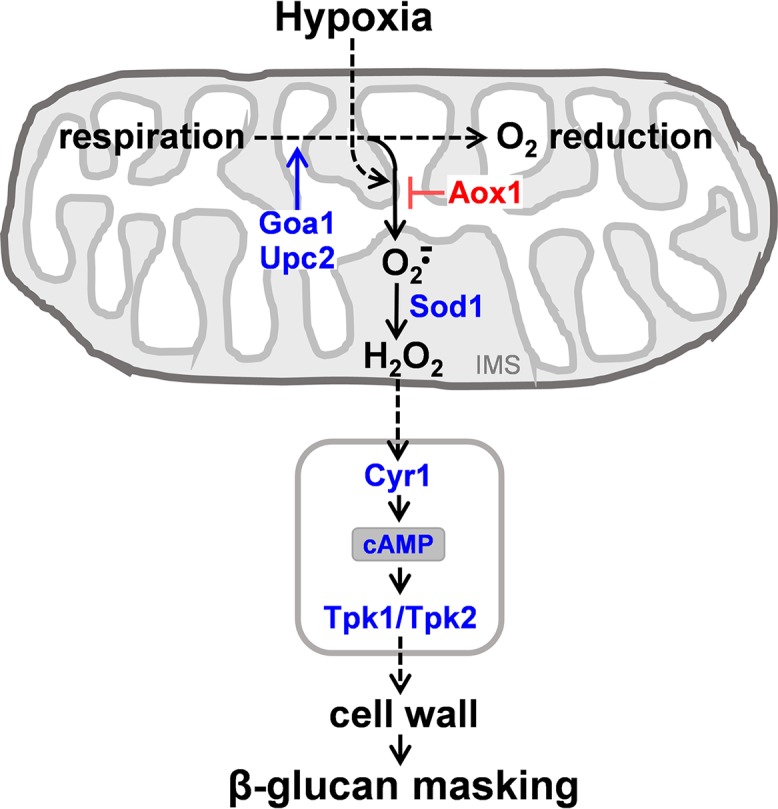
“H2O2 has been proposed to activate adenylyl cyclase (Cyr1) and cAMP-PKA (Tpk1/2) signaling, which in turn triggers cell-wall remodeling and β-glucan masking [97].”
BackgroundInfluentialSelf-citationNon-canonical signalling mediates changes in fungal cell wall PAMPs that drive immune evasion
Pradhan, A., Avelar, G. M., Bain, J. M., Childers, D., Pelletier, C., Larcombe, D. E., Shekhova, E., Netea, M. G., Brown, G. D., Erwig, L., et al. (2019) · Nature Communications · doi:10.1038/s41467-019-13298-9 · Cited by 119
Self-citationDivergent Approaches to Virulence in C. albicans and C. glabrata: Two Sides of the Same Coin
Galocha, M., Pais, P., Cavalheiro, M., Pereira, D., Viana, R., & Teixeira, M. C. (2019) · International Journal of Molecular Sciences · doi:10.3390/ijms20092345 · Cited by 105
“Hypoxia-induced masking is dependent on mitochondrial function and cAMP-protein kinase A (PKA) signaling, leading to reduced macrophage phagocytosis and cytokine (IL-10, RANTES, and TNF-α) production [170].”
BackgroundZeise, K. D., Woods, R. J., & Huffnagle, G. B. (2021) · Clinical Microbiology Reviews · doi:10.1128/cmr.00323-20 · Cited by 97
Mitochondrial Reactive Oxygen Species in Infection and Immunity
Mukherjee, A., Ghosh, K. K., Chakrabortty, S., Gulyás, B. Z., Padmanabhan, P., & Ball, W. B. (2024) · Biomolecules · doi:10.3390/biom14060670 · Cited by 114
“Previously, it was reported that, under hypoxic conditions in the host, Candida albicans could mask β -glucan via an elevation in mt-ROS [182].”
BackgroundEpitope Shaving Promotes Fungal Immune Evasion
Childers, D. S., Avelar, G. M., Bain, J. M., Pradhan, A., Larcombe, D. E., Netea, M. G., Erwig, L. P., Gow, N. A. R., & Brown, A. J. P. (2020) · mBio · doi:10.1128/mbio.00984-20 · Cited by 80
“To prepare hypoxic cultures, cells were inoculated into YNB-Glu in a screw-cap conical flask under nitrogen (16).”
Self-citationKumwenda, P., Cottier, F., Hendry, A. C., Kneafsey, D., Keevan, B., Gallagher, H., Tsai, H.-J., & Hall, R. A. (2022) · Cell Reports · doi:10.1016/j.celrep.2021.110183 · Cited by 104
“…with altered proinflammatory cytokine secretion (Wheeler and Fink, 2006; Wheeler et al., 2008; Hall, 2015; Ballou et al., 2016; Hopke et al., 2016; Sherrington et al., 2017; Lopes et al., 2018; Pericolini et al., 2018; Pradhan et al., 2018, 2019; Tripathi et al., 2020; Williams and Lorenz, 2020).”
BackgroundWurster, S., Watowich, S. S., & Kontoyiannis, D. P. (2022) · Frontiers in Immunology · doi:10.3389/fimmu.2022.1018202 · Cited by 81
Ribeiro, R. A., Vitorino, M. V., Godinho, C. P., Bourbon-Melo, N., Robalo, T. T., Fernandes, F., Rodrigues, M. S., & Sá‐Correia, I. (2021) · Scientific Reports · doi:10.1038/s41598-021-92069-3 · Cited by 70
Yadav, B., Mora-Montes, H. M., Wagener, J., Cunningham, I., West, L., Haynes, K., Brown, A. J. P., & Gow, N. A. R. (2020) · The Cell Surface · doi:10.1016/j.tcsw.2020.100042 · Cited by 66
Self-citationMetabolic Adaptations During Staphylococcus aureus and Candida albicans Co-Infection
Eichelberger, K. R., & Cassat, J. E. (2021) · Frontiers in Immunology · doi:10.3389/fimmu.2021.797550 · Cited by 67
“albicans reactive oxygen species signaling within mitochondria and the cAMP-PKA pathway (90).”
BackgroundNature of β-1,3-Glucan-Exposing Features on Candida albicans Cell Wall and Their Modulation
de Assis, L. J., Bain, J. M., Liddle, C., Leaves, I., Hacker, C., Peres da Silva, R., Yuecel, R., Bebes, A., Stead, D., Childers, D. S., et al. (2022) · mBio · doi:10.1128/mbio.02605-22 · Cited by 65
“Nevertheless, some b-1,3-glucan becomes exposed at septal junctions and bud scars and in punctate features on the surface of the lateral cell wall of yeast and hyphal cells (45, 47, 48, 70, 71).”
BackgroundInfluentialSelf-citationCottier, F., Sherrington, S., Cockerill, S., del Olmo Toledo, V., Kissane, S., Tournu, H., Orsini, L., Palmer, G. E., Pérez, J. C., & Hall, R. A. (2019) · mBio · doi:10.1128/mbio.02347-19 · Cited by 63
“Glucan masking in response to hypoxia is mediated via reactive oxygen species (ROS) directly through activation of the cAMP-PKA pathway (30).”
BackgroundInfluentialControl of β-glucan exposure by the endo-1,3-glucanase Eng1 in Candida albicans modulates virulence
Yang, M., Solis, N. V., Marshall, M., Garleb, R., Zhou, T., Wang, D., Swidergall, M., Pearlman, E., Filler, S. G., & Liu, H. (2022) · PLOS Pathogens · doi:10.1371/journal.ppat.1010192 · Cited by 62
The battle for oxygen during bacterial and fungal infections
André, A. C., Laborde, M., & Marteyn, B. (2022) · Trends in Microbiology · doi:10.1016/j.tim.2022.01.002 · Cited by 73
Duvenage, L., Walker, L. A., Bojarczuk, A., Johnston, S. A., MacCallum, D. M., Munro, C. A., & Gourlay, C. W. (2019) · mBio · doi:10.1128/mbio.02535-18 · Cited by 61
Self-citationDectin-1-Targeted Antifungal Liposomes Exhibit Enhanced Efficacy
Ambati, S., Ferraro, A. R., Kang, S., Lin, J., Lin, X., Momany, M., Lewis, Z., & Meagher, R. B. (2019) · mSphere · doi:10.1128/msphere.00025-19 · Cited by 74
Tripathi, A., Liverani, E., Tsygankov, A. Y., & Puri, S. (2020) · Journal of Biological Chemistry · doi:10.1074/jbc.ra120.013413 · Cited by 56
Seelbinder, B., Lohinai, Z., Vazquez-Uribe, R., Brunke, S., Chen, X., Mirhakkak, M. H., Lopez-Escalera, S., Döme, B., Megyesfalvi, Z., Berta, J., et al. (2023) · Nature Communications · doi:10.1038/s41467-023-38058-8 · Cited by 55
Black, B., Lee, C., Horianopoulos, L. C., Jung, W. H., & Kronstad, J. W. (2021) · PLOS Pathogens · doi:10.1371/journal.ppat.1009661 · Cited by 51
Hypoxia: A Double-Edged Sword During Fungal Pathogenesis?
Chung, H., & Lee, Y. (2020) · Frontiers in Microbiology · doi:10.3389/fmicb.2020.01920 · Cited by 61
Song, J., Zhou, J., Zhang, L., & Li, R. (2020) · Microorganisms · doi:10.3390/microorganisms8101574 · Cited by 51
Face/Off: The Interchangeable Side of Candida Albicans
Cottier, F., & Hall, R. A. (2020) · Frontiers in Cellular and Infection Microbiology · doi:10.3389/fcimb.2019.00471 · Cited by 61
“Furthermore, in an intraperitoneal infection model, Dectin-1 knockout mice were less able to recruit neutrophils, monocytes, and eosinophils to the site of infection than wildtype mice and this was associated with a decrease in IL-6, CCL2, CCL3, G-CSF, and GM-CSF production (Taylor et al., 2007).”
BackgroundInfluentialEpitope shaving promotes fungal immune evasion
Childers, D. S., Avelar, G. M., Bain, J. M., Pradhan, A., Larcombe, D. E., Netea, M. G., Erwig, L. P., Gow, N. A. R., & Brown, A. J. P. (2025) · Figshare · Cited by 46
Self-citationThe Role of Mitochondria in Immune-Cell-Mediated Tissue Regeneration and Ageing
Su, Y., Wang, P., & Weng, S. (2021) · International Journal of Molecular Sciences · doi:10.3390/ijms22052668 · Cited by 49
“Mitochondria are able to respond to cellular damage [69], through which they may accumulate oxidative stress and become irreversibly affected.”
BackgroundBurgain, A., Pic, É., Markey, L., Tebbji, F., Kumamoto, C. A., & Sellam, A. (2019) · PLoS Pathogens · doi:10.1371/journal.ppat.1007823 · Cited by 49
“albicans cells mask their ß-glucans from the cell wall as a strategy to attenuate phagocytic recognition and uptake [11].”
BackgroundMemory in Fungal Pathogens Promotes Immune Evasion, Colonisation, and Infection
Brown, A. J. P., Gow, N. A. R., Warris, A., & Brown, G. D. (2019) · Trends in Microbiology · doi:10.1016/j.tim.2018.11.001 · Cited by 43
Self-citationMetabolic Reprogramming in the Opportunistic Yeast Candida albicans in Response to Hypoxia
Burgain, A., Tebbji, F., Khemiri, I., & Sellam, A. (2020) · mSphere · doi:10.1128/msphere.00913-19 · Cited by 49
“albicans cells reduce the exposition of their cell wall -glucans as a strategy to conceal cell wall pathogen-associated molecular patterns (PAMPs) to mitigate recognition by detectin-1 and uptake by phagocytes (18, 19).”
BackgroundChew, S. Y., Ho, K. L., Cheah, Y. K., Sandai, D., Brown, A. J. P., & Than, L. T. L. (2019) · International Journal of Molecular Sciences · doi:10.3390/ijms20133172 · Cited by 40
Self-citationFriendly fungi: symbiosis with commensal Candida albicans
Shao, T., Haslam, D. B., Bennett, R. J., & Way, S. S. (2022) · Trends in Immunology · doi:10.1016/j.it.2022.07.003 · Cited by 41
Anticipatory Stress Responses and Immune Evasion in Fungal Pathogens
Pradhan, A., Ma, Q., de Assis, L. J., Leaves, I., Larcombe, D. E., Rondon, A. V. R., Nev, O. A., & Brown, A. J. P. (2020) · Trends in Microbiology · doi:10.1016/j.tim.2020.09.010 · Cited by 46
Self-citationFungal resilience and host–pathogen interactions: Future perspectives and opportunities
Brown, A. J. P. (2022) · Parasite Immunology · doi:10.1111/pim.12946 · Cited by 46
“Glucan shaving from the cell surface correlates with reduced recognition by innate immune cells and attenuated cytokine responses.(11,13,34)”
BackgroundSelf-citationFungal Symbionts Produce Prostaglandin E2 to Promote Their Intestinal Colonization
Tan, T. G., Lim, Y. S., Tan, A. S. M., Leong, R., & Pavelka, N. (2019) · Frontiers in Cellular and Infection Microbiology · doi:10.3389/fcimb.2019.00359 · Cited by 39
“For instance, cell wall remodeling can mask the exposure of β-glucan, an essential component of fungal cell walls, to host immunological sensing via dectin-1 (Ballou et al., 2016; Pradhan et al., 2018), and recognition of surface β-glucan by dectin-1 is strongly correlated with the competitive fitness of Candida speci…”
Updates in Paracoccidioides Biology and Genetic Advances in Fungus Manipulation
Chaves, A. F. A., Navarro, M. V., de Barros, Y. N., Silva, R. S., Xander, P. B., & Batista, W. L. (2021) · Journal of Fungi · doi:10.3390/jof7020116 · Cited by 43
“Pradhan et al. (2018) showed that the cAMP-protein kinase A (PKA) signaling pathway mediates hypoxia-induced β-glucan masking, thereby attenuating phagocytic recognition, uptake, J. Fungi 2021, 7, 116 15 of 28 and cytokine responses in C. albicans [189].”
BackgroundInflammatory cytokine signalling in vulvovaginal candidiasis: a hot mess driving immunopathology
Cheng, K. O., Montaño, D. E., Zelante, T., Dietschmann, A., & Gresnigt, M. S. (2024) · Oxford Open Immunology · doi:10.1093/oxfimm/iqae010 · Cited by 43
“Further, environmental cues like hypoxia can also similarly reduce β -glucan exposure [116].”
BackgroundImmunometabolism in fungal infections: the need to eat to compete
Weerasinghe, H., & Traven, A. (2020) · Current Opinion in Microbiology · doi:10.1016/j.mib.2020.07.001 · Cited by 35
Mead, H., Roe, C. C., Keppler, E. A. H., Dyke, M. C. C. V., Laux, K. L., Funke, A., Miller, K. J., Bean, H. D., Sahl, J. W., & Barker, B. M. (2020) · Frontiers in Genetics · doi:10.3389/fgene.2020.00483 · Cited by 30
“This pathway is triggered by hypoxic conditions due to influx of immune cells or inflamed tissue (Pradhan et al., 2018; Duvenage et al., 2019).”
BackgroundRibeiro, R. A., Godinho, C. P., Vitorino, M. V., Robalo, T. T., Fernandes, F., Rodrigues, M. S., & Sá‐Correia, I. (2022) · Journal of Fungi · doi:10.3390/jof8020103 · Cited by 34
Wang, Q., Verma, J., Vidan, N., Wang, Y., Tucey, T. M., Lo, T. L., Harrison, P. F., See, M., Swaminathan, A., Kuchler, K., et al. (2020) · Cell Reports · doi:10.1016/j.celrep.2020.107528 · Cited by 31
“…biofilm formation, cell wall structure, and the morphological switch from yeast to hyphal cells (Ene et al., 2012; Grahl et al., 2015; Koch et al., 2018; Lindsay et al., 2014; Morales et al., 2013; Pérez et al., 2013; Pradhan et al., 2018; Silao et al., 2019; Verma-Gaur et al., 2015).”
Background“Under Pressure” – How fungi evade, exploit, and modulate cells of the innate immune system
Lange, T., Kasper, L., Gresnigt, M. S., Brunke, S., & Hube, B. (2023) · Seminars in Immunology · doi:10.1016/j.smim.2023.101738 · Cited by 36
Childers, D. S., Avelar, G. M., Bain, J. M., Larcombe, D. E., Pradhan, A., Budge, S., Heaney, H., & Brown, A. J. P. (2019) · Current topics in microbiology and immunology · doi:10.1007/82_2019_182 · Cited by 36
Self-citationHorianopoulos, L. C., Hu, G., Caza, M., Schmitt, K., Overby, P., Johnson, J. D., Valerius, O., Braus, G. H., & Kronstad, J. W. (2020) · mBio · doi:10.1128/mbio.01127-20 · Cited by 33
“…in influencing the cell wall and contributing to a process called “masking” that results in avoidance of recognition by immune cells; the influence was attributed to modes of respiration or to hypoxia and connected to signaling via the cyclic AMP (cAMP)-protein kinase A (PKA) pathway (60, 64).”
Manipulation of host phagocytosis by fungal pathogens and therapeutic opportunities
Jia, L., González, K., Orasch, T., Schmidt, F., & Brakhage, A. A. (2024) · Nature Microbiology · doi:10.1038/s41564-024-01780-0 · Cited by 47
Thoughts on the evolution of Core Environmental Responses in yeasts
Brown, A. J. P., Larcombe, D. E., & Pradhan, A. (2020) · Fungal Biology · doi:10.1016/j.funbio.2020.01.003 · Cited by 33
“Interestingly, certain specific carbon sources, iron deprivation and hypoxia all trigger protective responses in C. albicans that promote immune evasion (Ballou et al., 2016; Pradhan et al., 2018, 2019).”
BackgroundSelf-citationLiu, J., Li, Q., Wang, C., Shao, J., Wang, T., Wu, D., Ma, K., Yan, G., & Yin, D. (2020) · Biofouling · doi:10.1080/08927014.2020.1759559 · Cited by 27
“…protein kinase (MAPK) pathway, the calcineurin-calmodulin pathway, the protein kinase C (PKC) pathway, cAMP-PKA pathway, the Cek1 MAPK pathway, and the mitochondrial reactive oxygen species (ROS) pathway (Munro et al. 2007; Gal an-D ıez et al. 2010; Pradhan et al. 2018; Chen et al. 2019).”
BackgroundAvelar, G. M., Dambuza, I. M., Ricci, L., Yuecel, R., Mackenzie, K. S., Childers, D. S., Bain, J. M., Pradhan, A., Larcombe, D. E., Netea, M. G., et al. (2022) · The Cell Surface · doi:10.1016/j.tcsw.2022.100084 · Cited by 26
“albicans cells were quantified by flow cytometry as described previously (Pradhan et al., 2019; Pradhan et al., 2018).”
BackgroundMethodInfluentialSelf-citationA human commensal-pathogenic fungus suppresses host immunity via targeting TBK1
Luo, G., Zhang, J., Wang, T., Cui, H., Bai, Y., Luo, J., Zhang, J., Zhang, M., Di, L., Yuan, Y., et al. (2024) · Cell Host & Microbe · doi:10.1016/j.chom.2024.07.003 · Cited by 30
Chen, T., Wagner, A. S., & Reynolds, T. B. (2022) · Frontiers in Fungal Biology · doi:10.3389/ffunb.2022.842501 · Cited by 25
“Thus, similar to what has been observed for hypoxia-induced (Pradhan et al., 2018) and iron-induced (Pradhan et al., 2019) unmasking, multiple pathways appear to function in unison to elicit the full levels of ß(1,3)-glucan exposure observed during STE111N467 expression.”
BackgroundInfluentialCaspofungin-induced β(1,3)-glucan exposure in Candida albicans is driven by increased chitin levels
Wagner, A. S., Lumsdaine, S. W., Mangrum, M. M., & Reynolds, T. B. (2023) · mBio · doi:10.1128/mbio.00074-23 · Cited by 26
DectiSomes: Glycan Targeting of Liposomal Drugs Improves the Treatment of Disseminated Candidiasis
Ambati, S., Pham, T., Lewis, Z., Lin, X., & Meagher, R. B. (2021) · Antimicrobial Agents and Chemotherapy · doi:10.1128/aac.01467-21 · Cited by 26
Chang, W., Zhang, M., Jin, X., Zhang, H., Zheng, H., Zheng, S., Qiao, Y., Yu, H., Sun, B., Hou, X., et al. (2022) · Science Advances · doi:10.1126/sciadv.add5366 · Cited by 23
DectiSomes: C-type lectin receptor-targeted liposomes as pan-antifungal drugs
Meagher, R. B., Lewis, Z., Ambati, S., & Lin, X. (2023) · Advanced Drug Delivery Reviews · doi:10.1016/j.addr.2023.114776 · Cited by 27
DeORFanizing Candida albicans Genes using Coexpression
O’Meara, T. R., & O’Meara, M. J. (2021) · mSphere · doi:10.1128/msphere.01245-20 · Cited by 20
Wagner, A. S., Hancock, T. J., Lumsdaine, S. W., Kauffman, S., Mangrum, M. M., Phillips, E. K., Sparer, T. E., & Reynolds, T. B. (2021) · PLoS Pathogens · doi:10.1371/journal.ppat.1009839 · Cited by 21
Liu, Z., Basso, P., Hossain, S., Liston, S. D., Robbins, N., Whitesell, L., Noble, S. M., & Cowen, L. E. (2023) · Nature Communications · doi:10.1038/s41467-023-40209-w · Cited by 22
“Found in diverse microbial pathogens, but not in humans, Aox is proposed as a potential drug target given its reported role in governing diverse cellular stress response pathways, including a role in maintaining cell wall architecture 16,17 .”
Selisana, S. M. G., Chen, X., Mahfudhoh, E., Bowolaksono, A., Rozaliyani, A., Orihara, K., & Kajiwara, S. (2024) · Medical Microbiology and Immunology · doi:10.1007/s00430-024-00795-y · Cited by 27
“In contrast, most strains of C. guilliermondii do not exhibit β-glucan masking [ 13].”
BackgroundResultInfluentialThe Third International Symposium on Fungal Stress – ISFUS
Alder-Rangel, A., Idnurm, A., Brand, A., Brown, A. J. P., Gorbushina, A. A., Kelliher, C., de Campos, C. B. L., Levin, D. E., Bell‐Pedersen, D., Dadachova, E., et al. (2020) · Fungal Biology · doi:10.1016/j.funbio.2020.02.007 · Cited by 21
Self-citationLarcombe, D. E., Bohovych, I., Pradhan, A., Ma, Q., Hickey, E., Leaves, I., Cameron, G. A., Avelar, G. M., de Assis, L. J., Childers, D. S., et al. (2023) · PLoS Pathogens · doi:10.1371/journal.ppat.1011505 · Cited by 22
Self-citationRecent Advances in Understanding the Human Fungal Pathogen Hypoxia Response in Disease Progression
Puerner, C. T. S., Vellanki, S., Strauch, J. L., & Cramer, R. A. (2023) · Annual Review of Microbiology · doi:10.1146/annurev-micro-032521-021745 · Cited by 23
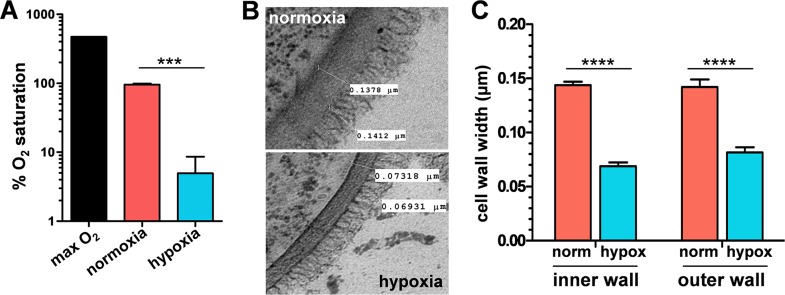
“In apparent contrast to A. fumigatus, C. albicans low-oxygen exposure leads to a decrease in β -glucan exposure and cell wall thinning, resulting in immune system evasion due to lack of PAMP (pathogen-associated molecular pattern) exposure (21, 83, 102).”
BackgroundResultInfluentialMitochondrial Control of Fungal Cell Walls: Models and Relevance in Fungal Pathogens
Koch, B., & Traven, A. (2019) · Current Topics in Microbiology and Immunology · doi:10.1007/82_2019_183 · Cited by 19
Post-transcriptional control of fungal cell wall synthesis
Hall, R. A., & Wallace, E. W. J. (2022) · The Cell Surface · doi:10.1016/j.tcsw.2022.100074 · Cited by 24
“been shown to induce glucan masking (Pradhan et al. 2018; Ballou et al. 2016; Pradhan et al. 2019; Lopes et al. 2018), and this masking involves”
BackgroundCharacterising phagocytes and measuring phagocytosis from live Galleria mellonella larvae
Campbell, J. S., Pearce, J. C., Bebes, A., Pradhan, A., Yuecel, R., Brown, A. J. P., & Wakefield, J. G. (2024) · Virulence · doi:10.1080/21505594.2024.2313413 · Cited by 17
“This is significant because β-glucan masking is thought to represent a means of immune evasion for this major fungal pathogen as it encounters certain host signals in specific niches [53–55].”
BackgroundSelf-citationVirulence and pathogenicity of aCandida albicansmutant with reduced filamentation
Peroumal, D., Kodavati, M. M., Patel, S. K., Kumari, P., Sahu, S. R., & Acharya, N. (2019) · Cellular Microbiology · doi:10.1111/cmi.13103 · Cited by 19
“Earlier reports suggested that the composition of glucans in fungal cell walls elicits a differential immune response (Bain et al., 2014; Lowman et al., 2014; Pradhan et al., 2018).”
BackgroundHameed, S., Hans, S., Singh, S., Dhiman, R., Monasky, R. C., Pandey, R. P., Thangamani, S., & Fatima, Z. (2021) · Pathogens · doi:10.3390/pathogens10080942 · Cited by 20
Mottola, A., Ramírez-Zavala, B., Hünniger, K., Kurzai, O., & Morschhäuser, J. (2021) · Molecular Microbiology · doi:10.1111/mmi.14727 · Cited by 17
“…protein kinases and transcription factors, regulate cell wall architecture and remodeling in response to environmental signals (Alonso- Monge et al., 1999, Ballou et al., 2016, Blankenship et al., 2010, Bruno et al., 2006, Eisman et al., 2006, Navarro- Garcia et al., 1998, Pradhan et al., 2018).”
BackgroundZeng, L., Huang, Y., Tan, J., Peng, J., Hu, N., Liu, Q., Cao, Y., Zhang, Y., Chen, J., & Huang, X. (2023) · Frontiers in Cellular and Infection Microbiology · doi:10.3389/fcimb.2023.1136698 · Cited by 15
“The link between respiratory activity and virulence has been well demonstrated in the pathogen’s response to morphological transformation and stimuli by obtaining nutrients from the host and remodeling the cell wall through carbon source assimilation (Pradhan et al., 2018; Williams and Lorenz, 2020), and high ATP leve…”
BackgroundA CO 2 sensing module modulates β-1,3-glucan exposure in Candida albicans
Avelar, G. M., Pradhan, A., Ma, Q., Hickey, E., Leaves, I., Liddle, C., Rodriguez Rondon, A. V., Kaune, A.-K., Shaw, S., Maufrais, C., et al. (2024) · mBio · doi:10.1128/mbio.01898-23 · Cited by 15
“Cells were fixed, stained with Fc-dectin-1 and AF488-linked secondary antibody, and their fluorescence quantified by flow cytometry.”
InfluentialSelf-citationCui, S., Li, M., Hassan, R. Y. A., Heintz‐Buschart, A., Wang, J., & Bilitewski, U. (2020) · mSphere · doi:10.1128/msphere.00016-20 · Cited by 15
“On the other hand, growth under hypoxic conditions triggered (cid:2) -glucan masking and concomitantly reduced phagocytosis (11).”
BackgroundChen, M., Cheng, T., Xu, C., Pan, M., Wu, J., Wang, T., Wu, D., Yan, G., Wang, C., & Shao, J. (2022) · Virulence · doi:10.1080/21505594.2022.2035066 · Cited by 16
“, hypoxia induced β-glucan masking was mediated by cAMP-PKA pathway [70].”
BackgroundYang, Y., Zeng, Y., Liu, Z., & Huang, J. (2025) · Frontiers in Cellular and Infection Microbiology · doi:10.3389/fcimb.2025.1714998 · Cited by 17
Bloom, A. L. M., Goich, D., Knowles, C. M., & Panepinto, J. C. (2021) · mSphere · doi:10.1128/msphere.01281-20 · Cited by 16
“The CEK1-mediated MAPK pathway seems to generally regulate b-1,3-glucan masking (Galan-Diez et al., 2010), signaling through the protein kinase A pathway is required for b-1,3-glucan masking in hypoxic and iron limiting conditions (Pradhan et al., 2018; Pradhan et al., 2019).”
BackgroundDeciphering the role of mitochondria in human fungal drug resistance
Ma, Y., Zhou, Y., Jia, T., Zhuang, Z., Xue, P., & Yang, L. (2025) · Mycology: An International Journal on Fungal Biology · doi:10.1080/21501203.2025.2473507 · Cited by 14
“In addition, C. albicans adapts to hypoxic conditions by activating a mitochondrial cAMP-PKA signalling pathway, which leads to the induction of β-glucan masking (Pradhan et al. 2018).”
Mild Heat Stress Affects on the Cell Wall Structure in Candida albicans Biofilm
Ikezaki, S., Cho, T., Nagao, J.-I., Tasaki, S., Yamaguchi, M., Arita-Morioka, K.-I., Yasumatsu, K., Chibana, H., Ikebe, T., & Tanaka, Y. (2019) · Medical Mycology Journal · doi:10.3314/mmj.19-00001 · Cited by 16
Host-pathogen interactions: lessons from phagocytic predation on fungi
Radosa, S., & Hillmann, F. (2021) · Current Opinion in Microbiology · doi:10.1016/j.mib.2021.04.010 · Cited by 13
Cek1 regulates ß(1,3)-glucan exposure through calcineurin effectors in Candida albicans
Wagner, A. S., Lumsdaine, S. W., Mangrum, M. M., King, A. E., Hancock, T. J., Sparer, T. E., & Reynolds, T. B. (2022) · PLOS Genetics · doi:10.1371/journal.pgen.1010405 · Cited by 12
“Similarly, C . albicans senses environmental signals and stressors, such as lactate [29,30], acidic pH [31,32], hypoxia [33], and iron-replete environments [34] and responds by further altering ß(1,3)-glucan exposure.”
Davis, F. A., Singh, K., Krampen, J. M., Rapala, J. R., Bryant, J. A., McFadden, M. J., Ost, K. S., Esher, S. K., Balunas, M. J., Wang, T., et al. (2026) · Current Biology · doi:10.1016/j.cub.2025.12.029 · Cited by 17
Virulence Factors as Promoters of Chronic Vulvovaginal Candidosis: A Review
Faria-Gonçalves, P., Rolo, J., Gaspar, C., Palmeira‐de‐Oliveira, R., Martinez‐de‐Oliveira, J., & Palmeira‐de‐Oliveira, A. (2021) · Mycopathologia · doi:10.1007/s11046-021-00592-8 · Cited by 13
“In addition, other than reducing cell wall antigen exposure [116] and inactivating complement proteins, through proteinases production or blockade [117], yeast that are phagocyted by macrophages at the front line may be protected inside them, if not lysed.”
BackgroundMa, Q., Pradhan, A., Leaves, I., Hickey, E., Roselletti, E., Dambuza, I. M., Larcombe, D. E., de Assis, L. J., Wilson, D., Erwig, L. P., et al. (2024) · The Cell Surface · doi:10.1016/j.tcsw.2024.100128 · Cited by 12
“…significantly affect β -1,3-glucan exposure at the C. albicans cell surface, and this influences the ability of innate immune cells to respond to the fungus (Ballou et al., 2016; Childers et al., 2020a; Cottier et al., 2019; Pradhan et al., 2018; Pradhan et al., 2019; Sher-rington et al., 2017).”
InfluentialSelf-citationTuor, M., Stappers, M. H. T., Desgardin, A., Ruchti, F., Sparber, F., Orr, S. J., Gow, N. A. R., & LeibundGut-Landmann, S. (2025) · Mucosal Immunology · doi:10.1016/j.mucimm.2024.11.004 · Cited by 10
Self-citationSun, X., Yu, J., Zhu, C., Mo, X., Sun, Q., Yang, D., Su, C., & Lu, Y. (2023) · eLife · doi:10.7554/elife.84155 · Cited by 9
Transcriptomic insights into Candida albicans adaptation to an anaerobic environment
Zeise, K. D., Erb‐Downward, J. R., & Huffnagle, G. B. (2025) · Microbiology Spectrum · doi:10.1128/spectrum.03024-24 · Cited by 8
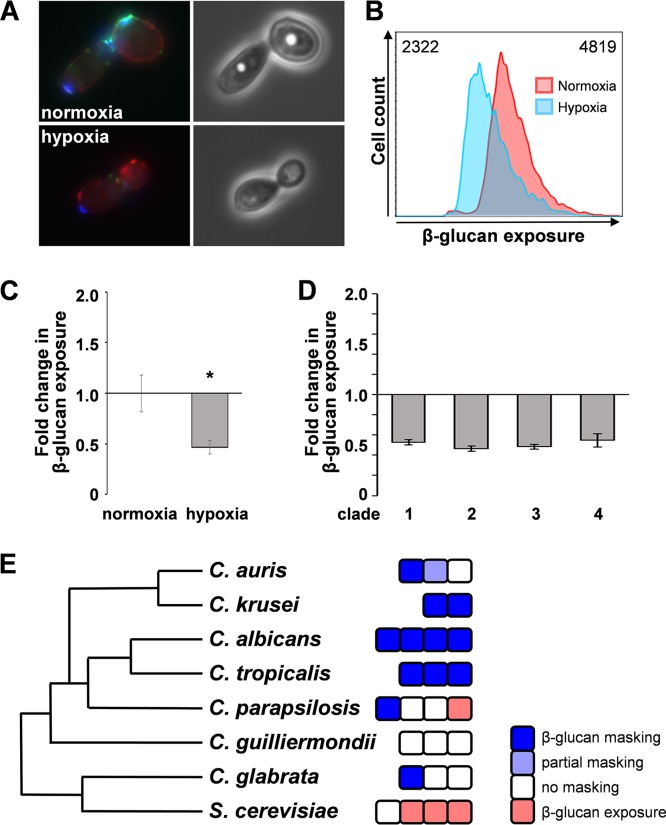
“Notably, hypoxia has been shown to induce β-glucan masking in SC5314 and several other isolates spanning four different C. albicans clades, which render them less susceptible to killing by phagocytes (3, 4).”
Lee, Y. J., Jeon, S. H., Yeo, J. H., Byeon, S., Jung, J. H., Nam, H., Jeon, M., Kim, E.-S., Jang, J. Y., Kim, C.-H., et al. (2025) · Cell Reports Medicine · doi:10.1016/j.xcrm.2025.102360 · Cited by 11
The pathogenicity and future treatment strategies of Candida albicans
Wu, J., Jiang, C., Wang, H., Chen, T., Chen, X., & Da, W. (2026) · Frontiers in Cellular and Infection Microbiology · doi:10.3389/fcimb.2026.1752304 · Cited by 10
“…its surface b -glucan through the mitochondrial and cAMP-protein kinase A signaling pathways, thereby avoiding recognition and attack by host immune cells (such as macrophages), signi fi cantly enhancing its immune evasion ability and pathogenic survival potential in the host (Pradhan et al., 2018).”
Wei, Y., He, D., Zhao, B., Liu, Y., Gao, S., Zhang, X., & Wang, L. (2022) · Microbiology Spectrum · doi:10.1128/spectrum.01558-21 · Cited by 8
“avoidance of recognition by immune cells (32).”
Horn, S., Schmid, M., Berest, I., Piattini, F., Zhang, J., Bock, K. D., Devuyst, O., Khodo, S. N., Kisielow, J., & Köpf, M. (2025) · Nature Communications · doi:10.1038/s41467-025-57797-4 · Cited by 10
“It hasbeen also suggested that in hypoxic conditions, C. albicans masks the cell wall component β -glucan, making it less exposed to C-type lectin receptors, the main pattern recognition receptors that sense Candida infection 62 .”
Protein kinase A signaling regulates immune evasion by shaving and concealing fungal β-1,3-glucan
Pradhan, A., Nev, O. A., Leaves, I., Nev, O. A., Ma, Q., Milne, G., Patterson, G., Netea, M. G., Erwig, L. P., Farrer, R. A., et al. (2025) · Proceedings of the National Academy of Sciences · doi:10.1073/pnas.2423864122 · Cited by 7
“…lactate, hypoxia, ambient pH, and iron limitation to induce masking of the major proinflammatory PAMP, β-1,3 - glucan at its cell surface ( 9 , 10 , 16 , 17 ). β-1,3 - glucan masking reduces fungal recognition and killing by innate immune cells such as neutrophils and macrophages ( 9 , 10 , 16 ,…”
InfluentialSelf-citationKhemiri, I., Tebbji, F., Burgain, A., & Sellam, A. (2024) · FEMS Yeast Research · doi:10.1093/femsyr/foae018 · Cited by 7
“Furthermor e, hypoxia pr omotes the masking of C. albicans from the immune cells as a strategy to attenuate pha gocytic r ecognition and uptake ( Pr adhan et al. 2018 ).”
BackgroundDisruption to de novo uridine biosynthesis alters β-1,3-glucan masking in Candida albicans
Mangrum, M. M., Vogel, A. K., Wagner, A. S., King, A. E., Miao, J., Zhou, Y., Phillips, E. K., Peters, B. M., & Reynolds, T. B. (2024) · mSphere · doi:10.1128/msphere.00287-24 · Cited by 9
“Exposure to these polysaccharides is modulated by a variety of environmental stressors including echinocandin treatment and host immune responses (35, 39, 40).”
Lim, S. J., Noor, N. D. M., Sabri, S., Ali, M. S. M., Salleh, A. B., & Oslan, S. N. (2023) · Medical Mycology · doi:10.1093/mmy/myad126 · Cited by 6
Immunogenicity and efficacy of CNA25 as a potential whole-cell vaccine against systemic candidiasis
Sahu, S. R., Dutta, A., Peroumal, D., Kumari, P., Utkalaja, B. G., Patel, S. K., & Acharya, N. (2024) · EMBO Molecular Medicine · doi:10.1038/s44321-024-00080-8 · Cited by 7
“The masking of 1,3-β -glucan on the cell surface prevents phagocytic recognition and enhances the immune evasion of . albicans (Ballou et al, 2016; Pradhan et al, 2018).”
Rastogi, S. K., van Wijlick, L., Ror, S., Lee, K. K., Román, E., Agarwal, P., Manzoor, N., Gow, N. A. R., Plá, J., Ernst, J. F., et al. (2019) · Cellular Microbiology · doi:10.1111/cmi.13140 · Cited by 9
“albicans is able to impede its clearance by evading recognition by the polymorphonuclear leukocytes, pointing to the contribution of hypoxic niches in enhancing virulence (Lopes et al., 2018; Pradhan et al., 2018).”
BackgroundSelf-citationLiu, C., Liu, Y., Wang, Z., Zhu, H., Luo, Q., Wu, D., Wang, T., Hu, M. S., Wang, C., & Shao, J. (2025) · Phytomedicine · doi:10.1016/j.phymed.2025.156613 · Cited by 5
Alonso, M. F., Bain, J. M., Rudkin, F. M., Erwig, L. P., Brown, A. J. P., & Gow, N. A. R. (2022) · The Cell Surface · doi:10.1016/j.tcsw.2022.100082 · Cited by 5
“…cell wall architecture changes as a result of morphological transitions and in response to predation by phagocytes and new environmental cues (Erwig & Gow, 2016; Wheeler et al., 2008; Ene et al., 2012; Hopke et al., 2016; Ballou et al., 2016; Pradhan et al., 2018, 2019; Briard et al., 2021).”
BackgroundSelf-citationCommensal to Pathogen Transition of Candida albicans
Jacobsen, I. D., Niemiec, M. J., Kapitan, M., & Polke, M. (2020) · Elsevier eBooks · doi:10.1016/b978-0-12-809633-8.21281-8 · Cited by 6
Challenges posed by fungi to host immunity: Mechanisms of immune evasion
Gu, Y., Wang, H., Wang, Y.-S., Wang, L., & Jia, X.-M. (2026) · hLife · doi:10.1016/j.hlife.2025.12.008 · Cited by 5
Metadata
- Authors
- Pradhan, A., Avelar, G. M., Bain, J. M., Childers, D. S., Larcombe, D. E., Netea, M. G., Shekhova, E., Munro, C. A., Brown, G. D., Erwig, L. P., Gow, N. A. R., & Brown, A. J. P.
- Affiliations
- University of Aberdeen (GB)
- Radboud University Nijmegen (NL)
- GlaxoSmithKline (United Kingdom) (GB)
- Corresponding author
- Brown, Alistair J. P.
- ORCID
- Venue
- mBio
- Publisher
- American Society for Microbiology
- Published
- 2018-12-21
- Volume
- 9
- Issue
- 6
- ISSN
- 2150-7511 (ISSN-L)
- 2161-2129
- PMC
- PMC6222127
- OpenAlex
- W2890504745
- Cited by
- 133
- References
- 111
- Citations by year
- 2026: 12 · 2025: 15 · 2024: 20 · 2023: 14 · 2022: 18 · 2021: 16 · 2020: 22 · 2019: 14 · 2018: 2
- FWCI
- 4.80
- Type
- journal article
- Language
- en
- Open access
- gold
- doi.org
- Licence
- cc-by
- creativecommons.org/licenses/by/4.0/ (vor)
- journals.asm.org/non-commercial-tdm-license (tdm)
- Locations
- mBio (publishedVersion, cc-by)
- Europe PMC (PubMed Central) (publishedVersion, cc-by)
- PubMed Central (publishedVersion, cc-by)
- PubMed (publishedVersion)
- Aberdeen University Research Archive (Aberdeen University) (submittedVersion)
- DOAJ (DOAJ: Directory of Open Access Journals) (submittedVersion, cc-by-sa)
- DOAJ (DOAJ: Directory of Open Access Journals) (submittedVersion)
- Radboud Repository (Radboud University) (submittedVersion)
- Radboud Repository (Radboud University) (submittedVersion, other-oa)
- Funders
- Wellcome Trust (097377, 102705)
- RCUK | Medical Research Council (MR/M026663/1, MR/N006364/1)
- University of Aberdeen (PhD Studentships)
- Topics
- Life Sciences › Biochemistry, Genetics and Molecular Biology › Molecular Biology › Fungal and yeast genetics research
- Health Sciences › Medicine › Infectious Diseases › Antifungal resistance and susceptibility
- Health Sciences › Medicine › Infectious Diseases › Fungal Infections and Studies
- Keywords
- Candida albicans, hypoxia, immune evasion, cell wall, phagocytosis resistance, mitochondrial signaling, cAMP/protein kinase A pathway, innate immunity
- MeSH terms
- Animals, Hypoxia, Candida albicans, Cell Wall, Humans, Macrophages, Male, Mice, Inbred C57BL, Mitochondria, Phagocytosis, Signal Transduction, Interleukin-10, Cyclic AMP-Dependent Protein Kinases, Chemokine CCL5, beta-Glucans, Mice, Host-Pathogen Interactions, Immune Evasion
About these checks
Registry, retraction, Cites and statistics results are computed, not judged, with one exception: a printed reference that no index lists is read once by a model before it counts as a citation error. Claims are extracted by a model and kept only when their quote appears verbatim in the text; each cited source is then checked, with a model’s help, for whether it says what the claim relies on. Those verdicts can be wrong — read the claim’s quote and the cited source before relying on one.
Statistics and arithmetic are recomputed, not judged.
Confidence bands are shown only for fields calibrated on our annotated test set. None is calibrated yet, so no band is shown.
What counts as a claim ›How we measure confidence ›How we check this ›
Are you an author, or do you see a problem with this page? Request a review
Data sources
Bibliographic data: Semantic Scholar, OpenAlex, Crossref.
Contains information from the Semantic Scholar Academic Graph Datasets, made available under the ODC Attribution License (ODC-BY 1.0).
Semantic Scholar’s data is described in: Kinney, R., et al. (2023). The Semantic Scholar Open Data Platform. arXiv:2301.10140.
