

Corynebacterium accolens Releases Antipneumococcal Free Fatty Acids from Human Nostril and Skin Surface Triacylglycerols
Open accessThe DOI matches its Crossref record; 101 of the 102 references it cites were found in a registry or an index.
Abstract
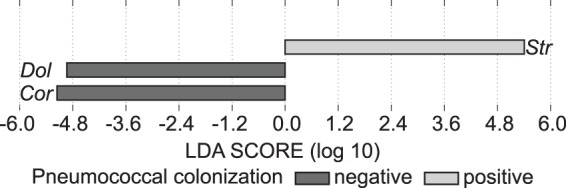
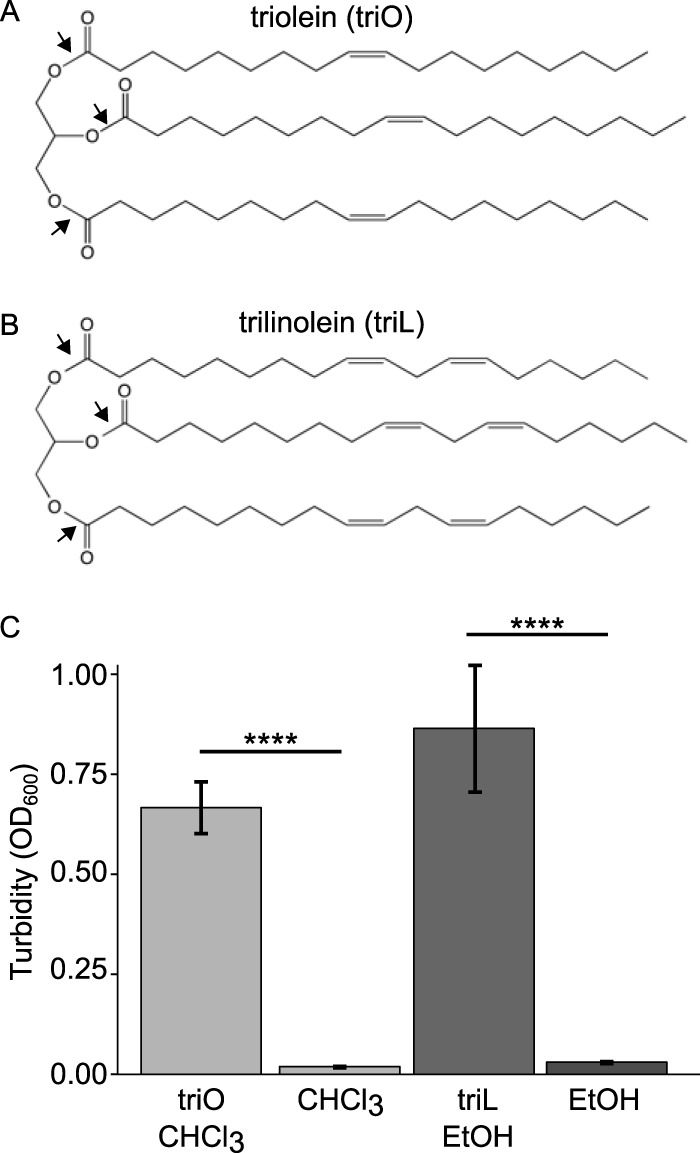
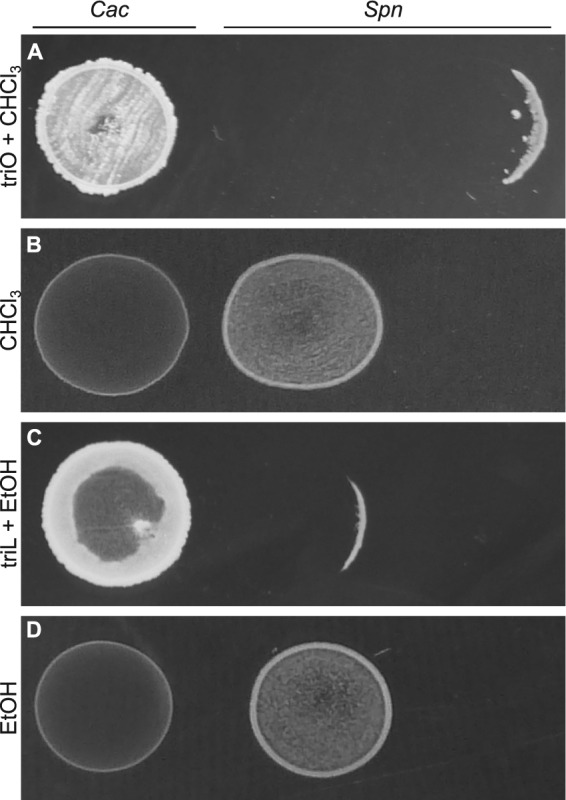
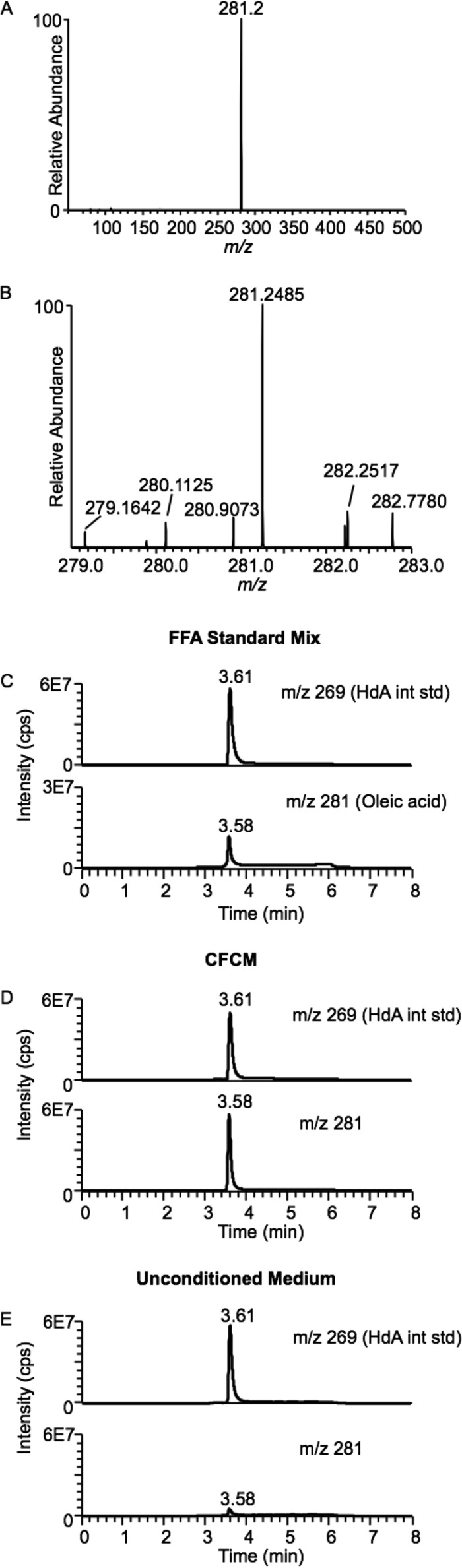
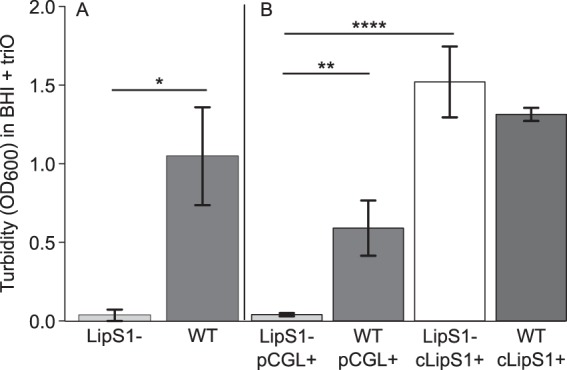
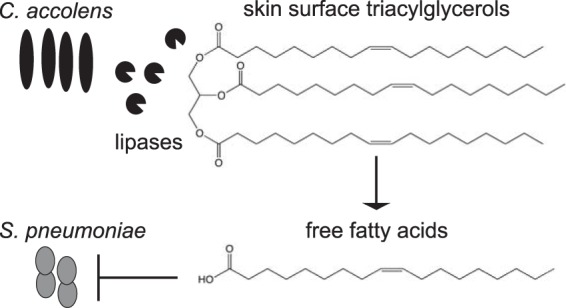
Bacterial interspecies interactions play clinically important roles in shaping microbial community composition. We observed that Corynebacterium spp. are overrepresented in children free of Streptococcus pneumoniae (pneumococcus), a common pediatric nasal colonizer and an important infectious agent. Corynebacterium accolens , a benign lipid-requiring species, inhibits pneumococcal growth during in vitro cocultivation on medium supplemented with human skin surface triacylglycerols (TAGs) that are likely present in the nostrils. This inhibition depends on LipS1, a TAG lipase necessary for C. accolens growth on TAGs such as triolein. We determined that C. accolens hydrolysis of triolein releases oleic acid, which inhibits pneumococcus, as do other free fatty acids (FFAs) that might be released by LipS1 from human skin surface TAGs. Our results support a model in which C. accolens hydrolyzes skin surface TAGS in vivo releasing antipneumococcal FFAs. These data indicate that C. accolens may play a beneficial role in sculpting the human microbiome. IMPORTANCE Little is known about how harmless Corynebacterium species that colonize the human nose and skin might impact pathogen colonization and proliferation at these sites . We show that Corynebacterium accolens , a common benign nasal bacterium, modifies its local habitat in vitro as it inhibits growth of Streptococcus pneumoniae by releasing antibacterial free fatty acids from host skin surface triacylglycerols. We further identify the primary C. accolens lipase required for this activity. We postulate a model in which higher numbers of C. accolens cells deter/limit S. pneumoniae nostril colonization, which might partly explain why children without S. pneumoniae colonization have higher levels of nasal Corynebacterium . This work narrows the gap between descriptive studies and the needed in-depth understanding of the molecular mechanisms of microbe-microbe interactions that help shape the human microbiome. It also lays the foundation for future in vivo studies to determine whether habitat modification by C. accolens could be promoted to control pathogen colonization.
Overview
The claims and statistics of this paper haven’t been checked yet.
Free: it reads the open-access text and checks the first 5 claims that cite a source we can check. Create a free account to check every claim.
Integrity signals
Registry
Cites
Statistics
Figures
Verification
Claims the paper makes
The claims and statistics of this paper haven’t been checked yet.
Free: it reads the open-access text and checks the first 5 claims that cite a source we can check. Create a free account to check every claim.
Claims other papers make about this one
Each is checked against this paper’s own text: does it say what the citing paper says it does?
The source backs part of the claim, not all of it — or backs it for a different population, condition or comparison.
In the citing paper
“Potential keystone species in the URT microbiota are Dolosigranulum spp. and Corynebacterium spp., as they have been strongly associated with respiratory health and the exclusion of potential pathogens, most notably Streptococcus pneumoniae, in several epidemiological and mechanistic studies21,29,68,69.”
From The microbiota of the respiratory tract: gatekeeper to respiratory health (2017) · cites this paper as [68]
Experimental — accuracy not yet measuredThe cited source says what the claim attributes to it.
In the citing paper
“C. accolens, which converts host triacylglycerols into free fatty acids (FFAs) that, in turn, limit pneumococcal growth68.”
From The microbiota of the respiratory tract: gatekeeper to respiratory health (2017) · cites this paper as [68]
Self-check
Percentages, sums and reported differences re-computed from the paper’s own numbers.
The self-check needs the paper’s full text.
Citations
Cites
Basic local alignment search tool
Altschul, S. F., Gish, W., Miller, W., Myers, E. W., & Lipman, D. J. (1990) · Journal of Molecular Biology · doi:10.1006/jmbi.1990.9999 · Cited by 98,669
QIIME allows analysis of high-throughput community sequencing data
Caporaso, J. G., Kuczynski, J., Stombaugh, J., Bittinger, K., Bushman, F. D., Costello, E. K., Fierer, N., Peña, A. G., Goodrich, J. K., Gordon, J. I., et al. (2010) · Nature Methods · doi:10.1038/nmeth.f.303 · Cited by 34,887 · cited 3×
“After filtering in QIIME (93) (using the MacQIIME 1.4 package), first to remove samples with 1,000 sequences and second, to remove OTU sequences that were not present more than once in one sample, sequences were subsampled to the minimum of 1,503 reads/sample.”
MethodInfluentialMetagenomic biomarker discovery and explanation
Segata, N., Izard, J., Waldron, L., Gevers, D., Miropolsky, L., Garrett, W. S., & Huttenhower, C. (2011) · Genome Biology · doi:10.1186/gb-2011-12-6-r60 · Cited by 16,192 · cited 2×
“Data were analyzed using linear discriminant analysis effect size (LEfSe) (40) to compare the microbiota composition of children positive and negative for culture-proven S.”
BackgroundMethodStructure, function and diversity of the healthy human microbiome
The Human Microbiome Project Consortium (2012) · Nature · doi:10.1038/nature11234 · Cited by 11,726
Enzymatic assembly of DNA molecules up to several hundred kilobases
Gibson, D. G., Young, L., Chuang, R.-Y., Venter, J. C., Hutchison, C. A., & Smith, H. O. (2009) · Nature Methods · doi:10.1038/nmeth.1318 · Cited by 9,996 · cited 1×
“assembly (95), and then transformed into NEB 5-alpha competent E.”
BackgroundSignalP 4.0: discriminating signal peptides from transmembrane regions
Petersen, T. N., Brunak, S., von Heijne, G., & Nielsen, H. (2011) · Nature Methods · doi:10.1038/nmeth.1701 · Cited by 8,847 · cited 1×
“1) (71) of the two protein sequences predicted that only WP_03 is secreted via the general secretion pathway, similar to other skin-associated bacterial TAG lipases (66–68).”
BackgroundBacterial Community Variation in Human Body Habitats Across Space and Time
Costello, E. K., Lauber, C. L., Hamady, M., Fierer, N., Gordon, J. I., & Knight, R. (2009) · Science · doi:10.1126/science.1177486 · Cited by 3,231
CDD: a Conserved Domain Database for the functional annotation of proteins
Marchler-Bauer, A., Lu, S., Anderson, J. B., Chitsaz, F., Derbyshire, M. K., DeWeese-Scott, C., Fong, J. H., Geer, L. Y., Geer, R. C., Gonzales, N. R., et al. (2011) · Nucleic Acids Research · doi:10.1093/nar/gkq1189 · Cited by 3,159 · cited 4×
“accolens KPL1818 (RefSeq accession NZ_AXMA00000000) against the Conserved Domain Database (CDD) of NCBI (65).”
BackgroundInfluentialTopographical and Temporal Diversity of the Human Skin Microbiome
Grice, E. A., Kong, H. H., Conlan, S., Deming, C. B., Davis, J., Young, A. C., Program, N. C. S., Bouffard, G. G., Blakesley, R. W., Murray, P. R., et al. (2009) · Science · doi:10.1126/science.1171700 · Cited by 2,953
A microbial symbiosis factor prevents intestinal inflammatory disease
Mazmanian, S. K., Round, J. L., & Kasper, D. L. (2008) · Nature · doi:10.1038/nature07008 · Cited by 2,340 · cited 1×
“pneumoniae can be part of the healthy microbiota without causing disease, it is considered a pathobiont—a commensal bacterium that is also a pathogen (7).”
Background
Cited by
Items 101–200 of 380
Lee, K., Pletcher, S. D., Lynch, S. V., Goldberg, A. N., & Cope, E. K. (2018) · Frontiers in Cellular and Infection Microbiology · doi:10.3389/fcimb.2018.00168 · Cited by 36
“These FFAs inhibit S. pneumoniae growth and represent a molecular mechanism by which Corynebacterium may competitively exclude specific microbial species and presumably shape the nasopharyngeal microbiome (Bomar et al., 2016).”
BackgroundCharacterization of circadian human facial surface lipid composition
Jia, Y., Zhou, M., Huang, H., Gan, Y., Yang, M., & Ding, R. (2019) · Experimental Dermatology · doi:10.1111/exd.13933 · Cited by 36
Interplay between engineered nanomaterials and microbiota
Zhang, Y., Mortimer, M., & Guo, L. (2020) · Environmental Science Nano · doi:10.1039/d0en00557f · Cited by 37
Upper Respiratory Tract Microbiome and Otitis Media Intertalk: Lessons from the Literature
Folino, F., Ruggiero, L., Capaccio, P., Coro, I., Aliberti, S., Drago, L., Marchisio, P., & Torretta, S. (2020) · Journal of Clinical Medicine · doi:10.3390/jcm9092845 · Cited by 36
Covalent Structure and Bioactivity of the Type AII Lantibiotic Salivaricin A2
Geng, M., Austin, F. W., Shin, R., & Smith, L. (2017) · Applied and Environmental Microbiology · doi:10.1128/aem.02528-17 · Cited by 37
Metabolomic Predictors of Non-alcoholic Steatohepatitis and Advanced Fibrosis in Children
Kordy, K., Li, F., Lee, D., Kinchen, J. M., Jew, M., Rocque, M. E. L., Zabih, S., Saavedra, M., Woodward, C. L., Cunningham, N. J., et al. (2021) · Frontiers in Microbiology · doi:10.3389/fmicb.2021.713234 · Cited by 34
Oral microbiota in youth with perinatally acquired HIV infection
Study, F. T. P. H. C., Starr, J. R., Huang, Y., Lee, K. H., Murphy, C. M., Moscicki, A., Shiboski, C. H., Ryder, M. I., Yao, T., Faller, L. L., et al. (2018) · Microbiome · doi:10.1186/s40168-018-0484-6 · Cited by 33
“Commensal species of Corynebacterium have been shown to inhibit colonization and growth of oral pathogens such as Streptococcus pneumoniae by producing free fatty acids [43].”
Probiotics in the treatment of otitis media. The past, the present and the future
Coleman, A., & Cervin, A. (2018) · International Journal of Pediatric Otorhinolaryngology · doi:10.1016/j.ijporl.2018.10.023 · Cited by 32
Rosenstein, R., Salazar, B. O. T., Sauer, C., Heilbronner, S., Krismer, B., & Peschel, A. (2024) · Microbiome · doi:10.1186/s40168-024-01913-x · Cited by 32
“We observed a negative association of C. accolens with S. pneumoniae (correlation coefficient -0.28), which corresponds to the reported antagonism of these two species [43].”
ResultInfluentialCleary, D. W., & Clarke, S. C. (2017) · Emerging Topics in Life Sciences · doi:10.1042/etls20170041 · Cited by 33
Nasal commensals reduce Staphylococcus aureus proliferation by restricting siderophore availability
Zhao, Y., Bitzer, A., Power, J. J., Belikova, D., Salazar, B. O. T., Adolf, L. A., Gerlach, D., Krismer, B., & Heilbronner, S. (2024) · The ISME Journal · doi:10.1093/ismejo/wrae123 · Cited by 30
Radaschin, D. S., Tatu, A. L., Iancu, A. V., Beiu, C., & Popa, L. G. (2024) · Medicina · doi:10.3390/medicina60101619 · Cited by 29
Skin Lipids and Their Influence on Skin Microbiome and Skin Care
Siqueira, R. A. G. B., Hrádková, I., Leite‐Silva, V. R., Andréo‐Filho, N., & Lopes, P. S. (2025) · ACS Omega · doi:10.1021/acsomega.4c11687 · Cited by 28
Ortega‐Peña, S., Rodríguez–Martínez, S., Cancino-Diaz, M. E., & Cancino‐Díaz, J. C. (2022) · Life · doi:10.3390/life12030341 · Cited by 31
“aureus, such as Corynebacterium accolens which, by releasing free fatty acids, helps its growth [92], as well as C.”
BackgroundLi, Q., Zhou, F., Su, Z., Li, Y., & Li, J. (2022) · Frontiers in Microbiology · doi:10.3389/fmicb.2022.940643 · Cited by 28
“From the basal layer closest to the tooth surface outward, Corynebacterium traversed through the whole distance; from the staining, an ordered arrangement could be seen in the form of a small amount of Actinomyces located near the tooth base, Capnocytophaga/ Fusobacterium/ Leptotrichia forming a ring between the perip…”
BackgroundInfluentialRudder, C. D., García‐Timermans, C., Boeck, I. D., Lebeer, S., de Wiele, T. V., & Calatayud, M. (2020) · Scientific Reports · doi:10.1038/s41598-020-73857-9 · Cited by 28
Madaan, T., Doan, K., Hartman, A. R., Gherardini, D., Ventrola, A. J., Zhang, Y., & Kotagiri, N. (2024) · Experimental Dermatology · doi:10.1111/exd.70019 · Cited by 29
“Furthermore, the skin commensal Corynebacterium accolens can alter the microenvironment to inhibit the growth of the opportunistic pathogen Streptococcus pneumoniae [21].”
The Impact of Intraspecies and Interspecies Bacterial Interactions on Disease Outcome
Baishya, J., Bisht, K., Rimbey, J. N., Yihunie, K. D., Islam, S., Mahmud, H. A., Waller, J., & Wakeman, C. A. (2021) · Pathogens · doi:10.3390/pathogens10020096 · Cited by 27
An, Q., & Zou, H. (2022) · Critical Reviews in Microbiology · doi:10.1080/1040841x.2022.2142090 · Cited by 27
“In addition, Corynebacterium macginleyi and Corynebacterium acco-lens , the predominant species among Corynebacterium on the ocular surface (Hoshi et al. 2020), are lipophilic bacteria (Riegel et al. 1995), and C. accolens can hydrolyze triolein, releasing oleic acid (Bomar et al. 2016).”
BackgroundZhang, M., Tang, H., Yuan, Y., Ou, Z., Chen, Z., Xu, Y., Fu, X., Zhao, Z., & Sun, Y. (2023) · Metabolites · doi:10.3390/metabo13101040 · Cited by 28
“Conversely, certain microbes like Corynebacterium and Dolosigranulum are thought to have protective roles against such respiratory diseases [7,8].”
BackgroundMcGinniss, J. E., Imai, I., Simón‐Soro, Á., Brown, M. C., Knecht, V. R., Frye, L., Ravindran, P. M., Dothard, M. I., Wadell, D. A., Sohn, M. B., et al. (2019) · PLoS ONE · doi:10.1371/journal.pone.0217306 · Cited by 27
Charles, D. D., Fisher, J. R., Hoskinson, S. M., Medina-Colorado, A. A., Shen, Y. C., Chaaban, M. R., Widen, S. G., Eaves-Pyles, T. D., Maxwell, C. A., Miller, A. L., et al. (2019) · Frontiers in Cellular and Infection Microbiology · doi:10.3389/fcimb.2019.00165 · Cited by 28
“Nasal pathobionts exist in complex microbial communities and recent in-depth studies of these communities has identified interspecies interactions as a novel source of clinically relevant information and potential opportunities for novel interventions (Bomar et al., 2016; Zipperer et al., 2016).”
BackgroundDietl, B., Henares, D., Boix-Palop, L., Muñoz‐Almagro, C., Garau, J., & Calbo, E. (2021) · Frontiers in Medicine · doi:10.3389/fmed.2021.650271 · Cited by 26
“accolens, has been described as one of the mechanisms which could inhibit pneumococcal growth (71).”
BackgroundXu, L., Earl, J. P., & Pichichero, M. E. (2021) · PLoS ONE · doi:10.1371/journal.pone.0257207 · Cited by 26
“accolens, for example, was found to inhibit Spn in vitro via releasing fatty acid; its functions in vivo however were not reported [15].”
BackgroundResultВячеславовна, Г. И., Kl, C., Sv, C., Khlopko, Y. A., Kataev, V., & Av, V. (2021) · Probiotics and Antimicrobial Proteins · doi:10.1007/s12602-021-09876-3 · Cited by 26
Genome Characterization and Probiotic Potential of Corynebacterium amycolatum Human Vaginal Isolates
Вячеславовна, Г. И., Sv, C., Khlopko, Y. A., & Plotnikov, A. O. (2022) · Microorganisms · doi:10.3390/microorganisms10020249 · Cited by 26
“It was shown that certain types of nondiphtheria corynebacteria produce various bacteriocins, bacteriocin-like substances and biosurfactants, which inhibit the growth of opportunistic microorganisms and their biofilm formation [11,12].”
BackgroundRocafort, M., Henares, D., Brotons, P., Launes, C., de Sevilla, M. F., Fumadó, V., Barrabeig, I., Arias, S., Redin, A., Ponomarenko, J. V., et al. (2022) · Viruses · doi:10.3390/v14071521 · Cited by 26
“Additionally, the topmost abundant bacterial genera in our dataset, Dolosigranulum and Corynebacterium, have been identified as protective bacteria negatively correlated with nasal/nasopharyngeal colonization by Staphylococcus aureus or Streptococcus pneumoniae [30,31].”
BackgroundKreth, J., Helliwell, E. E., Treerat, P., & Merritt, J. L. (2024) · Frontiers in Oral Health · doi:10.3389/froh.2024.1410786 · Cited by 26
“Speci fi cally, one isolated strain, C. accolens , can release free fatty acids through a speci fi c lipase, LipS1, from triacylglycerols on the human skin surface (50).”
BackgroundRoslan, M. A. M., Omar, M. N., Sharif, N. A. M., Raston, N. H. A., Arzmi, M. H., Neoh, H., & Ramzi, A. B. (2023) · npj Biofilms and Microbiomes · doi:10.1038/s41522-023-00463-8 · Cited by 25
“…of antimicrobial activities of a subset of commensal and non-commensal Corynebacterium spp. suggests the possibility of utilizing these bacteria as alternative bacterial chassis for biotherapeutic or biodiagnostic purposes, particularly in targeting skin pathogens like S. aureus 98 – 102 .”
Rudder, C. D., Calatayud, M., Lebeer, S., & de Wiele, T. V. (2020) · mSphere · doi:10.1128/msphere.00916-19 · Cited by 25
“In addition, the sinonasal microbial community can act as a colonization barrier to incoming microorganisms or prevent overgrowth of pathogenic species (18, 19).”
BackgroundHou, J., Song, Y., Leung, A. S. Y., Tang, M. F., Shi, M., Wang, E. Y., Tsun, J. G., Chan, R. W. Y., Wong, G., Tsui, S. K., et al. (2022) · Microbiology Spectrum · doi:10.1128/spectrum.00129-22 · Cited by 25
“The other three MPG genera (Dolosigranulum, Staphylococcus, and Streptococcus) remained relatively stable during the follow-up period (P. 0.05 for all).”
BackgroundInfluentialAdolf, L. A., & Heilbronner, S. (2022) · Metabolites · doi:10.3390/metabo12060489 · Cited by 25
“pneumoniae growth in the nasopharynx [76].”
Puls, J.-S., Winnerling, B., Power, J. J., Krüger, A. M., Brajtenbach, D., Johnson, M. D., Bilici, K., Camus, L., Fließwasser, T., Schneider, T., et al. (2024) · The ISME Journal · doi:10.1093/ismejo/wrae044 · Cited by 25
Modifying the Lantibiotic Mutacin 1140 for Increased Yield, Activity, and Stability
Geng, M., & Smith, L. (2018) · Applied and Environmental Microbiology · doi:10.1128/aem.00830-18 · Cited by 25
“Corynebacterium accolens KPL1818 (49) is fatty acid synthase deficient, and the THyex broth or agar was supplemented with 1% Tween 80 to promote bacterial growth.”
MethodKim, K., Jang, H., Kim, E., Kim, H., & Sung, G. Y. (2023) · Experimental Dermatology · doi:10.1111/exd.14940 · Cited by 24
“41,42 S. lugdunensis secretes a substance called lugdunin, which can stimulate keratinocytes to increase the expression of the antimicrobial peptide LL-37 and increase the expression of CXCL8, which can recruit neutrophils.”
BackgroundWahhab, R., Sanders, M., Kokikian, N., Ni, C. S., & Vandiver, A. R. (2024) · Journal of the American Academy of Dermatology · doi:10.1016/j.jaad.2024.08.044 · Cited by 25
Liu, X., Tong, X., Zou, L., Ju, Y., Liu, M., Han, M., Lu, H., Yang, H., Wang, J., Zong, Y., et al. (2024) · Communications Biology · doi:10.1038/s42003-024-05822-5 · Cited by 24
“In contrast, the other predominant and benign nasal bacterium Corynebacterium that inhibited the growth of S. pneumoniae 69,70 exhibited a strong host genetic attribute with genes BARD1 and TENM2 .”
Gómez-García, M., Moreno‐Jimenez, E., Morgado, N., García-Sánchez, A., Gil‐Melcón, M., Pérez‐Pazos, J., Estravís, M., Isidoro‐García, M., Davila, I. J., & Sanz, C. (2024) · International Journal of Molecular Sciences · doi:10.3390/ijms25158223 · Cited by 24
Topographical variations in the skin barrier and their role in disease pathogenesis
Dajnoki, Z., Kapitány, A., Eyerich, K., Eyerich, S., Törőcsik, D., & Szegedi, A. (2024) · Journal of the European Academy of Dermatology and Venereology · doi:10.1111/jdv.20463 · Cited by 22
“21,22 23–26 Both innate and adaptive immune cells sense barrier breaches and altered lipid composition, and these signals initiate immune responses and tissue repair.”
As, L., Azizov, I., & Kozlov, R. S. (2021) · Russian Rhinology · doi:10.17116/rosrino20212901123 · Cited by 22
Association between semen microbiome disorder and sperm DNA damage
He, J., Ma, M., Xu, Z., Guo, J., Chen, H., Yang, X., Chen, P., & Liu, G. (2024) · Microbiology Spectrum · doi:10.1128/spectrum.00759-24 · Cited by 23
“…spp., and L. iner s, a species of Lactobacillus that lacks genes for the metabolism of amino acids and carbohydrates (27), may stimulate the growth of Corynebacterium spp. by producing unsaturated fatty acids (28–30), leading to a reduction in metabolites conducive to spermatogenesis.”
BackgroundThe Respiratory Tract Microbiome and Human Health
de Córdoba‐Ansón, P. F., Linares‐Ambohades, I., Baquero, F., Coque, T. M., & Pérez‐Cobas, A. E. (2025) · Microbial Biotechnology · doi:10.1111/1751-7915.70147 · Cited by 21
“In vitro and murine model experiments revealed that Corynebacterium accolens inhibits S. pneumoniae by using the enzyme LipS1 to hydrolyse skin surface triacylglycerols in the mucosal cell membrane (Bomar et al. 2016).”
Species- and strain-level diversity of Corynebacteria isolated from human facial skin
Jensen, M. G., Svraka, L., Baez, E., Lund, M., Poehlein, A., & Brüggemann, H. (2023) · BMC Microbiology · doi:10.1186/s12866-023-03129-9 · Cited by 21
“…found in C. striatum , which is able to reduce the virulence of Staphylococcus aureus by inhibiting the accessory gene regulator ( agr ) quorum sensing system [10], and in C. accolens , whose lipase activity leads to free fatty acid production that can inhibit Streptococcus pneumoniae [11, 12].”
BackgroundIntraspecies dynamics underlie the apparent stability of two important skin microbiome species
Baker, J. S., Qu, E. B., Mancuso, C. P., Tripp, A. D., Conwill, A., & Lieberman, T. D. (2025) · Cell Host & Microbe · doi:10.1016/j.chom.2025.04.010 · Cited by 21
Pickering, H. C., Palmer, C. D., Houghton, J., Makalo, P., Joof, H., Derrick, T. R., Gonçalves, A., Mabey, D. C. W., Bailey, R. L., Burton, M. J., et al. (2019) · Frontiers in Cellular and Infection Microbiology · doi:10.3389/fcimb.2019.00297 · Cited by 21
“, which are consistently found as a major constituent of the ocular microbiome, may also protect their ecological niche against specific pathogens such as Streptococcus pneumoniae (Sp) via release of antibacterial free fatty acids that inhibit their growth (Bomar et al., 2016).”
BackgroundShould Pneumococcal Vaccines Eliminate Nasopharyngeal Colonization?
McDaniel, L. S., & Swiatlo, E. (2016) · mBio · doi:10.1128/mbio.00545-16 · Cited by 21
“Typically, a balance is maintained between host, microbiota, and the pneumococcus, a pathobiont (4) that”
BackgroundRespiratory tract microbiome and pneumonia
Narendrakumar, L., & Ray, A. (2022) · Progress in molecular biology and translational science · doi:10.1016/bs.pmbts.2022.07.002 · Cited by 20
Radaschin, D. S., Iancu, A. V., Ionescu, A. M., Gurău, G., Niculeț, E., Bujoreanu, F. C., Beiu, C., Tatu, A. L., & Popa, L. G. (2024) · International Journal of Molecular Sciences · doi:10.3390/ijms251910583 · Cited by 20
“The ensuing free fatty acids lower the skin’s pH, an efficient defense mechanism against pathogenic infectious agents [21,22].”
BackgroundUpper respiratory microbial communities of healthy populations are shaped by niche and age
Zelasko, S. E., Swaney, M. H., Sandstrom, S., Davenport, T. C., Seroogy, C. M., Gern, J. E., Kalan, L., & Currie, C. R. (2024) · Microbiome · doi:10.1186/s40168-024-01940-8 · Cited by 21
“Among Corynebacteria, sidero-phore-mediated competition between Corynebacterium propinquum and coagulase-negative staphylococci [57], as well as inhibition of S. pneumoniae by Corynebacterium accolens and Corynebacterium amycolatum , has been demonstrated [58, 59].”
BackgroundLappan, R. J., & Peacock, C. S. (2019) · Microbiology Australia · doi:10.1071/ma19051 · Cited by 20
Managing the Skin Microbiome as a New Bacteriotherapy for Inflammatory Atopic Dermatitis
Dewi, D. A. R., Perdiyana, A., Wiliantari, N. M., Nadhira, F., Arkania, N., Salsabila, C. A., Allun, C. V., Allatib, A., & Dewantara, K. (2023) · Cureus · doi:10.7759/cureus.48803 · Cited by 19
“The skin's chemical barrier is established through the epidermis and the microbiome's secretion of various lipids and acids [41,42].”
BackgroundTran, T. H., Escapa, I. F., Roberts, A. Q., Gao, W., Obawemimo, A. C., Segre, J. A., Kong, H. H., Conlan, S., Kelly, M. S., & Lemon, K. P. (2024) · mSystems · doi:10.1128/msystems.01132-24 · Cited by 19
“An increasing number of these inhibitory interactions are characterized (22, 40, 41, 54).”
Self-citationTamkin, E., Lorenz, B. P., McCarty, A., Fulte, S., Eisenmesser, E. Z., Horswill, A. R., & Clark, S. E. (2024) · Infection and Immunity · doi:10.1128/iai.00445-24 · Cited by 19
Skin-associated commensal microorganisms and their metabolites
Lima, R. D., Hajiarbabi, K., Ng, B. D., Sood, A., & Ferreira, R. B. R. (2025) · Journal of Applied Microbiology · doi:10.1093/jambio/lxaf111 · Cited by 21
Vangrinsven, E., Fastrès, A., Taminiau, B., Billen, F., Daube, G., & Clercx, C. (2021) · BMC Veterinary Research · doi:10.1186/s12917-021-03055-w · Cited by 19
“While a greater mucosal diversity may play a role in limiting inflammation and protecting against infections [22–24], potential microbial species known as “keystone species” may also have a beneficial effect on the ecosystem’s balance, function and health [21, 25, 26].”
BackgroundCappelli, E. A., Ksiezarek, M., Wolf, J., Neumann‐Schaal, M., Ribeiro, T. G., & Peixe, L. M. S. V. (2023) · Microorganisms · doi:10.3390/microorganisms11020388 · Cited by 19
Infections as ecosystems: community metabolic interactions in microbial pathogenesis
Adekoya, A. E., West, S. R., Arriaga, S. K., & Ibberson, C. B. (2025) · Infection and Immunity · doi:10.1128/iai.00530-24 · Cited by 18
“Furthermore, Corynebacterium accolens was shown to inhibit the growth and nasal colonization of Streptococcus pneumoniae through the release of oleic acid from the hydrolysis of triacylglycerols (169).”
16S rRNA seq-identified Corynebacterium promotes pyroptosis to aggravate diabetic foot ulcer
Zheng, H., Han, N., Yao, J., Su, S., Han, F., Li, X., & Chen, X. (2024) · BMC Infectious Diseases · doi:10.1186/s12879-024-09235-x · Cited by 18
“Corynebacterium is mostly a conditional patho-gen, which is generally non-pathogenic, and often exists in the nasal cavity, throat, conjunctiva and skin surface of humans or animals [32–34].”
BackgroundQuinn-Bohmann, N., Freixas-Coutin, J. A., Seo, J., Simmons, R., Diener, C., & Gibbons, S. M. (2024) · BMC Biology · doi:10.1186/s12915-024-01887-0 · Cited by 19
“Certain keystone or core taxa are well known to have a generally positive association with health, including the genera Dolosi-granulum and Corynebacterium [20–22].”
BackgroundHuman Respiratory and Gut Microbiomes—Do They Really Contribute to Respiratory Health?
Durack, J., & Christophersen, C. T. (2020) · Frontiers in Pediatrics · doi:10.3389/fped.2020.00528 · Cited by 18
Longitudinal dynamics of the bovine udder microbiota
Winther, A. R., Narvhus, J., Smistad, M., Duarte, V. D. S., Bombelli, A., & Porcellato, D. (2022) · Animal Microbiome · doi:10.1186/s42523-022-00177-w · Cited by 18
Yasir, M., Al-Sharif, H. A., Alsubhi, T. L., Sindi, A., Bokhary, D. H., El-Daly, M. M., Alosaimi, B., Hamed, M. E., Karim, A. M., Hassan, A. M., et al. (2023) · Journal of Infection and Public Health · doi:10.1016/j.jiph.2023.03.001 · Cited by 18
“pneumoniae colonization, as previously reported [37].”
Unraveling the Molecular Mechanisms Underlying the Nasopharyngeal Bacterial Community Structure
Piters, W. A. A. D. S., & Bogaert, D. (2016) · mBio · doi:10.1128/mbio.00009-16 · Cited by 18
“The study of Bomar and colleagues (10) that was recently pub-”
BackgroundRamakrishnan, V. R., & Frank, D. N. (2018) · Journal of Allergy and Clinical Immunology · doi:10.1016/j.jaci.2018.05.006 · Cited by 18
“T he reduction in corynebacteria in the disease 75 state is consistent with published data on acute ot i is media and wheeze, and the authors drew 76 parallels to the beneficial role of Corynebacterium accolens in other airway diseases [5,6] .”
ResultYoung, B. D., Rosales, S., Enochs, I. C., Kolodziej, G., Formel, N., Moura, A., D’Alonso, G. L., & Traylor‐Knowles, N. (2023) · PLoS ONE · doi:10.1371/journal.pone.0286293 · Cited by 17
Recent Perspectives on Gene-Microbe Interactions Determining Predisposition to Otitis Media
Mittal, R., Sanchez-Luege, S. V., Wagner, S. M., Yan, D. L. S., & Liu, X. Z. (2019) · Frontiers in Genetics · doi:10.3389/fgene.2019.01230 · Cited by 17
The Microbiome of the Nasolacrimal System and Its Role in Nasolacrimal Duct Obstruction
Curragh, D. S., Bassiouni, A., Macias‐Valle, L., Vreugde, S., Wormald, P., Selva, D. N., & Psaltis, A. J. (2019) · Ophthalmic Plastic and Reconstructive Surgery · doi:10.1097/iop.0000000000001473 · Cited by 17
“In vitro studies propose that Corynebacterium species may do this through the elaboration of enzymes such as triacylglycerol lipase or the release of antibacterial free fatty acids from mucosal triacyglycerols.(49) Various studies have demonstrated reduced microbiome diversity in patients with CRS leading to the devel…”
BackgroundSmith, A. J., Dumbrava, R., Ghori, N.-U.-H., Foster, R. S., Campbell, J., Duthie, A., Hoyne, G. F., Rademaker, M., & Bowen, A. C. (2025) · Microorganisms · doi:10.3390/microorganisms13010054 · Cited by 16
“Other species such as Corynebacterium accolens act indirectly by making the local environment inhospitable for Streptococcus pneumoniae [44].”
Skin microecology and skin barrier repair, wound healing and appendage regeneration
Lin, Z., Chen, L., Qi, C., & Wang, G. (2024) · Regenesis repair rehabilitation. · doi:10.1016/j.rerere.2024.07.001 · Cited by 15
Bergenfelz, C., Do, P., Larsson, L., Ivarsson, H., Malmborn, K., & Håkansson, A. (2025) · Frontiers in Cellular and Infection Microbiology · doi:10.3389/fcimb.2024.1530178 · Cited by 15
Menberu, M. A., Hayes, A. J., Liu, S., Psaltis, A. J., Wormald, P., & Vreugde, S. (2020) · International Forum of Allergy & Rhinology · doi:10.1002/alr.22730 · Cited by 15
Schenck, L. P., McGrath, J. J. C., Lamarche, D., Stämpfli, M. R., Bowdish, D. M. E., & Surette, M. G. (2020) · mSphere · doi:10.1128/msphere.00562-20 · Cited by 15
Single-cell causal network inferred by cross-mapping entropy
Li, L., Xia, R., Chen, W., Zhao, Q., Tao, P., & Chen, L. (2023) · Briefings in Bioinformatics · doi:10.1093/bib/bbad281 · Cited by 15
Teutsch, B., Berger, A., Marosevic, D., Schönberger, K., Lâm, T., Hubert, K., Beer, S., Wienert, P., Ackermann, N., Claus, H., et al. (2017) · Infection · doi:10.1007/s15010-017-1017-0 · Cited by 15
Changes in the Microbiome During Chronic Rhinosinusitis
de Mezer, M., Chalama, N., Bratt, C., Kiebalo, M., Dolata, N., Rogaliński, J., & Leszczyńska, M. (2024) · Pathogens · doi:10.3390/pathogens14010014 · Cited by 14
“There is a hypothesis that Corynebacterium spp. protects from pneumococcal colonization in children due to its antagonistic relationship [28,29].”
Megow, A., Alsuliman, Y., Bouras, G. S., Menberu, M. A., Vyskocil, E., Vreugde, S., & Wormald, P. (2022) · International Forum of Allergy & Rhinology · doi:10.1002/alr.23001 · Cited by 14
The Respiratory Microbiome in Paediatric Chronic Wet Cough: What Is Known and Future Directions
Atto, B., Anteneh, Y., Bialasiewicz, S., Binks, M., Hashemi, M., Hill, J. E., Thornton, R. B., Westaway, J. A. F., & Marsh, R. L. (2023) · Journal of Clinical Medicine · doi:10.3390/jcm13010171 · Cited by 13
“Among more distantly related species, Corynebacterium accolens was shown to excrete a triacylglycerol lipase (LipS1) that released S. pneumoniae -inhibiting free fatty acids from a model host surface triacylglycerol, suggesting a host-mediated bacterial interaction [84].”
BackgroundCrosstalk Between the Skin Environment and Microbial Community in Immune-Related Skin Diseases
Liu, K., Deng, S., Zhou, Y., Xu, B., Zhang, Y. X., Li, W., Liu, X., & Xu, Y. (2025) · Clinical Reviews in Allergy & Immunology · doi:10.1007/s12016-025-09029-2 · Cited by 13
“…present on human skin surface to release antimicrobial fatty acids like oleic acid, which have been shown to inhibit the growth of Streptococcus pneumonia e [75]; S. epidermidis has the capacity to ferment a series of carbon sources, which can help inhibit the overgrowth of C. acnes [76].”
Kelly, M. S., Shi, P., Boiditswe, S. C., Qin, E., Steenhoff, A. P., Mazhani, T., Patel, M. Z., Cunningham, C. K., Rawls, J. F., Luinstra, K., et al. (2025) · Nature Communications · doi:10.1038/s41467-025-60552-4 · Cited by 13
Role of the microbiome in diabetic wound healing: implications for new therapeutic approaches
Shedaliya, U., Adwani, G., Anju, T. R., Krishnakumar, A., & Kumar, A. (2025) · Archives of Microbiology · doi:10.1007/s00203-025-04399-9 · Cited by 13
“These metabolites have direct inhibitory effects on potential pathogens like Streptococcus pneumoniae , as demonstrated in co-culture and in vivo models (Bomar et al. 2016 ).”
Microbiological insights and dermatological applications of live biotherapeutic products
Locker, J., Serrage, H. J., Ledder, R. G., Deshmukh, S., O’Neill, C. A., & McBain, A. J. (2024) · Journal of Applied Microbiology · doi:10.1093/jambio/lxae181 · Cited by 13
Han, K., Mun, S., Jo, H., Heo, Y. M., Baek, C., Kim, H.-B., Lee, H., Yun, K., Jung, J., Lee, W., et al. (2025) · Frontiers in Cellular and Infection Microbiology · doi:10.3389/fcimb.2025.1561590 · Cited by 12
Skin microbiome and skin aging: emerging strategies for manipulation
Wang, Z., Yuan, F., Zhong, X., Feng, S., & Song, T. (2025) · Microbiological Research · doi:10.1016/j.micres.2025.128285 · Cited by 12
Ma, C., Ding, W., Li, P., Wang, Q., Li, X., Meng, Z., & Ren, H. (2025) · ACS Applied Materials & Interfaces · doi:10.1021/acsami.5c18140 · Cited by 12
Folino, F., Bosi, P., Torretta, S., Gaffuri, M., & Marchisio, P. (2022) · Applied Microbiology · doi:10.3390/applmicrobiol2030046 · Cited by 12
First Genome-Scale Metabolic Model of Dolosigranulum pigrum Confirms Multiple Auxotrophies
Renz, A., Widerspick, L., & Dräger, A. (2021) · Metabolites · doi:10.3390/metabo11040232 · Cited by 13
Gonçalves, P., Doisne, J., Eri, T., Charbit, B., Bondet, V., Posseme, C., Llibre, A., Casrouge, A., Lenoir, C., Neven, B., et al. (2022) · Blood · doi:10.1182/blood.2021014654 · Cited by 11
García-García, J., Diez‐Echave, P., Yuste, M. E., Chueca, N., García, F., Barrera, J. C., Fernández-Varón, E., Gálvez, J., Colmenero, M., Rodríguez‐Cabezas, M. E., et al. (2023) · Antibiotics · doi:10.3390/antibiotics12030498 · Cited by 12
“For example, some Clostridium species have been used as probiotics [43] and as enhancers of the mechanism of action of Lactobacillus [44], while for some species of Corynebacterium it has been reported that they can produce specific antimicrobial molecules [45].”
BackgroundZimmermann, P. (2023) · Frontiers in Microbiomes · doi:10.3389/frmbi.2023.1231271 · Cited by 10
Composition and dynamics of the adult nasal microbiome
Liu, C. M., Erikstrup, L. T., Edslev, S. M., Park, D. E., Salazar, J. E., Aziz, M., Rendboe, A. K., Pham, T., Dinh, K. M., Roach, K., et al. (2026) · Microbiome · doi:10.1186/s40168-025-02250-3 · Cited by 10
“On the other hand, the high Shannon diversity of Cutibacte-rium -dominated CST4 and the antagonistic mechanisms of C. accolens [29] may contribute to their stability and resistance to invasion.”
Penela‐Sánchez, D., Rocafort, M., Henares, D., Jordán, I., Brotons, P., Cabrerizo, M., Launes, C., & Muñoz‐Almagro, C. (2023) · Pediatric Pulmonology · doi:10.1002/ppul.26393 · Cited by 10
Rogers, G. B. (2017) · Emerging Topics in Life Sciences · doi:10.1042/etls20170043 · Cited by 10
Impact of Temporal pH Fluctuations on the Coexistence of Nasal Bacteria in an in silico Community
Dedrick, S., Akbari, M. J., Dyckman, S., Zhao, N., Liu, Y., & Momeni, B. (2021) · Frontiers in Microbiology · doi:10.3389/fmicb.2021.613109 · Cited by 10
Specific nasopharyngeal Corynebacterium strains serve as gatekeepers against SARS-CoV-2 infection
Szabó, D., Ostorházi, E., Stercz, B., Makra, N., Pénzes, K., Kristóf, K., Antal, I., Réthelyi, J., Zsigmond, R., Birtalan, E., et al. (2023) · GeroScience · doi:10.1007/s11357-023-00850-1 · Cited by 10
“TAG lipase LipS1 produced by C. accolens is likely to be extracellular [19] and we assume that it could hydrolyze the coronavirus envelope as well .”
BackgroundA mikrobiom szerepe a fül-orr-gégészetben
Fekete, S., Szabó, D., Tamás, L. T., & Polony, G. (2019) · Orvosi Hetilap · doi:10.1556/650.2019.31451 · Cited by 10
Zhou, K., Sun, F., Xu, X., Hao, X., & Liu, J. (2020) · Journal of International Medical Research · doi:10.1177/0300060520961716 · Cited by 10
“accolens has been reported to inhibit pneumococcal growth during in vitro cocultivation on medium that mimics the nasal environment.(20) These findings in prior studies demonstrated that nasal commensal bacteria may be protective against pneumococcal infections.”
BackgroundReithuber, E., Nannapaneni, P., Rzhepishevska, O. I., Lindgren, A. E. G., Ilchenko, O., Normark, S. J., Almqvist, F., Henriques‐Normark, B., & Mellroth, P. (2020) · mBio · doi:10.1128/mbio.03027-20 · Cited by 10
“However, free fatty acids can also exert antimicrobial activity, which is exploited by the innate immune system (27 – 29), interbacterial competition (30), and their application as antimicrobial agents (31 – 33).”
Mackenzie, B. W., Zoing, M., Clow, F., Waite, D. W., Radcliff, F. J., Taylor, M. W., Biswas, K., & Douglas, R. G. (2021) · Scientific Reports · doi:10.1038/s41598-021-01297-0 · Cited by 10
The Upper Respiratory Tract Microbiome Network Impacted by SARS-CoV-2
Li, W., & Ma, Z. S. (2022) · Microbial Ecology · doi:10.1007/s00248-022-02148-9 · Cited by 9
“are closely related to respiratory health and have been considered as potential keystone species in the URT microbiome, as they play an important role in the exclusion of potential pathogens [3, 18, 32, 48].”
Naqvi, M., Utheim, T. P., & Charnock, C. (2024) · BMC Microbiology · doi:10.1186/s12866-024-03517-9 · Cited by 9
“This clade included KPL1818(a) previously shown to be associated with growth-inhibitory effects of S. pneumoniae [12].”
BackgroundInfluential
Metadata
- Authors
- Bomar, L., Brugger, S. D., Yost, B. H., Davies, S. S., & Lemon, K. P.
- Affiliations
- Harvard University (US)
- The Forsyth Institute (US)
- Vanderbilt University (US)
- Boston Children's Hospital (US)
- Corresponding author
- Lemon, Katherine P.
- Venue
- mBio
- Publisher
- American Society for Microbiology
- Published
- 2016-03-02
- Volume
- 7
- Issue
- 1
- Pages
- e01725-15
- ISSN
- 2150-7511 (ISSN-L)
- 2161-2129
- PMC
- PMC4725001
- OpenAlex
- W2223503000
- Cited by
- 332
- References
- 102
- Citations by year
- 2026: 22 · 2025: 49 · 2024: 50 · 2023: 34 · 2022: 36 · 2021: 36 · 2020: 32 · 2019: 28 · 2018: 17 · 2017: 20 · 2016: 8
- FWCI
- 24.87
- Type
- journal article
- Language
- en
- Open access
- gold
- doi.org
- Licence
- cc-by-nc-sa
- creativecommons.org/licenses/by-nc-sa/3.0/ (vor)
- journals.asm.org/non-commercial-tdm-license (tdm)
- Locations
- mBio (publishedVersion, cc-by-nc-sa)
- PubMed Central (publishedVersion, cc-by-nc-sa)
- PubMed (publishedVersion)
- Digital Access to Scholarship at Harvard (DASH) (Harvard University) (submittedVersion, cc-by)
- DOAJ (DOAJ: Directory of Open Access Journals) (submittedVersion, cc-by-sa)
- DOAJ (DOAJ: Directory of Open Access Journals) (submittedVersion)
- Funders
- Swiss Society for Microbiology Encouragement Award
- The Swiss National Science Foundation and Swiss Foundation for Grants in Biology and Medicine (P3SMP3_155315)
- Boston Children's Hospital Career Development Grant
- HHS | NIH | National Institute of Allergy and Infectious Diseases (AI101018)
- HHS | NIH | National Institute of Dental and Craniofacial Research (DE007327, DE020751)
- HHS | NIH | National Center for Complementary and Integrative Health (AT007830)
- Topics
- Life Sciences › Immunology and Microbiology › Microbiology › Microbial infections and disease research
- Life Sciences › Biochemistry, Genetics and Molecular Biology › Molecular Biology › Bacterial biofilms and quorum sensing
- Life Sciences › Immunology and Microbiology › Microbiology › Bacterial Infections and Vaccines
- Keywords
- Corynebacterium accolens, Streptococcus pneumoniae, free fatty acids, oleic acid, triacylglycerol lipase, triolein hydrolysis, nasal microbiota, skin surface lipids, host-pathogen interaction, human microbiome
- MeSH terms
- Antibiosis, Anti-Bacterial Agents, Carrier State, Child, Child, Preschool, Corynebacterium, Fatty Acids, Nonesterified, Humans, Hydrolysis, Infant, Nasal Cavity, Pneumococcal Infections, Skin, Streptococcus pneumoniae, Triglycerides, Triolein, Microbiota
About these checks
Registry, retraction, Cites and statistics results are computed, not judged, with one exception: a printed reference that no index lists is read once by a model before it counts as a citation error. Claims are extracted by a model and kept only when their quote appears verbatim in the text; each cited source is then checked, with a model’s help, for whether it says what the claim relies on. Those verdicts can be wrong — read the claim’s quote and the cited source before relying on one.
Statistics and arithmetic are recomputed, not judged.
Confidence bands are shown only for fields calibrated on our annotated test set. None is calibrated yet, so no band is shown.
What counts as a claim ›How we measure confidence ›How we check this ›
Are you an author, or do you see a problem with this page? Request a review
Data sources
Bibliographic data: Semantic Scholar, OpenAlex, Crossref.
Contains information from the Semantic Scholar Academic Graph Datasets, made available under the ODC Attribution License (ODC-BY 1.0).
Semantic Scholar’s data is described in: Kinney, R., et al. (2023). The Semantic Scholar Open Data Platform. arXiv:2301.10140.
